
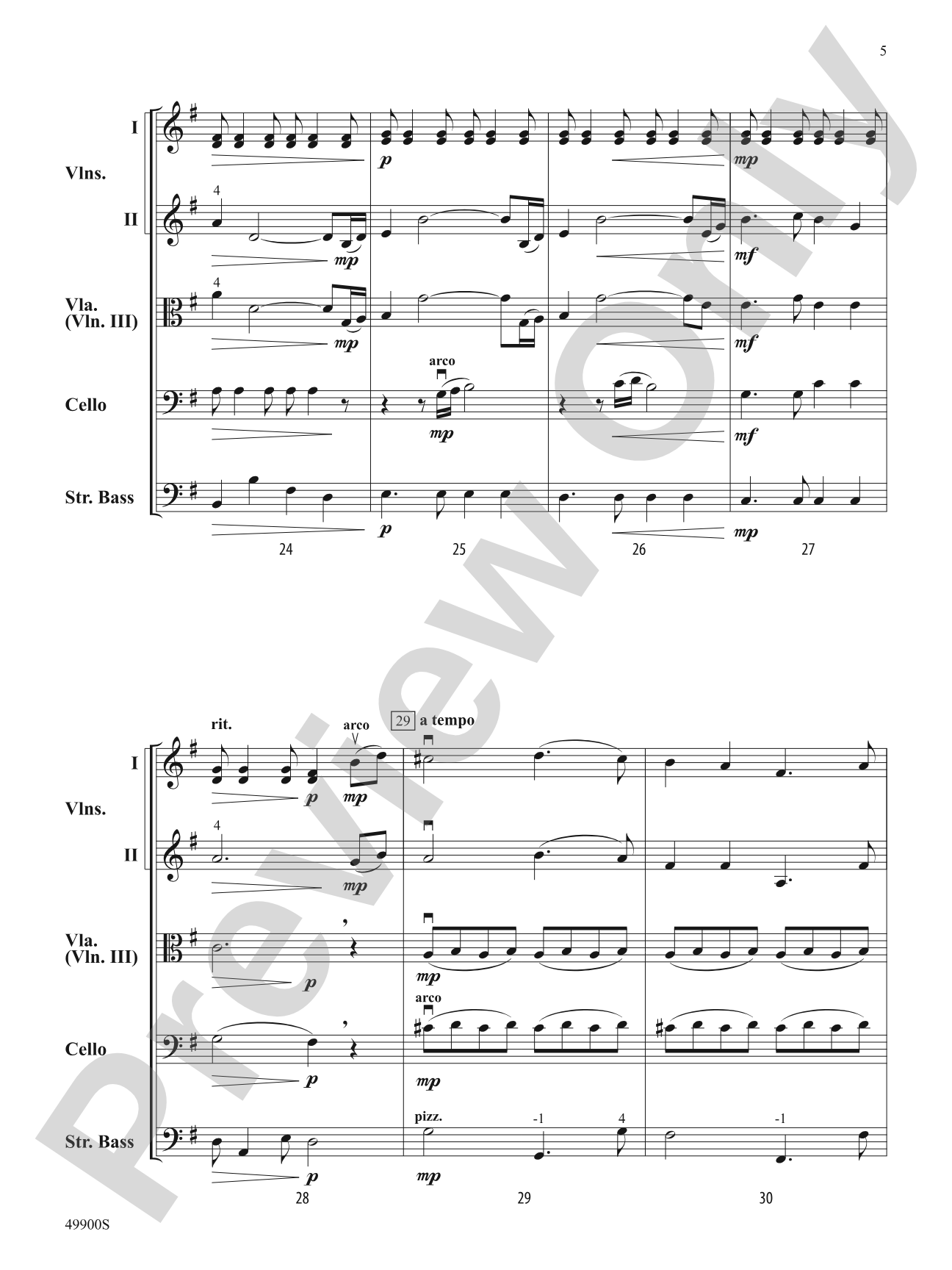
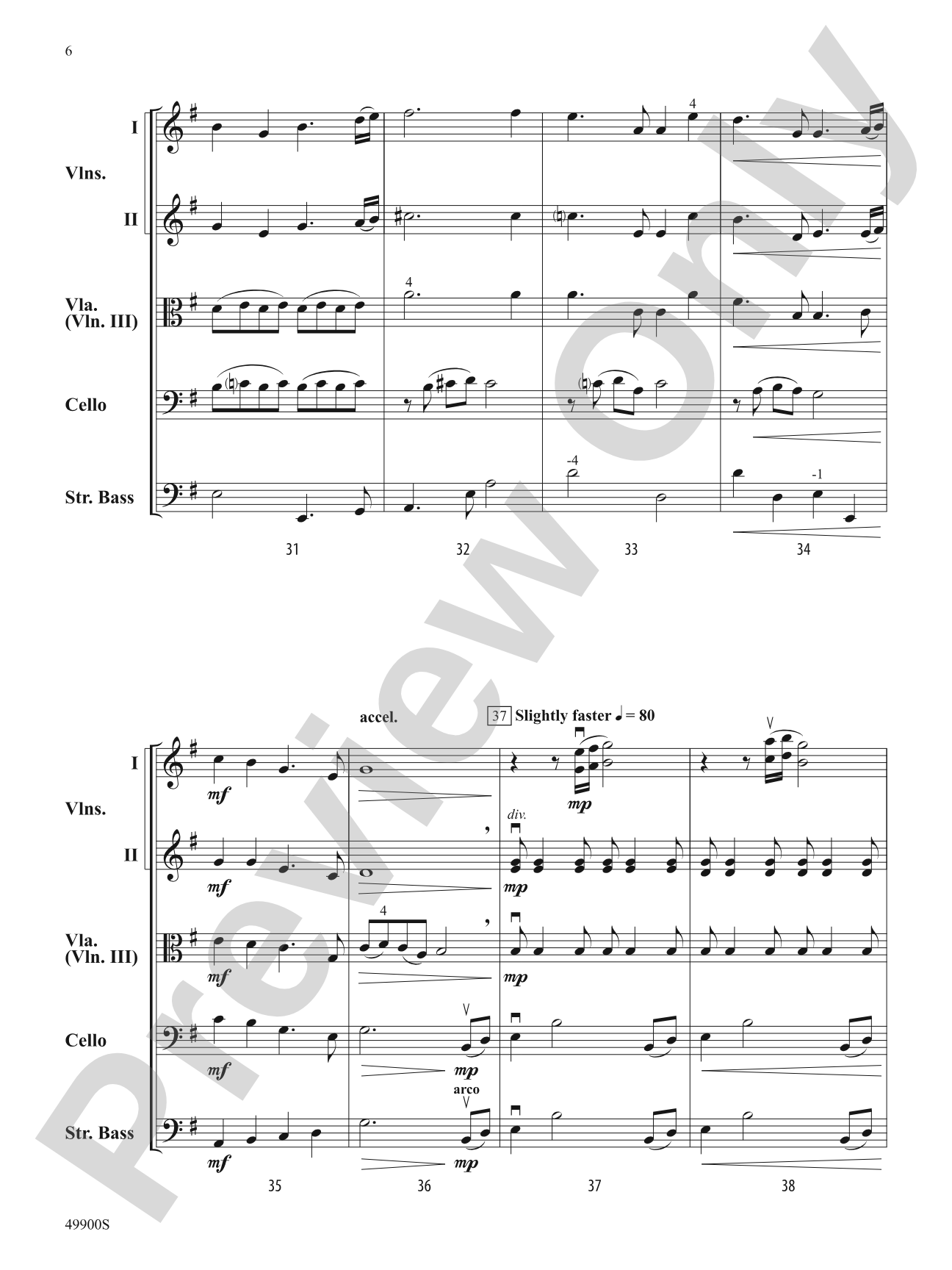
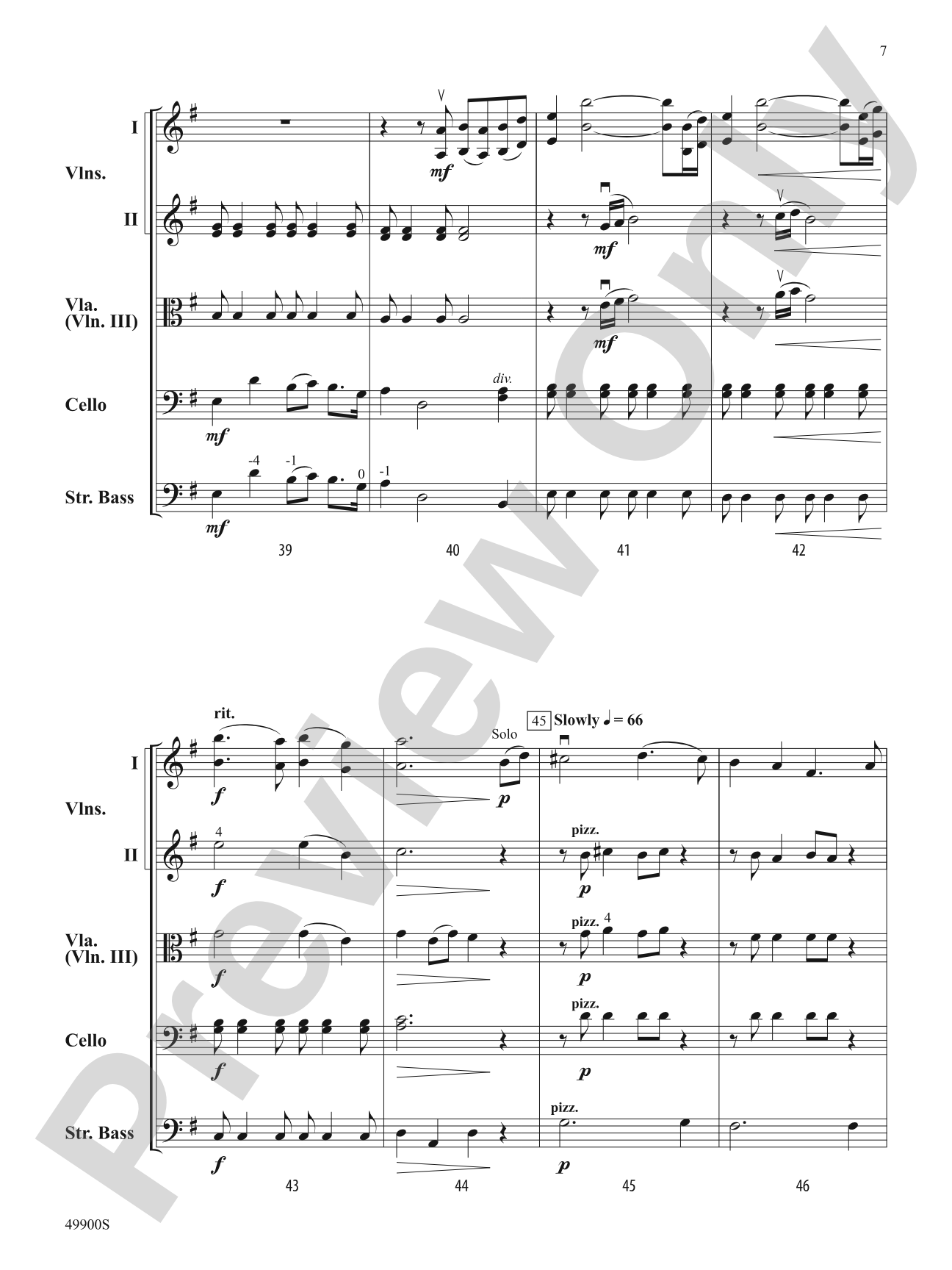
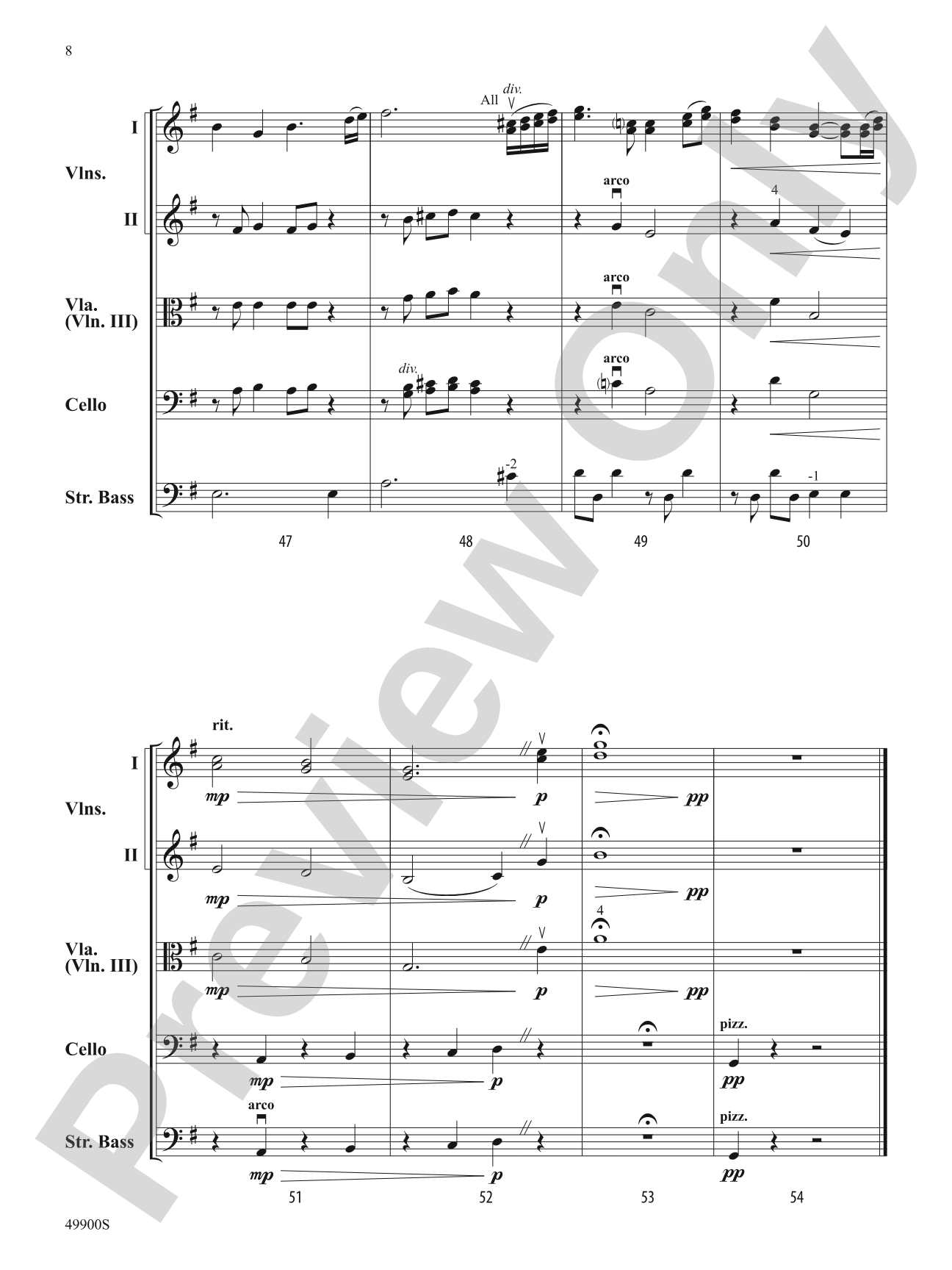

To the Moon and Back: Score
By Michael Kamuf
Grade: 2
Item: 00-PR-0007266
$10.00
Pickup currently not available
Description
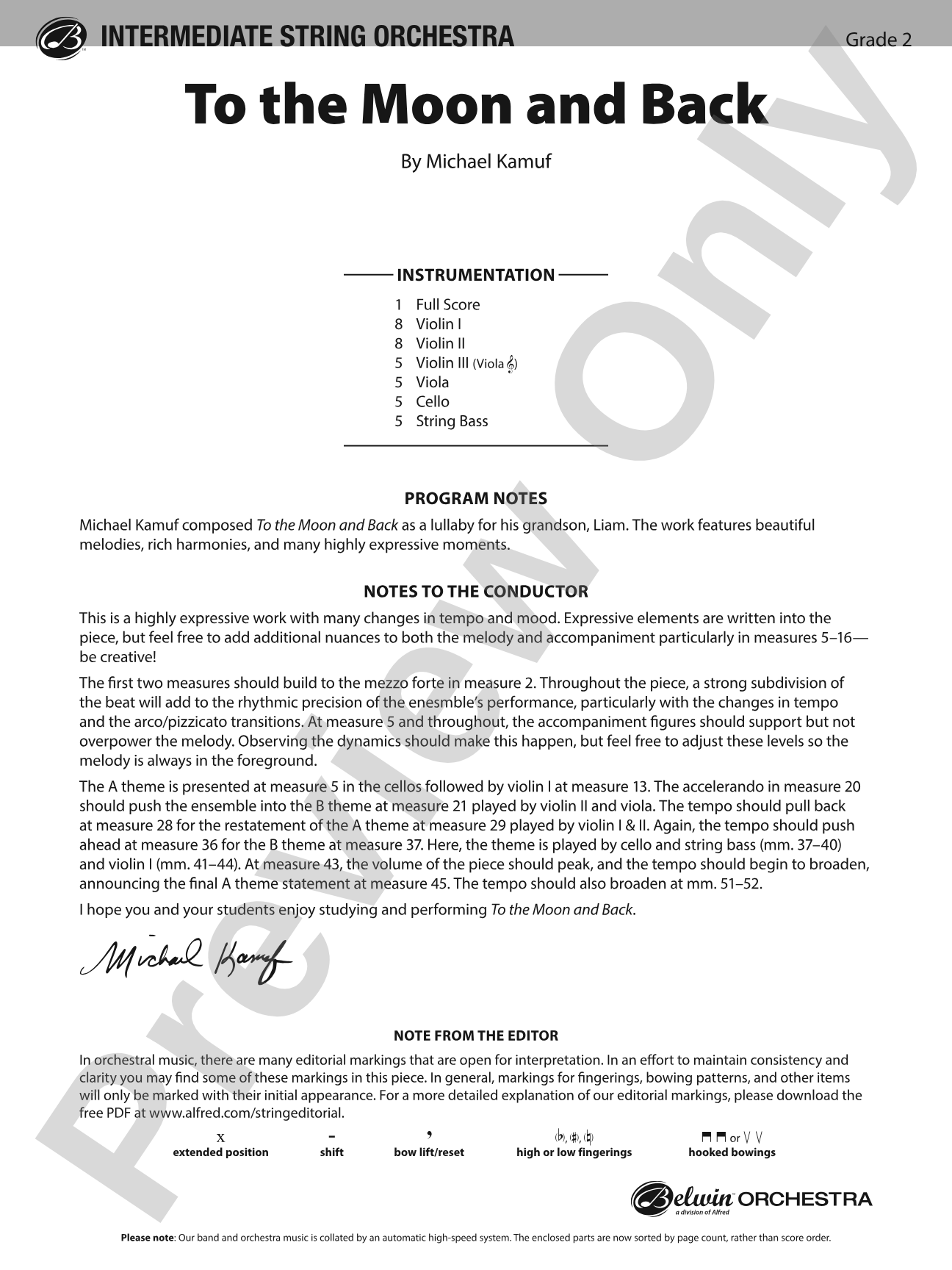
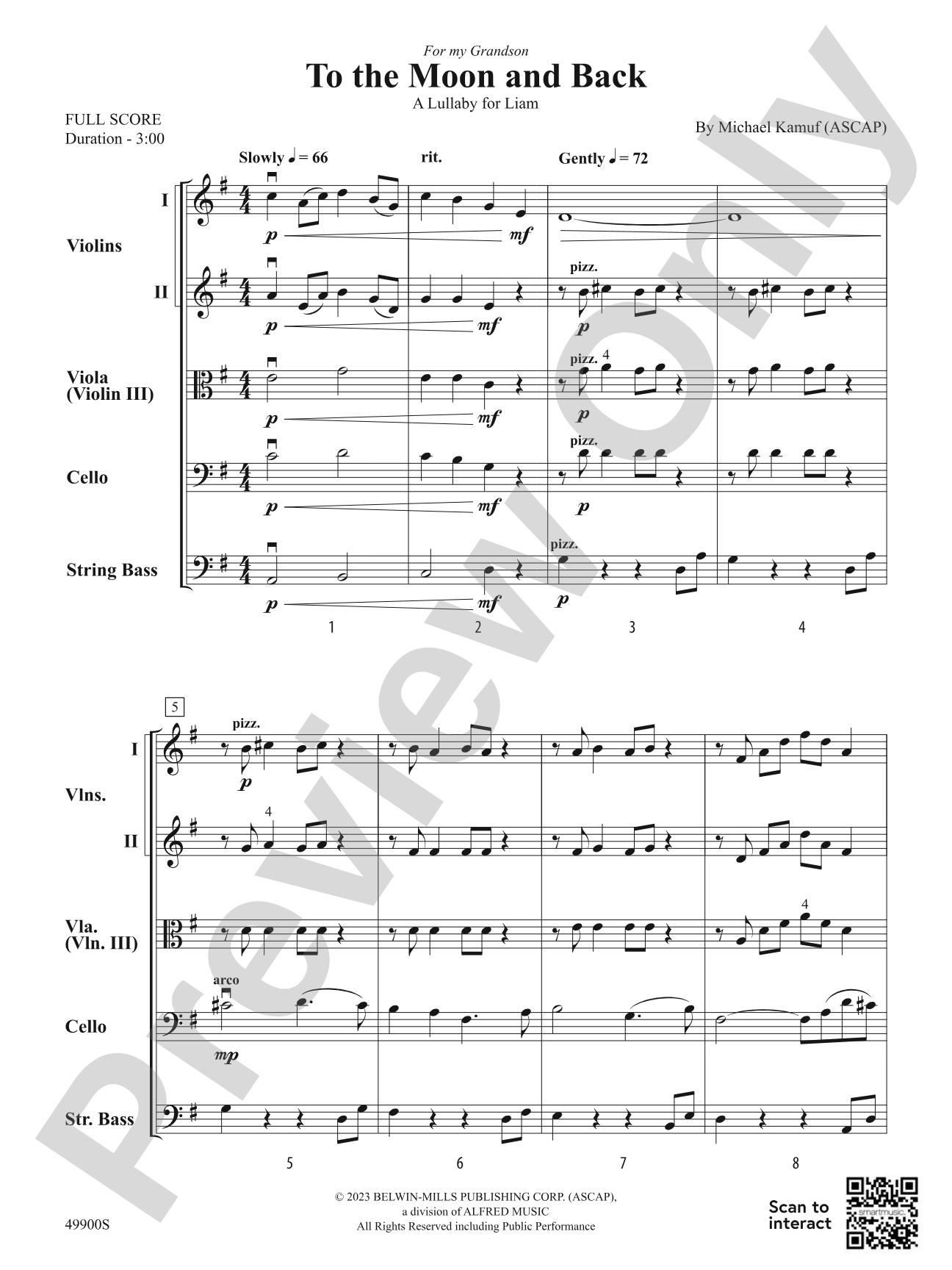
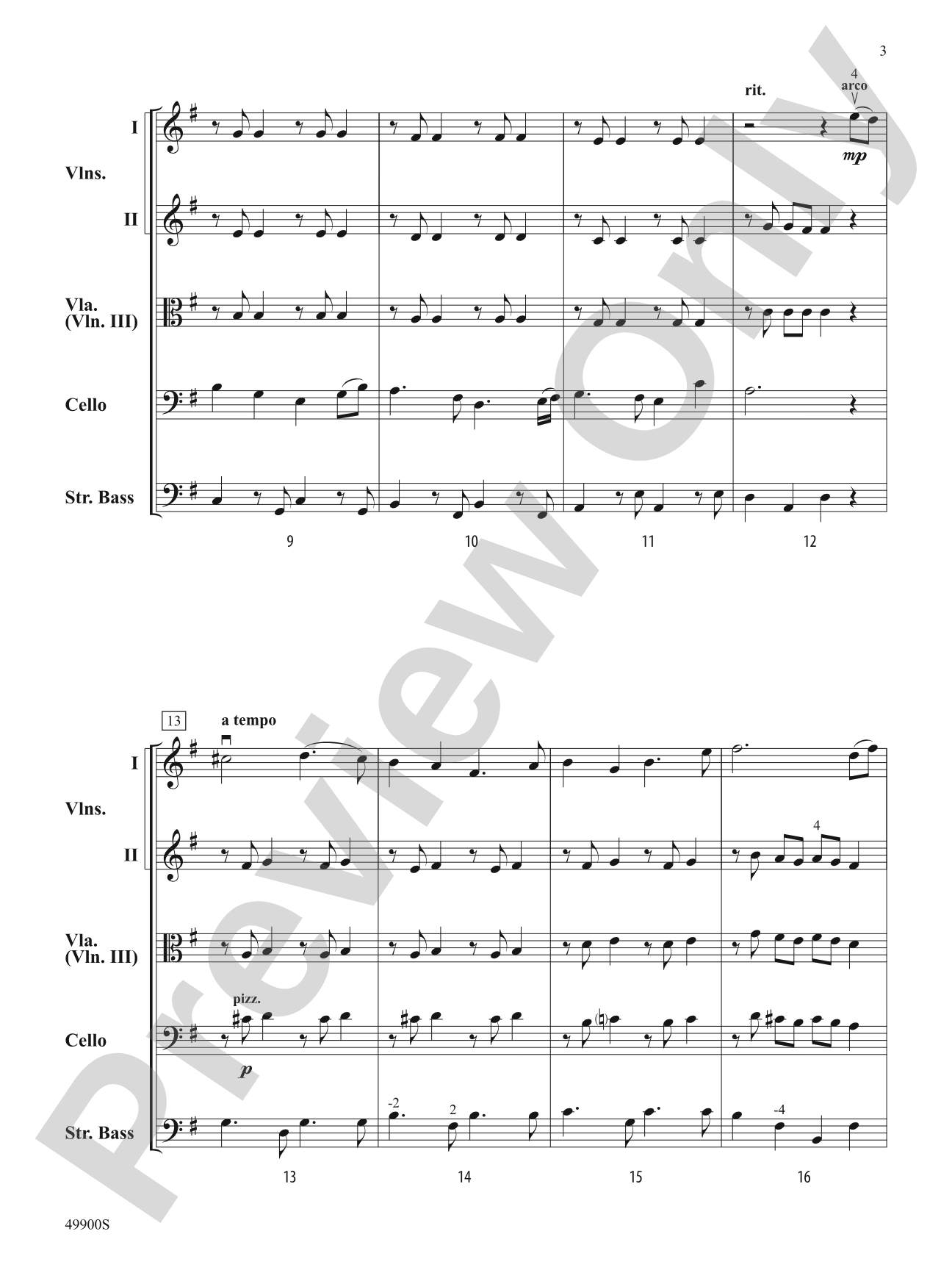
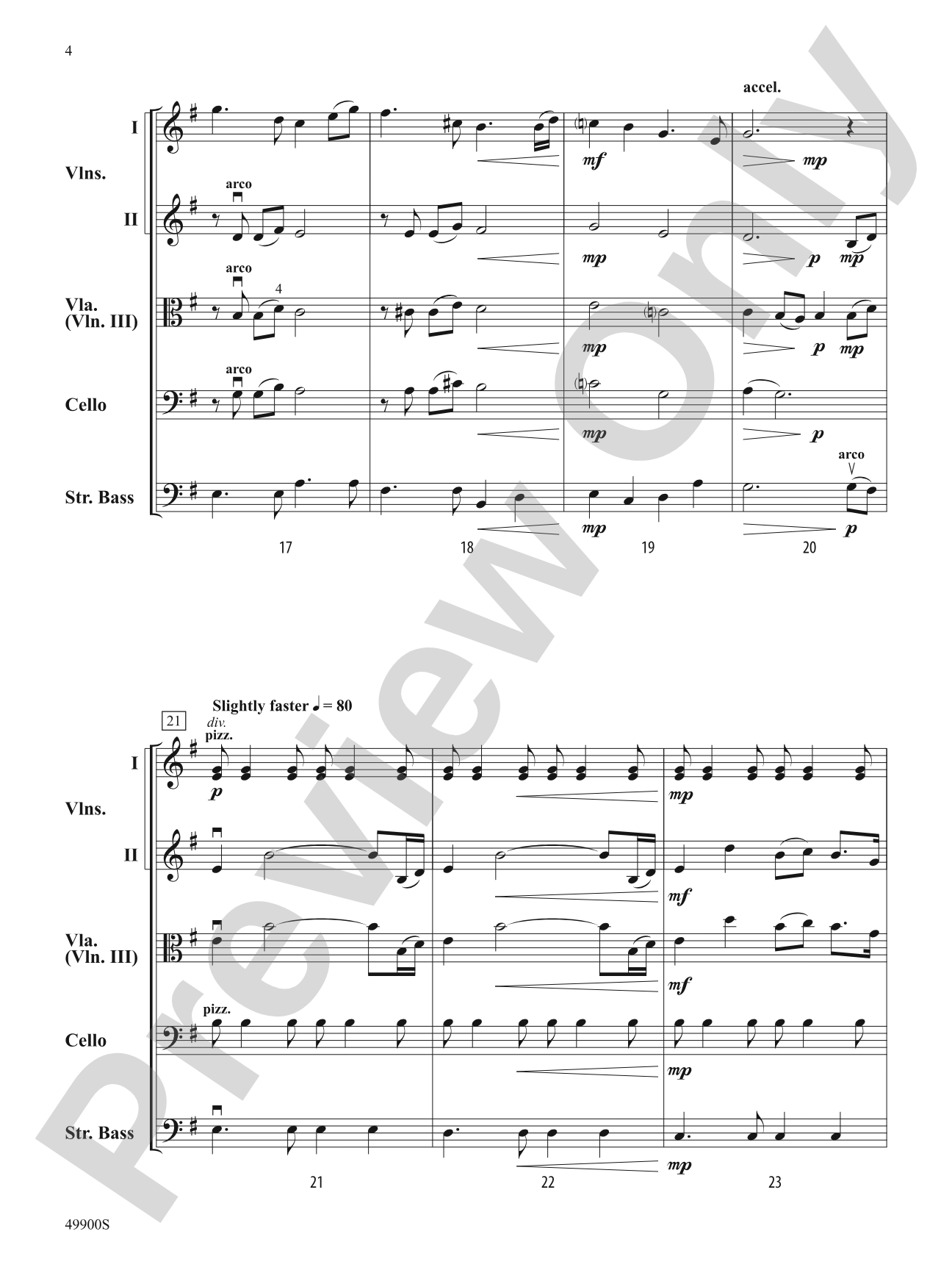
Beautiful melodies and rich harmonies make To the Moon and Back an excellent lyrical work for your young string orchestra. All sections will shine as melodic material is passed through the ensemble in this highly expressive piece by composer Michael Kamuf. An outstanding choice for concert and festival performances! (3:00)


Don't just read it, hear it, play along with it, and watch your students grow with it. In MakeMusic Cloud, To the Moon and Back: Score comes alive with professional accompaniment, adjustable tempo, and built-in practice tools that turn solo practice into real progress.
Open in the Player
Jump straight in and assign it today.
Start Your Free Trial
Open this title and explore the full library in minutes.
Sample Audio
1
Audio File
--:--
0:00
0:00
Sample Video
Additional Details
Series:
Belwin Intermediate String Orchestra
Publisher:
Alfred Music
SKU:
00-PR-0007266
More about this title
About the Composer: Michael Kamuf

Michael Kamuf earned Bachelor of Music degrees in Jazz Performance and Music Education from Youngstown State University's Dana School of Music and a Master of Arts in Instrumental Conducting from George Mason University. His compositions and arrangements have been performed by prestigious ensembles including the Woody Herman and Glenn Miller Orchestras, the USAF Airmen of Note, and the US Navy Commodores, as well as by notable soloists such as James Moody, Eddie Daniels, and Sean Jones.
Kamuf served as Director of Bands and Orchestras and Music Department Chairperson at John T. Baker Middle School in Damascus, Maryland for twenty-seven years, building programs that consistently earned high festival ratings and commissioned new works for young ensembles. An exclusive writer for Belwin/Alfred Music, he maintains over 100 publications across jazz, orchestra, and concert band catalogs. He currently leads the Mike Kamuf Little Big Band and has performed as assistant principal trumpet with the Youngstown Symphony Orchestra.
Why we love this
Kamuf crafted this piece with the specific reality of young string orchestras in mind: melodic material rotates through sections so everyone experiences moments in the spotlight rather than sitting on accompanimental figures for three minutes. The harmony is sophisticated enough to hold interest during rehearsal but never demands the technical precision that derails young players' confidence.
What to expect
Lyrical and imaginative, with a sense of wonder that the title suggests. Rich harmonic textures create emotional depth, while passing melodic material keeps the piece moving and engaging rather than meditative.
Who it's for
Grade 2 string orchestras ready for expressive, programmatic literature without excessive technical demands. This works equally well for ensembles preparing for festival competition or building concert programs that showcase growing musicianship.
How to get the most out of it
- Balance the melodic line carefully as it passes between first violins, second violins, and violas. Mark entrances in rehearsal so each section knows when their moment arrives and can shape the phrase distinctly.
- Let your ensemble breathe with the phrasing rather than subdividing mechanically. Young players respond well to conducting in the longer line, which also encourages legato bow work across smaller note values.
- Shape dynamics gradually during the harmonic sections to avoid sudden shifts that interrupt the flow. Use your rehearsal time to establish a shared sense of the swell and release across all five parts.
- Work the rhythmic precision of the lower strings early in rehearsal so the ensemble can relax into the lyricism of the upper voices without losing structural support.
How to use it
Program this as a concert anchor that demonstrates your orchestra's ability to sustain phrasing and balance. Its three-minute length makes it ideal for festival competition or as a contrasting piece between lighter selections and more rhythmically driven works.
Skills your students will build
- Sustaining long phrases across multiple measures without losing tone quality
- Tracking and responding to melodic lines passing between instrumental sections
- Balancing harmony voices underneath primary melodic material
- Shaping dynamic contours expressively within a Grade 2 technical framework
- Building awareness of orchestral texture and color through harmonic layering