

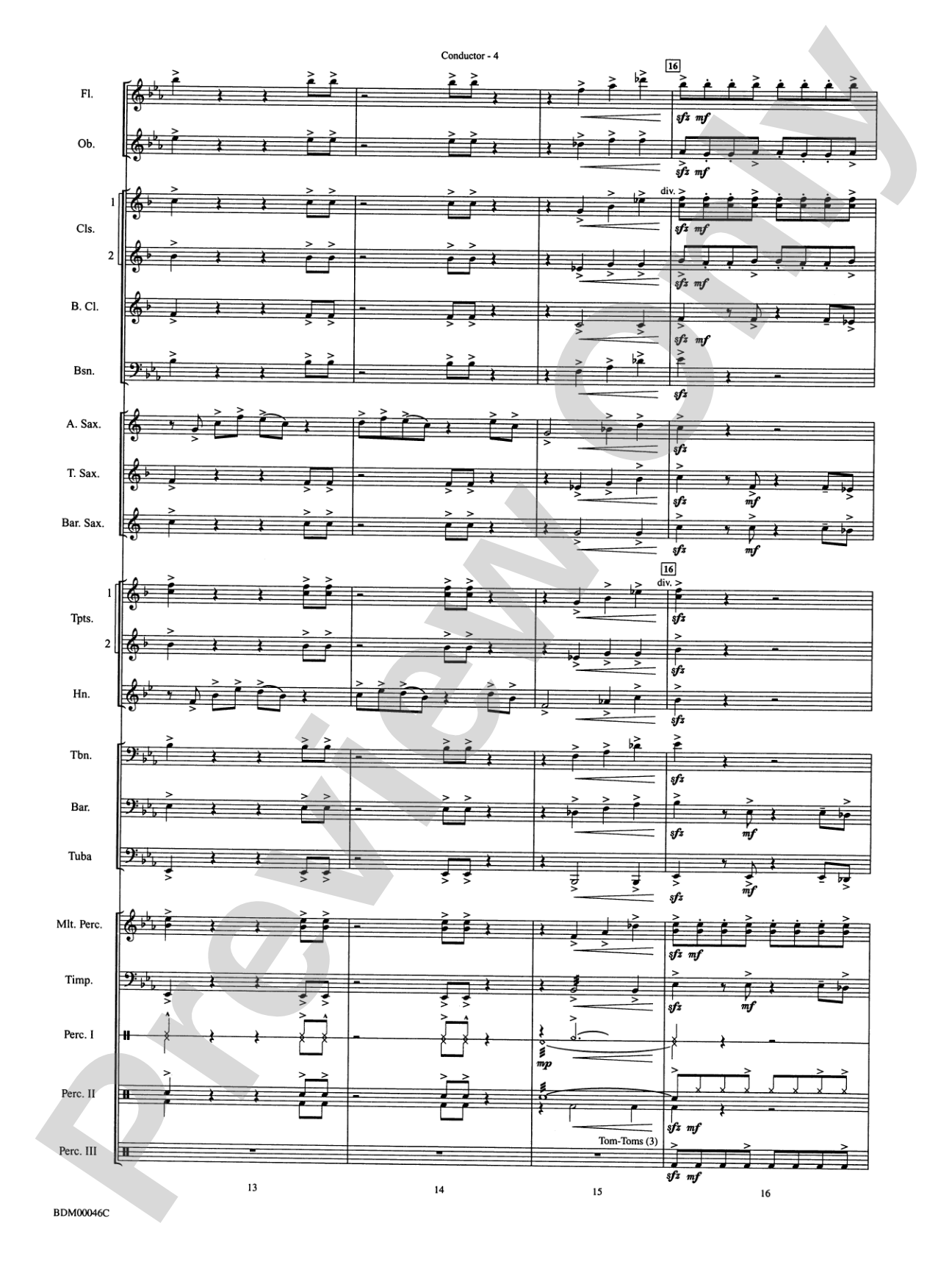
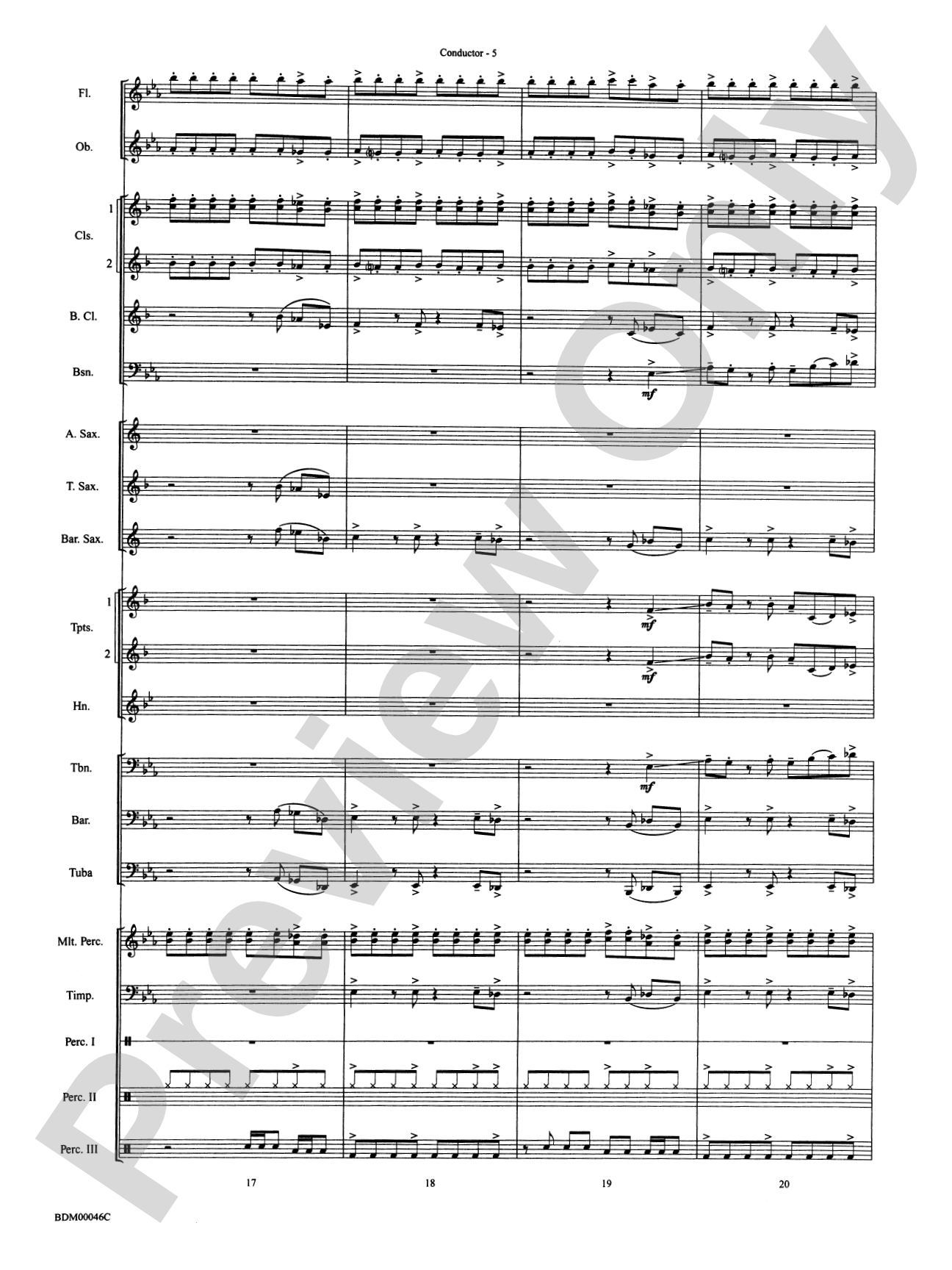
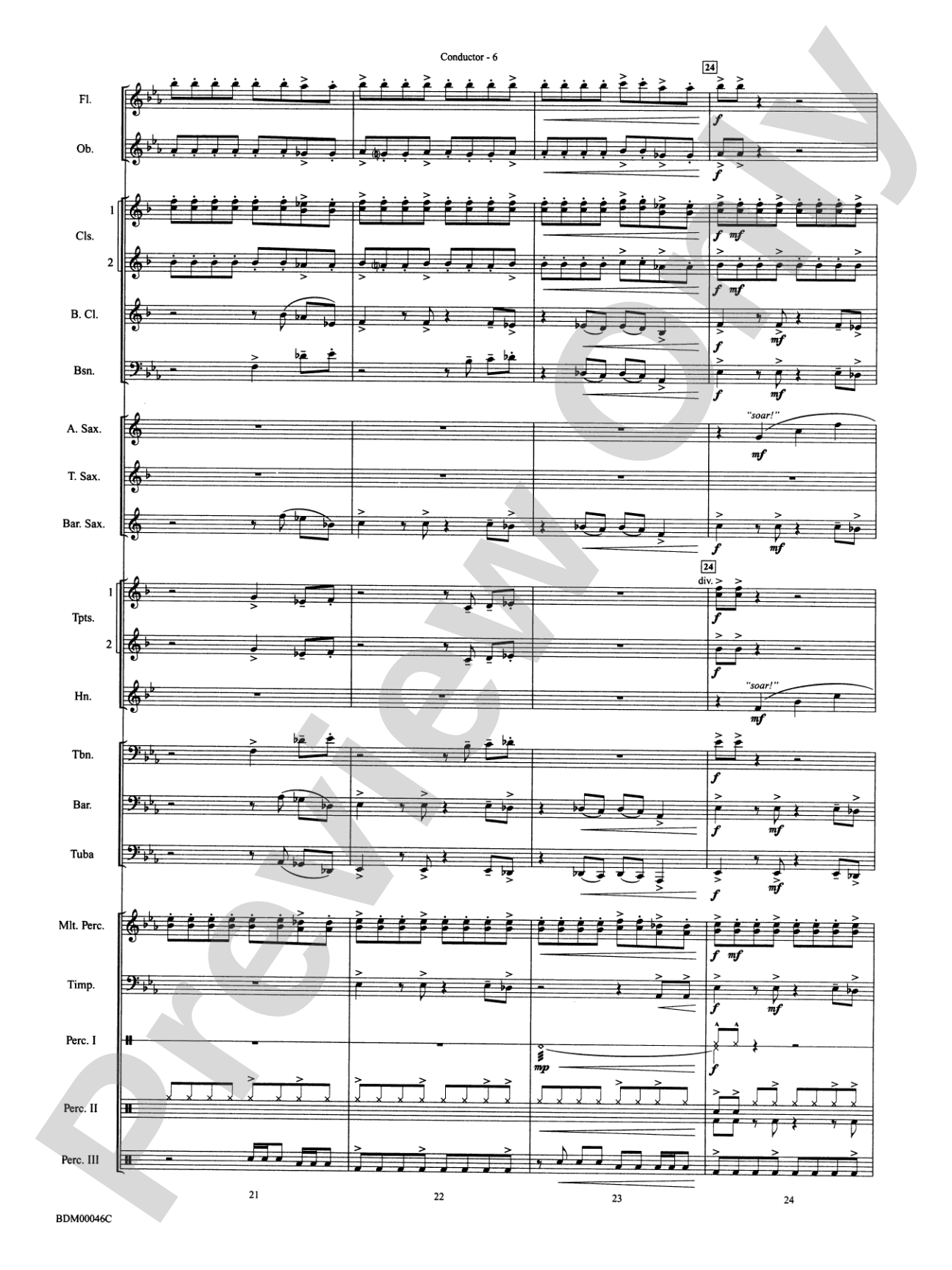
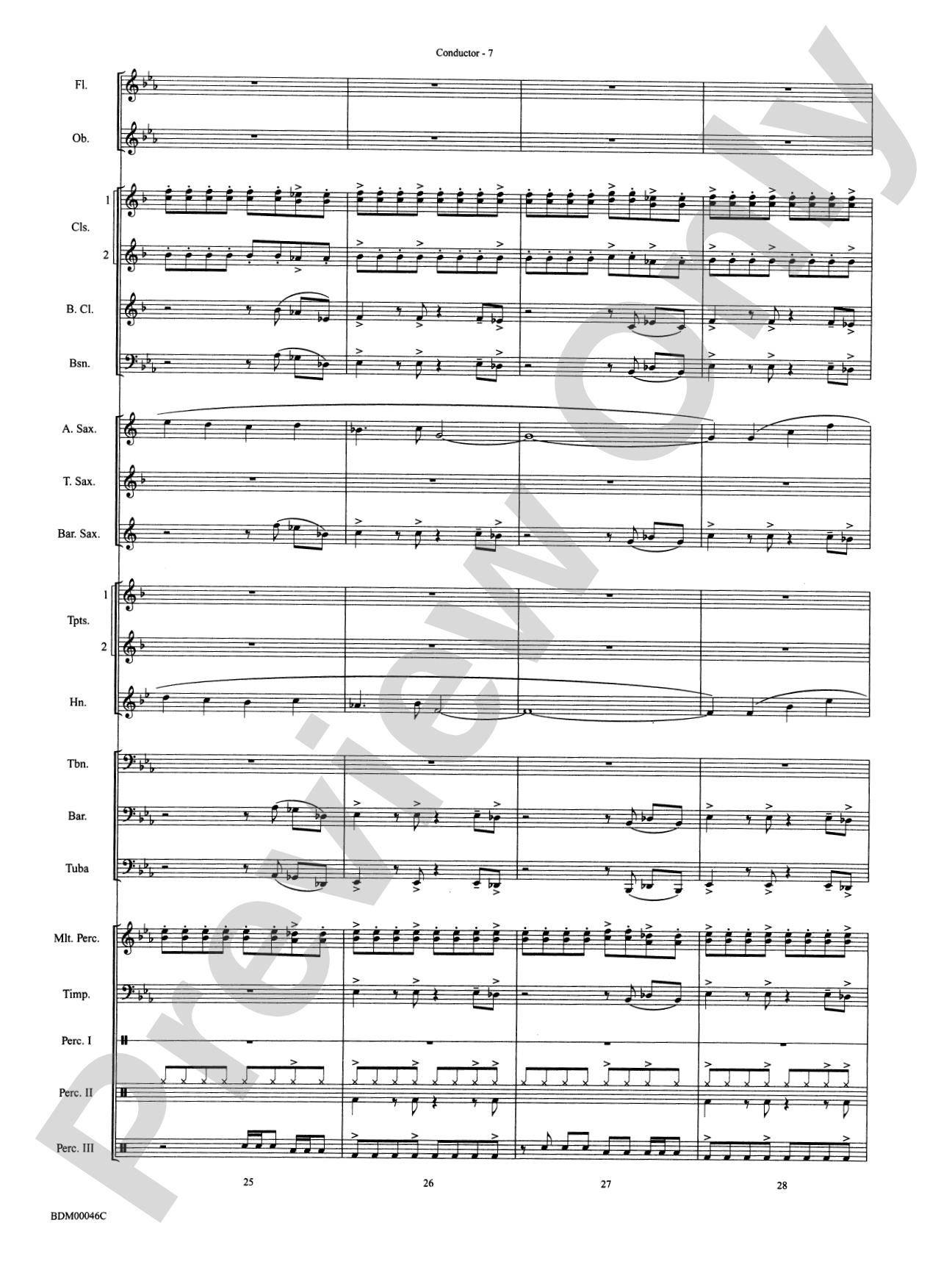
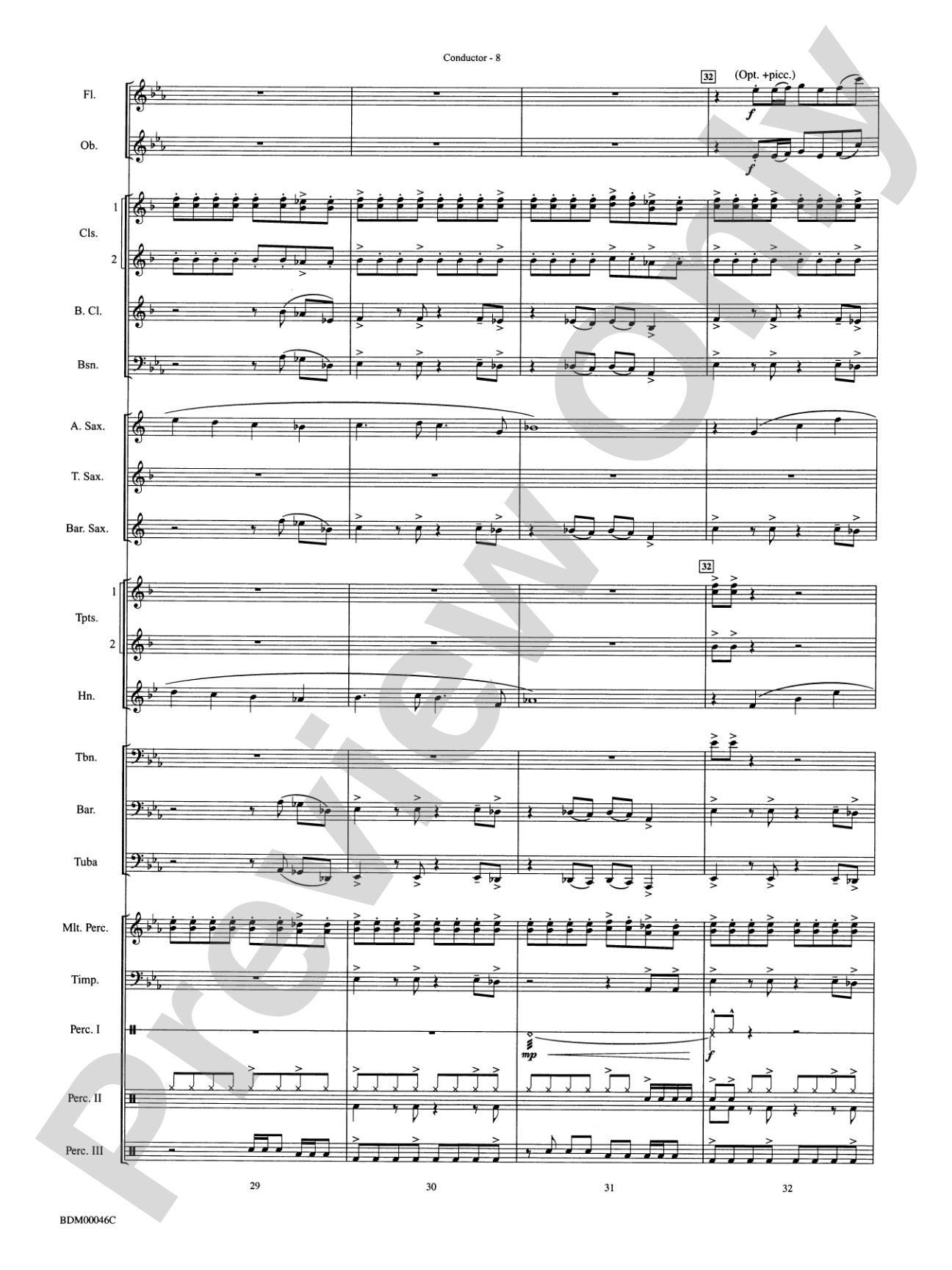
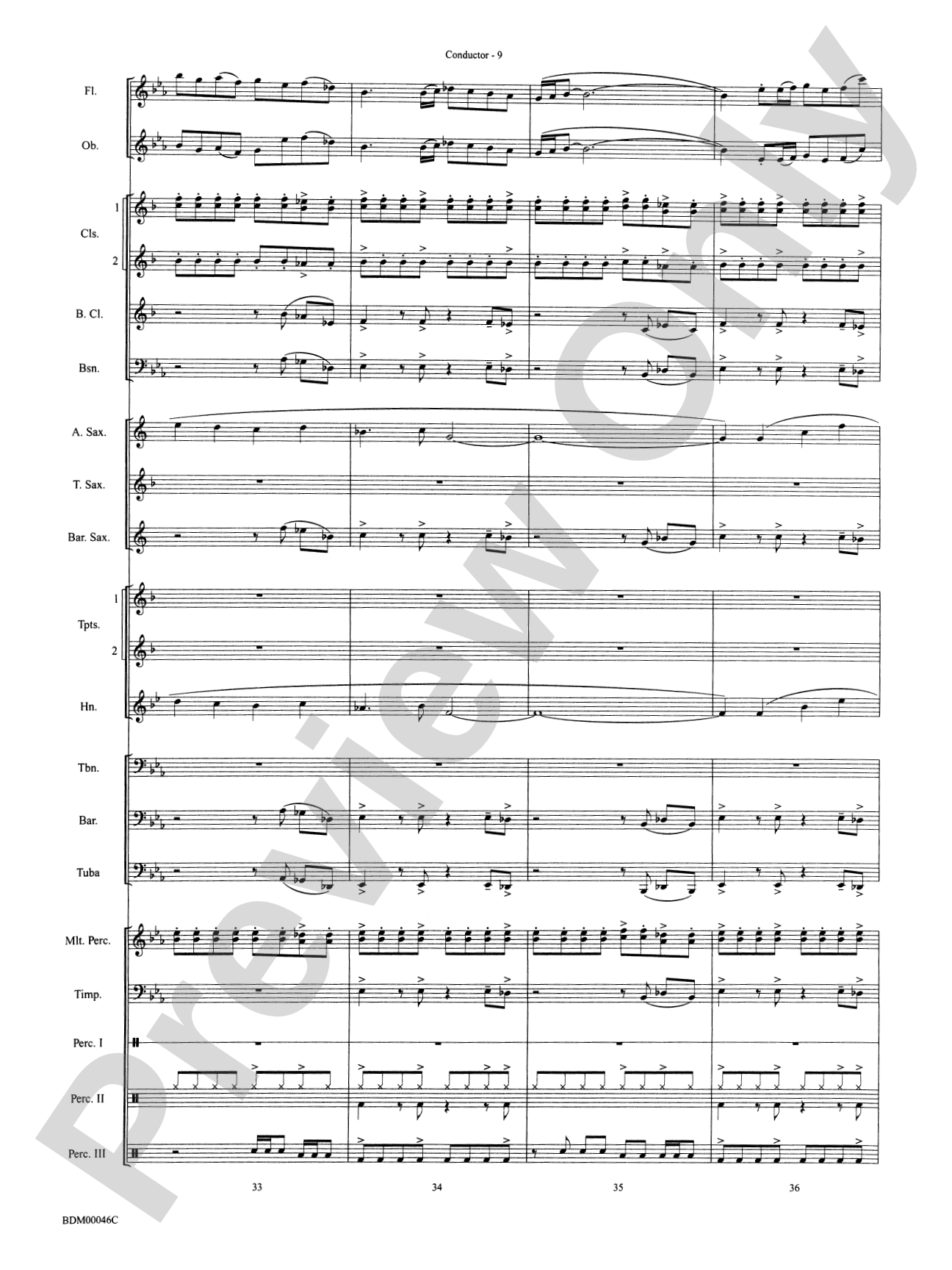
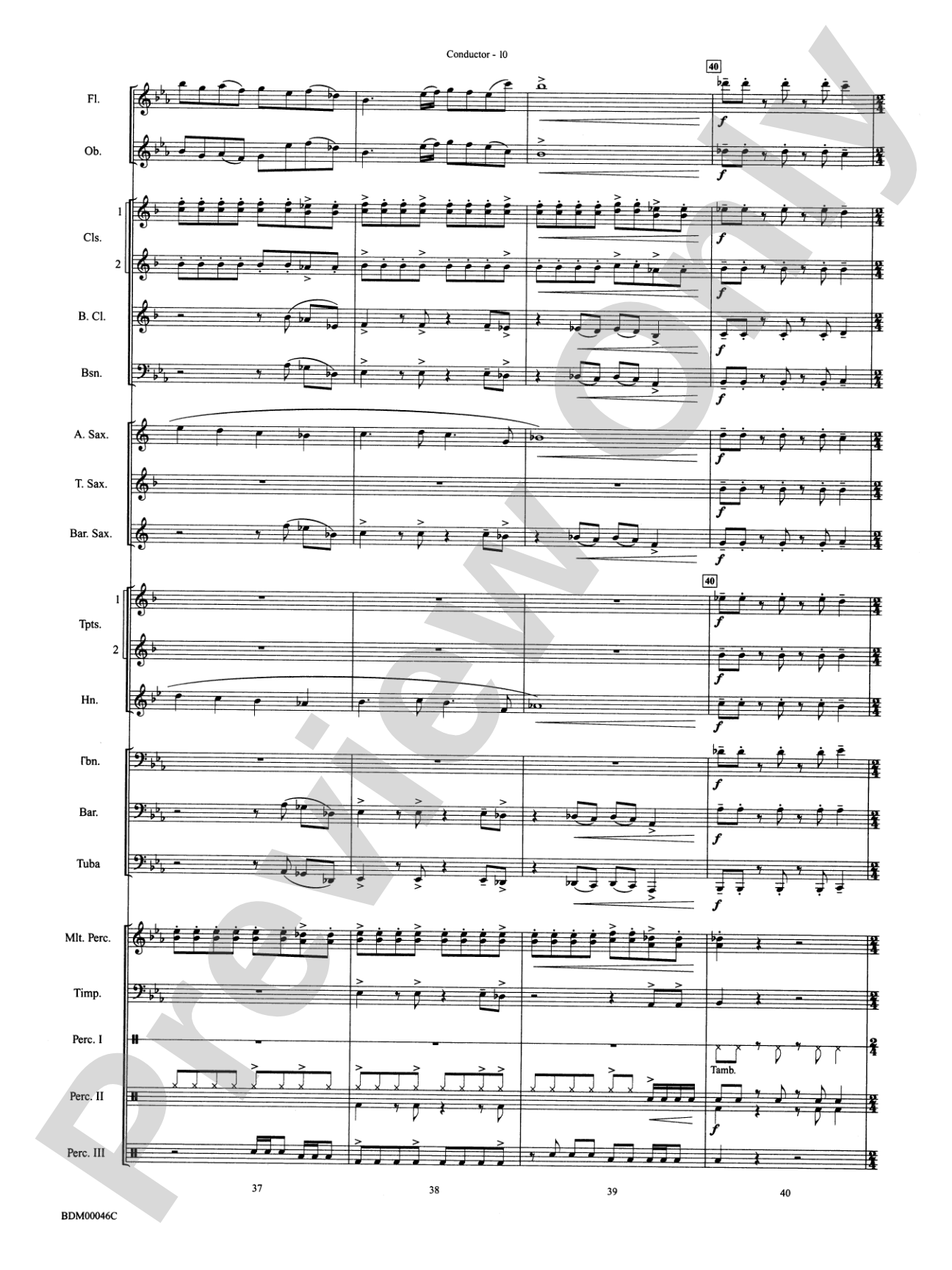
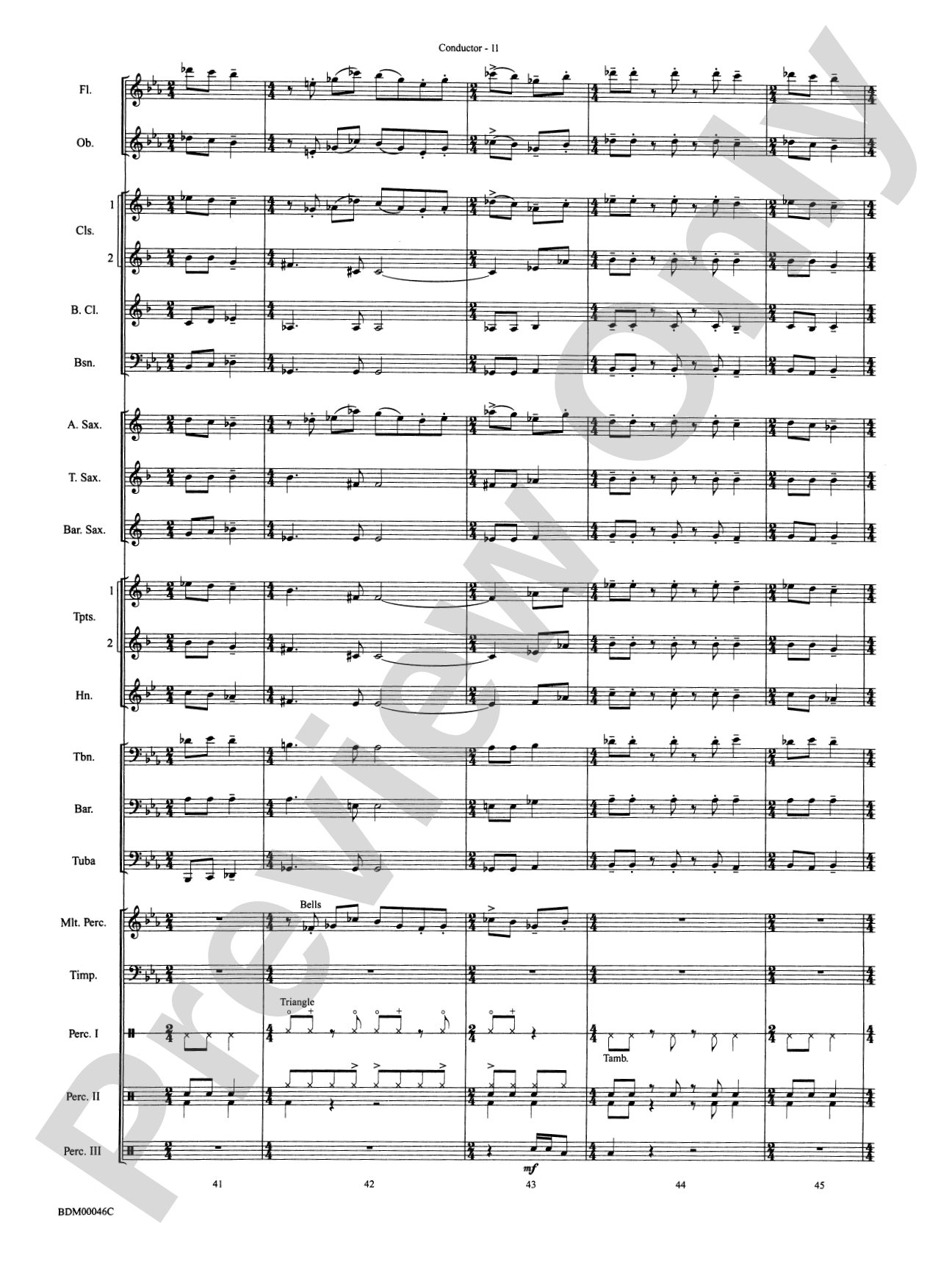
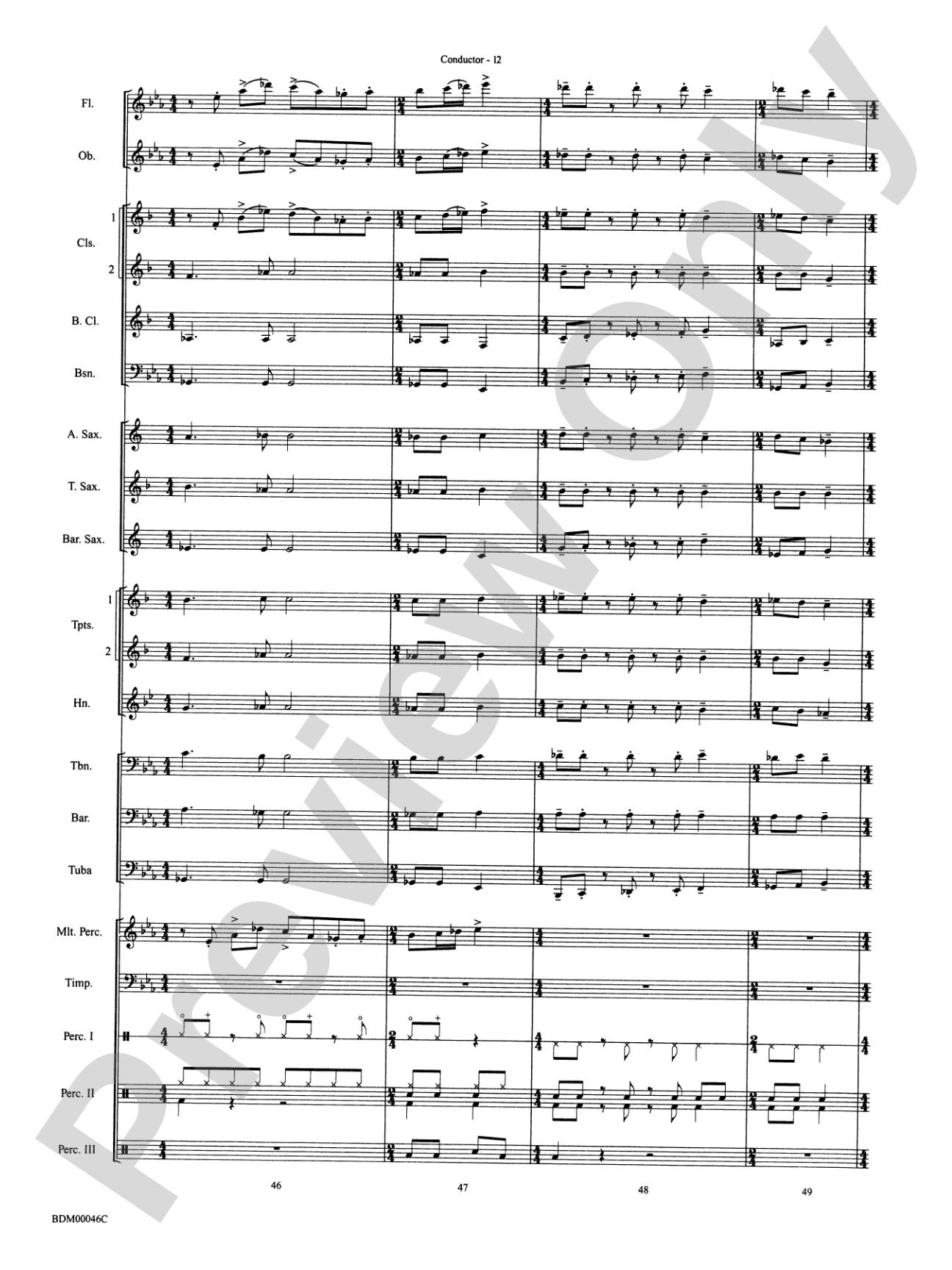
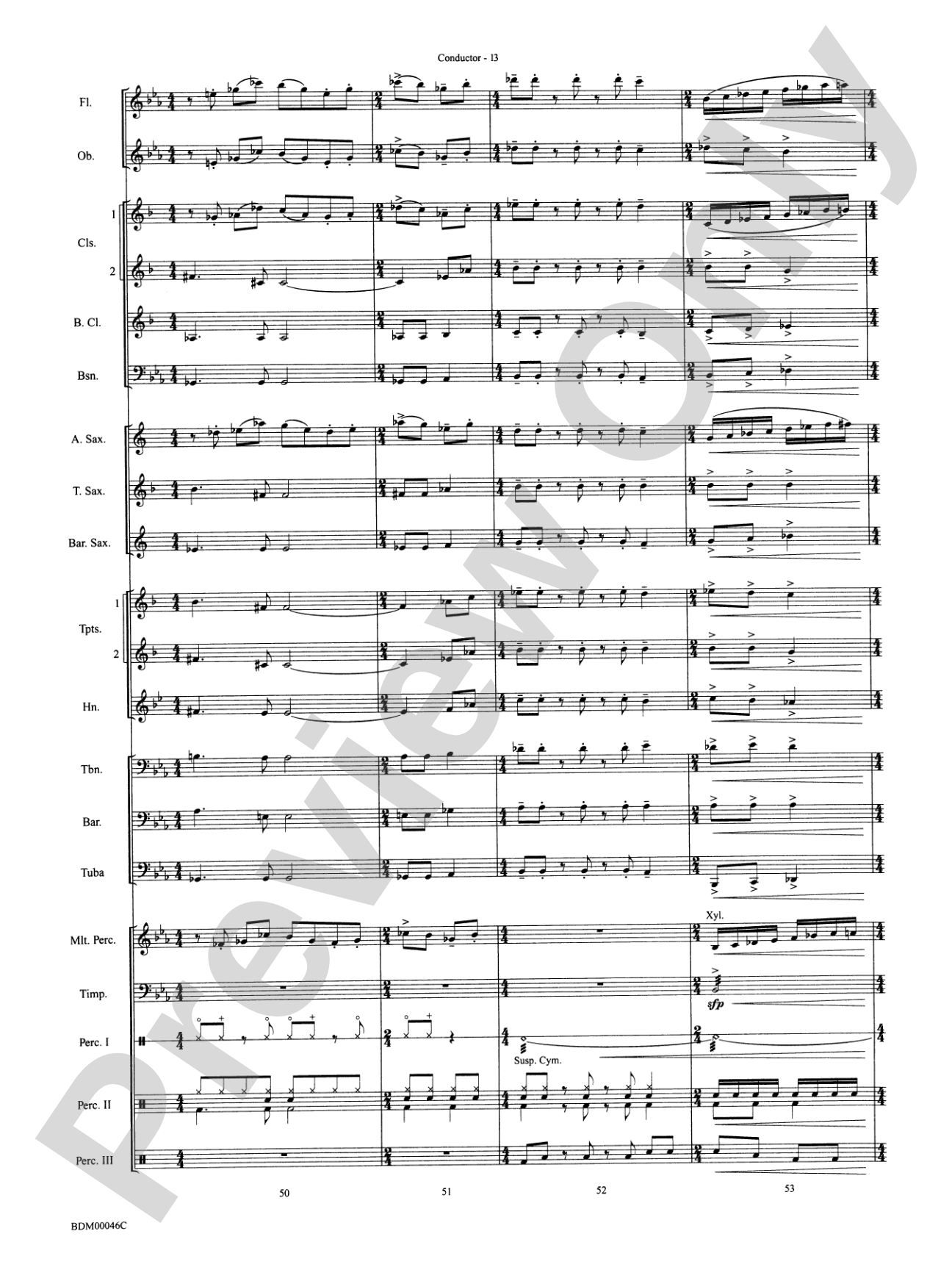
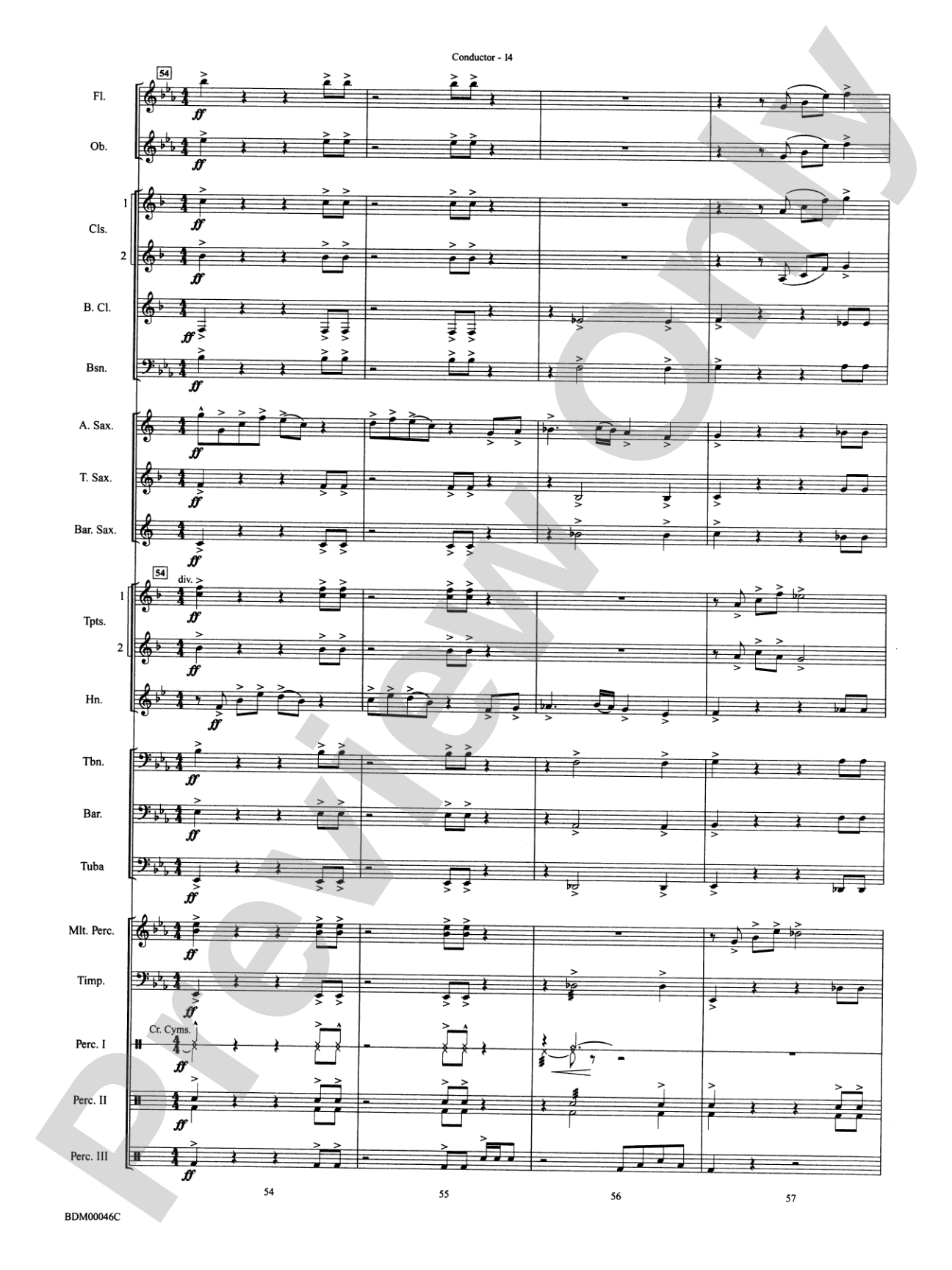
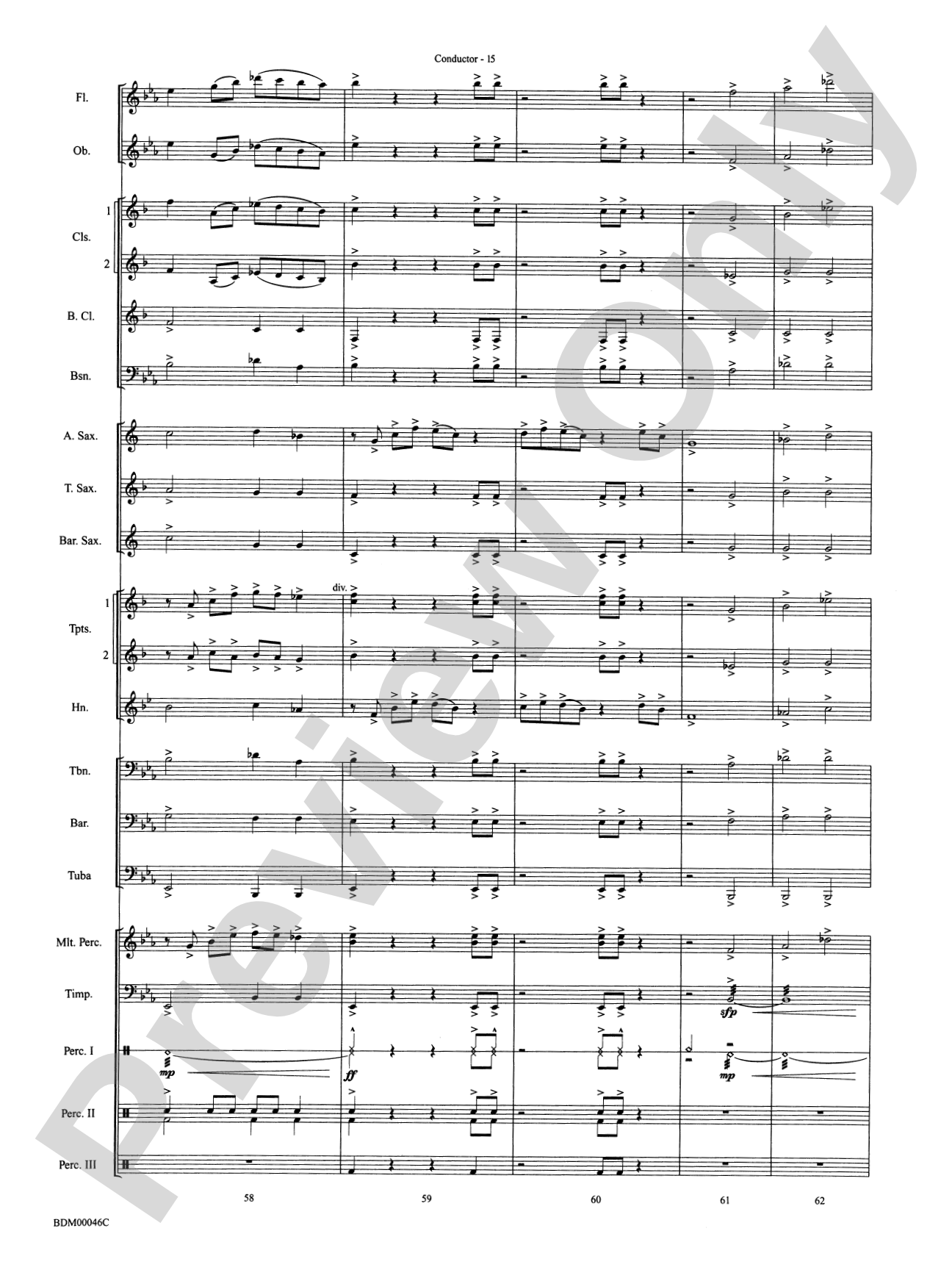
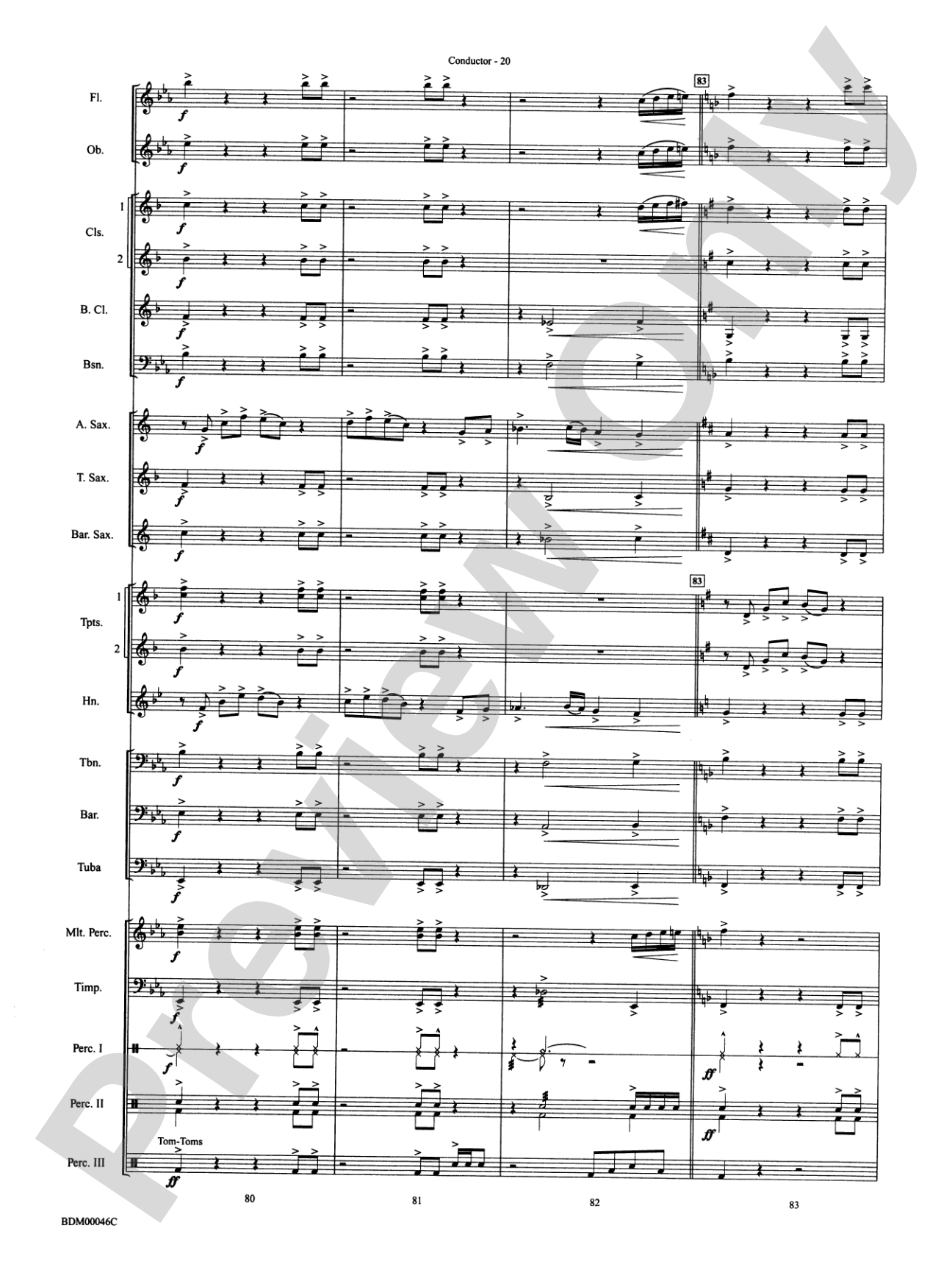
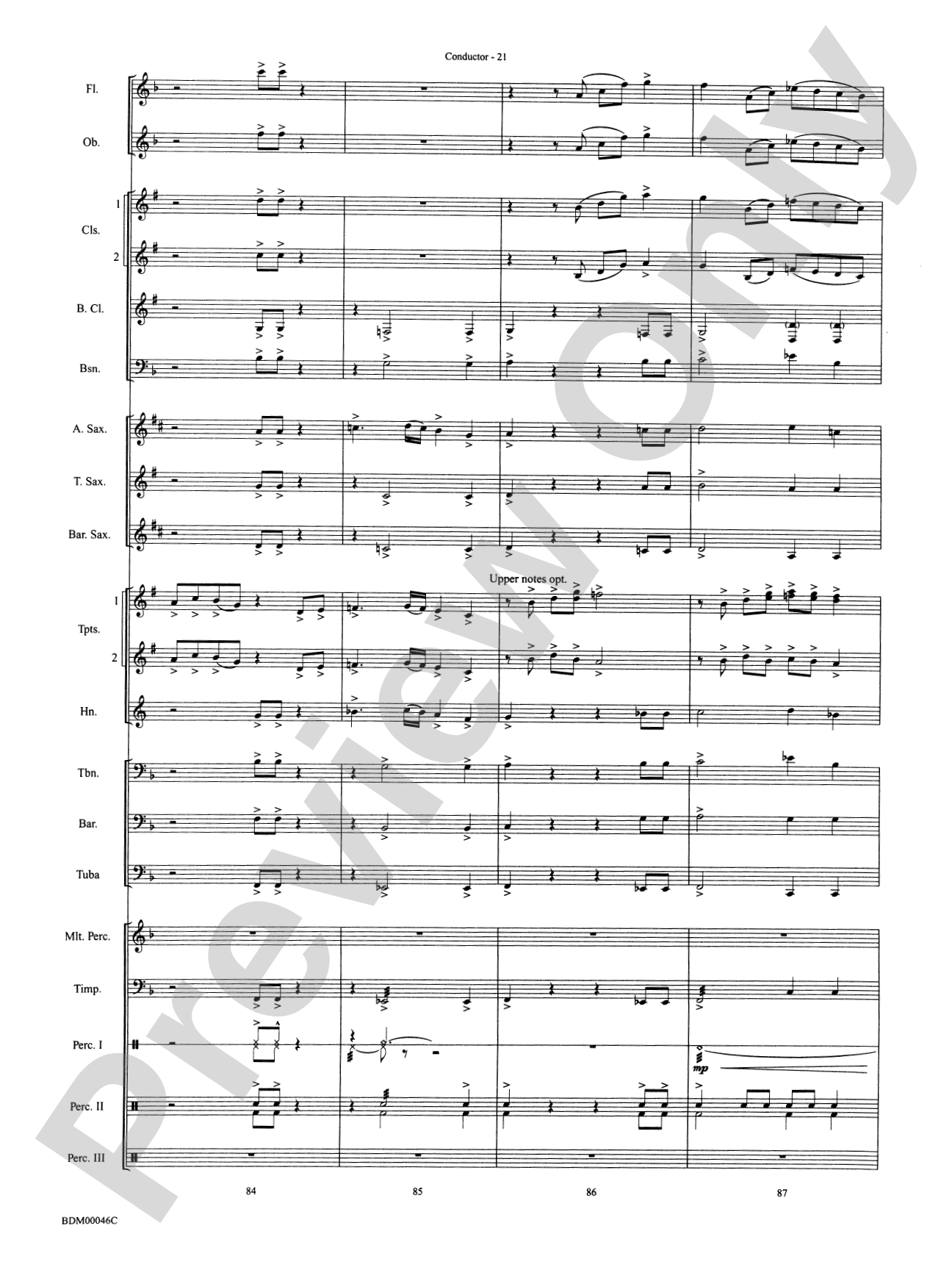
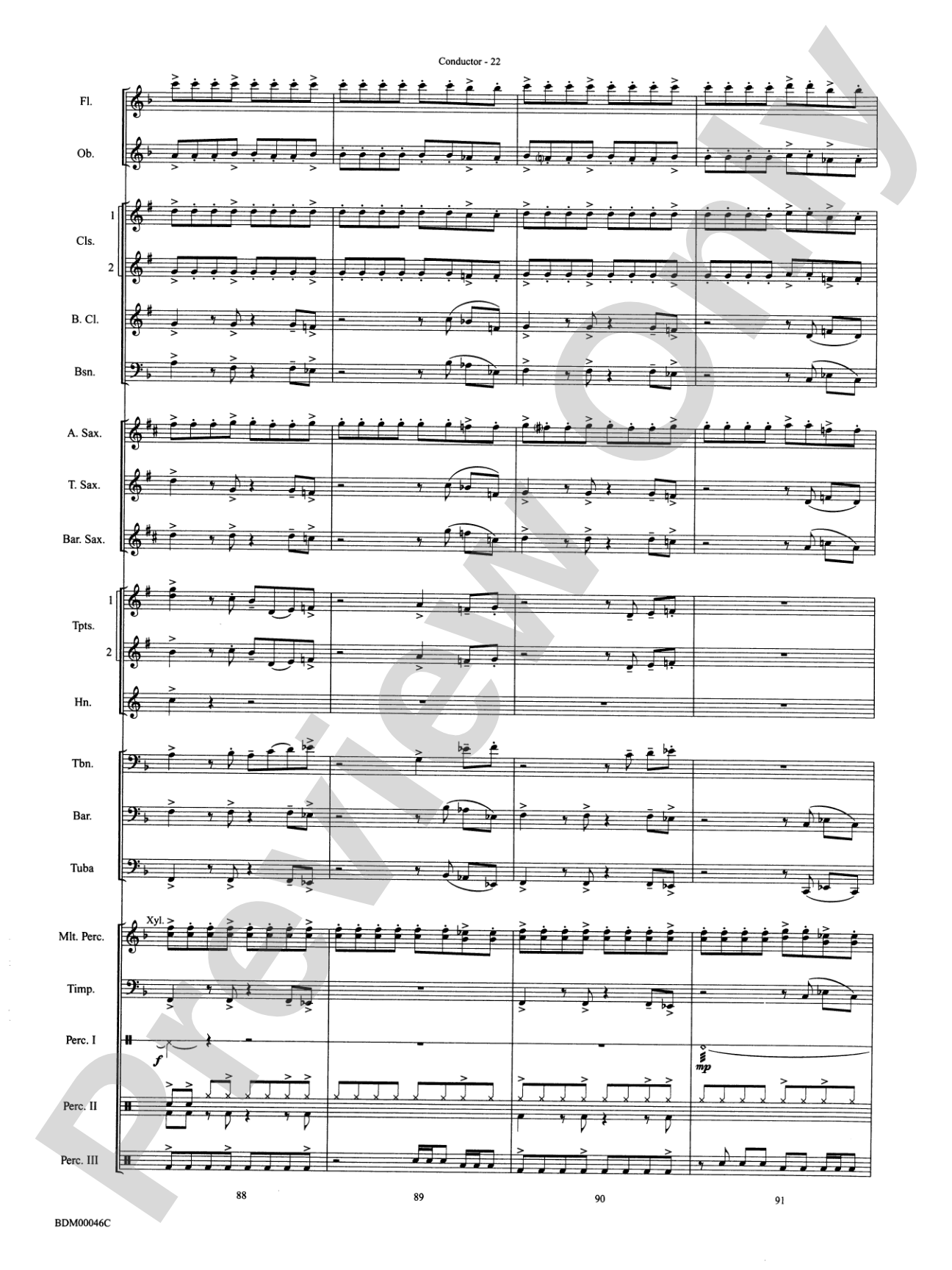
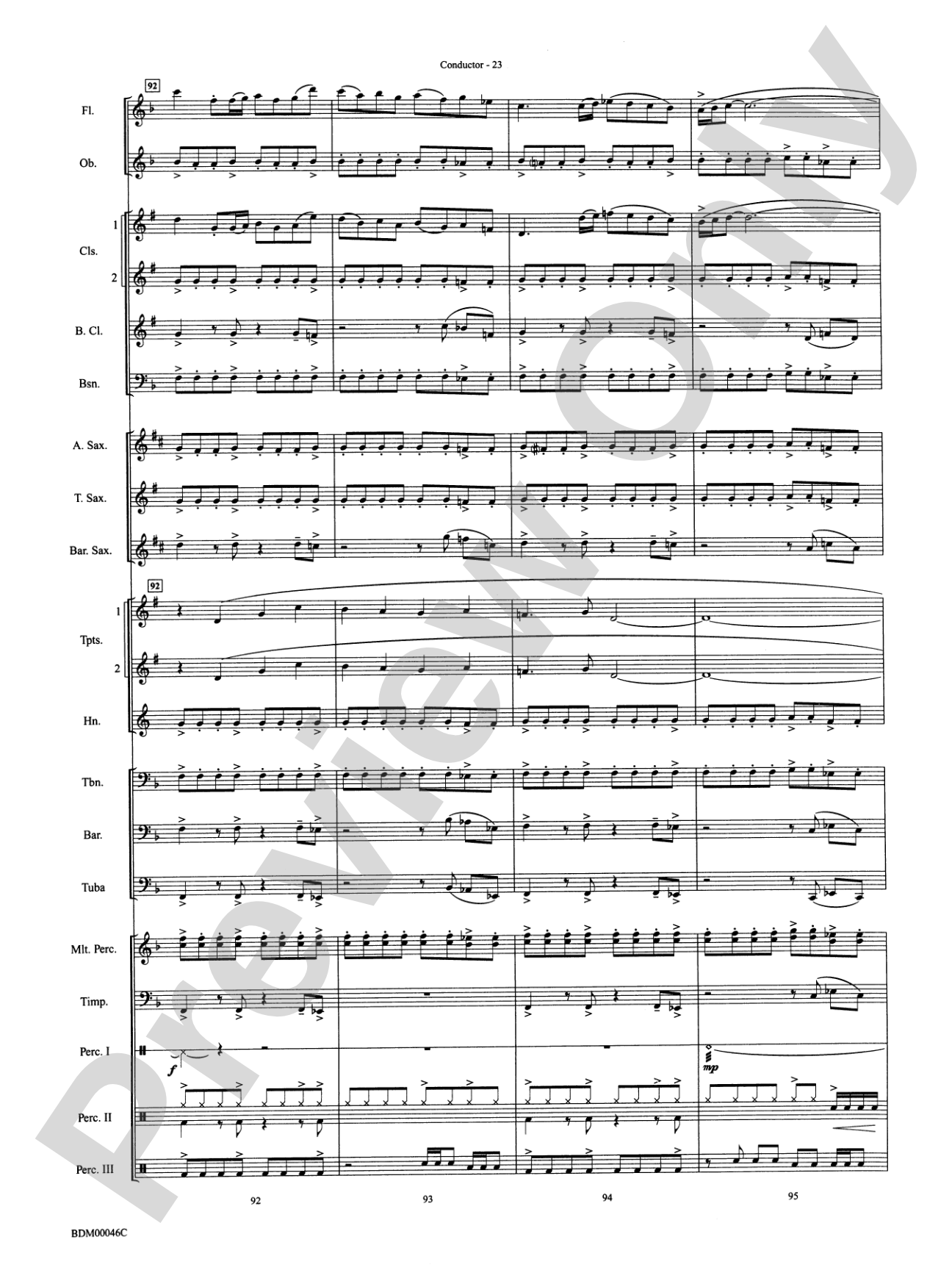
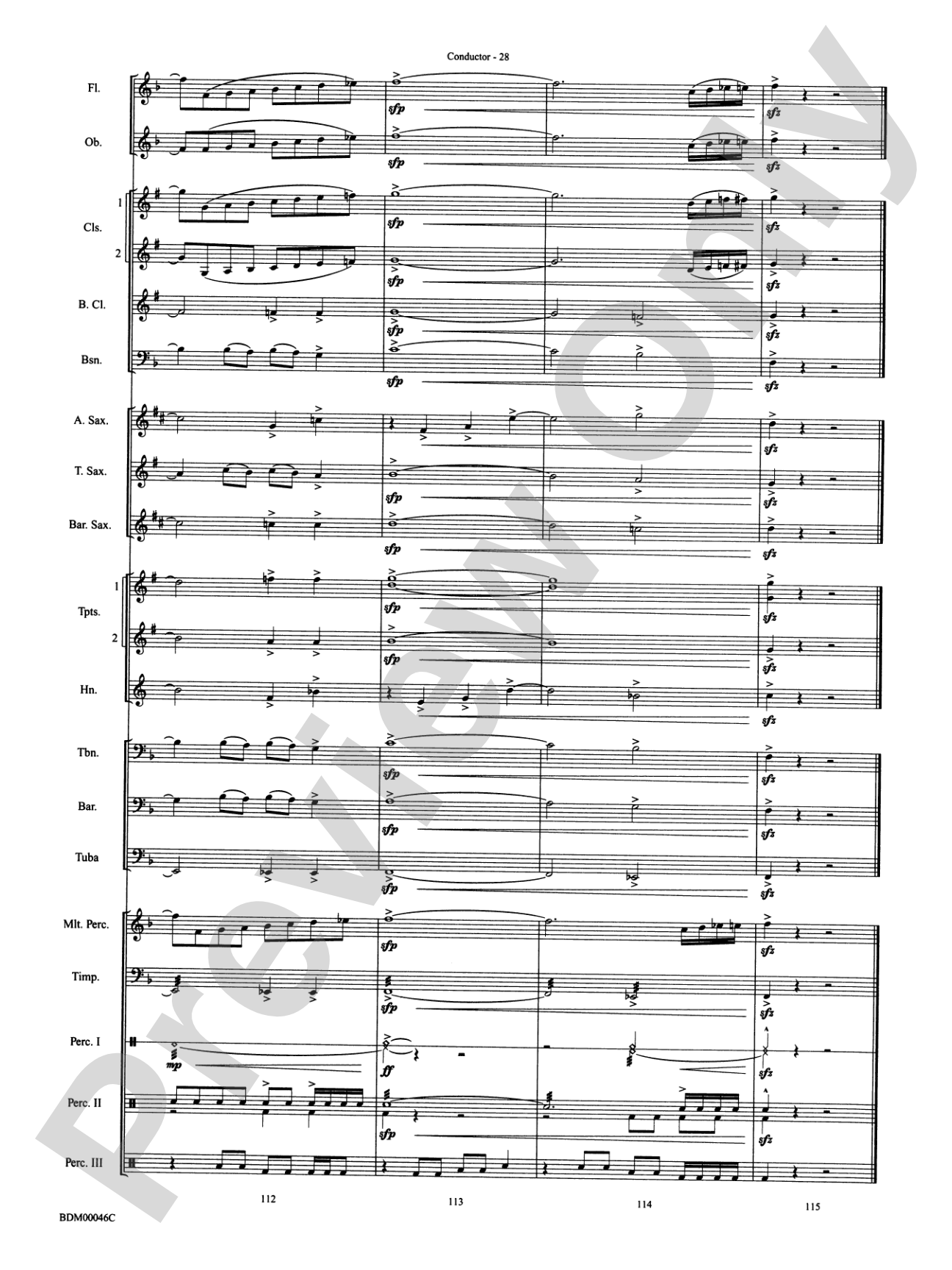



To Forge the New Frontier: Concert Band Conductor Score & Parts
By Ralph Ford
Grade: 2 (Easy)
Item: 00-PK-0002151

$62.00
Pickup currently not available
Buy Extra Parts (Digital PDF Download)
Parts Added to Cart!
Description
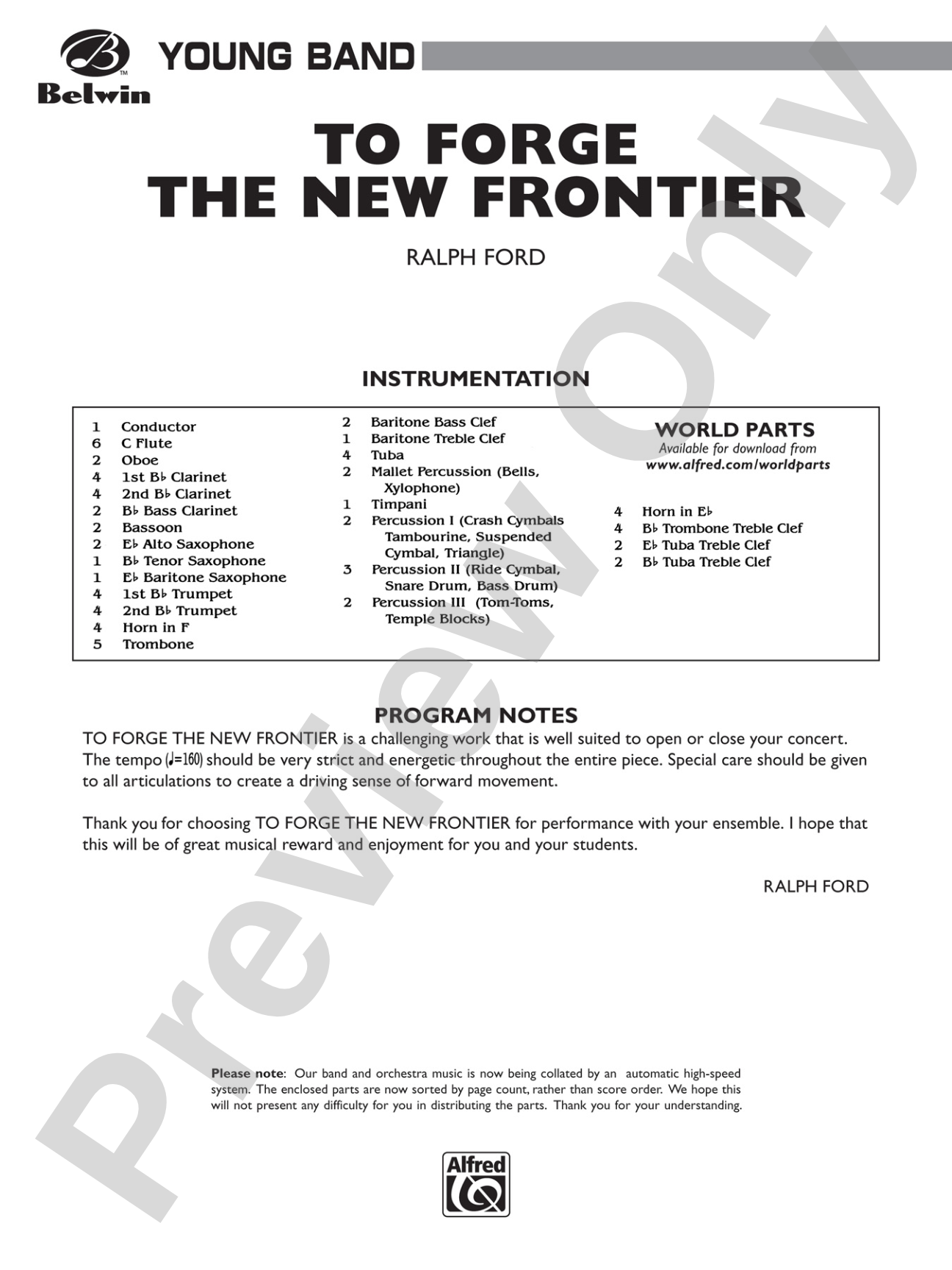
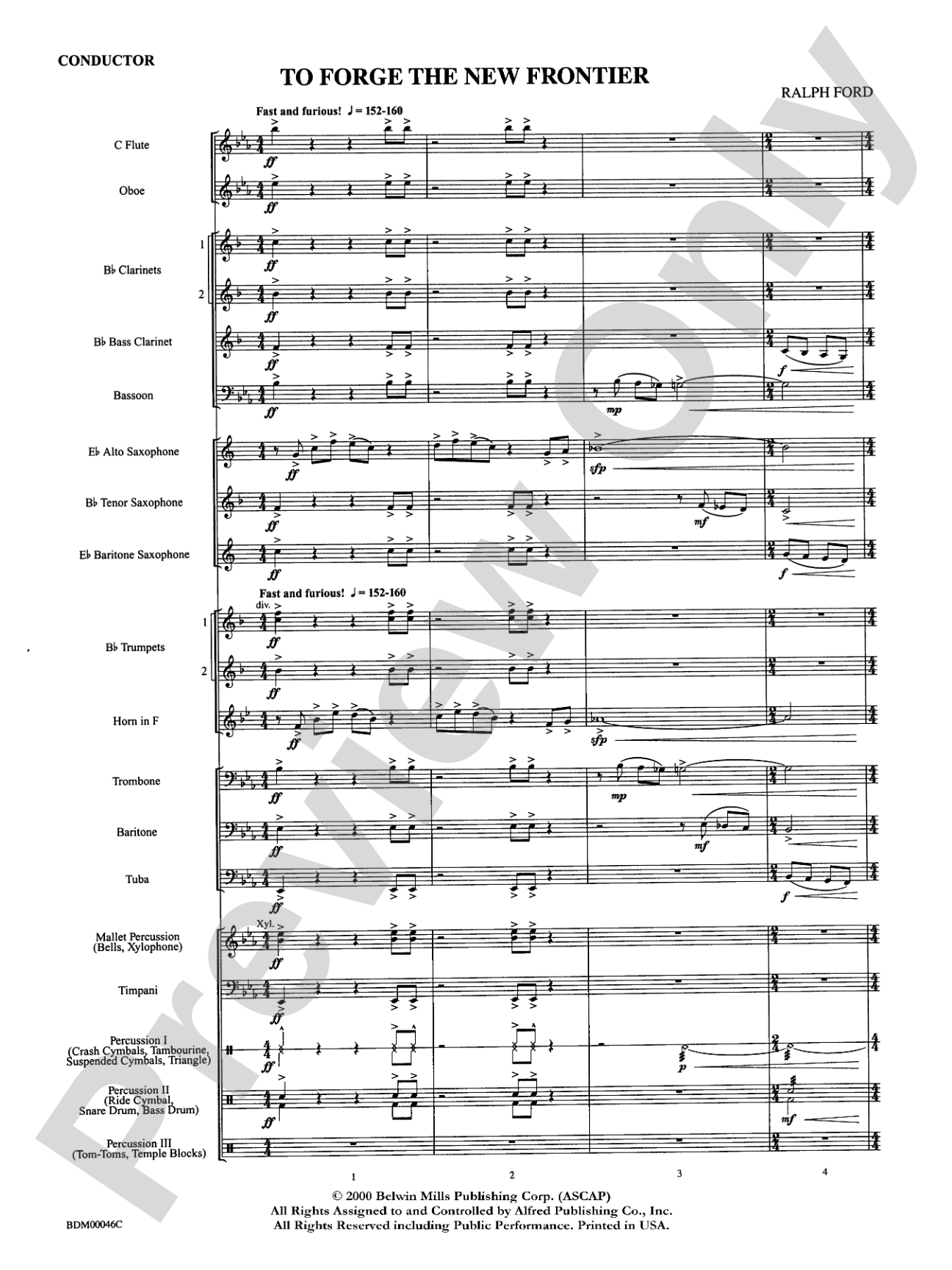
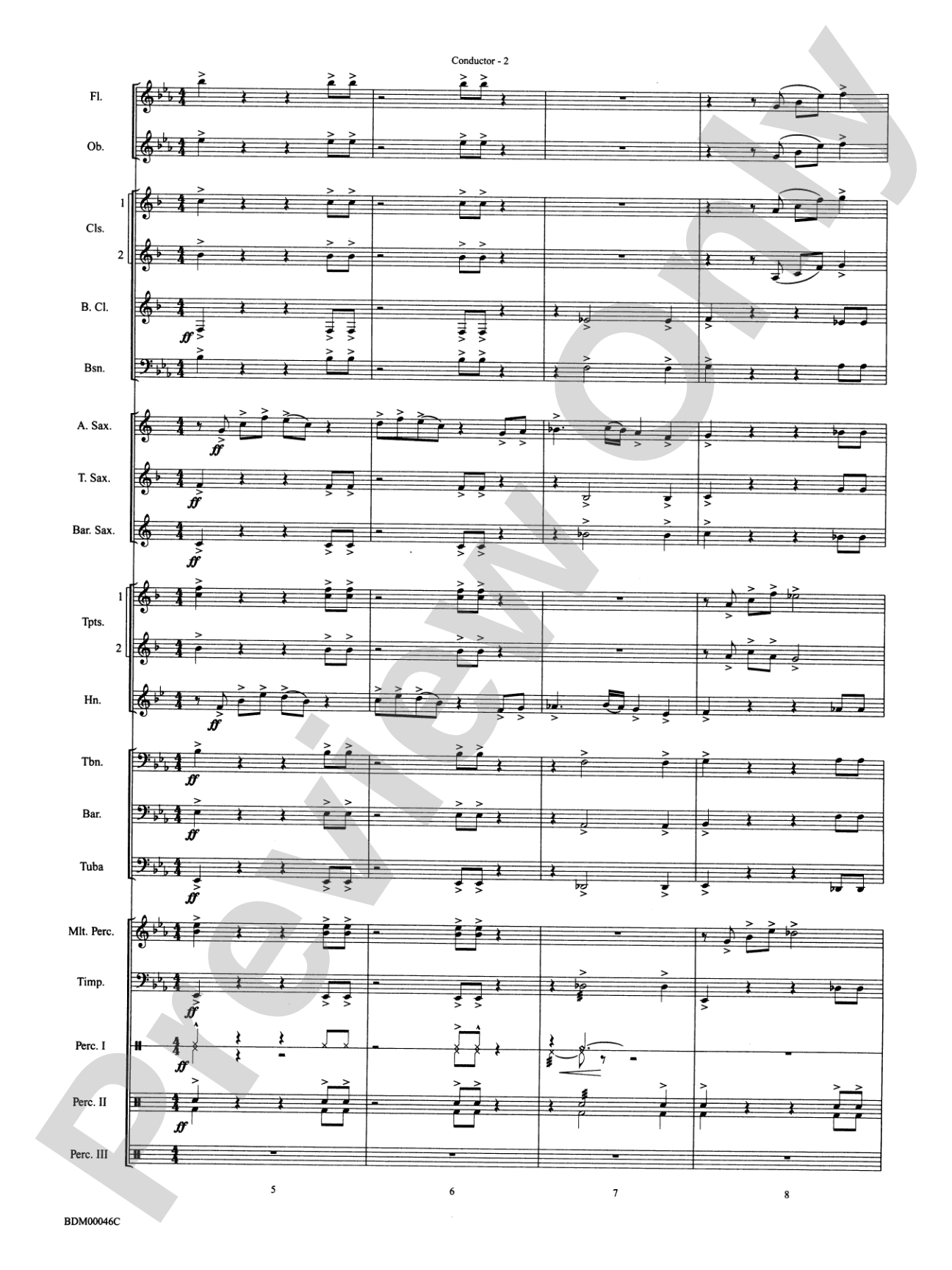
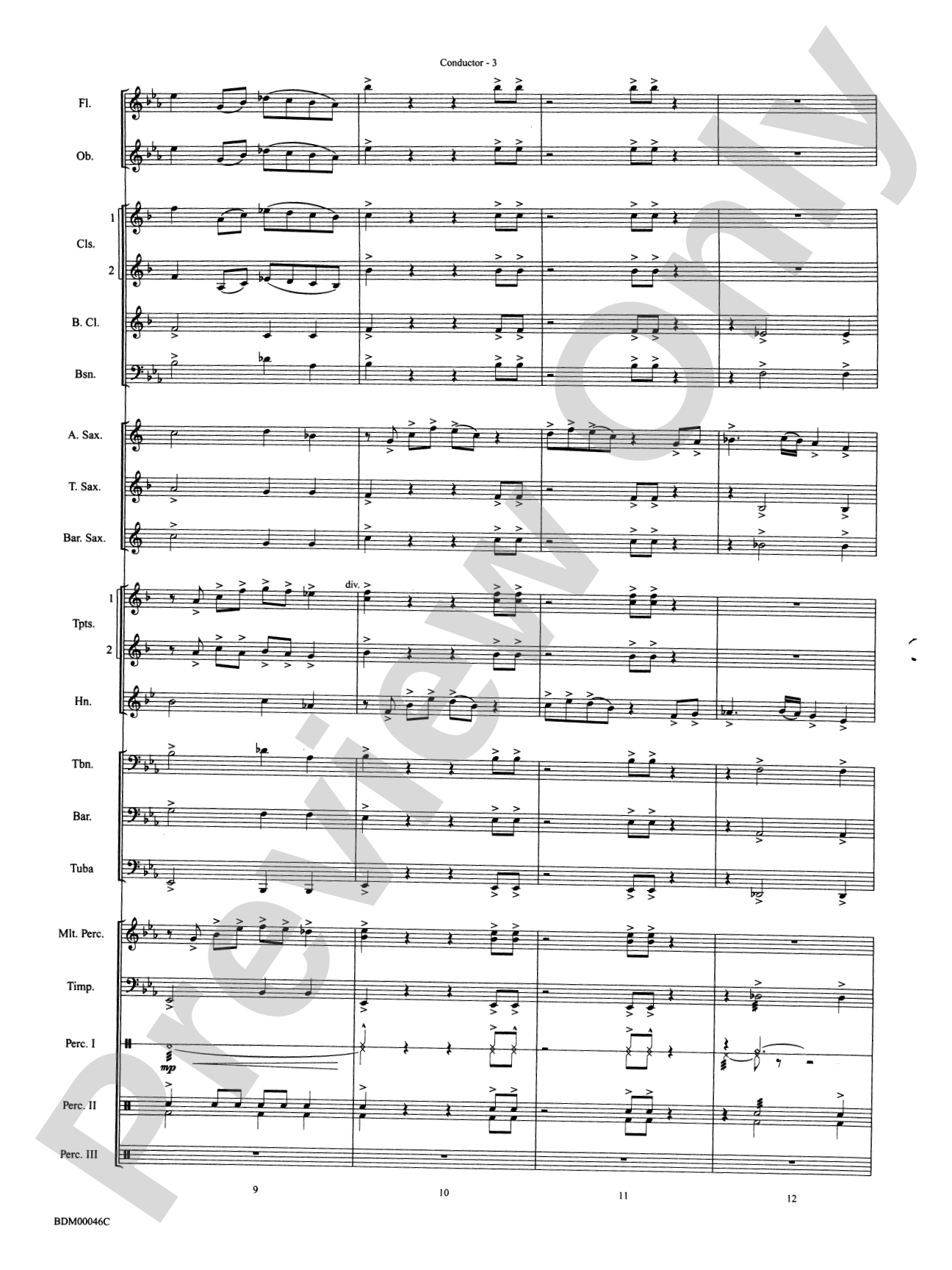
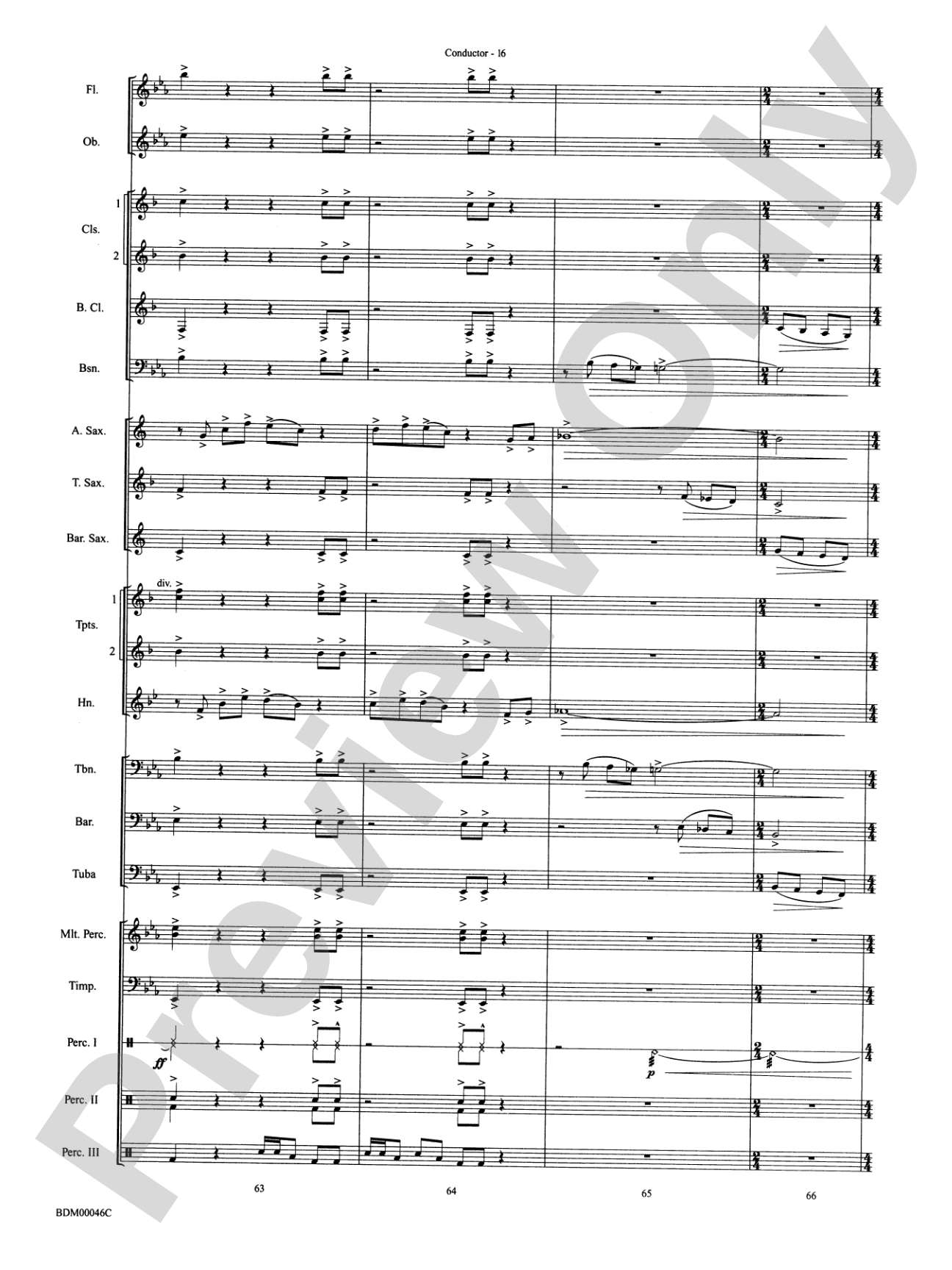
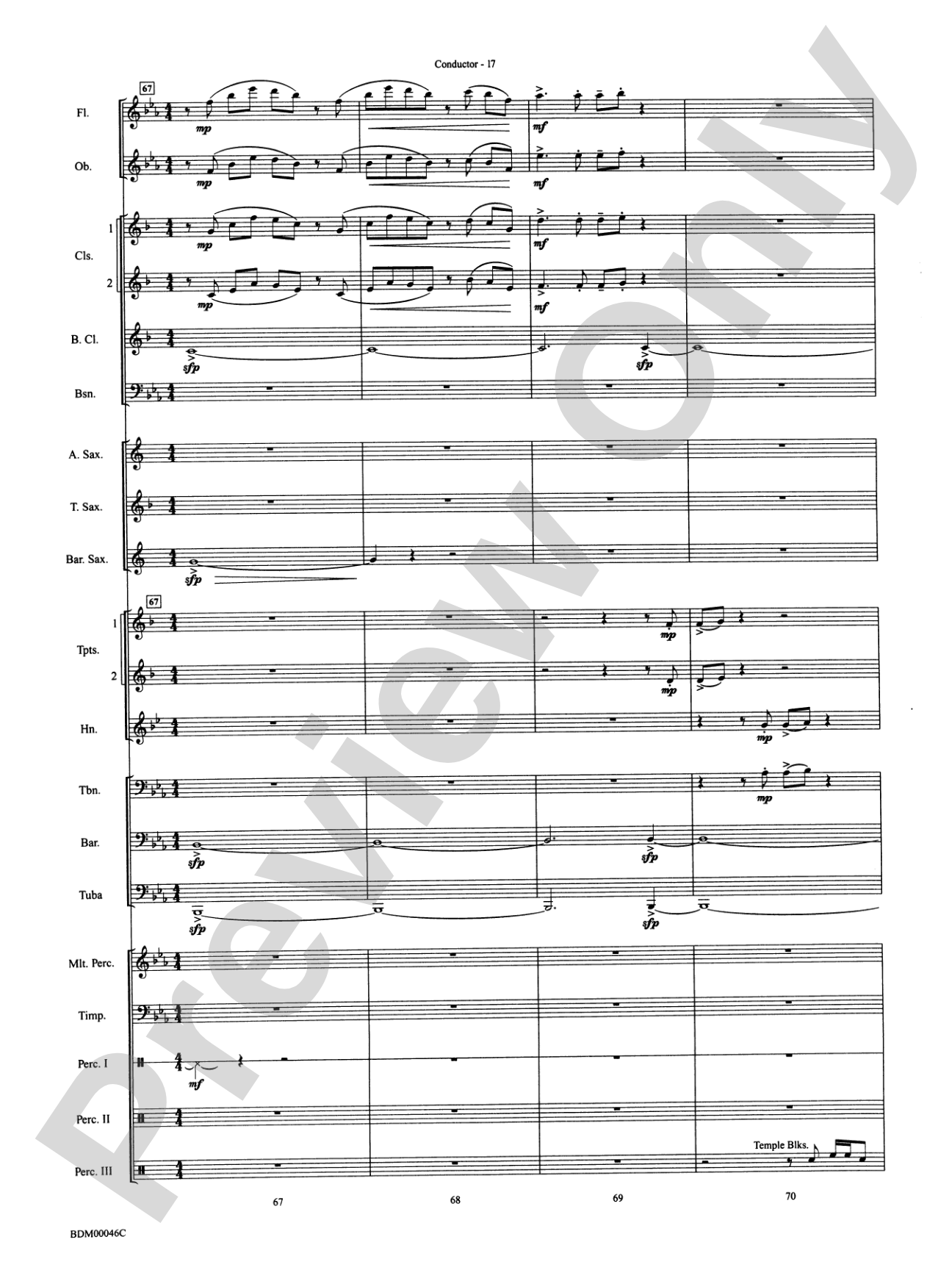
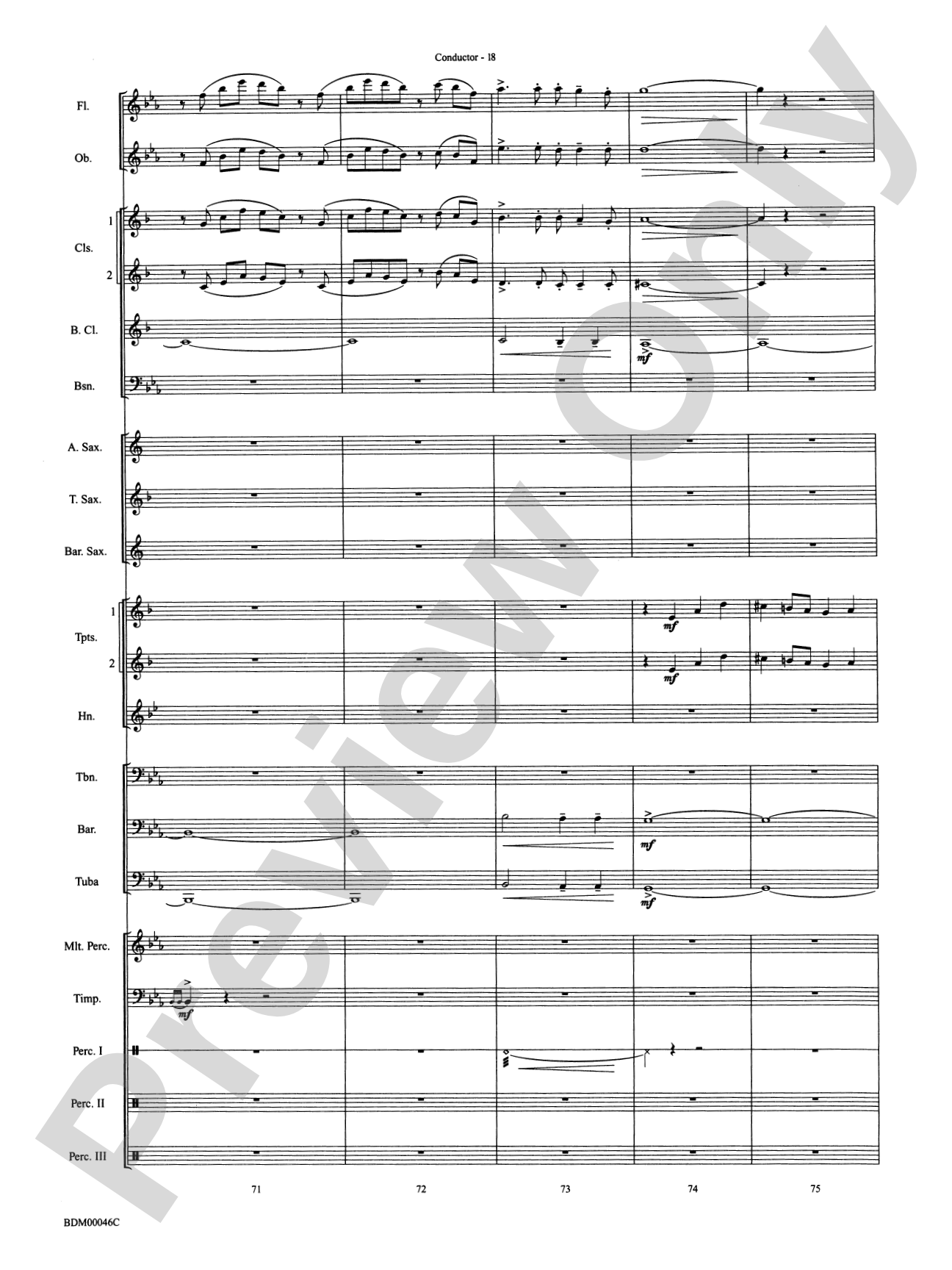
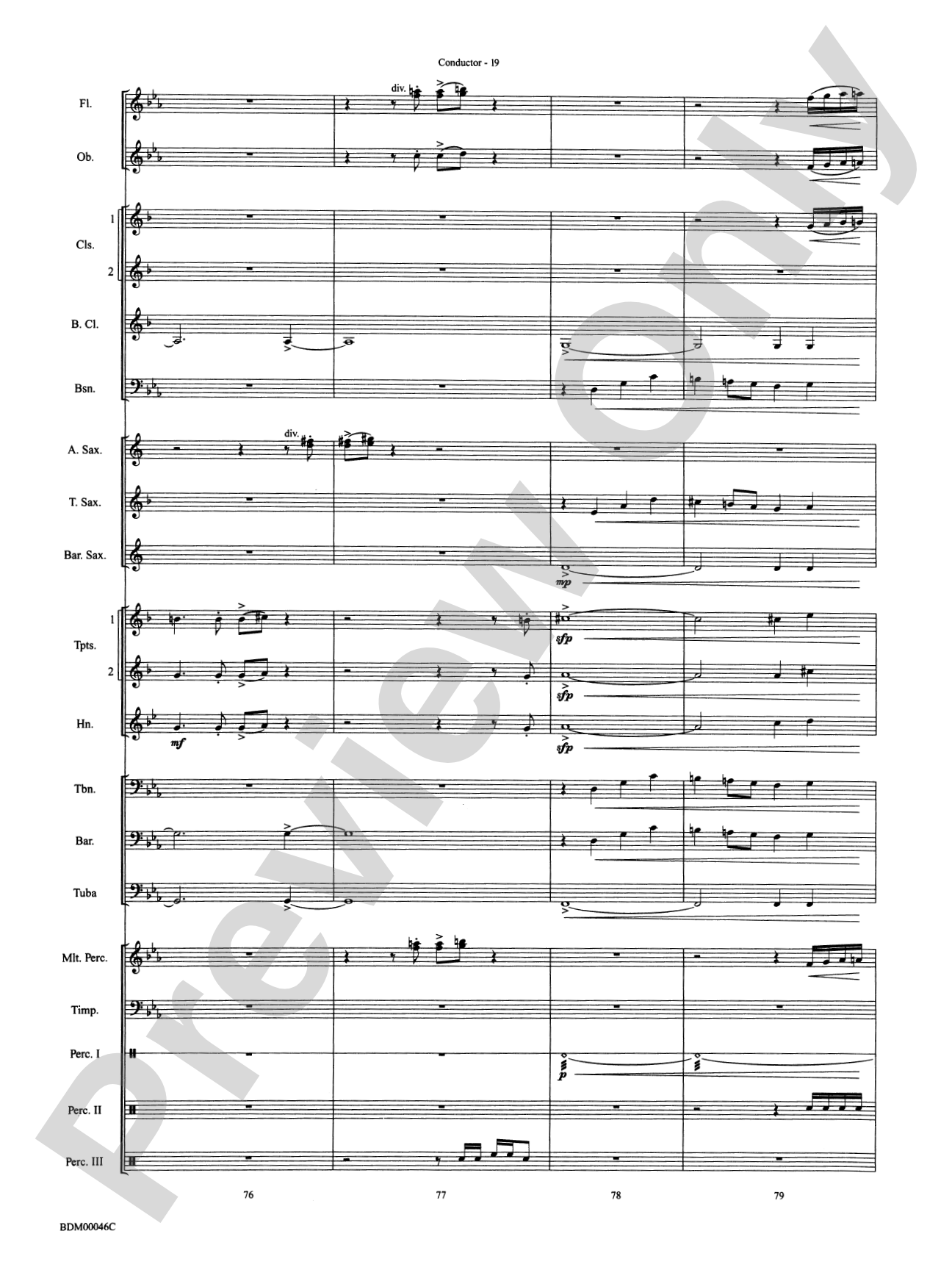
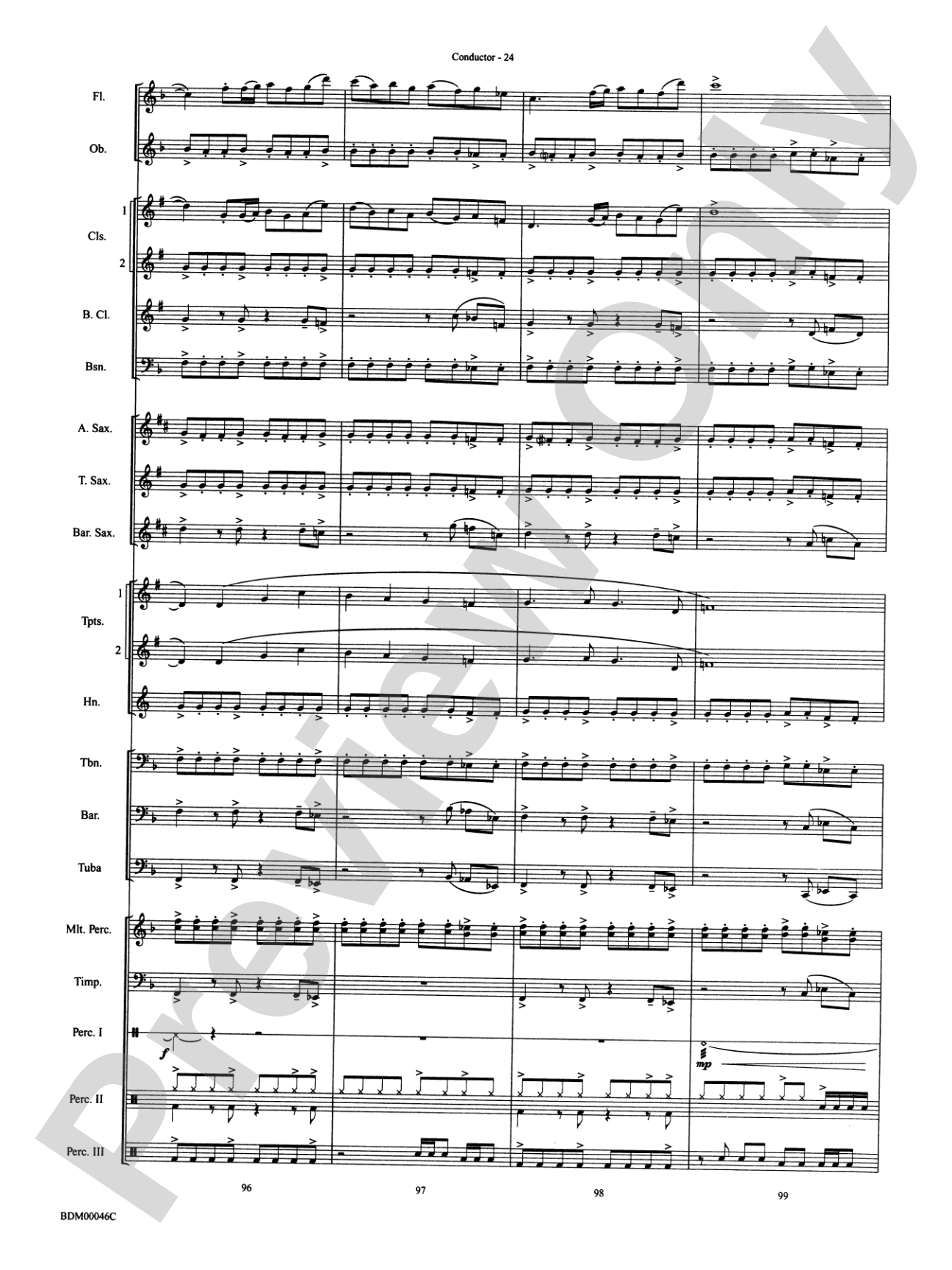
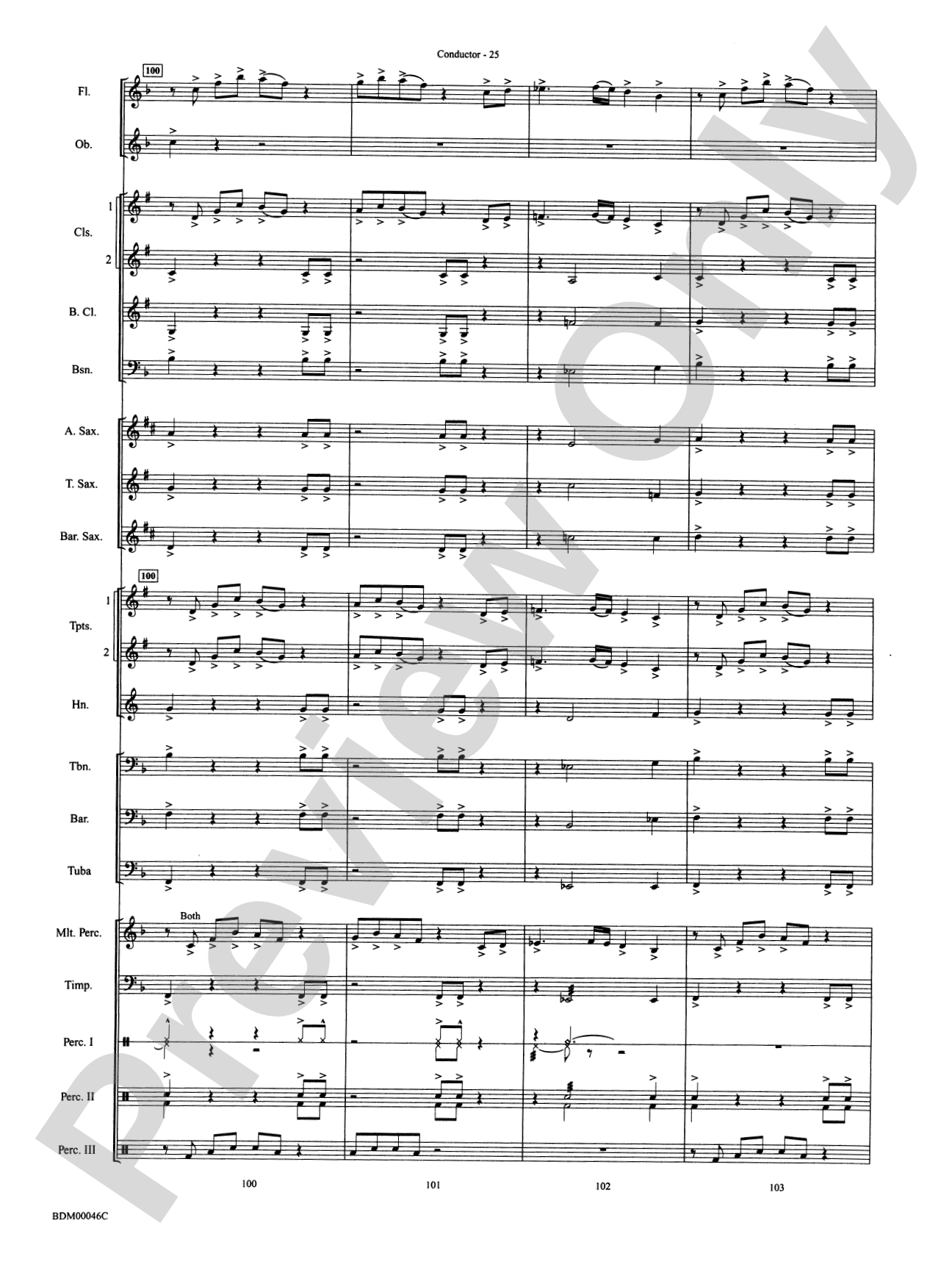
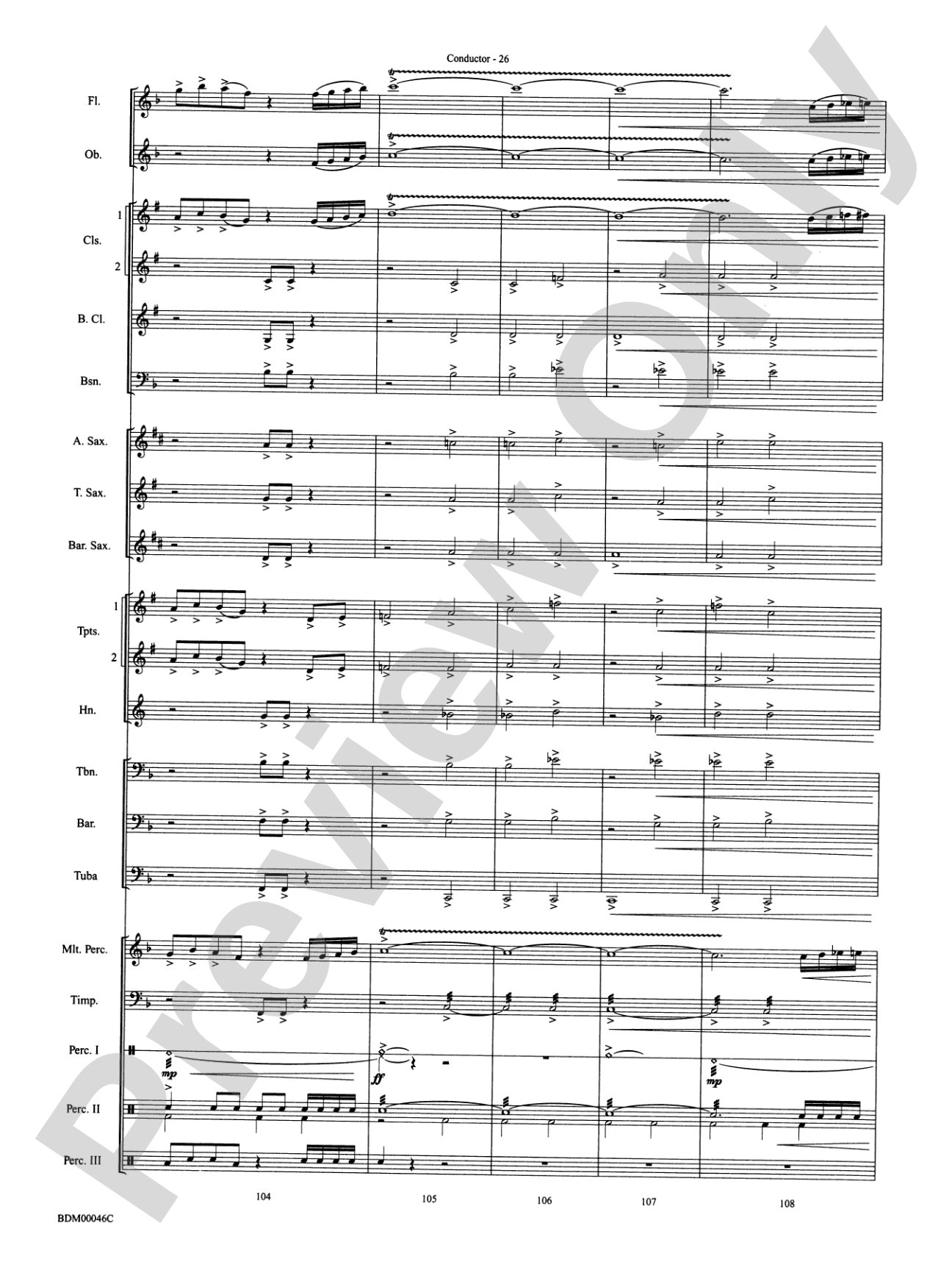
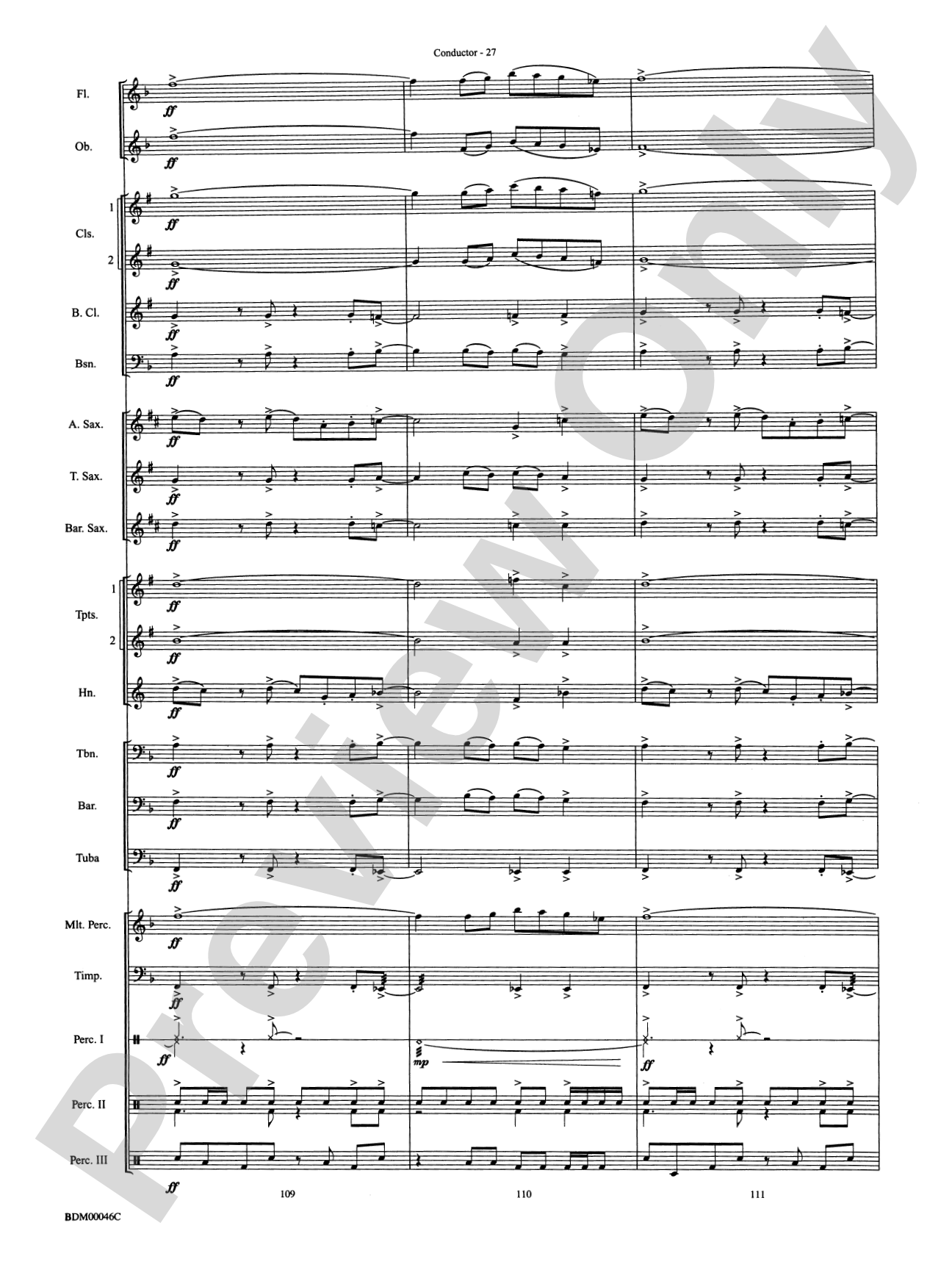
The original overture starts with a flourish and spirals to a soaring melody that is staged atop a driving rhythm. The introductory material is revisited twice, each time with an interesting variation. Solidly scored by this contemporary composer, "To Forge the New Frontier" is perfect for a contest program or a spring concert. (3:00)


Don't just read it, hear it, play along with it, and watch your students grow with it. In MakeMusic Cloud, To Forge the New Frontier: Concert Band Conductor Score & Parts comes alive with professional accompaniment, adjustable tempo, and built-in practice tools that turn solo practice into real progress.
Open in the Player
Jump straight in and assign it today.
Start Your Free Trial
Open this title and explore the full library in minutes.
Sample Audio
1
Audio File
--:--
0:00
0:00
Sample Video
Additional Details
Series:
Belwin Young Band
Publisher:
Alfred Music
Page Count:
318
SKU:
00-PK-0002151
More about this title
About the Composer: Ralph Ford

Ralph Ford (b. 1963) has spent nearly three decades teaching at the university level while maintaining an active career as a composer, arranger, and clinician. His professional trajectory spans music education, broadcast and media production, and commercial composition; he has received international recognition for advertising work and has collaborated with university, military, professional, and school ensembles worldwide. As an exclusive composer and arranger for the Belwin division of Alfred Music, Ford has created over 250 published titles across orchestra, concert band, jazz ensemble, and marching band repertoires.
Ford's early training in arranging began at age fifteen in Panama City, Florida, and deepened during his undergraduate years at Troy State University, where he directed the Jazz Ensemble and served as staff arranger for the university band program. He earned his Master of Science degree in 1988 while teaching full-time on the faculty, where his courses included orchestration, arranging, theory, and jazz studies. Beyond the concert hall, his work in media includes live broadcasts, television and radio production, commercial composition, and the creation of news packages for national network affiliates.
Why we love this
Ford's orchestration at the Grade 2 level demonstrates genuine craftsmanship rather than oversimplification. The opening flourish and spiraling melody create immediate engagement, while the structured return of introductory material with fresh variations gives young musicians something meaningful to shape and repeat, making this an excellent vehicle for teaching interpretation and form without overwhelming the ensemble.
What to expect
The piece launches with infectious energy before settling into a soaring, lyrical core that feels both expansive and achievable. The structured returns of familiar material create a satisfying sense of architectural form, rewarding careful listening and allowing young musicians to experience how variation keeps repetition fresh.
Who it's for
Concert bands at the Grade 2 level looking for repertoire that balances accessibility with genuine musical substance. This piece works for ensembles seeking spring concert or festival-ready material that doesn't compromise on compositional craft.
How to get the most out of it
- Balance the flourish opening so it sets the energy of the piece without overshadowing the entrance of the driving rhythm section. Young bands often push initial statements too hard; clarity matters more than volume here.
- Shape each variation of the introductory material distinctly. Mark in your score where the orchestration changes and communicate those shifts to the sections so the repetitions feel intentional rather than static.
- Support the soaring melody with a steady harmonic foundation. Make sure your mid-range voices understand they are carrying the piece's harmonic weight during the lyrical moments.
How to use it
This overture serves as a strong opening number for a spring concert, setting a confident tone while remaining accessible enough to display your ensemble's control. It also stands as a solid choice for festival or contest programming at the Grade 2 level, where the combination of technical approachability and musical maturity is often the deciding factor in adjudication.
Skills your students will build
- Sustaining energy through an extended opening flourish
- Recognizing and responding to structural variation (theme and variations form)
- Balancing melody and accompaniment in a driving rhythm context
- Shaping a soaring melodic line with appropriate phrasing
- Maintaining ensemble cohesion across multiple statements of the same material