

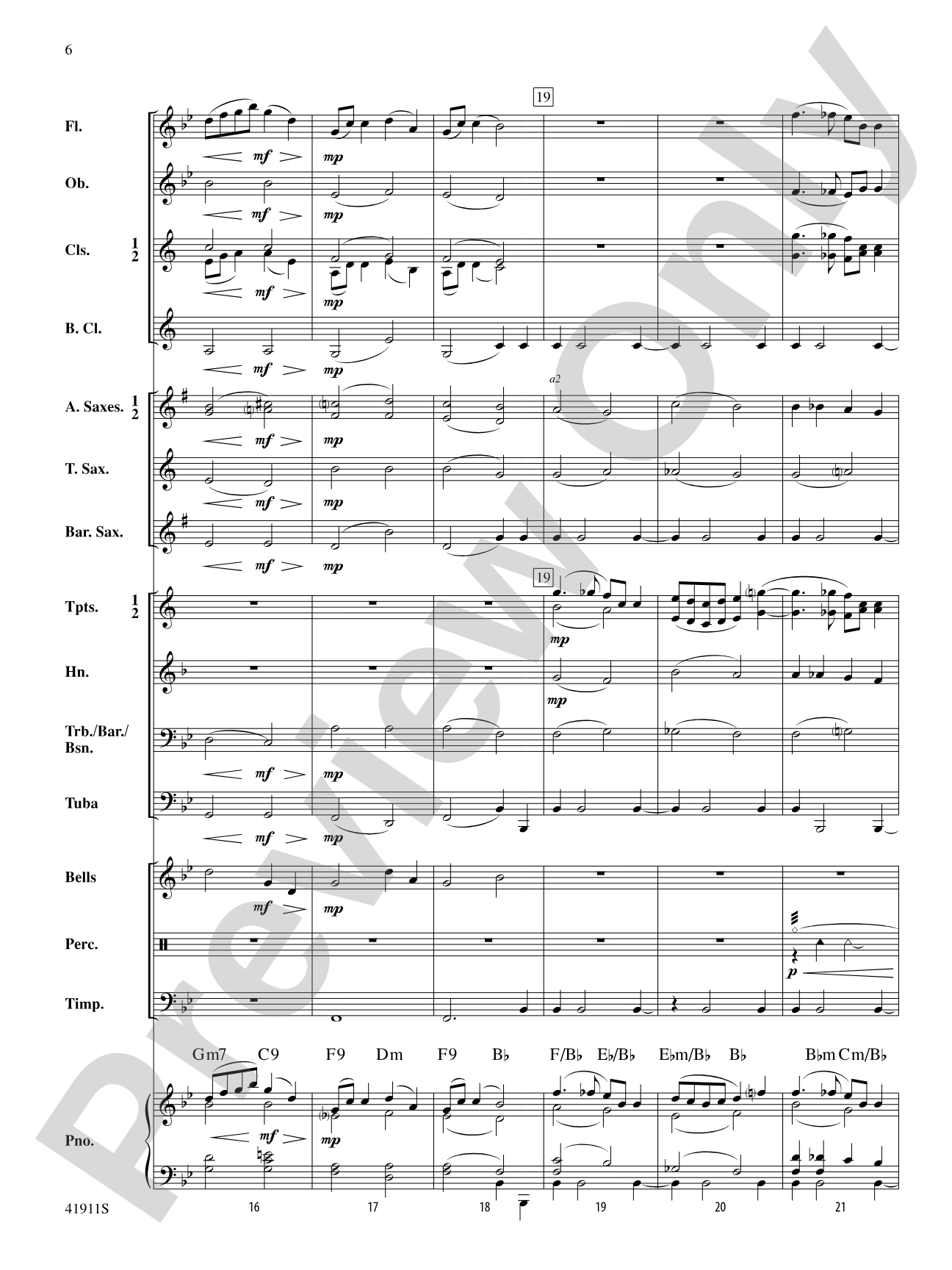
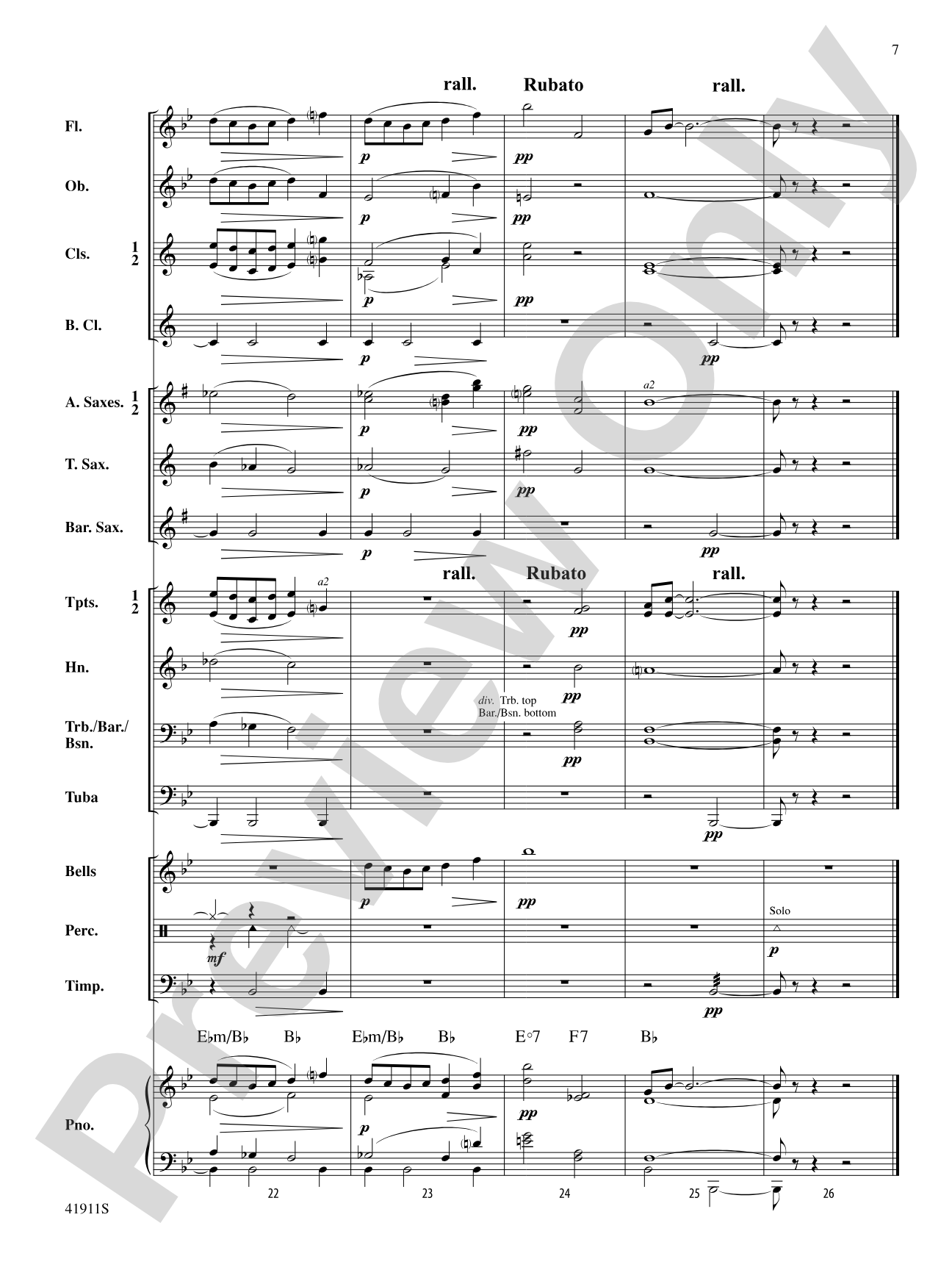

To a Wild Rose (from Woodland Sketches, Op. 51): Concert Band Conductor Score & Parts
By Edward MacDowell / arr. Robert Sheldon
Grade: 1.5 (Easy)
Item: 00-PK-0006137

$49.00
Pickup currently not available
Buy Extra Parts (Digital PDF Download)
Parts Added to Cart!
Description
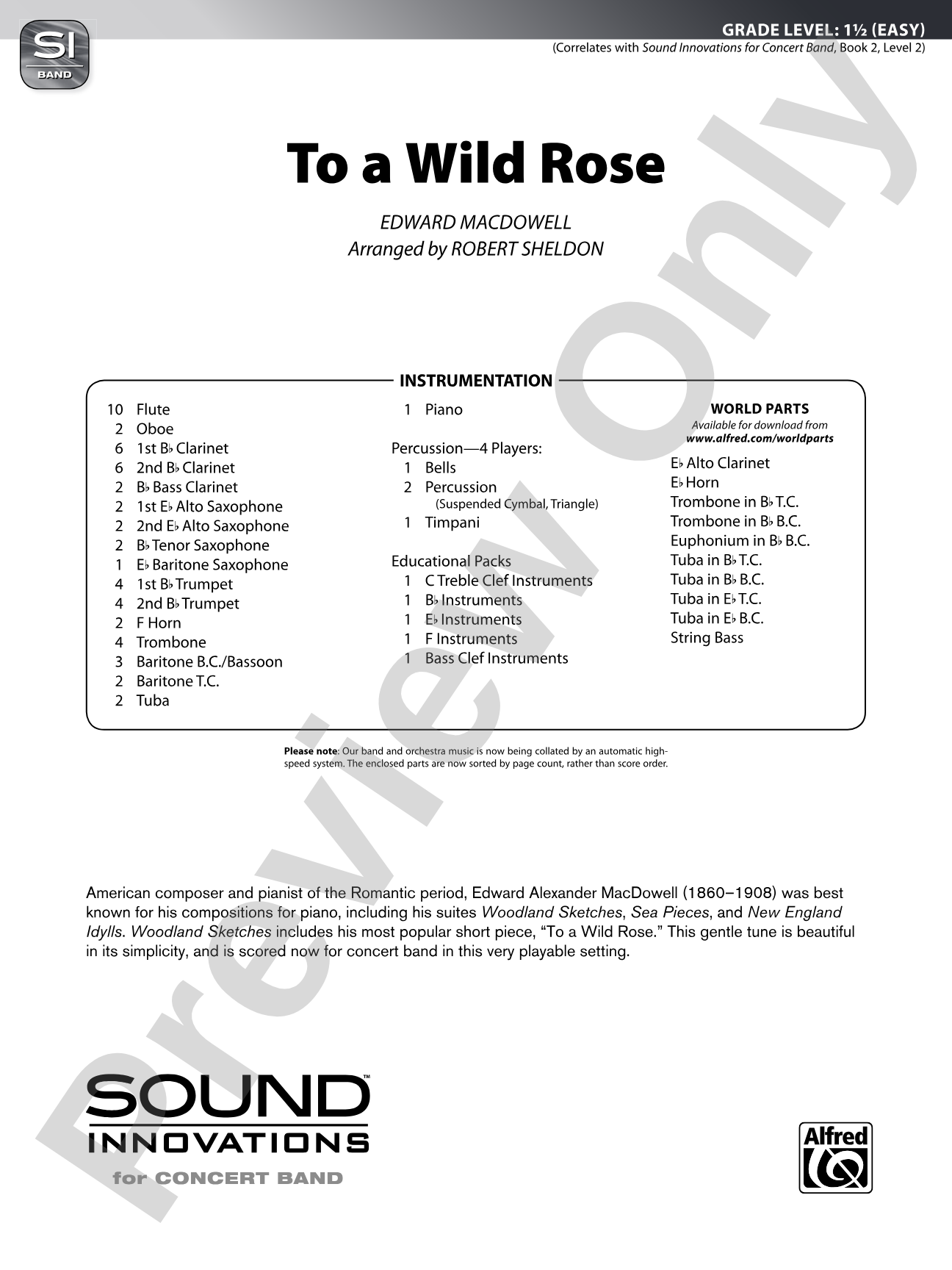
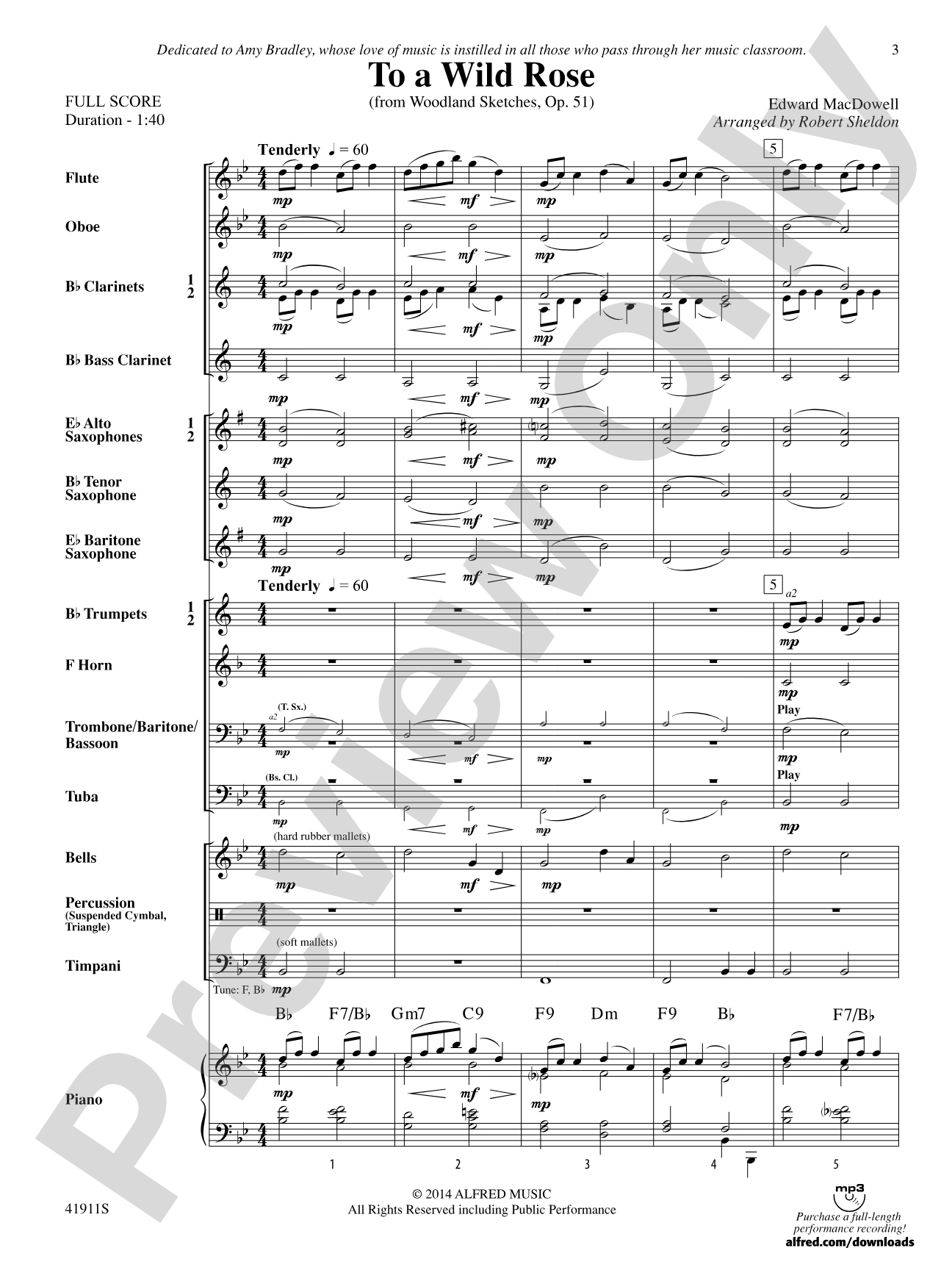
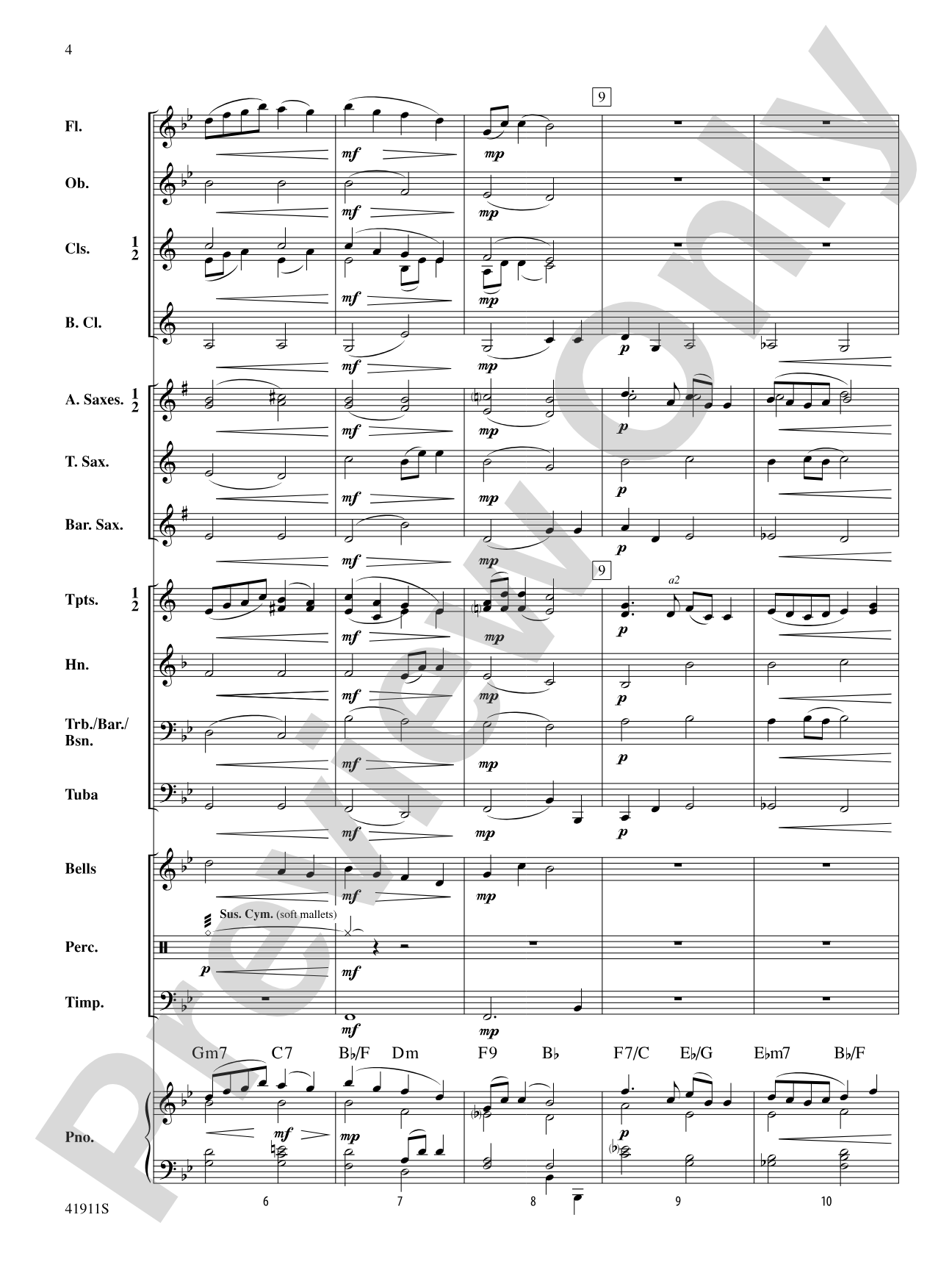
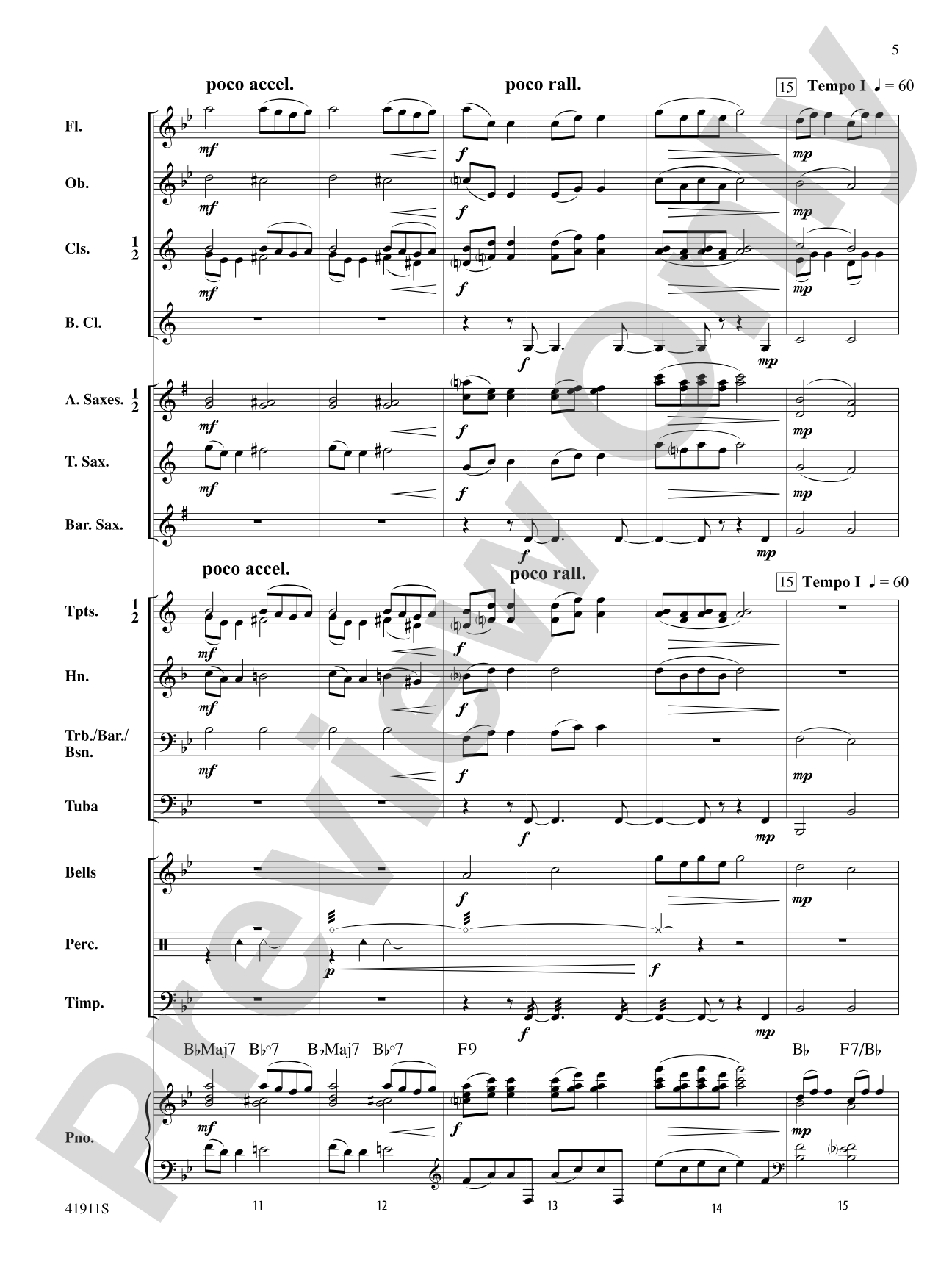
Eward MacDowell (1860--1908) was best known for his compositions for piano including his suites Woodland Sketches, Sea Pieces, and New England Idylls. Woodland Sketches includes his most popular short piece, "To a Wild Rose." This gentle tune is beautiful in its simplicity, and is scored now for concert band in this very playable setting. (1:40) "To a Wild Rose" correlates to Book 2, Level 2 of Sound Innovations for Concert Band.


Don't just read it, hear it, play along with it, and watch your students grow with it. In MakeMusic Cloud, To a Wild Rose (from Woodland Sketches, Op. 51): Concert Band Conductor Score & Parts comes alive with professional accompaniment, adjustable tempo, and built-in practice tools that turn solo practice into real progress.
Open in the Player
Jump straight in and assign it today.
Start Your Free Trial
Open this title and explore the full library in minutes.
Sample Audio
1
Audio File
--:--
0:00
0:00
Sample Video
No sample videos found.
Additional Details
Series:
Sound Innovations for Concert Band
Publisher:
Alfred Music
Page Count:
130
SKU:
00-PK-0006137
More about this title
About the Composer: Edward MacDowell
Edward MacDowell (1860-1908) was an American composer whose piano works shaped the Romantic repertoire in the United States. His collections of character pieces—particularly Woodland Sketches, Sea Pieces, and New England Idylls—brought lyrical, nature-inspired storytelling to accessible keyboard music and remain central to piano literature today.
MacDowell's gift was transforming intimate musical ideas into memorable melodies that speak across skill levels. "To a Wild Rose," the opening movement of Woodland Sketches, exemplifies his approach: a simple, singable tune grounded in genuine harmonic interest. His music has endured in music education precisely because it never talks down to students while remaining within their reach.
Why we love this
Robert Sheldon's arrangement respects the piece's essential character while making it genuinely playable for developing concert bands. The orchestration distributes the melody clearly across the ensemble without obscuring MacDowell's delicate harmonic writing. Bands working at Grade 1.5 can deliver a polished, musically satisfying performance that sounds mature and unified rather than stripped down.
What to expect
Intimate and unhurried. The piece unfolds like a quiet moment in nature—attentive, tender, and complete in its simplicity. There is a restfulness here, but not emptiness; the harmony moves gently beneath a melody that speaks with genuine warmth and quiet confidence.
Who it's for
This arrangement serves beginning to intermediate concert bands and serves as an ideal introduction to MacDowell's keyboard masterworks. Directors building programs that balance accessibility with artistic growth will find this a natural fit; students hear a "real" composition from music history, not a simplified exercise.
How to get the most out of it
- Shape the melody with consistent phrase direction even at a gentle tempo; this is not a stagnant piece, and each phrase should breathe forward into the next.
- Balance the accompaniment so it supports rather than competes with the primary line; woodwind harmonies should sit behind the melody voice.
- Allow the slight ritardando at the final cadence to feel earned rather than abrupt; let the band ease into the close naturally.
- Use the recorded accompaniment to lock ensemble attacks and releases; unison ensemble entrances benefit from the click reference.
How to use it
Program this early in a concert to establish a reflective mood, or use it as a palate cleanser between more energetic works. It pairs well with other character pieces or shorter Romantic works, and can bridge from classical elegance into more contemporary repertoire. The modest 1:40 duration makes it ideal for festival or contest programming where time matters.
Skills your students will build
- Playing sustained legit passages with consistent tone and intonation
- Balancing melody and accompaniment textures within a single ensemble
- Responding to phrase shape and arrival points in lyrical music
- Maintaining ensemble cohesion at soft dynamic levels
- Executing clean, synchronized releases as a full band