
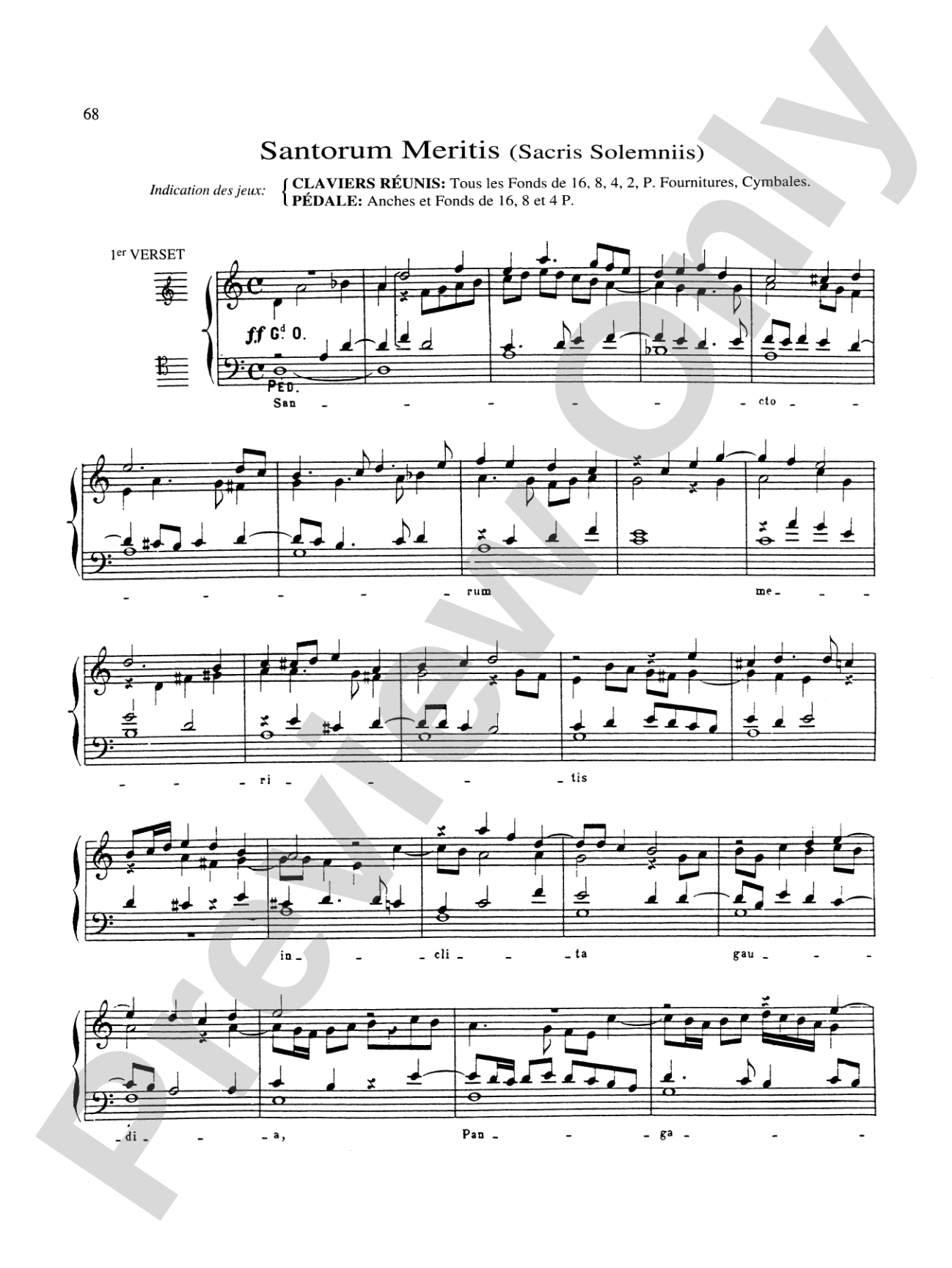
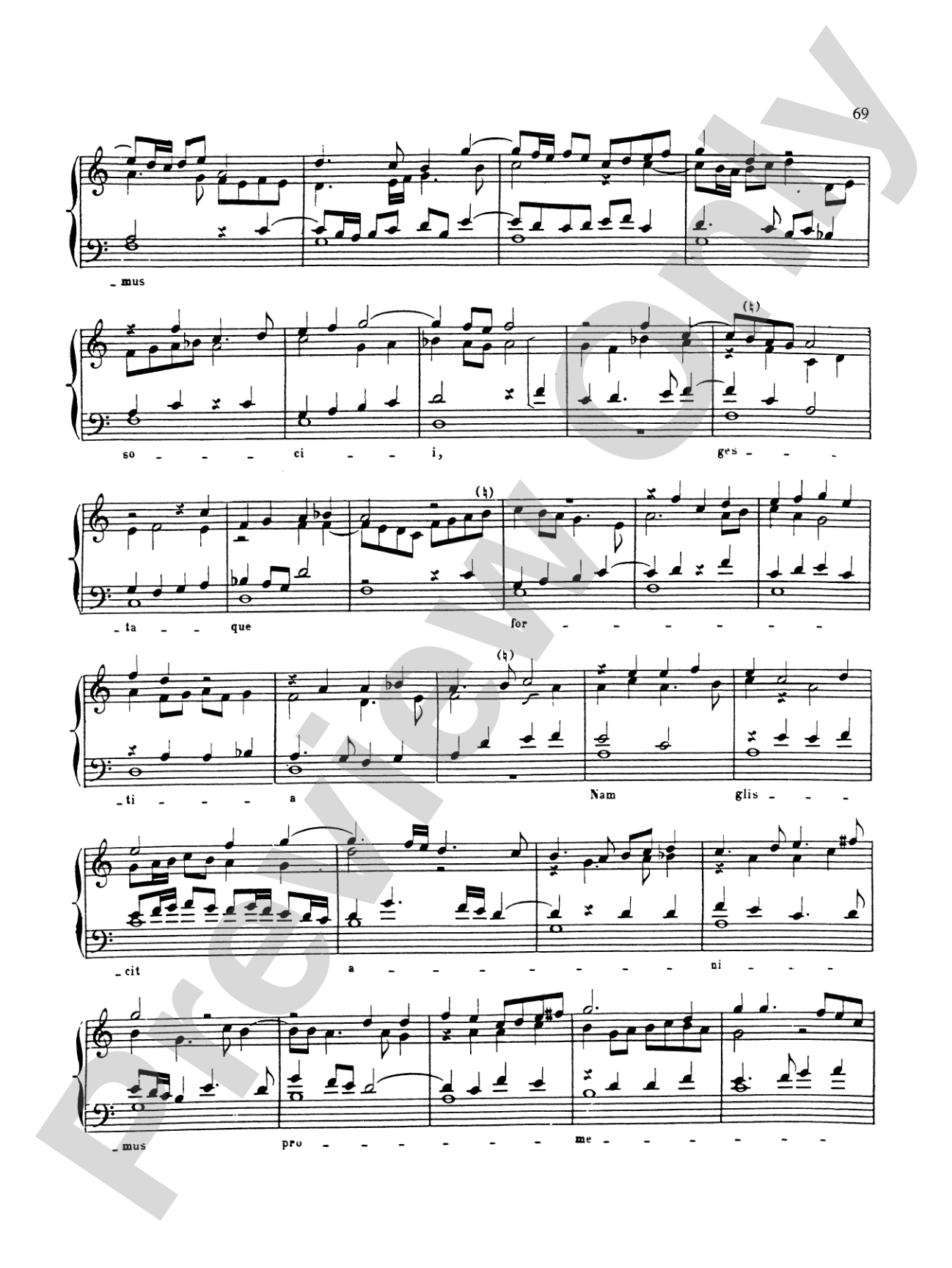

Titelouze: Organ Works (Hymns, Magnificats of the 1st Through 8th Tone)
Hymns, Magnificats of the 1st through 8th Tone
By Jean Titelouze
Item: 00-PC-0002935
$0.99
Pickup currently not available
Description
Here's a grand compilation of the various organ compositions by the French monastery organist Jean Titelouze. The 160-page collection contains 20 pieces including ancient hymn tunes plus masses on the various scale tones. Also included are original letters to Titelouze from a number of people. An interesting, historic collection.


Don't just read it, hear it, play along with it, and watch your students grow with it. In MakeMusic Cloud, Titelouze: Organ Works (Hymns, Magnificats of the 1st Through 8th Tone) comes alive with professional accompaniment, adjustable tempo, and built-in practice tools that turn solo practice into real progress.
Open in the Player
Jump straight in and assign it today.
Start Your Free Trial
Open this title and explore the full library in minutes.
Sample Audio
No sample audio found.
Sample Video
No sample videos found.
Additional Details
Series:
Kalmus Edition
Publisher:
Alfred Music
Page Count:
160
SKU:
00-PC-0002935
More about this title
About the Composer: Jean Titelouze
Jean Titelouze (1563-1633) was one of the most significant organ composers of the French Renaissance and early Baroque periods. As the principal organist at the Cathedral of Rouen for over four decades, he established himself as both a virtuoso performer and an innovator in keyboard composition, creating a body of work that bridged Renaissance polyphonic tradition with emerging Baroque harmonic language.
Titelouze's organ works were foundational to the French organ repertoire. His compositions, particularly his hymn settings and magnificats based on the eight church modes, demonstrated sophisticated contrapuntal technique while remaining practical for liturgical use. His influence extended across Europe, and his music remained central to organ study well into the 18th century.
Why we love this
This collection preserves essential works from one of organ music's formative figures in a comprehensive, scholarly format. The inclusion of Titelouze's original correspondence adds historical texture that enriches understanding of his compositional intent and the musical culture of 16th-century France. Organists gain access to liturgically grounded pieces that challenge harmonic reading while remaining deeply musical and rewarding to study.
What to expect
These works radiate architectural clarity and contemplative depth. The interweaving of modal melody with emerging harmonic awareness creates music that feels both ancient and modern, grounded in liturgical purpose yet intellectually rigorous. Each piece invites sustained engagement with polyphonic counterpoint and the expressive possibilities of a single keyboard instrument.
Who it's for
This collection serves advanced organists and scholars seeking primary sources in Renaissance and early Baroque organ literature. It is valuable for conservatory students specializing in Baroque repertoire and historical performance practice, as well as church musicians interested in liturgical organ music rooted in authentic harmonic language.
How to get the most out of it
- Approach registration with restraint and clarity; these pieces benefit from the transparency of a single manual rather than the full organ, allowing each voice to articulate distinctly.
- Shape phrases according to text underlay in the hymn settings, even when playing from this instrumental score. The liturgical origin informs phrasing and breath points.
- Balance the eight magnificats as a cycle or select individual tones to explore how Titelouze treats the same harmonic and modal frameworks with inventive variation.
- Pay close attention to accidentals and editorial markings, which reflect the modal and harmonic conventions of the period and require careful interpretation.
How to use it
Program individual magnificats or hymns as recital preludes or interludes that establish a sense of historical continuity within a broader organ program. This collection is particularly effective in church settings where the liturgical context can be honored, allowing organists to demonstrate both technical command and spiritual sensitivity in repertoire designed for sacred use.
Skills your students will build
- Reading and interpreting modal harmonic language and figured bass notation
- Contrapuntal voice leading across multiple independent lines
- Stylistically informed registration and tonal balancing on the organ
- Understanding liturgical function and its relationship to structural organization in sacred music
- Historical knowledge of French organ practice in the Renaissance and early Baroque periods