

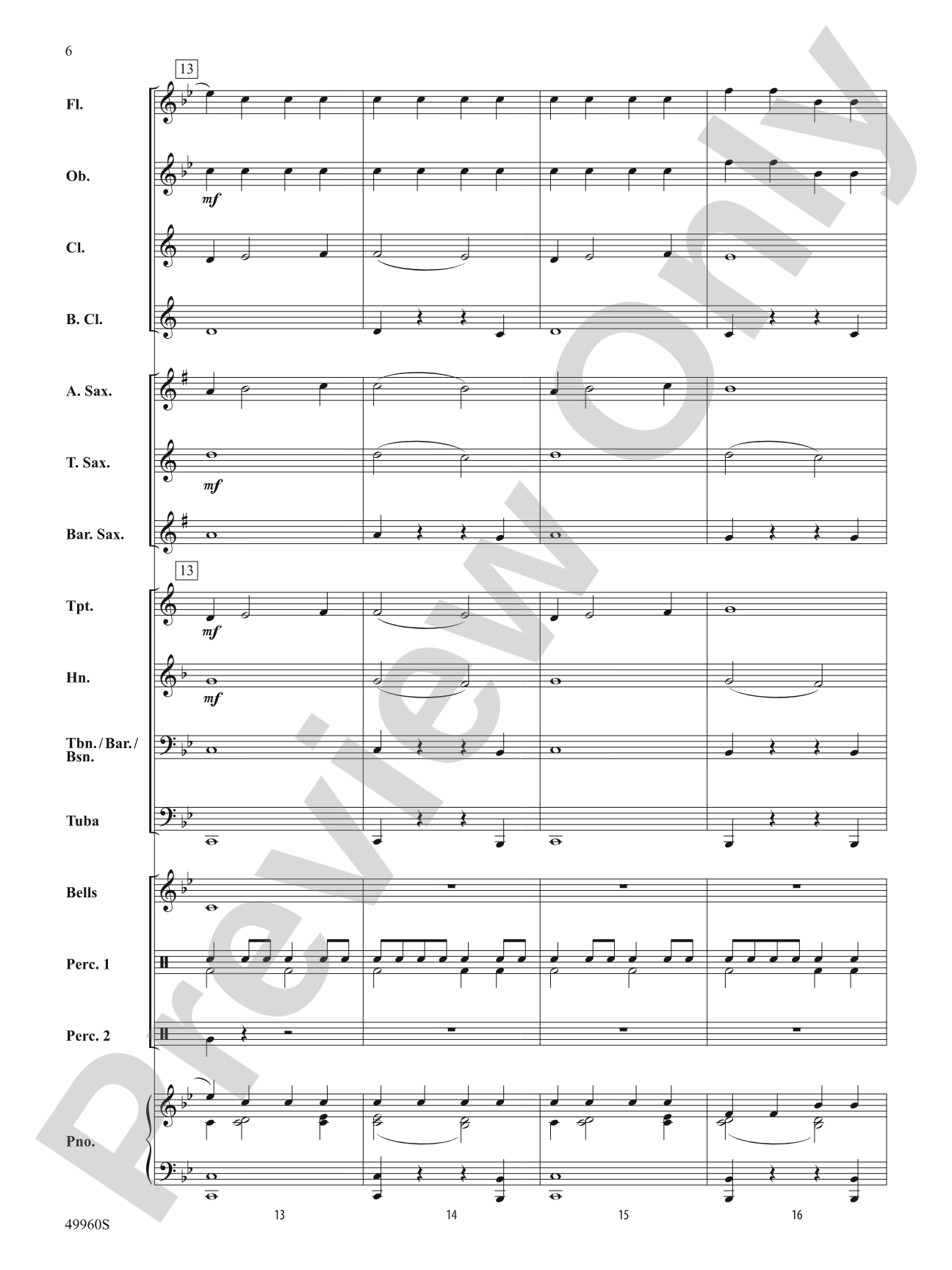
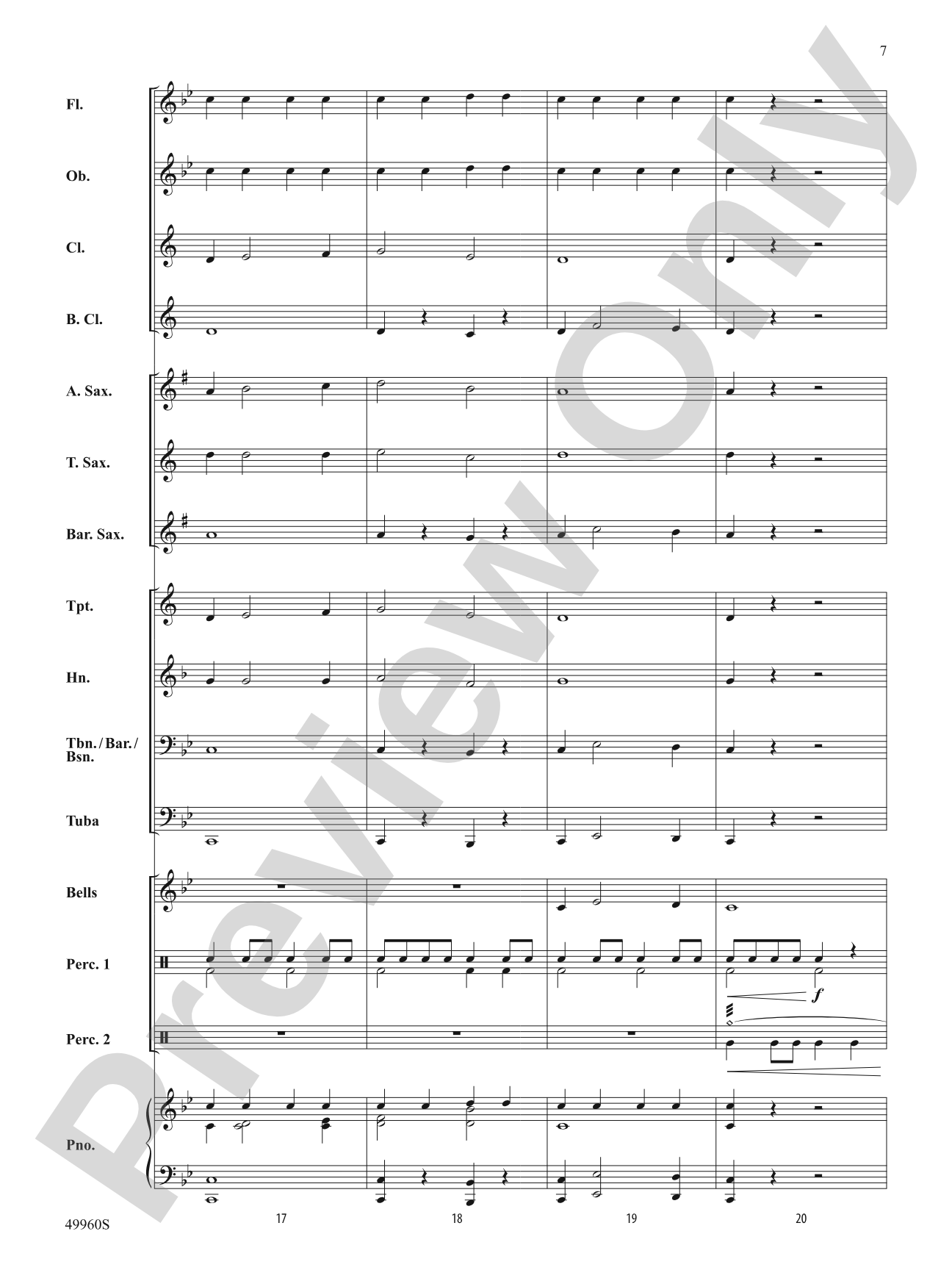
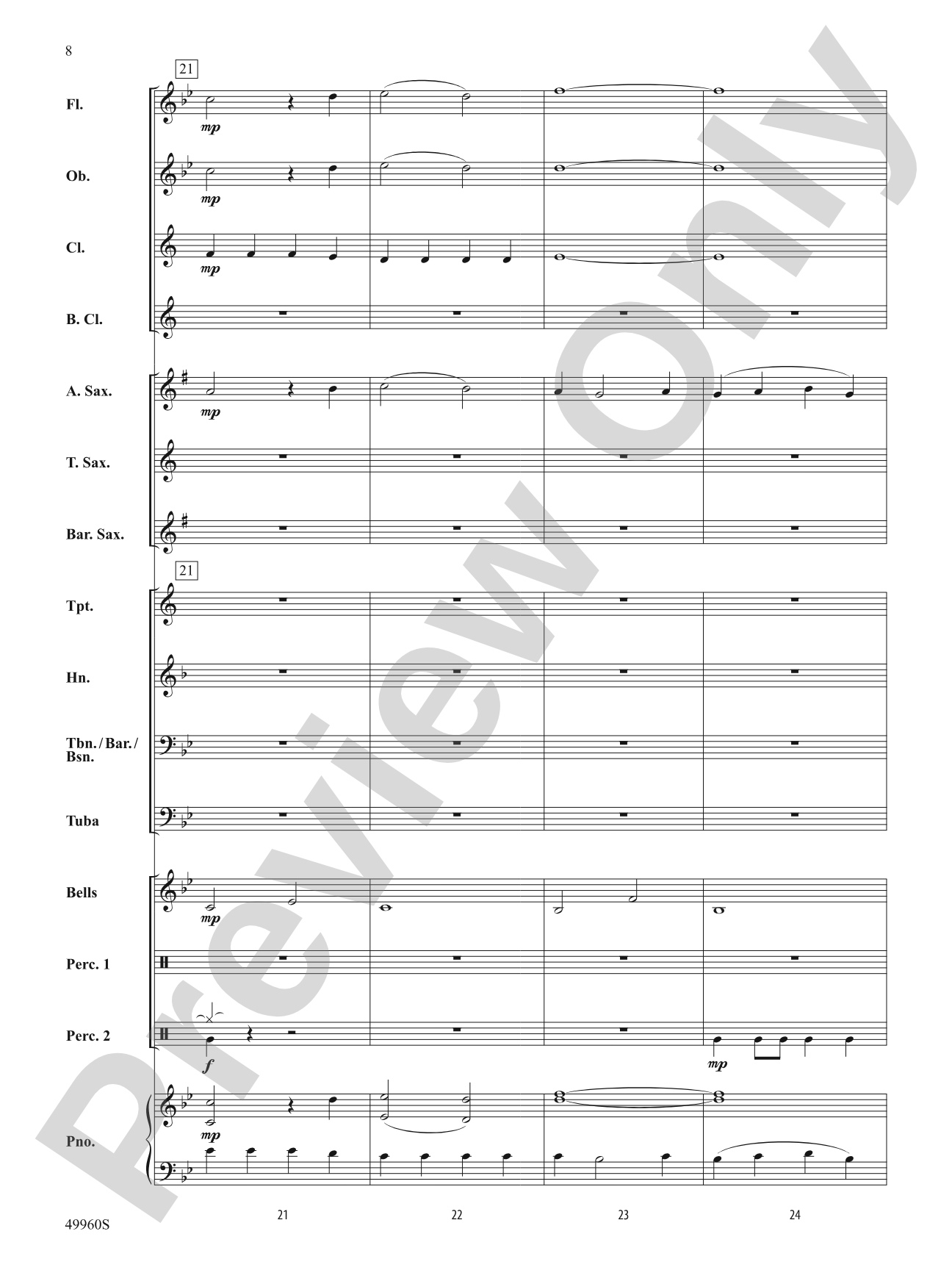
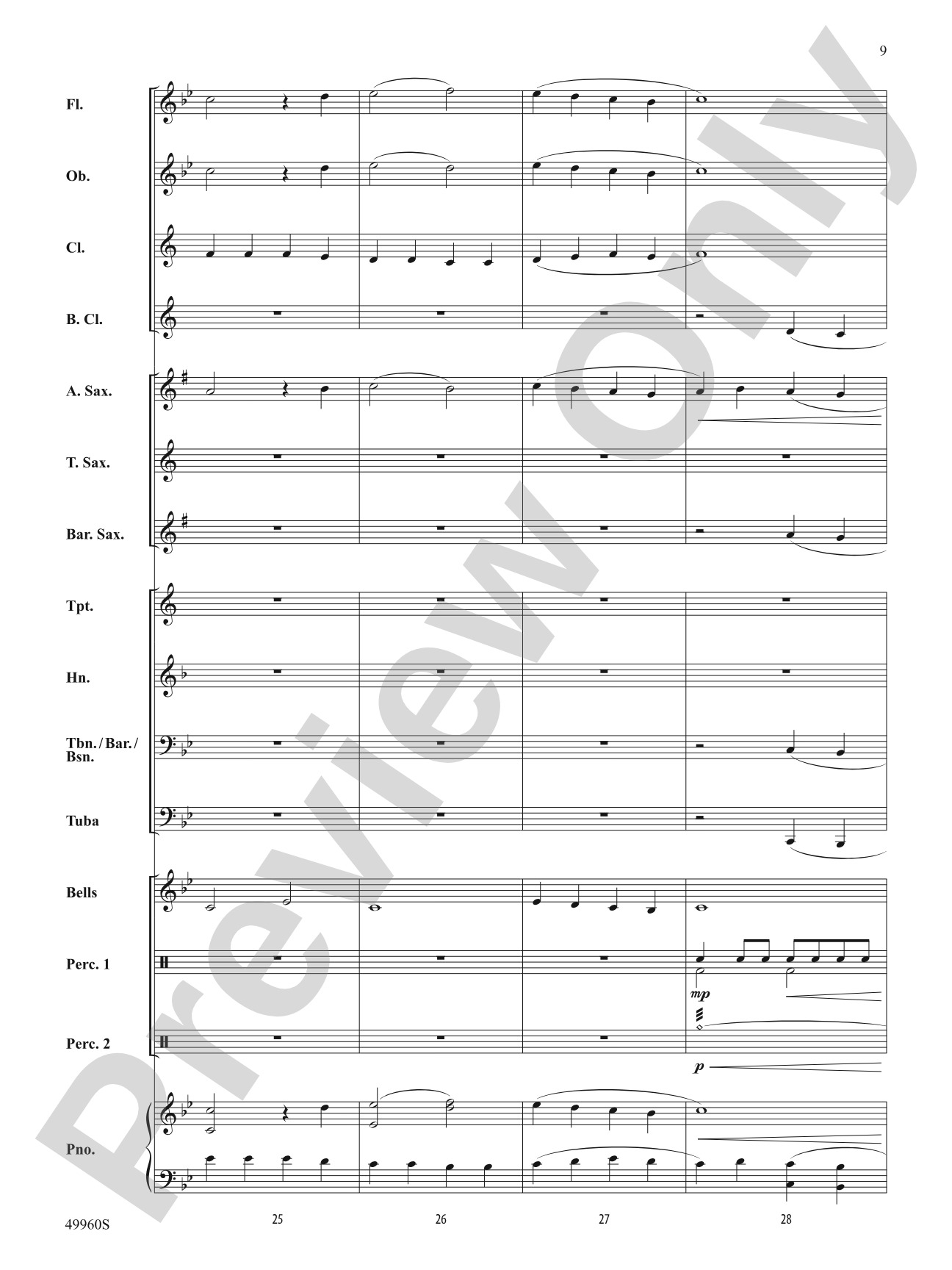
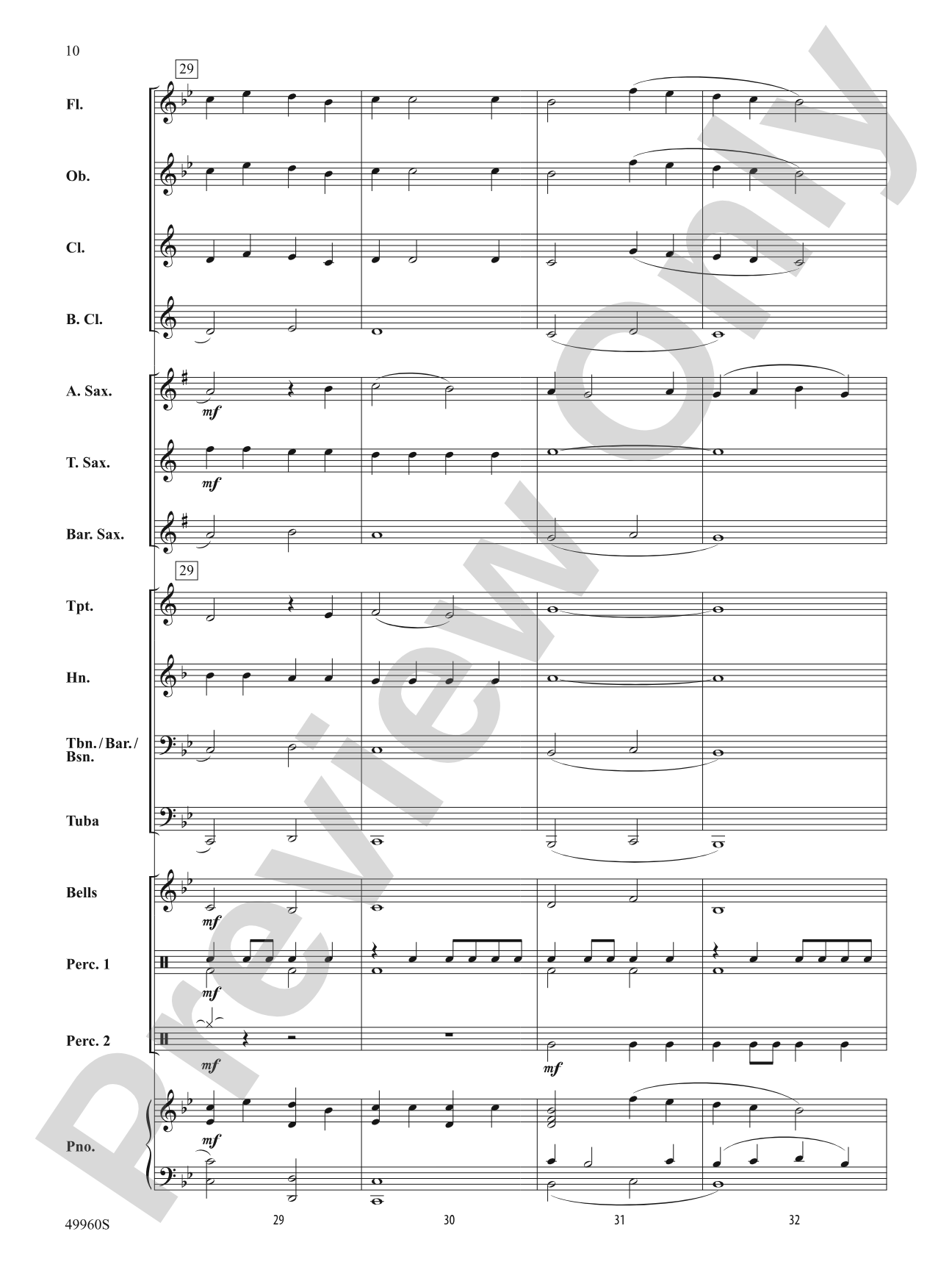
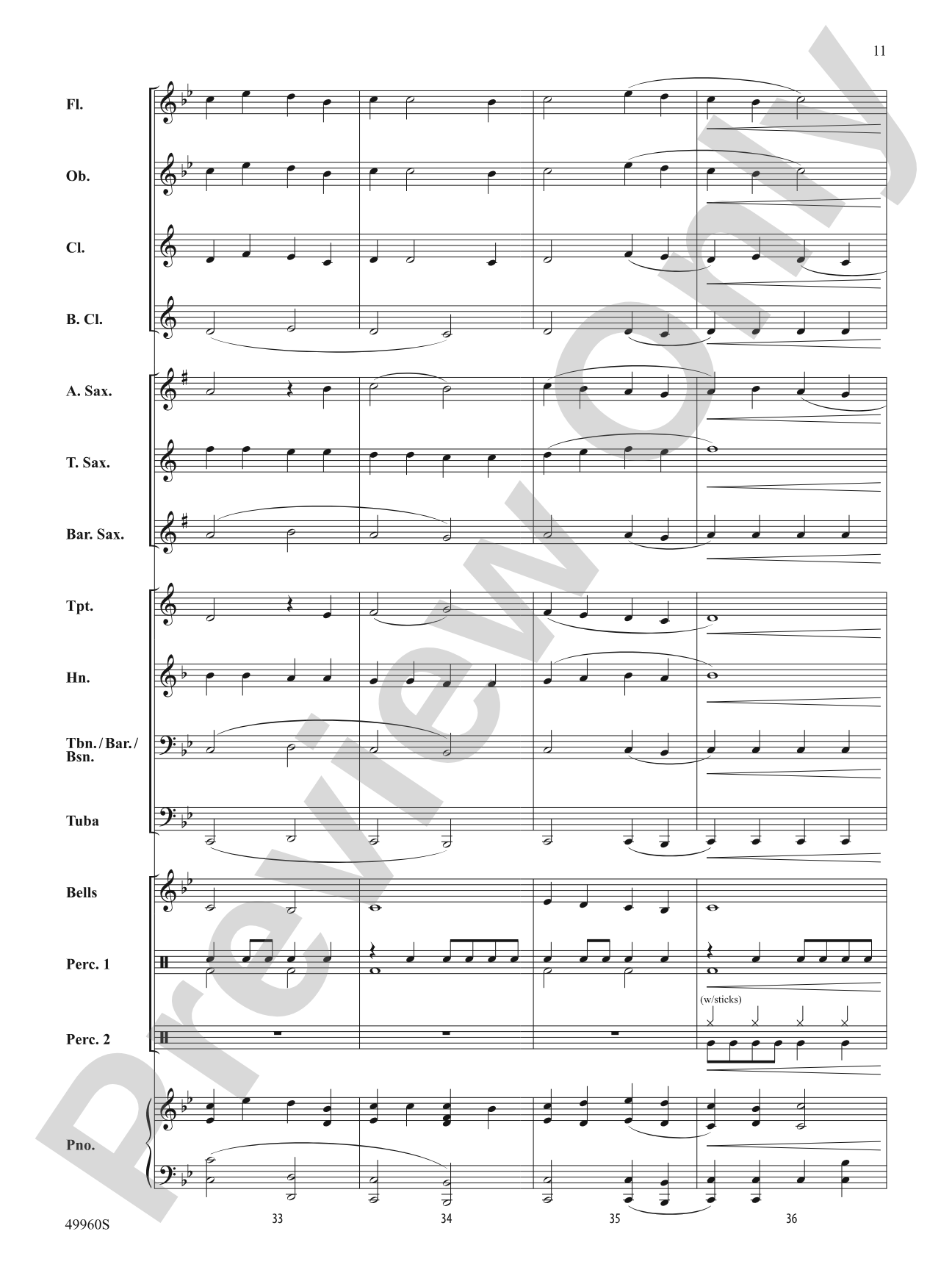
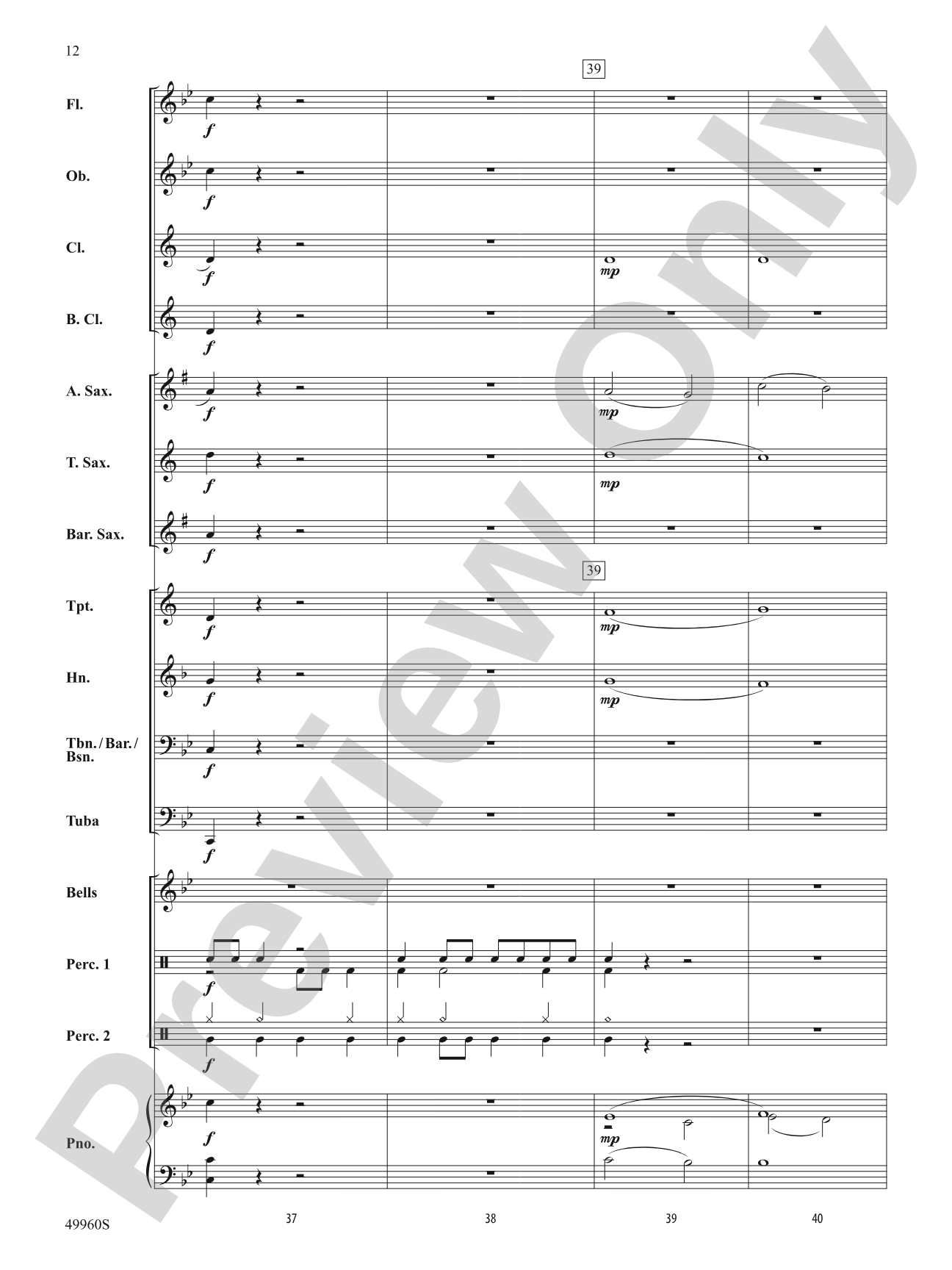
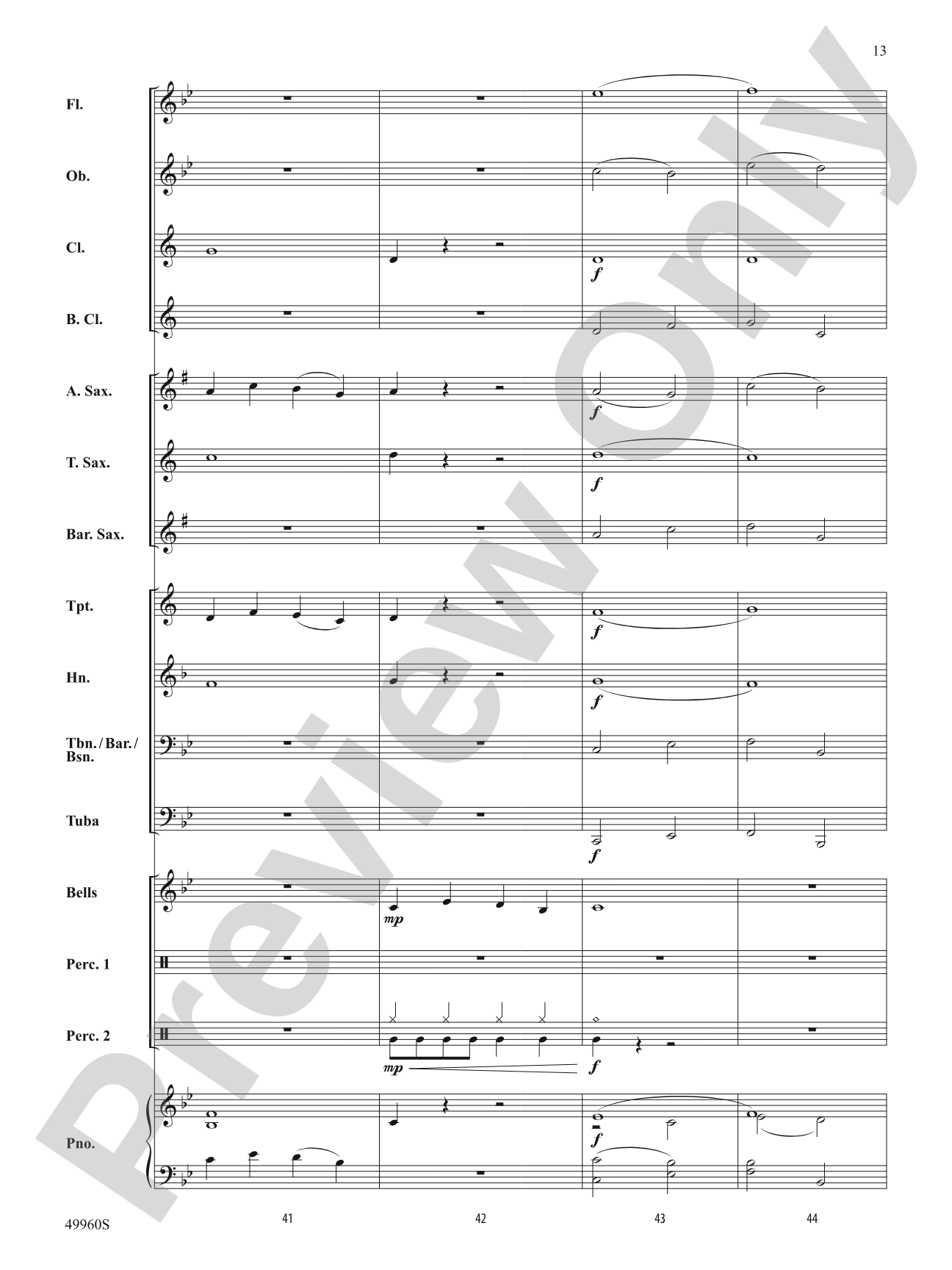
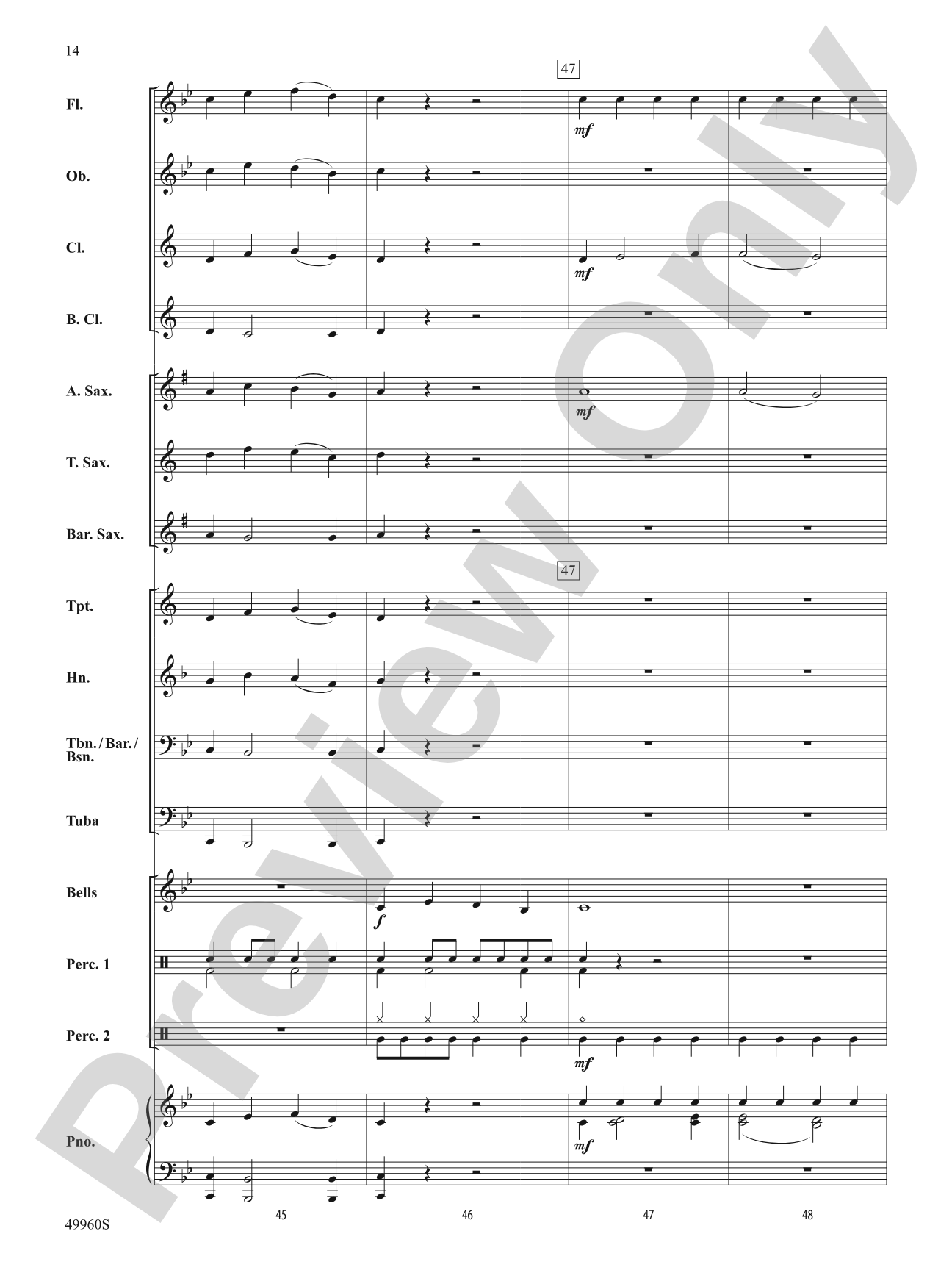
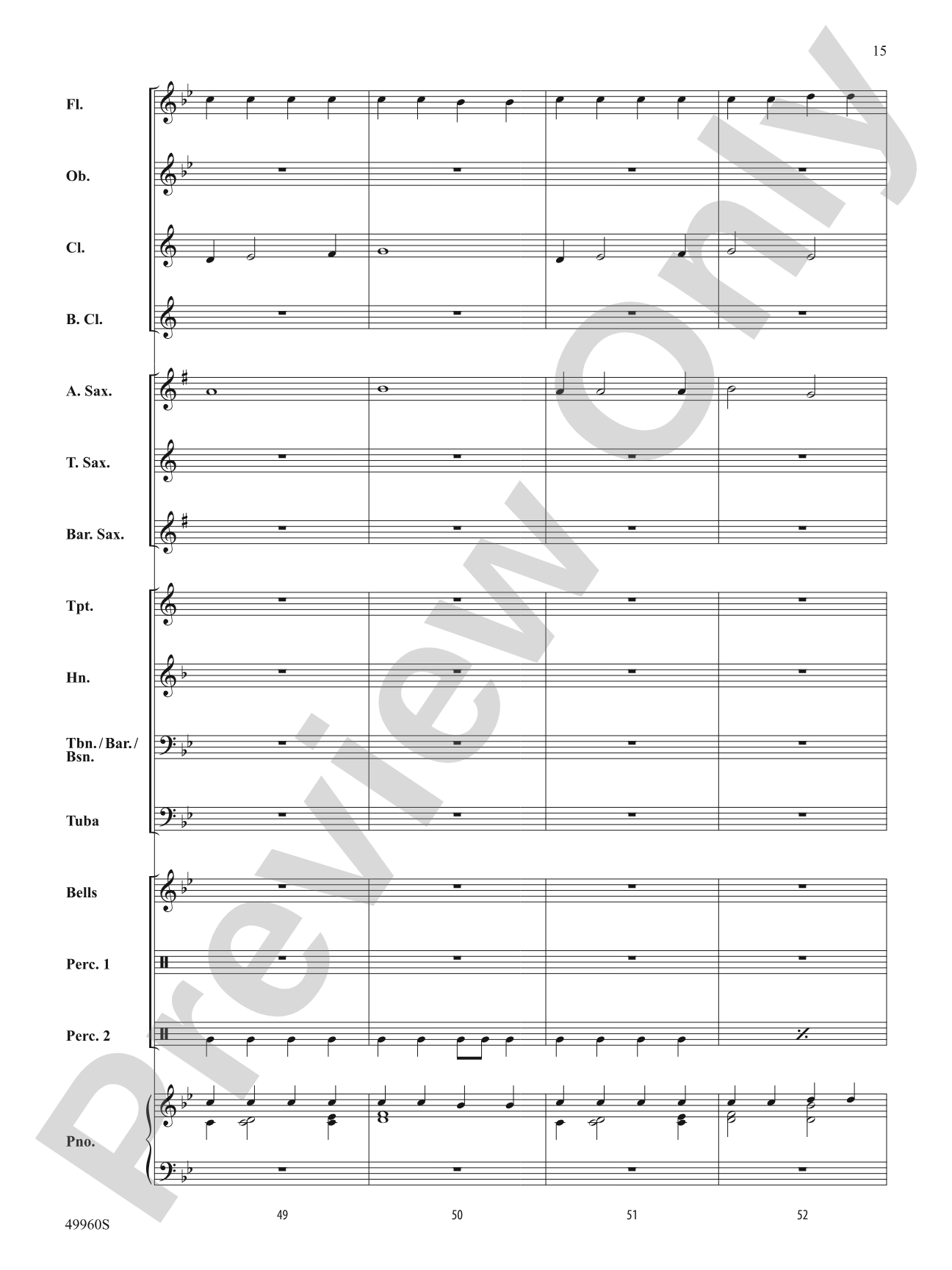
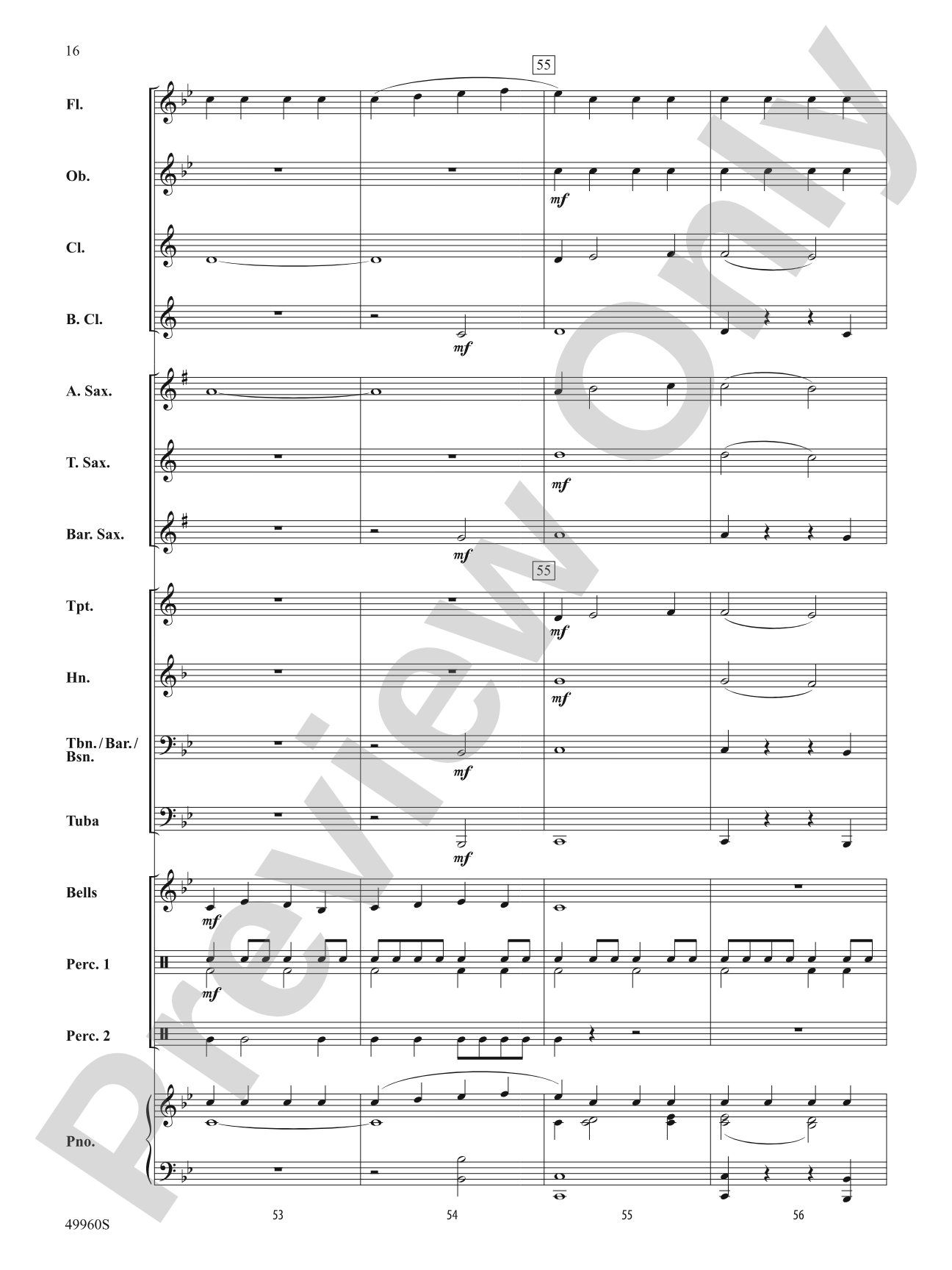
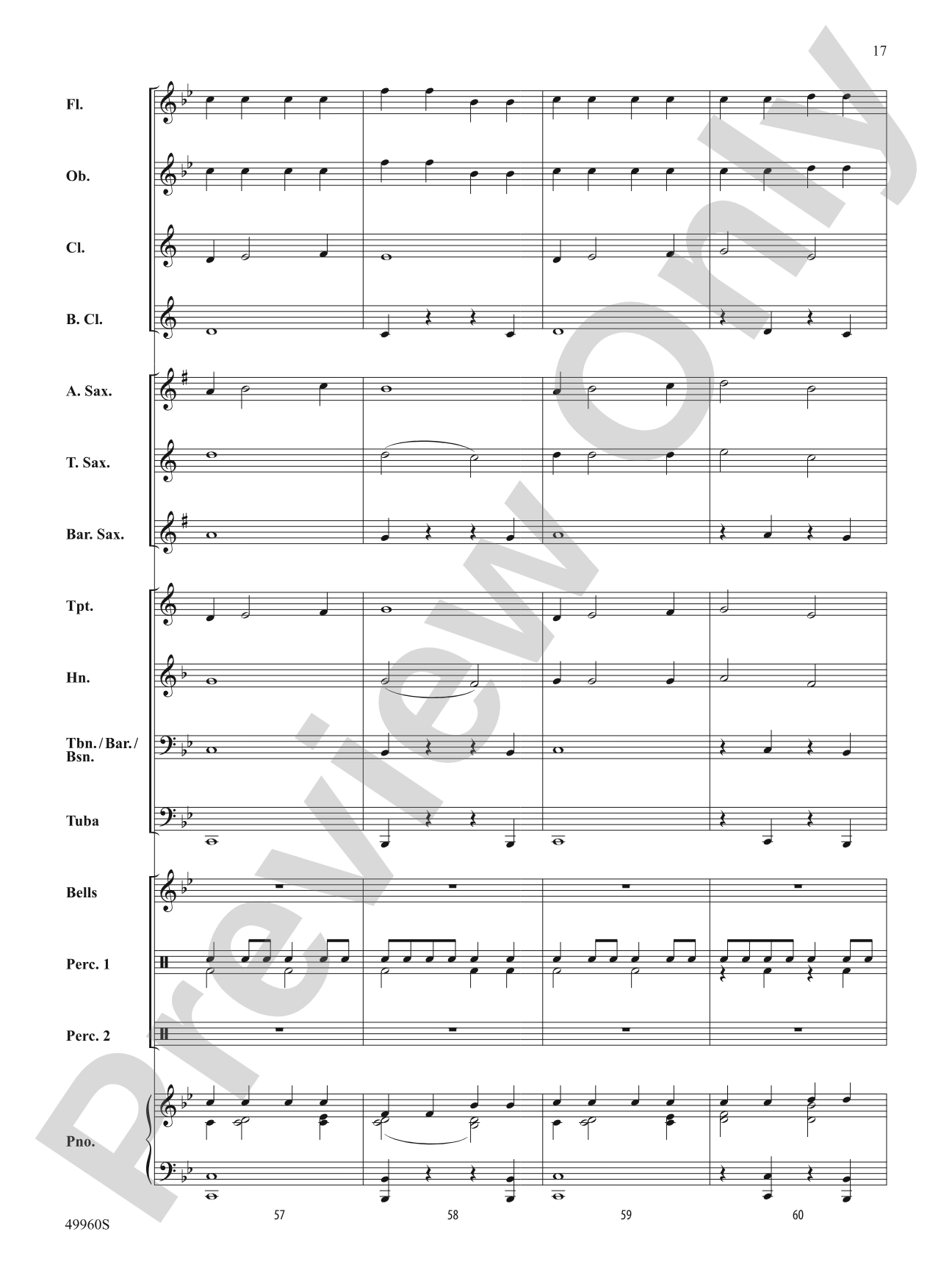
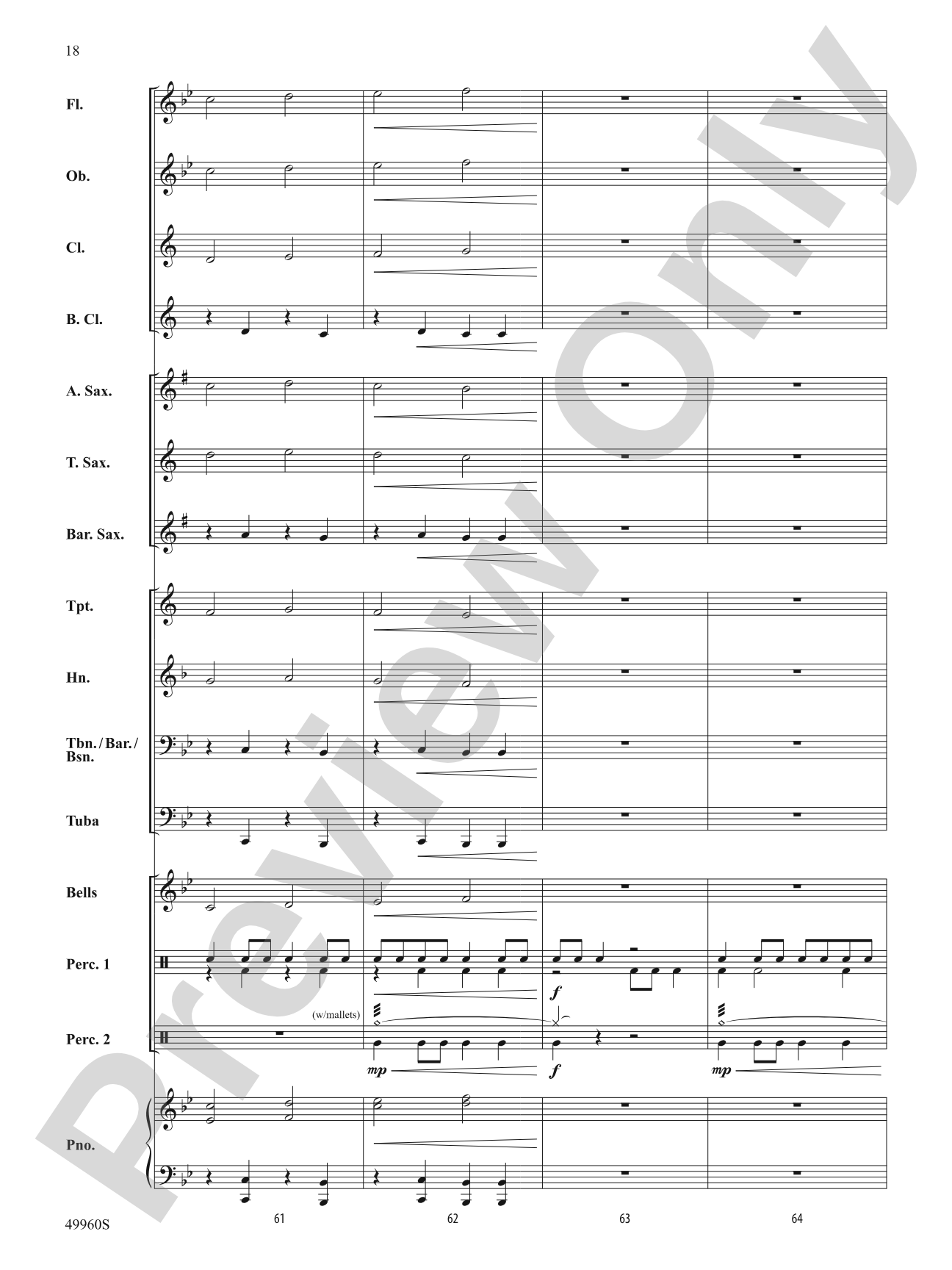
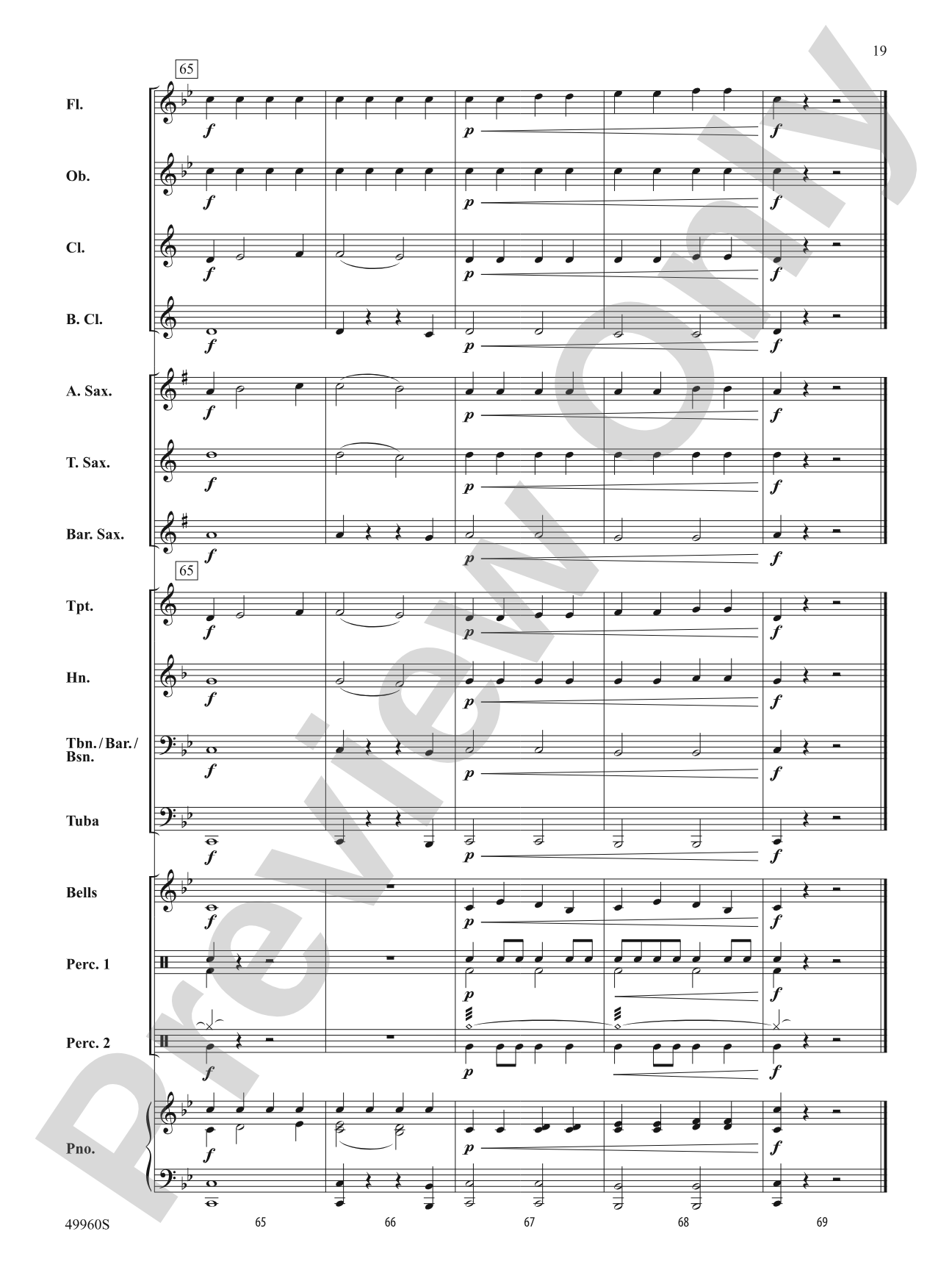

Tirade: Score
By Robert Sheldon
Grade: 0.5
Item: 00-PR-0007275
$10.00
Pickup currently not available
Description
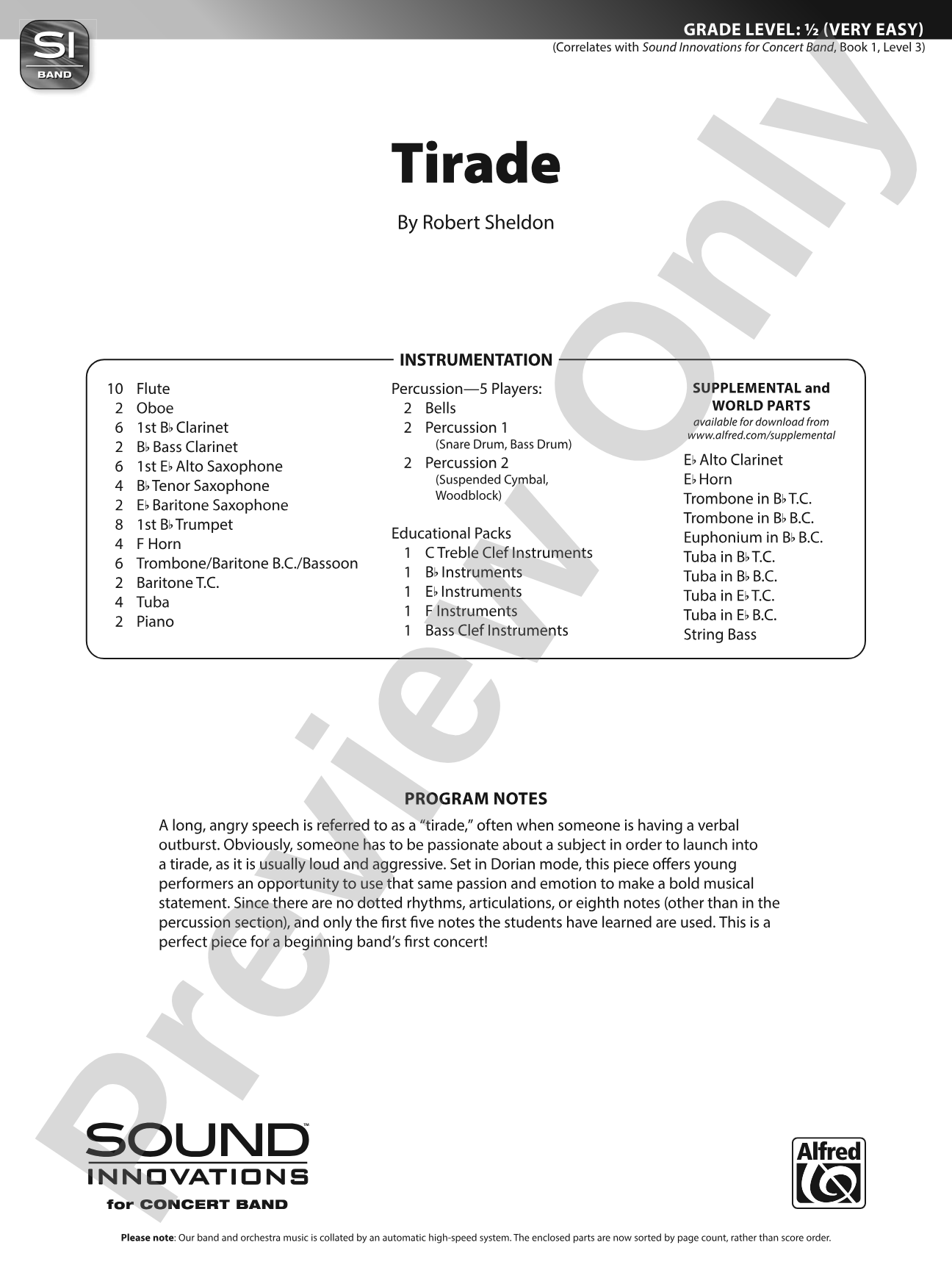
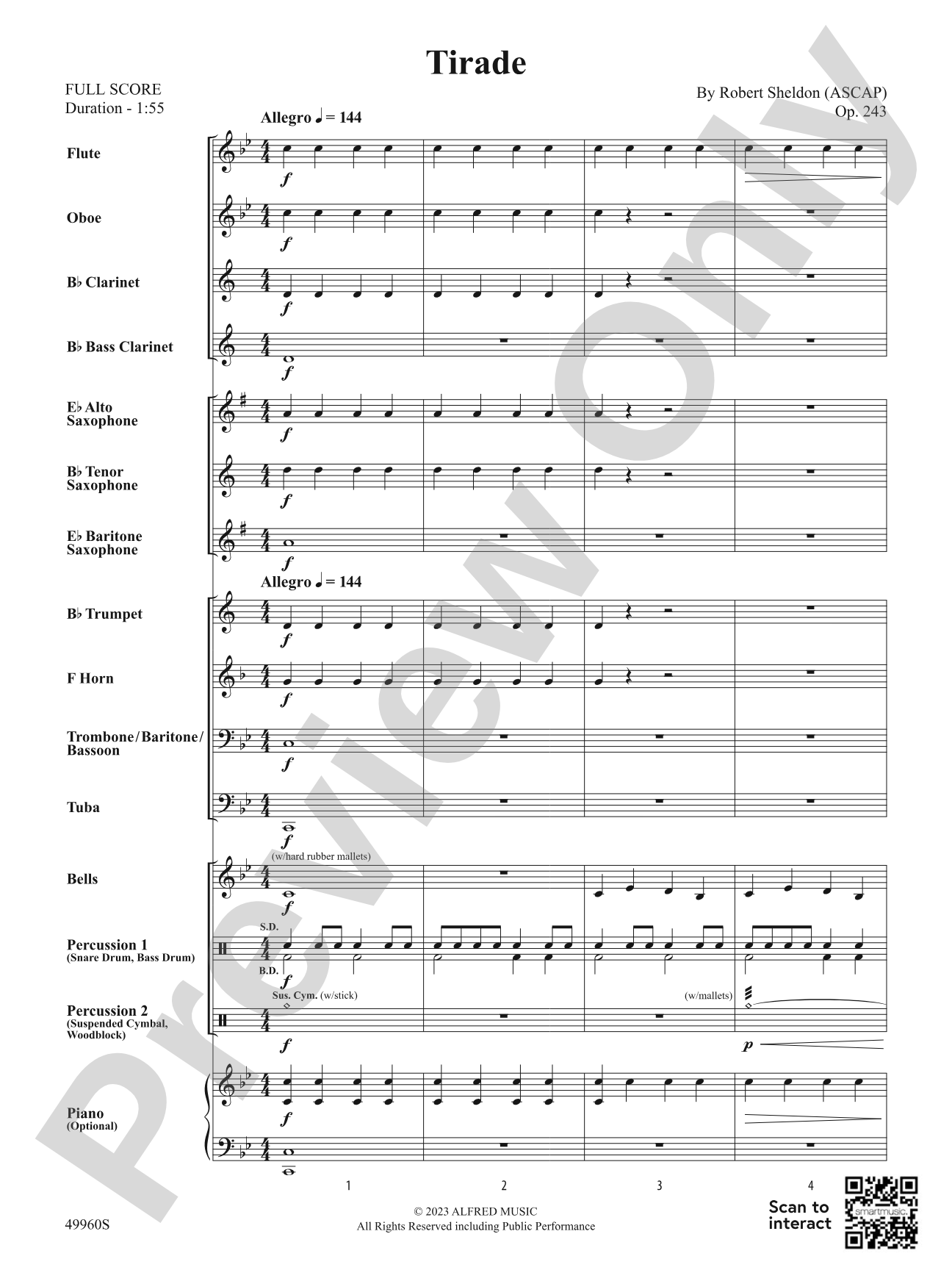
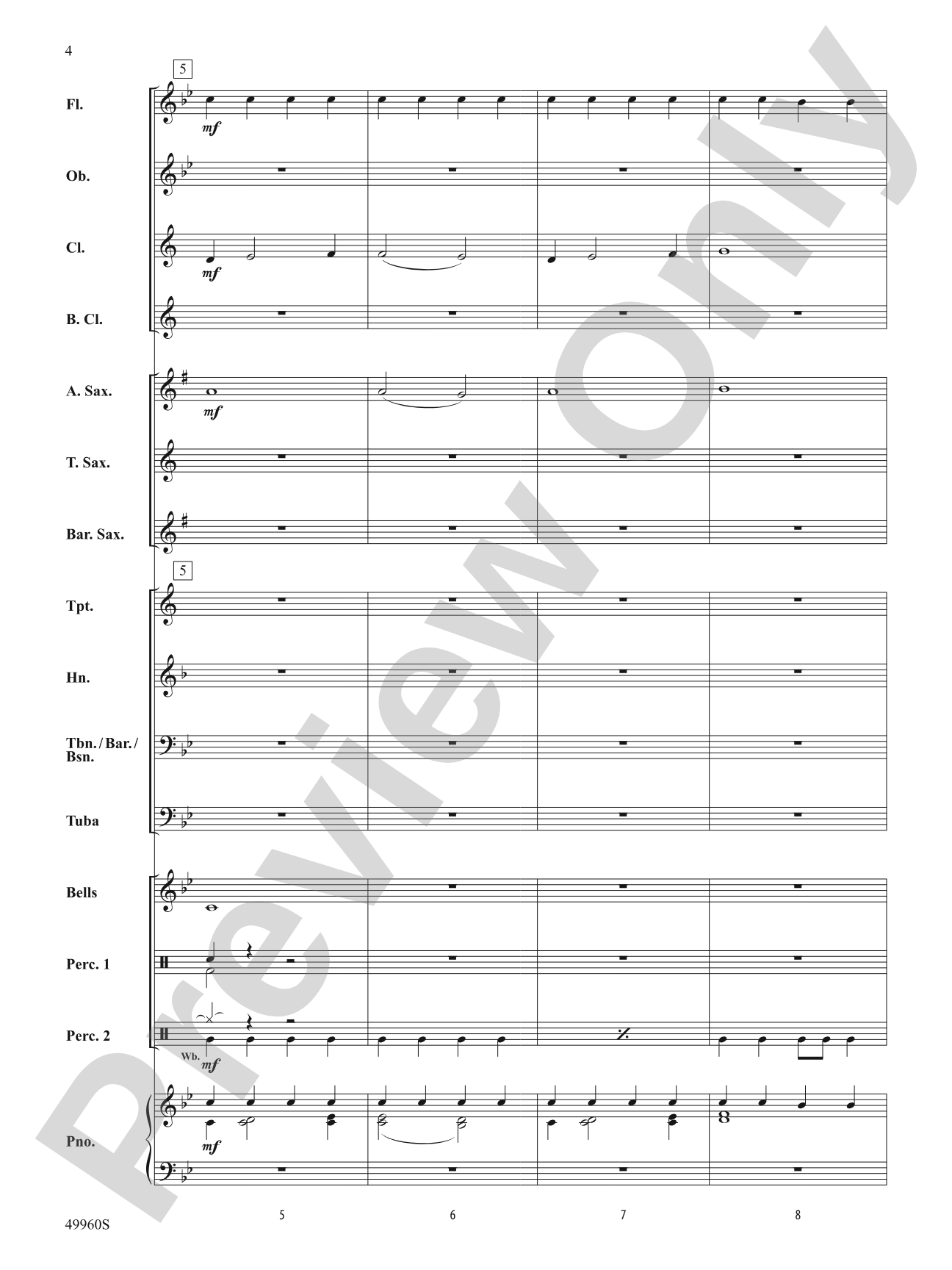
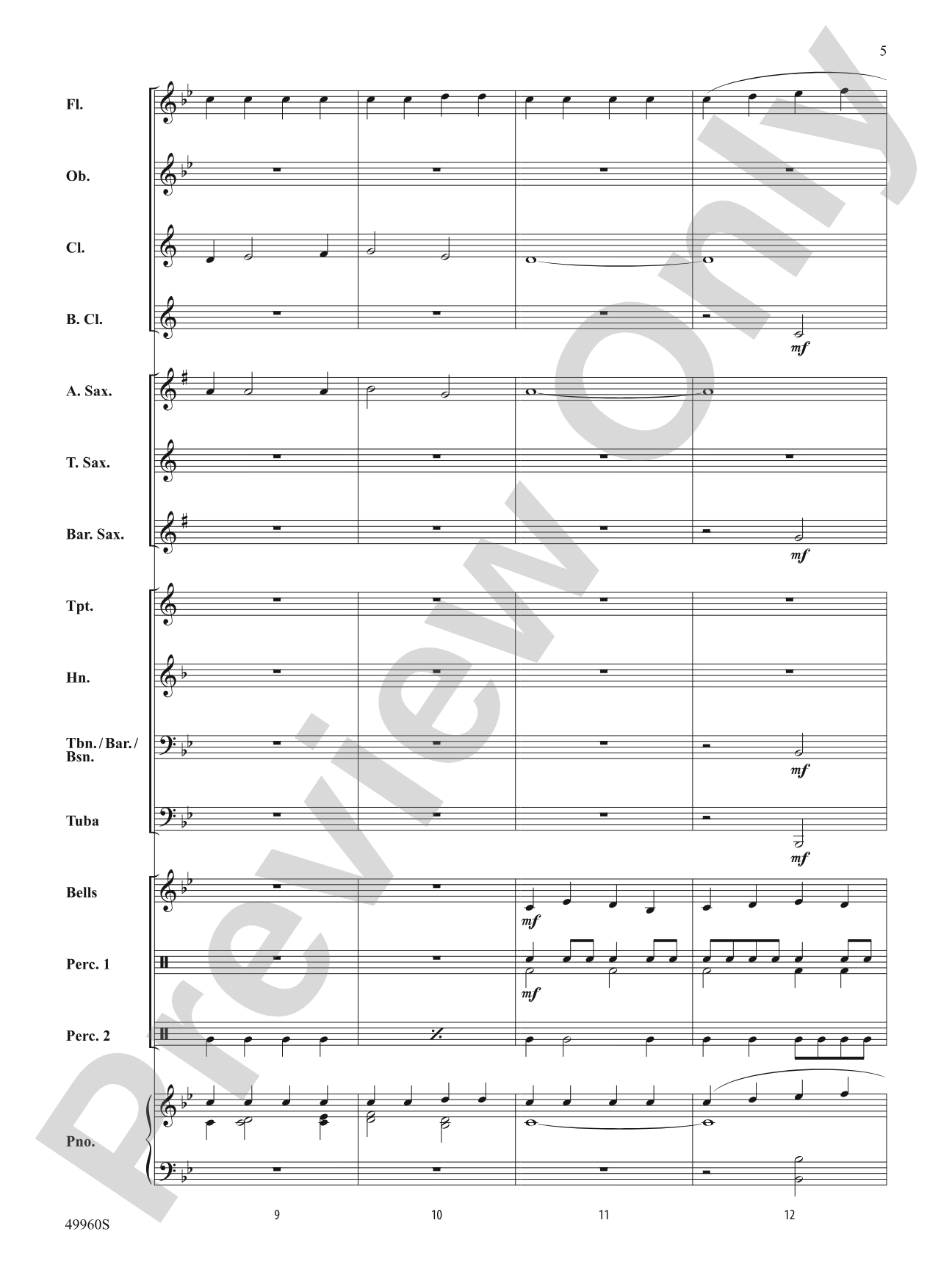
Set in the Dorian mode, Tirade, by Robert Sheldon, offers young musicians the opportunity to perform with passion and emotion to make a bold musical statement. Since there are no dotted rhythms, articulations, or 8th notes (other than in the percussion section), and using only the first five notes the students have learned, this is a perfect piece for a beginning band's first concert! Tirade (1:55) (Correlates to Sound Innovations, Book 1, Level 2).


Don't just read it, hear it, play along with it, and watch your students grow with it. In MakeMusic Cloud, Tirade: Score comes alive with professional accompaniment, adjustable tempo, and built-in practice tools that turn solo practice into real progress.
Open in the Player
Jump straight in and assign it today.
Start Your Free Trial
Open this title and explore the full library in minutes.
Sample Audio
1
Audio File
--:--
0:00
0:00
Sample Video
Additional Details
Series:
Sound Innovations for Concert Band
Publisher:
Alfred Music
SKU:
00-PR-0007275
More about this title
About the Composer: Robert Sheldon

Robert Sheldon's wind band compositions reach thousands of ensembles annually, making him among the most performed composers in the field today. His work as lead author of Sound Innovations for Concert Band has shaped how countless young musicians learn to play together, and his commissions and seasonal publications demonstrate an ongoing commitment to creating music that serves the developing band.
Sheldon's influence extends beyond the page. He has guest conducted All-State and Regional Honor Bands across the United States and internationally in Japan, Canada, Italy, Germany, Australia, and China. His clinician work at colleges, universities, and state music education conferences reflects a deep investment in music education pedagogy. Performances of his works have taken place at Carnegie Hall, Orchestra Hall, Boston's Symphony Hall, the Sydney Opera House, and the Kennedy Center. VanderCook College of Music honored him with a doctorate in 2020.
Why we love this
Tirade strips away the technical obstacles that often bog down early repertoire. By limiting rhythmic complexity and using only five pitches, Sheldon lets your students focus entirely on expression and ensemble listening, which is exactly what a beginning band needs to do first. The Dorian mode gives the piece a color and character that feels sophisticated without demanding advanced technique.
What to expect
Tirade has an understated intensity. The Dorian mode creates a minor-tinged character that feels serious and purposeful, even urgent, but without aggression. Despite its simplicity, the piece conveys genuine emotion and allows young players to feel like they're making a bold artistic statement.
Who it's for
This piece is designed for beginning concert bands ready for their first public performance. It works perfectly for groups using Sound Innovations Book 1 who have mastered the foundational five pitches and want to demonstrate what they can do musically without struggling through technical complexity.
How to get the most out of it
- Shape the melodic line with dynamic contour rather than relying on articulation variety. Your students already have tools for crescendo and decrescendo; use them to build and release tension.
- Lock the tempo with your percussion section early in rehearsal. Since they carry the only eighth-note figures, their precision anchors the whole ensemble.
- Emphasize the modal sound by letting the sustained pitches breathe. Resist the urge to rush; the Dorian mode works best when there's room for the harmony to settle.
How to use it
Schedule this for an early season concert when your ensemble has limited repertoire but wants to show growth and musicality. It pairs well with lyrical or chorale-style selections because the emotional directness of Tirade will stand out, and at under two minutes, it packs impact without requiring extensive stage time.
Skills your students will build
- Sustaining tone across full phrases without articulation
- Listening to and balancing ensemble harmony in a modal context
- Dynamic shaping and expressive playing within limited technical range
- Following a conductor's tempo and interpretation choices
- Performing with unified articulation and ensemble cohesion