Tin Man Does the Iron City Cover Image

Tin Man Does the Iron City: Concert Band Conductor Score

$8.00 USD
Sale price  $8.00 USD Regular price 
Skip to product information
Tin Man Does the Iron City Cover Image

Tin Man Does the Iron City: Concert Band Conductor Score

By Rick Hirsch

Grade: 1.5 (Easy)

Item: 00-48124S

$8.00
Shipped

One moment…

Description
Imagine the Tin Man (from The Wizard of Oz) spending a day bopping around Pittsburgh back when that city's life centered around its busy steel mills and factories. The percussion section enhances the mechanical nature of this quirky, programmatic piece. (2:30) This title available in MakeMusic Cloud.

Tin Man Does the Iron City: Concert Band Conductor Score isn't in MakeMusic Cloud just yet...but it could be. Let us know you'd like to see it, and you'll help shape what comes next. In the meantime, start a free trial and dive into thousands of interactive titles your students can play along with today.

Sample Pages

Sample Audio
0:00
0:00
Sample Video
Additional Details
Series: Alfred Debut Series
Publisher: Alfred Music
Page Count: 16
UPC: 038081555096
SKU: 00-48124S

More about this title

About the Composer: Rick Hirsch
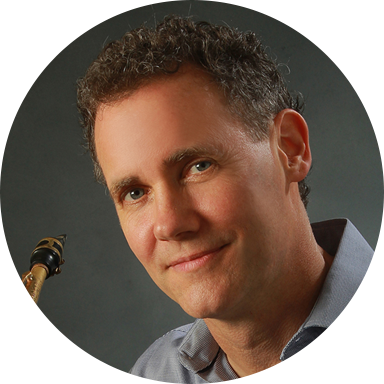
Rick Hirsch

Rick Hirsch earned degrees from UMass-Amherst and Northern Illinois University, launching a career that bridged classical composition with jazz and commercial music. Early on, he worked as a personal music copyist for renowned bandleaders Bob Mintzer and Toshiko Akiyoshi, then went on to compose and arrange for jazz luminaries including Yusef Lateef and Eddie Henderson, as well as the Capitol Quartet and Penn State's celebrated Blue Band.

Hirsch has become a sought-after guest conductor for All-State and District Jazz Bands across the country and previously held a faculty position at Penn State University. In 2017, his own ensemble, Rick Hirsch's BIG OL' BAND, released their debut album Pocono Git-Down, which showcases the thriving jazz communities in smaller regions often overlooked by the mainstream music industry.

Why we love this

Hirsch captures something genuinely playful here without sacrificing compositional craft. The conceit of the Tin Man navigating an industrial landscape gives student musicians a vivid narrative to inhabit, while the orchestration keeps the Grade 1.5 level accessible; there's no awkward padding or oversimplification. Directors appreciate pieces that feel like real stories with stakes rather than generic "fun" fillers.

What to expect

Quirky and mechanical yet oddly endearing, like watching a tin toy wind itself up and march through a factory floor. The percussion writing emphasizes metallic textures and rhythmic propulsion, creating a soundscape that feels both tongue-in-cheek and surprisingly sophisticated for its accessibility level.

Who it's for

Student conductors and Grade 1.5 concert bands looking for a programmatic piece with genuine personality and charm. It works equally well for ensembles building foundational ensemble skills and those seeking lighter fare that still demands musical intention.

How to get the most out of it

  • Let the percussion section drive the mechanical energy. The interplay between pitched and unpitched percussion should feel almost choreographed, like gears meshing in a factory rather than accompanying the melody.
  • Shape the melodic line with clear articulation in the woodwinds so the whimsical character comes through. Avoid dragging; the two-and-a-half-minute runtime needs buoyancy.
  • Balance the bass line to anchor the piece without overwhelming the lighter textures above it. At this grade level, intonation in the lower voices pays off immediately.

How to use it

Pair this with Grade 1.5 classics or standard repertoire to open a concert on a lighter note and set an engaging tone early. It also works well as a palate cleanser between weightier pieces, or as a standalone feature on a concert that celebrates storytelling in band literature.

Skills your students will build

  • Responding to a clear programmatic narrative through musical interpretation
  • Balance and blend within a section-dependent ensemble texture
  • Precision in rhythmic articulation, especially across mixed percussion parts
  • Sustaining musical shape through a short form (2:30 duration)

You May Also Like