Time Out: The Dave Brubeck Quartet Cover Image

Time Out: The Dave Brubeck Quartet: Piano Book

$16.99 USD
Sale price  $16.99 USD Regular price 
Skip to product information
Time Out: The Dave Brubeck Quartet Cover Image

Time Out: The Dave Brubeck Quartet: Piano Book

50th Anniversary Edition

By Dave Brubeck, Iola Brubeck, and Paul Desmond

Level: Advanced

Item: 00-33311

$16.99
Shipped

One moment…

Description
The Dave Brubeck Quartet's 1959 album Time Out changed the sound of jazz and American music. Brubeck's experimentation with meter, harmony and even Turkish rhythms eventually earned him the cover of Time Magazine; the first jazz musician to achieve such a feat. Saxophonist Paul Desmond's composition "Take Five" went on to become the first million-selling jazz instrumental single on the Billboard Hot 100. This folio celebrates the album's 50th anniversary with full-color artwork from the original record, and a 10 page write-up from jazz historian Ted Gioia. All seven compositions from the monumental recording-- just as Brubeck played them - are featured in this collectable folio. Titles: Blue Rondo à la Turk * Strange Meadow Lark * Take Five * Three to Get Ready * Kathy's Waltz * Everybody's Jumpin' * Pick Up Sticks.

Time Out: The Dave Brubeck Quartet: Piano Book isn't in MakeMusic Cloud just yet...but it could be. Let us know you'd like to see it, and you'll help shape what comes next. In the meantime, start a free trial and dive into thousands of interactive titles your students can play along with today.

Sample Pages

Sample Audio
No sample audio found.
Sample Video
Additional Details
Publisher: Alfred Music
Page Count: 64
ISBN10: 0-7390-6233-6
ISBN13: 978-0-7390-6233-3
UPC: 038081372051
SKU: 00-33311

More about this title

About the Composer: Dave Brubeck
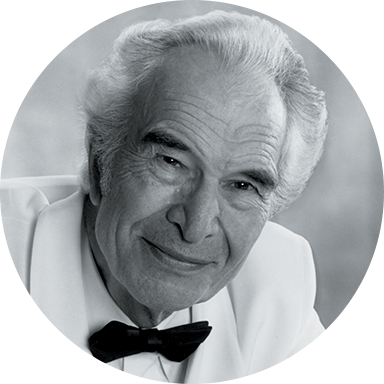
Dave Brubeck

Dave Brubeck's career bridged two worlds: the jazz piano trio and the concert hall. Trained classically under Darius Milhaud after World War II, he channeled his mentor's encouragement to fuse jazz language with formal compositional technique, creating works that ranged from chamber music and string quartets to large-scale choral pieces and ballets. His improvisational gifts as a performer matched his skill as a fully-notated composer.

Beyond the music itself, Brubeck broke barriers in mid-century America by refusing to play segregated venues, making his artistic choices a statement about race and access. Time Out became the first jazz album to exceed one million sales, earning him the distinction of being the first jazz musician featured on the cover of Time Magazine. His legacy extends across Grammy Lifetime Achievement recognition, induction into the American Classical Music Hall of Fame (2003), and international honors from Austria and the Clinton administration.

Why we love this

This folio gives pianists direct access to Brubeck's own orchestrations of a revolutionary album, complete with Ted Gioia's historical context and original cover art. Advanced players encounter not just iconic melodies but the harmonic sophistication and metric adventurousness that made Time Out a cultural watershed. Programming any of these pieces signals serious artistic intent.

What to expect

Intellectually restless and endlessly melodic at once. The music swings hard while asking questions about rhythm and tonality that keep your ears alert. There's both the immediacy of a great melody ("Take Five") and the subtle complexity of harmonic movement that rewards repeated listening.

Who it's for

Advanced pianists who are ready to tackle jazz harmony, unconventional meters, and the specific demands of Brubeck's compositional voice. This folio appeals equally to classical pianists exploring jazz standards and jazz pianists seeking to deepen their understanding of a foundational figure.

How to get the most out of it

  • Study the harmonic language closely before diving into tempo. Brubeck's voicings often depart from standard jazz conventions; understanding the architecture will anchor your improvisations.
  • Approach the meter changes with confidence rather than hesitation. These shifts (particularly in "Blue Rondo à la Turk" and "Kathy's Waltz") feel natural once they're internalized, not forced.
  • Balance the written melody with space for personal interpretation. This is notated jazz, not a classical transcription; Brubeck expects you to make it your own.
  • Pay attention to the rhythmic figures that recur across pieces. They create coherence and help audiences hear the album as a unified statement rather than disconnected tracks.

How to use it

Feature one or two selections on a recital built around jazz standards and composers who bridged classical and improvisational worlds. These pieces work equally well as a full concert program dedicated to Time Out or as a centerpiece within a broader exploration of American jazz innovation.

Skills your students will build

  • Reading and performing in complex meters (5/4, 3/4, 9/8)
  • Voice leading and harmonic analysis in jazz contexts
  • Balancing composed melody with idiomatic jazz improvisation
  • Rhythmic precision in syncopated figures and polyrhythmic passages
  • Stylistic flexibility between classical and jazz performance approaches

You May Also Like