
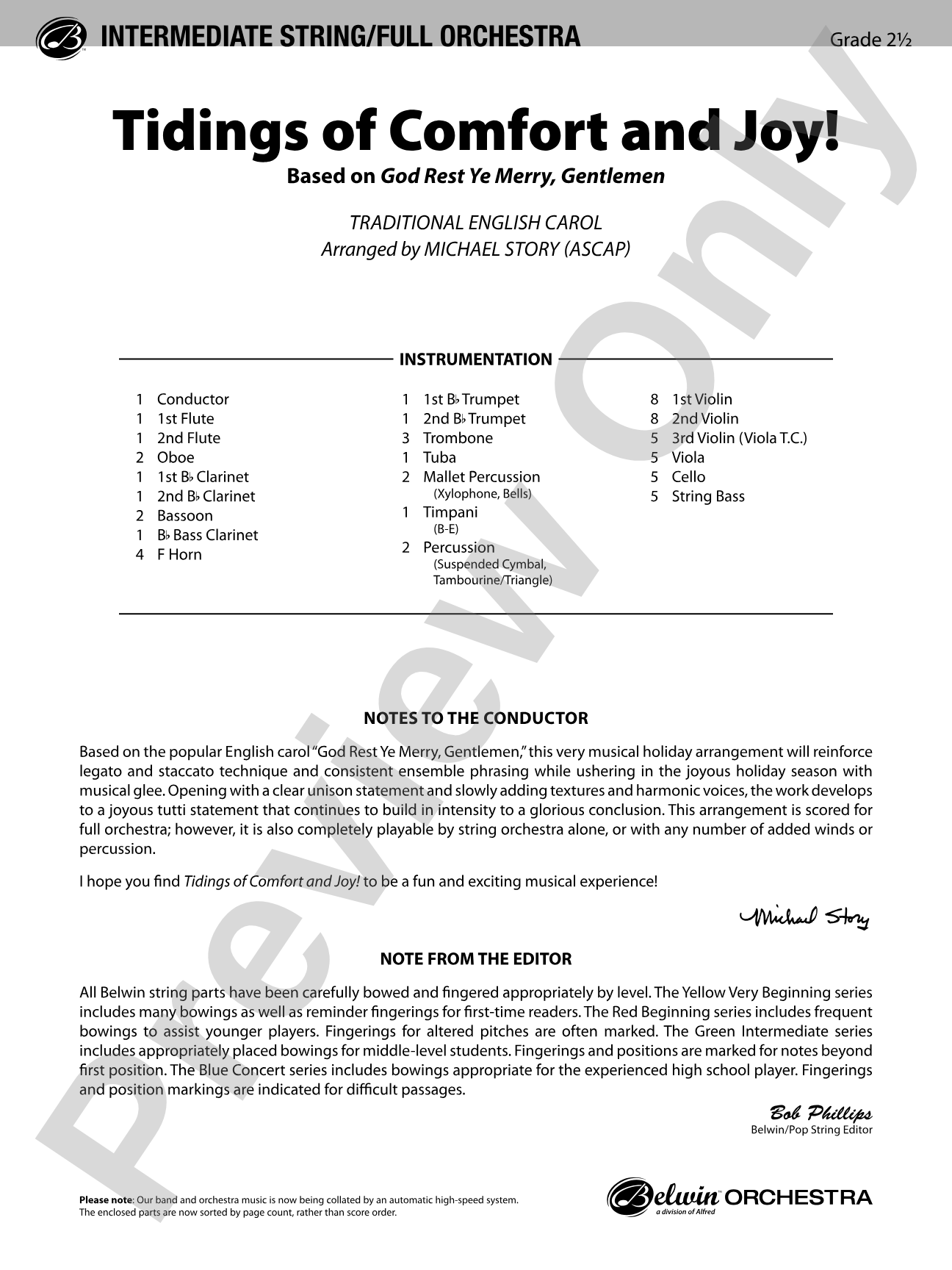
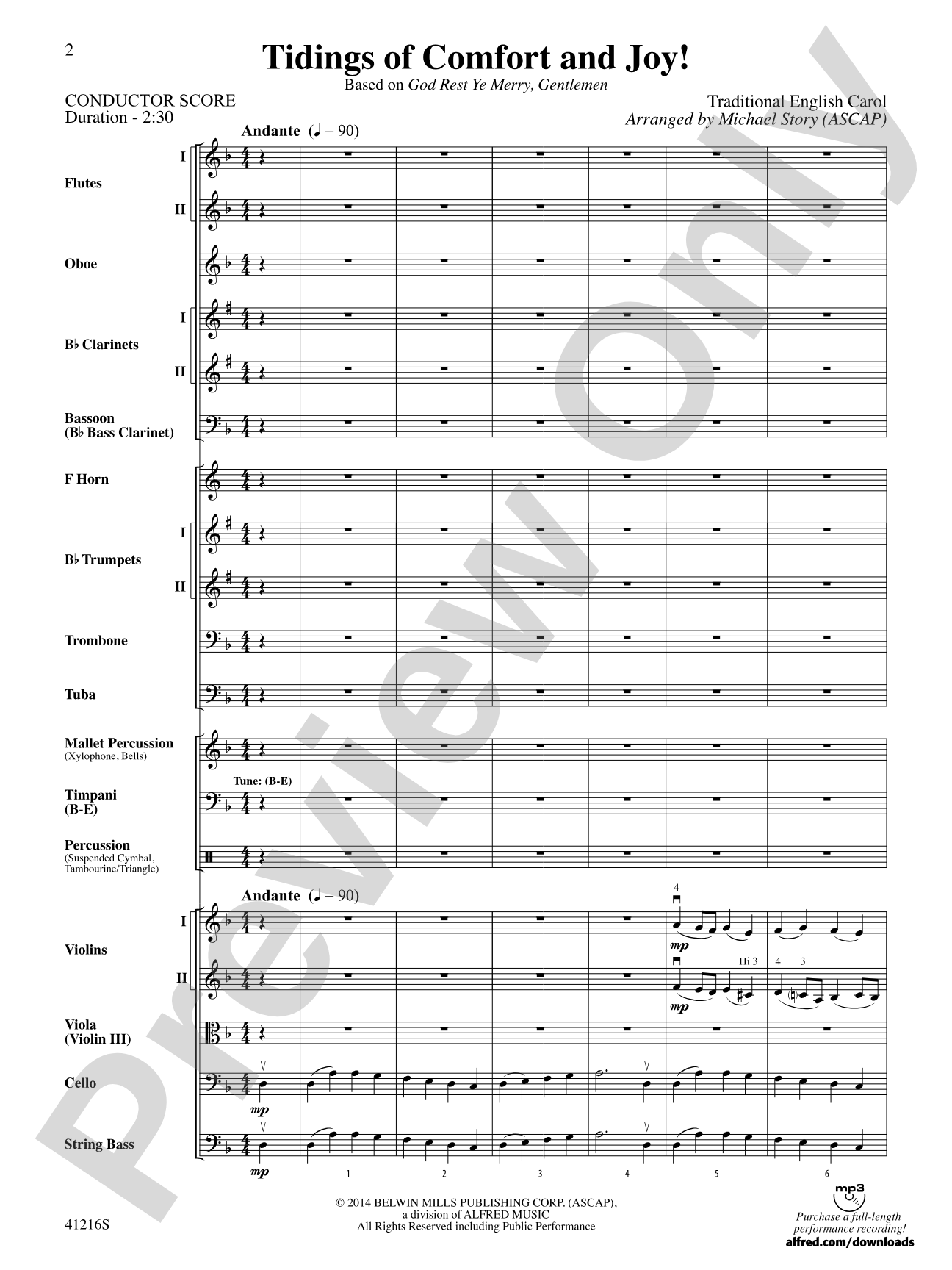
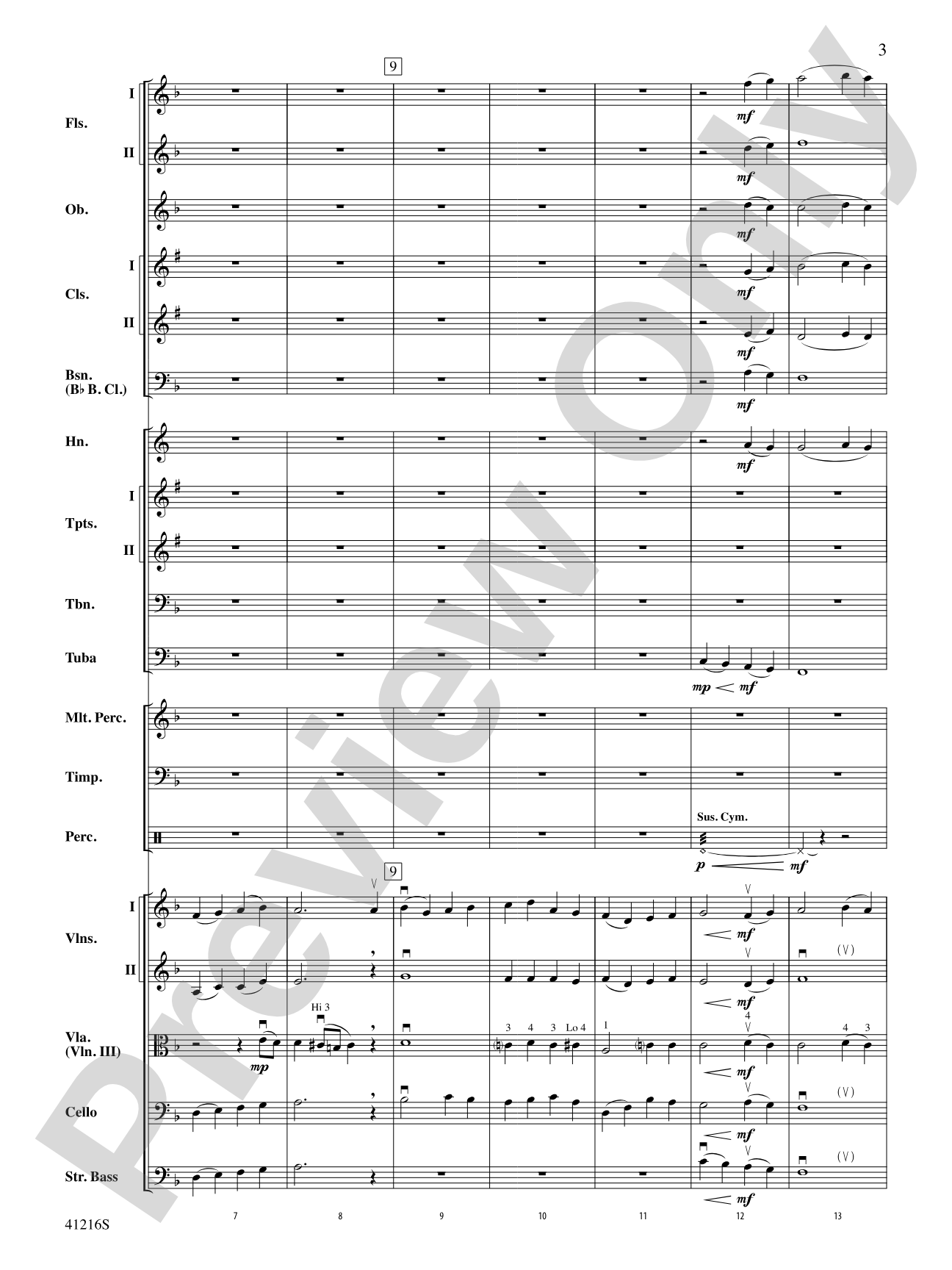
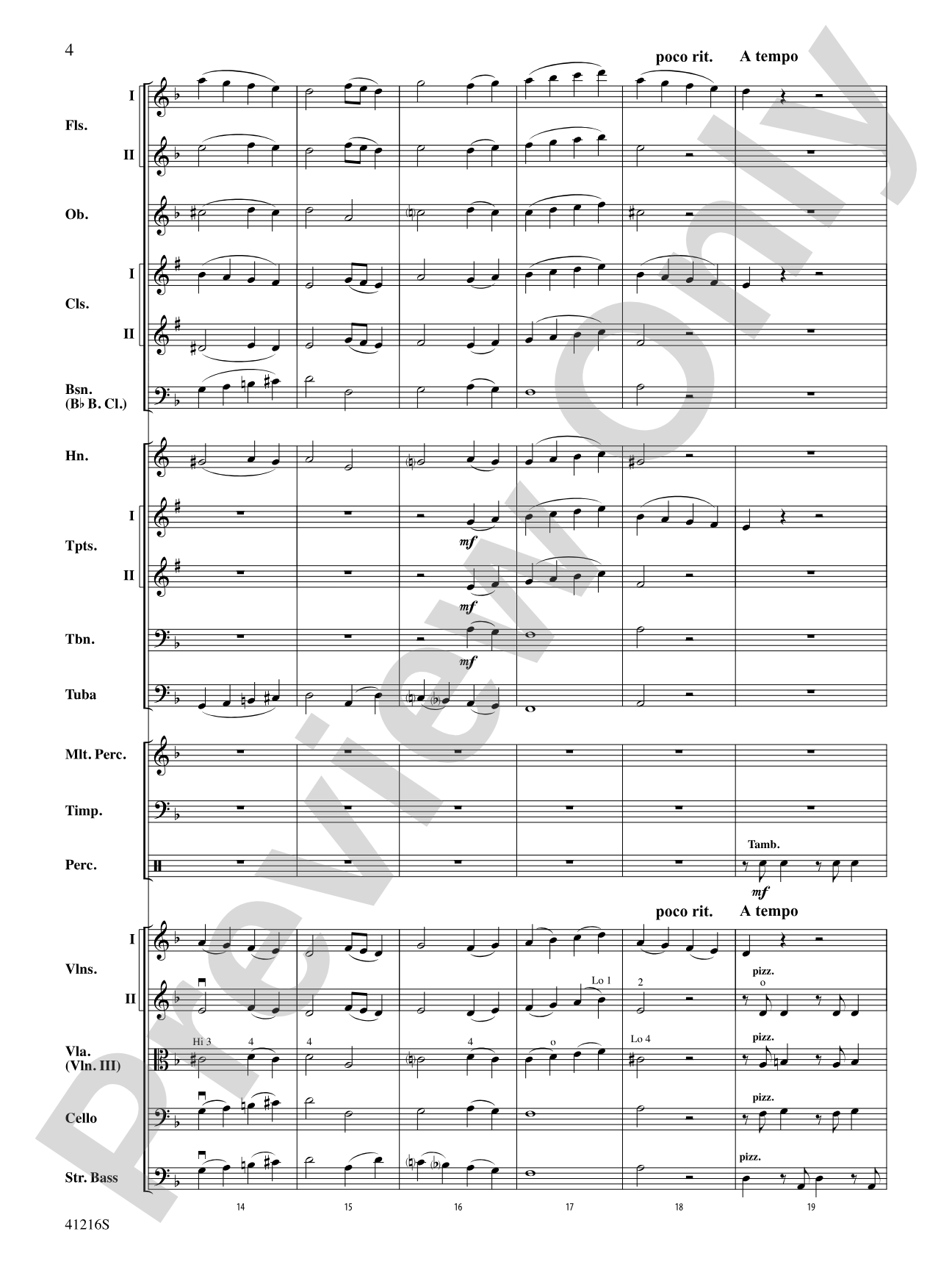
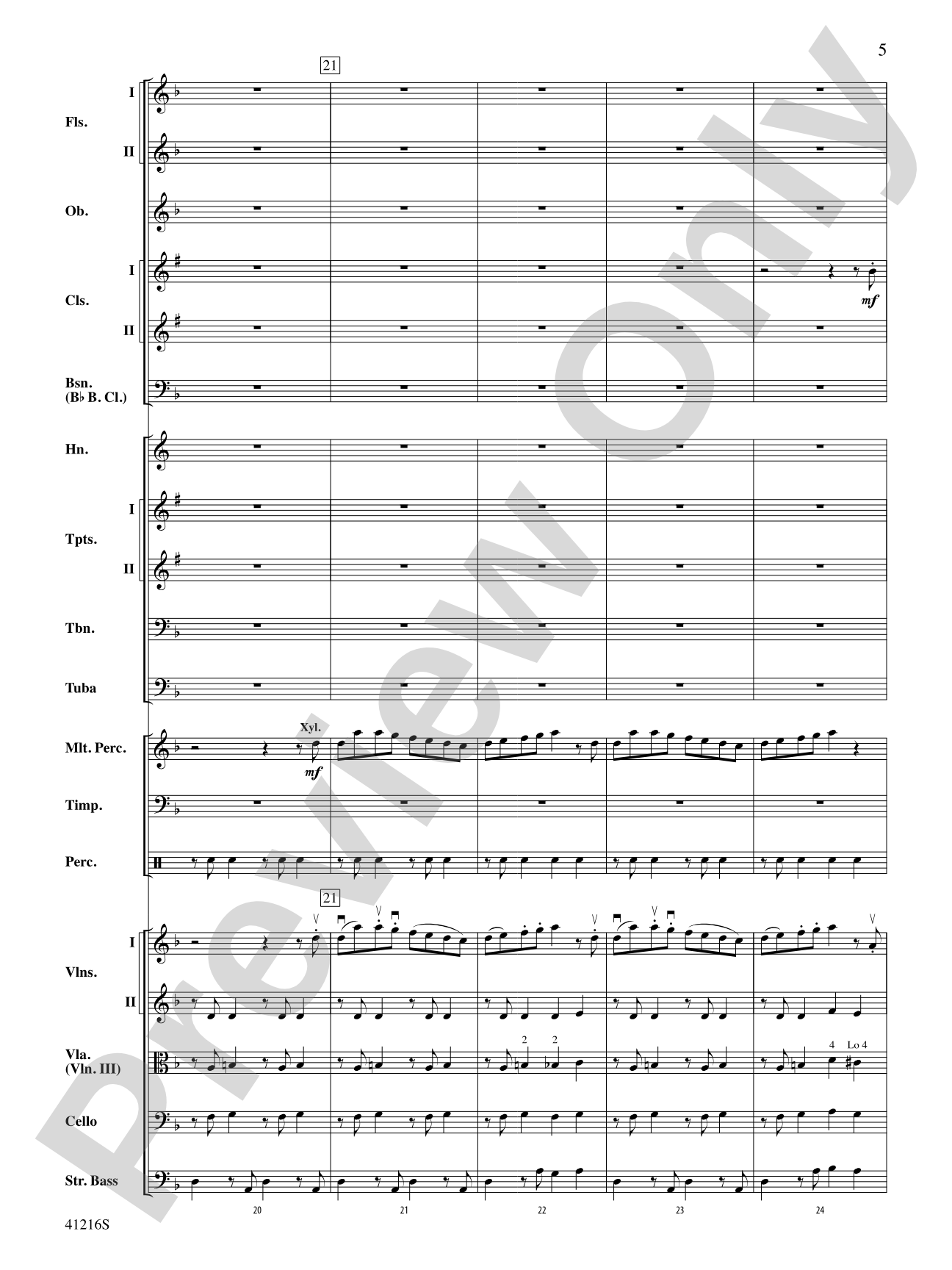
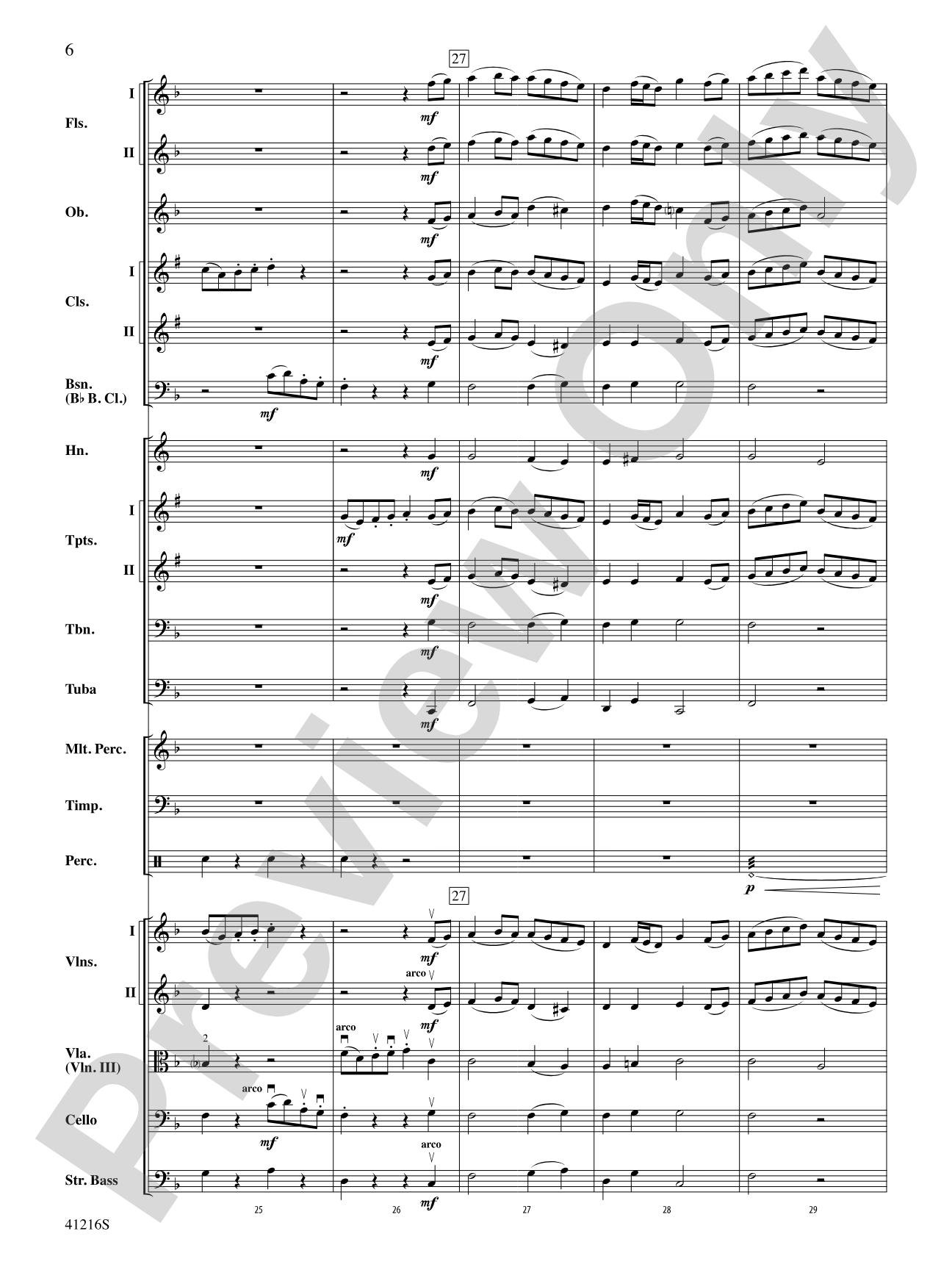
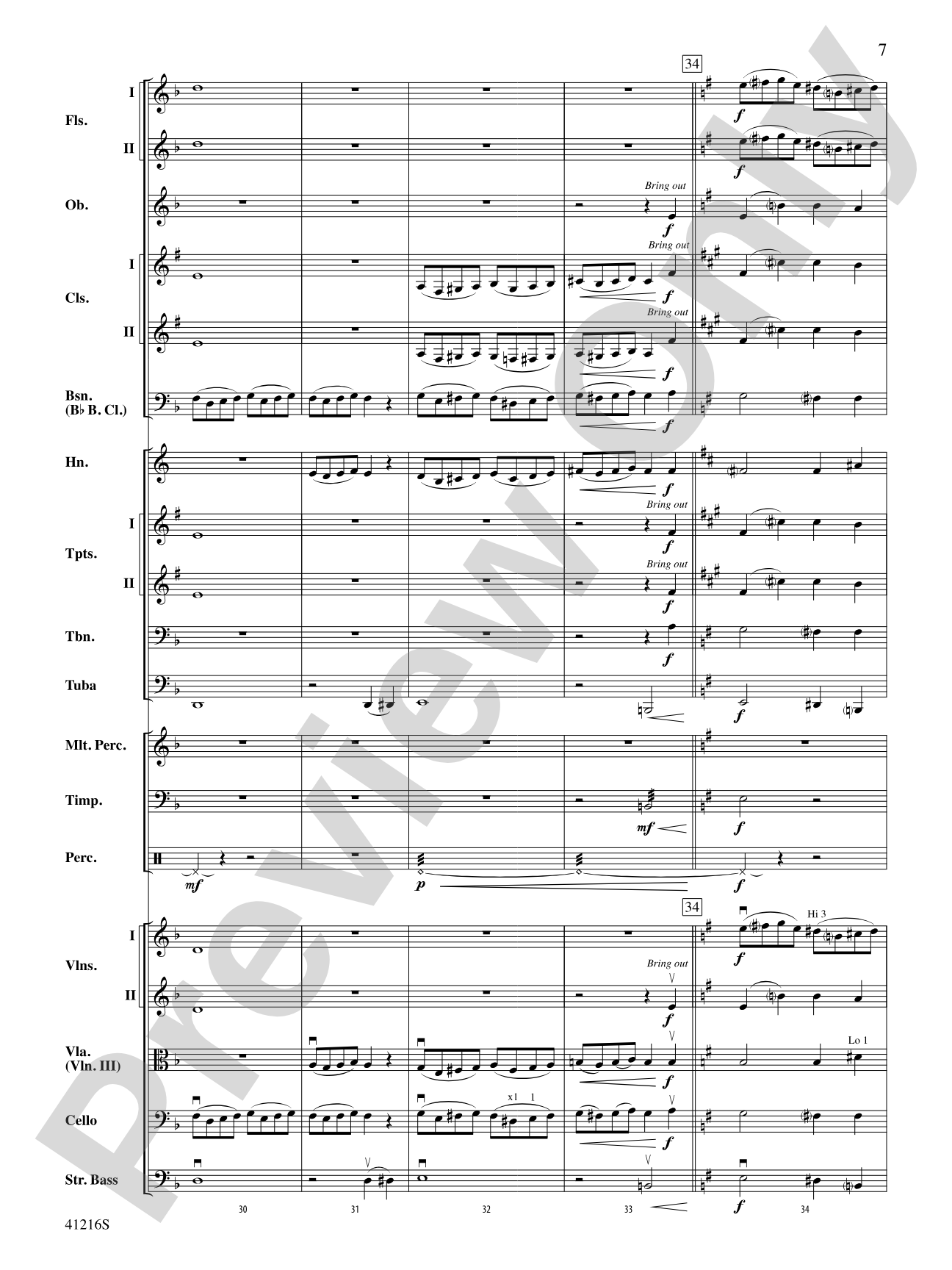
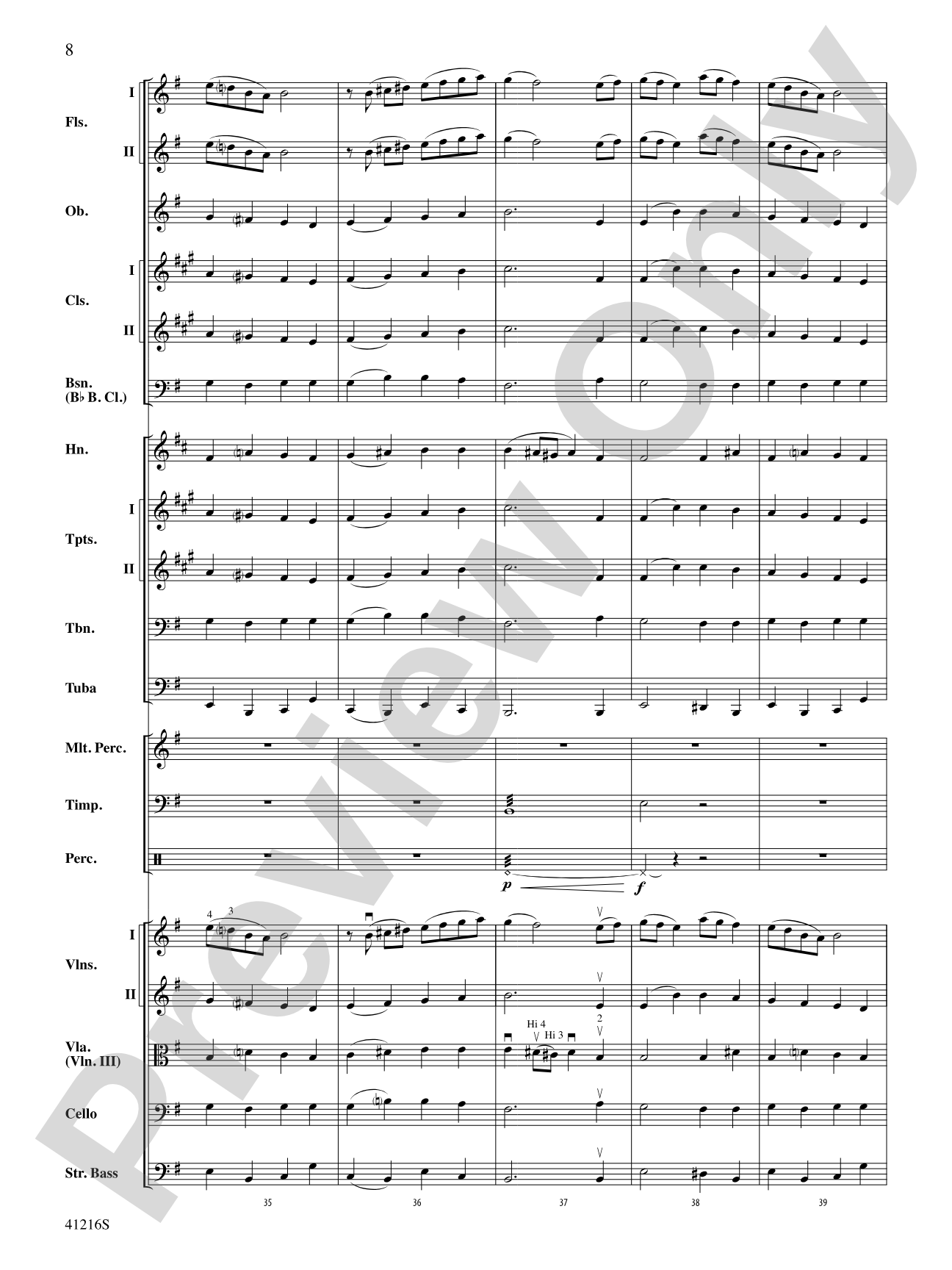
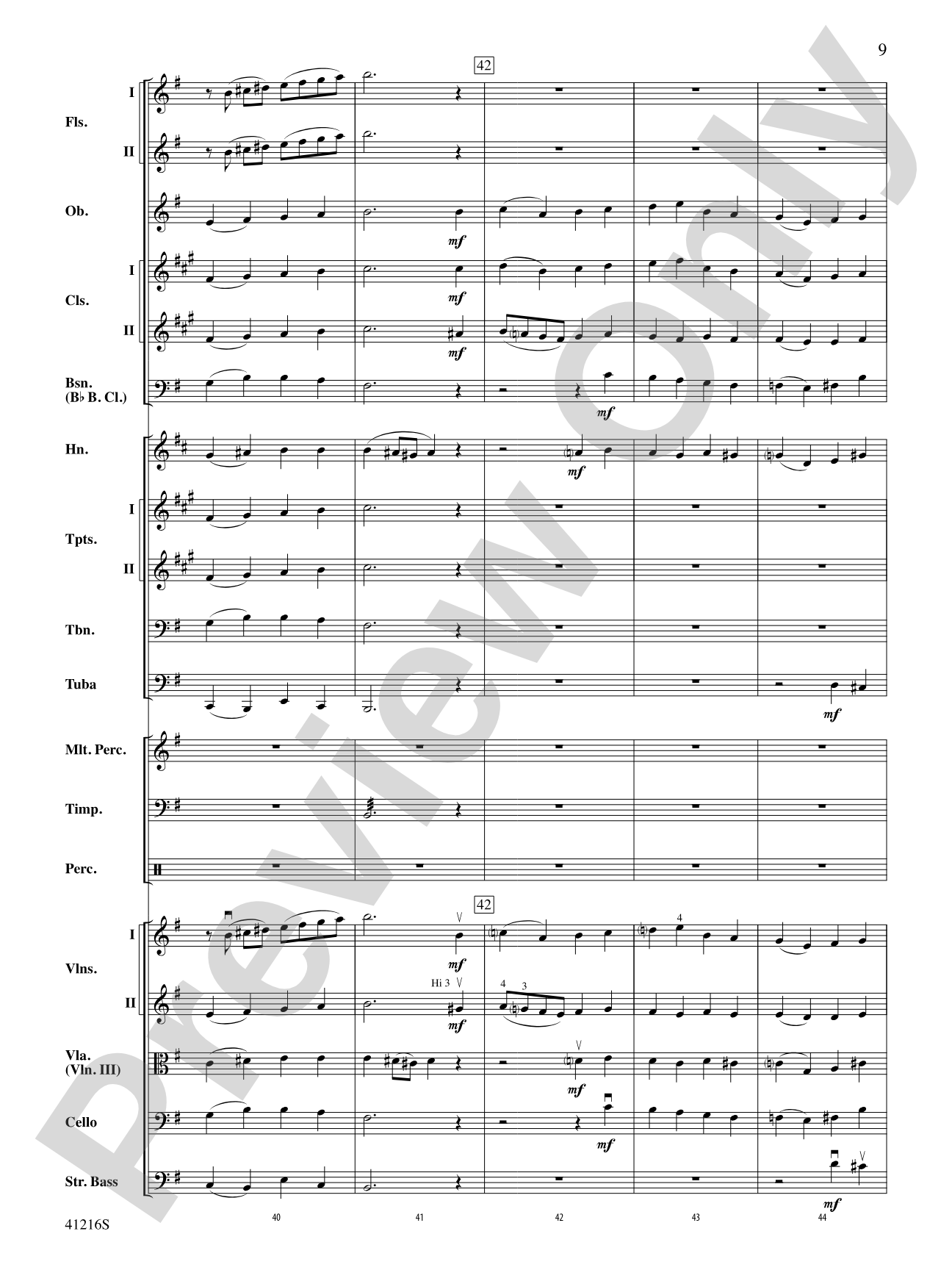
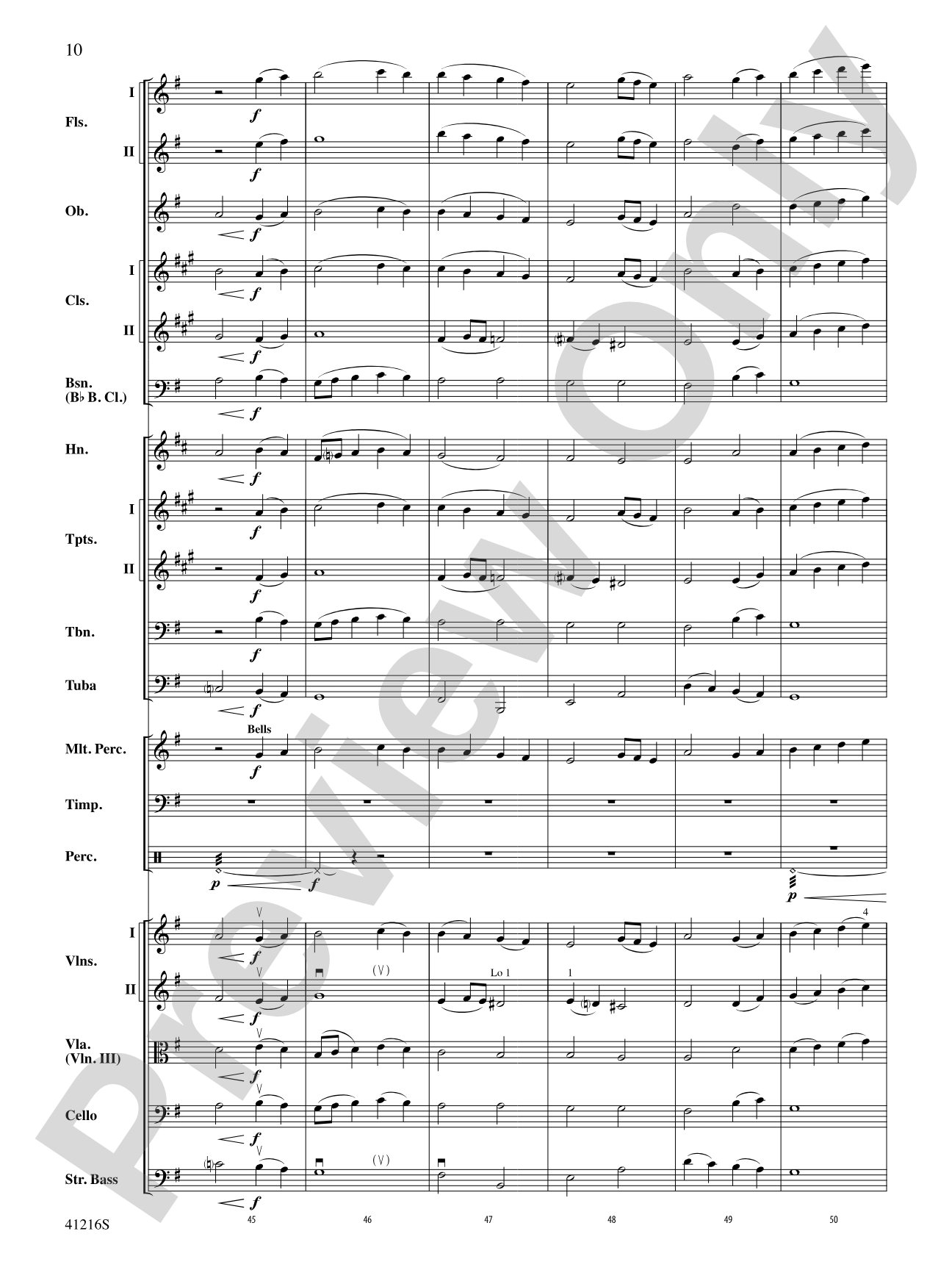
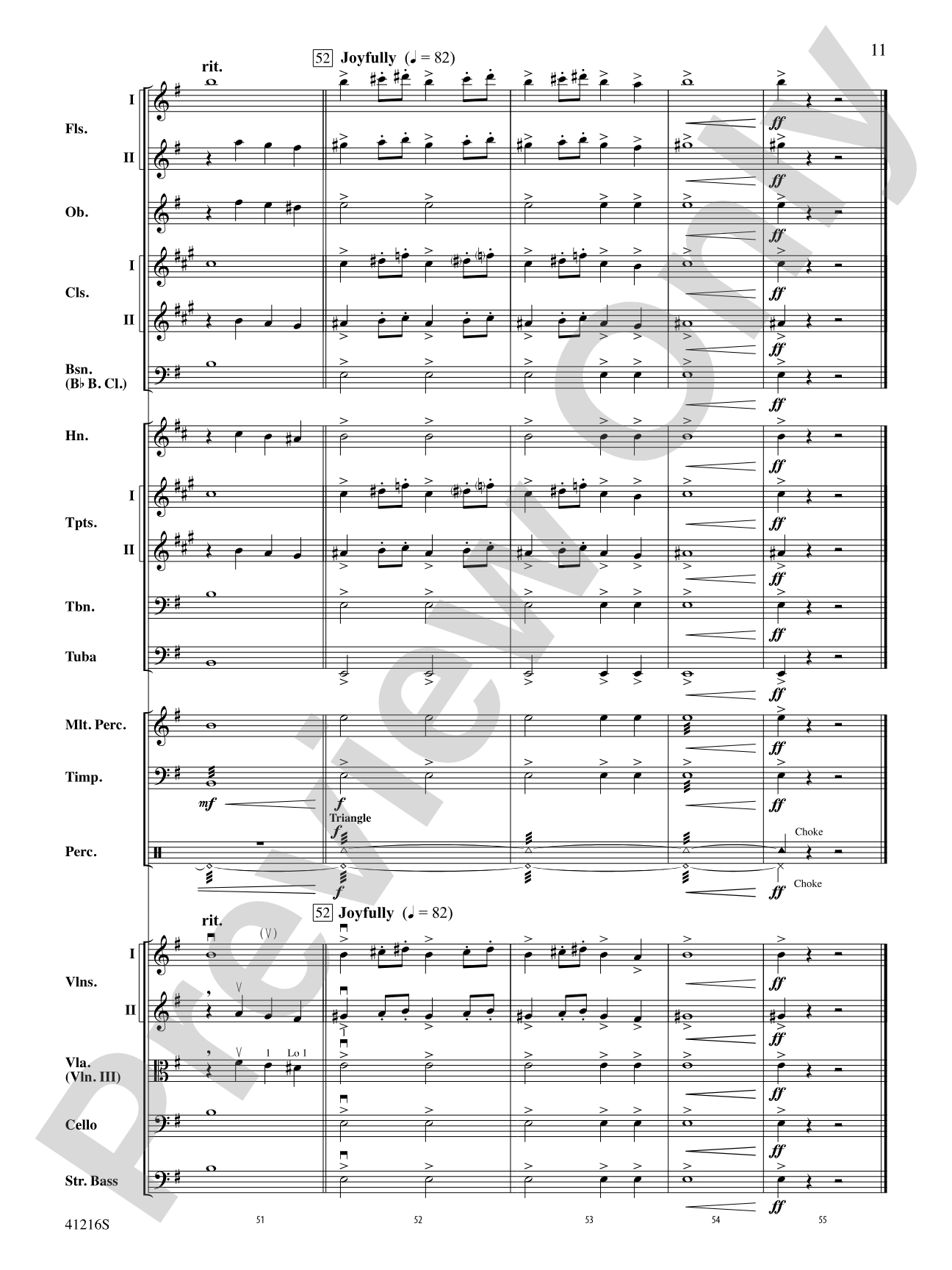

Tidings of Comfort and Joy!: Full Orchestra Conductor Score & Parts
Based on "God Rest Ye Merry, Gentlemen"
Traditional English Carol / arr. Michael Story
Grade: 2.5
Item: 00-PK-0006087

$55.00
Pickup currently not available
Buy Extra Parts (Digital PDF Download)
Parts Added to Cart!
Related Items
Tidings of Comfort and Joy!: Concert Band Conductor Score & Parts |
$57.00
|
View | |
Tidings of Comfort and Joy!: Concert Band Conductor Score & Parts |
$57.00
|
View | |
Tidings of Comfort and Joy!: Concert Band Conductor Score |
$9.00
|
View | |
Tidings of Comfort and Joy!: Full Orchestra Conductor Score & Parts |
$55.00
|
View | |
Tidings of Comfort and Joy!: Full Orchestra Conductor Score |
$7.00
|
View |
Description
Reinforce legato, staccato, and ensemble phrasing with this piece while ushering in the joyous holiday season with musical glee. Opening with a clear unison statement and slowly adding textures and harmonic voices, the work develops to a joyous tutti statement that continues to build in intensity to a glorious conclusion. This arrangement is scored for full orchestra; however, it is also completely playable by string orchestra alone, or with any number of added winds or percussion. (2:30) This title is available in MakeMusic Cloud.


Don't just read it, hear it, play along with it, and watch your students grow with it. In MakeMusic Cloud, Tidings of Comfort and Joy!: Full Orchestra Conductor Score & Parts comes alive with professional accompaniment, adjustable tempo, and built-in practice tools that turn solo practice into real progress.
Open in the Player
Jump straight in and assign it today.
Start Your Free Trial
Open this title and explore the full library in minutes.
Sample Audio
1
Audio File
--:--
0:00
0:00
Sample Video
No sample videos found.
Additional Details
Series:
Belwin Intermediate String/Full Orchestra
Publisher:
Alfred Music
Page Count:
120
SKU:
00-PK-0006087
More about this title
About the Arranger: Michael Story
Michael Story is a prolific composer and arranger whose work spans concert band, orchestra, and choral genres. His arrangements for young ensembles are known for their musical substance, clear orchestration, and pedagogical sensitivity—balancing accessibility with genuine artistic merit.
Why we love this
Story's approach here rewards careful ensemble listening without asking for technical virtuosity beyond Grade 2.5. The gradual textural layering means your orchestra builds confidence through repetition while the conducting work on phrasing and blend stays musical and purposeful throughout. It's the rare holiday piece that works equally well as a teaching tool and a genuine concert moment.
What to expect
Warmth built from restraint. The piece opens with transparency and honest beauty, then gradually wraps itself in fuller harmony without losing that initial clarity. By the conclusion, the accumulation of voices creates genuine joy—the kind that comes from an ensemble working together toward something larger than any single line.
Who it's for
Orchestra directors at the intermediate level who want a holiday piece with real substance, not filler. This works for districts with full orchestras, but also for those building sectionally from strings outward. It serves experienced Grade 2.5 ensembles and can challenge less experienced groups that have strong fundamentals.
How to get the most out of it
- Shape the opening unison statement with clear intent; even though it's all one melodic line, the ensemble needs to understand the phrase direction and where the line breathes before voices enter.
- When new sections enter, resist the urge to swell immediately. Hold the dynamic steady as textures add, letting the natural richness of fuller scoring carry the excitement rather than volume.
- Balance the harmonic voices underneath the melody so they support rather than compete. This is where rehearsal time pays off; blend and balance issues often mask the arranger's intentions.
- In the final build to the conclusion, guide the crescendo deliberately. A conductor who rushes the last thirty bars loses the satisfaction the gradual accumulation provides.
How to use it
Use this early in your December concert to set a reflective tone before moving into more energetic holiday fare. Its moderate length (2:30) makes it useful as a centerpiece anchor or a strong opener. The flexibility of orchestration means you can program it with confidence whether your instrumentation is complete or not.
Skills your students will build
- Legato phrasing across phrase boundaries
- Controlled staccato articulation within ensemble textures
- Balance and blend when layering melodic and harmonic voices
- Listening and responding to adding instrumental voices while maintaining stability
- Conducting preparatory work for textural transitions