
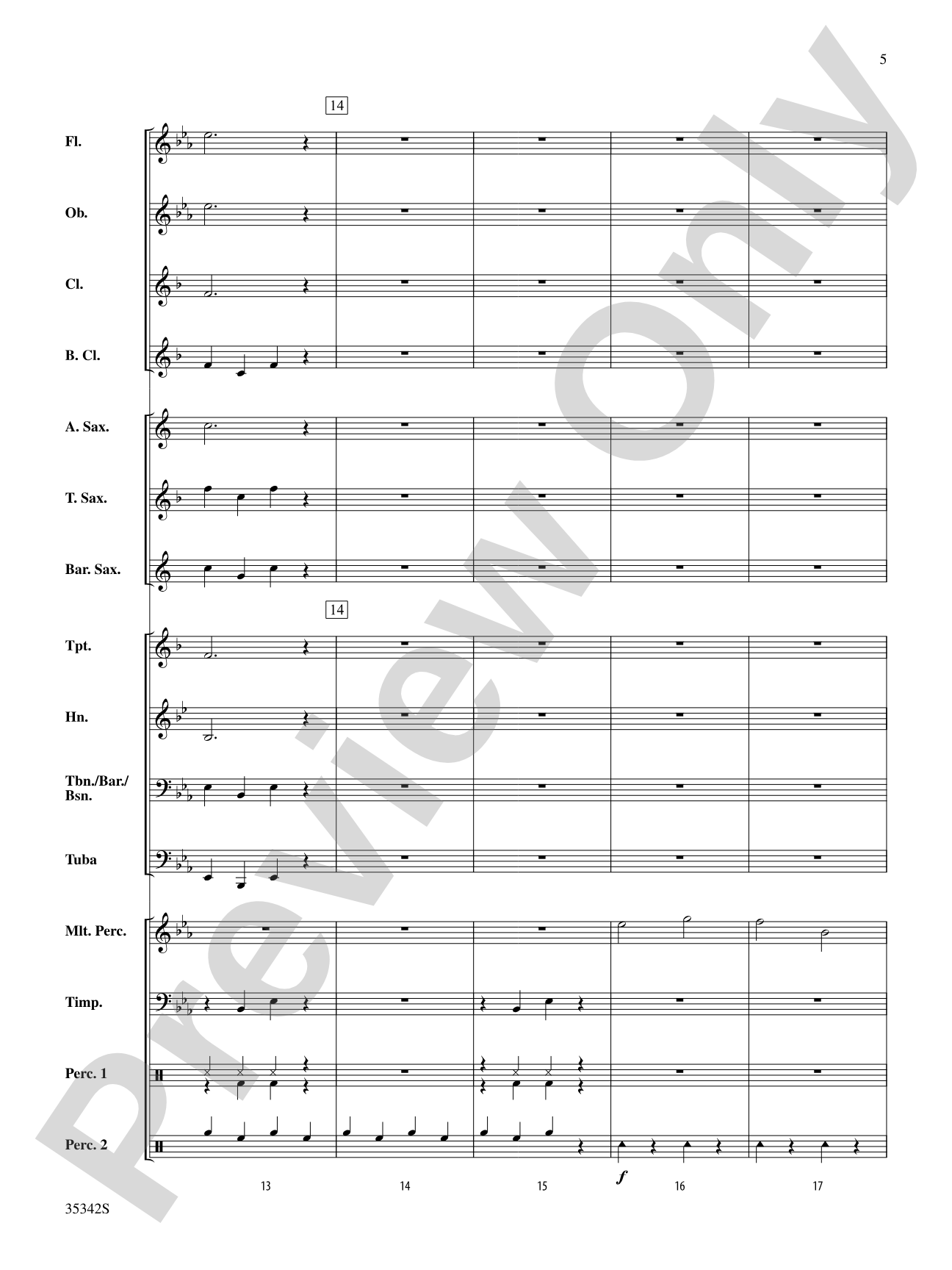
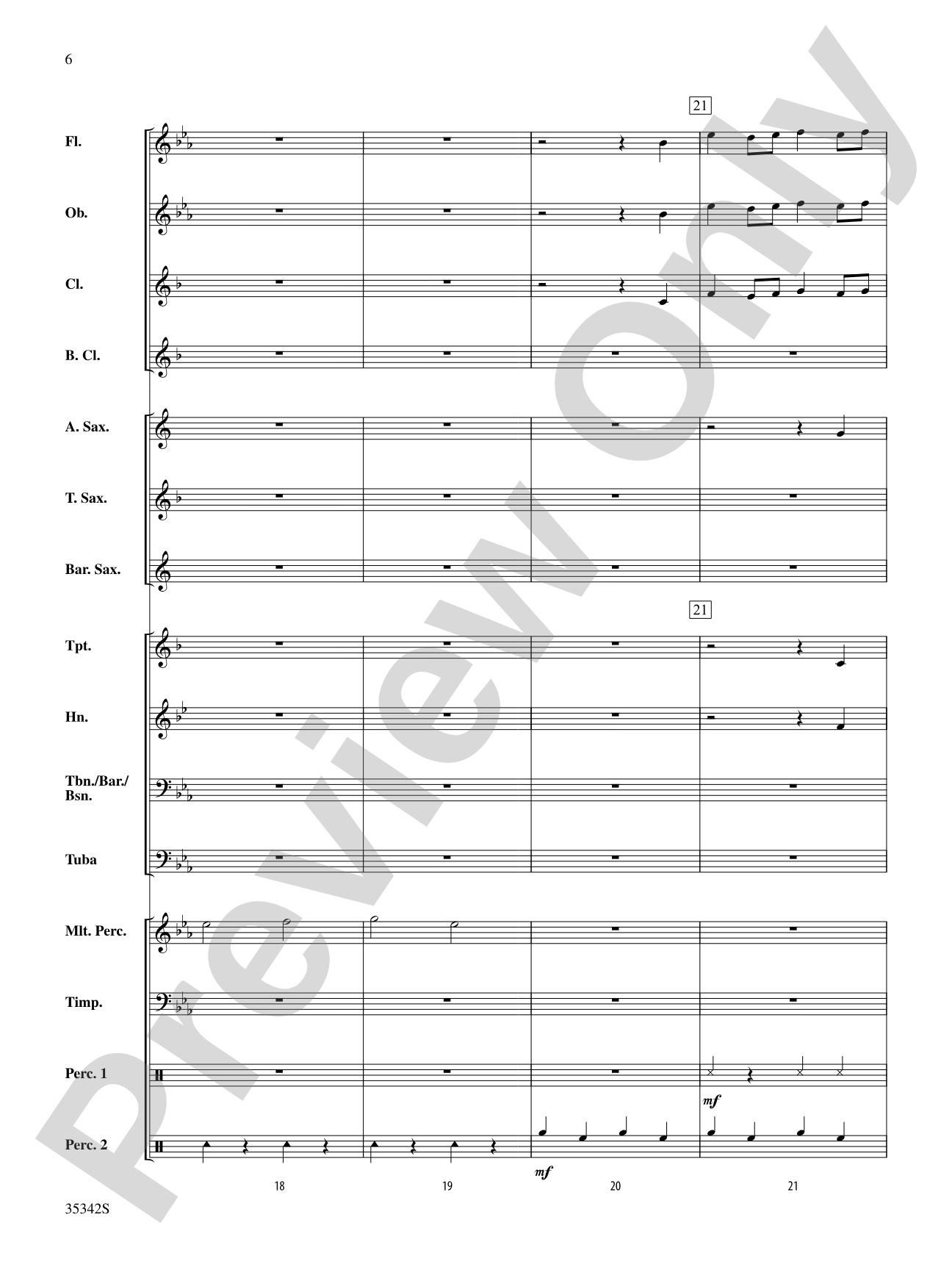
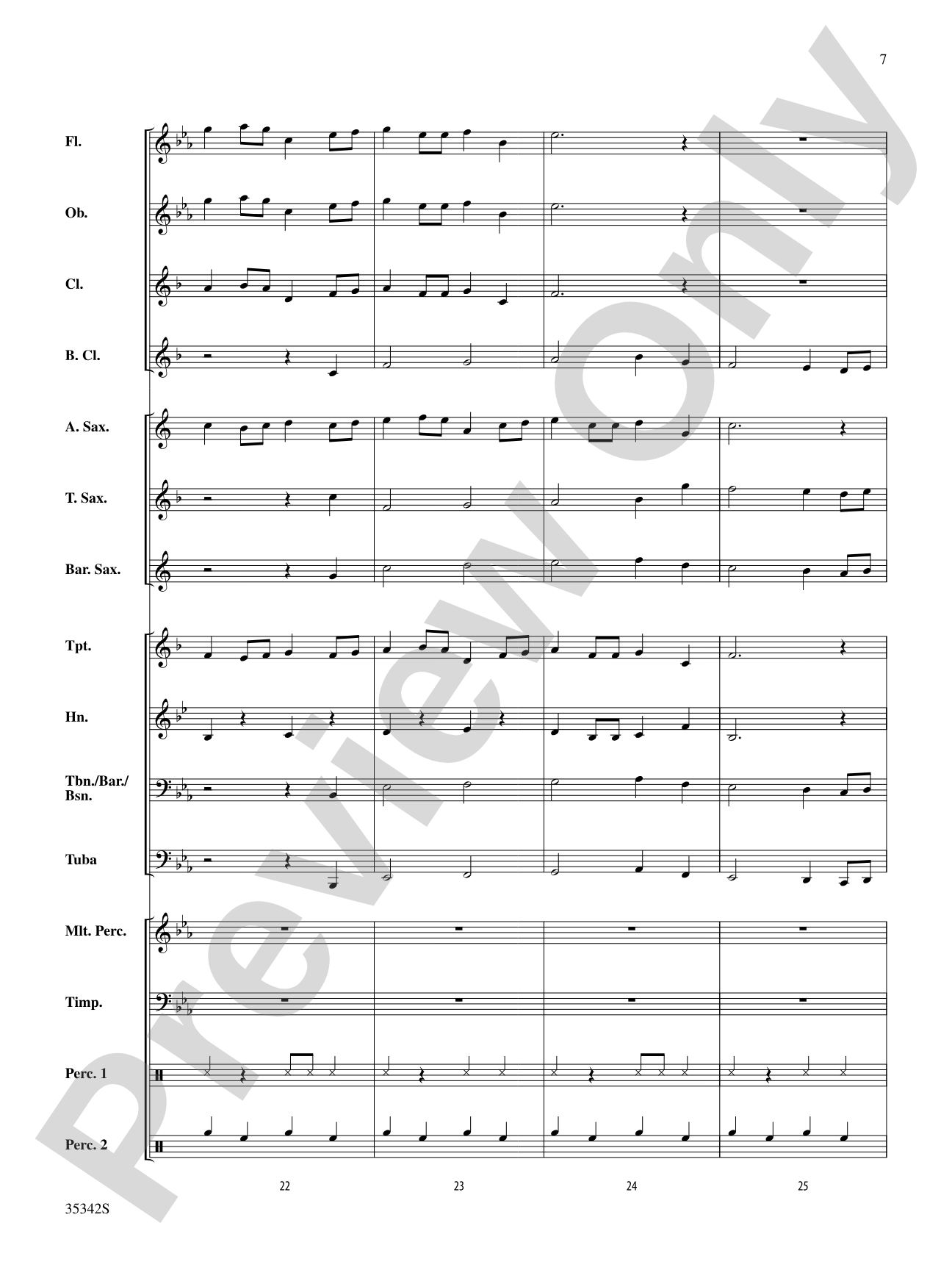
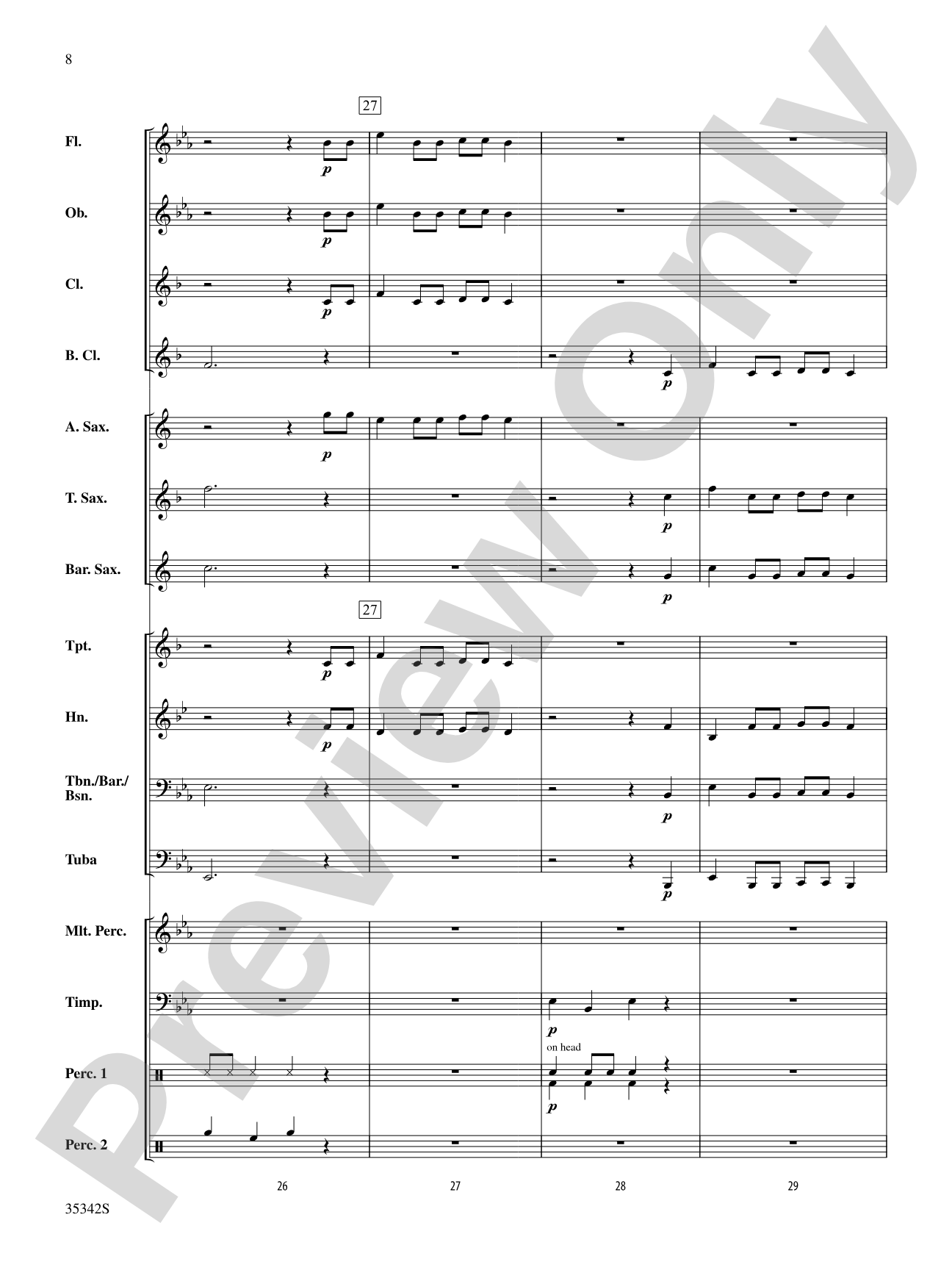
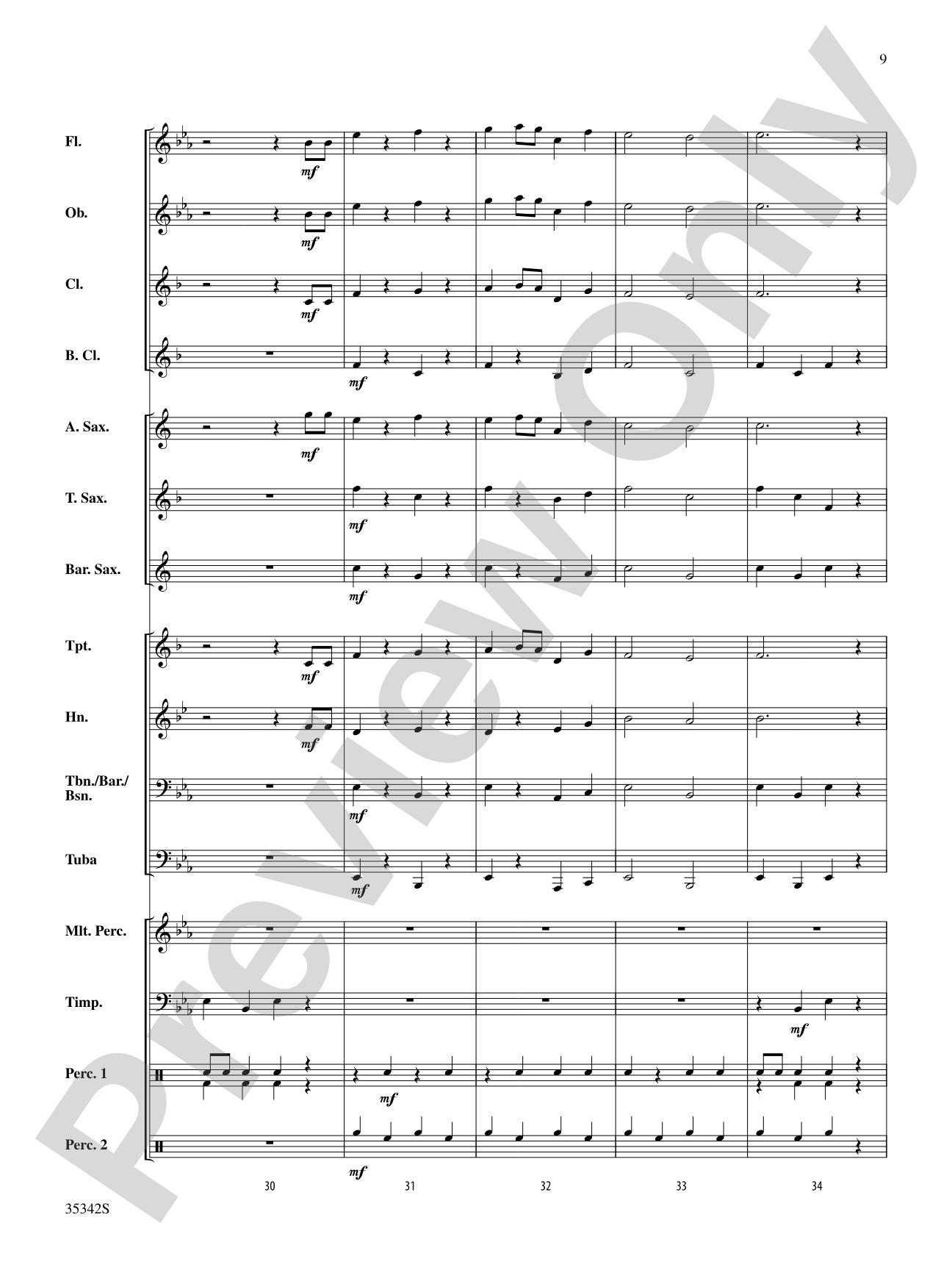
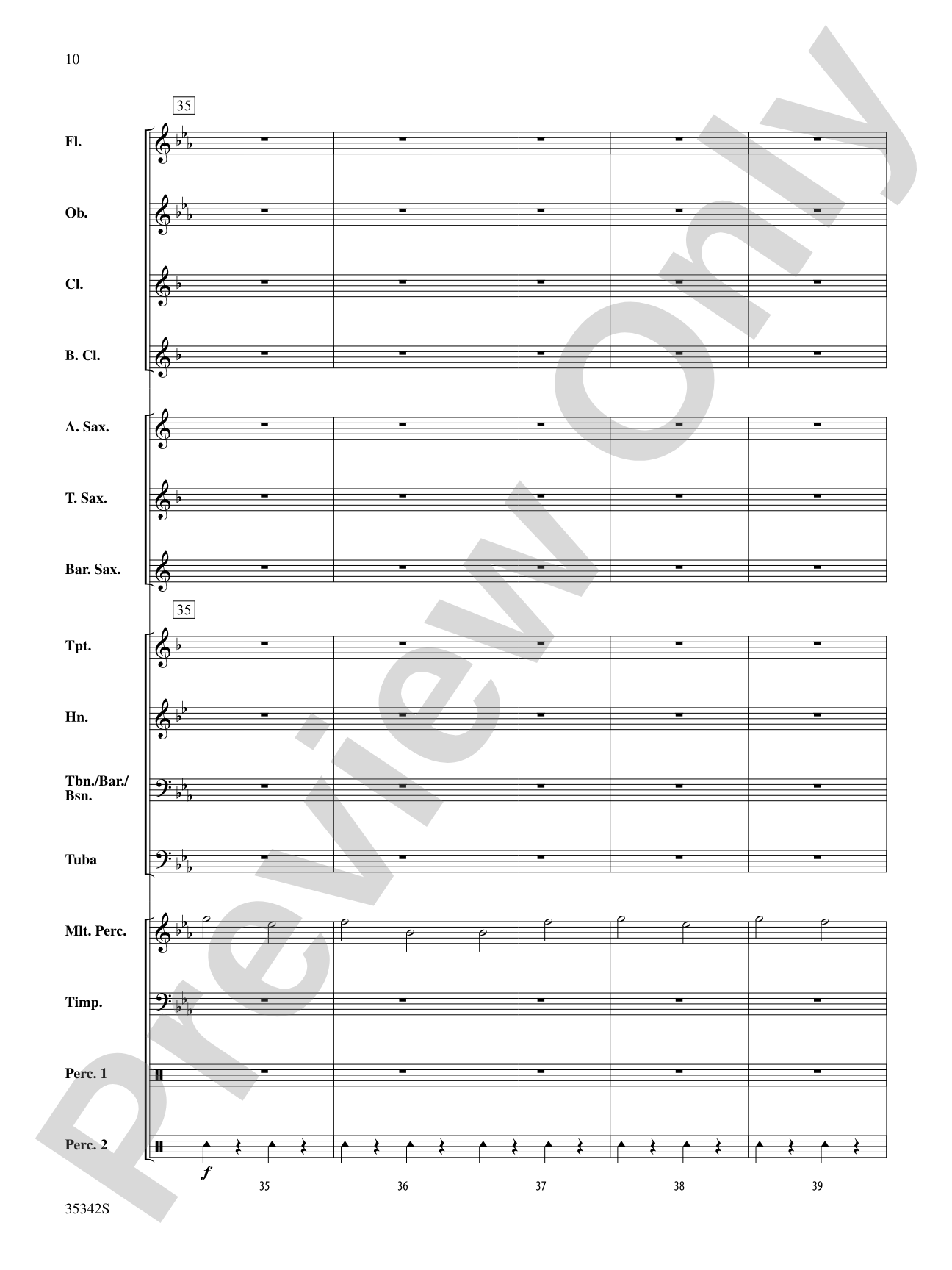
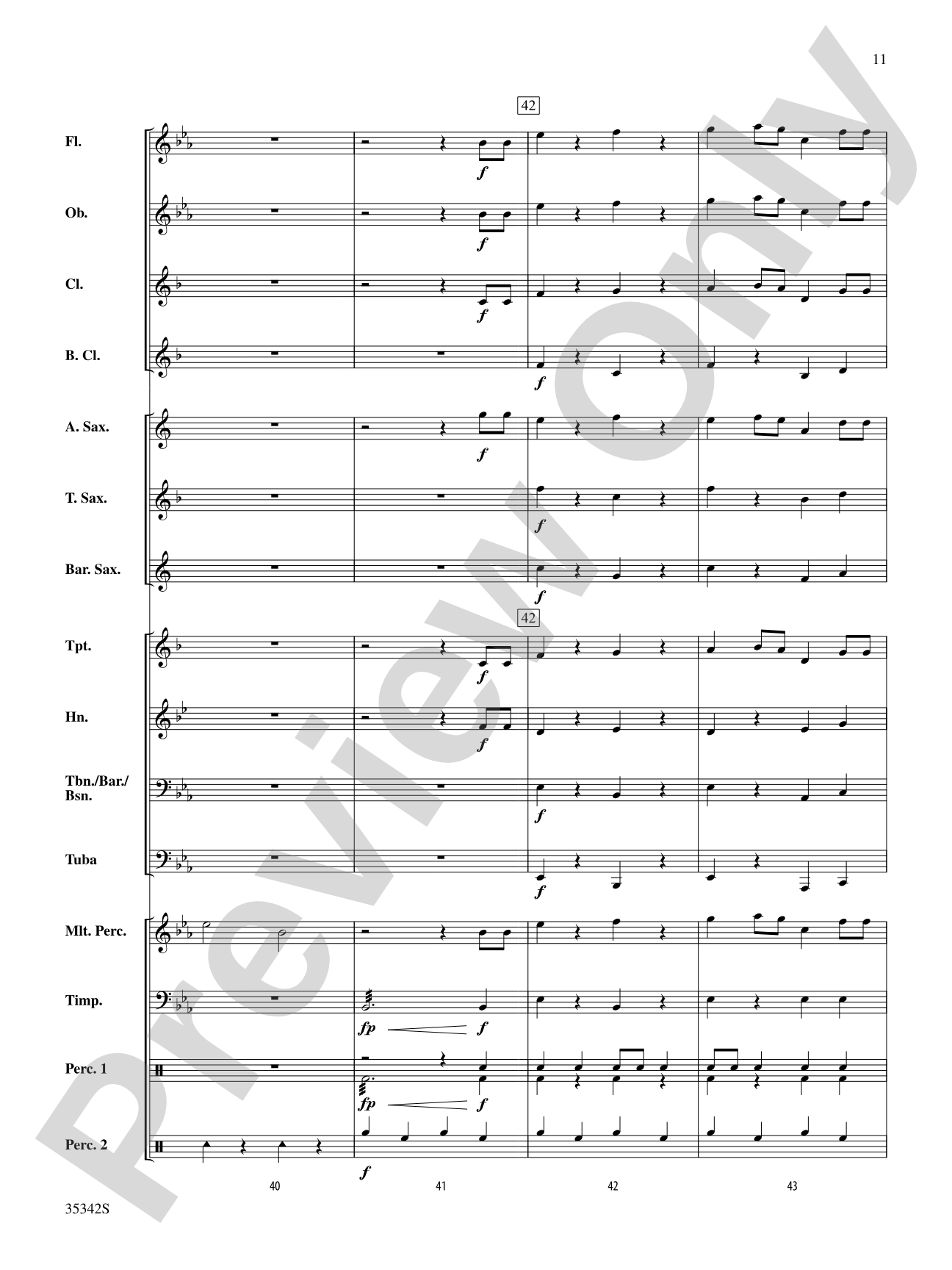
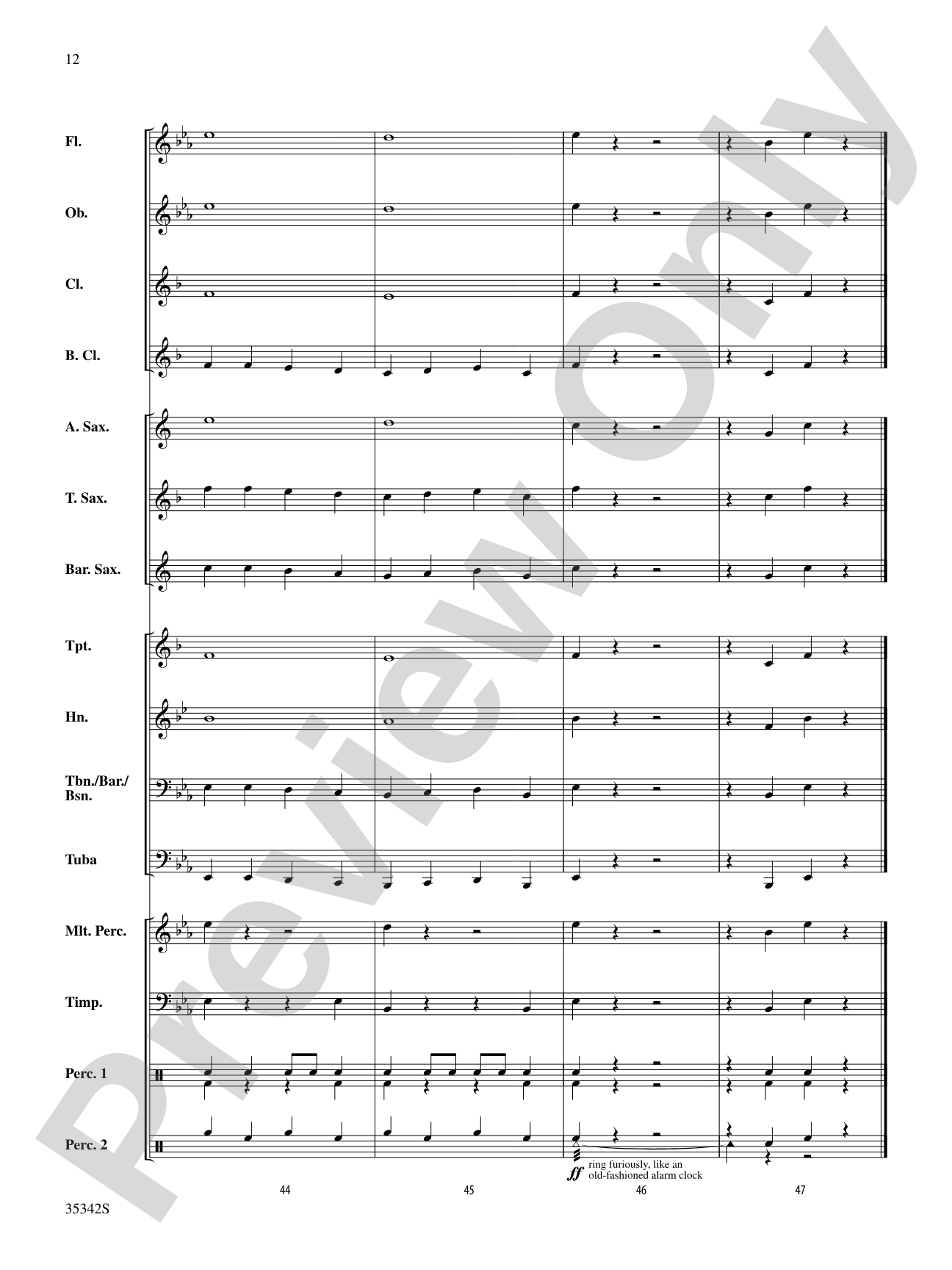

Tick Tock: Concert Band Conductor Score & Parts
By Henry Clay Work / arr. Roland Barrett
Grade: 1 (Very Easy)
Item: 00-PK-0004609

$45.00
Pickup currently not available
Buy Extra Parts (Digital PDF Download)
| Product | Price | Quantity |
|---|---|---|
| Tick Tock: Score | $8.00 | |
| Tick Tock: Flute | $3.00 | |
| Tick Tock: Oboe | $3.00 | |
| Tick Tock: 1st B-flat Clarinet | $3.00 | |
| Tick Tock: B-flat Bass Clarinet | $3.00 | |
| Tick Tock: E-flat Alto Saxophone | $3.00 | |
| Tick Tock: B-flat Tenor Saxophone | $3.00 | |
| Tick Tock: E-flat Baritone Saxophone | $3.00 | |
| Tick Tock: 1st B-flat Trumpet | $3.00 | |
| Tick Tock: 1st F Horn | $3.00 | |
| Tick Tock: 1st Trombone | $3.00 | |
| Tick Tock: Baritone T.C. | $3.00 | |
| Tick Tock: Tuba | $3.00 | |
| Tick Tock: Mallets | $3.00 | |
| Tick Tock: 1st Percussion | $3.00 | |
| Tick Tock: 2nd Percussion | $3.00 | |
| Tick Tock: Timpani | $3.00 | |
| Tick Tock: (wp) 1st Horn in E-flat | $3.00 | |
| Tick Tock: (wp) 1st B-flat Trombone B.C. | $3.00 | |
| Tick Tock: (wp) Baritone T.C. | $3.00 | |
| Tick Tock: (wp) B-flat Tuba B.C. | $3.00 | |
| Tick Tock: (wp) B-flat Tuba T.C. | $3.00 | |
| Tick Tock: (wp) E-flat Tuba B.C. | $3.00 | |
| Tick Tock: (wp) E-flat Tuba T.C. | $3.00 |
Parts Added to Cart!
Description
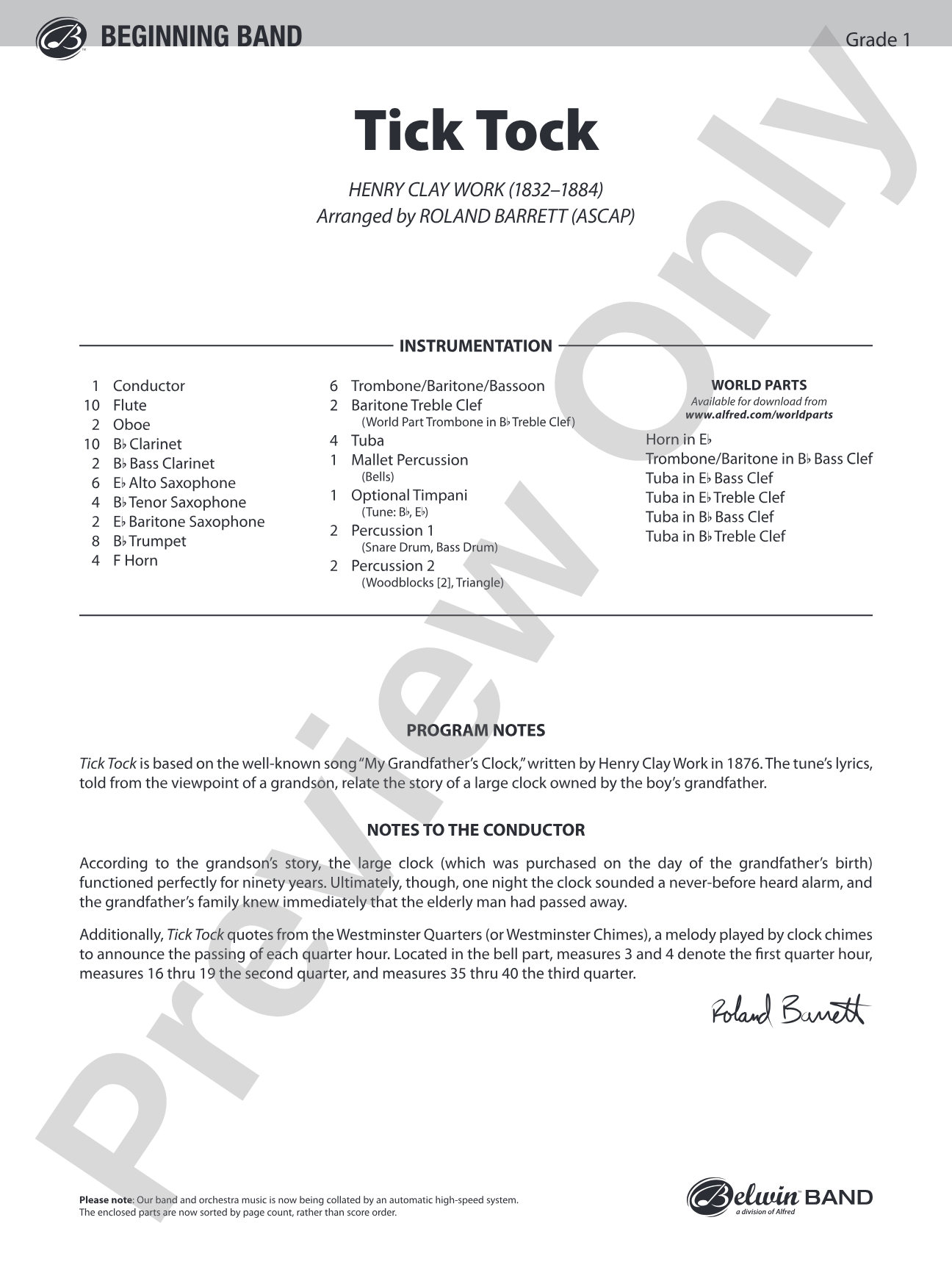
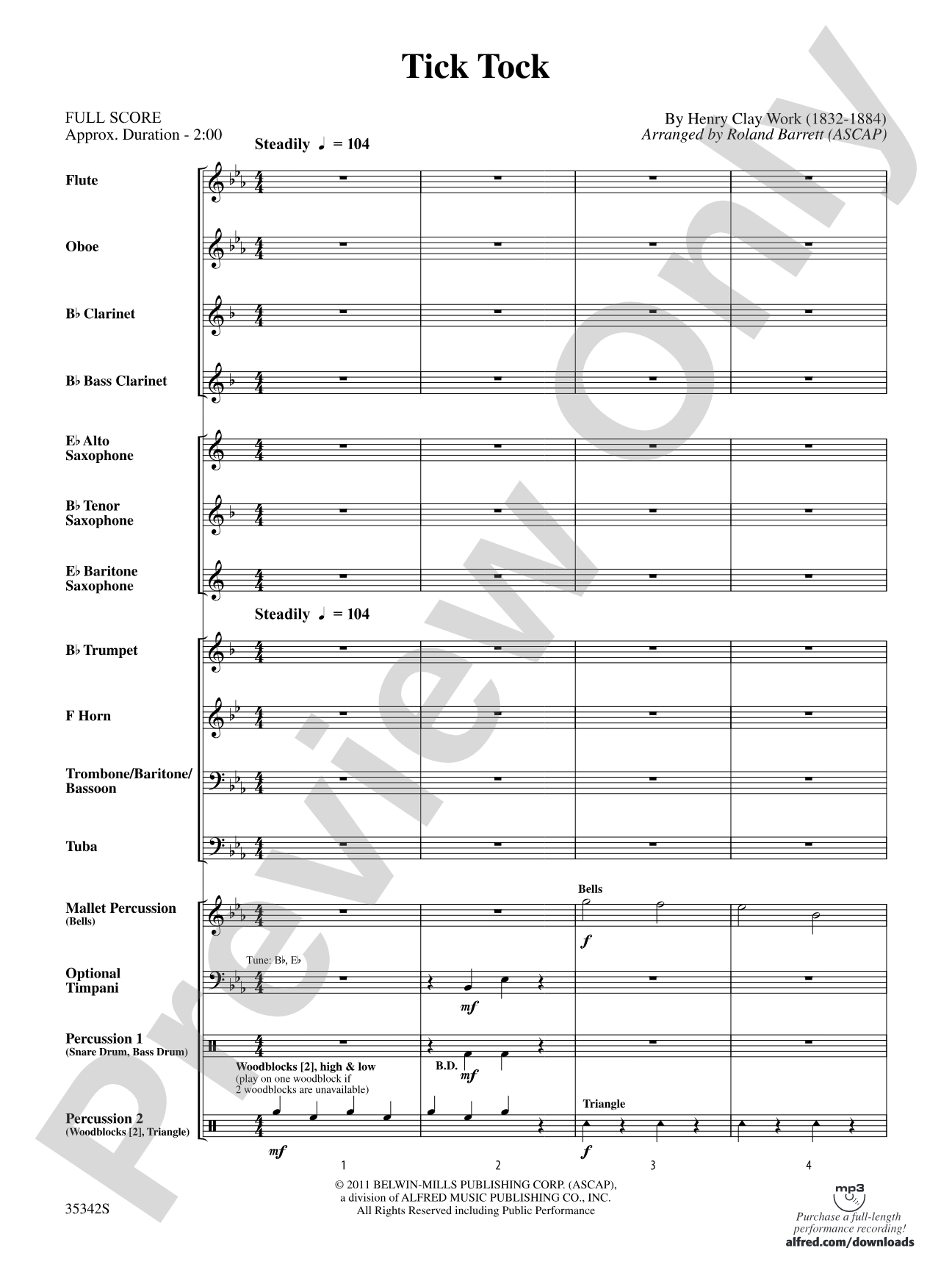
Scored especially for your beginners, this Roland Barrett work will set the pulse for your program. Based on "My Grandfather's Clock," you can also hear Westminster Chimes each quarter hour. A tuneful and timely tune targeted toward the tiny tooters! Wind it up for you beginners with this sure-fire winner.


Don't just read it, hear it, play along with it, and watch your students grow with it. In MakeMusic Cloud, Tick Tock: Concert Band Conductor Score & Parts comes alive with professional accompaniment, adjustable tempo, and built-in practice tools that turn solo practice into real progress.
Open in the Player
Jump straight in and assign it today.
Start Your Free Trial
Open this title and explore the full library in minutes.
Sample Audio
1
Audio File
--:--
0:00
0:00
Sample Video
No sample videos found.
Additional Details
Series:
Belwin Beginning Band
Publisher:
Alfred Music
Page Count:
132
SKU:
00-PK-0004609
More about this title
About the Composer: Henry Clay Work
Henry Clay Work (1832-1884) was an American composer and songwriter whose catalog of parlor songs and popular pieces became staples of 19th-century American musical life. "My Grandfather's Clock," published in 1876, stands as his most enduring composition, earning him recognition as a master of the singable, emotionally direct melody. Work's gift for combining memorable tunes with relatable storytelling made his music accessible to amateur musicians and the concert hall alike.
Why we love this
Roland Barrett's arrangement captures the infectious charm of Work's original without overwhelming young players. The Westminster Chimes detail gives your band a distinctive musical signature within a piece that remains tuneful and engaging from start to finish. Beginning ensembles rarely sound this assured when performing a work with genuine historical roots and personality.
What to expect
Warm and nostalgic, like hearing a beloved melody from a music box played by friends rather than a machine. The clock-ticking undercurrent creates a gentle sense of forward motion, while the Westminster Chimes add a touch of whimsy that keeps the whole experience buoyant and fun.
Who it's for
Beginning concert bands and young wind ensembles looking for a piece that sounds polished and mature without requiring technical mastery. This arrangement works for groups in their first or second year of study, where players need music that builds confidence while delivering genuine musical satisfaction.
How to get the most out of it
- Keep the tempo steady throughout. The clock-like pulse is central to the piece's identity; recruit your percussion section to anchor the beat with precision.
- Balance the melody across sections so the tune remains singable and clear. Young bands often bury the main line in inner voices; ask players to support rather than cover it.
- Shape the Westminster Chimes passages with slight emphasis to let them register as a distinctive element rather than an afterthought.
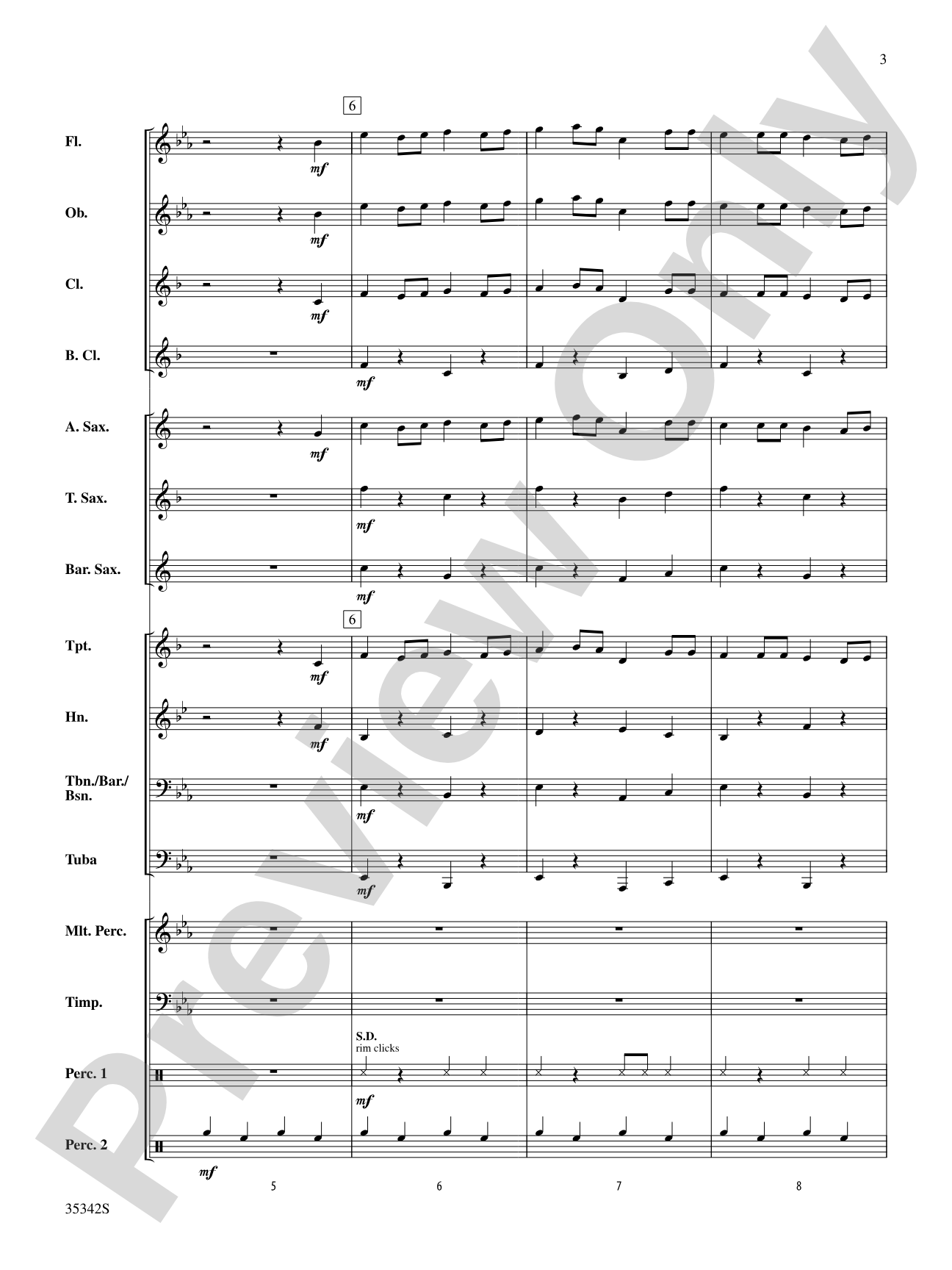
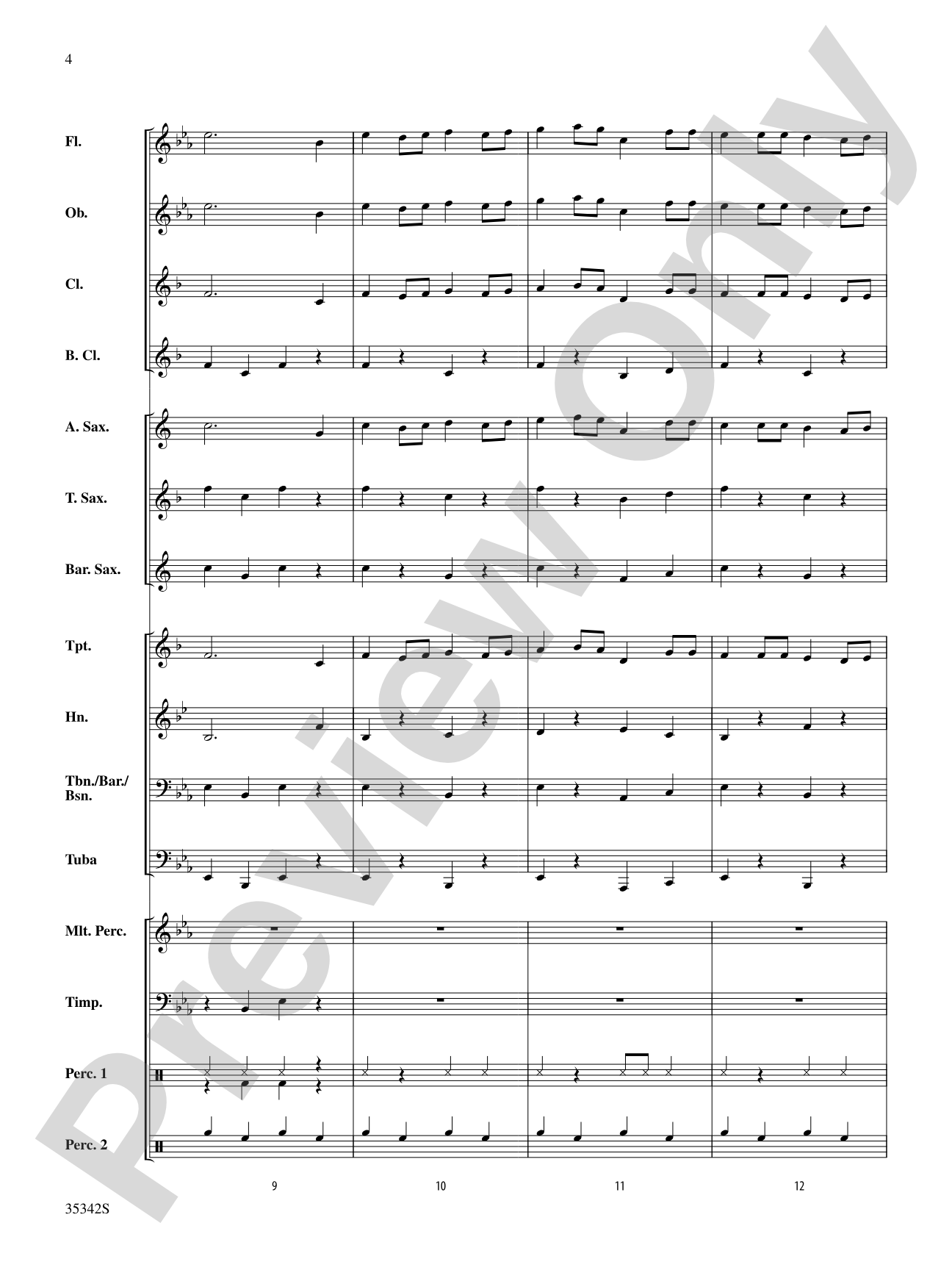
- Pay attention to dynamics marked in the score. Even Grade 1 writing benefits from gentle contrasts that add shape without demanding virtuosity.
How to use it
Pair this with other Grade 1 works to anchor an all-beginner concert, where it will feel like a substantial centerpiece rather than a filler. It also works well as a bridge piece in a family concert or fall festival, where its familiarity and novelty appeal to audiences beyond your traditional concert-goers.
Skills your students will build
- Sustaining a steady pulse and playing with rhythmic precision in an ensemble
- Balancing parts so melody stands clearly above accompaniment
- Responding to dynamic markings and shaping phrases within accessible ranges
- Recognizing and executing simple thematic variation