

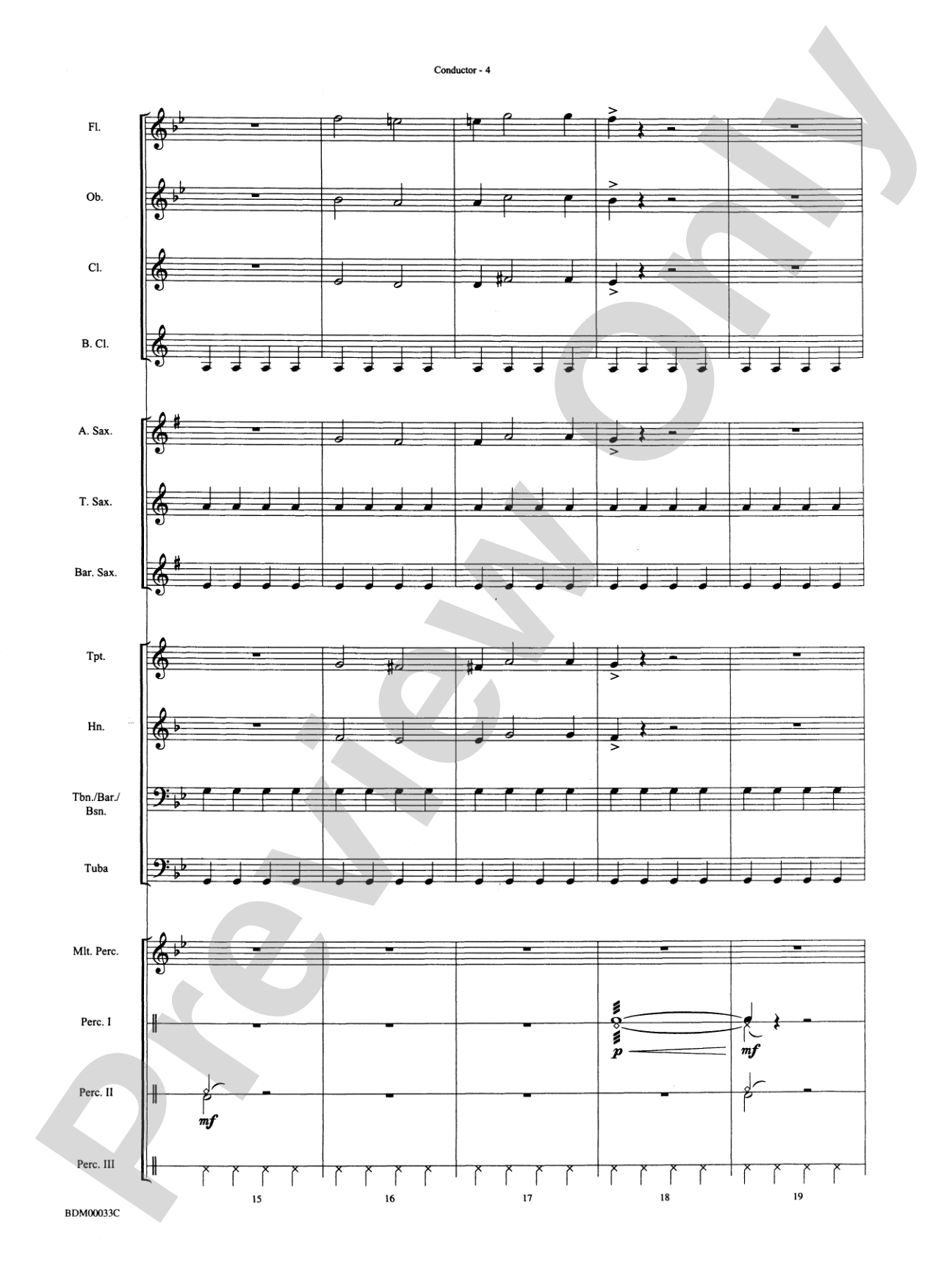
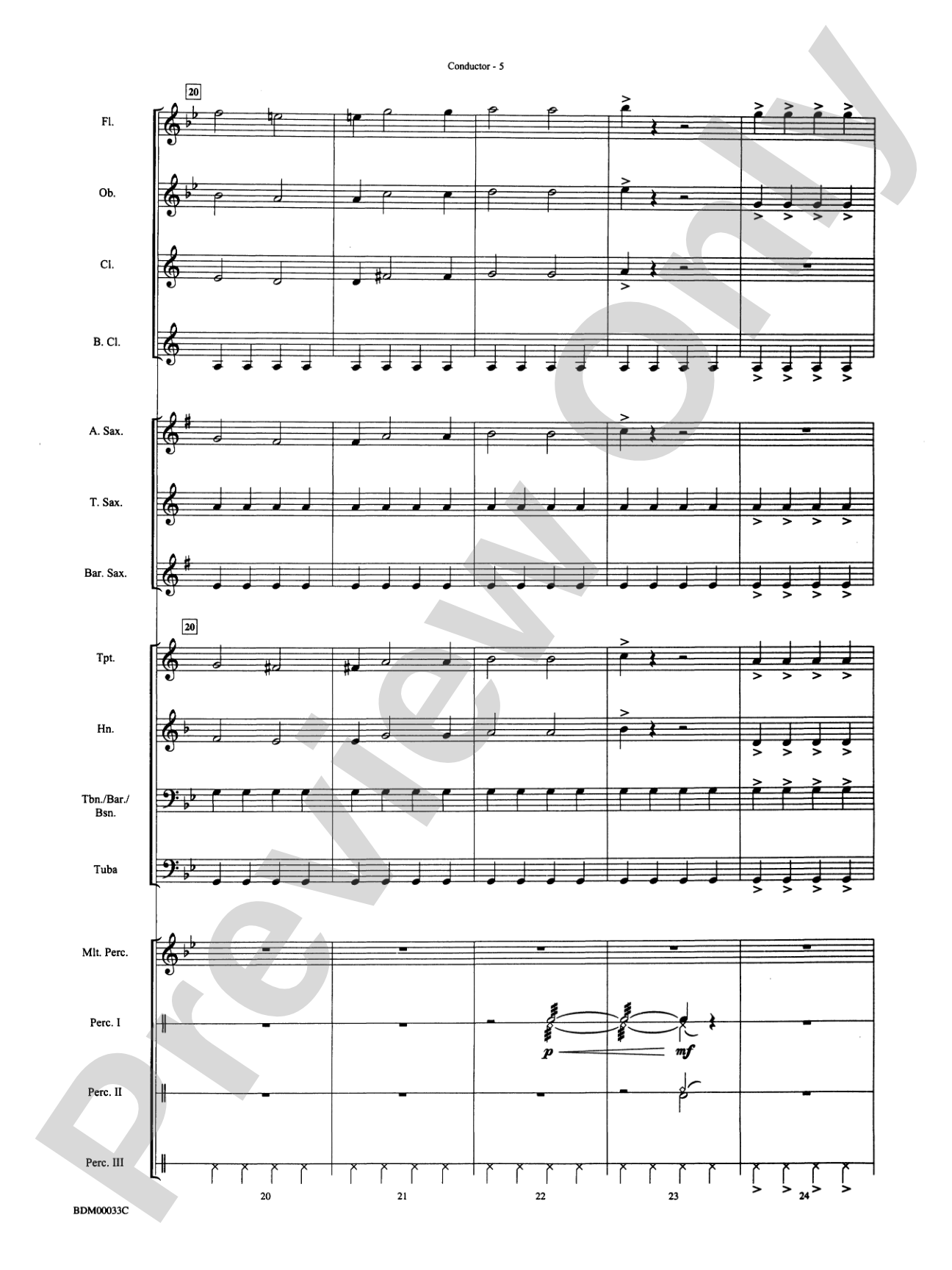
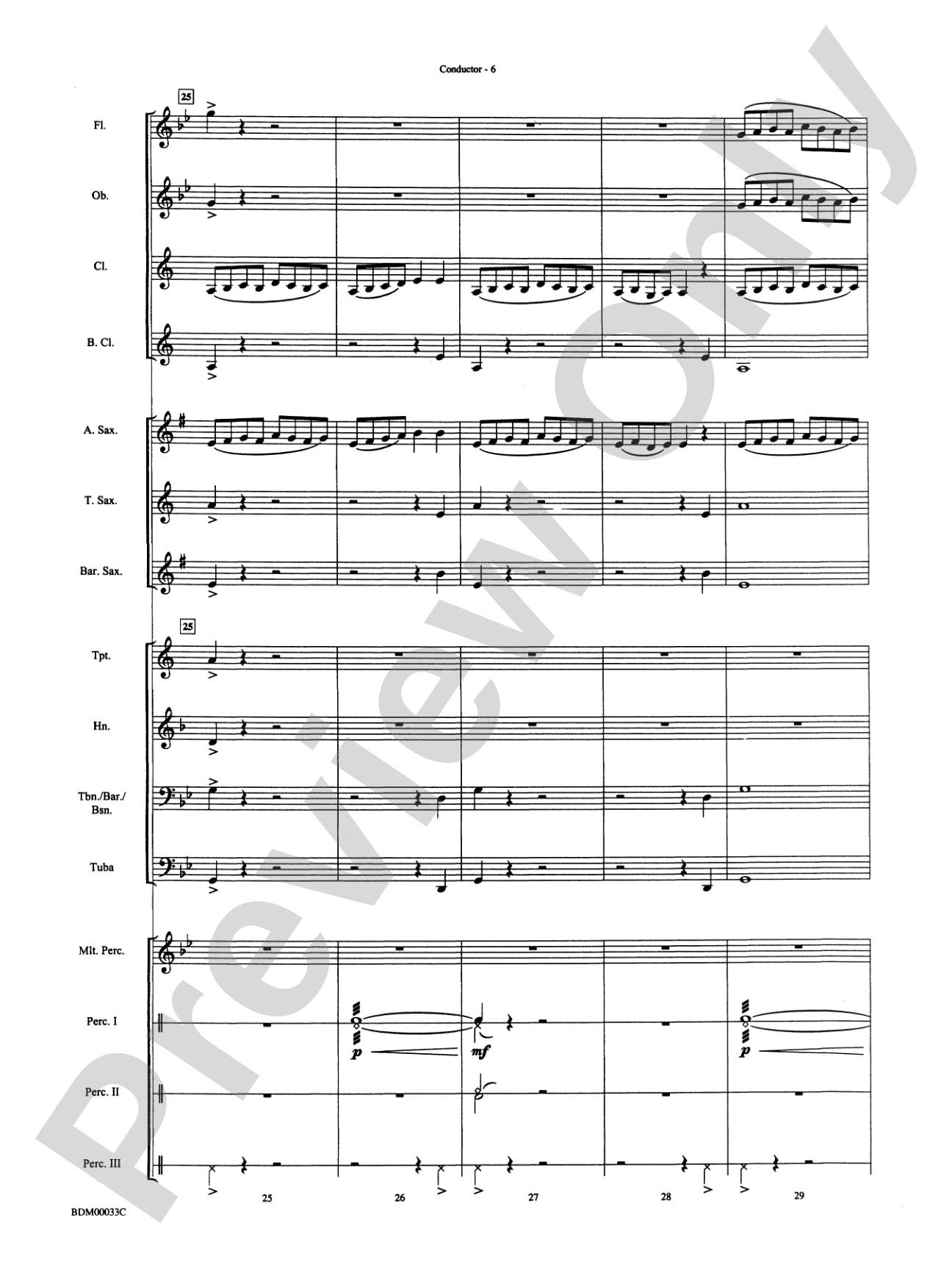
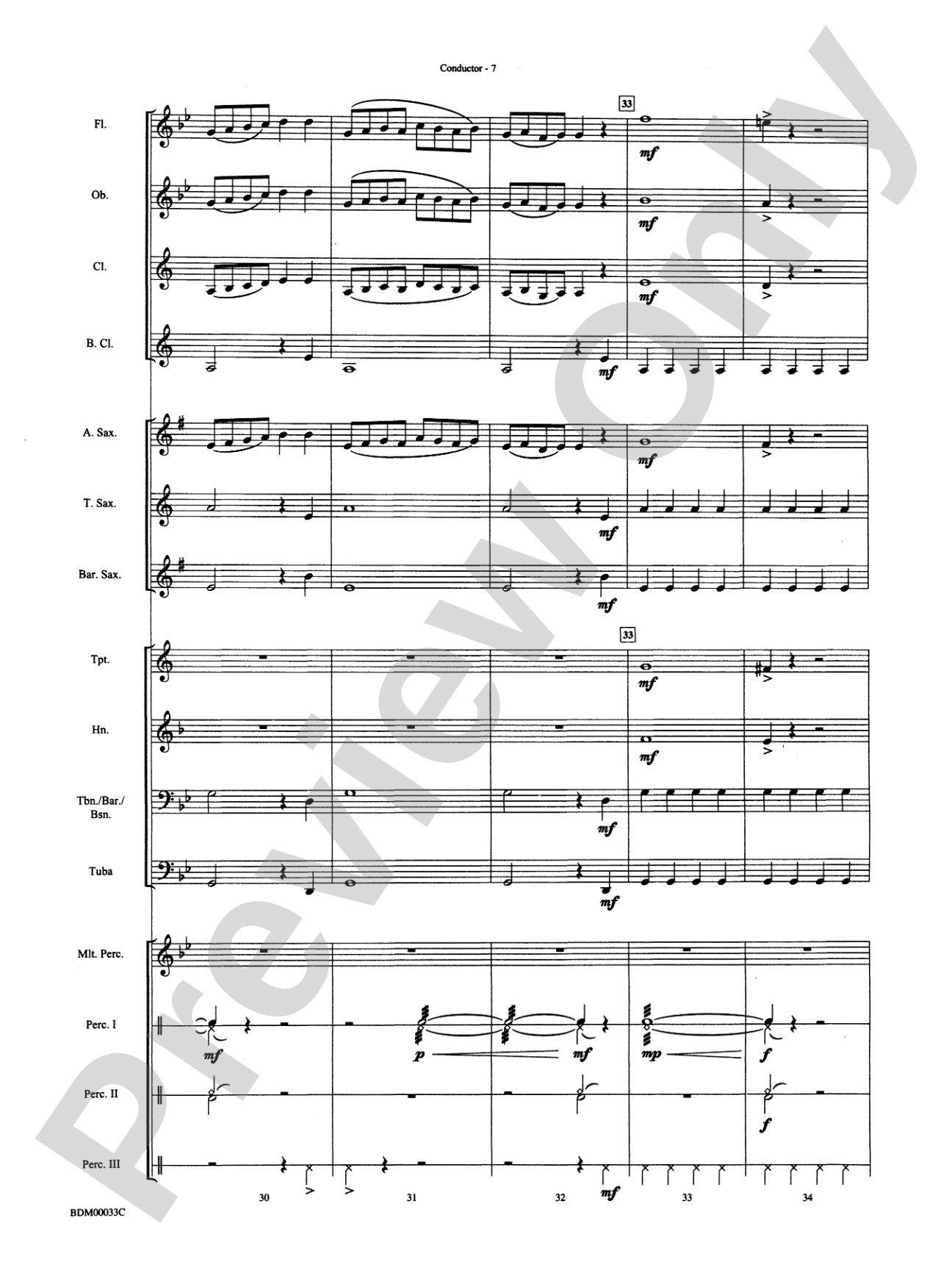
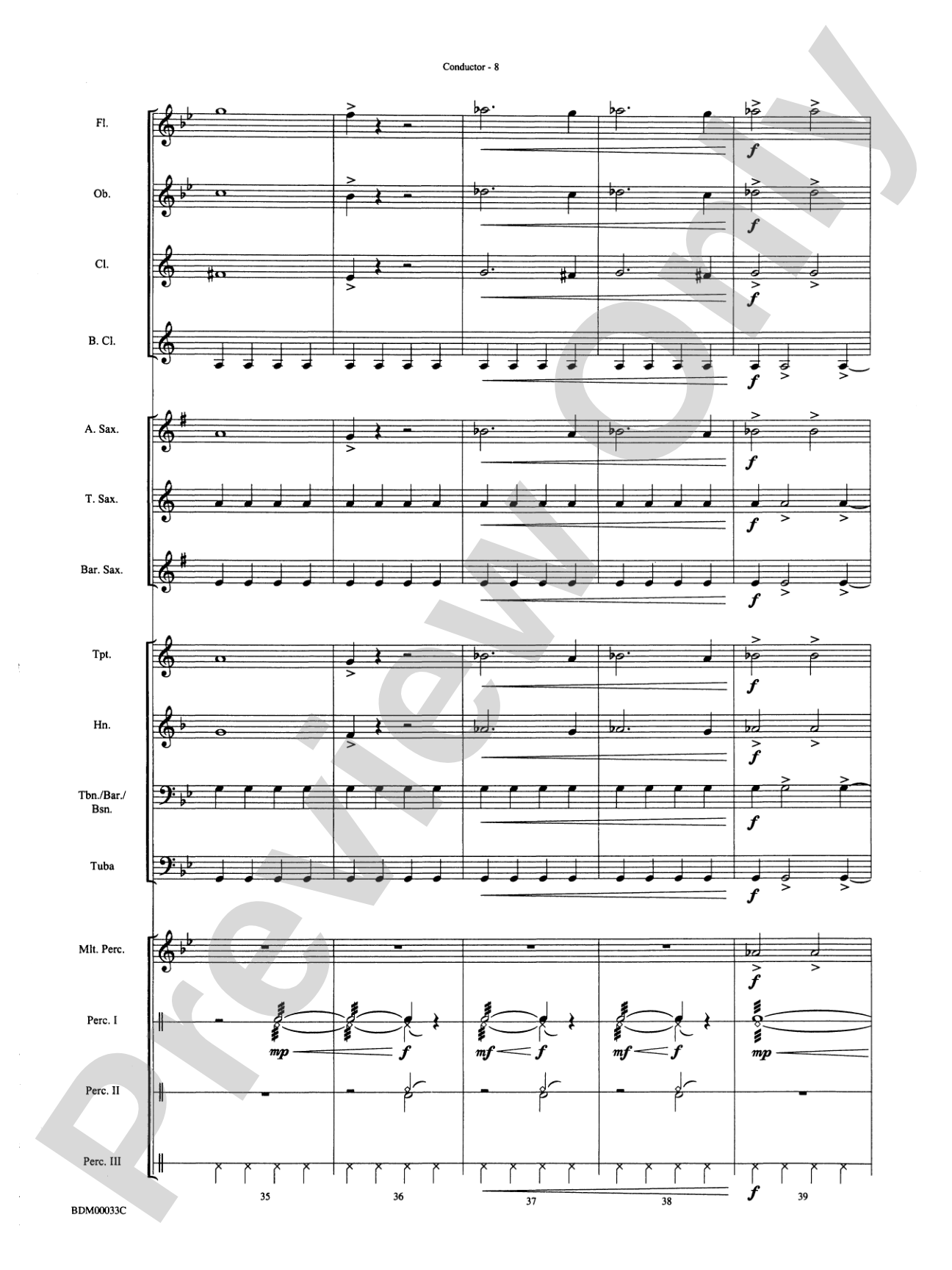
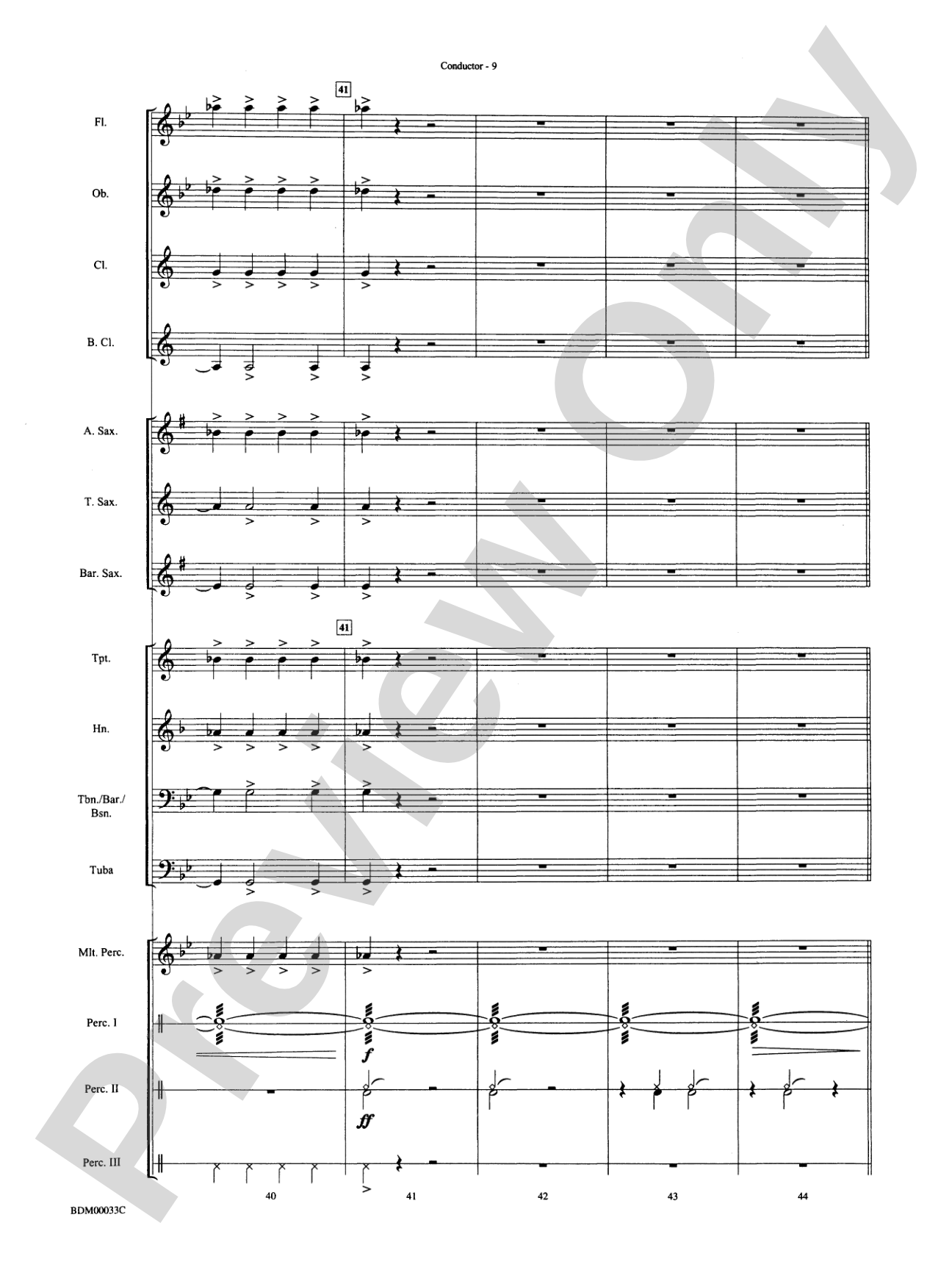
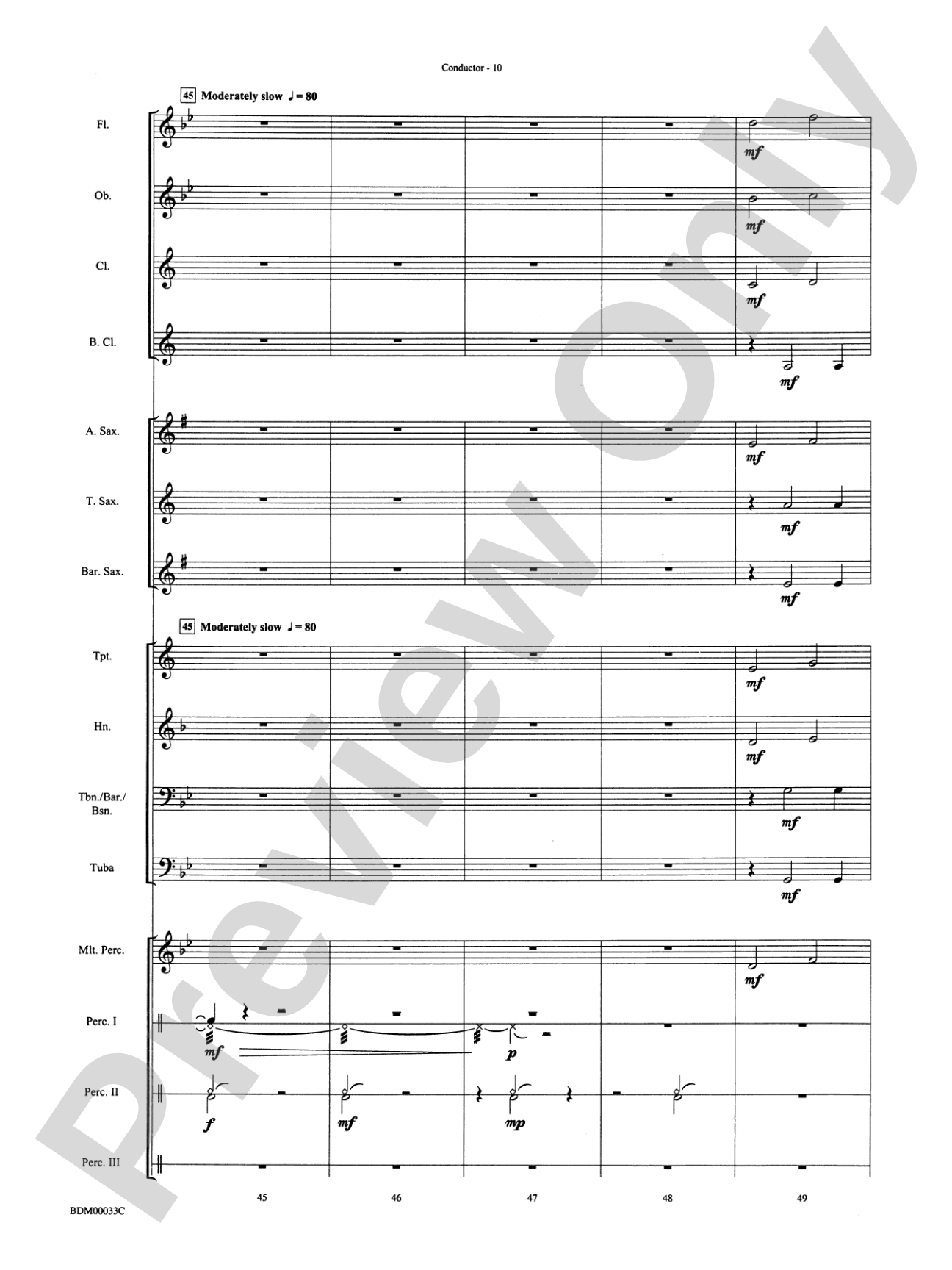
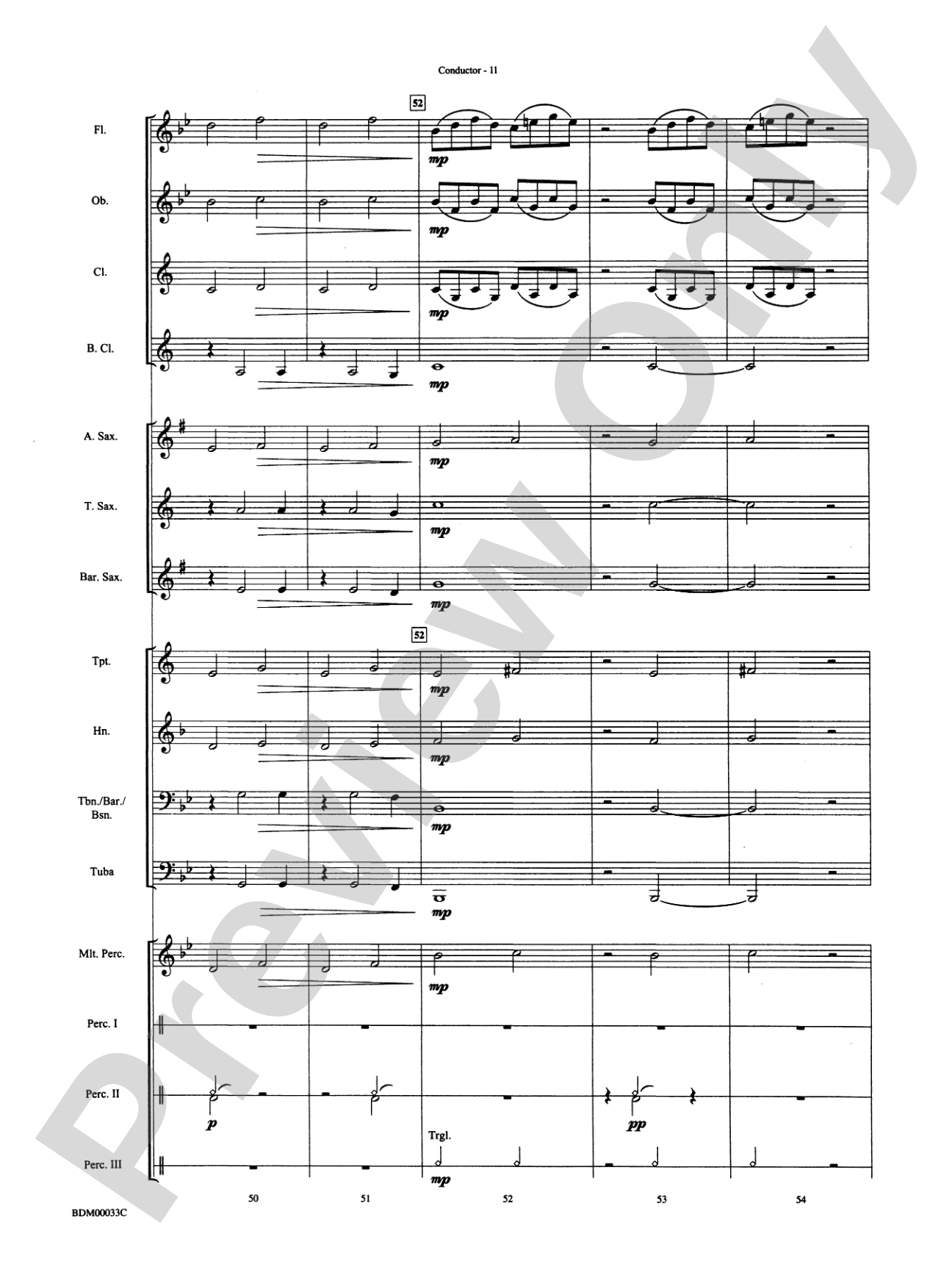

Thunderstorms: Concert Band Conductor Score & Parts
By Michael Story
Grade: 1 (Very Easy)
Item: 00-PK-0006357

$50.00
Pickup currently not available
Buy Extra Parts (Digital PDF Download)
| Product | Price | Quantity |
|---|---|---|
| Thunderstorms: Score | $9.00 | |
| Thunderstorms: Flute | $3.00 | |
| Thunderstorms: Oboe | $3.00 | |
| Thunderstorms: 1st B-flat Clarinet | $3.00 | |
| Thunderstorms: B-flat Bass Clarinet | $3.00 | |
| Thunderstorms: E-flat Alto Saxophone | $3.00 | |
| Thunderstorms: B-flat Tenor Saxophone | $3.00 | |
| Thunderstorms: E-flat Baritone Saxophone | $3.00 | |
| Thunderstorms: 1st B-flat Trumpet | $3.00 | |
| Thunderstorms: 1st F Horn | $3.00 | |
| Thunderstorms: 1st Trombone | $3.00 | |
| Thunderstorms: Baritone T.C. | $3.00 | |
| Thunderstorms: Tuba | $3.00 | |
| Thunderstorms: Mallets | $3.00 | |
| Thunderstorms: 1st Percussion | $3.00 | |
| Thunderstorms: 2nd Percussion | $3.00 | |
| Thunderstorms: 3rd Percussion | $3.00 |
Parts Added to Cart!
Description
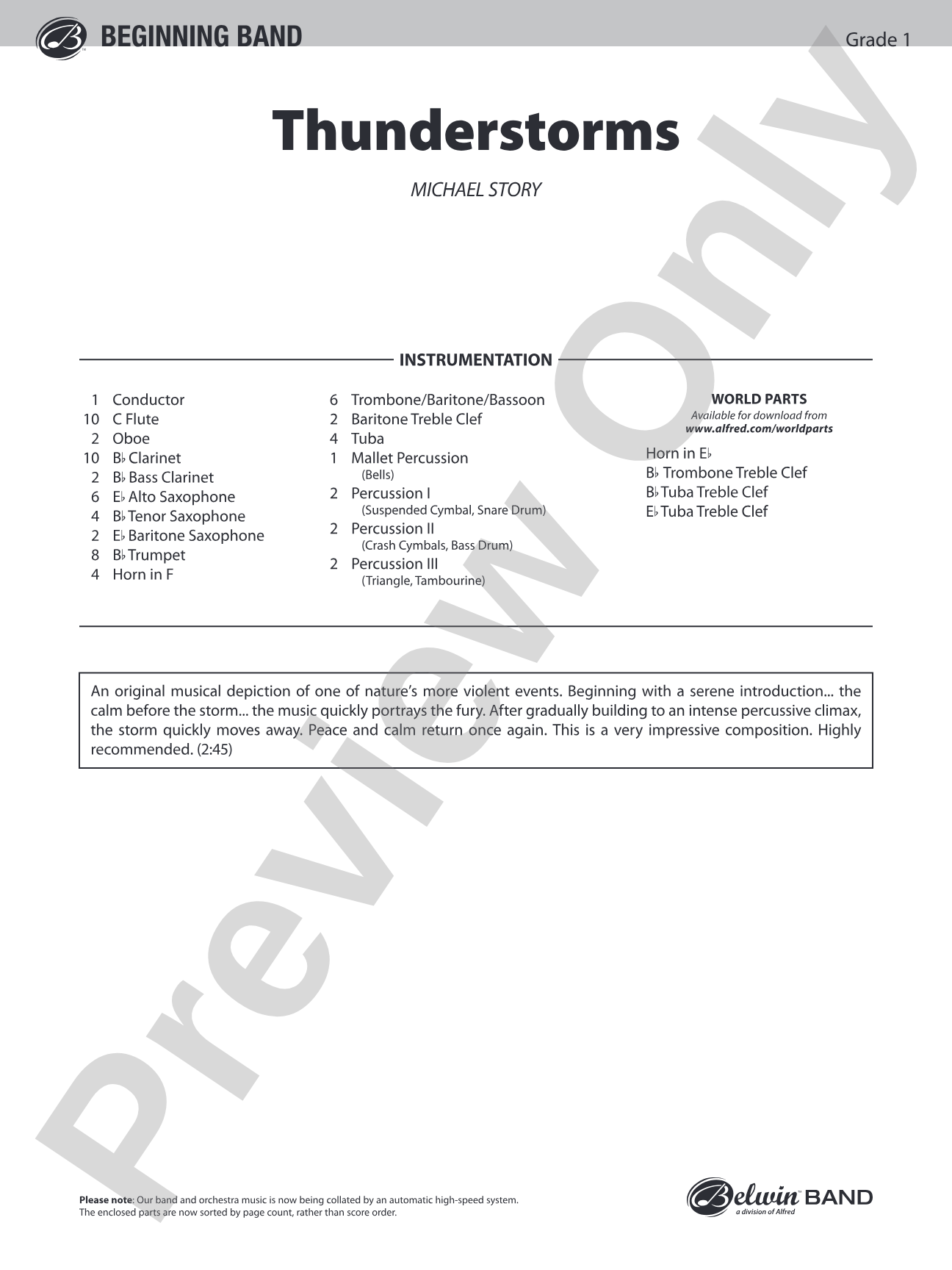
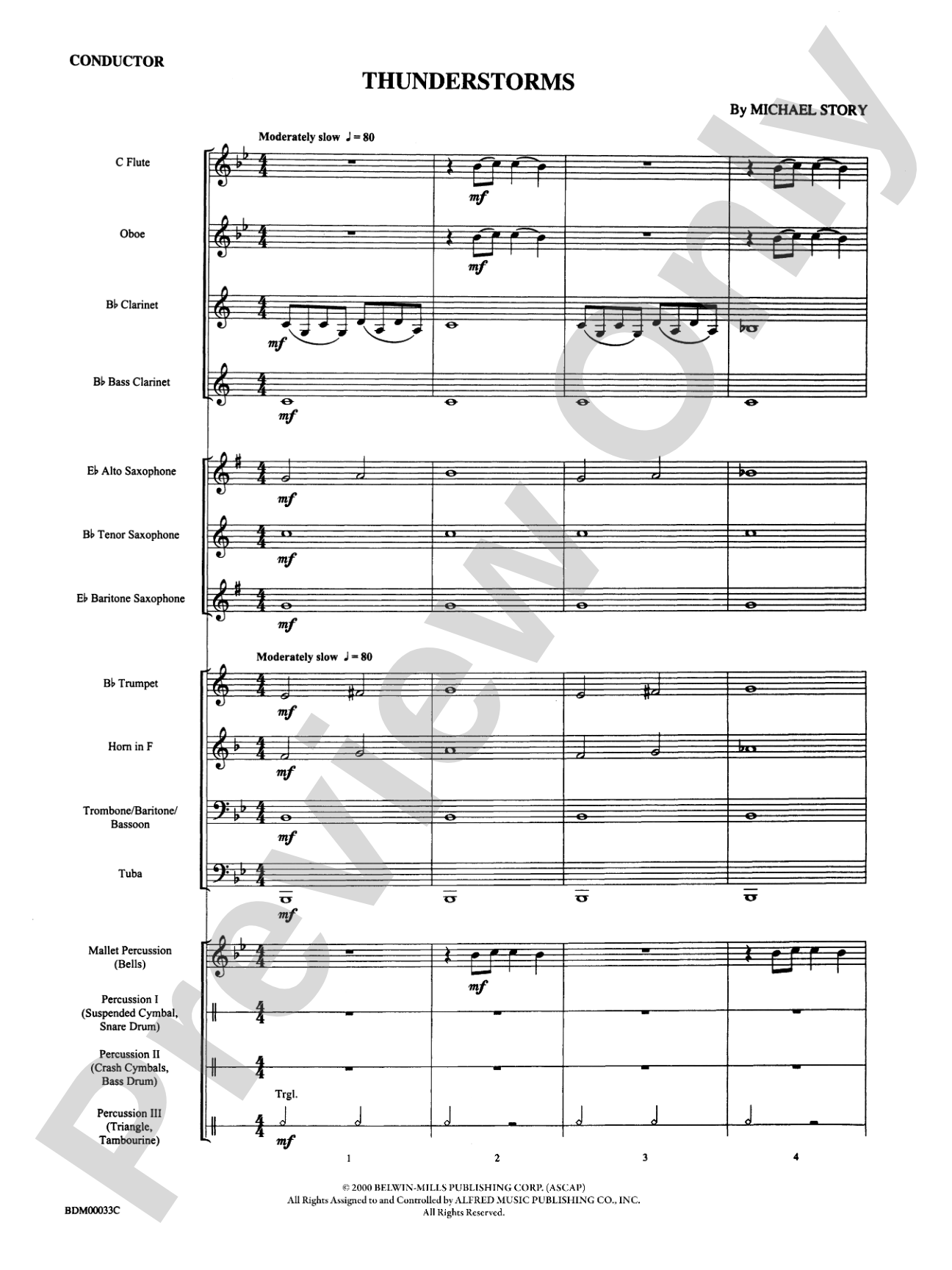
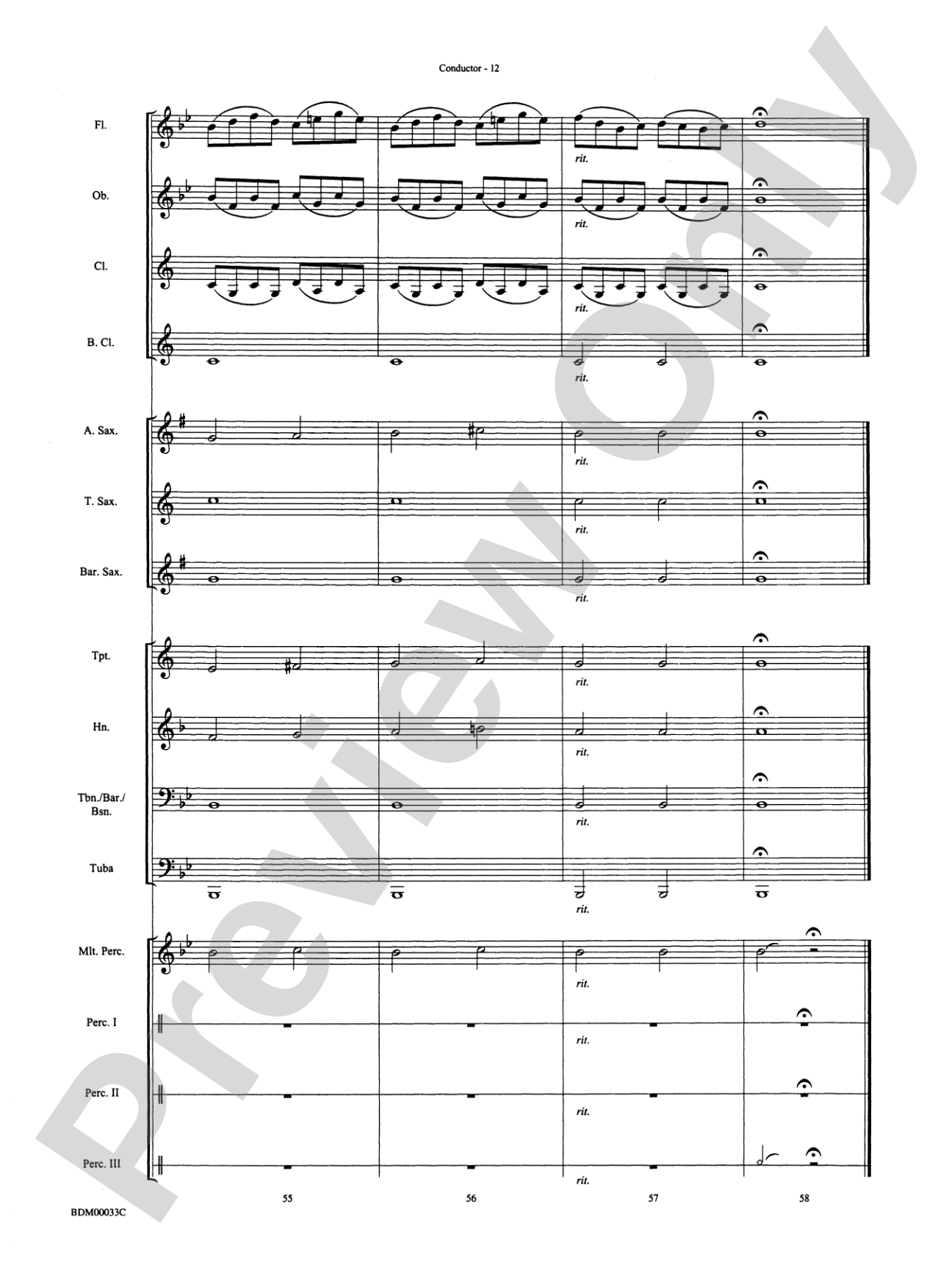
An original musical depiction of one of nature's more violent events. Beginning with a serene introduction . . . the calm before the storm . . . the music quickly portrays the fury. After gradually building to an intense percussive climax, the storm quickly moves away. Peace and calm return once again. This is a very impressive composition. Highly recommended. (2:45)


Don't just read it, hear it, play along with it, and watch your students grow with it. In MakeMusic Cloud, Thunderstorms: Concert Band Conductor Score & Parts comes alive with professional accompaniment, adjustable tempo, and built-in practice tools that turn solo practice into real progress.
Open in the Player
Jump straight in and assign it today.
Start Your Free Trial
Open this title and explore the full library in minutes.
Sample Audio
1
Audio File
--:--
0:00
0:00
Sample Video
No sample videos found.
Additional Details
Series:
Belwin Beginning Band
Publisher:
Alfred Music
Page Count:
134
SKU:
00-PK-0006357
More about this title
About the Composer: Michael Story
Michael Story has established himself as a prolific composer for concert band, with a catalog spanning educational and professional levels. His work is characterized by accessible orchestration, clear harmonic language, and strong narrative structures that engage both performers and audiences.
Why we love this
This piece delivers theatrical impact at Grade 1, a rare combination. Story structures the arc brilliantly: the opening stillness gives students something to protect dynamically, the storm builds with permission to play with genuine excitement, and the resolution lands with genuine musical satisfaction. Young musicians feel like they're creating something consequential, not just reading notes.
What to expect
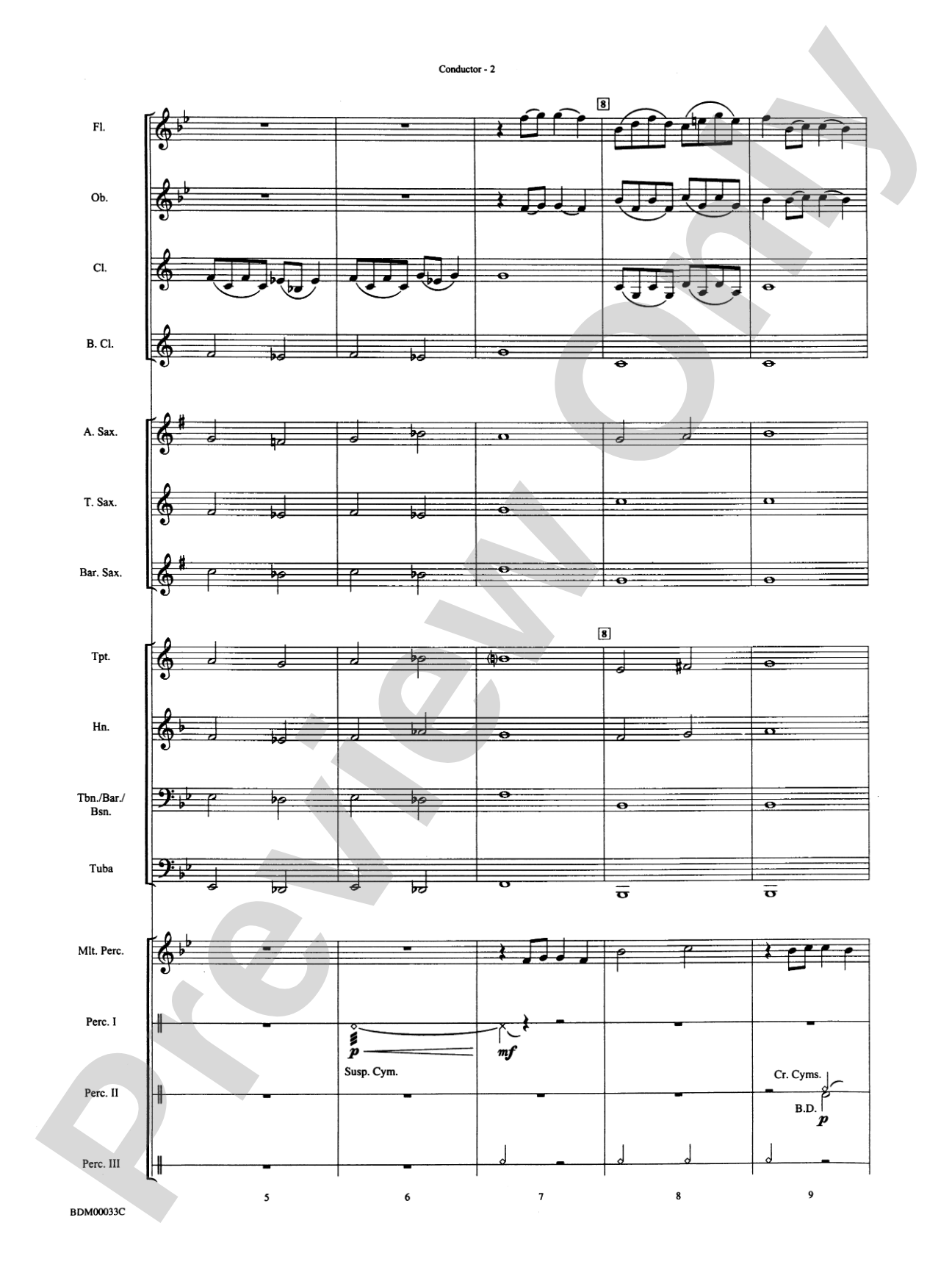
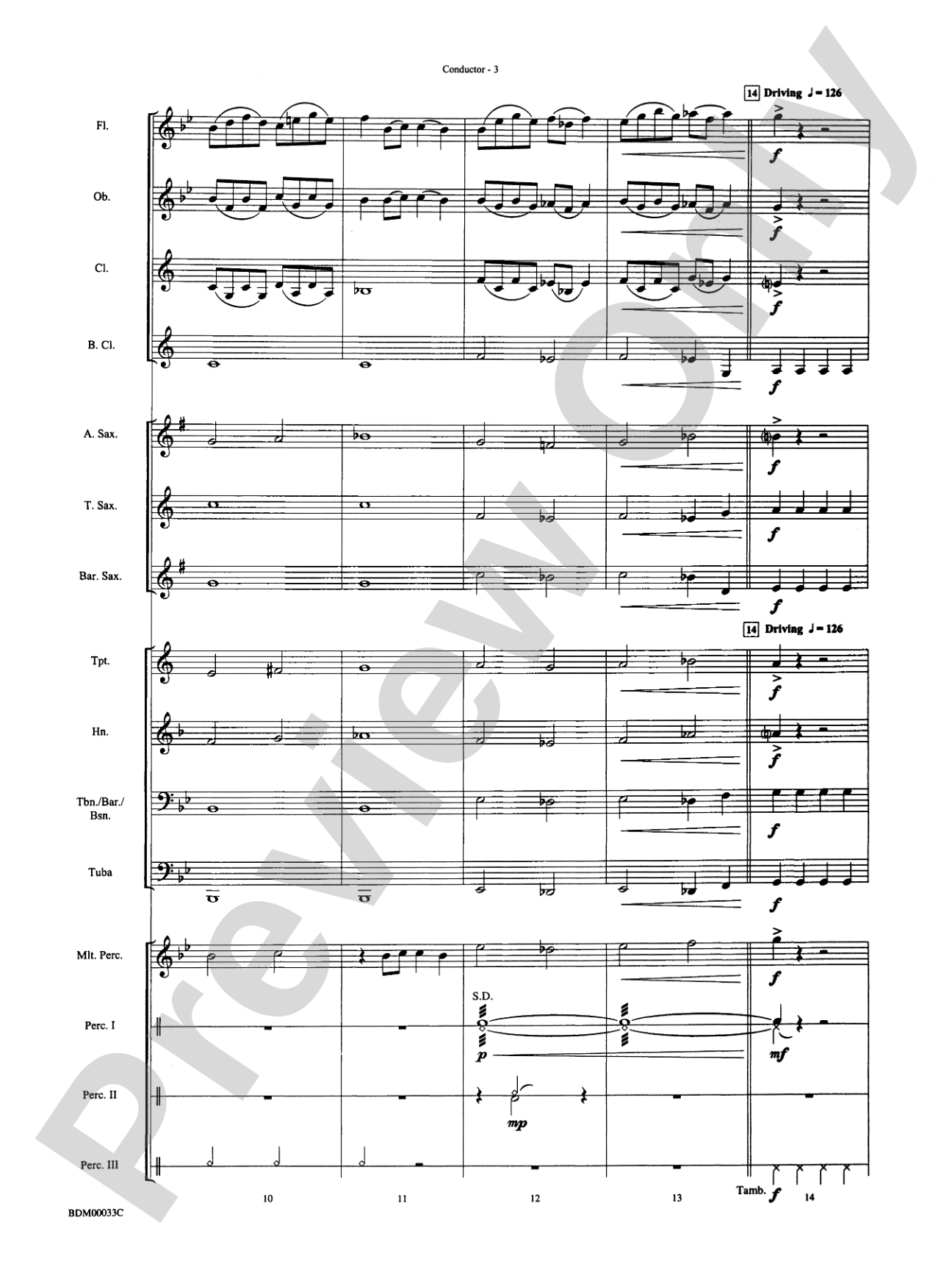
The piece unfolds like watching weather move across the landscape. It begins in hushed, almost pastoral stillness, then builds with gathering energy and darkening color as percussion enters and harmonic motion accelerates. The climax is vivid and kinetic, with all voices locked into rhythmic momentum. The final return feels like stepping out of the rain into clear air.
Who it's for
Grade 1 concert bands seeking a piece with genuine dramatic arc and programmatic appeal. This works equally well for younger high school bands still building fundamentals and for middle school ensembles with solid note-reading skills but limited experience with larger forms.
How to get the most out of it
- Shape the introduction with patience. Resist the urge to rush into the storm; the contrast between calm and chaos is what makes the piece work. Young bands often want to get to the exciting part immediately, so conductor presence here is essential.
- Balance the percussion through the climax so it drives rather than overwhelms. At Grade 1, students may not instinctively understand dynamic layering, so rehearse the build as a band conversation where winds and percussion trade intensity.
- Bring out the return to peace with clear articulation and tonal focus. The ending should feel earned, not like the piece just ran out of notes. Use the final measures to reset the ensemble's listening and air quality.
How to use it
Program this early in a concert to establish energy and demonstrate what young musicians can accomplish. Its narrative clarity and manageable length (2:45) make it an effective opener or contrast piece alongside more lyrical selections. The piece also works well in pops or family concert contexts where audiences appreciate the storytelling.
Skills your students will build
- Dynamic contrast and shaping across longer phrases
- Ensemble unity in rhythmic climaxes with multiple percussion voices
- Transitions between slow and fast tempos
- Sustaining pitch quality during soft passages
- Following large-scale musical structure and form