
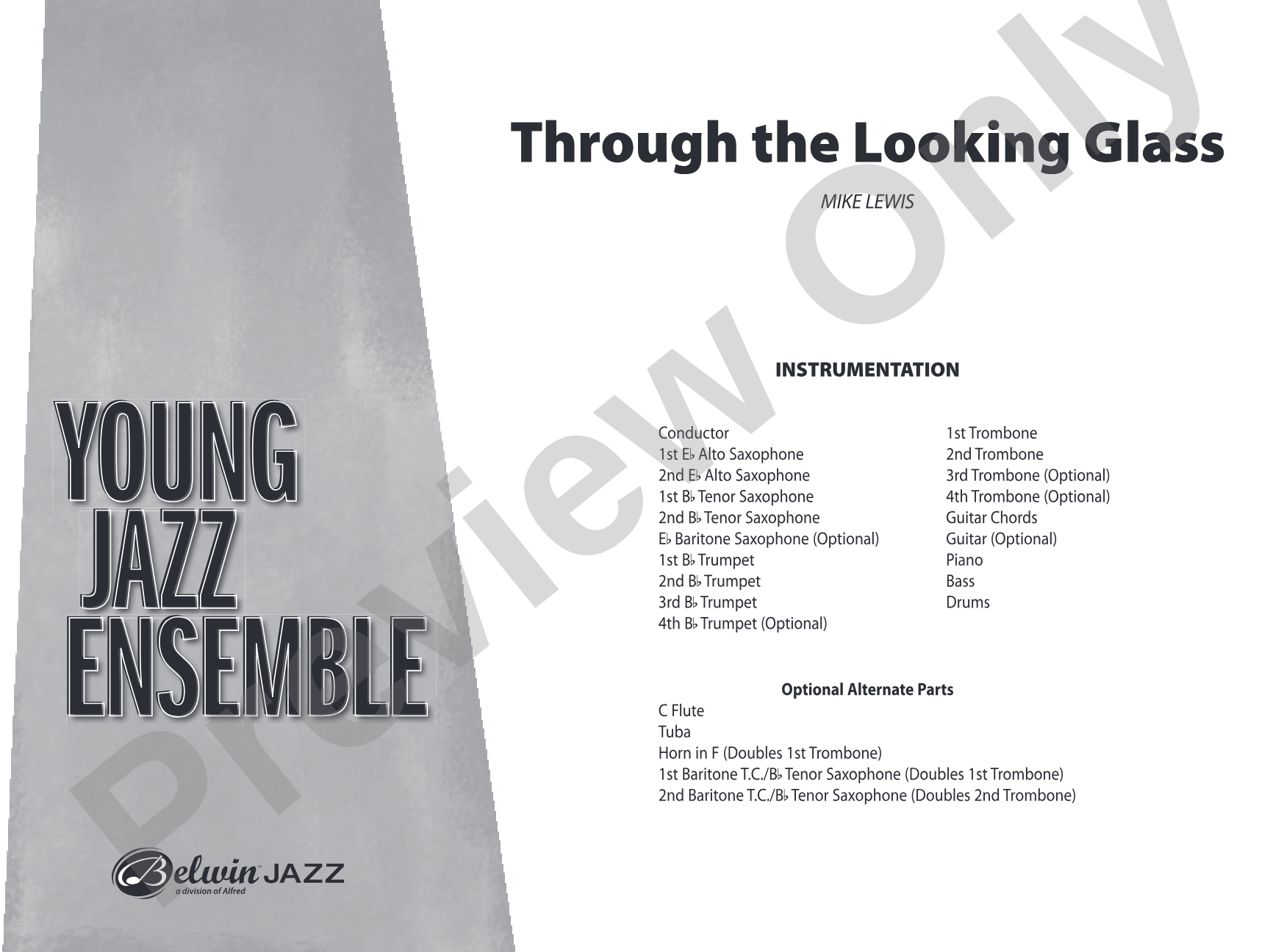
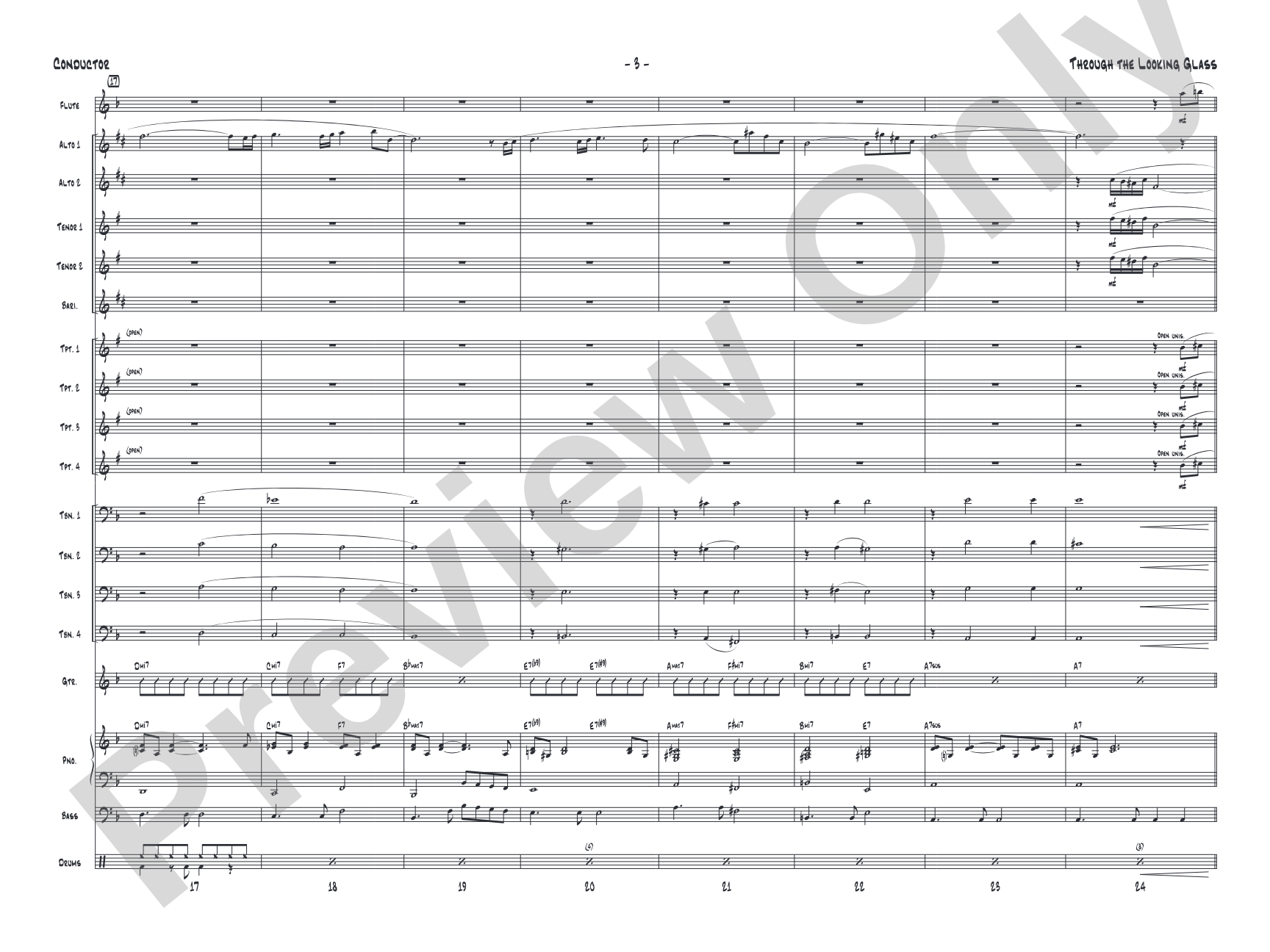
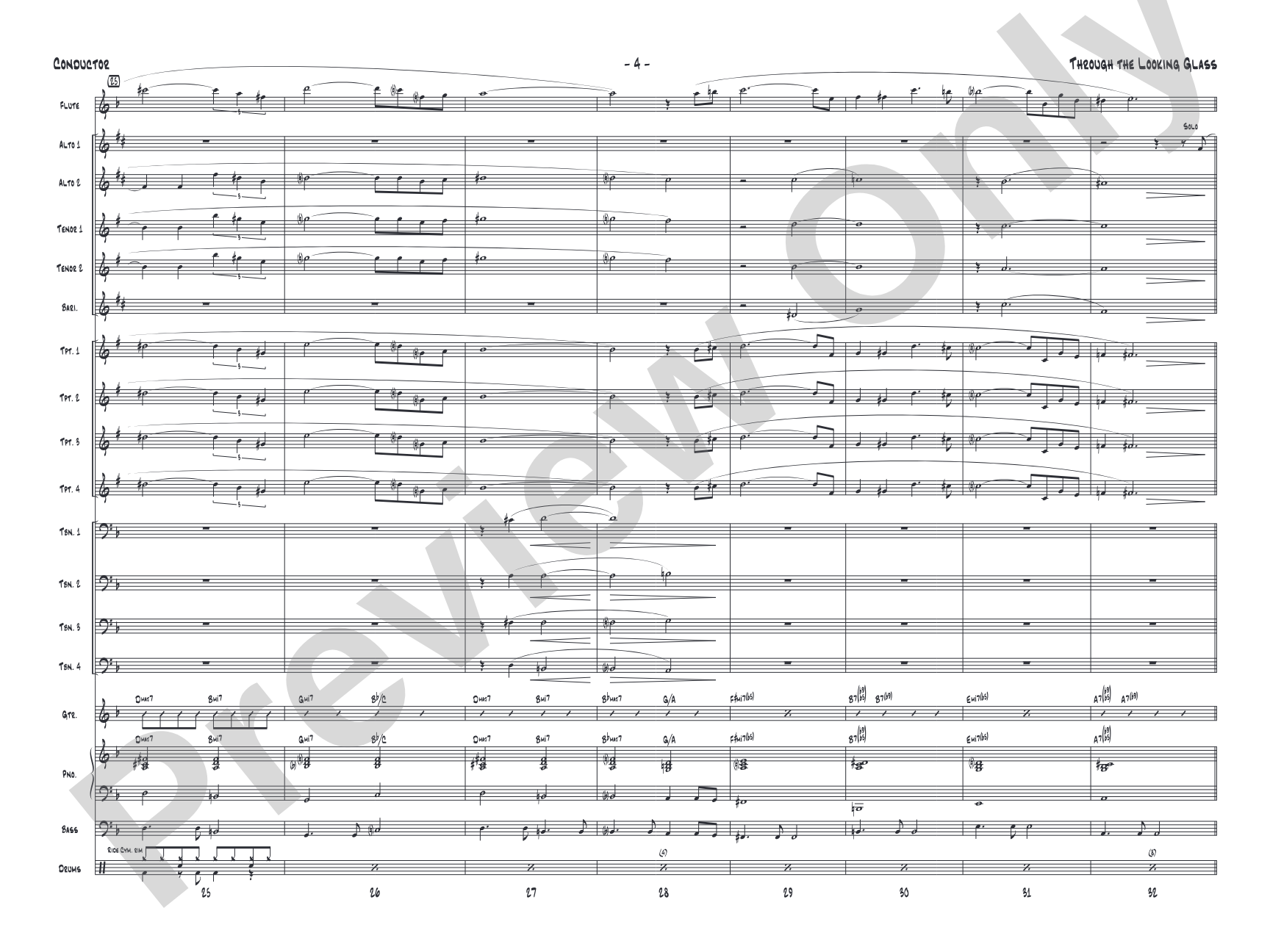
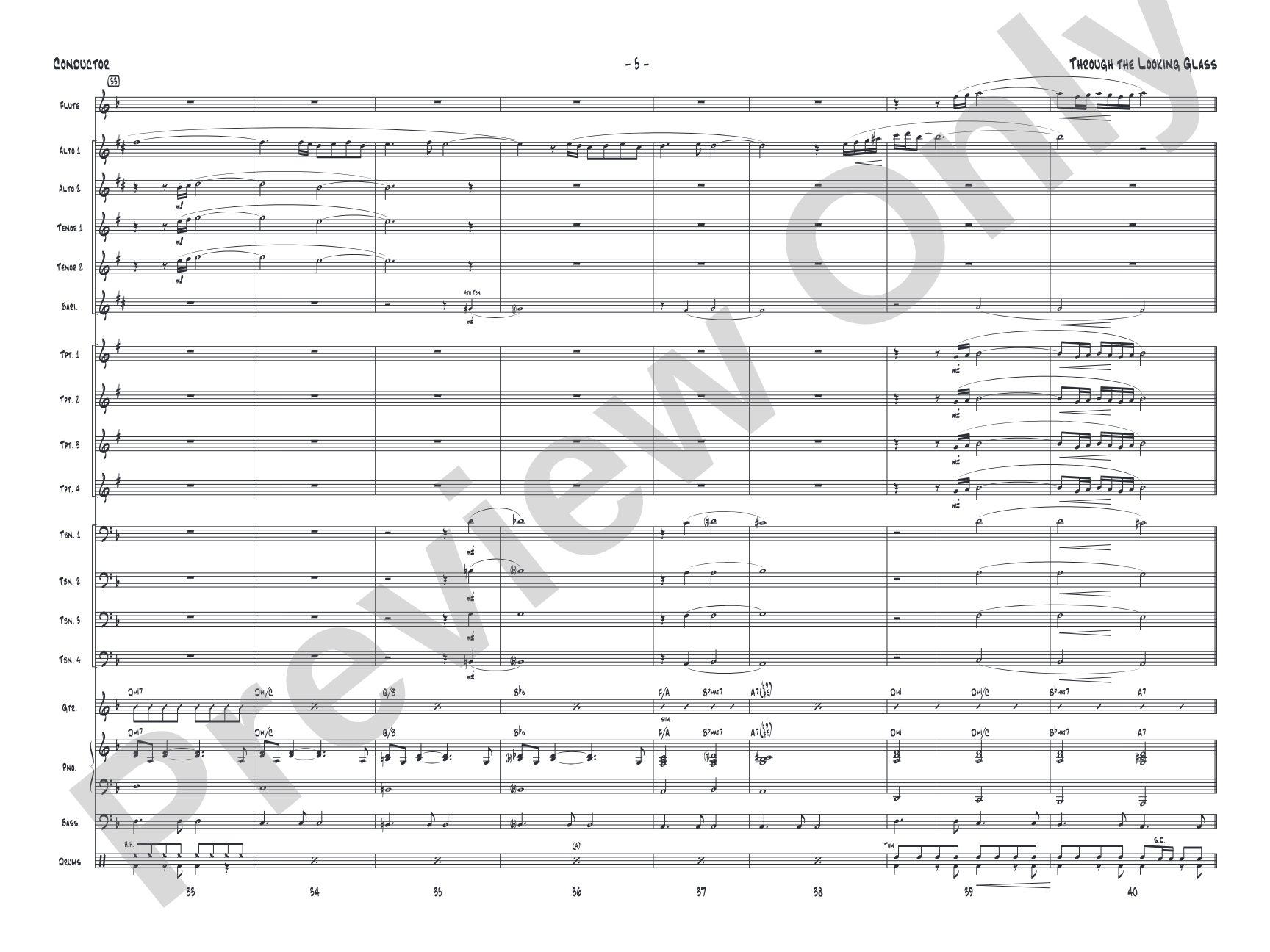
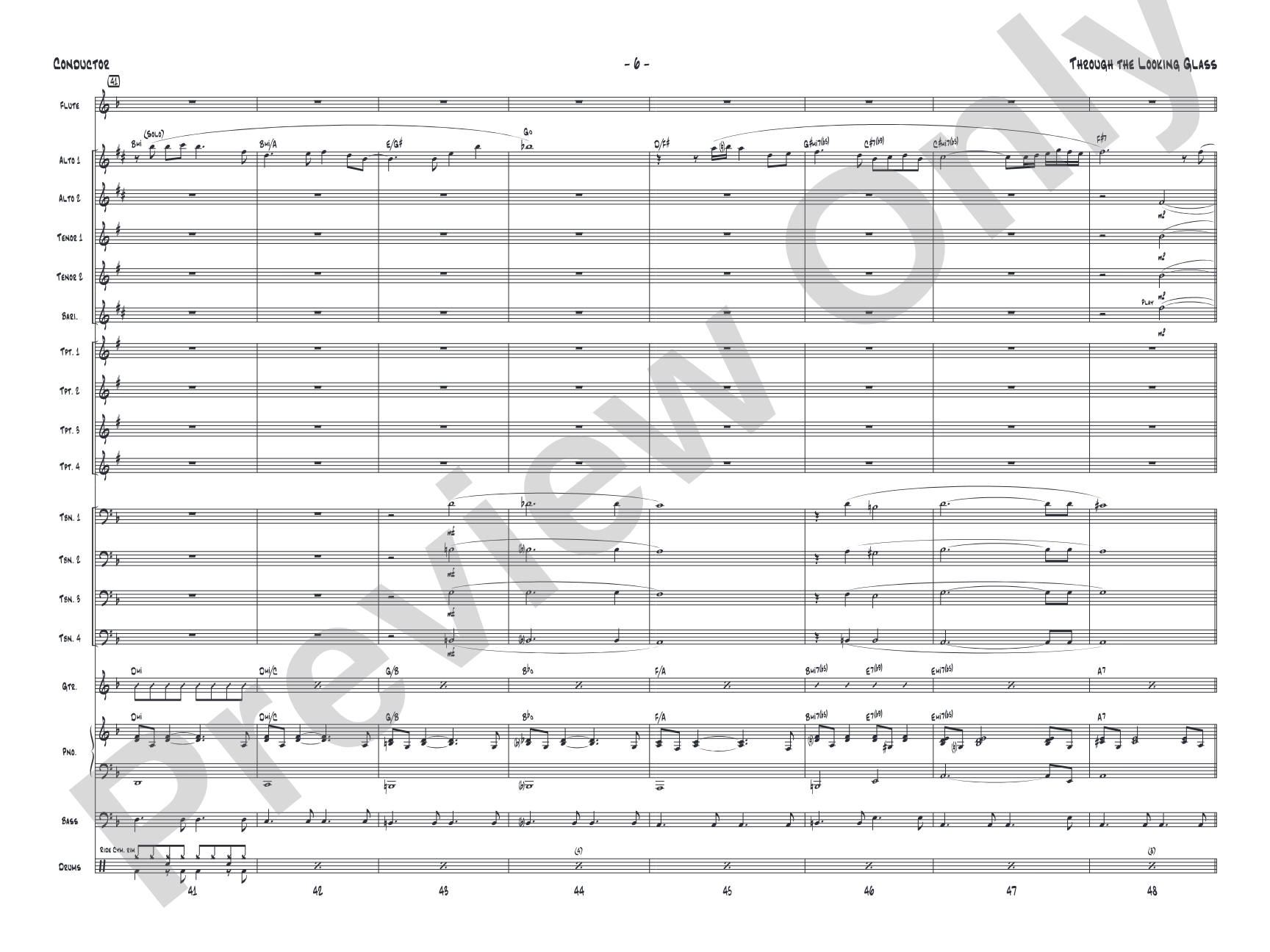
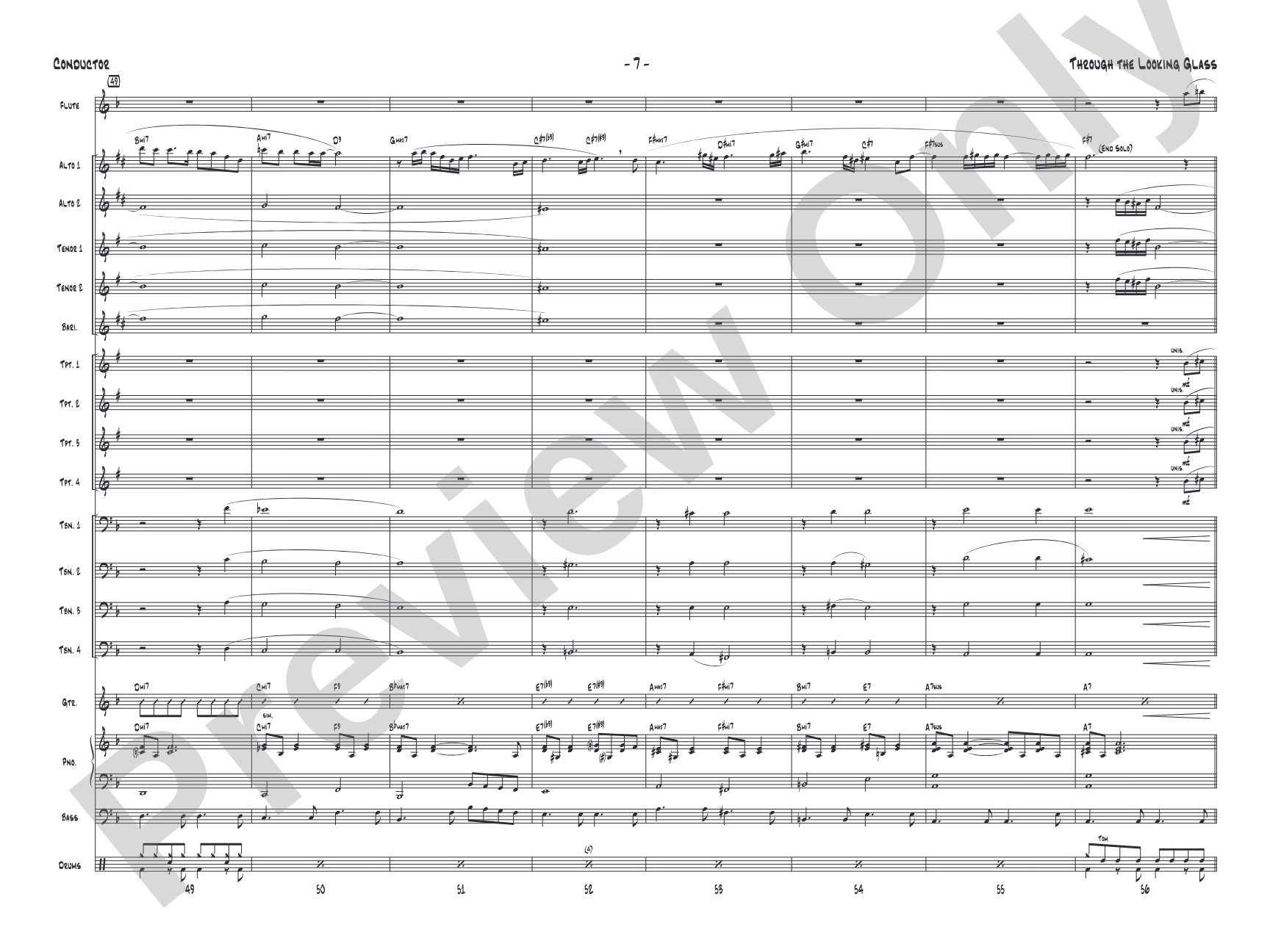
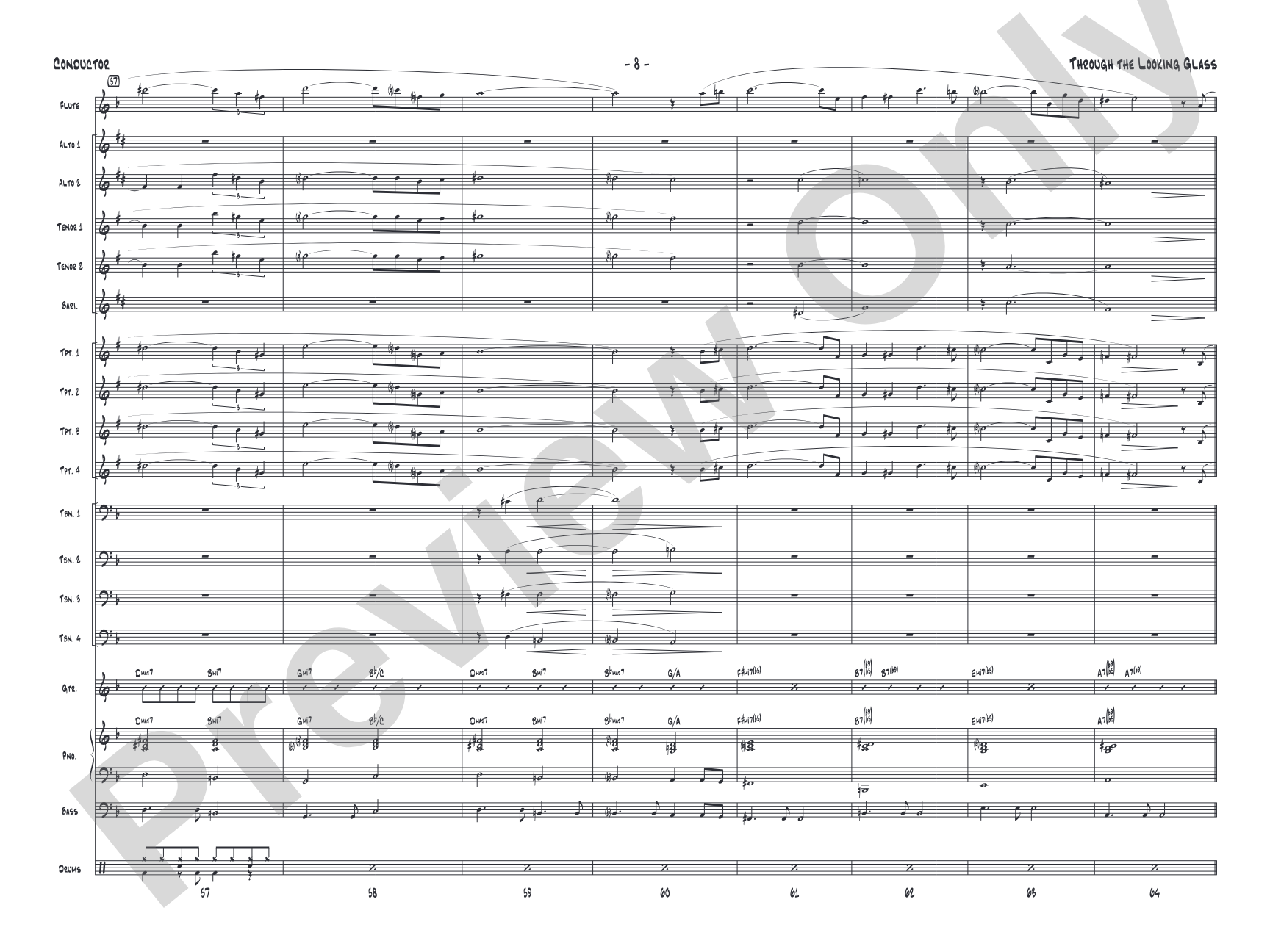
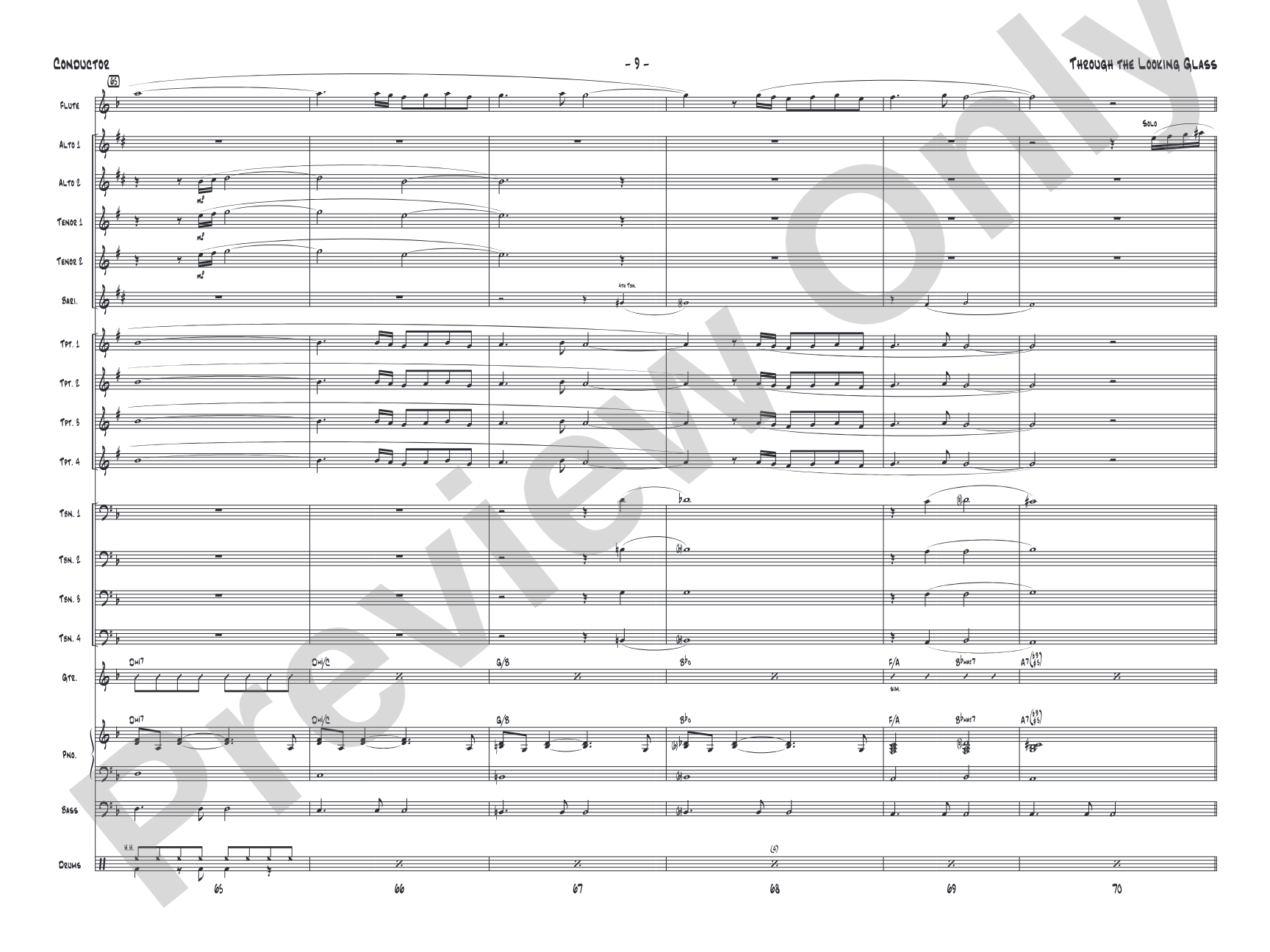
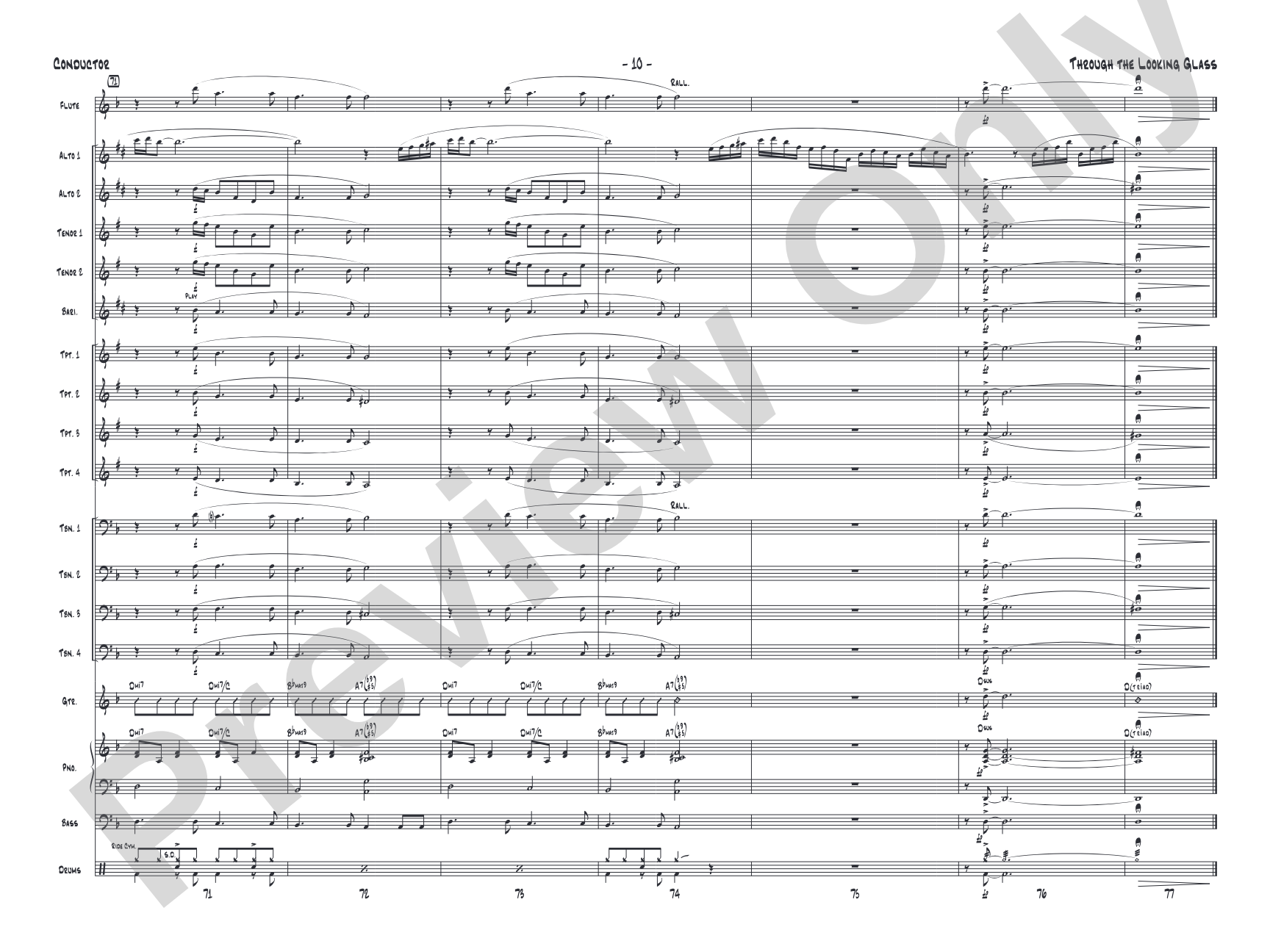

Through the Looking Glass: Jazz Ensemble Conductor Score & Parts
By Mike Lewis
Grade: 2 (Medium Easy)
Item: 00-PK-0006978

$44.00
Pickup currently not available
Buy Extra Parts (Digital PDF Download)
Parts Added to Cart!
Description
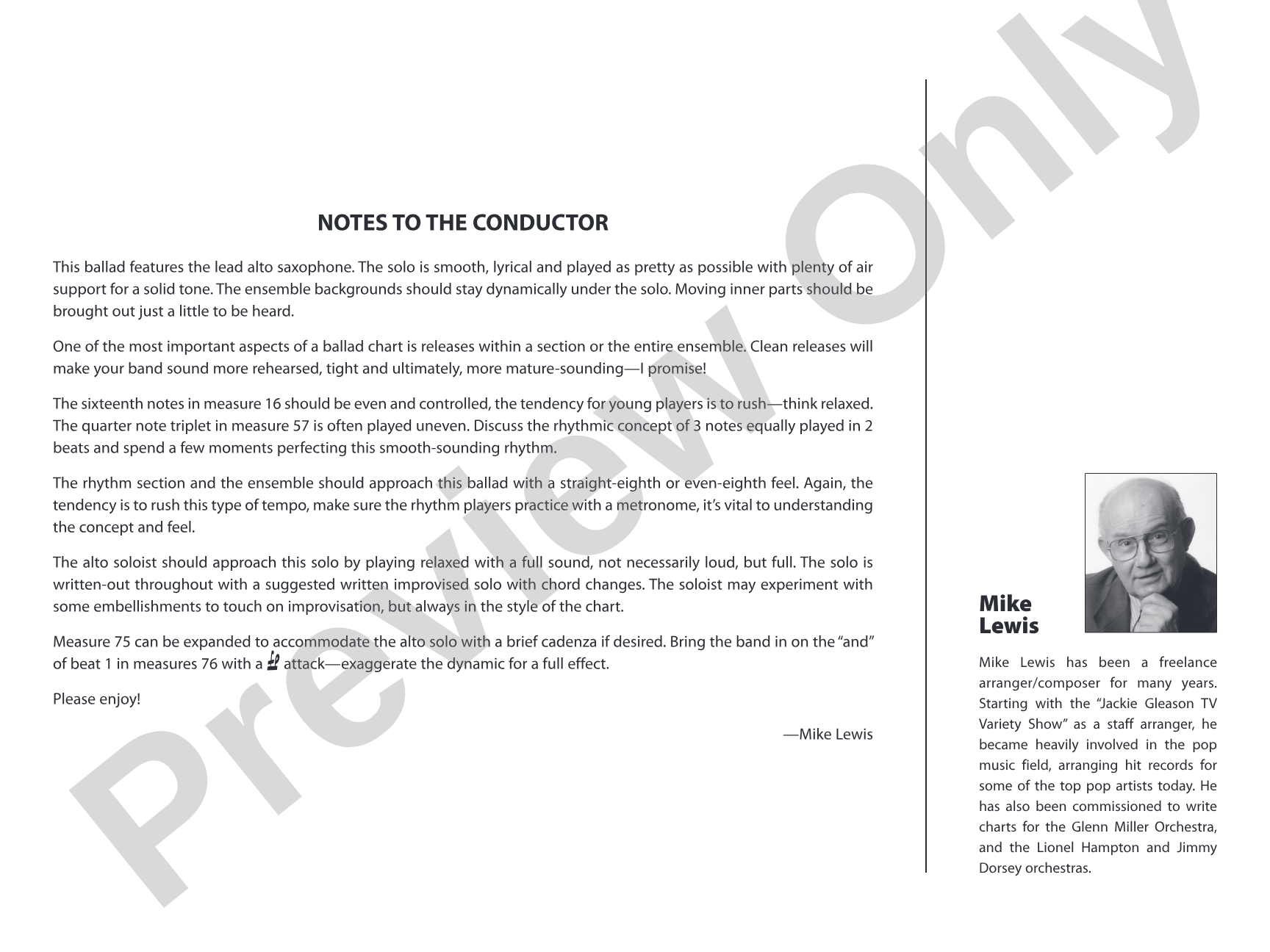
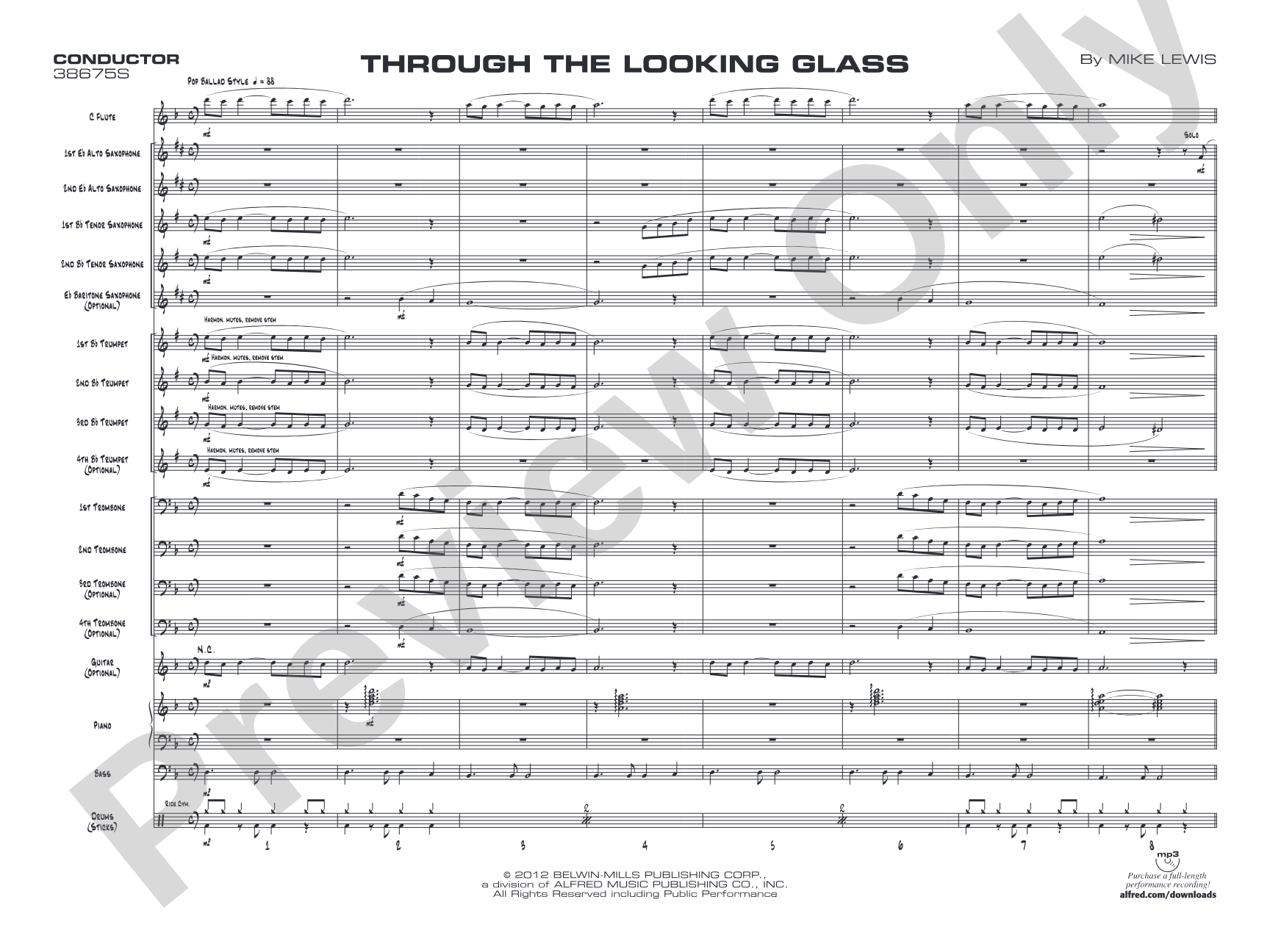
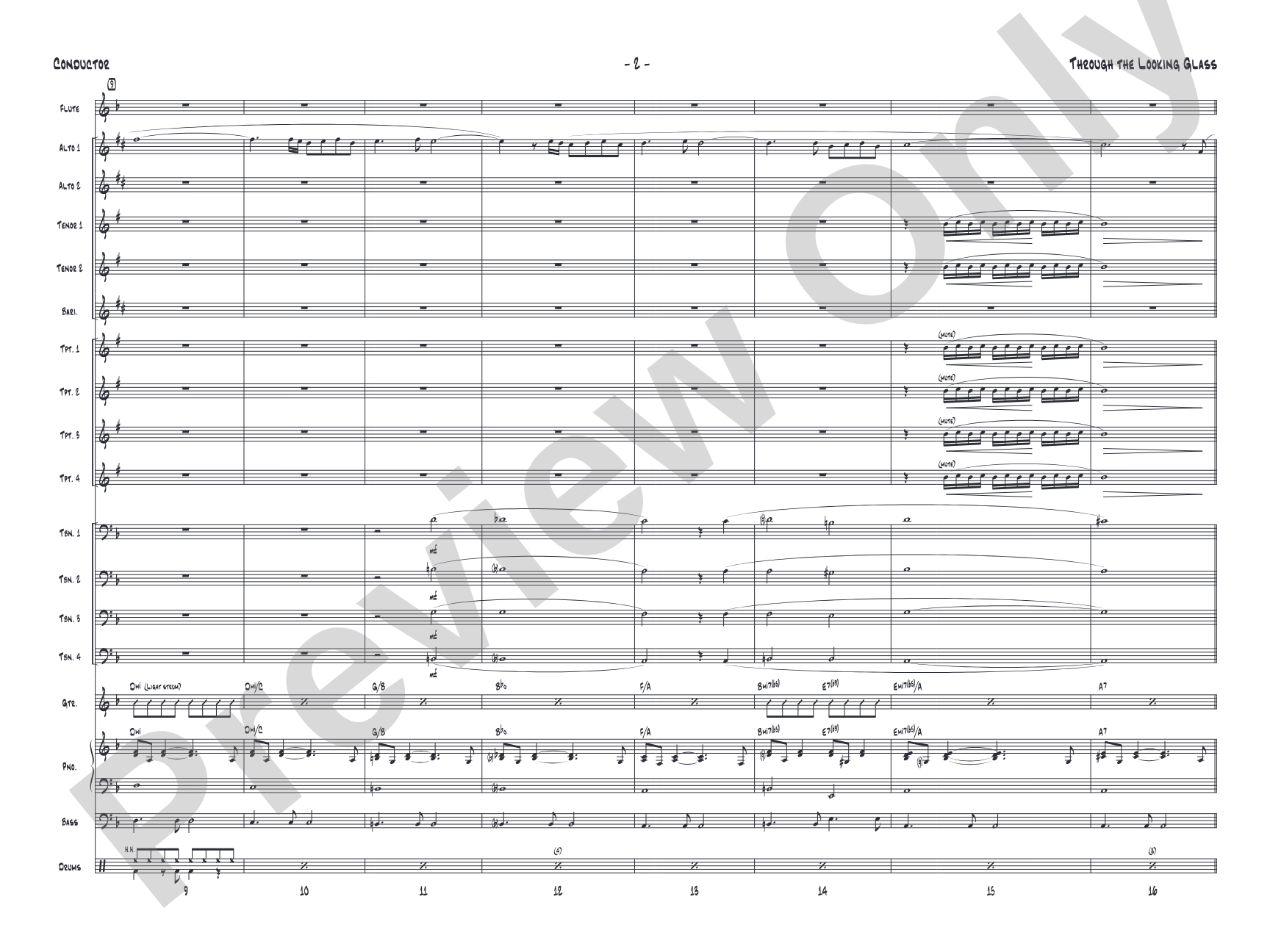
It's ballad time. This chart will provide your alto player with the perfect alto sax ballad. Everything is very playable for young players---the melody is beautiful and lyrical, harmonies are lush, rhythms are easy, and lead trumpet range is to fourth space E.


Don't just read it, hear it, play along with it, and watch your students grow with it. In MakeMusic Cloud, Through the Looking Glass: Jazz Ensemble Conductor Score & Parts comes alive with professional accompaniment, adjustable tempo, and built-in practice tools that turn solo practice into real progress.
Open in the Player
Jump straight in and assign it today.
Start Your Free Trial
Open this title and explore the full library in minutes.
Sample Audio
1
Audio File
--:--
0:00
0:00
Sample Video
No sample videos found.
Additional Details
Series:
Young Jazz Ensemble
Publisher:
Alfred Music
Page Count:
72
SKU:
00-PK-0006978
More about this title
Why we love this
Young ensembles rarely get ballads written specifically for their range and rhythmic comfort level, and this chart respects both. The alto sax gets a genuinely beautiful melody that feels like a feature, not a compromise, while the lush harmonies keep the ensemble engaged without overwhelming younger players.
What to expect
Smooth and introspective, with warm harmonies that create space for the alto to sing. The lyrical melody floats over easy, supportive rhythms that let young players breathe and respond to the music without fighting technical hurdles.
Who it's for
Jazz ensemble directors working with Grade 2 groups who want to program a real ballad without asking players to navigate tricky ranges or complex rhythms. Ensembles looking to showcase an alto saxophonist who deserves a moment in front will find this chart provides exactly that.
How to get the most out of it
- Shape the alto melody with dynamic contours rather than playing it straight; even ballads need air and direction to stay engaging.
- Balance the lead trumpet in fourth space E so it sits above but doesn't dominate the alto's feature moment.
- Lock the rhythm section early in rehearsals; clean time and pocket work will make the ensemble sound far more mature than the chart's difficulty suggests.
- Encourage the alto player to listen closely to the harmony underneath so they're aware of where the chord changes support their phrasing.
How to use it
Pair this ballad with up-tempo charts to create dynamic contrast in a concert set. A ballad of this quality works well midway through a program, giving both the ensemble and audience a moment to settle into something intimate before returning to higher energy.
Skills your students will build
- Phrasing and shaping long melodic lines
- Listening to chord changes while maintaining the main melody
- Balancing feature soloist with ensemble texture
- Maintaining groove and time in ballad tempo
- Responding to dynamic contour without explicit markings