
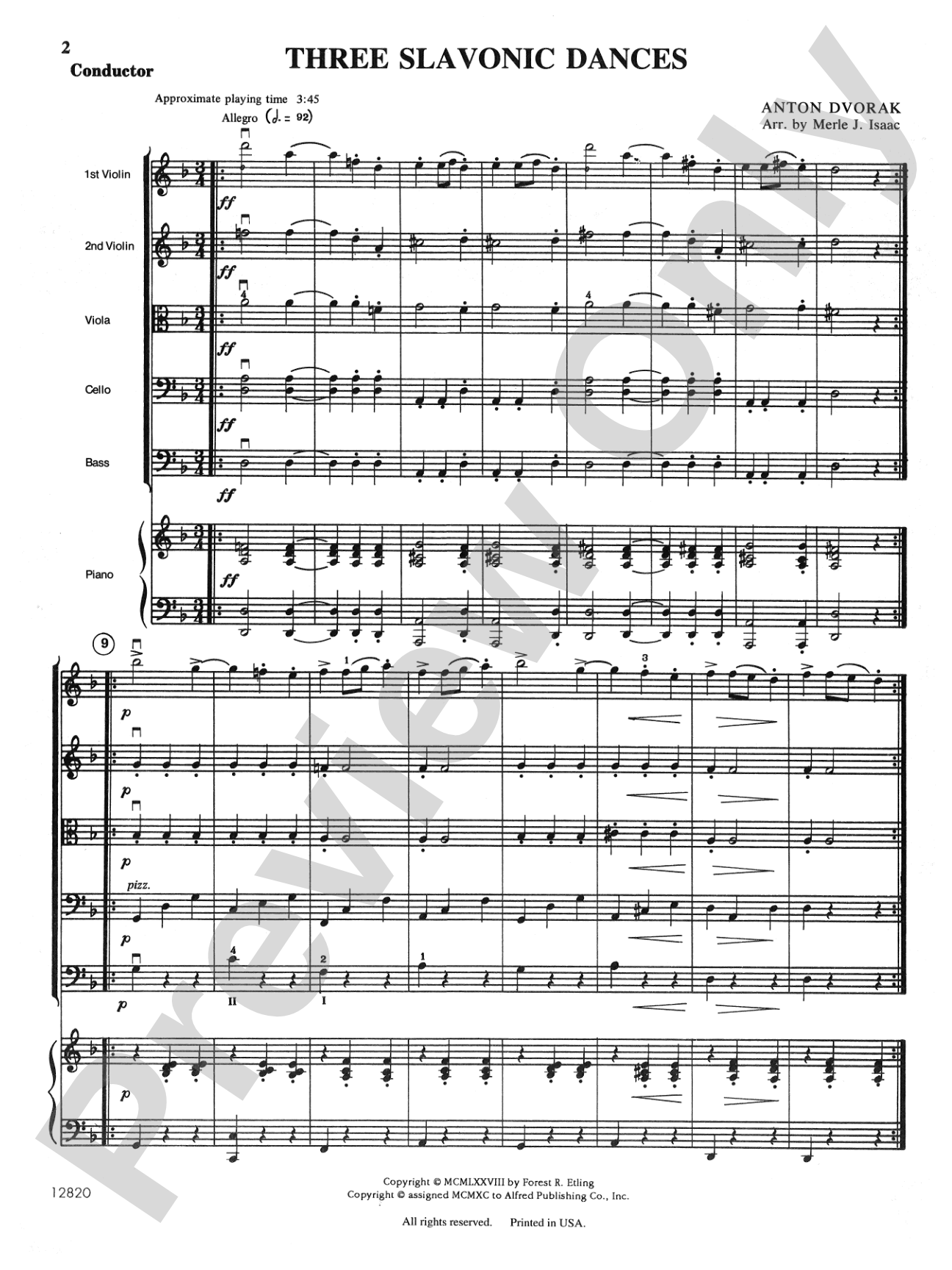
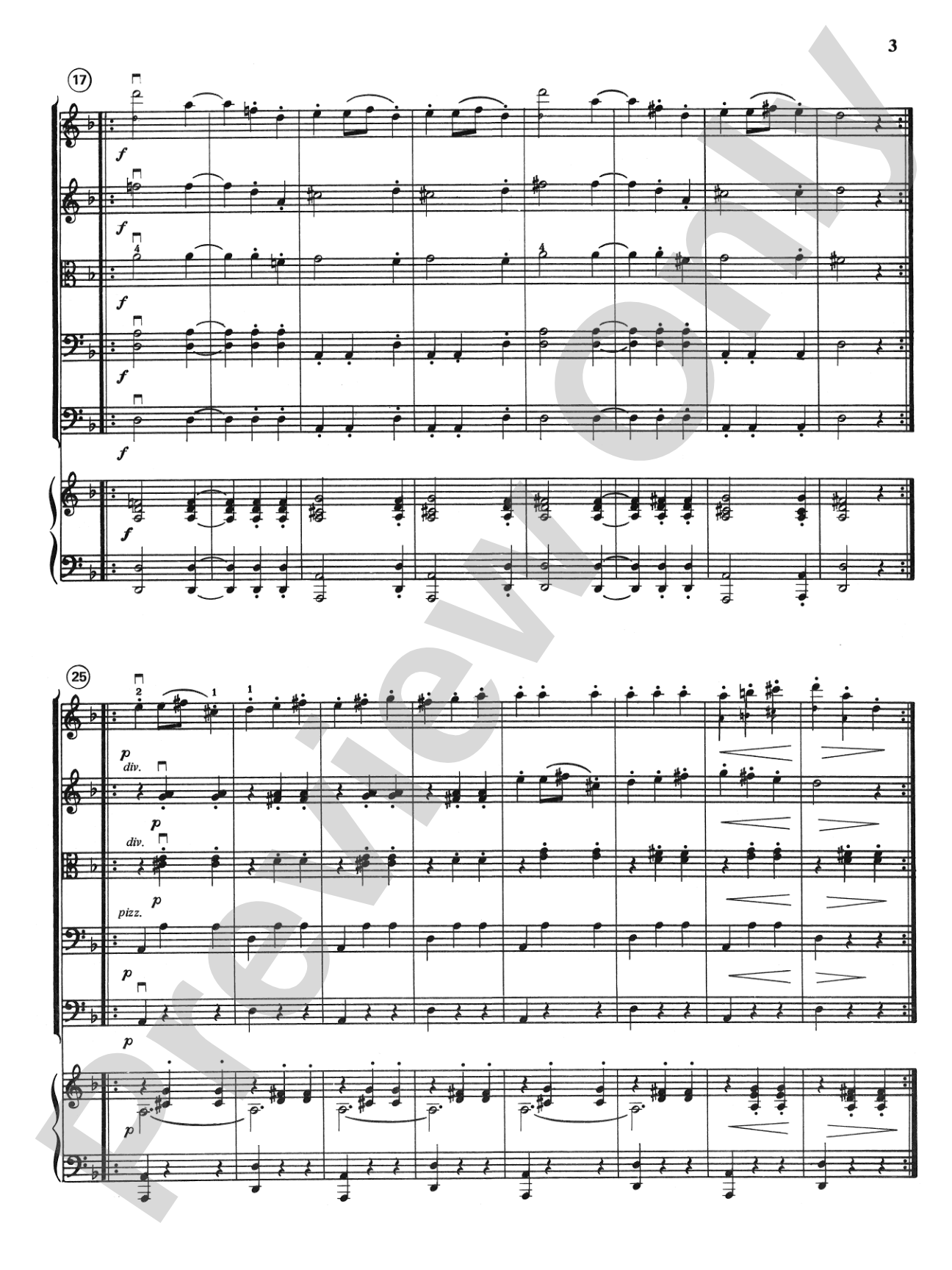
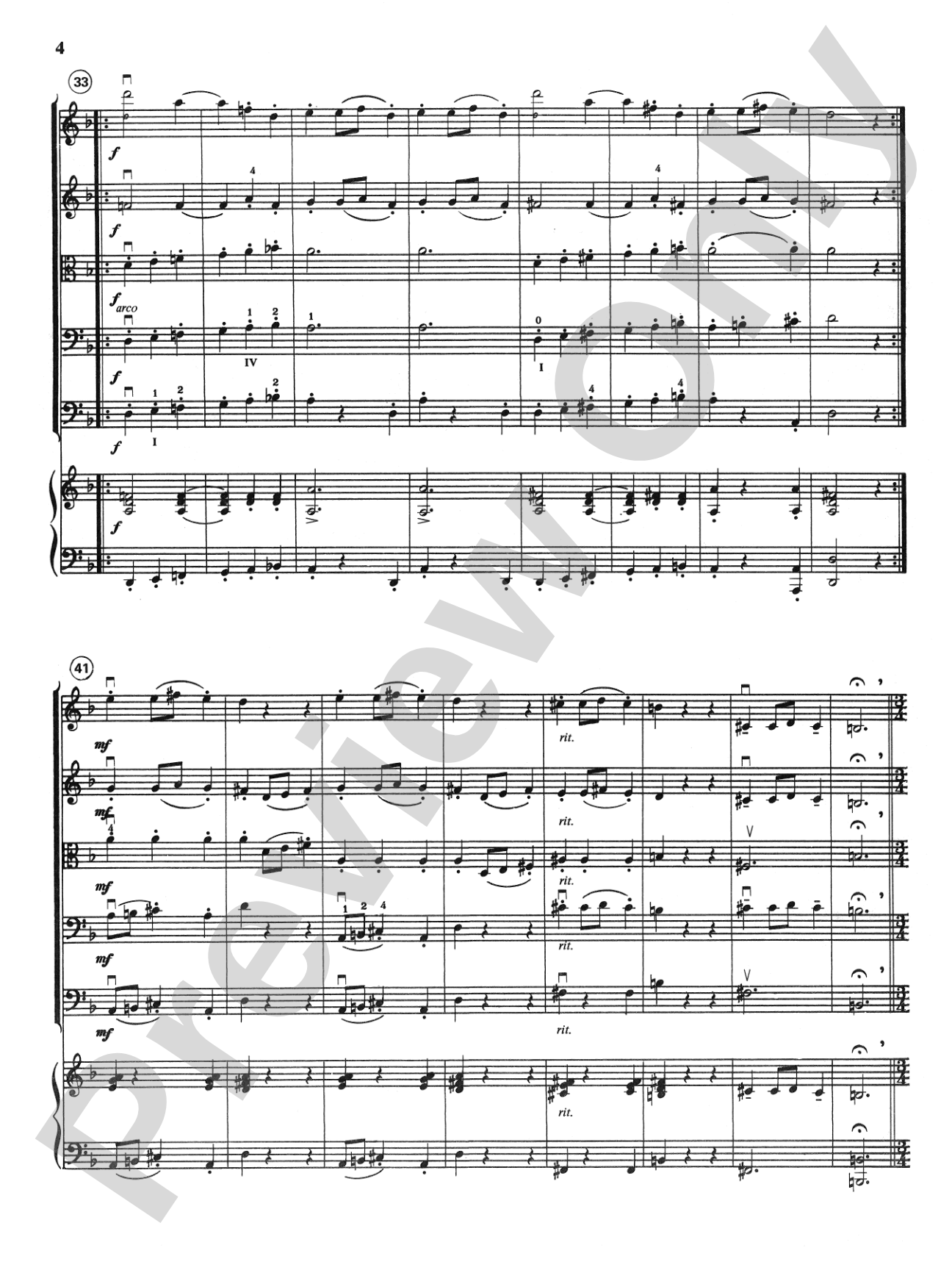
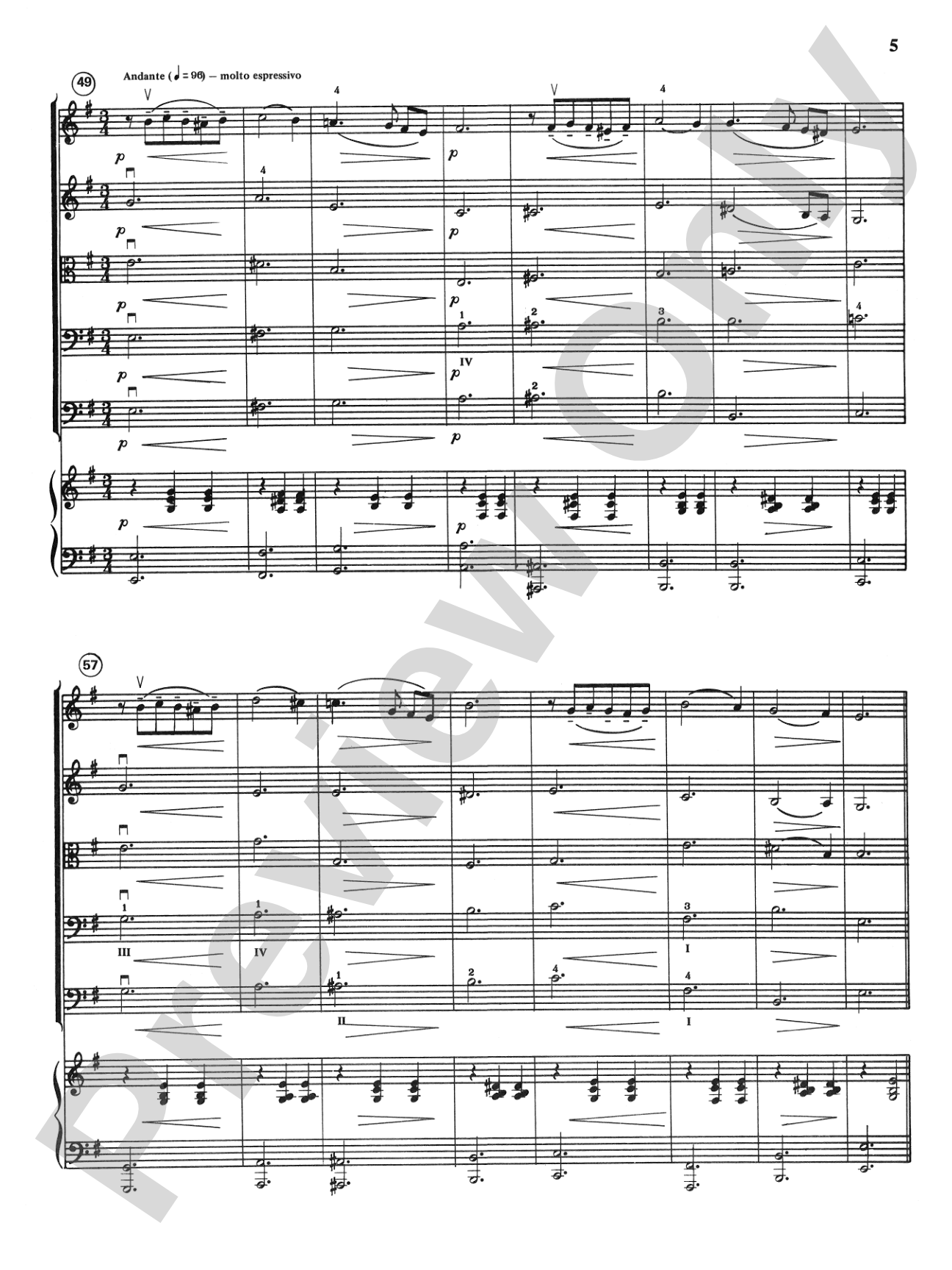
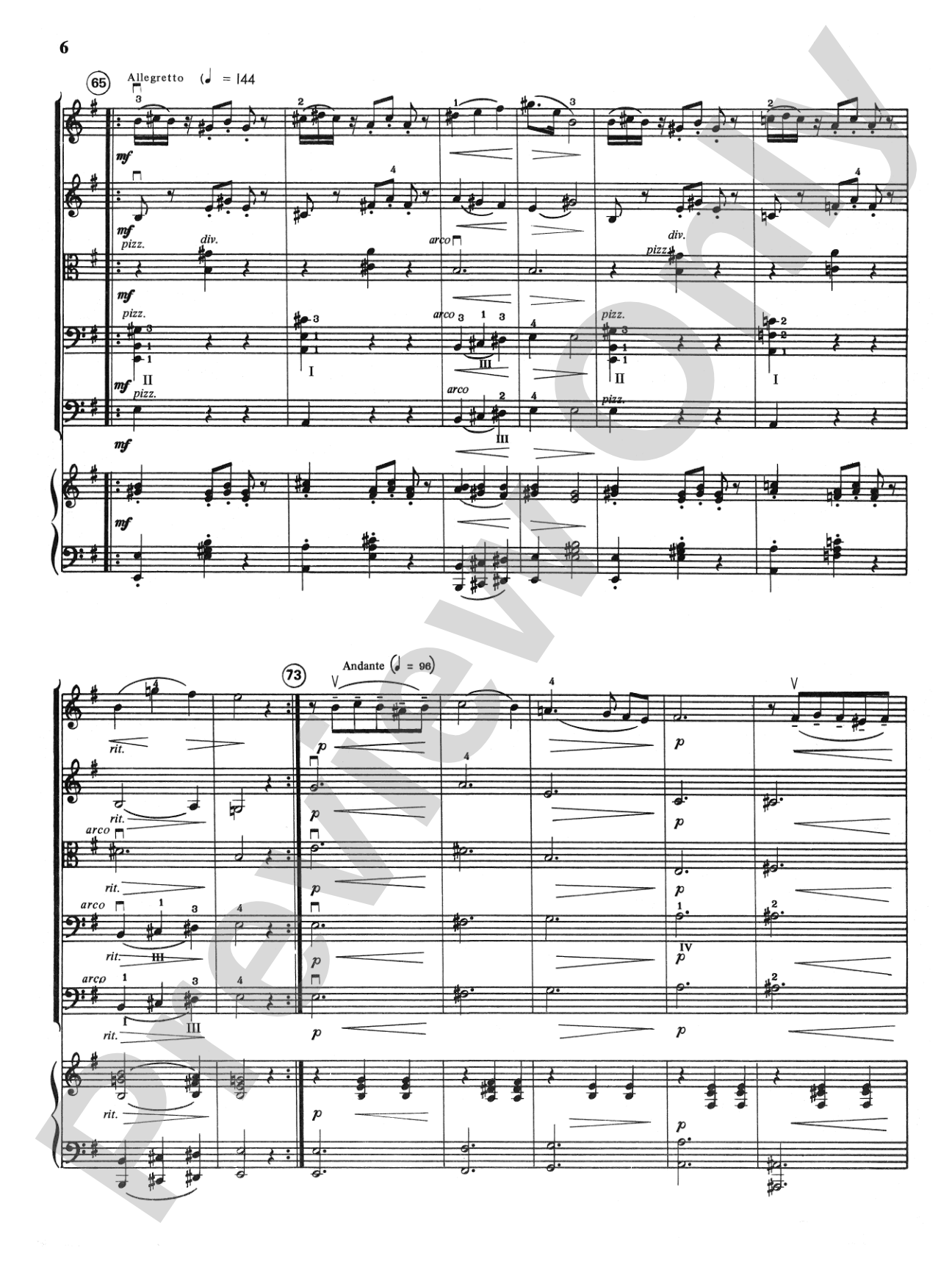
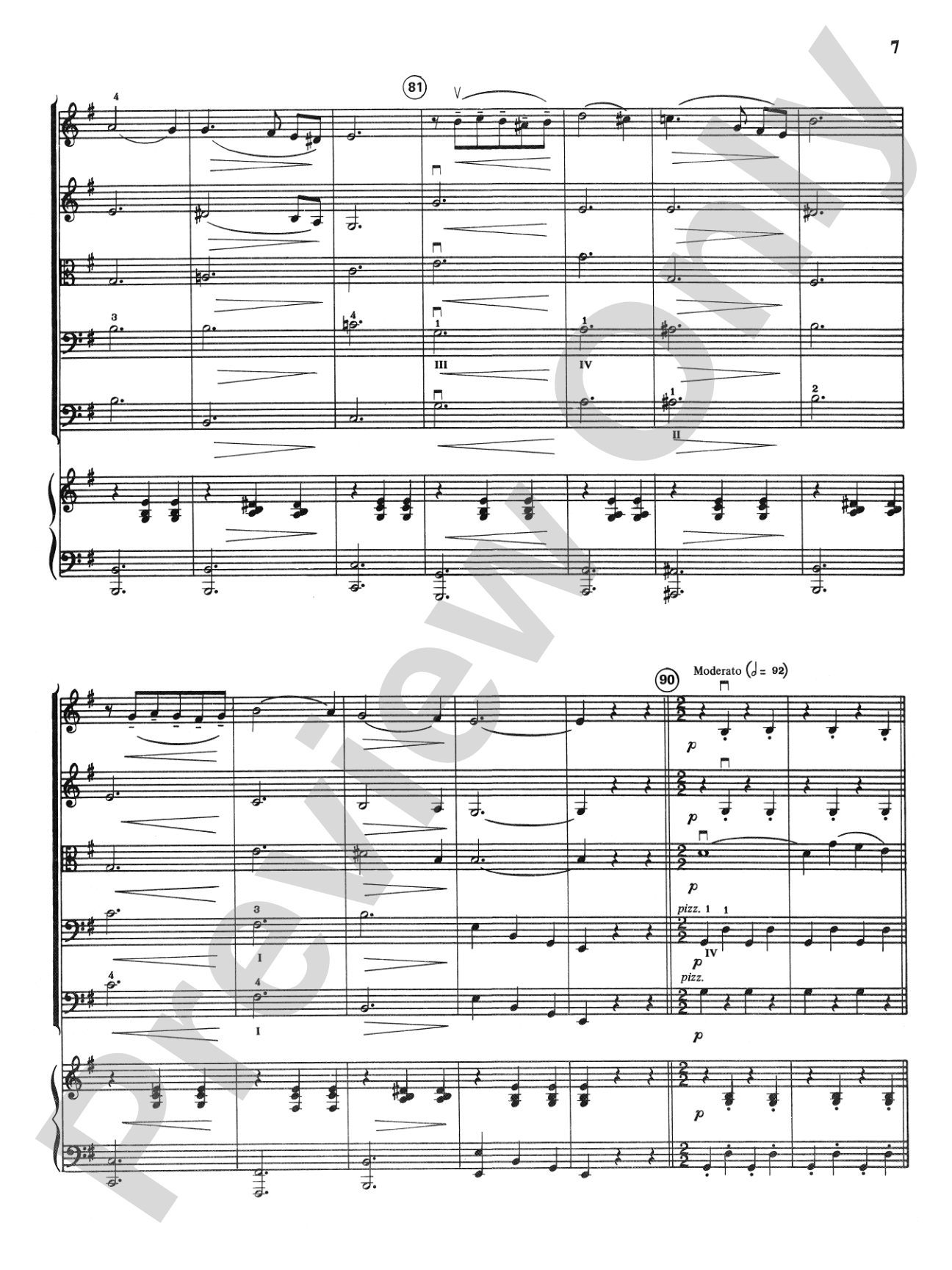
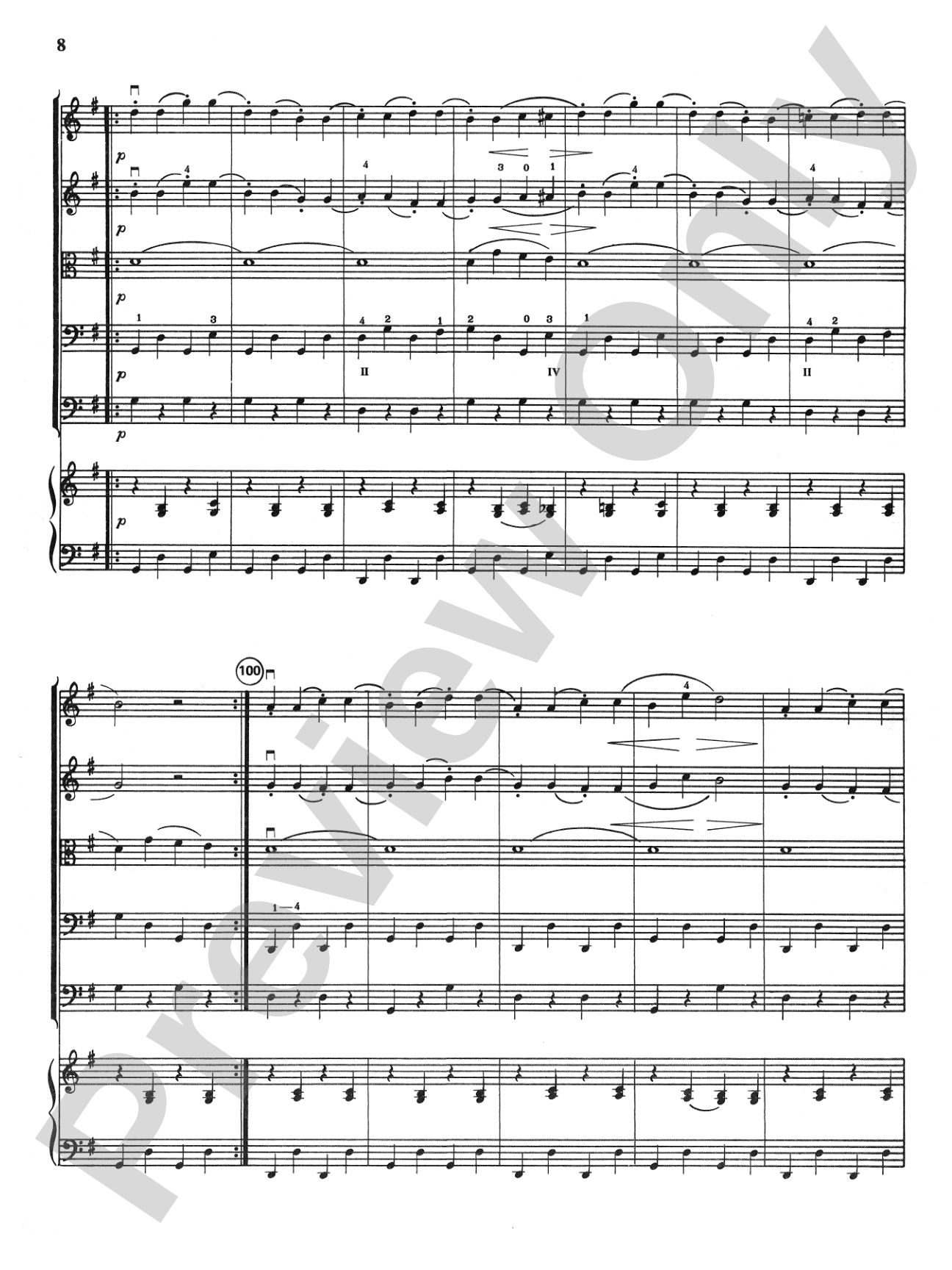
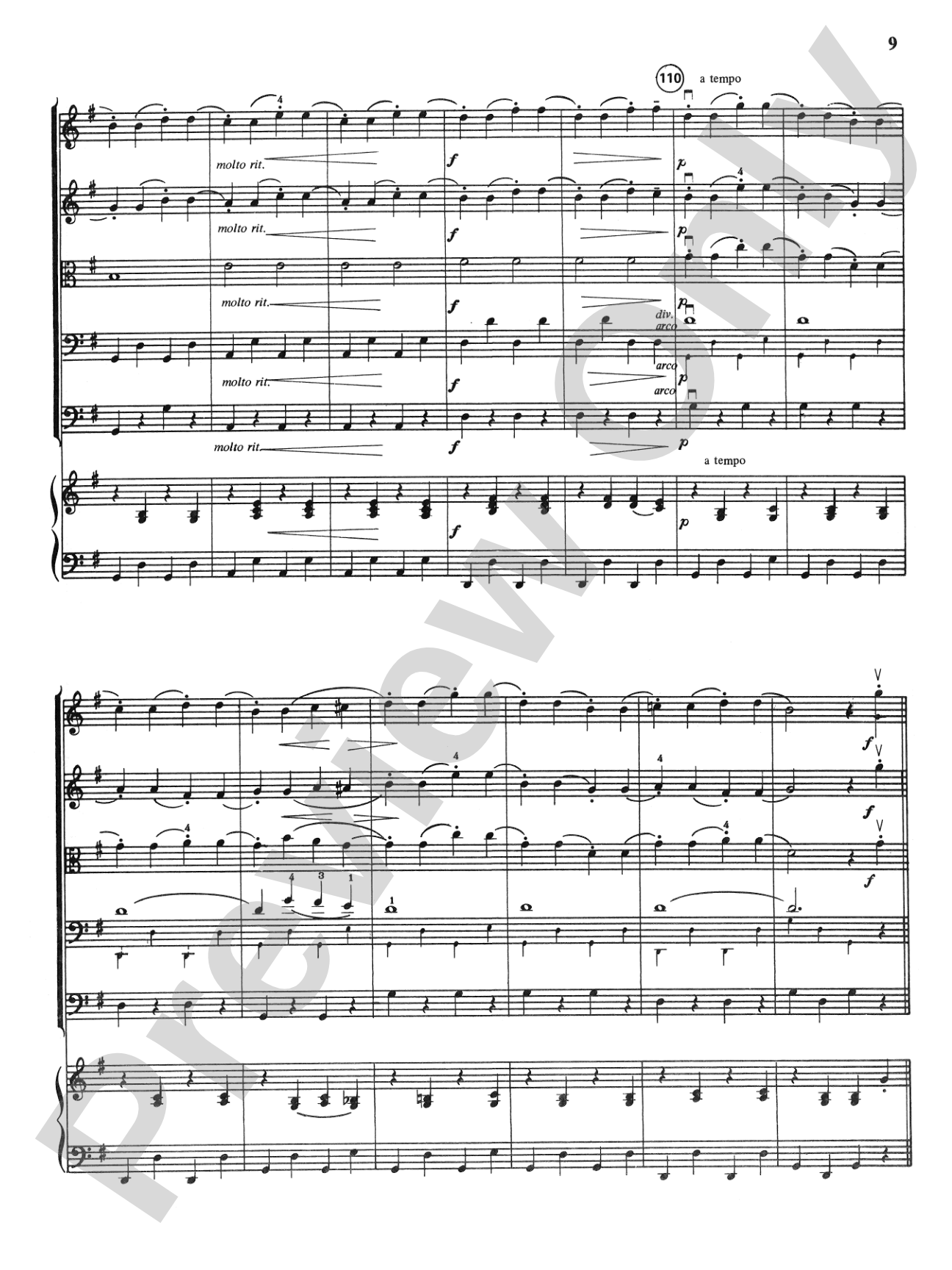
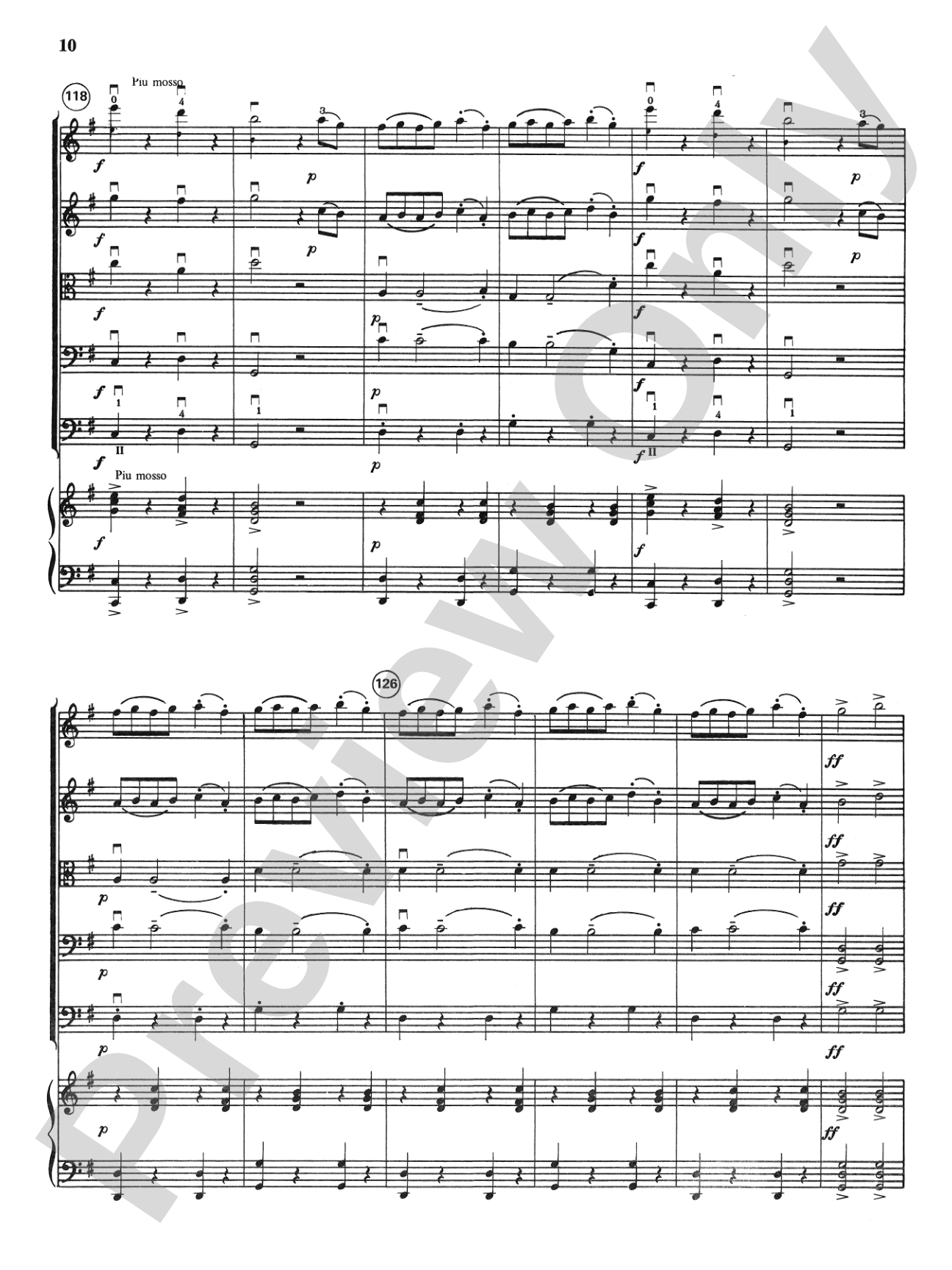
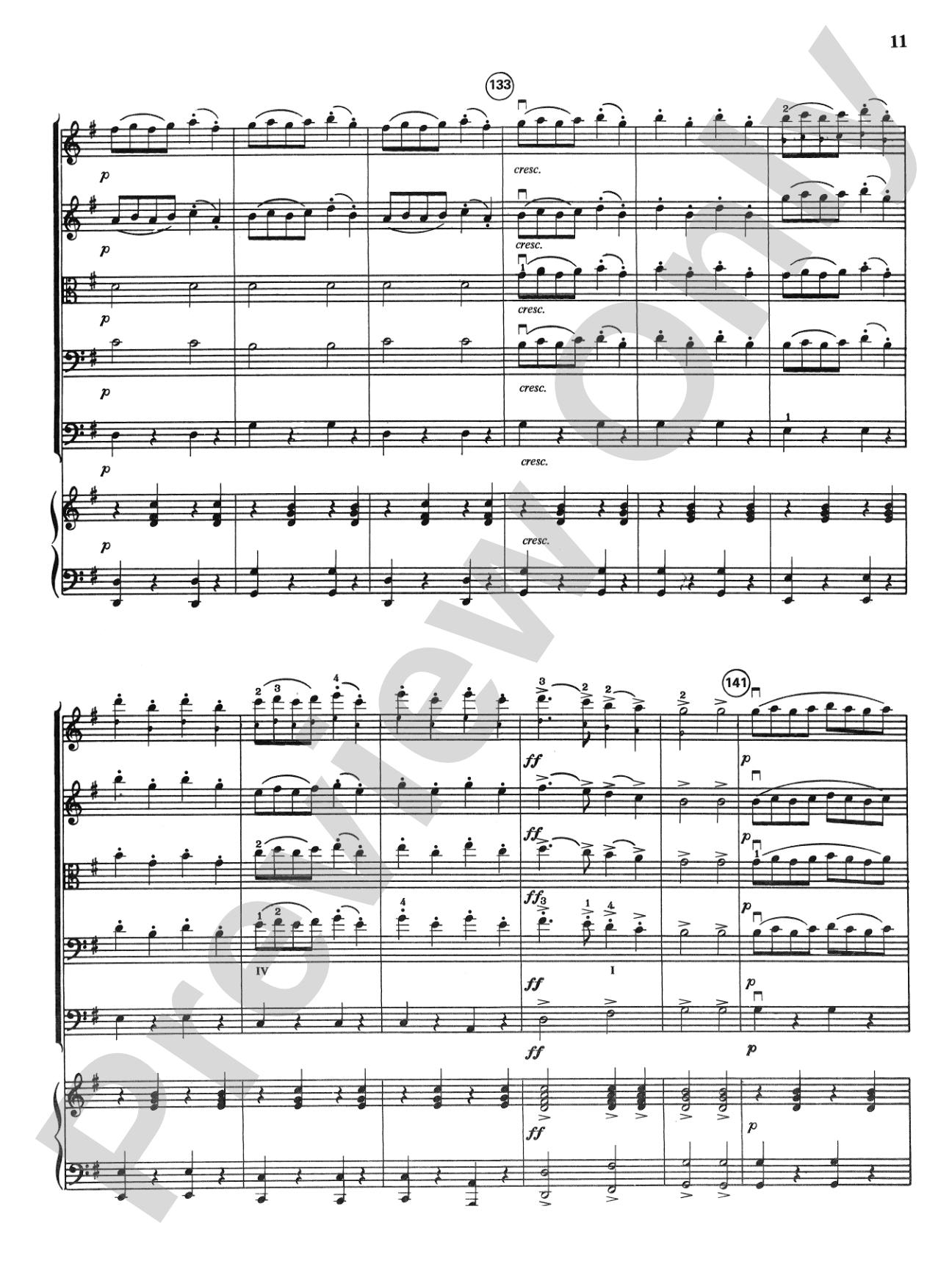
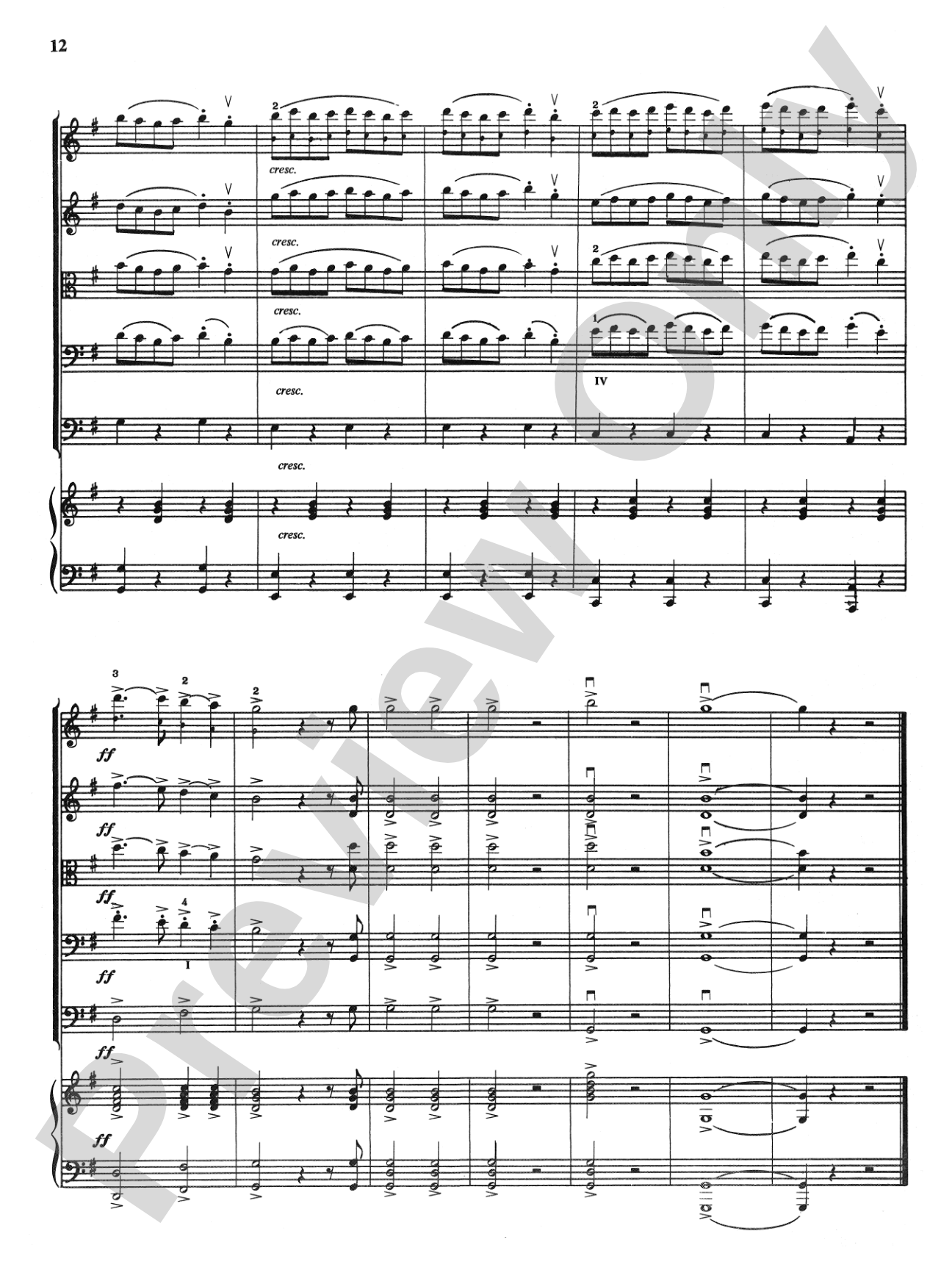

Three Slavonic Dances: String Orchestra Conductor Score & Parts
By Antonín Dvorák / arr. Merle J. Isaac
Grade: 3
Item: 00-PK-0000116

$60.00
Pickup currently not available
Buy Extra Parts (Digital PDF Download)
| Product | Price | Quantity |
|---|---|---|
| Three Slavonic Dances: Score | $9.00 | |
| Three Slavonic Dances: 1st Violin | $5.99 | |
| Three Slavonic Dances: 2nd Violin | $5.99 | |
| Three Slavonic Dances: 3rd Violin (Viola [TC]) | $5.99 | |
| Three Slavonic Dances: Viola | $5.99 | |
| Three Slavonic Dances: Cello | $5.99 | |
| Three Slavonic Dances: String Bass | $5.99 | |
| Three Slavonic Dances: Piano Accompaniment | $5.99 |
Parts Added to Cart!
Description
From the Czech composer Antonín Dvorák.


Don't just read it, hear it, play along with it, and watch your students grow with it. In MakeMusic Cloud, Three Slavonic Dances: String Orchestra Conductor Score & Parts comes alive with professional accompaniment, adjustable tempo, and built-in practice tools that turn solo practice into real progress.
Open in the Player
Jump straight in and assign it today.
Start Your Free Trial
Open this title and explore the full library in minutes.
Sample Audio
No sample audio found.
Sample Video
No sample videos found.
Additional Details
Series:
Highland/Etling String Orchestra
Publisher:
Alfred Music
Page Count:
144
SKU:
00-PK-0000116
More about this title
About the Composer: Antonin Dvorák
Antonín Dvořák (1841-1904) stands as one of the most significant voices of the Romantic era, bringing Czech national identity and folk idioms into concert hall repertoire. His mastery of orchestration and gift for memorable melody established him as a bridge between European classical tradition and the emerging nationalist movements in 19th-century music. His works remain central to string orchestra and ensemble curricula worldwide.
Why we love this
These dances deliver immediate musical satisfaction and authentic Dvořákian character at a grade level where students can actually achieve it. Merle Isaac's arrangement captures the folk spirit and rhythmic vitality of the original without sacrificing the harmonic richness that makes Dvořák's voice distinctive, making this a contest repertoire choice that doesn't feel like a compromise.
What to expect
Folk celebration rendered in string colors. The music pulses with the earthiness of Central European dance traditions while maintaining the elegance of concert hall composition. There's warmth here, genuine melody, and moments of introspective beauty nestled between spirited, almost irrepressible rhythmic passages.
Who it's for
String orchestras at the intermediate level seeking repertoire with both substance and accessibility. Directors programming contest festivals or concerts where students need material that sounds mature and engaging without exceeding their technical range.
How to get the most out of it
- Shape the melodies with the phrasing of a folk singer. Let the natural rubato of Slavonic dance rhythms breathe rather than metering every note mechanically.
- Balance the viola and cello lines carefully; they often carry supporting material that transforms into melody within the texture. Each voice deserves presence.
- Attend to the contrasts between energetic dance sections and more lyrical passages. The style lives in the shift between buoyant rhythms and legit singing tone.
- Coordinate rhythmic precision across pizzicato and arco transitions. These moments define the character of each dance and require ensemble awareness.
How to use it
Program this as a centerpiece to a concert theme exploring nationalism and folk influence in Romantic music. The three-dance structure provides natural variety within one work, or individual dances can anchor different concert segments. Strong choice for festival competition where judges expect both technical control and expressive maturity.
Skills your students will build
- Balancing independent melodic lines within a composite texture
- Playing with rhythmic lift and folk character inflection
- Coordinating pizzicato and arco articulations across the section
- Reading and executing sustained legit singing passages in upper registers
- Understanding national style and cultural context in musical interpretation