
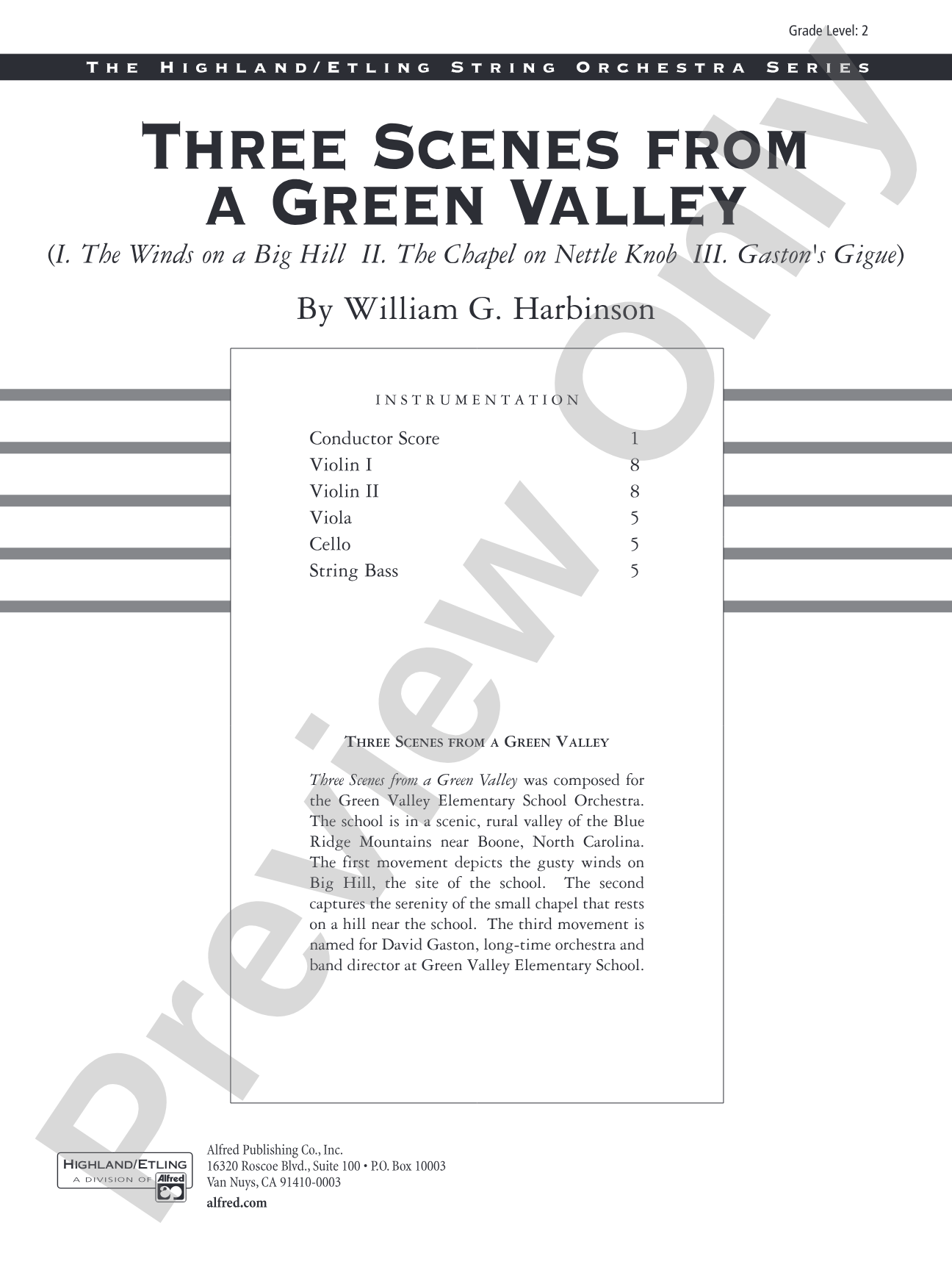
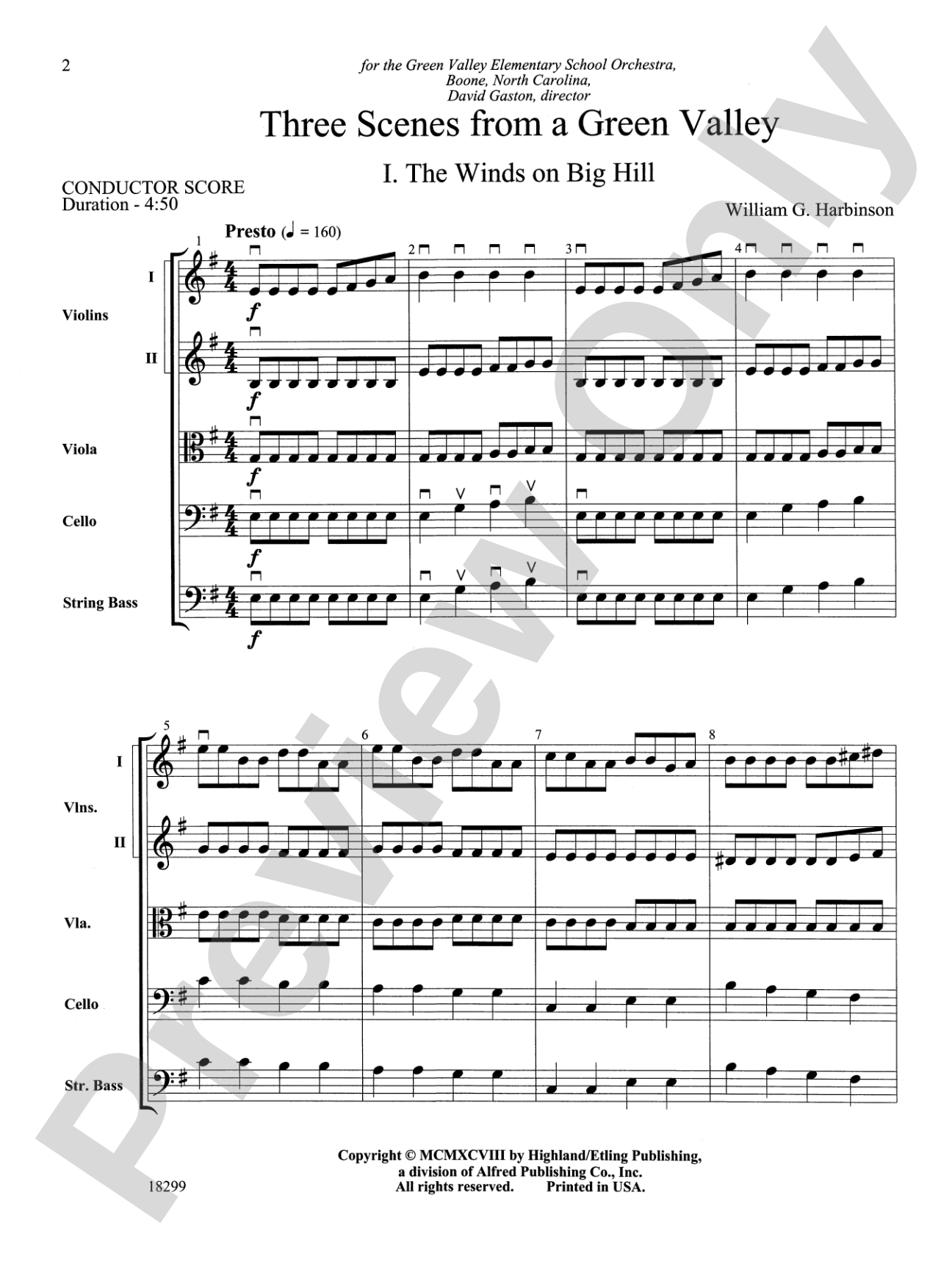
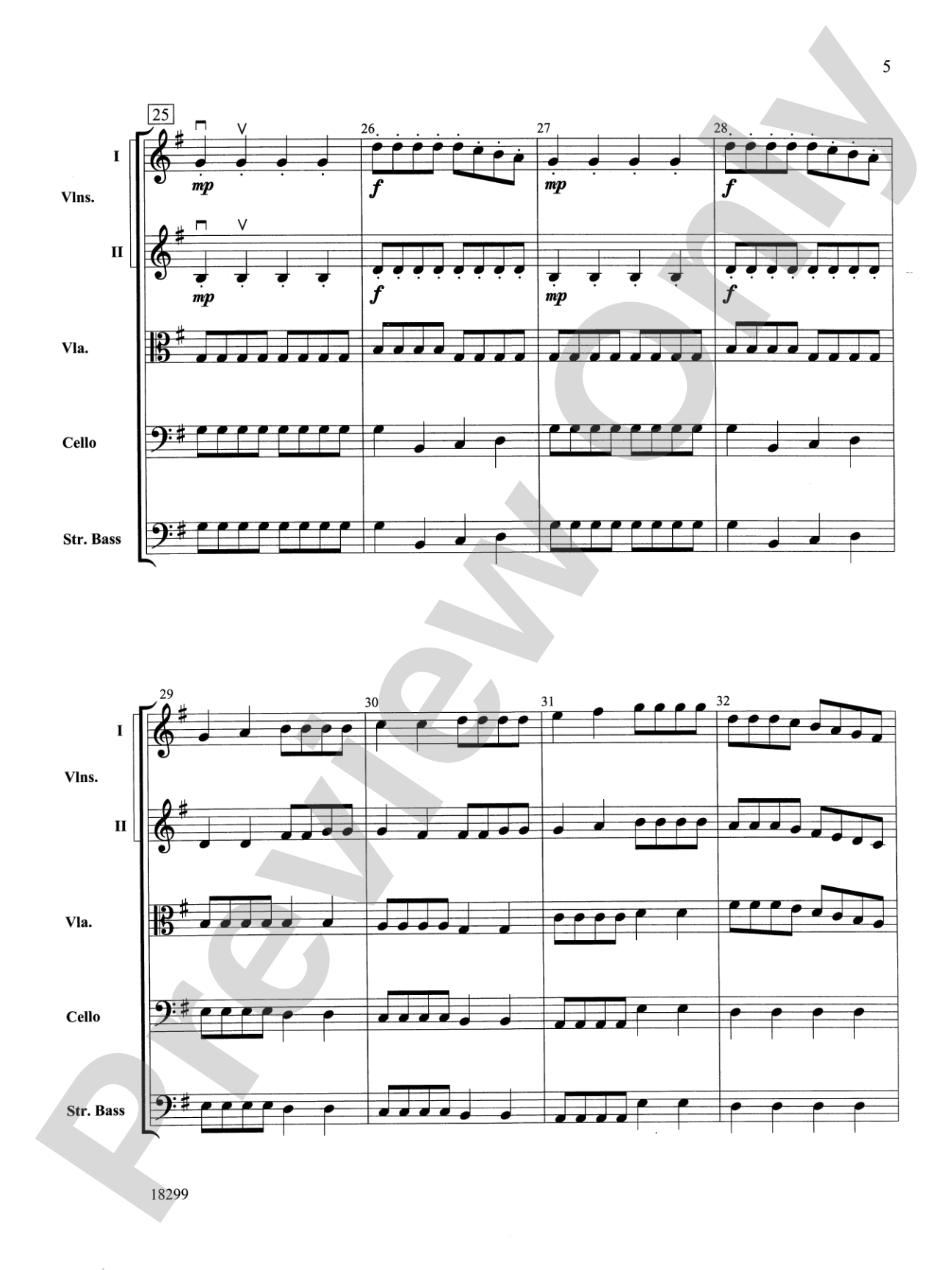
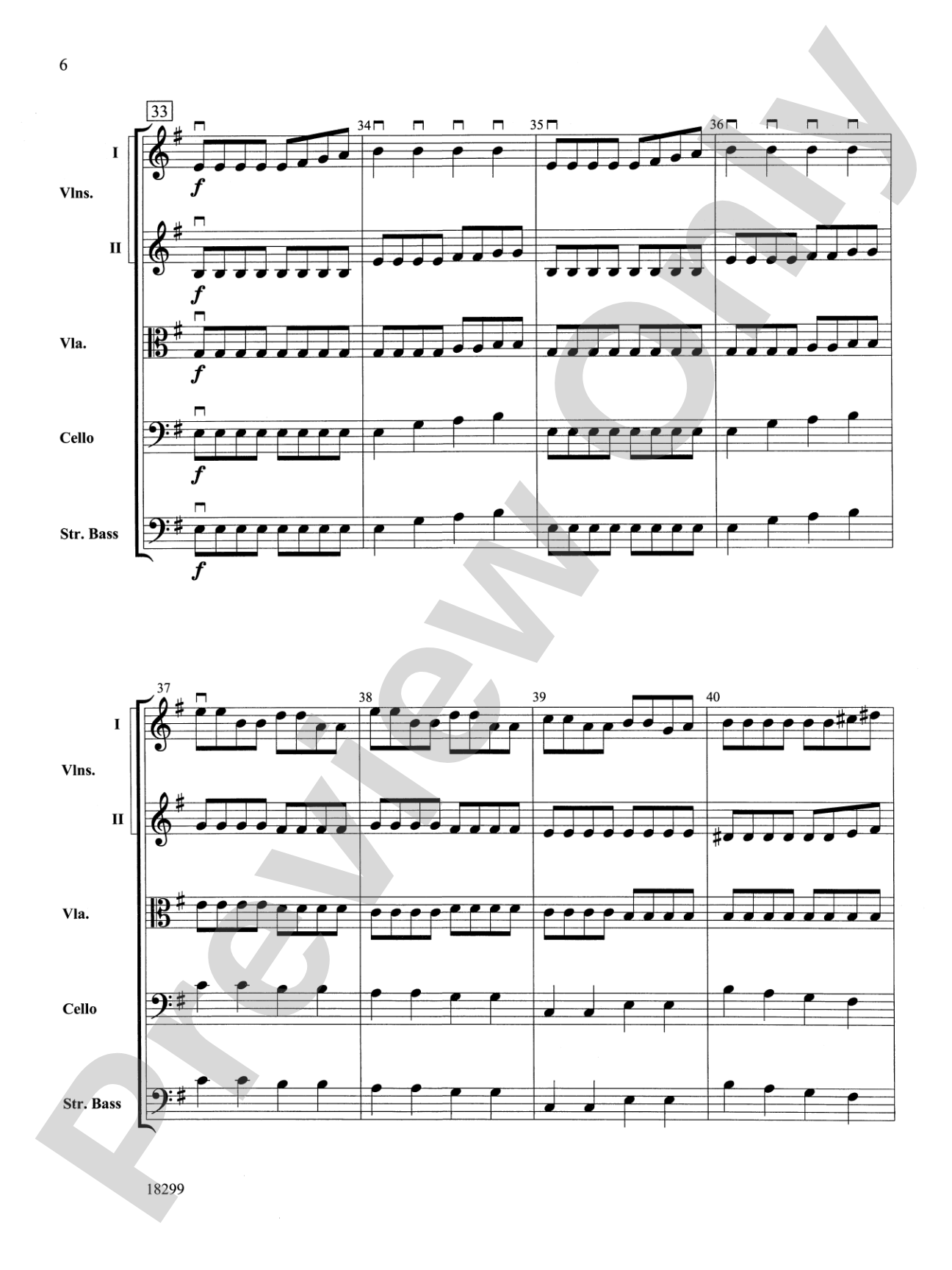
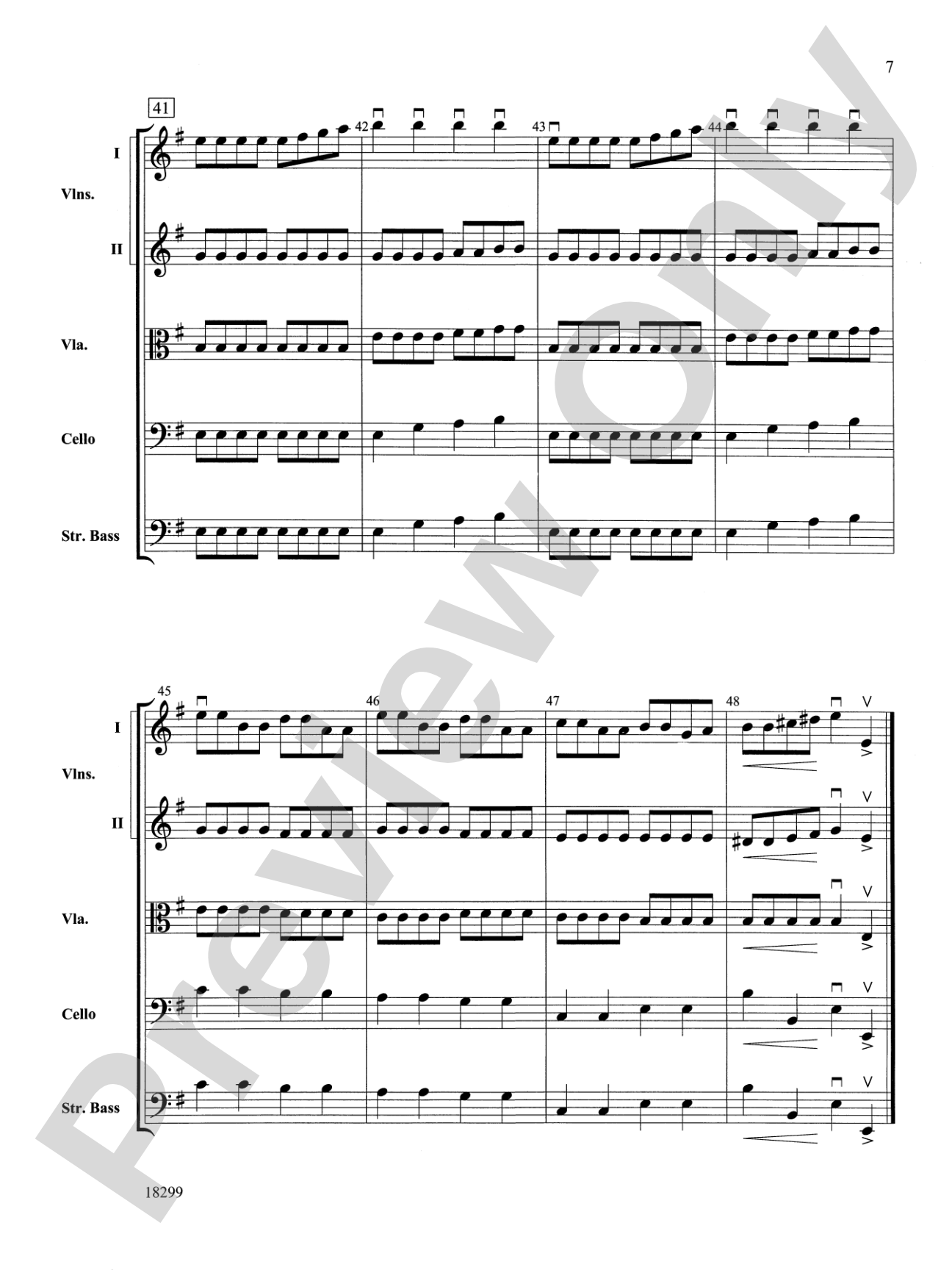
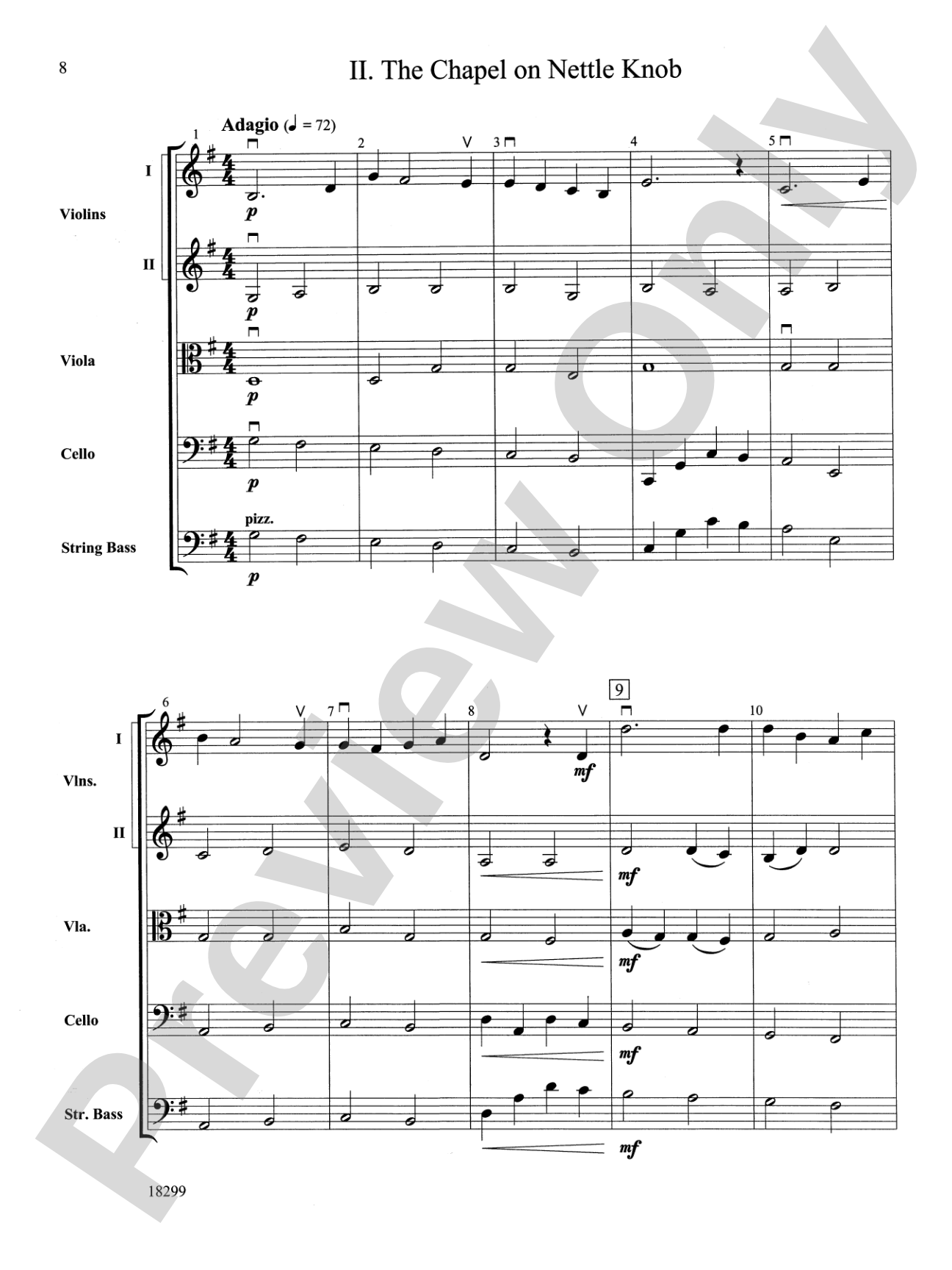
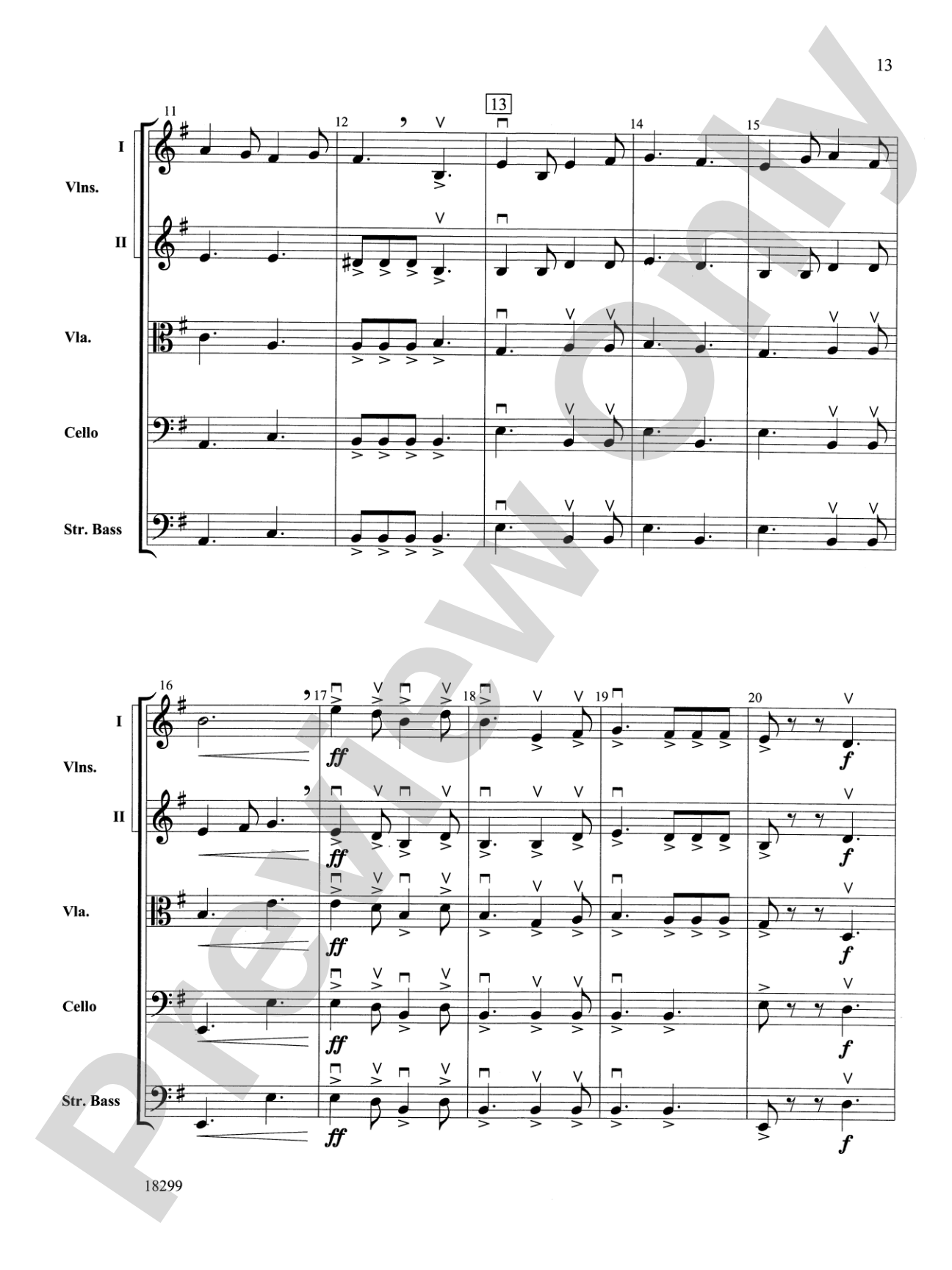
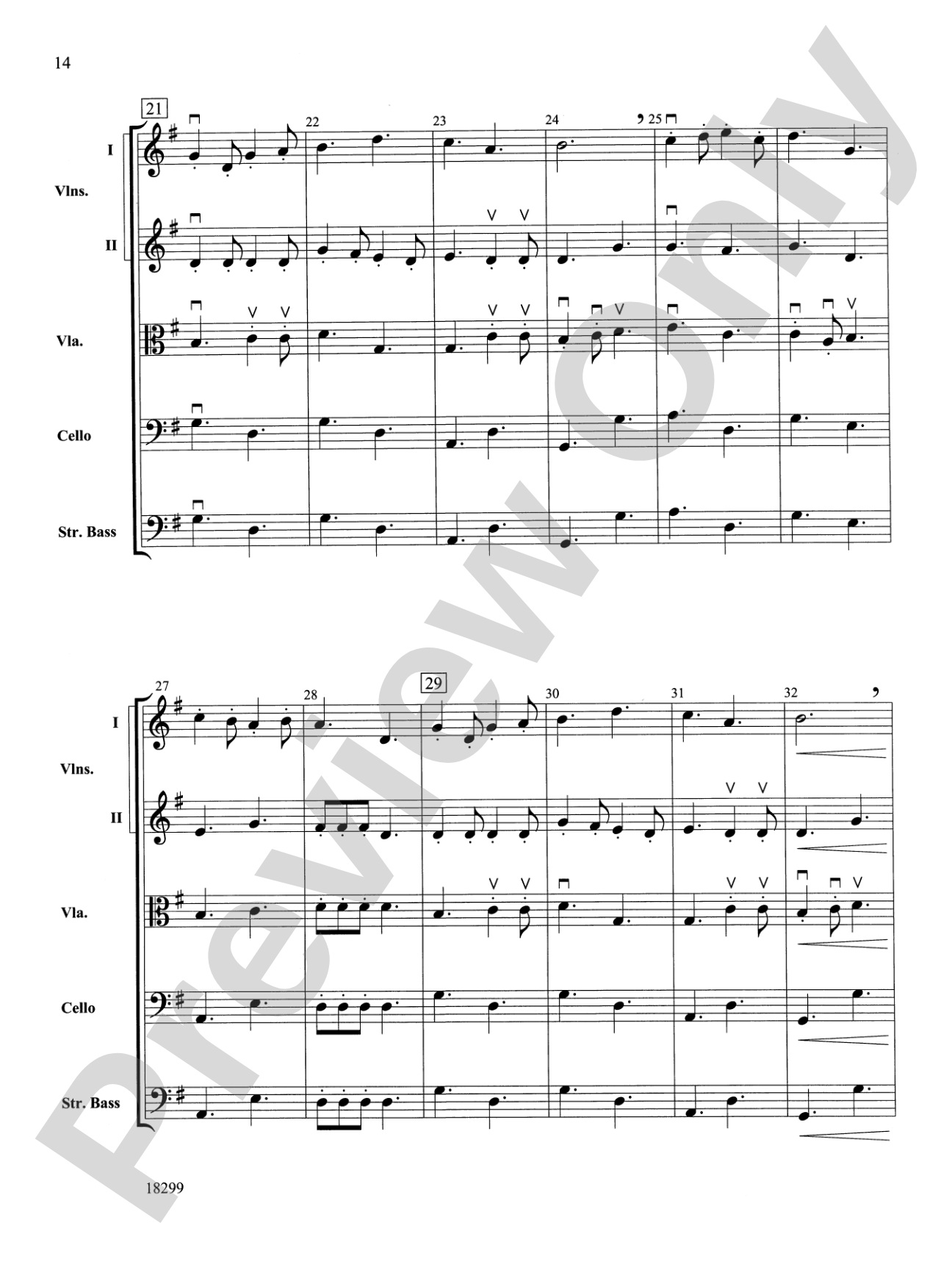
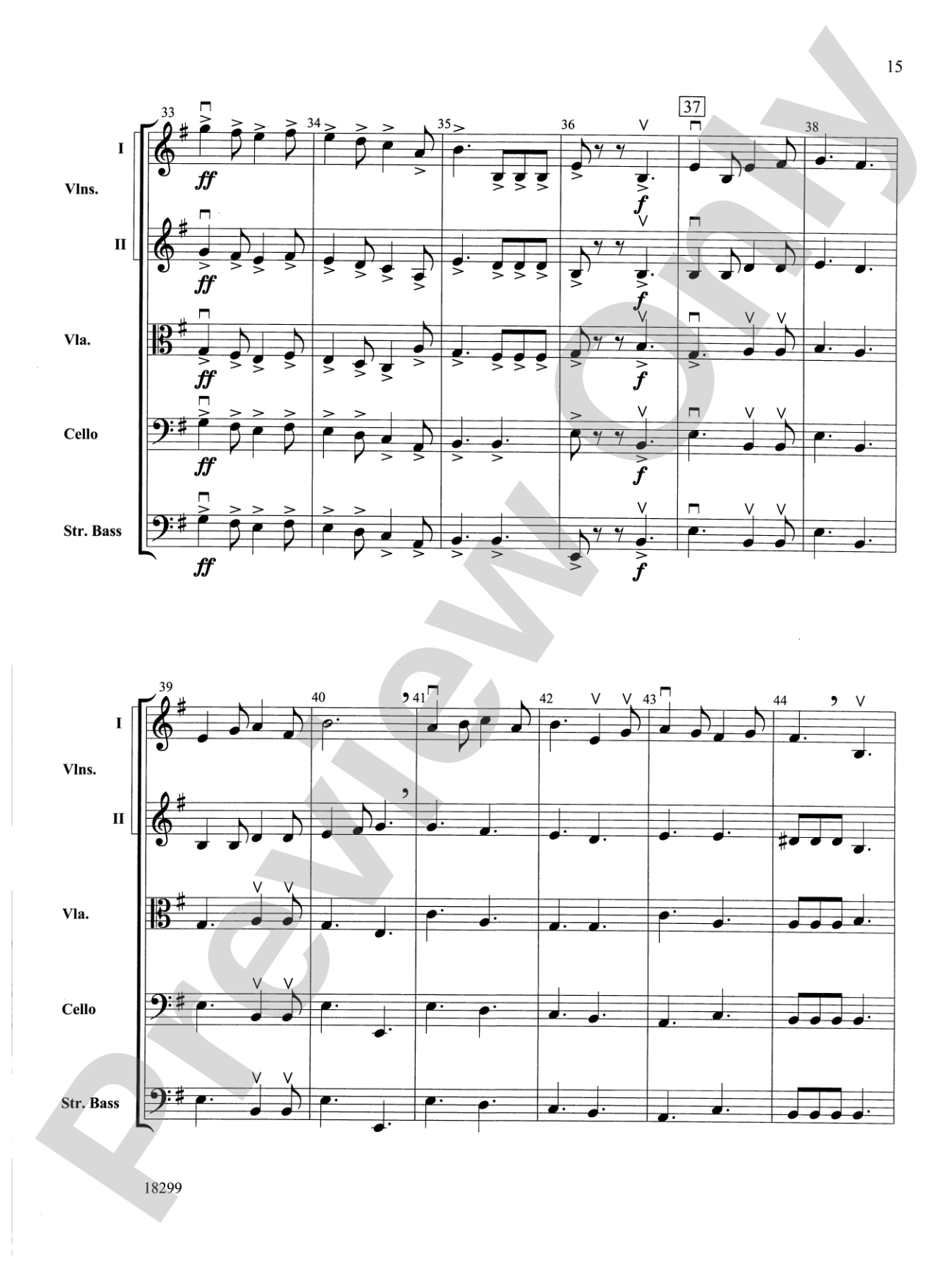
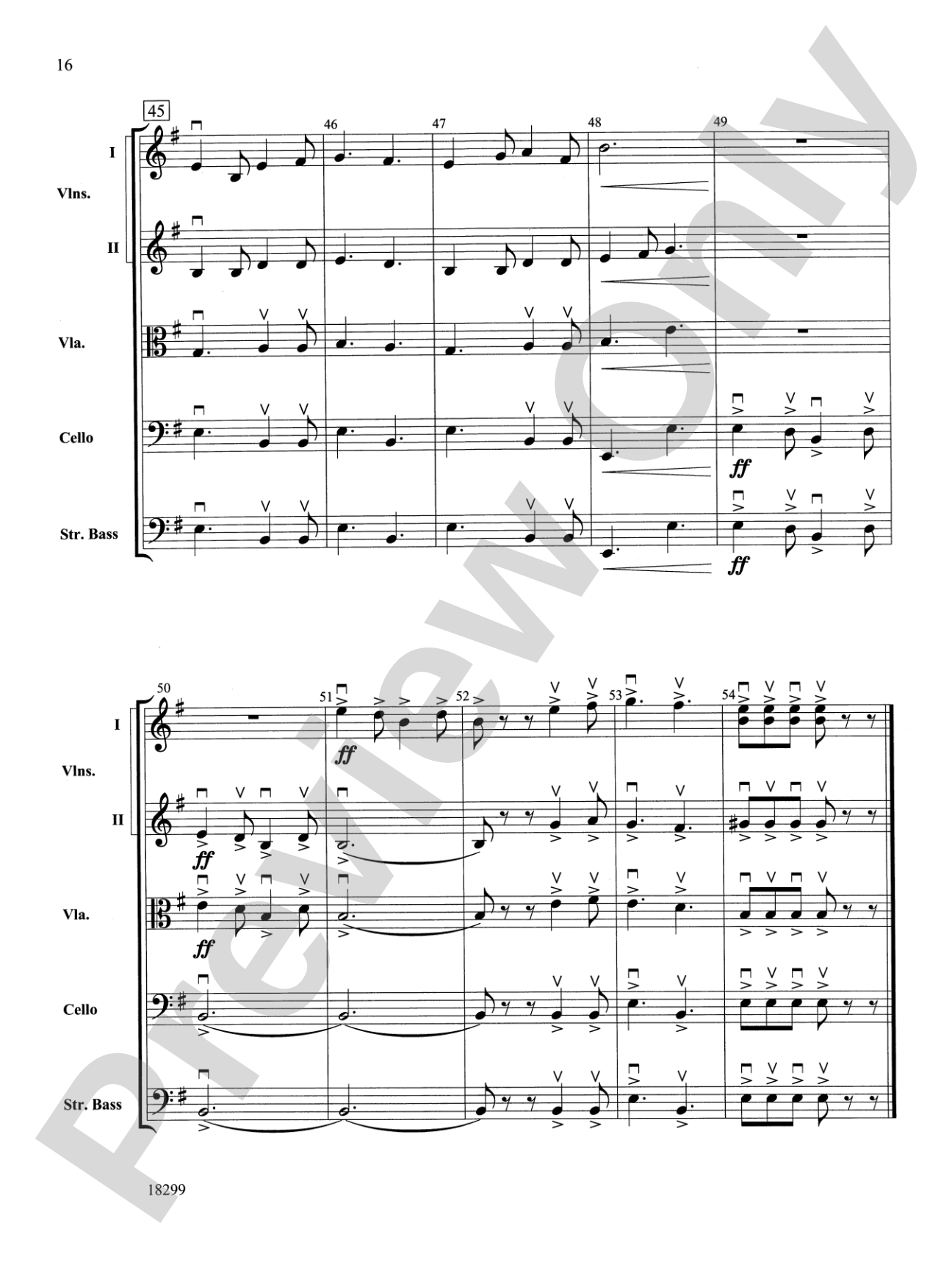

Three Scenes from a Green Valley: String Orchestra Conductor Score & Parts
By William G. Harbinson
Grade: 2
Item: 00-PK-0000273

$55.00
Pickup currently not available
Buy Extra Parts (Digital PDF Download)
| Product | Price | Quantity |
|---|---|---|
| Three Scenes from a Green Valley: Score | $9.00 | |
| Three Scenes from a Green Valley: 1st Violin | $5.99 | |
| Three Scenes from a Green Valley: 2nd Violin | $5.99 | |
| Three Scenes from a Green Valley: Viola | $5.99 | |
| Three Scenes from a Green Valley: Cello | $5.99 | |
| Three Scenes from a Green Valley: String Bass | $5.99 |
Parts Added to Cart!
Description
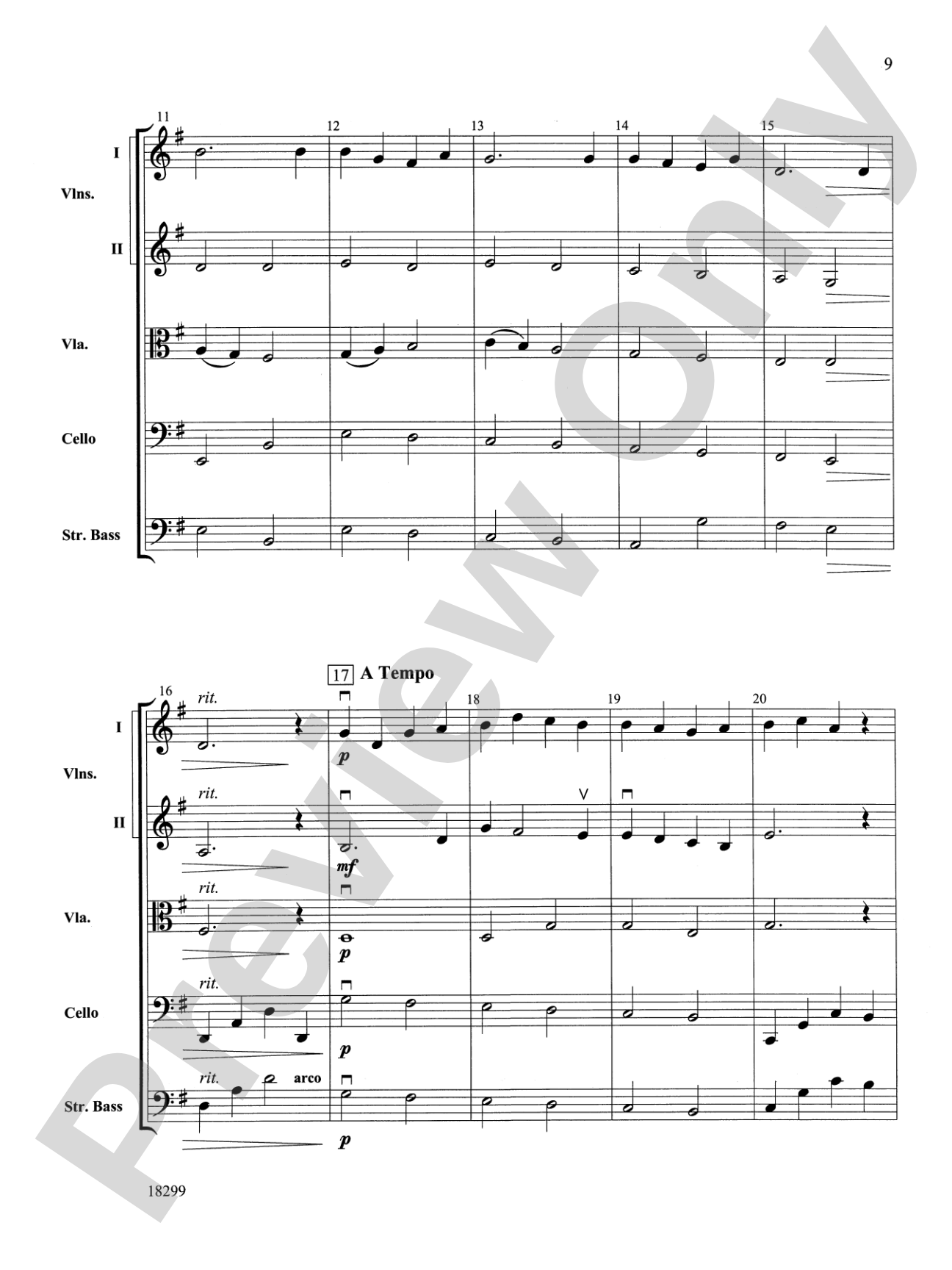
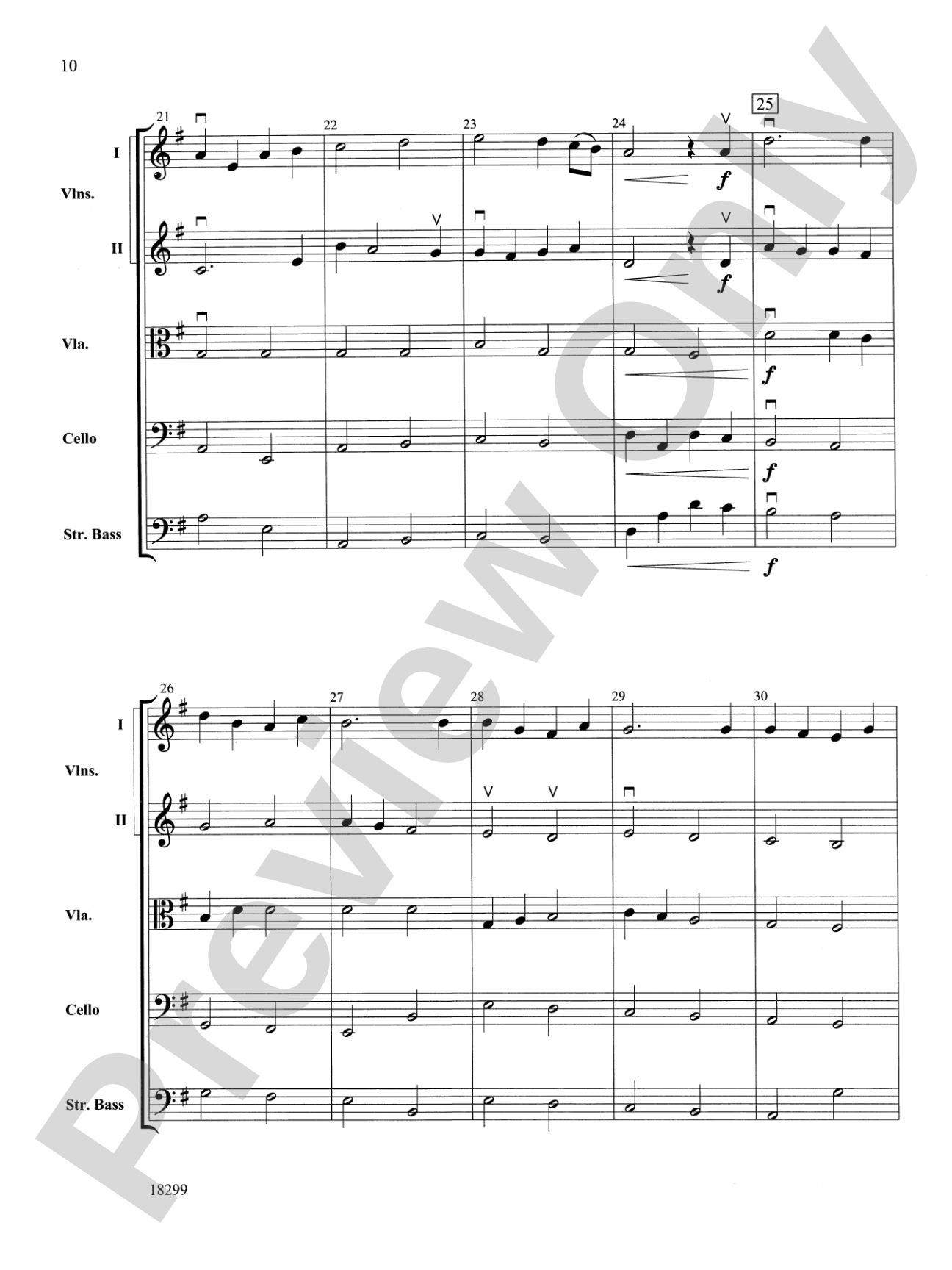
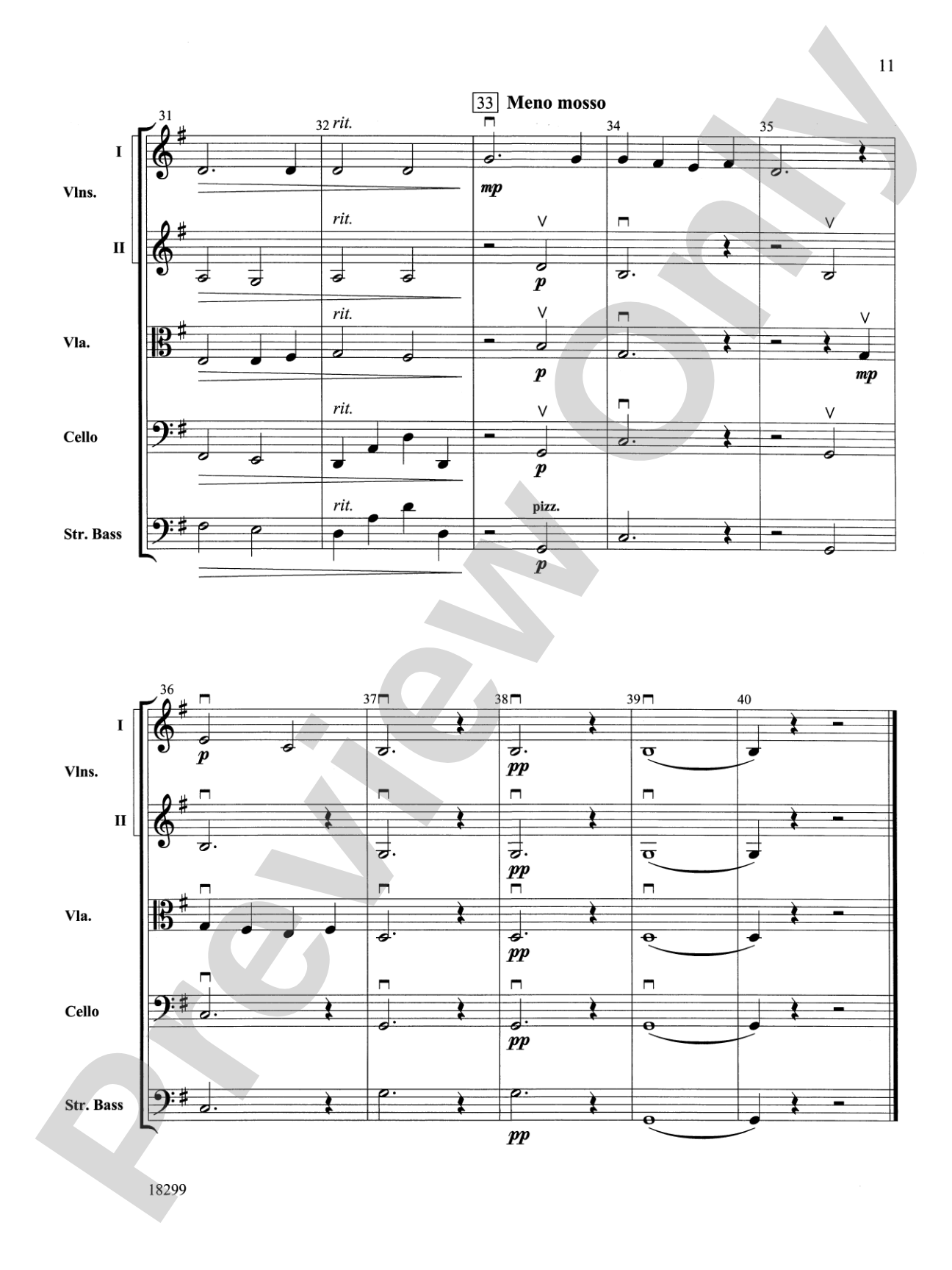
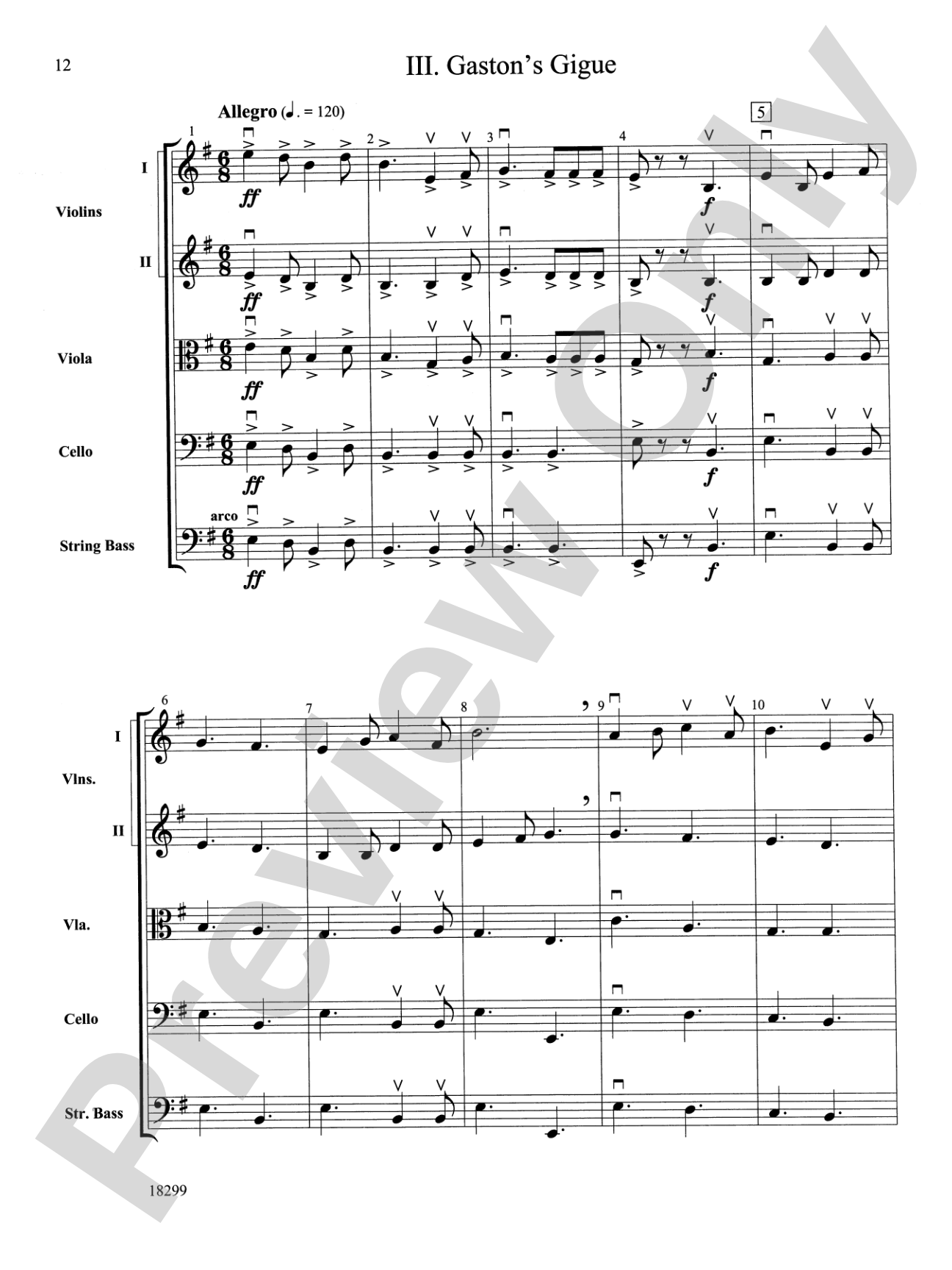
These three contrasting movements represent ideal literature for the intermediate orchestra. Very accessible, yet highly musical, this work will be one that you will enjoy coming back to year after year.


Don't just read it, hear it, play along with it, and watch your students grow with it. In MakeMusic Cloud, Three Scenes from a Green Valley: String Orchestra Conductor Score & Parts comes alive with professional accompaniment, adjustable tempo, and built-in practice tools that turn solo practice into real progress.
Open in the Player
Jump straight in and assign it today.
Start Your Free Trial
Open this title and explore the full library in minutes.
Sample Audio
1
Audio File
--:--
0:00
0:00
Sample Video
No sample videos found.
Additional Details
Series:
Highland/Etling String Orchestra
Publisher:
Alfred Music
Page Count:
124
SKU:
00-PK-0000273
More about this title
Why we love this
Harbinson crafts three movements that feel substantial without overwhelming an intermediate ensemble. Each scene stands on its own musically, yet the collection reads as a cohesive whole, the kind of piece you'll program again because it never feels thin or generic, and your students will want to play it.
What to expect
Three distinct landscapes unfold across the movements, accessible but genuinely expressive. Harbinson avoids cutesy writing; instead, each scene has the directness and quiet integrity of chamber music scaled up for a full section.
Who it's for
String orchestra directors working with intermediate ensembles who want repertoire that sounds polished and intentional without requiring advanced technical demands. This score gives students genuine musical challenges while keeping bowings and rhythmic patterns within reach.
How to get the most out of it
- Balance the string sections carefully in the opening movement; Grade 2 ensembles often let violins dominate, so work on evening out the viola and cello foundations early in rehearsal.
- Use the contrasting character of each movement to teach different ensemble textures: the first rewards precise articulation, the second calls for sustained tone control, and the third demands rhythmic coordination across all parts.
- Mark key entrances in all parts before the first read-through so students know where their line becomes exposed and can prepare accordingly.
How to use it
Program this as a concert centerpiece that showcases your orchestra's musicality and range without overwhelming preparation timelines. The three-movement structure works equally well as a full contest performance or as individual movements paired with other Grade 2 repertoire across multiple concerts.
Skills your students will build
- Sustaining consistent tone quality across multiple movements with different harmonic textures
- Balancing sectional roles (melody, counter-melody, accompaniment) within a string ensemble
- Responding to subtle tempo and dynamic shifts that define musical character
- Coordinating bowing across sections in varied articulation patterns