

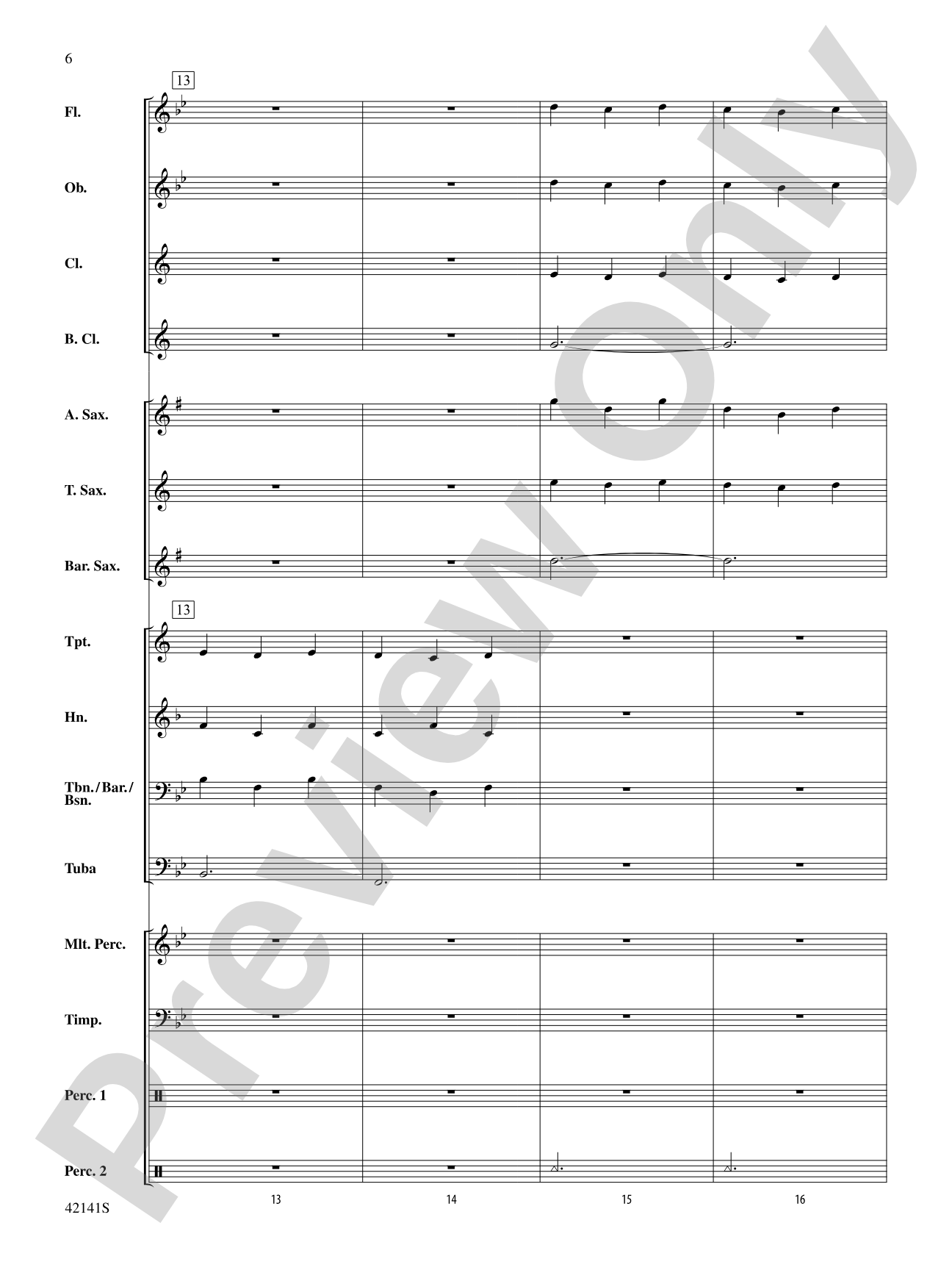
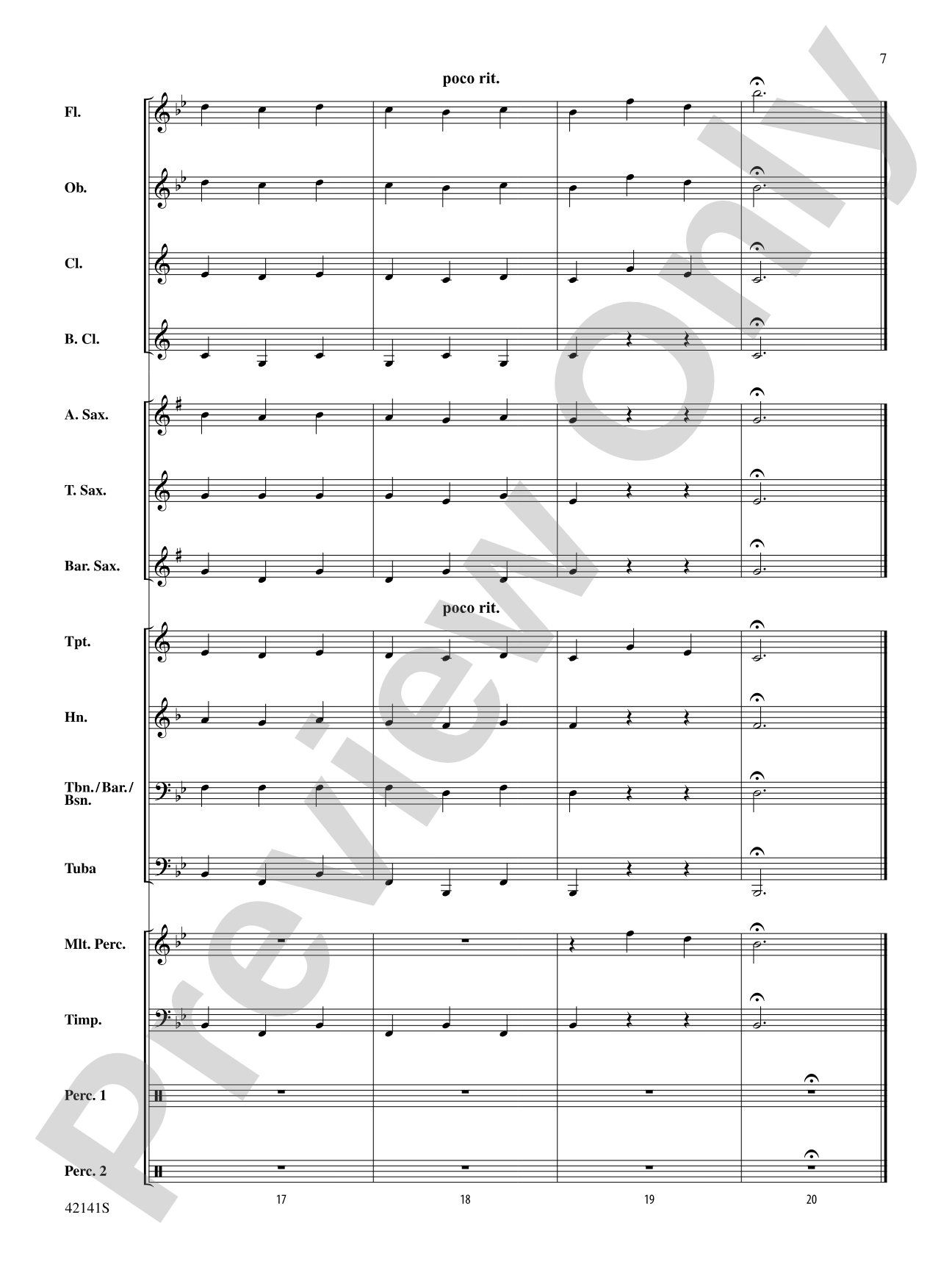
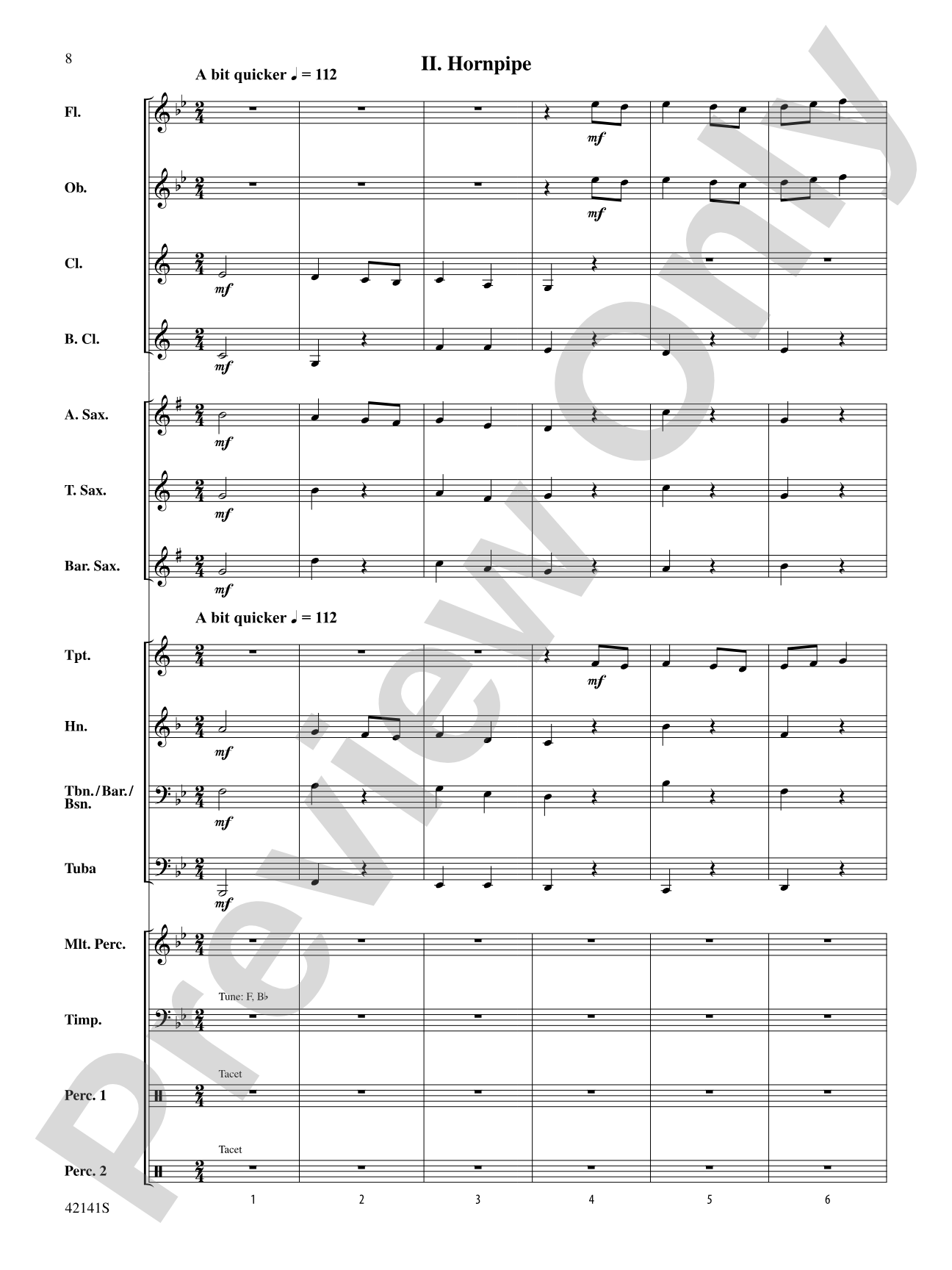
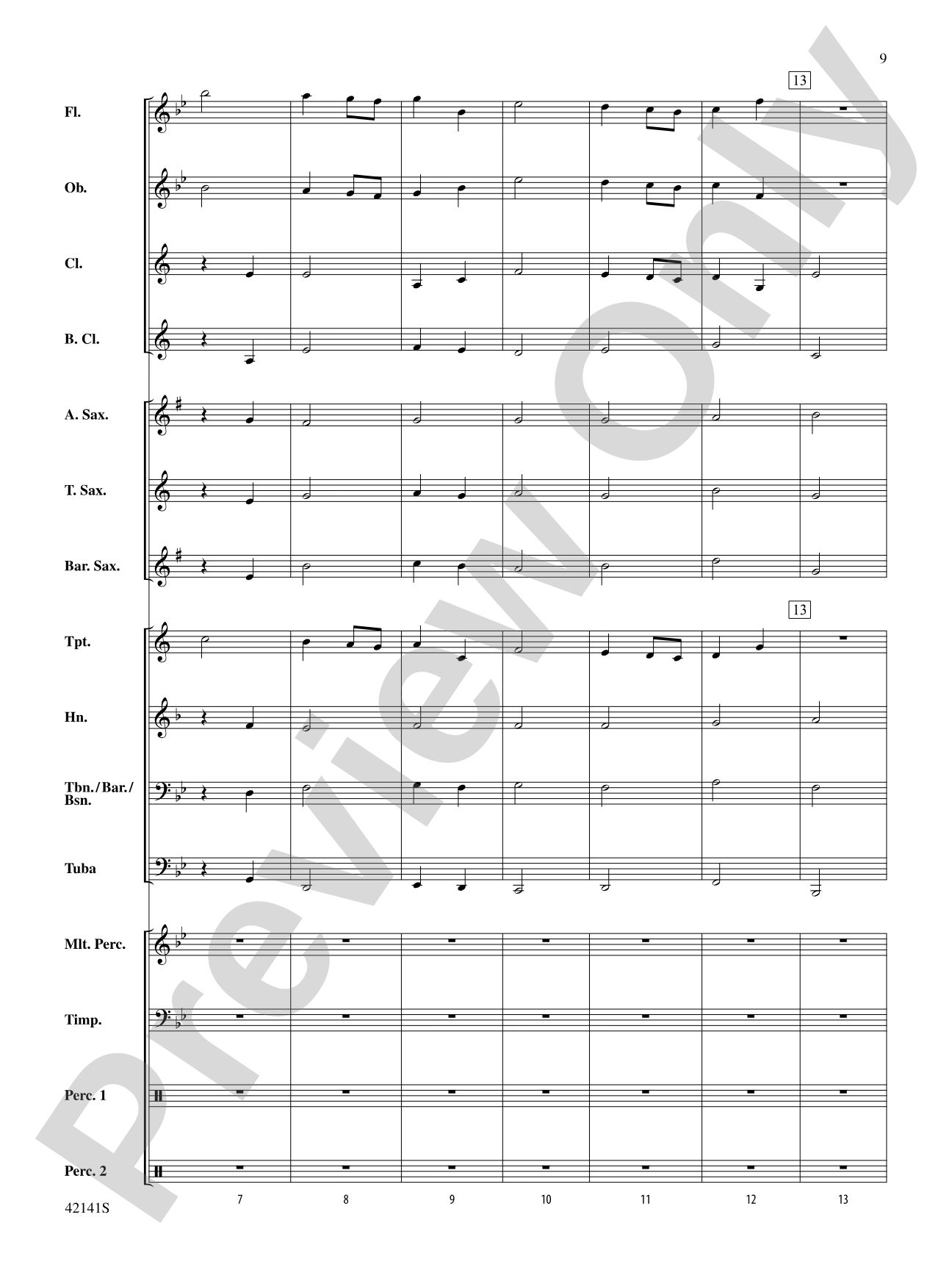
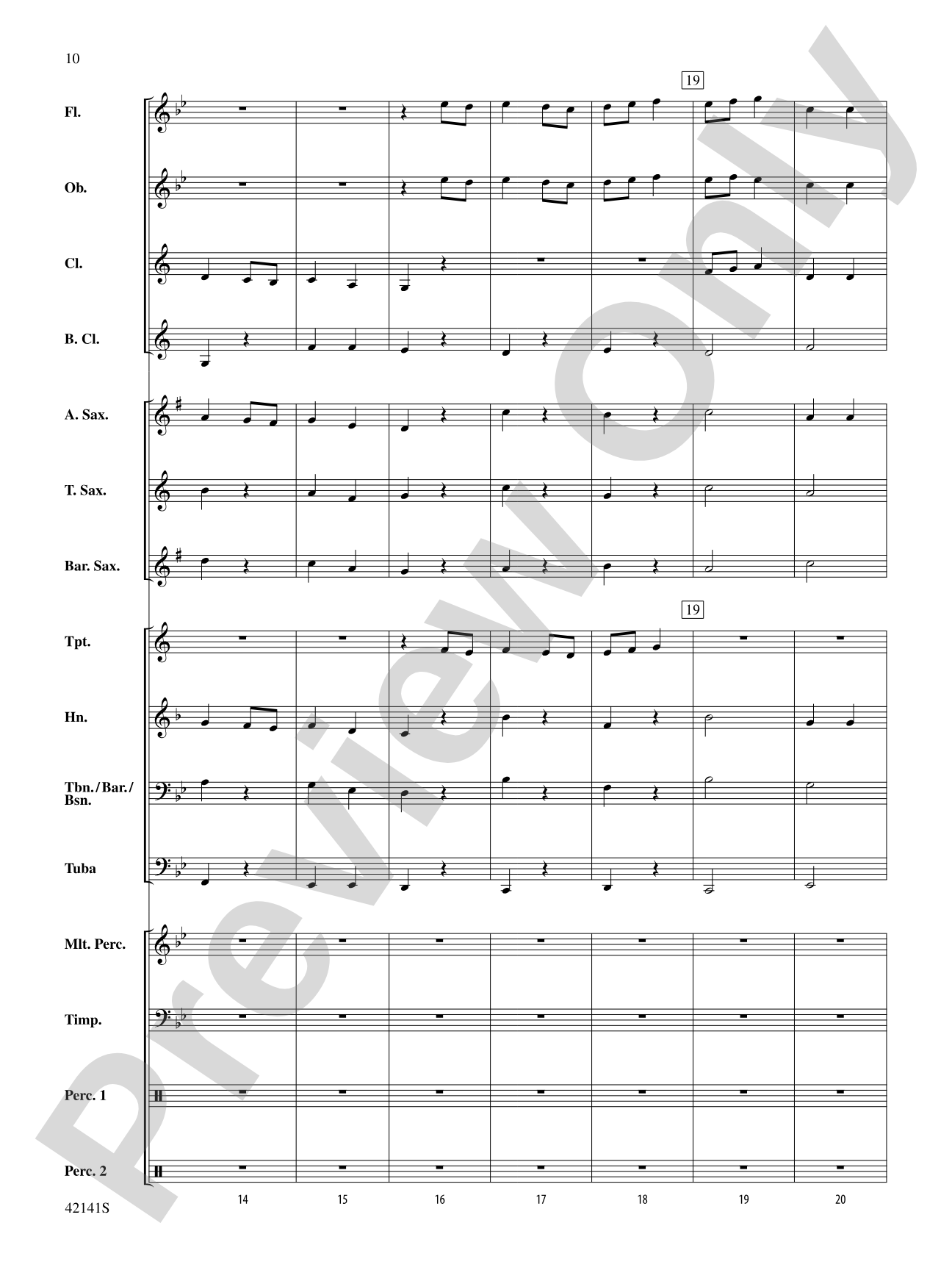
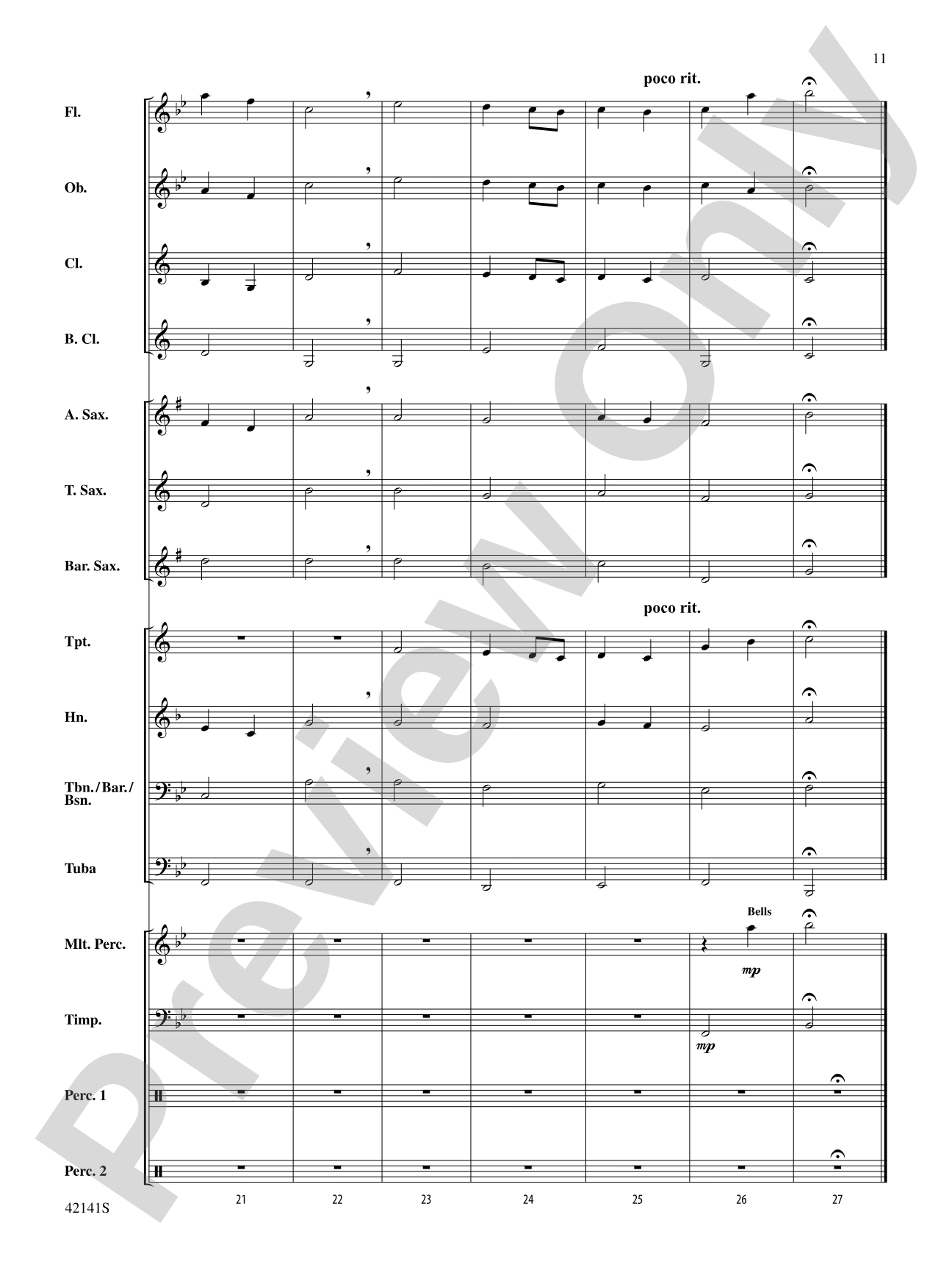
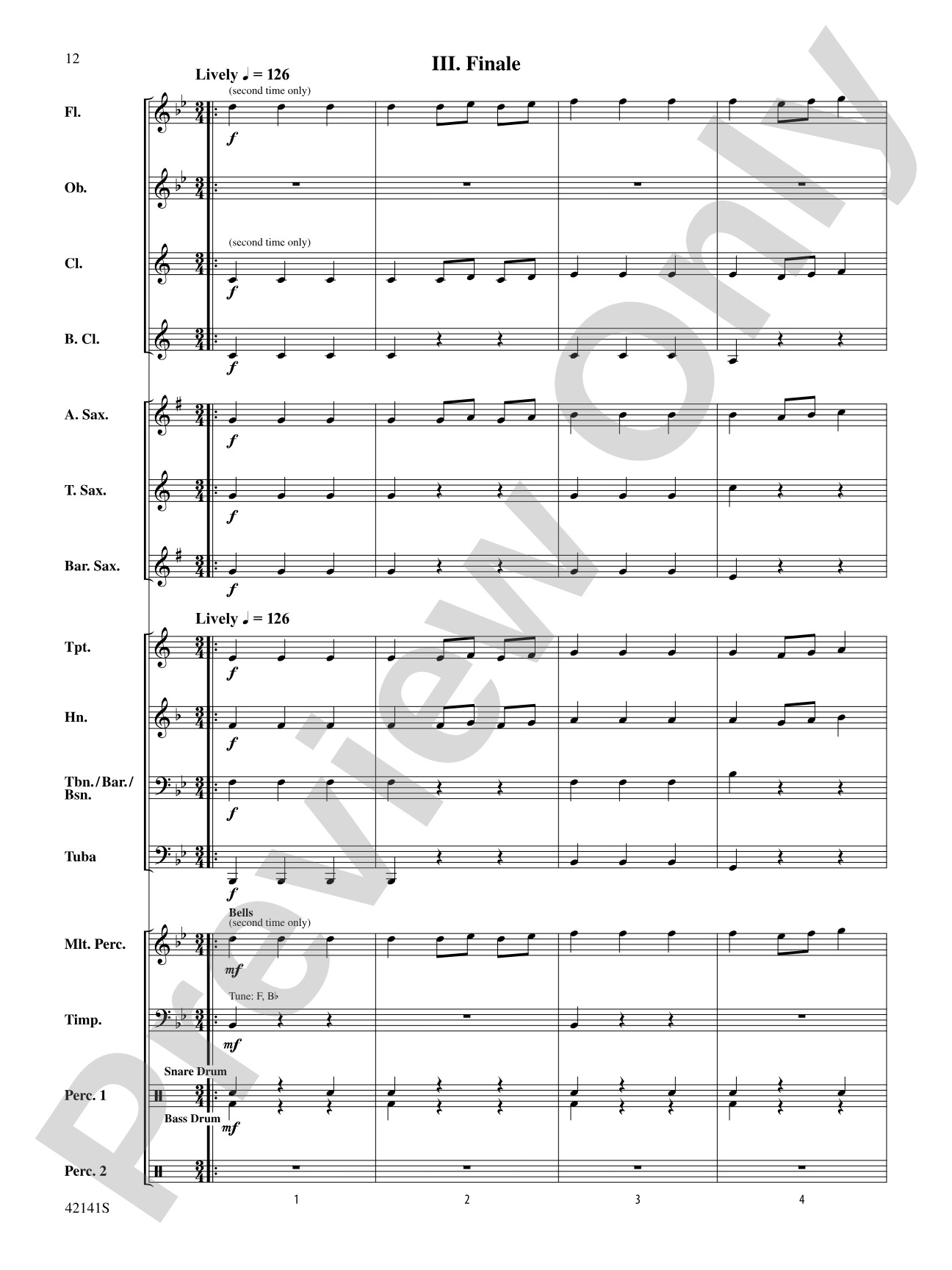
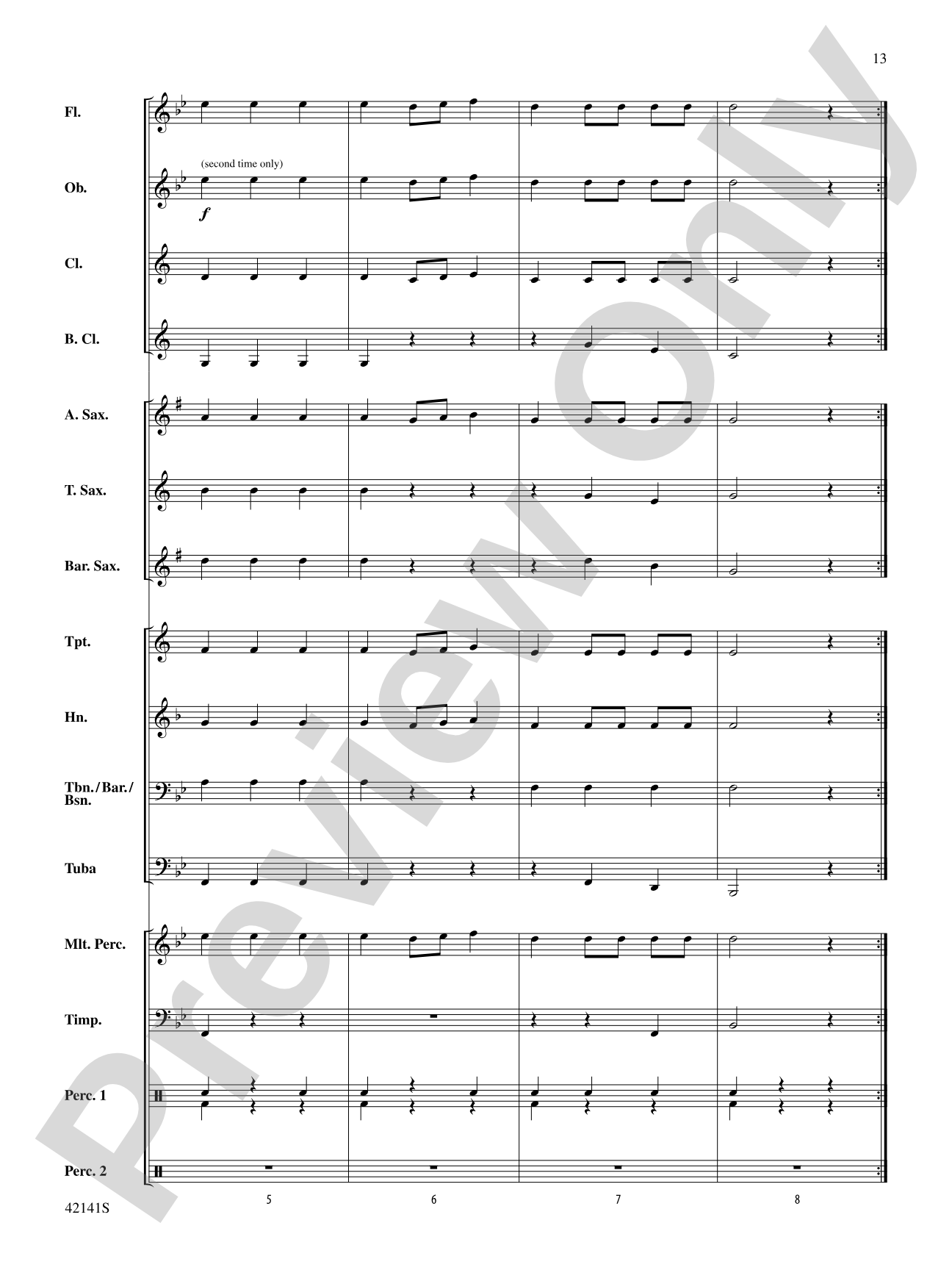

Three Movements from Water Music: Concert Band Conductor Score & Parts
I. Fanfare, II. Hornpipe, III. Finale
By George Frideric Handel / arr. Douglas E. Wagner
Grade: 1 (Very Easy)
Item: 00-PK-0006265

$50.00
Pickup currently not available
Buy Extra Parts (Digital PDF Download)
Parts Added to Cart!
Related Items
Three Movements from Water Music: Concert Band Conductor Score |
$9.00
|
View |
Description
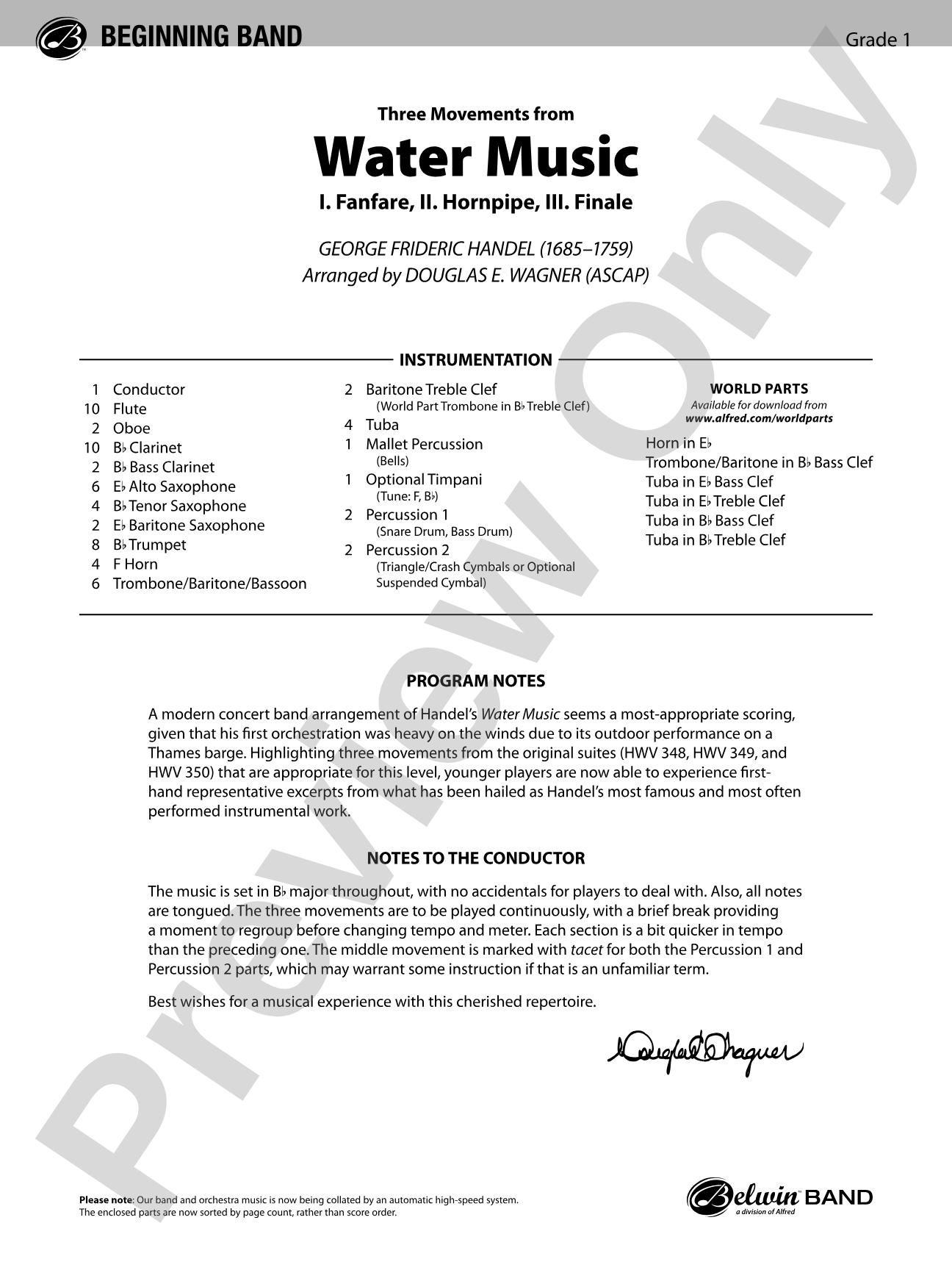
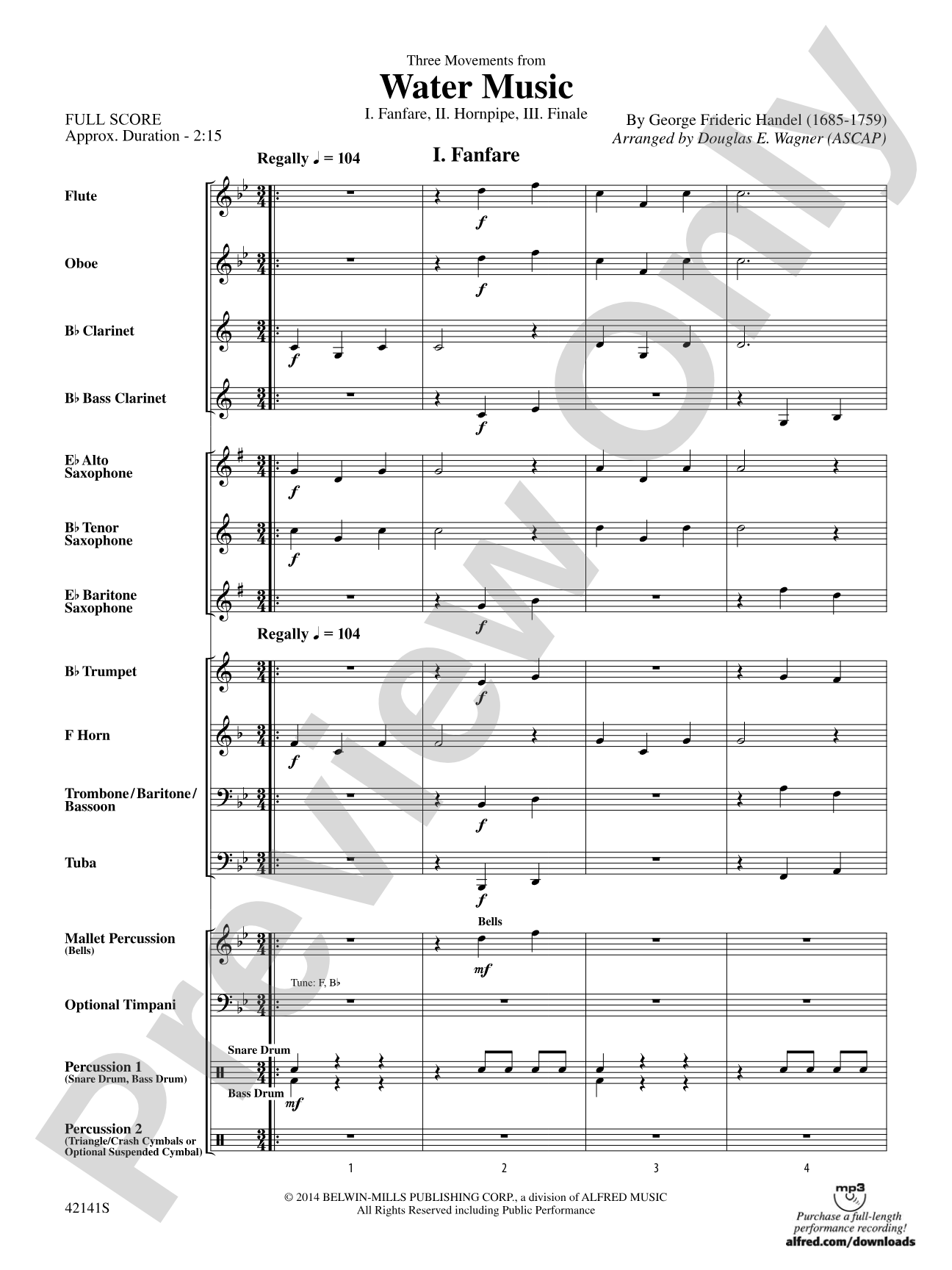
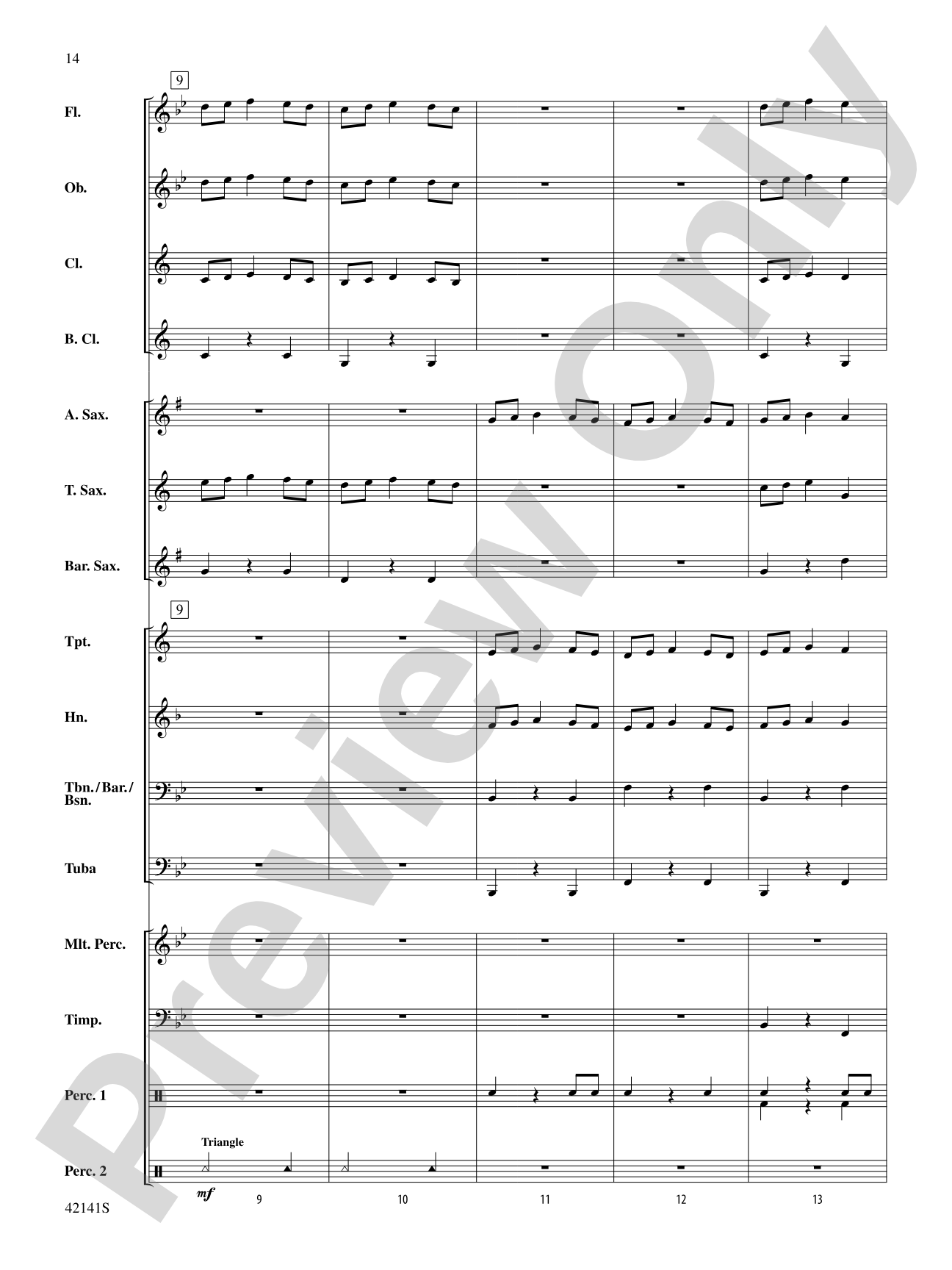
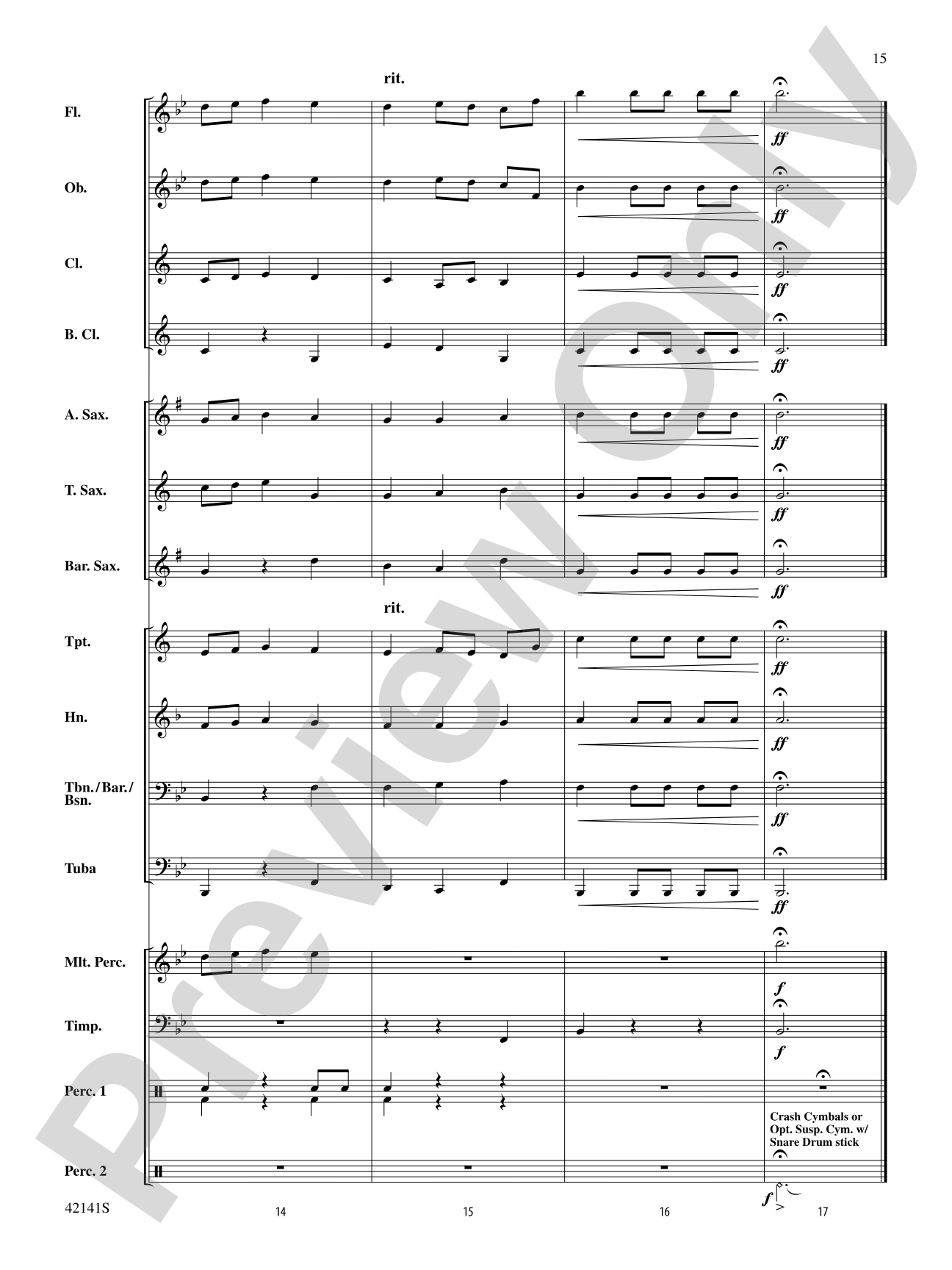
Three brief movements from Handel's most famous and most frequently performed work have been set in B-flat for your beginners without the need for accidentals. It is a joy to be able to offer first-hand sections of this revered classic (2:15) This title is available in MakeMusic Cloud.


Don't just read it, hear it, play along with it, and watch your students grow with it. In MakeMusic Cloud, Three Movements from Water Music: Concert Band Conductor Score & Parts comes alive with professional accompaniment, adjustable tempo, and built-in practice tools that turn solo practice into real progress.
Open in the Player
Jump straight in and assign it today.
Start Your Free Trial
Open this title and explore the full library in minutes.
Sample Audio
1
Audio File
--:--
0:00
0:00
Sample Video
No sample videos found.
Additional Details
Series:
Belwin Beginning Band
Publisher:
Alfred Music
Page Count:
132
SKU:
00-PK-0006265
More about this title
About the Composer: George Frideric Handel
George Frideric Handel (1685-1759) was a German-born composer who spent most of his career in England, where he became one of the most celebrated musicians of the Baroque era. His prolific output included operas, oratorios, concertos, and instrumental works that combined Italian melodic richness with German contrapuntal skill and English practicality. Handel's music remained continuously performed and admired for nearly 300 years, a testament to his gift for memorable melody and structural clarity.
Water Music stands among his most enduring compositions. Written early in his London career, it survives in multiple versions and settings, each adapted for different performance occasions. The work's brilliant orchestration, straightforward harmonic language, and accessible melodic lines made it an ideal candidate for educational arrangements, allowing young musicians to experience authentic Baroque style without the complexity of the original scoring.
Why we love this
Handel's Water Music brings genuine musical substance to a first-year band. Rather than relying on a simplified folk tune, this arrangement offers real historical repertoire with clear phrase structure, transparent part-writing, and the harmonic confidence that makes Baroque music so satisfying to play. Young musicians immediately recognize these melodies as "real music" they've heard before, which builds genuine musical engagement.
What to expect
Bright and ceremonial without being heavy. These movements capture the festive character of Handel's original writing, with the famous open-air brilliance and harmonic warmth that makes Water Music instantly recognizable. The arrangement preserves the elegant simplicity of Baroque melody while offering colorful orchestration within the young band palette.
Who it's for
Beginning band students ready to move beyond original compositions and enter the world of masterwork arrangements. This setting works for groups with at least one year of experience and a basic foundation in reading and intonation.
How to get the most out of it
- Shape phrases by breathing naturally at the end of musical sentences, especially where rests provide obvious pause points. This prevents the arrangement from sounding choppy and helps younger players hear the melodic arc.
- Balance the melody against supporting voices; flutes and clarinets will dominate the upper register, so saxophones and horns need to voice their harmonies with clarity rather than volume.
- Maintain a steady, energetic tempo throughout. Baroque style thrives on consistent pulse and clear articulation, not on expressive rubato that younger sections sometimes add.
- Emphasize the rhythmic clarity in the accompaniment figures. The repeated note patterns and steady rhythmic motion define the character; precision here allows the melody to sing naturally above.
How to use it
Perfect for early-season concerts when your ensemble is still building confidence and technique. The 2:15 runtime makes it an ideal opener or closer, and its recognizable melodies engage family audiences while building pride among first-year players. The straightforward key and lack of accidentals also make it an excellent reading piece for festivals and assessments.
Skills your students will build
- Phrase shaping and breath placement in Baroque melody
- Part independence in multi-voice texture
- Consistent ensemble pulse and articulation
- Balance between melodic and harmonic lines
- Reading baroque style and ornamentation conventions