
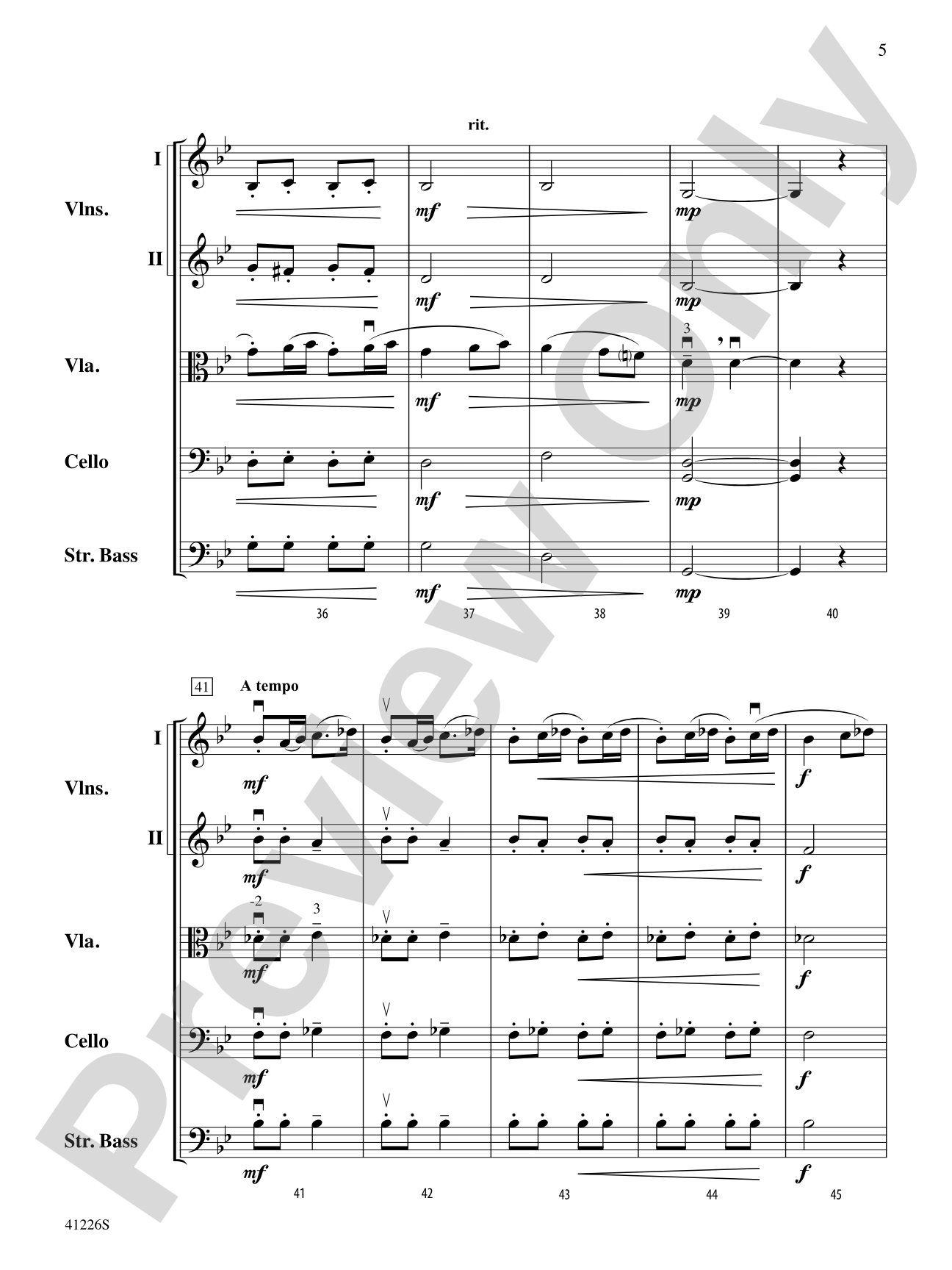
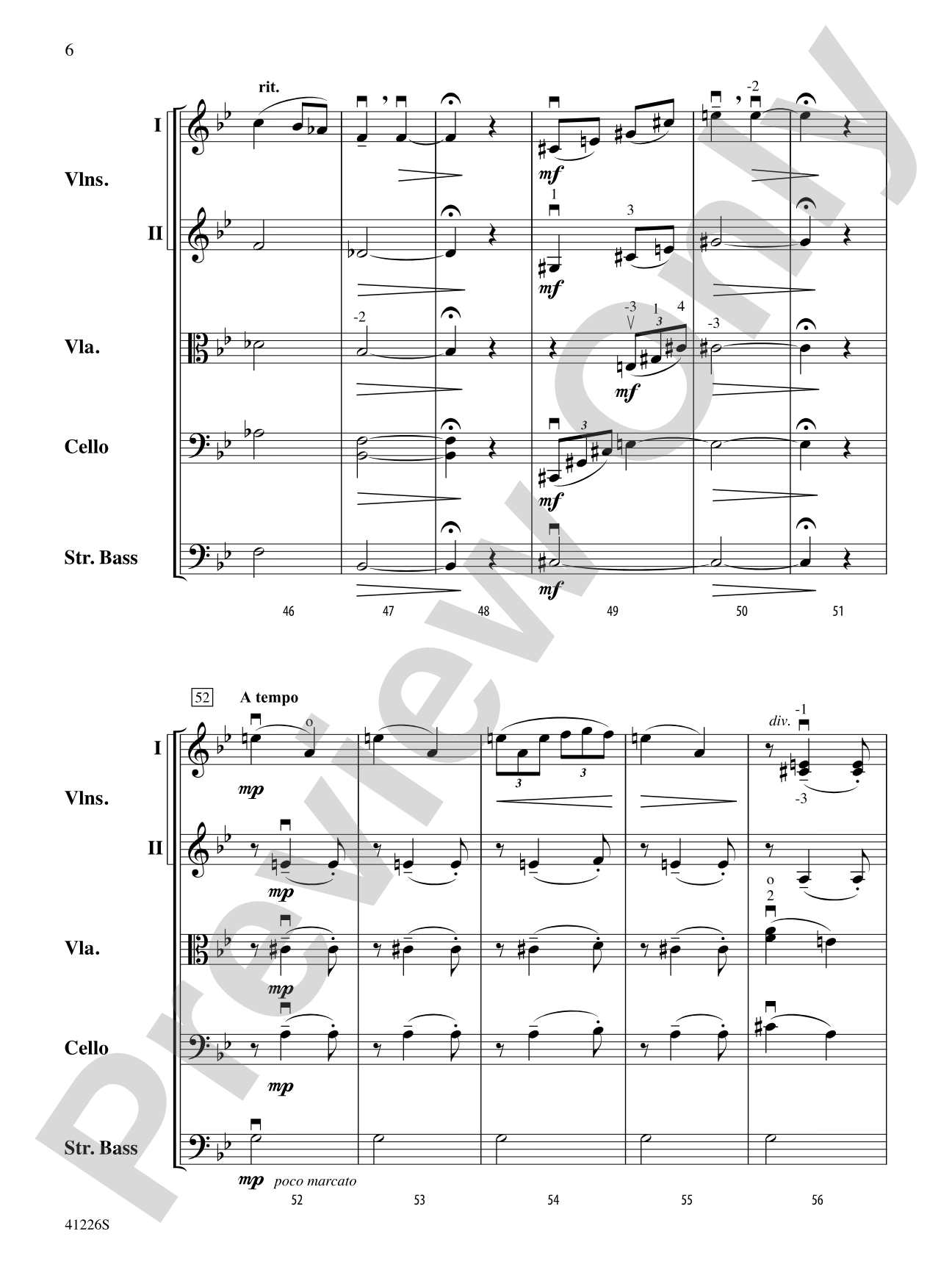
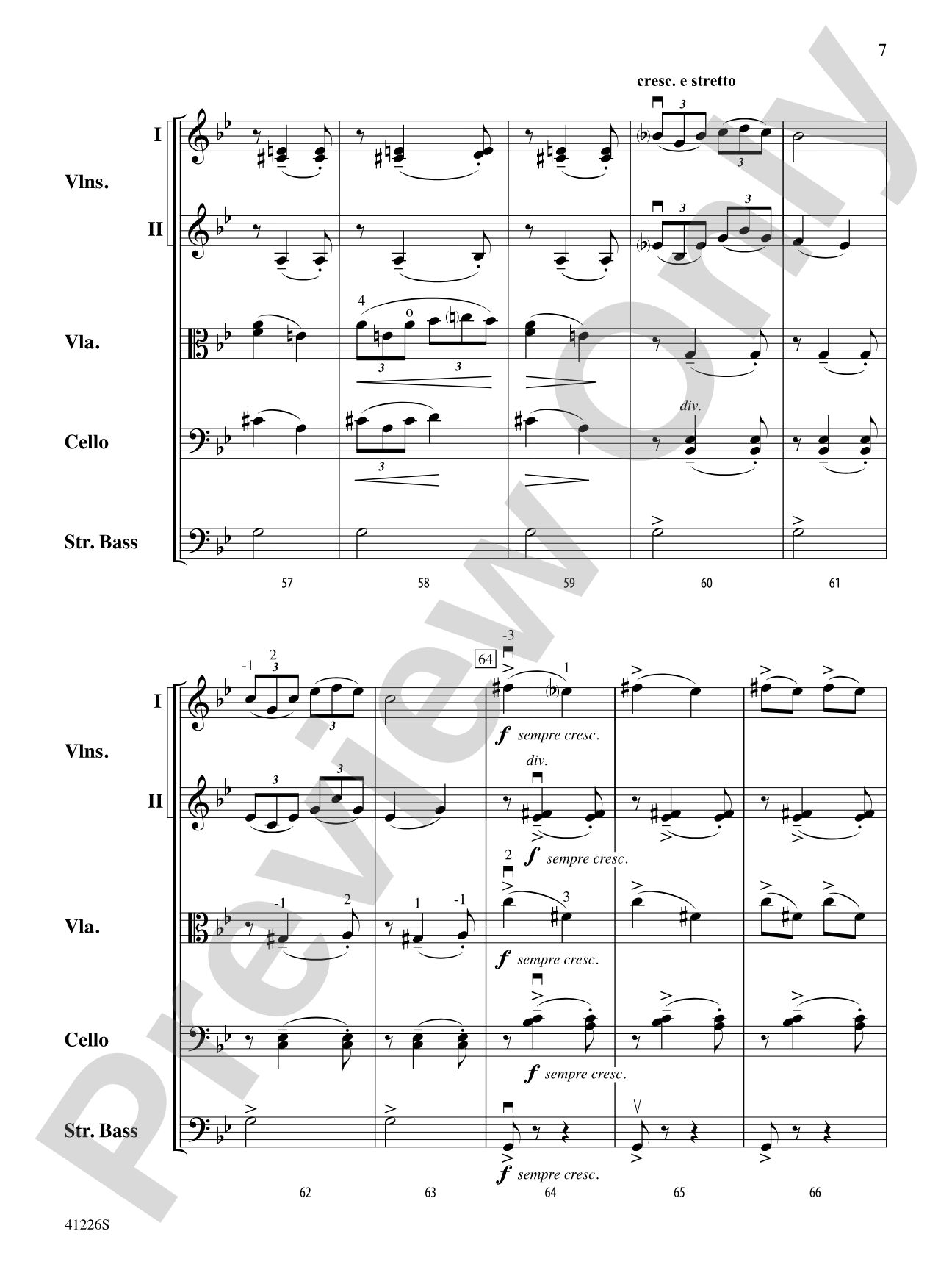
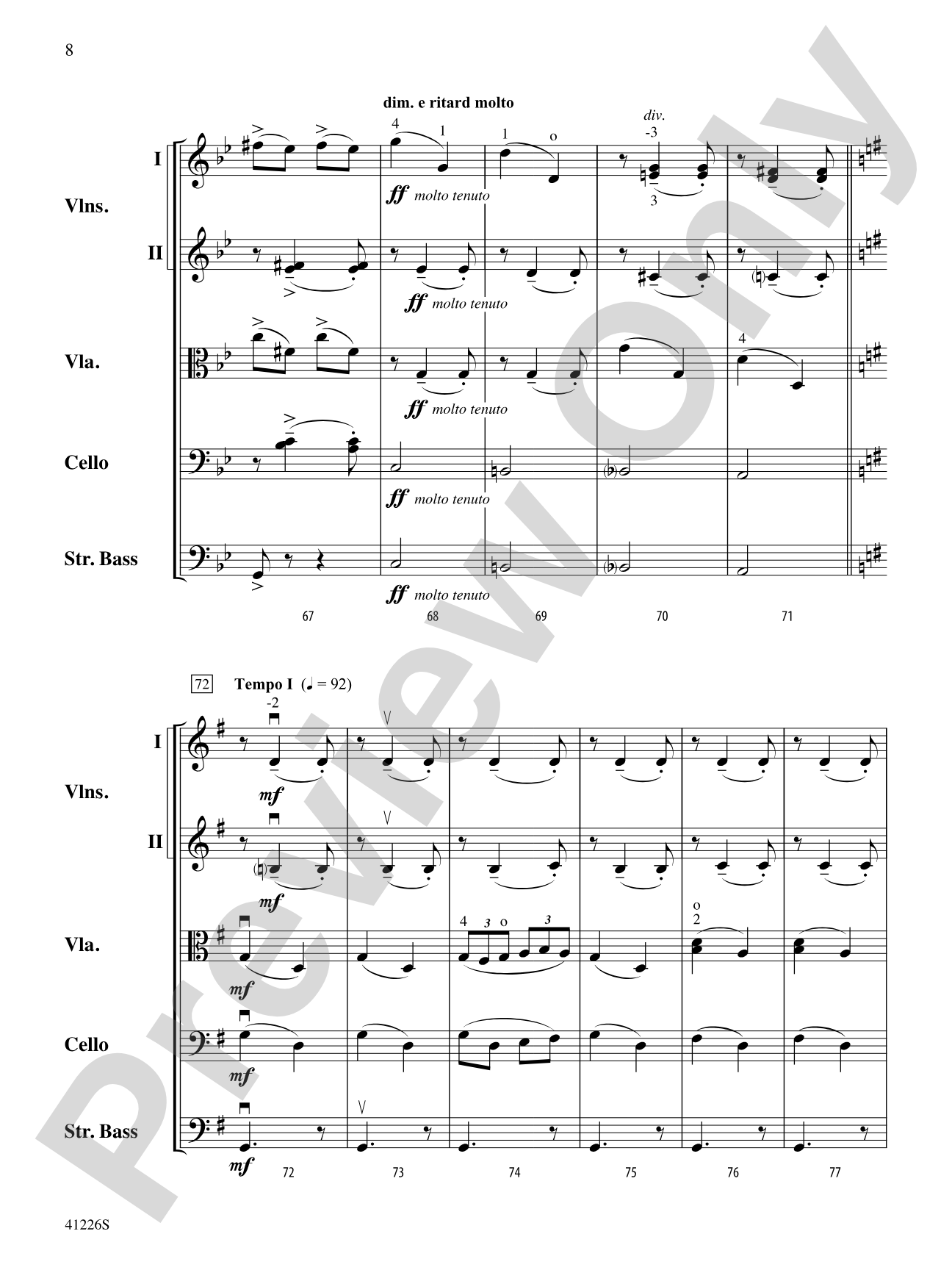
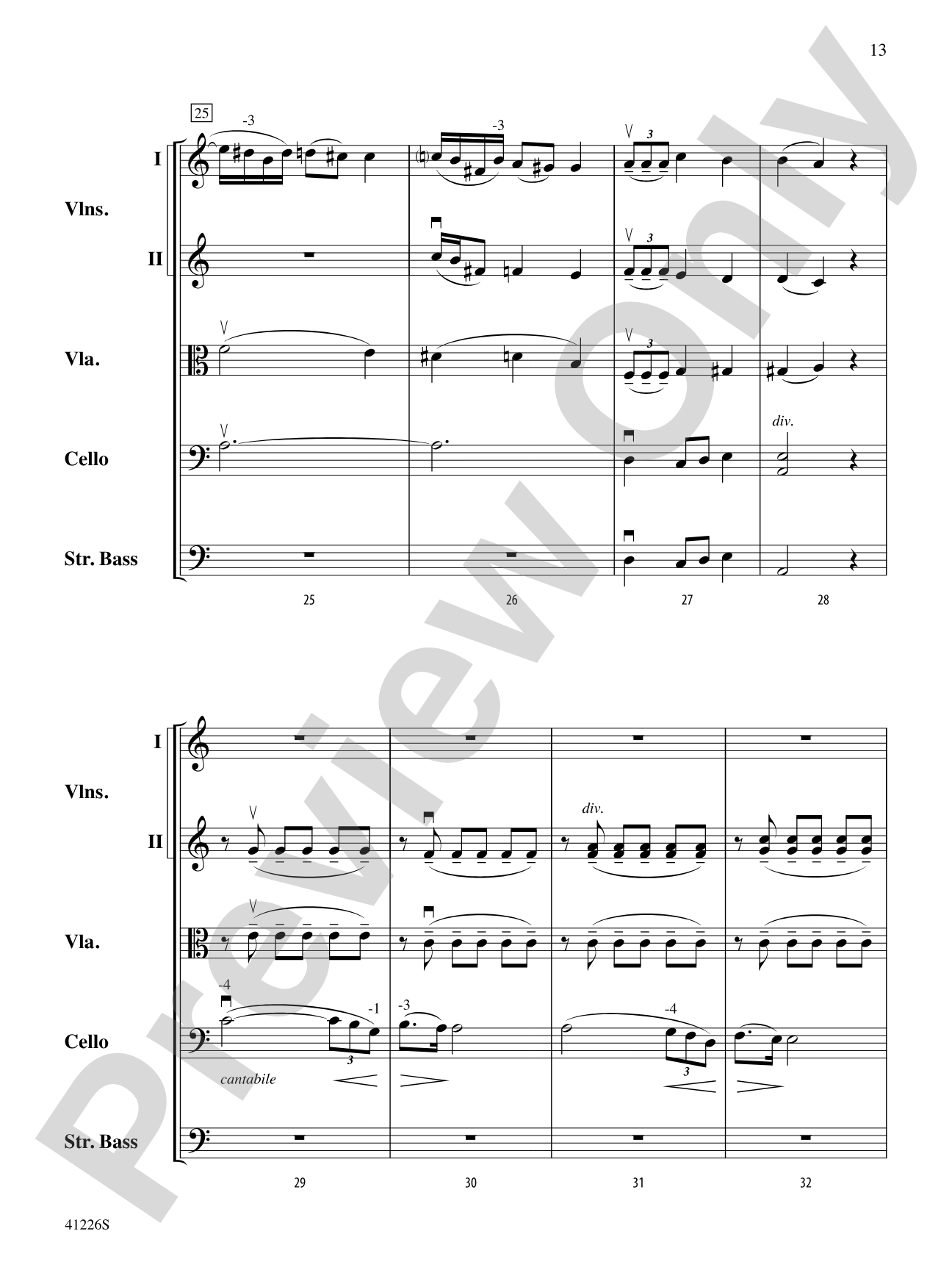
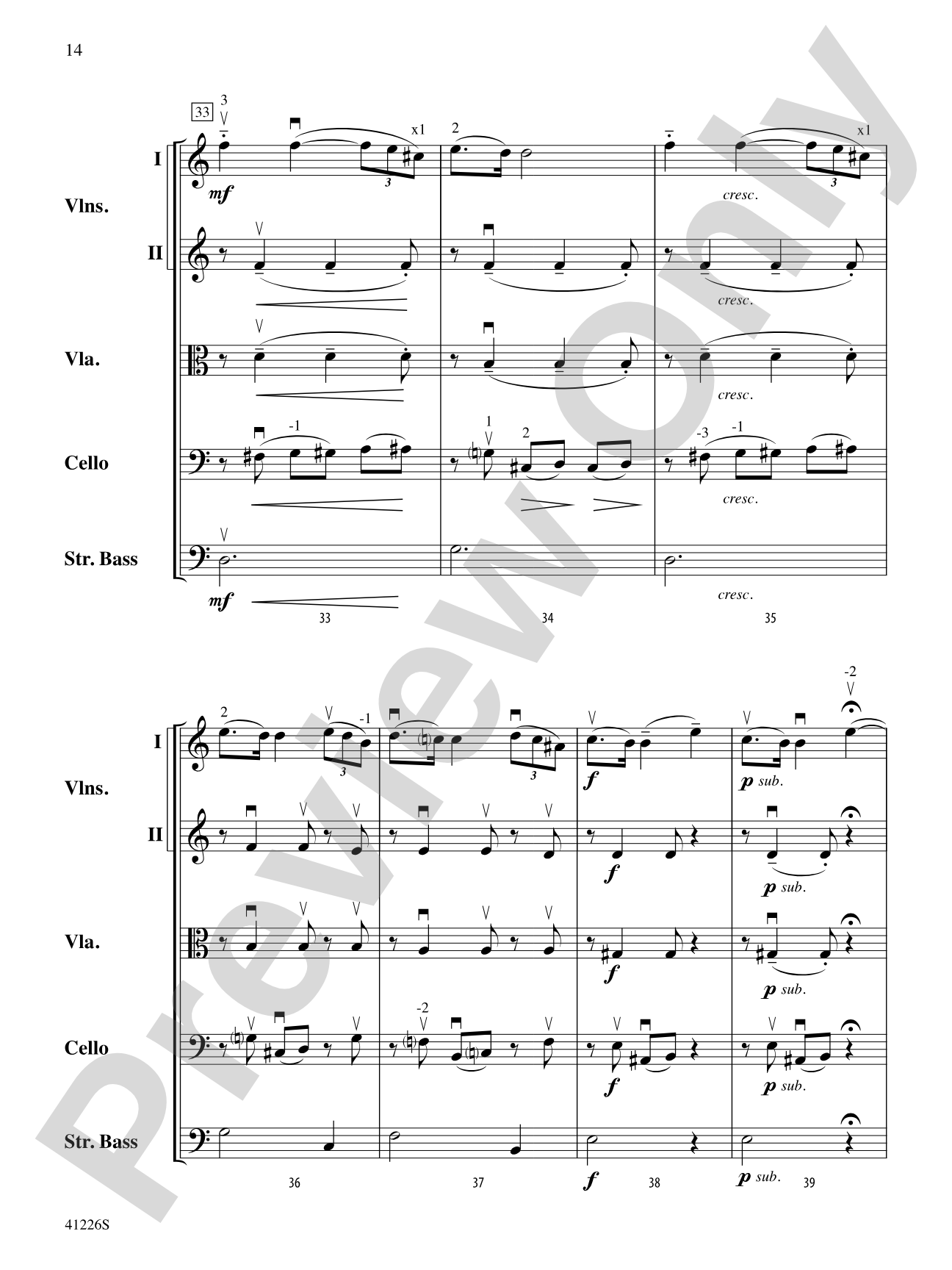
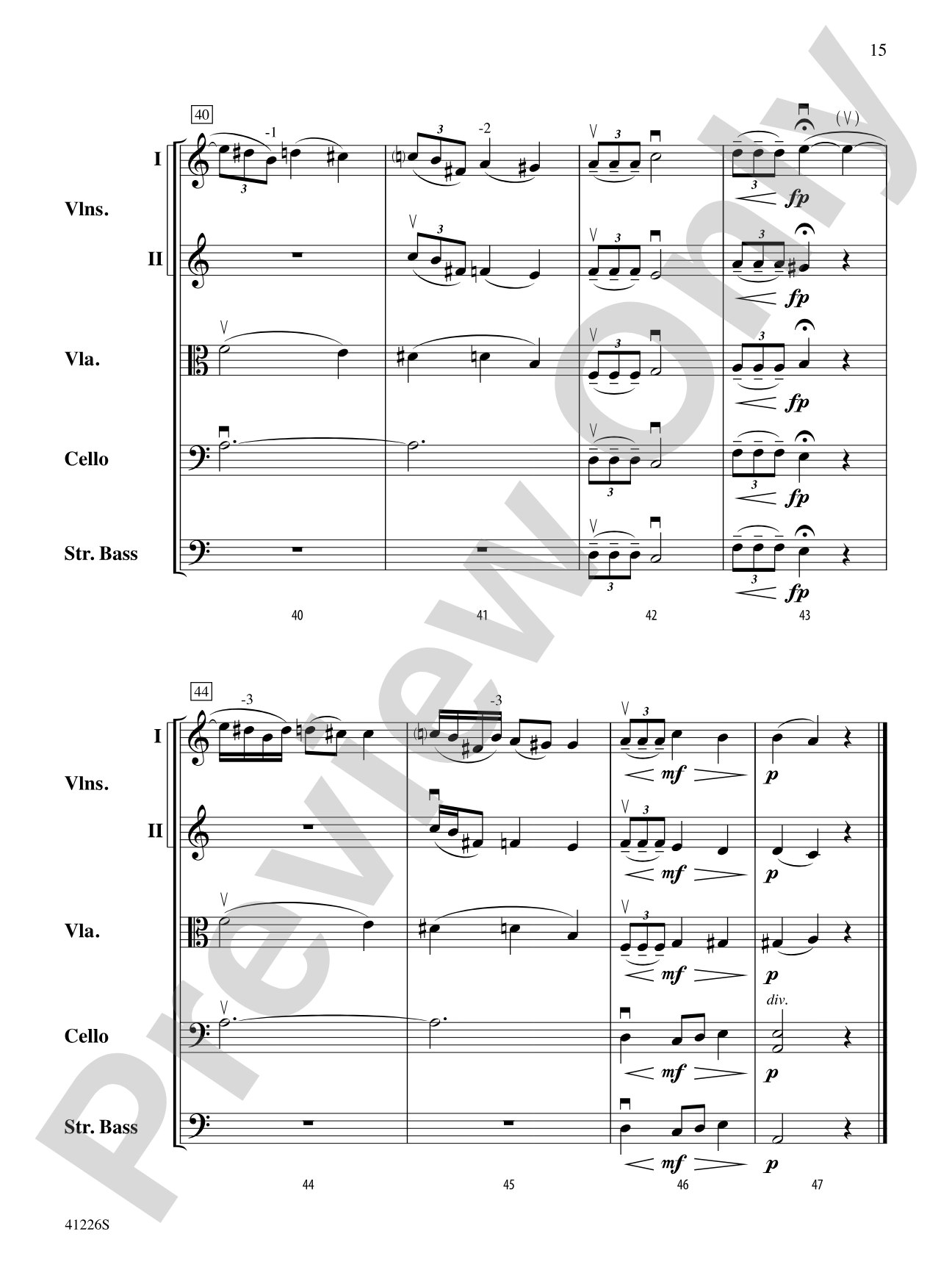
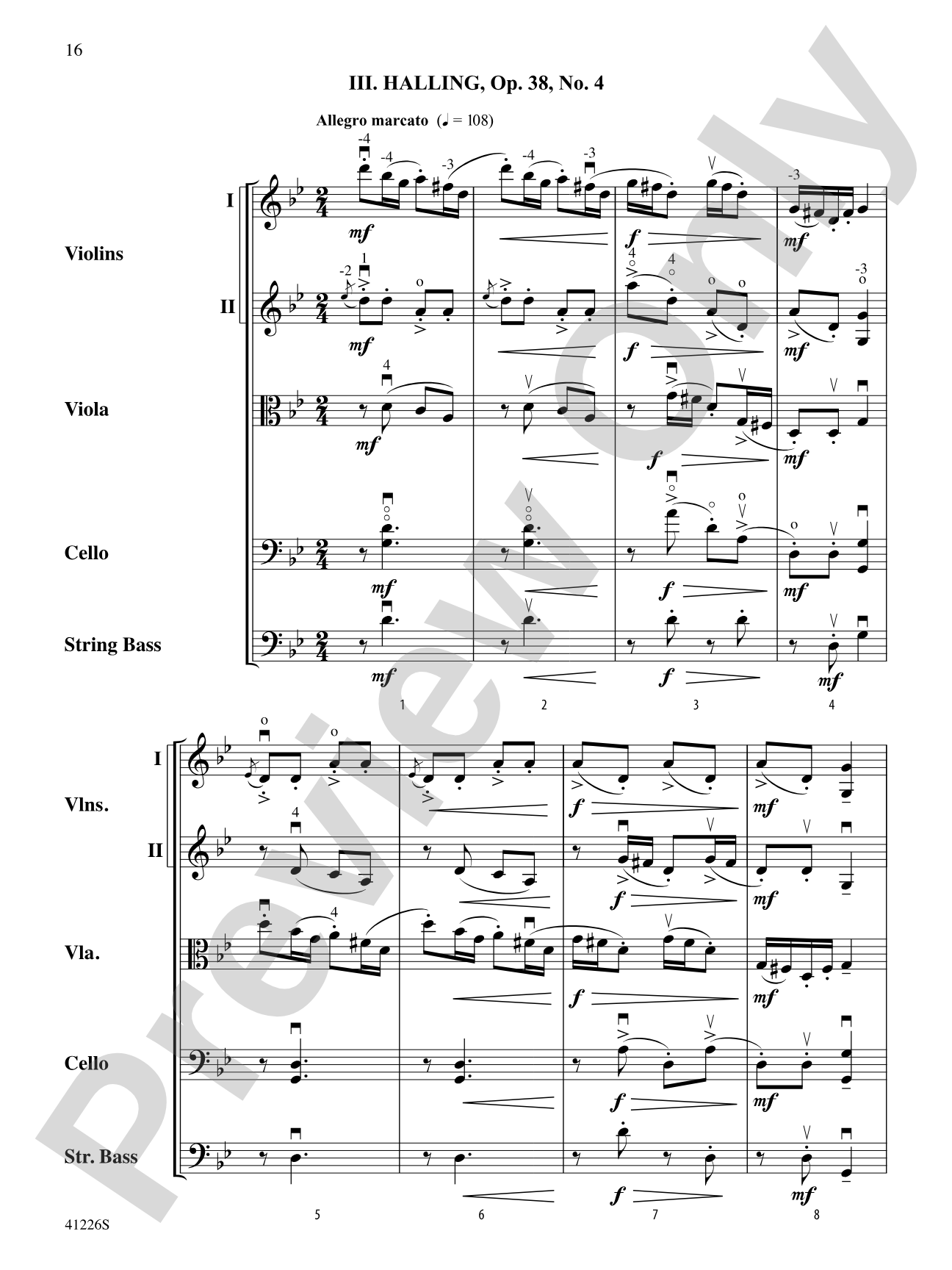
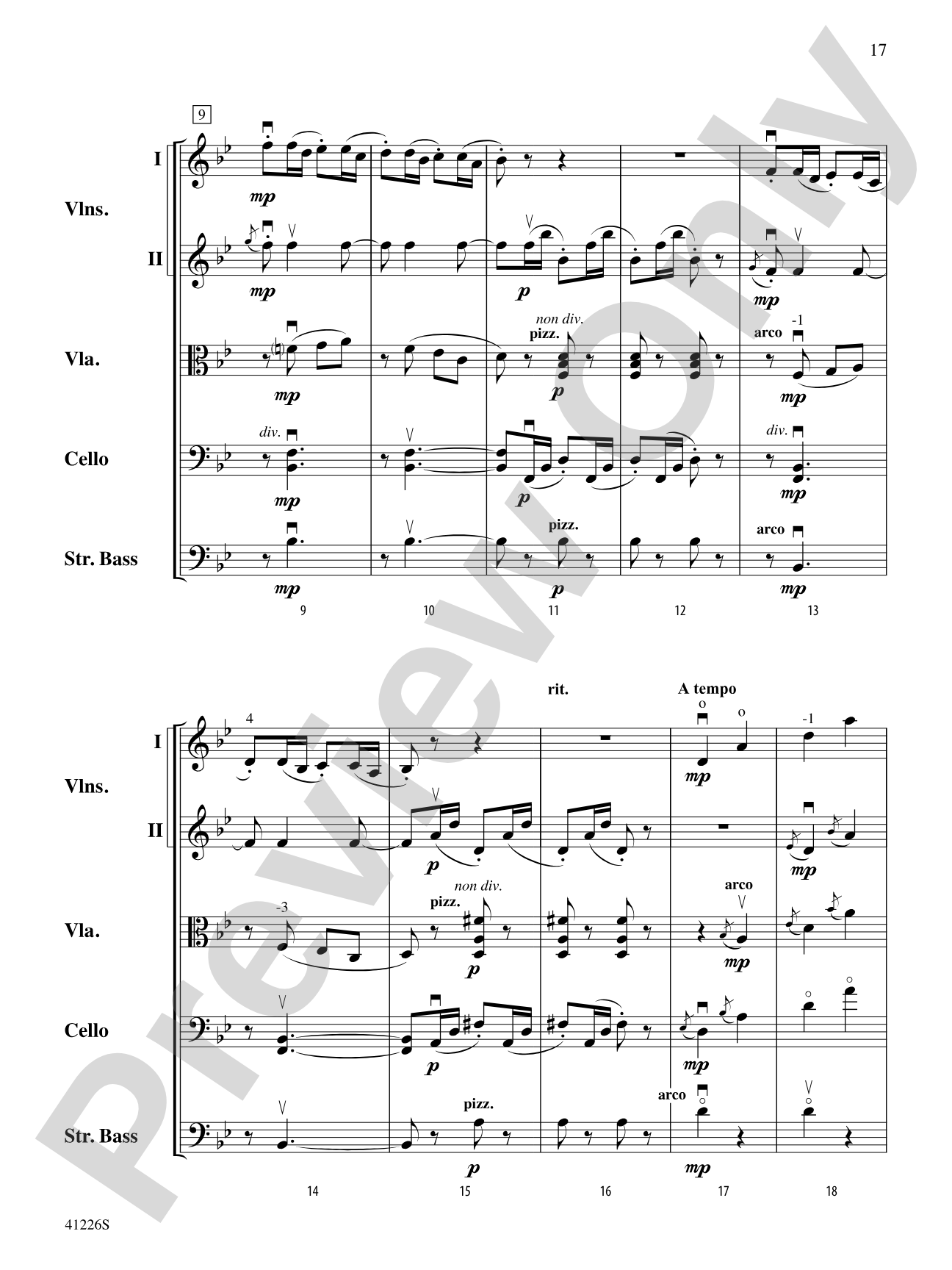
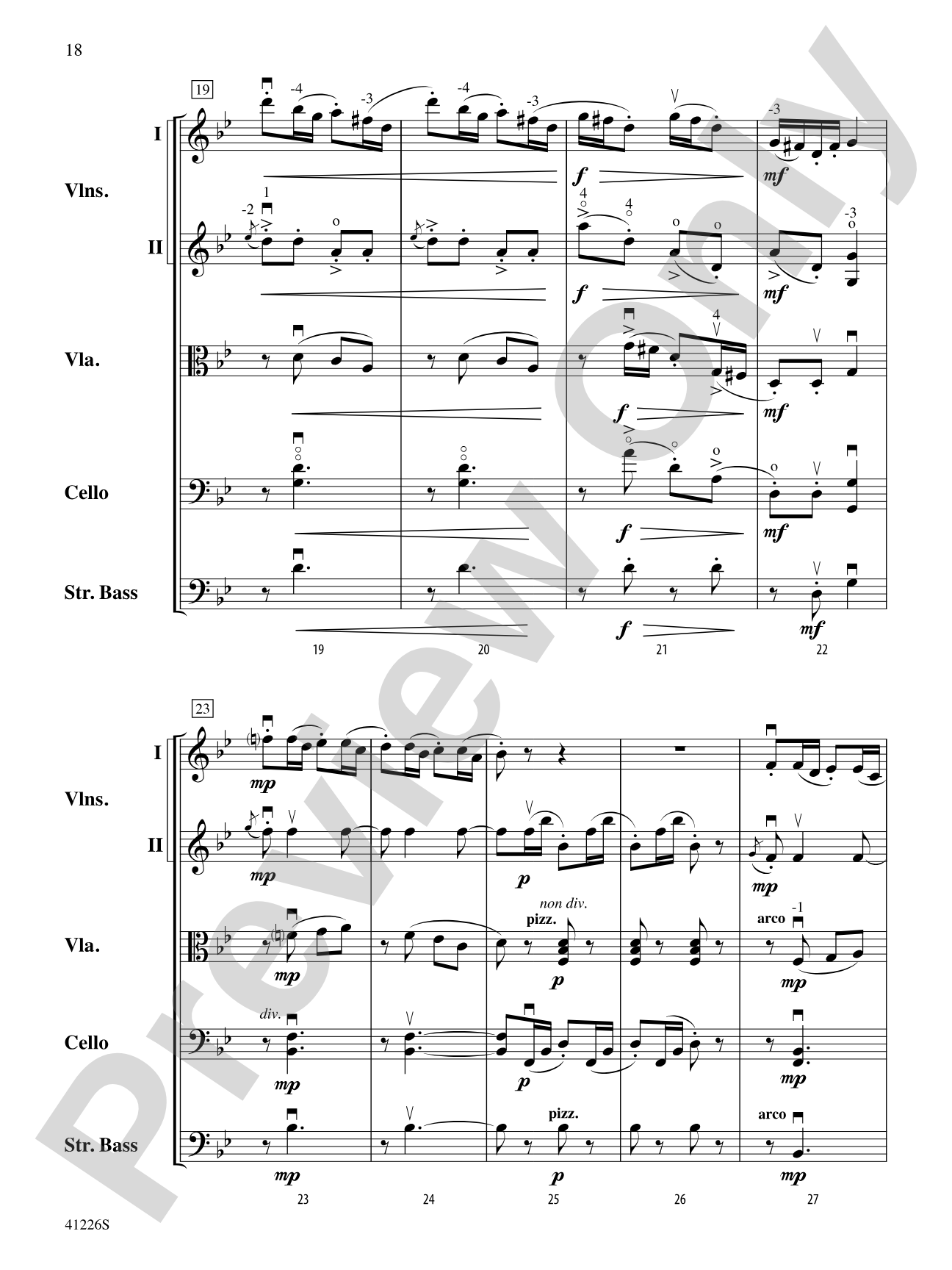
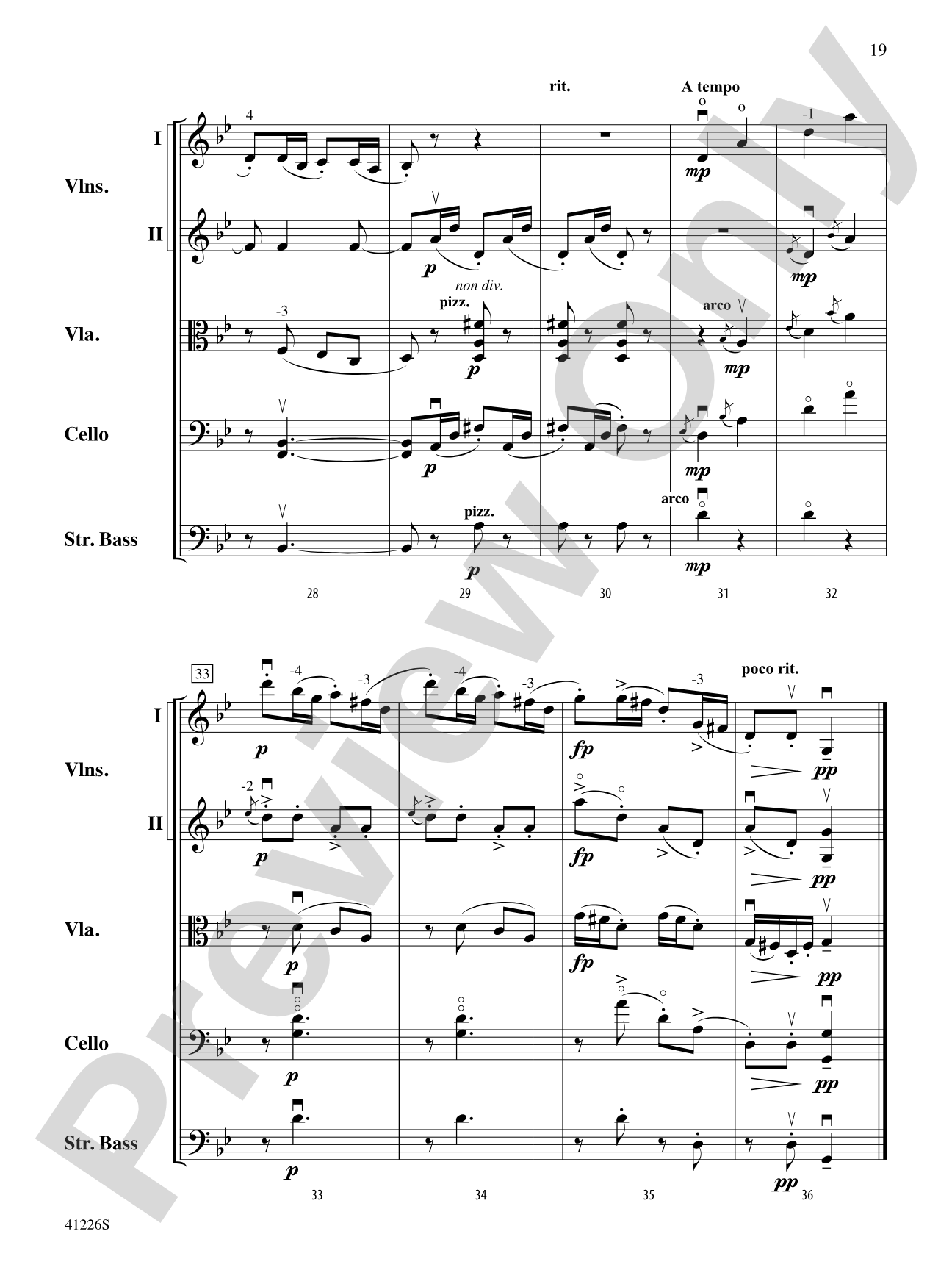

Three Lyric Pieces: Score
From Opus 38 Including "Berceuse," "Elegy," and "Halling"
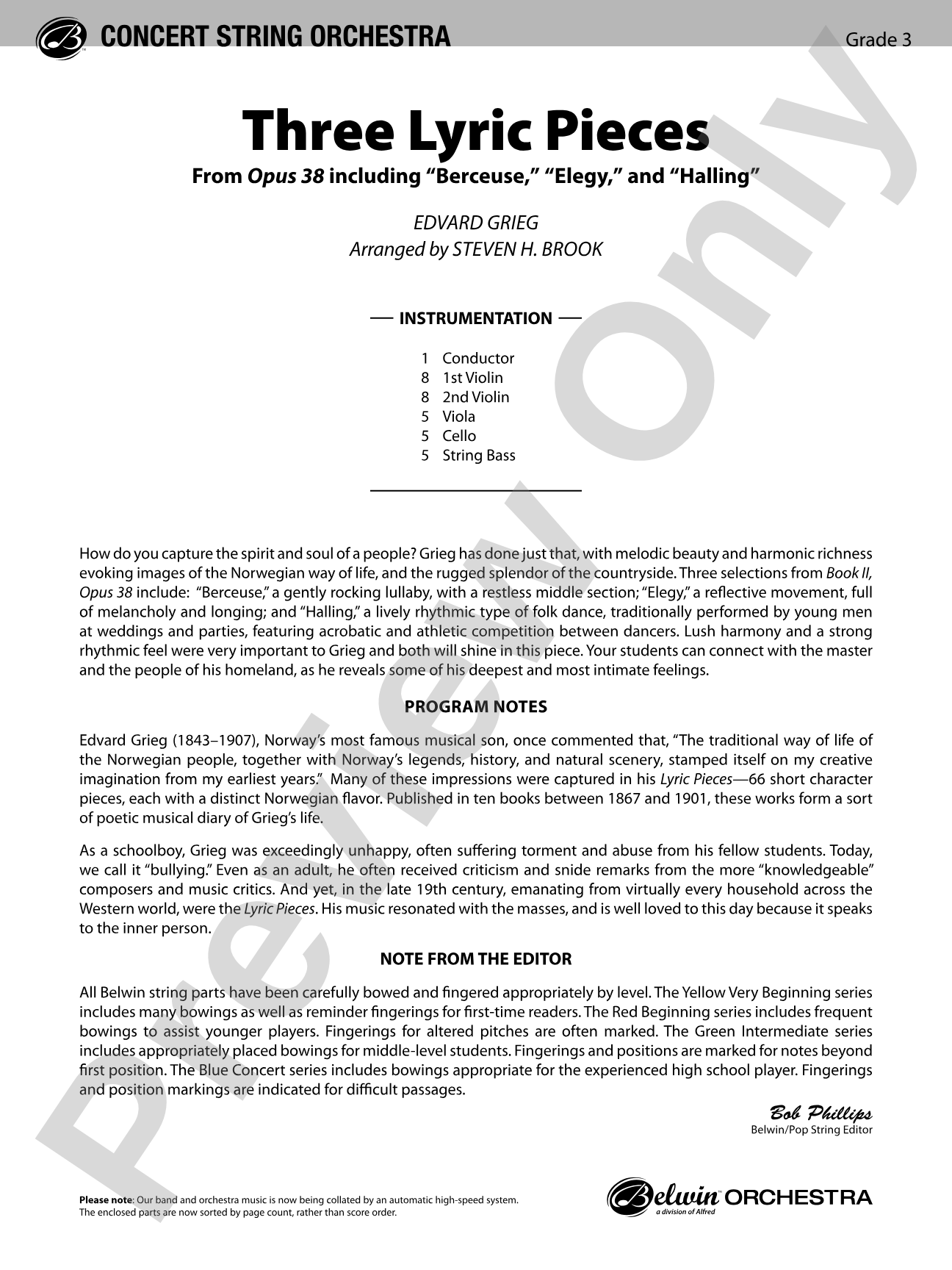
By Edvard Grieg / arr. Steven H. Brook
Grade: 3
Item: 00-PR-0004588
$8.00
Pickup currently not available
Description
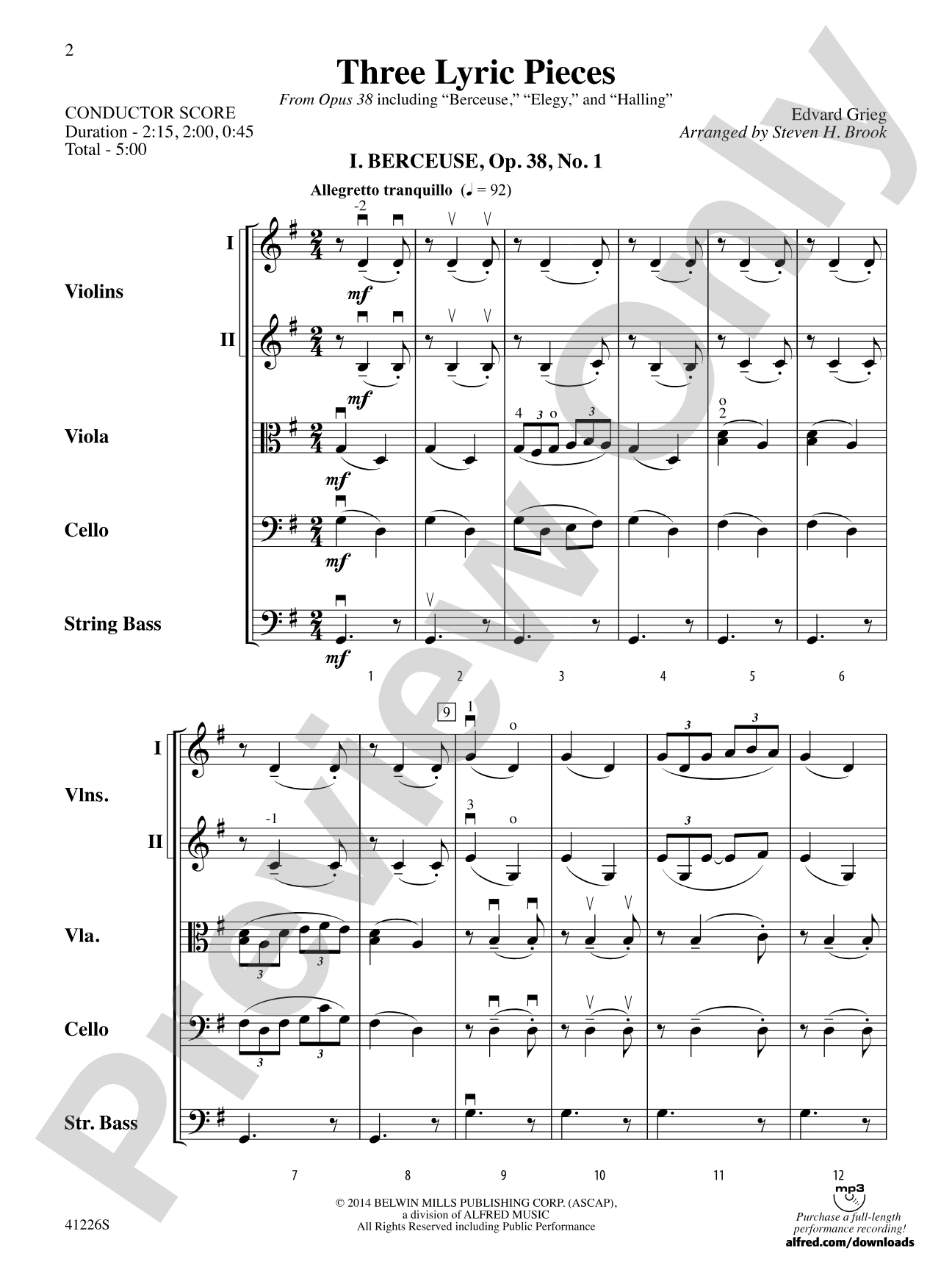
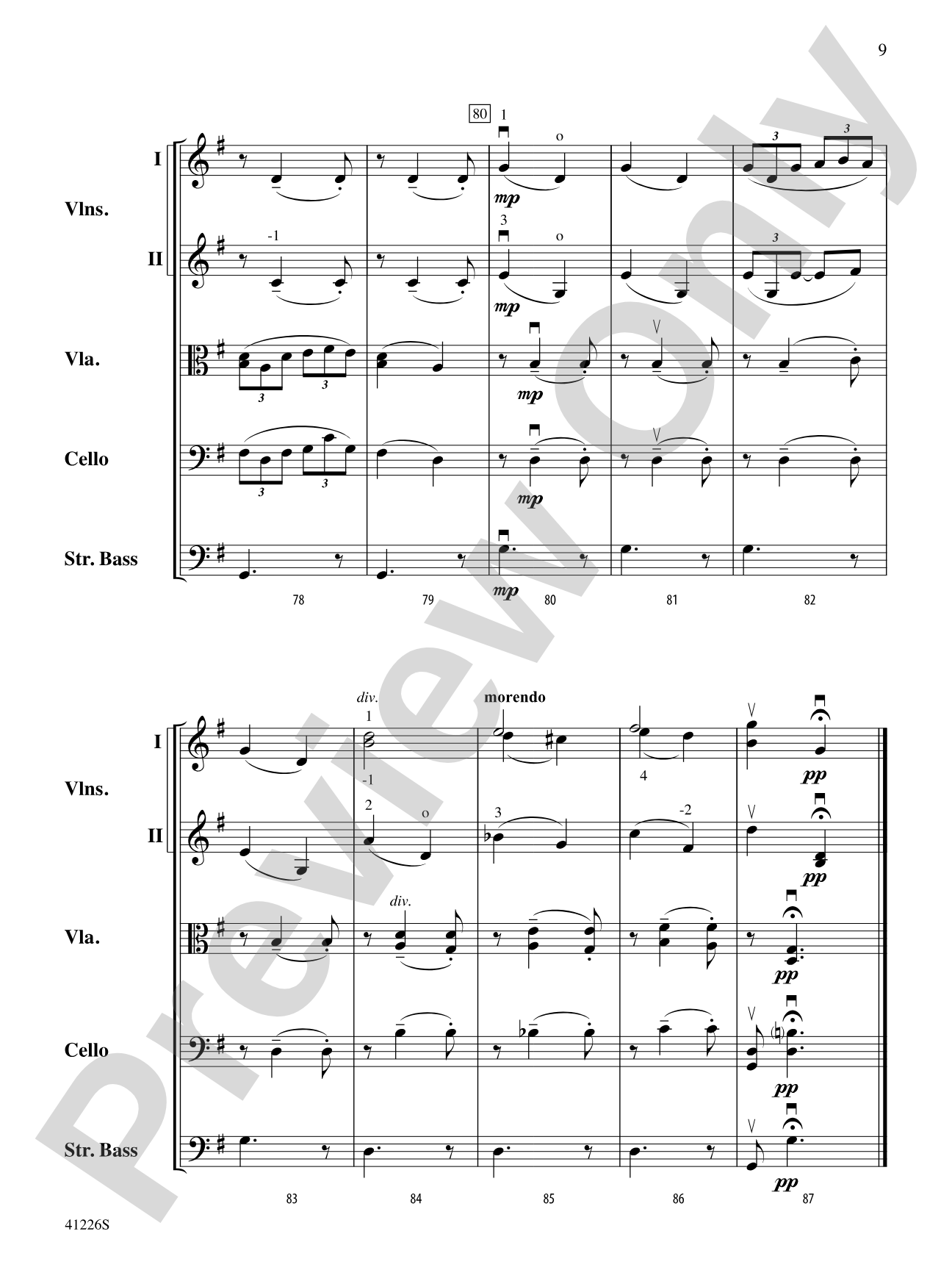
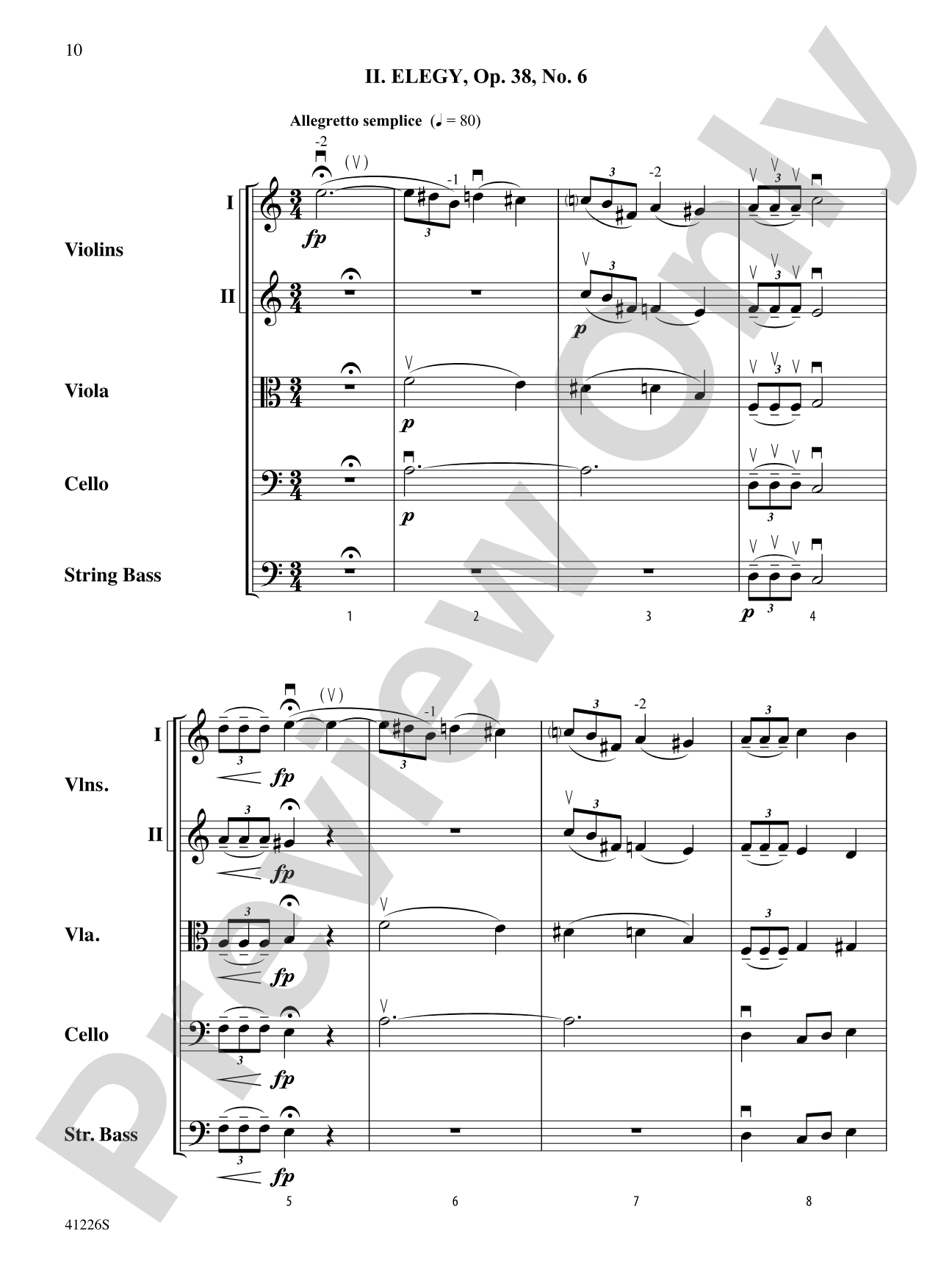
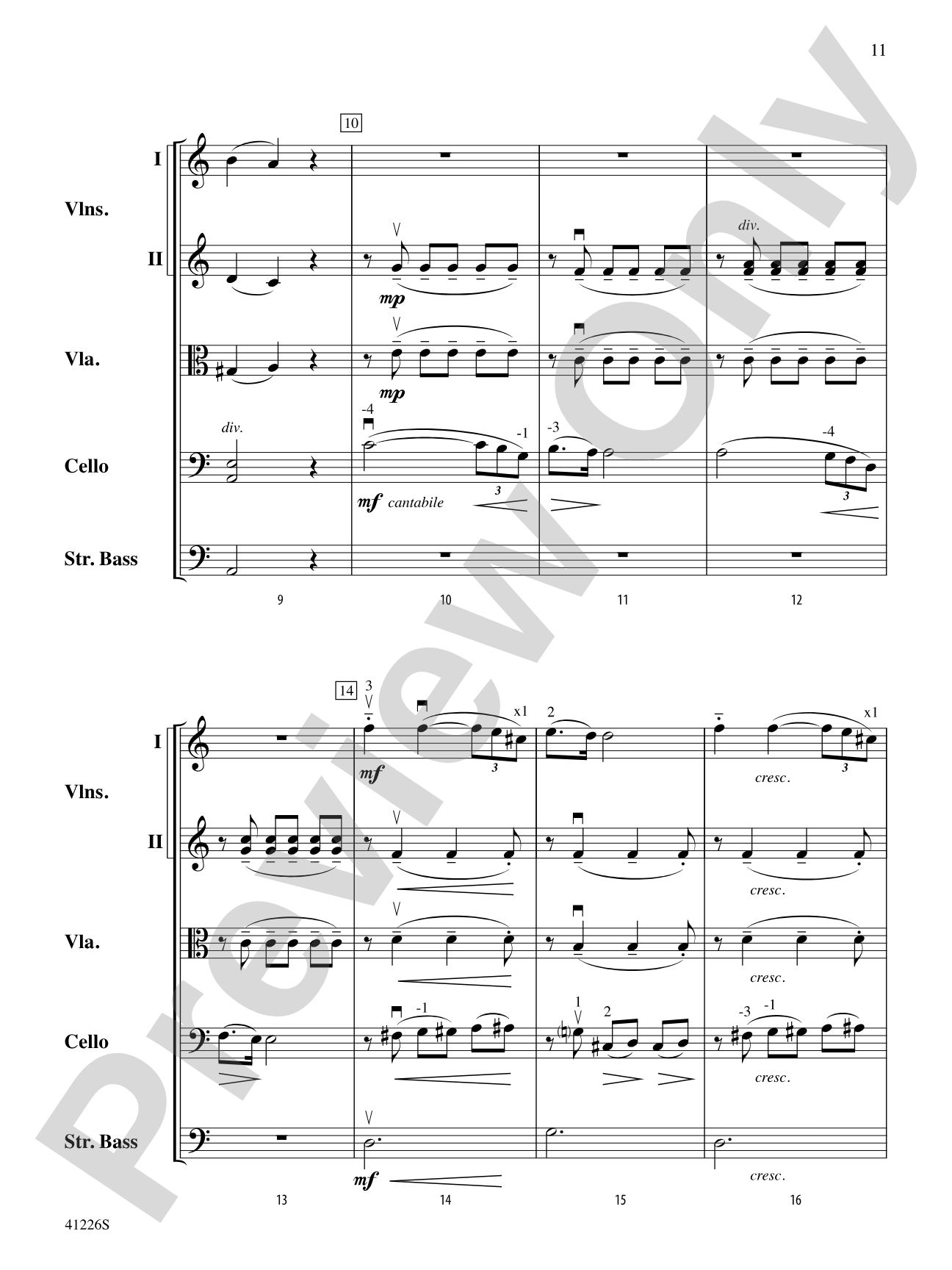
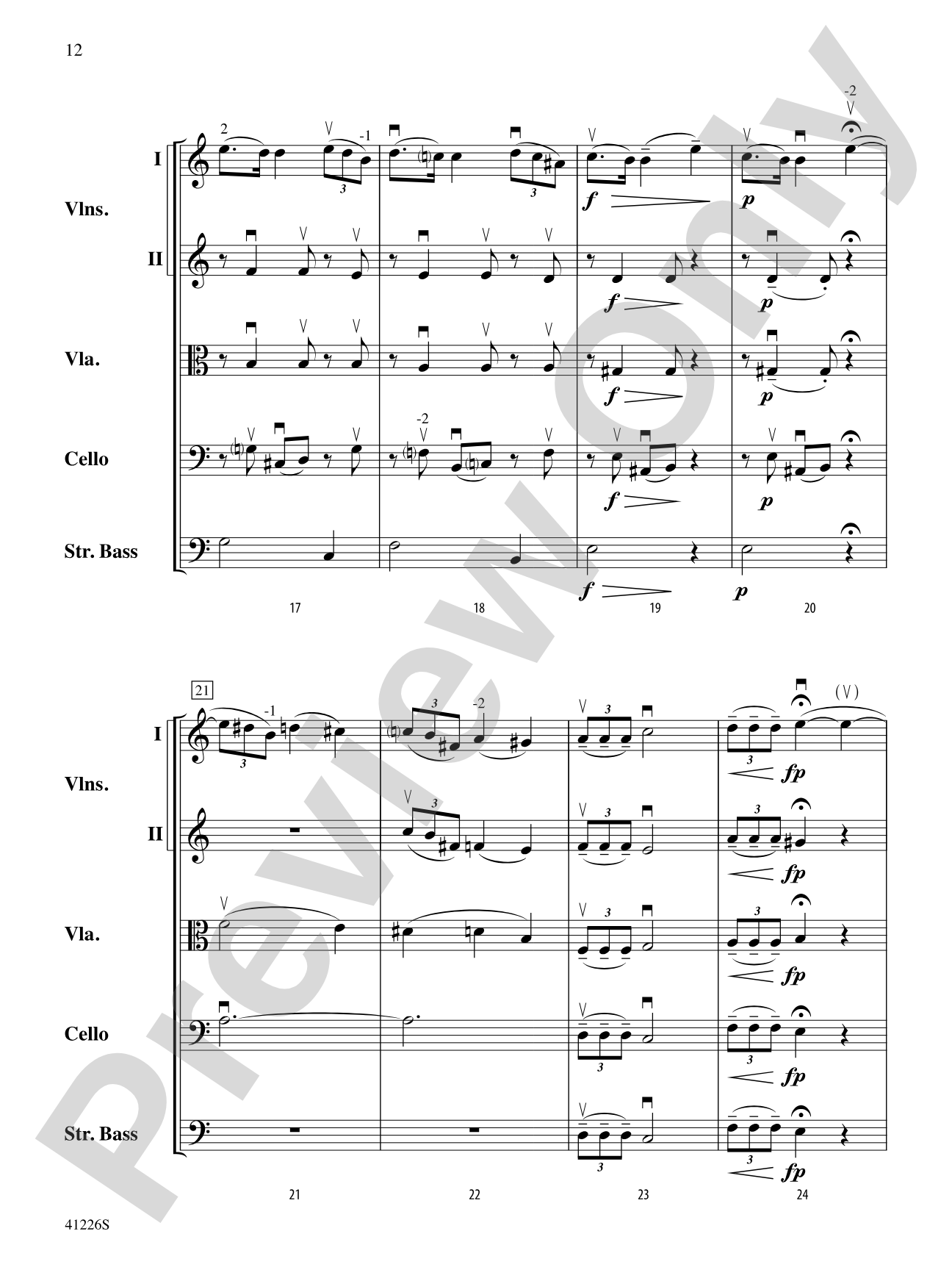
How do you capture the spirit and soul of a people? Grieg has done just that, with melodic beauty and harmonic richness evoking images of the Norwegian way of life, and the rugged splendor of the countryside. "Berceuse," "Elegy," and "Halling," reveal the composer's deepest feelings. (5:00) This title is available in MakeMusic Cloud.


Don't just read it, hear it, play along with it, and watch your students grow with it. In MakeMusic Cloud, Three Lyric Pieces: Score comes alive with professional accompaniment, adjustable tempo, and built-in practice tools that turn solo practice into real progress.
Open in the Player
Jump straight in and assign it today.
Start Your Free Trial
Open this title and explore the full library in minutes.
Sample Audio
1
Audio File
--:--
0:00
0:00
Sample Video
No sample videos found.
Additional Details
Series:
Belwin Concert String Orchestra
Publisher:
Alfred Music
Page Count:
124
SKU:
00-PR-0004588
More about this title
About the Composer: Edvard Grieg
Edvard Grieg (1843-1907) stands as Norway's most celebrated composer, whose music became the voice of Scandinavian nationalism during the Romantic era. His gift for melody and harmonic innovation allowed him to capture the essence of Norwegian folk culture, fjord landscapes, and national identity in forms ranging from piano works to orchestral pieces, establishing him as a central figure in 19th-century classical music.
Grieg's approach to composition centered on accessibility without sacrificing depth. He understood how to write music that moved audiences immediately while rewarding careful listening, a quality that made his works essential to concert life then and now. His influence on music education remains profound; his pieces appear in curricula worldwide because they demonstrate how personal expression and cultural specificity can coexist with universal emotional appeal.
Why we love this
Steven H. Brook's arrangement respects Grieg's compositional voice while making these lyric pieces genuinely playable for developing string orchestras. The three movements give you tonal variety within a single concert spot: the gentle rocking motion of "Berceuse," the contemplative depth of "Elegy," and the rhythmic vitality of "Halling" work together to showcase your ensemble's range without overextending it.
What to expect
Grieg's lyricism fills these pieces with warmth and introspection. "Berceuse" envelops listeners in a hushed, intimate atmosphere; "Elegy" deepens that mood into something more poignant and searching. "Halling" then lifts the spirit with folk-rooted energy and a sense of outdoor celebration. Together, they sketch a portrait of Norwegian life drawn with genuine affection and musical sophistication.
Who it's for
String orchestra directors working with Grade 3 ensembles who want to program Grieg without diluting his voice. These arrangements suit orchestras that have solid intonation and basic sectional balance but may not yet handle complex textures or exposed solo writing. This set works equally well for concert performance, festival competition, or as a centerpiece for a Romantic-era program.
How to get the most out of it
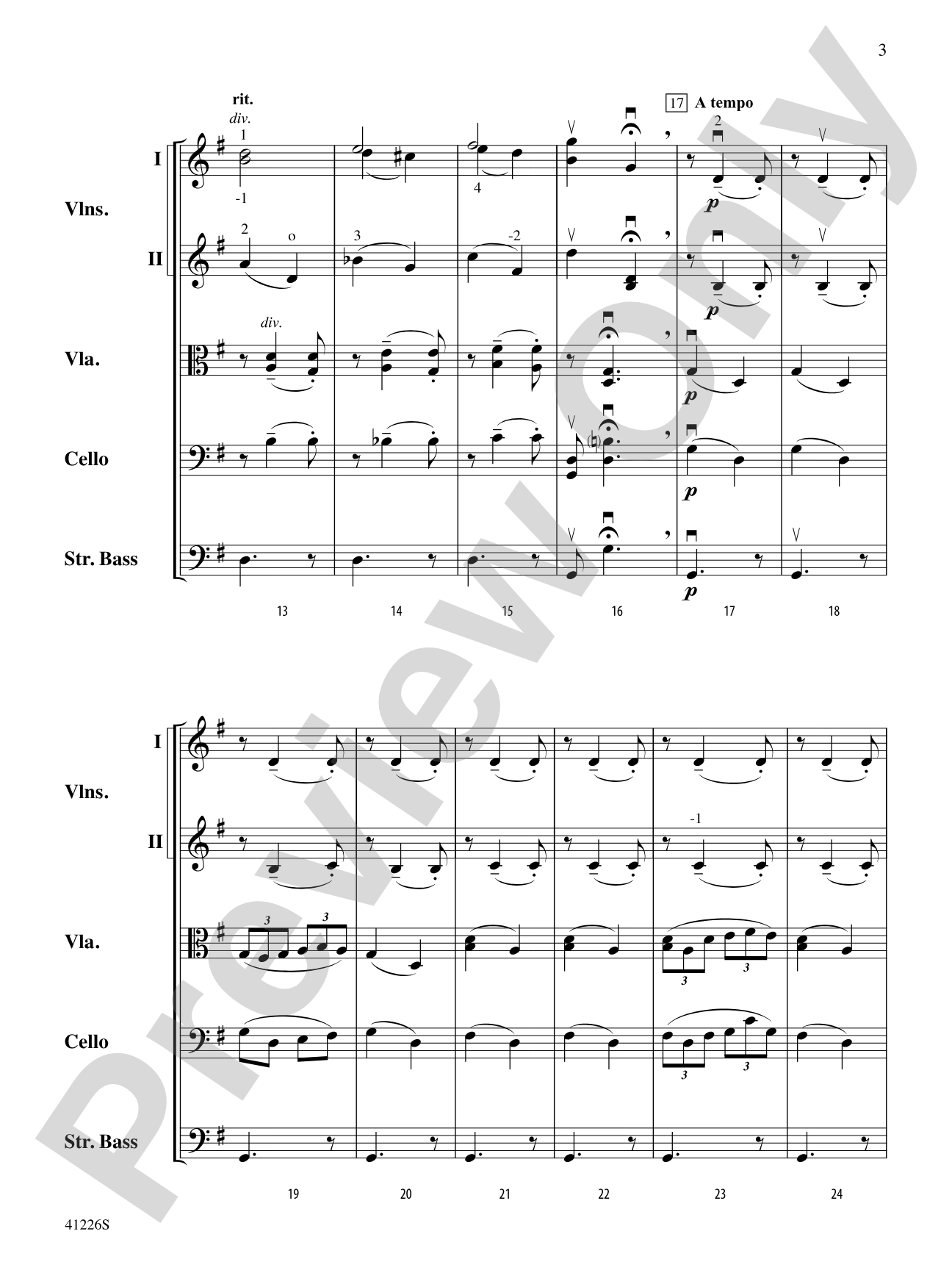
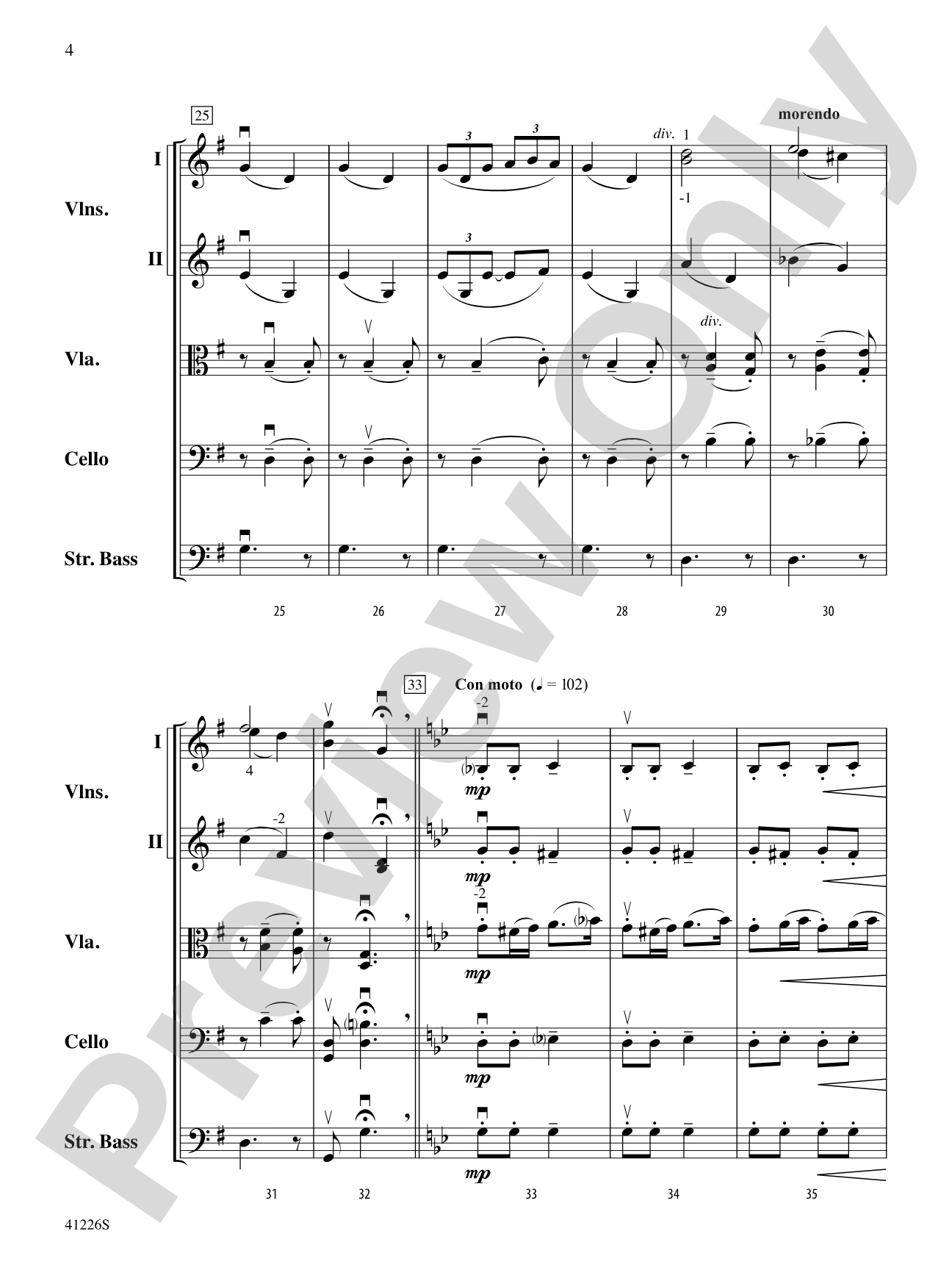
- Shape the opening of "Berceuse" with a gentle sway that suggests the motion of a cradle; the accompaniment figures should breathe rather than pulse mechanically.
- Balance the exposed melody in "Elegy" between sections carefully, as the harmonic movement beneath carries as much weight as the tune itself.
- Bring forward the dance character of "Halling" by maintaining rhythmic clarity without rushing; let the folk idiom speak naturally rather than forcing character into it.
- Use the full five-minute arc to build a sense of emotional journey across all three movements; this is a suite, not three unrelated pieces.
How to use it
This works beautifully as a complete suite that gives your orchestra substantial stage time while maintaining focus. Consider pairing it with contemporary or modern pieces to highlight the historical bridge Grieg occupies, or program it alongside other nationalist Romantic composers (Smetana, Dvořák) to explore how composers claimed cultural voice through melody and harmonic color. The five-minute runtime also makes it an ideal complement to longer works on a varied concert.
Skills your students will build
- Sustaining lyrical melodic lines across full phrases without scooping or sagging
- Balancing exposed and accompanying parts in sparse textures
- Reading and executing rhythmic patterns characteristic of Norwegian folk dance ("Halling")
- Responding to harmonic movement as a guide for musical shaping
- Maintaining ensemble cohesion during tempo and character changes across multiple movements