
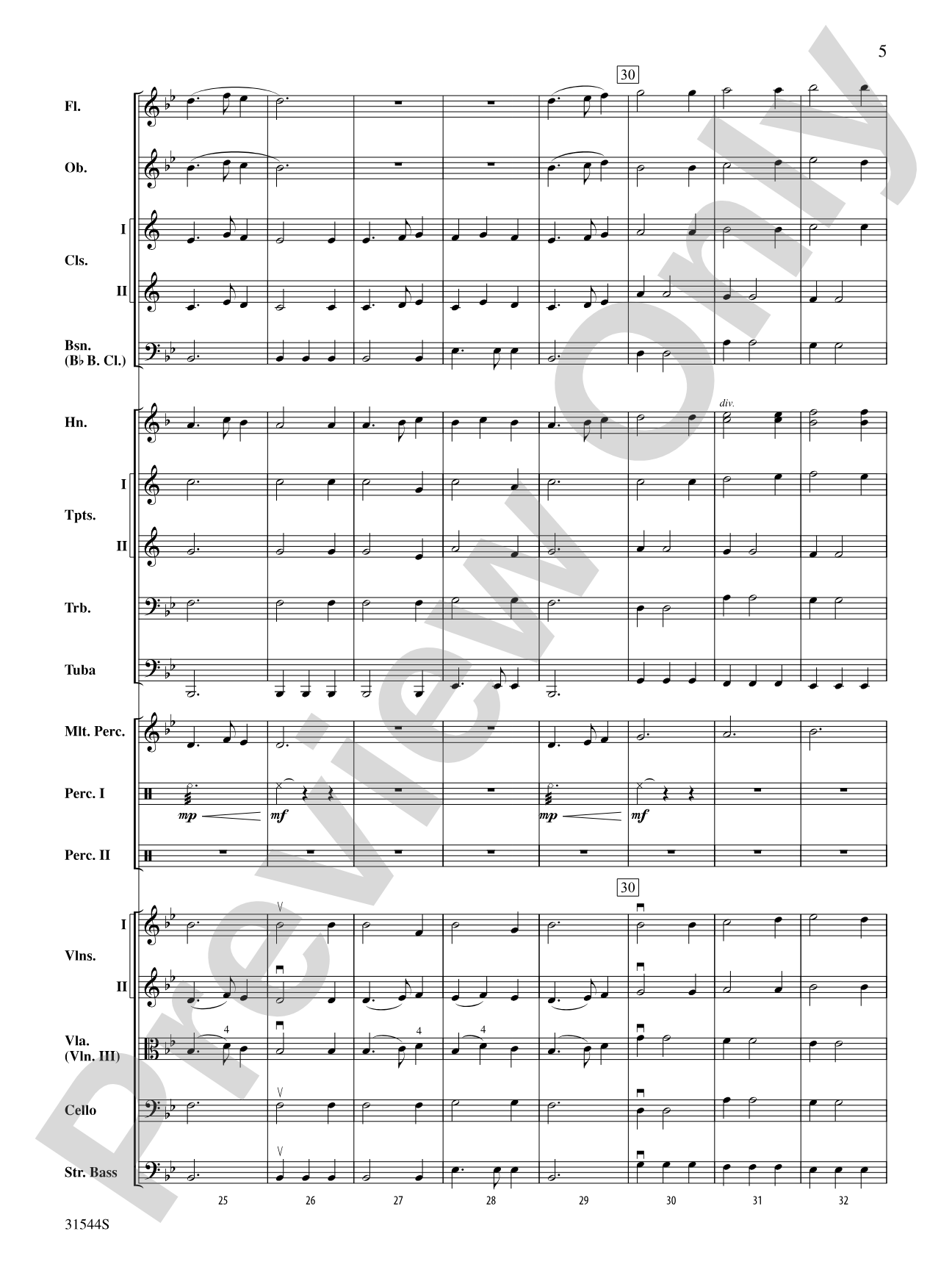
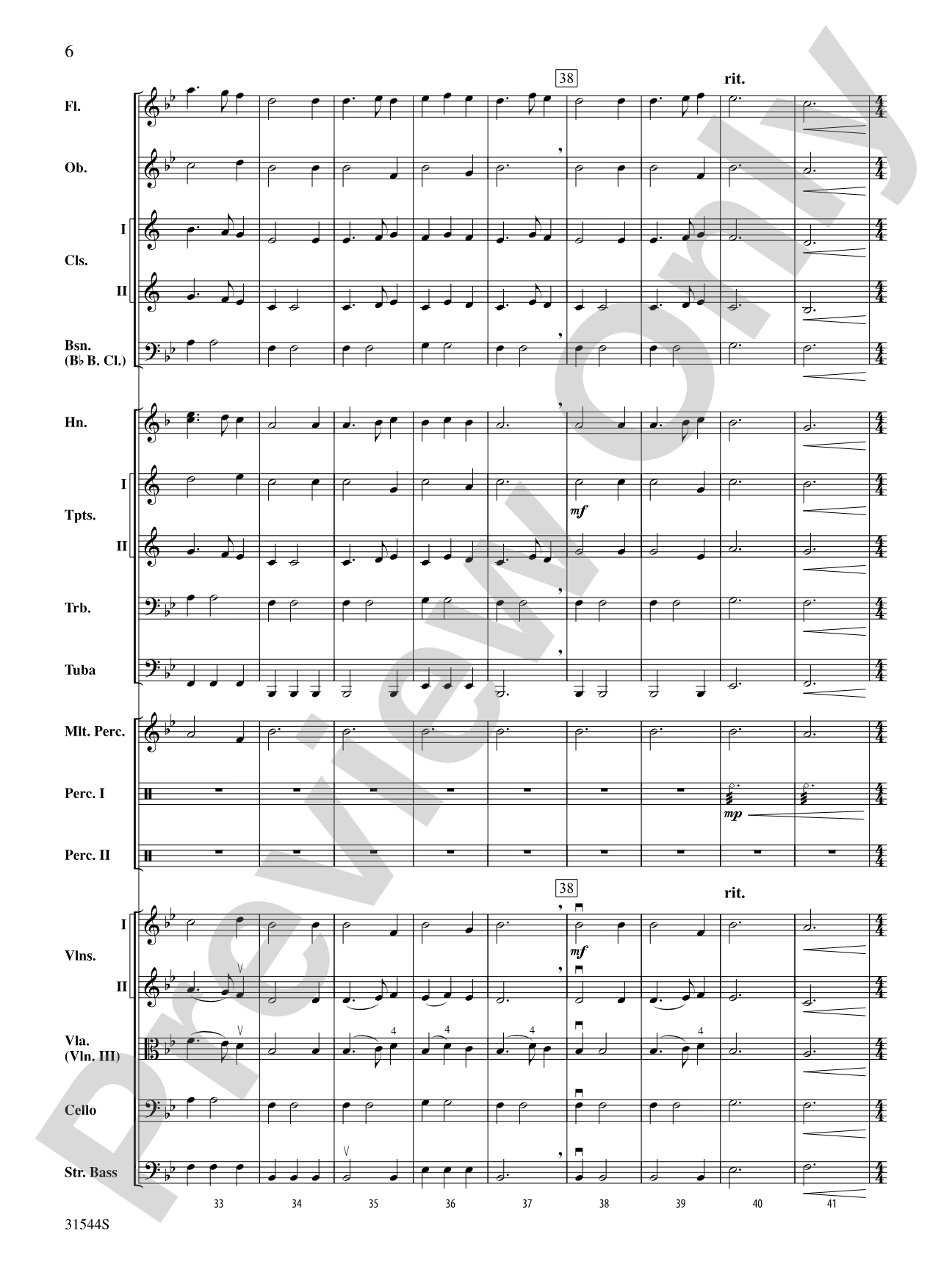
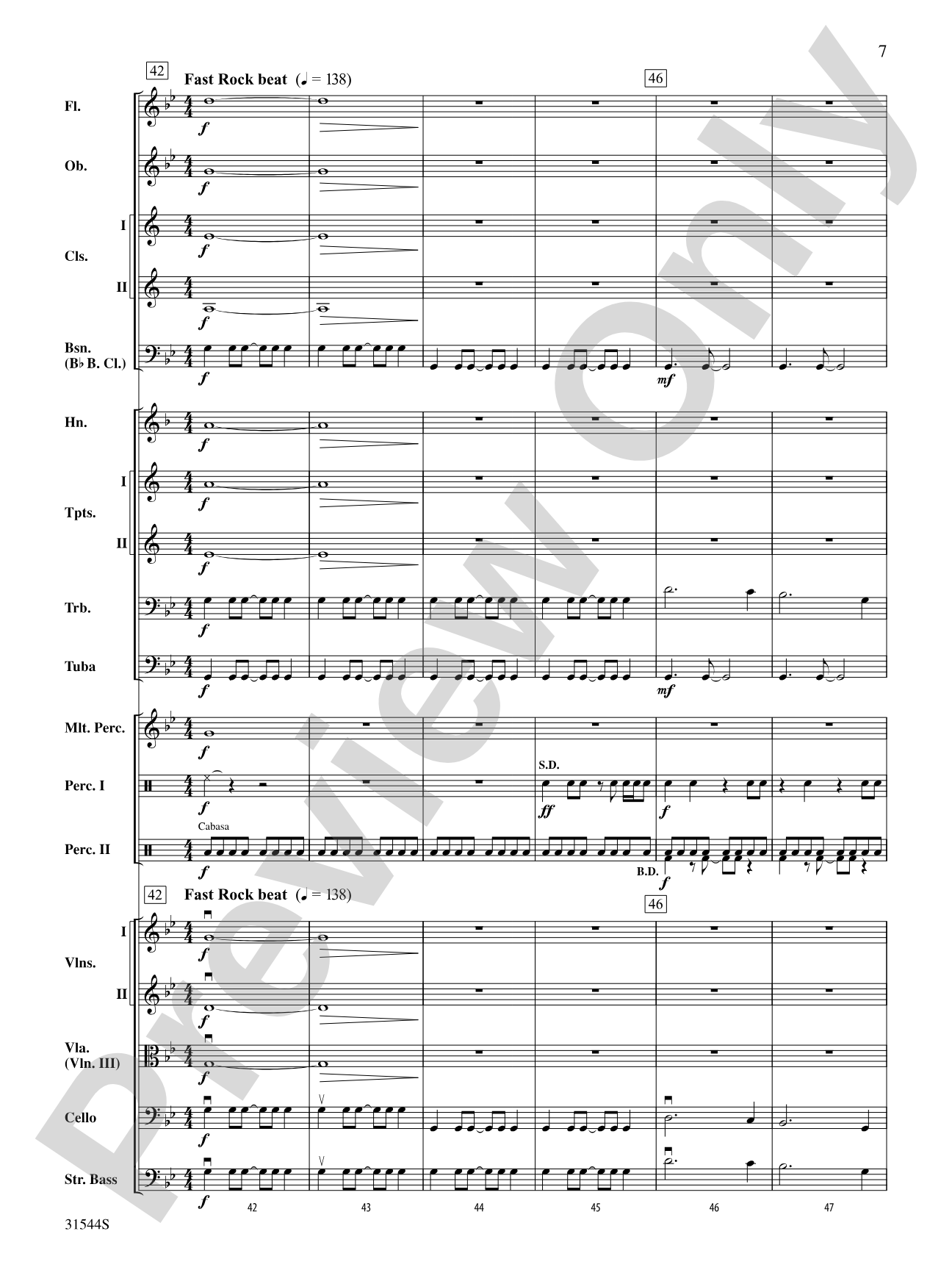
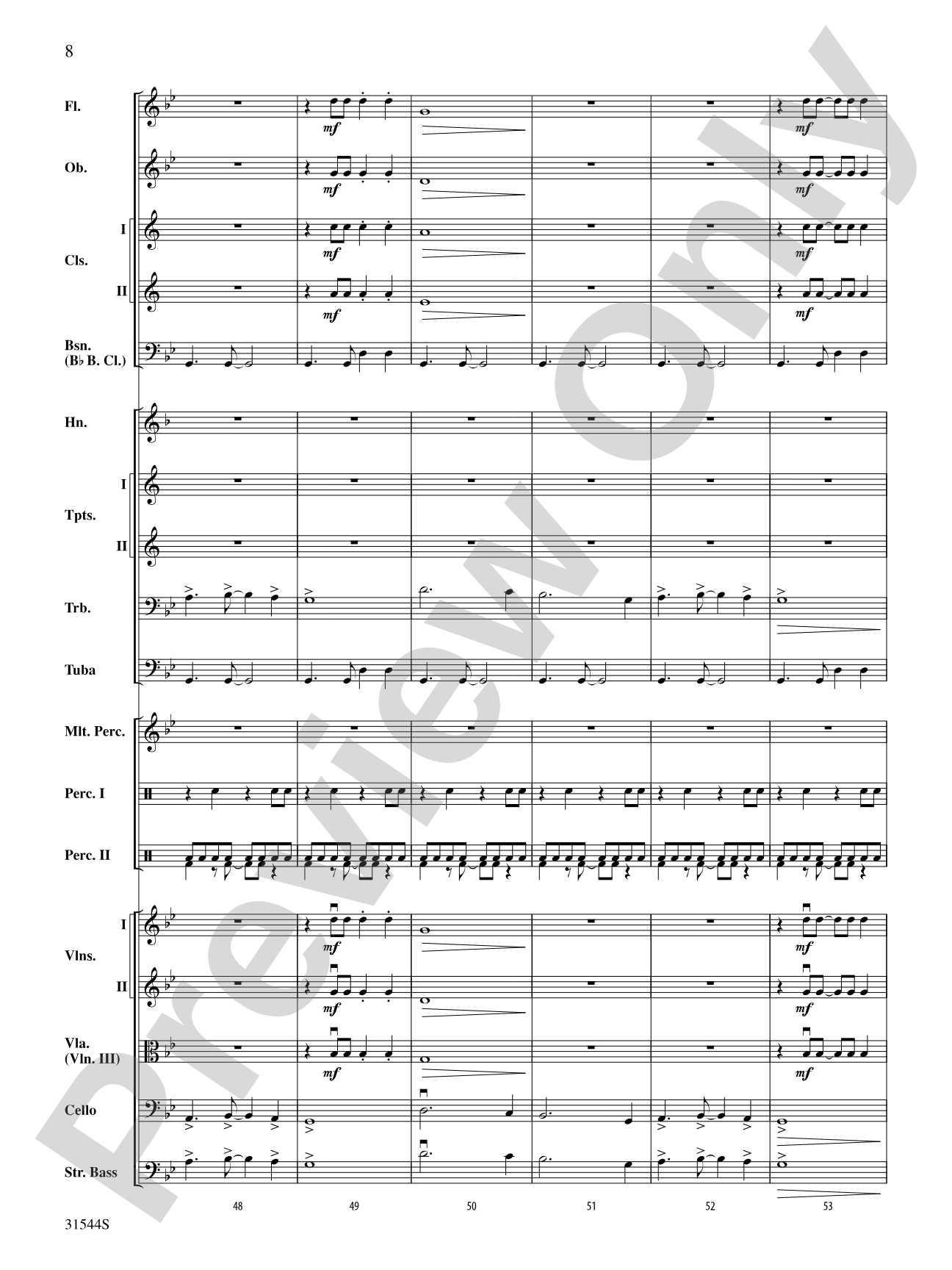
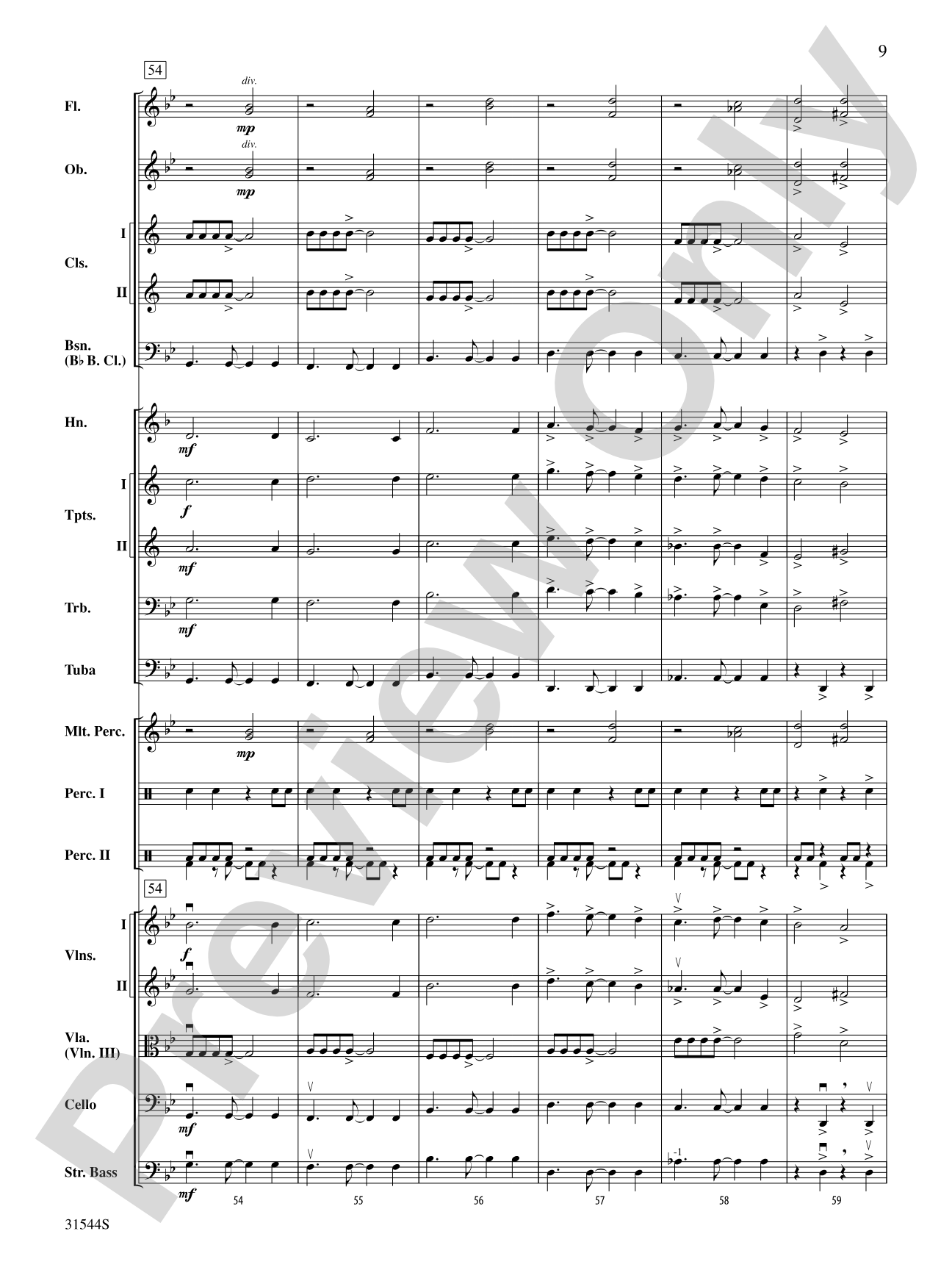
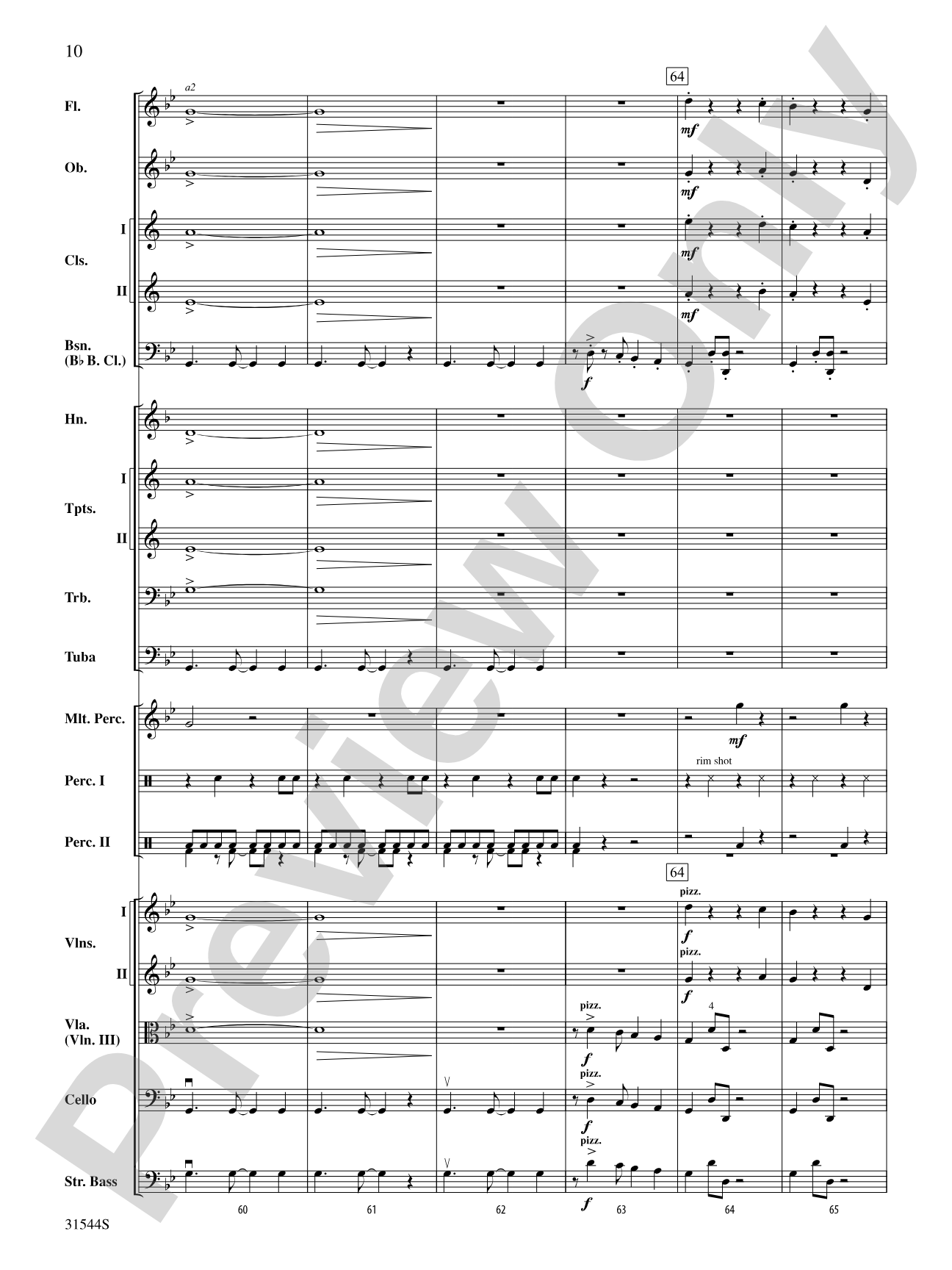
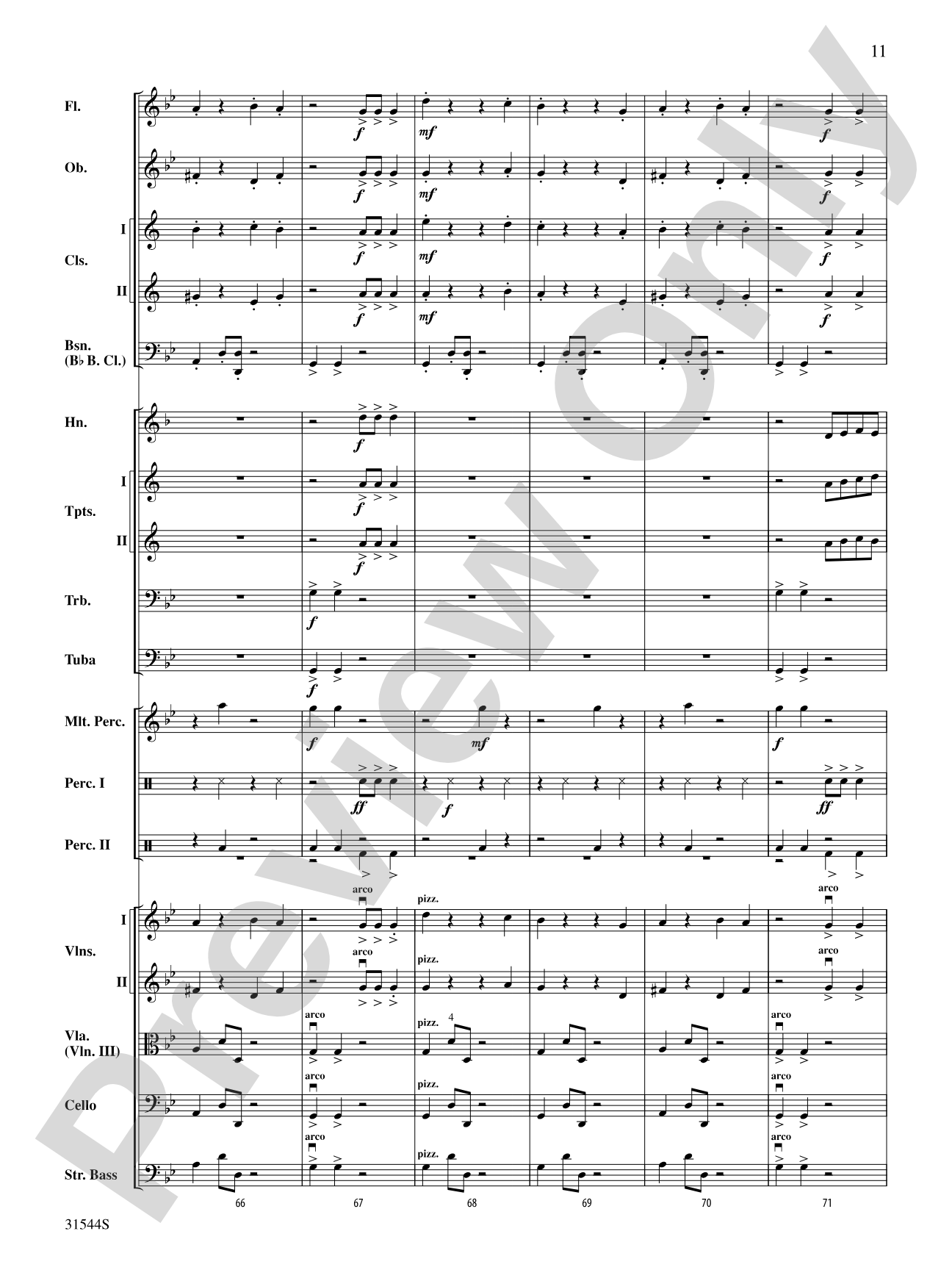
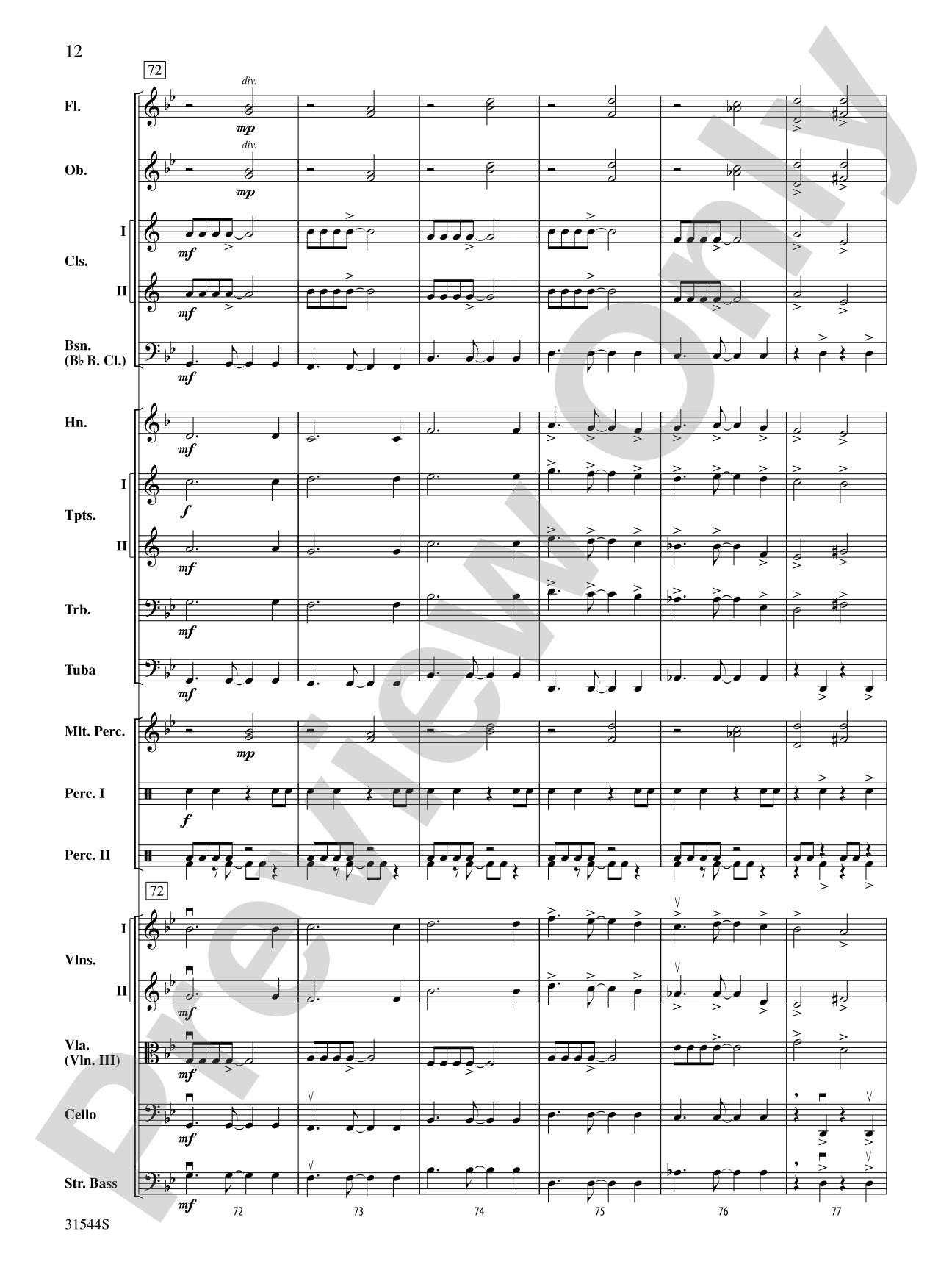
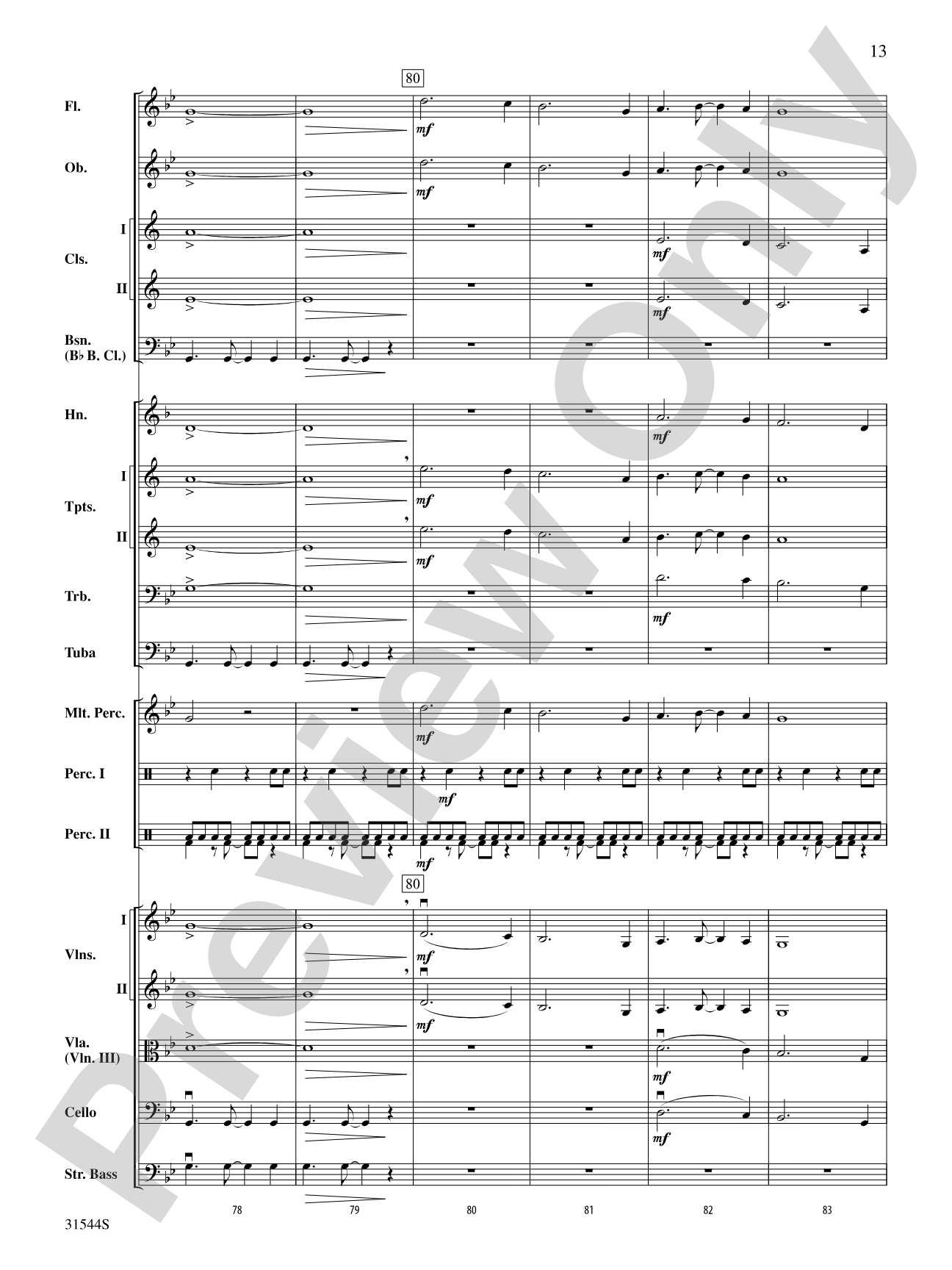
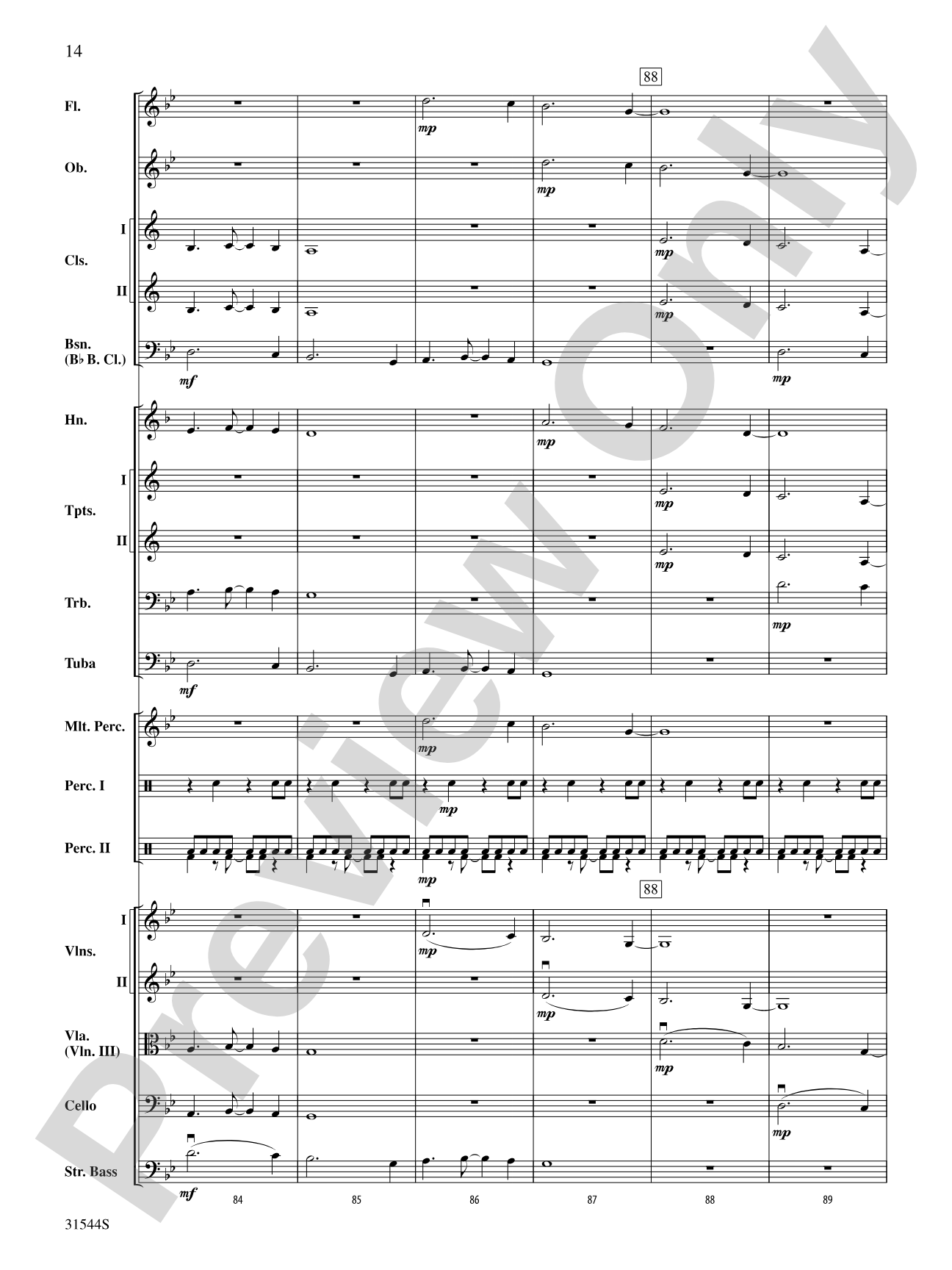
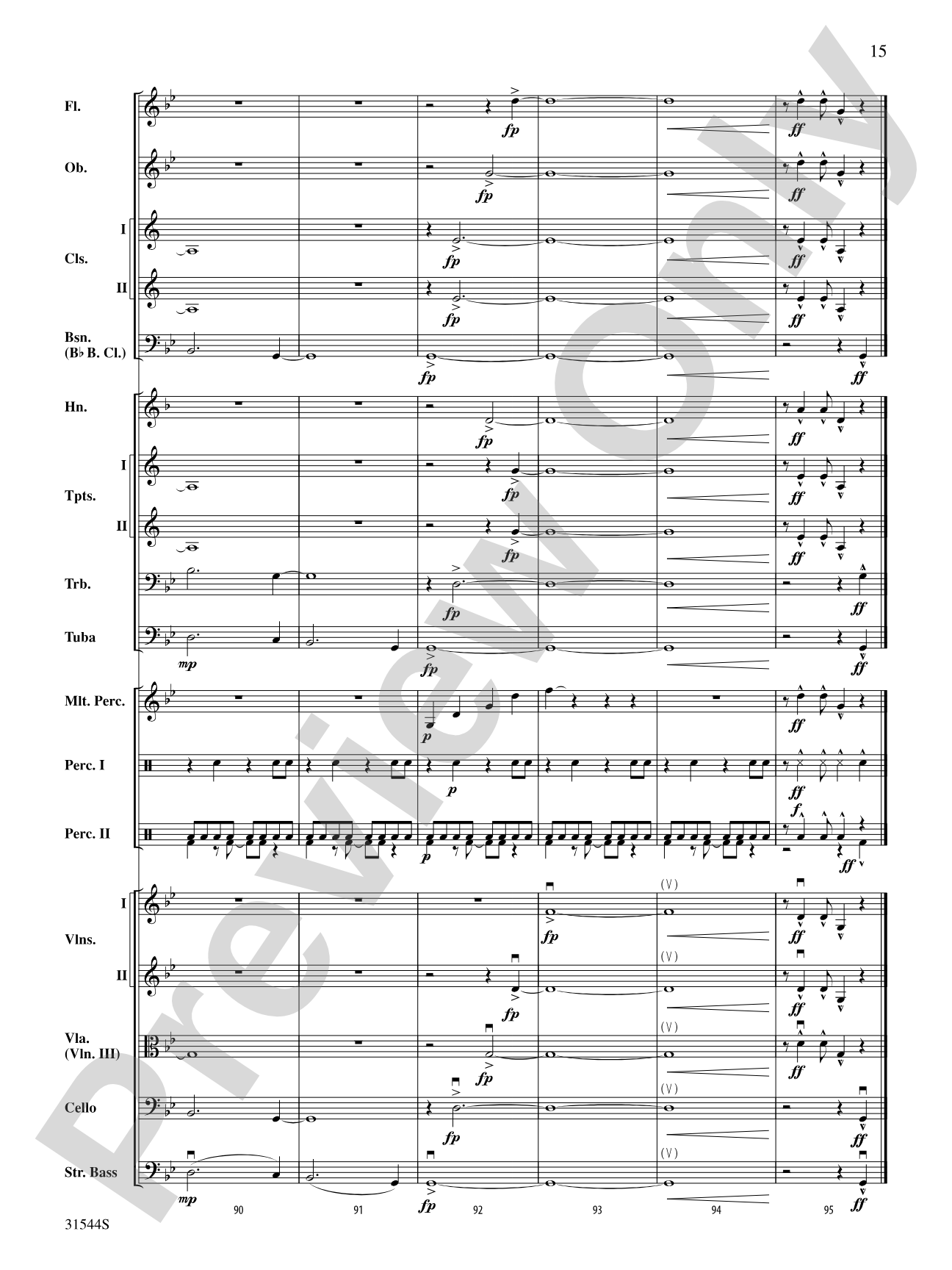


Three King Strut: Full Orchestra Conductor Score & Parts
By John Henry Hopkins, Jr. / arr. Carol J. Johnson
Grade: 2.5
Item: 00-PK-0001740

$59.00
Pickup currently not available
Buy Extra Parts (Digital PDF Download)
| Product | Price | Quantity |
|---|---|---|
| Three King Strut: Score | $7.00 | |
| Three King Strut: Flute | $5.99 | |
| Three King Strut: Oboe | $5.99 | |
| Three King Strut: 1st B-flat Clarinet | $5.99 | |
| Three King Strut: 2nd B-flat Clarinet | $5.99 | |
| Three King Strut: Bassoon | $5.99 | |
| Three King Strut: B-flat Bass Clarinet | $5.99 | |
| Three King Strut: 1st F Horn | $5.99 | |
| Three King Strut: 1st B-flat Trumpet | $5.99 | |
| Three King Strut: 2nd B-flat Trumpet | $5.99 | |
| Three King Strut: 1st Trombone | $5.99 | |
| Three King Strut: Tuba | $5.99 | |
| Three King Strut: Mallets | $5.99 | |
| Three King Strut: 1st Percussion | $5.99 | |
| Three King Strut: 2nd Percussion | $5.99 | |
| Three King Strut: 1st Violin | $5.99 | |
| Three King Strut: 2nd Violin | $5.99 | |
| Three King Strut: 3rd Violin (Viola [TC]) | $5.99 | |
| Three King Strut: Viola | $5.99 | |
| Three King Strut: Cello | $5.99 | |
| Three King Strut: String Bass | $5.99 |
Parts Added to Cart!
Description
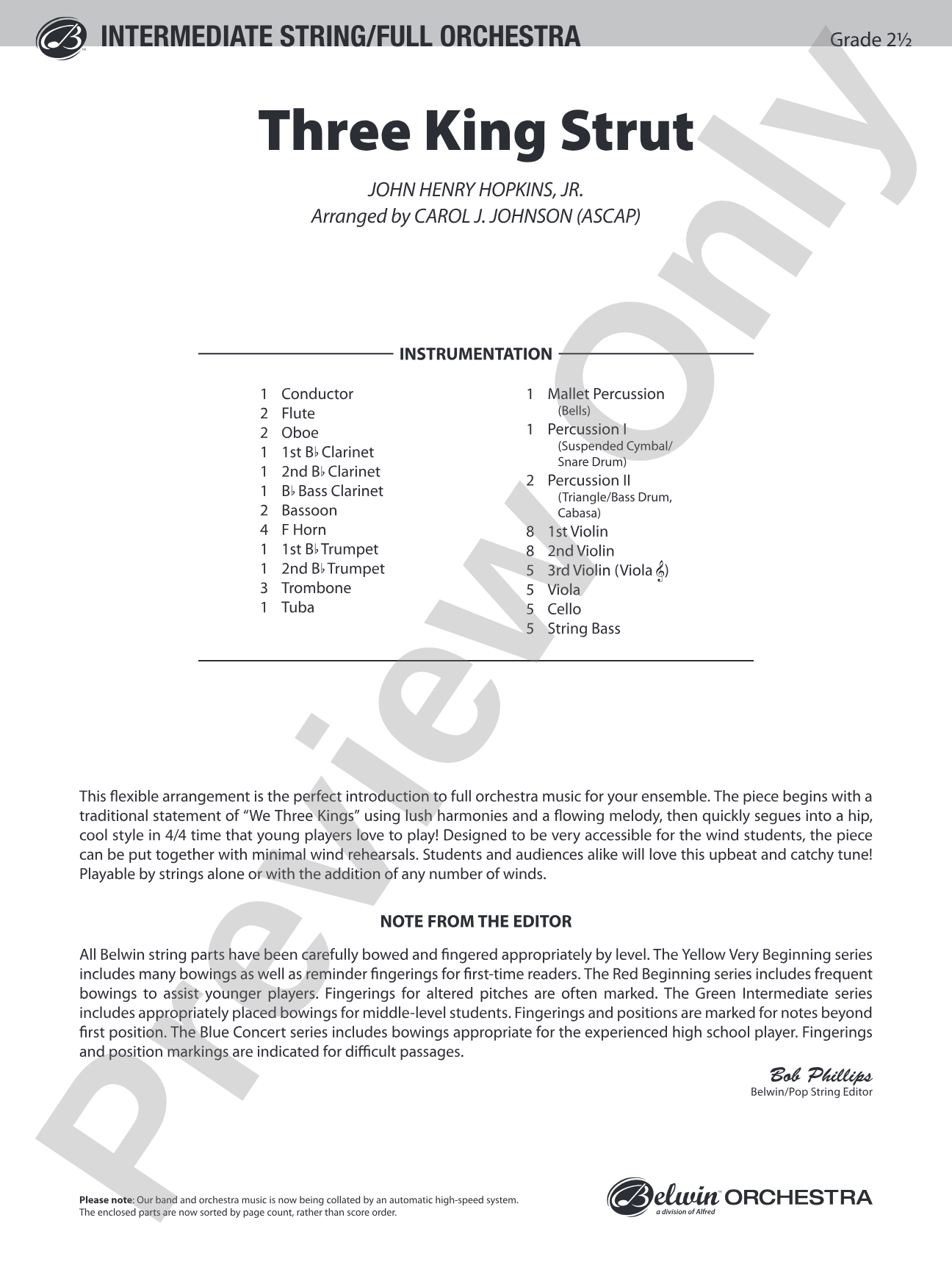
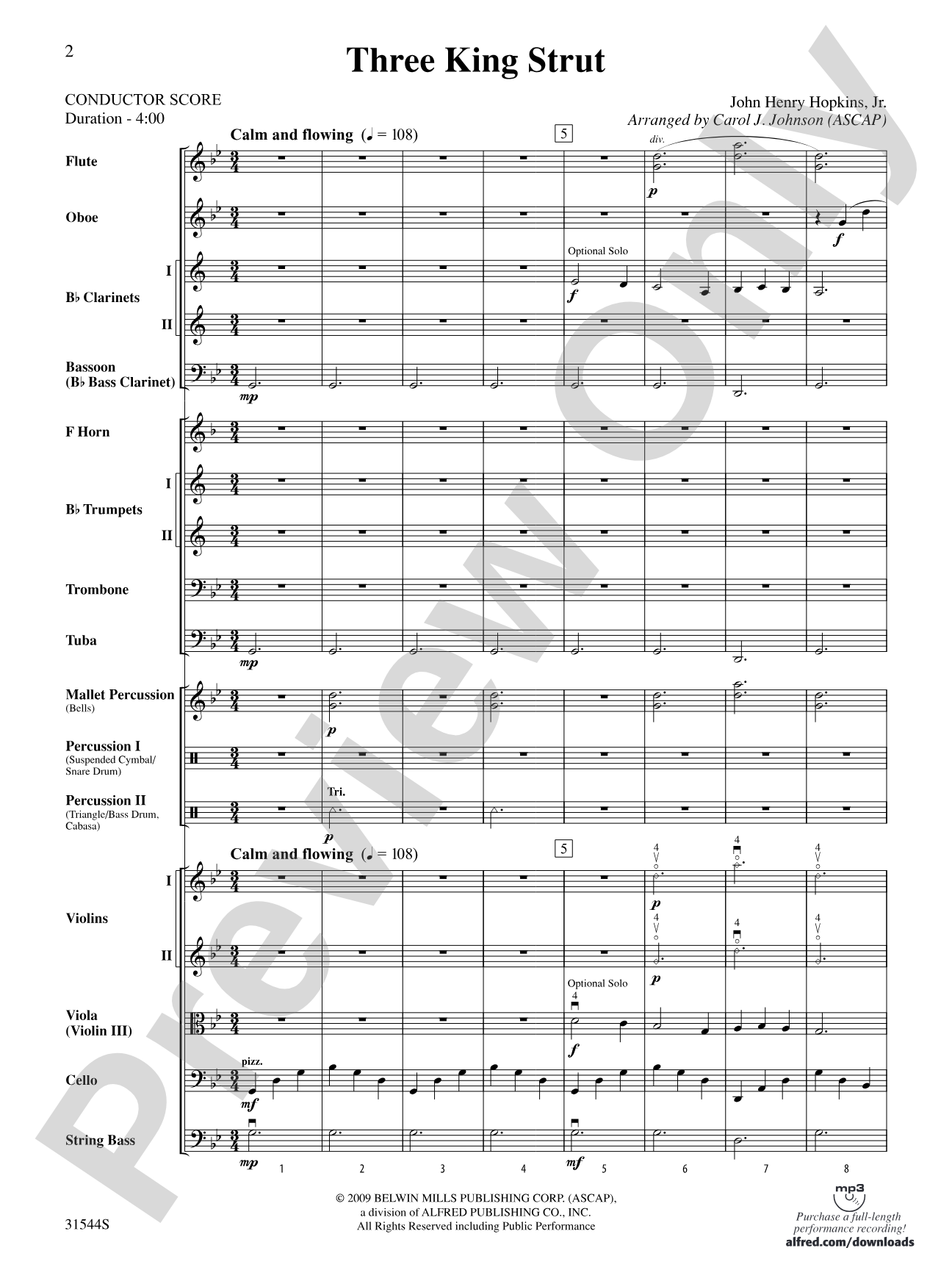
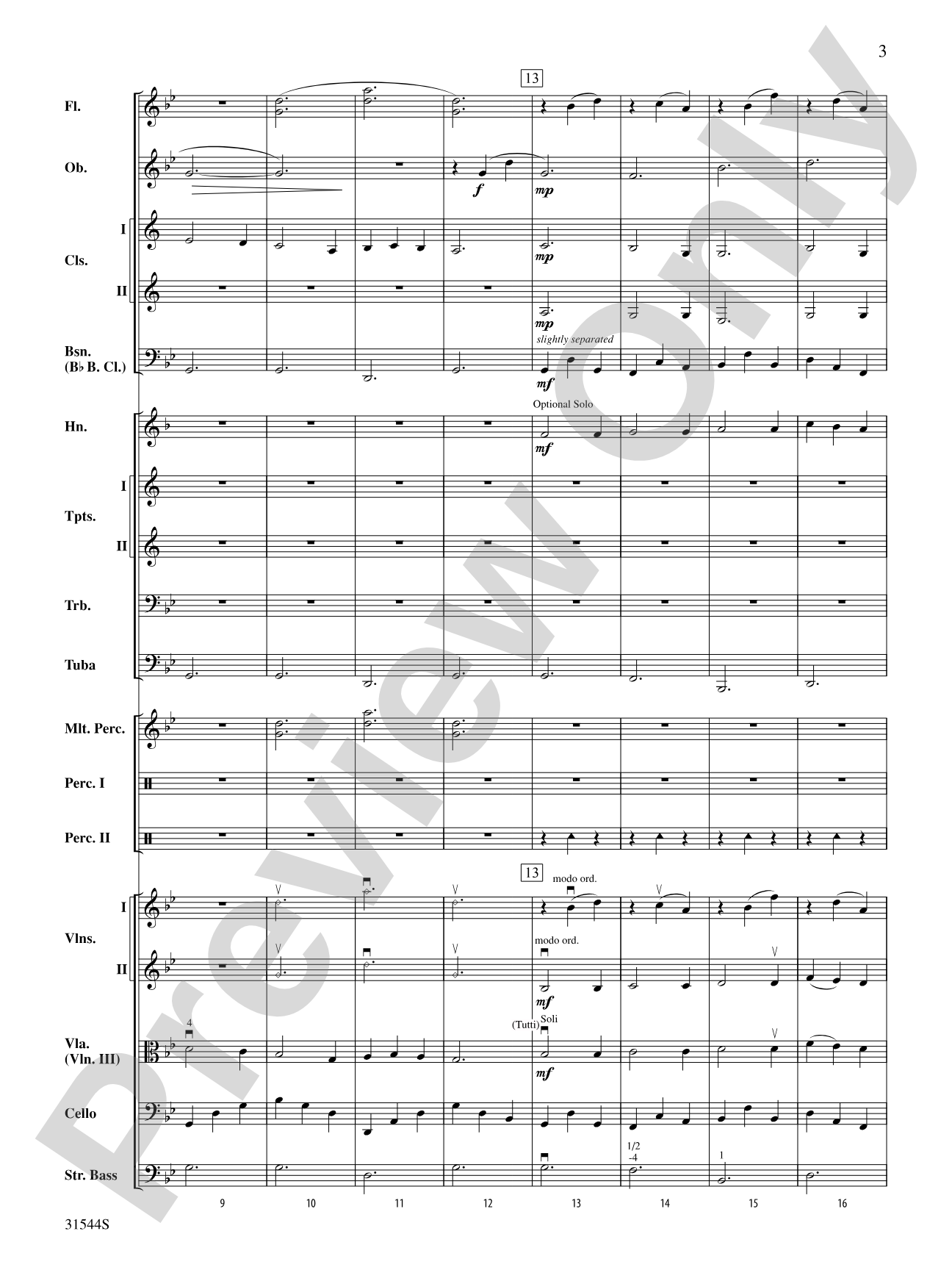
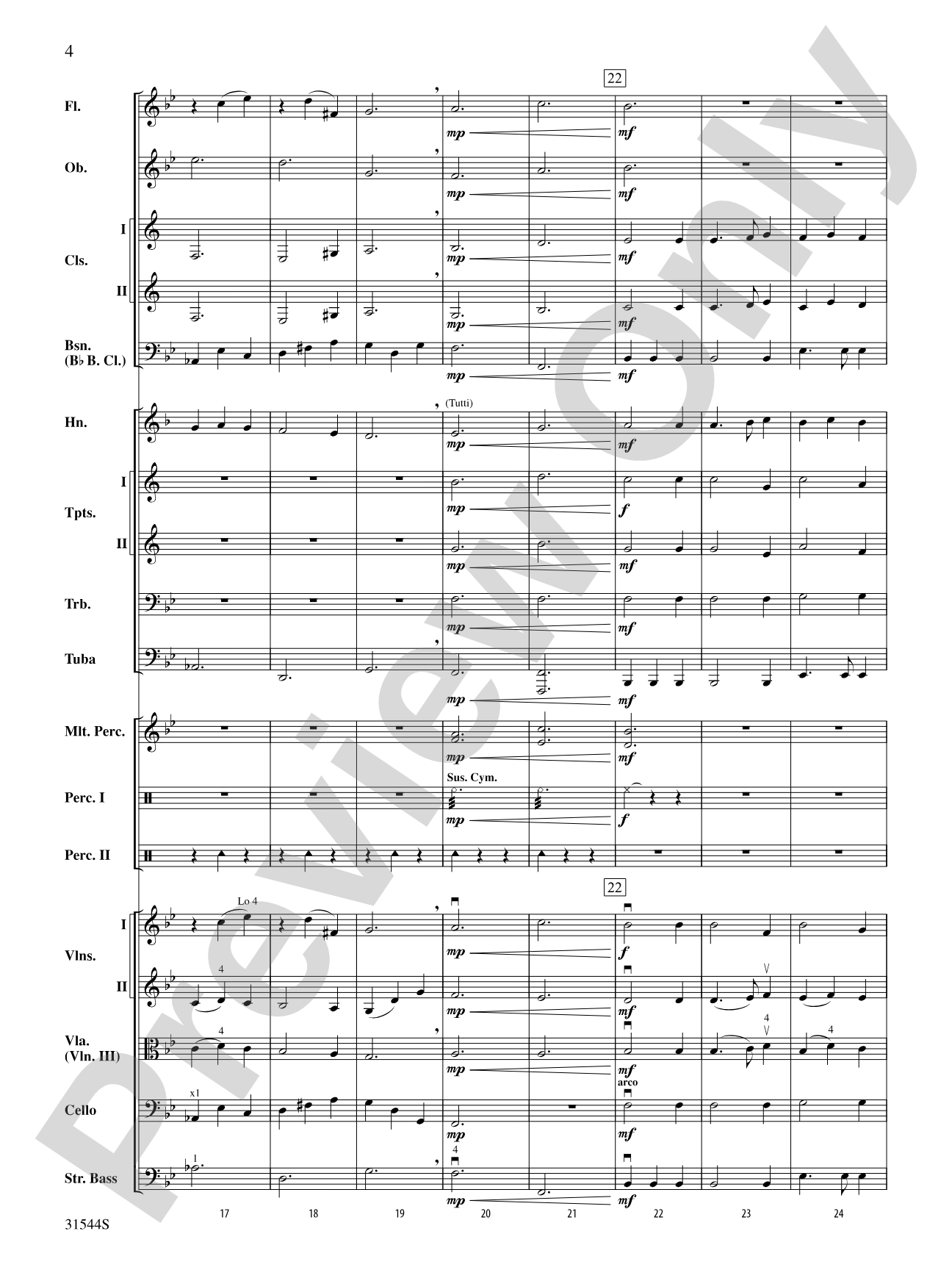
This flexible arrangement is the perfect introduction to full orchestra music for your ensemble. The piece begins with a traditional statement of "We Three Kings" using lush harmonies and a flowing melody, then quickly segues into a hip, cool style in 4/4 time that young players love to play! Designed to be very accessible for the wind students, the piece can be put together with minimal wind rehearsals. Students and audiences alike will love this upbeat and catchy tune! Playable by strings alone or with the addition of any number of winds.


Don't just read it, hear it, play along with it, and watch your students grow with it. In MakeMusic Cloud, Three King Strut: Full Orchestra Conductor Score & Parts comes alive with professional accompaniment, adjustable tempo, and built-in practice tools that turn solo practice into real progress.
Open in the Player
Jump straight in and assign it today.
Start Your Free Trial
Open this title and explore the full library in minutes.
Sample Audio
1
Audio File
--:--
0:00
0:00
Sample Video
No sample videos found.
Additional Details
Series:
Belwin Intermediate String/Full Orchestra
Publisher:
Alfred Music
Page Count:
166
SKU:
00-PK-0001740
More about this title
About the Composer: John Henry Hopkins
John Henry Hopkins (1820-1891) composed "We Three Kings" in 1857, creating one of the most enduring and recognizable Christmas melodies in the English-speaking world. Hopkins was an American clergyman and musician whose gift for memorable melody and singable harmony made his carol a staple of holiday worship and secular celebration alike.
Why we love this
Carol J. Johnson's arrangement captures the carol's reverent opening while pivoting into a groovy, contemporary style that actually excites young orchestral players. The flexibility to perform with strings alone or layered with winds makes this genuinely practical for ensembles at different stages of instrumentation, and the minimal wind rehearsal requirement means your full orchestra can pull this together without spending weeks on sectional work.
What to expect
The opening unfolds as a serene, warm carol with rich harmonic color; familiar and comforting. Then the groove shifts into something contemporary and lively, with an infectious rhythm that makes ensemble members sit up straighter and grin at the contrast.
Who it's for
This arrangement welcomes full orchestra ensembles at the Grade 2-2.5 level who may still be building confidence with winds, or strings-heavy programs looking for a winter showstopper. Directors working with mixed instrumentation will appreciate that they can perform successfully at any stage of wind development.
How to get the most out of it
- Balance the lush opening harmonies so the melody sings through clearly; strings should support rather than bury the tune during the traditional statement.
- Lock the rhythm section (cellos, basses, and timpani if included) into a tight groove during the 4/4 funk section; this pocket will carry the entire ensemble's energy.
- Conduct the style shift deliberately so winds understand they're entering a completely different character, not just playing louder or faster.
- Let the hip section breathe and swagger; avoid pushing the tempo or tightening the feel, which kills the cool factor your students are excited about.
How to use it
Program this during winter concerts alongside more reverent or classical Christmas selections to show range and energy. The accessibility and crowd-pleasing dual style make it ideal for community holiday pops programs or as a bridge piece between more formal repertoire and lighter entertainment.
Skills your students will build
- Balancing melody and harmony within a single phrase
- Shifting between contrasting musical styles and textures
- Coordinating rhythm section into a cohesive groove
- Reading full orchestra scores with flexible instrumentation
- Maintaining musical character during stylistic transitions