
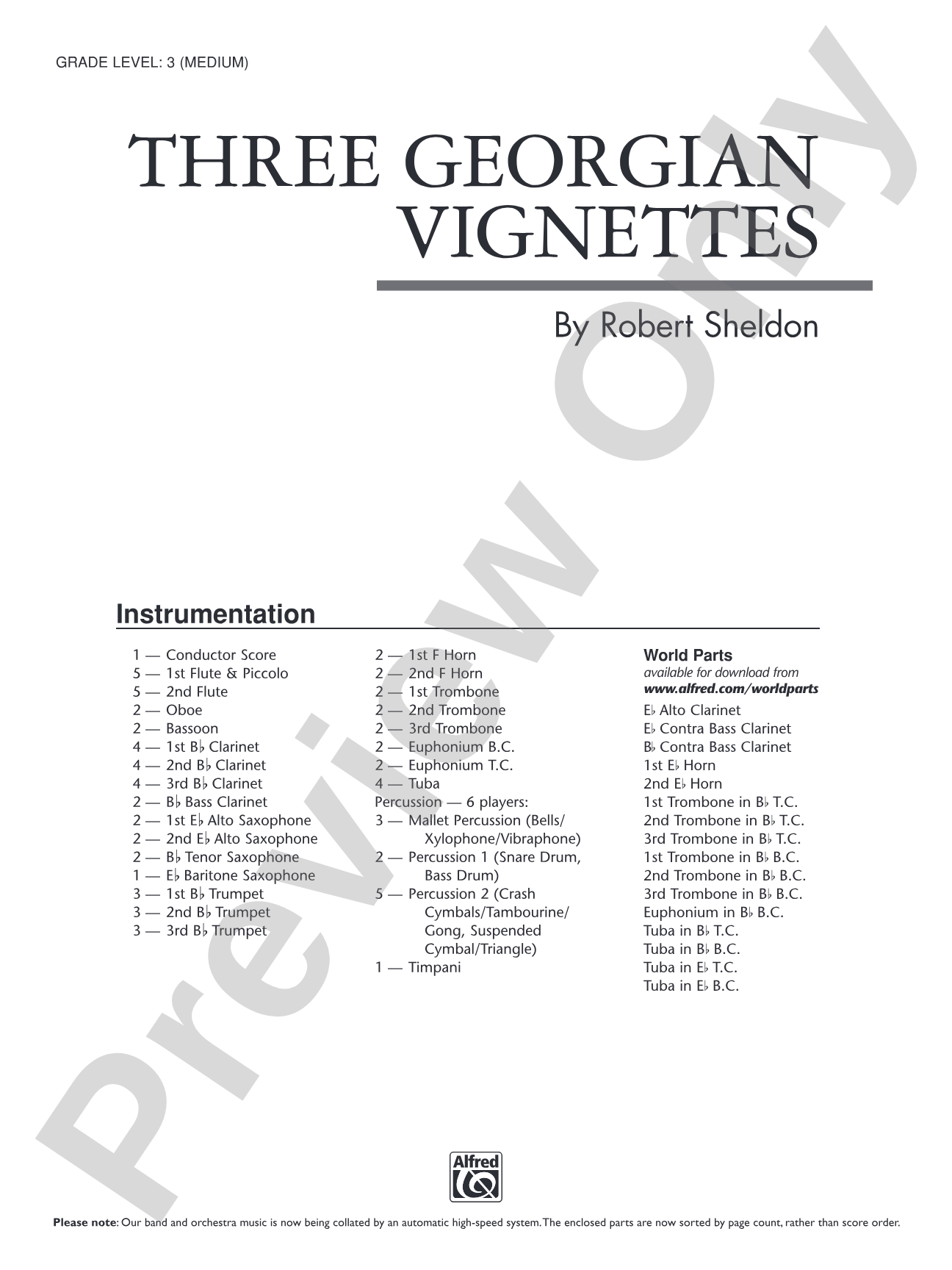
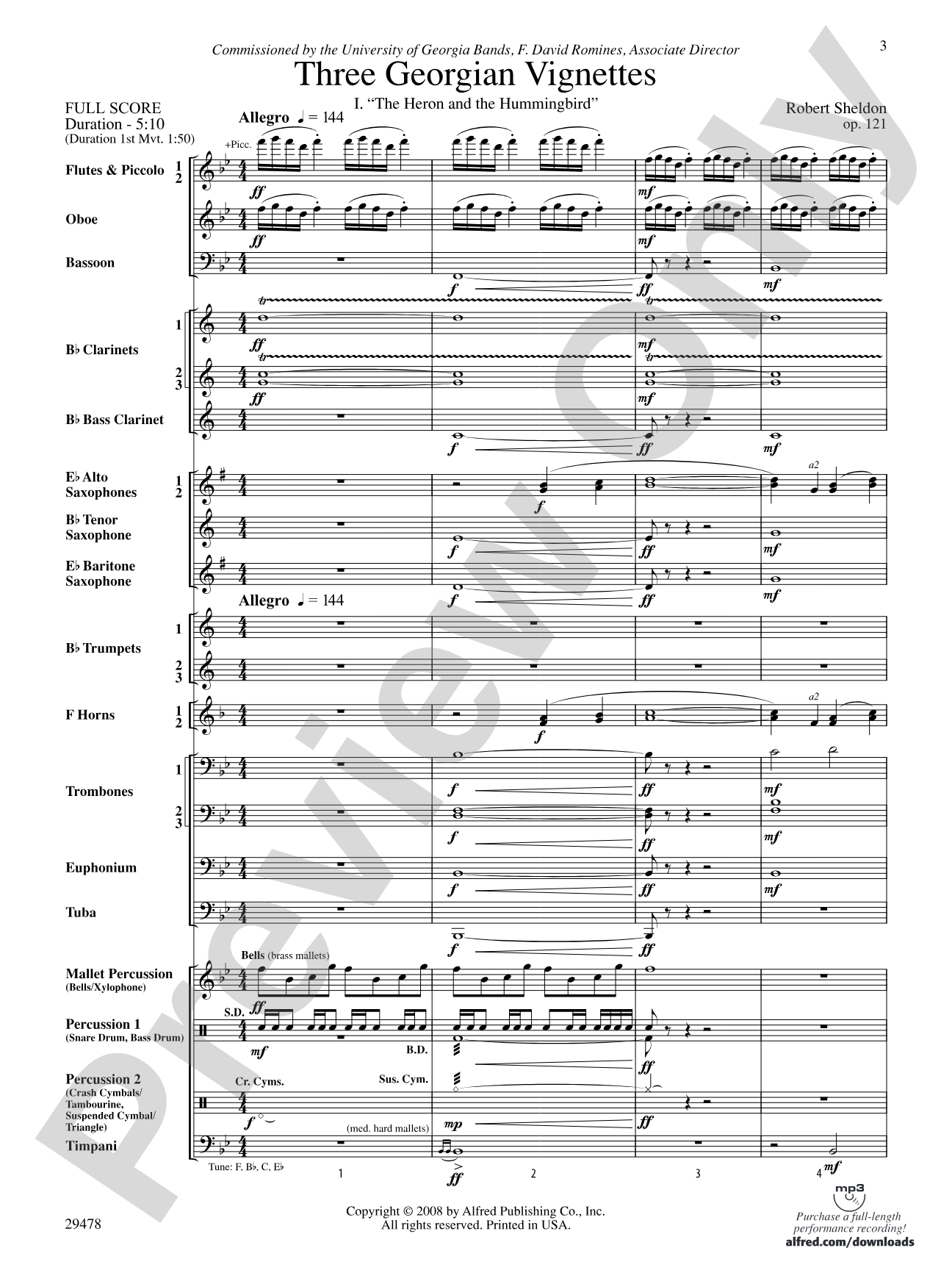
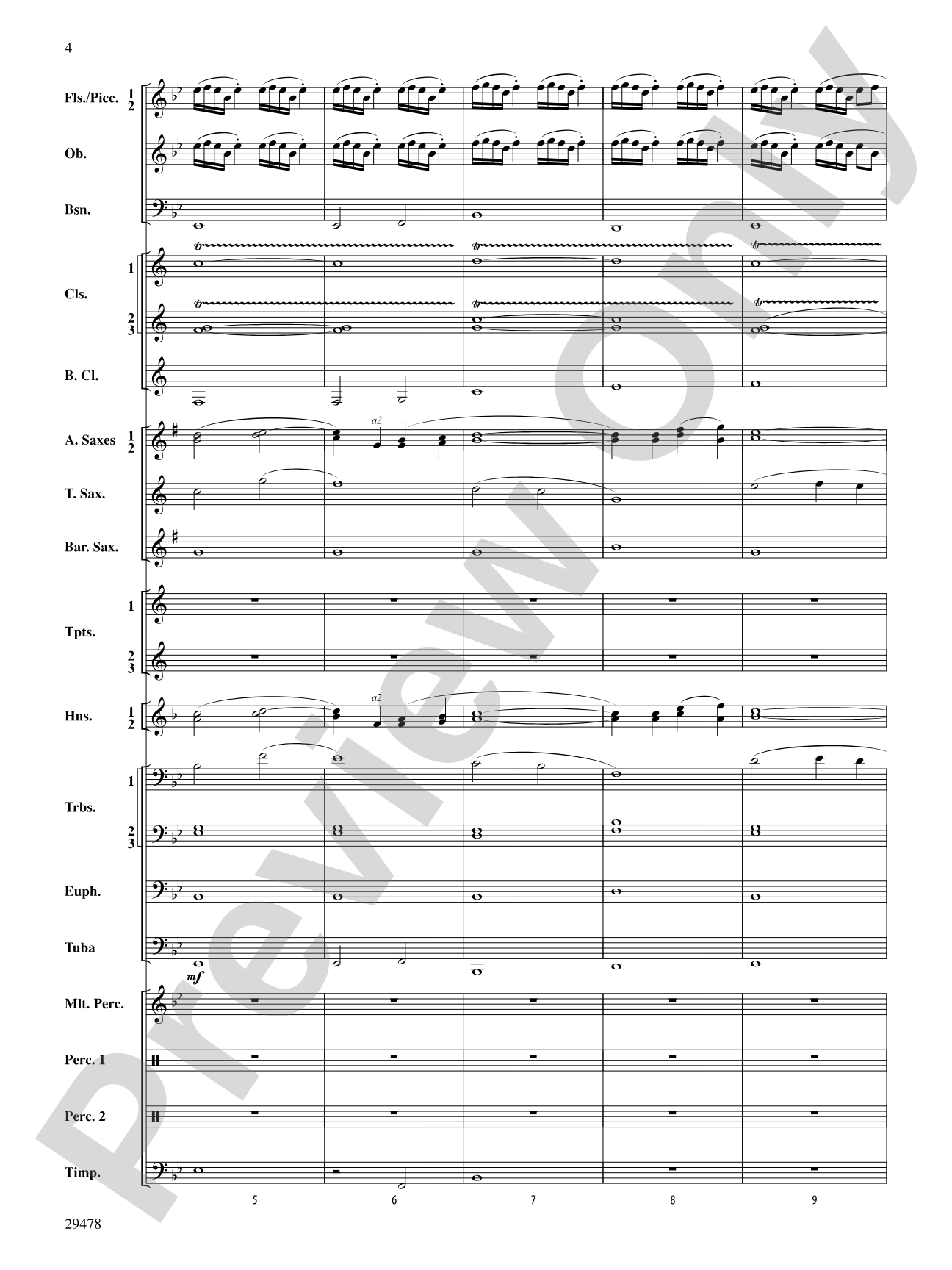
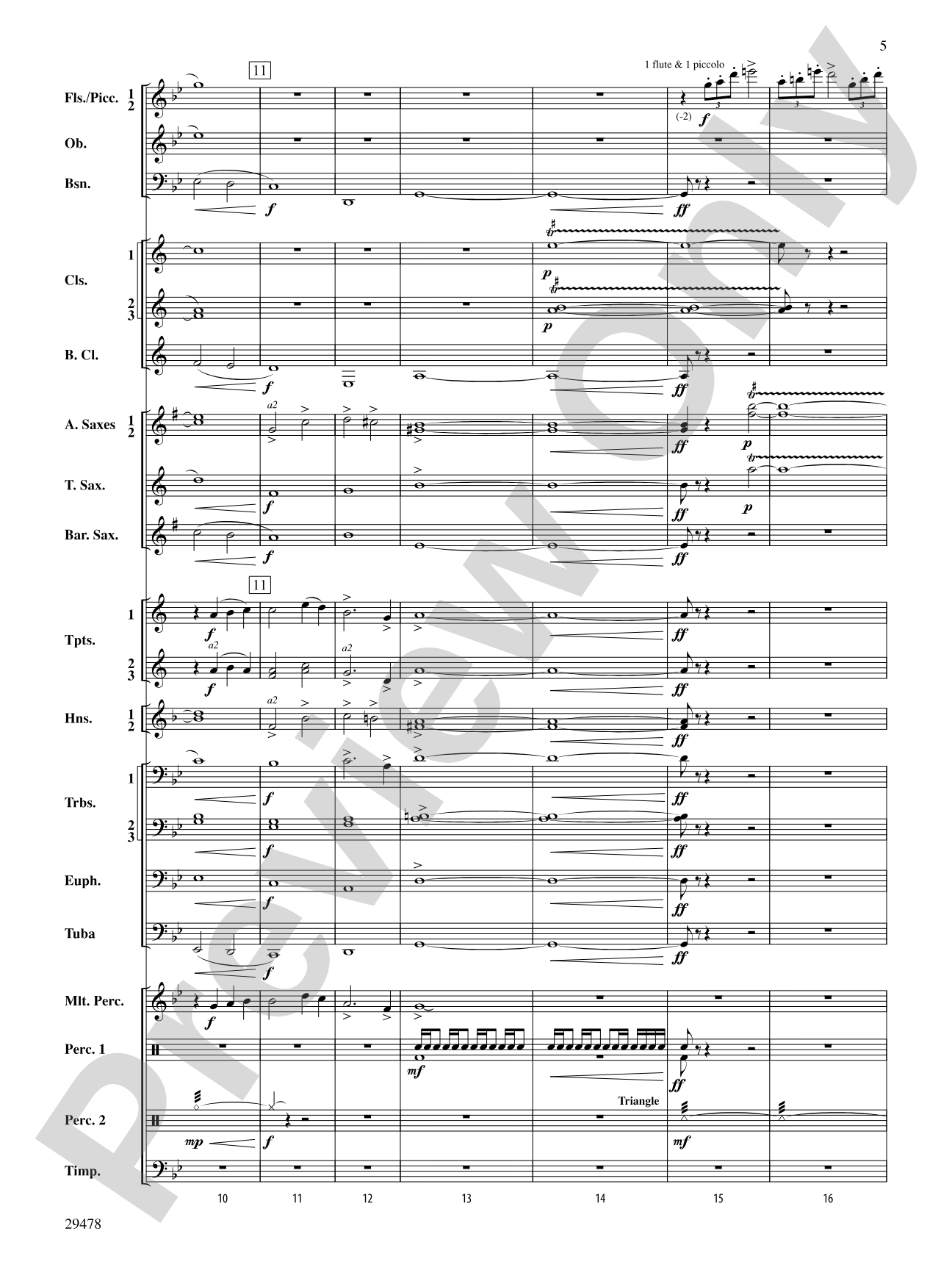
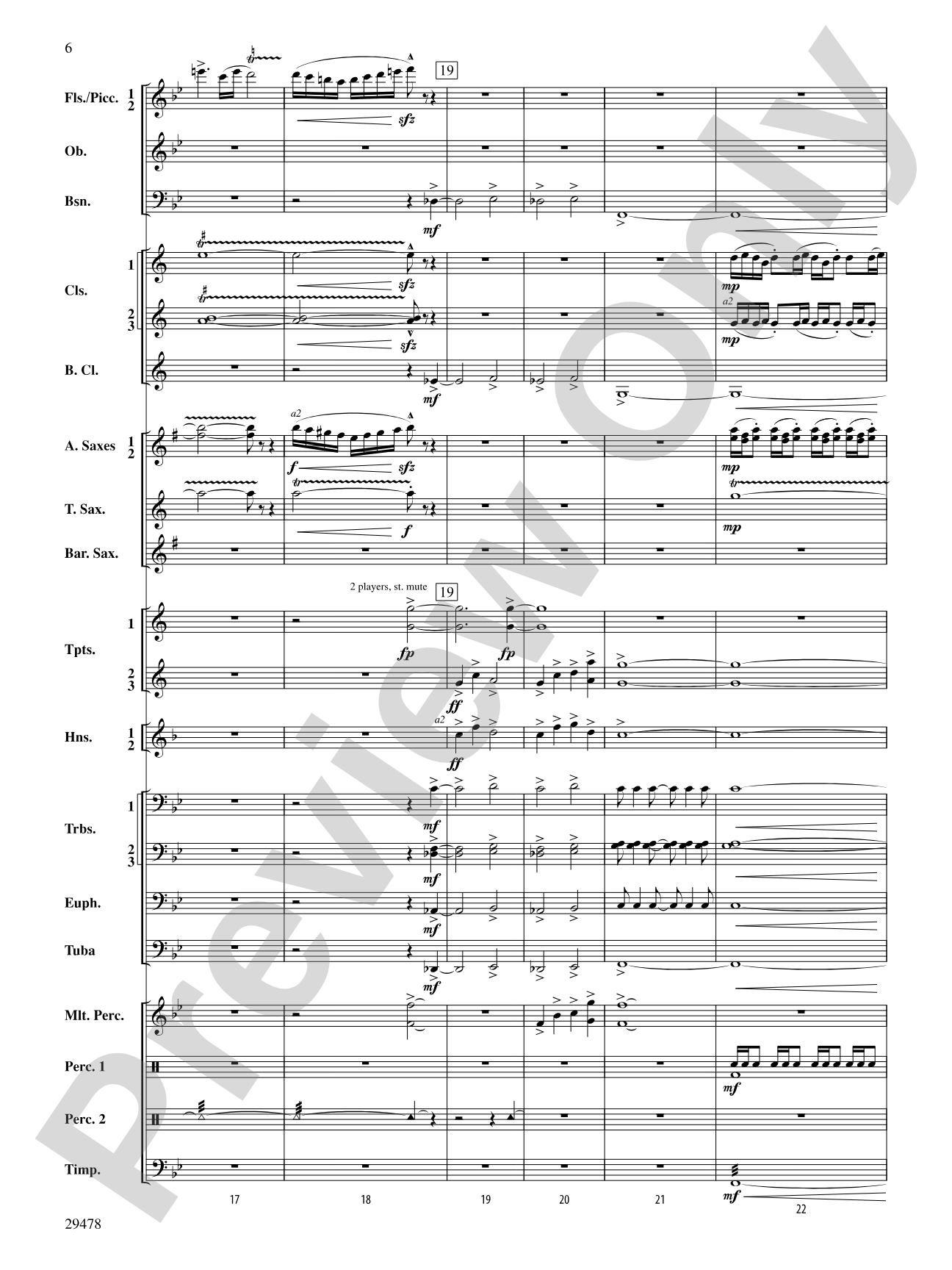
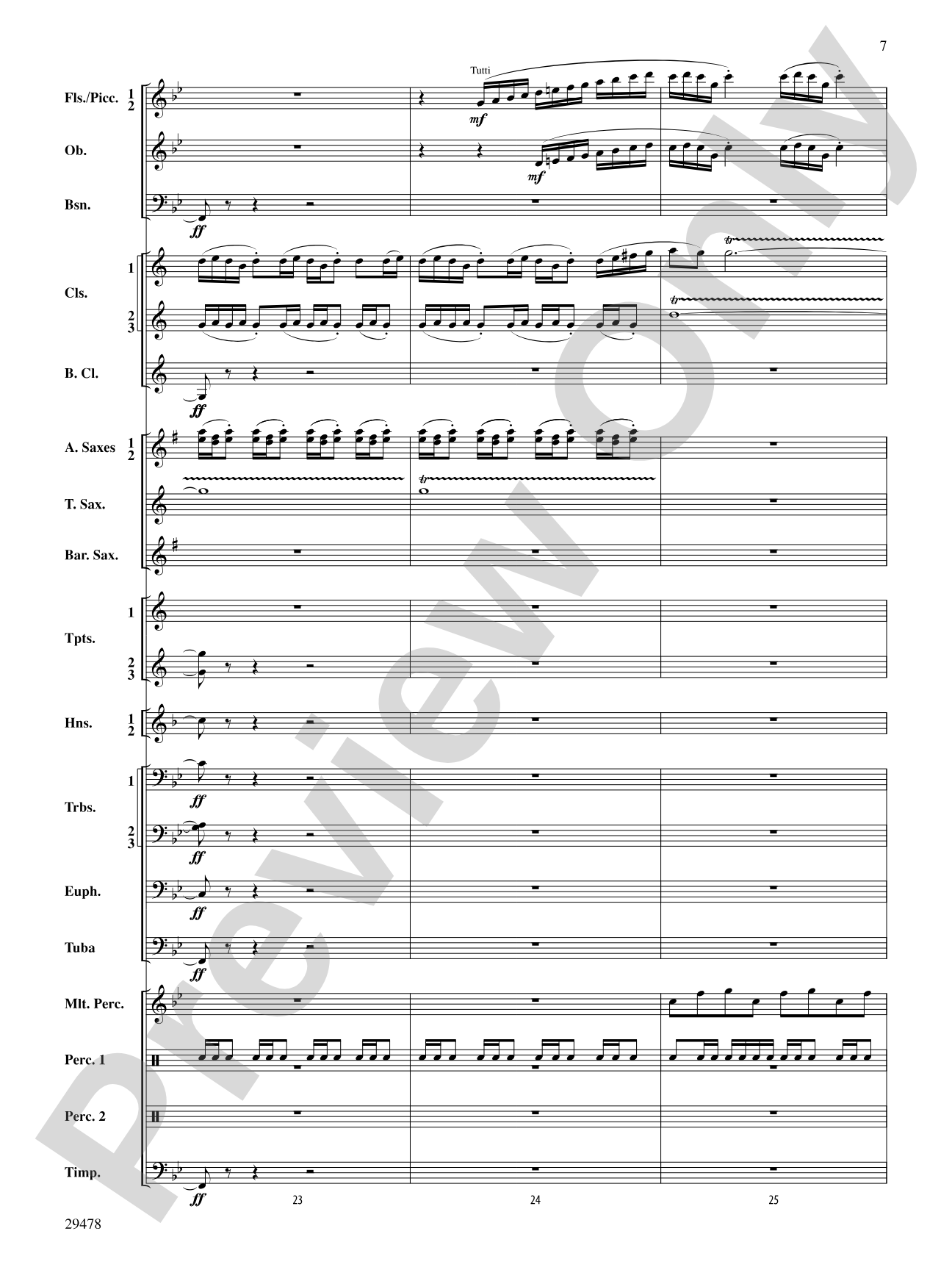
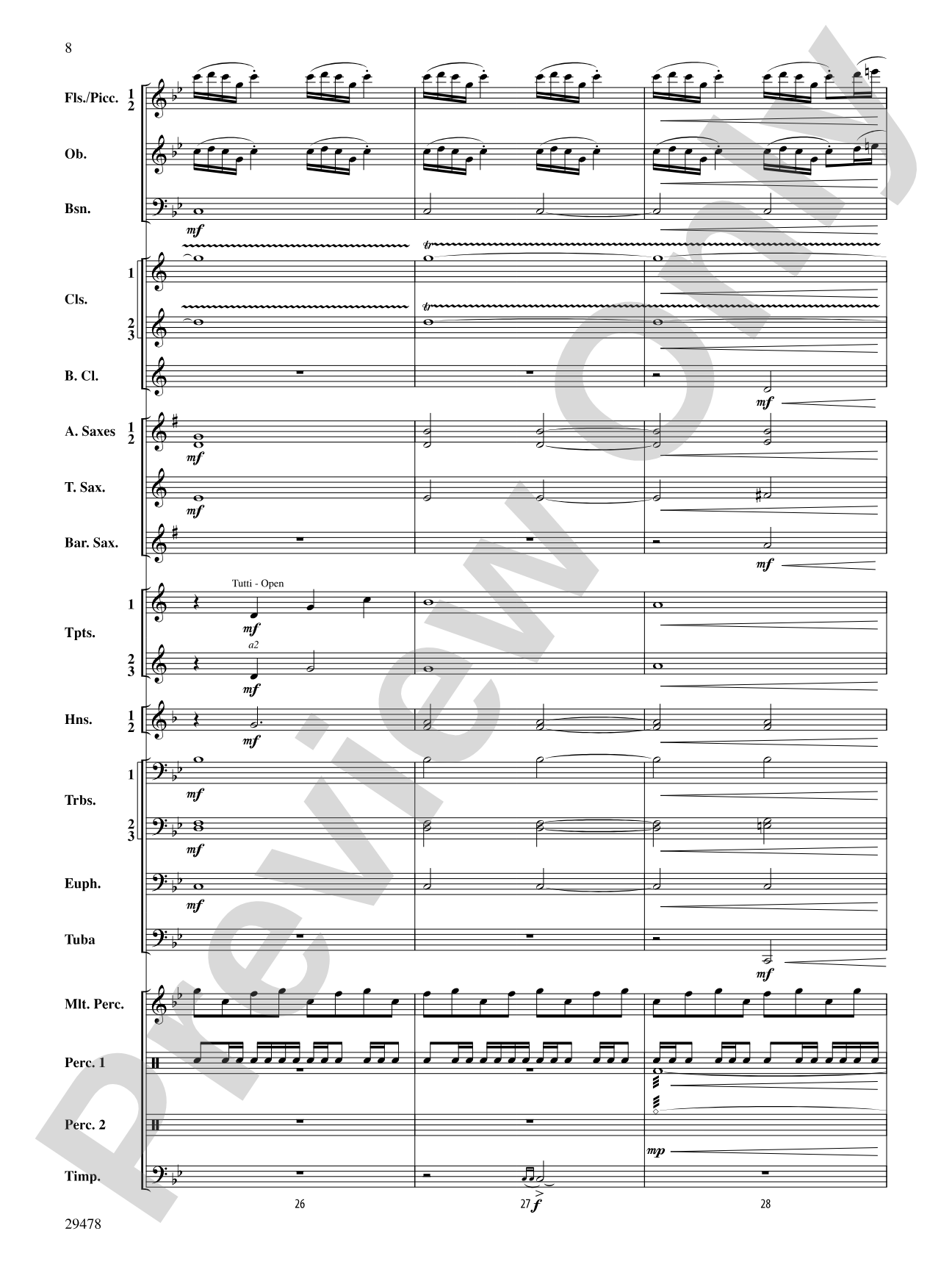
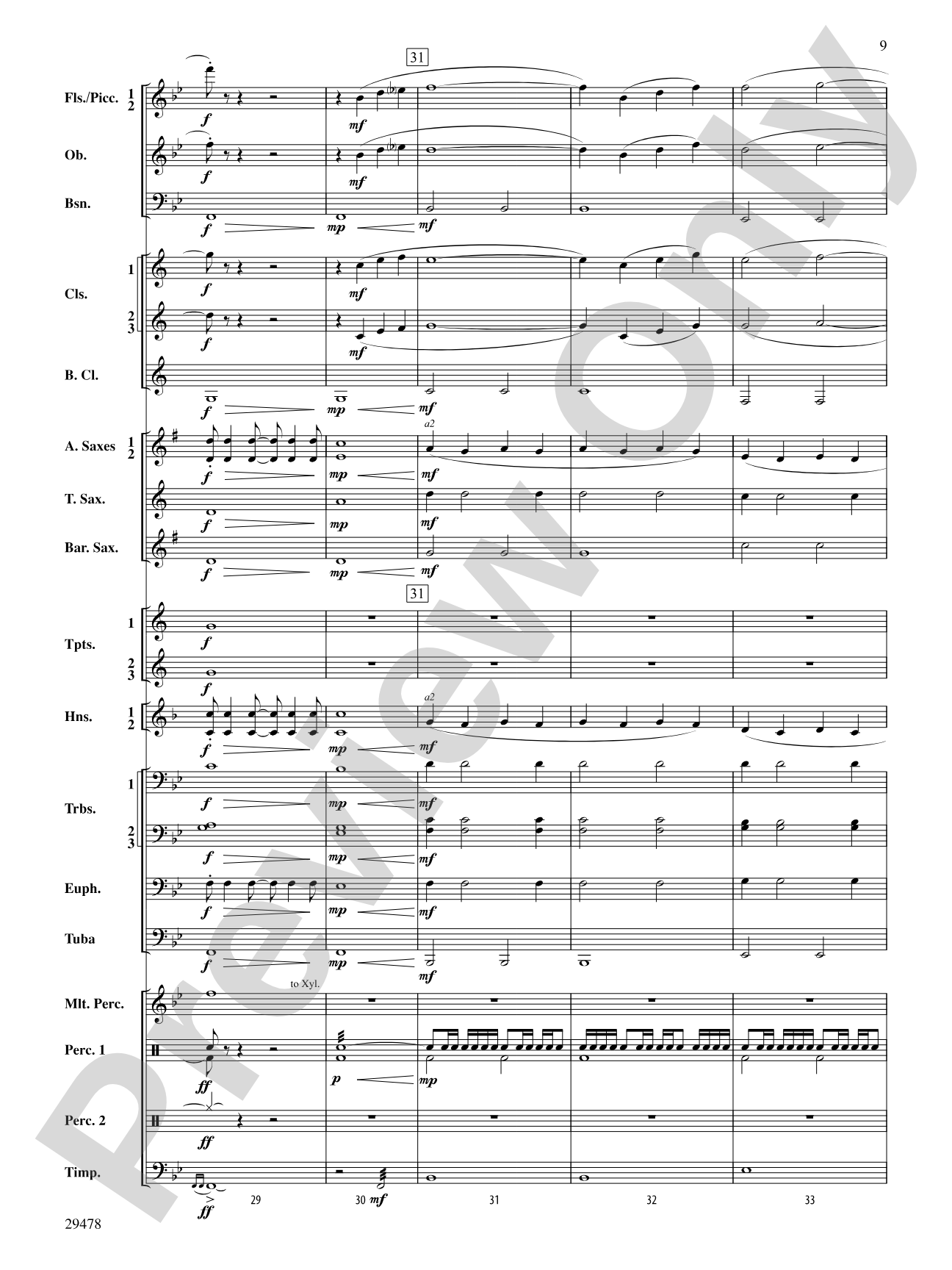
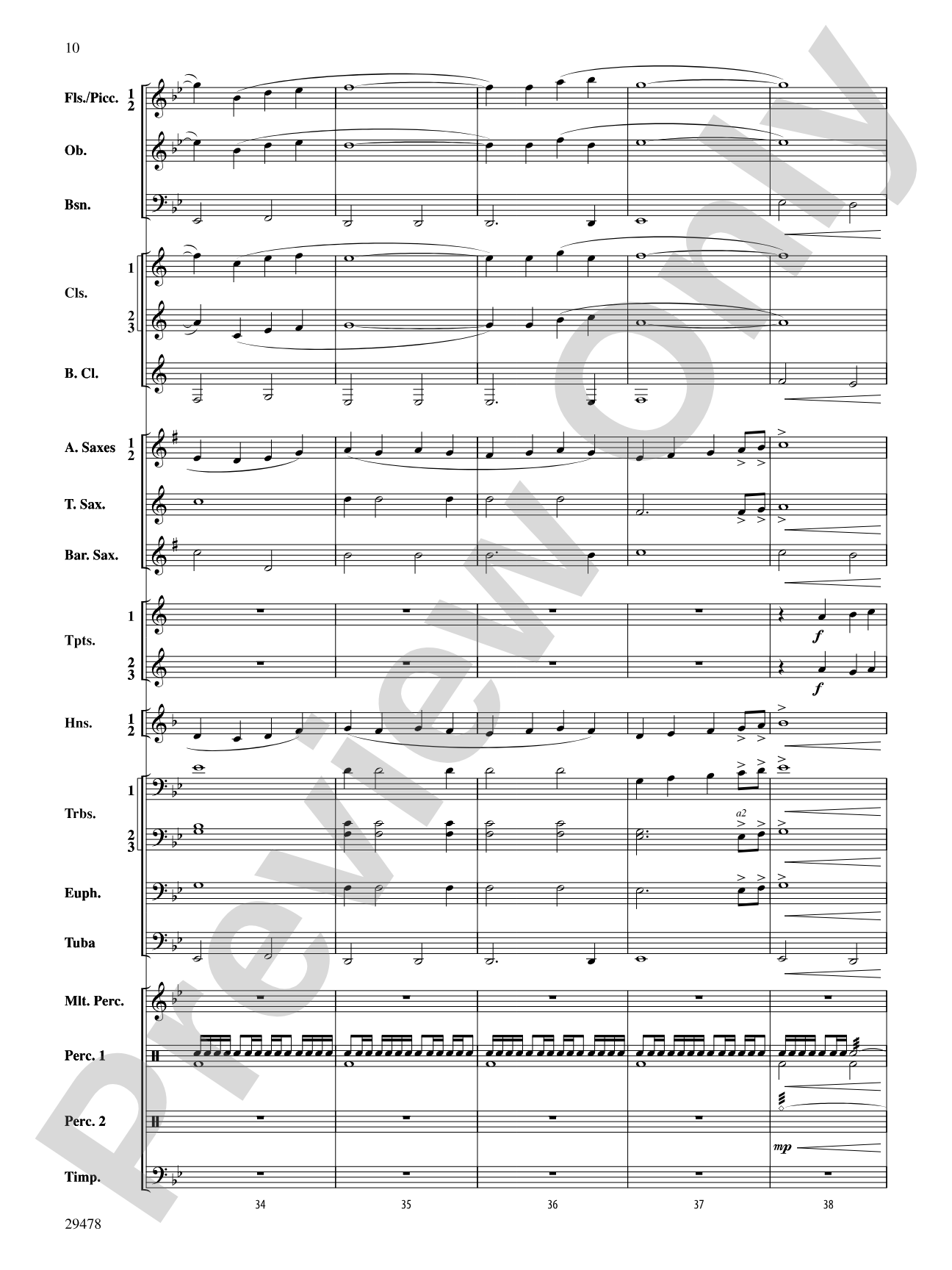
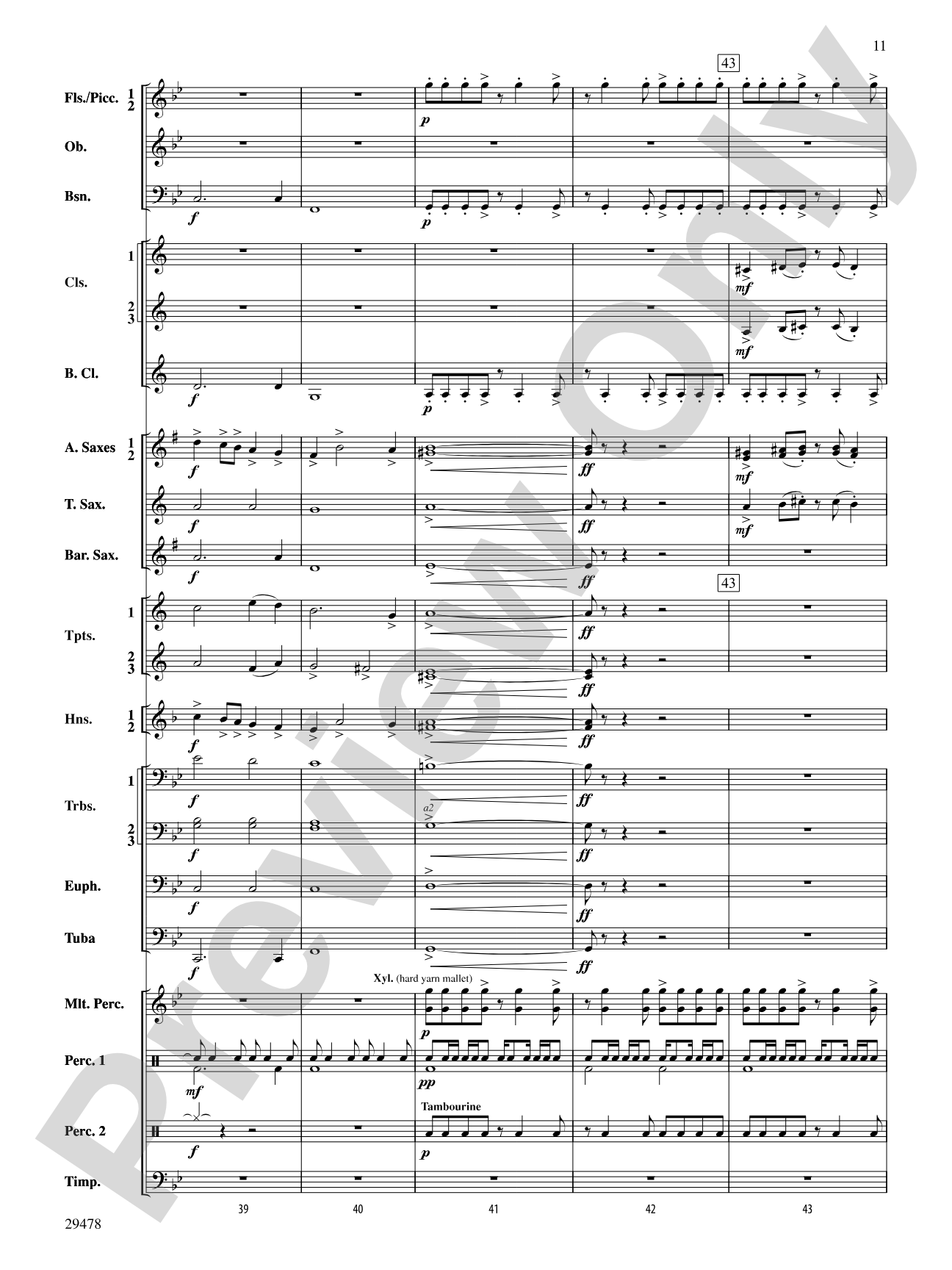
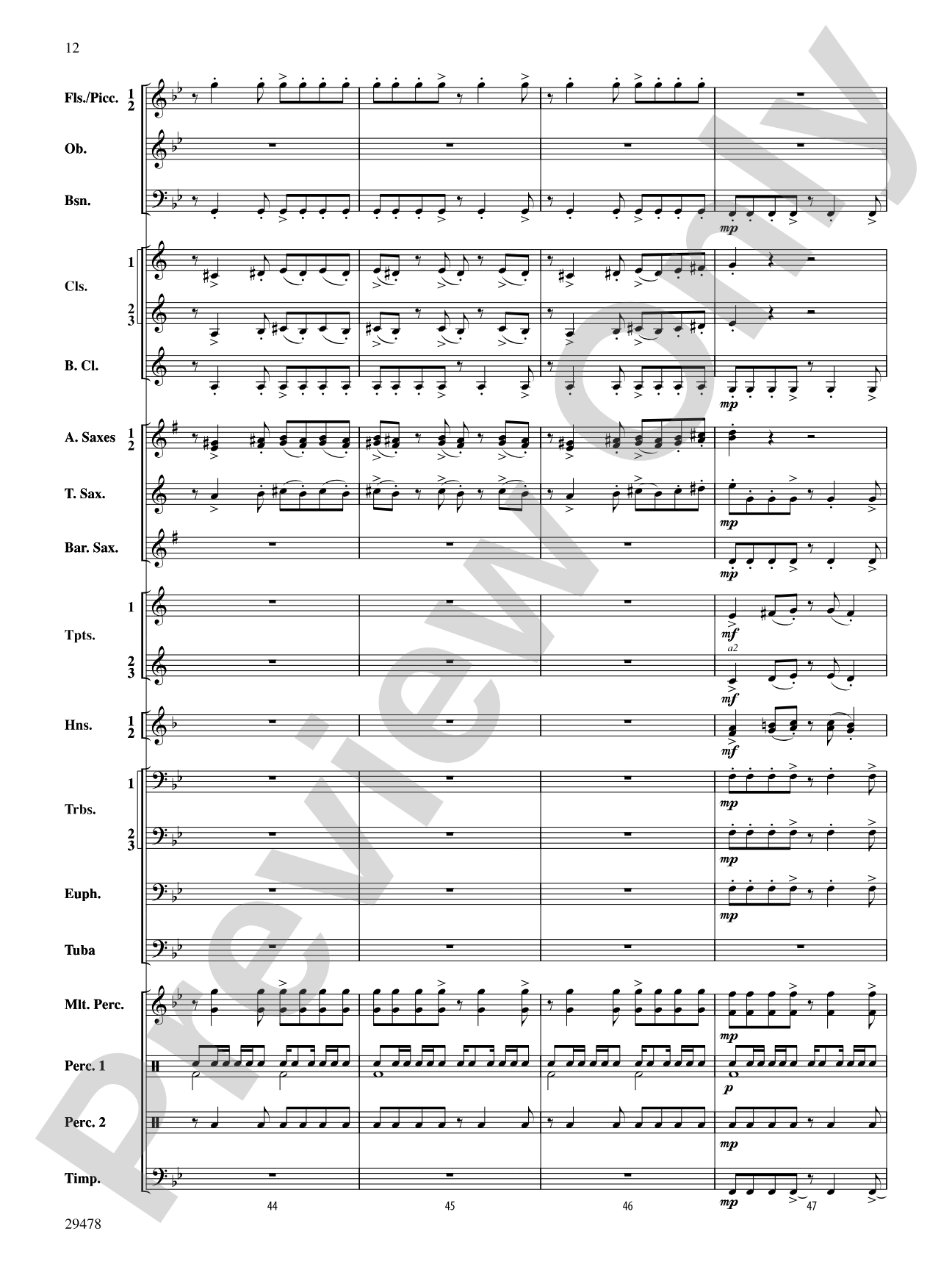
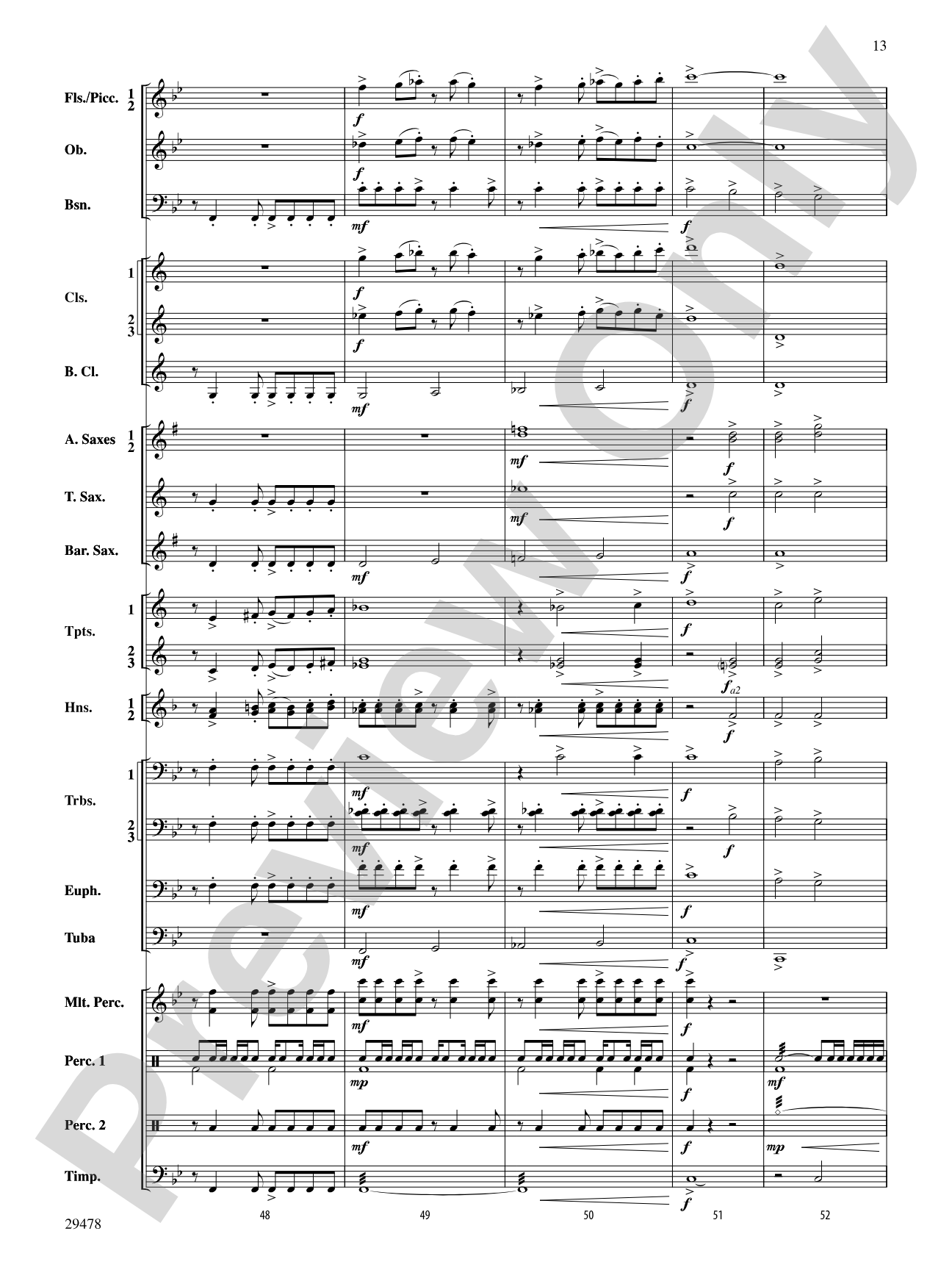
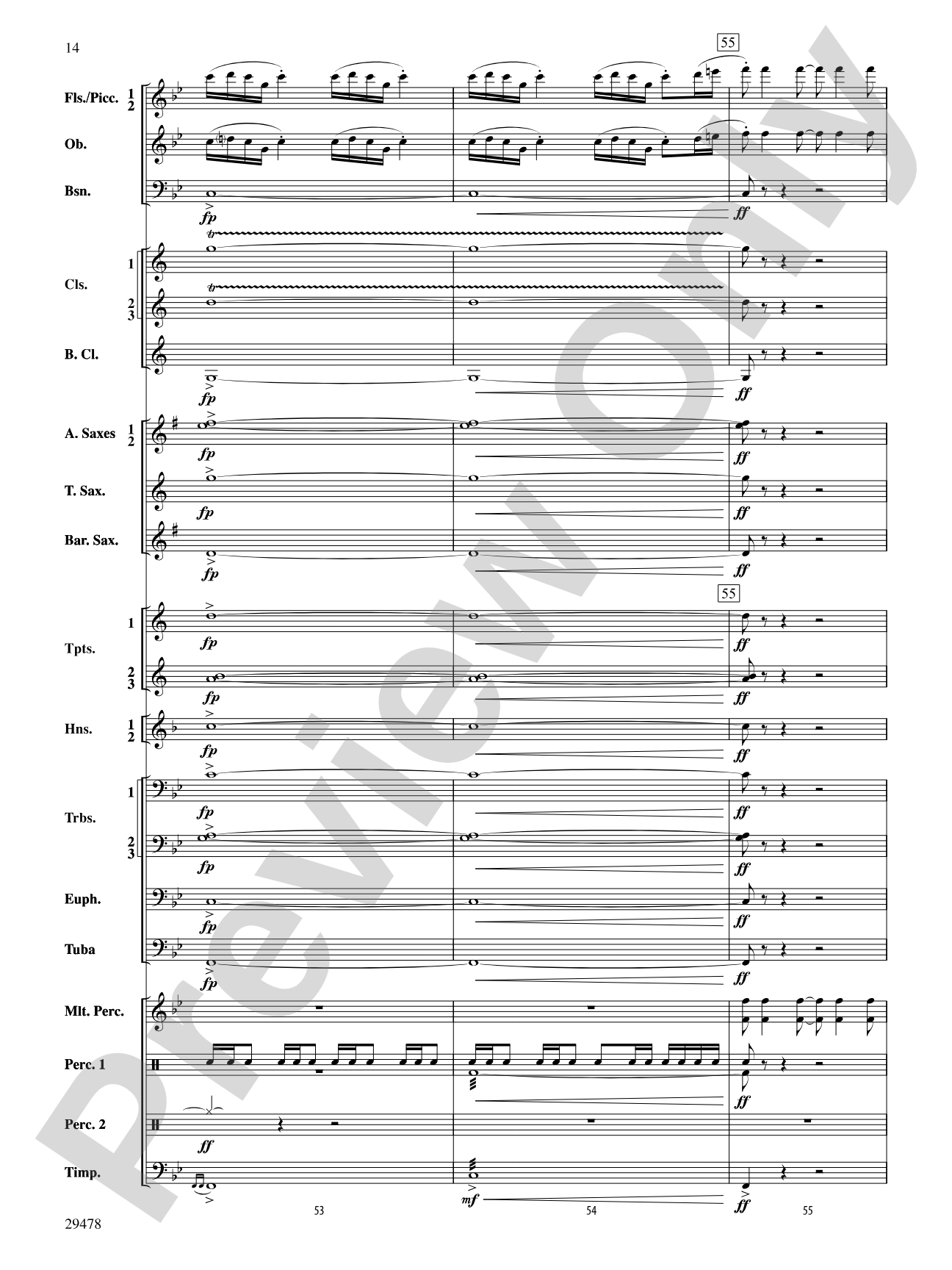
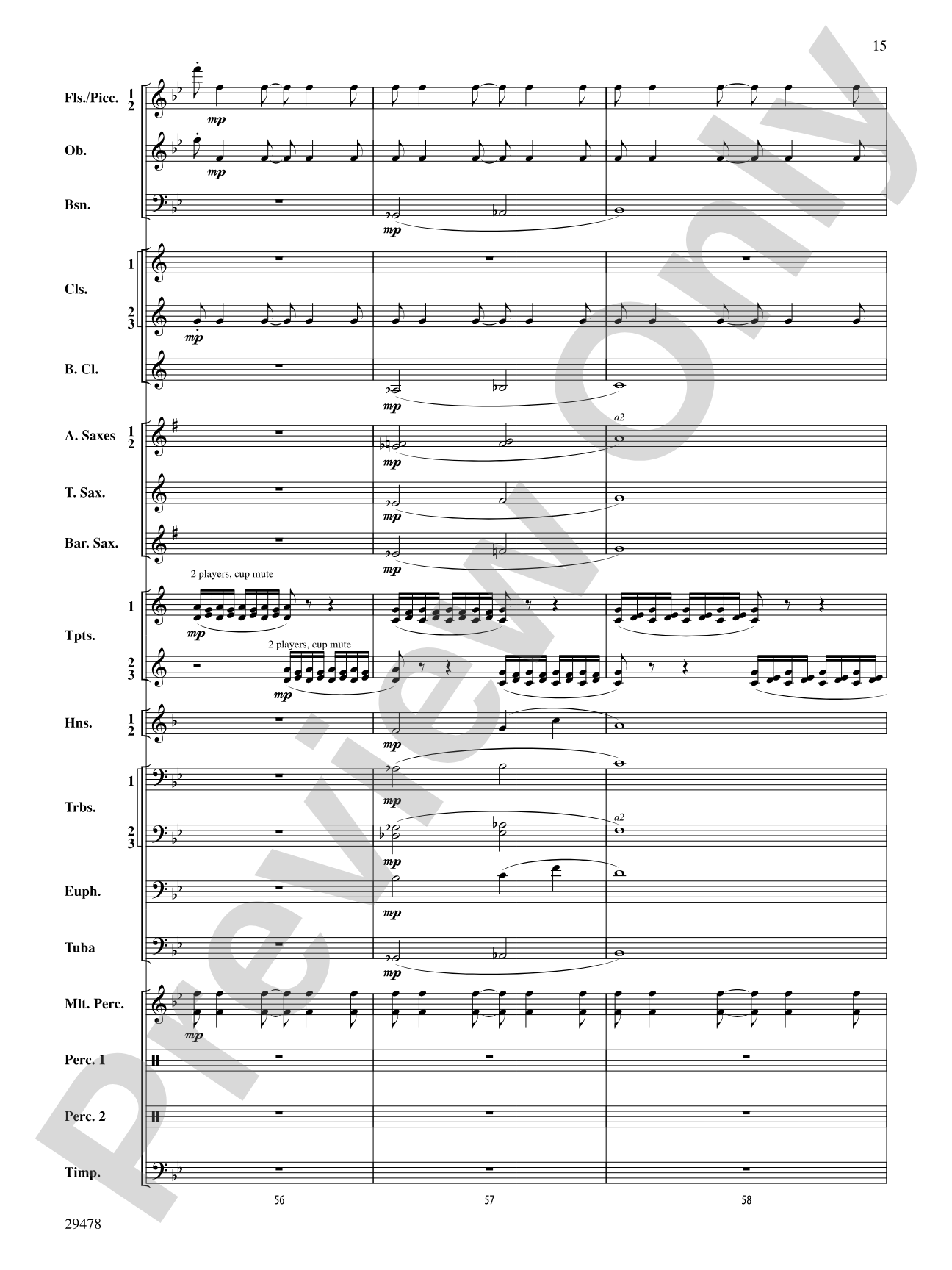
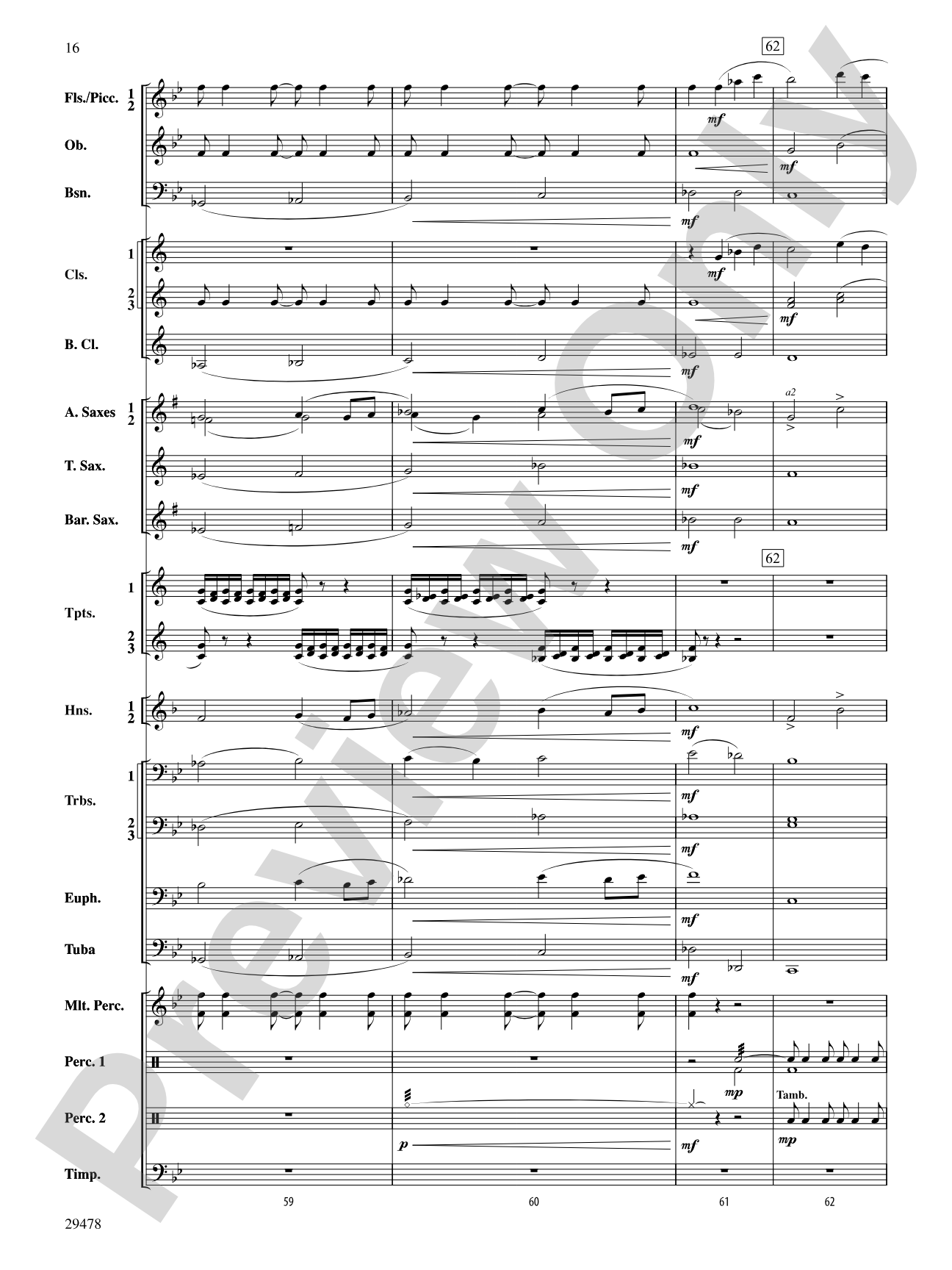
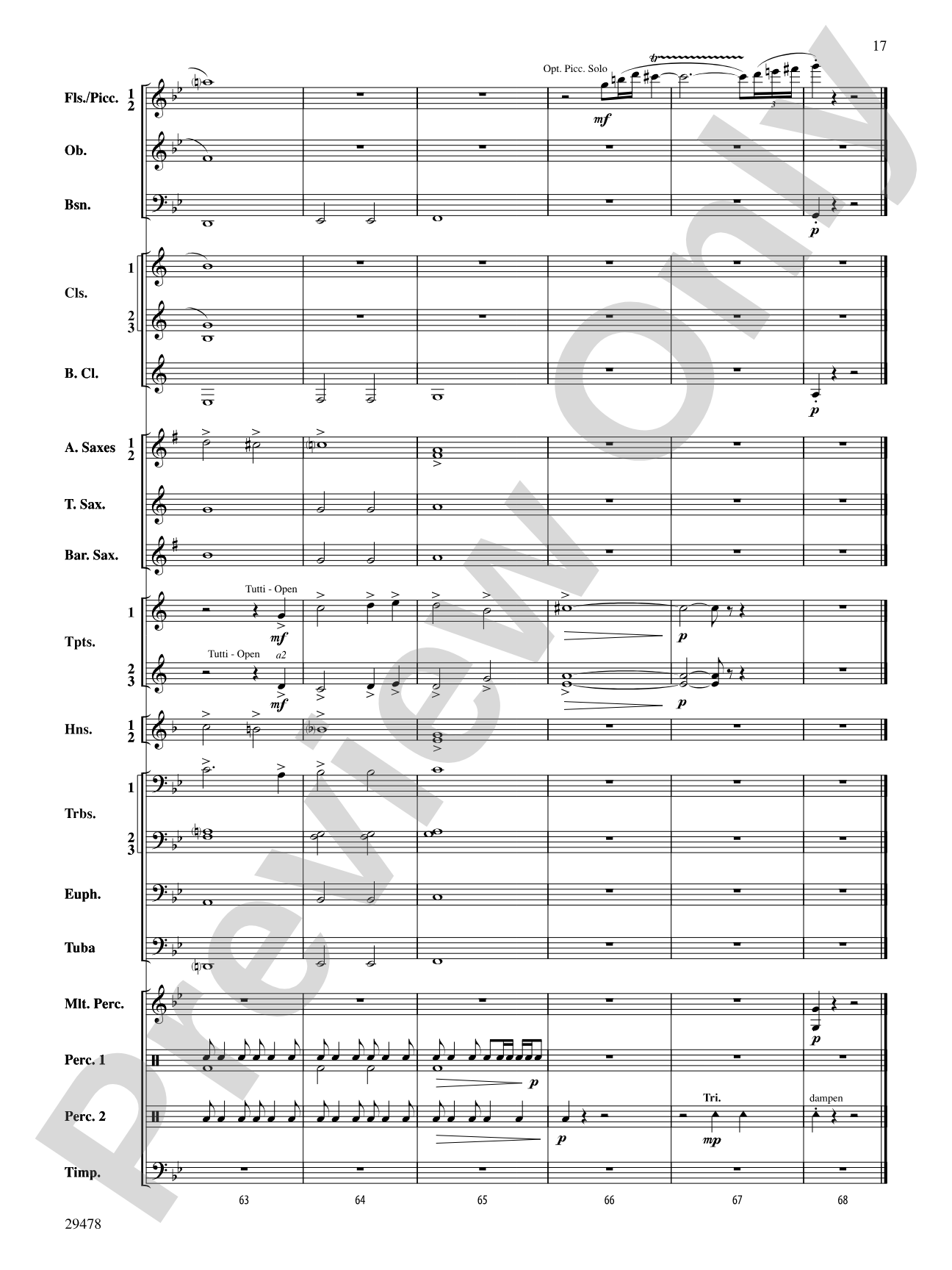
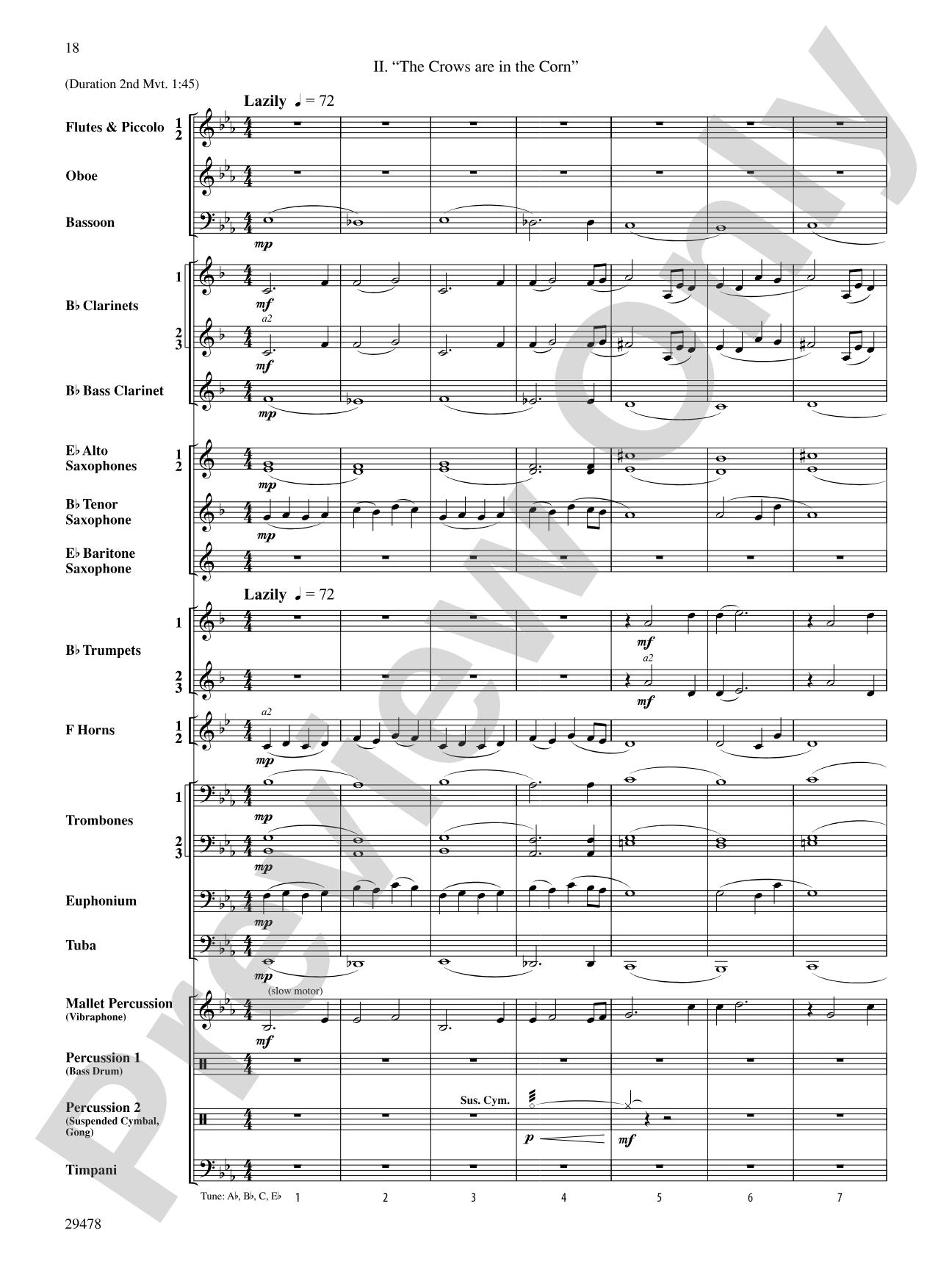
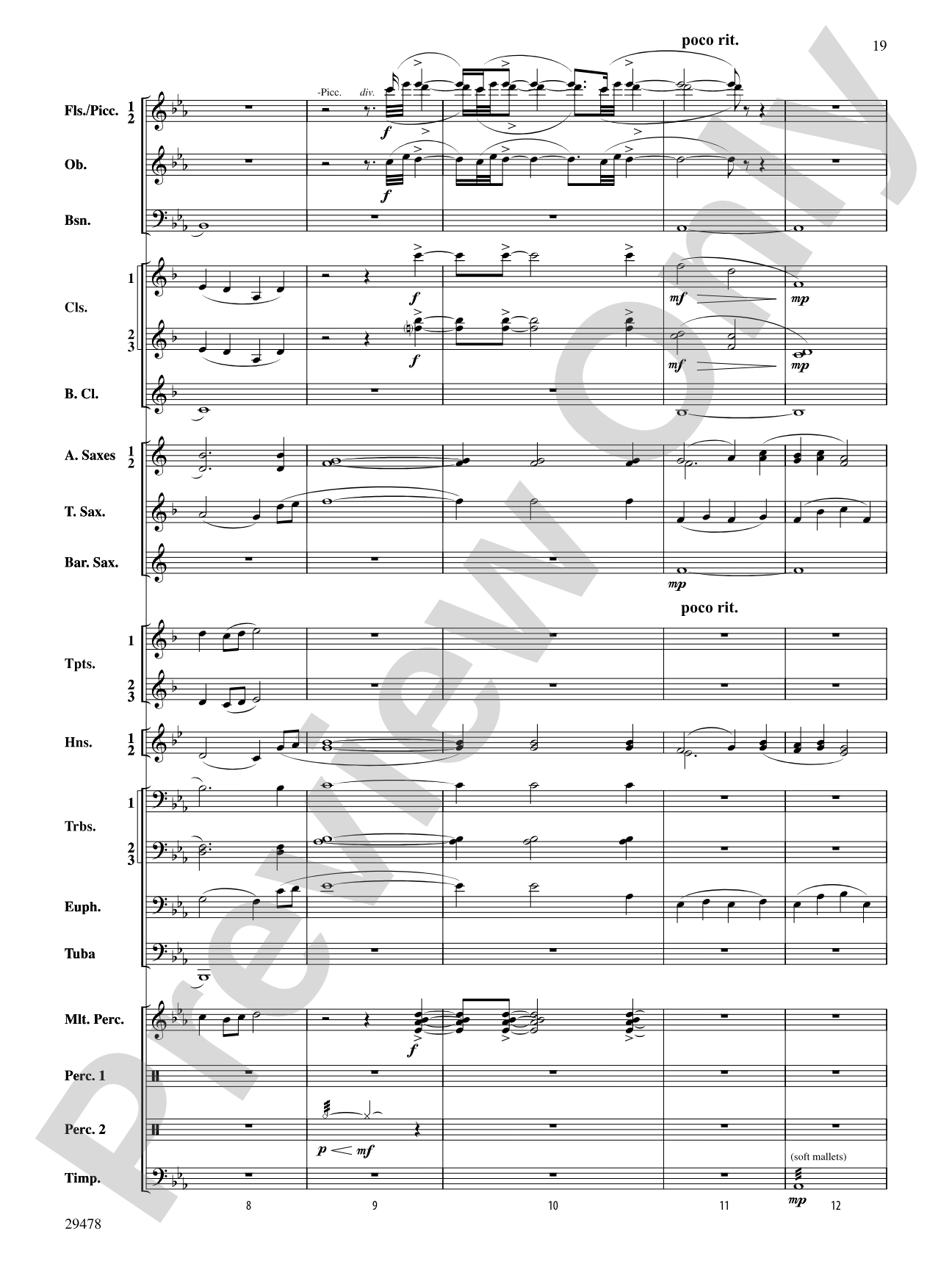
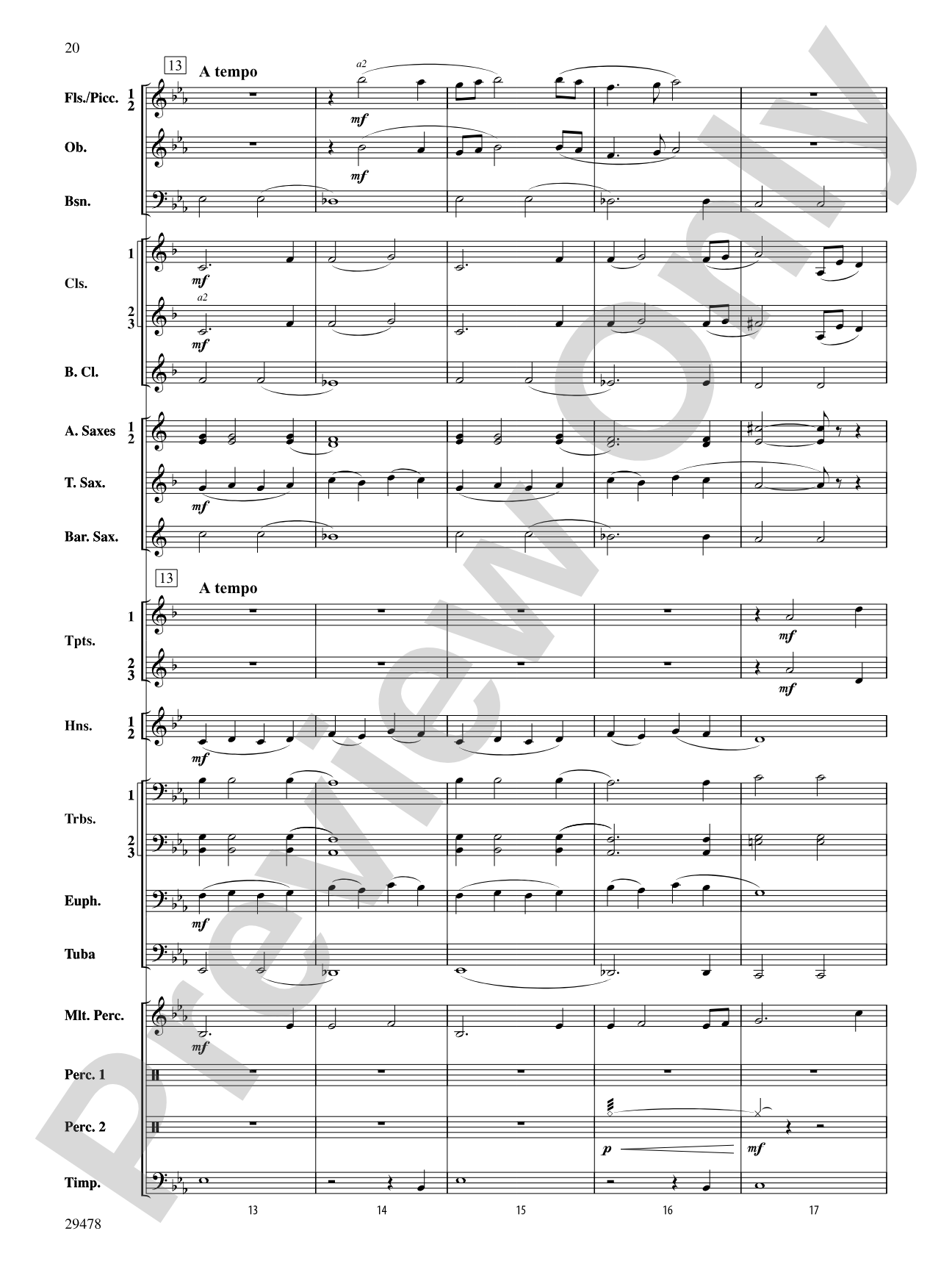
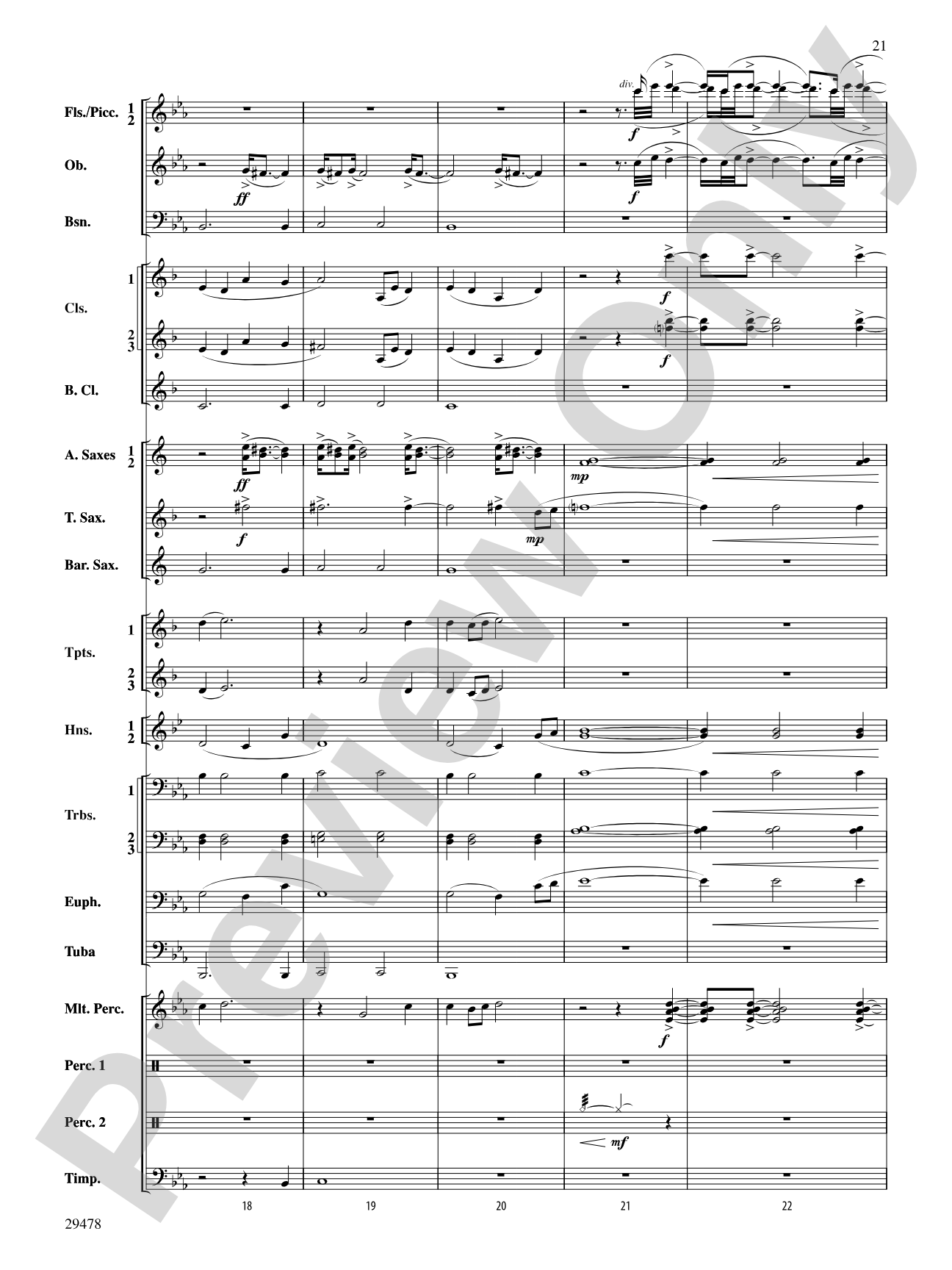
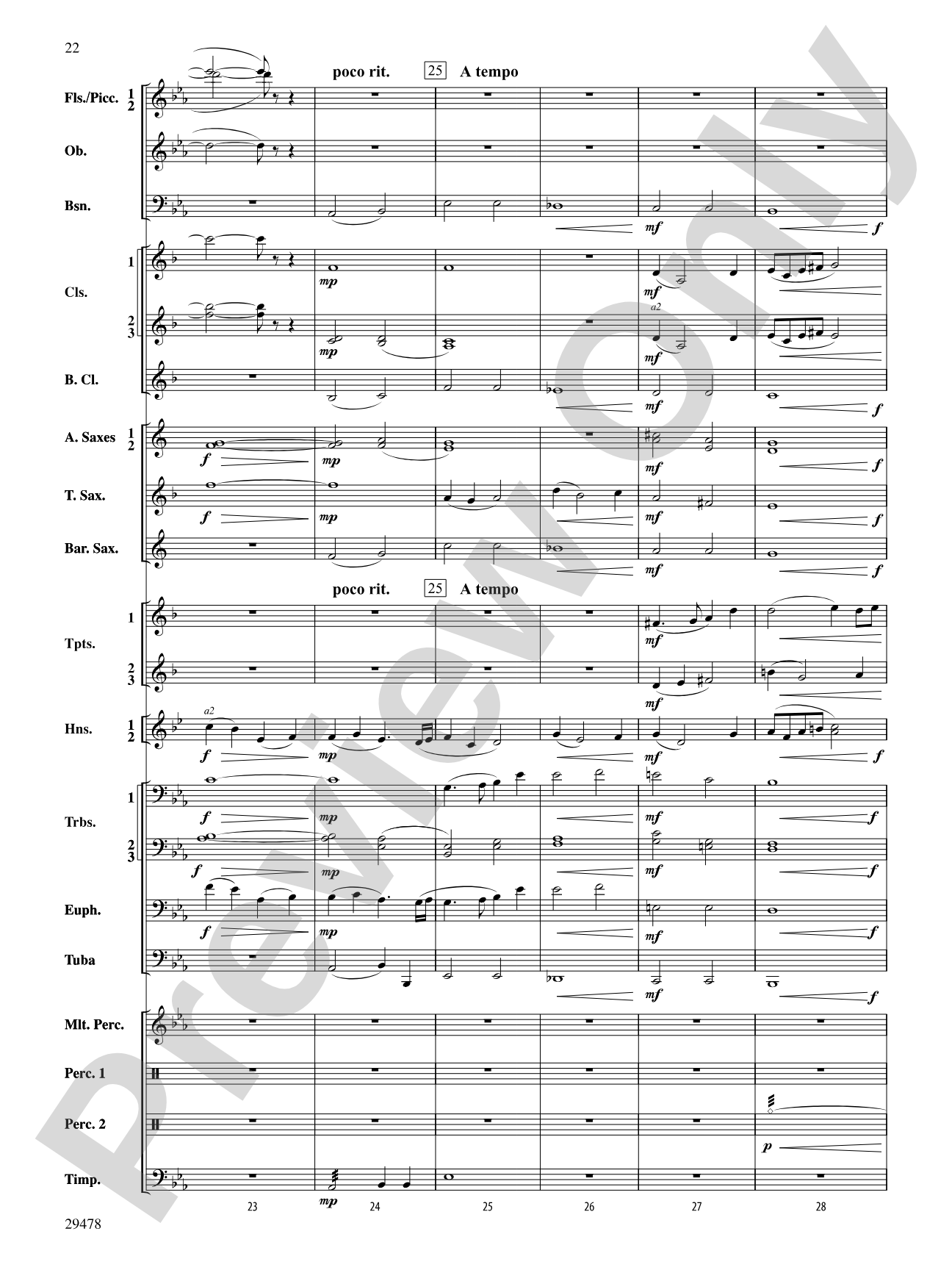
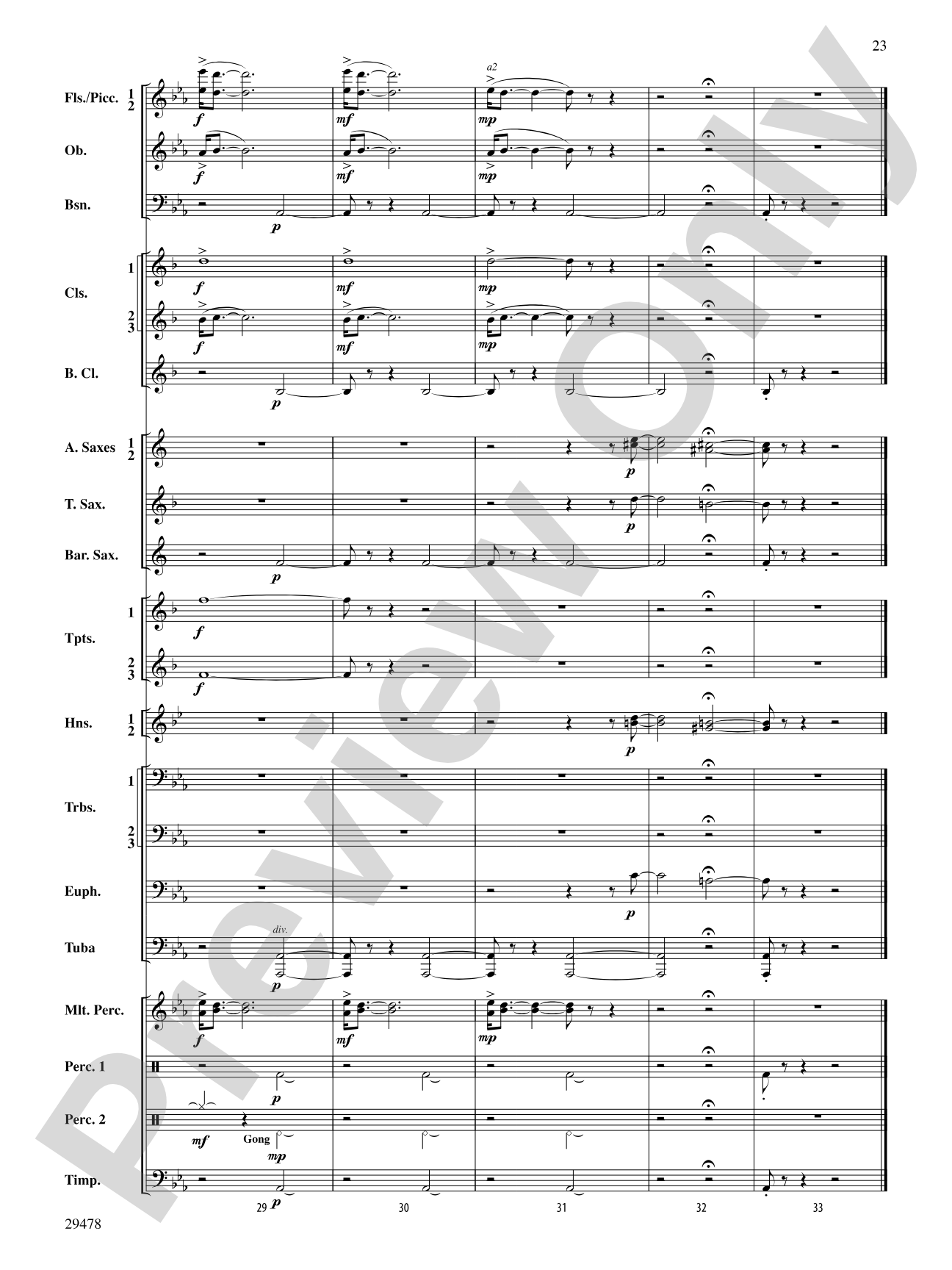
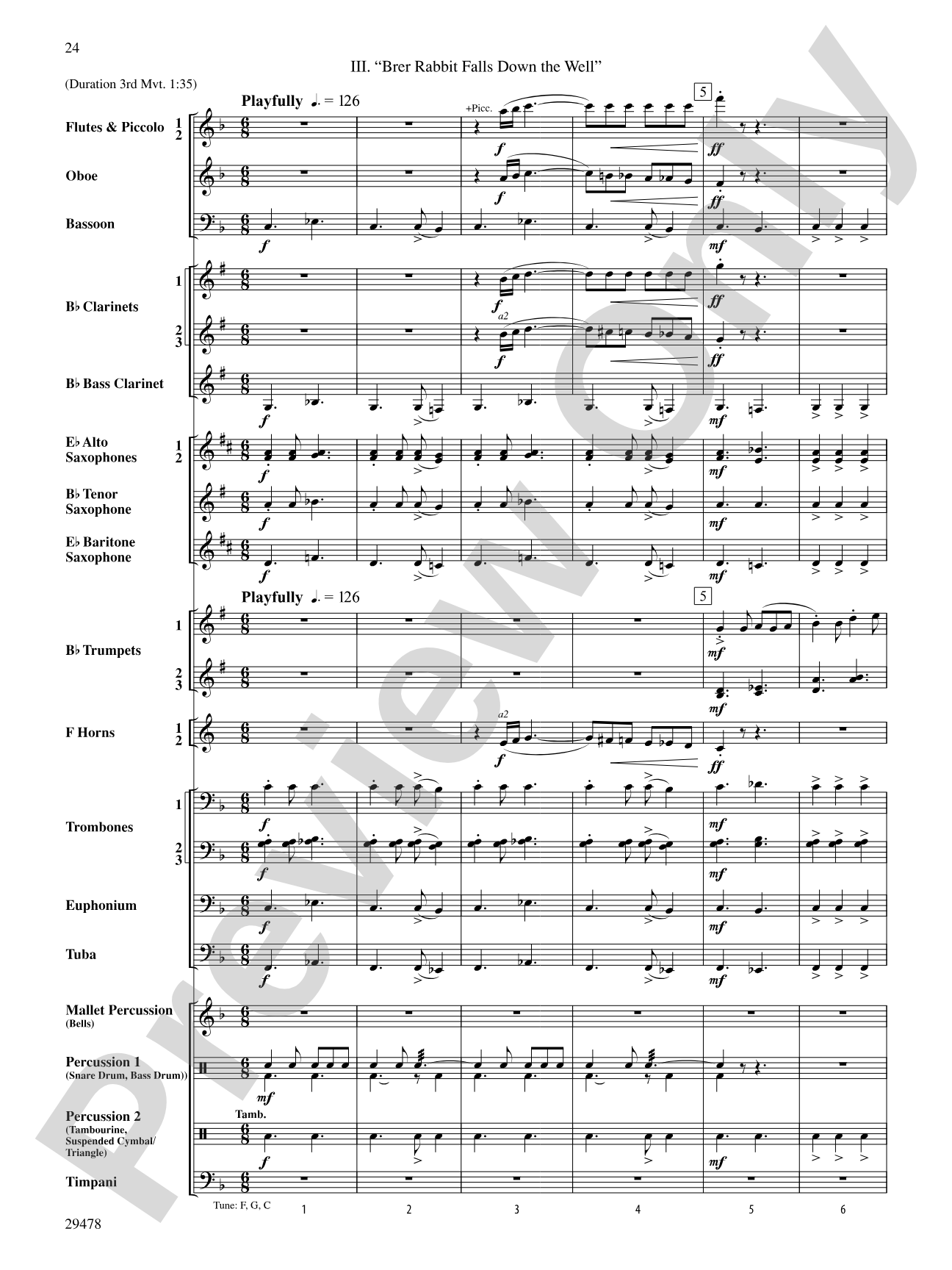
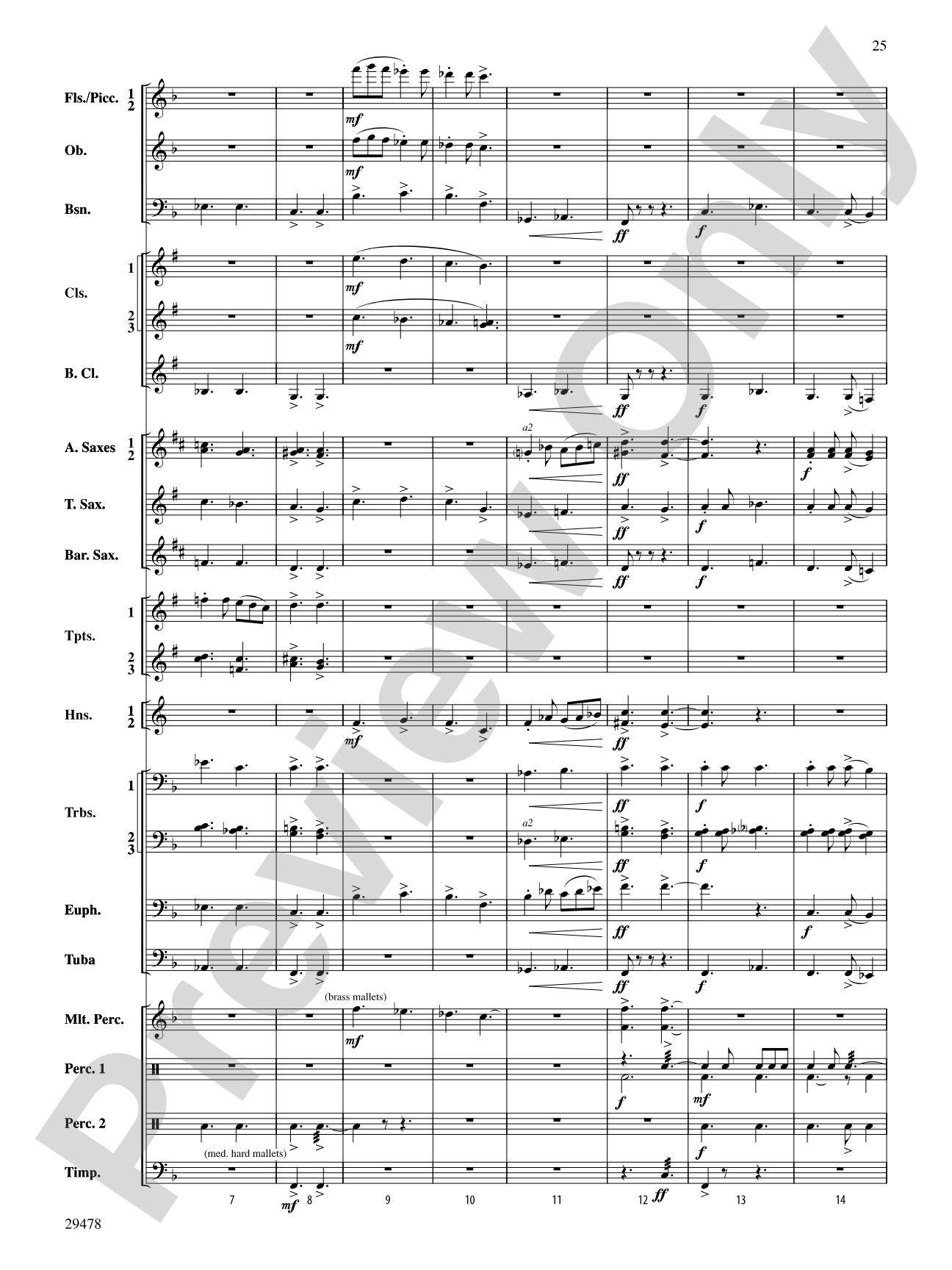
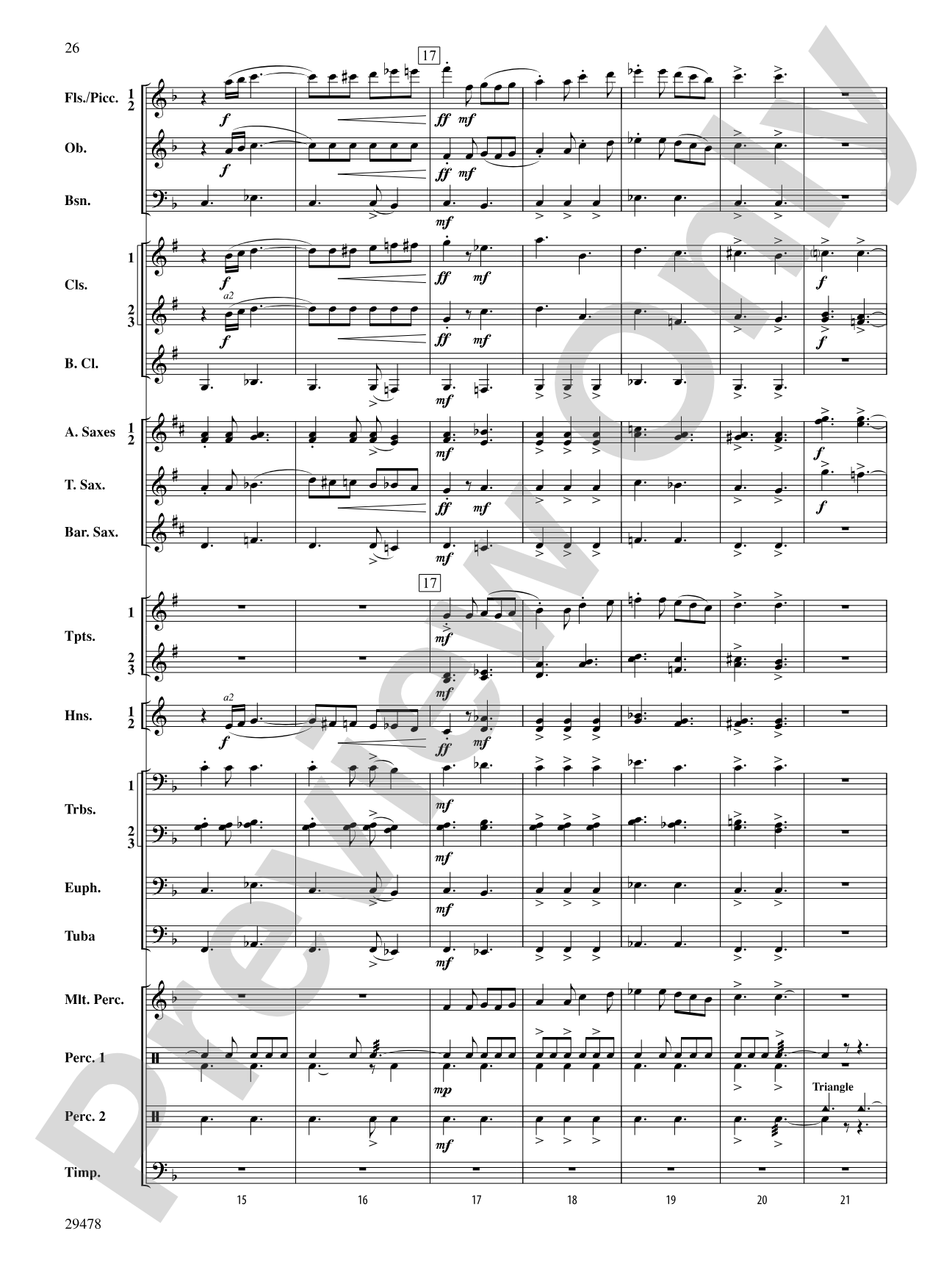
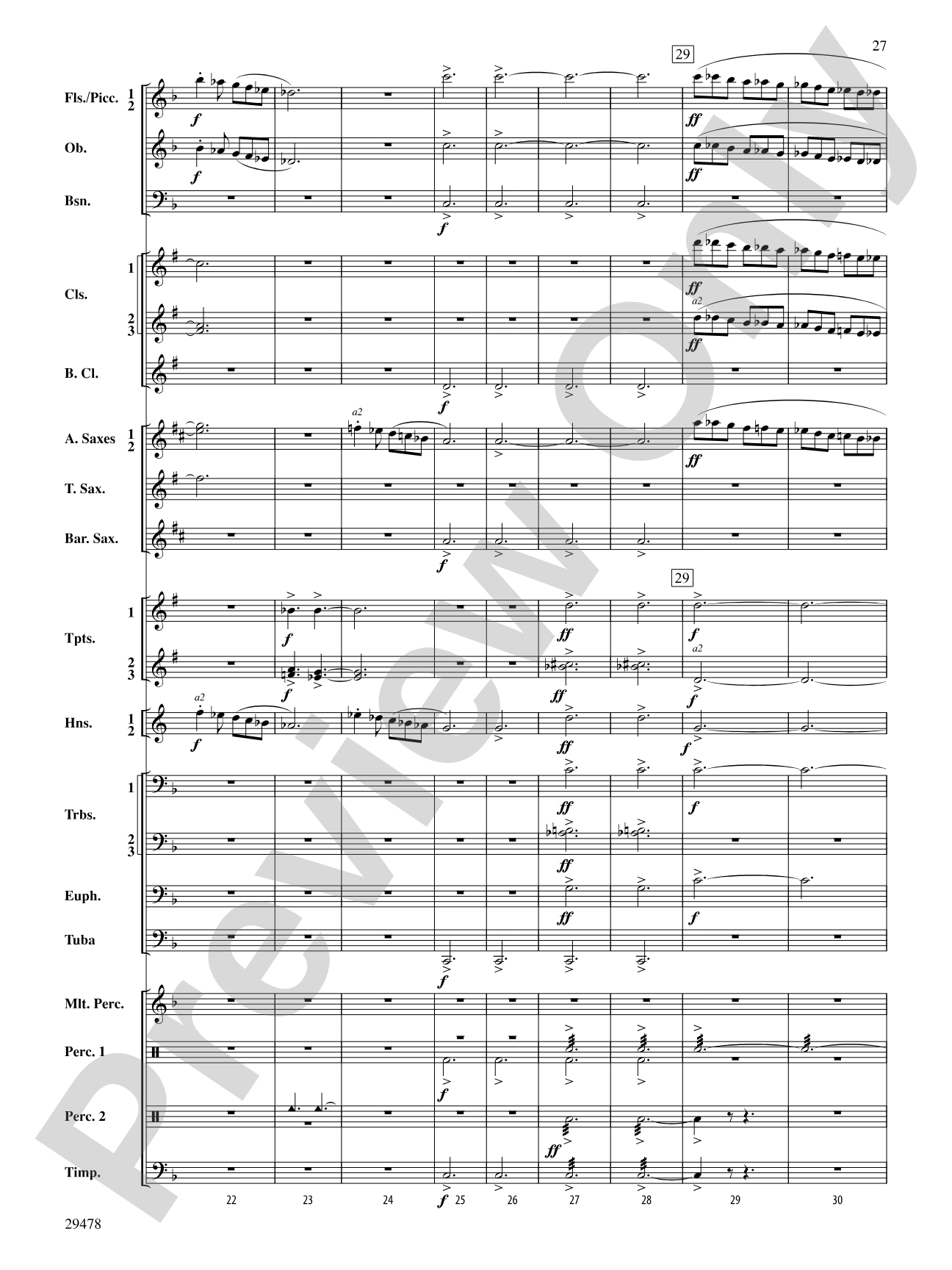
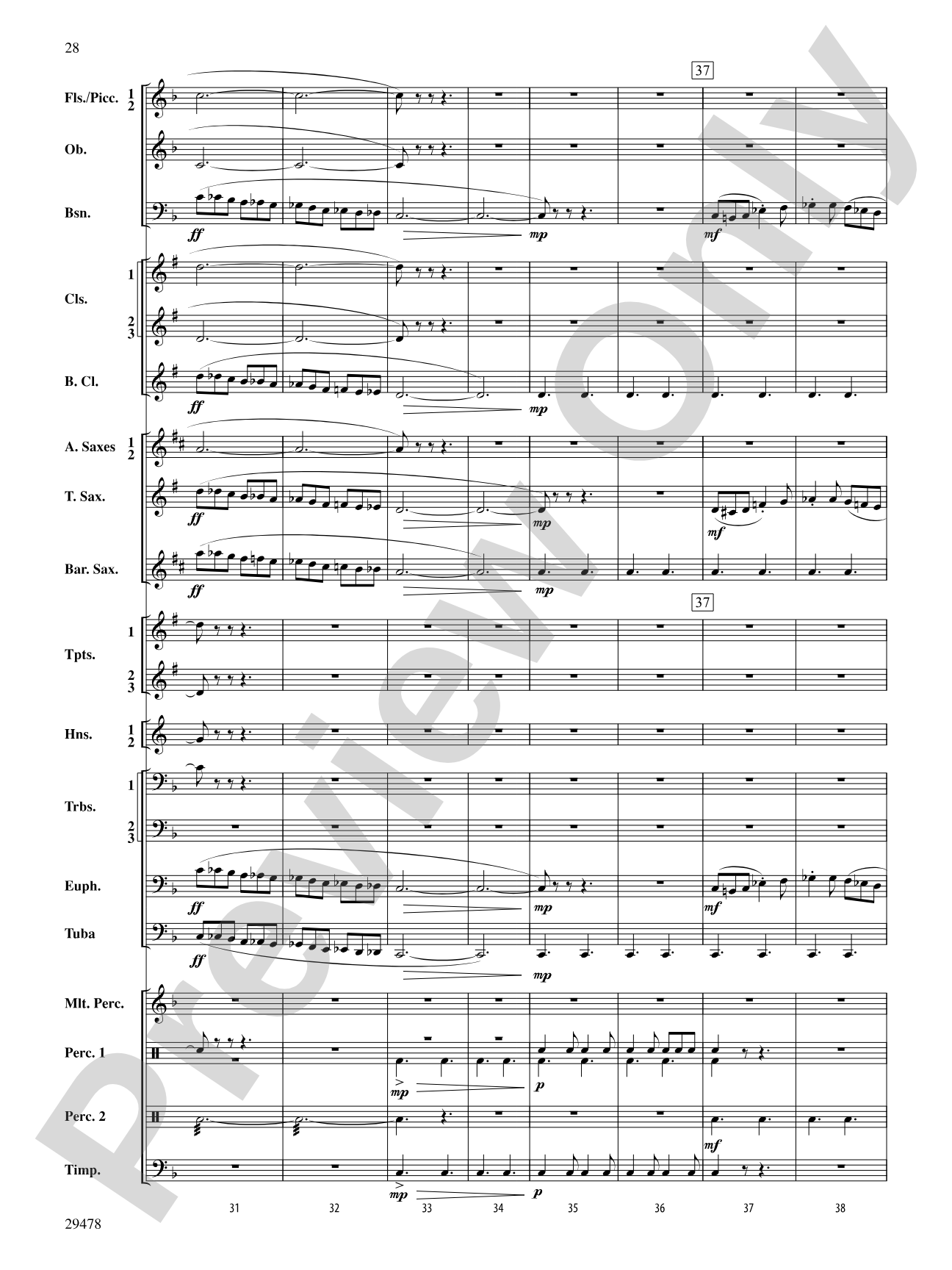
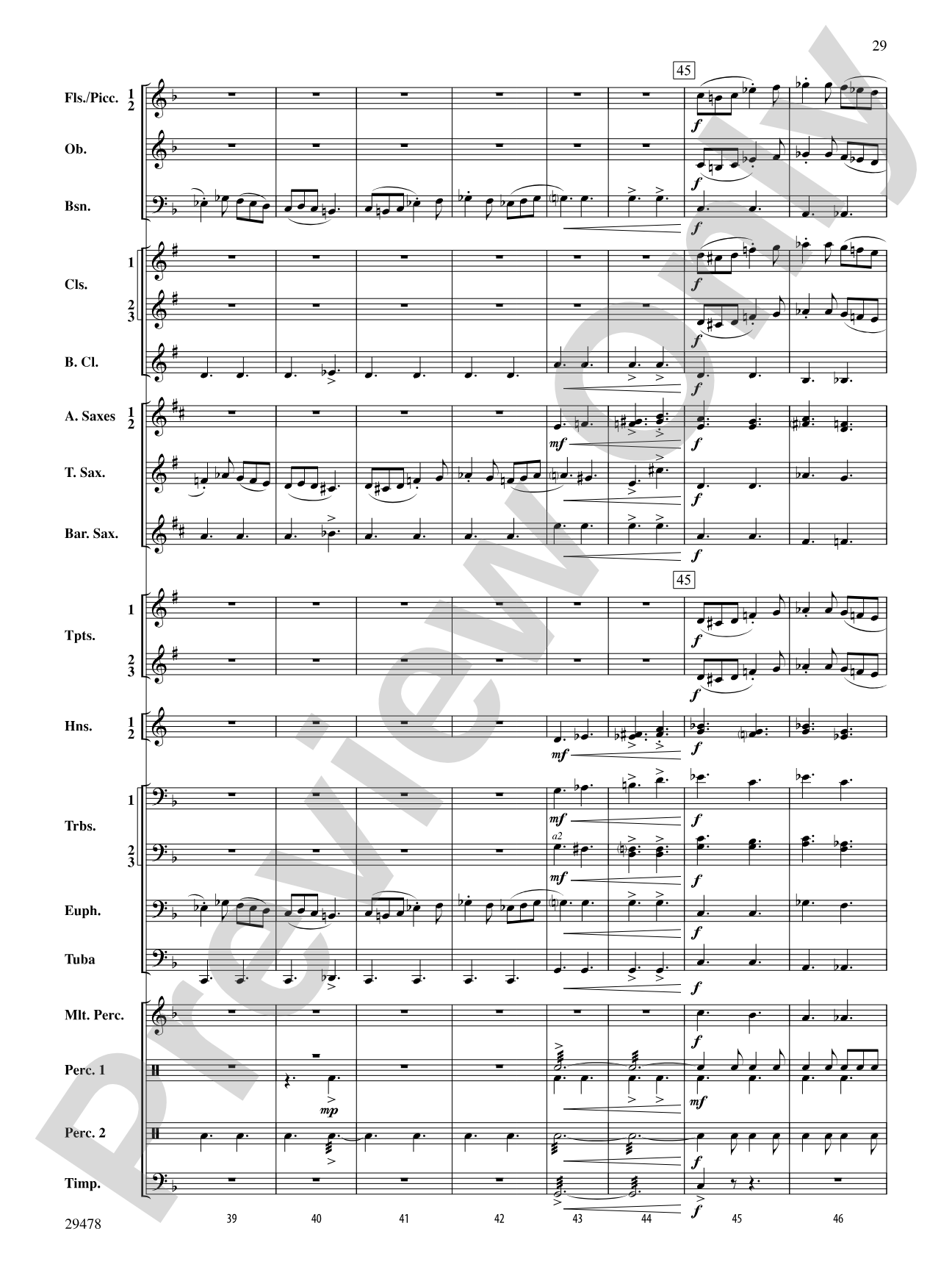
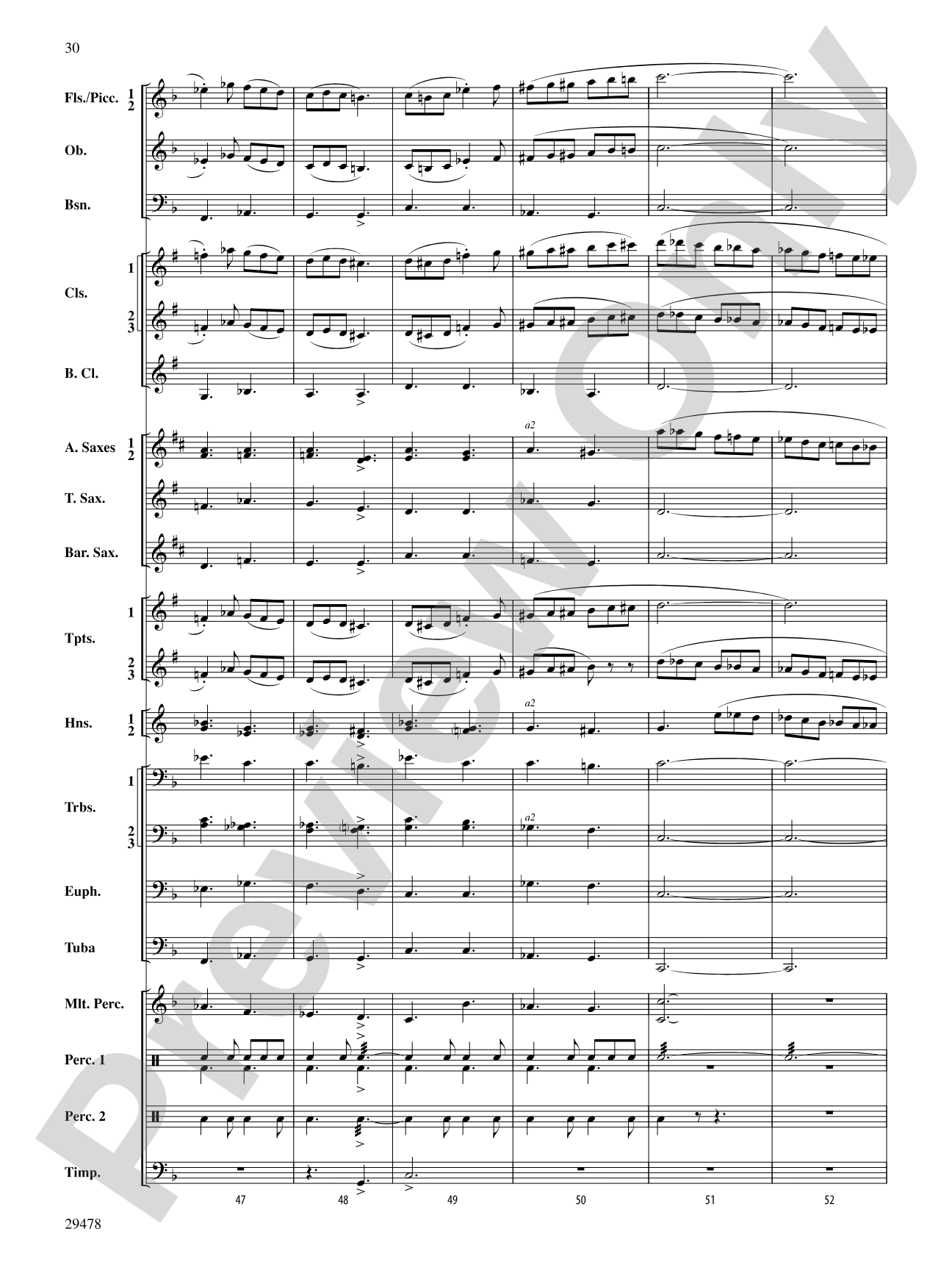
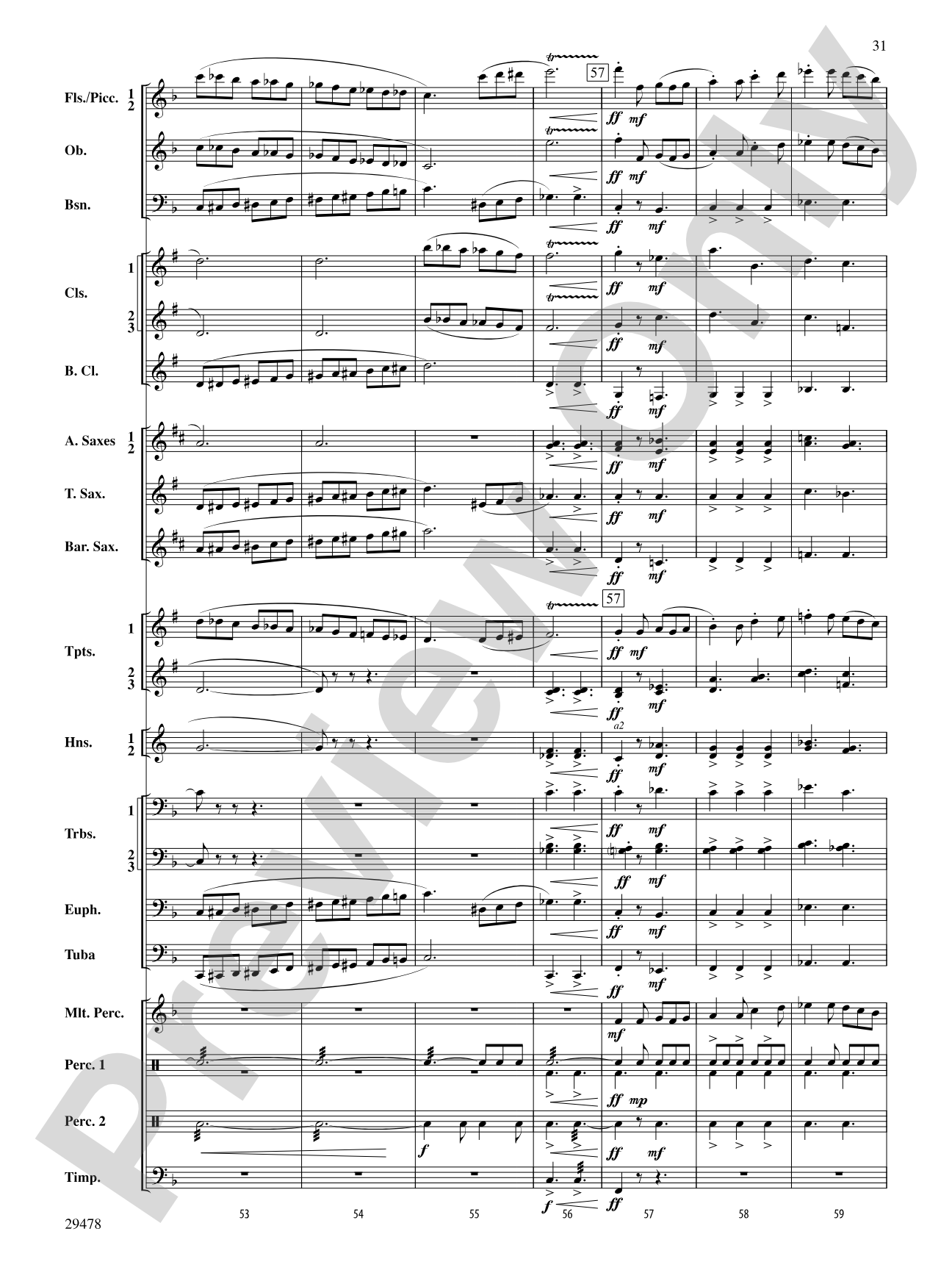
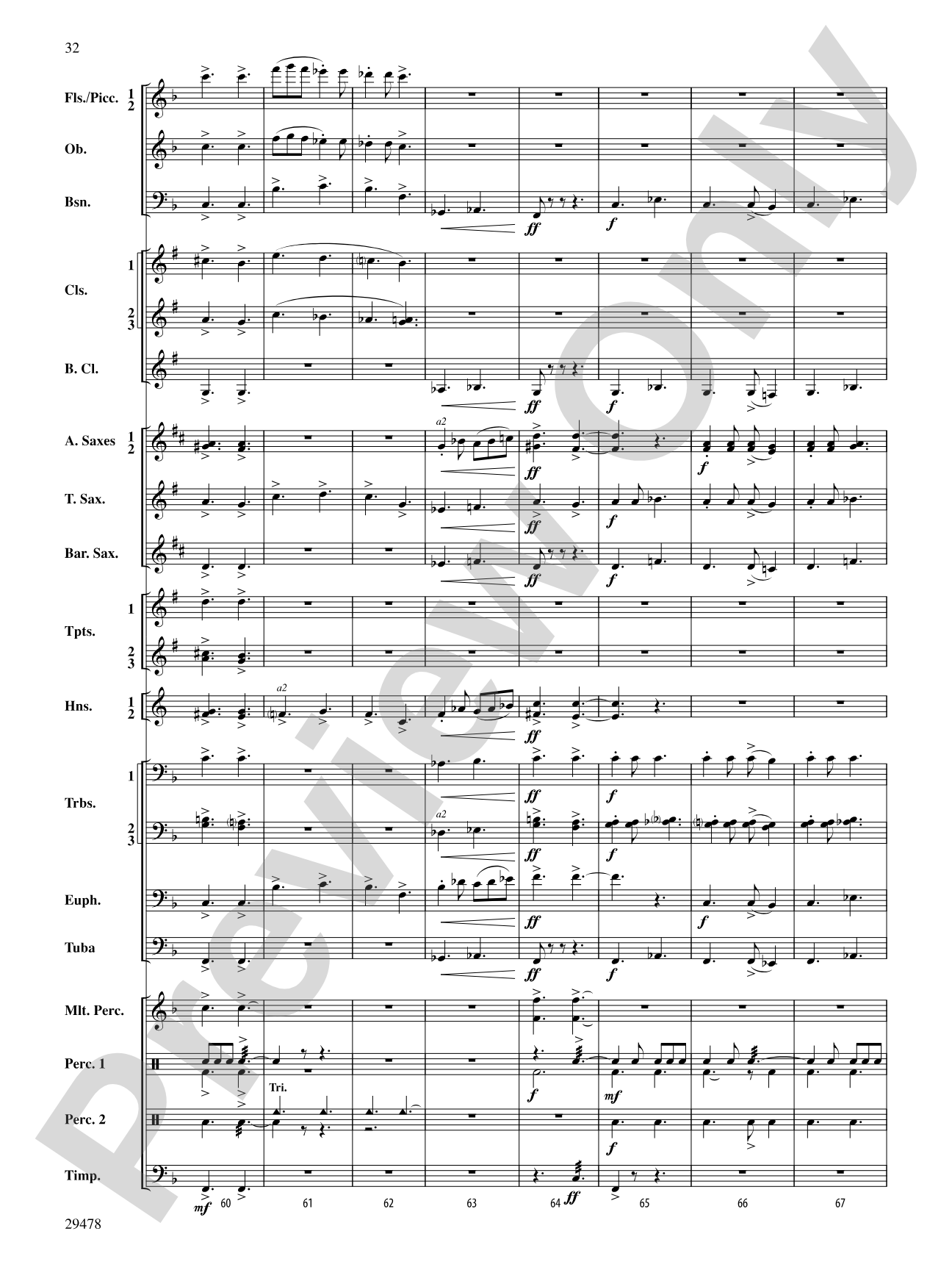
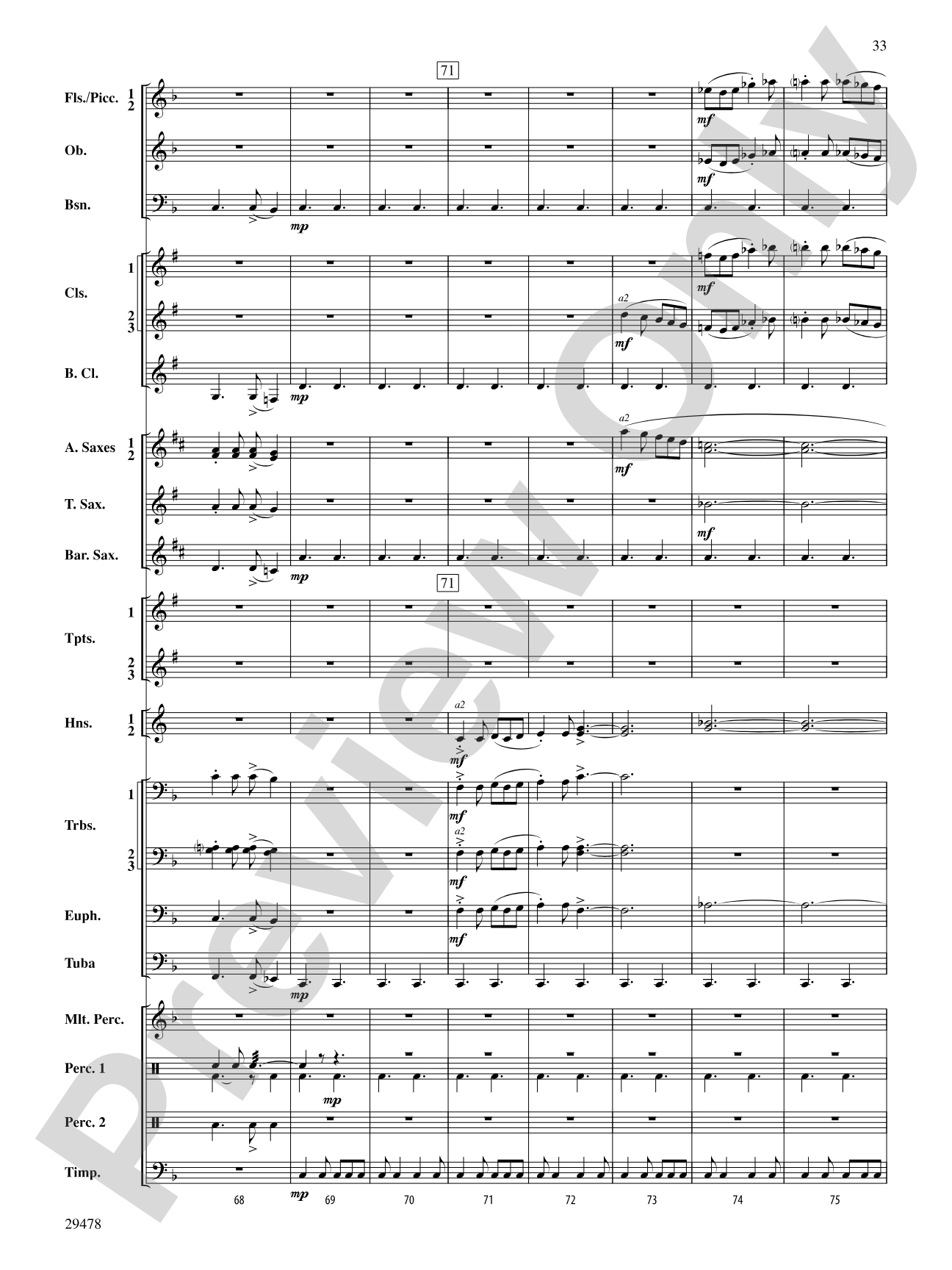
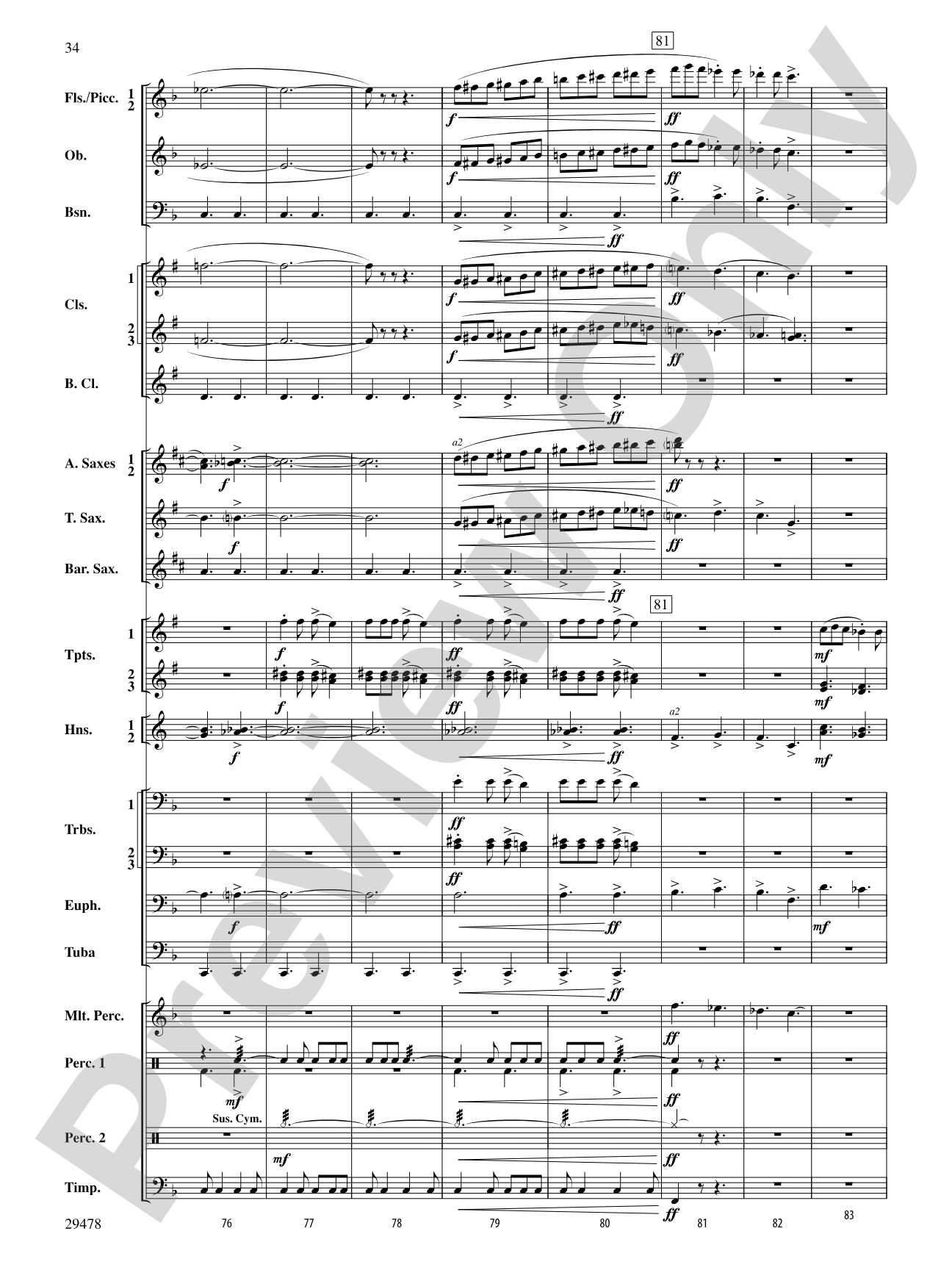
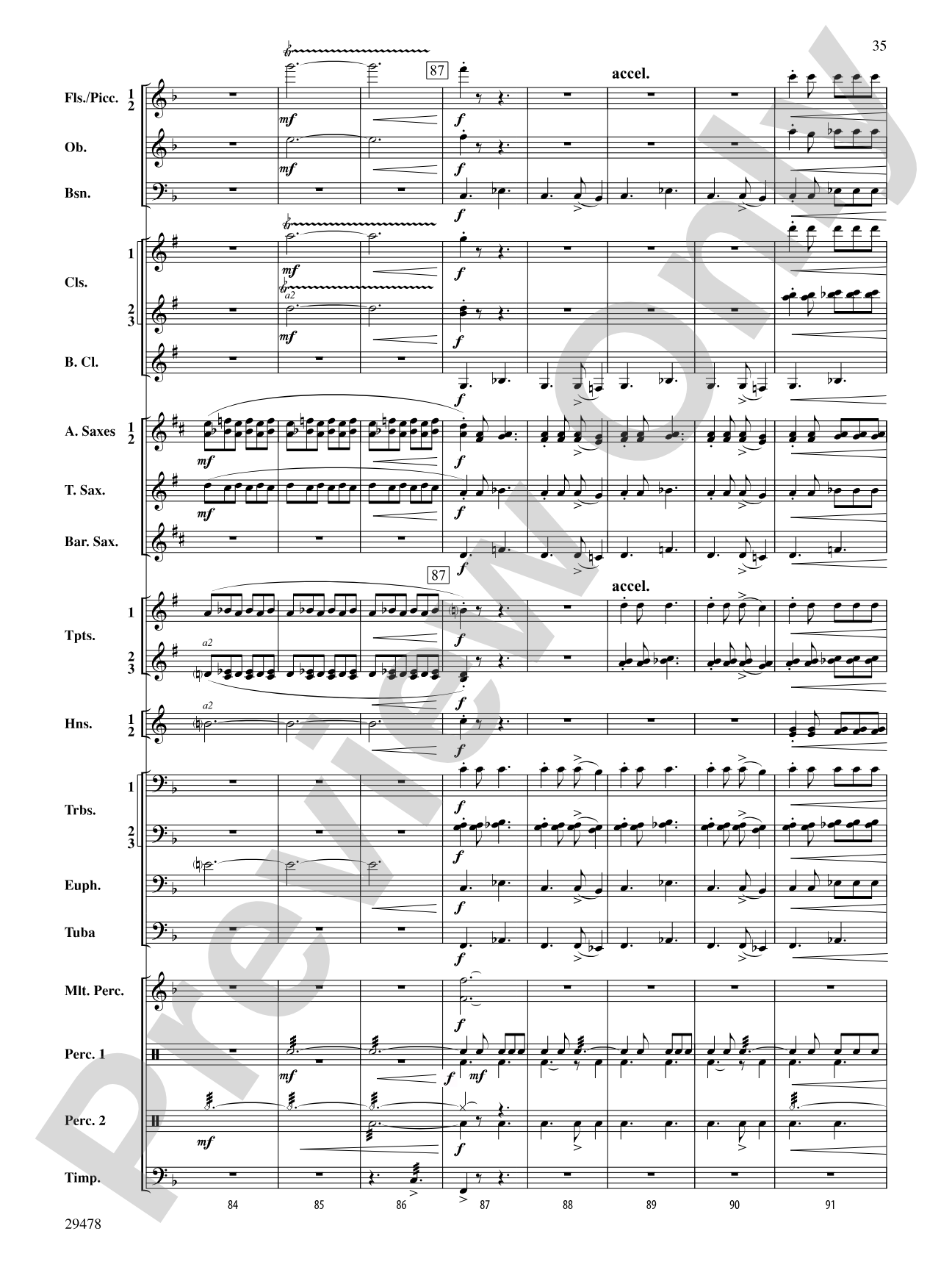
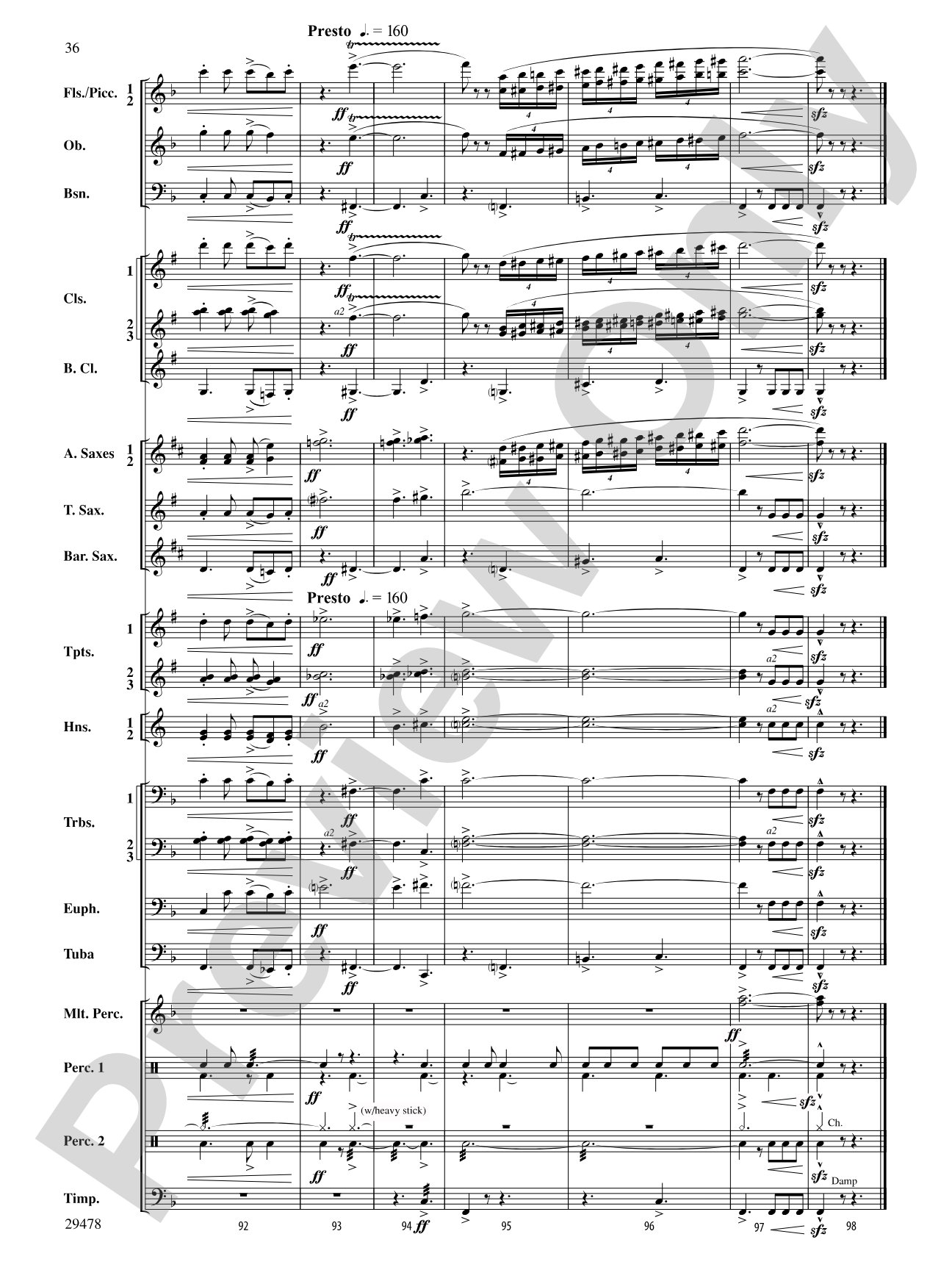

Three Georgian Vignettes: Score
By Robert Sheldon
Grade: 3 (Medium)
Item: 00-PR-0001415
$10.00
Pickup currently not available
Description
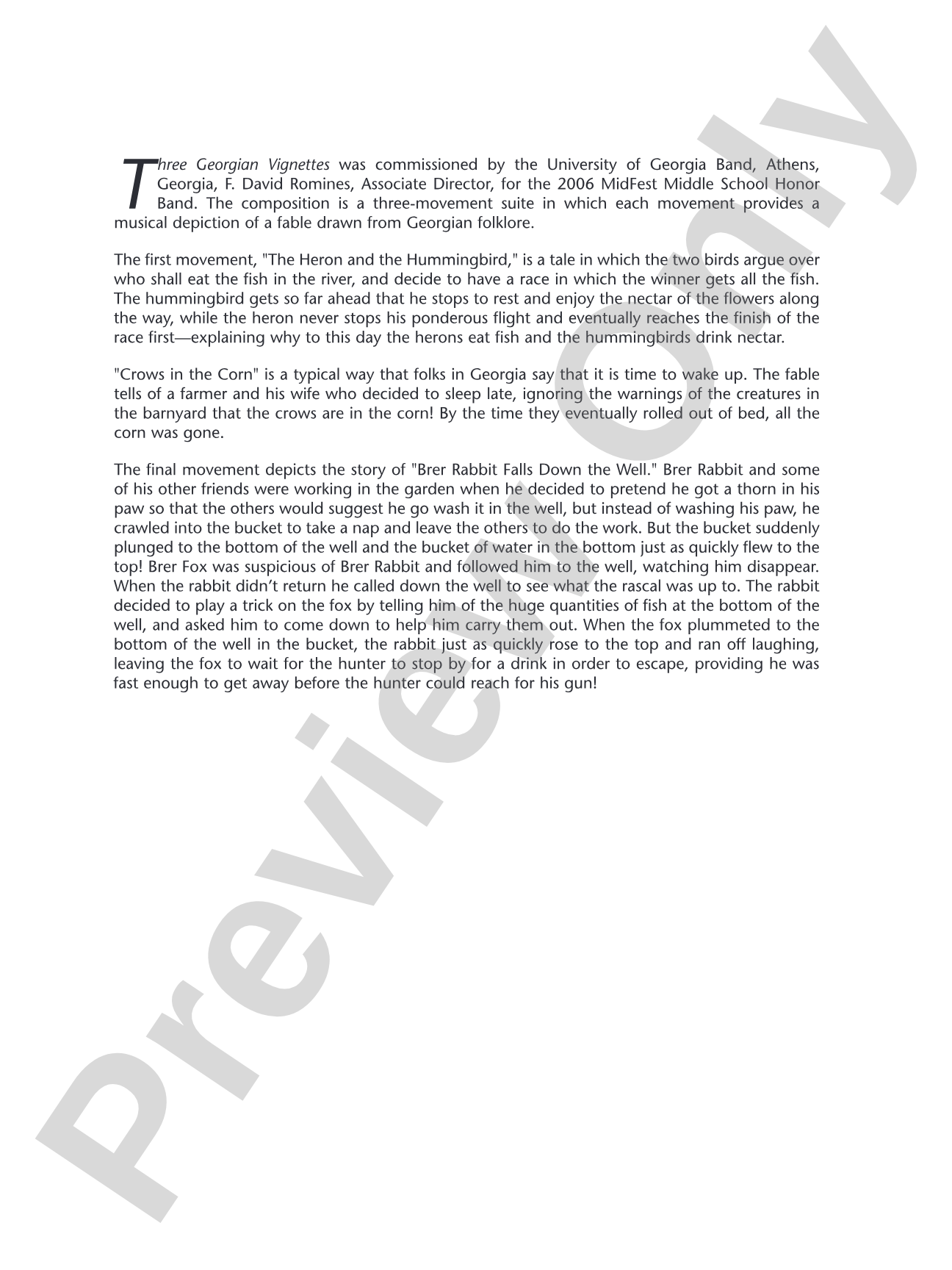
Commissioned for the University of Georgia MidFest Honor Band, this charming suite provides a musical depiction of fables drawn from southern folklore, including "The Heron and the Hummingbird," "The Crows are in the Corn" and "Brer Rabbit Falls Down the Well." Treat your students and audience to these colorful tales and the delightful musical imagery of the Three Georgian Vignettes. (5:10)


Don't just read it, hear it, play along with it, and watch your students grow with it. In MakeMusic Cloud, Three Georgian Vignettes: Score comes alive with professional accompaniment, adjustable tempo, and built-in practice tools that turn solo practice into real progress.
Open in the Player
Jump straight in and assign it today.
Start Your Free Trial
Open this title and explore the full library in minutes.
Sample Audio
1
Audio File
--:--
0:00
0:00
Sample Video
No sample videos found.
Additional Details
Series:
Alfred Concert Band
Publisher:
Alfred Music
Page Count:
254
SKU:
00-PR-0001415
More about this title
About the Composer: Robert Sheldon

Robert Sheldon stands among the most widely performed composers for wind band, with works that appear regularly on state and national contest lists. His catalog spans educational and professional ensembles, and he has received recognition from the American School Band Director's Association, Phi Beta Mu, and ASCAP for compositions that balance accessibility with genuine musical substance. He co-authored Sound Innovations for Concert Band and maintains an active schedule accepting commissions and producing new publications annually.
Sheldon's influence extends beyond the page. He appears frequently as guest conductor for All-State and Regional Honor Bands, conducts clinics at universities and state conferences, and has led performances of his own works at Carnegie Hall, Orchestra Hall, Boston Symphony Hall, the Sydney Opera House, and the Kennedy Center. His conducting appearances span six continents, and VanderCook College of Music awarded him an honorary doctorate in 2020.
Why we love this
The narrative clarity here sets Three Georgian Vignettes apart. Rather than abstract tone painting, Sheldon uses melody and orchestration to tell specific stories from southern folklore, giving your band concrete musical imagery to grasp and perform with intention. Grade 3 bands will find the part writing accessible and the harmonic language engaging without becoming predictable, and the 5-minute span allows for genuine character development across all three movements.
What to expect
Sheldon paints each fable with warmth and charm. The musical voice is accessible without being simplistic; the harmonies are inviting, the melodies sing, and the orchestration gives every section moments in the light. You'll hear folklore brought to vivid color: the delicate flutter of a hummingbird, the mischief of crows in a field, the unexpected tumble of a rabbit. The overall effect is a concert experience that delights both performer and listener.
Who it's for
This suite belongs in the library of any concert band director seeking repertoire that engages audiences beyond the standard overture or march. Grade 3 bands have the technical and musical maturity to handle the part independence and interpretive choices the score demands, and soloists will develop confidence while supporting roles stay musical and purposeful.
How to get the most out of it
- Balance the melodic line against the supporting texture in each vignette. The primary storytelling happens in the featured voice, so identify it in rehearsal and ensure your soloists (woodwind choir, trumpet section, or featured horn) can project clearly without the full ensemble overwhelming them.
- Shape each movement as a distinct character. The fables demand different energy and pacing; resist treating all three as variations on a single mood. Mark your own score with specific tempo flexibility and emotional landmarks for each tale.
- Attend to the percussion writing as part of the narrative, not as rhythmic backdrop. In a piece about crows, humming birds, and rabbits, the color and articulation of the mallet work and drum parts contribute directly to the storytelling intent.
- Prepare your students to enjoy the humor embedded in the musical settings. Sheldon's use of unexpected harmonic turns and rhythmic playfulness serves the fables themselves; when your band hears the wit in the writing, the performance comes alive.
How to use it
Program these three movements as a single suite on a concert celebrating American roots or folklore themes, or pair them with other storytelling works for a thematic set. The 5-minute duration makes them ideal as an opening number that establishes an engaging tone and goodwill with your audience before moving into heavier repertoire.
Skills your students will build
- Phrasing and shaping melodic lines in different harmonic contexts
- Balance between featured lines and supporting harmonies
- Reading and executing independent part writing across the ensemble
- Interpreting expressive character changes across contrasting movements
- Rhythmic precision in mixed meters and syncopated figures
- Ensemble listening in rubato and flexible tempo passages