
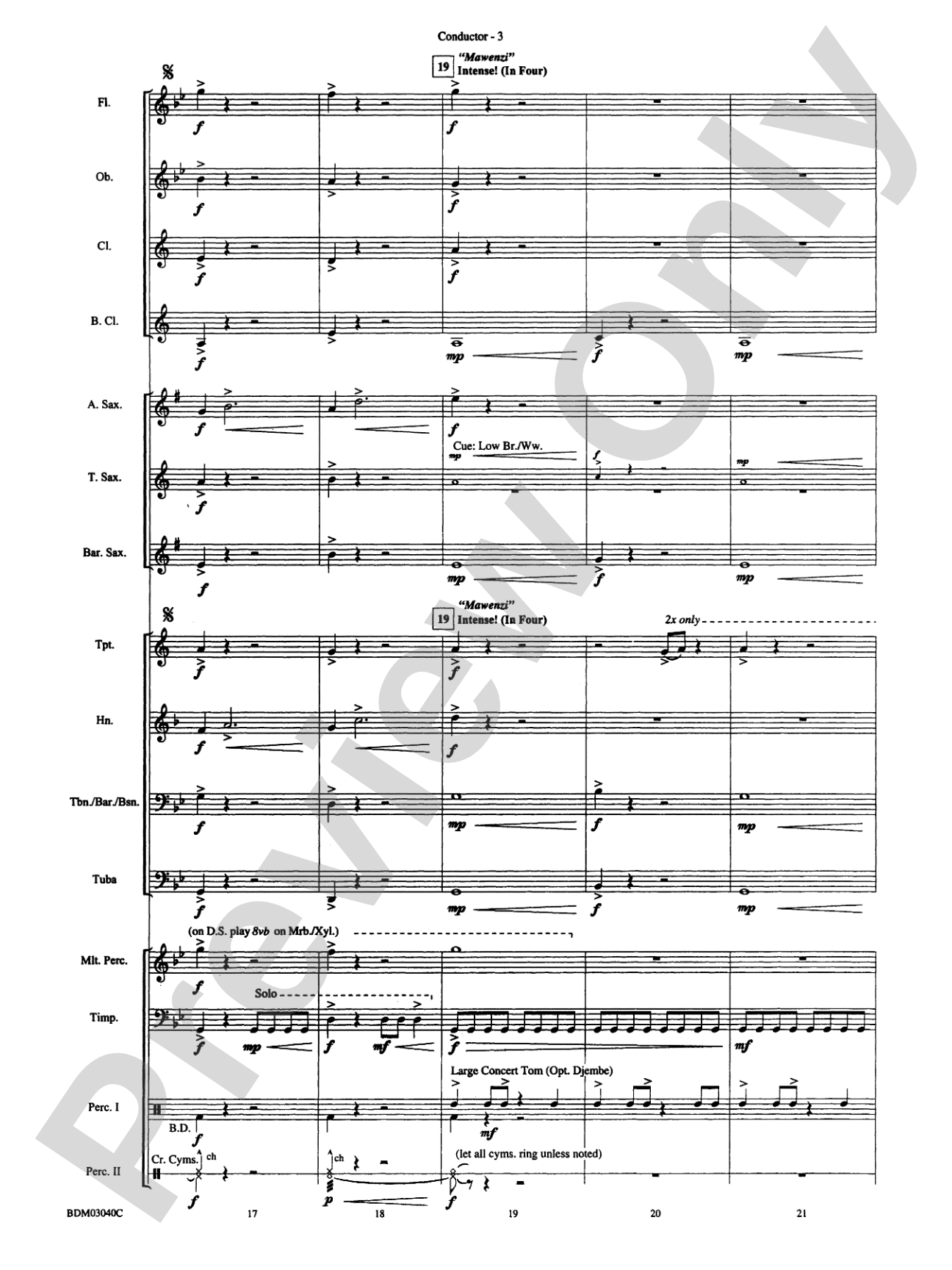
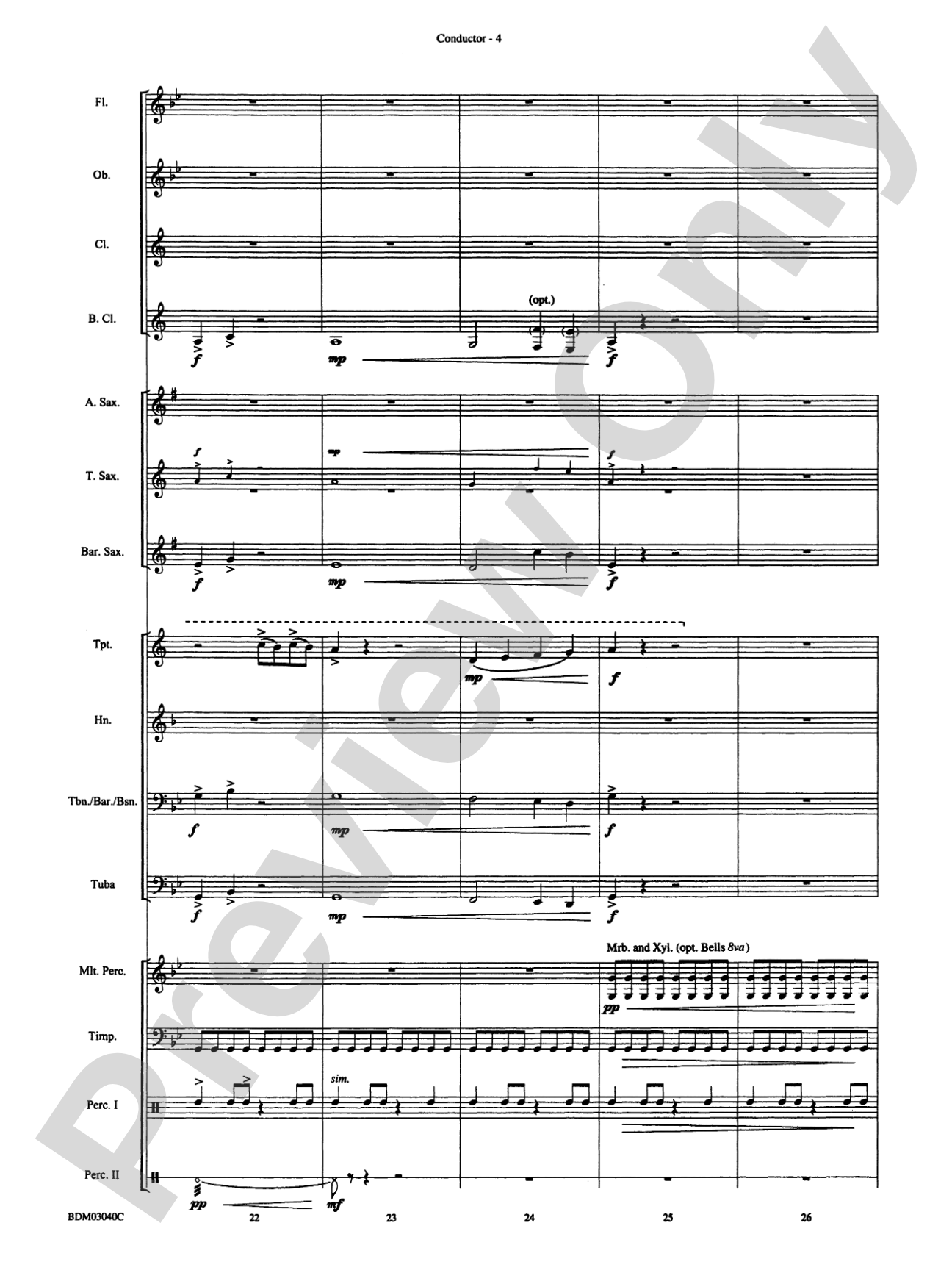
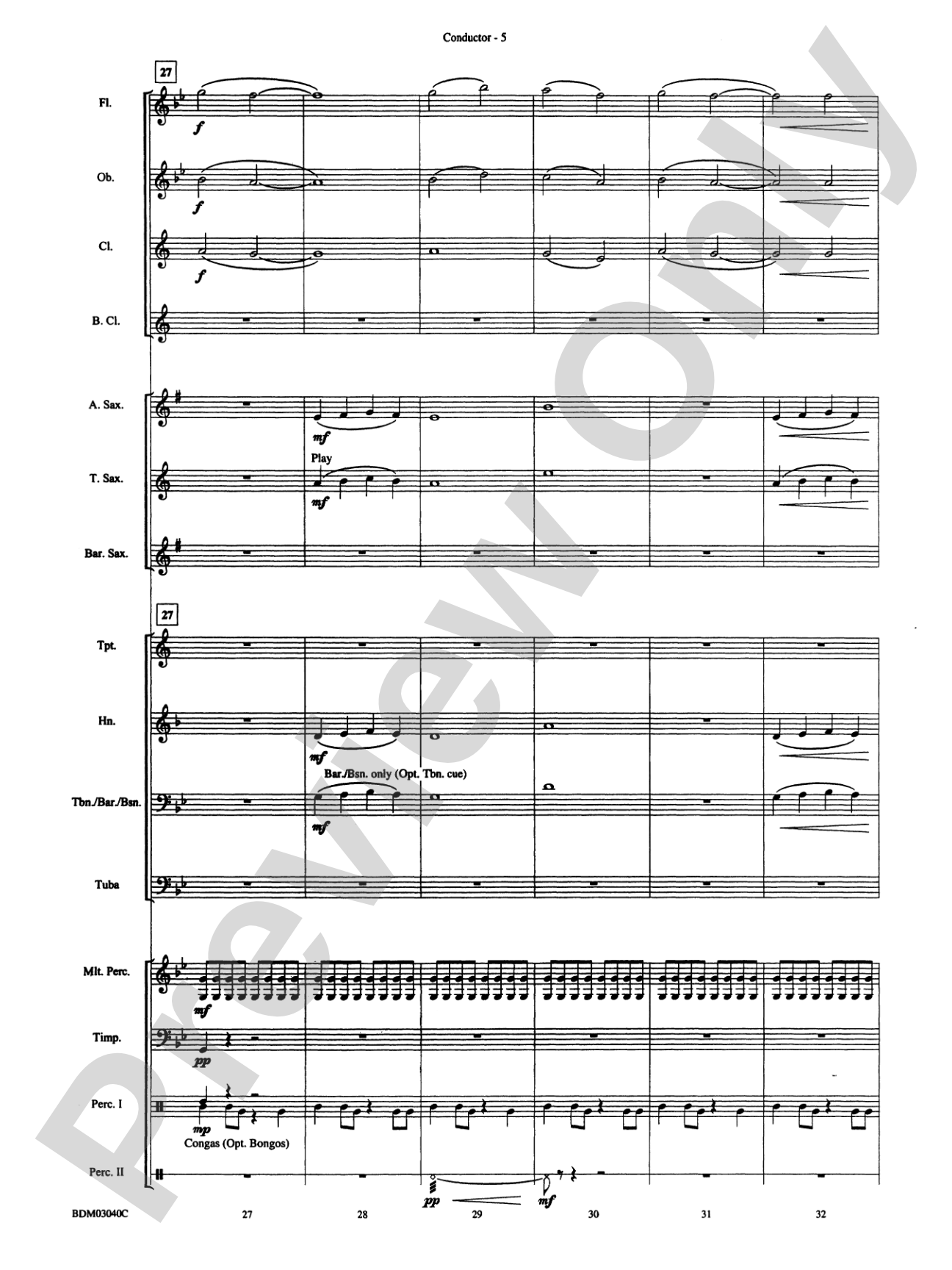
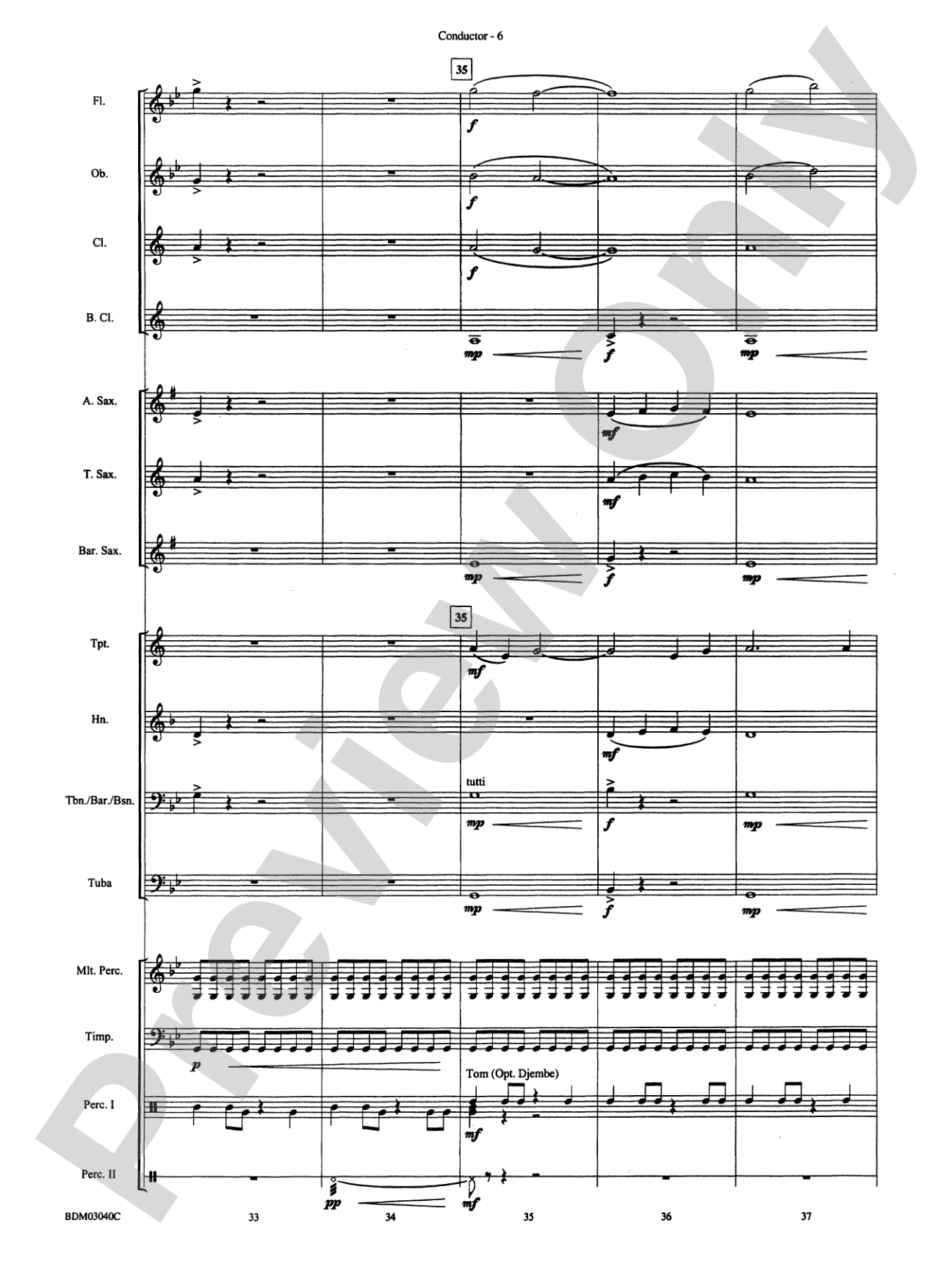
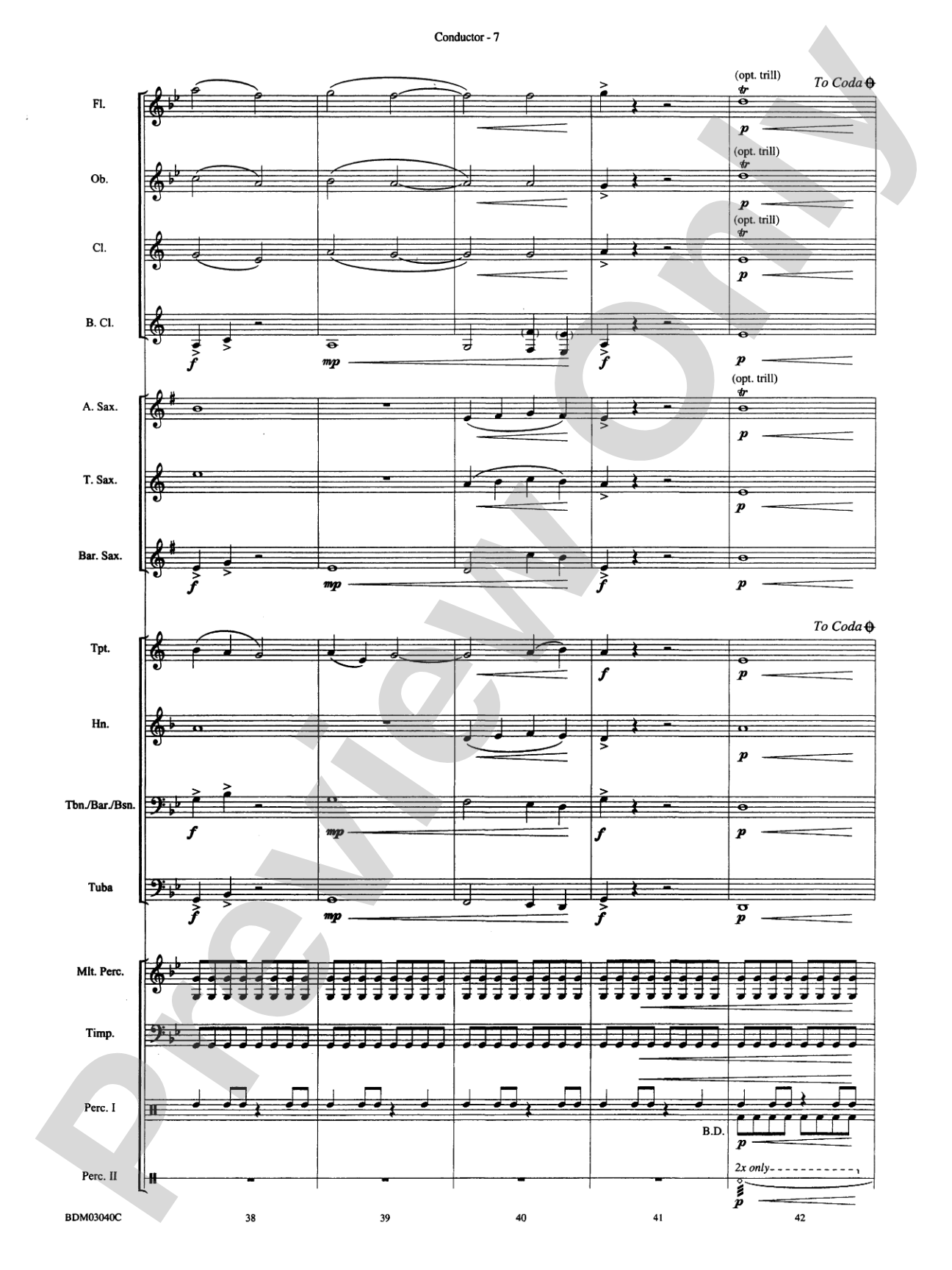
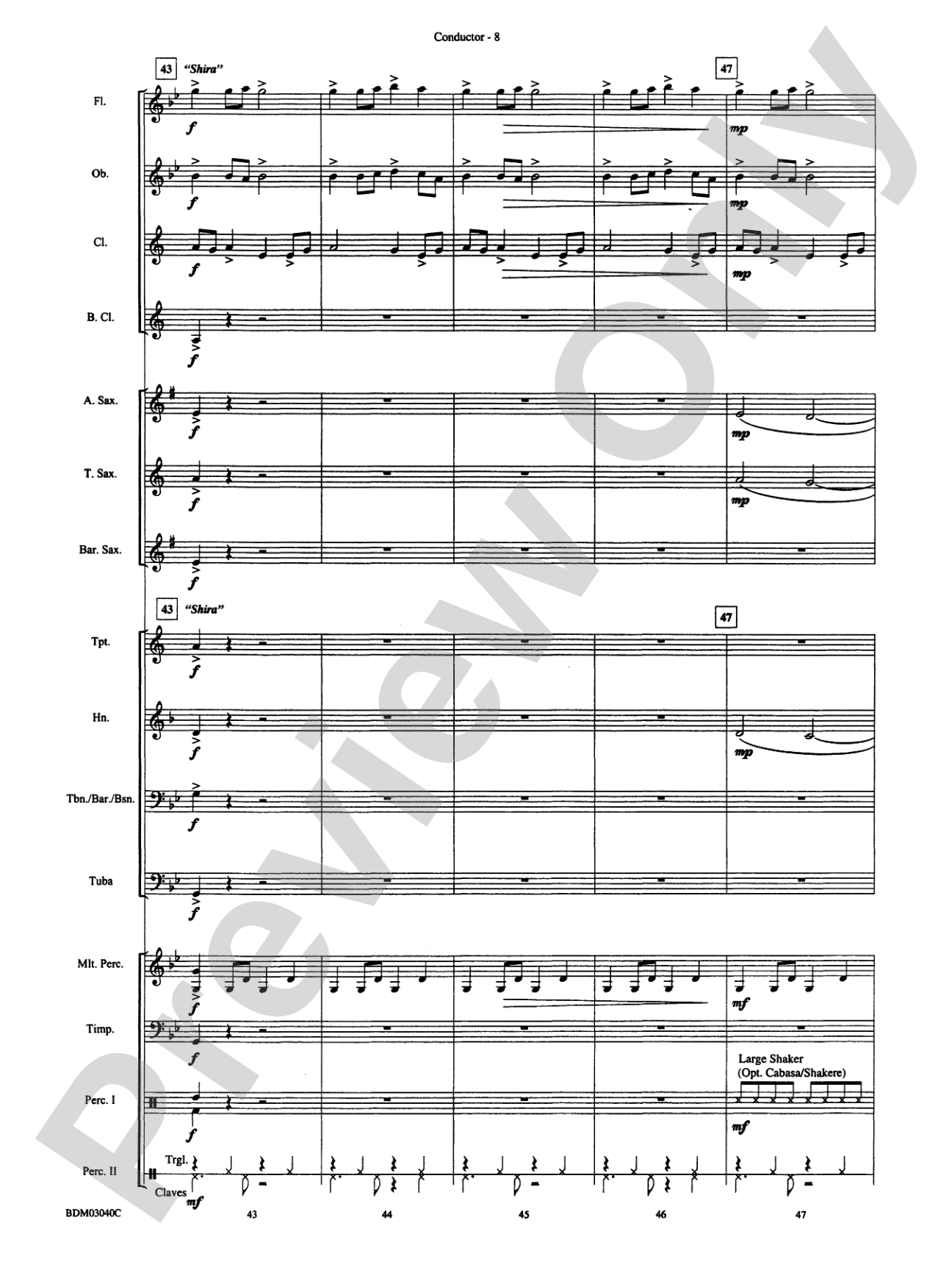
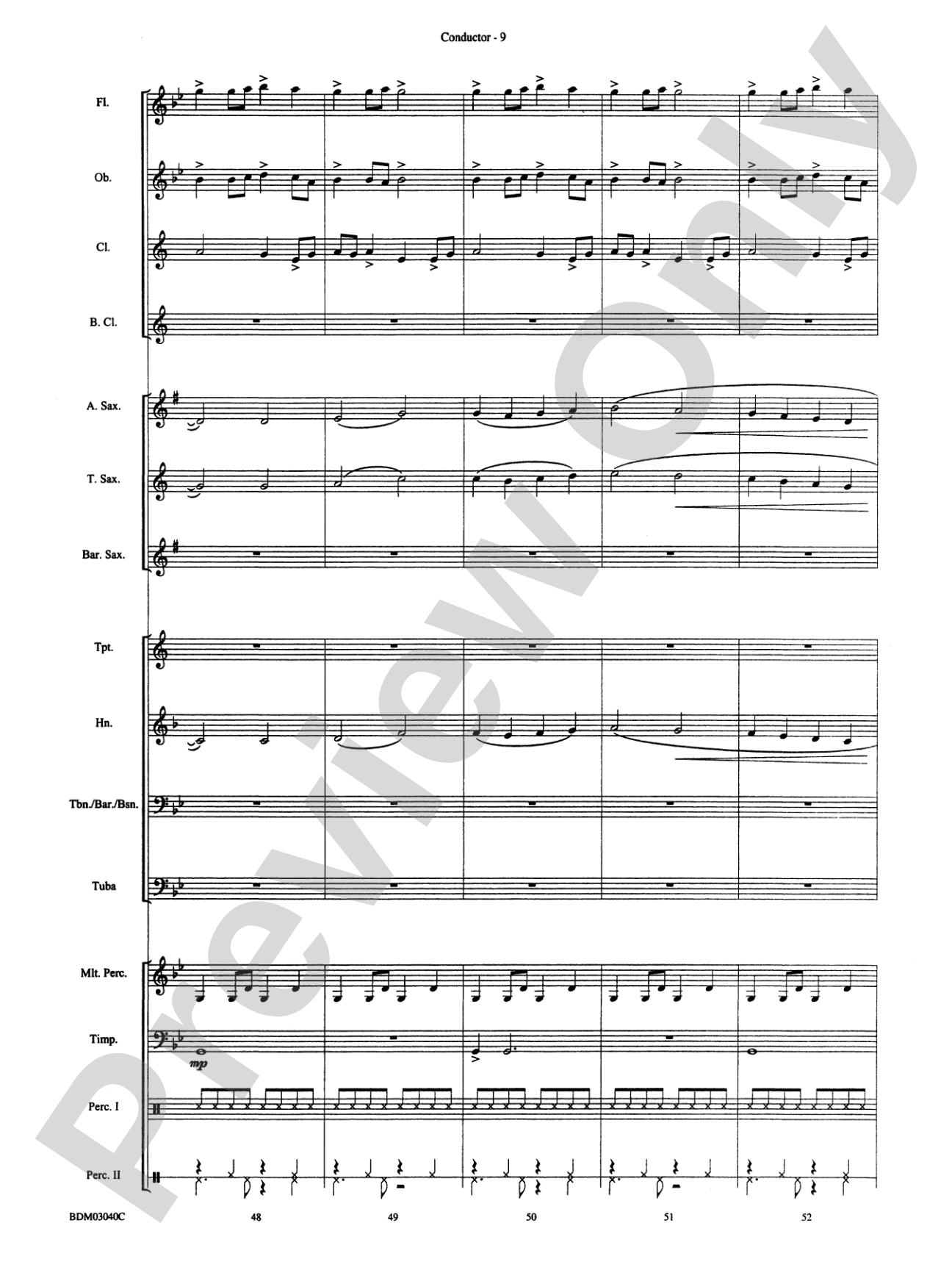
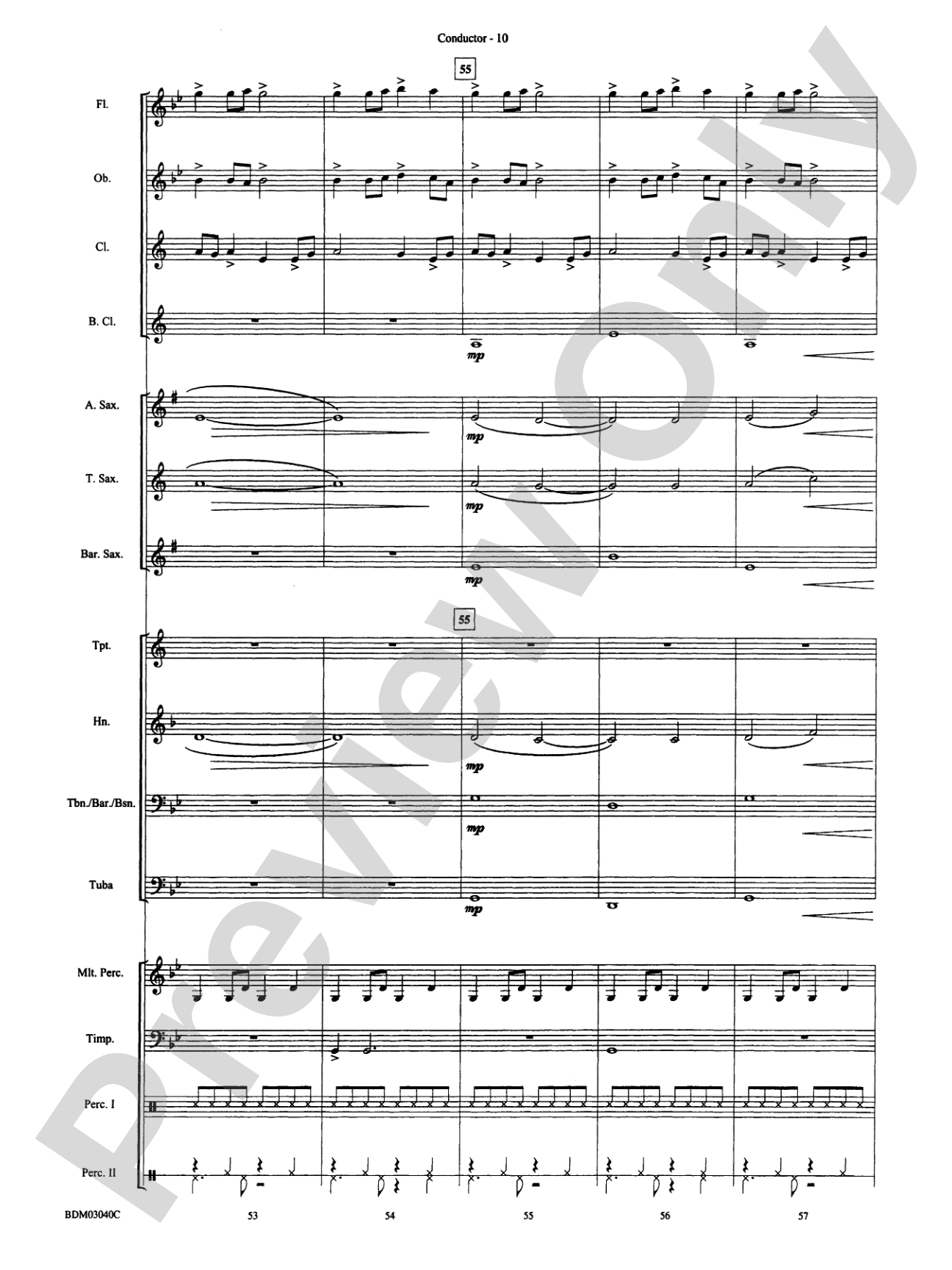


Three Faces of Kilimanjaro (Kibo, Mawenzi, and Shira): Concert Band Conductor Score & Parts
By Robert W. Smith
Grade: 1 (Very Easy)
Item: 00-PK-0002211

$56.00
Pickup currently not available
Buy Extra Parts (Digital PDF Download)
Parts Added to Cart!
Related Items
Three Faces of Kilimanjaro (Kibo, Mawenzi, and Shira): Concert Band Conductor Score & Parts |
$55.00
|
View |
Description
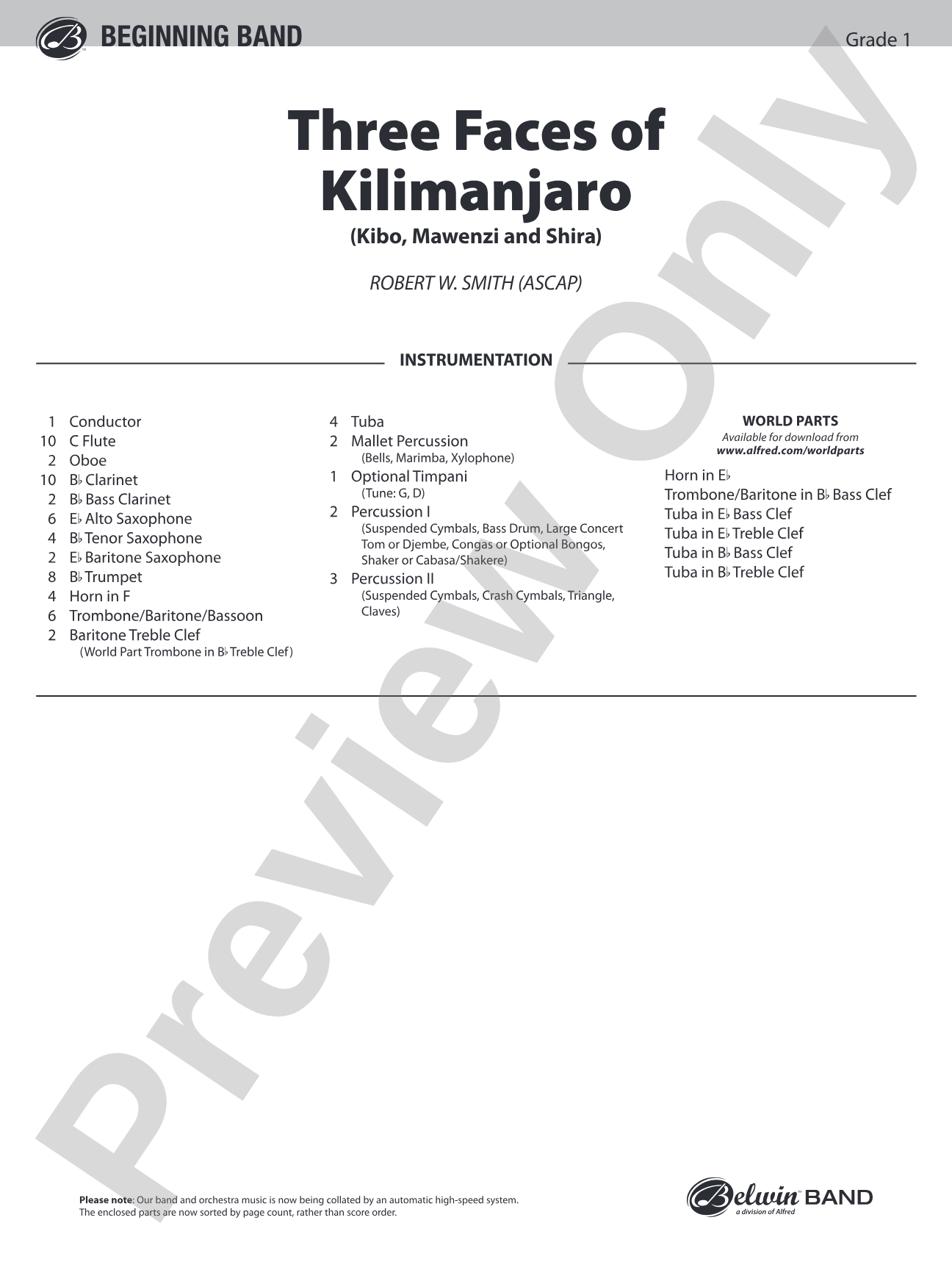
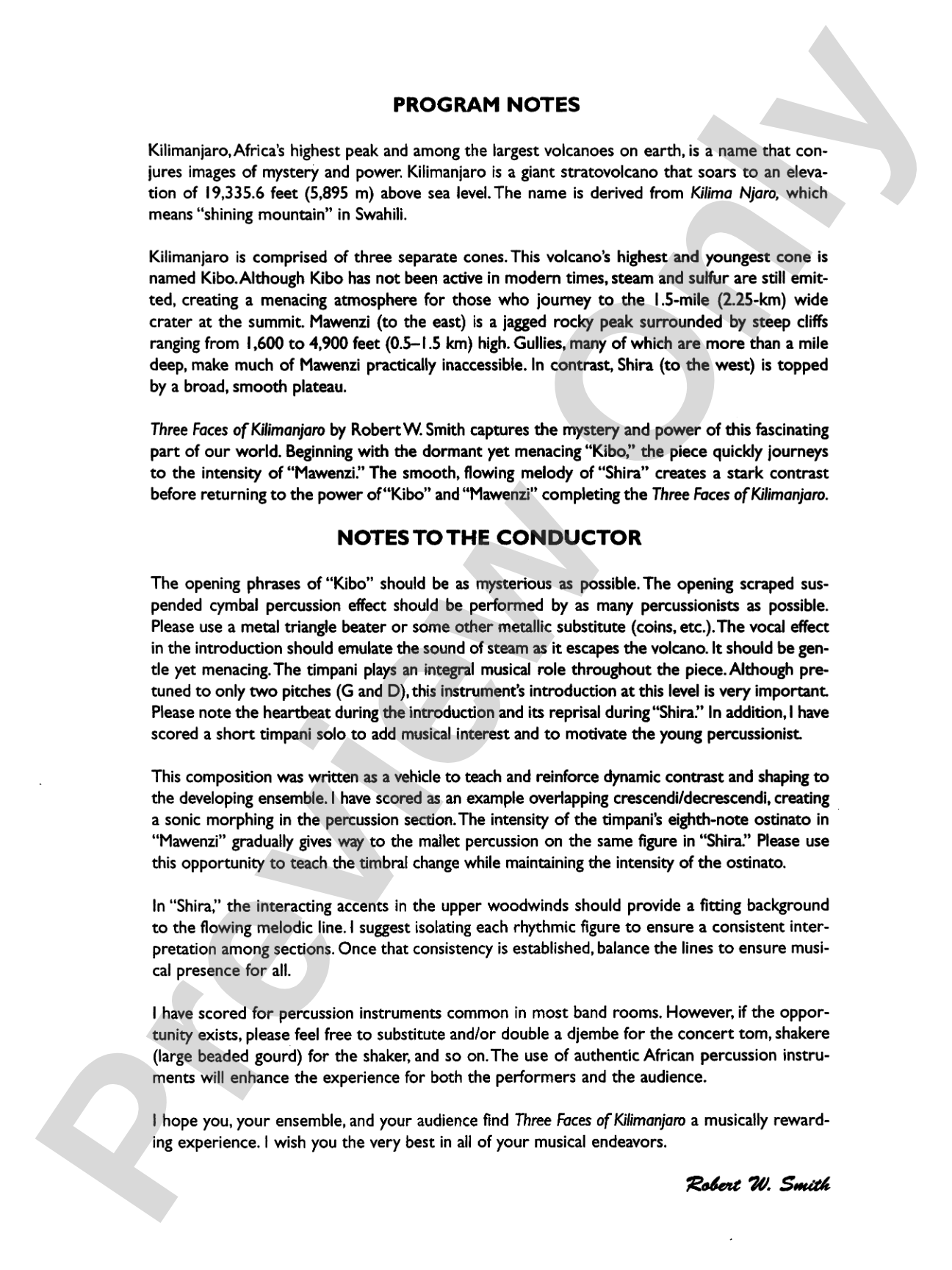
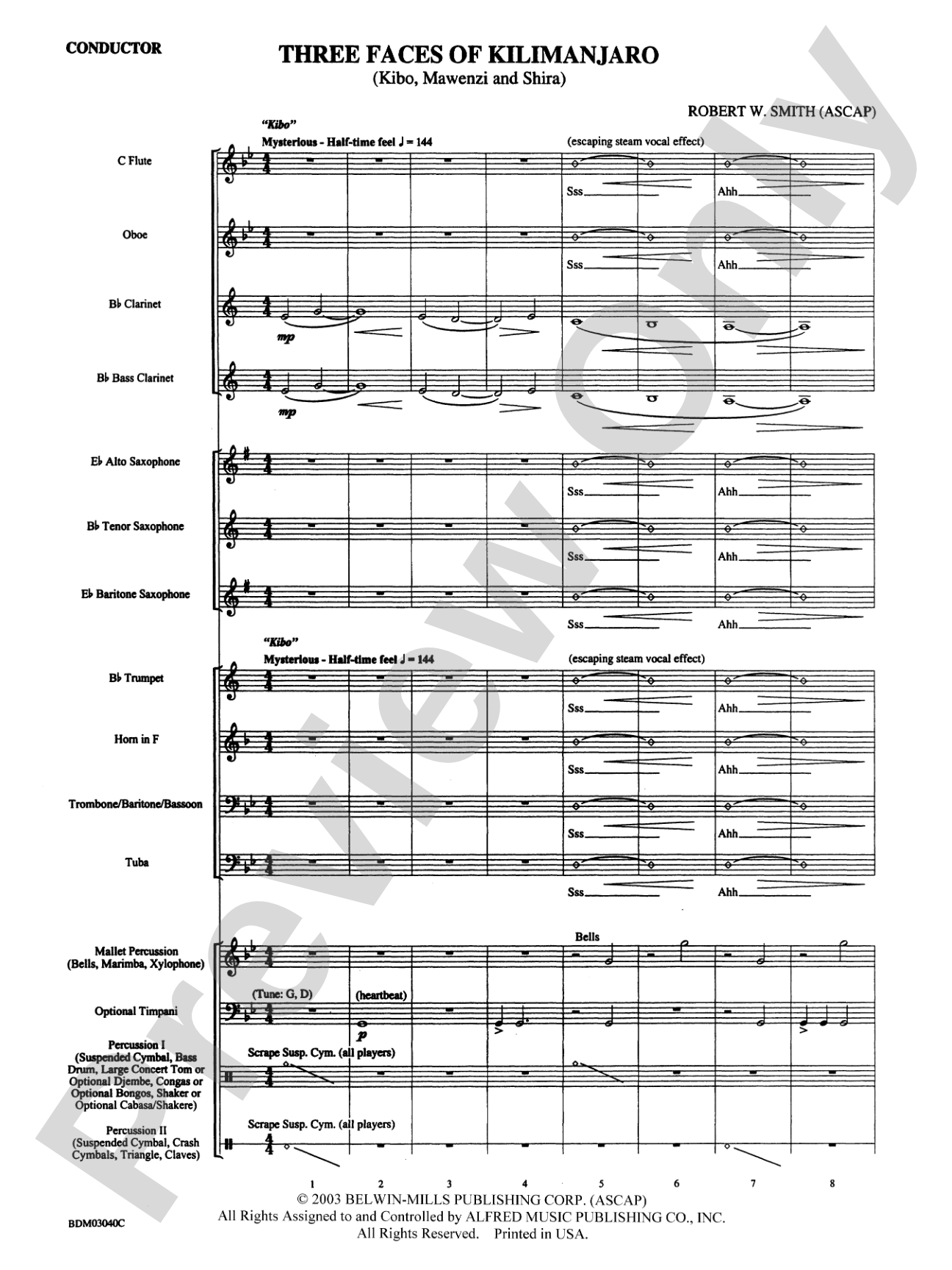
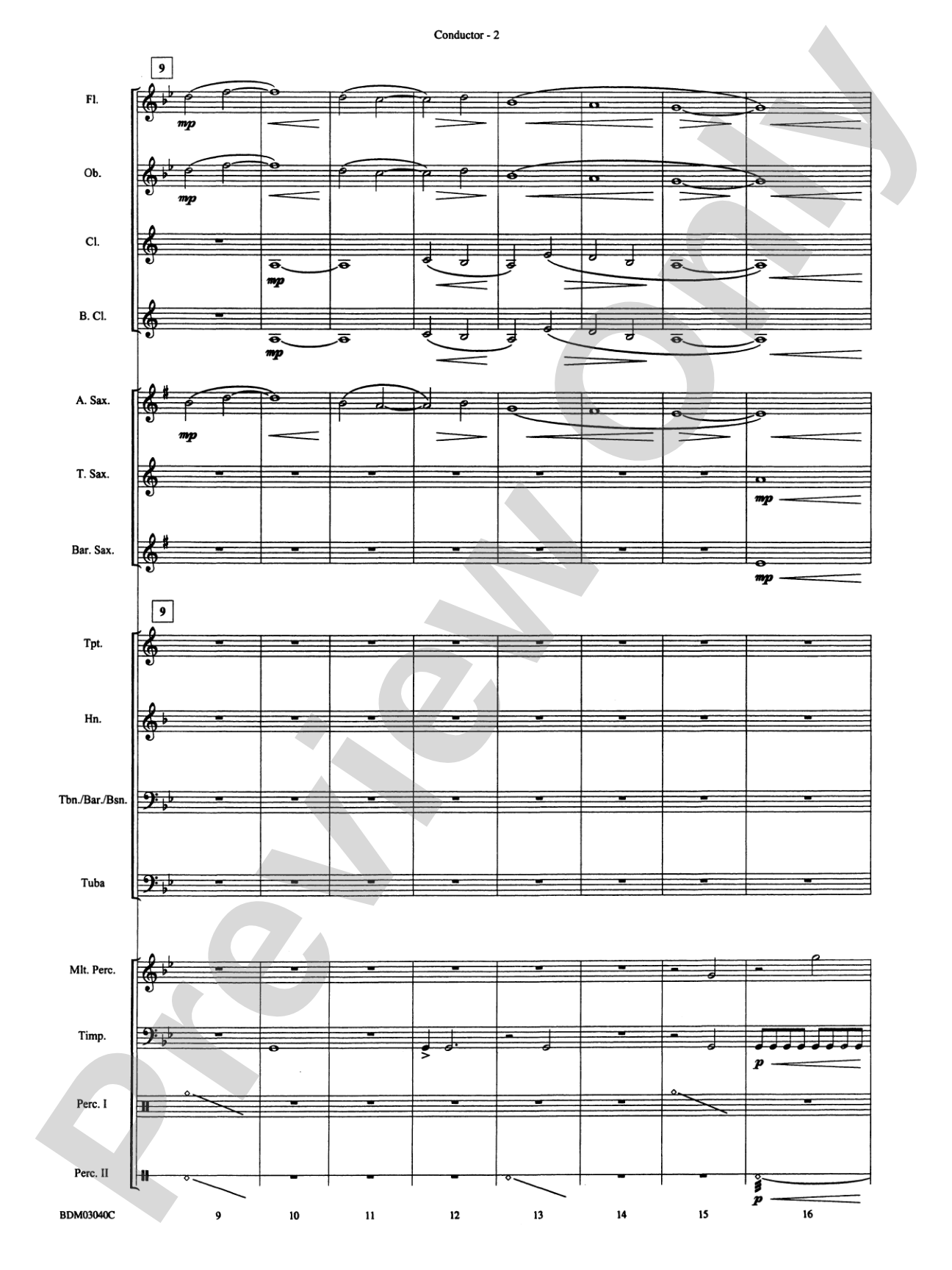
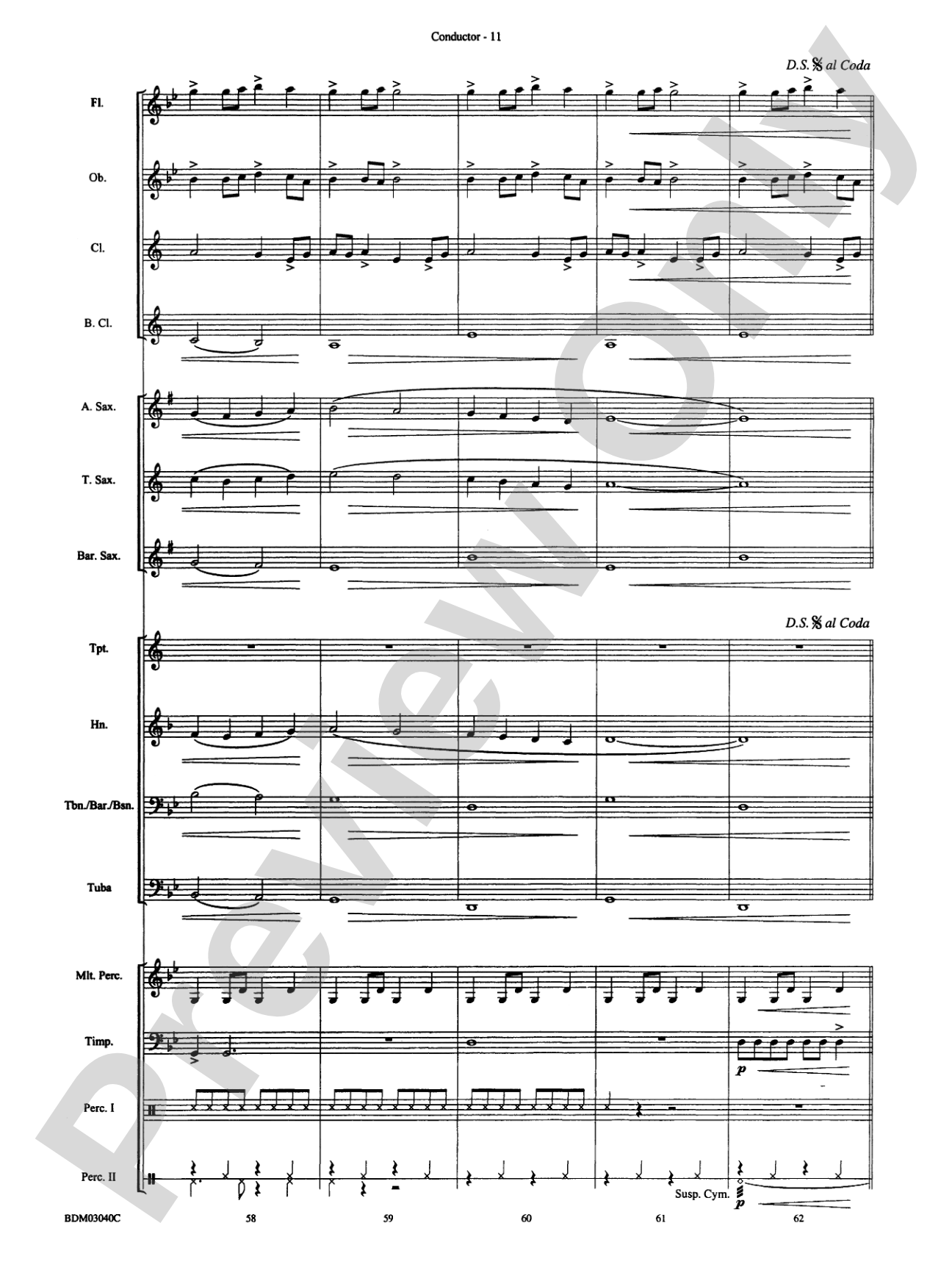
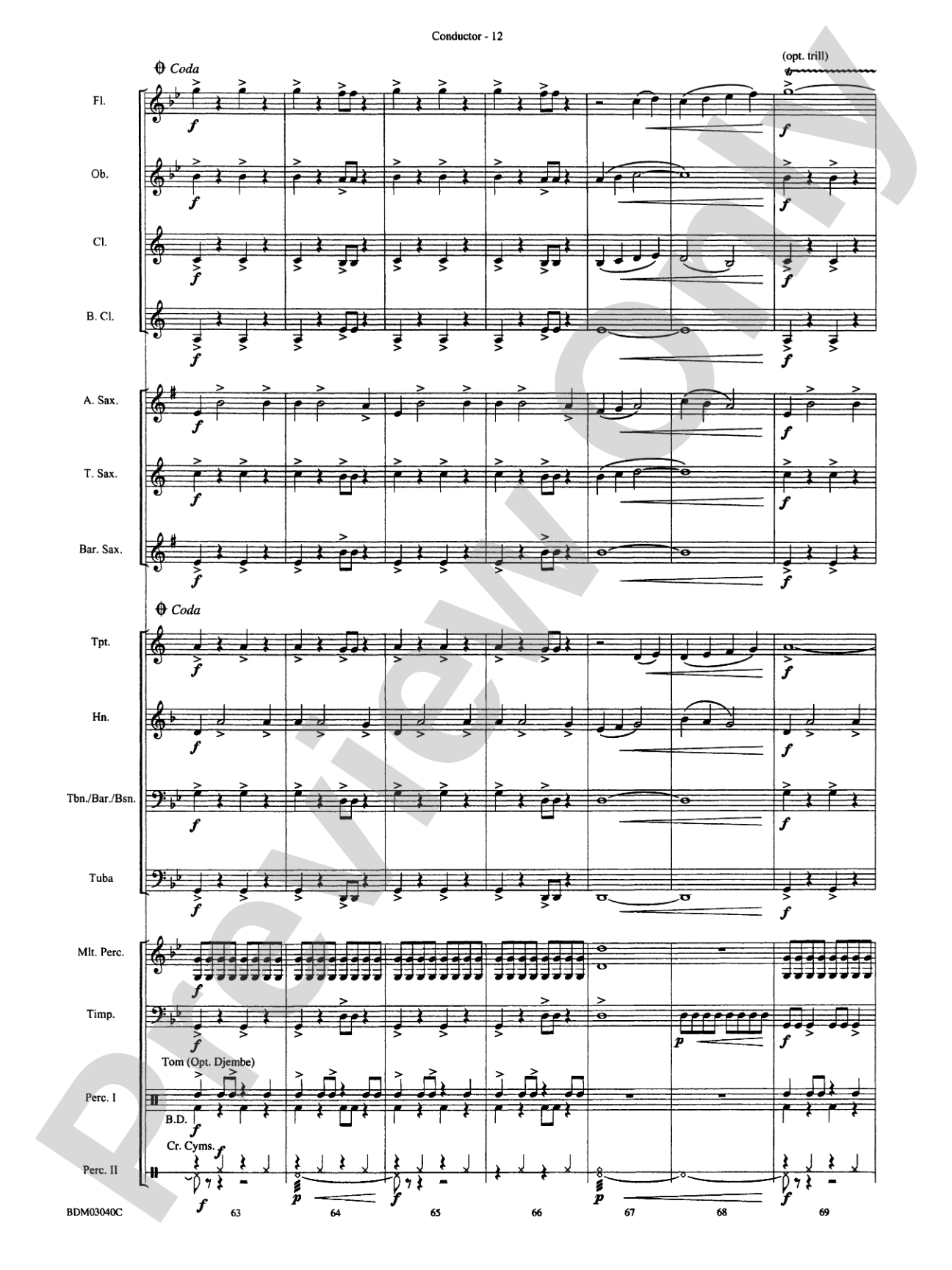
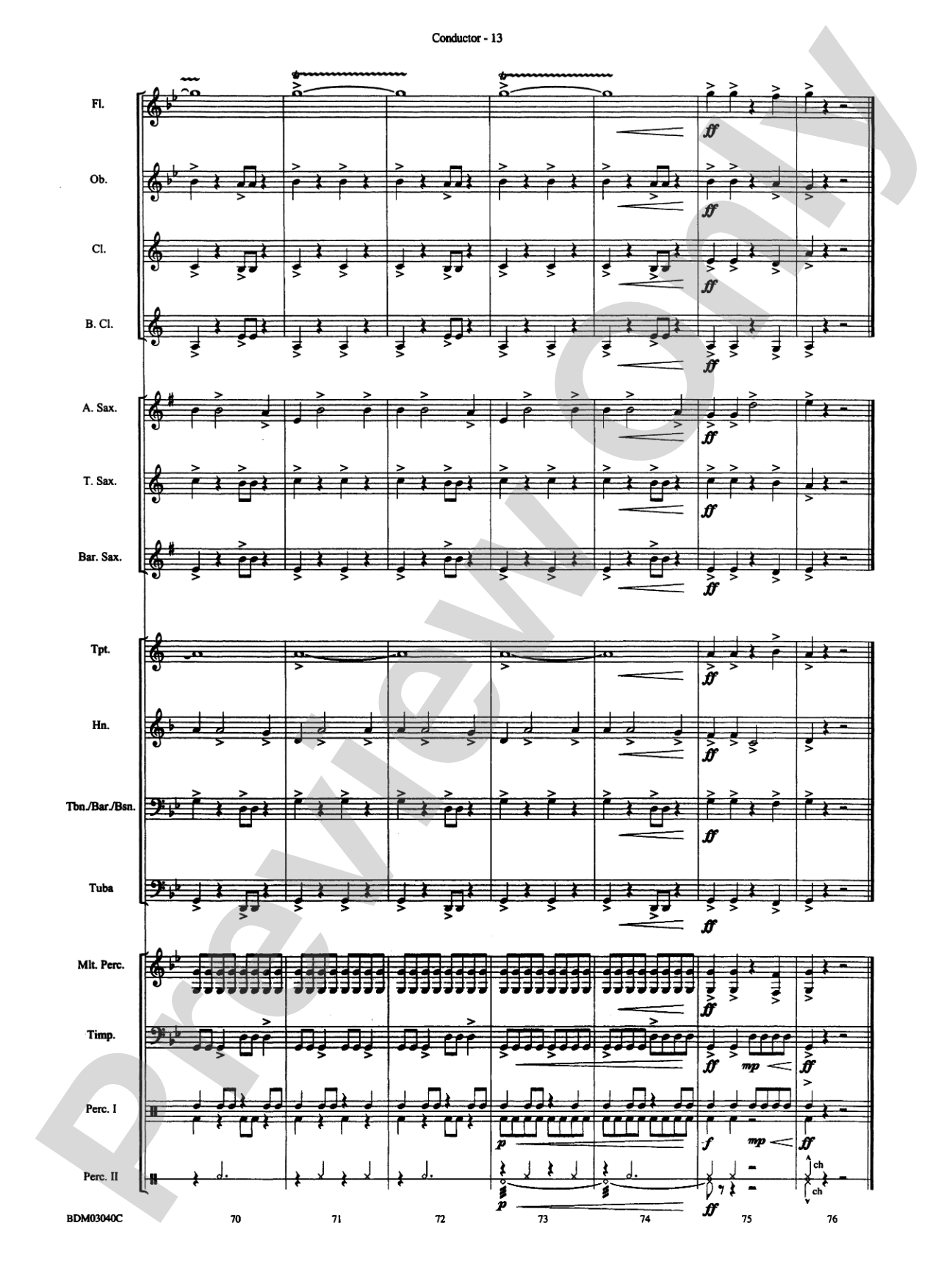
Africa's highest peak, Mount Kilimanjaro, conjures images of mystery and power. Robert W. Smith has musically captured the three varied sides of this grand mountain. The percussion contribution completes the musical palate and brings the composition to life. Exotic and impressive. (2:50)


Don't just read it, hear it, play along with it, and watch your students grow with it. In MakeMusic Cloud, Three Faces of Kilimanjaro (Kibo, Mawenzi, and Shira): Concert Band Conductor Score & Parts comes alive with professional accompaniment, adjustable tempo, and built-in practice tools that turn solo practice into real progress.
Open in the Player
Jump straight in and assign it today.
Start Your Free Trial
Open this title and explore the full library in minutes.
Sample Audio
1
Audio File
--:--
0:00
0:00
Sample Video
No sample videos found.
Additional Details
Series:
Belwin Beginning Band
Publisher:
Alfred Music
Page Count:
178
SKU:
00-PK-0002211
More about this title
About the Composer: Robert W. Smith

Robert W. Smith stands among America's most frequently performed composers of band and orchestral music, with over 400 published works spanning concert band, orchestra, and educational settings. His training in music education from Troy State University and advanced composition study at the University of Miami shaped a compositional voice that balances accessibility with musical substance.
Smith's works have reached stages across North America, Europe, Australia, and Asia, from Olympic ceremonies to network television broadcasts. His concert band pieces like The Tempest and The Odyssey have become foundational repertoire for developing ensembles, while his symphonic works continue to command attention from professional orchestras. Beyond composing, Smith has served as a conductor and clinician throughout the United States, Canada, Japan, Australia, and Europe, bringing his understanding of performer capabilities directly to his musical writing.
Why we love this
Smith crafted this piece specifically for beginning bands, which means every section gets melodic material worth playing, the harmonies sit naturally under the fingers, and the programmatic story about Kilimanjaro's three peaks gives your students something concrete to play toward. The percussion parts are essential to the texture, not decorative, so even your newest percussionists feel like they're shaping the sound rather than filling gaps.
What to expect
Majestic and evocative without demanding virtuosity. Smith uses exotic harmonies and colorful percussion writing to conjure the mystery and grandeur of Africa's highest mountain, creating an immersive soundscape that feels far more sophisticated than its Grade 1 level suggests. Each peak emerges with its own character, painting three distinct musical images of the same landmark.
Who it's for
Beginning concert bands looking for Grade 1 repertoire with genuine musical substance and a story to tell. This works equally well for first-year bands building ensemble skills and for established groups wanting dependable, engaging contest or festival material that won't demand advanced technique but will hold audience attention.
How to get the most out of it
- Balance the exotic sonorities: if Smith calls for unusual percussion combinations, resist over-amplifying them. They're meant to enhance the mountain imagery, not overshadow the band's primary melodic voice.
- Shape each peak's character distinctly. Kibo, Mawenzi, and Shira should sound like three separate musical personalities within the same piece, not three variations on one theme.
- Let the percussion section know they're carrying the descriptive weight. Rhythmic precision and dynamic control in the auxiliary parts will make the programmatic intent land for your audience.
- Keep the tempo steady and deliberate. At Grade 1, young musicians need time to navigate the passages cleanly, and rushing will flatten the exotic character Smith embedded in the harmony.
How to use it
Program this as the centerpiece of a geography or world music concert, pairing it with other African-inspired works to build thematic depth. Its compact length (2:50) makes it ideal for festival competition or as a concert opener that captures attention immediately and sets a sophisticated tone for the remainder of your program.
Skills your students will build
- Balancing melody and harmony in ensemble texture
- Sustaining tone quality across longer phrases
- Responding to programmatic direction in music
- Percussion integration and sectional independence
- Maintaining steady tempo while managing dynamic contrast