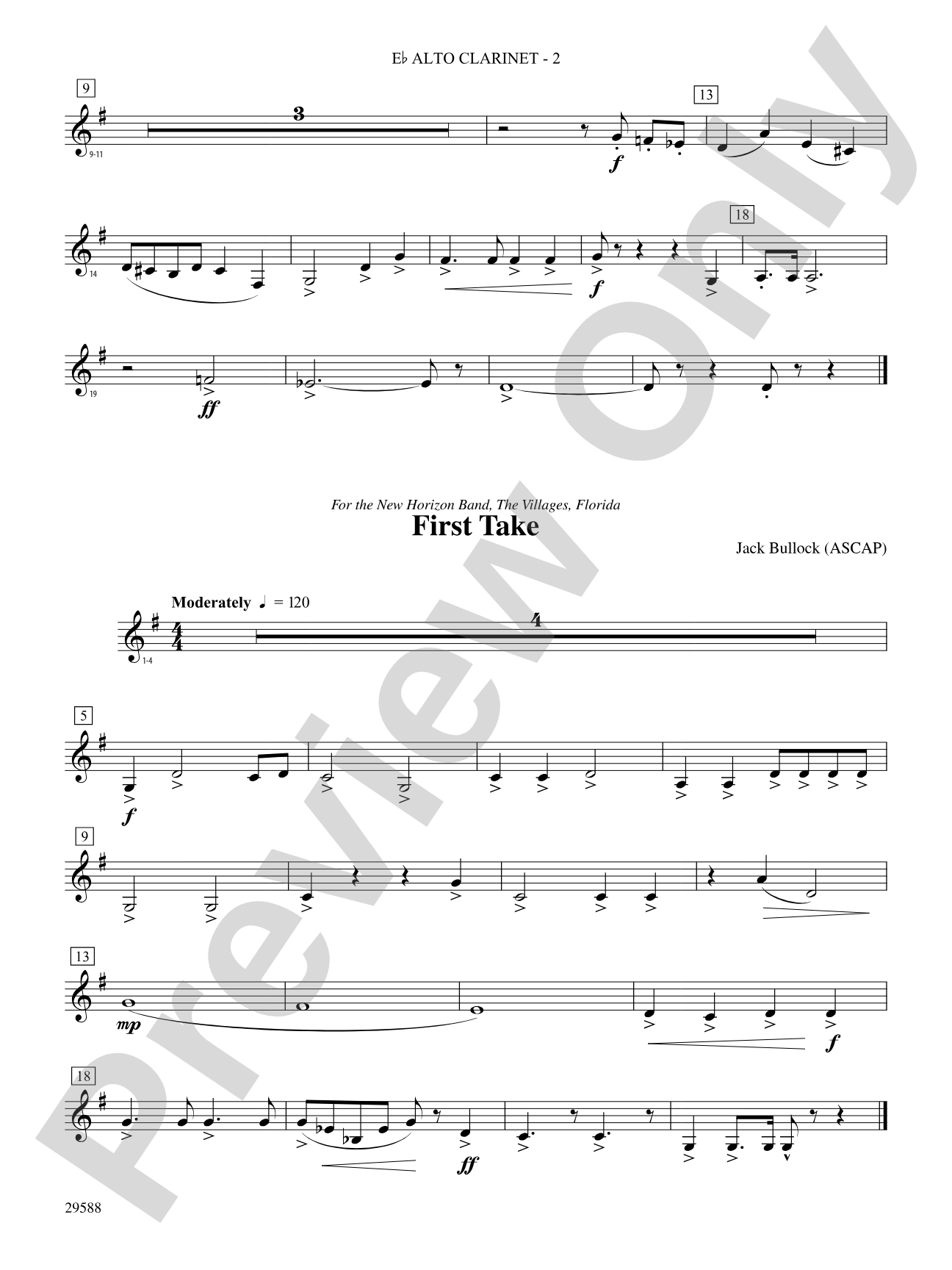
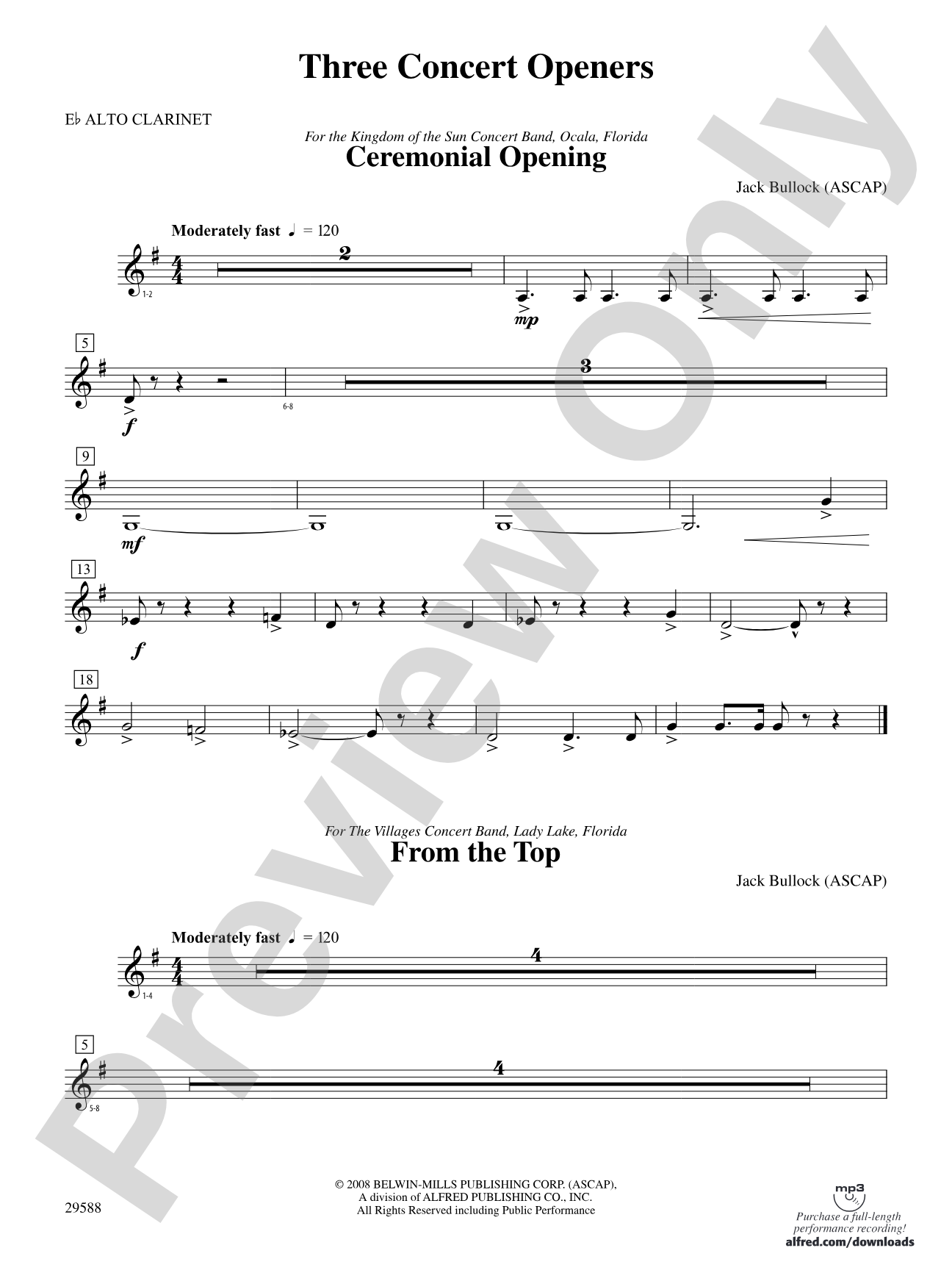
Three Concert Openers: (wp) E-flat Alto Clarinet Sheet Music Preview

Three Concert Openers: (wp) E-flat Alto Clarinet

By Jack Bullock

Grade: 3 (Medium Easy)

Item: 00-PC-0001484_wpAC1

Digital Download
$3.00
Description
Give your concert program an exciting beginning with dramatic effects by performing one of these audience-captivating openers. It's a touch of professional programming that has been used by outstanding musical groups such as the United States military bands. (2:23) This title is available in MakeMusic Cloud.

Don't just read it, hear it, play along with it, and watch your students grow with it. In MakeMusic Cloud, Three Concert Openers: (wp) E-flat Alto Clarinet comes alive with professional accompaniment, adjustable tempo, and built-in practice tools that turn solo practice into real progress.

Sample Audio
0:00
0:00
Sample Video
Additional Details
Series: Belwin Concert Band
Publisher: Alfred Music
Page Count: 244
SKU: 00-PC-0001484_wpAC1

More about this title

About the Composer: Jack Bullock

Jack Bullock

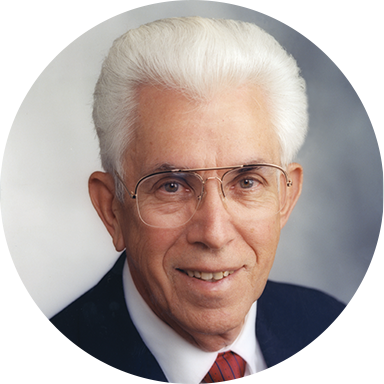
Jack Bullock brings three decades of dual expertise as both a working musician and music educator. A trumpet performer who played with the Miami Philharmonic Orchestra and Miami Opera Company, he earned undergraduate, graduate, and doctoral degrees in Music Education and studied trumpet with renowned pedagogues Harry Glantz, James Ode, and Craig McHenry. His performance experience spans regional theater orchestras, traveling dance bands, and nationally touring ensembles.

As a composer and arranger, Bullock has created over 600 works across concert band, orchestra, jazz ensemble, and marching band. He taught instrumental music in K-12 classrooms for 20 years, served as assistant band director at Ithaca College's School of Music for seven years, and chaired that institution's Music Education Department. Bullock is a co-author of the Belwin 21st Century Band Method and has led clinics throughout North America and England. He holds ASCAP membership since 1980.

Why we love this

Bullock understands what catches an audience's ear immediately. These three openers deliver the professional polish and theatrical impact you hear in military band concerts, yet they sit squarely at Grade 3 so your ensemble can execute them cleanly without extensive rehearsal. The variety across three distinct pieces means you can choose the mood that fits your program's arc and personality.

What to expect

Each opener combines theatrical energy with accessible musicianship. You'll find moments of orchestral color alongside straightforward ensemble writing that lets young musicians feel like they're part of something polished and intentional. The dramatic effects referenced in the description come through as tasteful musical choices, not gimmicks.

Who it's for

Concert band directors programming mixed-ability ensembles who want to open their concerts with confidence and flair. These pieces work for high school and advanced middle school bands seeking short, audience-engaging concert starters that don't demand extended rehearsal time.

How to get the most out of it

  • Balance the dramatic effects so they enhance rather than overwhelm the opening moment; these openers should draw listeners in, not startle them into discomfort.
  • Use the full dynamic range available in your instrumentation; the contrasts between forte and piano sections are essential to the impact.
  • Ensure your rhythm section locks in from the downbeat; the opening 143 seconds set the tone for everything that follows.

How to use it

Open your concert with one of these three pieces to establish momentum and immediately signal to your audience that something engaging is about to unfold. The 143-second total duration fits neatly before a longer feature work, or use whichever opener matches the stylistic mood of your program's second piece. Having three options in a single score makes it easy to rotate through different concerts across the school year.

Skills your students will build

  • Dynamic control and contrast (sudden shifts between forte and piano)
  • Ensemble blend and balance during dramatic musical moments
  • Reading and executing concert band textures under standard time signatures
  • Responding to conductor cues that shape theatrical phrasing

You May Also Like