Three Close Friends Sheet Music Preview

Three Close Friends: Piano

By Dianne Goolkasian Rahbee

Item: 98-DE1070

Digital Download
$4.95
Description
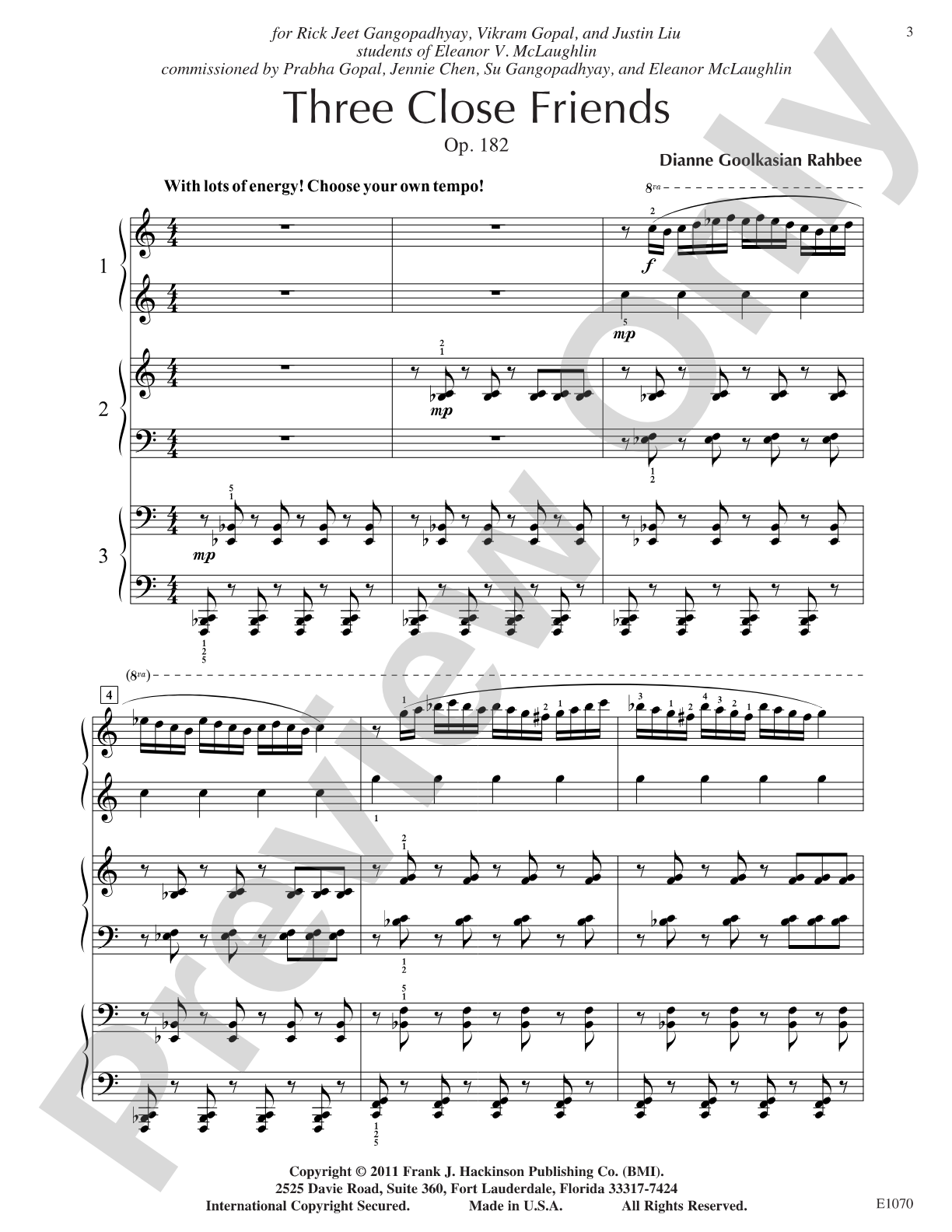
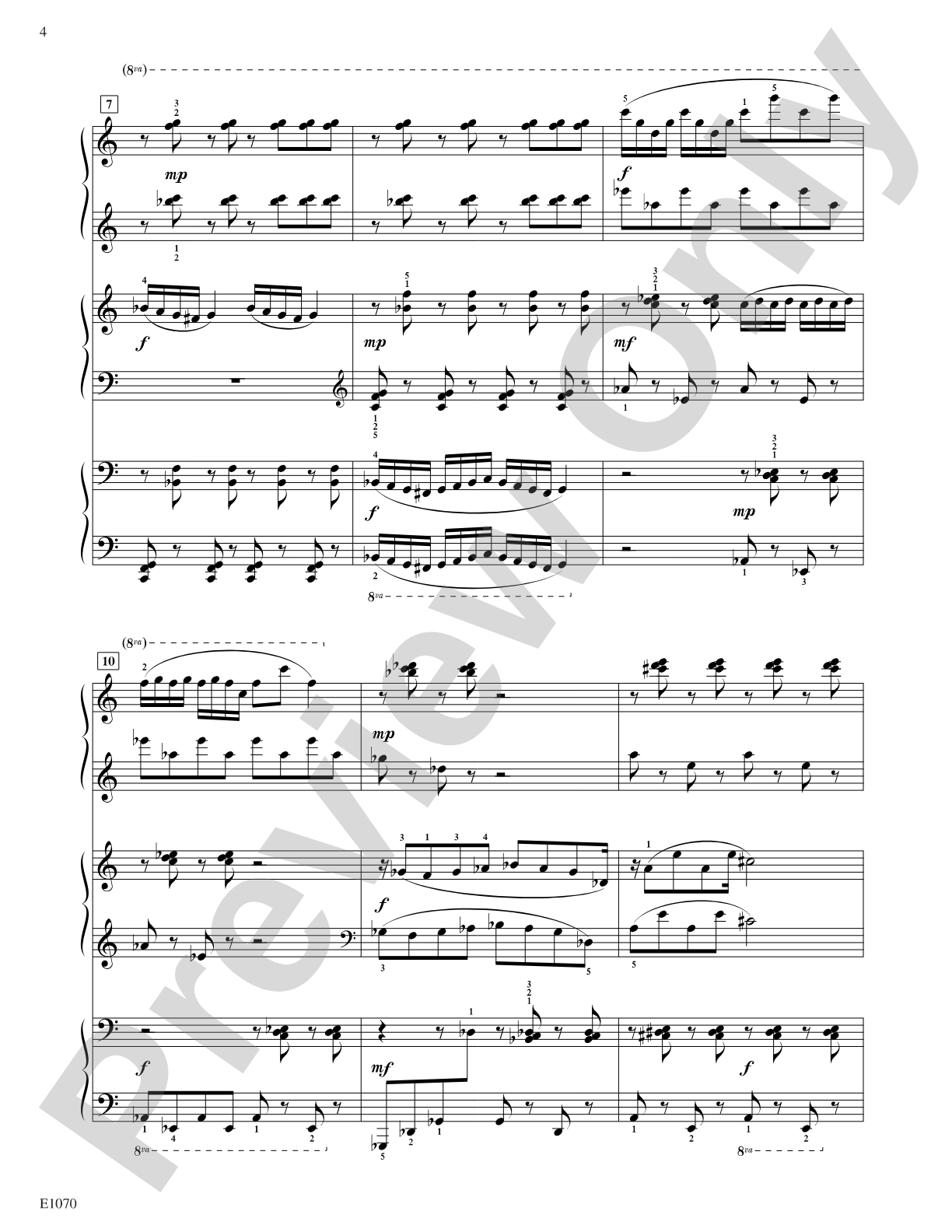
Full of energy and fun to play, this percussive, patterned piece was commissioned for three young students (ages 10-12) who are best friends and have performed this piece many times to enthusiastic audiences. The tempo mark is "choose your own"� with the eighth note being the prevalent note value. The middle section is marked espressivo and the quarter notes slow it down. Ensemble is a challenge, but each part is highly patterned and easy to learn.

Three Close Friends: Piano isn't in MakeMusic Cloud just yet...but it could be. Let us know you'd like to see it, and you'll help shape what comes next. In the meantime, start a free trial and dive into thousands of interactive titles your students can play along with today.

Sample Audio
No sample audio found.
Sample Video
Additional Details
Series: The FJH Piano Ensemble Series
Publisher: The FJH Music Company, Inc.
SKU: 98-DE1070

More about this title

About the Composer: Dianne Goolkasian Rahbee

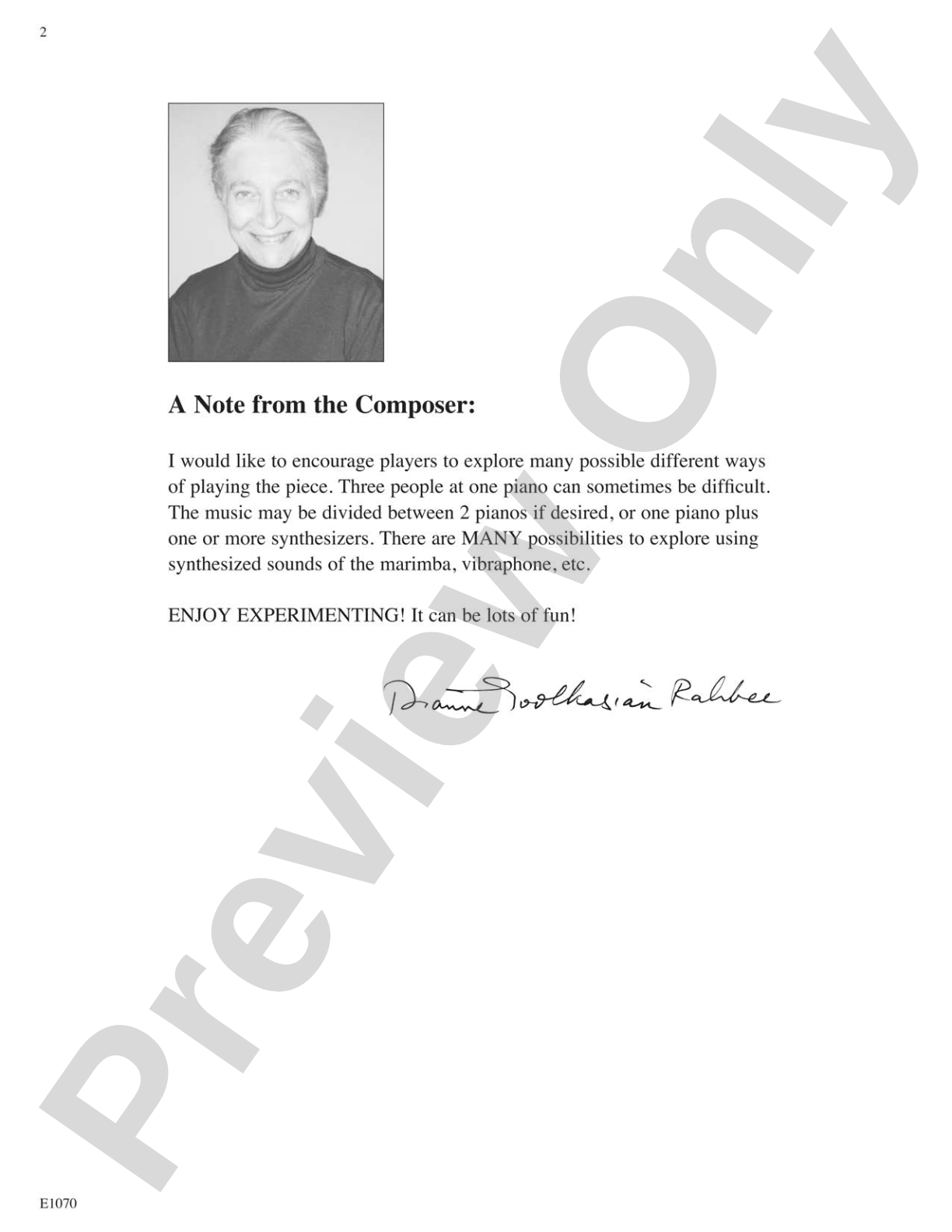
Dianne Goolkasian Rahbee is a composer and educator whose works span solo keyboard literature, chamber music, and ensemble pieces written specifically for young musicians. Her approach to composition prioritizes accessibility without sacrificing musical interest, creating works that engage students while respecting their technical development. She has a gift for writing patterns that feel natural to play and grow satisfying under the fingers.

Why we love this

This is the kind of piece that rewards the extra rehearsal time it takes to lock together. The patterned writing means students learn their parts quickly, freeing your rehearsals to focus on ensemble balance, blend, and the interpretive choices that make the difference between playing it and performing it. Three friends learning to listen to each other while maintaining their own lines is exactly what piano ensemble should do.

What to expect

Bright and playful, with a percussive quality that invites rhythmic precision and clarity. The middle section breathes and softens the energy, inviting something more lyrical before the vitality returns. There's lightness throughout, never demanding intensity, just engagement and focus.

Who it's for

Three students at the late intermediate level who are ready to grapple with ensemble independence. This works equally well for students preparing for a recital together or for a classroom piano class exploring chamber music. The friendly context (three best friends performing for audiences) makes it especially motivating for young players building confidence in public performance.

How to get the most out of it

  • Start in a tempo that feels comfortable for all three players to execute the eighth-note passage cleanly, then consider speeding up once ensemble security develops.
  • Isolate the espressivo middle section in separate rehearsals; the shift to quarter notes offers natural breath room, but students often rush back to the faster material without intention.
  • Record a run-through early and play it back for the ensemble. Hearing their own balance issues builds ownership of the ensemble sound faster than any correction from you.
  • Balance the three parts by ear during dress rehearsal. One player may naturally sit forward; adjusting hand position and dynamic awareness rather than asking for volume changes yields more musical results.

How to use it

Program this as a palette cleanser mid-concert when you need a moment of joy and accessibility, or feature it on a student recital where ensemble playing is being showcased. It also fits naturally into a spring piano class concert where multiple trios are performing separately.

Skills your students will build

  • Reading and maintaining independent rhythmic lines in ensemble context
  • Executing repeated eighth-note patterns with consistent articulation
  • Shifting musical character (from energetic to espressivo) and back
  • Listening to and balancing three equal voices without a clear melodic hierarchy
  • Interpreting open tempo markings and making collaborative musical decisions

You May Also Like