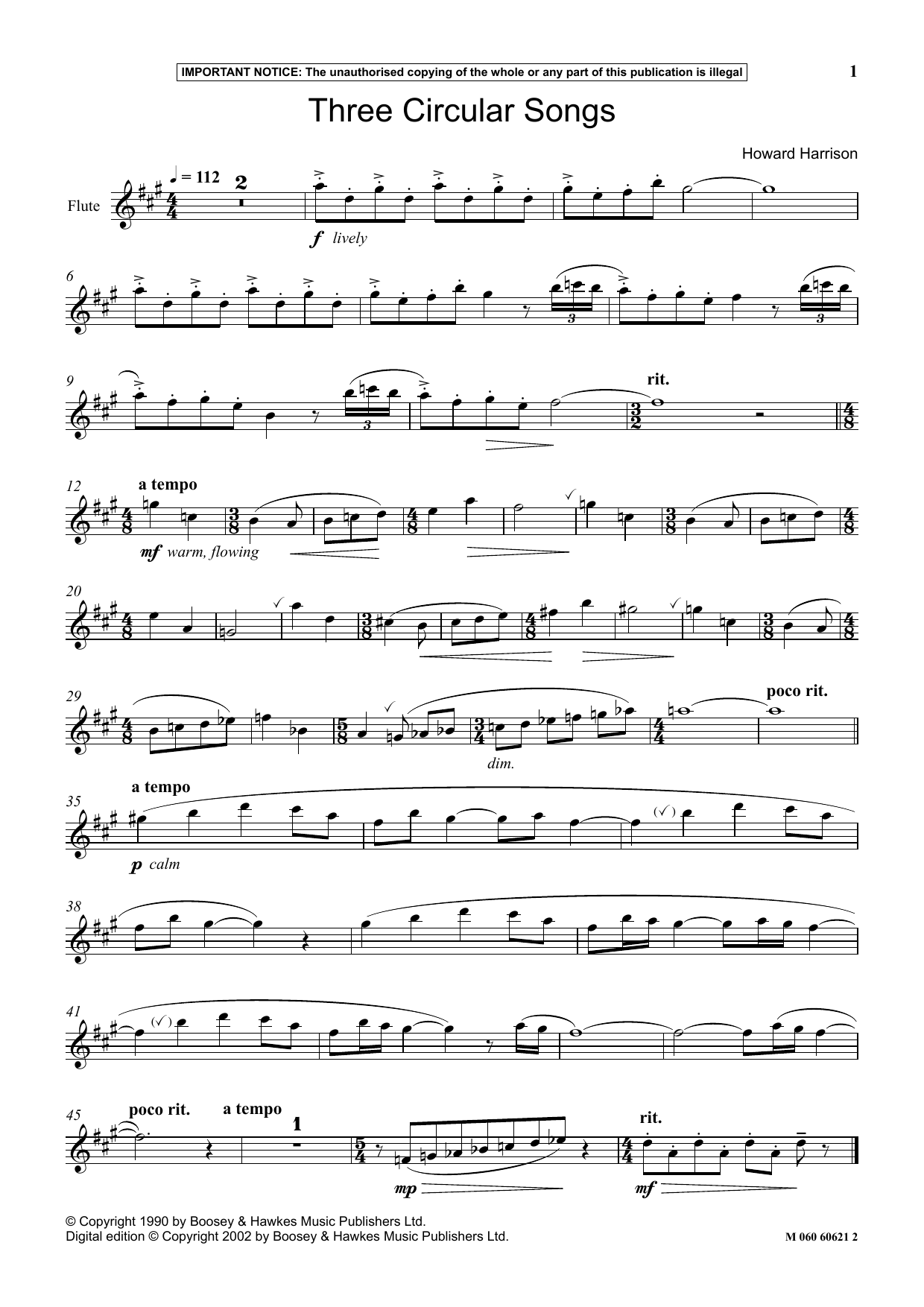
These circular songs tap into a tradition that has shaped music education for centuries. The round structure creates natural opportunities for layered listening and part independence, making them ideal for building ensemble cohesion without requiring advanced sight-reading skills.
What to expect
Circular songs possess an elegant simplicity that belies their musical sophistication. The interlocking voices create a sense of forward motion and completeness, even as the piece remains open-ended and can cycle indefinitely.
Who it's for
Teachers working with developing singers who need repertoire that builds part independence and listening skills. These pieces work equally well in choir, general music classes, or as warm-up material for larger ensemble rehearsals.
How to get the most out of it
Establish a steady pulse before entering; circular songs demand rhythmic precision from every voice since the parts interlock continuously.
Stagger the entrances clearly during rehearsal so singers understand exactly where their line begins relative to others.
Shape each phrase as a complete musical statement rather than rushing to the next entry point; this keeps the texture from sounding mechanical.
How to use it
Include these songs as connective pieces between major works on a concert, or use them to open rehearsals as a focused warm-up that doubles as repertoire. Their accessibility makes them natural choices for family concerts or community sing-alongs.
Skills your students will build
Singing independent melodic lines while tracking other parts
Maintaining steady pulse through overlapping entries and exits
Understanding canon and round form
Listening to and blending with ensemble voices in real time
You May Also Like
Scan to Complete Your Purchase
Use your phone's camera to scan the code below
You'll log in on your phone and the order will be added to your account