
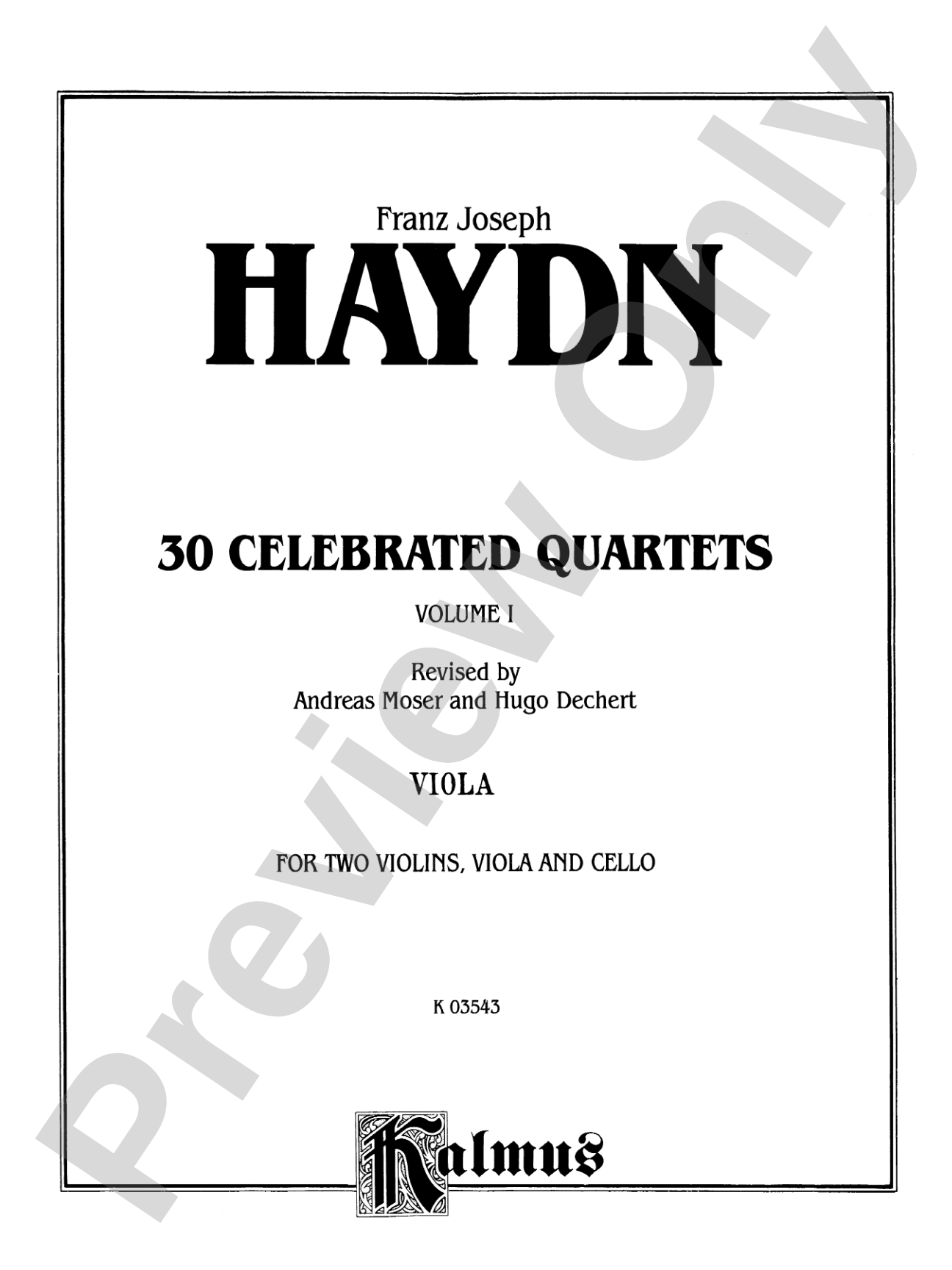
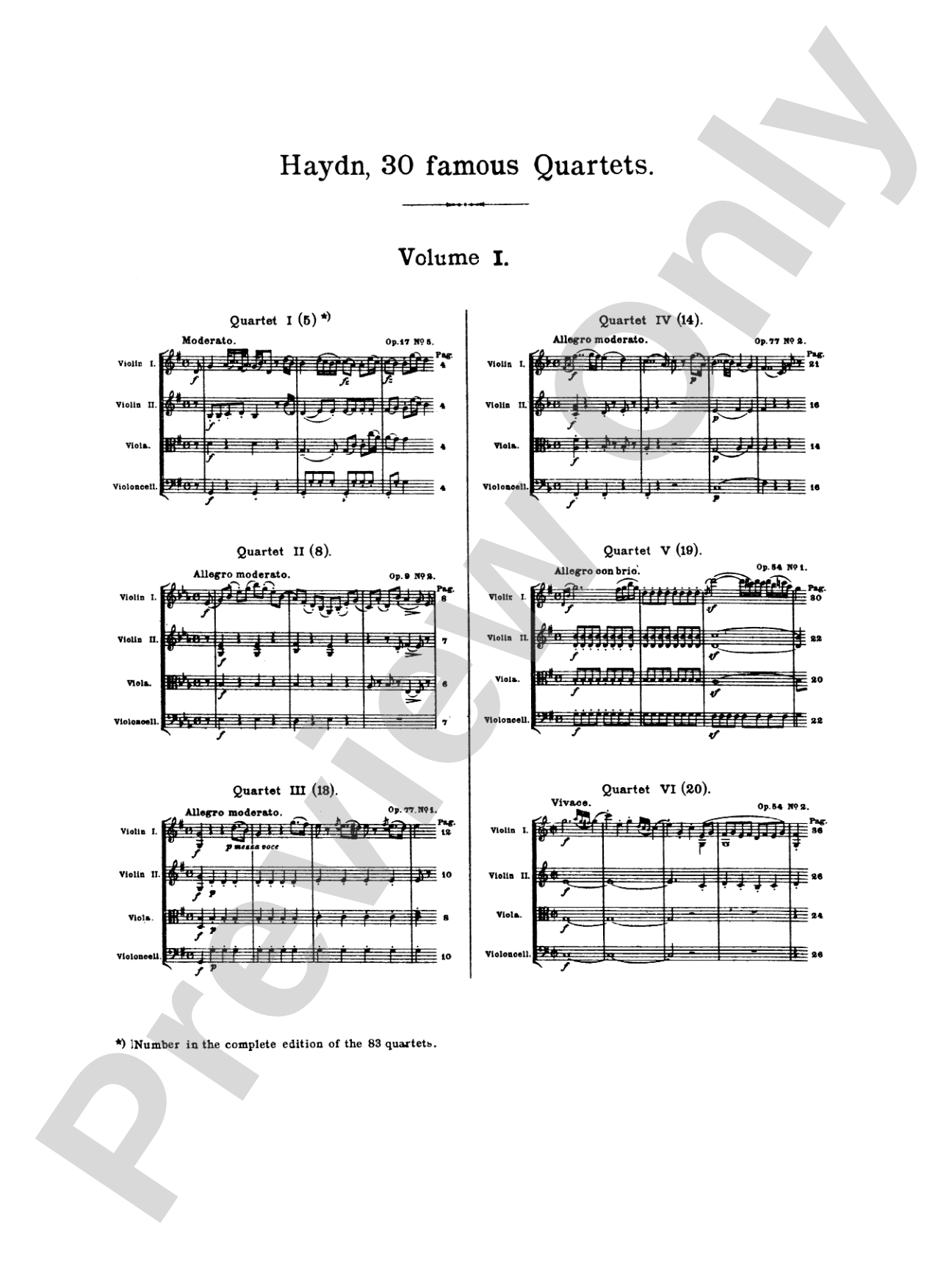
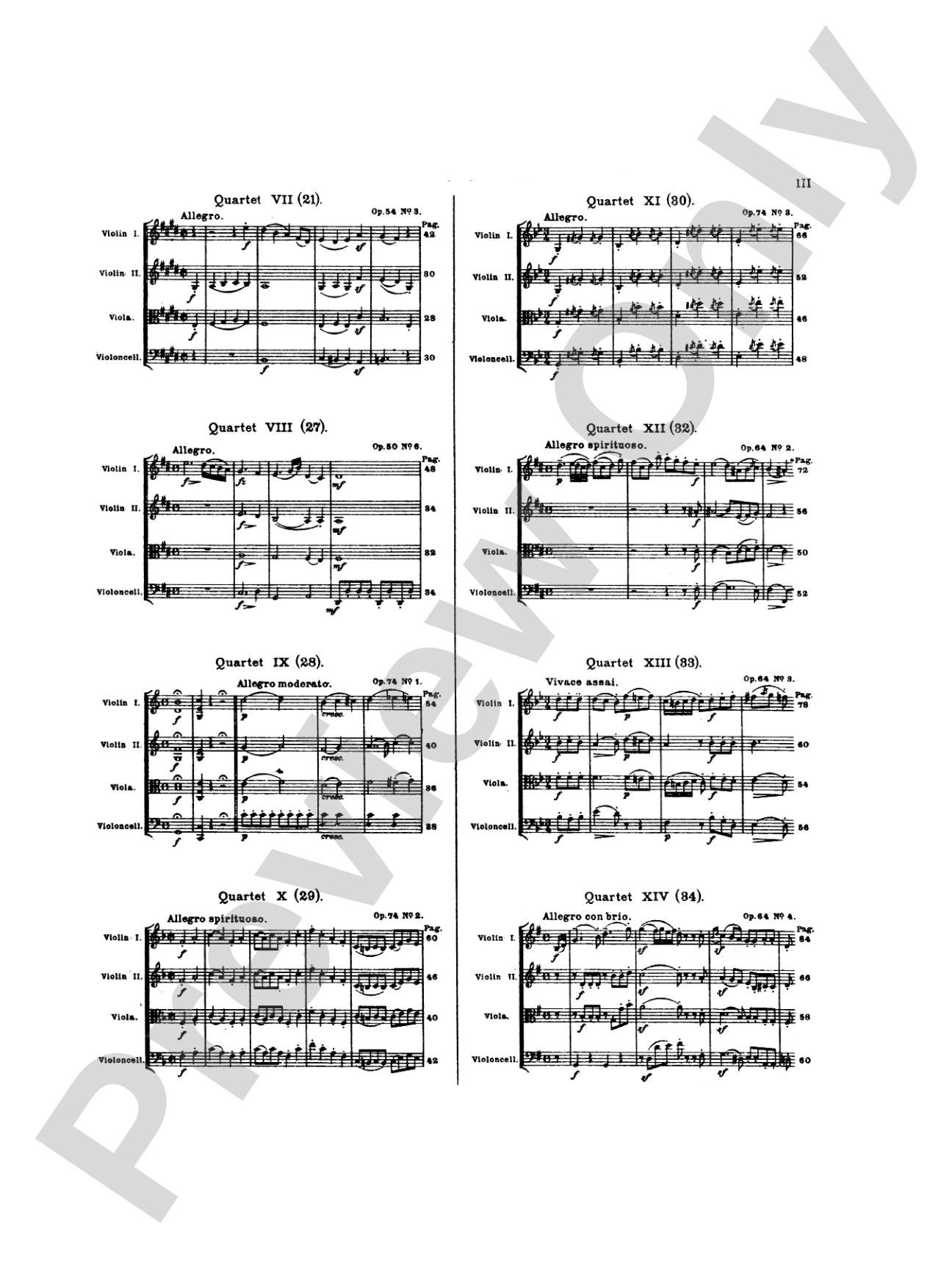
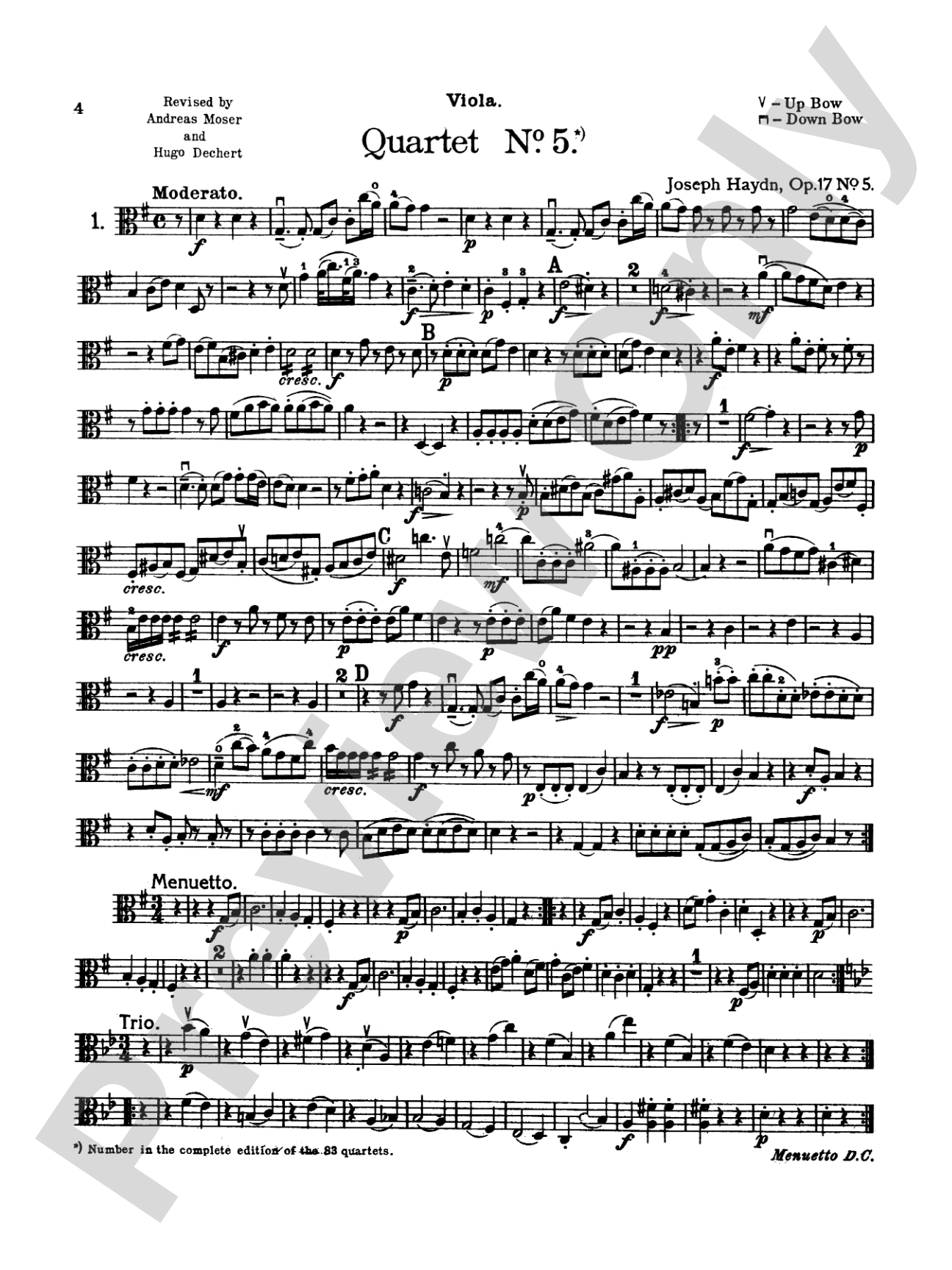
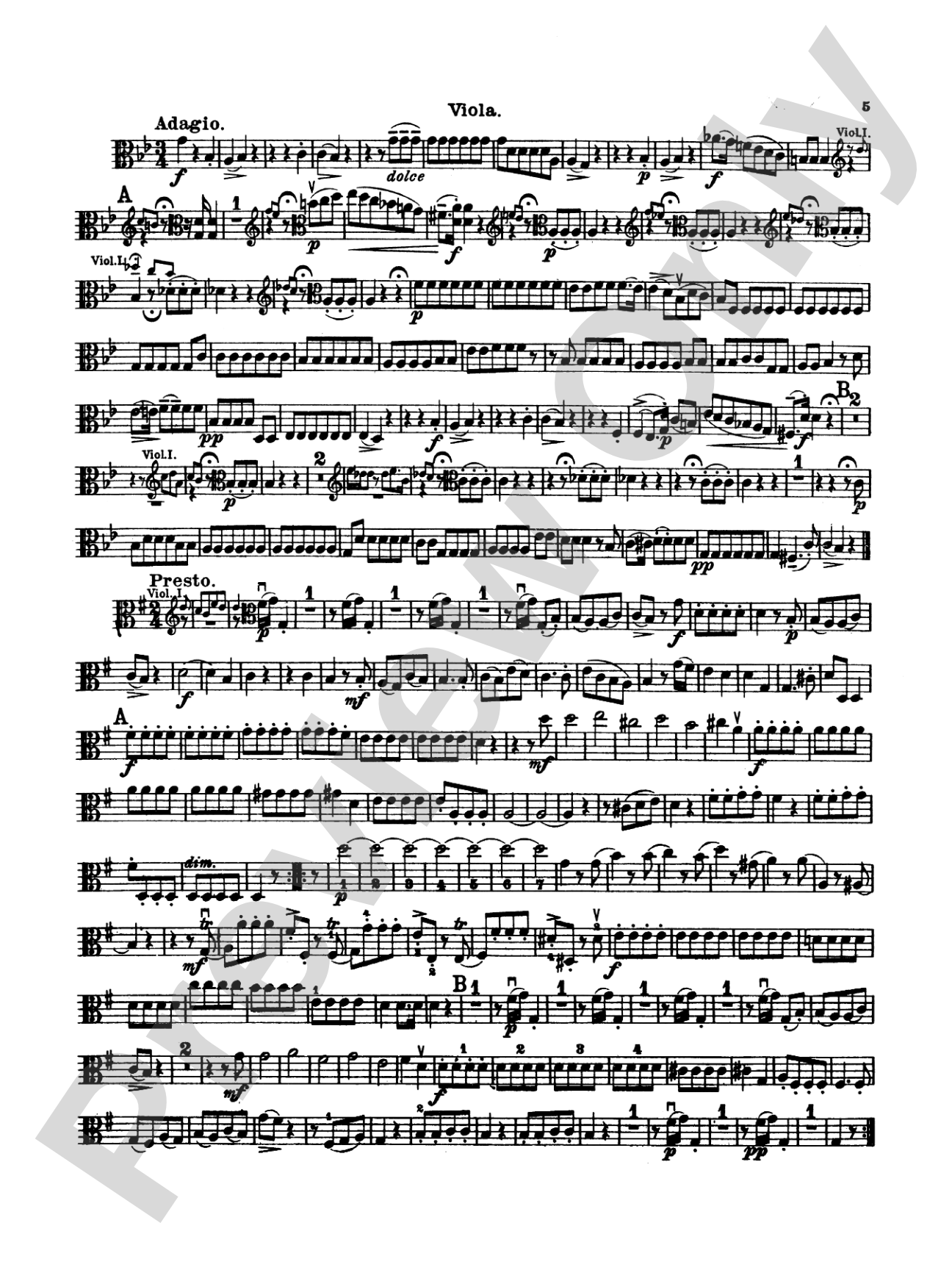
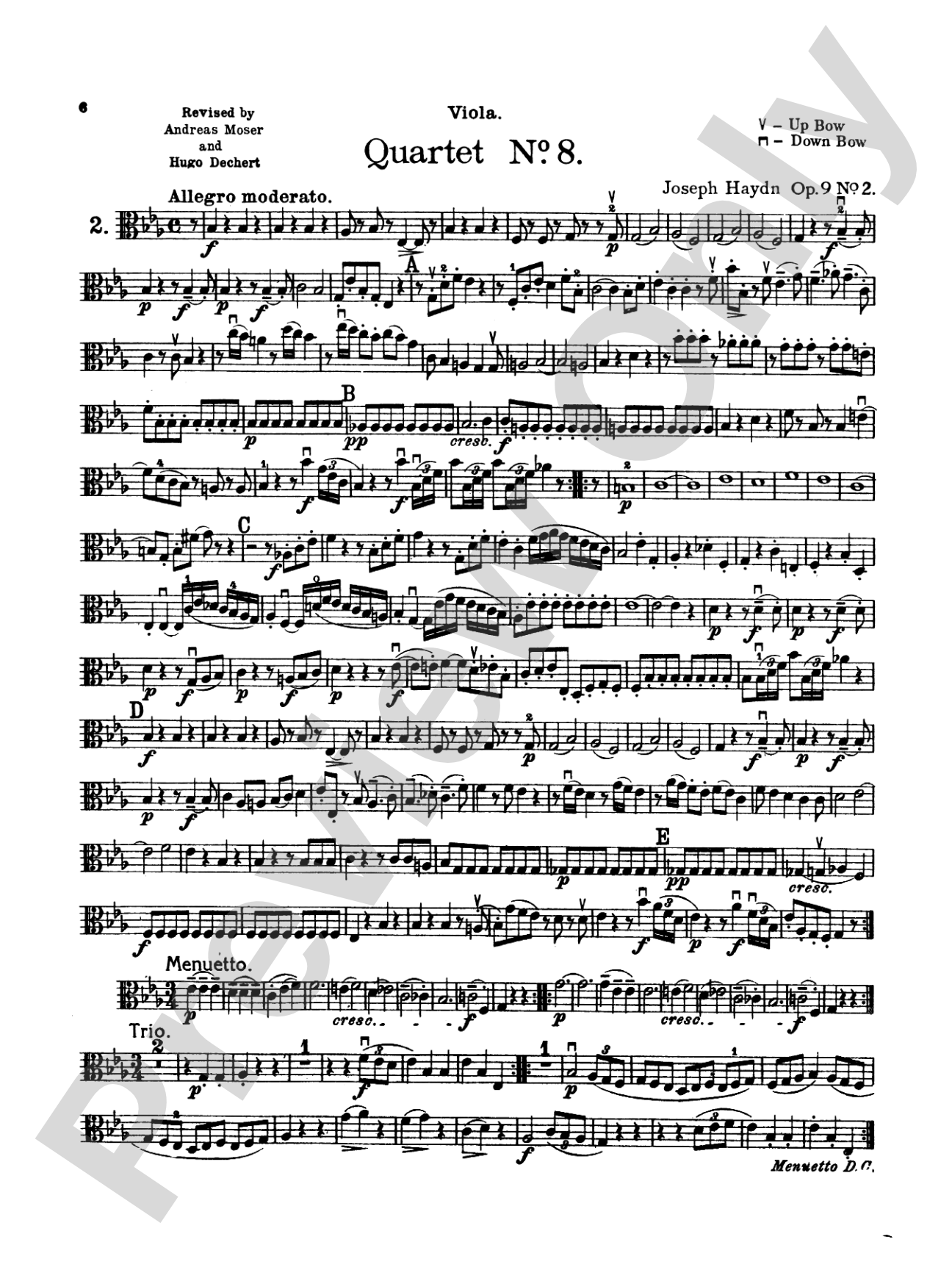
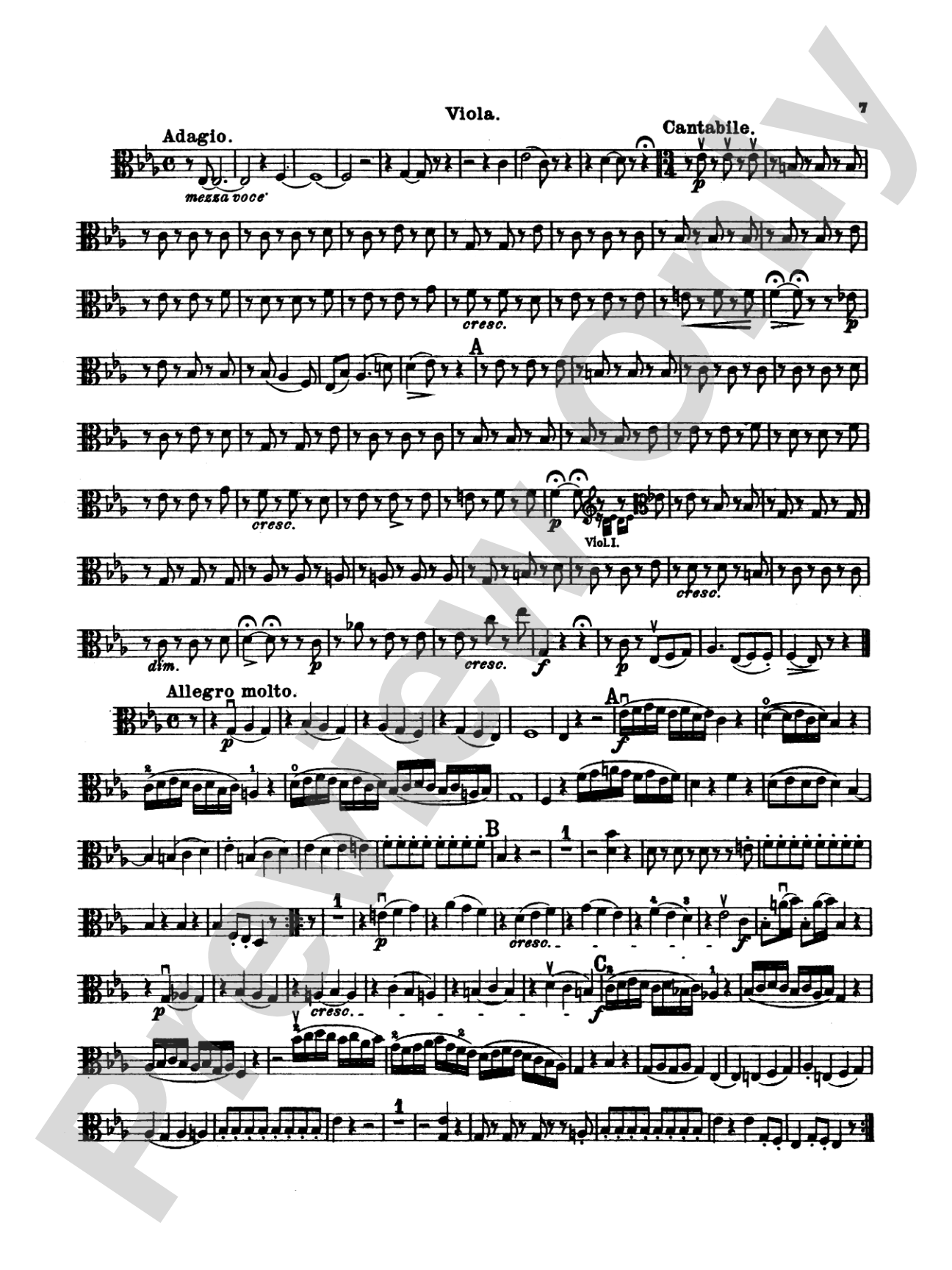
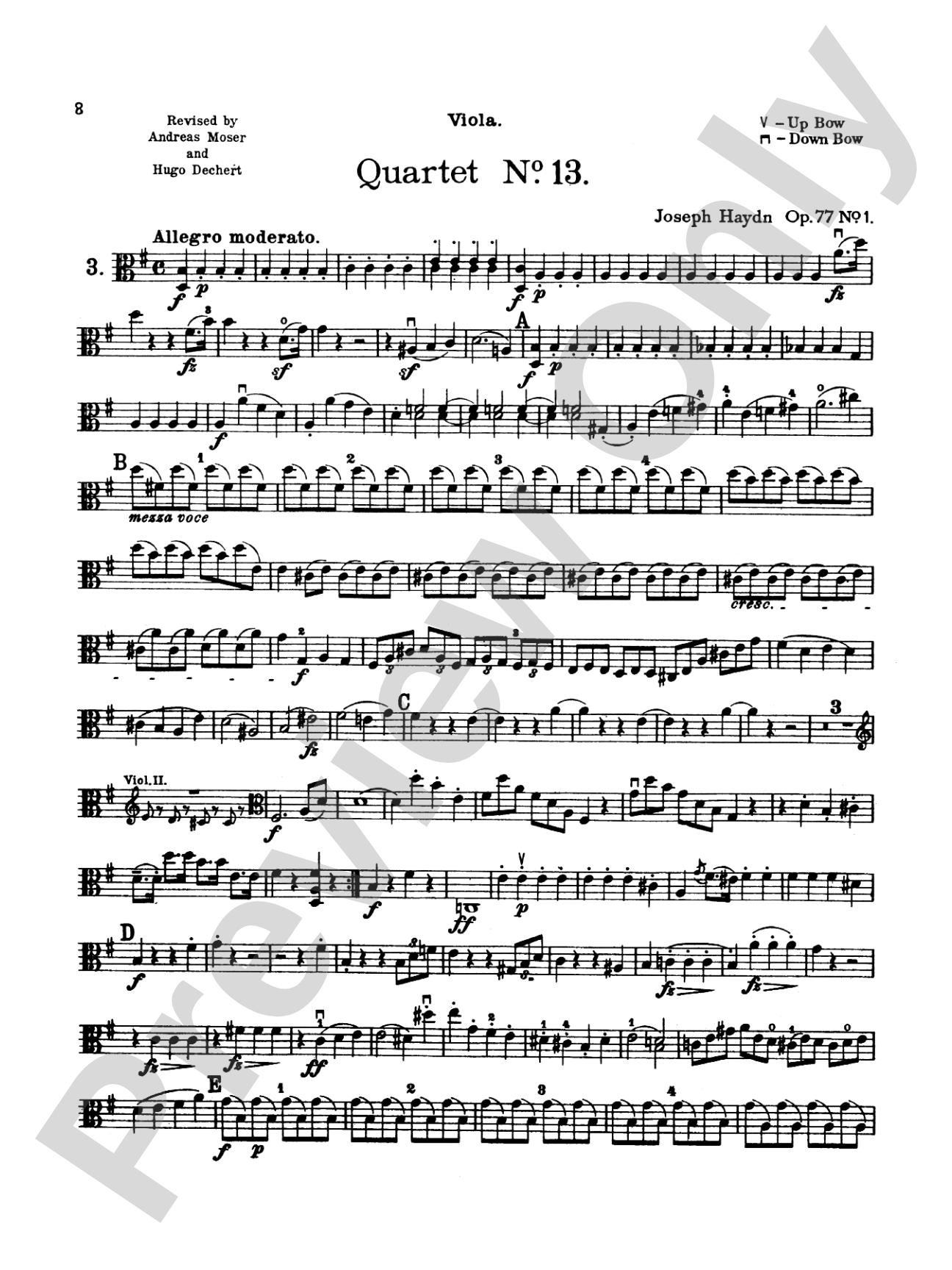
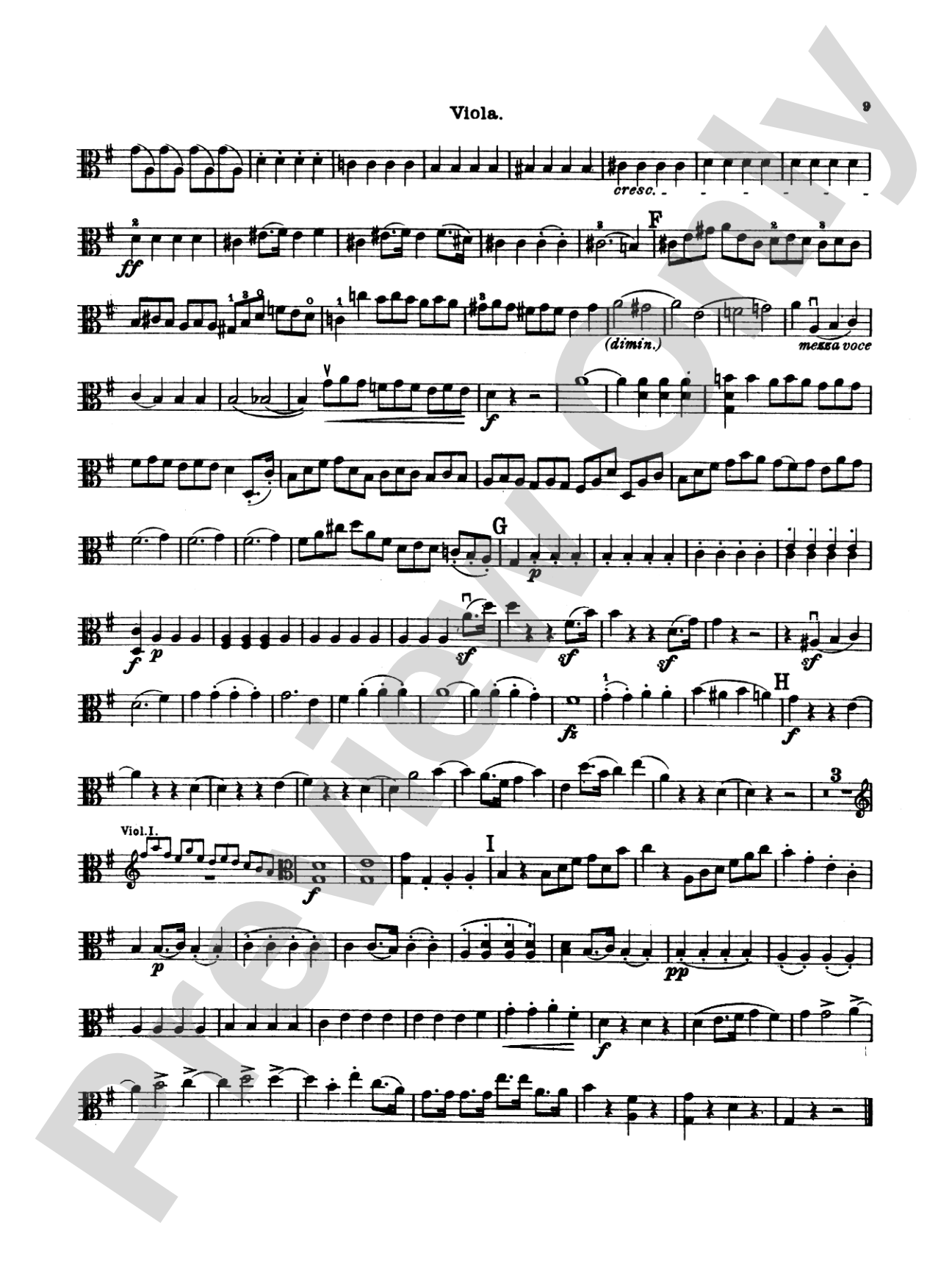
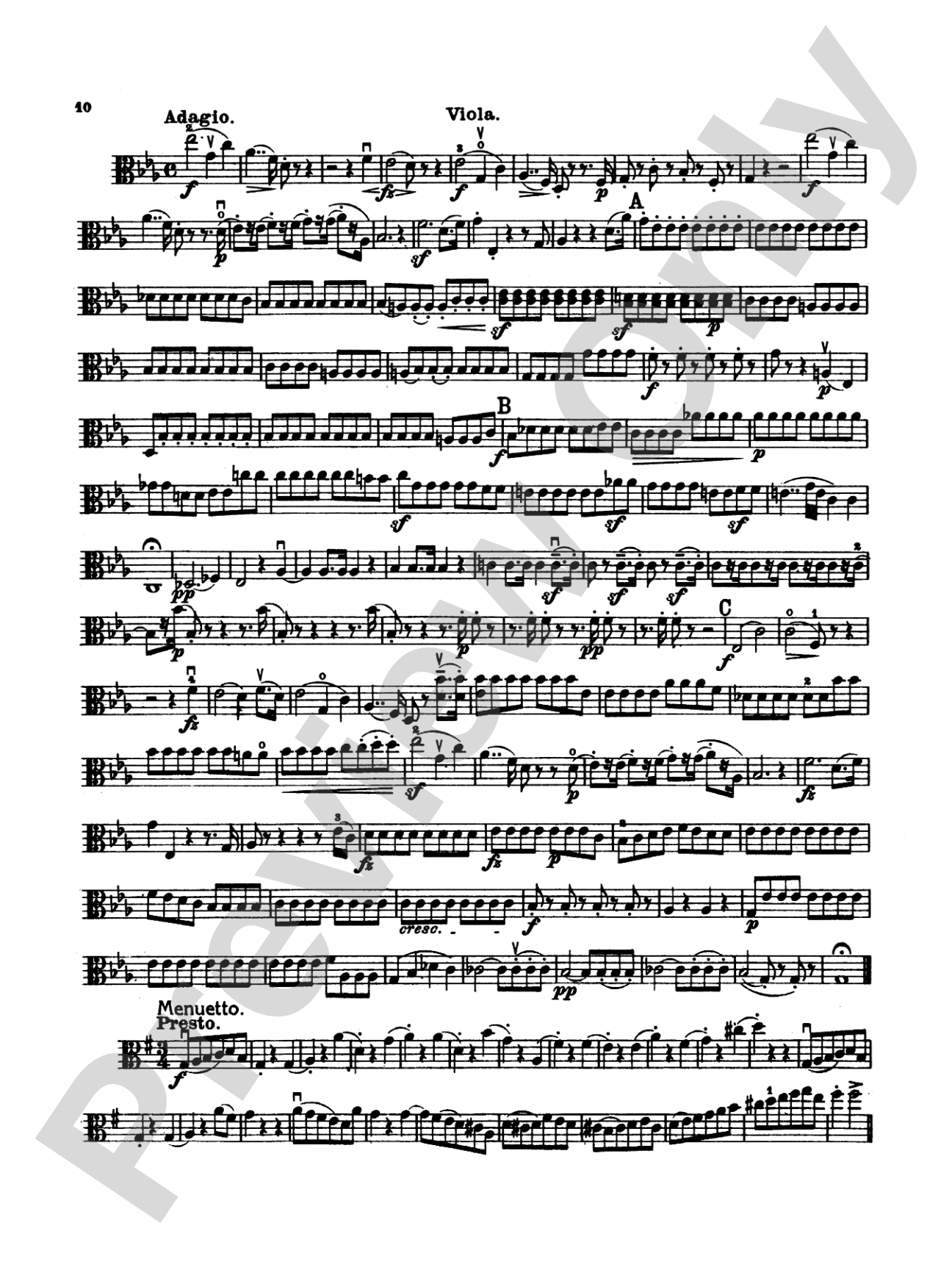
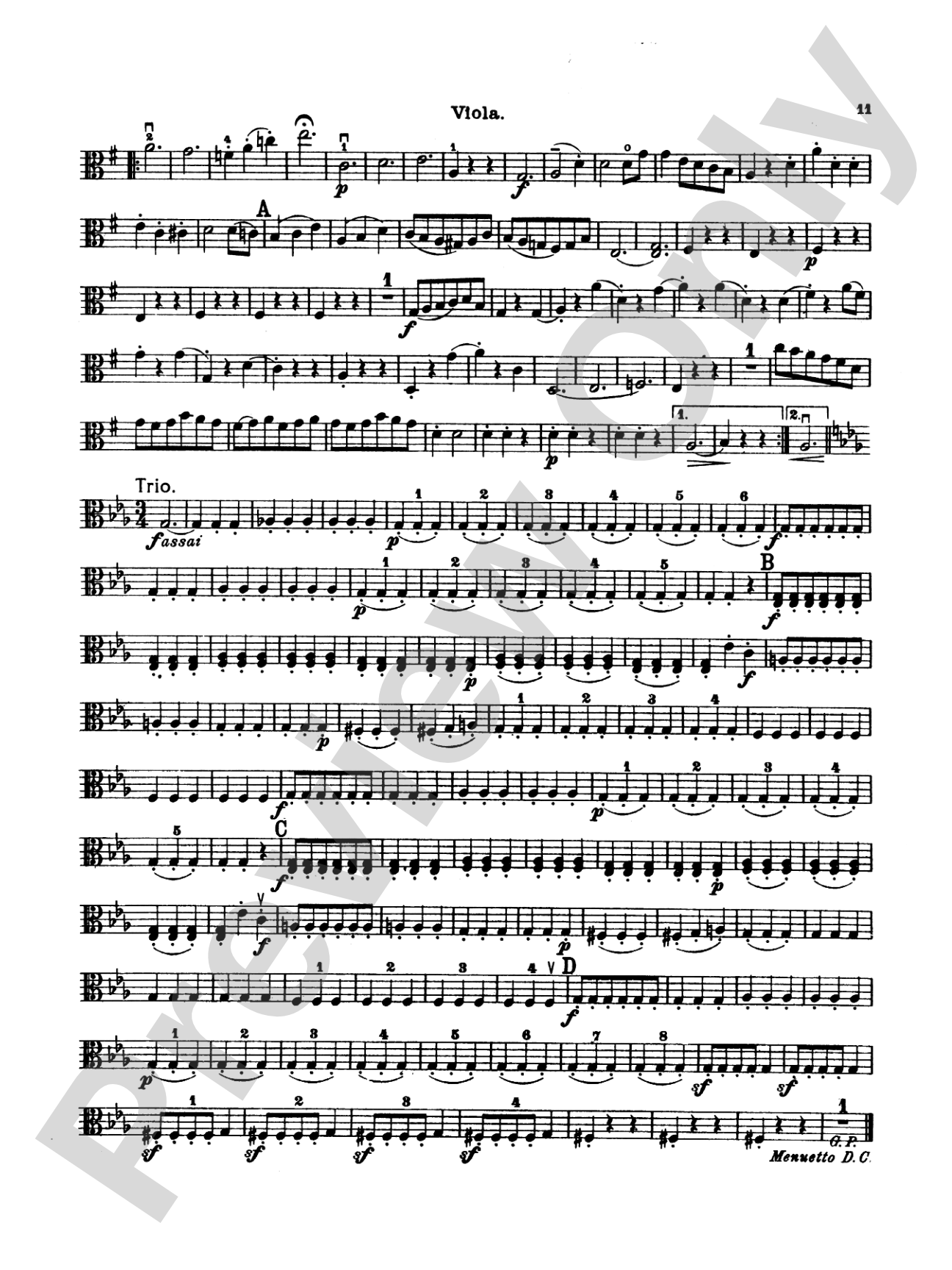
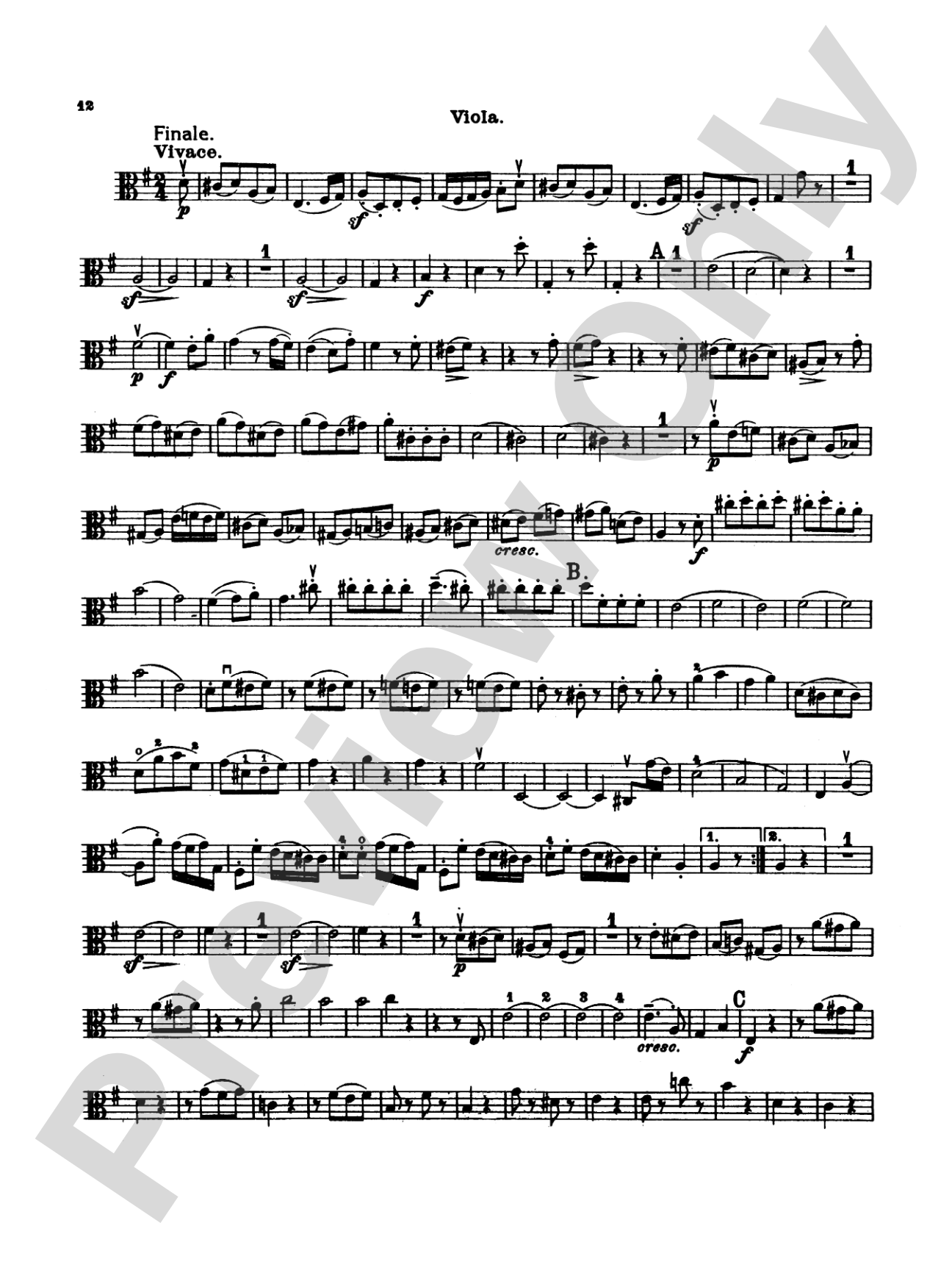
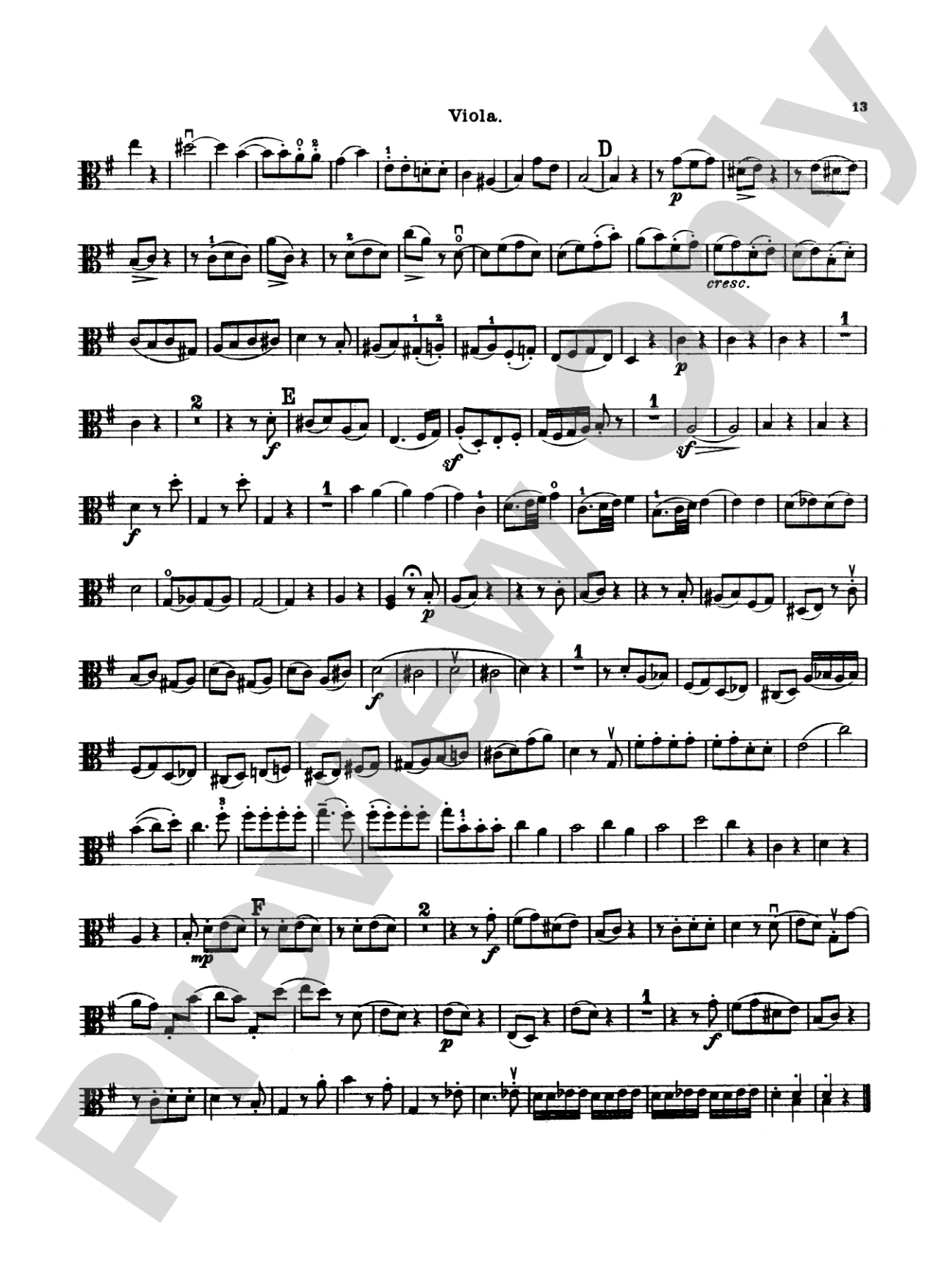

Thirty Celebrated String Quartets, Volume I - Op. 9, No. 2; Op. 17, No. 5; Op. 50, No. 6; Op. 54, Nos. 1, 2, 3; Op. 64, Nos. 2, 3, 4; Op. 74, Nos. 1, 2, 3; Op. 77, Nos. 1, 2: Viola
By Franz Joseph Haydn
Item: 00-PC-0002518_VA1
$12.00
Pickup currently not available
Description


Thirty Celebrated String Quartets, Volume I - Op. 9, No. 2; Op. 17, No. 5; Op. 50, No. 6; Op. 54, Nos. 1, 2, 3; Op. 64, Nos. 2, 3, 4; Op. 74, Nos. 1, 2, 3; Op. 77, Nos. 1, 2: Viola isn't in MakeMusic Cloud just yet...but it could be. Let us know you'd like to see it, and you'll help shape what comes next. In the meantime, start a free trial and dive into thousands of interactive titles your students can play along with today.
Request This Title
Tell us you want it.
Start Your Free Trial
Explore everything that's ready to play right now.
Sample Audio
No sample audio found.
Sample Video
No sample videos found.
Additional Details
Series:
Kalmus Edition
Publisher:
Alfred Music
Page Count:
292
SKU:
00-PC-0002518_VA1
More about this title
About the Composer: Franz Joseph Haydn
Franz Joseph Haydn (1732-1809) shaped the string quartet from its infancy into one of classical music's most intellectually demanding forms. Working across nearly five decades, he composed 68 quartets that moved from galant elegance toward structural complexity, harmonic boldness, and thematic development that directly influenced Beethoven and Mozart. His string quartets became the laboratory where he experimented with form, texture, and the relationship between four equal voices.
Why we love this
This collection spans Haydn's complete mature quartets across his most celebrated opus numbers, letting ensembles trace his stylistic evolution from the integrated three-movement structures of Op. 9 through the sophisticated counterpoint and key relationships of Op. 77. The 292-page scope makes this an essential reference for quartet programs that aspire beyond the familiar repertoire while remaining grounded in repertoire studied at conservatories and competition levels nationwide.
What to expect
Intellectually alive and surprising. Haydn's quartets balance formal clarity with unexpected harmonic turns, sudden textural shifts that feel like a conversation overheard mid-sentence, and movements that seem simple on first reading but reveal layer upon layer of craft and wit the more you rehearse them. These are works that reward deep score study and repay careful listening with moments of genuine innovation.
Who it's for
Advanced amateur quartets and conservatory students preparing for competitions, recitals, and concert performances. This collection suits ensembles that have mastered Mozart and Beethoven's early quartets and are ready to engage with Haydn's architectural sophistication and harmonic language.
How to get the most out of it
- Balance the texture by listening carefully to inner voices, especially in movements where the viola or second violin carries thematic material; Haydn frequently distributes the melodic interest across all four parts rather than privileging the first violin.
- Approach the minuets and scherzos with rhythmic clarity and articulation rather than romantic rubato; the Classical era's structural integrity depends on ensemble members locking the metric pulse together.
- Pay particular attention to dynamic markings and sudden shifts in register, which often signal harmonic surprises or thematic transformations that can be obscured by oversmoothed phrasing.
- Consider studying the score in full before rehearsing with parts; understanding Haydn's harmonic language and formal architecture will inform every tuning decision and phrase shape.
How to use it
Program individual quartets as standalone recital pieces or pair them strategically to showcase Haydn's evolving approach across different opus numbers. The Op. 77 quartets, in particular, work well as anchors for chamber music festivals and student competition performances.
Skills your students will build
- Balancing four independent voices and identifying which voice carries primary or secondary material in each phrase
- Executing sudden dynamic shifts and textural changes that require ensemble precision and sensitivity
- Reading and performing in multiple keys and navigating Haydn's harmonic language, including his use of modulation
- Interpreting Classical-era articulation, phrasing, and stylistic conventions through score analysis
- Sustaining intellectual engagement through formal structures like sonata form and variations across multiple movements