

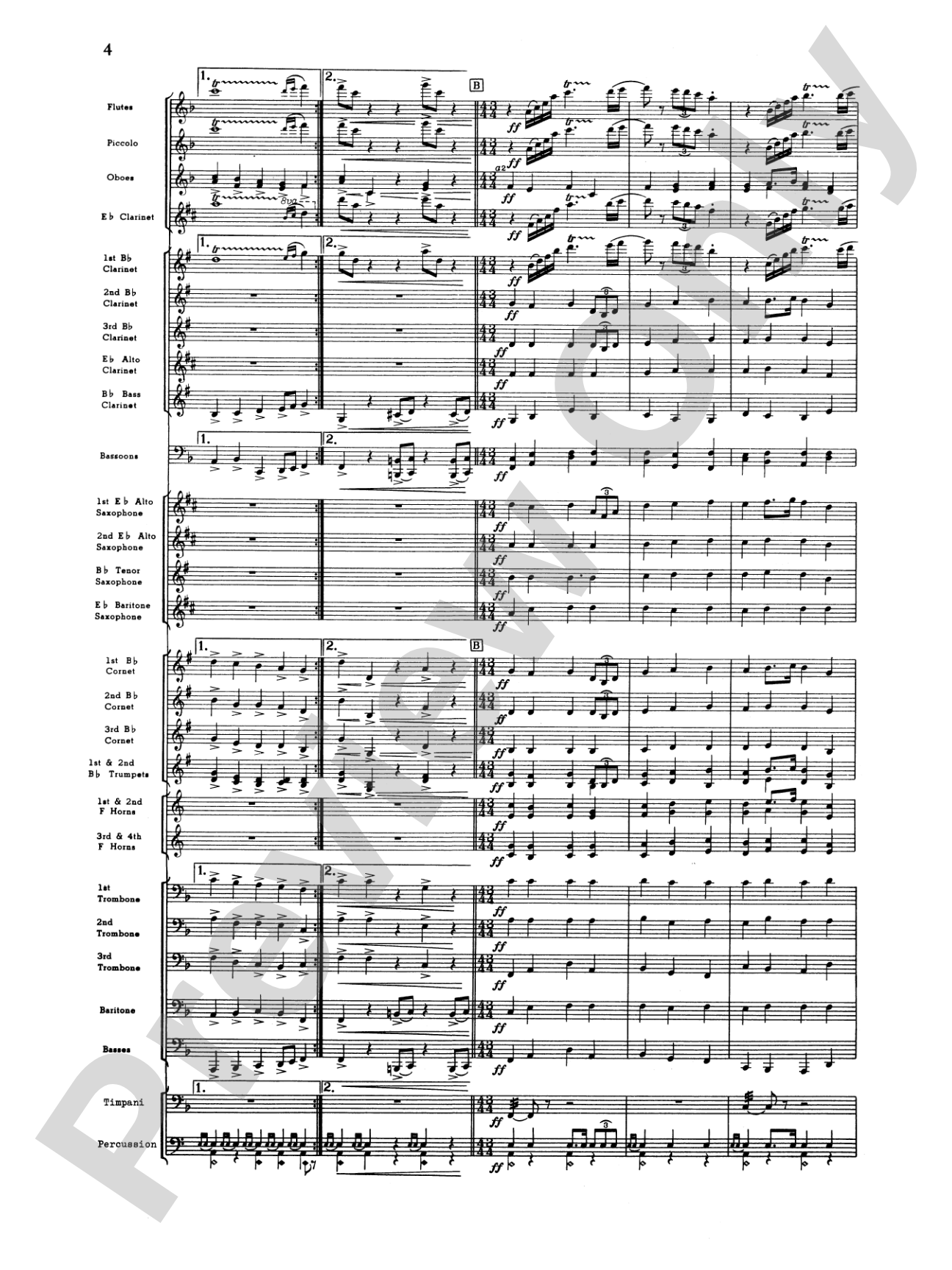
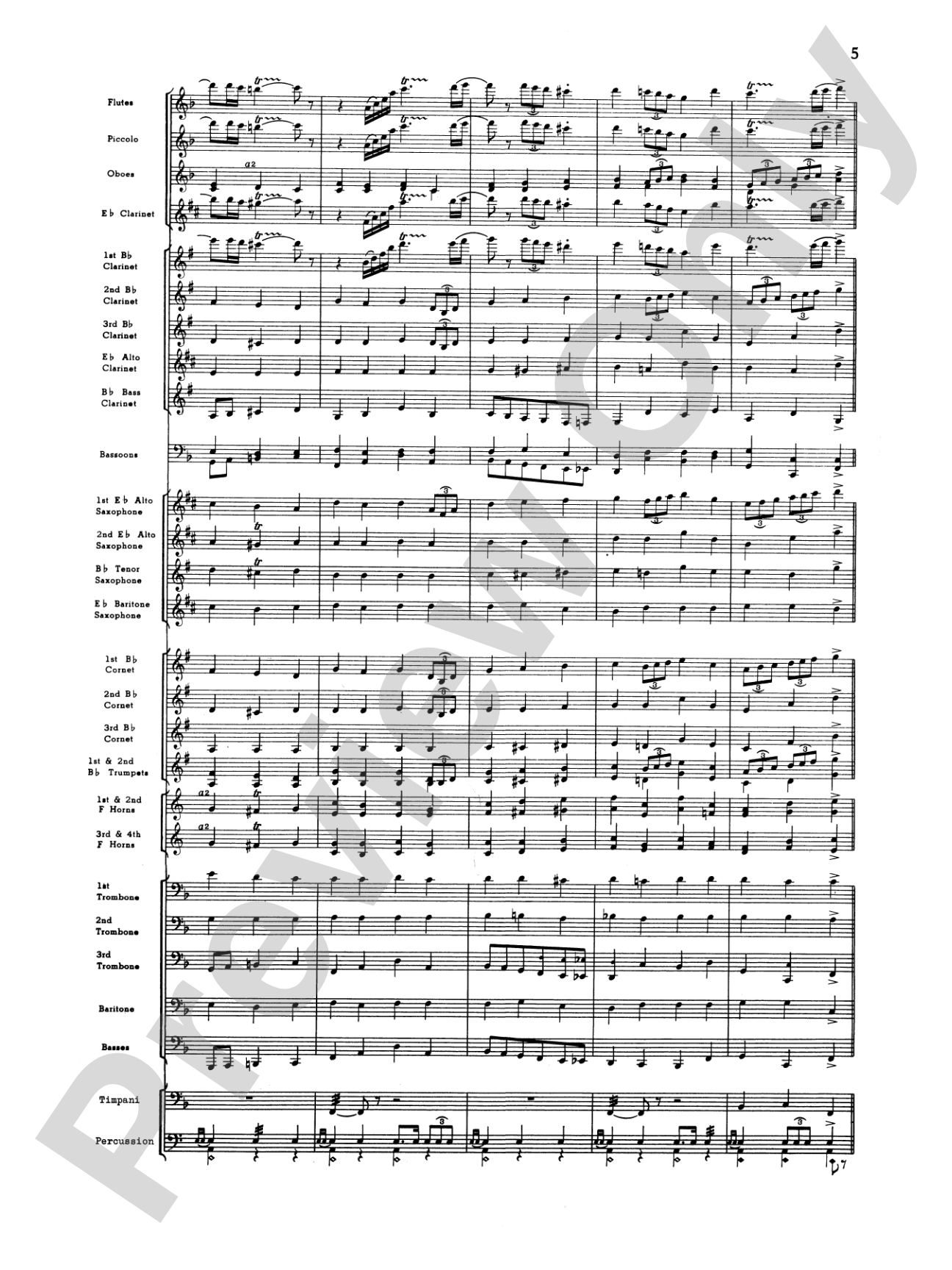
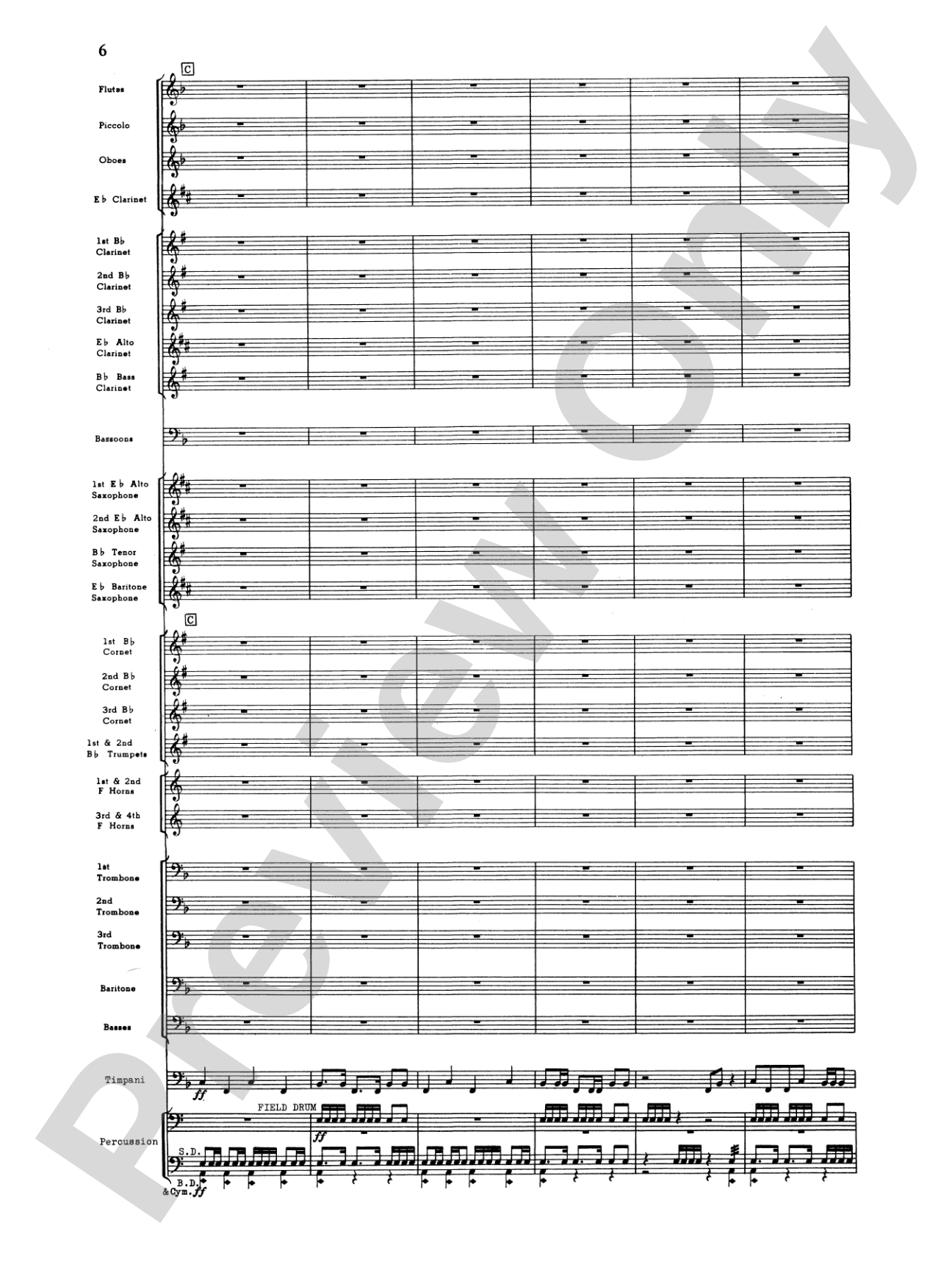
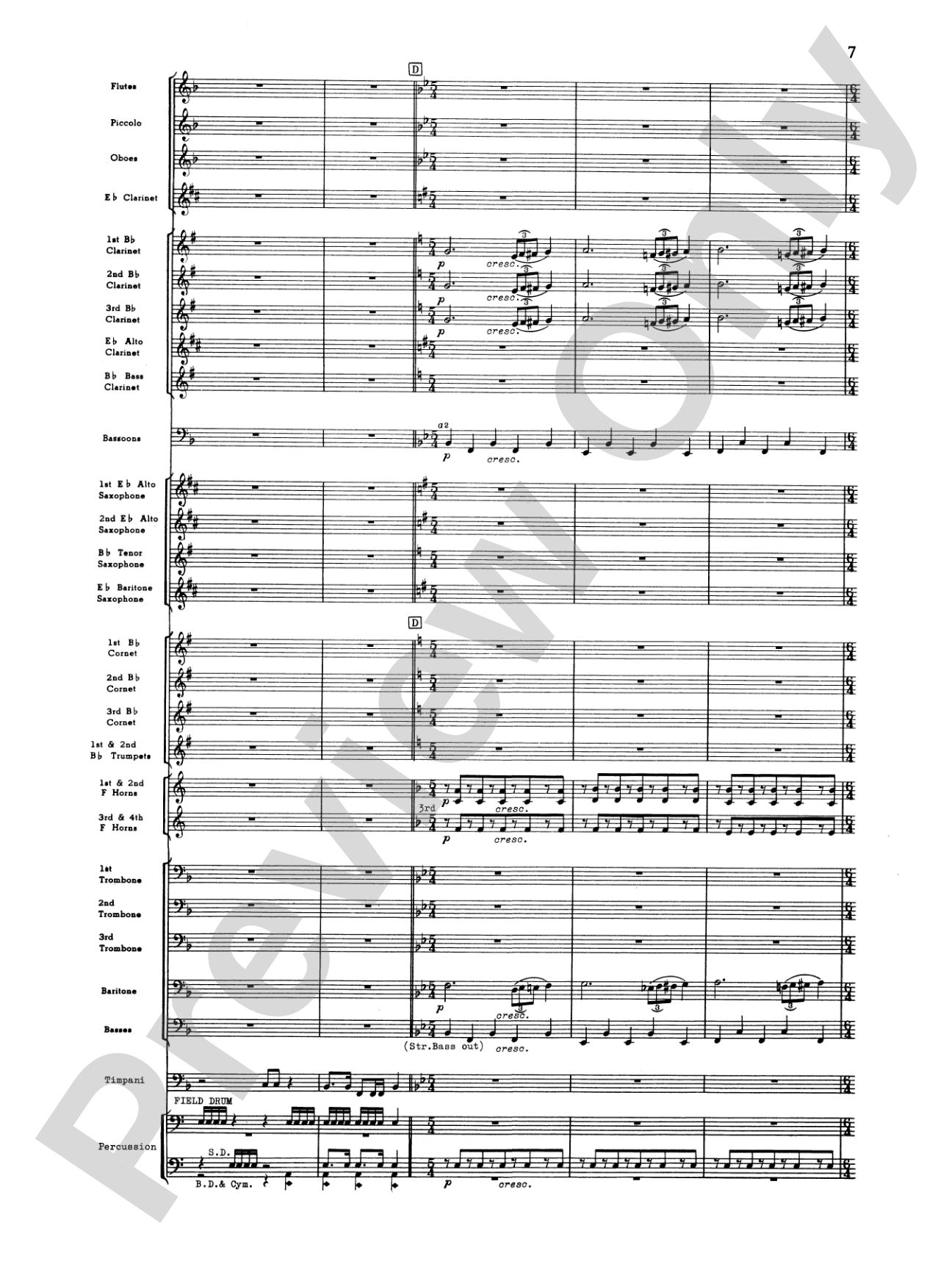
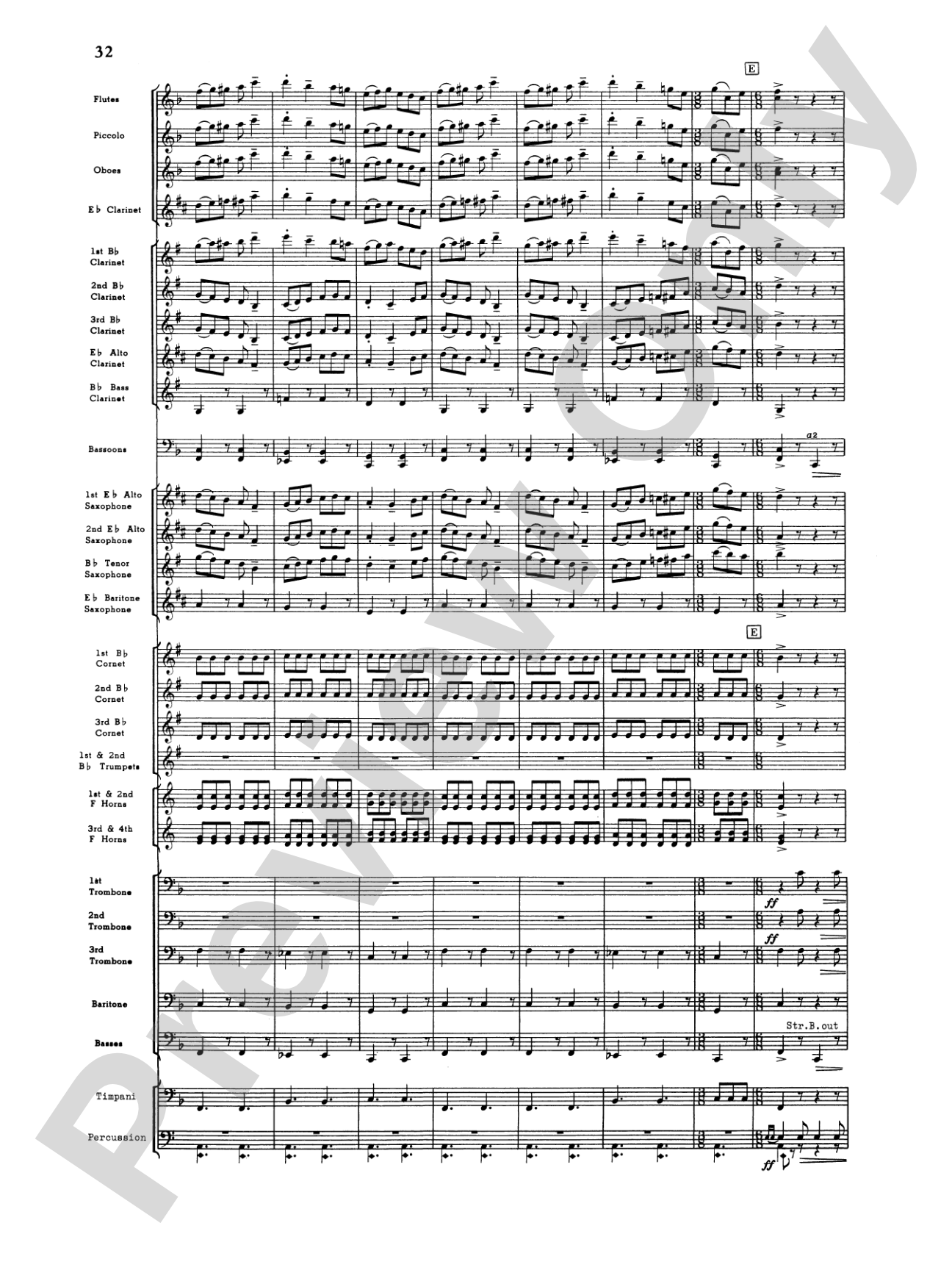
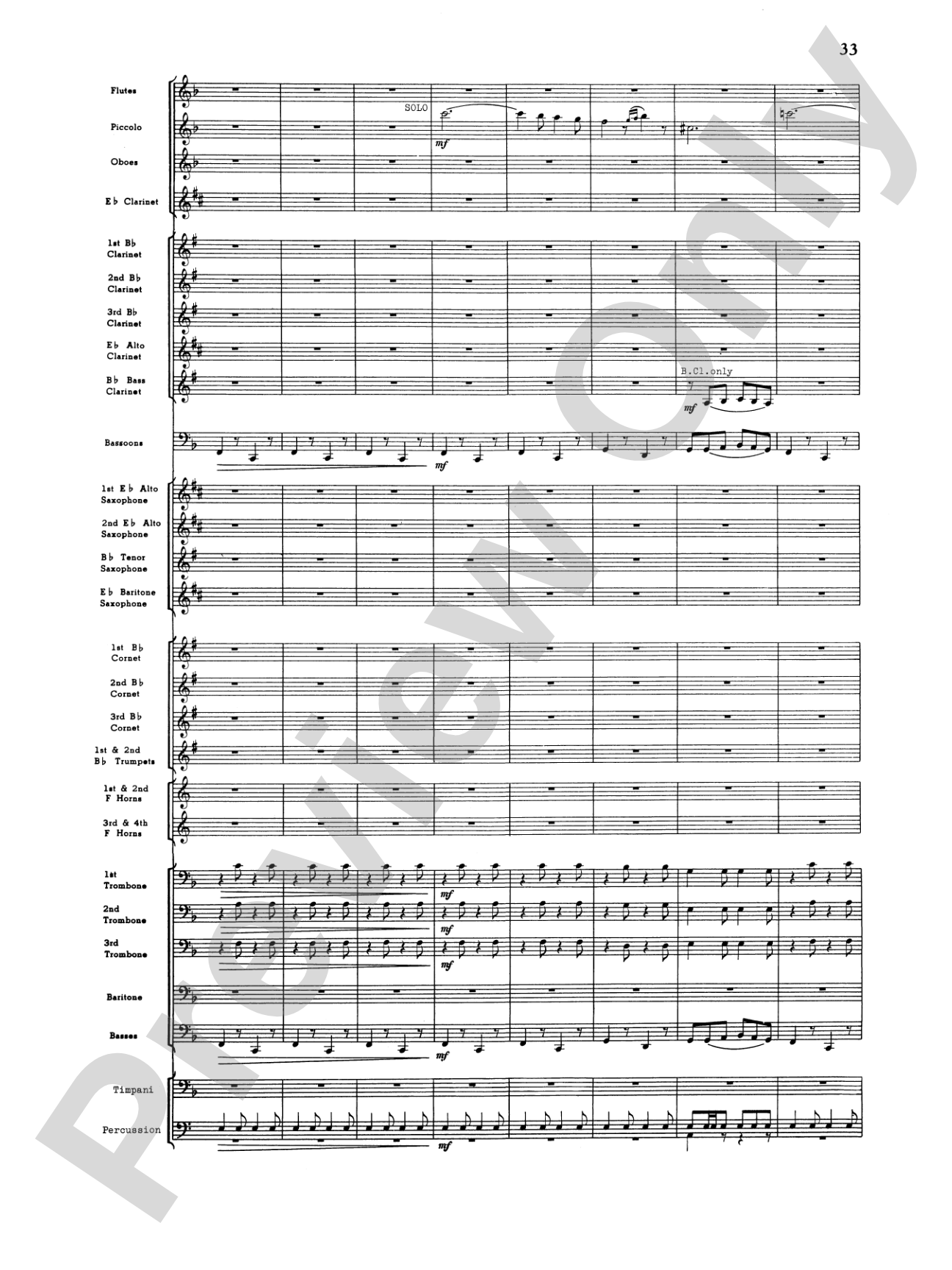
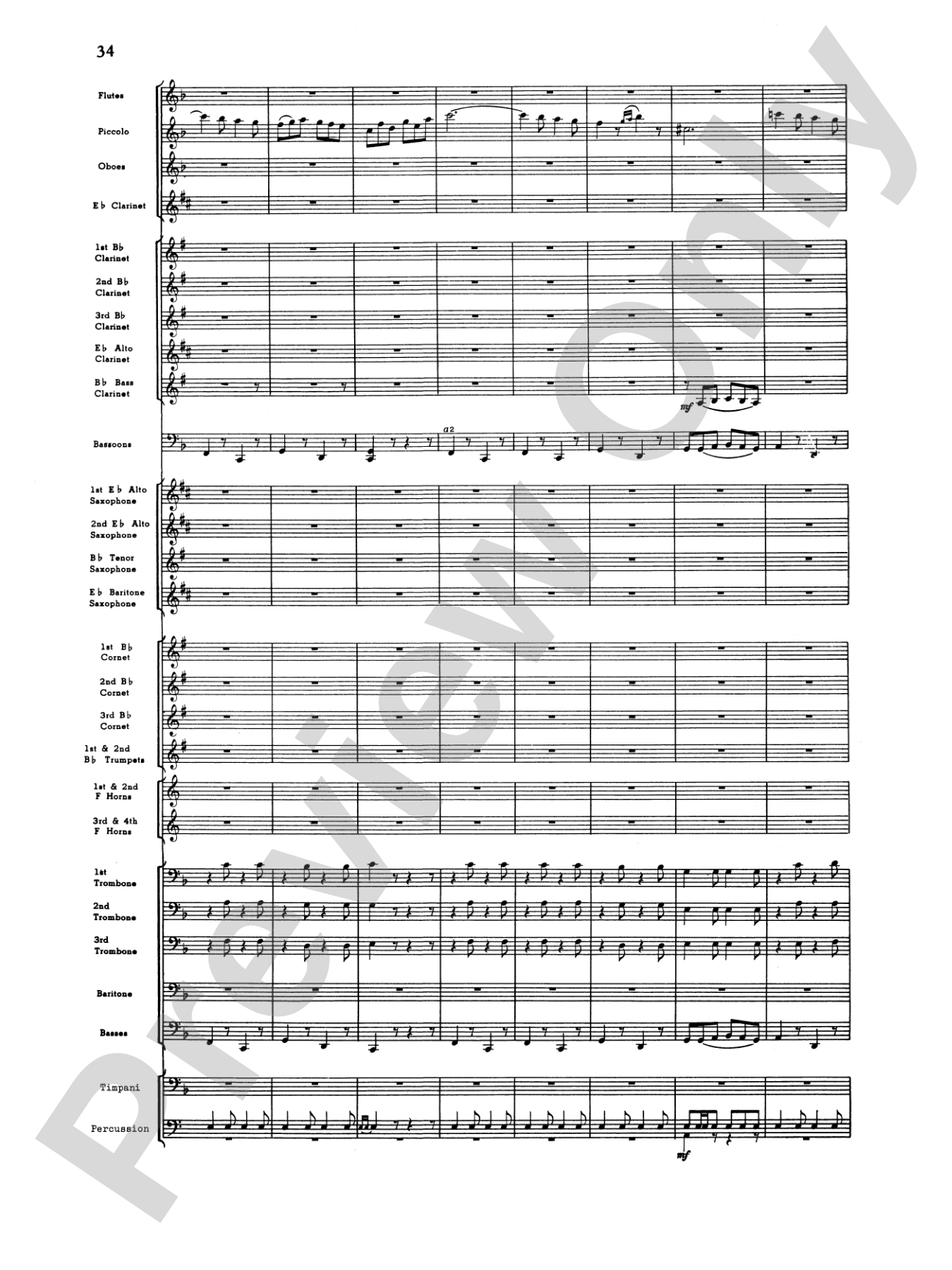
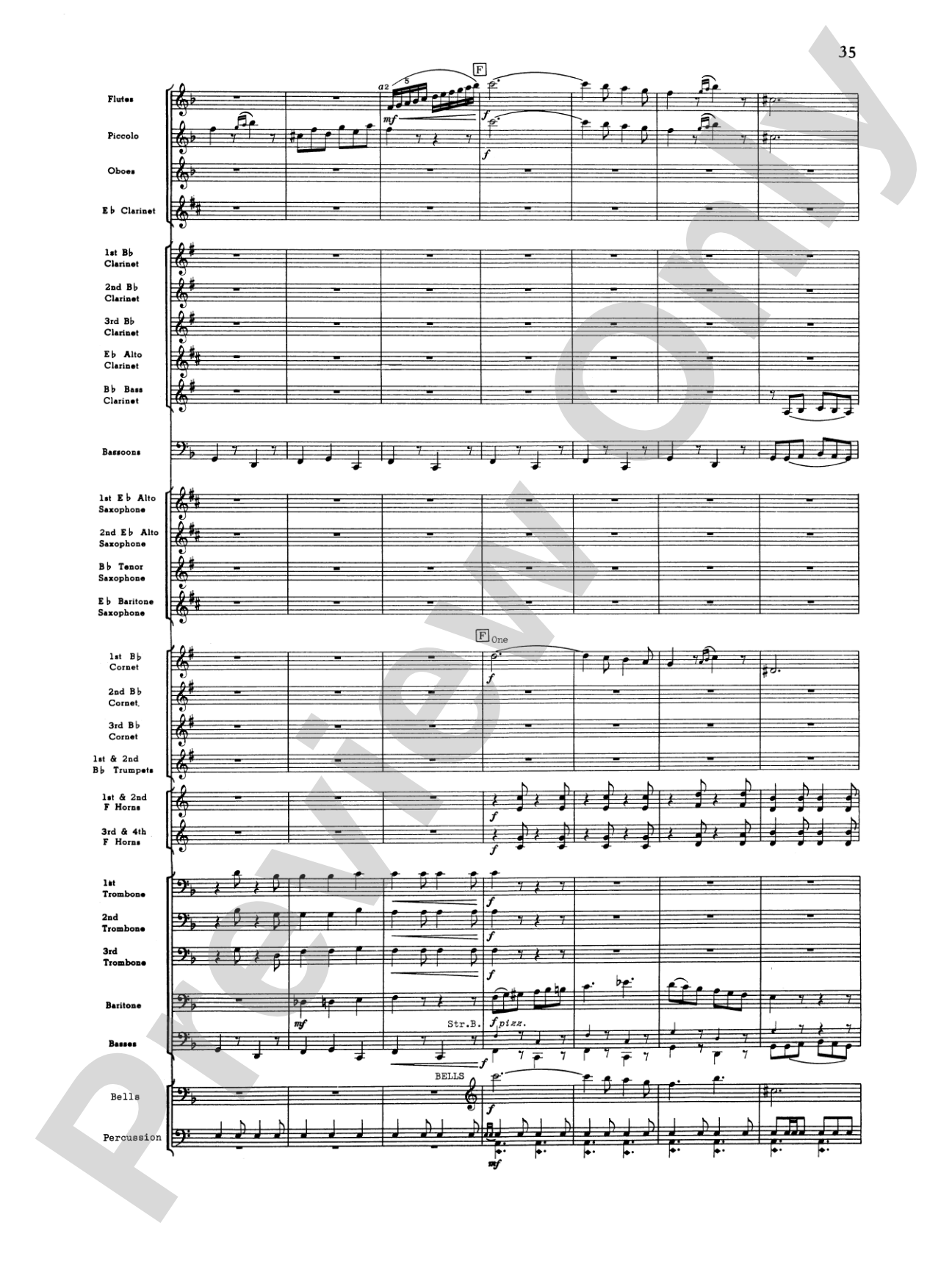
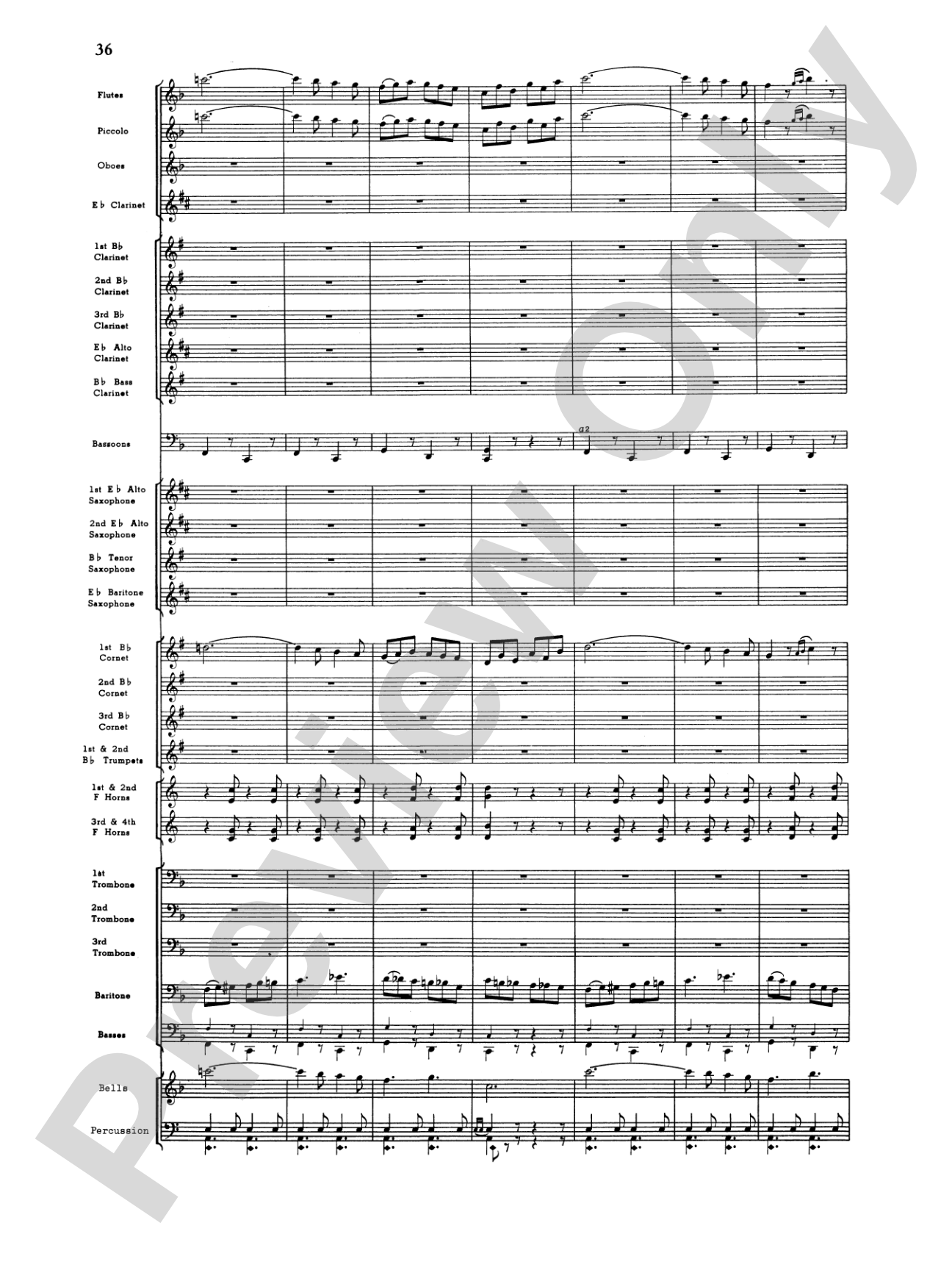
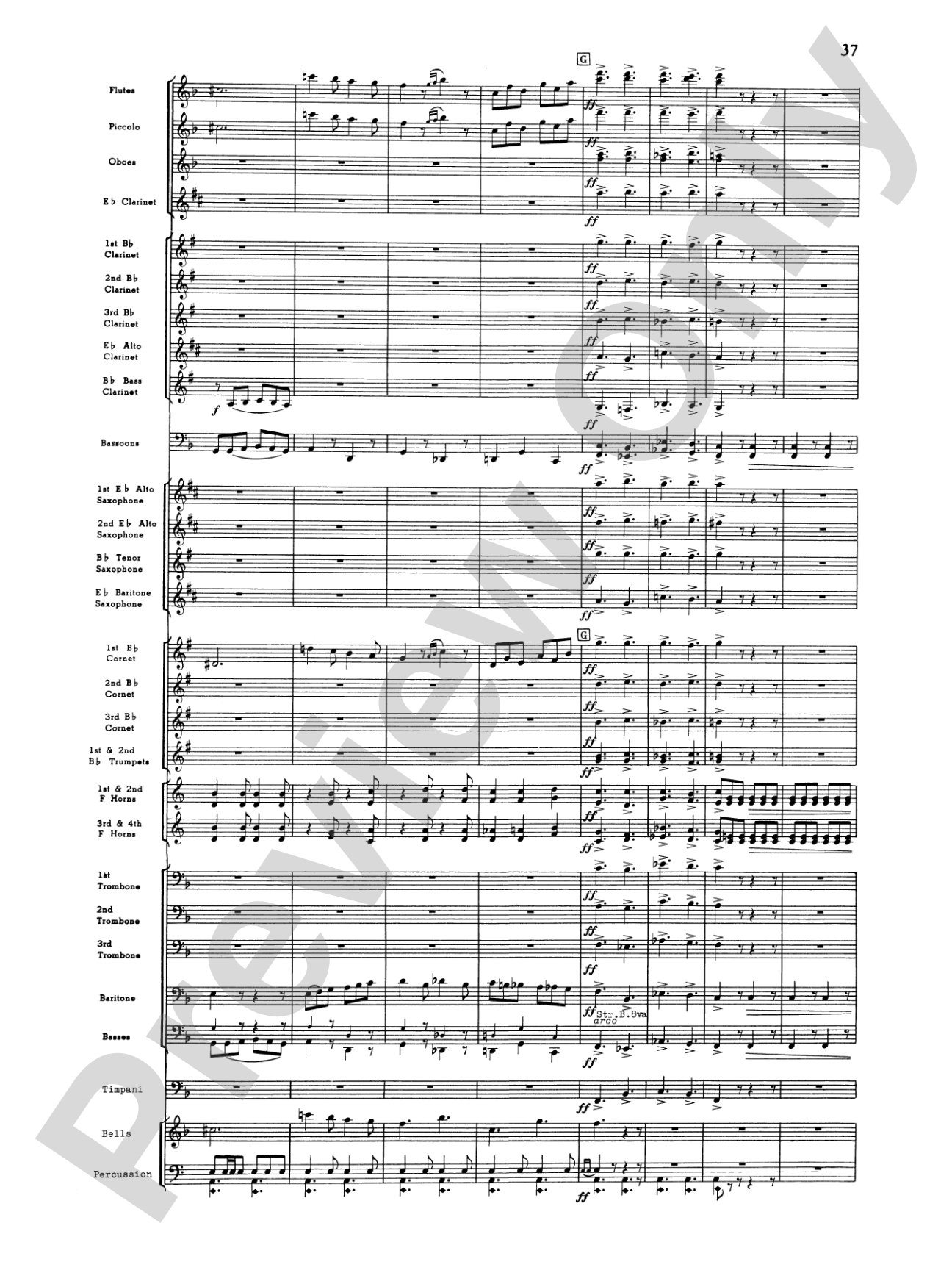
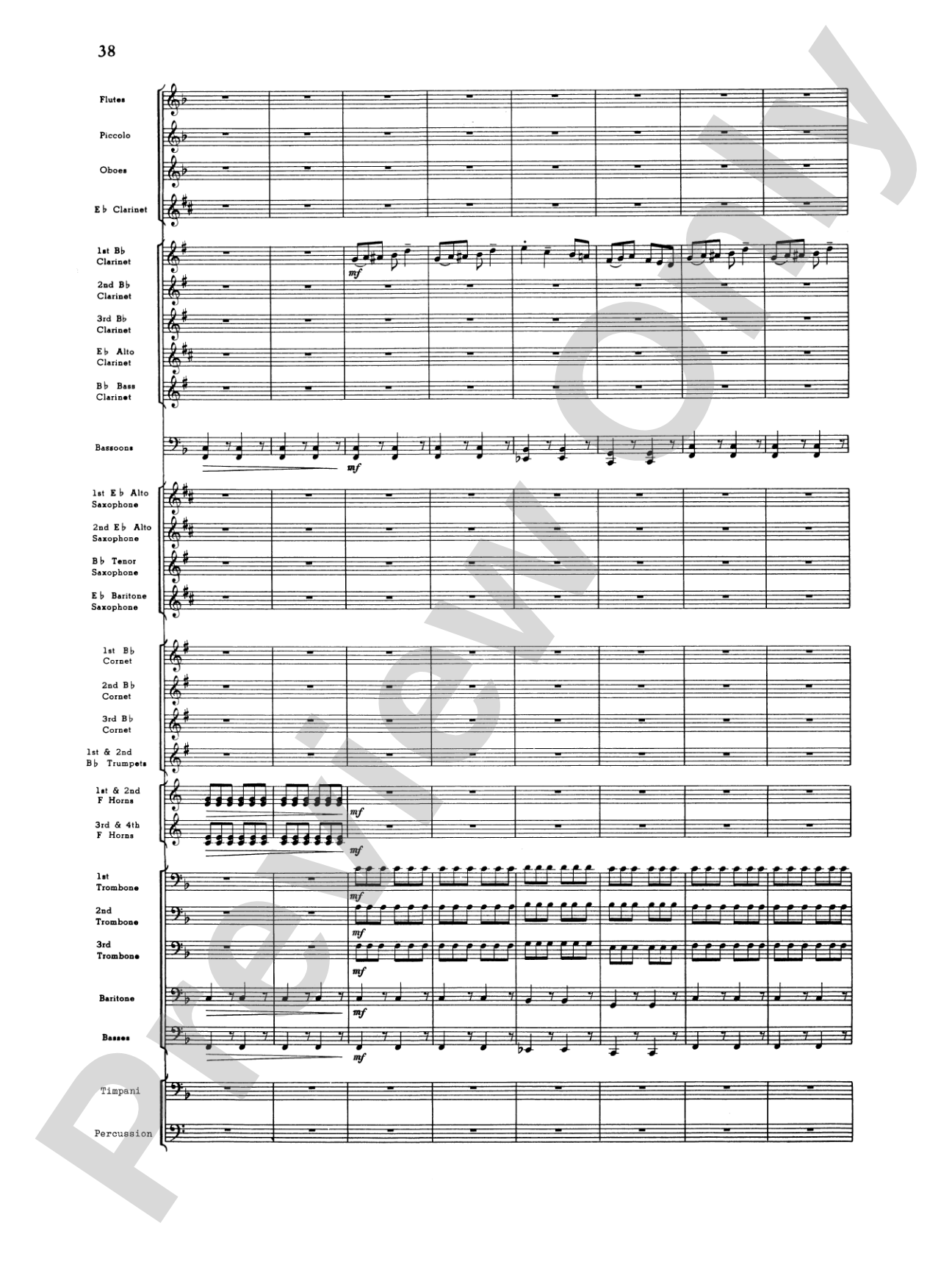
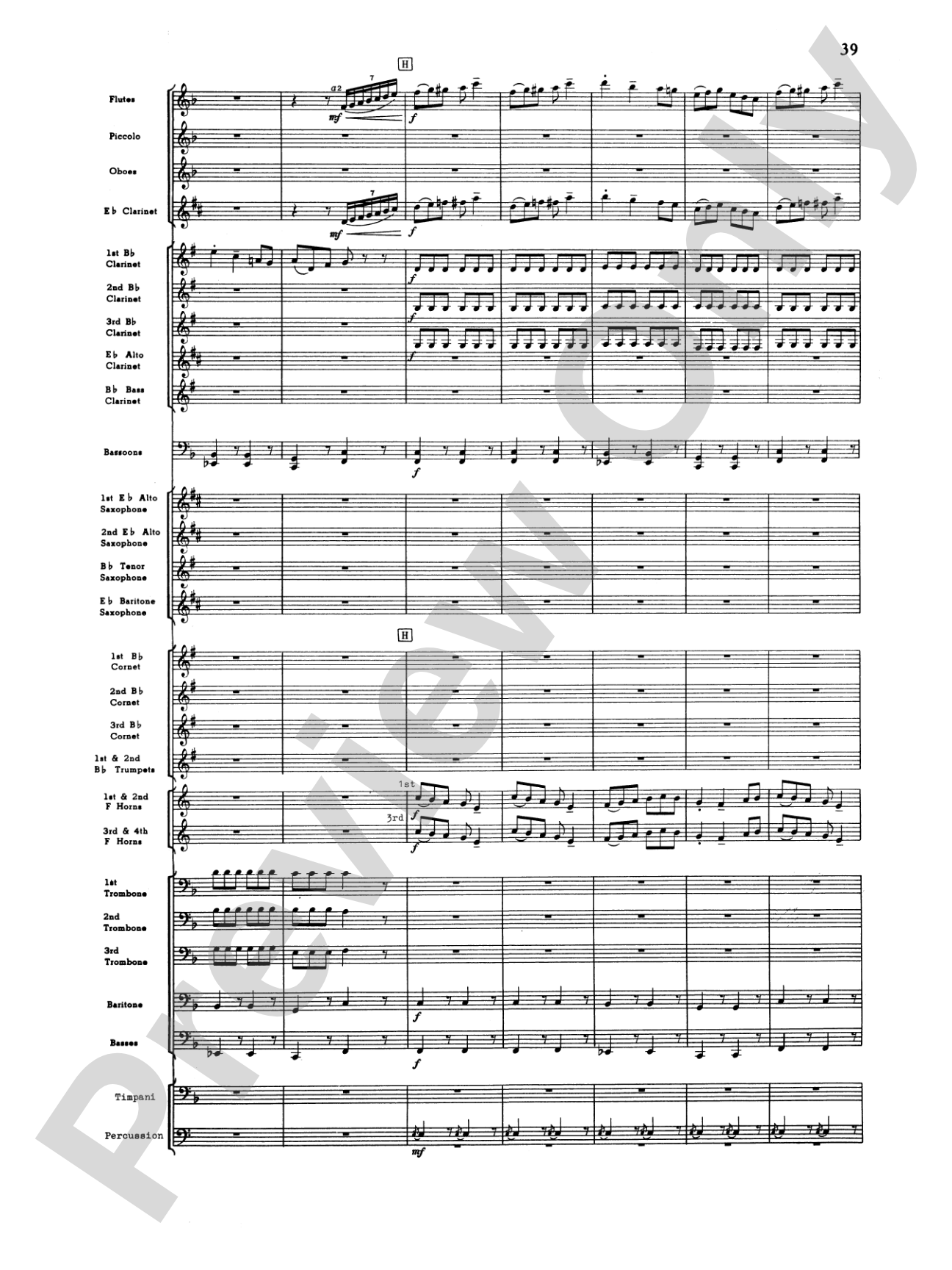

Third Suite (I. March, II. Waltz, III. Rondo): Concert Band Conductor Score & Parts
By Robert Jager
Grade: 3.5 (Medium Easy to Medium)
Item: 00-PK-0002657

$87.00
Pickup currently not available
Buy Extra Parts (Digital PDF Download)
Parts Added to Cart!
Description
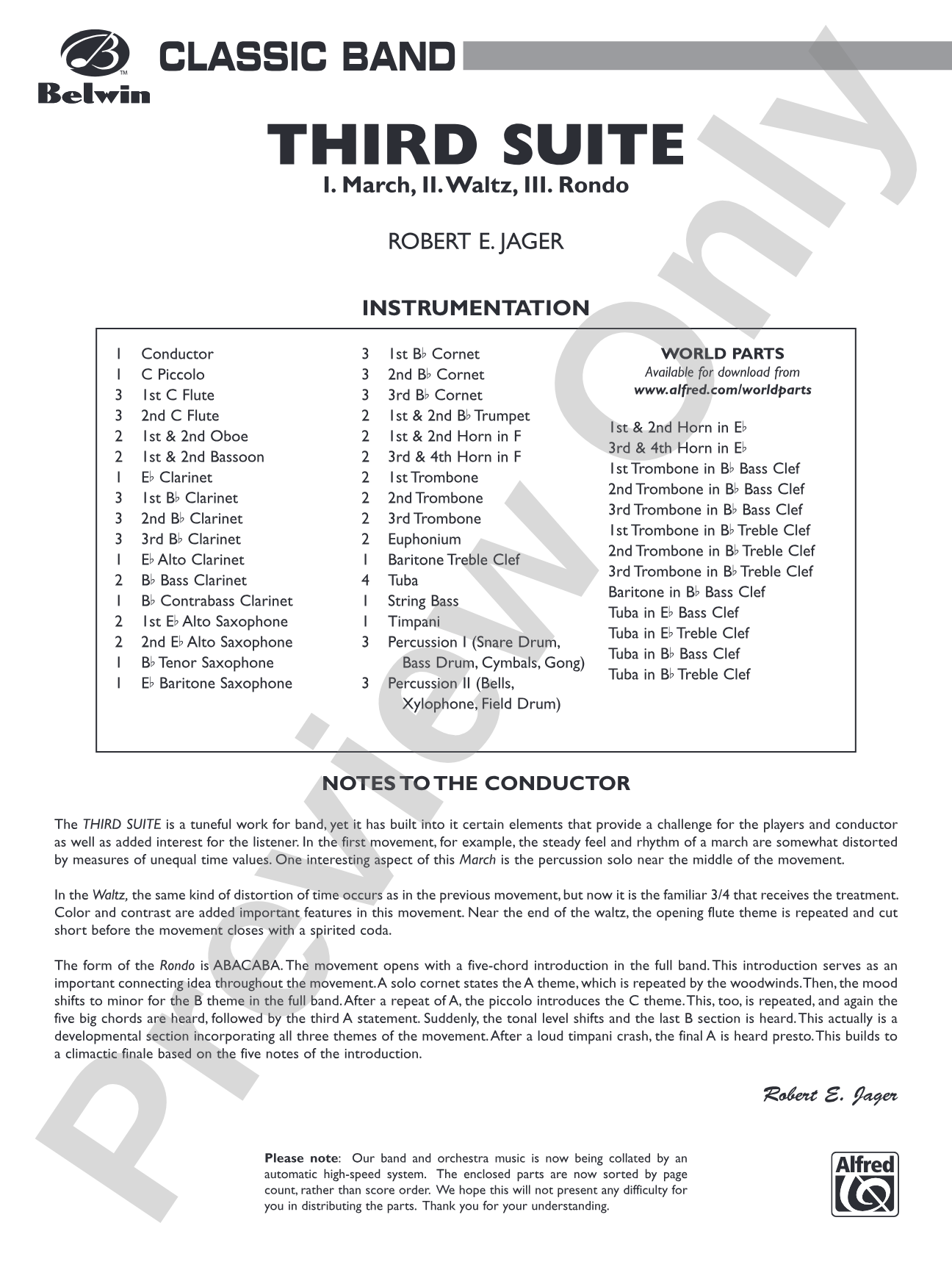
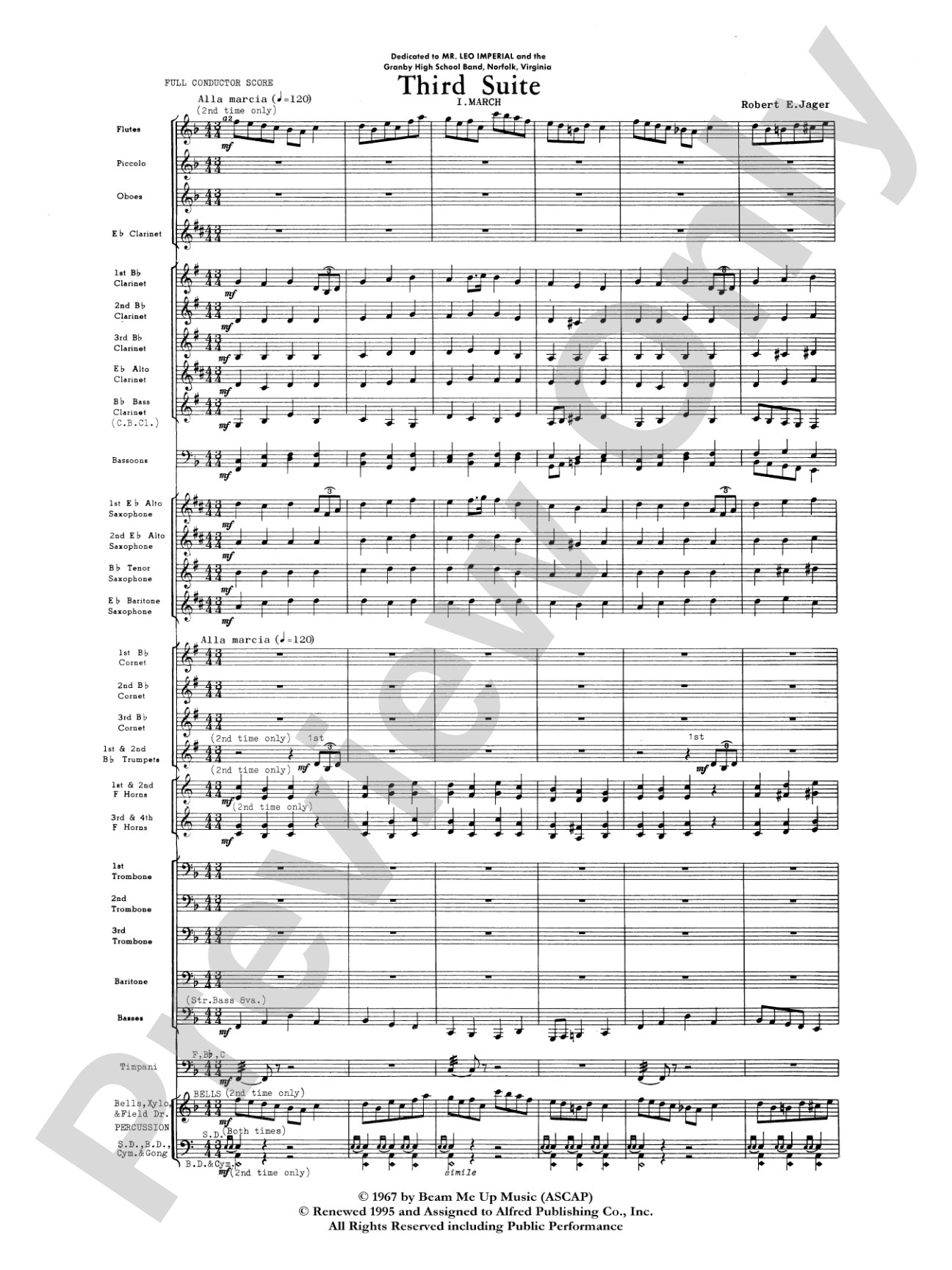
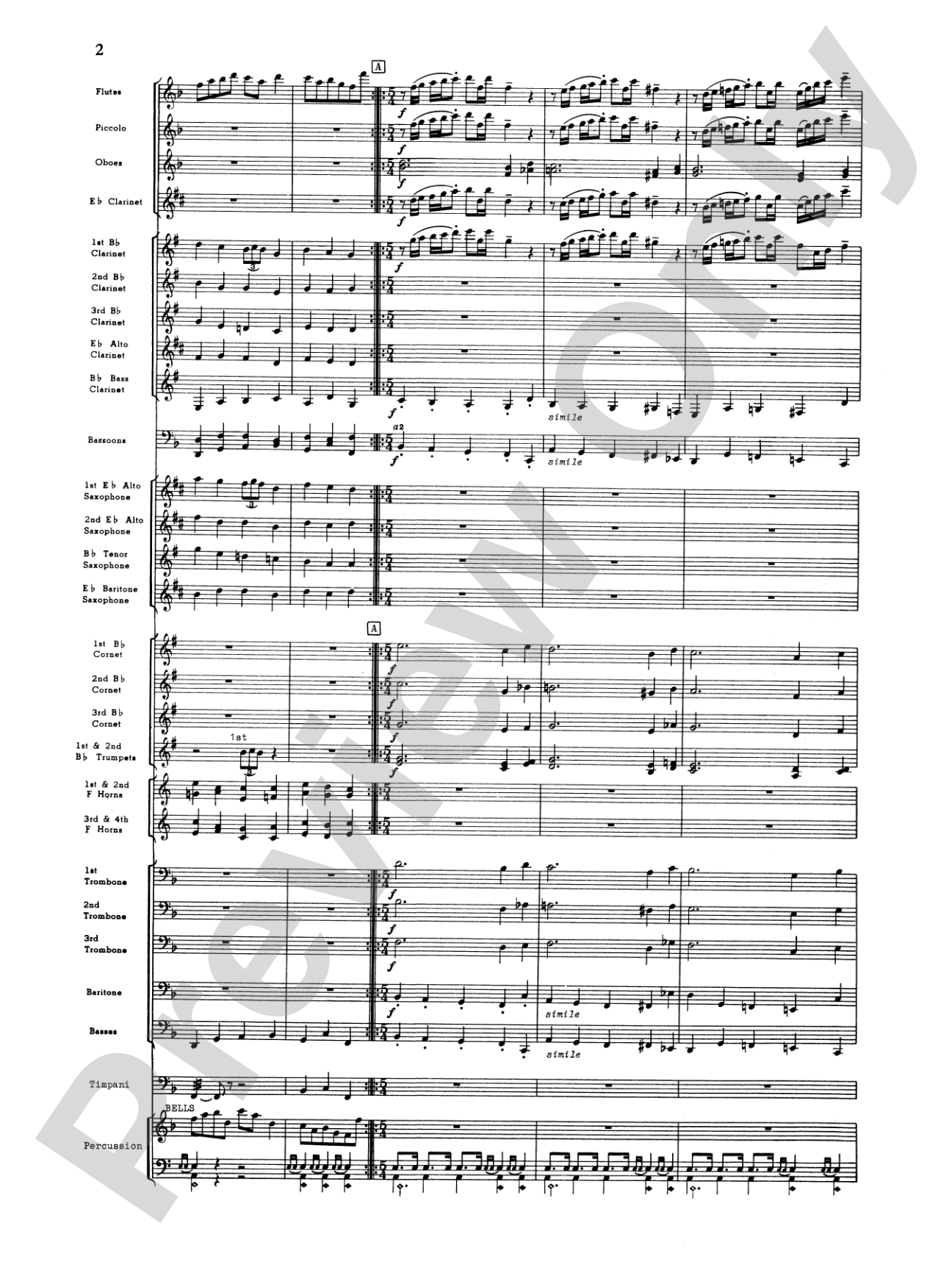
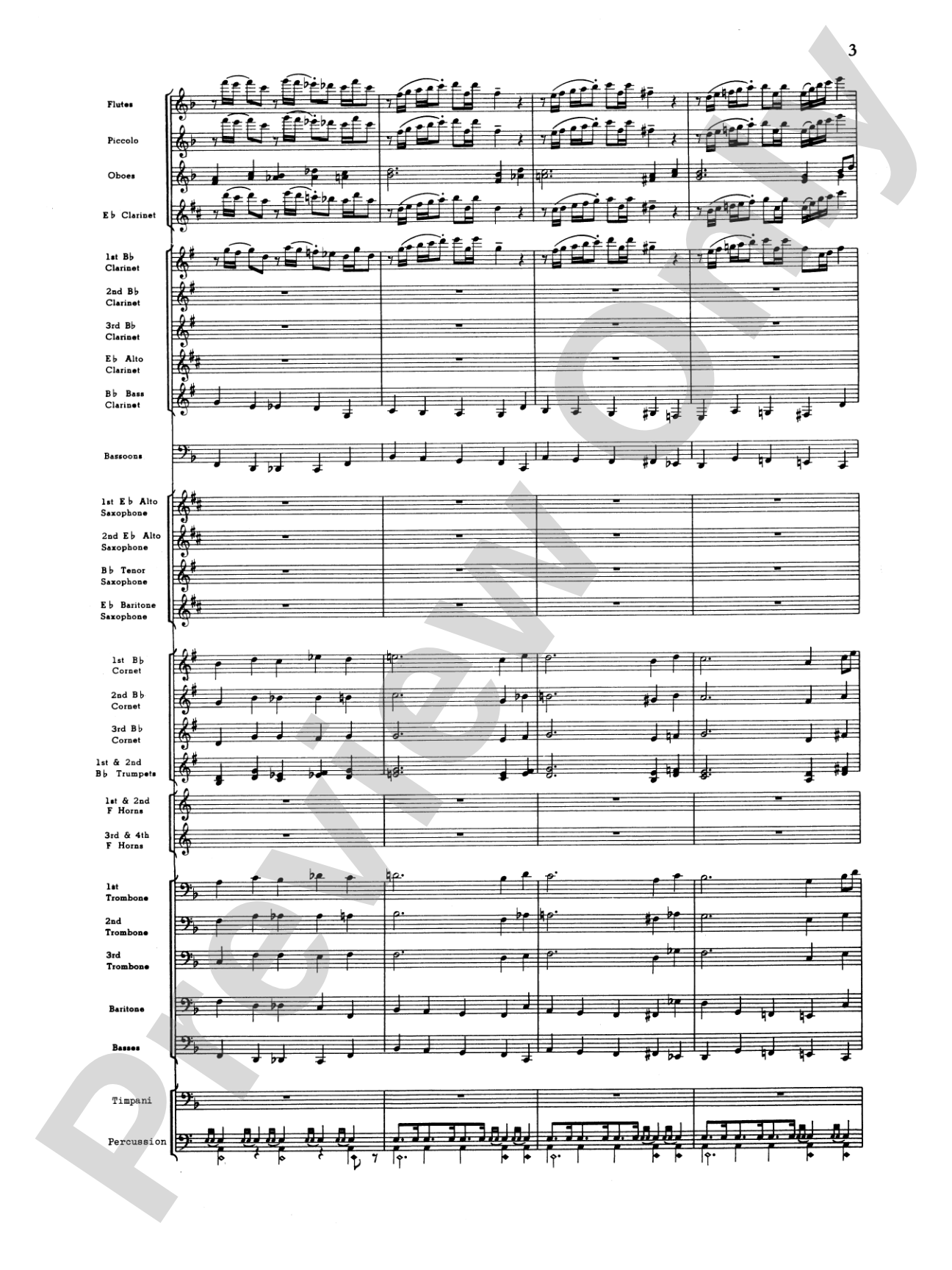
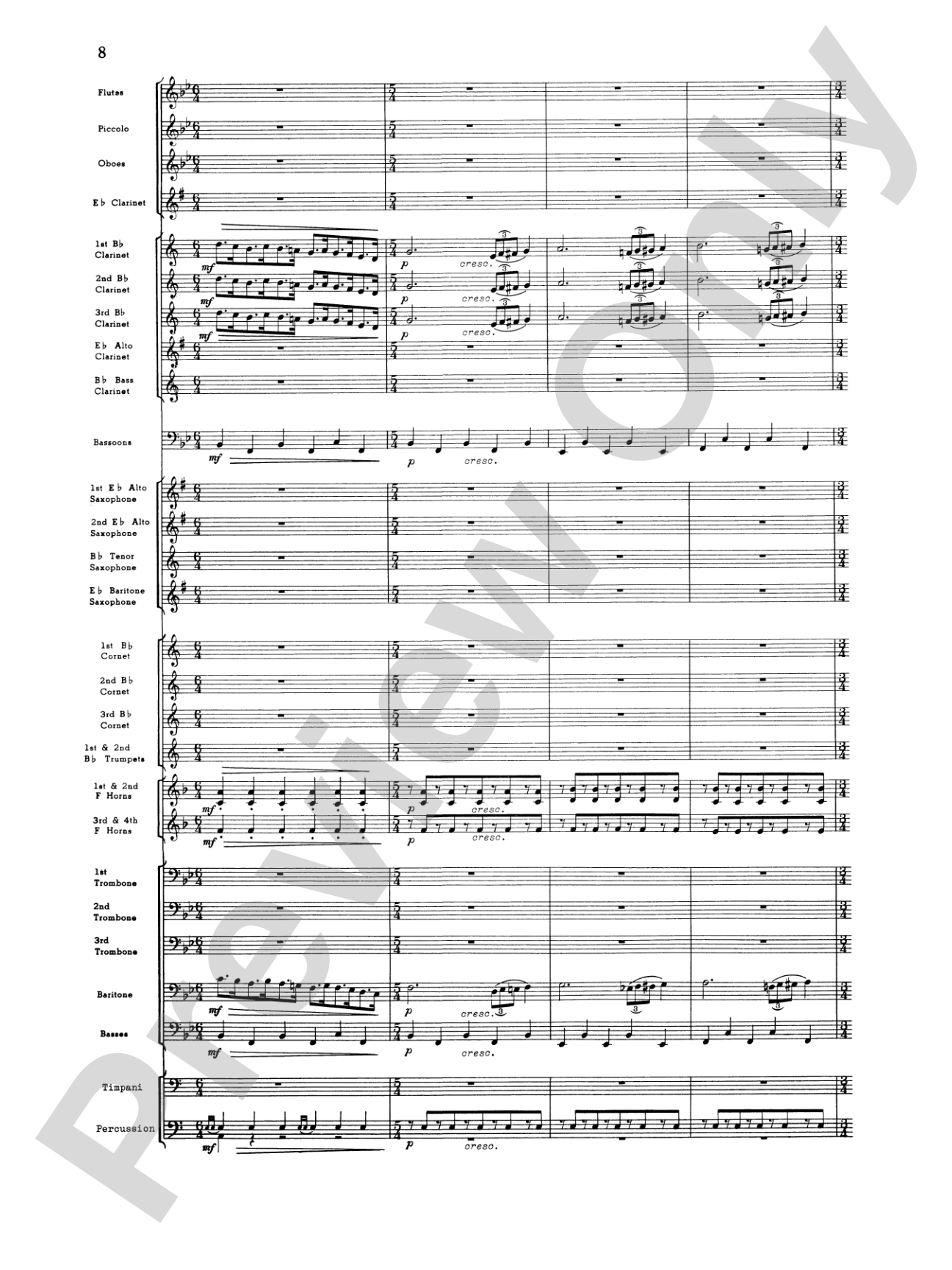
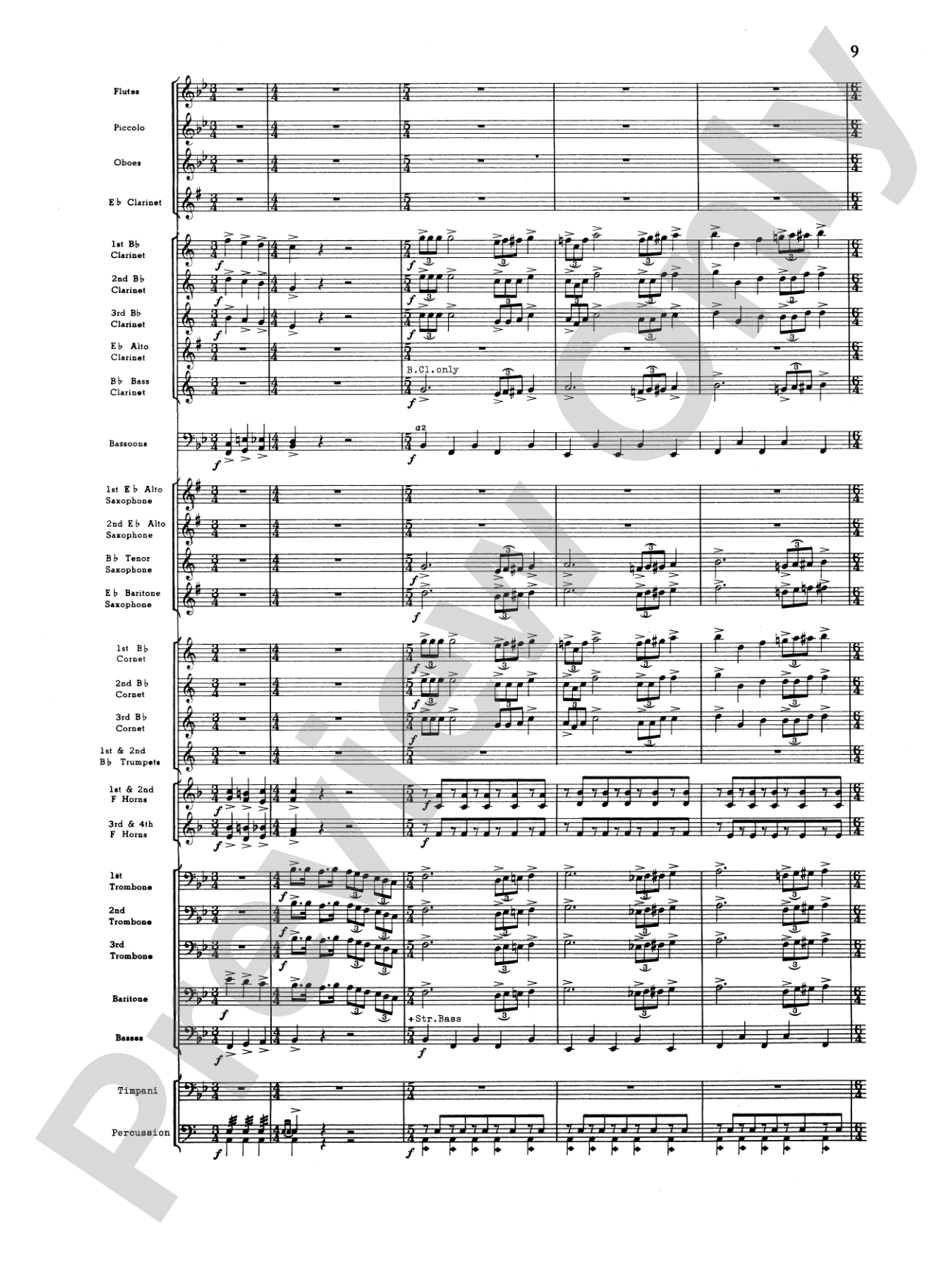
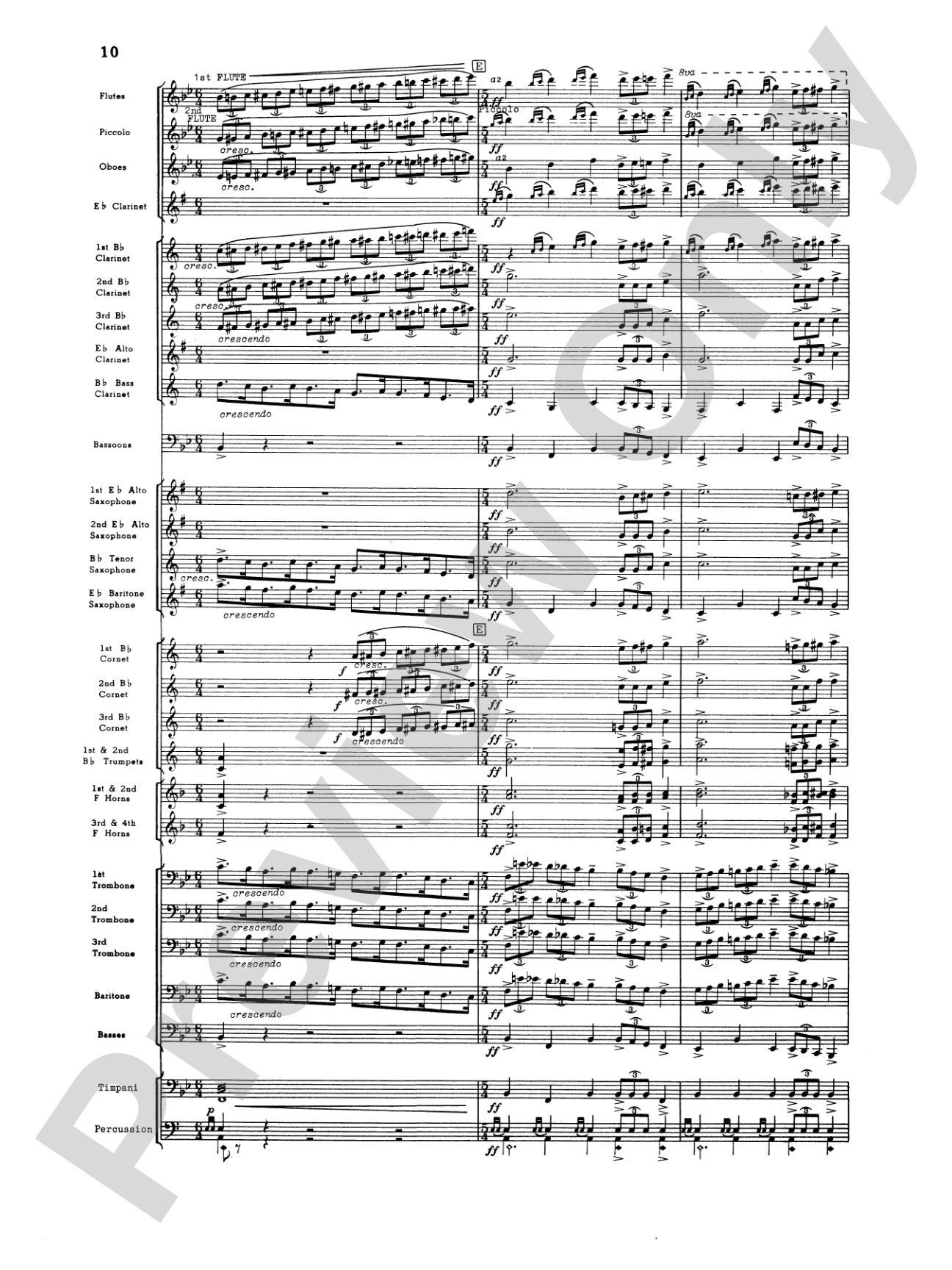
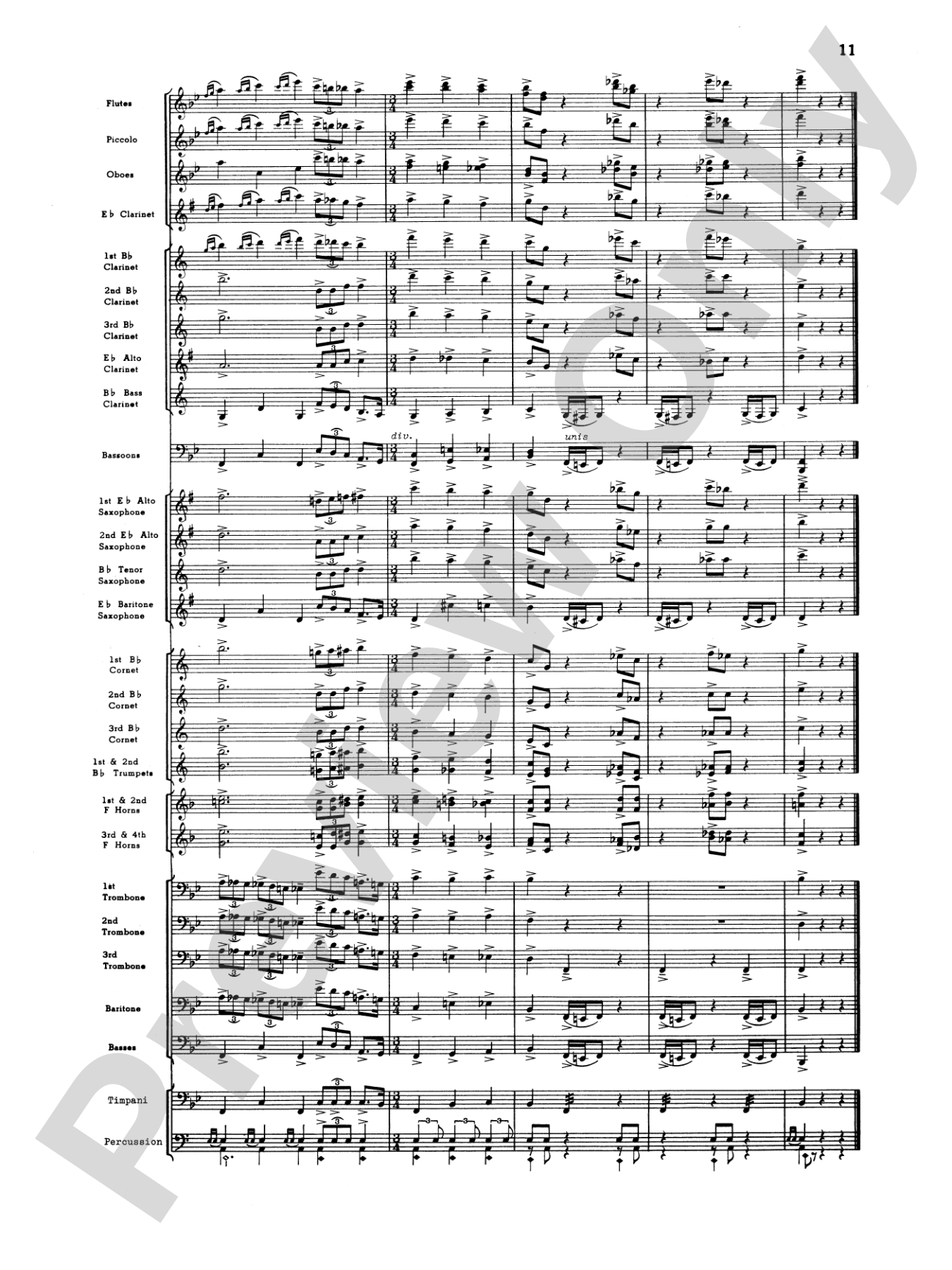
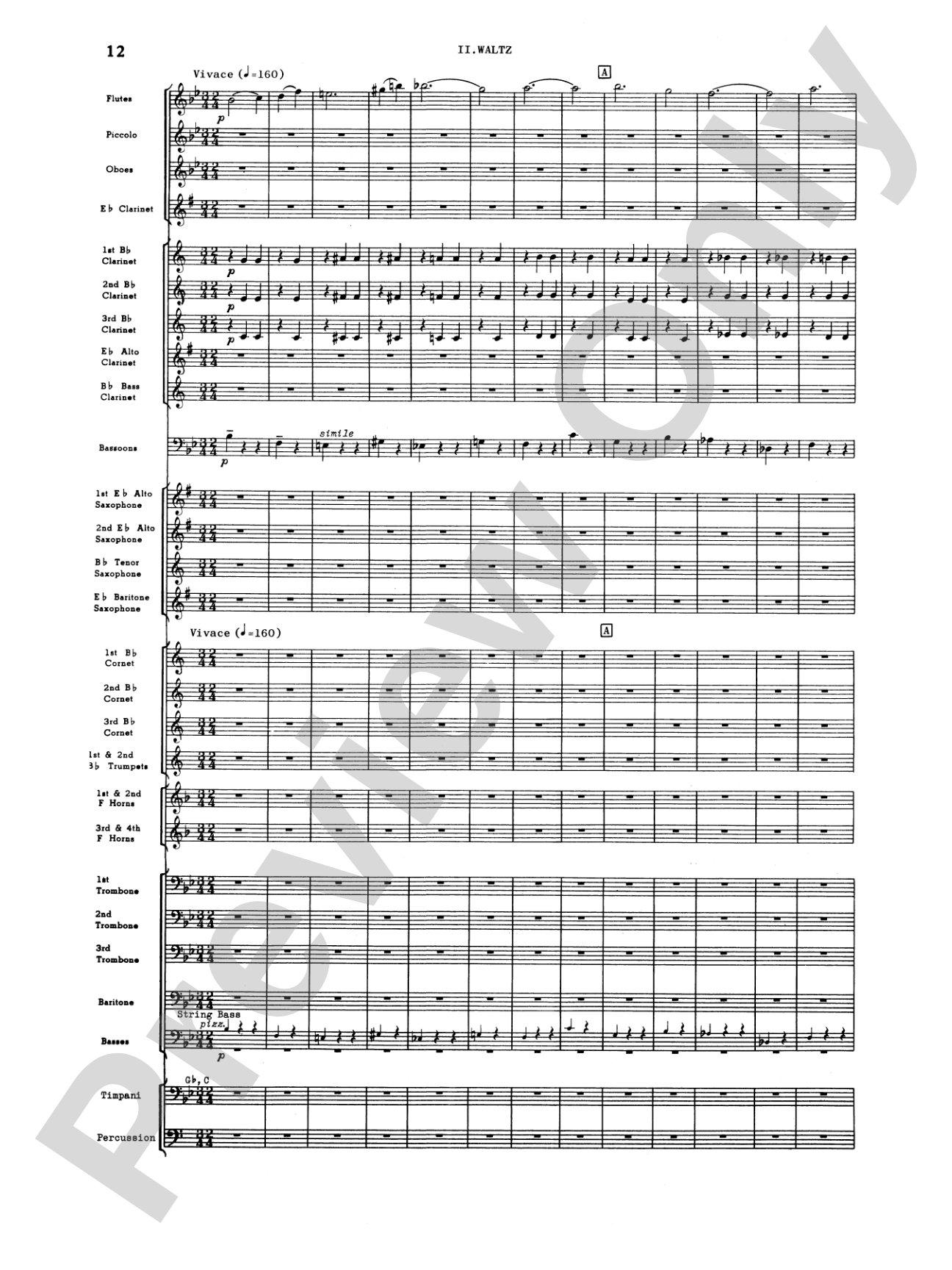
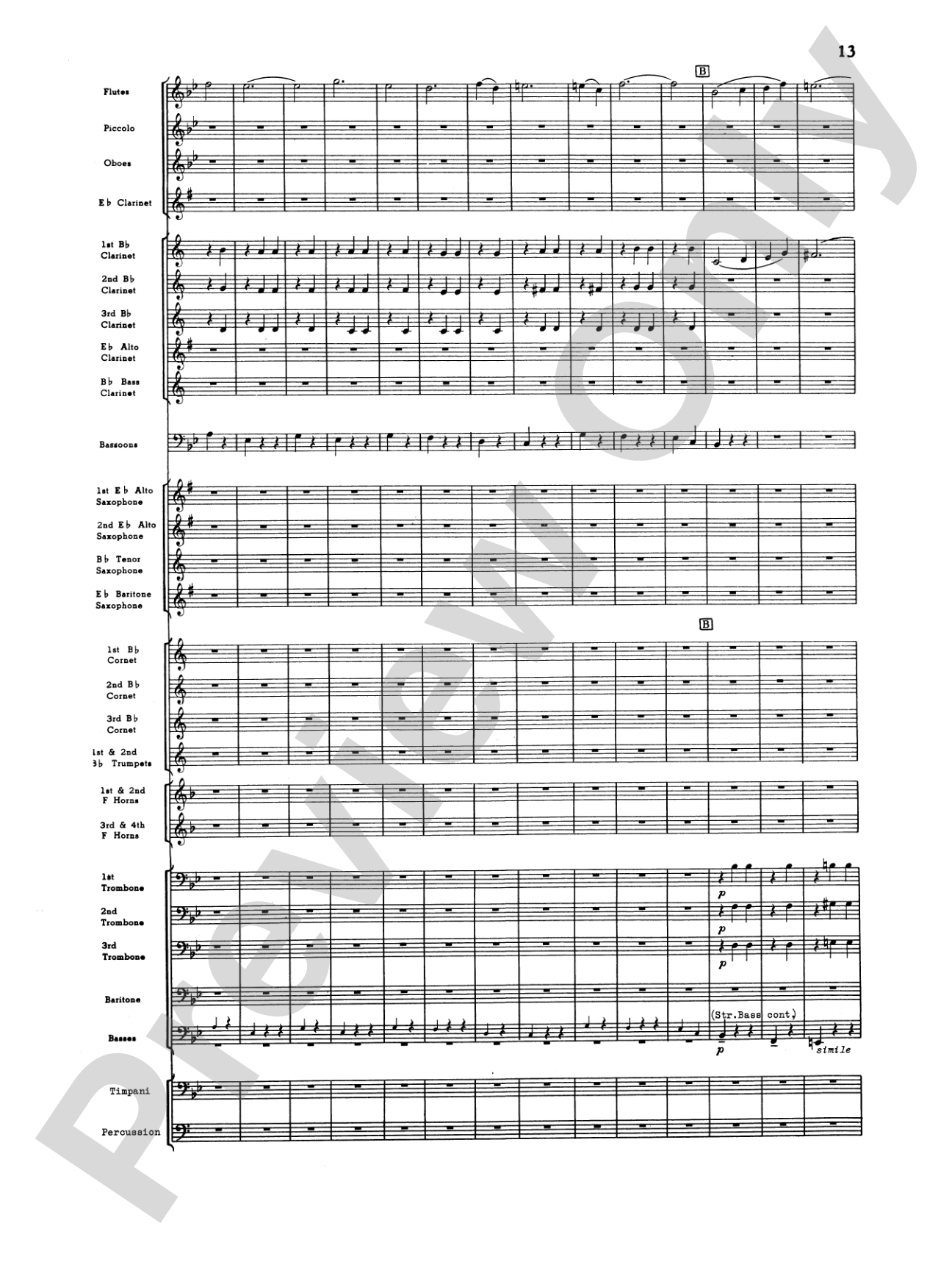
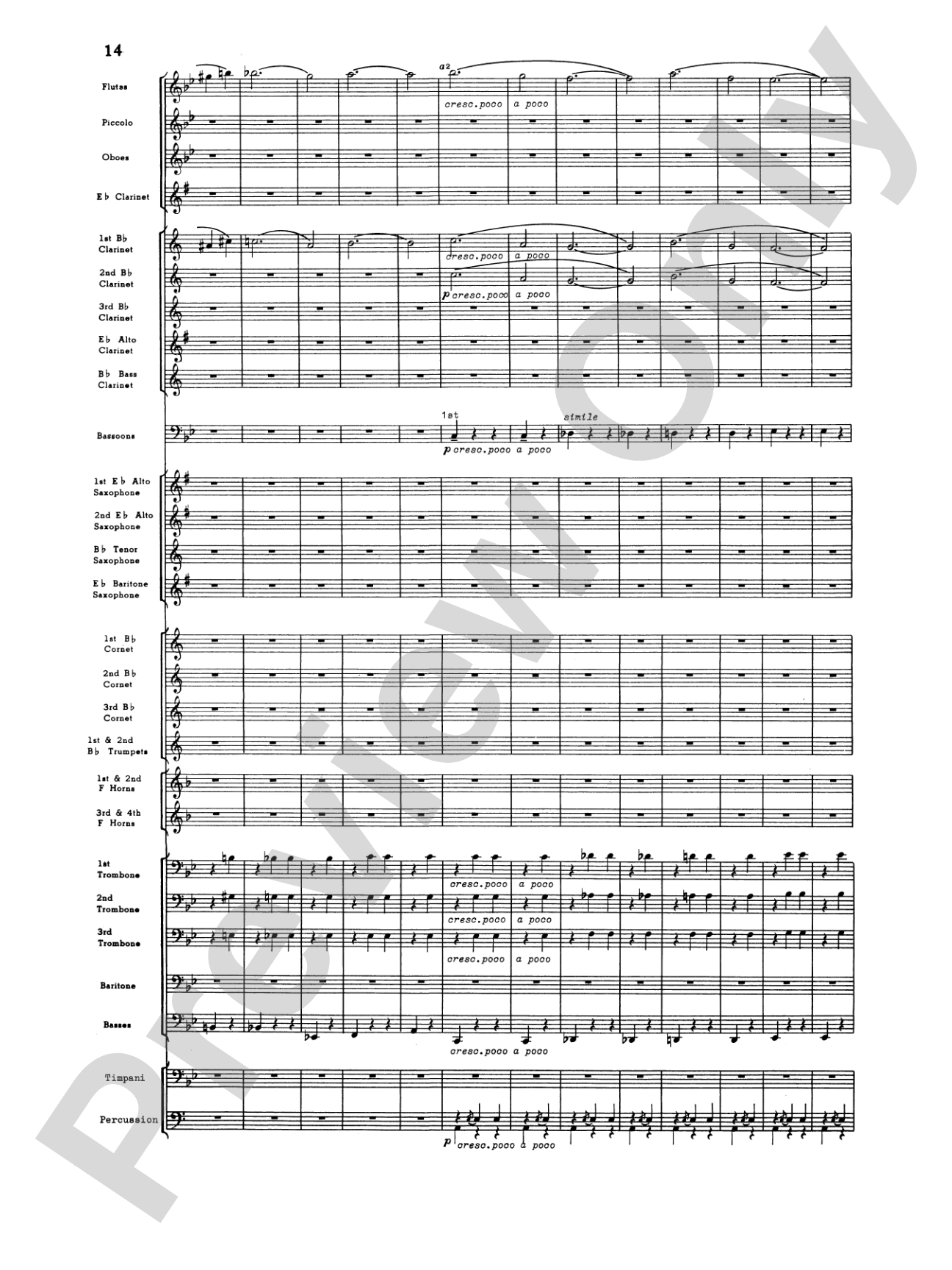
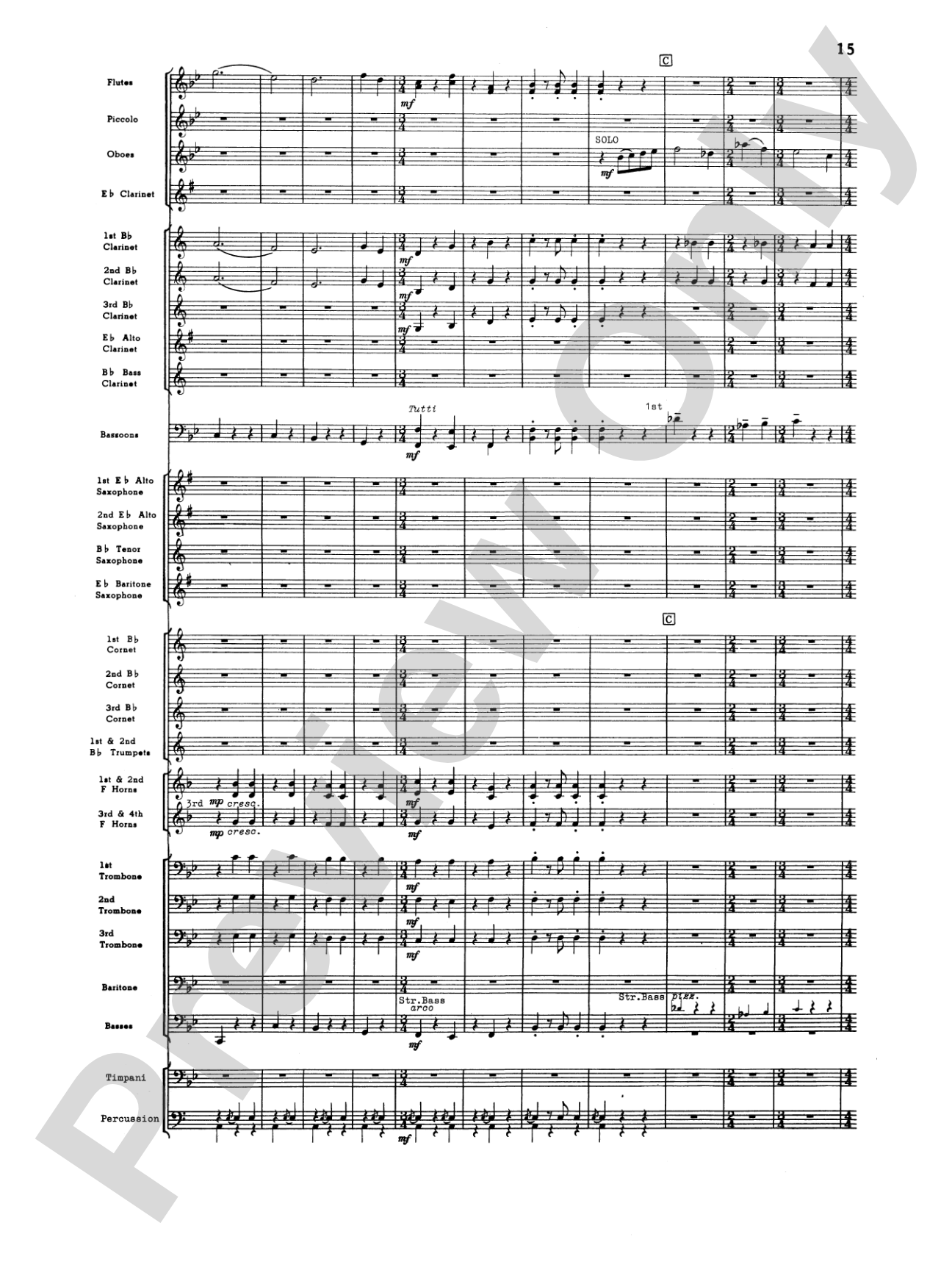
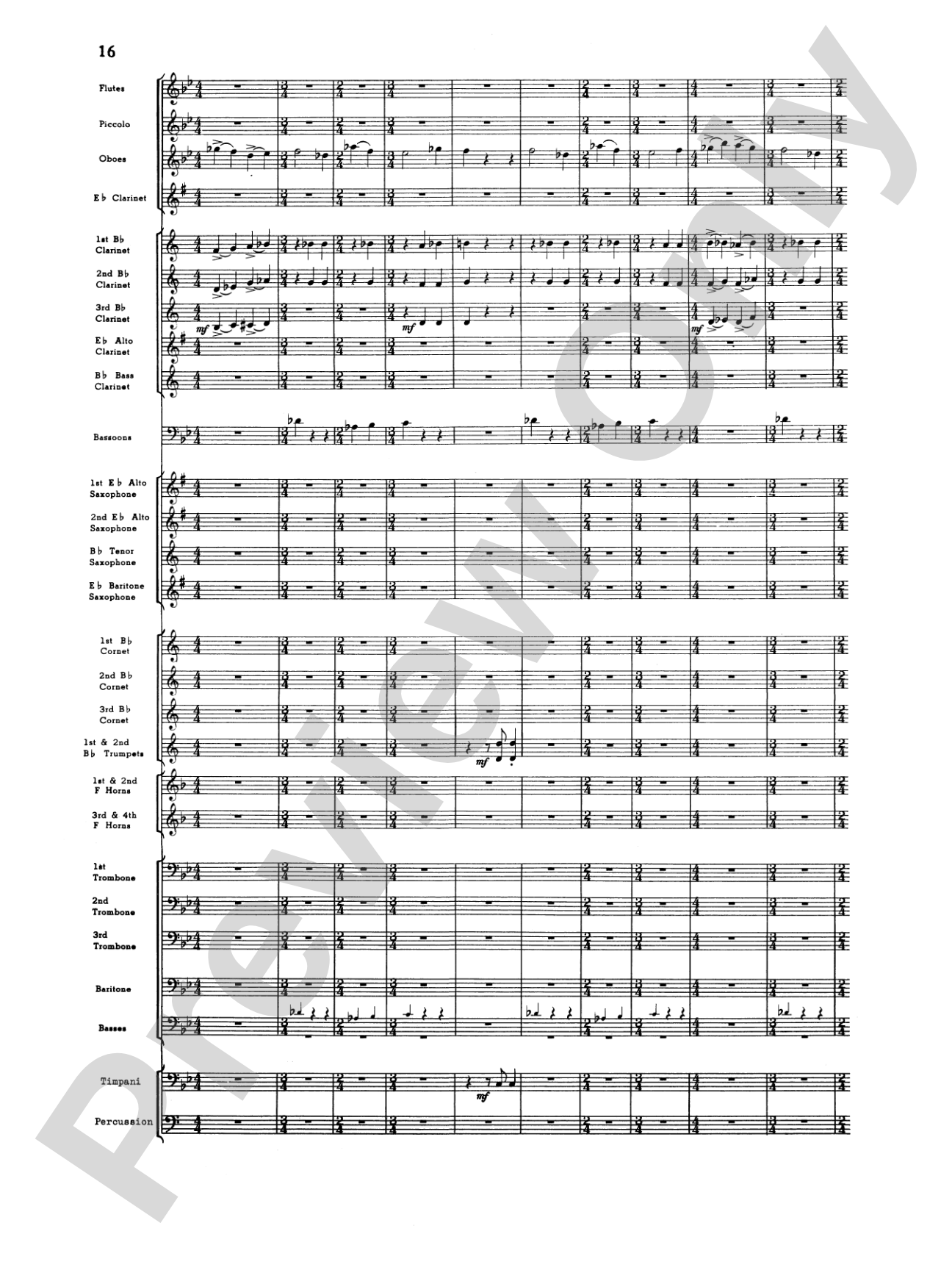
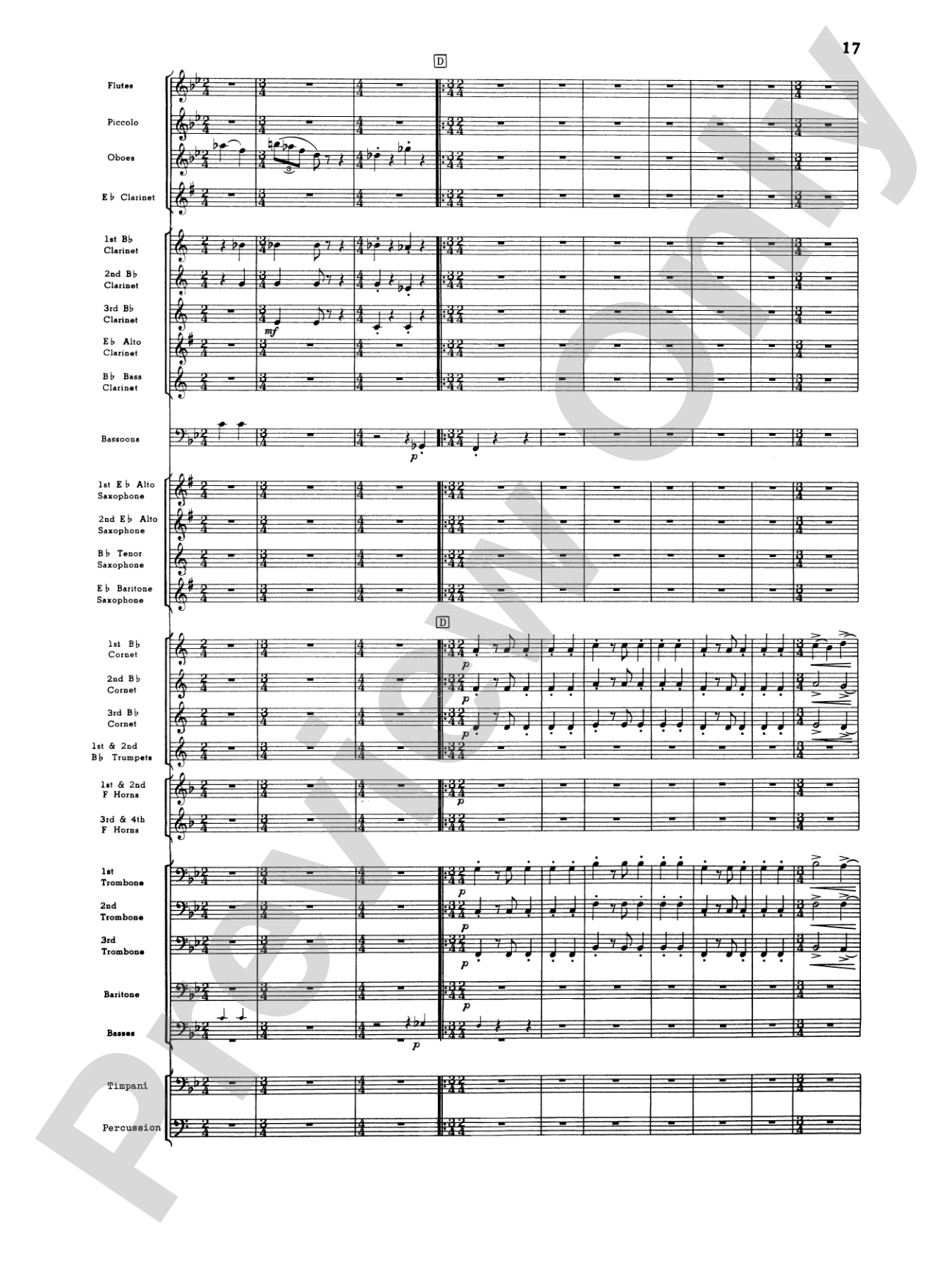
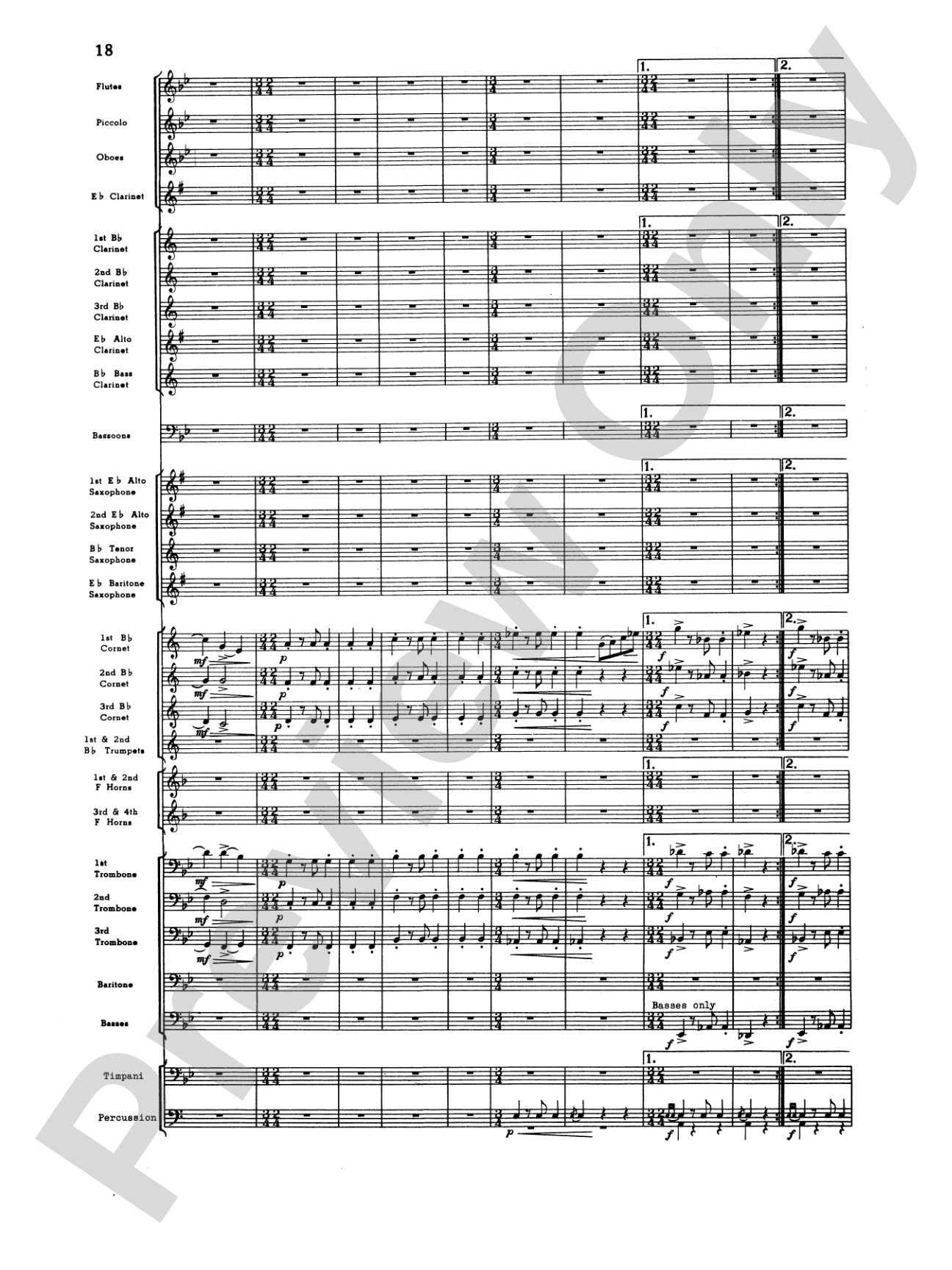
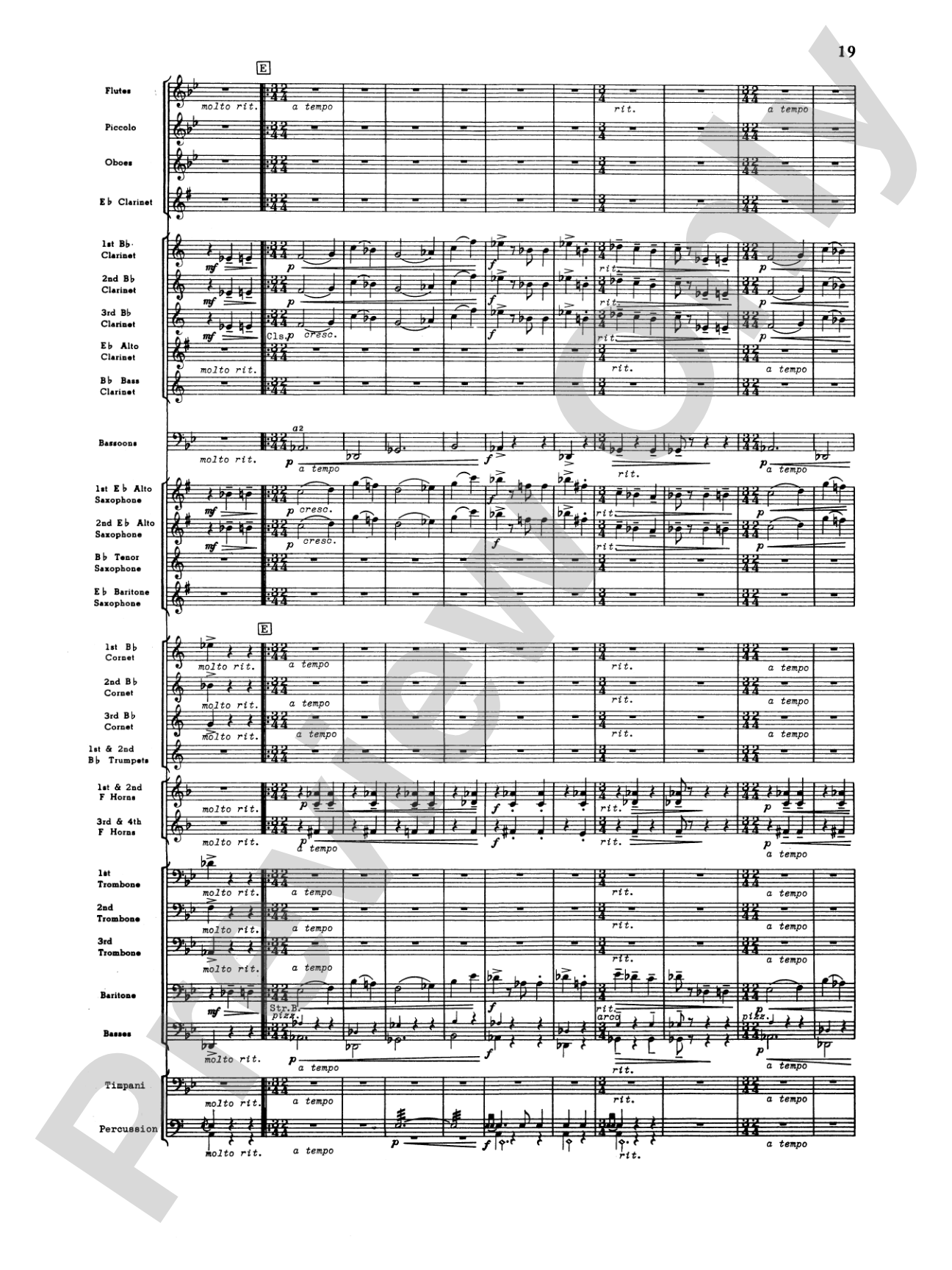
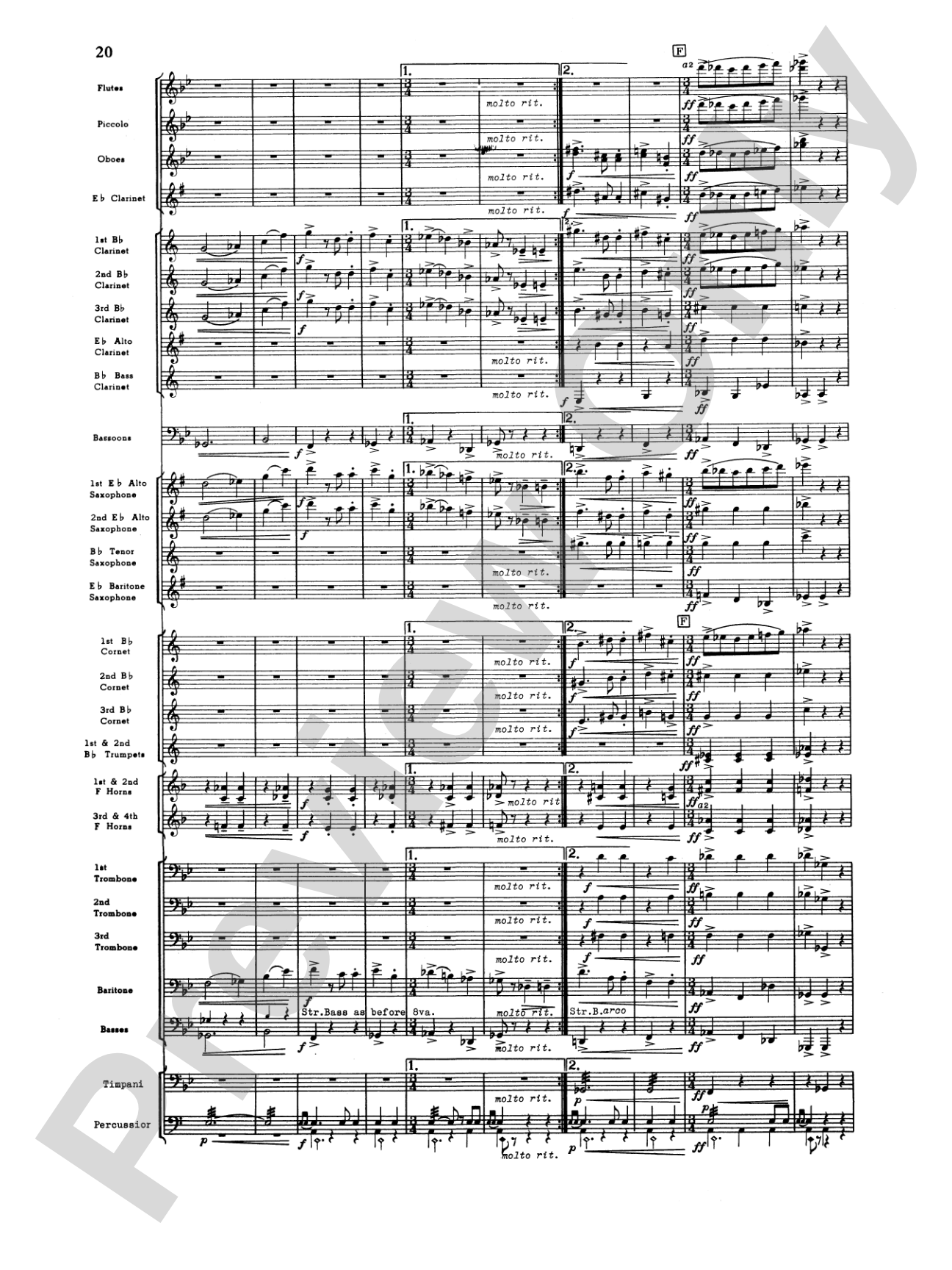
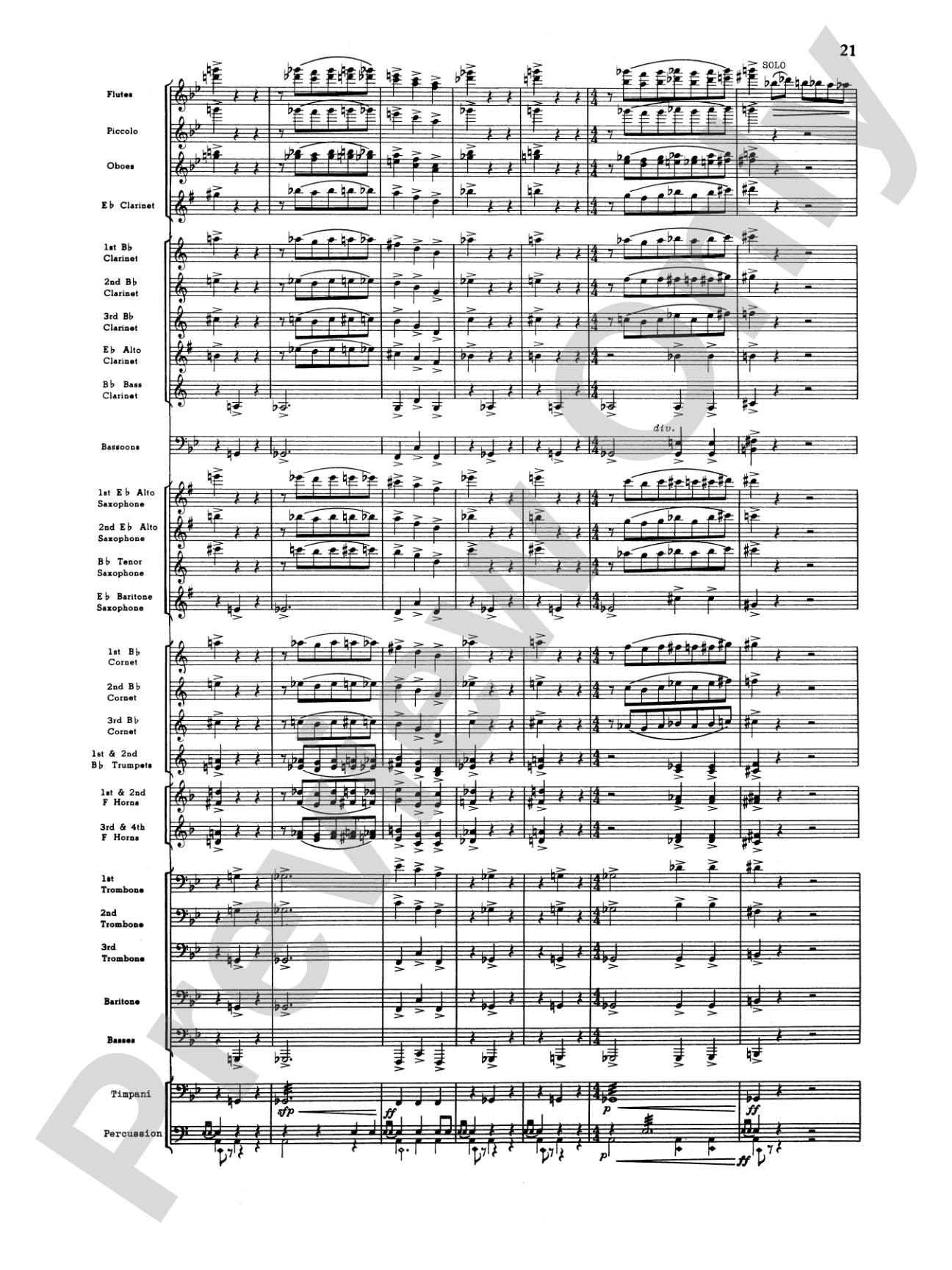
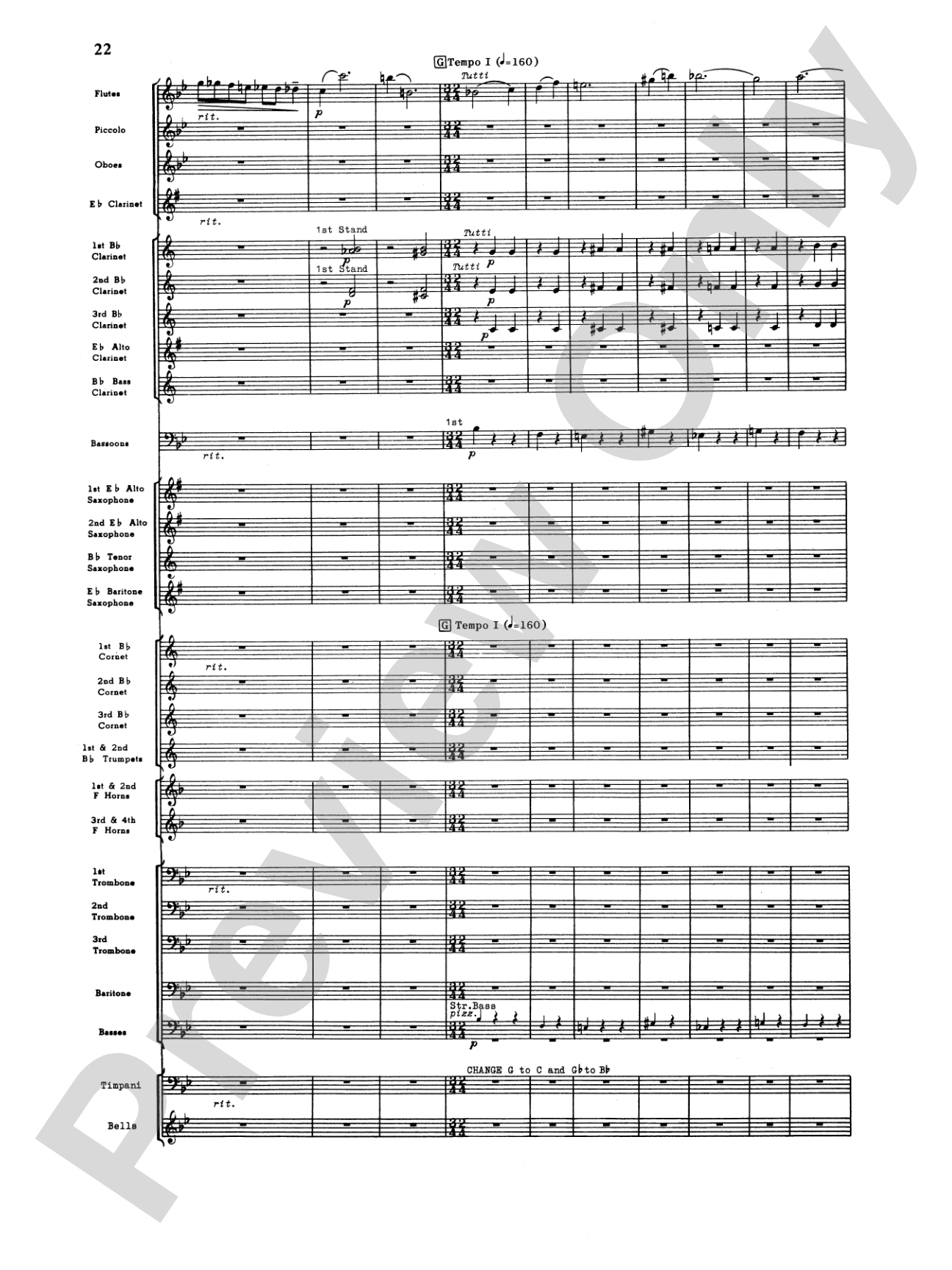
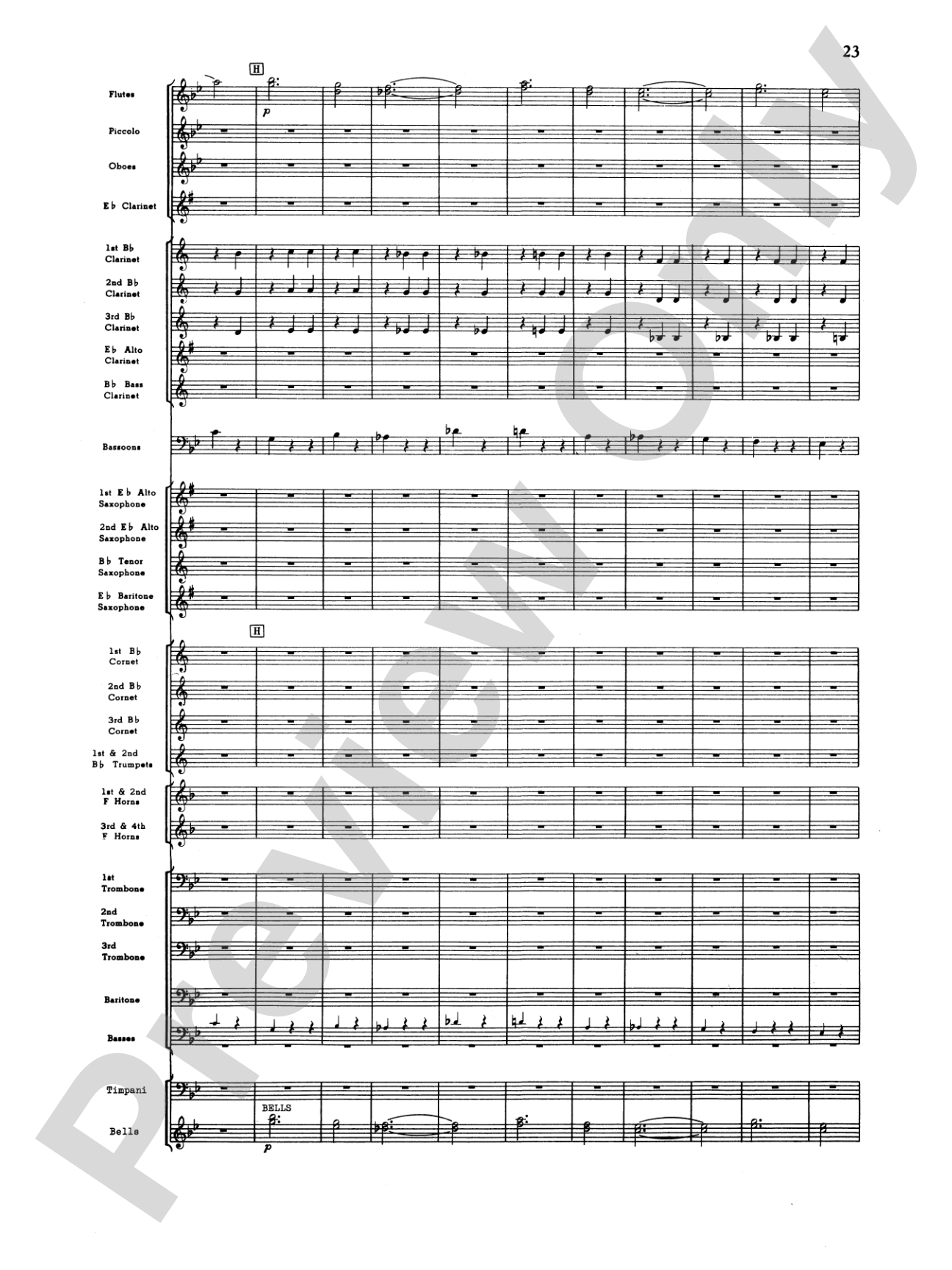
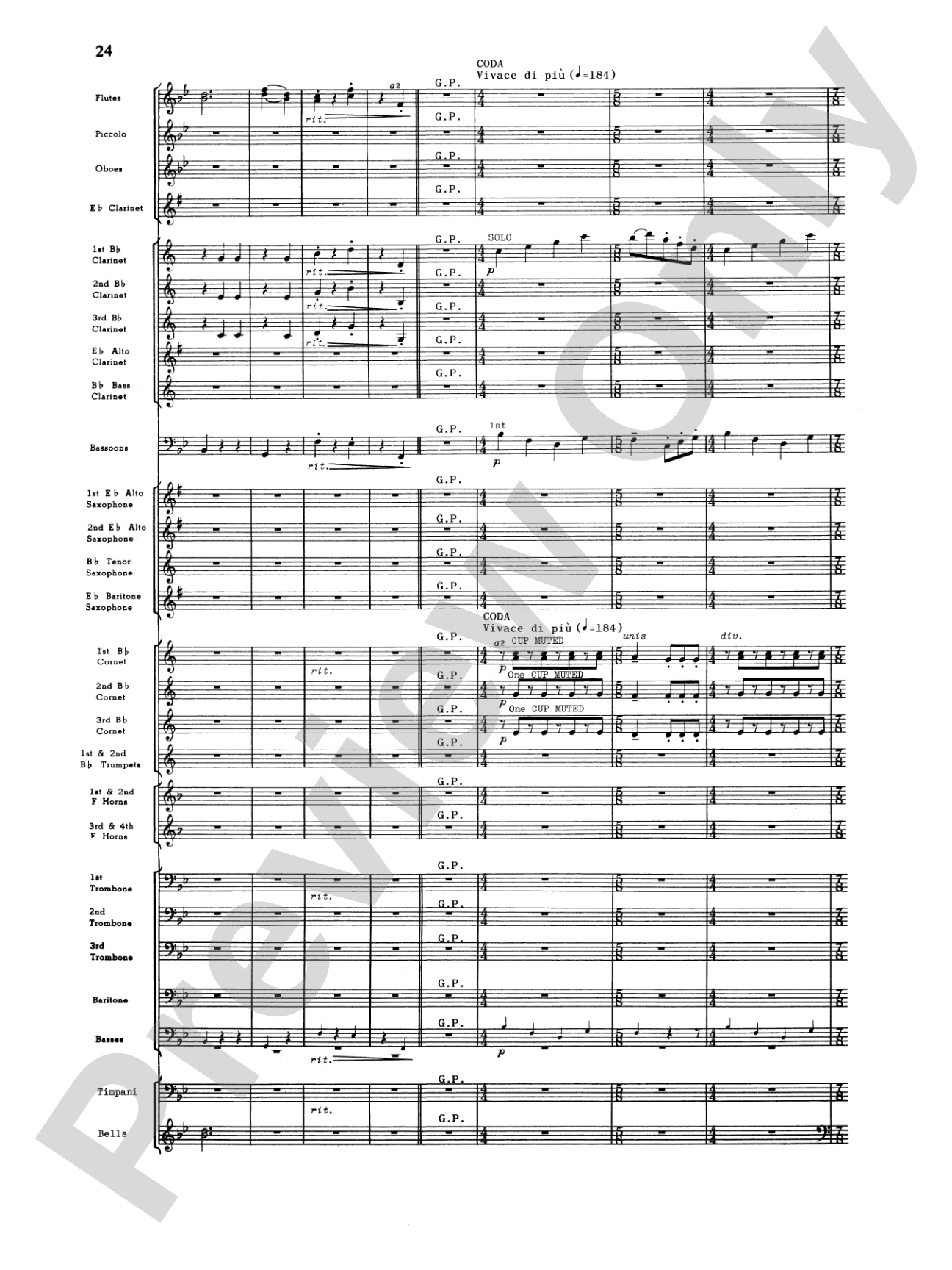
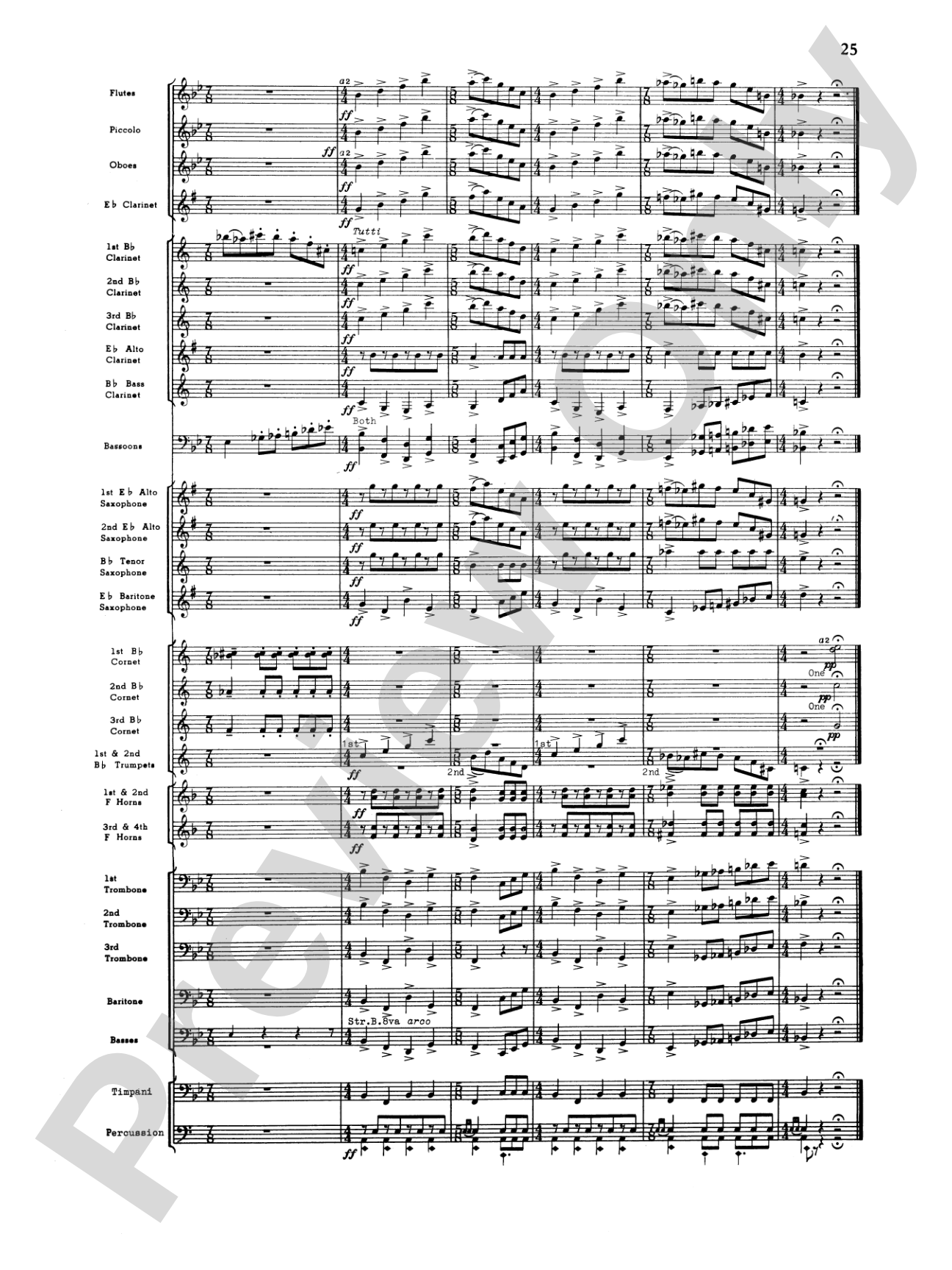
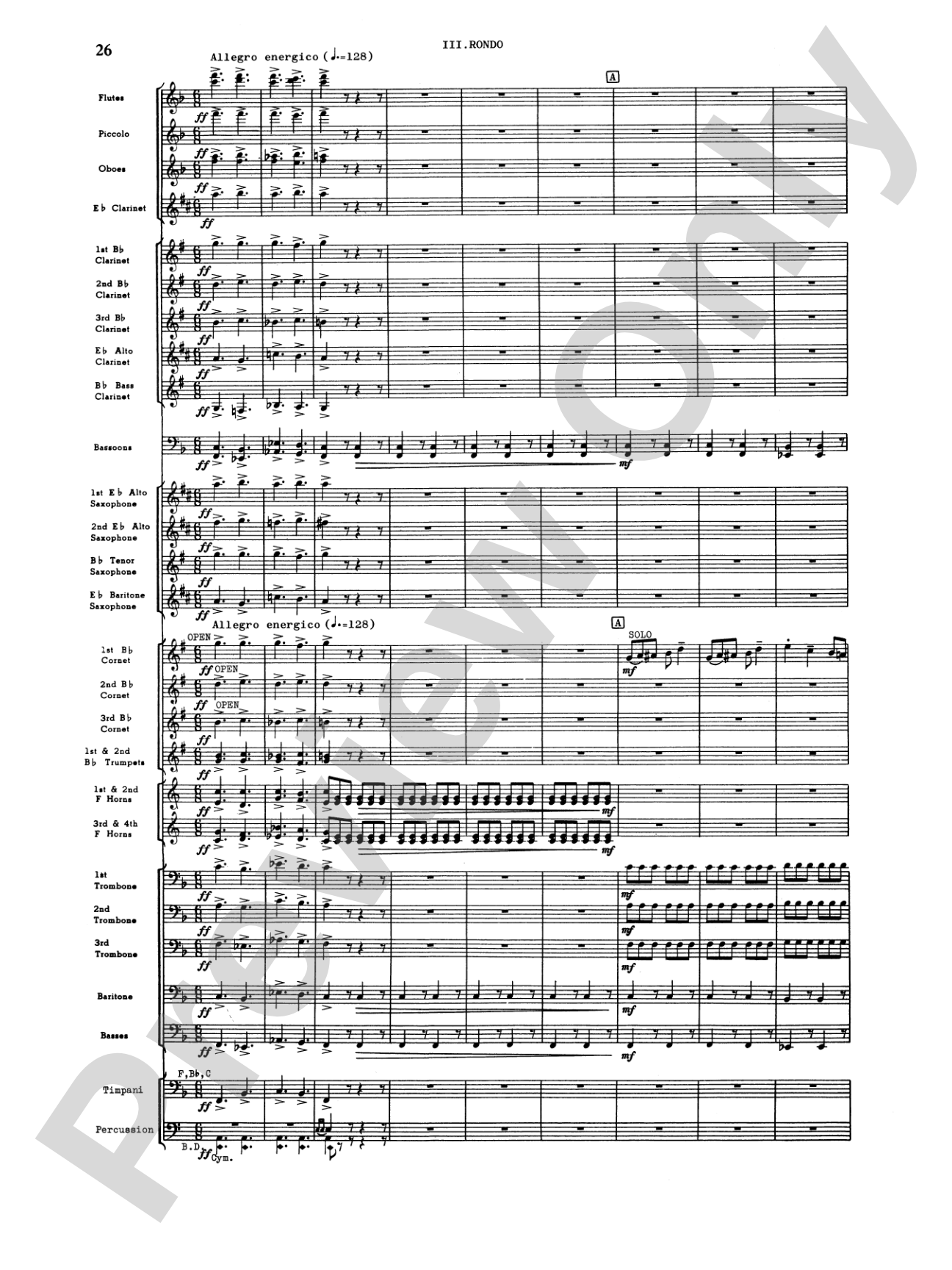
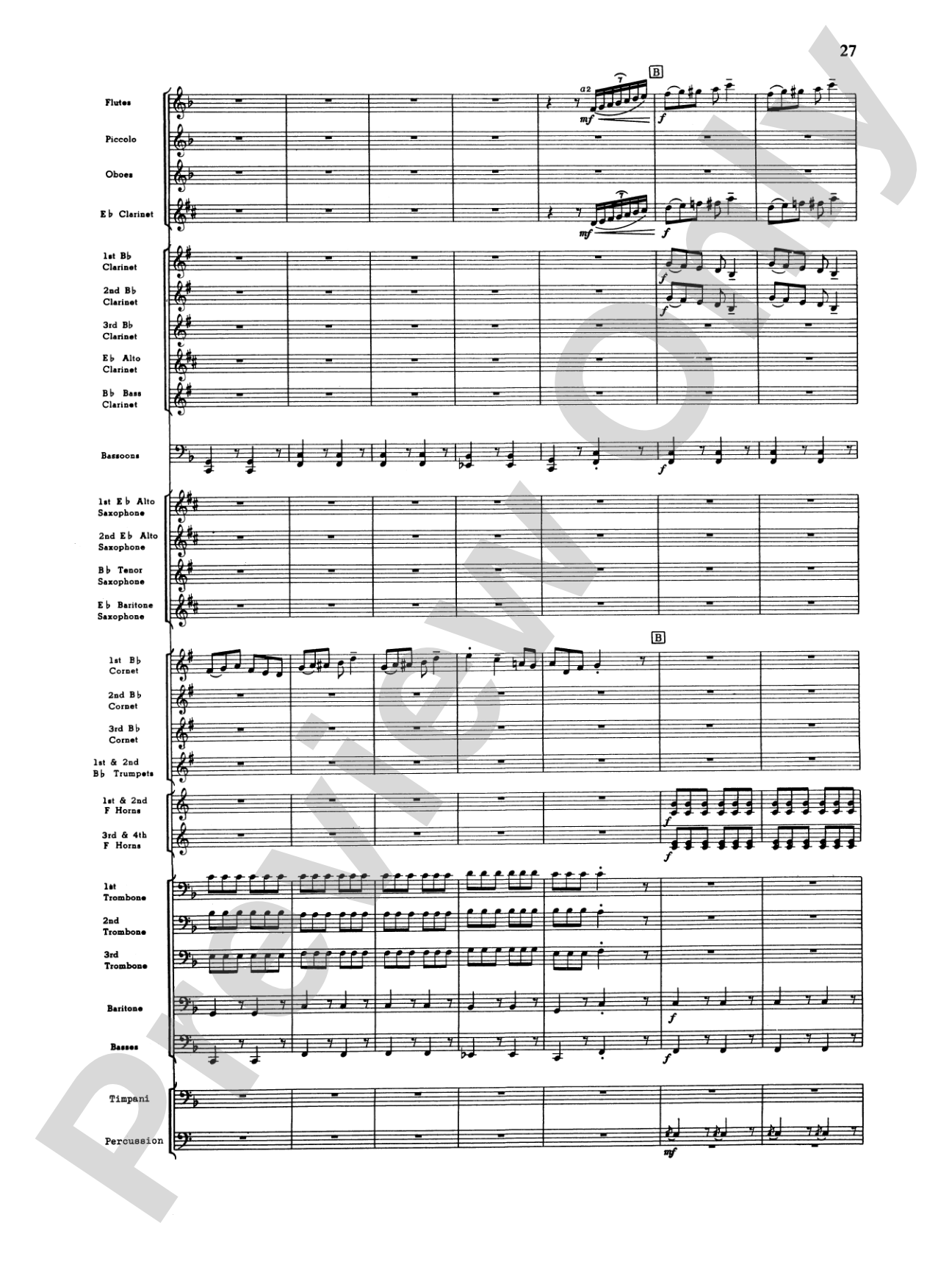
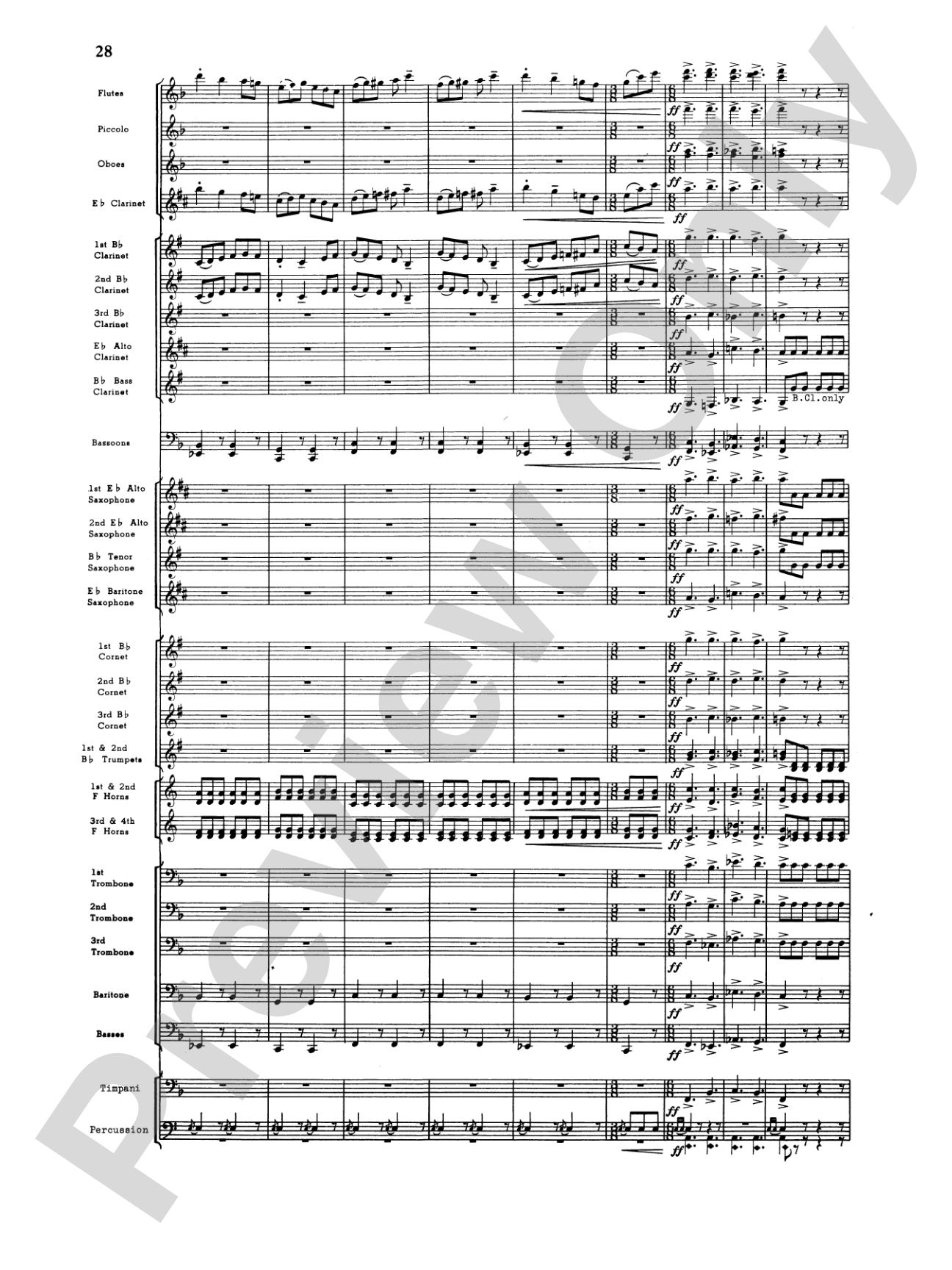
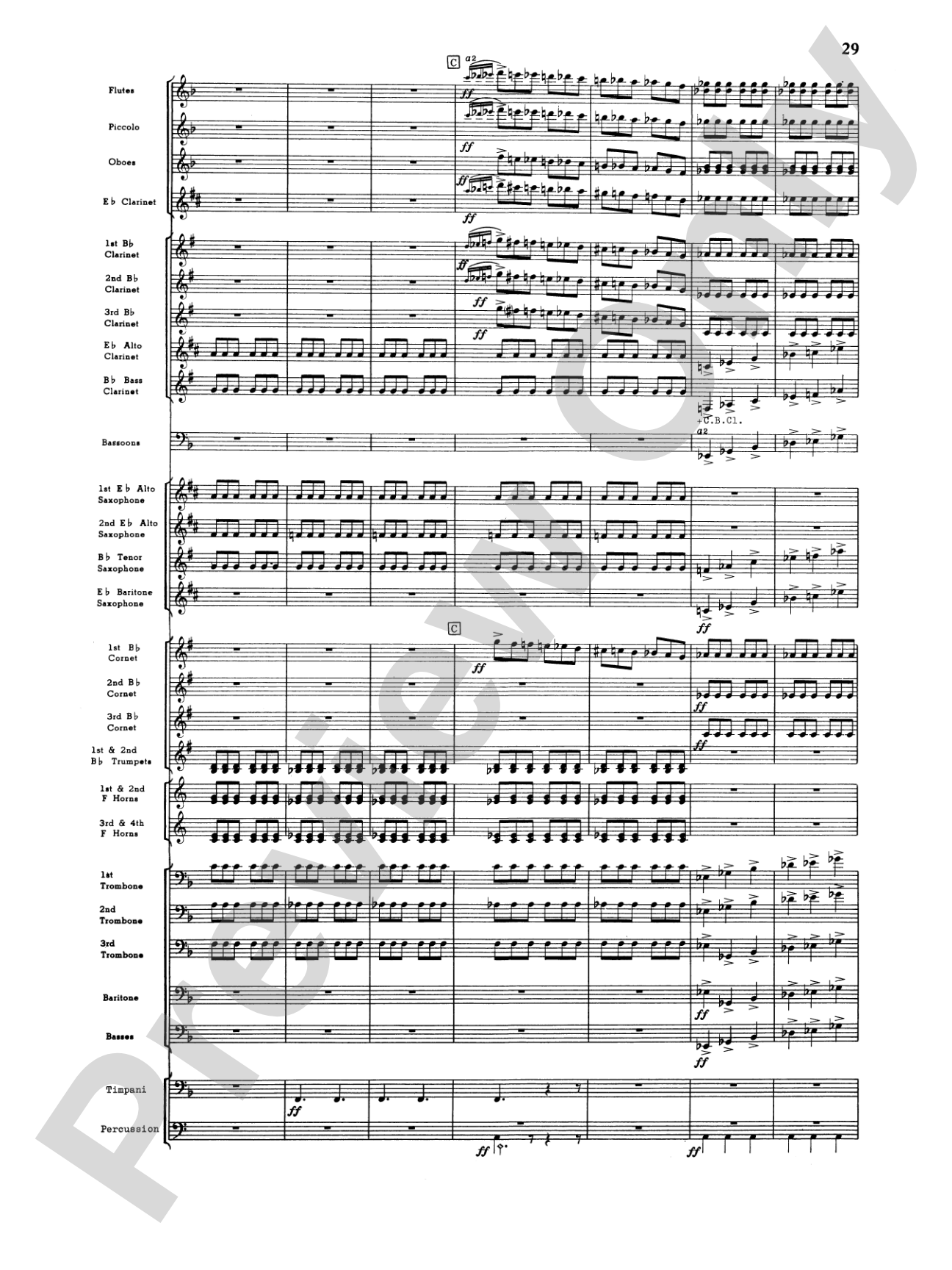
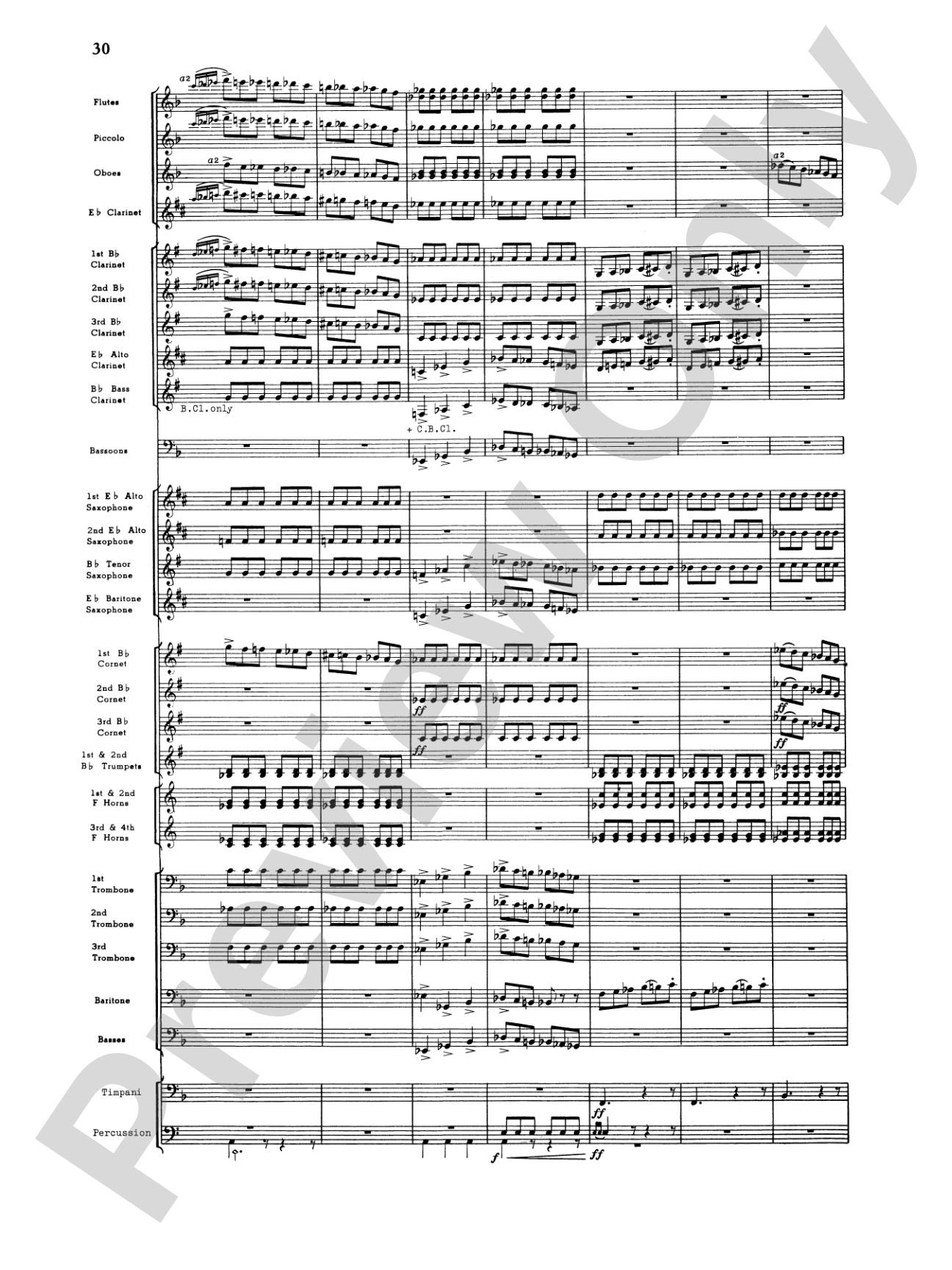
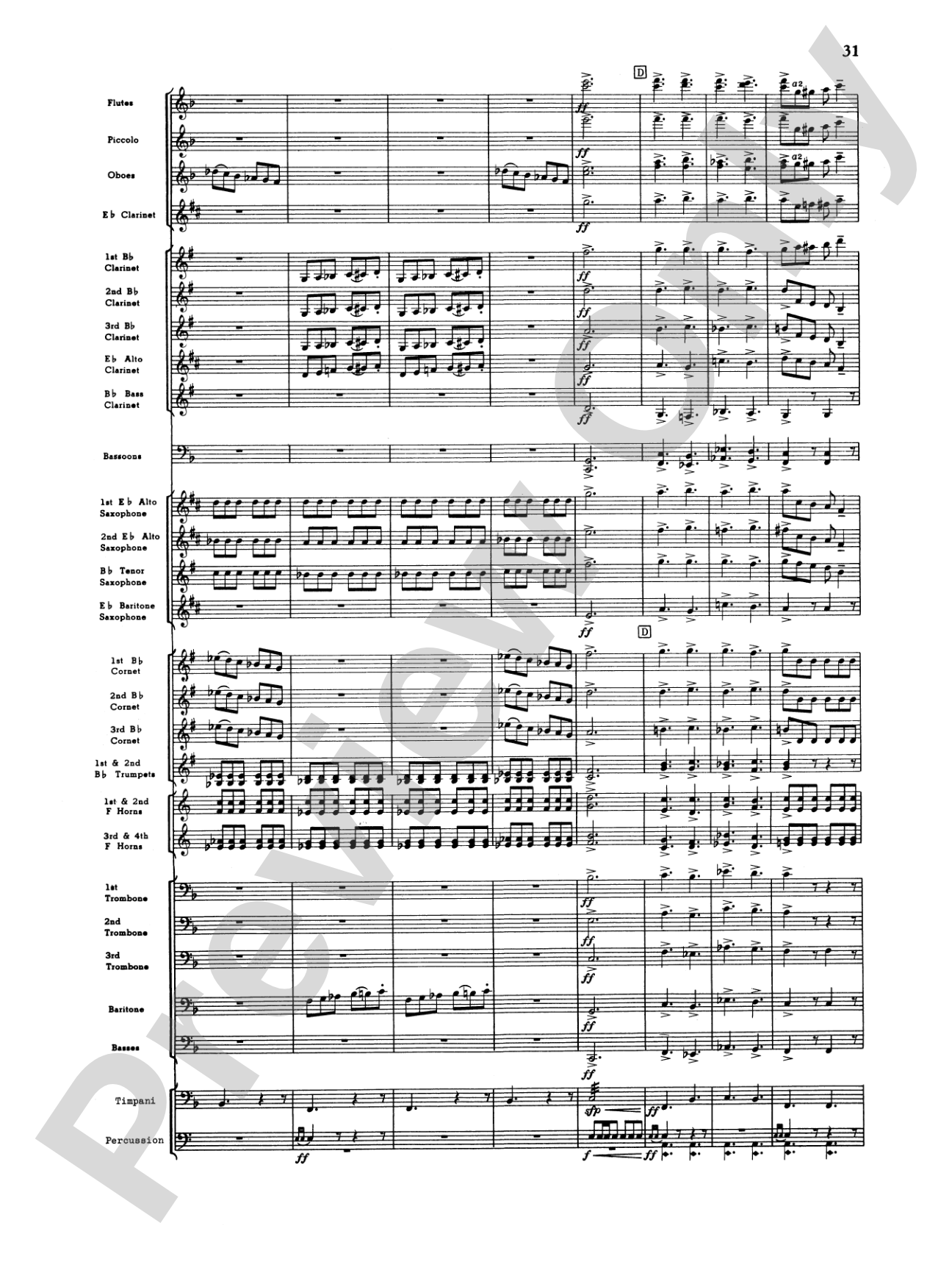
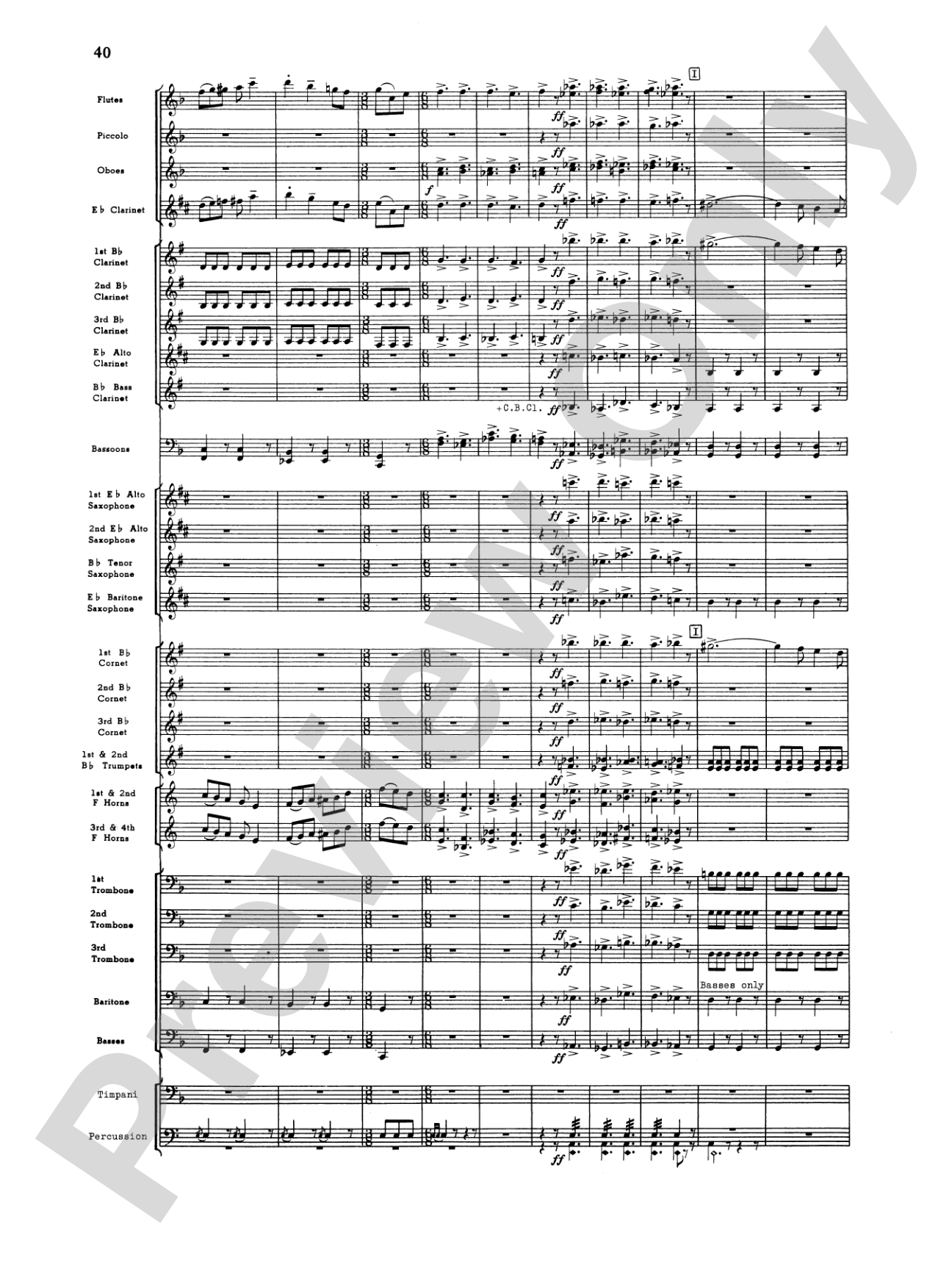
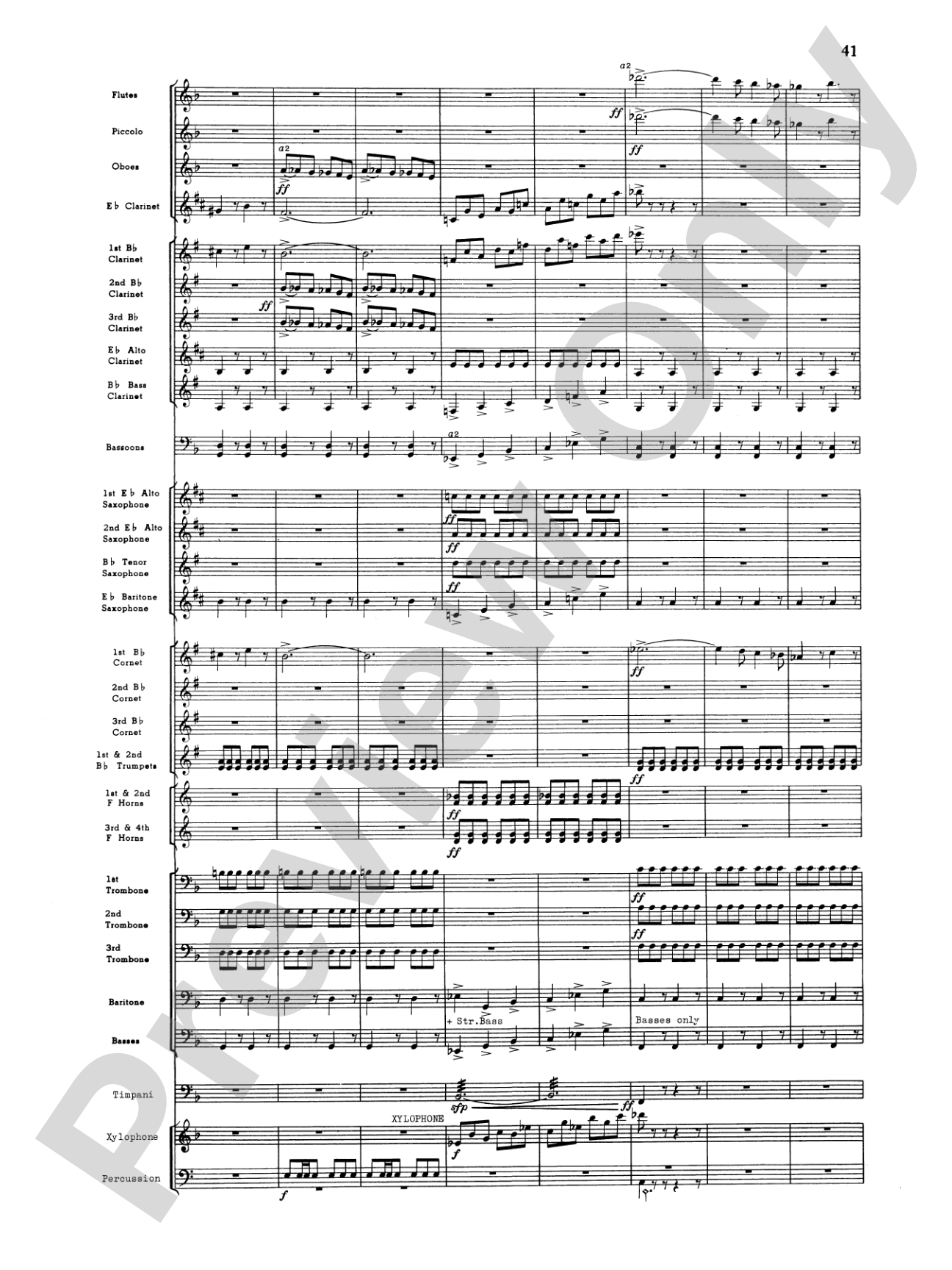
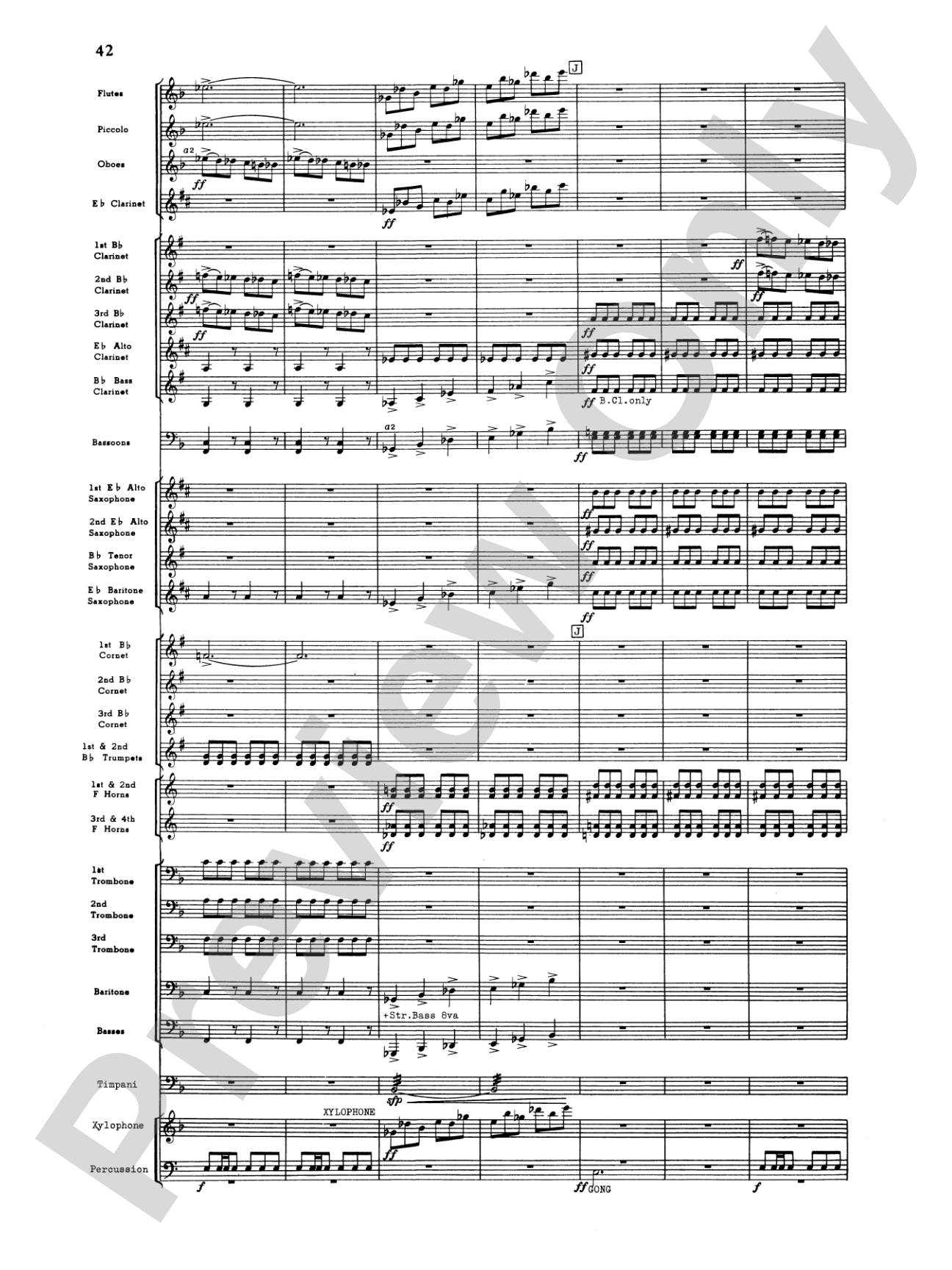
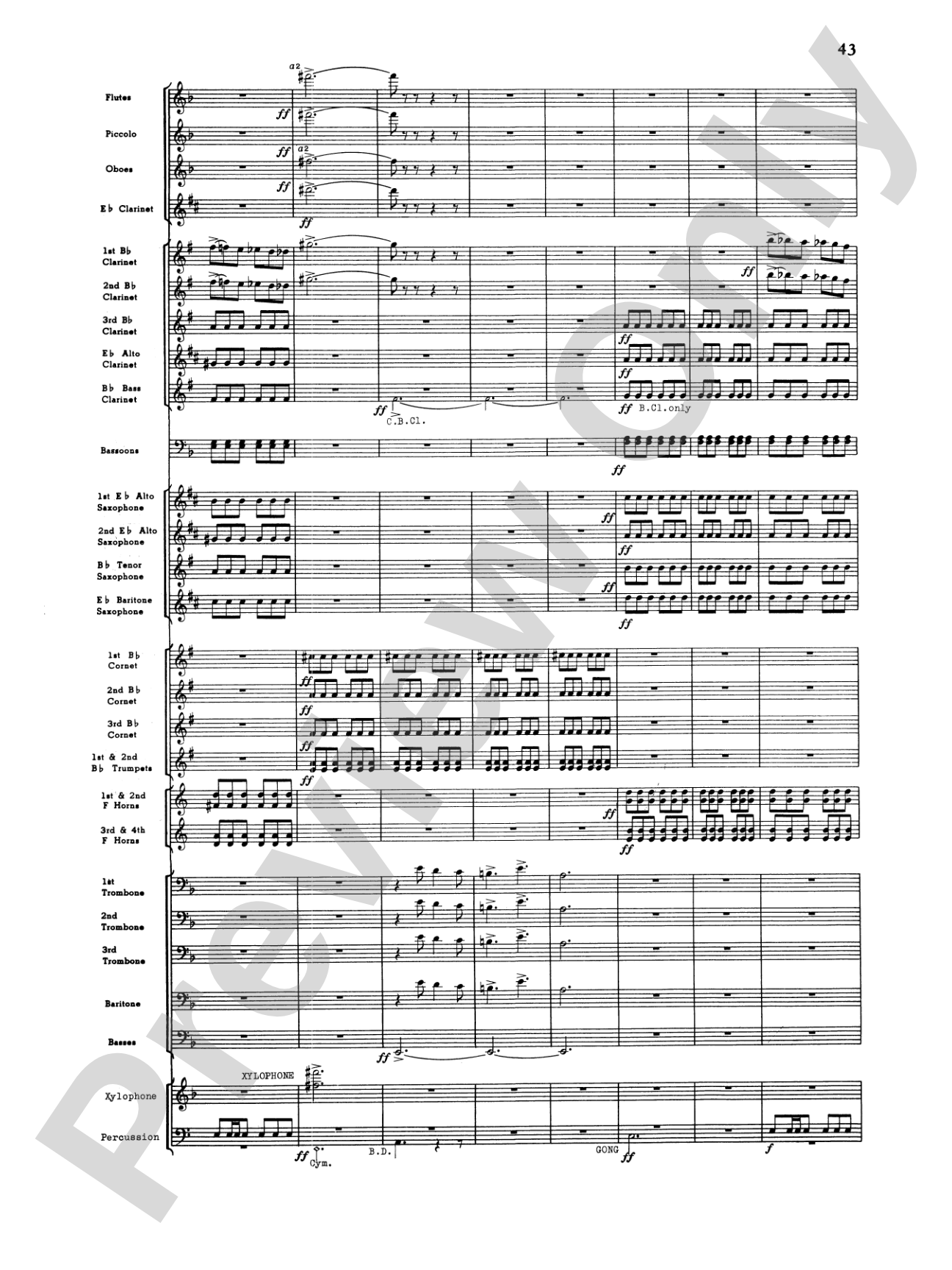
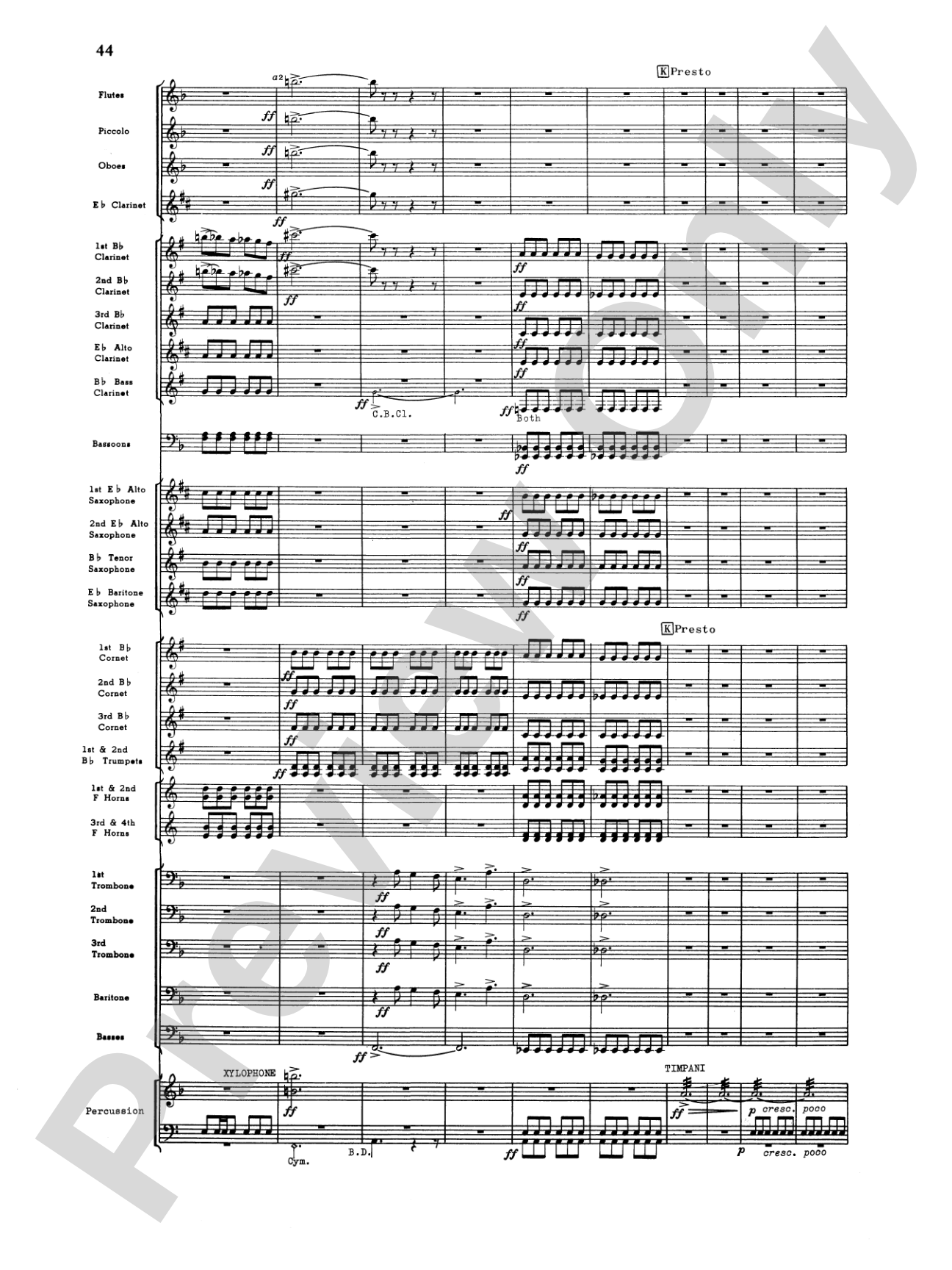
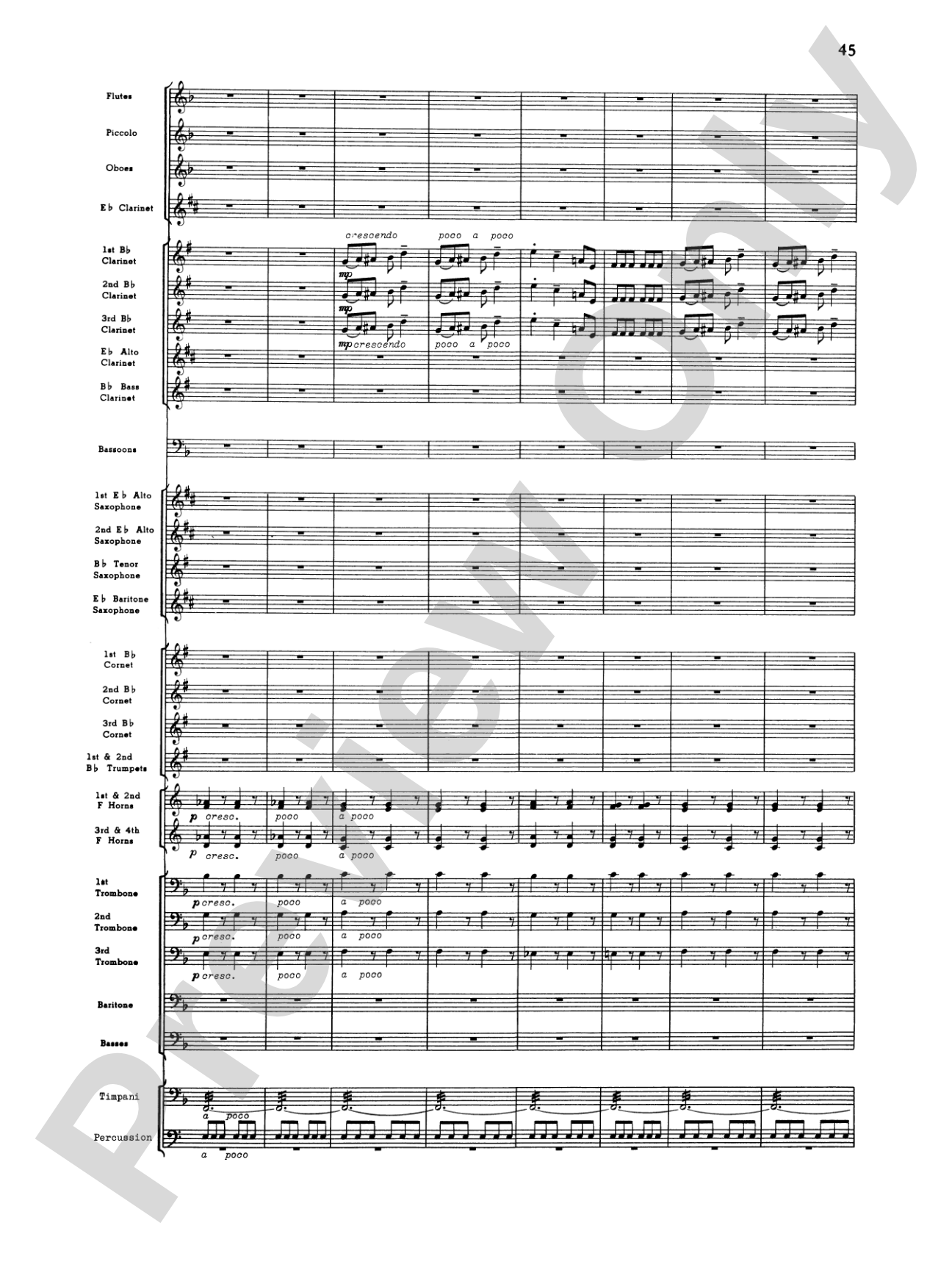
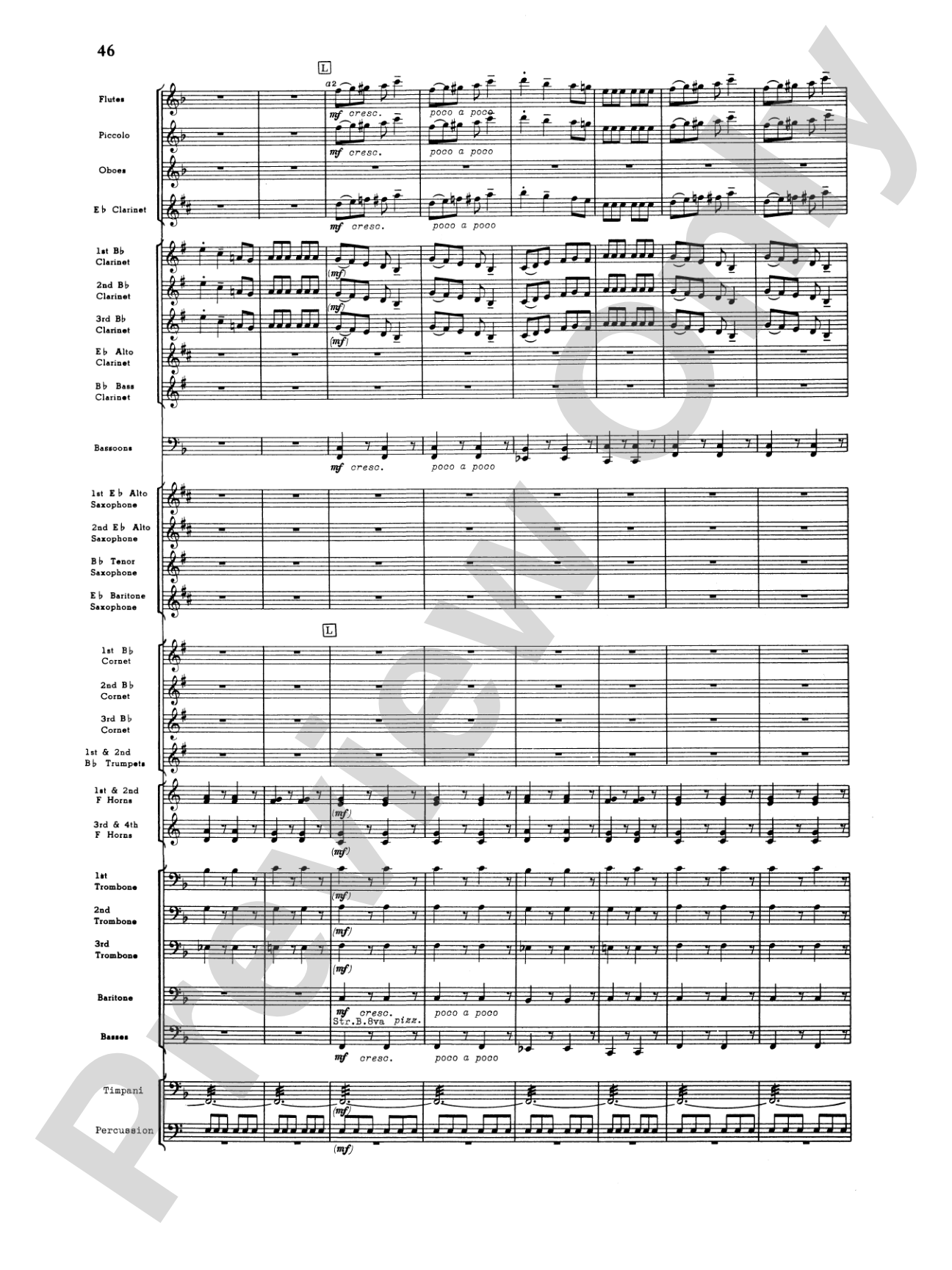
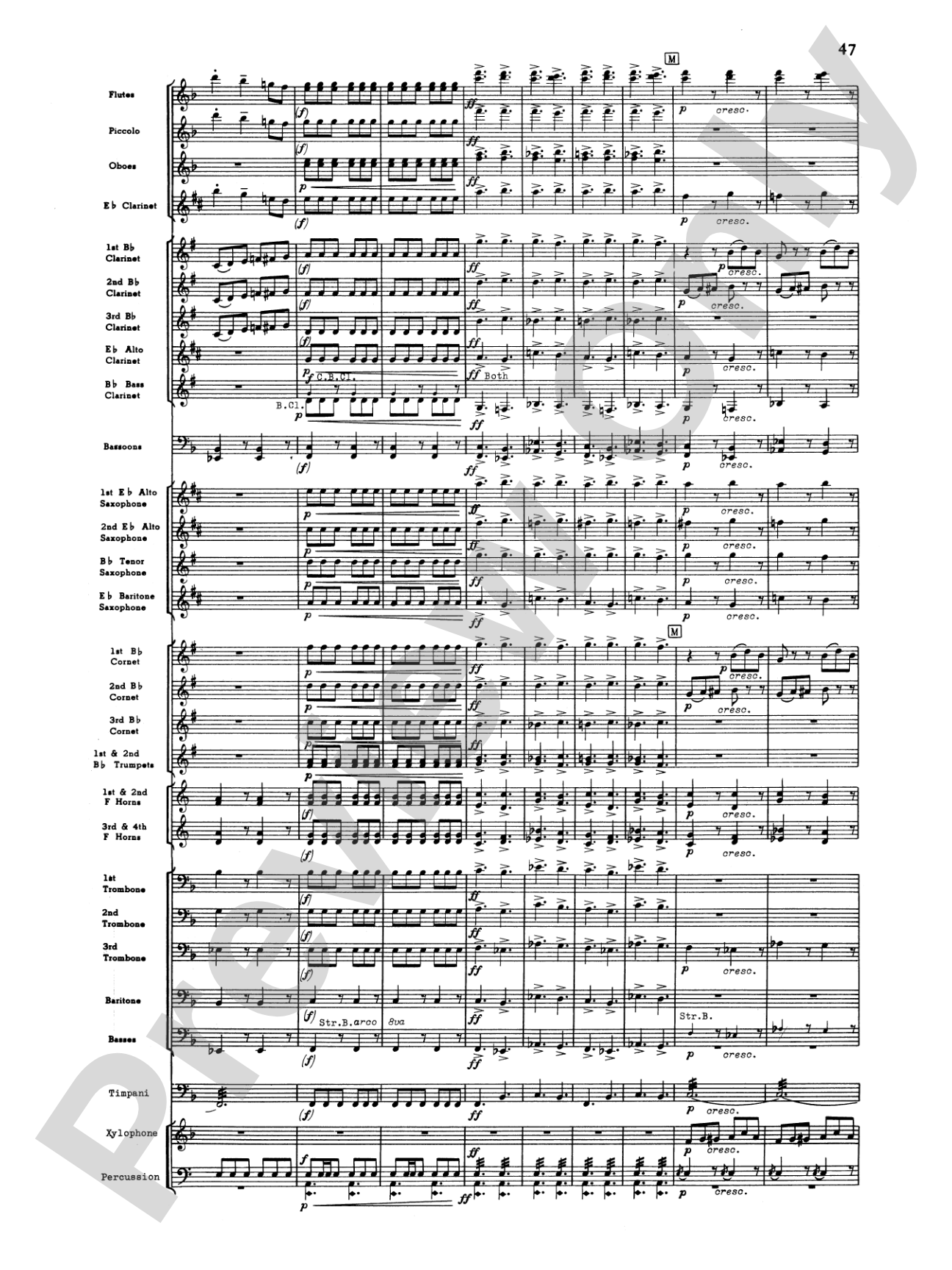
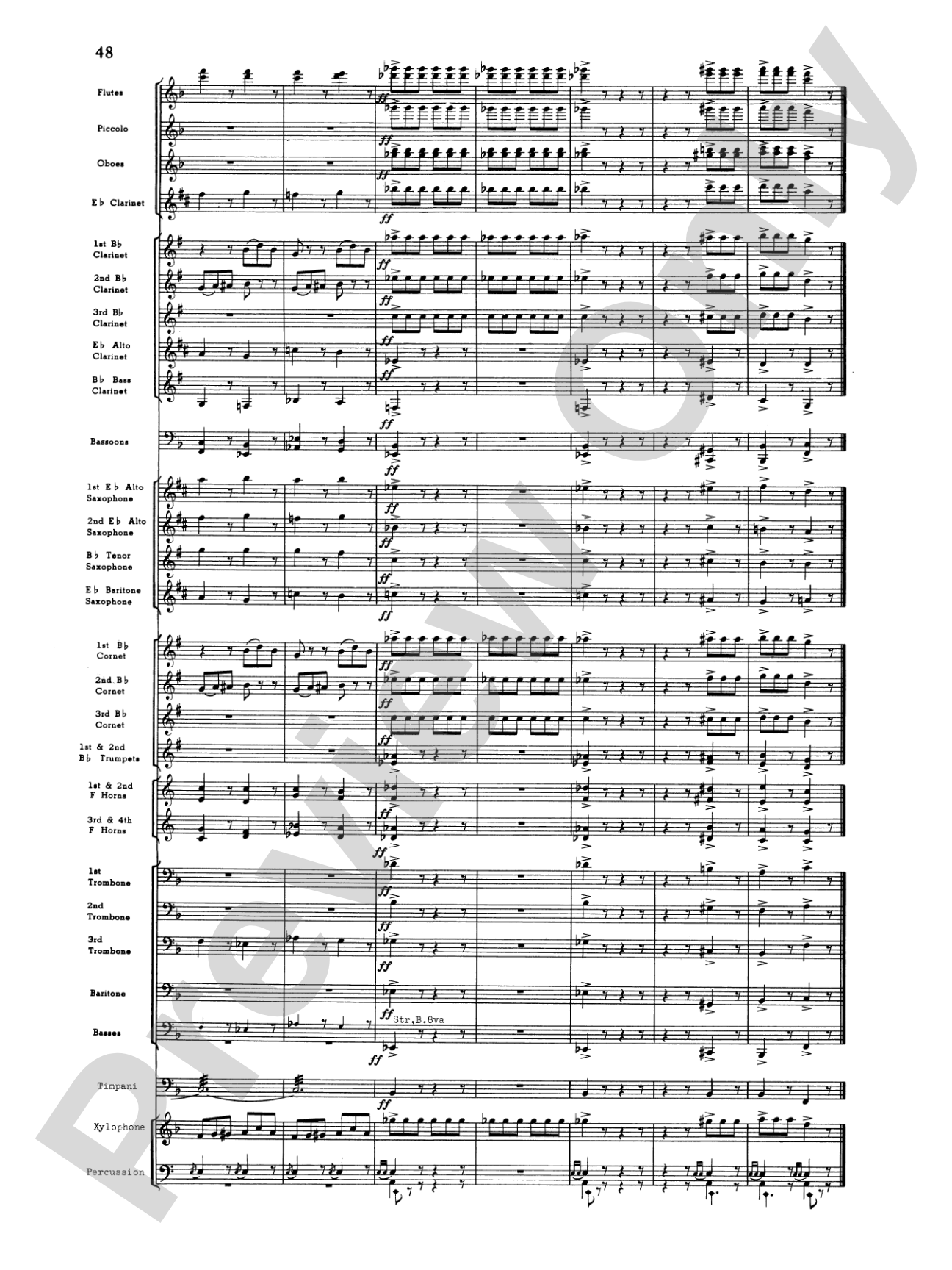
Composed in 1966, this three movement work is performed regularly in contests and festivals as well as on concert band programs globally. The unique setting of this original work provides subtle challenges to the performers and conductor with enhanced interest for the listener. The movements are "March"---non-characteristically scored in alternating 4/4 and 3/4 time, "Waltz"---similarly juxtaposed in alternating 3/4 and 2/4 time, and the raucous "Rondo." Robert Jager's "Third Suite"---a distinctive work with charming character. (8:45) This title is available in MakeMusic Cloud.


Don't just read it, hear it, play along with it, and watch your students grow with it. In MakeMusic Cloud, Third Suite (I. March, II. Waltz, III. Rondo): Concert Band Conductor Score & Parts comes alive with professional accompaniment, adjustable tempo, and built-in practice tools that turn solo practice into real progress.
Open in the Player
Jump straight in and assign it today.
Start Your Free Trial
Open this title and explore the full library in minutes.
Sample Audio
1
Audio File
--:--
0:00
0:00
Sample Video
Additional Details
Series:
Belwin Classic Band
Publisher:
Alfred Music
Page Count:
352
SKU:
00-PK-0002657
More about this title
About the Composer: Robert Jager
Robert Jager has established himself as a prolific and respected composer for concert band, with works that balance accessibility and musical substance. His compositions have become staples in band rooms across North America, earning recognition through regular performances at festivals, contests, and concert programs.
Why we love this
Jager's willingness to layer metric complexity into movements that remain musically coherent and engaging sets this suite apart from more straightforward Grade 3.5 fare. Directors appreciate how the alternating meters in the March and Waltz create genuine interpretive challenges without sacrificing the work's approachability, and the closing Rondo delivers the kind of exuberant energy that audiences remember.
What to expect
The March strides forward with an unexpected rhythmic restlessness, pivoting between meters in a way that feels deliberate rather than accidental. The Waltz glides and sways with elegance, its metric play suggesting a dance that shifts its tempo just as you find your footing. The Rondo explodes into unbridled joy, full of running lines and celebratory brass writing.
Who it's for
This suite fits Band programs working at the Grade 3 to 3.5 level who are ready to tackle more sophisticated rhythmic writing without stepping into advanced territory. It works equally well for a developing ensemble preparing for festival competition and for a more mature group seeking a thoughtful concert vehicle that demonstrates musicianship beyond technical facility.
How to get the most out of it
- Lock in the meter shifts in the March (4/4 to 3/4) during sectional rehearsals by isolating the transitions and conducting them explicitly several times before playing through; the rhythmic stability of lower voices anchors the upper voices through these changes.
- Treat the Waltz's alternating 3/4 and 2/4 meters as a single unified phrase rather than two separate ideas; this prevents the section from feeling chopped and maintains the dance-like character.
- Balance the Rondo's busy inner voices against the primary melodic line; this movement rewards careful attention to dynamic layering so the raucous energy reads as intentional orchestration rather than muddiness.
- Use the full 8 minutes 45 seconds as your baseline for tempo decisions across all three movements; rushing obscures the compositional details Jager embedded in the meter changes.
How to use it
Program this as the anchor of a contest set where you want to showcase a band that can handle metric independence and precision; it earns adjudicator respect. On a concert program, it pairs well with a classical overture and a contemporary show opener, giving audiences a complete range of band literature in one evening.
Skills your students will build
- Reading and conducting alternating meters (4/4 and 3/4 in the March; 3/4 and 2/4 in the Waltz)
- Maintaining phrase integrity across metric modulations
- Balancing independent voice lines in tightly voiced arrangements
- Ensemble precision in transitions between contrasting sections
- Dynamic control and tonal shaping across three distinct movement characters