


There Stands a Little Man: String Orchestra Conductor Score & Parts
German Folk Song / arr. Sandra Dackow
Grade: 1.5
Item: 00-PK-0000983

$40.00
Pickup currently not available
Buy Extra Parts (Digital PDF Download)
| Product | Price | Quantity |
|---|---|---|
| There Stands a Little Man: Score | $6.00 | |
| There Stands a Little Man: 1st Violin | $5.99 | |
| There Stands a Little Man: 2nd Violin | $5.99 | |
| There Stands a Little Man: 3rd Violin (Viola [TC]) | $5.99 | |
| There Stands a Little Man: Viola | $5.99 | |
| There Stands a Little Man: Cello | $5.99 | |
| There Stands a Little Man: String Bass | $5.99 | |
| There Stands a Little Man: Piano Accompaniment | $5.99 |
Parts Added to Cart!
Description
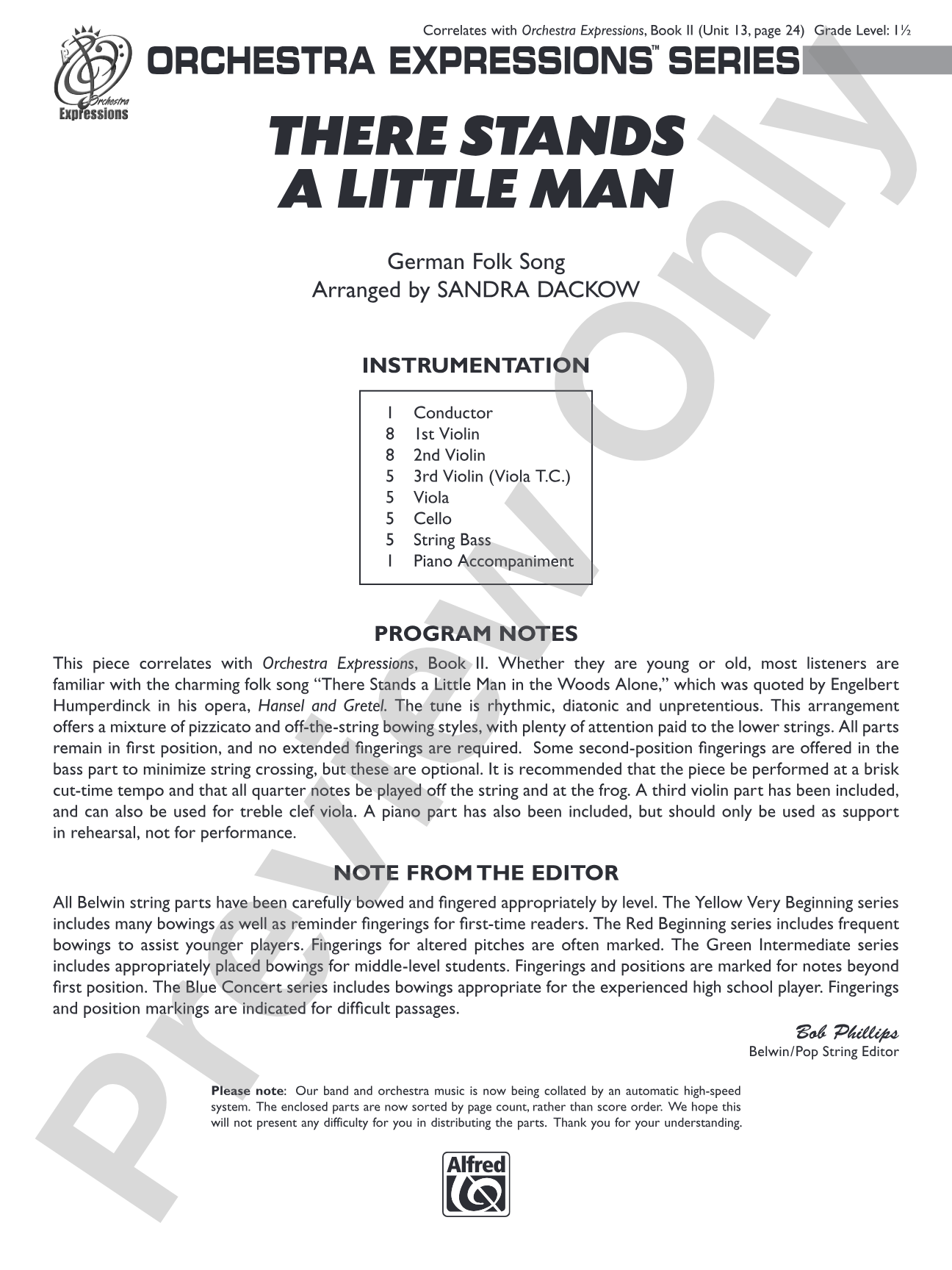
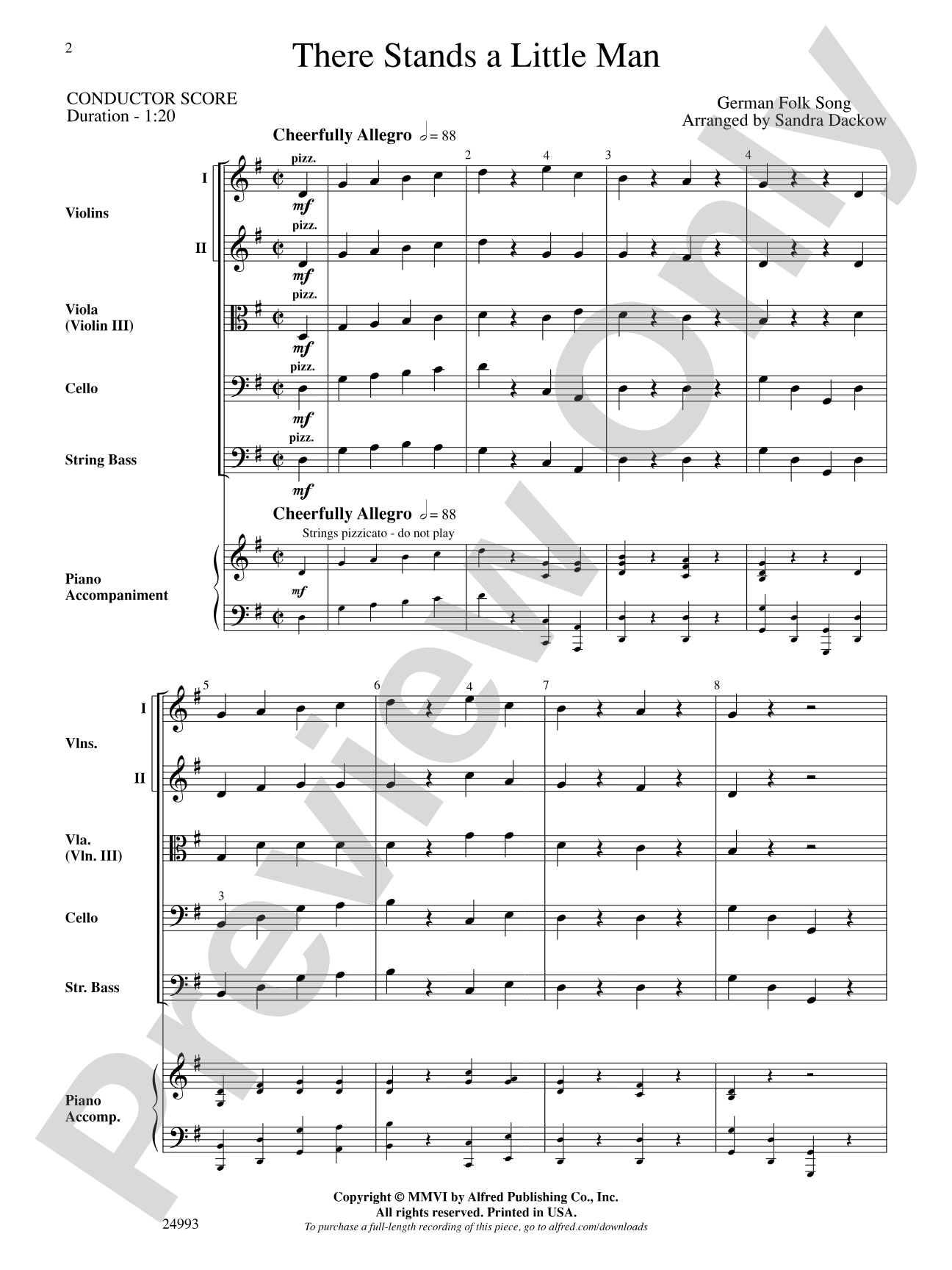
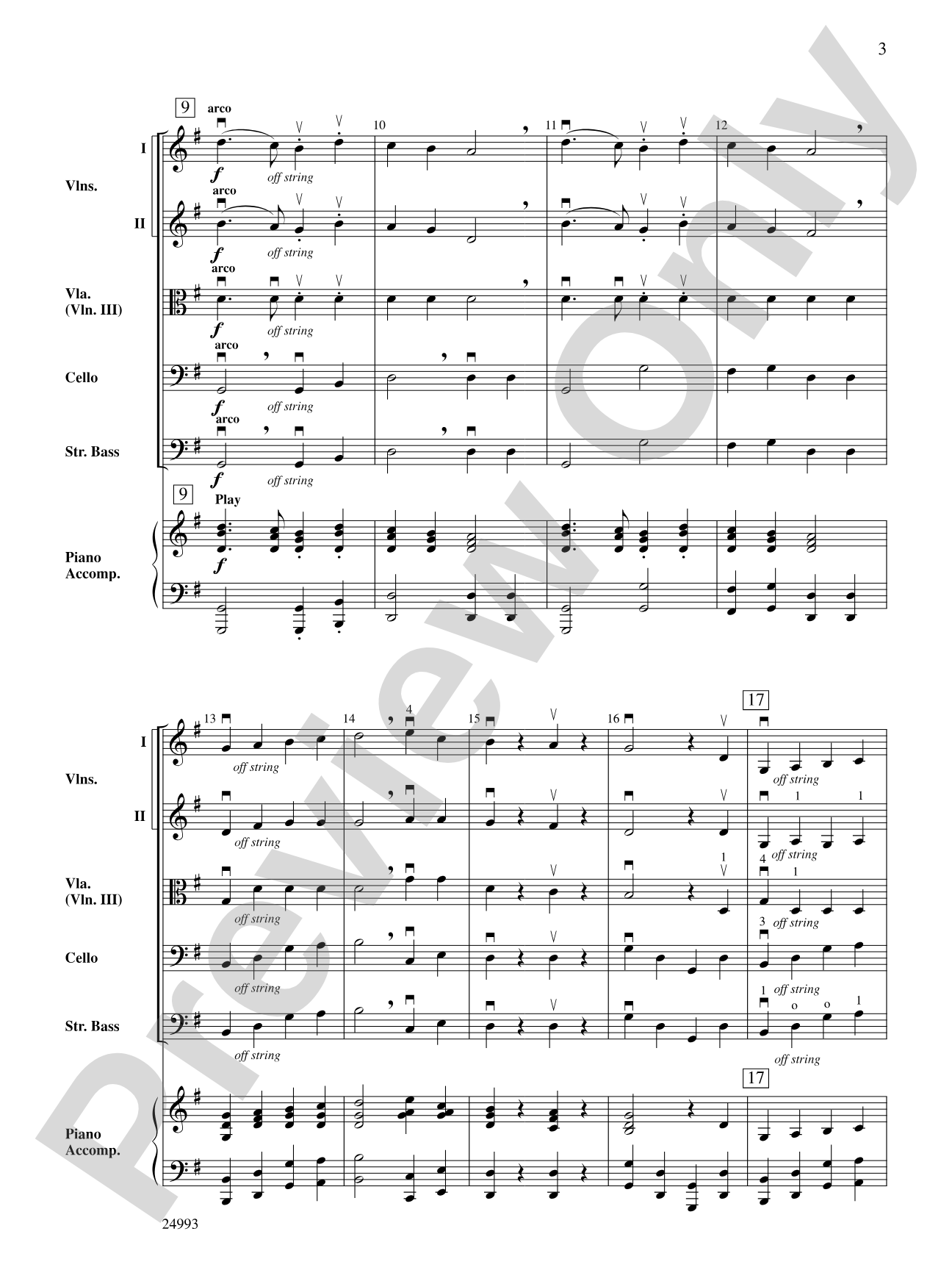
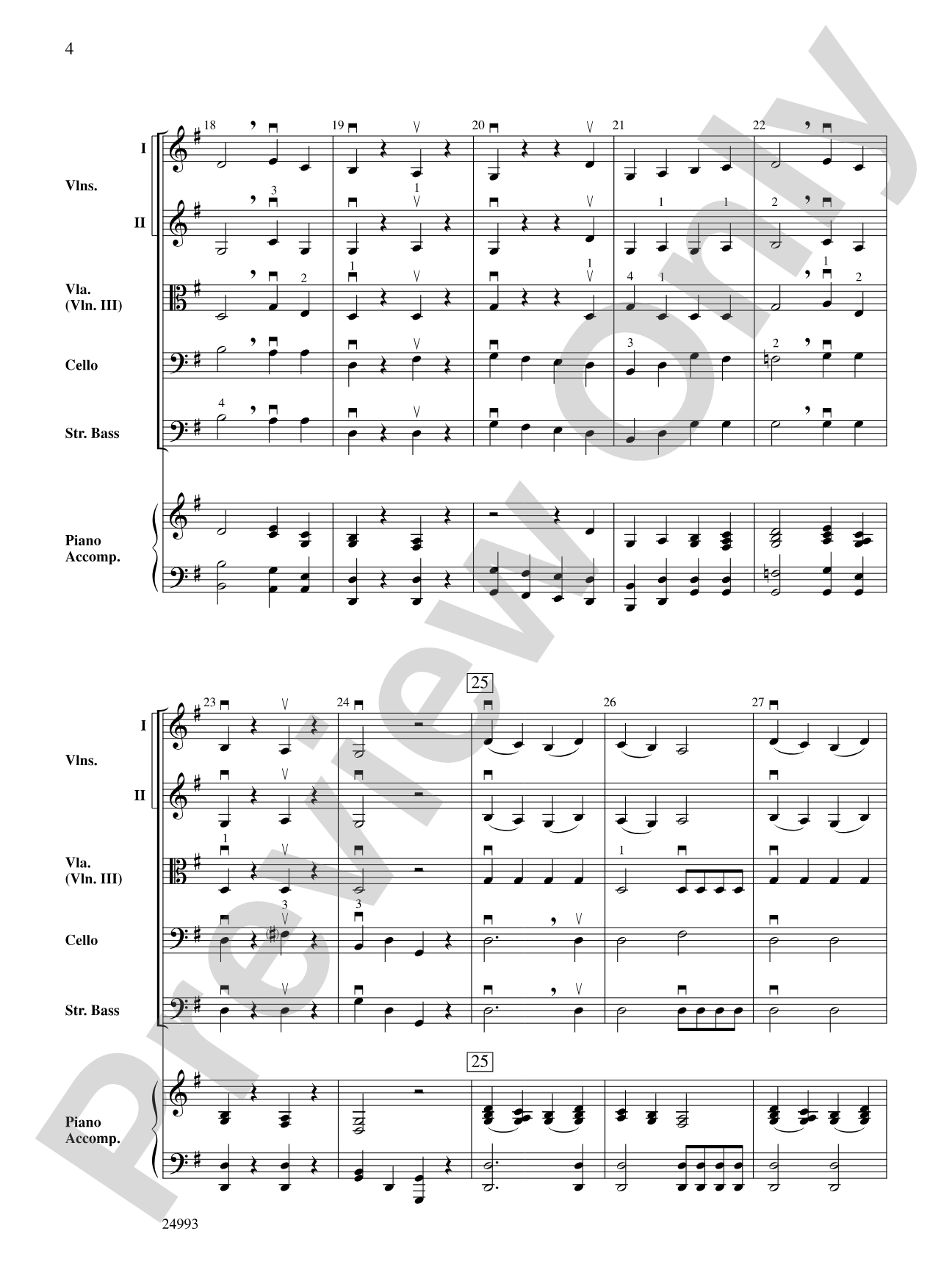
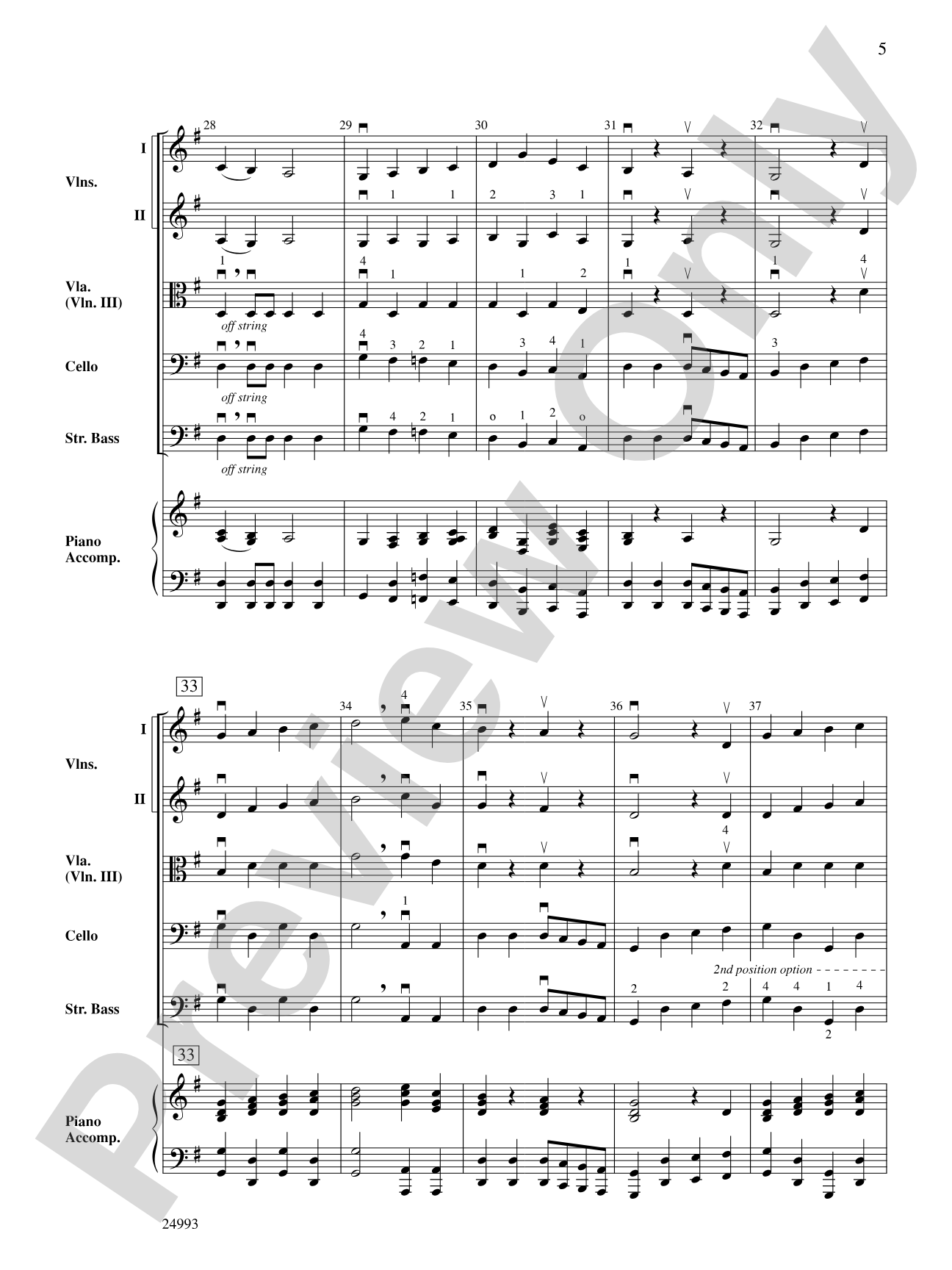
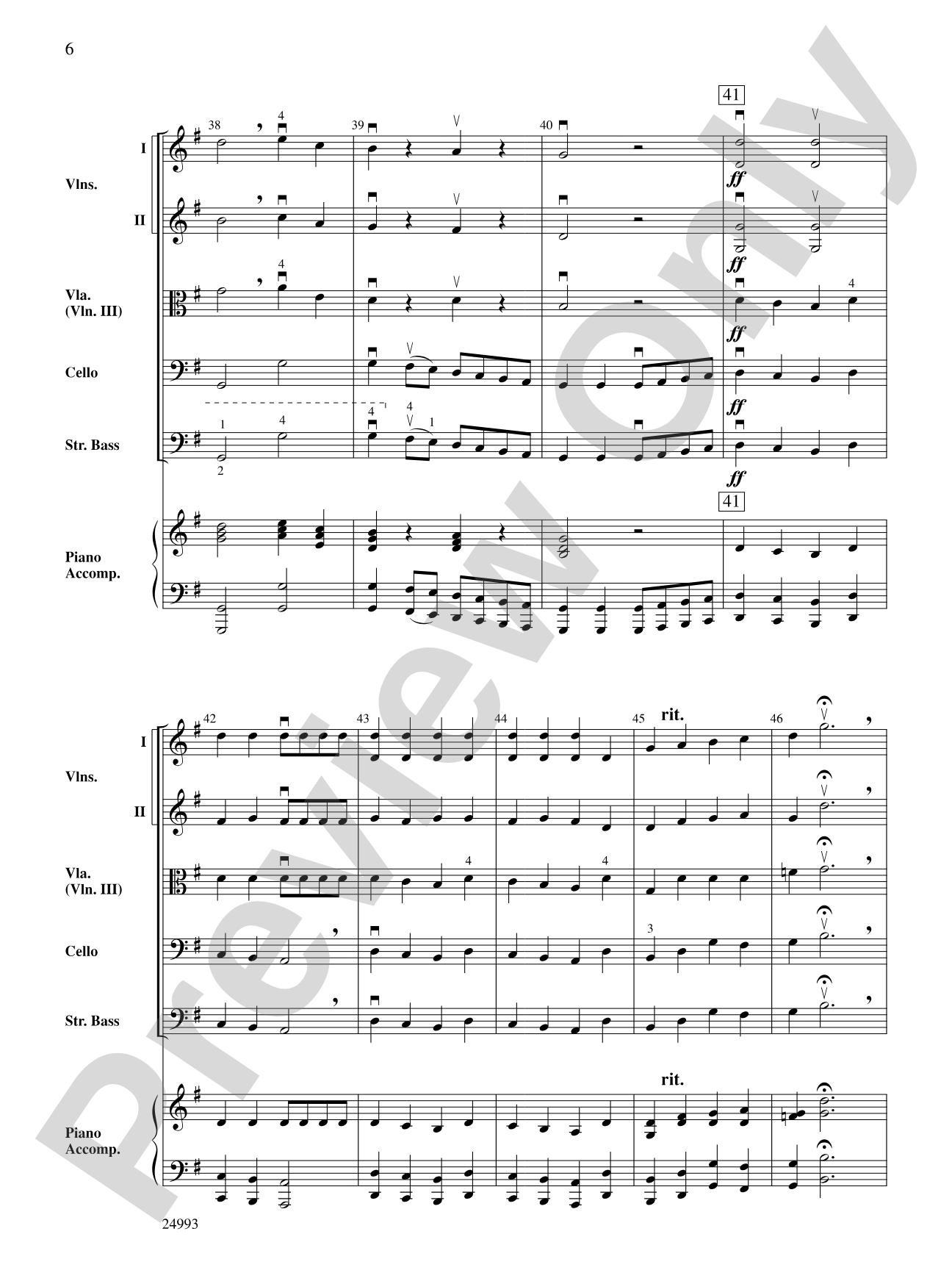
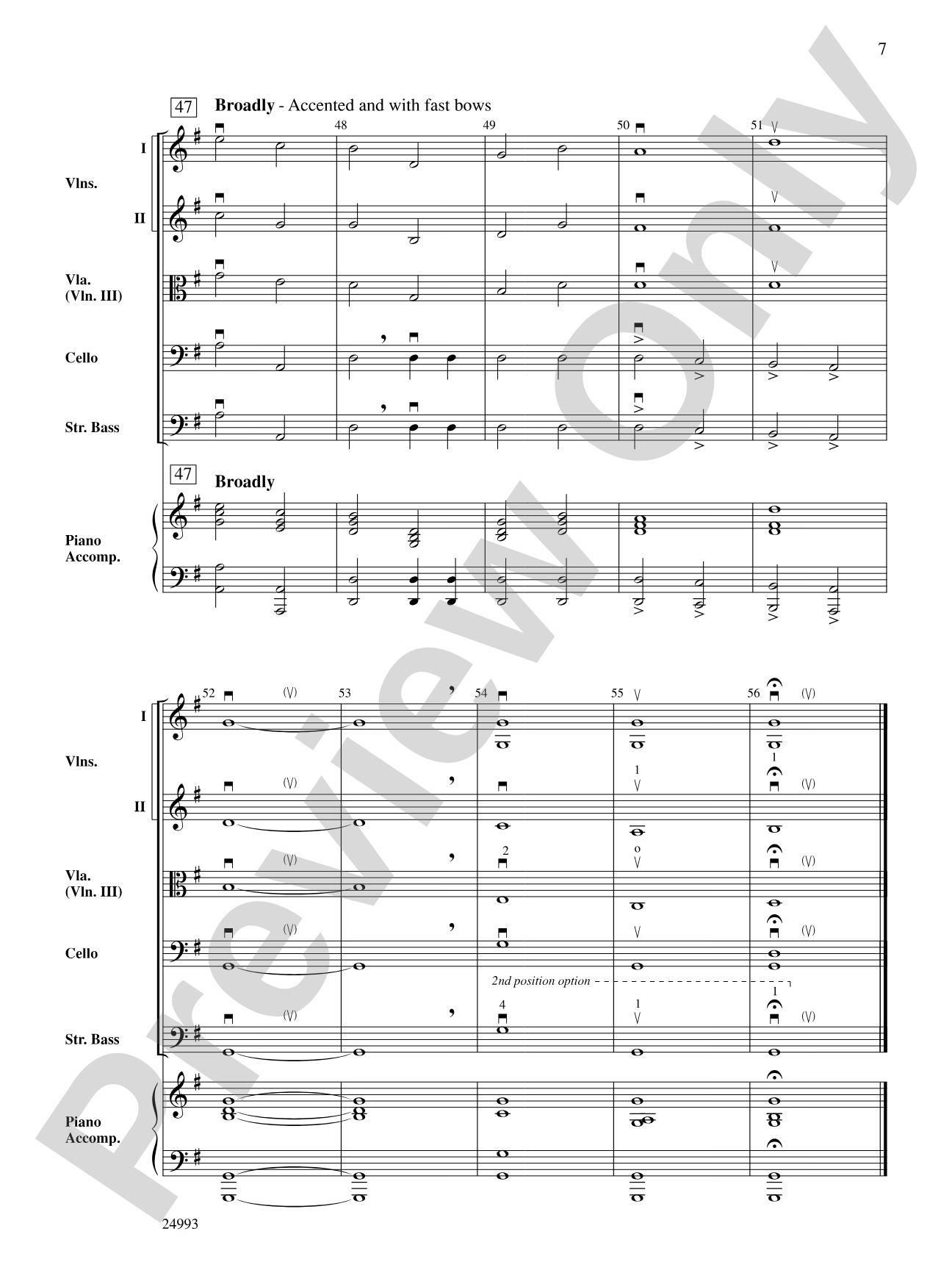
This piece correlates with Orchestra Expressions™ Book One. Most listeners, young and old, are familiar with "There Stands a Little Man in the Woods Alone," a charming folk song quoted by Engelbert Humperdinck in his opera Hansel and Gretel. The tune is rhythmic, diatonic and unpretentious. This arrangement offers a mix of pizzicato and off the string bowing styles. Much attention is paid to the lower strings. All parts remain in first position and no extended fingerings are required. Some second position fingerings are offered in the bass part to minimize string crossing but these are optional. It is recommended that the piece be performed at a brisk cut time tempo and that all quarter notes be played off the string and at the frog. A third violin part has been included, which is actually treble clef viola. A piano part has also been included, but this should be used only in rehearsal as a support if needed, and not in performance.


Don't just read it, hear it, play along with it, and watch your students grow with it. In MakeMusic Cloud, There Stands a Little Man: String Orchestra Conductor Score & Parts comes alive with professional accompaniment, adjustable tempo, and built-in practice tools that turn solo practice into real progress.
Open in the Player
Jump straight in and assign it today.
Start Your Free Trial
Open this title and explore the full library in minutes.
Sample Audio
1
Audio File
--:--
0:00
0:00
Sample Video
No sample videos found.
Additional Details
Series:
Orchestra Expressions
Publisher:
Alfred Music
Page Count:
76
SKU:
00-PK-0000983
More about this title
About the Arranger: Sandra Dackow
Sandra Dackow is a composer and arranger whose work appears regularly in school orchestra and band programs across the United States. Her arrangements prioritize pedagogical clarity while maintaining musical integrity, making standard repertoire accessible to developing ensembles without sacrificing character or engagement.
Why we love this
Dackow respects the orchestral foundation here by giving real work to the lower strings rather than relegating them to rhythmic support. The optional second position fingerings in the bass part show thoughtful pedagogy: they're available when a student is ready but never required, letting players advance at their own pace without stopping rehearsal.
What to expect
Charming and unpretentious, with the gentle wit of a folk tune that refuses to be fussy. The mix of pizzicato and off-the-string bowing creates rhythmic snap and clarity, while the attention to lower string writing gives the piece depth and prevents it from becoming thin or hollow.
Who it's for
This is ideal for first-year string orchestras and developing ensembles working through Orchestra Expressions Book One. The accessibility (all first position, optional second position in bass only) paired with genuine musical demands makes it rewarding for students who are ready to think about style, articulation, and part independence.
How to get the most out of it
- Take the piece at a brisk cut time tempo to keep the folk melody's rhythmic character alive and prevent it from dragging.
- Play all quarter notes off the string and at the frog to achieve the crisp, articulate sound Dackow specifies; this detail transforms the character entirely.
- Balance the pizzicato passages with the arco sections carefully, ensuring the contrast reads clearly to the audience without losing musical flow.
- Use the piano part only in early rehearsals for harmonic reference; remove it well before performance so the string texture stands on its own.
How to use it
Program this early in a concert as an opener or as part of a folk song set; its brevity and familiar melody make it an excellent warm-up for the audience. It also works well mid-concert to reset energy after a heavier piece, or alongside other Humperdinck or folk-based arrangements for a thematic program.
Skills your students will build
- Off-the-string bowing technique and frog placement control
- Pizzicato execution with rhythmic precision
- Lower string independence and voice leading
- Optional second position fingerings in the bass to reduce string crossing
- Cut time reading and brisk tempo management
- Diatonic melody recognition and phrasing in folk style