
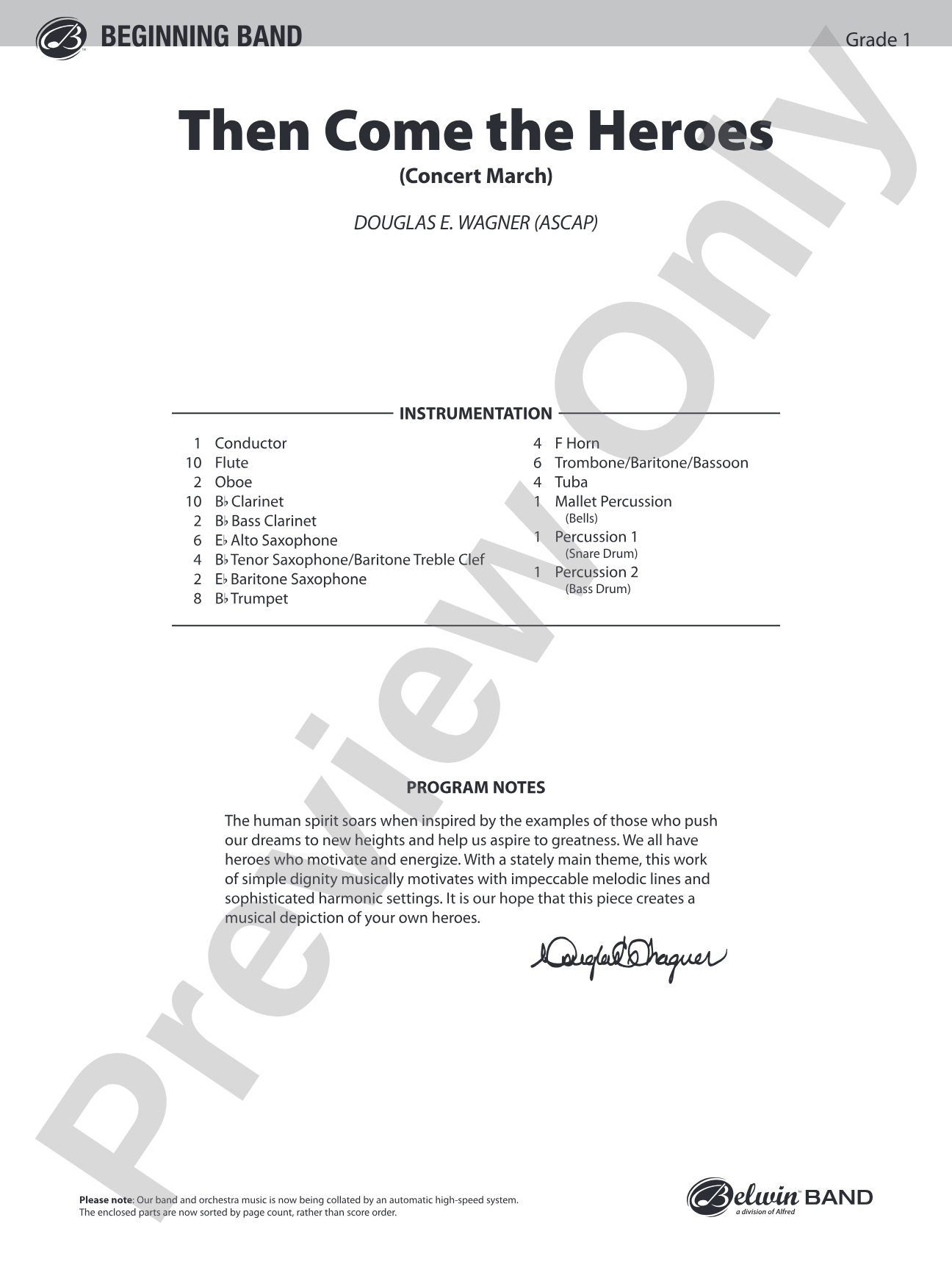
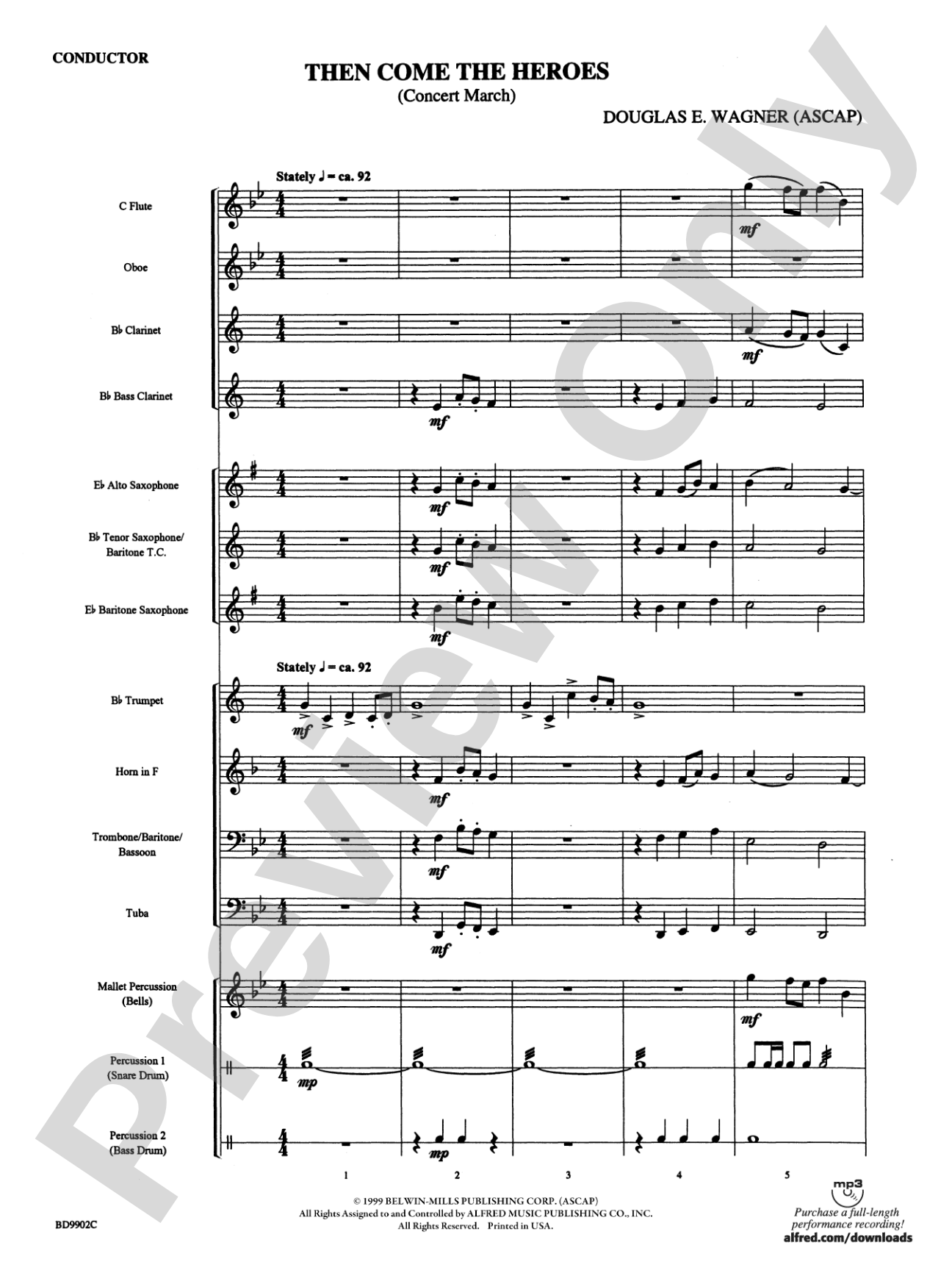
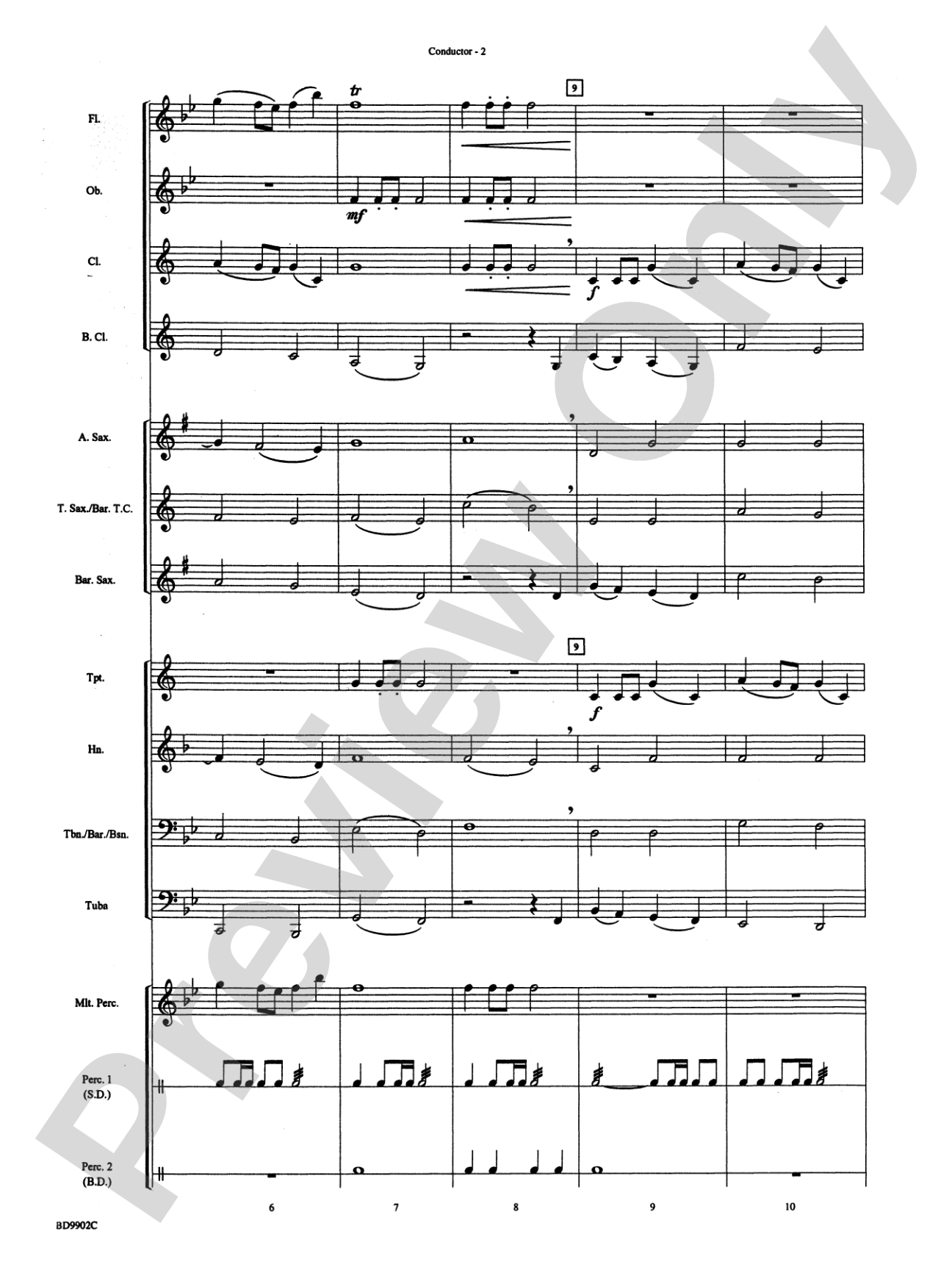
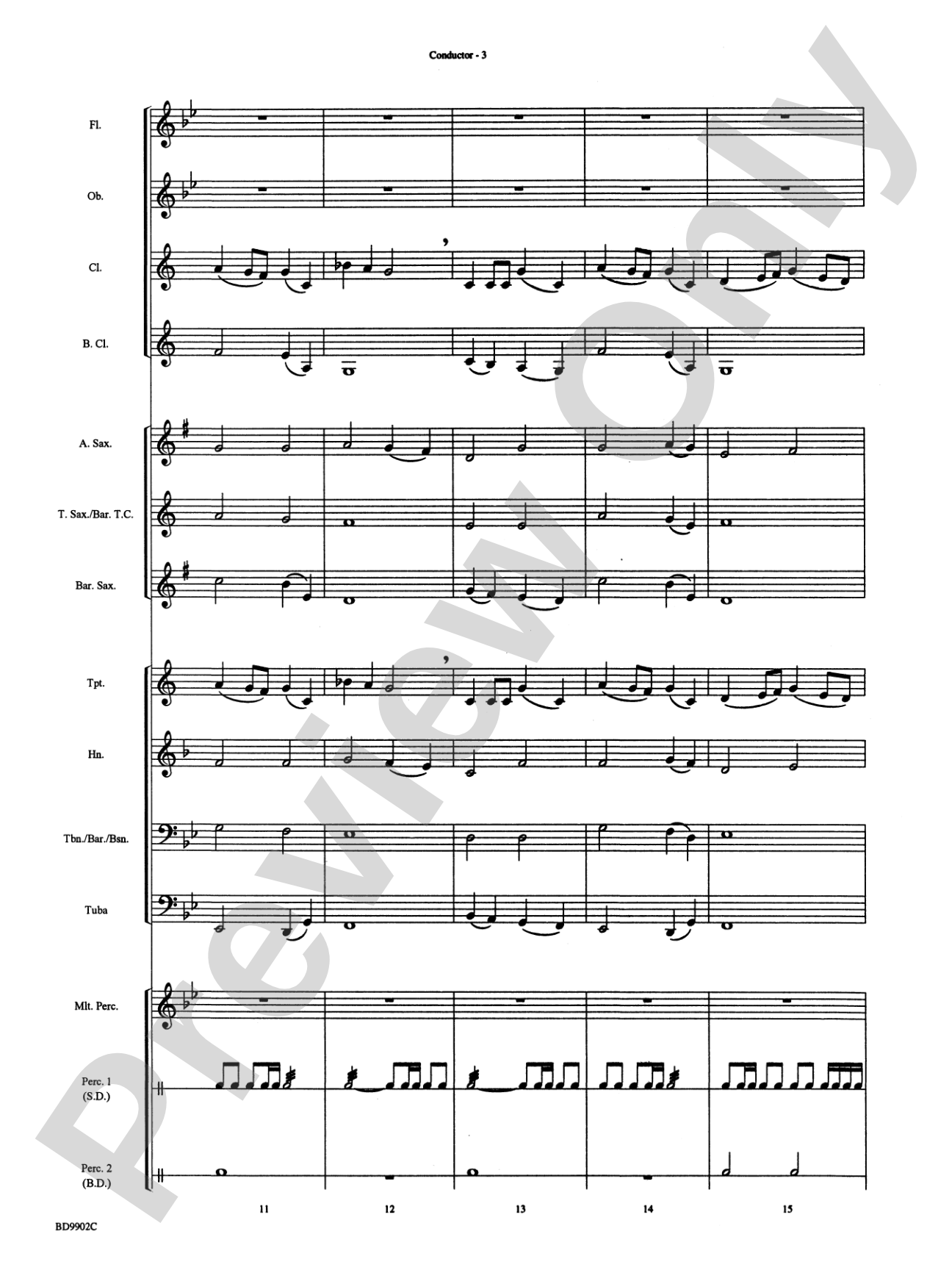
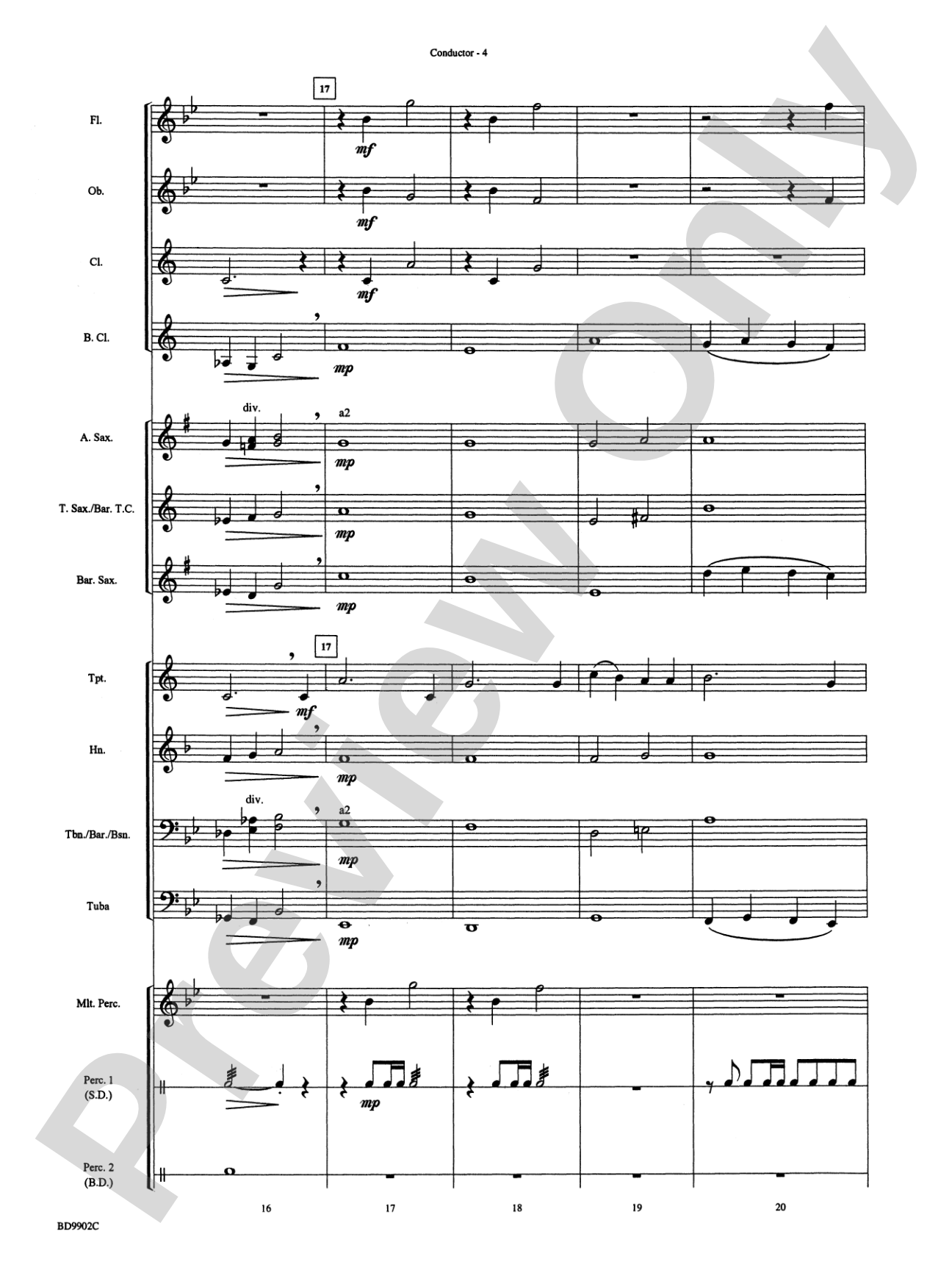
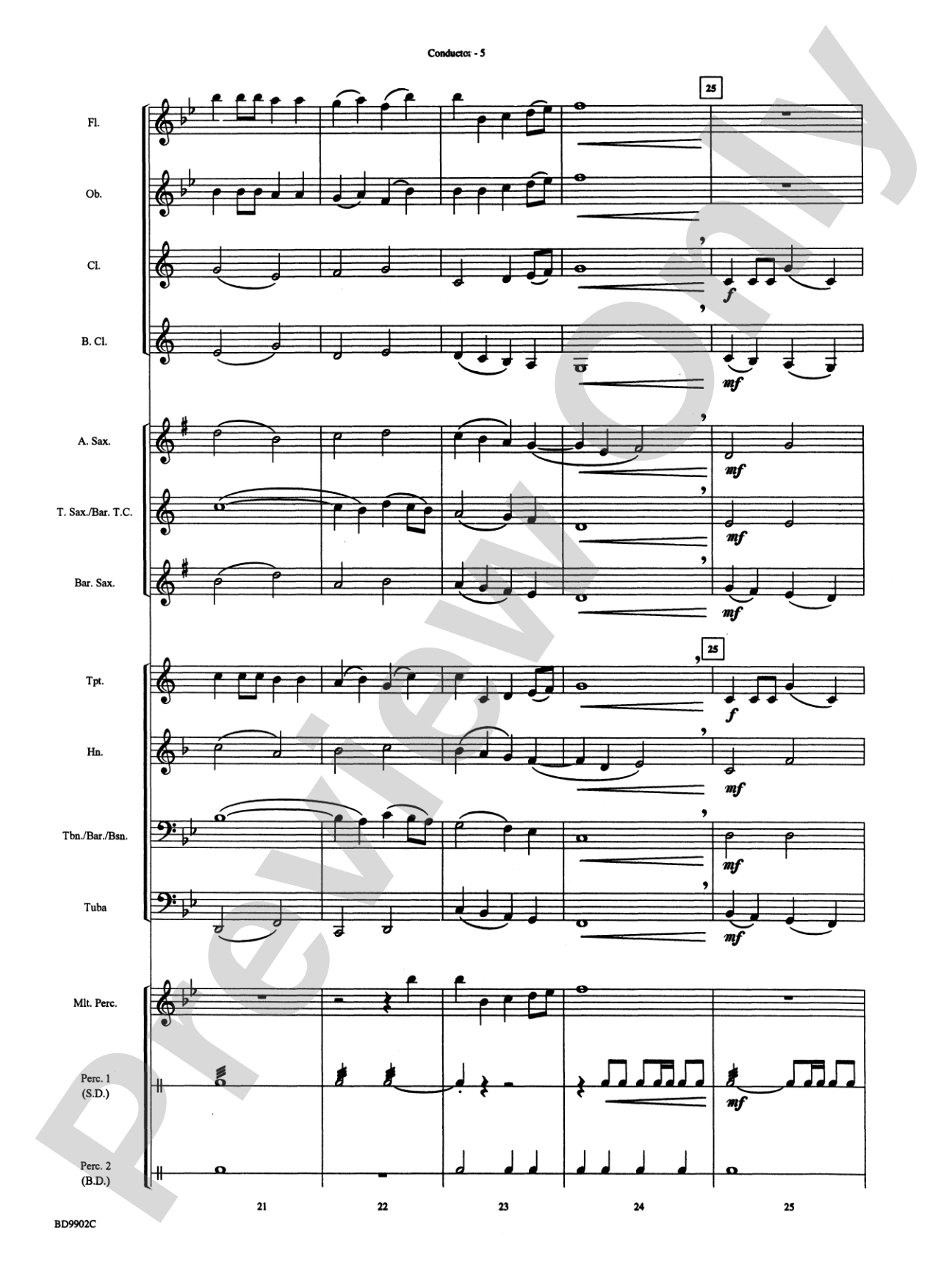
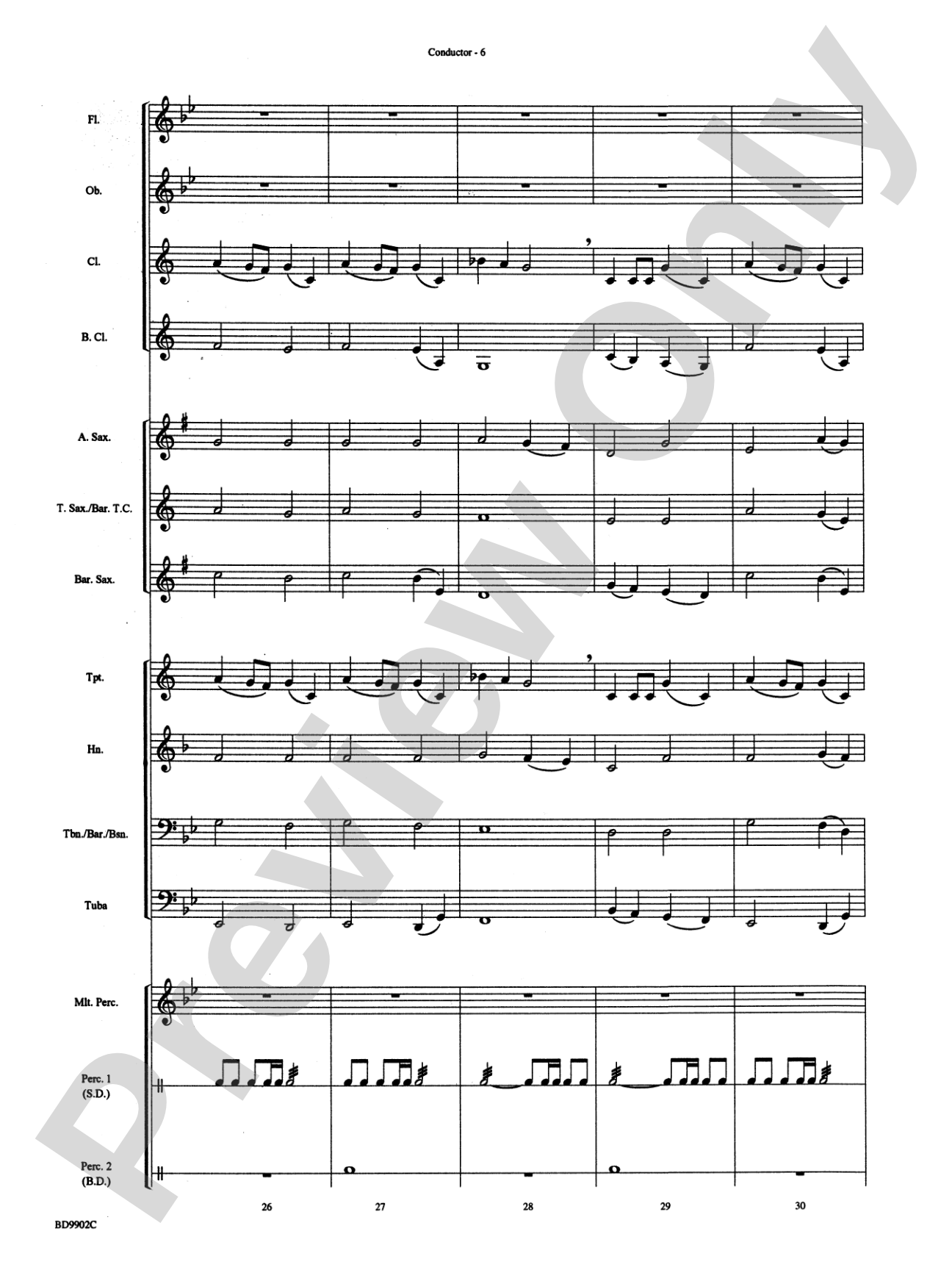
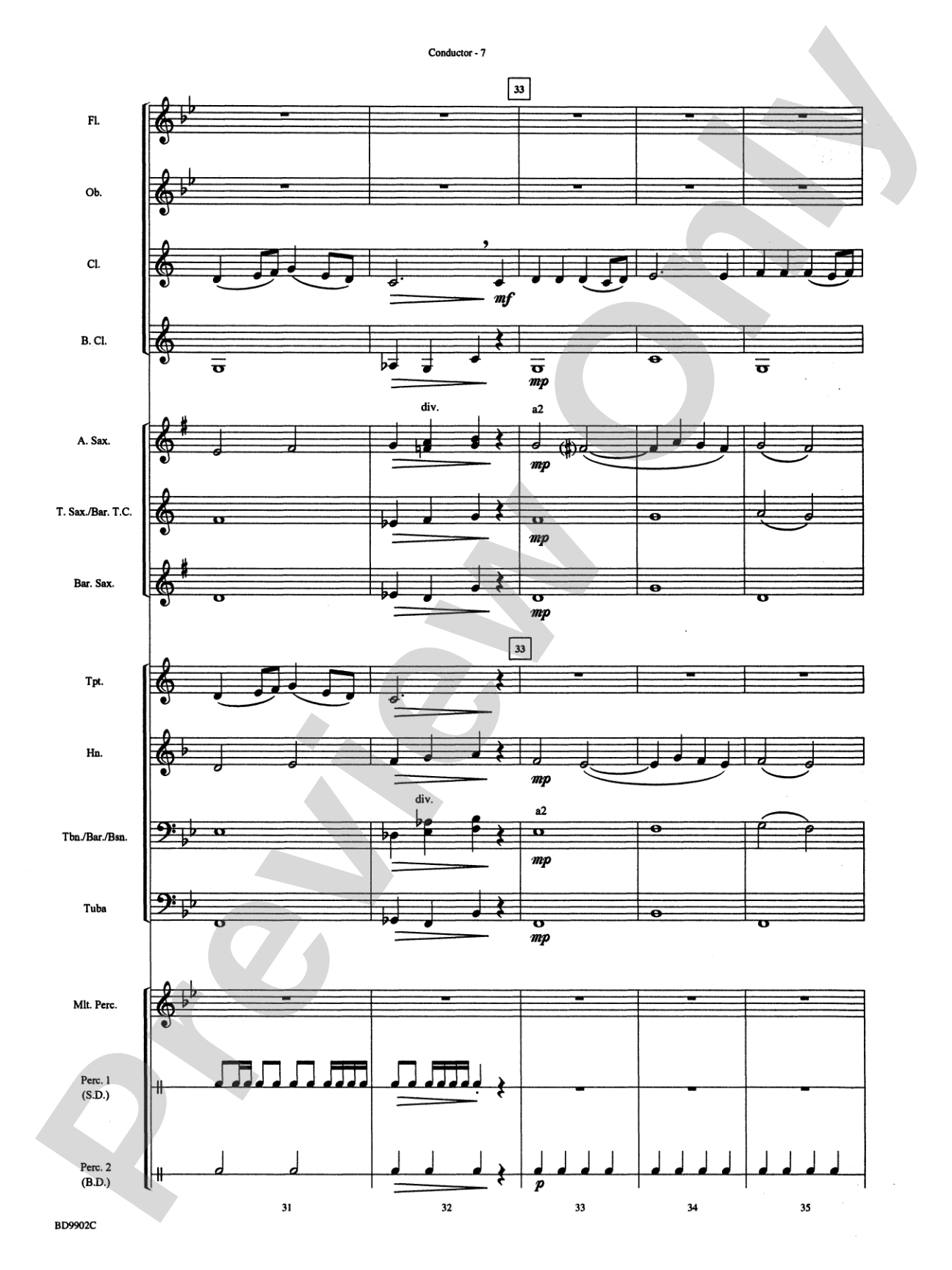
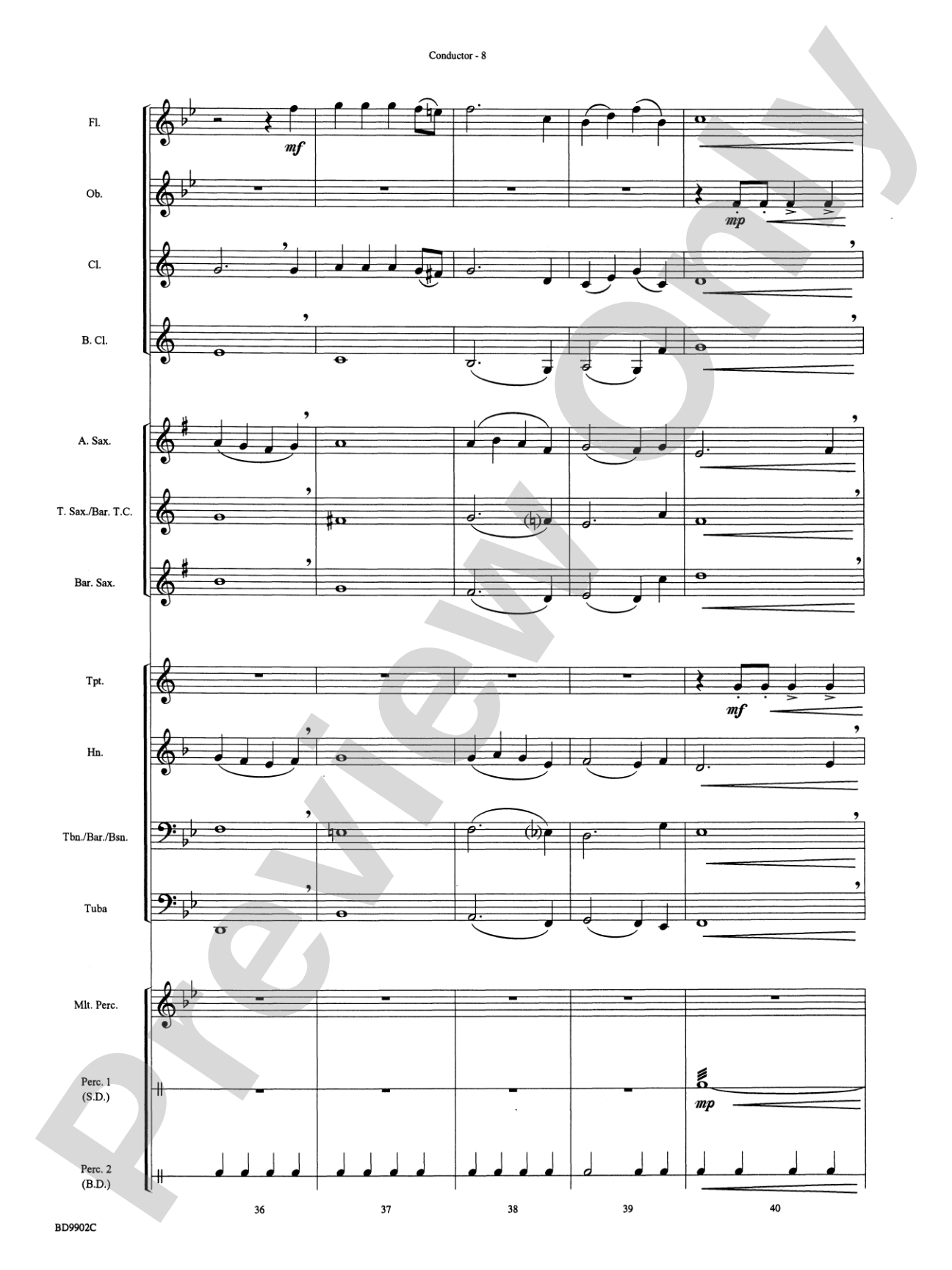
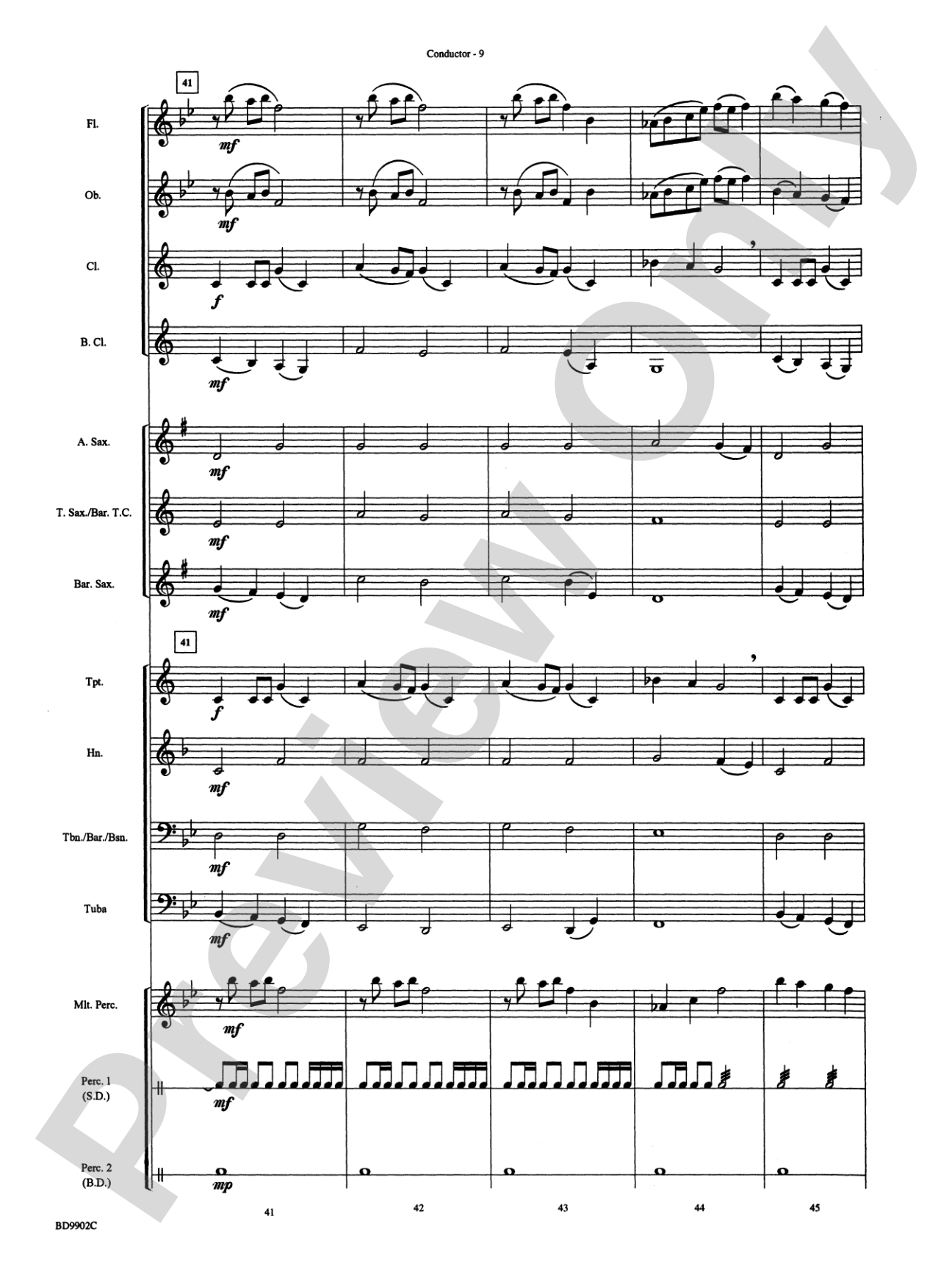
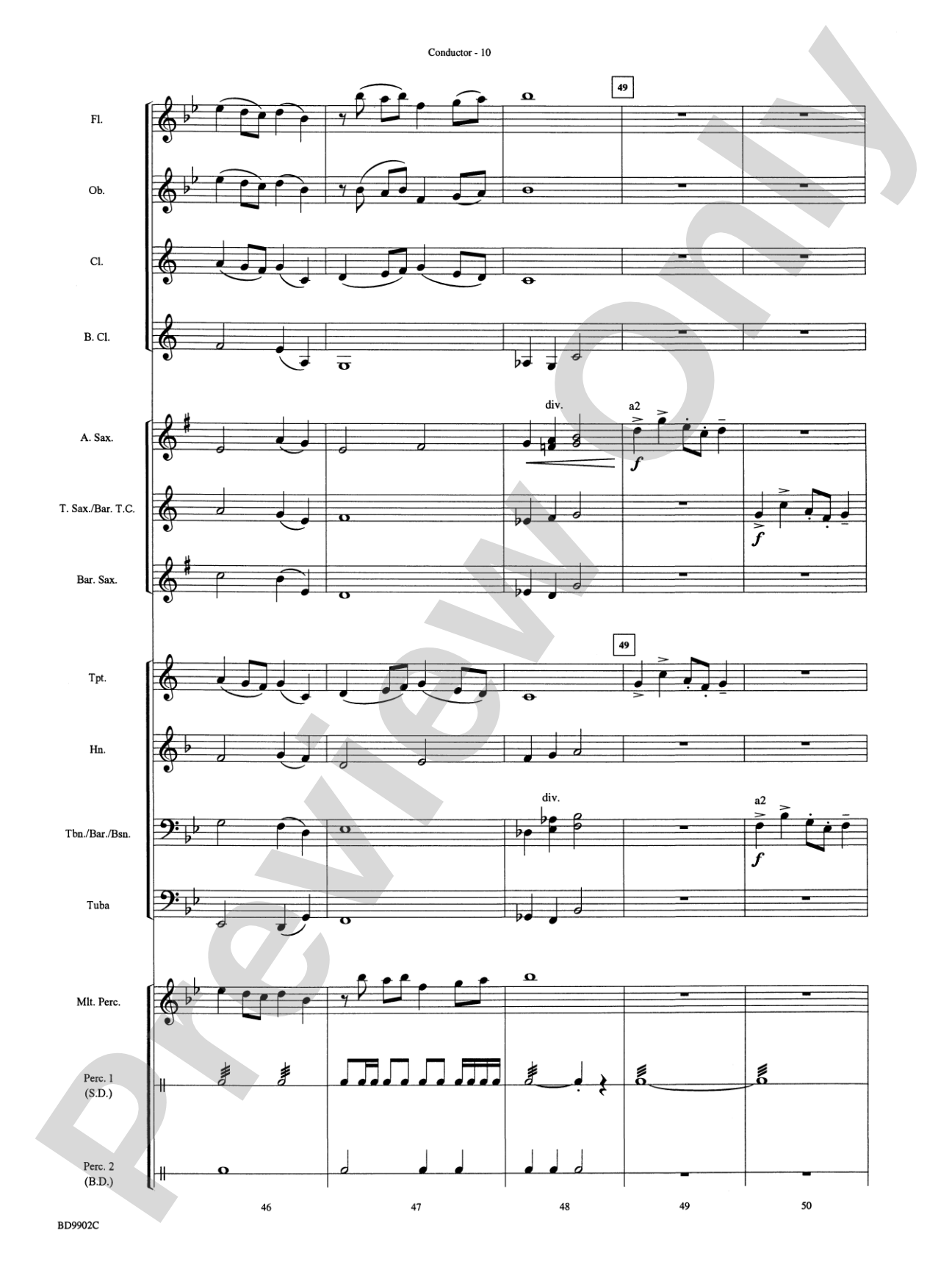
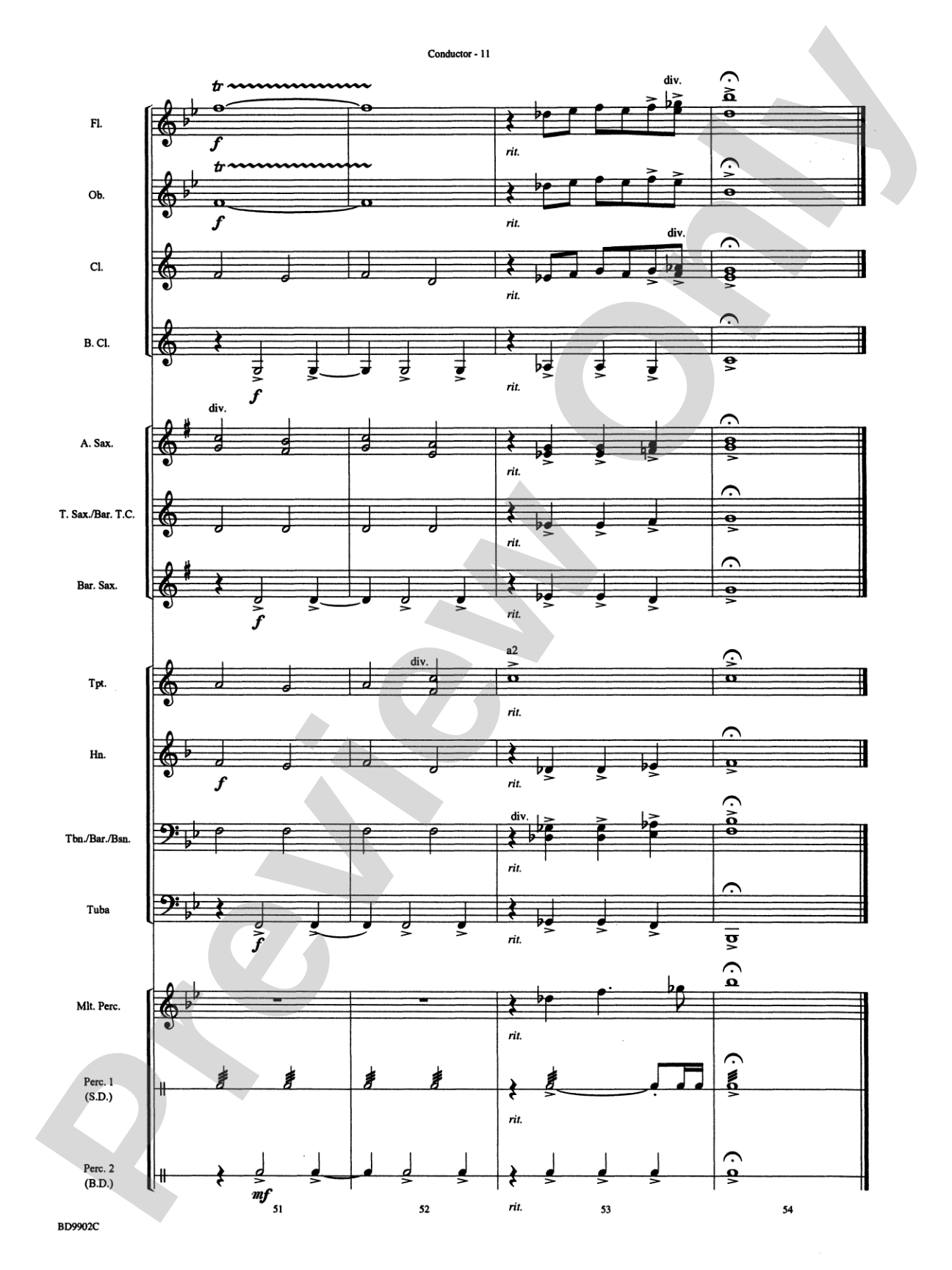

Then Come the Heroes: Score
By Douglas E. Wagner
Grade: 1 (Very Easy)
Item: 00-PR-0003905
$9.00
Pickup currently not available
Description
The human spirit soars when inspired by the examples of those who push our dreams to new heights and help us aspire to greatness. We all have heroes who motivate and energize. With a stately main theme, this work of simple dignity musically motivates with impeccable melodic lines and sophisticated harmonic settings. Superior teaching and program material!


Don't just read it, hear it, play along with it, and watch your students grow with it. In MakeMusic Cloud, Then Come the Heroes: Score comes alive with professional accompaniment, adjustable tempo, and built-in practice tools that turn solo practice into real progress.
Open in the Player
Jump straight in and assign it today.
Start Your Free Trial
Open this title and explore the full library in minutes.
Sample Audio
1
Audio File
--:--
0:00
0:00
Sample Video
No sample videos found.
Additional Details
Series:
Belwin Beginning Band
Publisher:
Alfred Music
Page Count:
122
SKU:
00-PR-0003905
More about this title
About the Composer: Douglas E. Wagner

Douglas E. Wagner studied music at Butler University, earning both undergraduate and graduate degrees before spending three decades as a high school music director and administrator. Since 1973, he has composed and arranged over 3,500 works across virtually every ensemble type: concert band, choir, orchestra, handbell ensemble, organ, piano, and voice.
His catalog has been performed in concert halls, on broadcasts, and in schools across the United States and internationally. With more than seventeen million copies of his music in circulation, Wagner has become one of the most widely performed composers in American music education. He lives in Indianapolis with his wife, Sandy.
Why we love this
Wagner writes for beginning bands with genuine respect for both the players and the music. The stately main theme and sophisticated harmonic language give students something truly worth playing, not a condescending simplification. This piece works equally well as a concert opener or festival entry because it sounds accomplished without demanding impossible technical feats.
What to expect
A piece that stands with quiet confidence, never rushing, never apologizing for its simplicity. The melody soars with genuine intention while harmonic support creates a sense of purpose and inspiration underneath. Students feel like they are making real music, not merely executing exercises.
Who it's for
Beginning and developing concert bands looking for repertoire that builds musicianship without overwhelming inexperienced players. This works for full beginner ensembles as well as groups in their first or second year of program development.
How to get the most out of it
- Shape the main theme with careful attention to phrase length rather than rushing through it; let the melodic contour breathe naturally even at this accessible level.
- Balance the parts evenly so the harmonic sophistication comes through; avoid letting any section dominate the overall color.
- Prepare the ensemble to sustain tone quality during longer held notes, as these serve the dignified character of the work.
- Mark sectional entrances clearly during rehearsal so that synchronized articulation reinforces the work's stately feel.
How to use it
Open a concert with this to establish a reflective, purposeful tone, or program it before a series of faster or more technical works to provide musical balance. Its contest and concert designations make it suitable for either context; many directors choose it for early-season festival appearances when bands are still developing technical fluency.
Skills your students will build
- Phrasing and melodic shaping at slower tempos
- Sustained tone production and breath control
- Part independence in four-part harmonic textures
- Ensemble balance and intonation within chords
- Maintaining musical intent at Grade 1 difficulty