
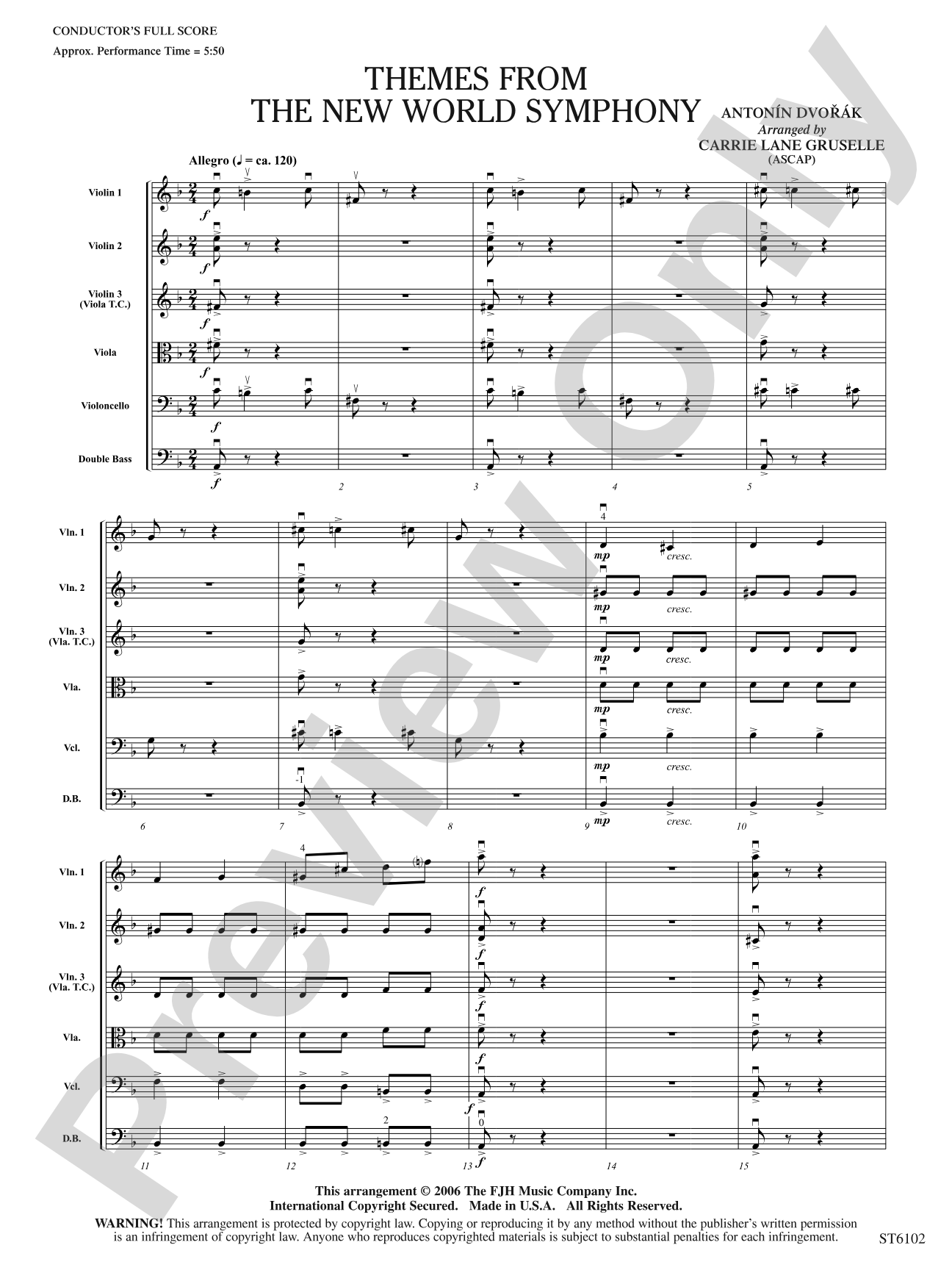
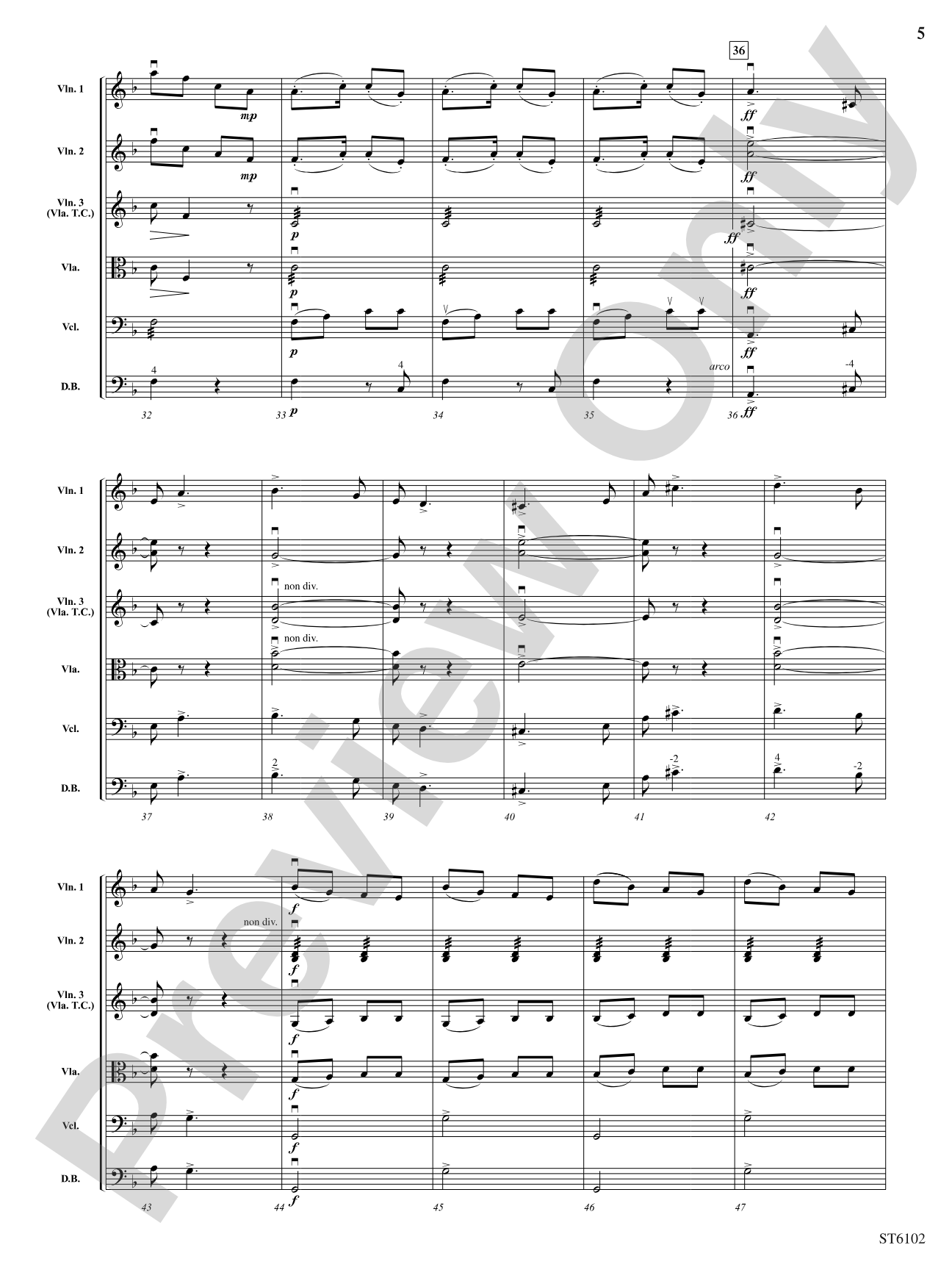
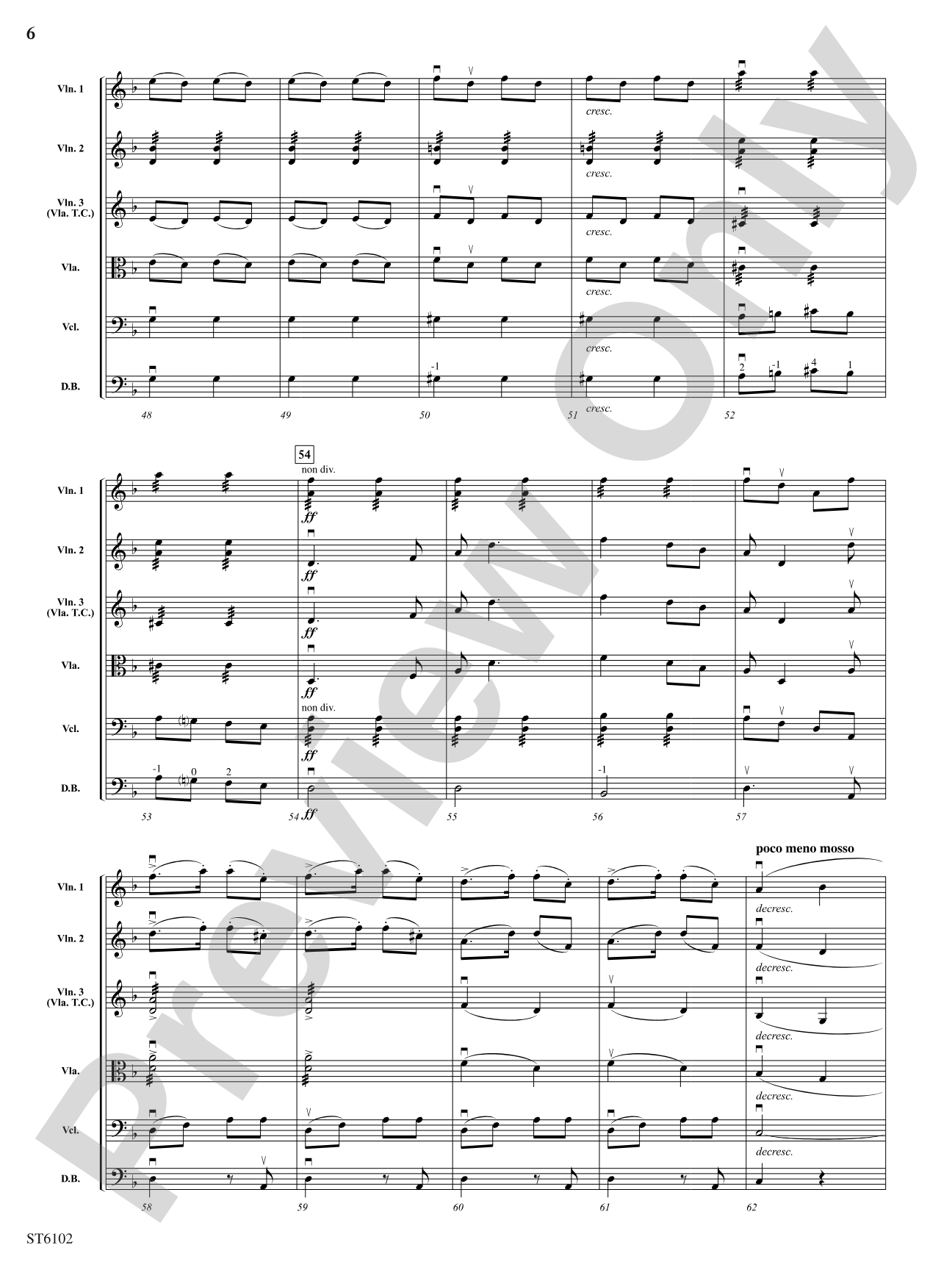
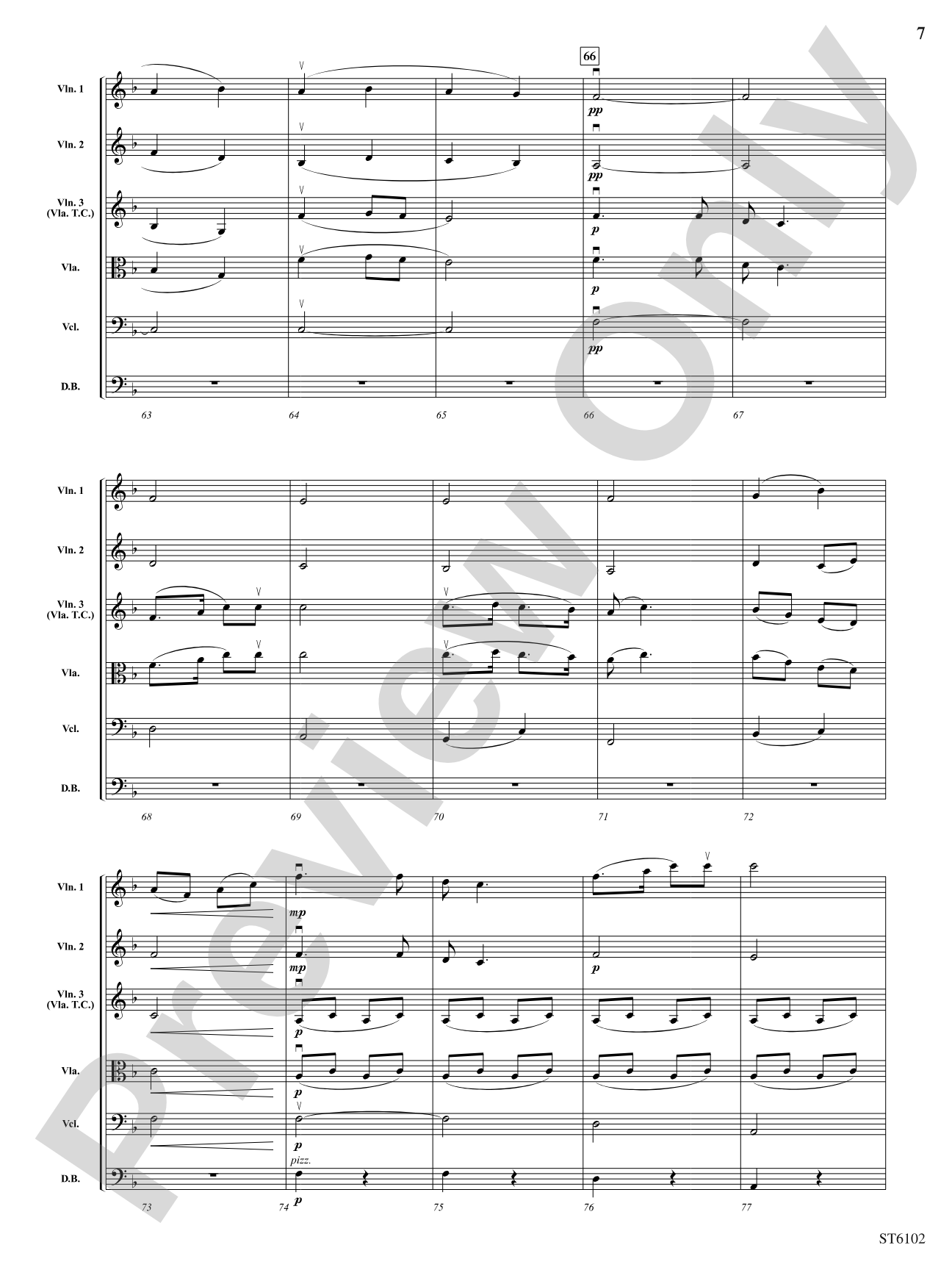
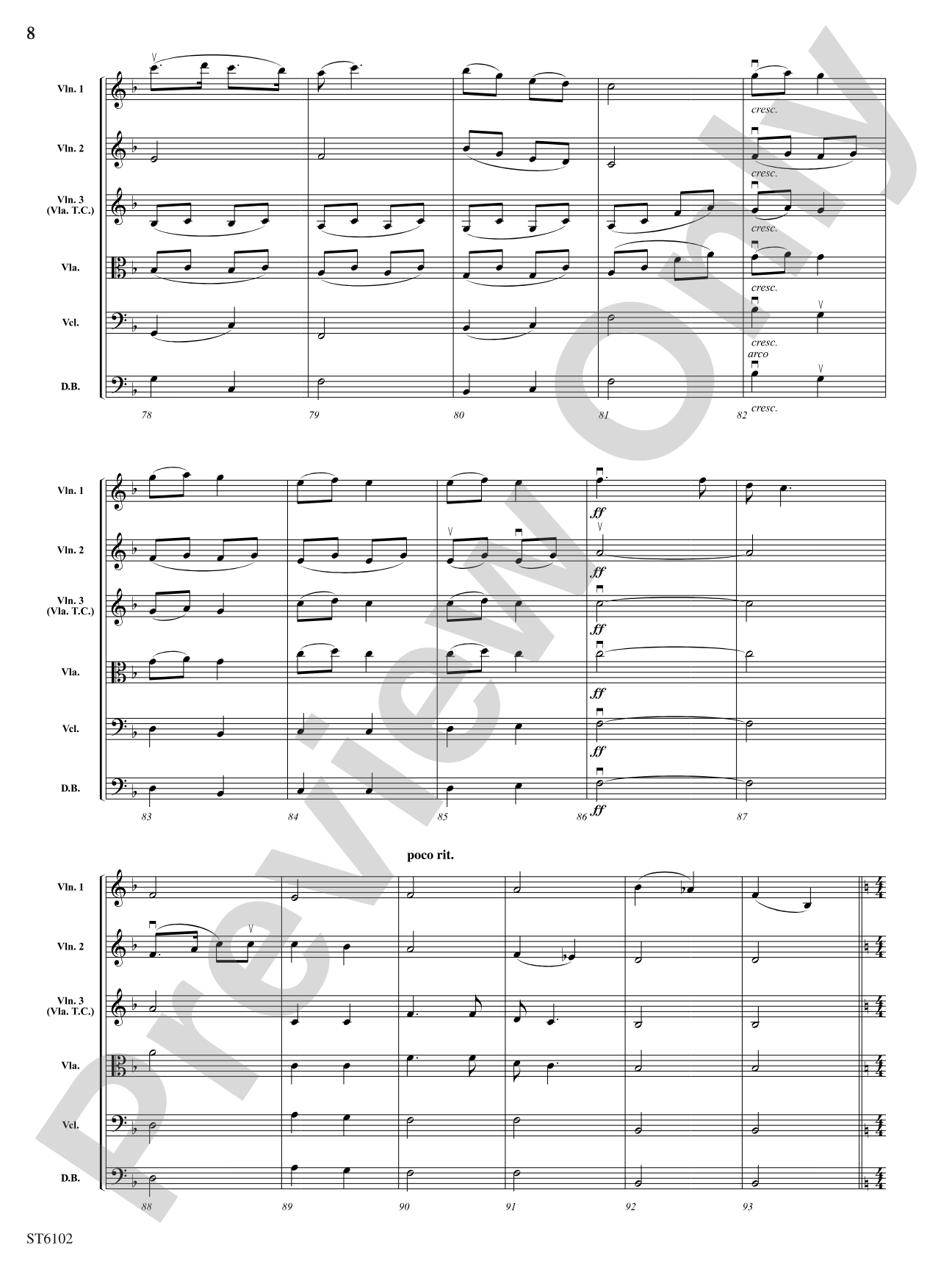
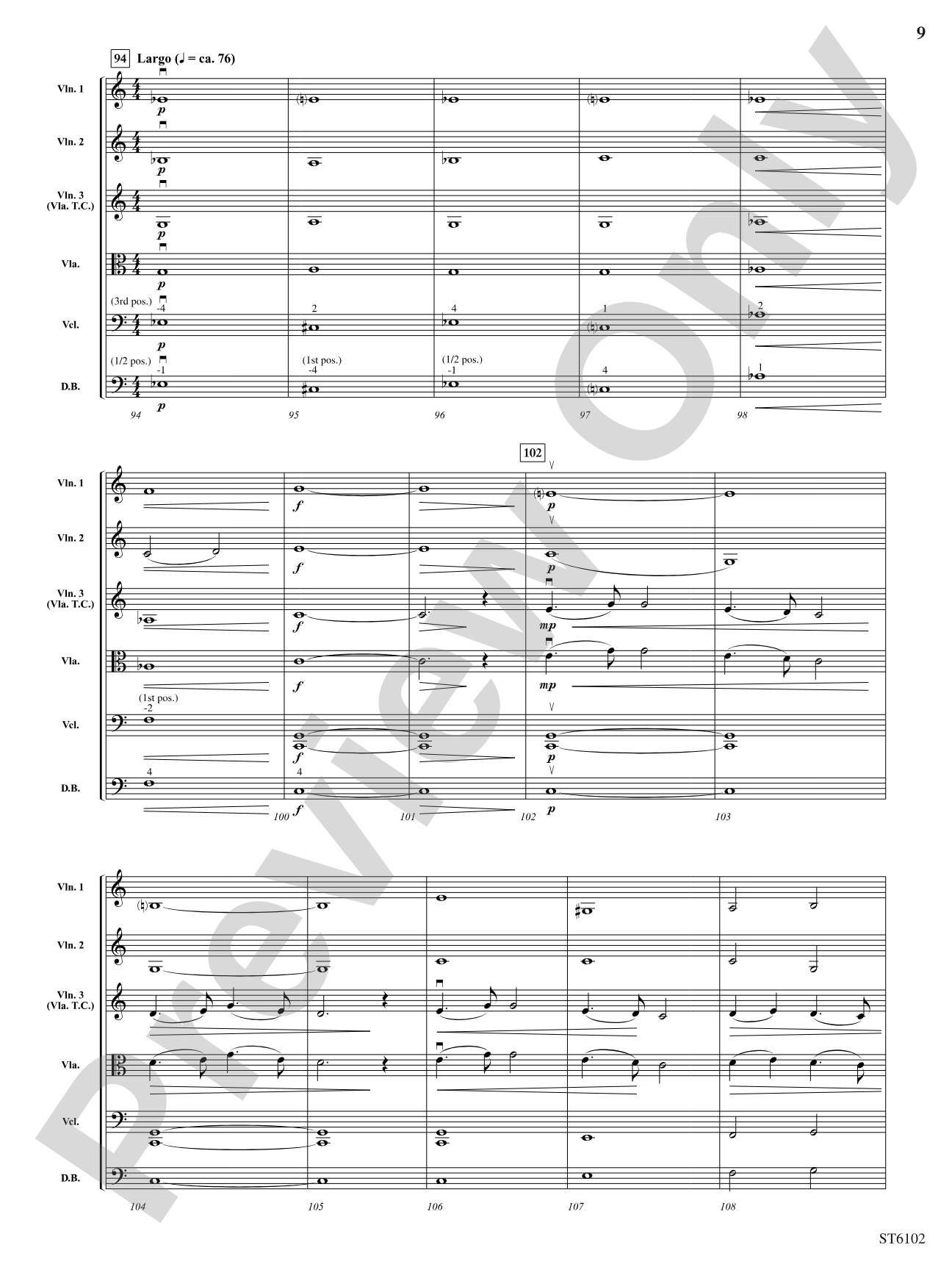
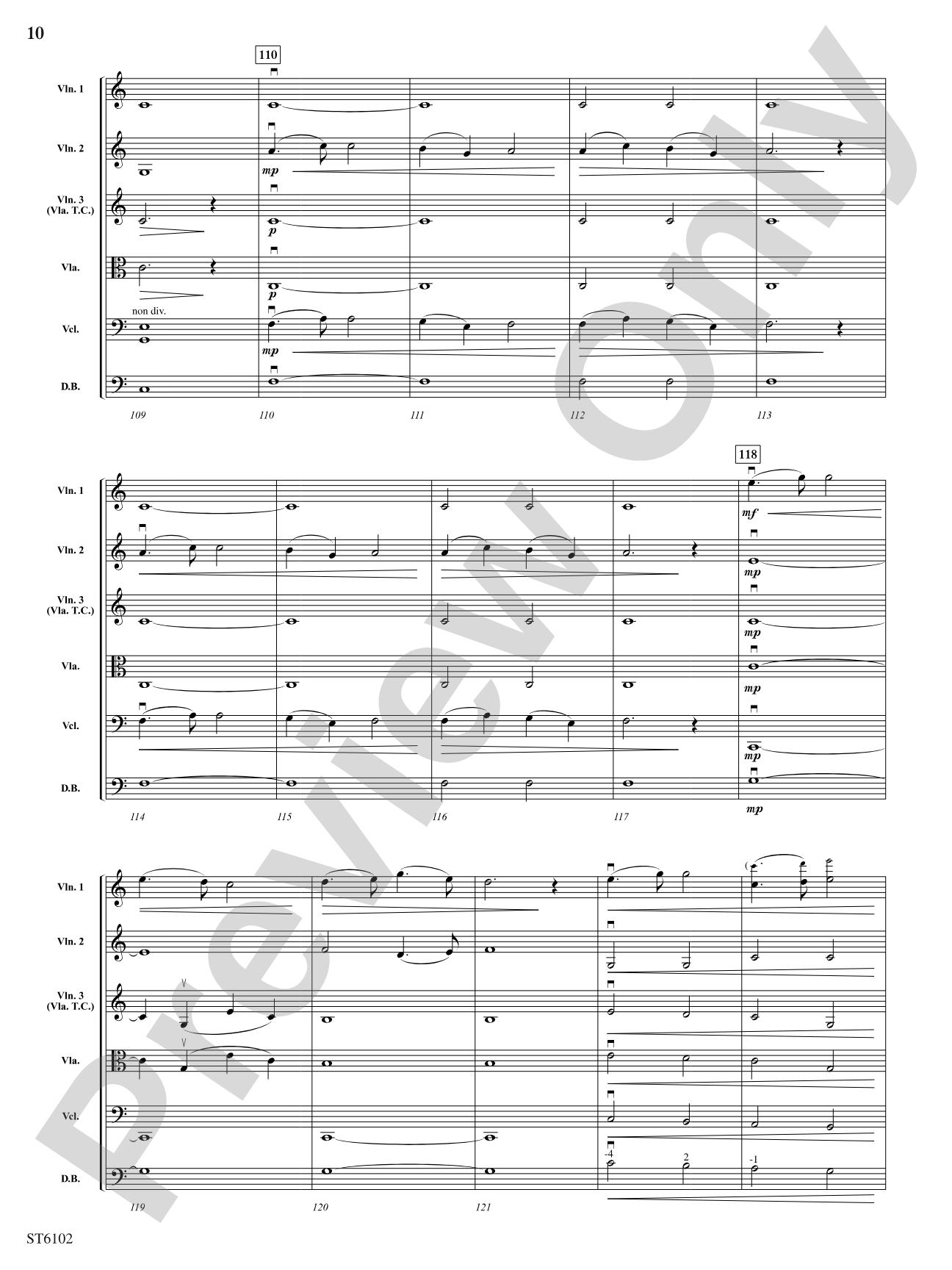
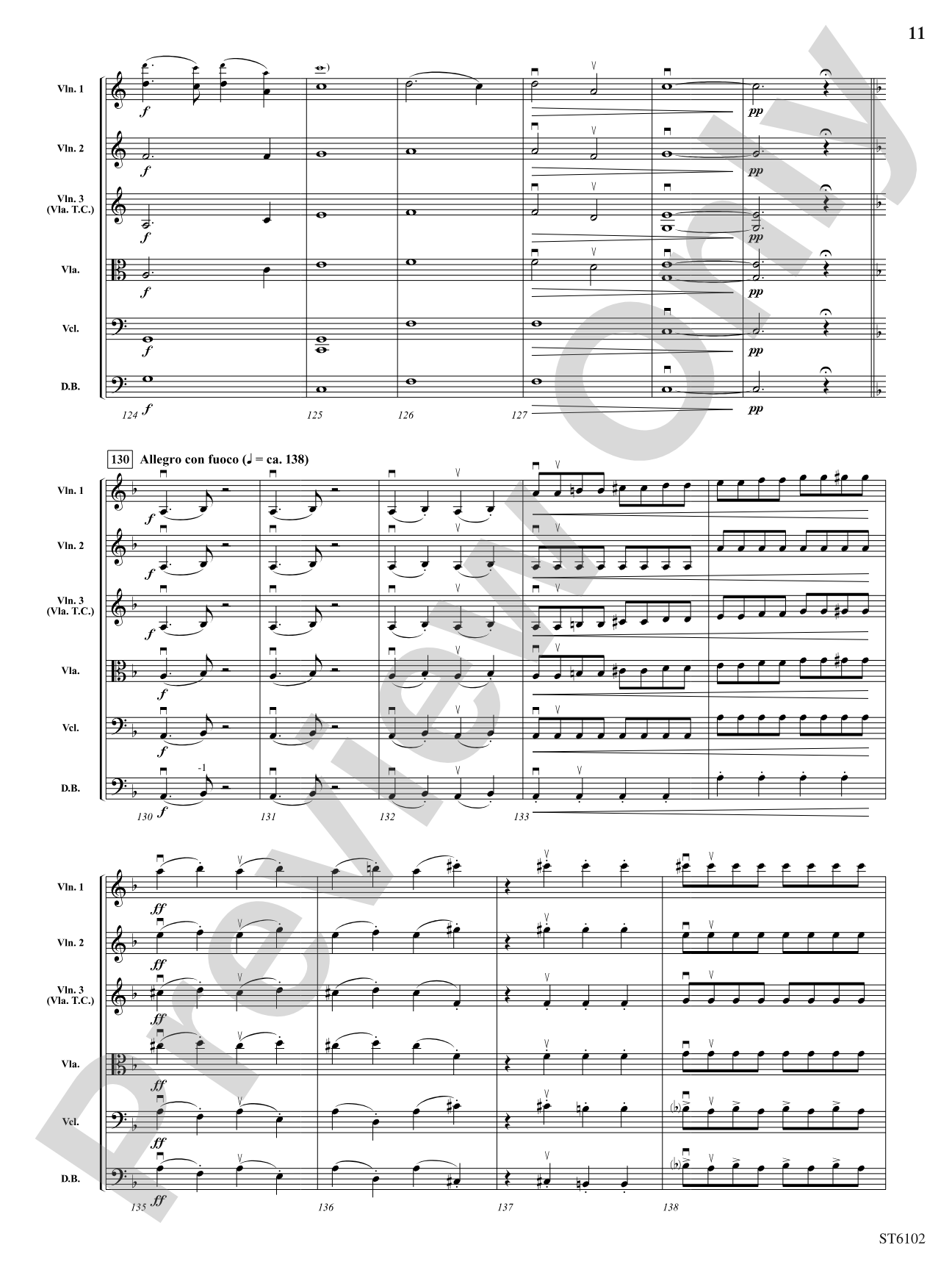
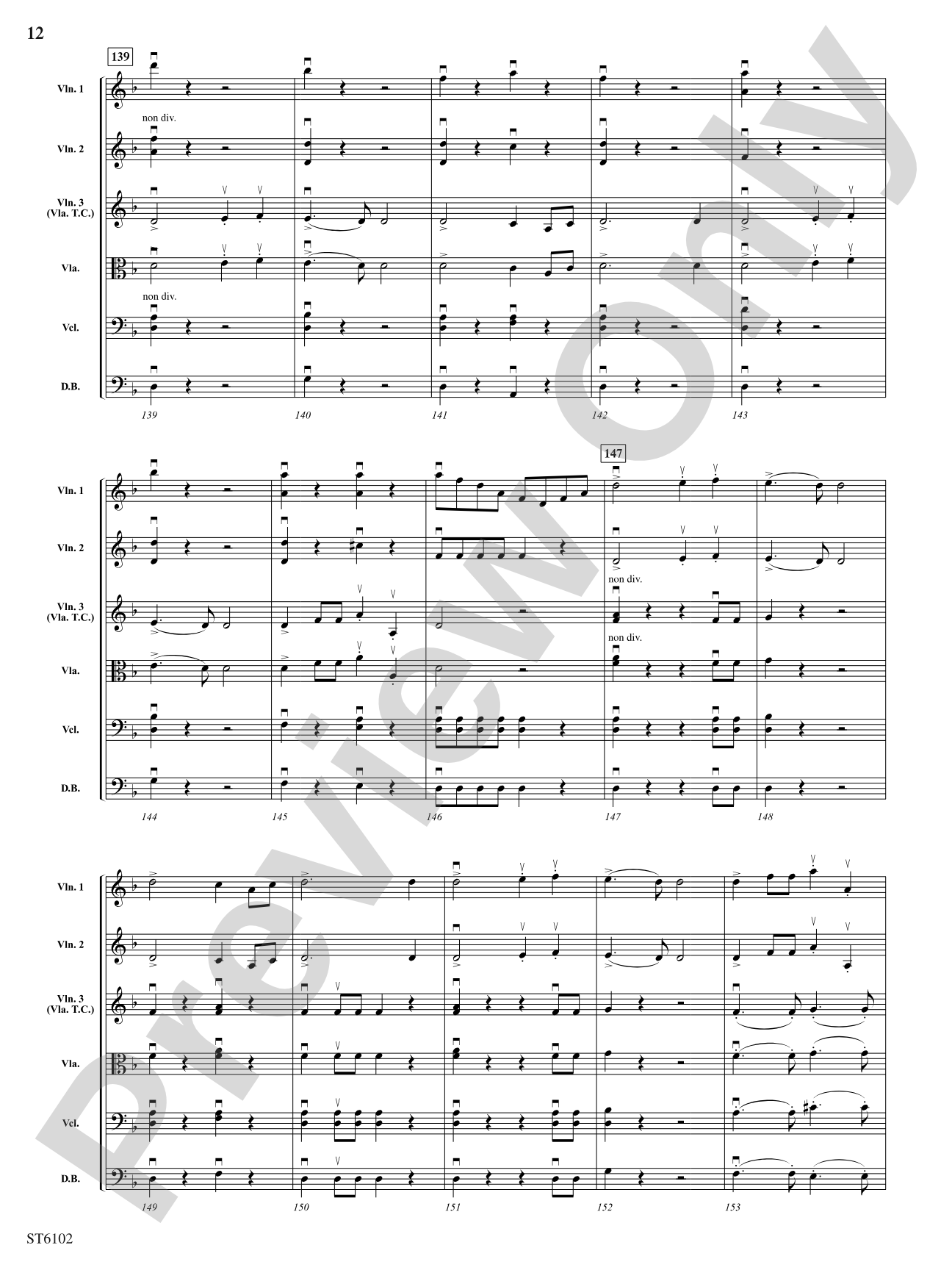
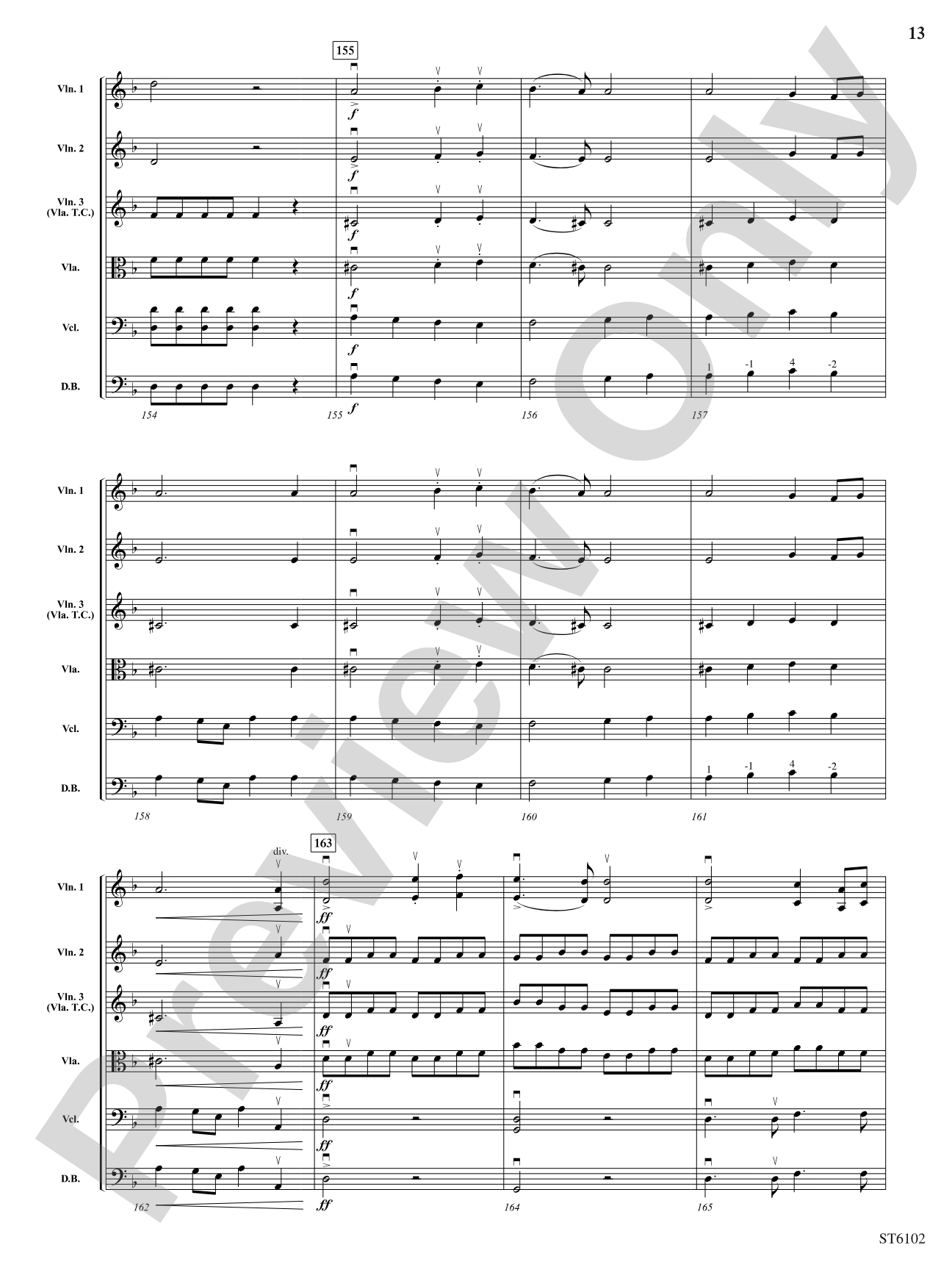
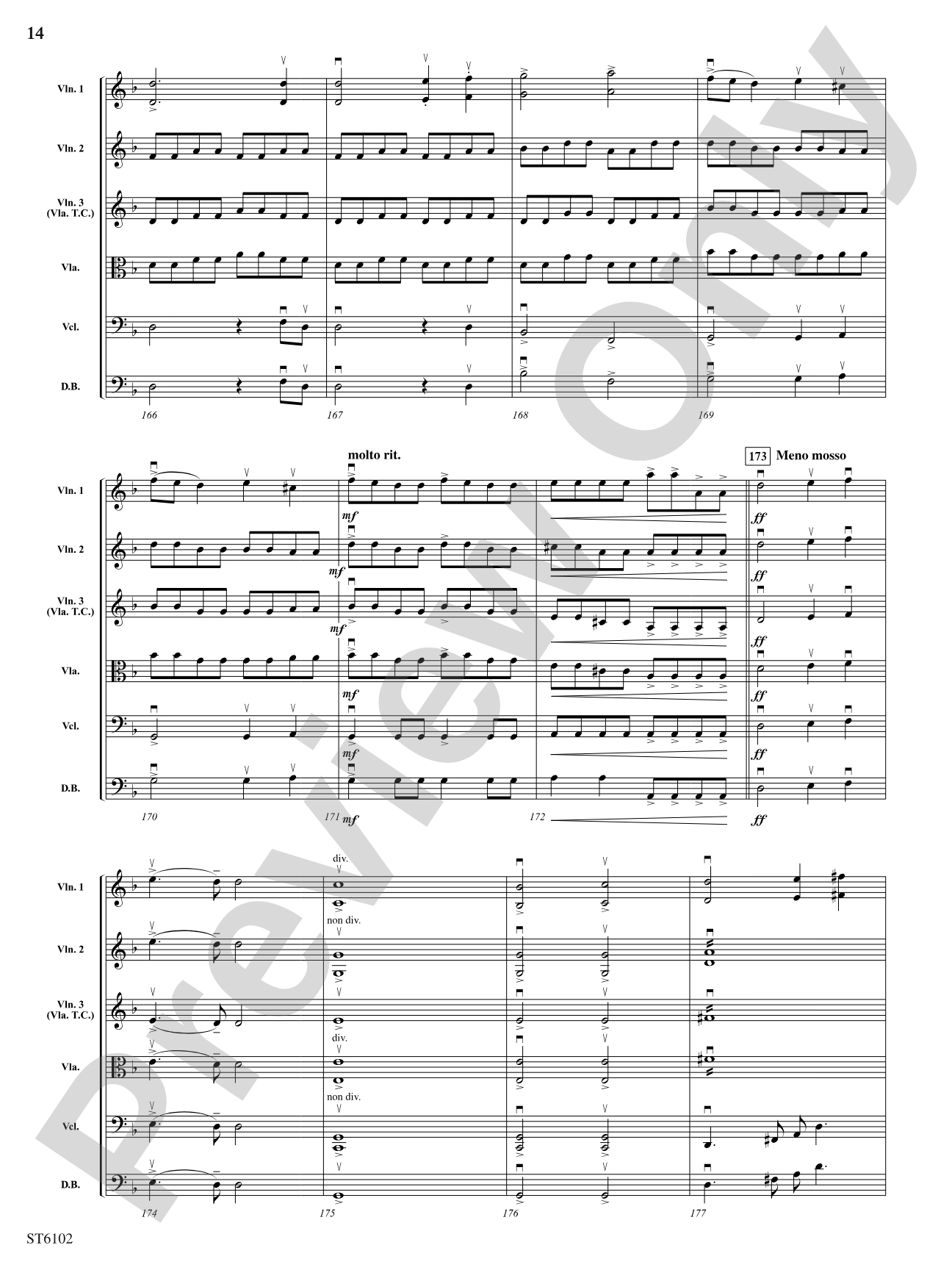
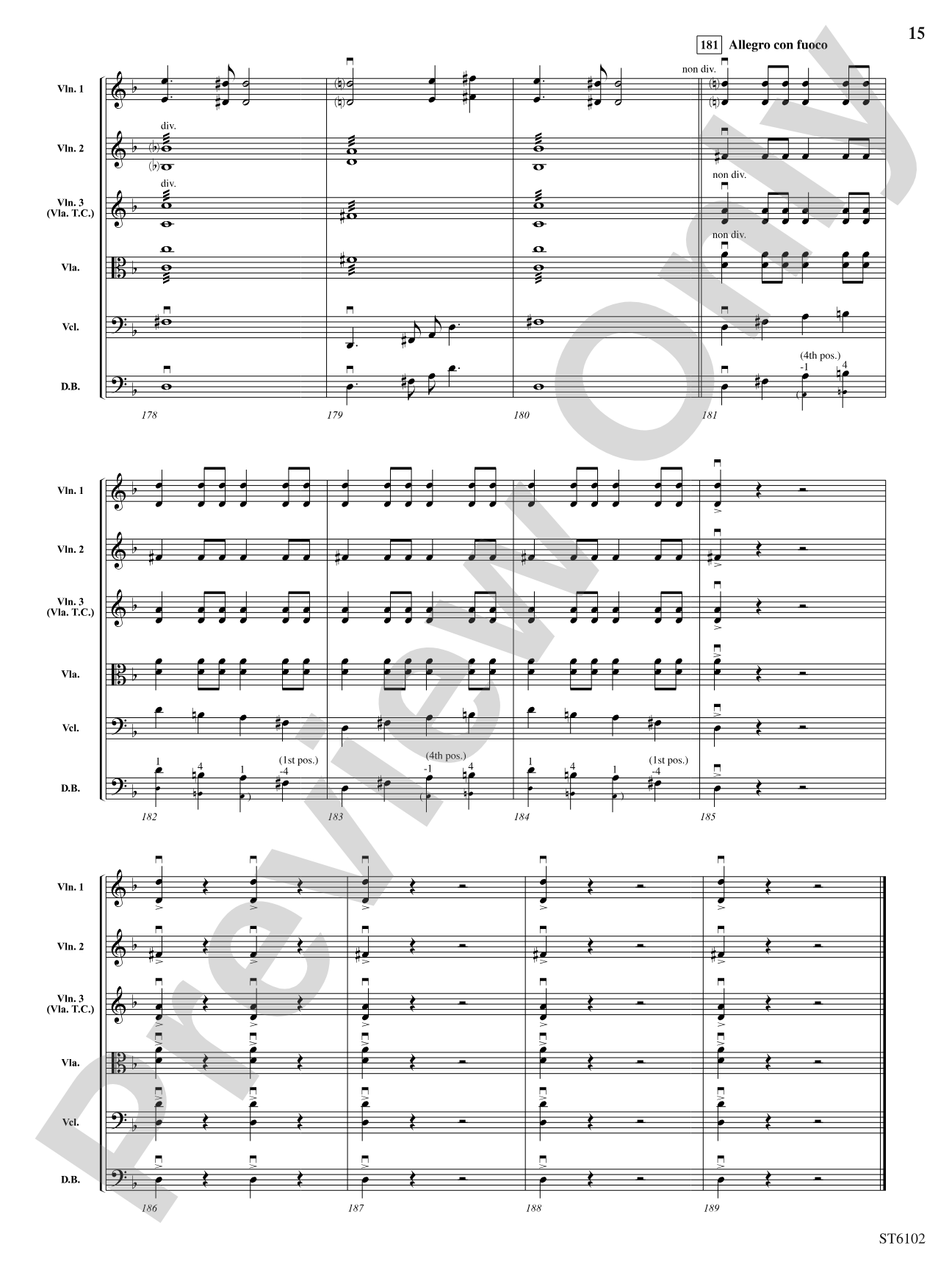

Themes from the New World Symphony: String Orchestra Conductor Score & Parts
By Antonín Dvorák / arr. Carrie Lane Gruselle
Grade: 3
Item: 98-DST6102

$75.00
Pickup currently not available
Buy Extra Parts (Digital PDF Download)
Parts Added to Cart!
Description
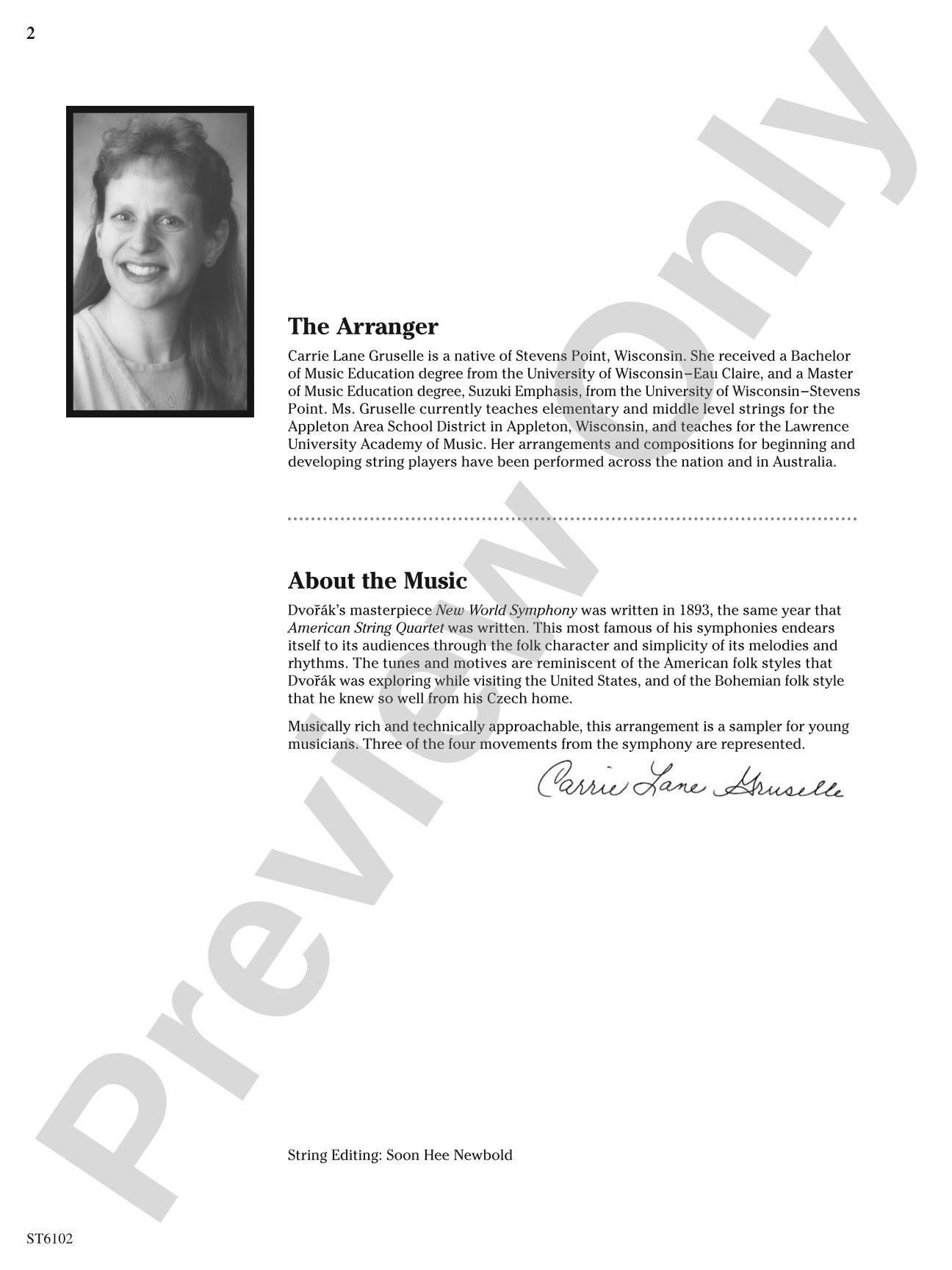
Dvorák's masterpiece New World Symphony was written in 1893, the same year that American String Quartet was written. This most famous of his symphonies endears itself to its audiences through the folk character and simplicity of its melodies and rhythms.


Don't just read it, hear it, play along with it, and watch your students grow with it. In MakeMusic Cloud, Themes from the New World Symphony: String Orchestra Conductor Score & Parts comes alive with professional accompaniment, adjustable tempo, and built-in practice tools that turn solo practice into real progress.
Open in the Player
Jump straight in and assign it today.
Start Your Free Trial
Open this title and explore the full library in minutes.
Sample Audio
1
Audio File
--:--
0:00
0:00
Sample Video
No sample videos found.
Additional Details
Series:
FJH String Orchestra
Publisher:
The FJH Music Company, Inc.
SKU:
98-DST6102
More about this title
About the Composer: Antonin Dvorák
Antonin Dvořák (1841-1904) was a Czech composer who elevated his nation's musical identity on the world stage during the Romantic era. His melodic gift and deep connection to folk traditions made him one of the most performed composers in concert halls today, and his willingness to write across all genres—from symphonies to chamber music to operas—created an expansive catalog that continues to engage students and audiences alike.
Why we love this
Dvořák's New World Symphony sits at the sweet spot where accessibility meets substance. Students engage instantly with the memorable melodies and straightforward harmonic language, yet the orchestration and form reward careful listening and musical maturity. This arrangement preserves the symphony's emotional directness while fitting the technical reach of a solid Grade 3 ensemble.
What to expect
The New World Symphony unfolds with a sense of discovery and warmth. Themes drift through the ensemble with the character of folk song, and the straightforward rhythms create a sense of arrival and inevitability. There is dignity and simplicity here, without sentimentality.
Who it's for
String orchestras at the intermediate level seeking repertoire that connects students to a major classical work without overwhelming their technical abilities. This arrangement works equally well for festival performances, concert programming, or as an educational entry point into symphonic literature.
How to get the most out of it
- Balance the inner string voices so the cello and viola lines remain audible; these folk-like melodies deserve to sing as much as the violins do.
- Shape phrases with gentle dynamic swells rather than sudden changes. Dvořák's melodies breathe naturally when you honor their lyrical contour.
- Let the ensemble settle into a warm, unified vibrato that matches the character of each theme; restraint in the opening sections pays off when you reach the fuller textures.
- Invest rehearsal time in rhythmic precision during syncopated passages, especially where the lower strings anchor the harmony while upper voices dance above.
How to use it
Program this alongside other 19th-century masterworks or as a centerpiece for a concert exploring folk influence in classical music. The Grade 3 level makes it accessible enough to pair with student compositions or newer repertoire while substantial enough to anchor a program as a substantial closing work.
Skills your students will build
- Sustaining long, shaped melodic lines with consistent tone quality
- Balancing multiple independent melodic lines within a harmonic texture
- Reading and performing synchronized rhythmic patterns across all string parts
- Understanding song form and thematic development in a large-scale work
- Responding to a conductor's shaping while maintaining ensemble cohesion