
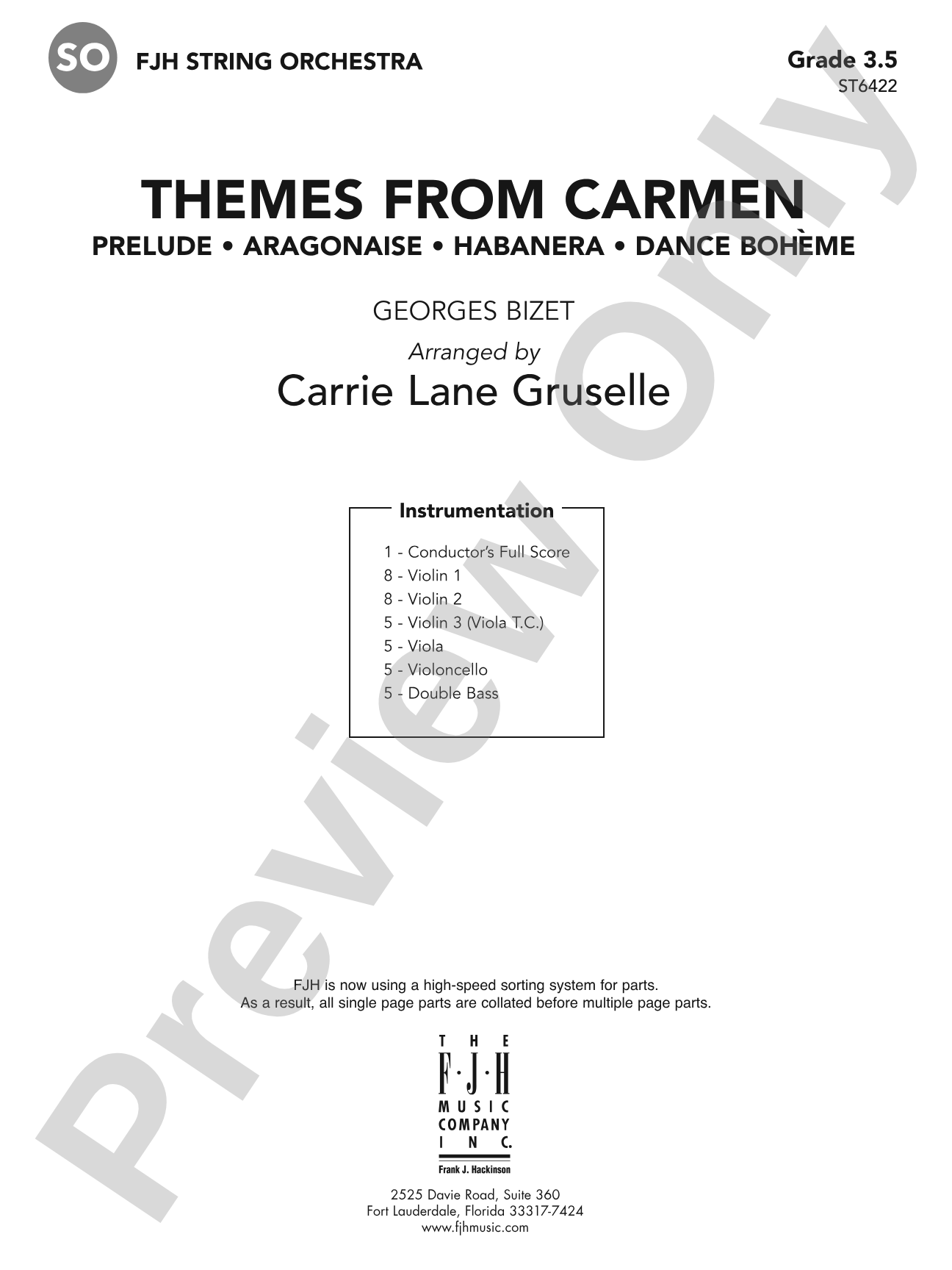
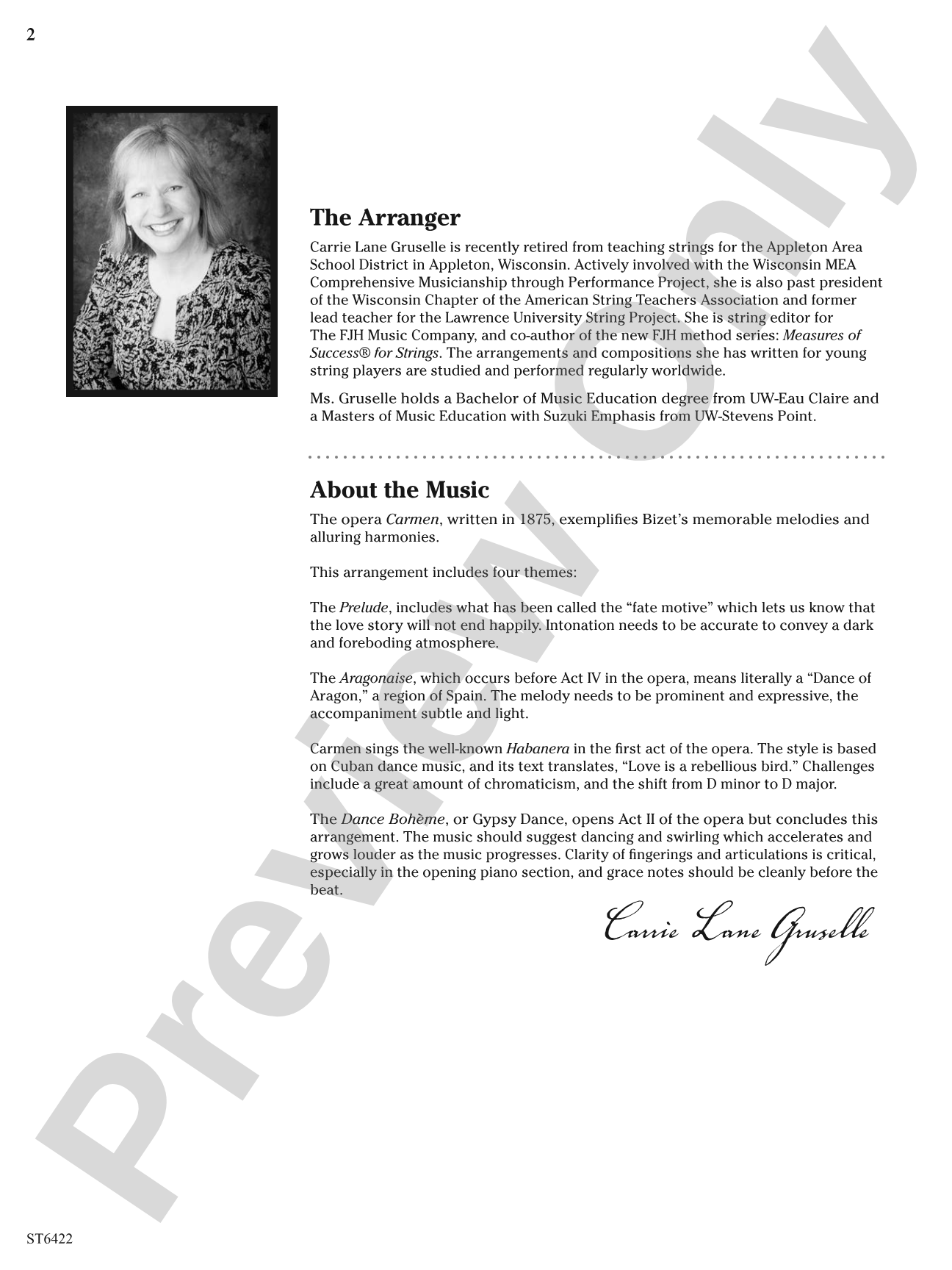
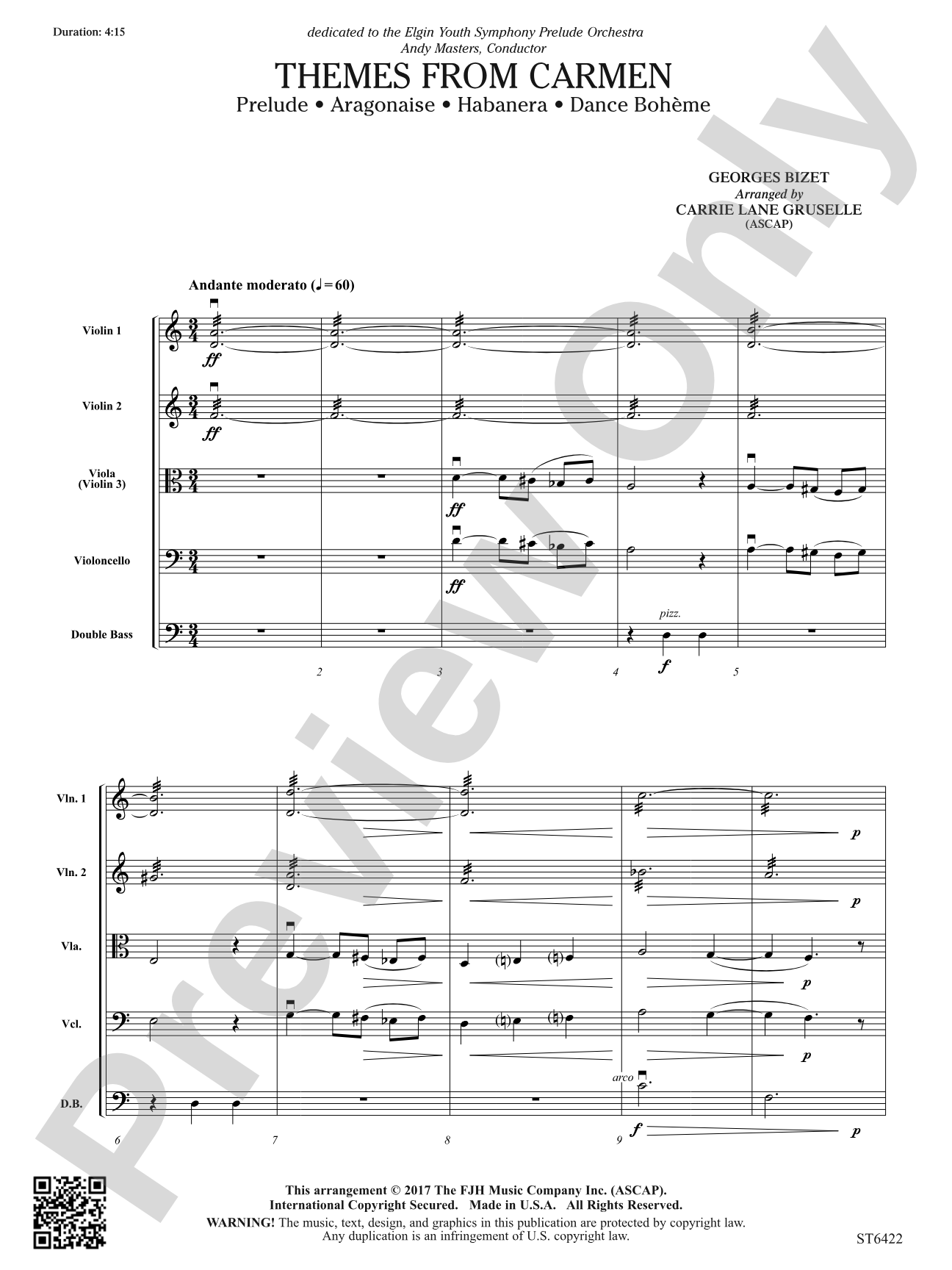
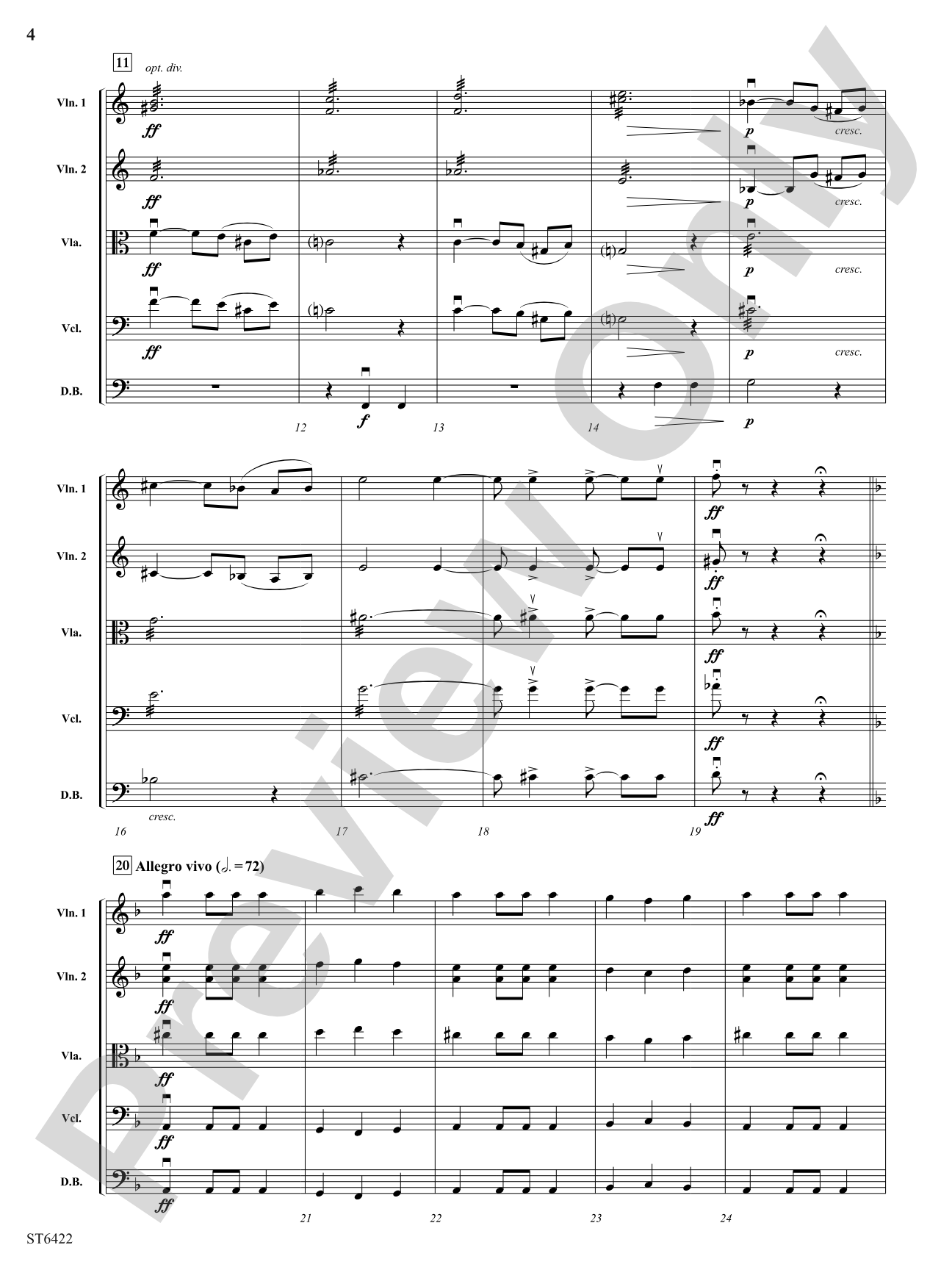
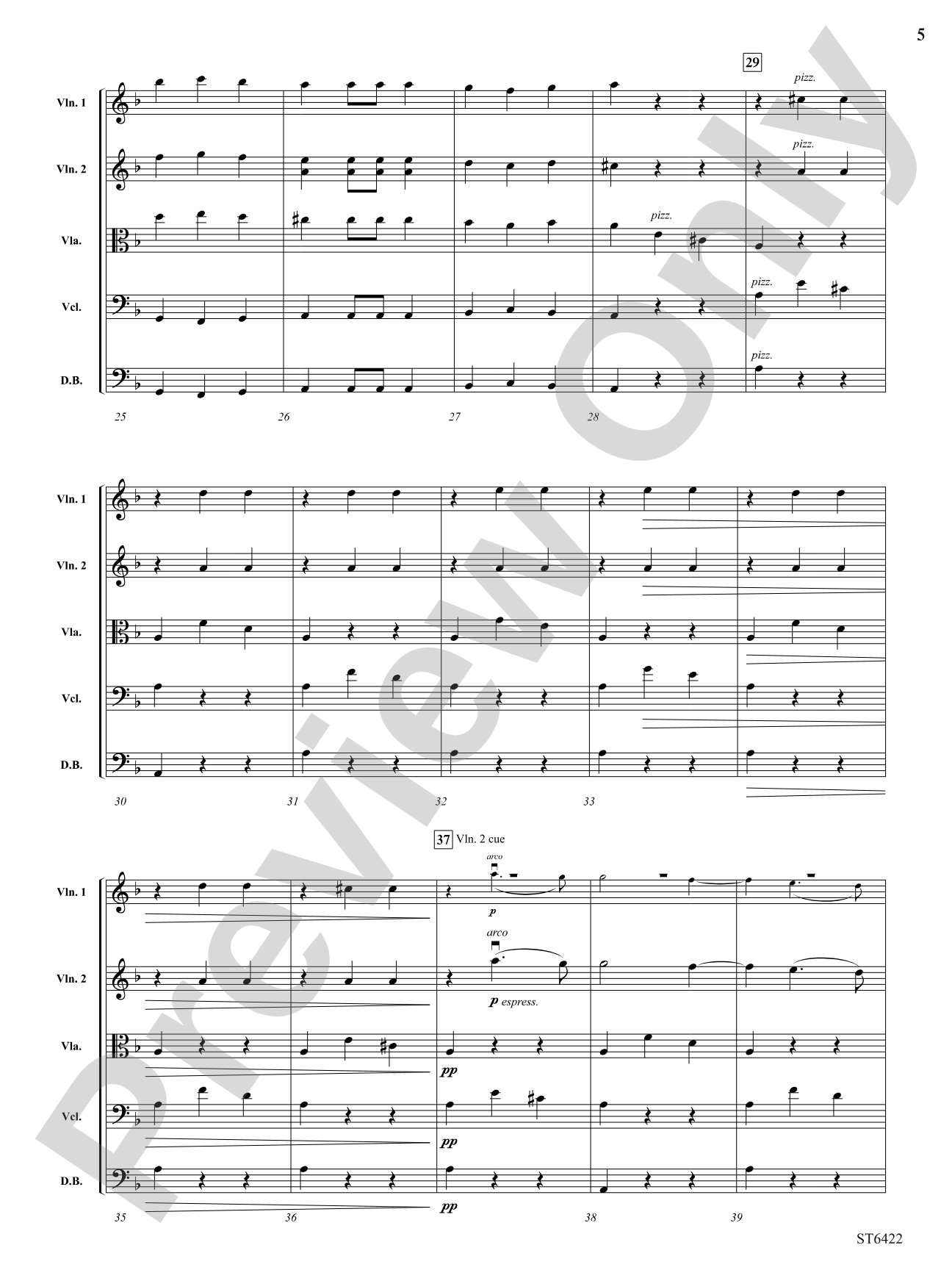
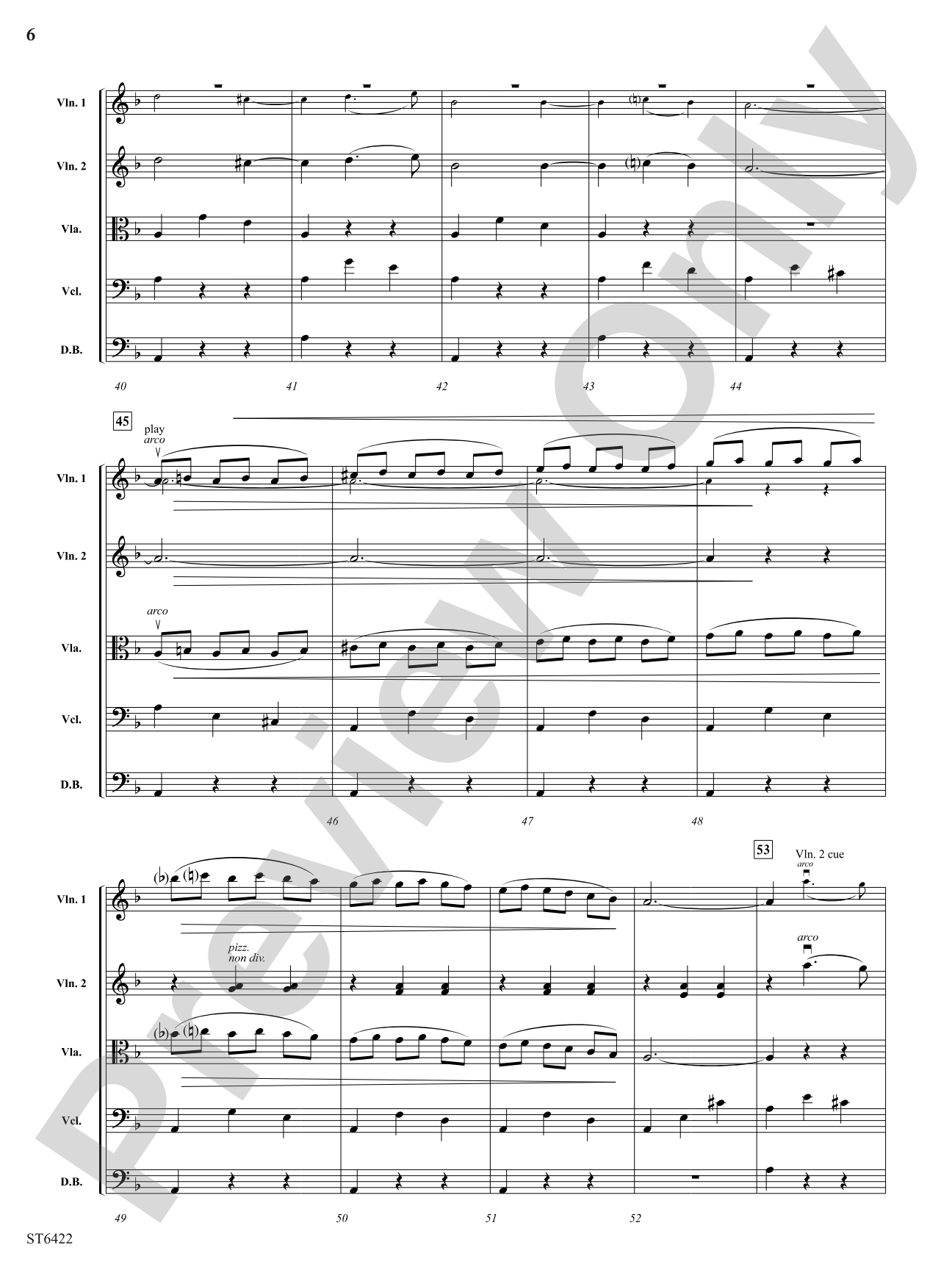
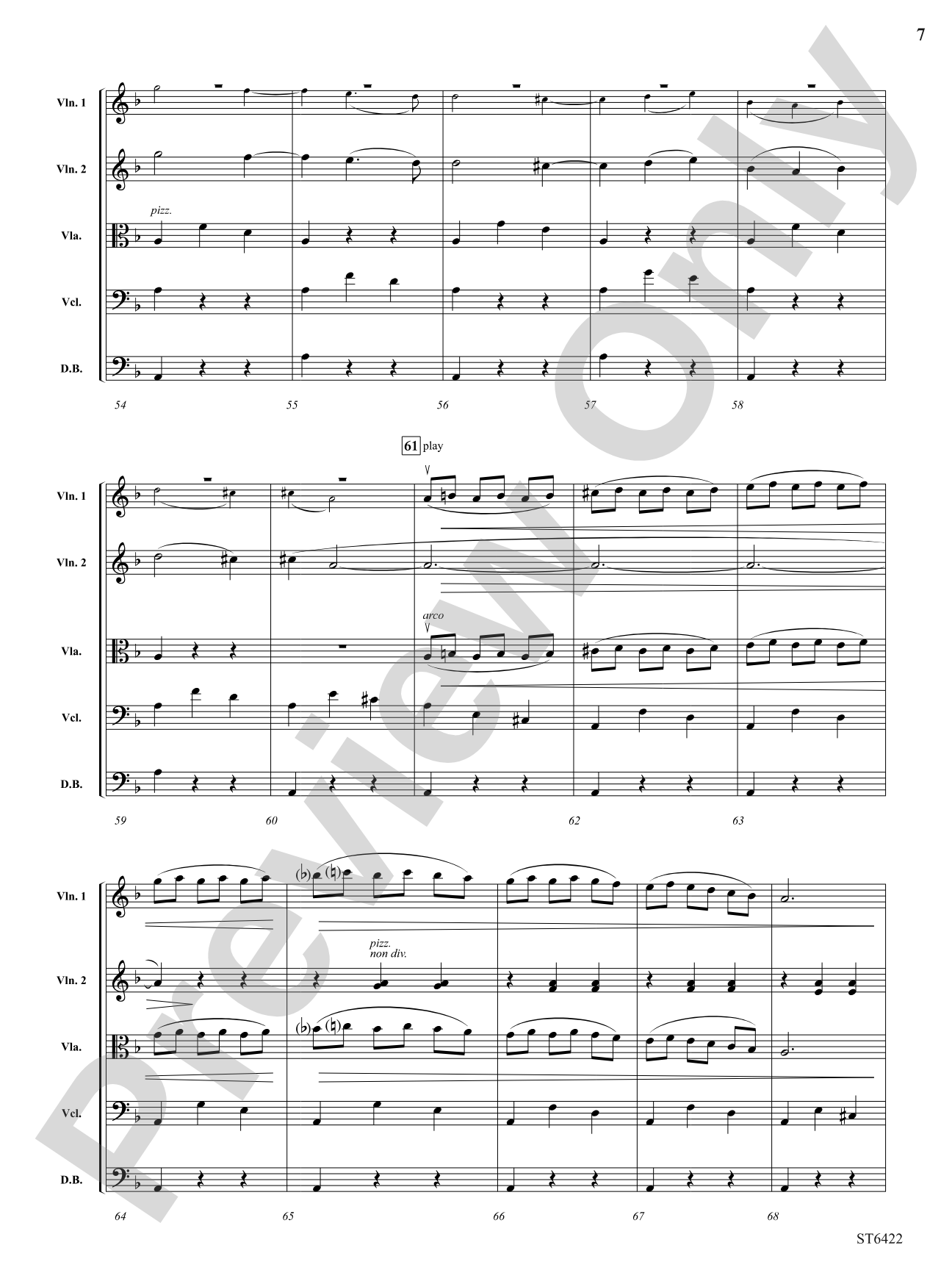
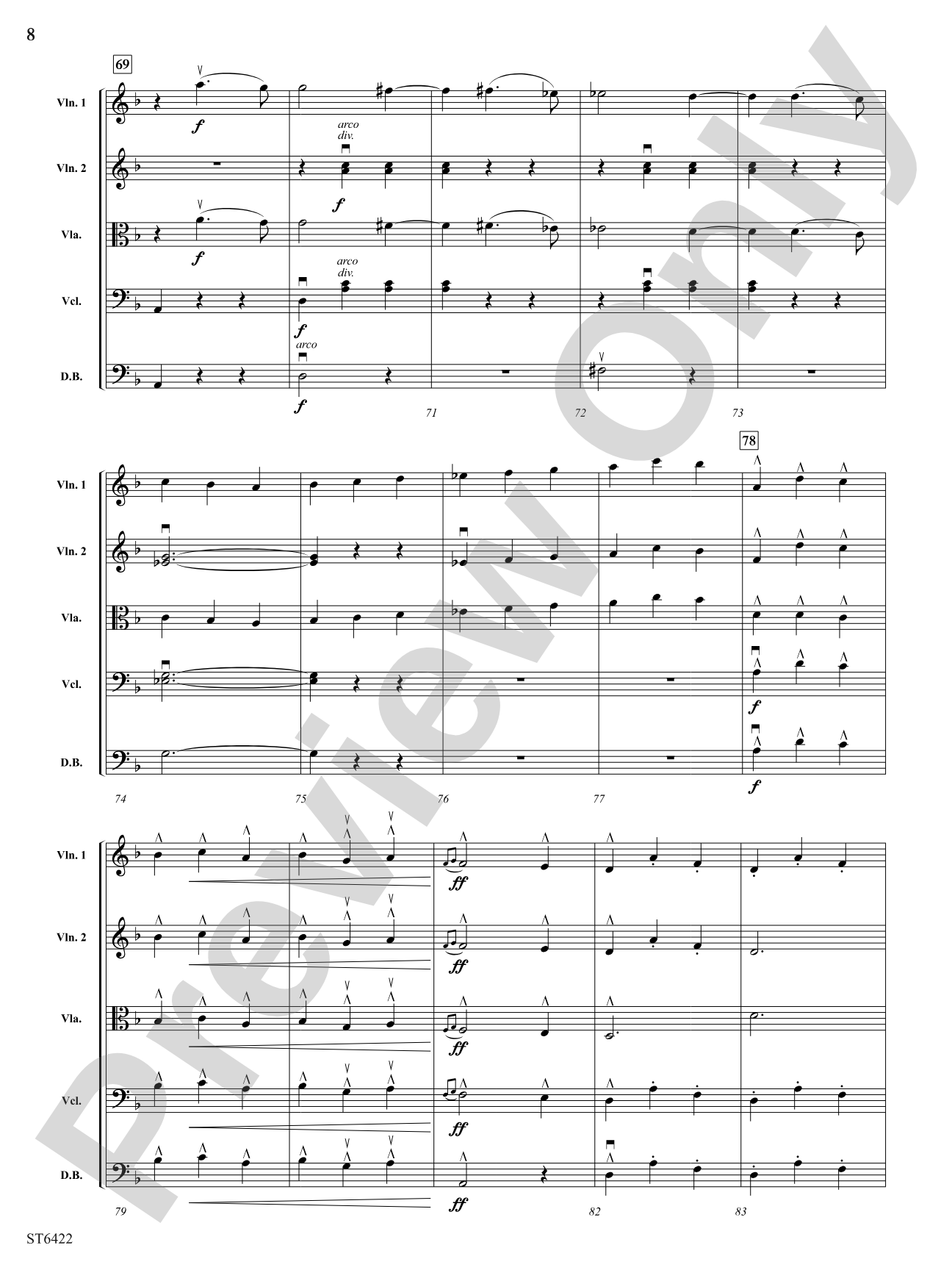
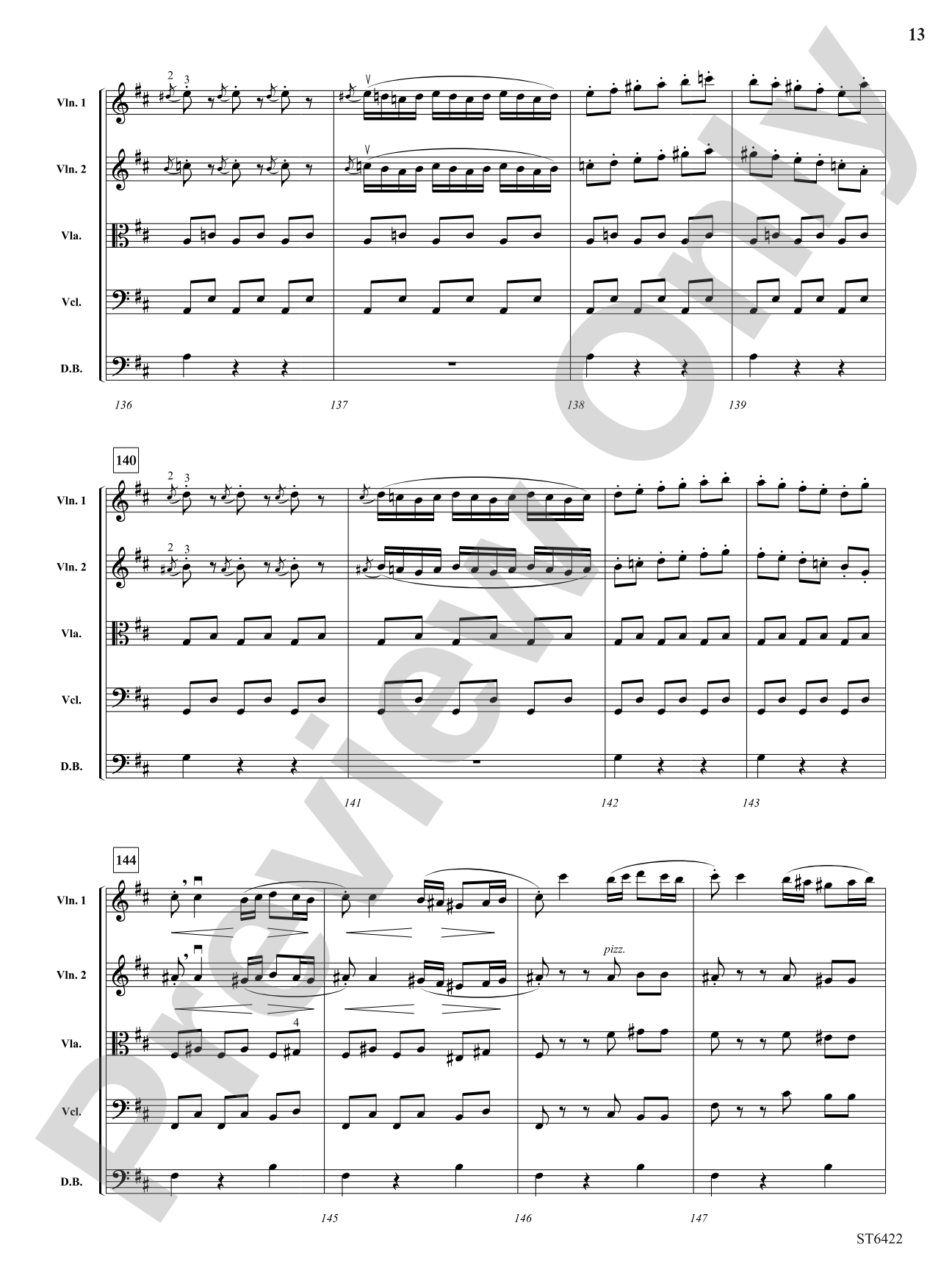
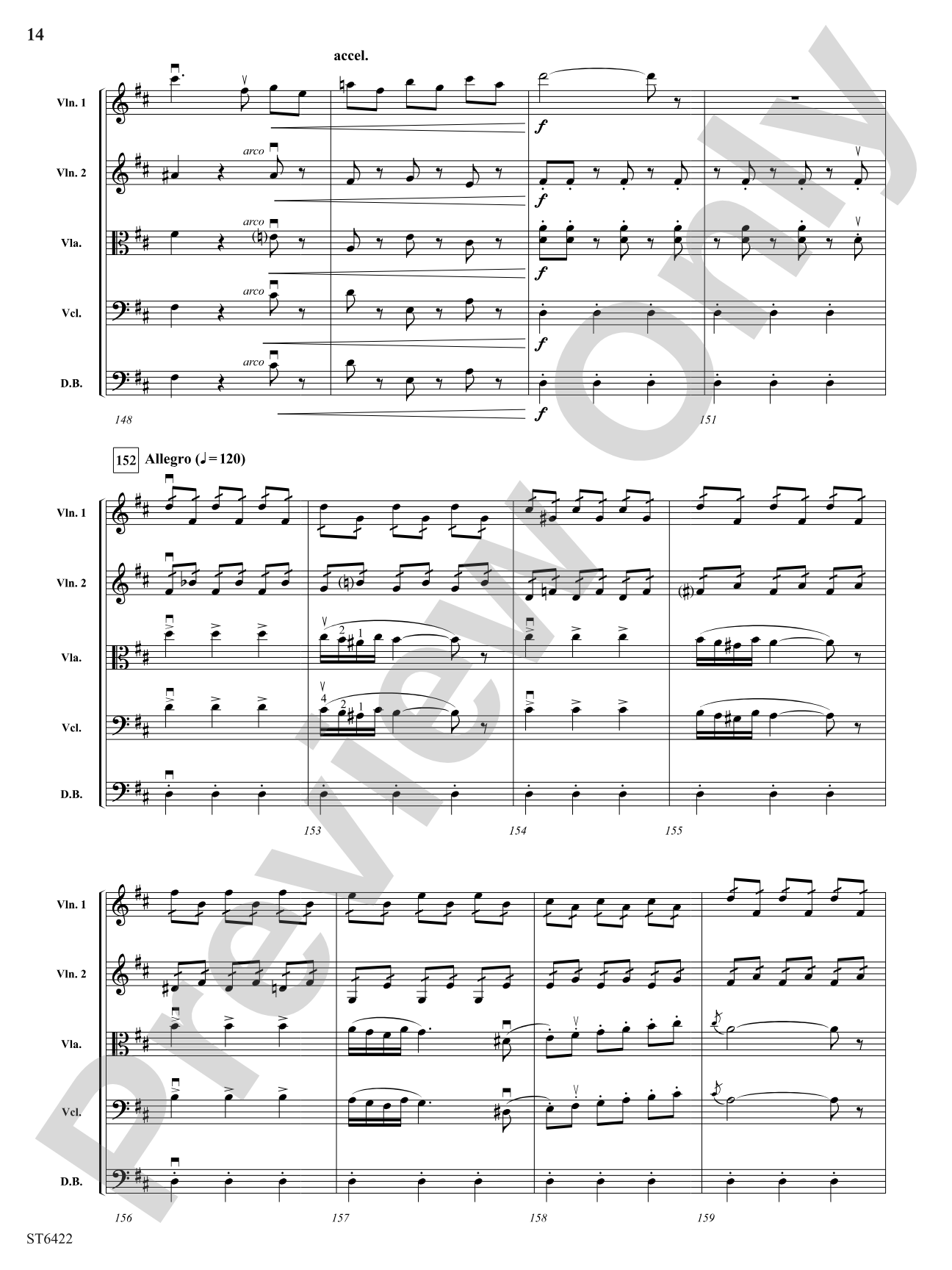
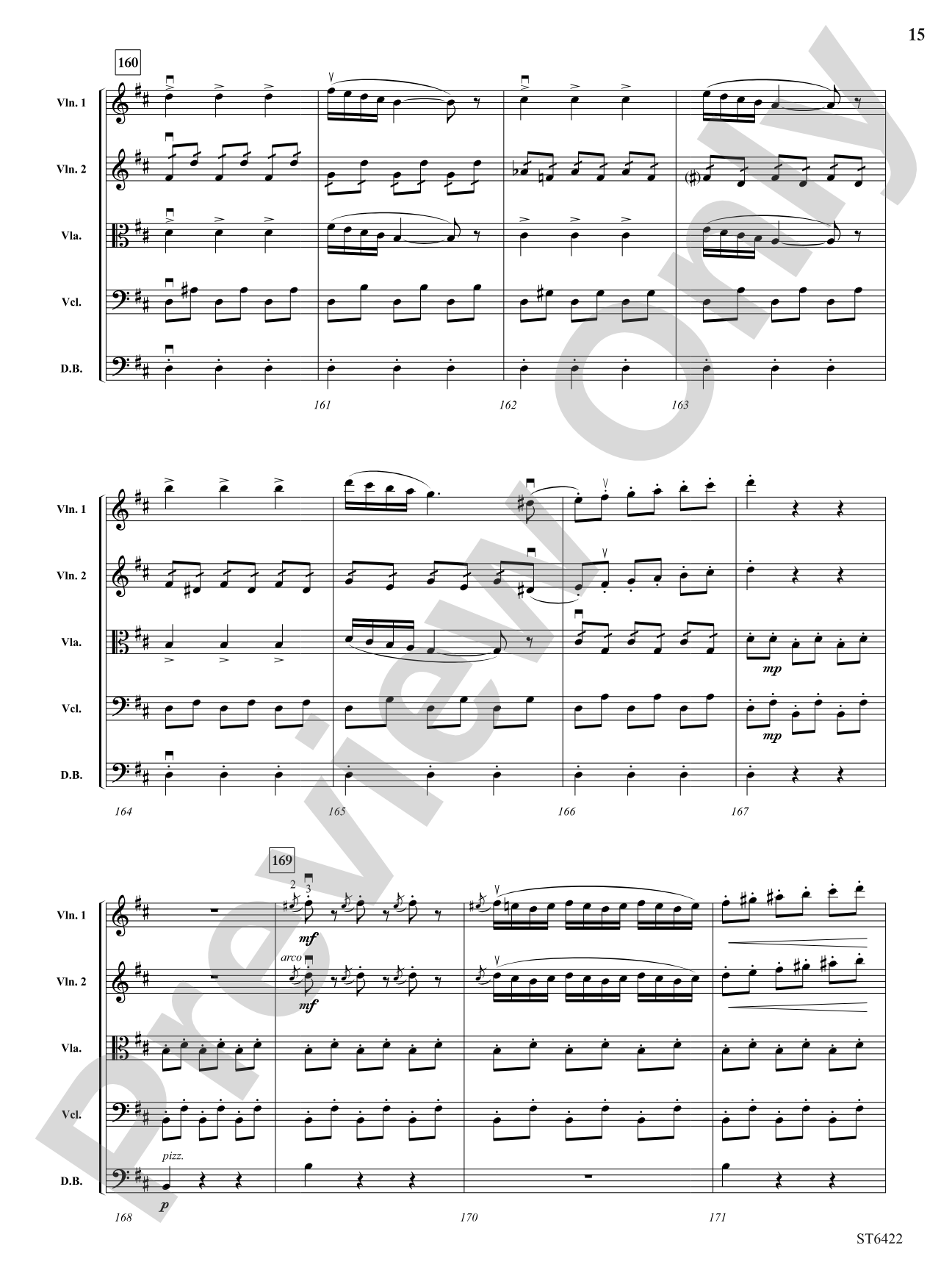
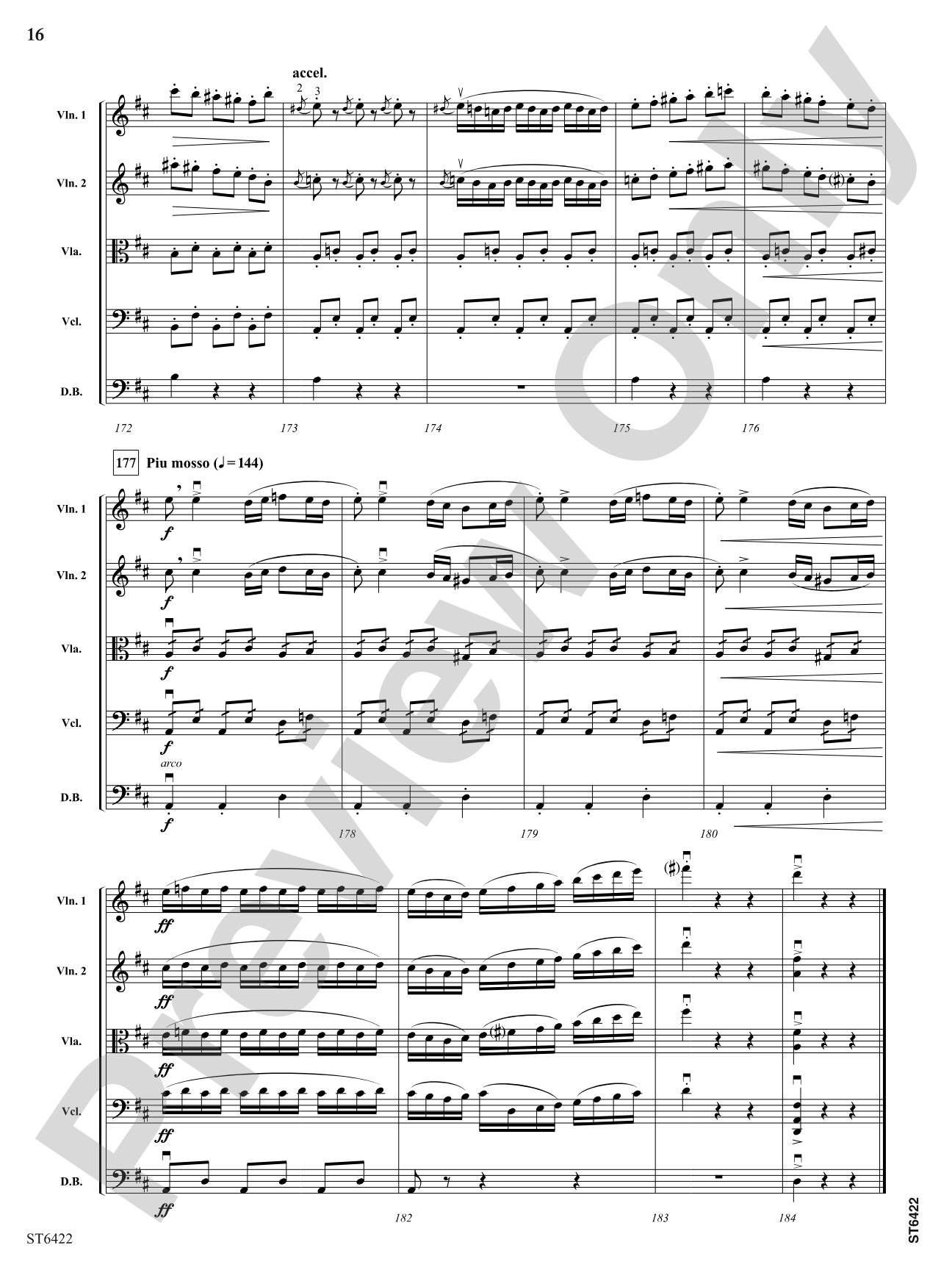

Themes from Carmen: Score
By Georges Bizet / arr. Carrie Lane Gruselle
Grade: 3.5
Item: 98-DST6422S
$12.00
Pickup currently not available
Description
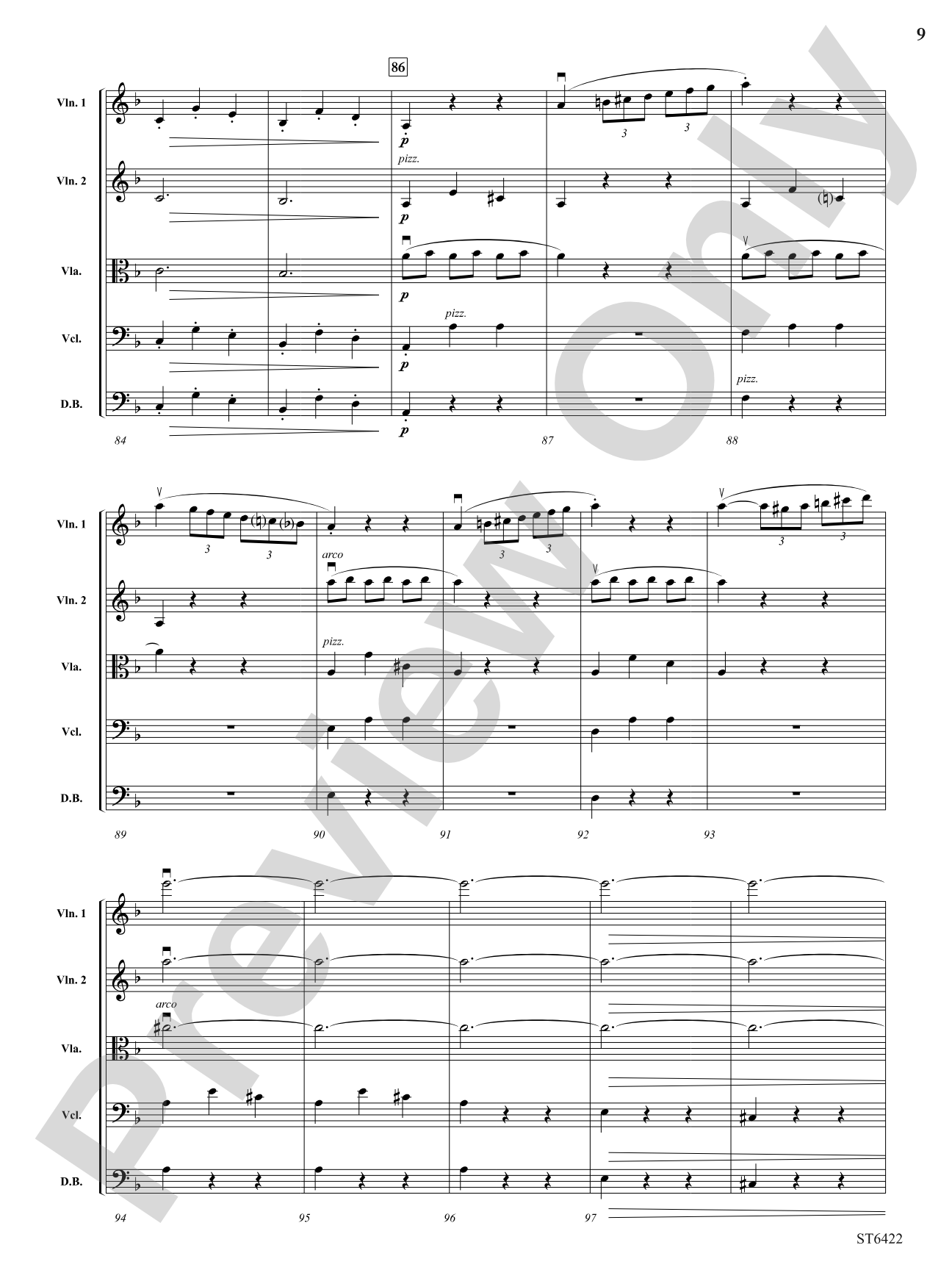
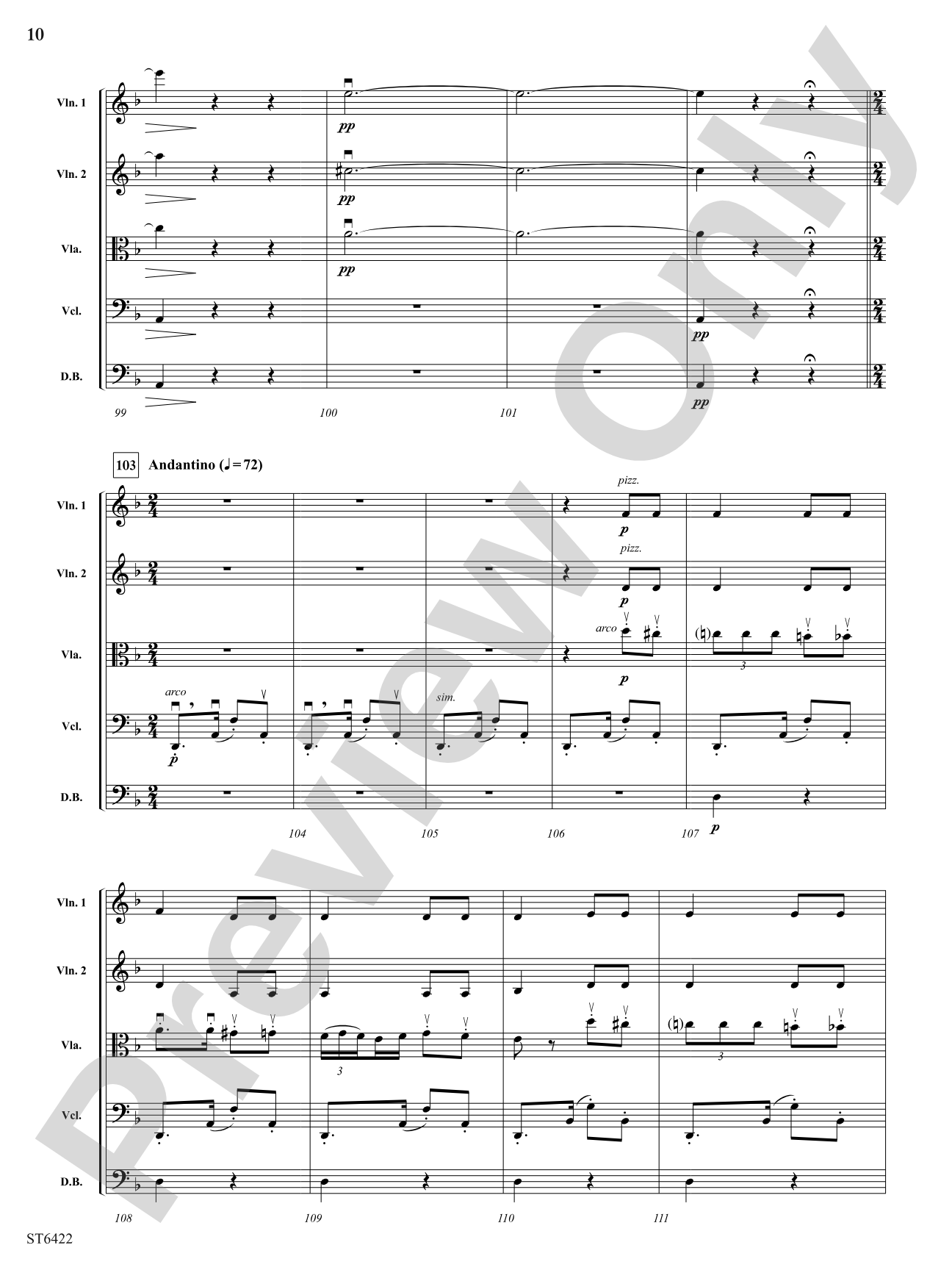
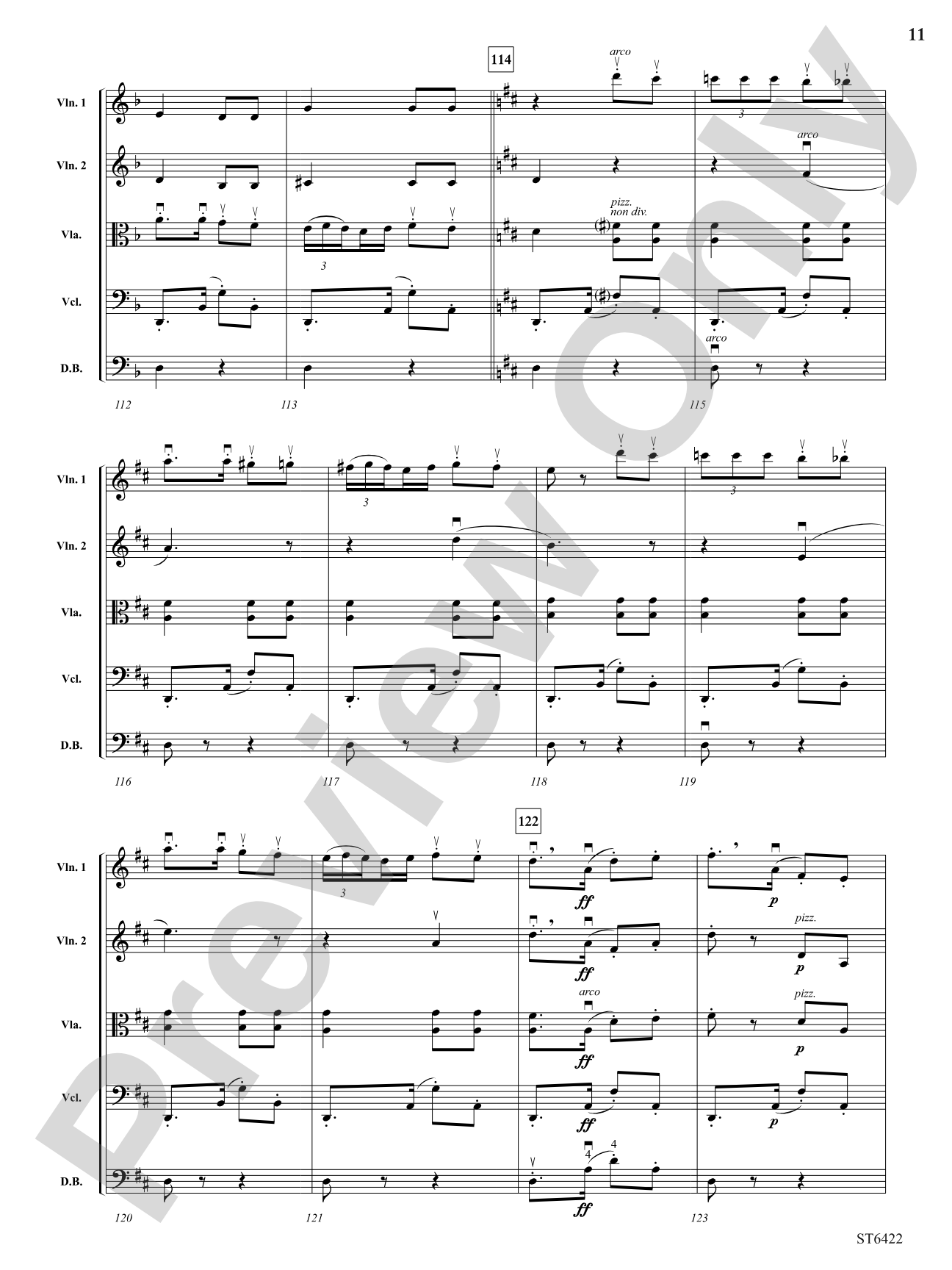
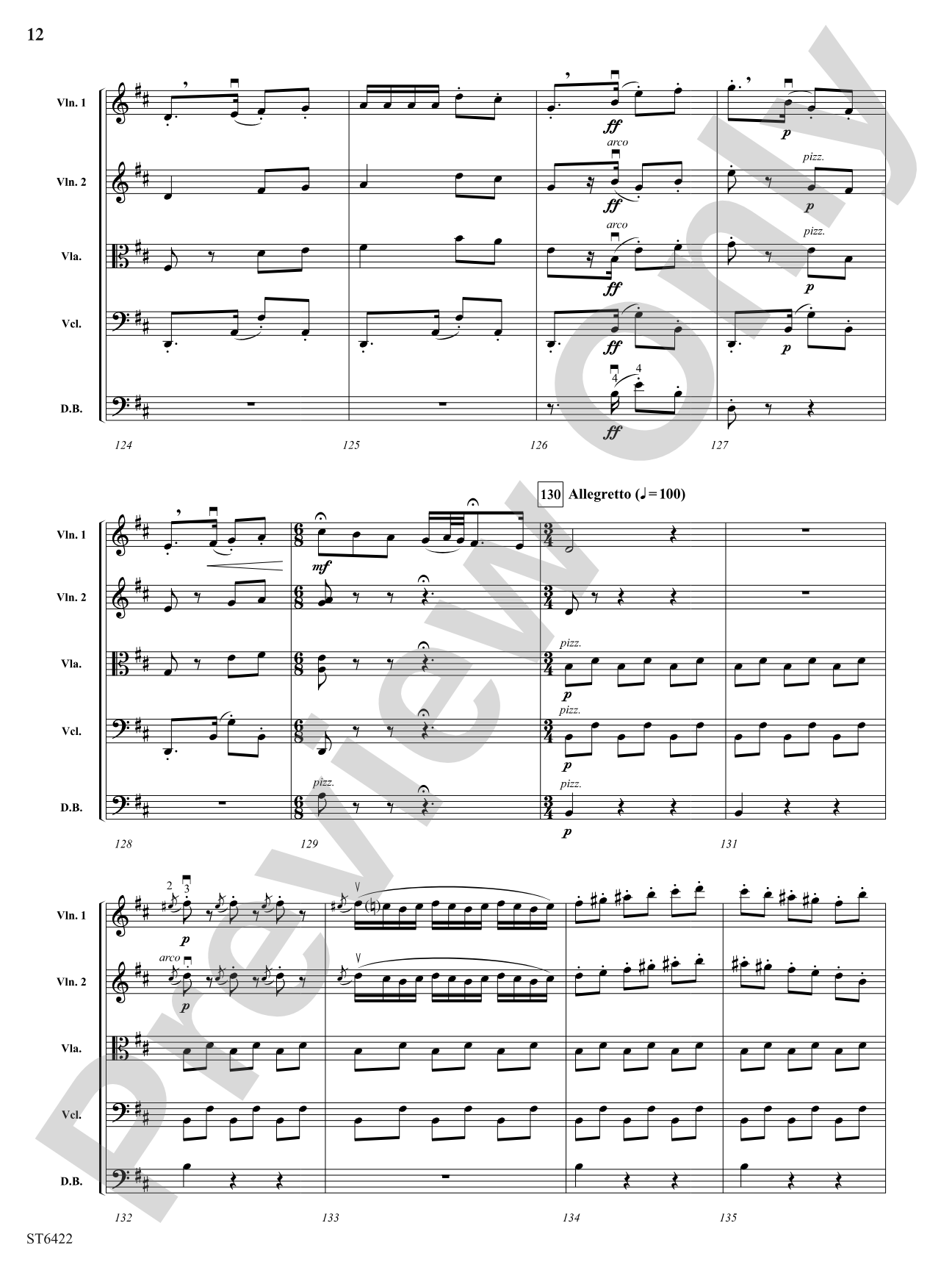
This accessible yet authentic arrangement is based on four well-known themes from Bizet's popular opera: Prelude, Aragonaise (Dance of Aragon), Habanera, and Dance Bohème (Gypsy Dance). From the foreboding introduction to the dancing and swirling ending, this spectacular arrangement has it all!


Themes from Carmen: Score isn't in MakeMusic Cloud just yet...but it could be. Let us know you'd like to see it, and you'll help shape what comes next. In the meantime, start a free trial and dive into thousands of interactive titles your students can play along with today.
Request This Title
Tell us you want it.
Start Your Free Trial
Explore everything that's ready to play right now.
Sample Audio
1
Audio File
--:--
0:00
0:00
Sample Video
Additional Details
Series:
FJH String Orchestra
Publisher:
The FJH Music Company, Inc.
SKU:
98-DST6422S
More about this title
About the Composer: Georges Bizet
Georges Bizet (1838–1875) was a French composer whose gift for melody and dramatic orchestration made him one of the most performed composers in the operatic repertoire. Though he wrote symphonies, piano works, and other stage music, Carmen remains his enduring legacy, a work that shocked audiences with its realism and raw emotional power when it premiered in Paris in 1875, just months before his death.
Why we love this
Gruselle's arrangement captures the irresistible energy of Carmen's most memorable moments without asking your string section to navigate complex orchestration. The progression from ominous Prelude through the spirited dances gives conductors a chance to shape dramatic contrast and build genuine excitement, all within reach of a solid Grade 3.5 ensemble.
What to expect
You move through Bizet's operatic world in miniature. The Prelude establishes a dark, tense atmosphere that gradually lifts into the vivid colors of Spanish dance, with the Aragonaise and Habanera offering contrasting characters, then accelerating into the frenetic joy of the closing Gypsy Dance. The arc feels complete and deliberately shaped, not pieced together.
Who it's for
String orchestra directors working with intermediate ensembles who want accessible, recognizable repertoire that still delivers drama and sophistication. Students who know Carmen only by name will discover why this opera has captivated audiences for nearly 150 years, and your audience will recognize every theme.
How to get the most out of it
- Build tension in the Prelude by shaping dynamics expressively through the lower strings; let the foreboding quality emerge naturally rather than rushing.
- The Aragonaise and Dance Bohème demand crisp articulation and rhythmic precision; mark bow releases clearly so strings stay together through the swirling figures.
- Balance melody and accompaniment in the Habanera by letting the featured line sing through while keeping harmonic support light and transparent.
- Use the final section's momentum to unite all four voices; the ending should feel inevitable and propulsive, not merely fast.
How to use it
This works beautifully as a standalone opener that establishes energy and sophistication early in a concert, or as a climactic finale that sends the audience home with a familiar, satisfying smile. It pairs naturally with other Masterwork Arrangements or classical string repertoire, and it's also a natural choice for competition and festival performances where recognizable, well-crafted arrangements stand out.
Skills your students will build
- Dynamic contrast and dramatic shaping across multiple sections
- Rhythmic precision in dance rhythms, including Spanish dance idioms
- Sustaining transparent, balanced texture in harmonic accompaniment
- Ensemble coordination through rapid textural and tempo changes
- Stylistic flexibility when moving between lyrical and dance-driven passages