
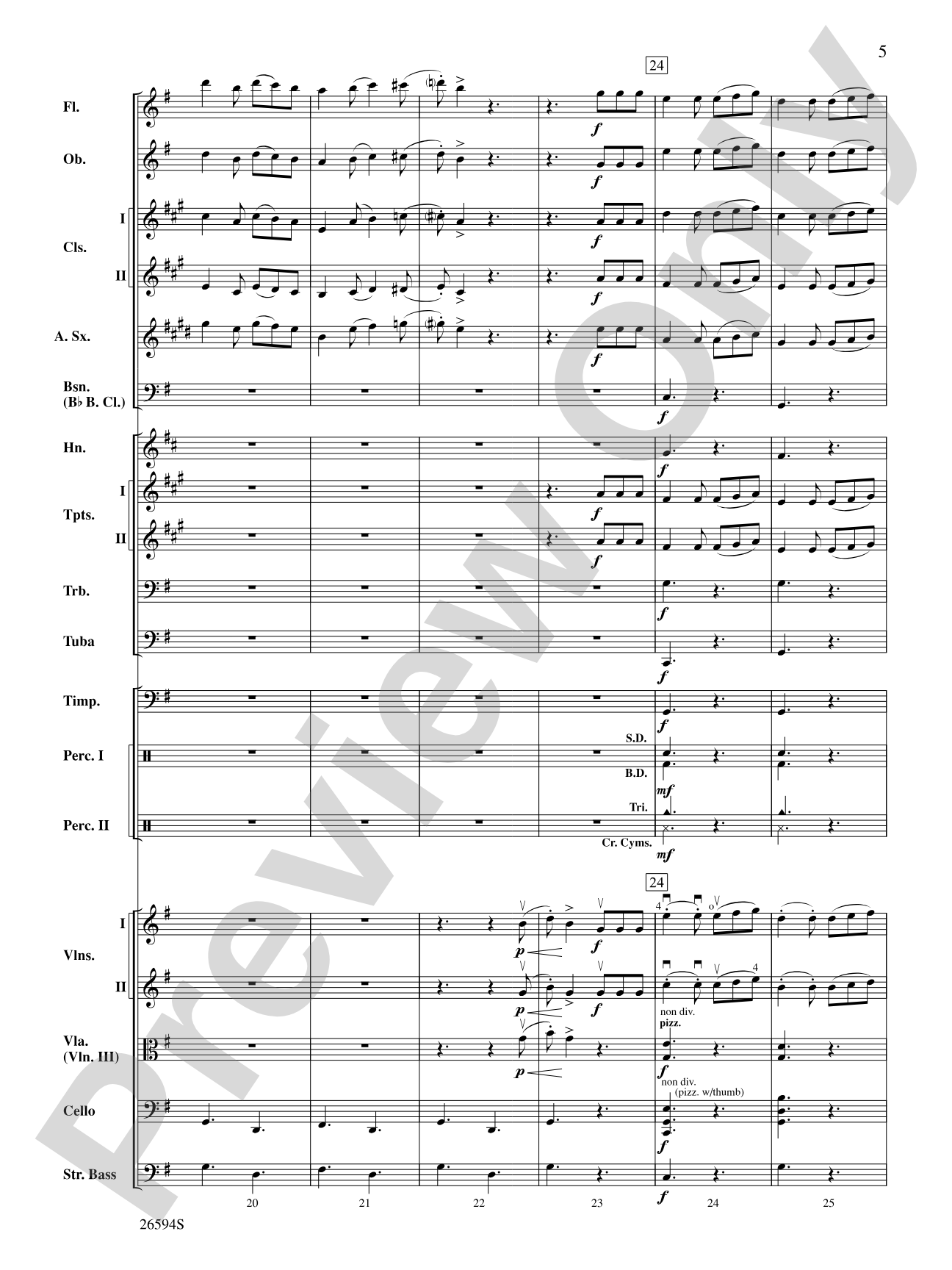
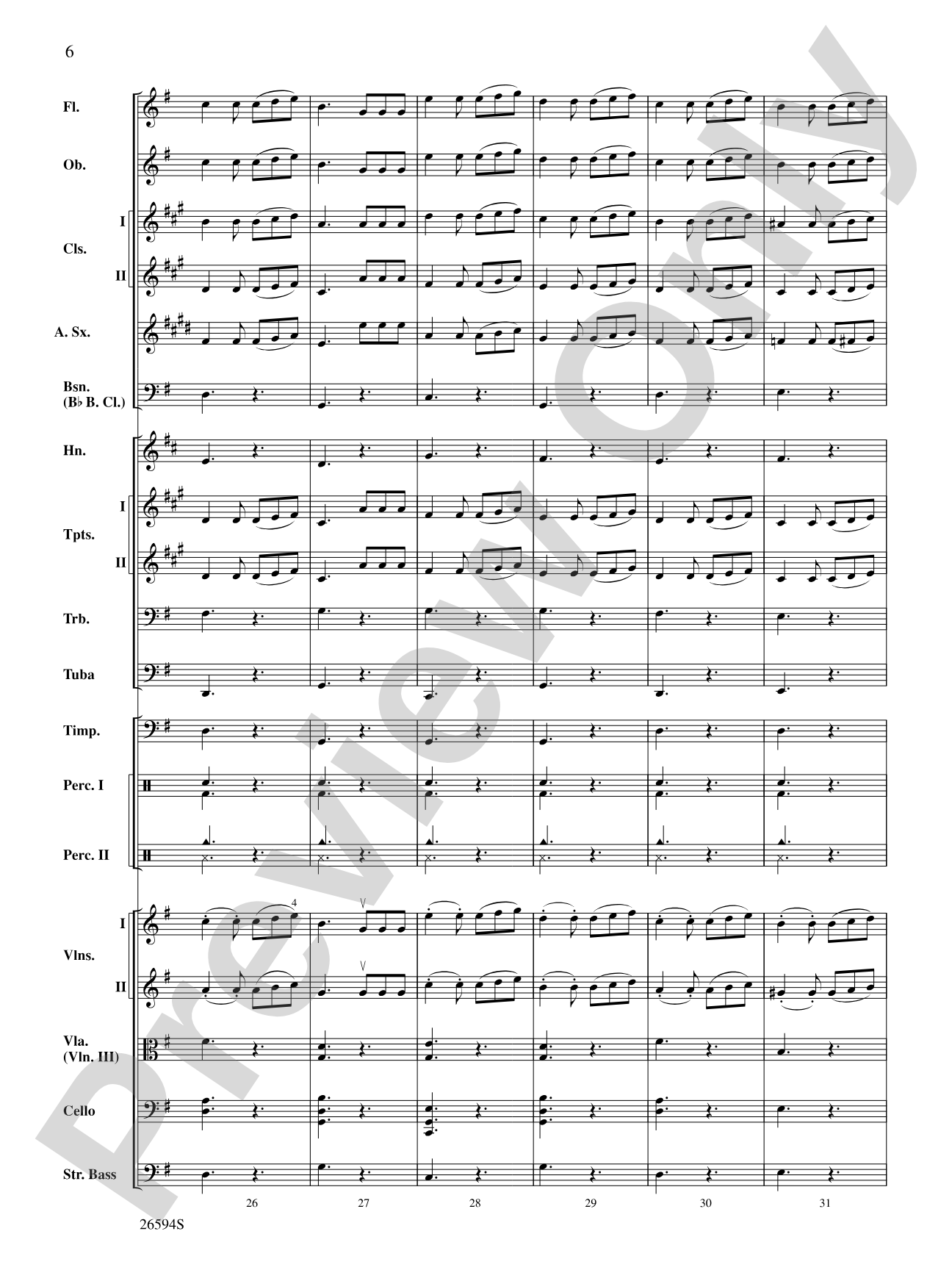
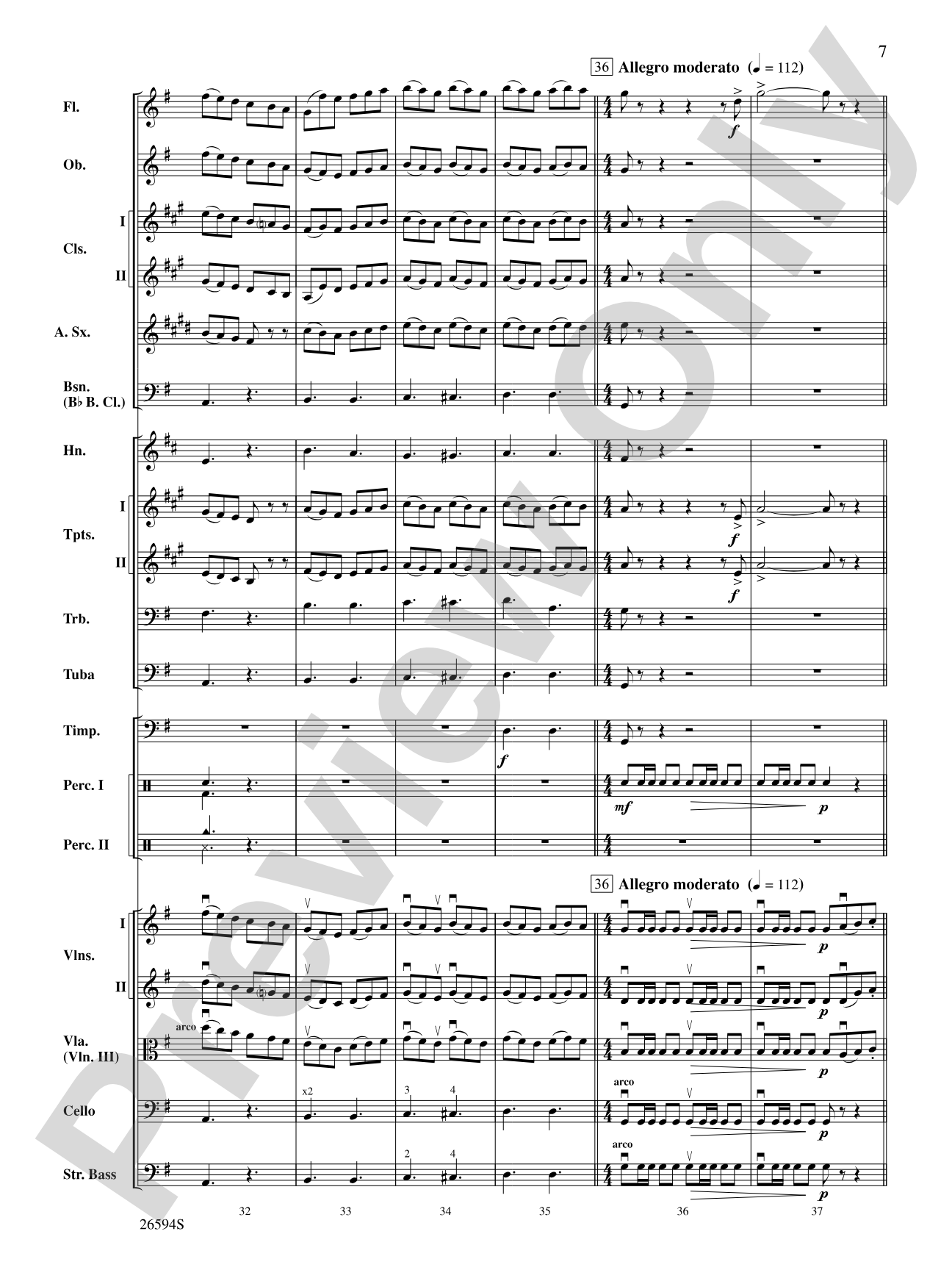
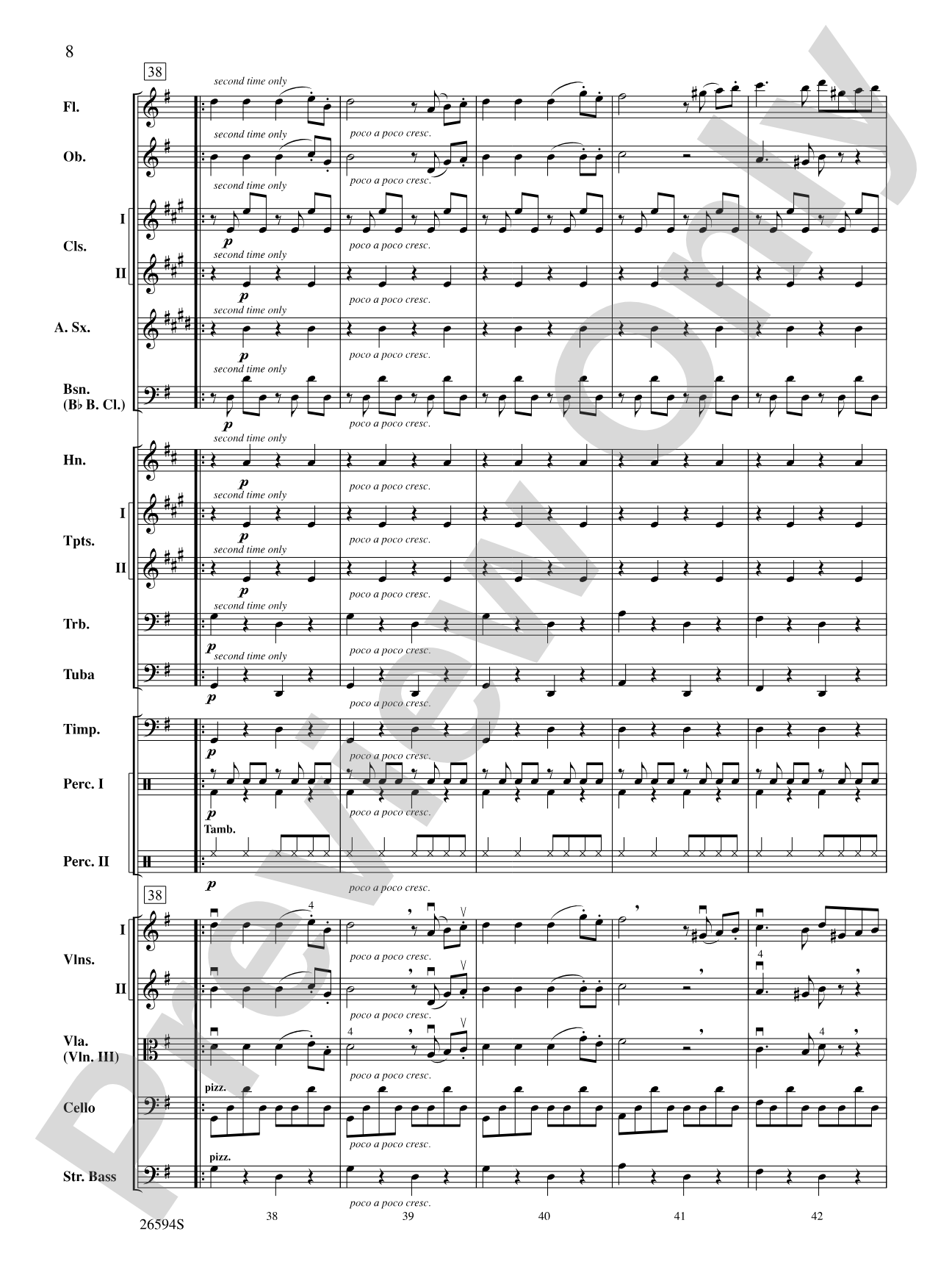
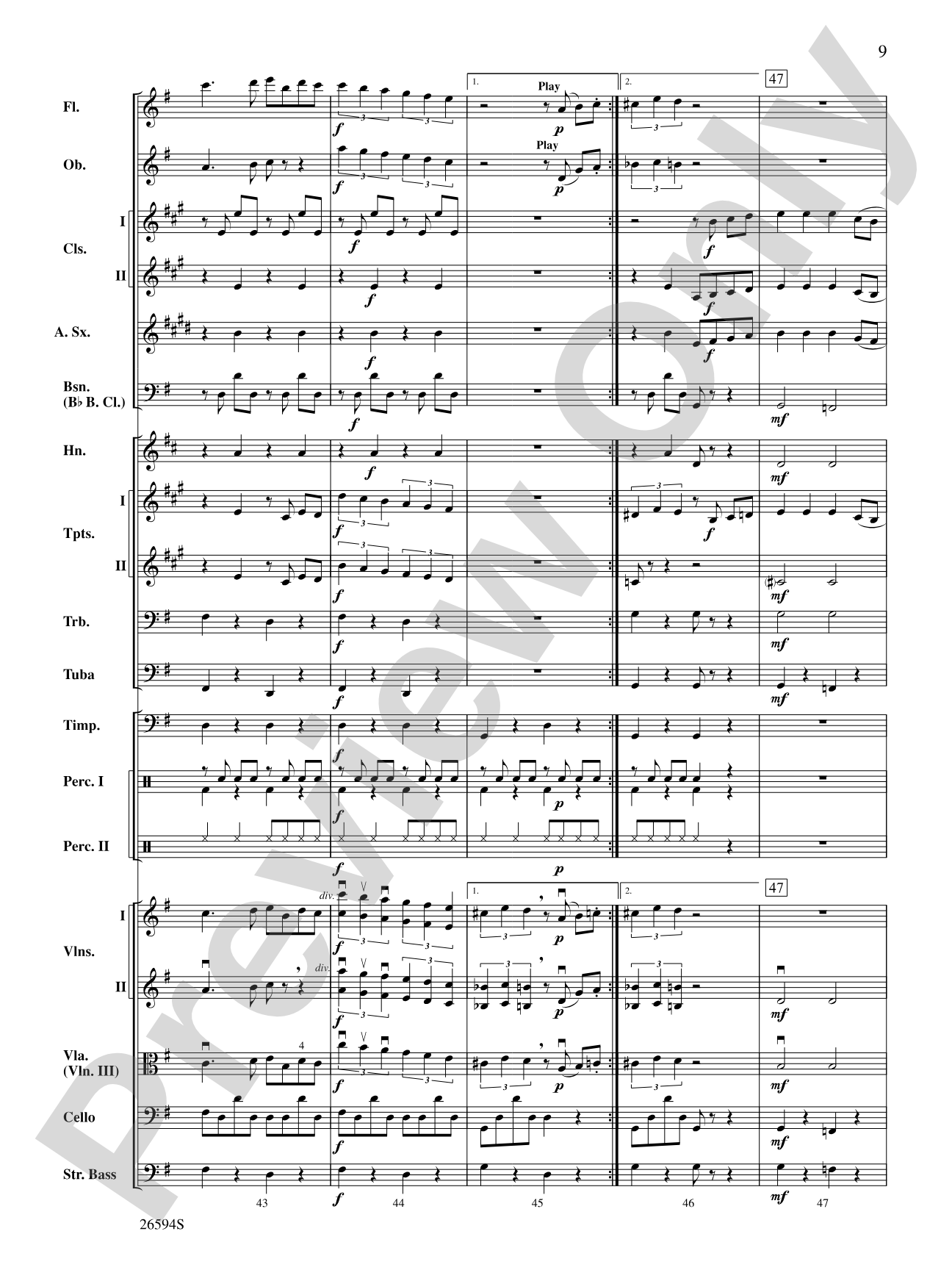
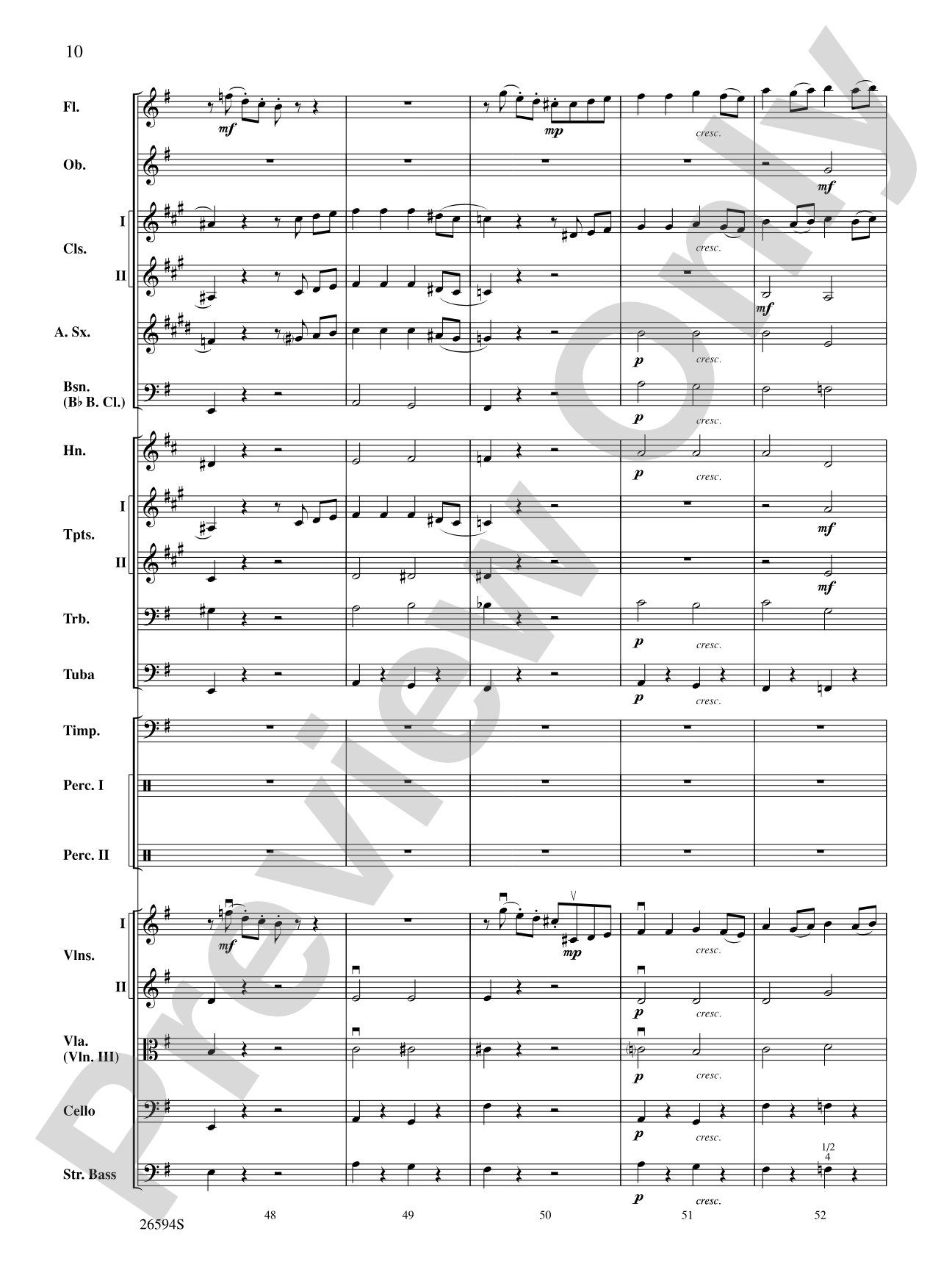
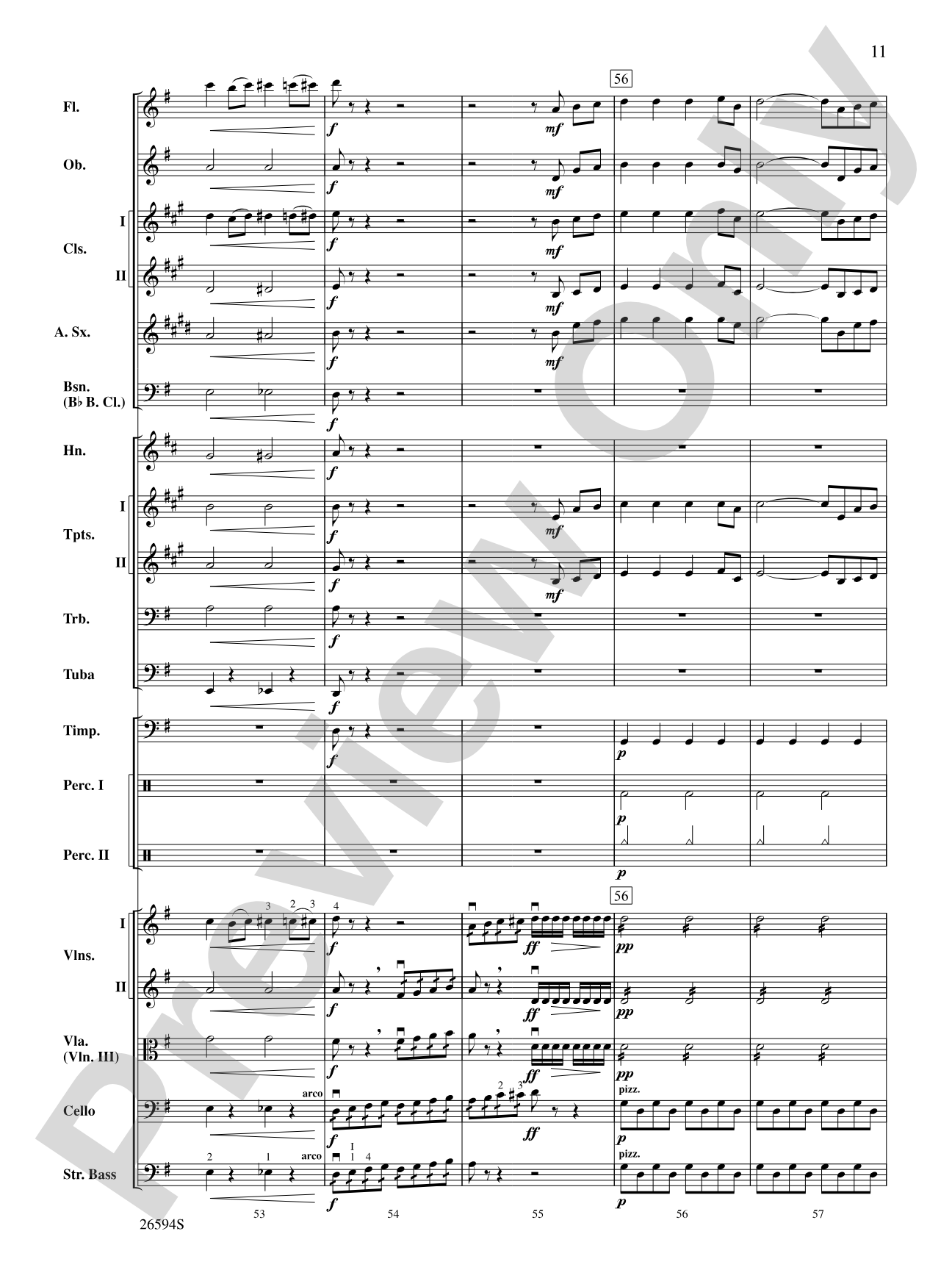
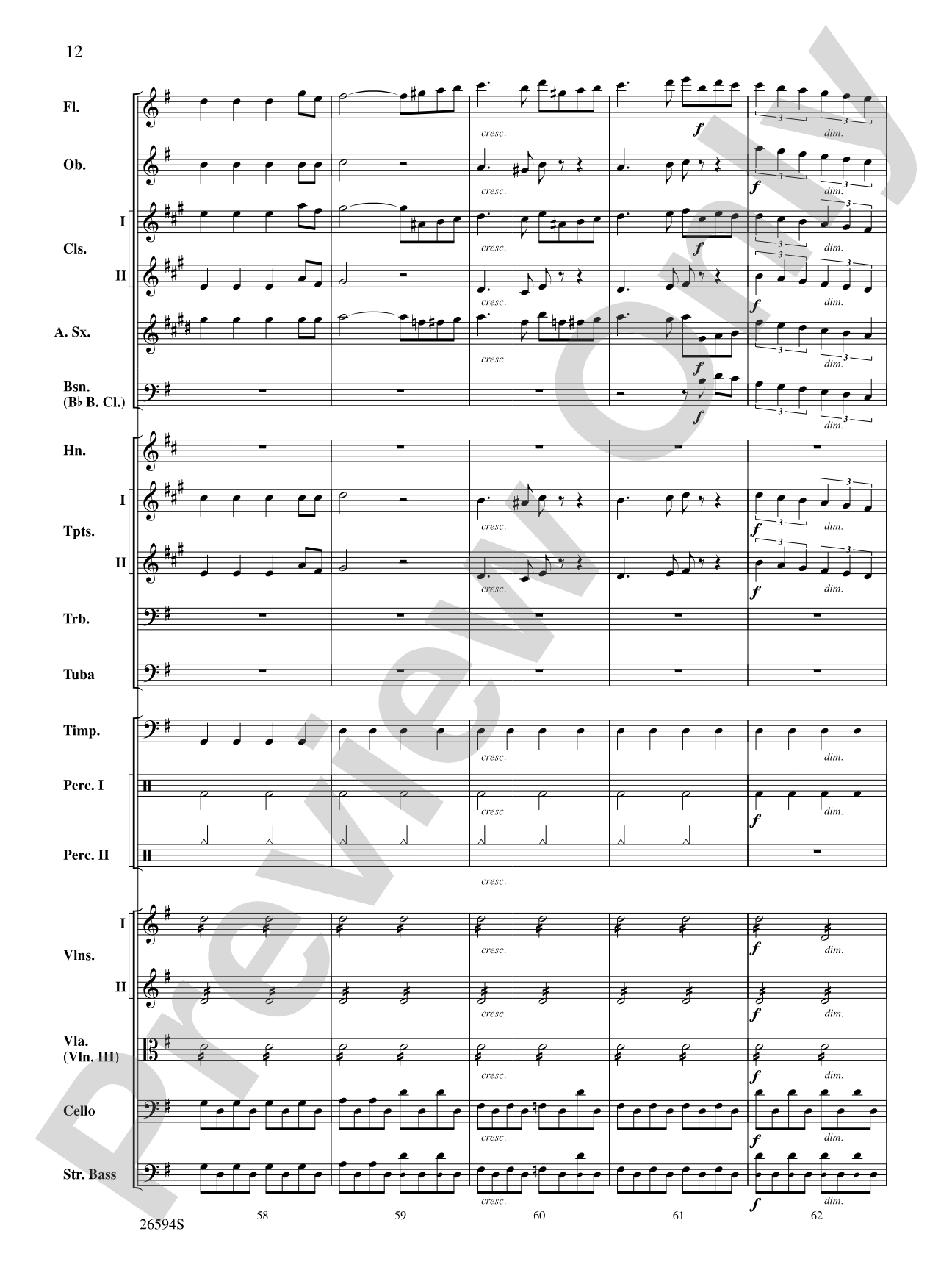
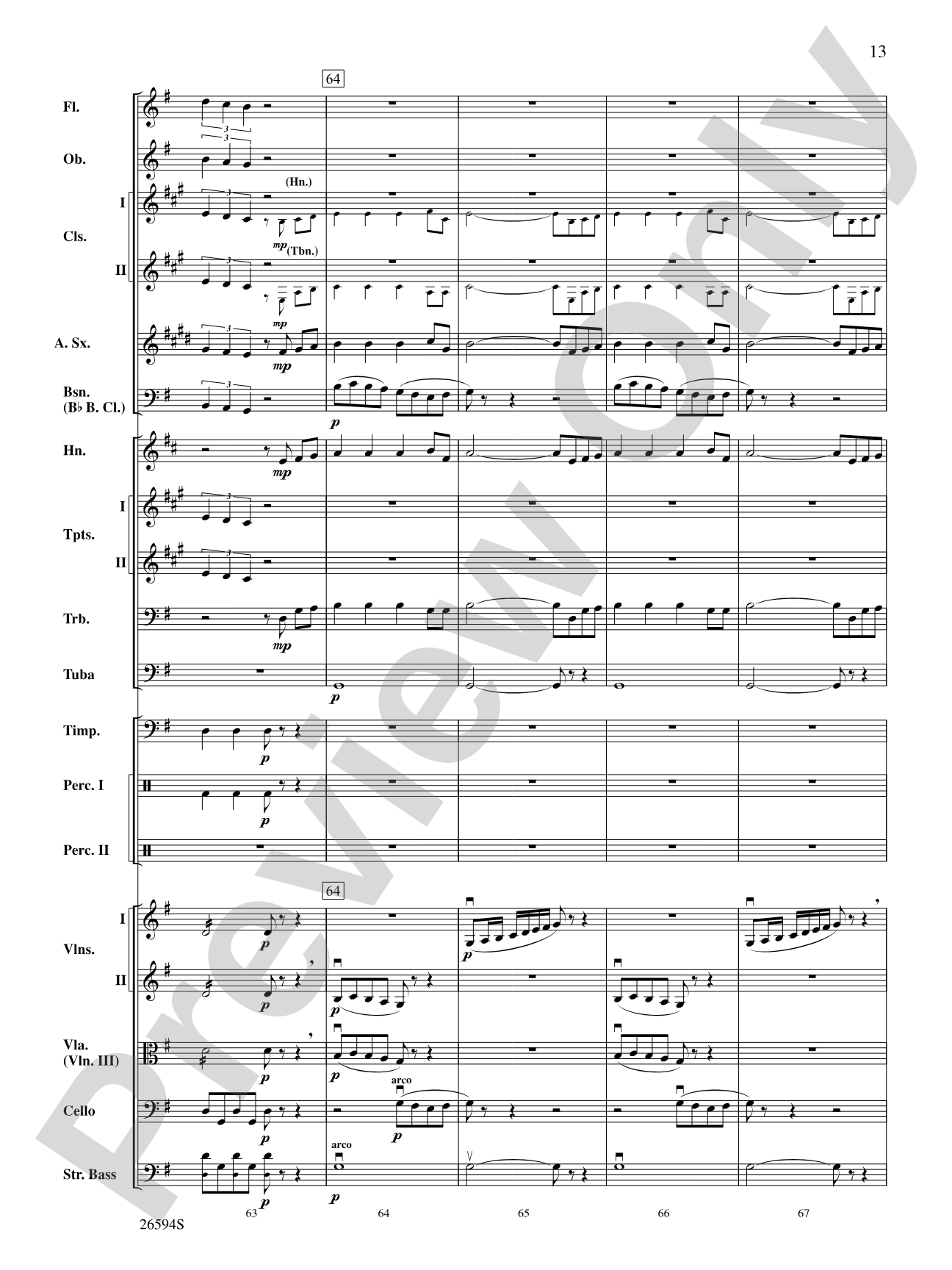
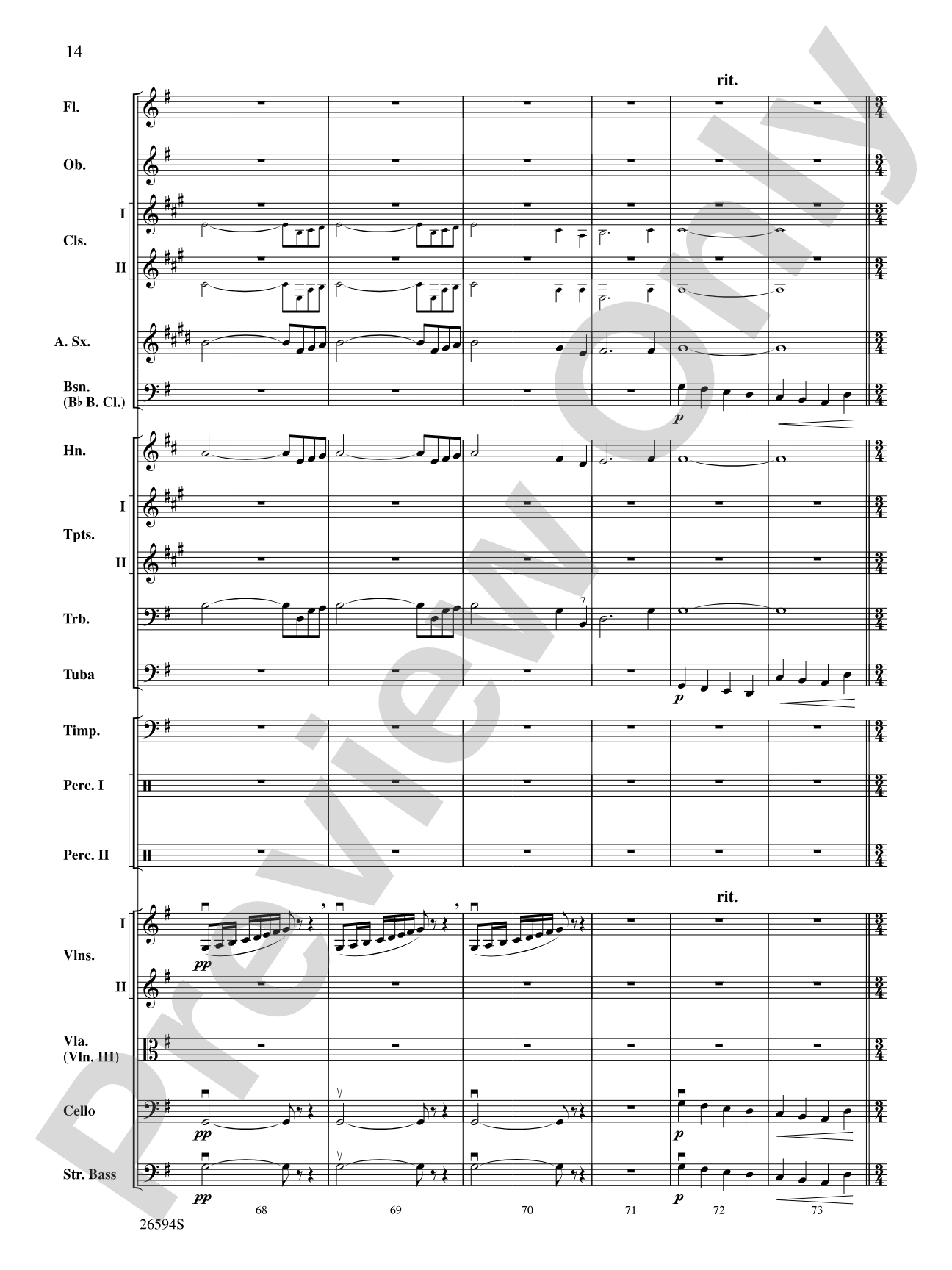
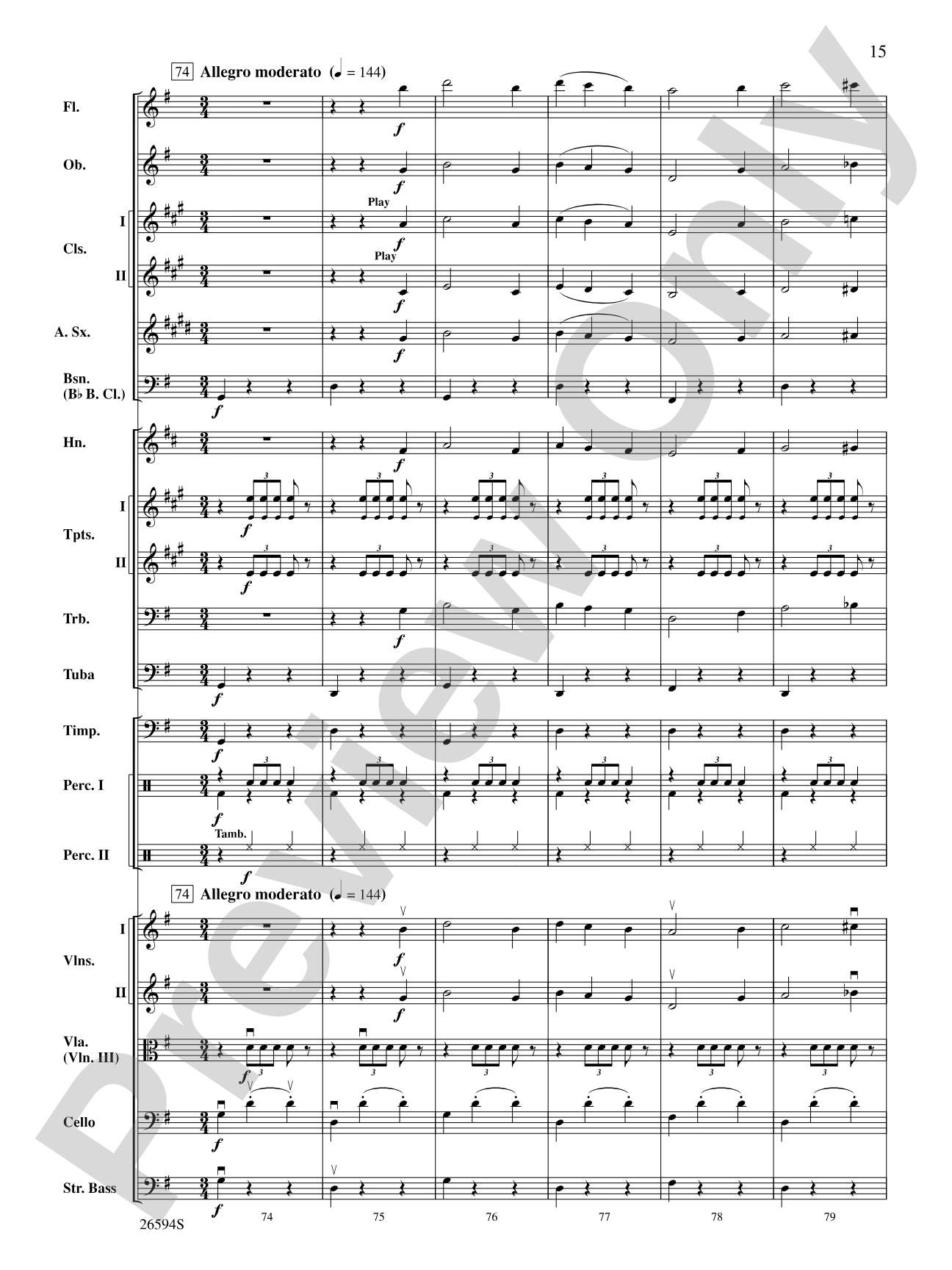
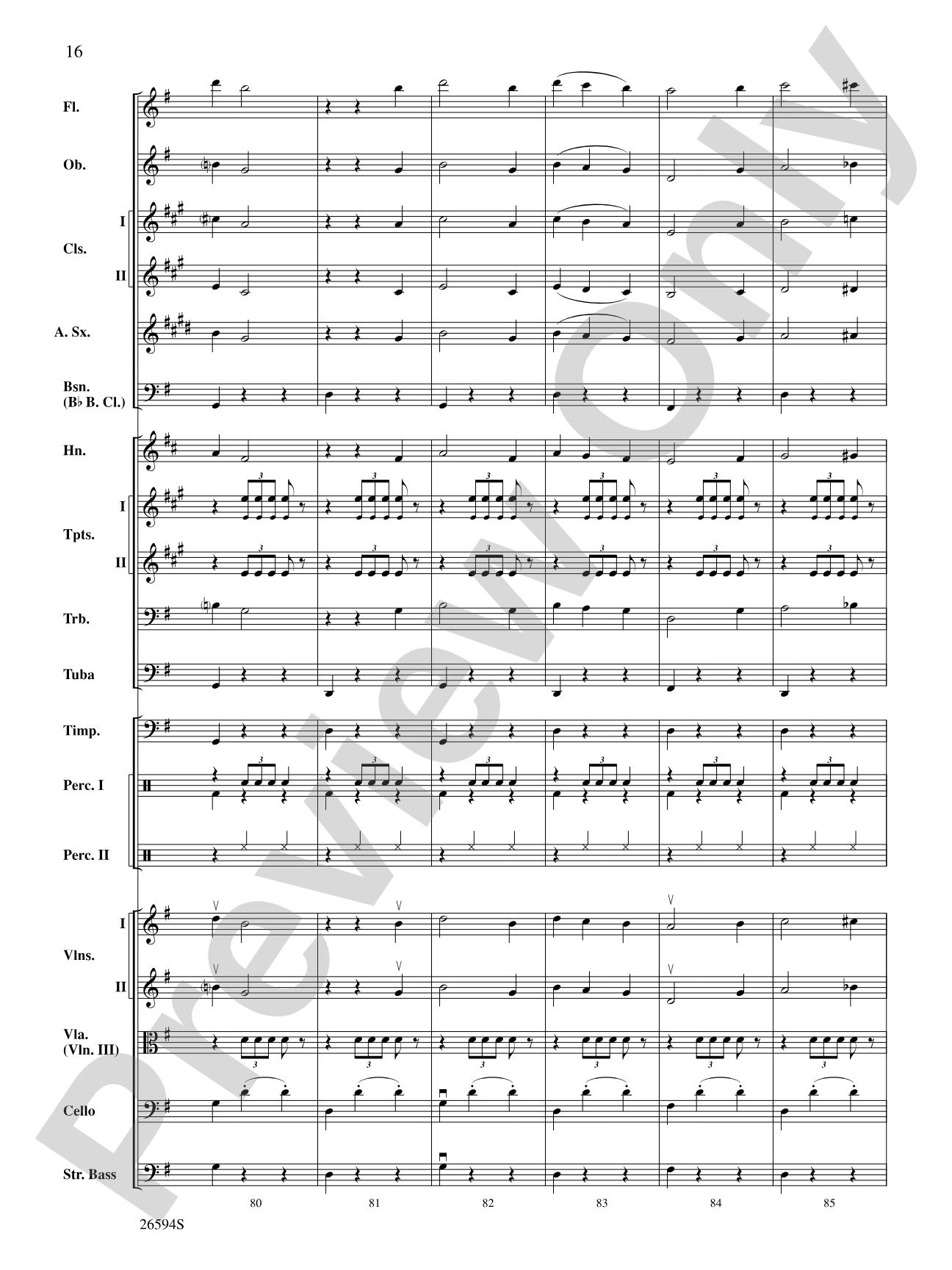
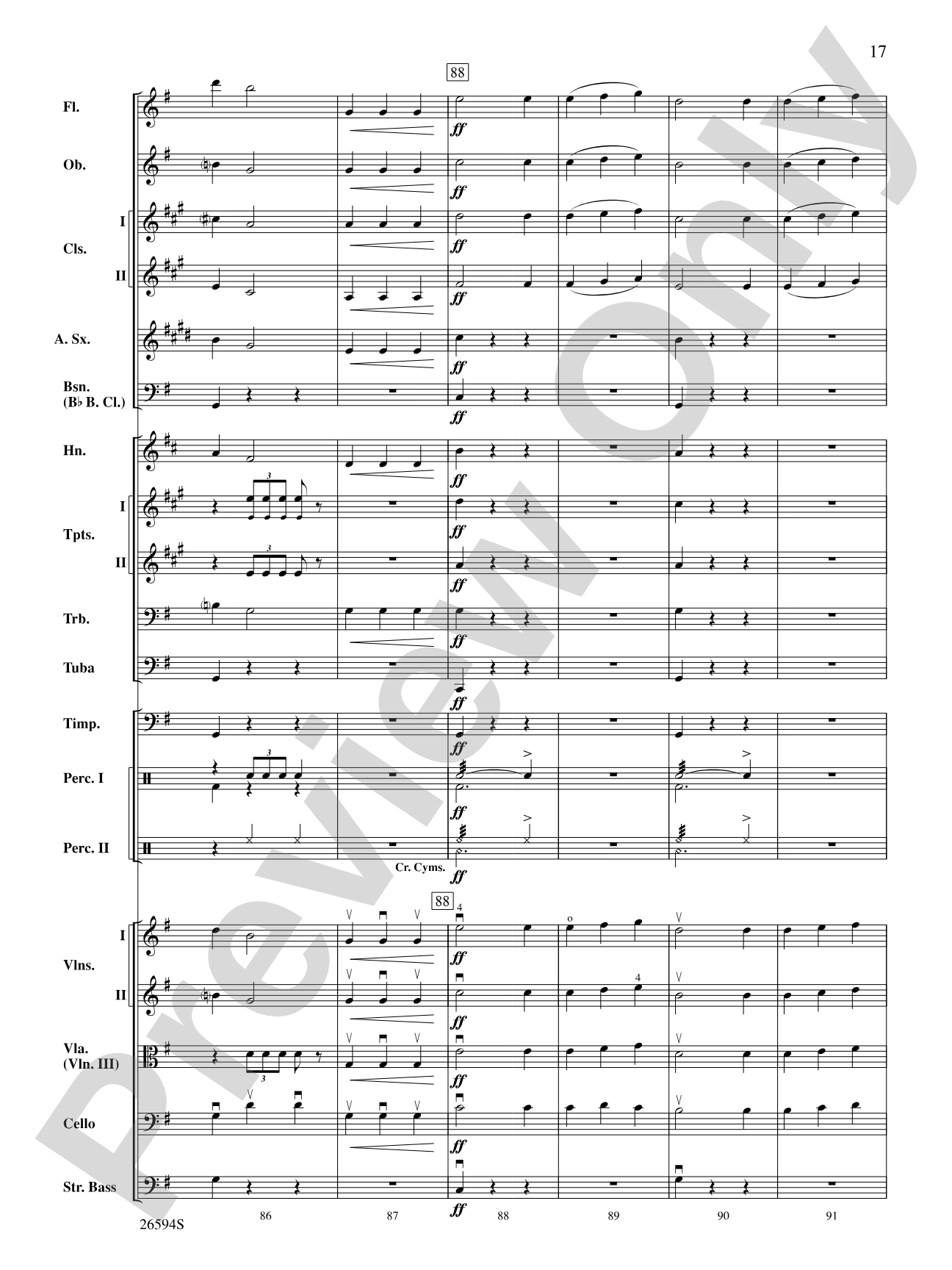
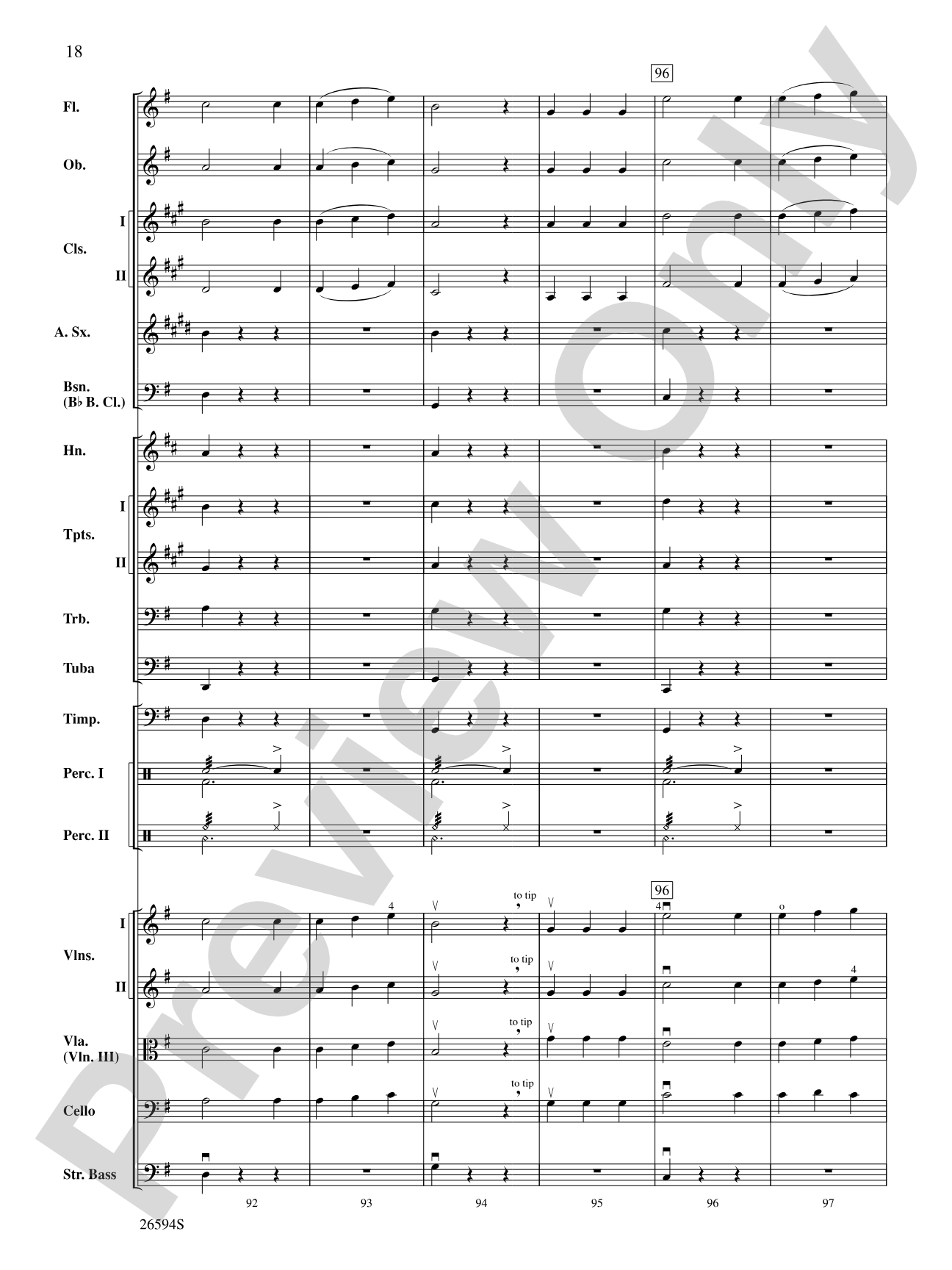
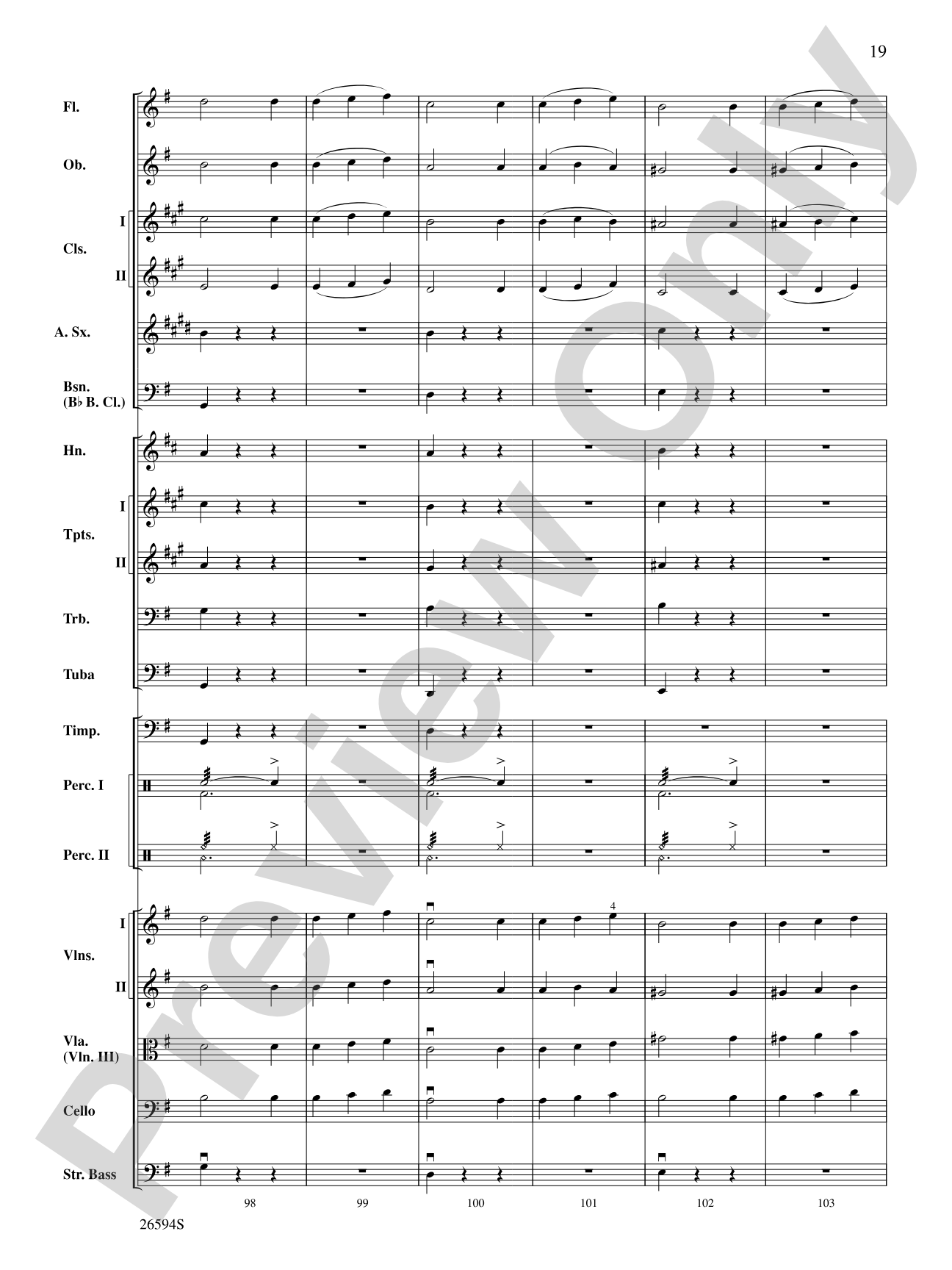
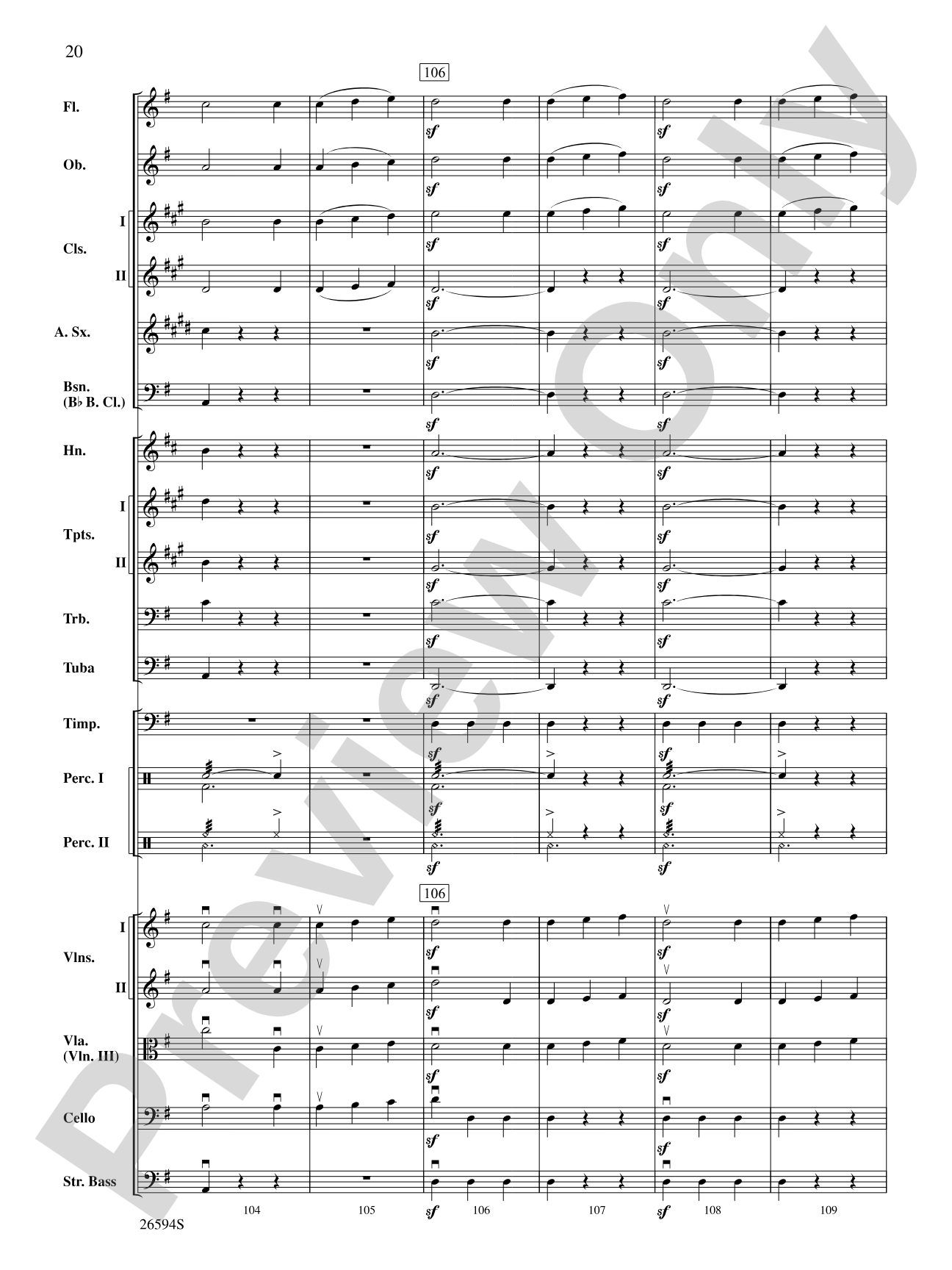



Themes from Capriccio Italien: Full Orchestra Conductor Score & Parts
By Peter Ilyich Tchaikovsky / arr. Richard Meyer
Grade: 2
Item: 00-PK-0001111

$59.00
Pickup currently not available
Buy Extra Parts (Digital PDF Download)
Parts Added to Cart!
Related Items
Capriccio Italien, Themes from: Full Orchestra Conductor Score & Parts |
$59.00
|
View |
Description
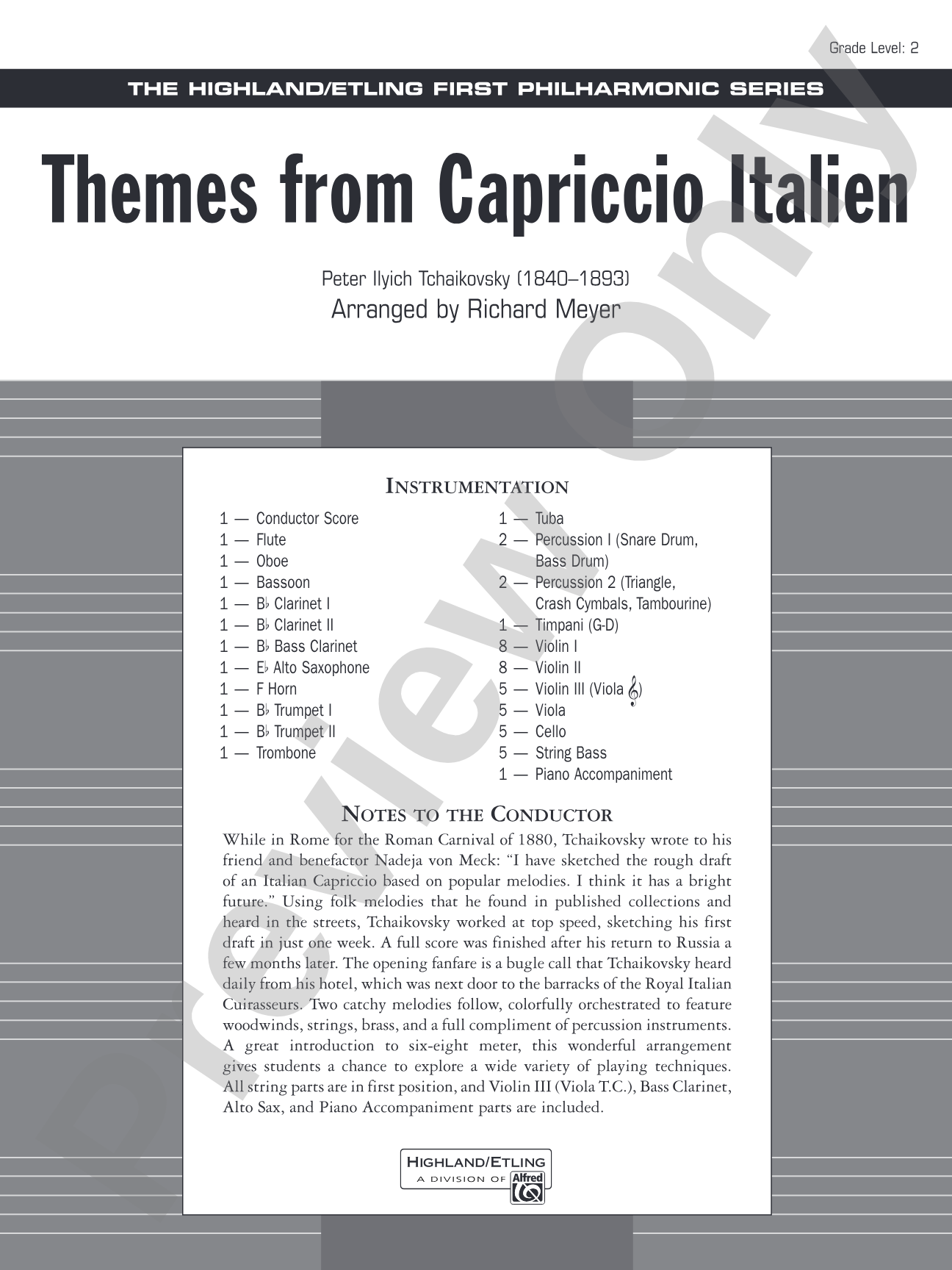
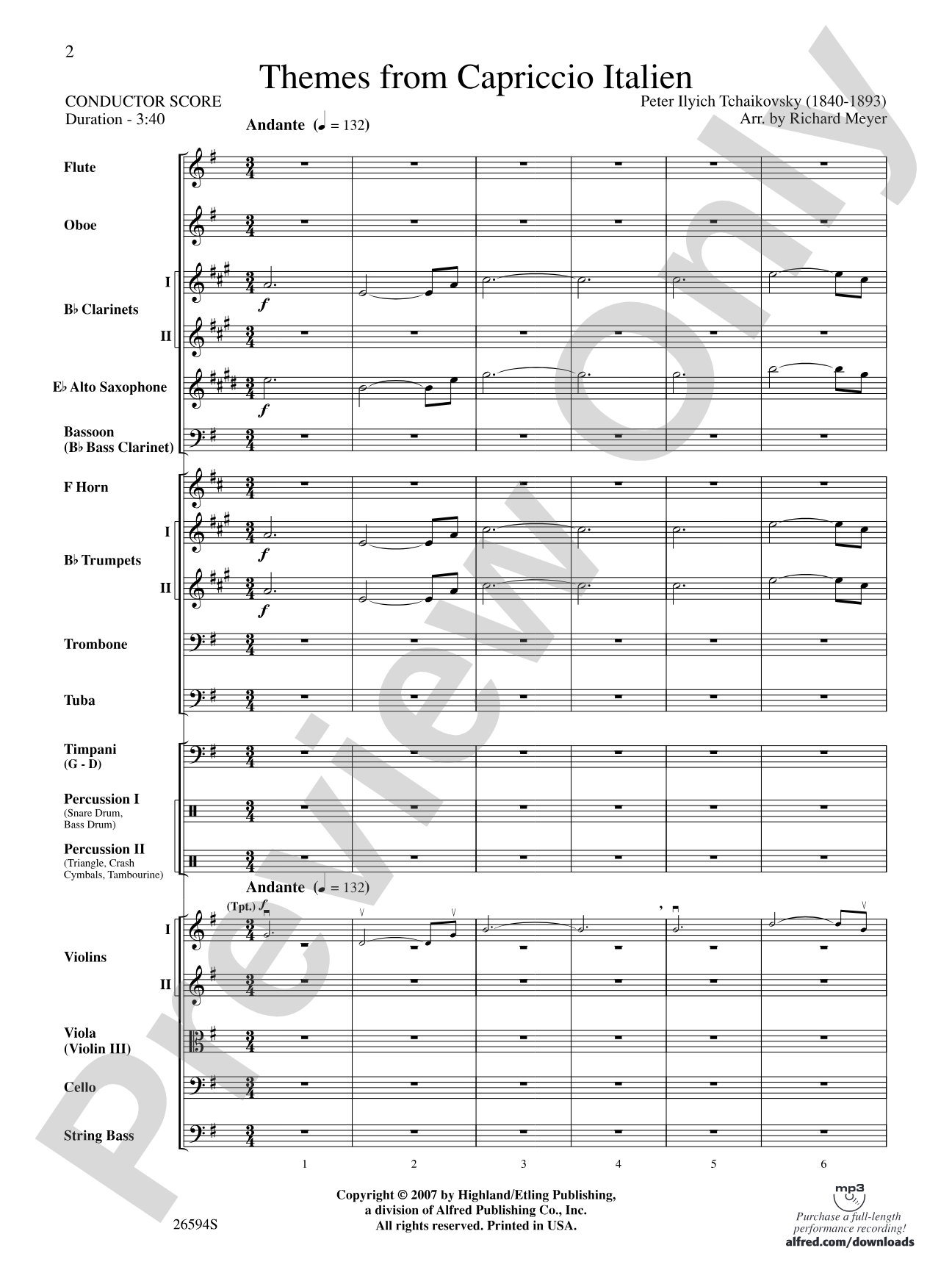
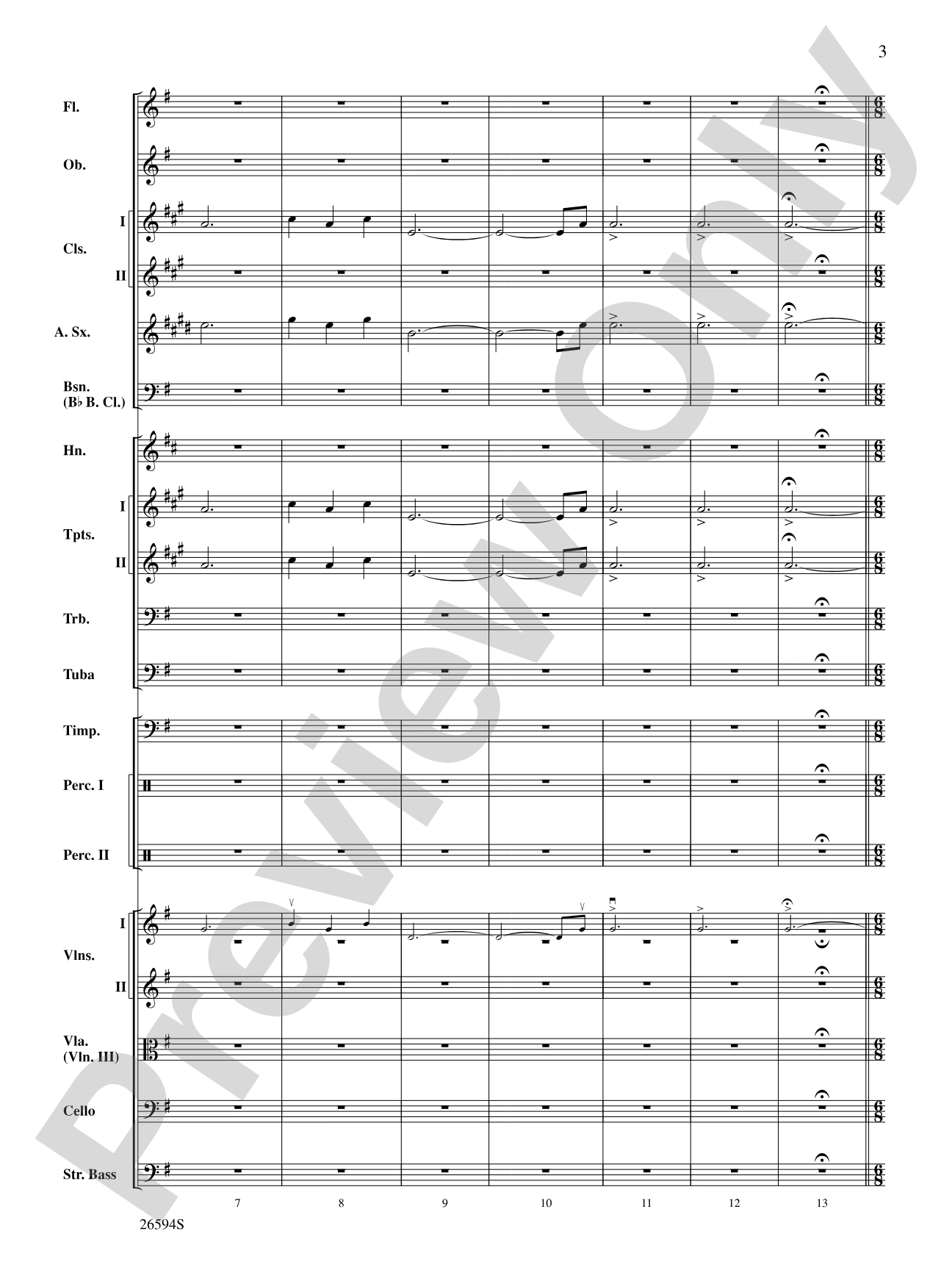
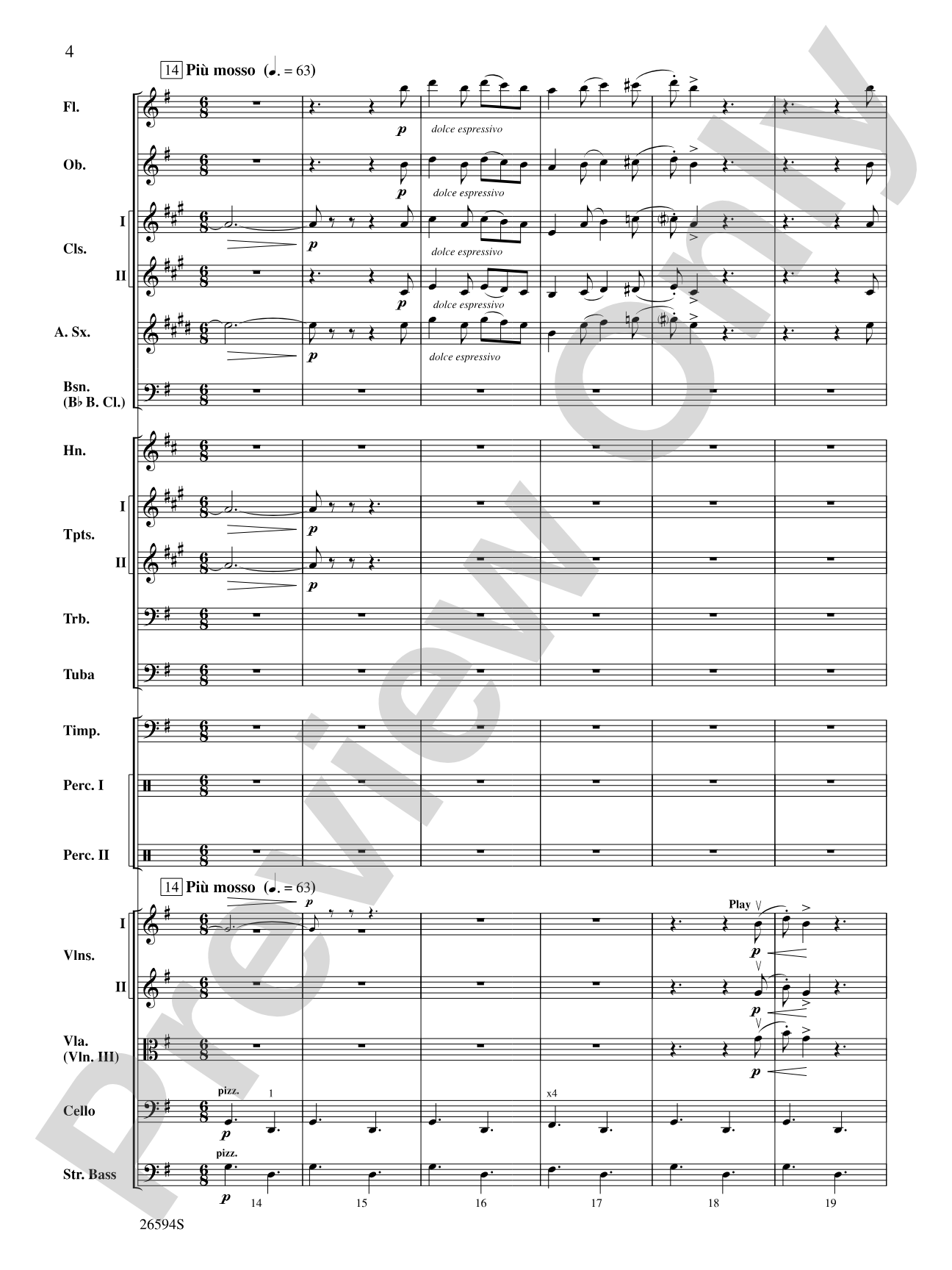
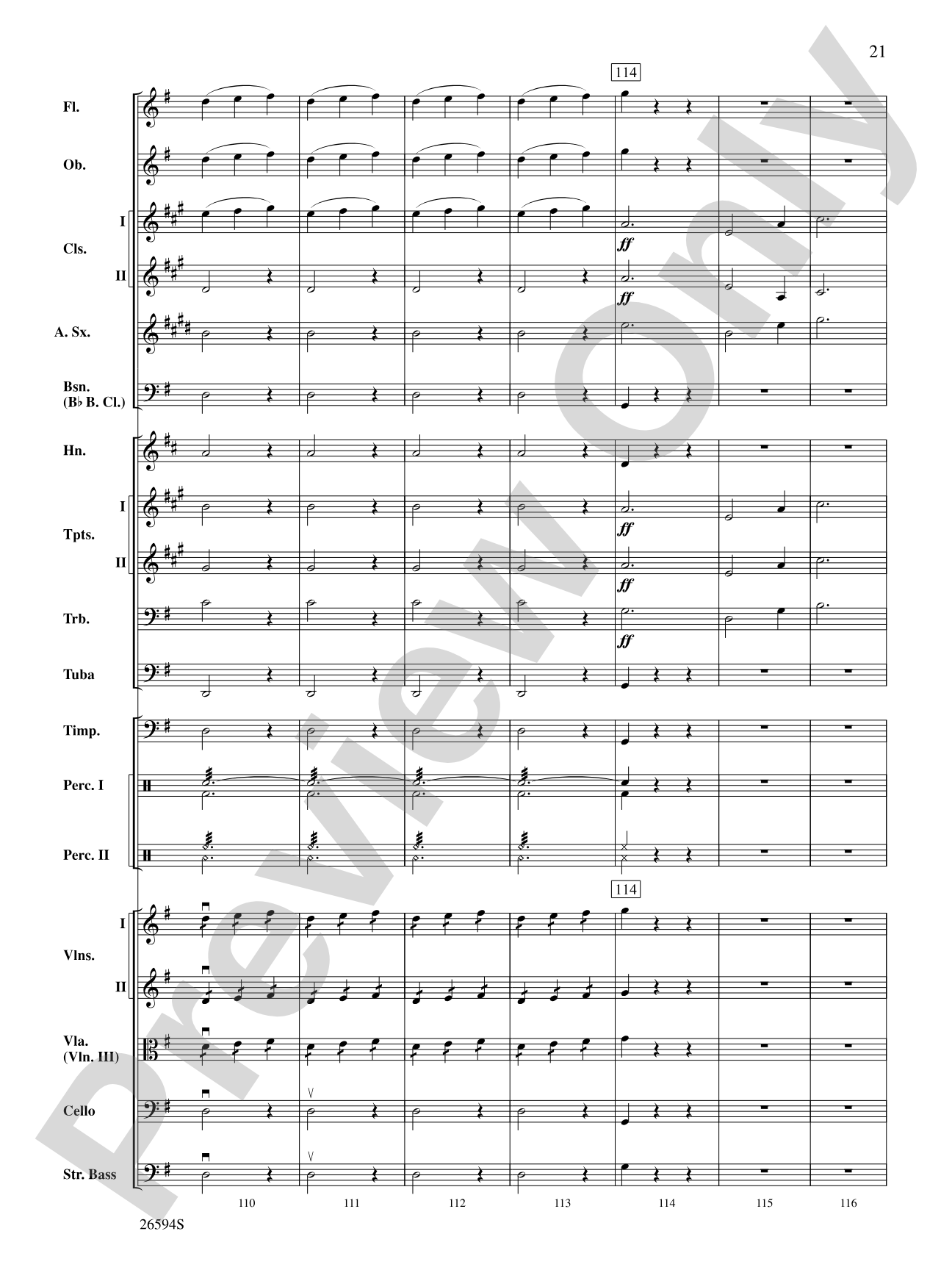
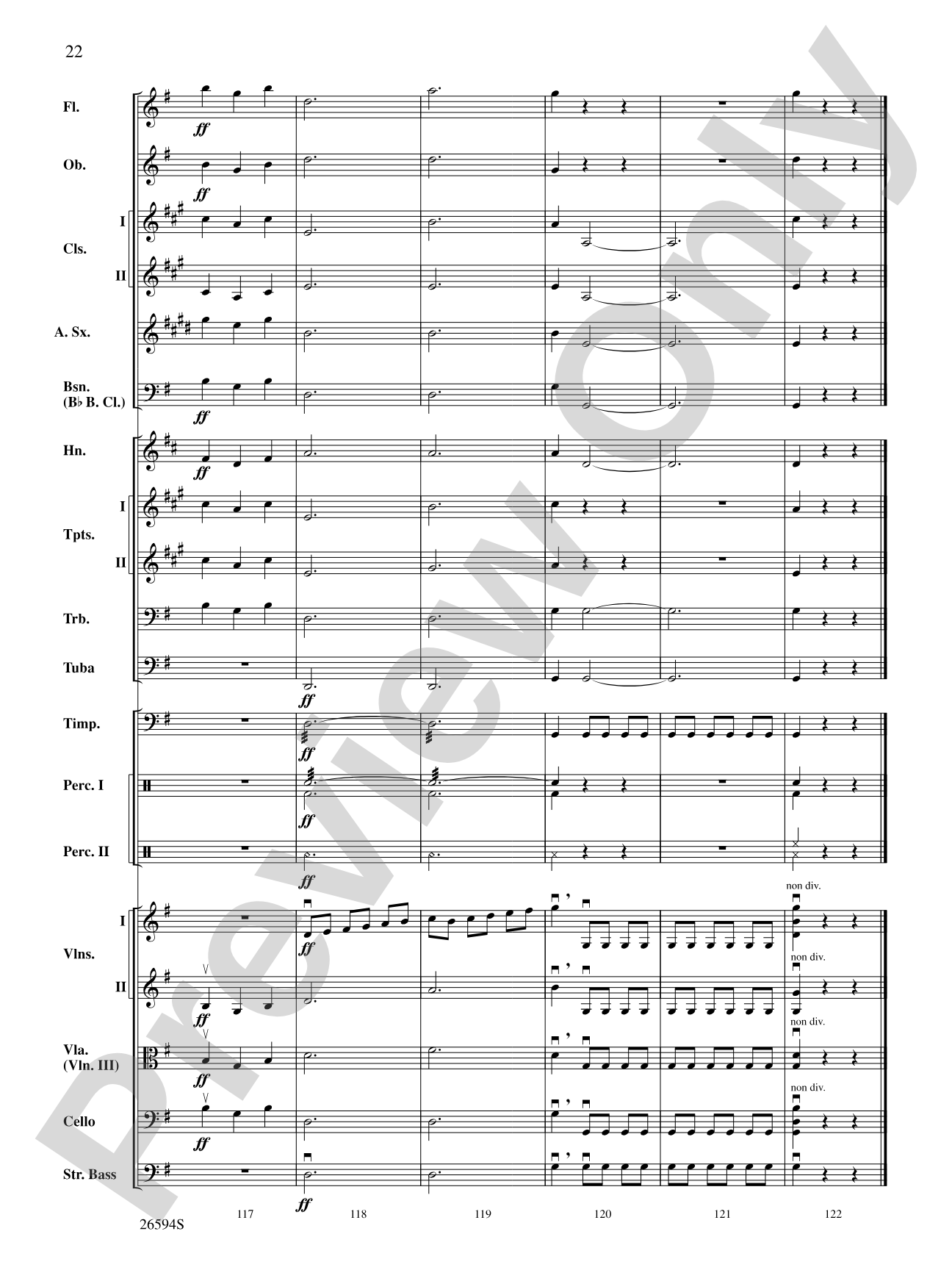
Another wonderful Meyer arrangement at the perfect level for your young orchestra, perhaps in their first full orchestra experience! A great introduction to 6/8 meter, this arrangement offers your students a chance to explore a wide variety of playing techniques. Colorfully orchestrated to feature woodwinds, strings, brass, and a full compliment of percussion instruments. All string parts are in first position. This title is available in MakeMusic Cloud.


Don't just read it, hear it, play along with it, and watch your students grow with it. In MakeMusic Cloud, Themes from Capriccio Italien: Full Orchestra Conductor Score & Parts comes alive with professional accompaniment, adjustable tempo, and built-in practice tools that turn solo practice into real progress.
Open in the Player
Jump straight in and assign it today.
Start Your Free Trial
Open this title and explore the full library in minutes.
Sample Audio
1
Audio File
--:--
0:00
0:00
Sample Video
No sample videos found.
Additional Details
Series:
Highland/Etling First Philharmonic
Publisher:
Alfred Music
Page Count:
104
SKU:
00-PK-0001111
More about this title
About the Composer: Peter Ilyich Tchaikovsky
Tchaikovsky (1840-1893) stands as one of the most performed composers in the orchestral repertoire, celebrated for his gift for memorable melody and his mastery of orchestration. His works span symphonies, concertos, ballets, and overtures; in the concert hall, his music remains a staple of both professional and educational orchestras worldwide.
Why we love this
Richard Meyer's arrangement preserves the brilliant orchestral colors and infectious energy of Tchaikovsky's original while making it genuinely playable for young orchestras encountering the full ensemble for the first time. The Grade 2 difficulty level, combined with Meyer's strategic writing for woodwinds, strings, and percussion, gives every section meaningful material without overwhelming inexperienced players.
What to expect
Themes from Capriccio Italien sparkles with Tchaikovsky's love of Italian folk melody and character. The arrangement captures the spirited, dance-like quality of the original, with bright orchestral color, energetic rhythmic drive, and moments of lyric warmth that make students feel they're playing genuine concert music.
Who it's for
Young orchestras and beginning full orchestra programs will find this arrangement an ideal entry point into the standard repertoire. Conductors leading Grade 2 orchestras seeking material that sounds impressive, teaches essential techniques, and builds student confidence will appreciate Meyer's skill at matching level to educational value.
How to get the most out of it
- Establish a steady pulse in 6/8 before rehearsal; use conducting patterns that divide the measure into two clear beats rather than six to help students lock into Tchaikovsky's characteristic rhythmic momentum.
- Balance the woodwind and string features carefully during tutti sections. Meyer's orchestration gives both families prominent melodic moments; make sure inner parts don't disappear when doubling occurs.
- Attend to the percussion scoring throughout. The full complement called for in this arrangement adds color and definition; work the rhythm section as carefully as you would the melodic voices.
- Take advantage of first-position string writing to keep intonation solid. This constraint is a feature, not a limitation; it lets students focus on tone, rhythm, and musical line.
How to use it
This work fits naturally into a young orchestra's first concert or festival appearance, offering enough sophistication to engage an audience while remaining achievable on the rehearsal schedule. Its Romantic-era appeal and approachable Grade 2 level also make it a strong selection when programming educational concerts that mix classics with contemporary works.
Skills your students will build
- Reading and maintaining 6/8 meter
- Playing as a unified full orchestra with balanced ensemble sound
- Reading first-position string parts with secure intonation
- Executing a wide variety of articulations and playing techniques
- Responding to woodwind and brass feature passages while supporting from other sections