
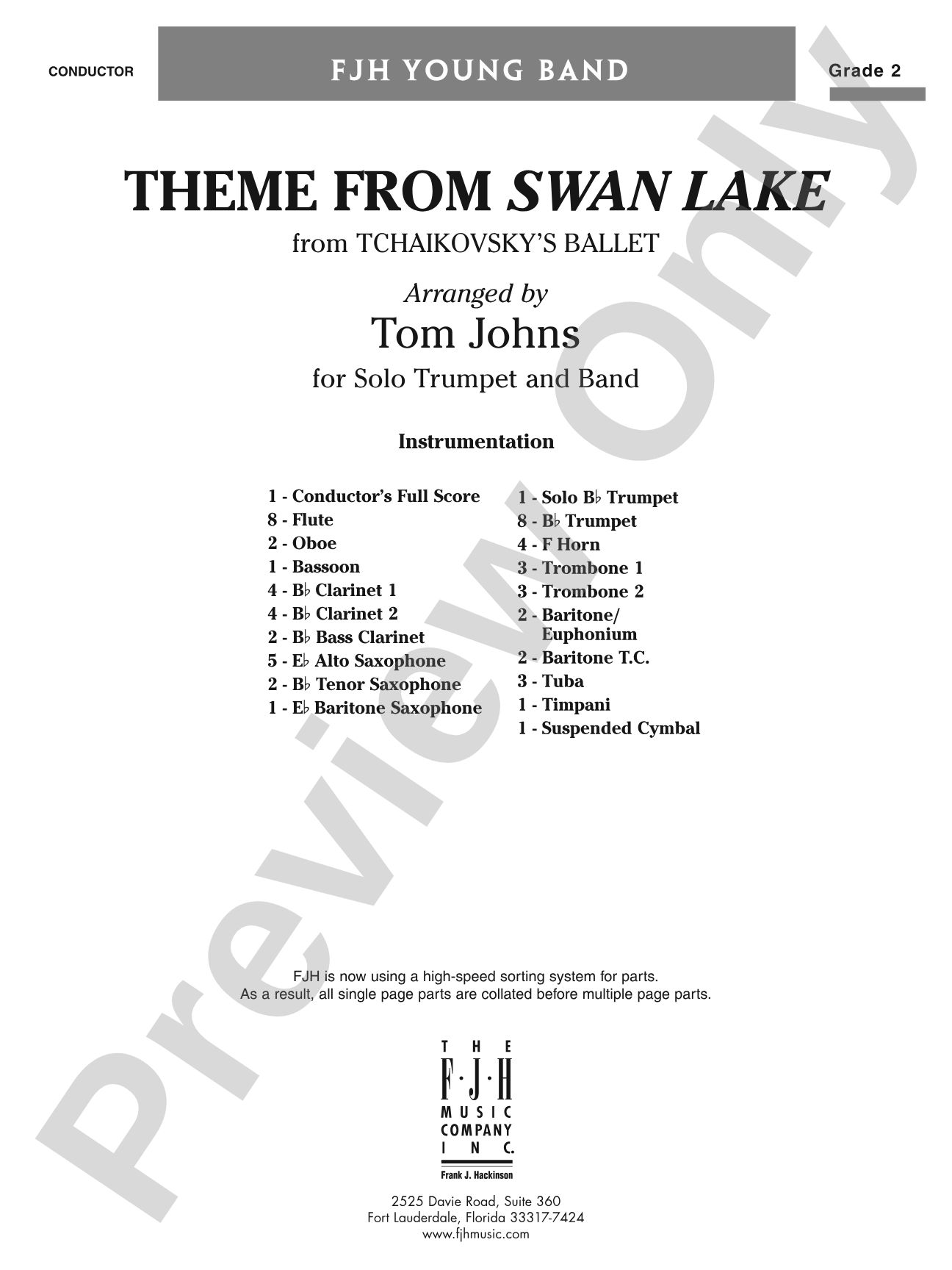
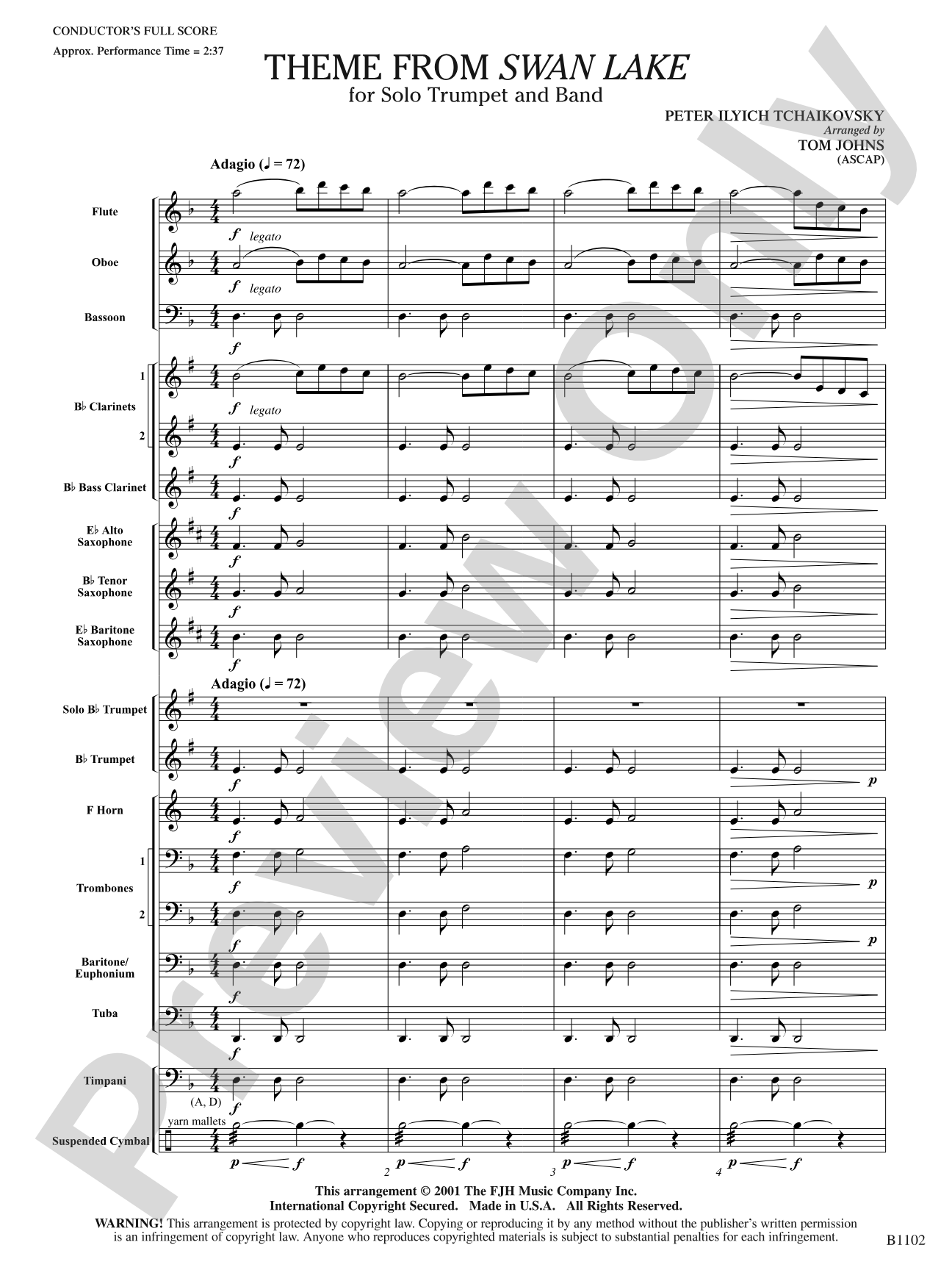
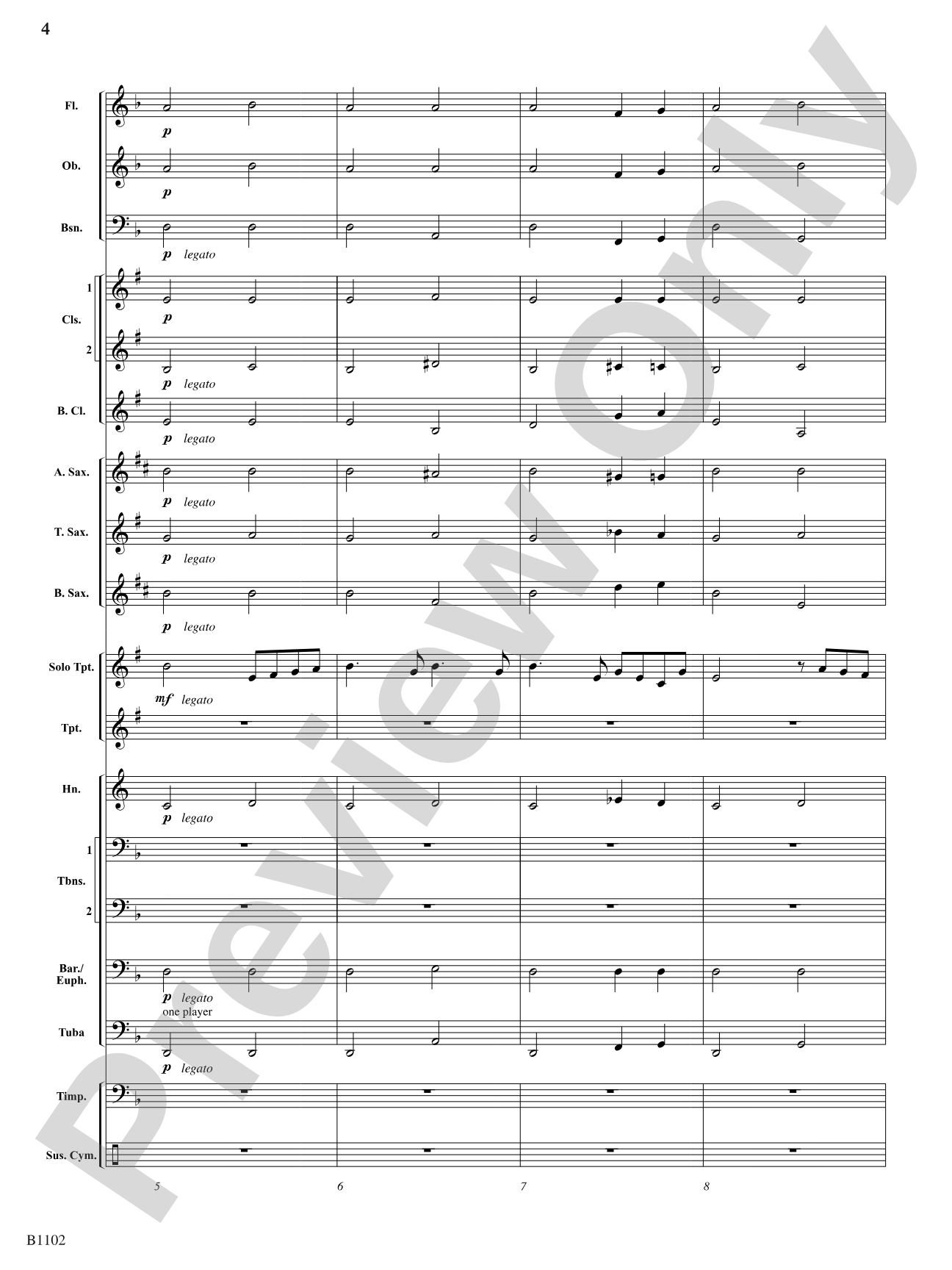
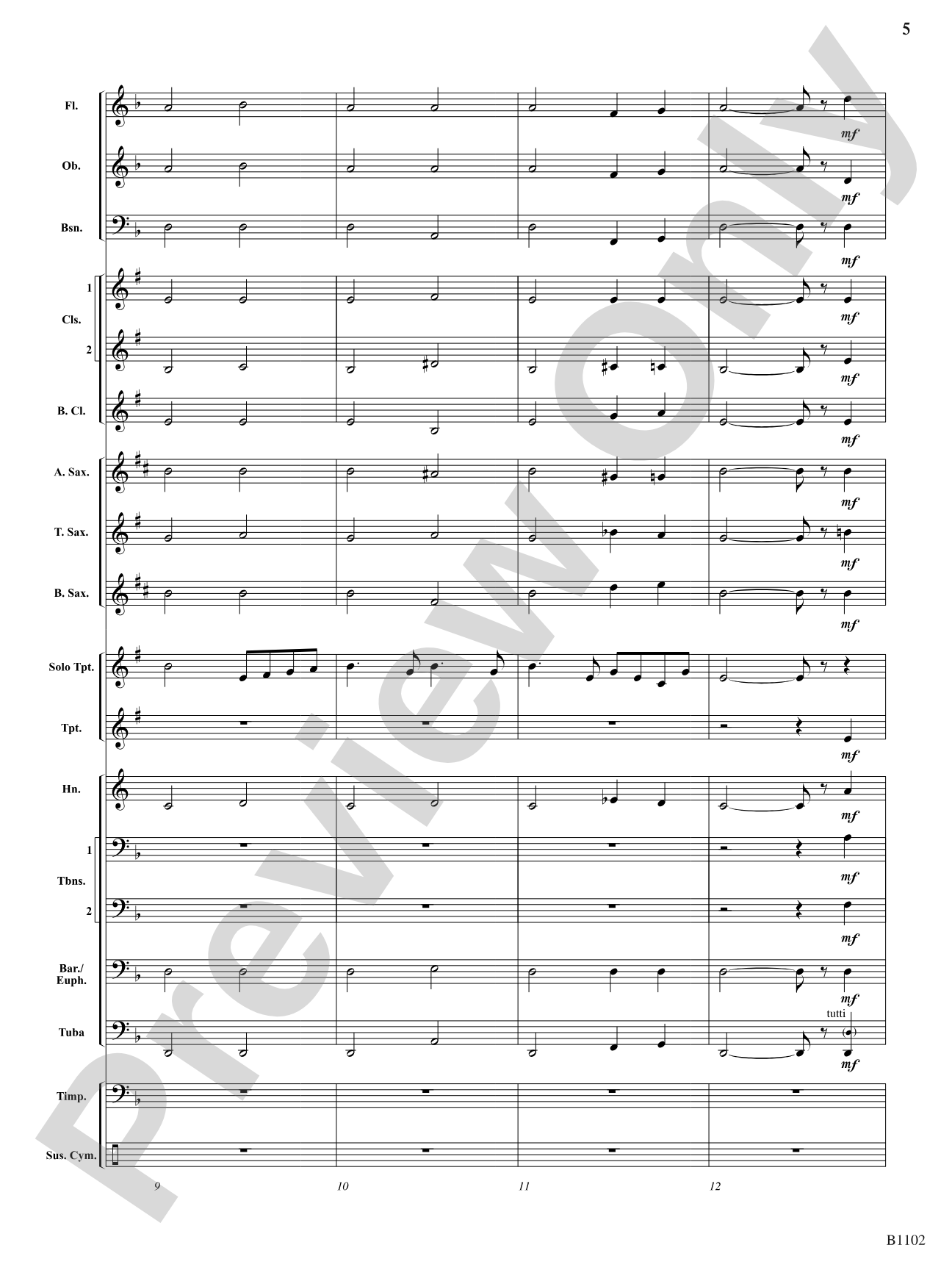
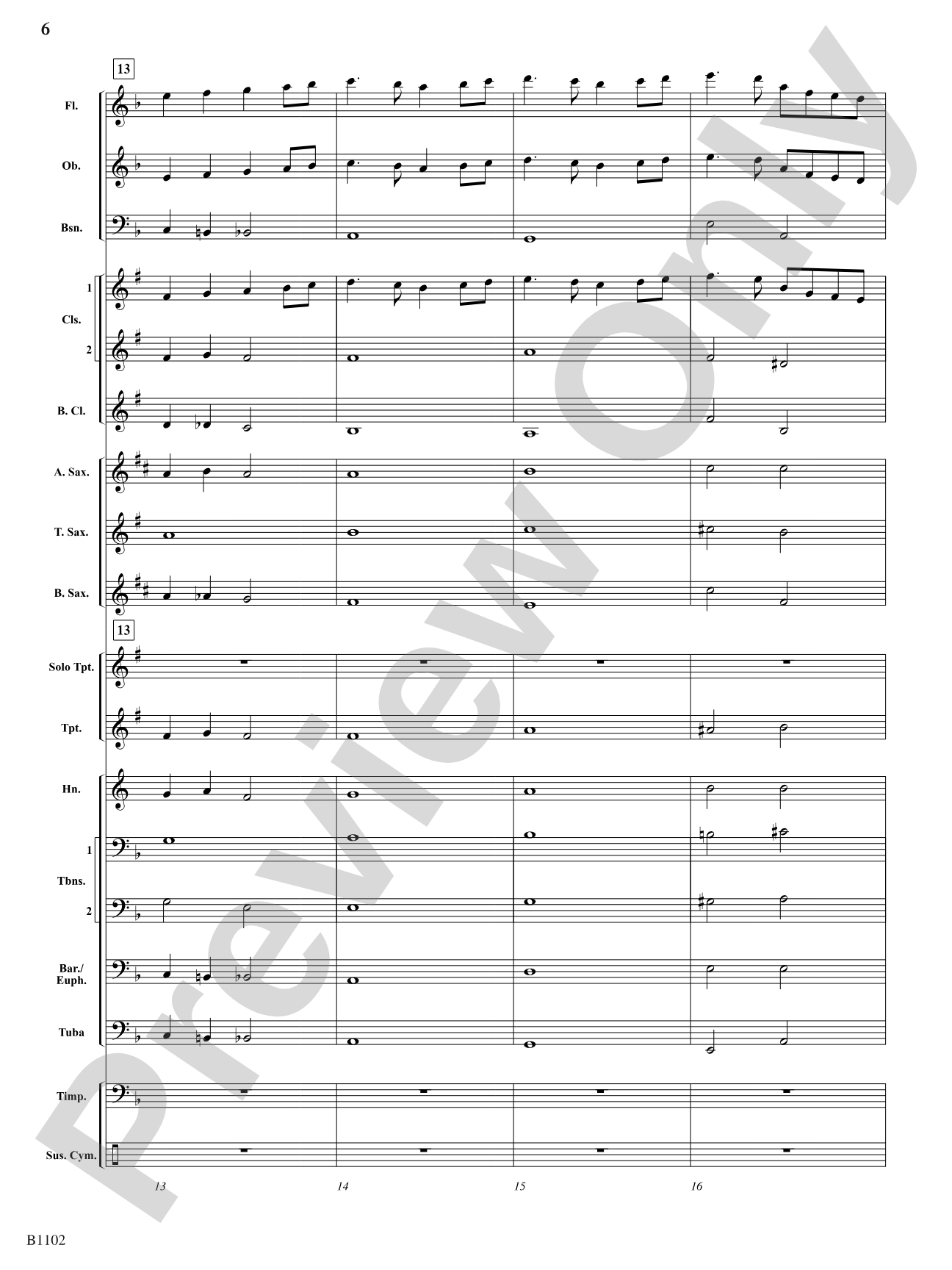
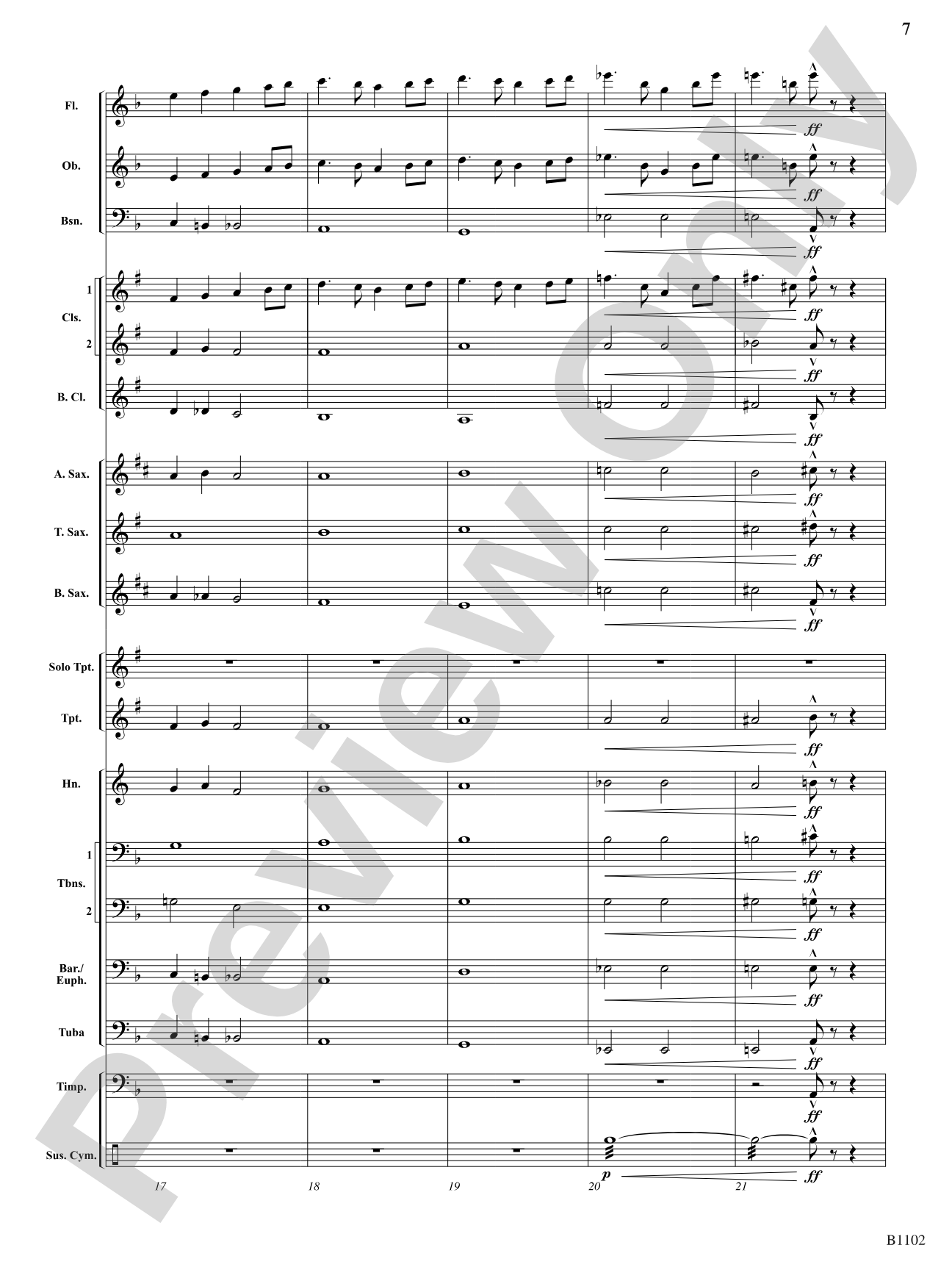
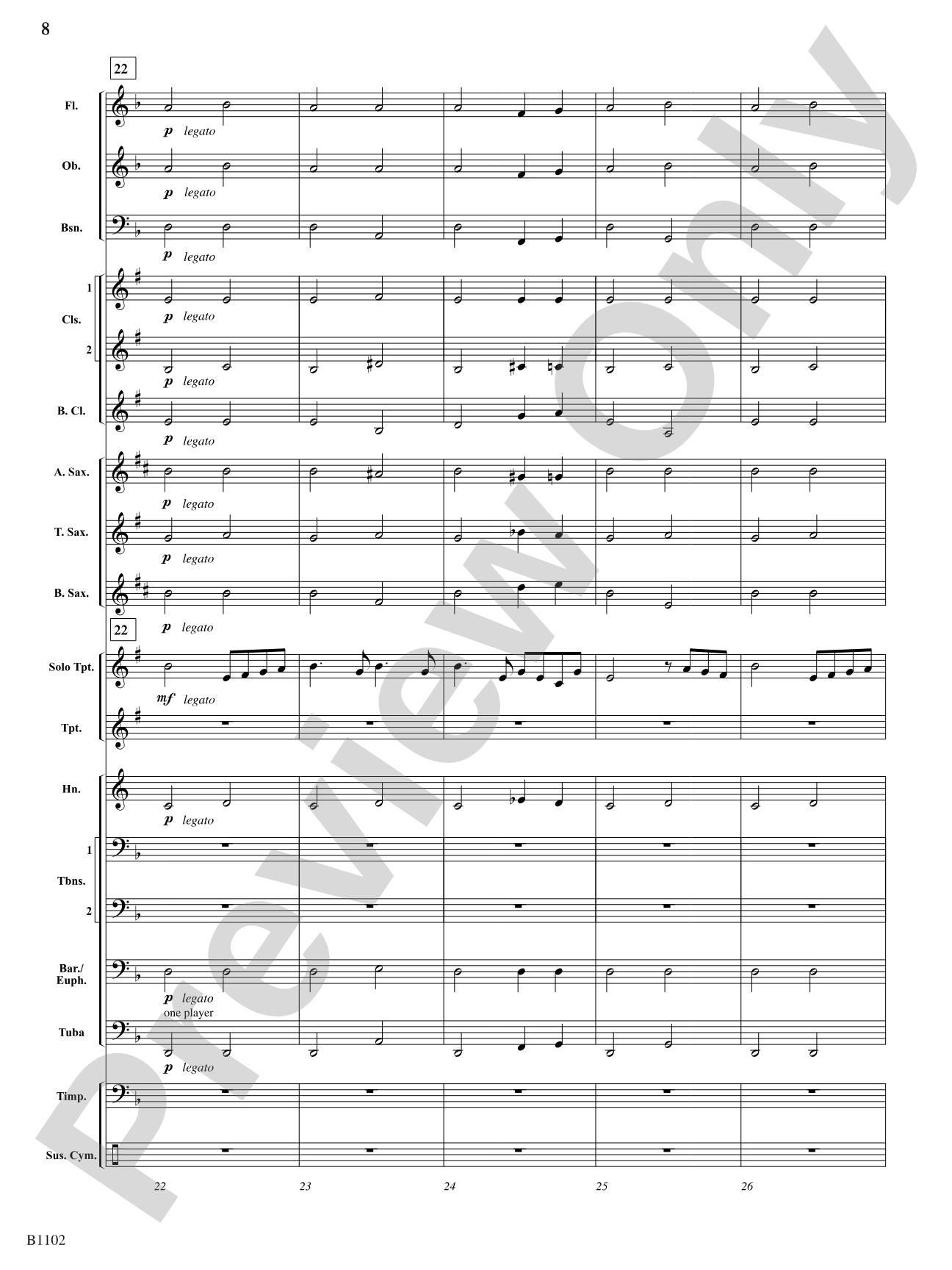
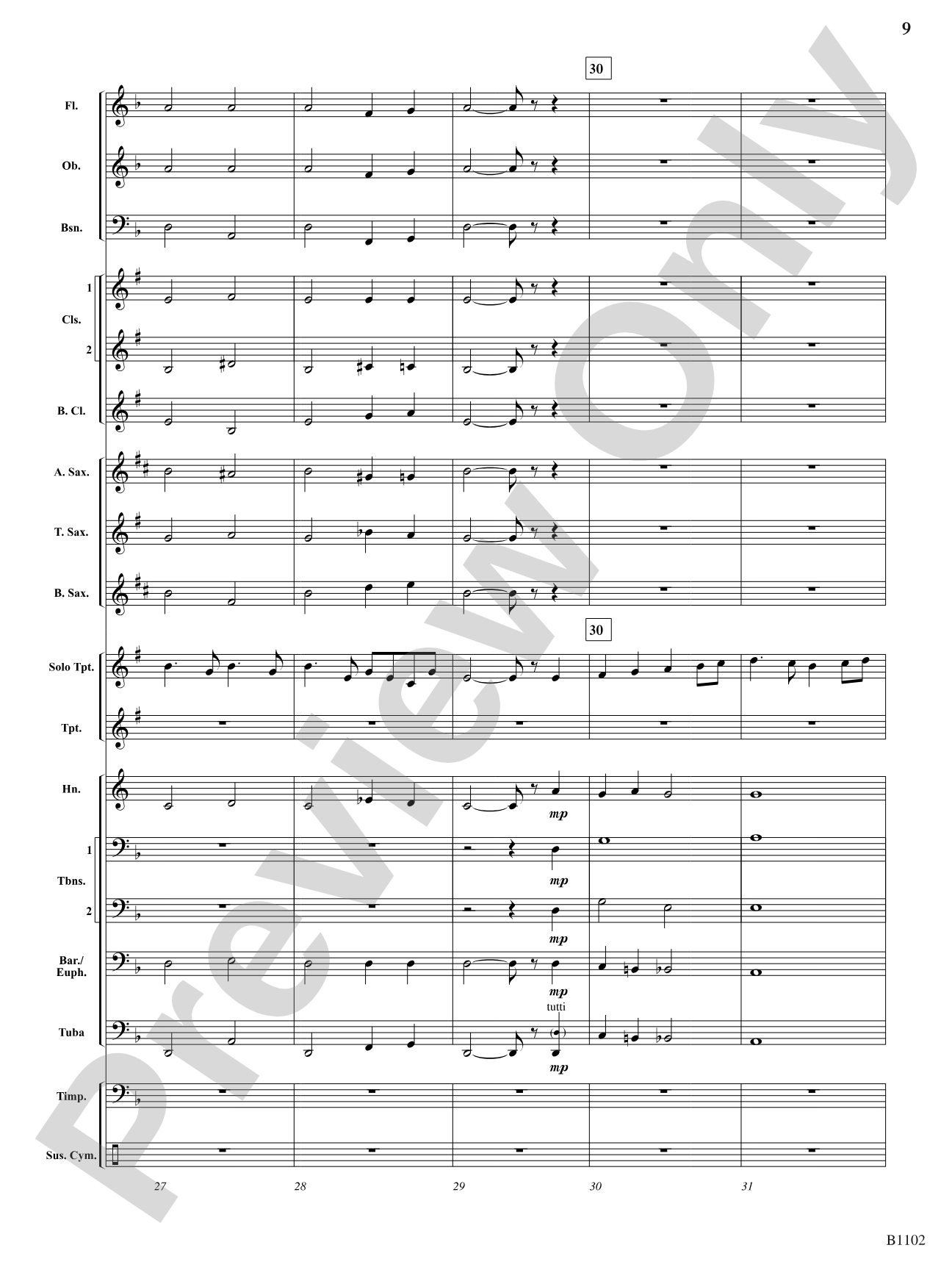
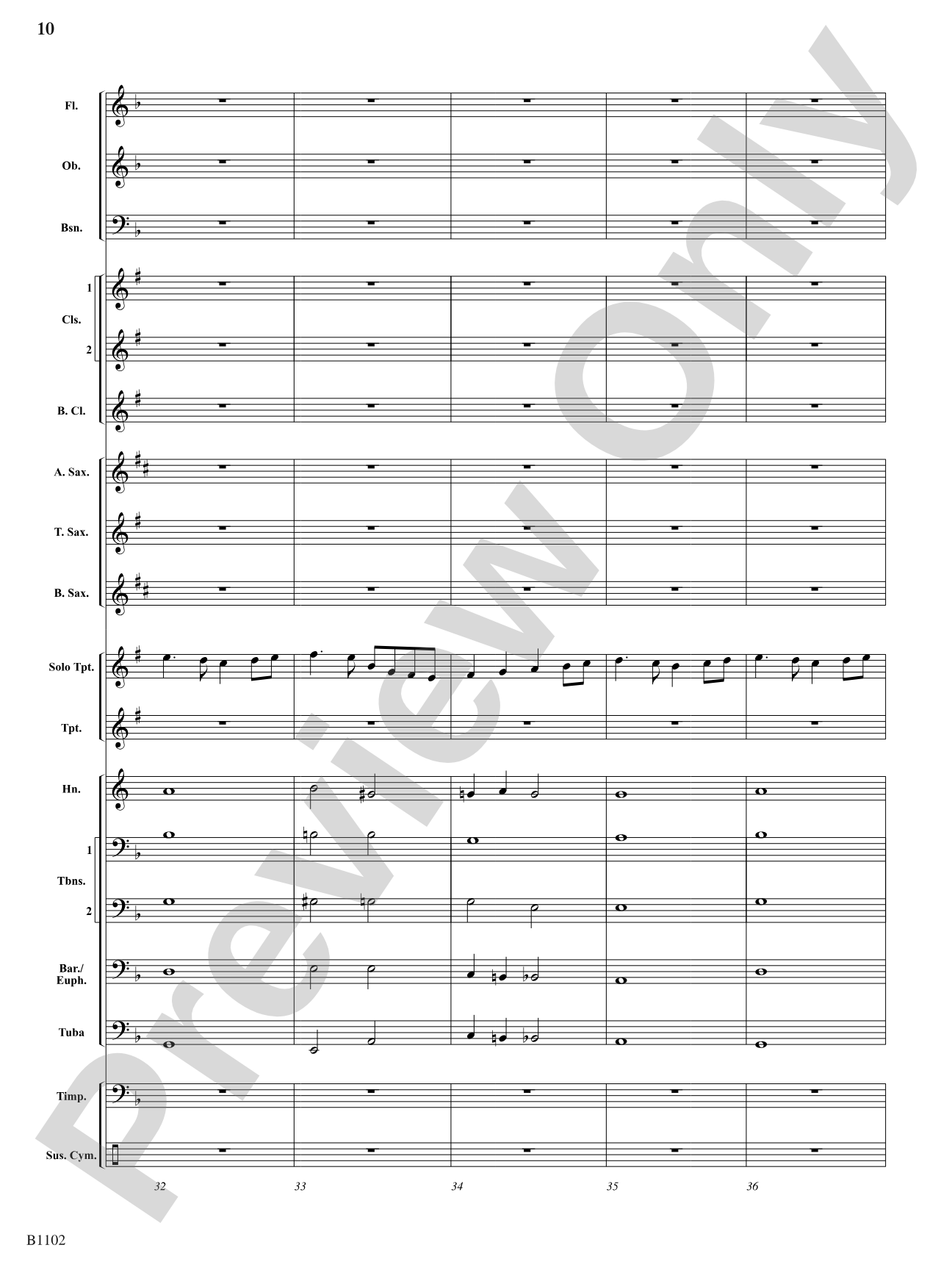
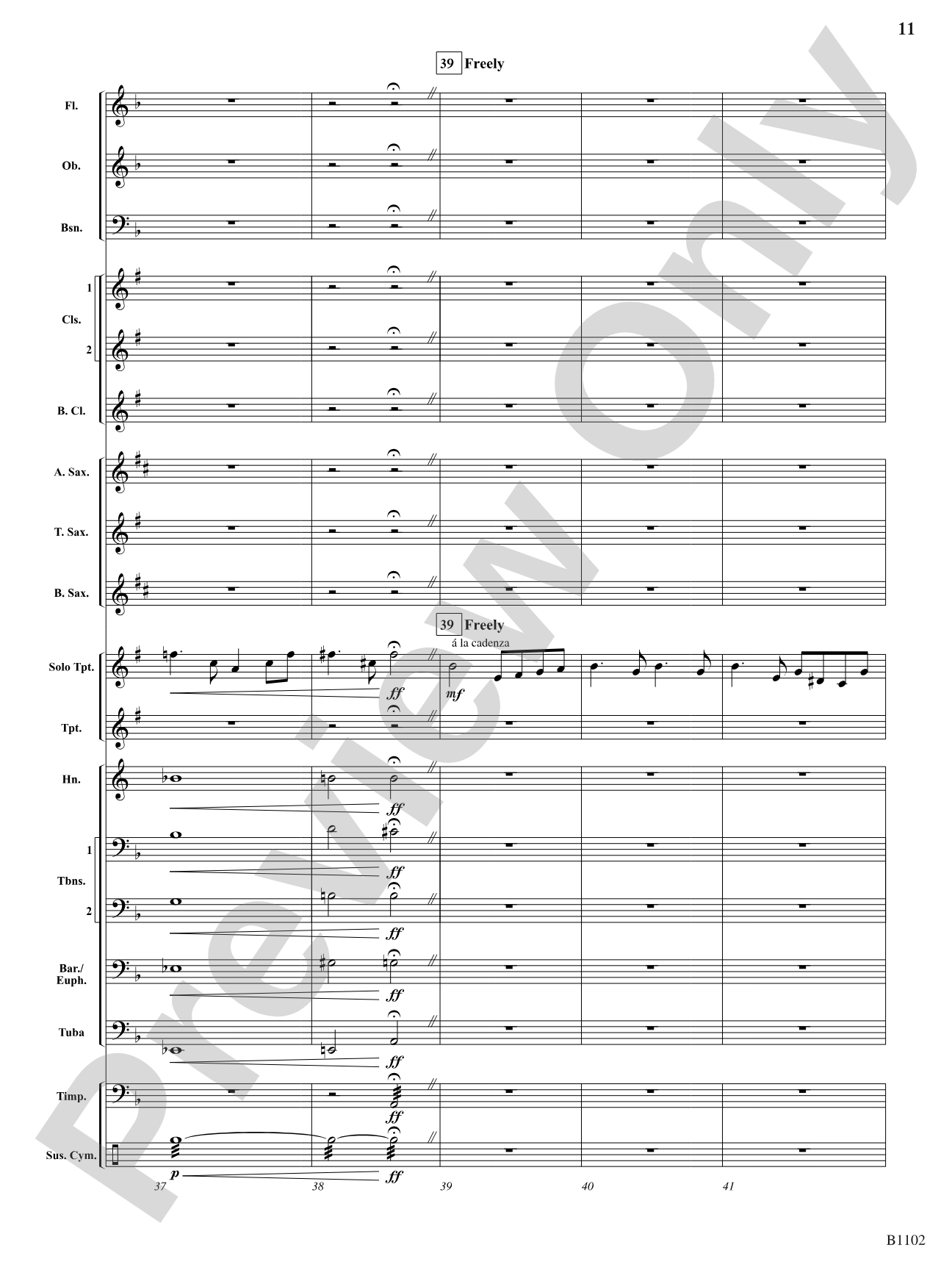
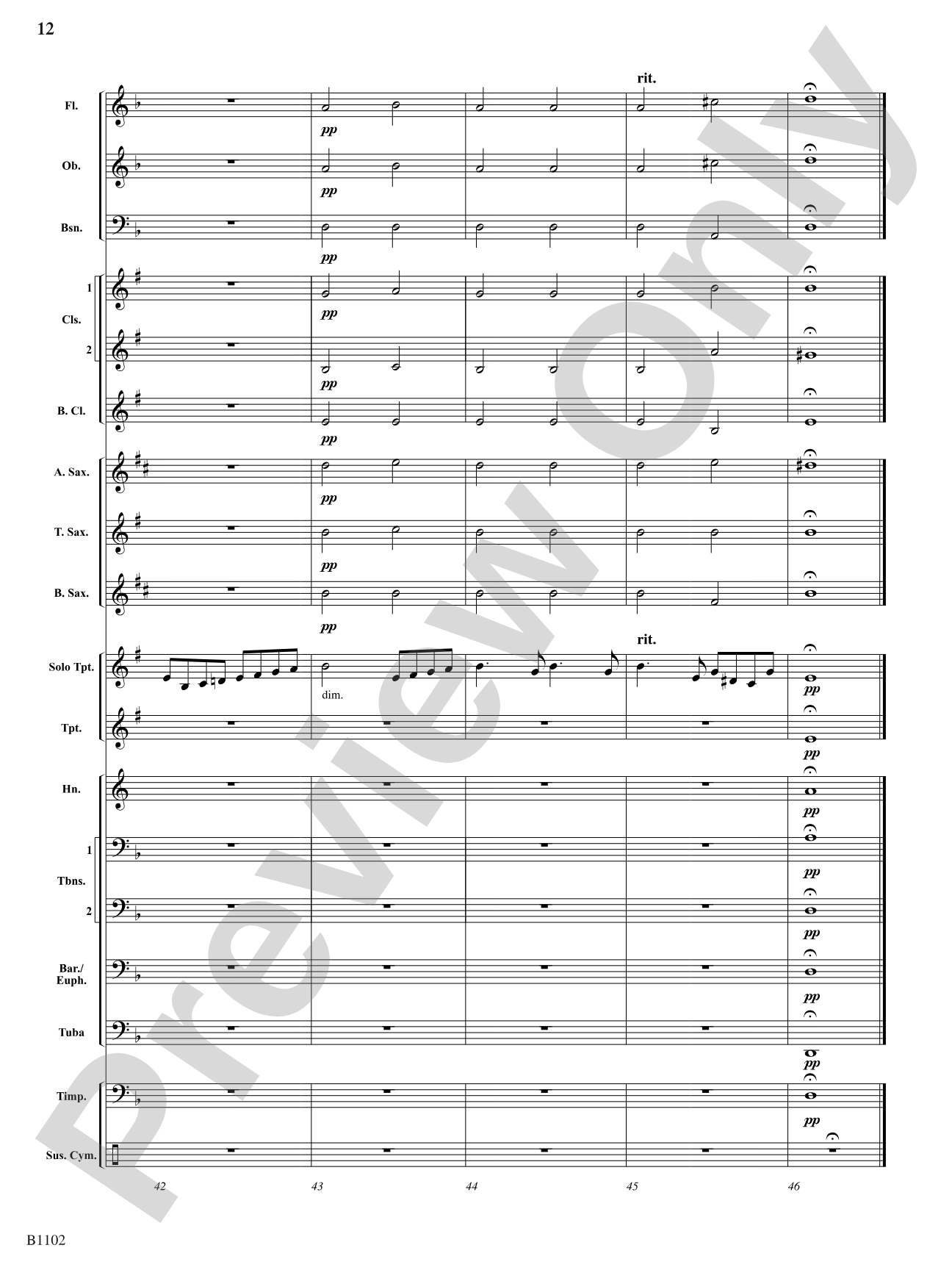

Theme from Swan Lake: Score
By Peter Ilyich Tchaikovsky / arr. Tom Johns
Grade: 2
Item: 98-DB1102S
$5.00
Pickup currently not available
Description
Featuring a trumpet solo, this famous Tchaikovsky ballet theme will be a familiar addition to your program. Both young players and audiences will appreciate this unusually fine setting of this classic melody. (2:40)


Theme from Swan Lake: Score isn't in MakeMusic Cloud just yet...but it could be. Let us know you'd like to see it, and you'll help shape what comes next. In the meantime, start a free trial and dive into thousands of interactive titles your students can play along with today.
Request This Title
Tell us you want it.
Start Your Free Trial
Explore everything that's ready to play right now.
Sample Audio
1
Audio File
--:--
0:00
0:00
Sample Video
No sample videos found.
Additional Details
Series:
FJH Young Band
Publisher:
The FJH Music Company, Inc.
SKU:
98-DB1102S
More about this title
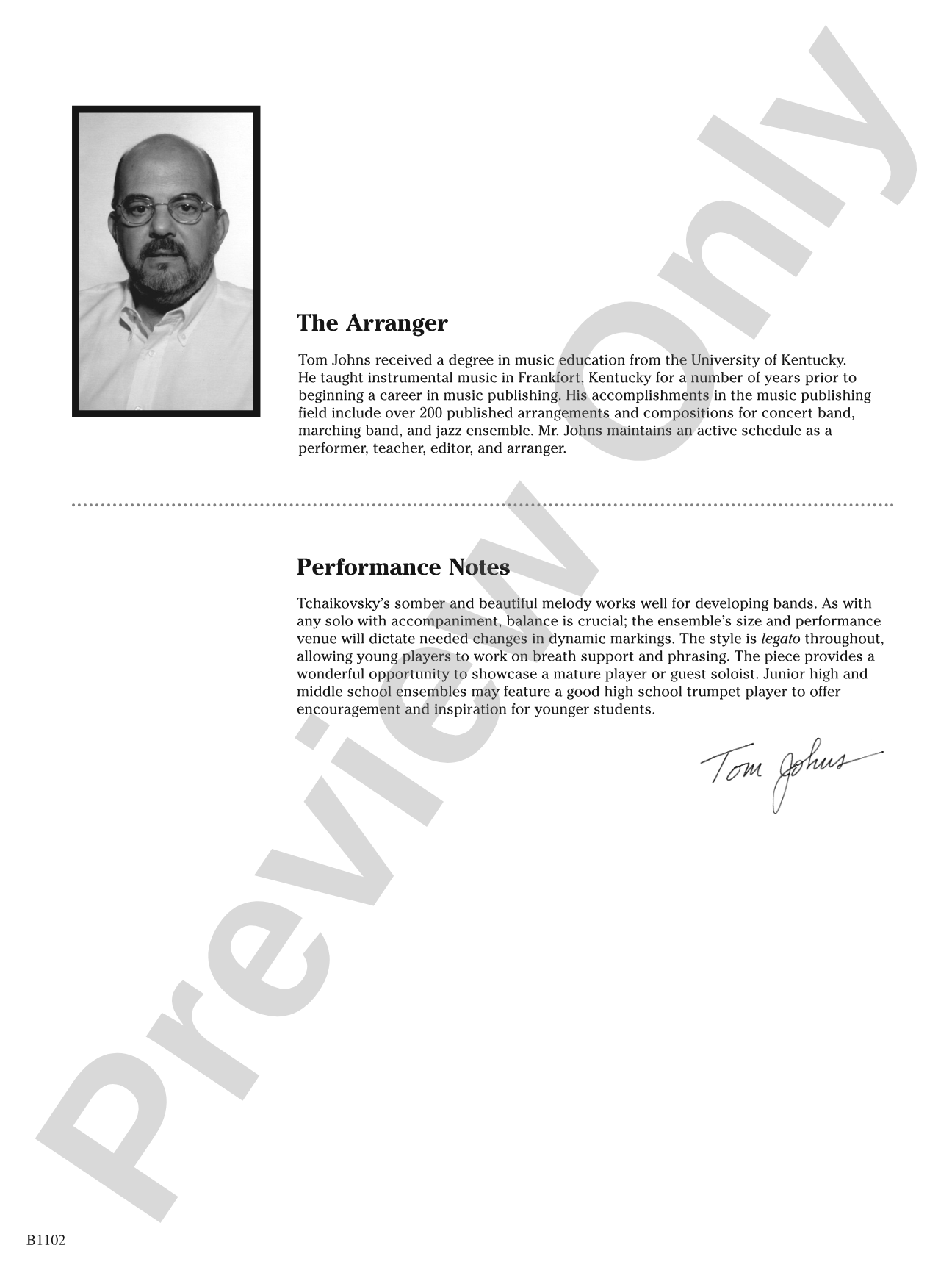
About the Composer: Peter Ilyich Tchaikovsky
Tchaikovsky stands as one of the 19th century's most performed composers, and for good reason: his gift for melody is immediate and unforgettable. He wrote across every major form, symphonies, concertos, operas, ballets, yet remained fundamentally a composer of song. His four ballets, particularly Swan Lake and The Nutcracker, remain cornerstones of both classical ballet and the concert repertoire.
For young musicians, Tchaikovsky's themes offer the rare gift of genuine artistic weight wrapped in accessibility. His orchestration breathes naturally, his phrasing is vocal and singable, and his emotional directness cuts through the page without pretense. This is why his music has outlasted countless "easier" pieces: it never talks down to its audience.
Why we love this
Tom Johns has captured the sweeping lyricism of this theme without resorting to oversimplification. The trumpet solo sits naturally within the young band's range and carries the melody with real dignity, while the surrounding parts maintain harmonic interest without overwhelming younger players. Your audience will recognize this immediately, and your students will feel the satisfaction of playing something genuinely musical, not just an excerpt.
What to expect
Ethereal and gliding, with a touch of Russian melancholy beneath the grace. The famous Swan Lake theme carries an odd mix of lightness and longing, as if the music is always reaching just beyond its grasp. In this setting, it feels intimate despite the full ensemble backdrop.
Who it's for
Grade 2 bands with at least one solid trumpet soloist. This arrangement works well for ensembles ready to balance a featured part against ensemble support without losing cohesion. Young audiences already know this melody, which makes it both accessible and impressive.
How to get the most out of it
- Balance the trumpet solo so it floats above the ensemble; the surrounding voices should recede slightly rather than compete. This isn't a tutti moment.
- Shape the melody through dynamic swells rather than sudden jumps. Think of how a dancer extends through the line.
- Let the harmonic underpinning breathe. Young bands often rush through slow, sustained passages; trust the space here.
- The accompaniment pattern should move expressively. Even the repeated figures need subtle dynamic shaping to support the soloist's phrasing.
How to use it
Pair this with other Romantic-era arrangements or light concert classics in an early-season program. The 2:40 length and solo feature make it ideal after intermission, where it can reset the room's attention. Many directors use this as a bridge between pops selections and more substantial concert music, giving audiences permission to enjoy masterworks without false ceremony.
Skills your students will build
- Balancing solo lines against ensemble accompaniment
- Sustaining soft dynamics over multiple measures
- Shaping legato phrasing across phrase boundaries
- Playing supporting harmonic parts with musical intent, not just filling space