
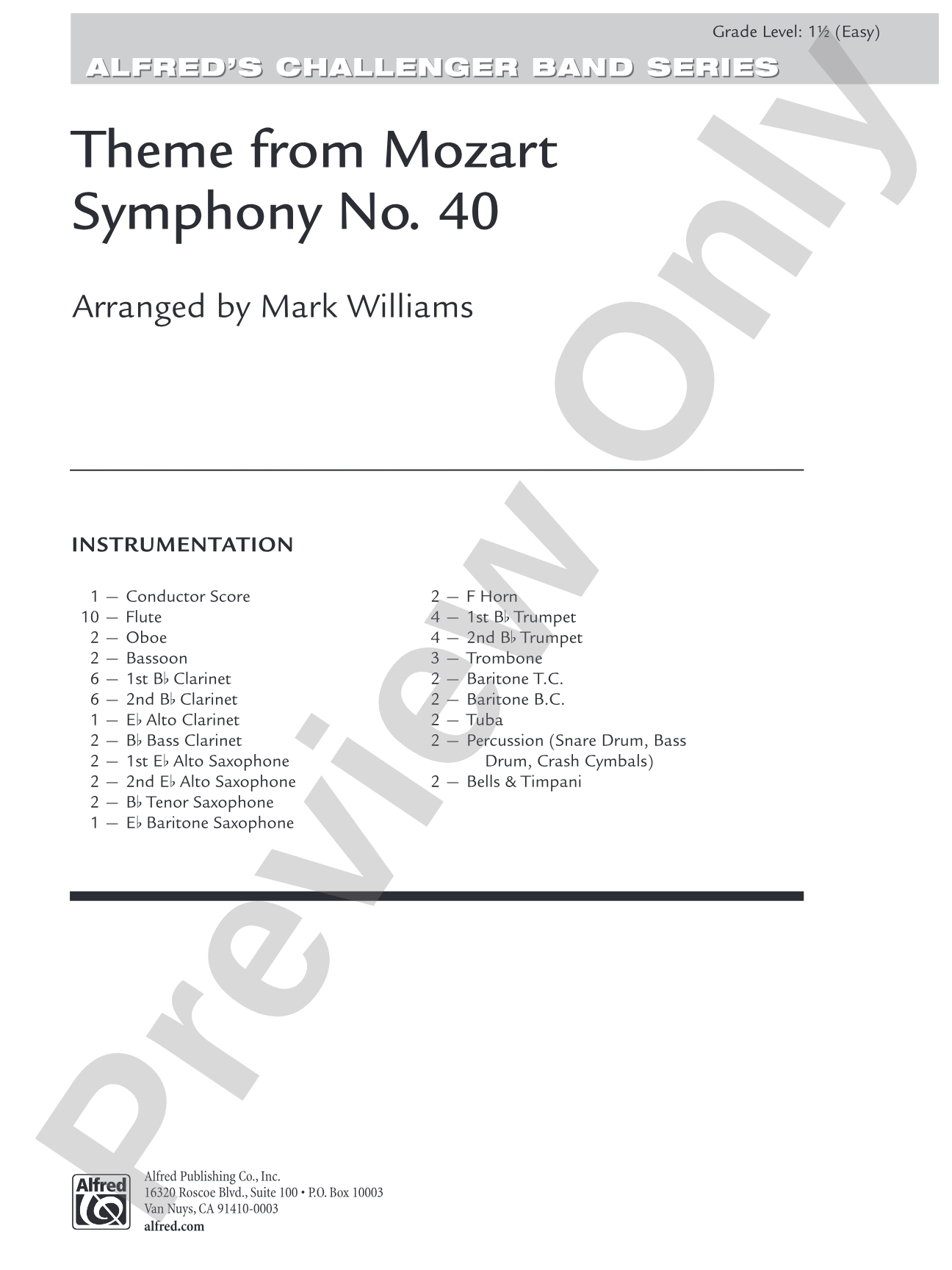
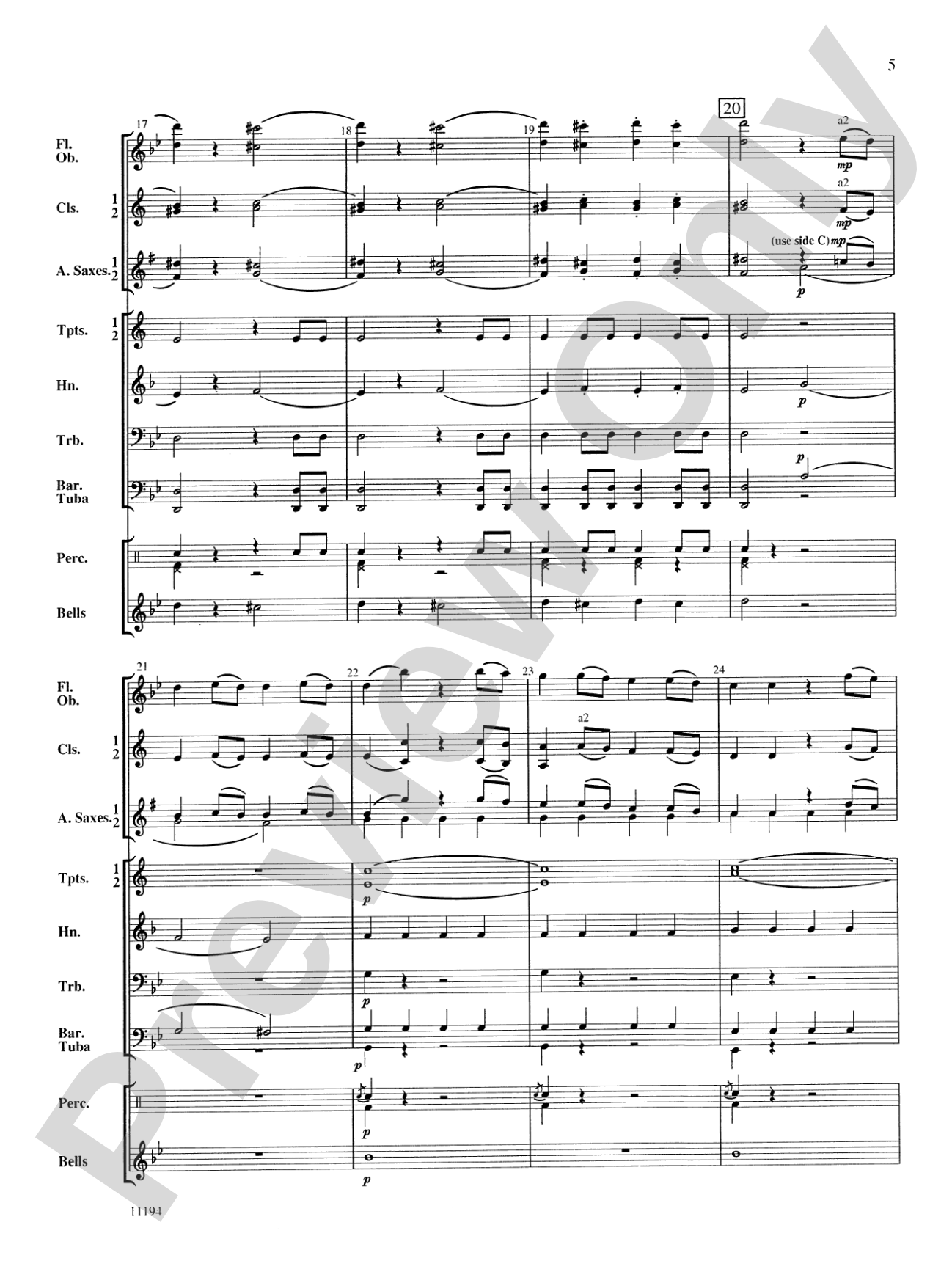
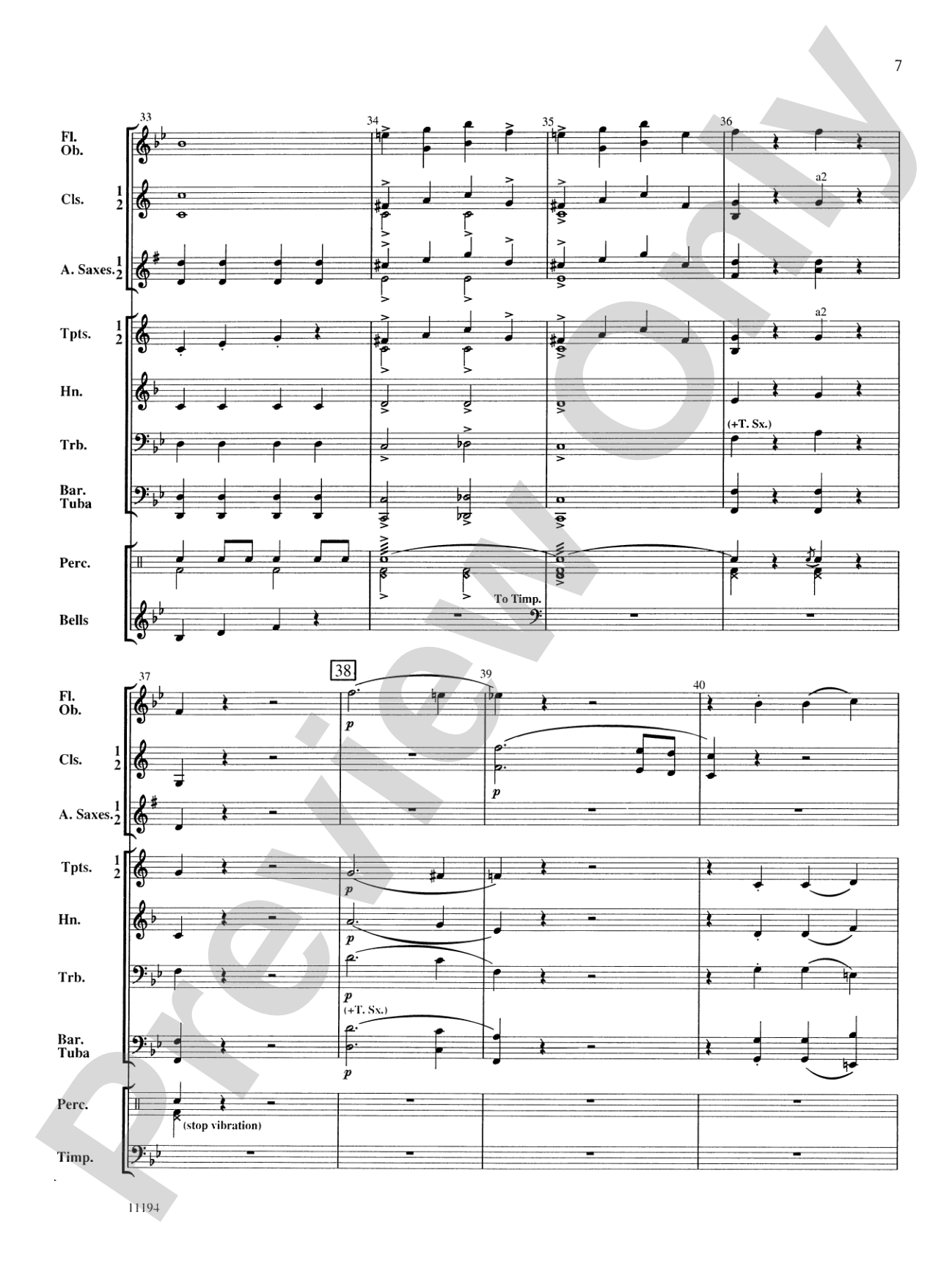
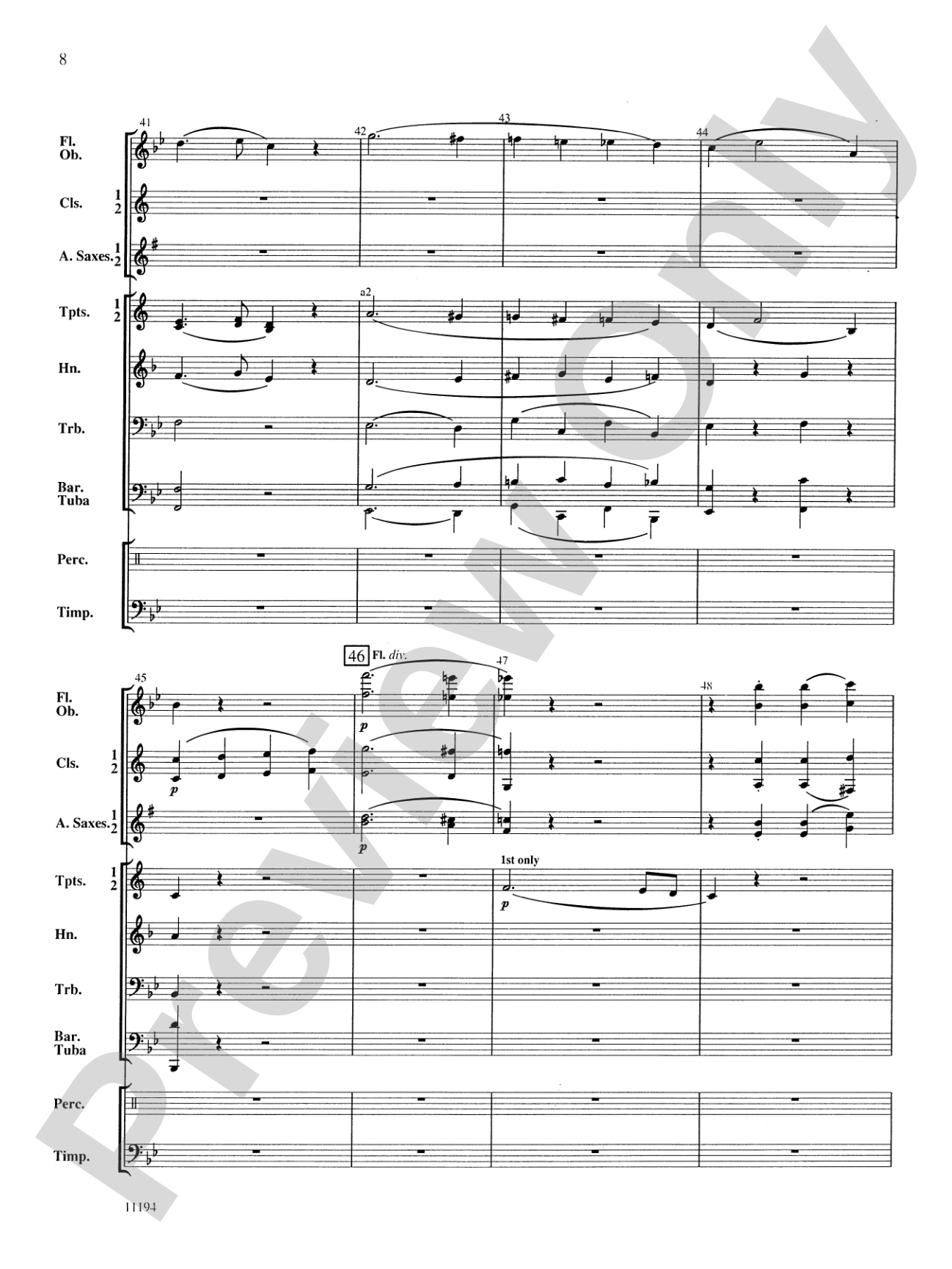
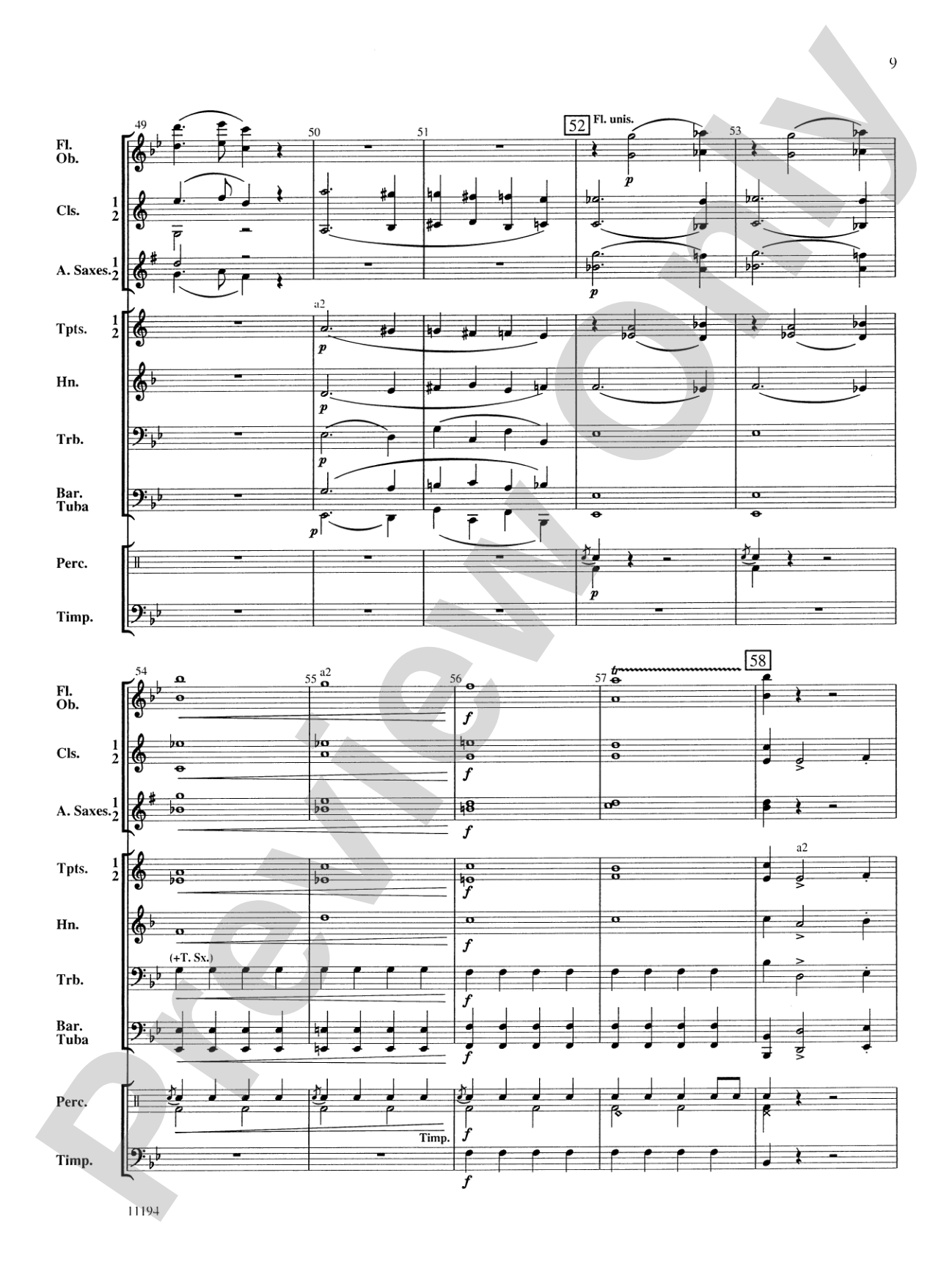
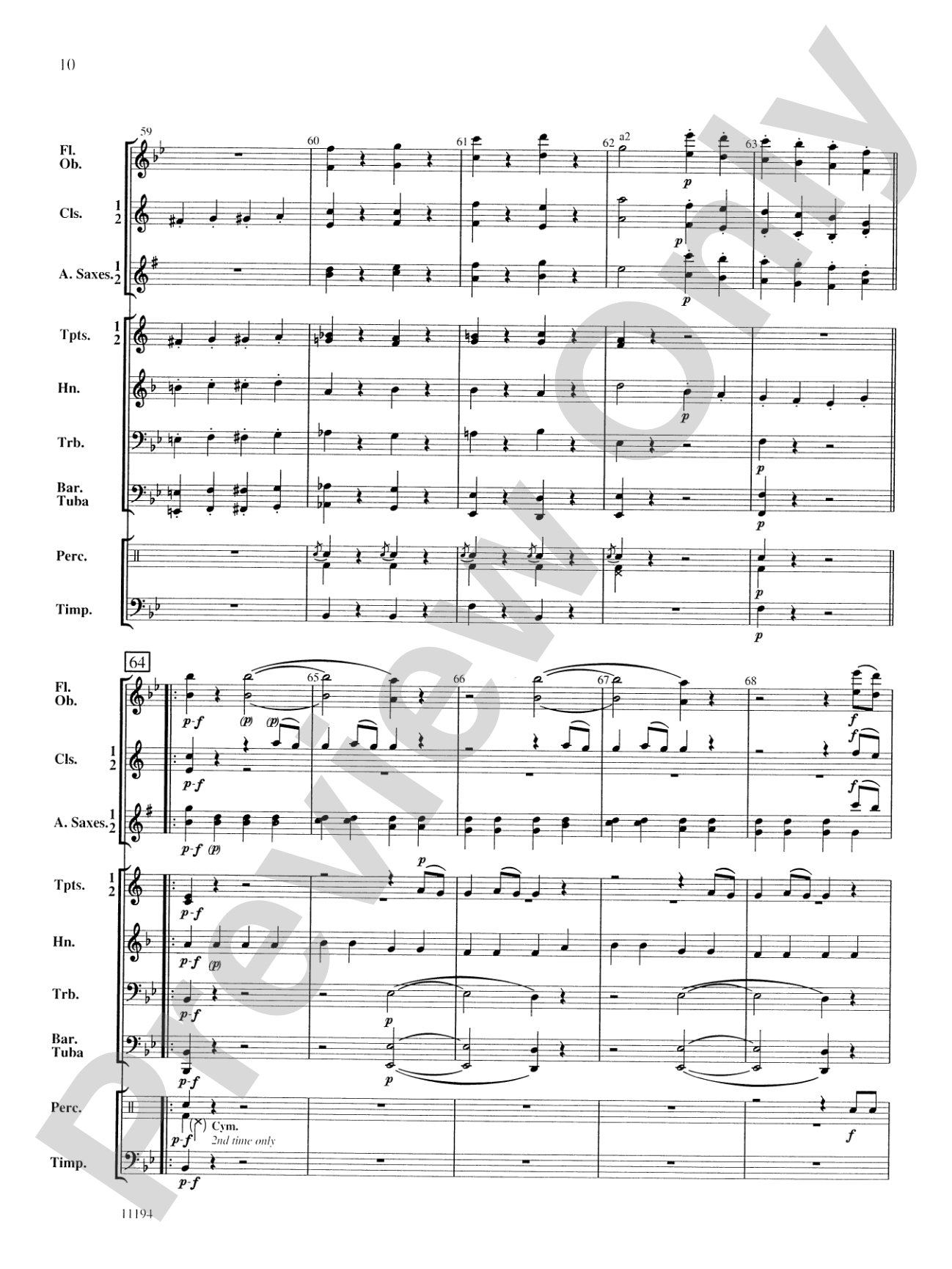
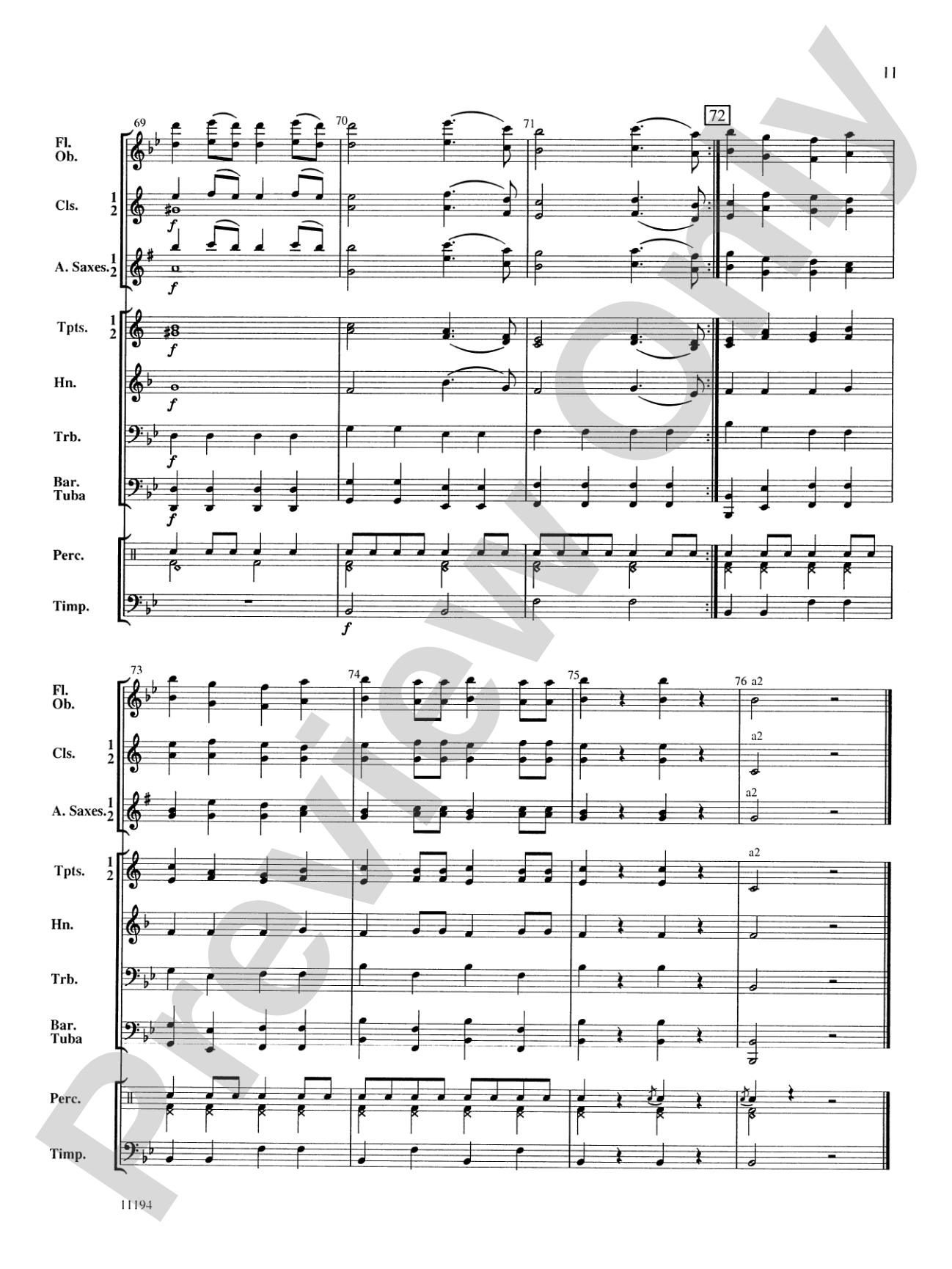



Theme from Mozart Symphony No. 40: Concert Band Conductor Score & Parts
By Wolfgang Amadeus Mozart / arr. Mark Williams
Grade: 1.5 (Easy)
Item: 00-PK-0000012

$44.00
Pickup currently not available
Buy Extra Parts (Digital PDF Download)
Parts Added to Cart!
Description


Don't just read it, hear it, play along with it, and watch your students grow with it. In MakeMusic Cloud, Theme from Mozart Symphony No. 40: Concert Band Conductor Score & Parts comes alive with professional accompaniment, adjustable tempo, and built-in practice tools that turn solo practice into real progress.
Open in the Player
Jump straight in and assign it today.
Start Your Free Trial
Open this title and explore the full library in minutes.
Sample Audio
1
Audio File
--:--
0:00
0:00
Sample Video
No sample videos found.
Additional Details
Series:
Challenger Band Series
Publisher:
Alfred Music
Page Count:
118
SKU:
00-PK-0000012
More about this title
About the Composer: Wolfgang Amadeus Mozart
Wolfgang Amadeus Mozart (1756, 1791) composed across every major genre of his time and left behind a catalog of over 600 works despite dying at thirty-five. His symphonies represent a turning point in classical form, moving from the lighter, entertainment-focused style of earlier composers toward works of genuine dramatic and intellectual weight. Symphony No. 40 in G minor stands as one of his most profound contributions to the repertoire, and its opening theme has remained instantly recognizable for over two centuries.
Mozart's genius lay in combining perfect structural clarity with emotional depth. His melodies sing naturally while his harmonies surprise and delight. For student musicians, his music offers an ideal bridge between simple folk-like phrases and the sophisticated architecture that defines classical composition.
Why we love this
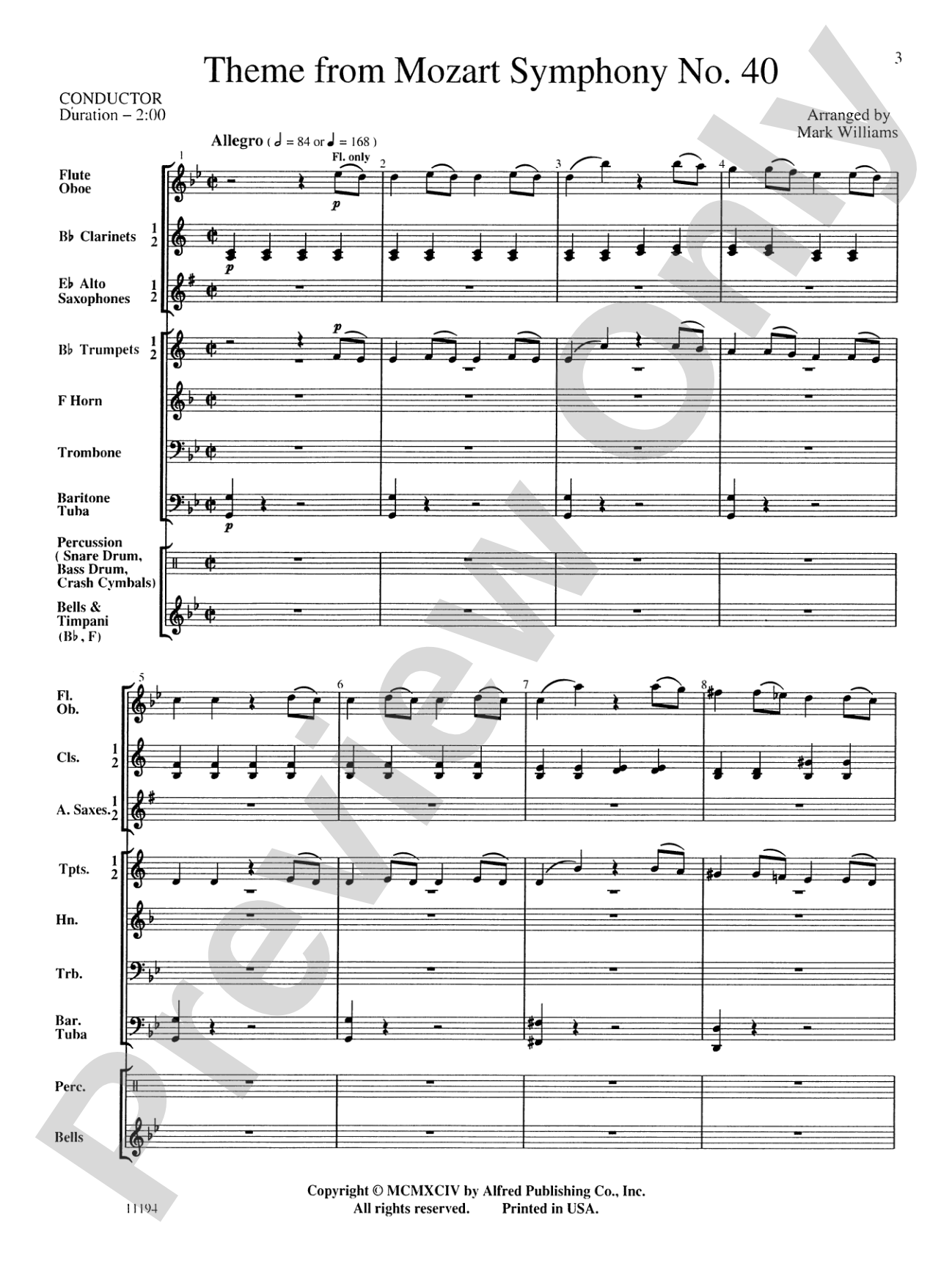
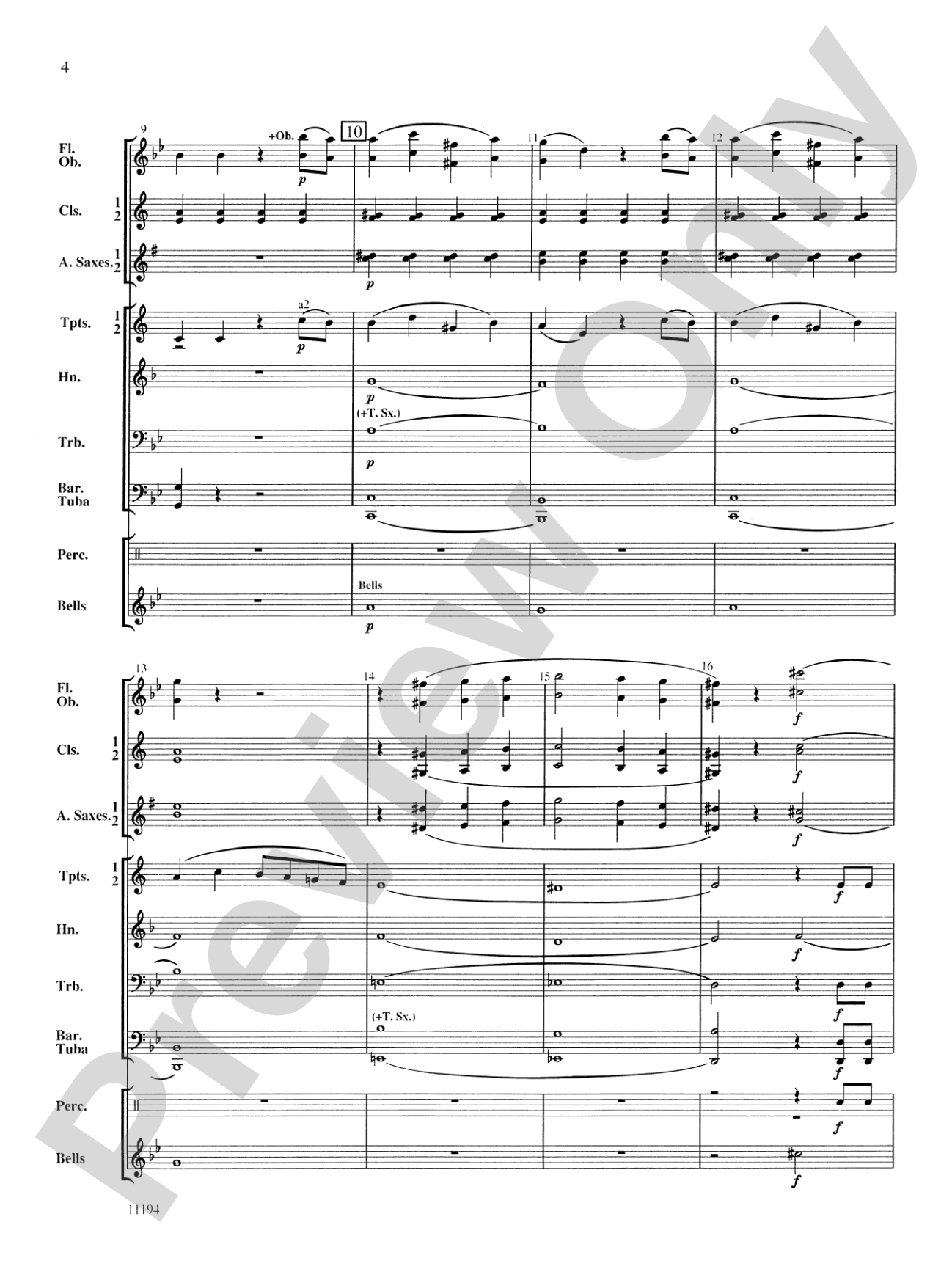
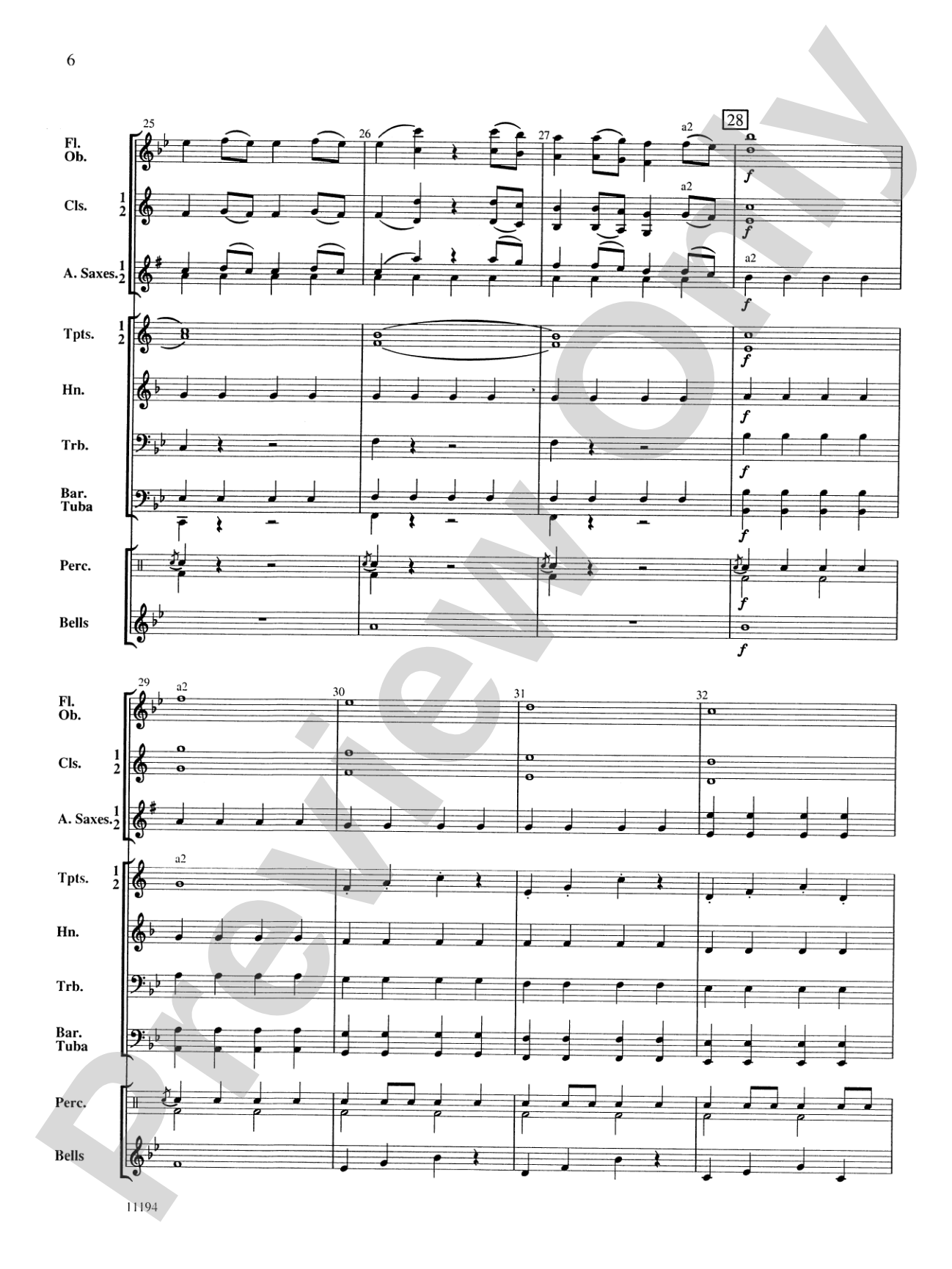
This Grade 1.5 arrangement captures the propulsive drive of Mozart's original without overwhelming an developing ensemble. The opening theme is instantly recognizable yet sits comfortably in young band ranges, letting students experience a genuine masterwork rather than a simplified approximation. Directors get a piece that teaches Classical form and orchestration while building genuine musicianship and offering festival-ready material that audiences respond to immediately.
What to expect
The opening strikes with urgency and a touch of unease, quite unlike the lighter Classical pieces students may have encountered. Underneath runs a persistent rhythmic energy that propels the music forward even in quieter moments. The overall effect is engaging and purposeful, with enough harmonic interest to hold musicians' attention beyond simple note-reading.
Who it's for
Beginning and developing concert bands working at the Grade 1.5 level will find this arrangement accessible without feeling patronizing. Students learning to play from a conductor score can hear how all the instrumental parts fit together, and ensemble members gain experience with a standard orchestral work arranged specifically for their instrumentation.
How to get the most out of it
- Emphasize the restless character of the opening theme by maintaining a steady, relentless pulse in the accompaniment voices; this undercurrent is what gives the movement its sense of forward momentum.
- Attend to phrase shaping within the theme itself. The opening motive rises and falls naturally; resist the urge to make every note equally important.
- Balance the woodwind melody against the supporting voices so the theme projects clearly without sounding isolated from the ensemble.
- Maintain consistent articulation in the accompaniment figures, particularly in the lower voices, to preserve the texture Mozart's orchestration established.
How to use it
This works exceptionally well as a festival or contest selection where audiences appreciate recognizable classical repertoire and judges value how young ensembles interpret standard literature. Consider pairing it with lighter classical arrangements or Romantic-era works to show stylistic range across a concert program. Early fall placement in the rehearsal calendar allows adequate time for developing secure intonation and clear articulation in the ensemble.
Skills your students will build
- Recognizing and maintaining Classical phrase structure
- Balancing solo lines against harmonic accompaniment
- Controlling rhythmic precision in repeated accompanying figures
- Articulating clearly within a sustained tempo
- Reading standard concert band transpositions accurately