The Young Pianist's Library: The Technic Treasury, Book 8A Cover Image

The Young Pianist's Library: The Technic Treasury, Book 8A: Piano Book

$8.99 USD
Sale price  $8.99 USD Regular price 
Skip to product information
The Young Pianist's Library: The Technic Treasury, Book 8A Cover Image

The Young Pianist's Library: The Technic Treasury, Book 8A: Piano Book

Arranged by Denes Agay

Level: Late Elementary

Item: 00-DA0023A

$8.99
Shipped

One moment…

Description
Original pieces for the development of technic. Four Miniatures * Roundelay * Canon * Morning Song * Raindrops * Game * Hungarian Play Tune * Singing Chords * The Merry-Go-Round * A Merry Song * Clouds and Sunshine * The Bear * Minuet * and more. Beginner level 1-2.

The Young Pianist's Library: The Technic Treasury, Book 8A: Piano Book isn't in MakeMusic Cloud just yet...but it could be. Let us know you'd like to see it, and you'll help shape what comes next. In the meantime, start a free trial and dive into thousands of interactive titles your students can play along with today.

Sample Pages

Sample Audio
No sample audio found.
Sample Video
Additional Details
Series: The Young Pianist's Library
Publisher: Alfred Music
Page Count: 38
ISBN10: 0-7579-7802-9
ISBN13: 978-0-7579-7802-9
UPC: 654979020264
SKU: 00-DA0023A

More about this title

About the Arranger: Denes Agay
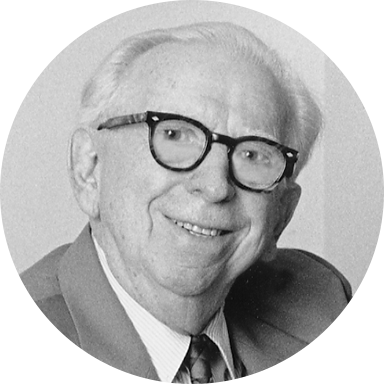
Denes Agay

Denes Agay began his musical life at age three in a small village near Budapest, Hungary. He studied at Liszt Ferenc Academy of Music, where he earned his doctorate in piano composition and performance in 1934, and went on to conduct the Budapest Philharmonic in performances of his own symphonic works. He also composed and orchestrated for film before emigrating to the United States in 1939 as the political climate shifted in Europe.

Once established in America, Agay built a prolific career as a teacher, composer, and publisher. He served as conductor and arranger for NBC radio's "Guest Star" program and enlisted in the Army during World War II, where he performed for hospital patients. His greatest legacy came through his teaching collections and anthologies, particularly "The Young Pianist's Library," a comprehensive series that remains a cornerstone of elementary piano pedagogy by combining technique development with musical enjoyment.

Why we love this

Agay's gift for writing accessible yet genuinely musical pieces sets this collection apart from purely mechanical etude books. Each piece serves a clear technical purpose while maintaining melodic interest and character, so students stay engaged rather than simply grinding through exercises. The variety of moods and styles keeps hands and ears fresh across a 38-page book.

What to expect

These pieces sparkle with character without demanding virtuosity. You'll find playful miniatures that make students smile, songlike pieces that encourage lyrical playing, and rhythmic sketches that invite rhythmic precision and clarity. The collection feels more like a gallery of musical moments than a technical workbook.

Who it's for

Late elementary pianists who are ready to move beyond single-line melodies and basic accompaniment patterns into more varied textures and musical styles. This book works well for students ages 8-12 who have completed early beginner books and are building independence in both hands.

How to get the most out of it

  • Shape phrases by listening for natural breathing points, even in pieces that look simple on the page; a miniature like "Morning Song" gains depth when each line has direction and arrival.
  • Work passages hands separately before combining them, paying special attention to how the accompaniment pattern supports the melody in pieces like "Singing Chords."
  • Practice the more complex rhythmic passages ("Game" and "The Merry-Go-Round") slowly with a metronome to internalize the pulse before adding tempo.

How to use it

Use this book as the primary repertoire source during the late elementary phase, programming individual pieces into studio recitals or group performances. Its range of moods and lengths makes it ideal for student showcases, and pieces like "Minuet" and "Clouds and Sunshine" work well in mixed-level recital settings alongside similar-level works from other composers.

Skills your students will build

  • Two-hand coordination with independent accompaniment patterns
  • Reading rhythmic figures including dotted rhythms and syncopation
  • Baroque style awareness through pieces like "Minuet" and "Canon"
  • Legato and staccato articulation in contrasting contexts
  • Dynamic shading and phrase pacing in short forms
  • Tempo flexibility in character pieces ("Hungarian Play Tune", "The Bear")

You May Also Like