The Wings of Mercury Cover Image

The Wings of Mercury: Concert Band Conductor Score

$5.00 USD
Sale price  $5.00 USD Regular price 
Skip to product information
The Wings of Mercury Cover Image

The Wings of Mercury: Concert Band Conductor Score

By William Owens

Grade: 1.5

Item: 98-B1753S

$5.00
Shipped

One moment…

Description
Take flight into mythology with this enchanting piece named for the legendary winged messenger himself! Beginning slowly and magically, the music suddenly becomes sprightly and playful. Your students and audiences will quickly take to this one - engaging and enchanting!

The Wings of Mercury: Concert Band Conductor Score isn't in MakeMusic Cloud just yet...but it could be. Let us know you'd like to see it, and you'll help shape what comes next. In the meantime, start a free trial and dive into thousands of interactive titles your students can play along with today.

Sample Pages

Sample Audio
No sample audio found.
Sample Video
Additional Details
Series: FJH Developing Band
Publisher: The FJH Music Company, Inc.
UPC: 241444525258
SKU: 98-B1753S

More about this title

About the Composer: William Owens
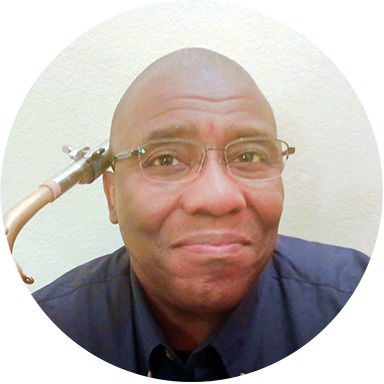
William Owens

William Owens has built a distinguished career as a composer and educator since earning his degree from VanderCook College of Music in 1985. Based in Fort Worth, Texas, he spent 30 years as a band director before retiring in 2014, during which time he composed over 300 works for concert band, string orchestra, and small ensembles. His music appears on contest lists and in educational curricula across North America, and he has received commissions from major organizations including the American Bandmasters Association and Phi Beta Mu International.

Owens is known for balancing musical substance with practical classroom accessibility. A member of ASCAP and the Texas Music Educators Association, he has been recognized as a Distinguished Alumnus of VanderCook and received the Texas Bandmasters Association's Meritorious Achievement Award. His compositional approach reflects decades of direct experience with developing musicians, making his works reliable choices for young ensembles seeking engaging, well-crafted repertoire.

Why we love this

Owens nails the challenge of holding young players' attention while keeping the writing musically honest. The piece opens with genuine atmospheric beauty, then shifts into genuine musical humor and energy, giving your band something real to perform rather than just exercises wearing a costume. At grade 1.5, it sits exactly where emerging bands gain confidence, and the programmatic framing makes sectional rehearsals feel purposeful.

What to expect

The piece unfolds like a story: first, a hushed introduction that feels timeless and atmospheric, as if you're catching a glimpse of something mythical. Then Mercury wakes up and takes off, bringing sparkle, wit, and a sense of lightness that makes young musicians smile while they play.

Who it's for

Emerging concert bands at the grade 1.5 level who are ready for pieces with genuine musical architecture but still need accessible ranges and straightforward scoring. Directors seeking repertoire that satisfies both audiences and adjudicators will find a reliable choice here.

How to get the most out of it

  • Shape the opening section with genuine control of dynamics and balance; resist rushing the "magic" that sets up the contrast with what follows.
  • Let the sprightly middle section breathe with clear articulation from the reeds and brass, using natural phrasing to keep the playfulness from feeling thin or frantic.
  • Mark cues and section landmarks in rehearsal so that transitions between the slow and fast material feel intentional rather than abrupt to your ensemble.

How to use it

Program this as a concert opener to establish immediate audience engagement, or pair it with another programmatic piece to create a mythology-themed concert set. Its grade 1.5 level and engaging character make it ideal for festival contests where you want work that represents your band's musicality without overextending technical demands.

Skills your students will build

  • Contrasting articulation between sustained and detached passages
  • Dynamic control from soft, atmospheric playing to bright, energetic textures
  • Ensemble balance and blend in homophonic and transparent writing
  • Ensemble response to conductor cues marking structural transitions

You May Also Like