
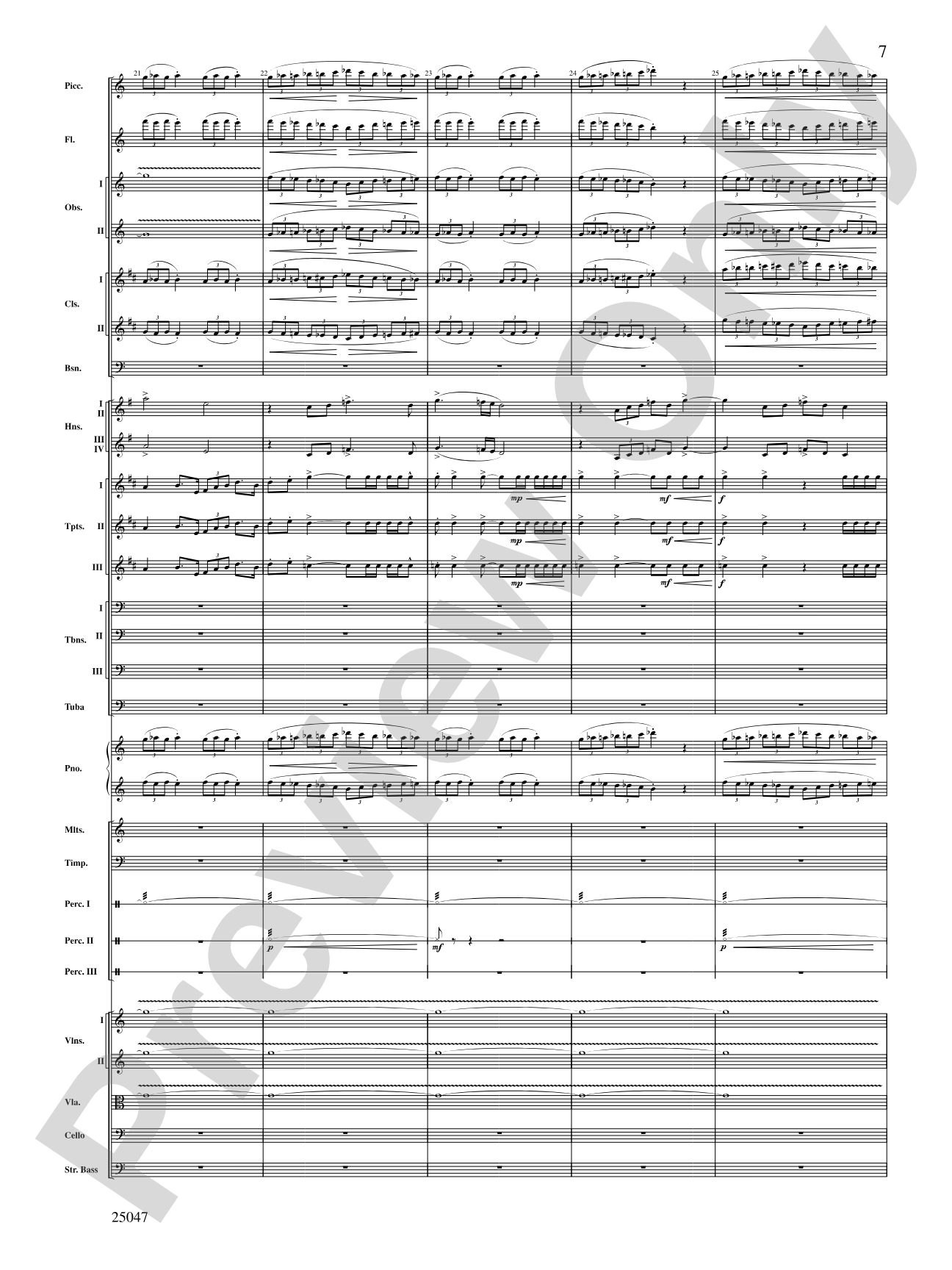
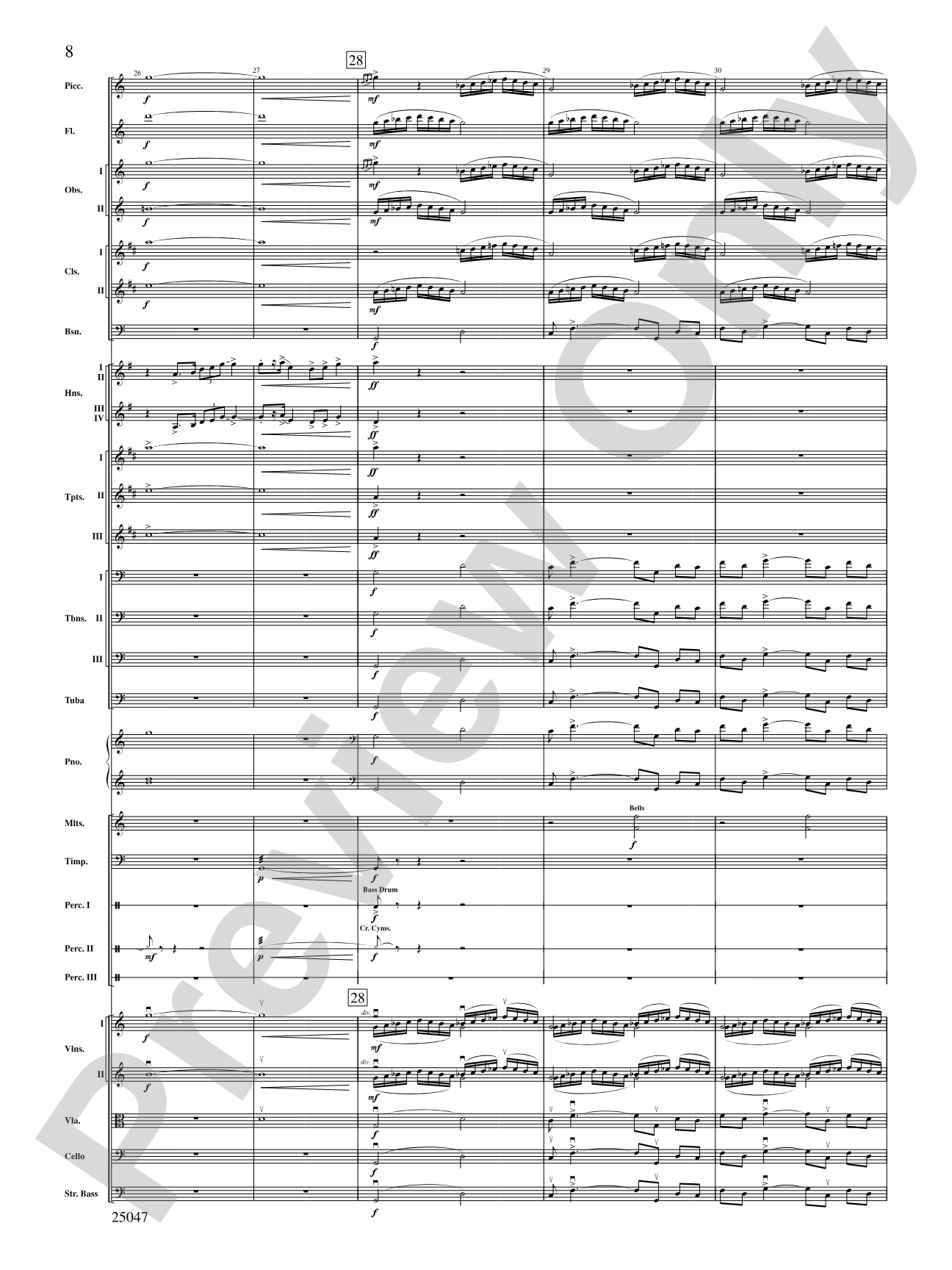
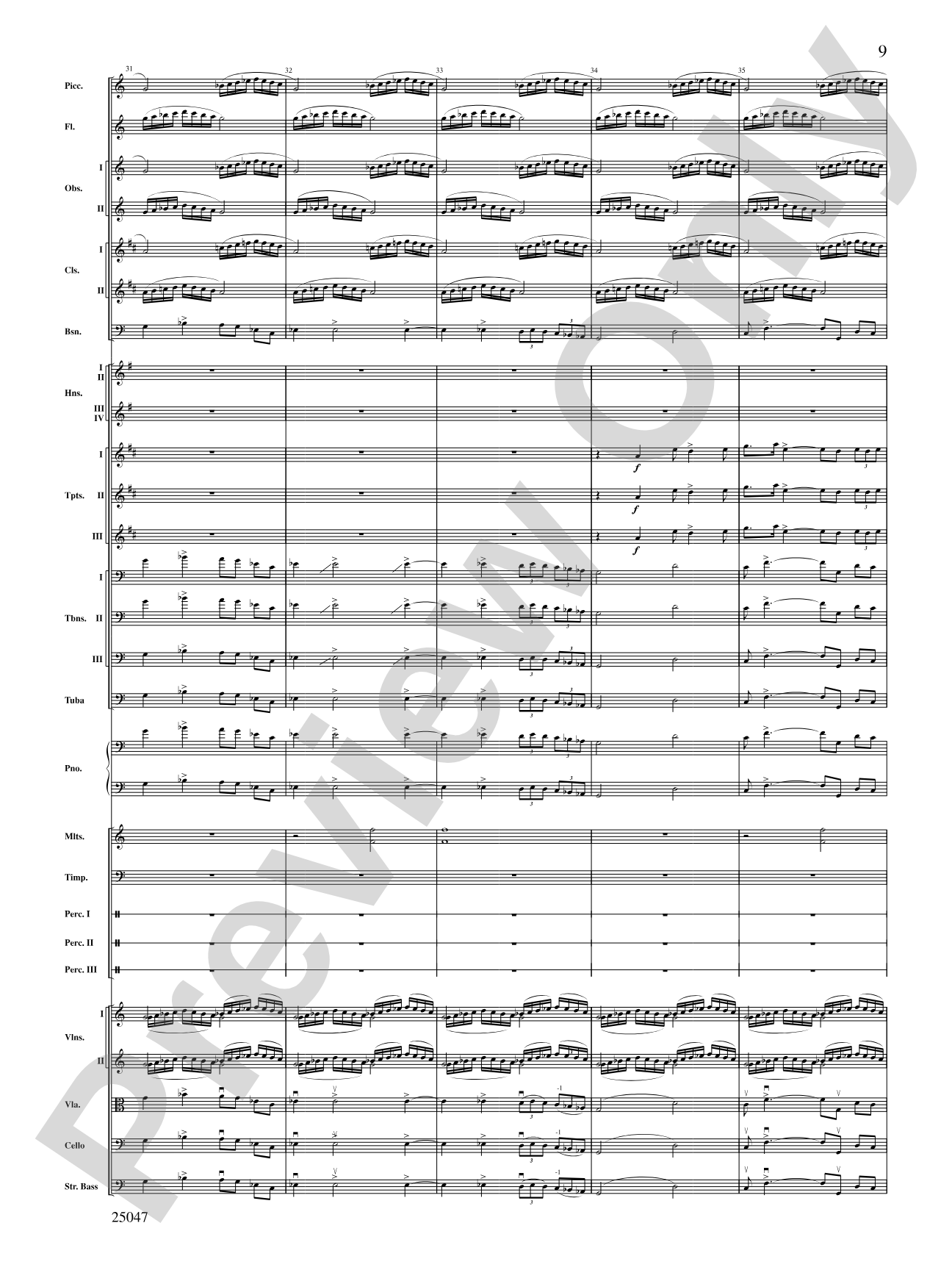
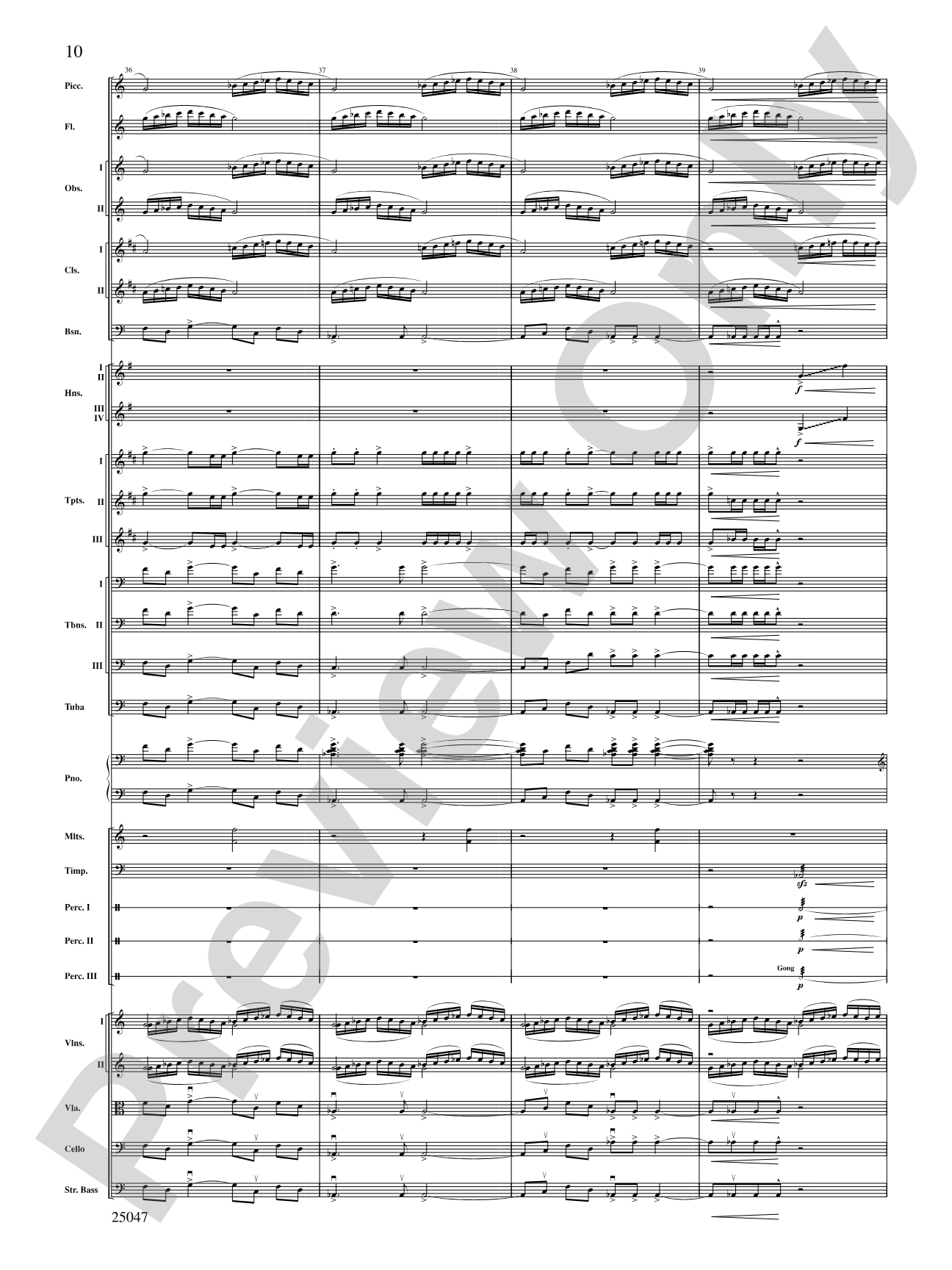
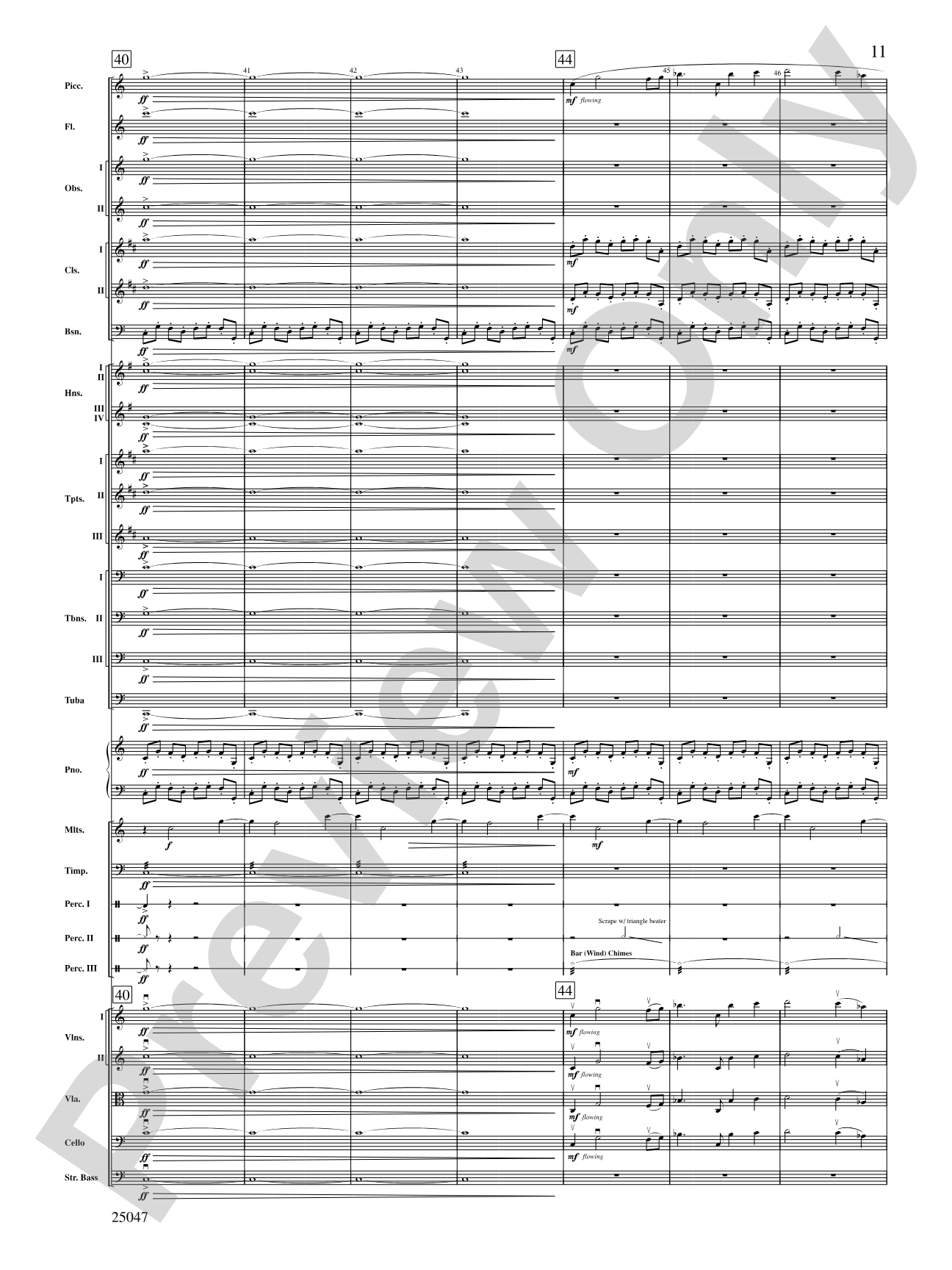
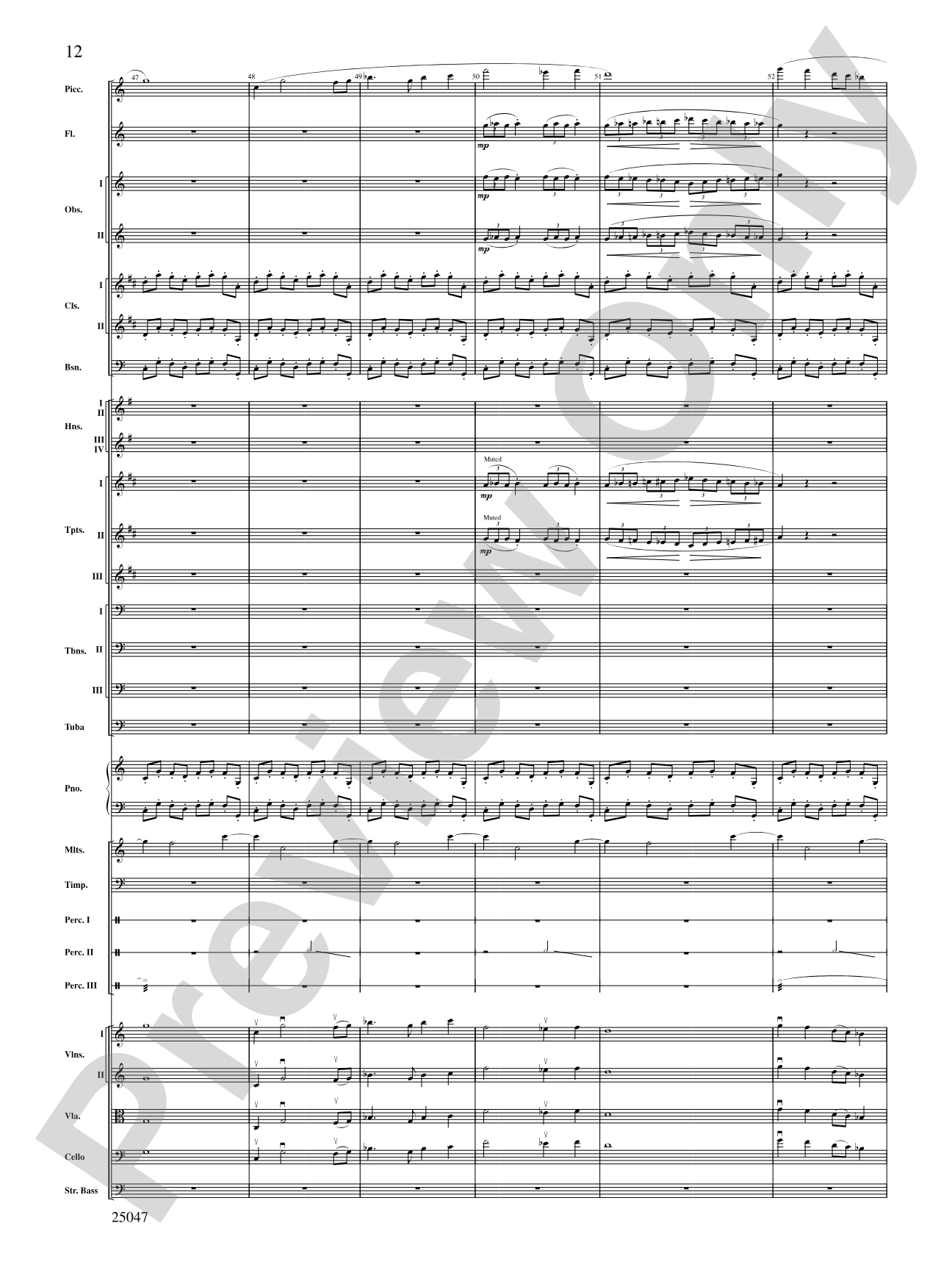
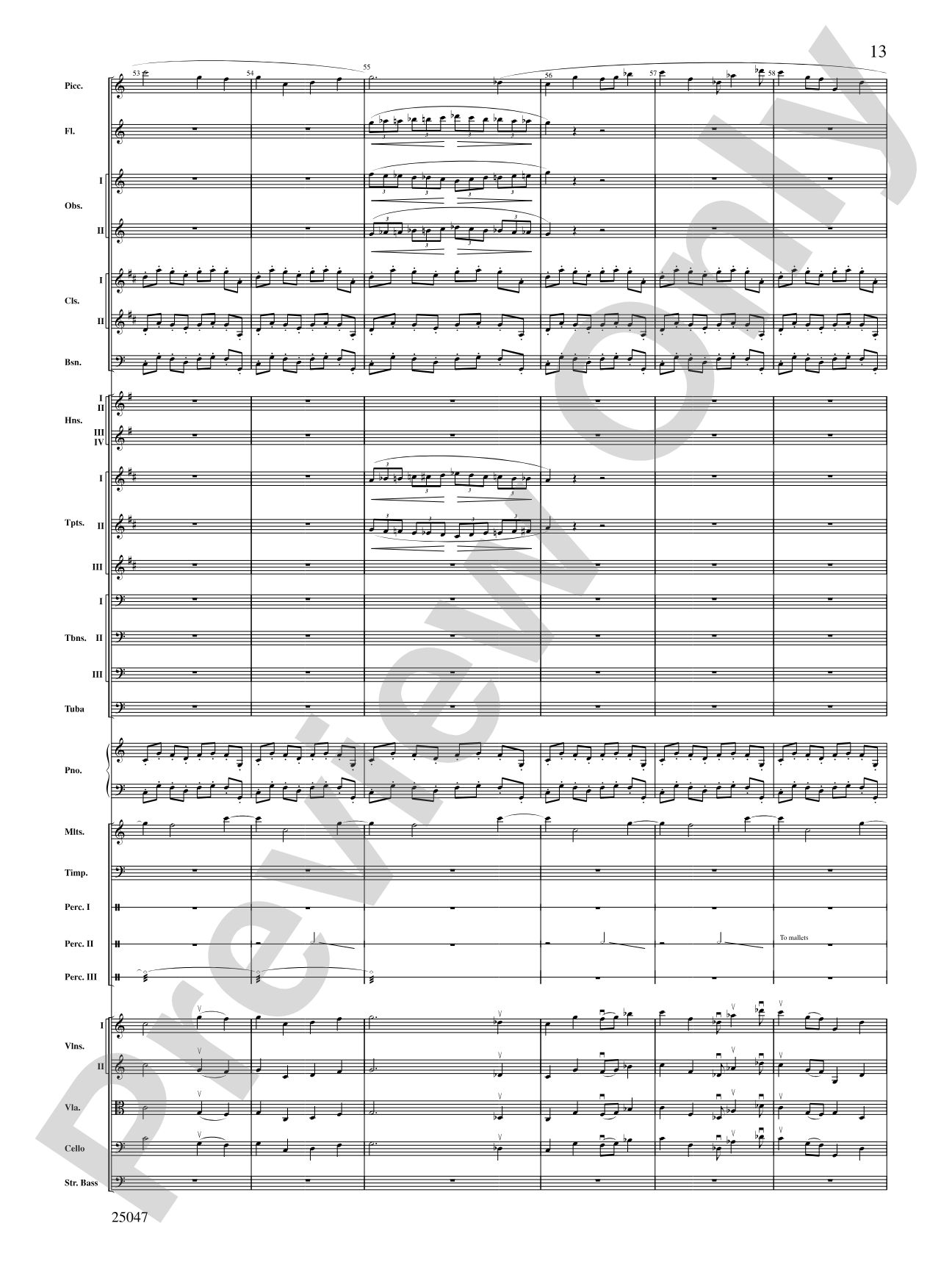
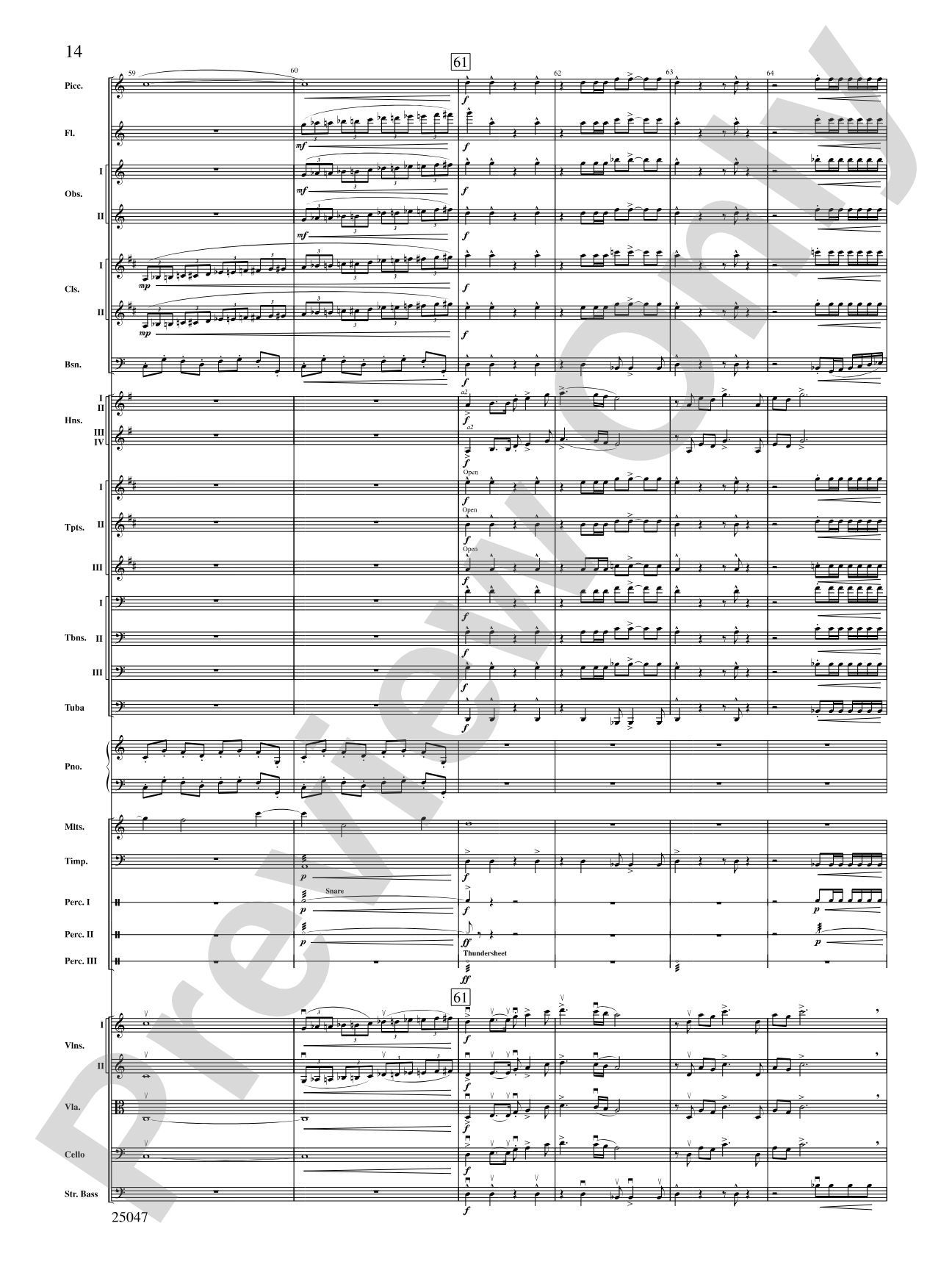
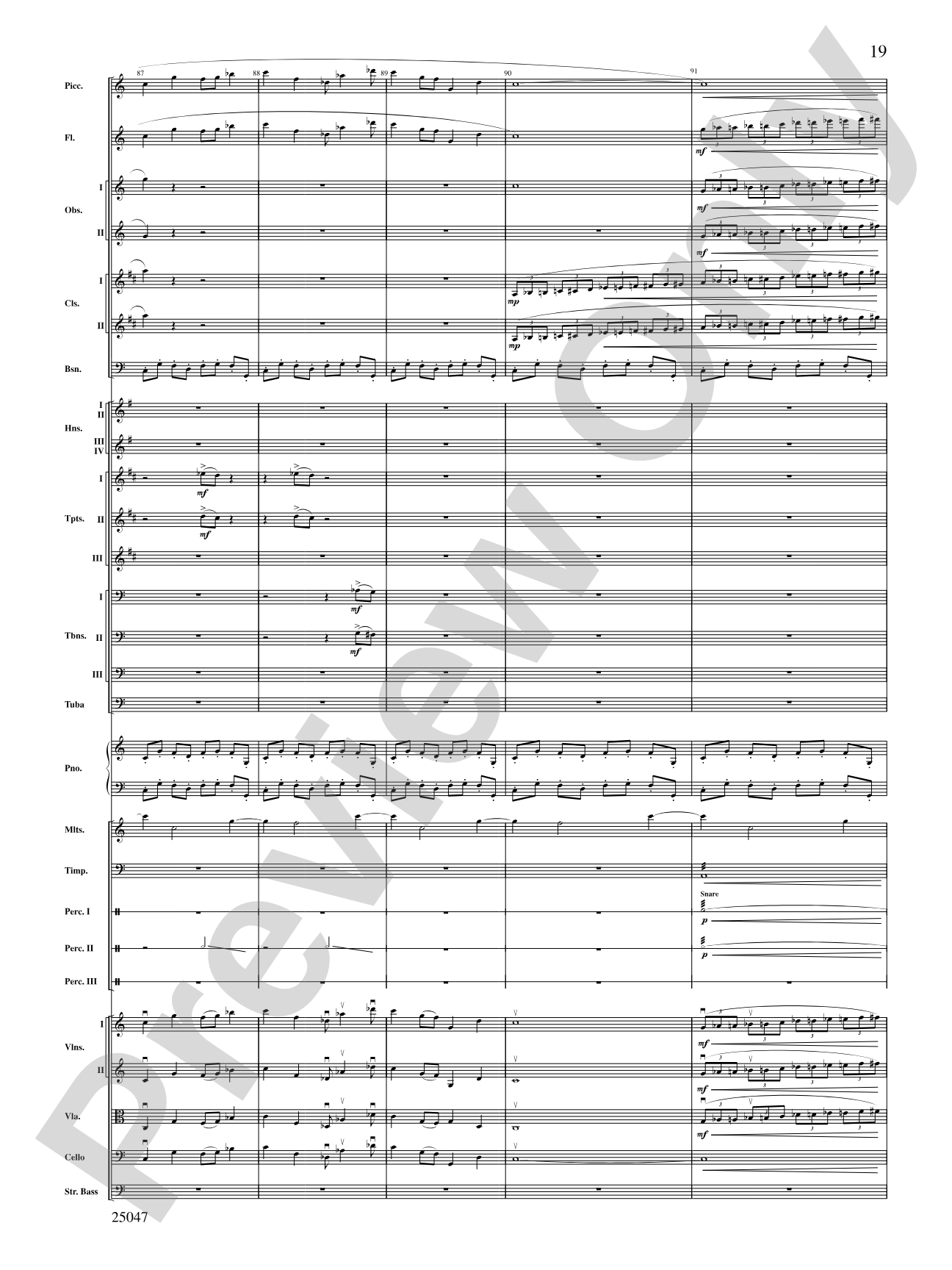
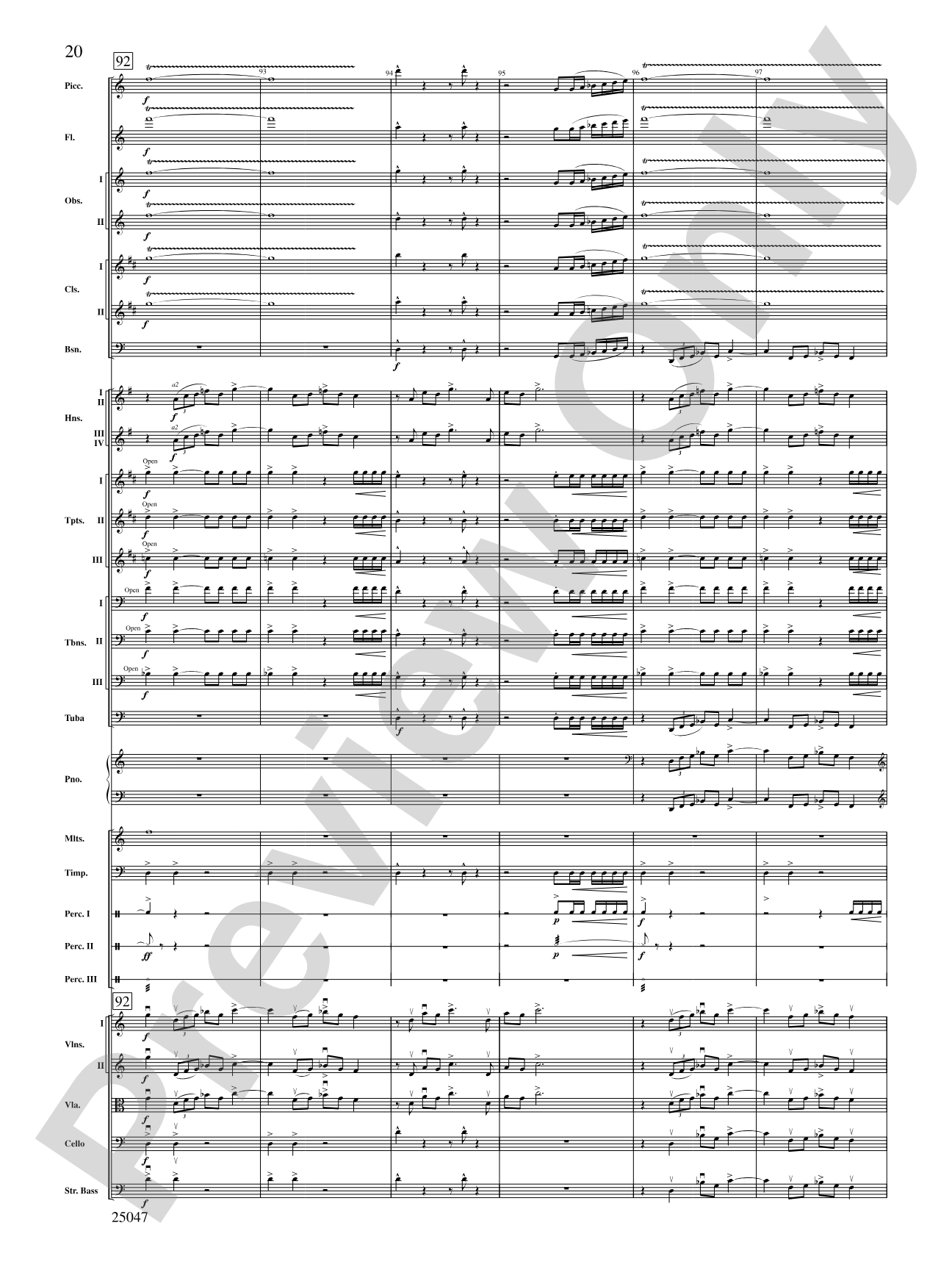
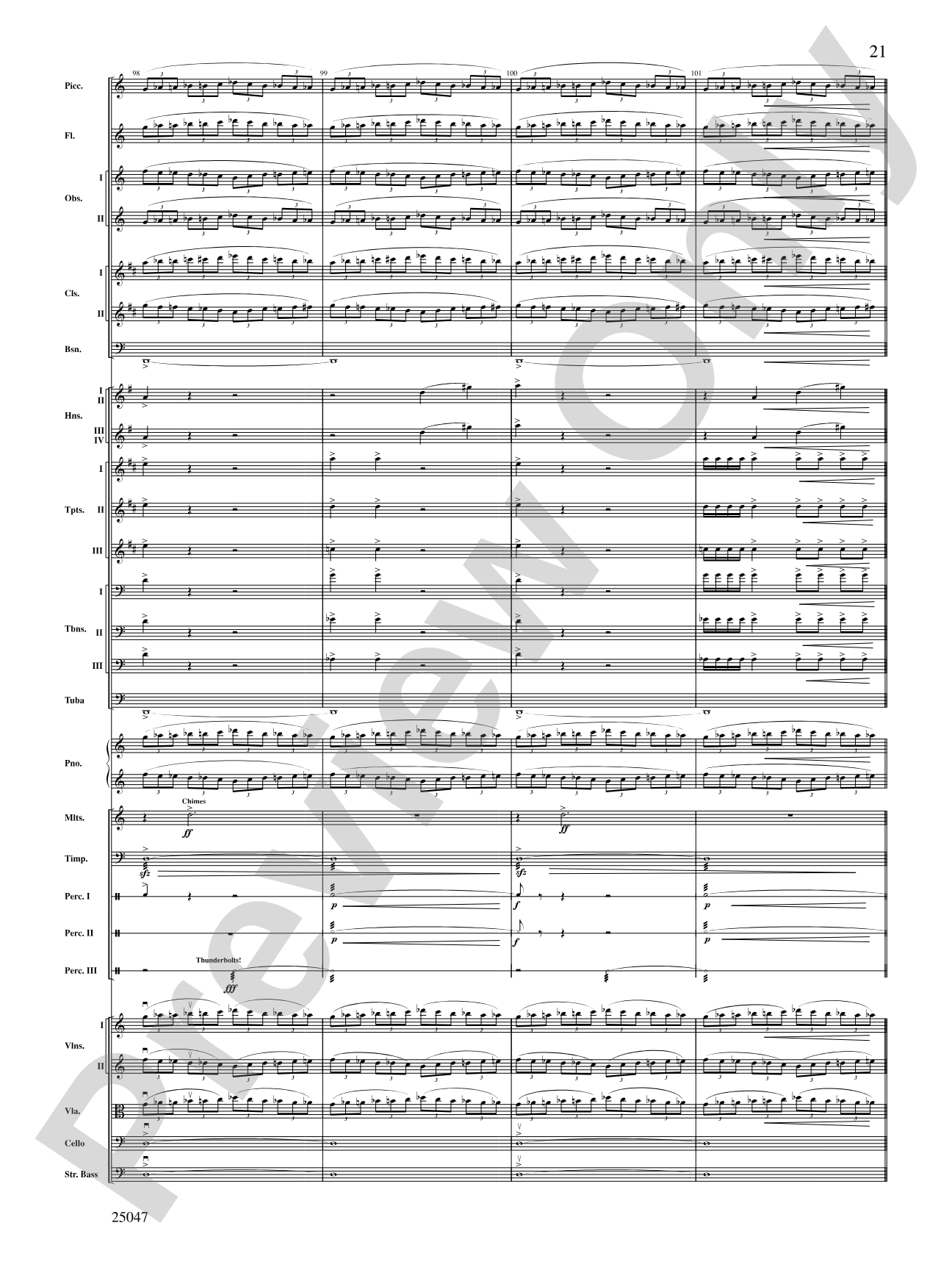
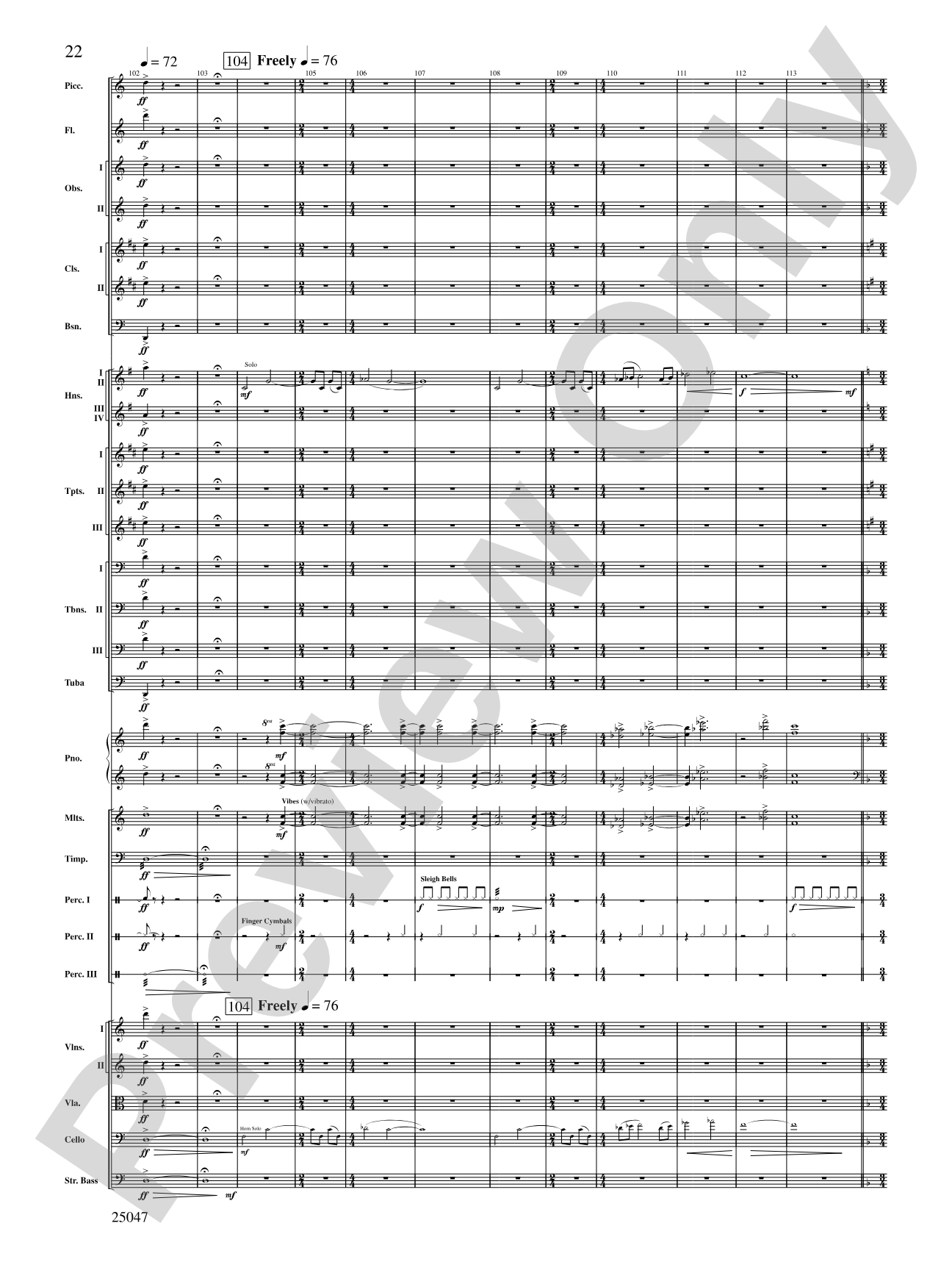
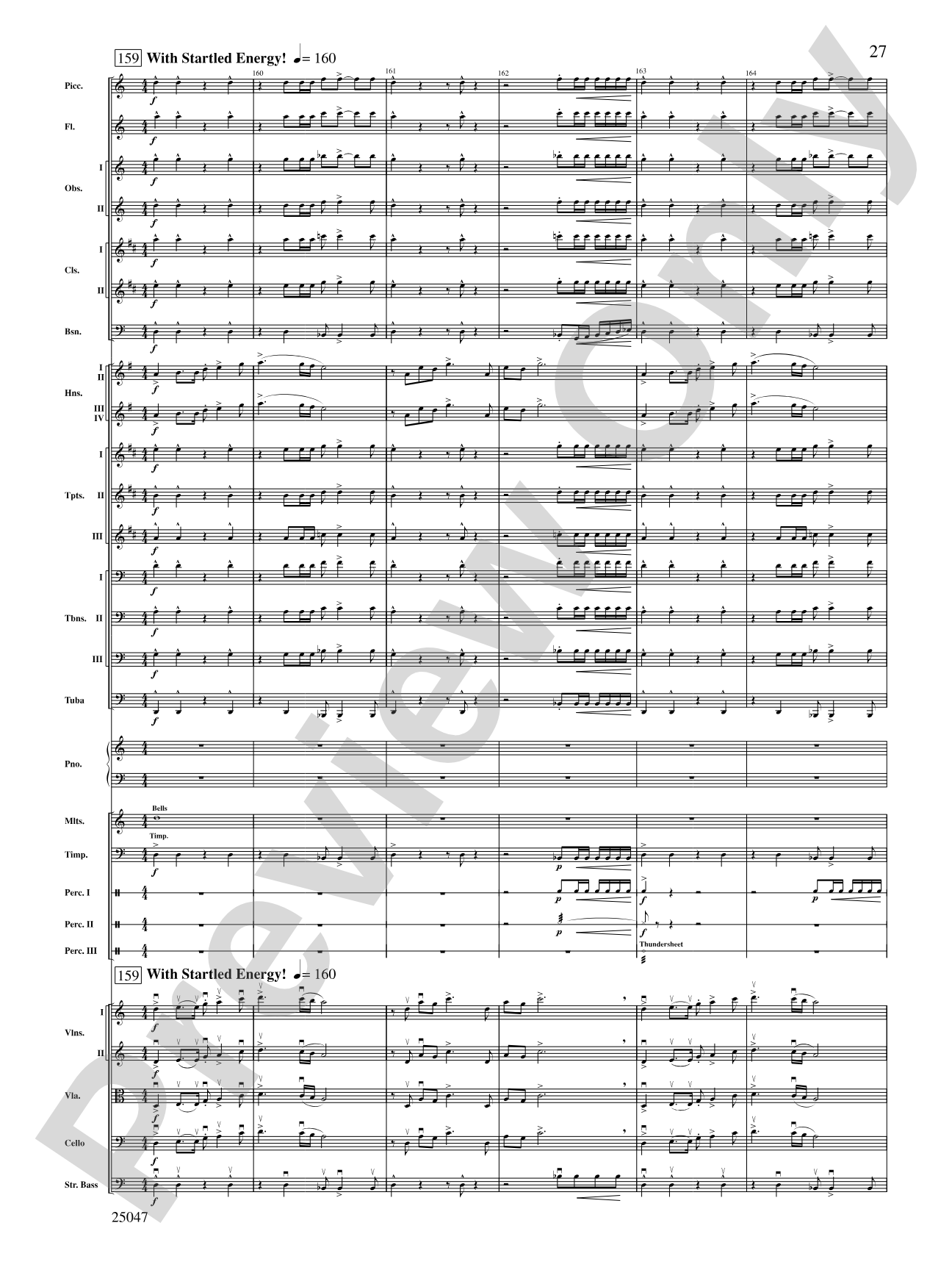
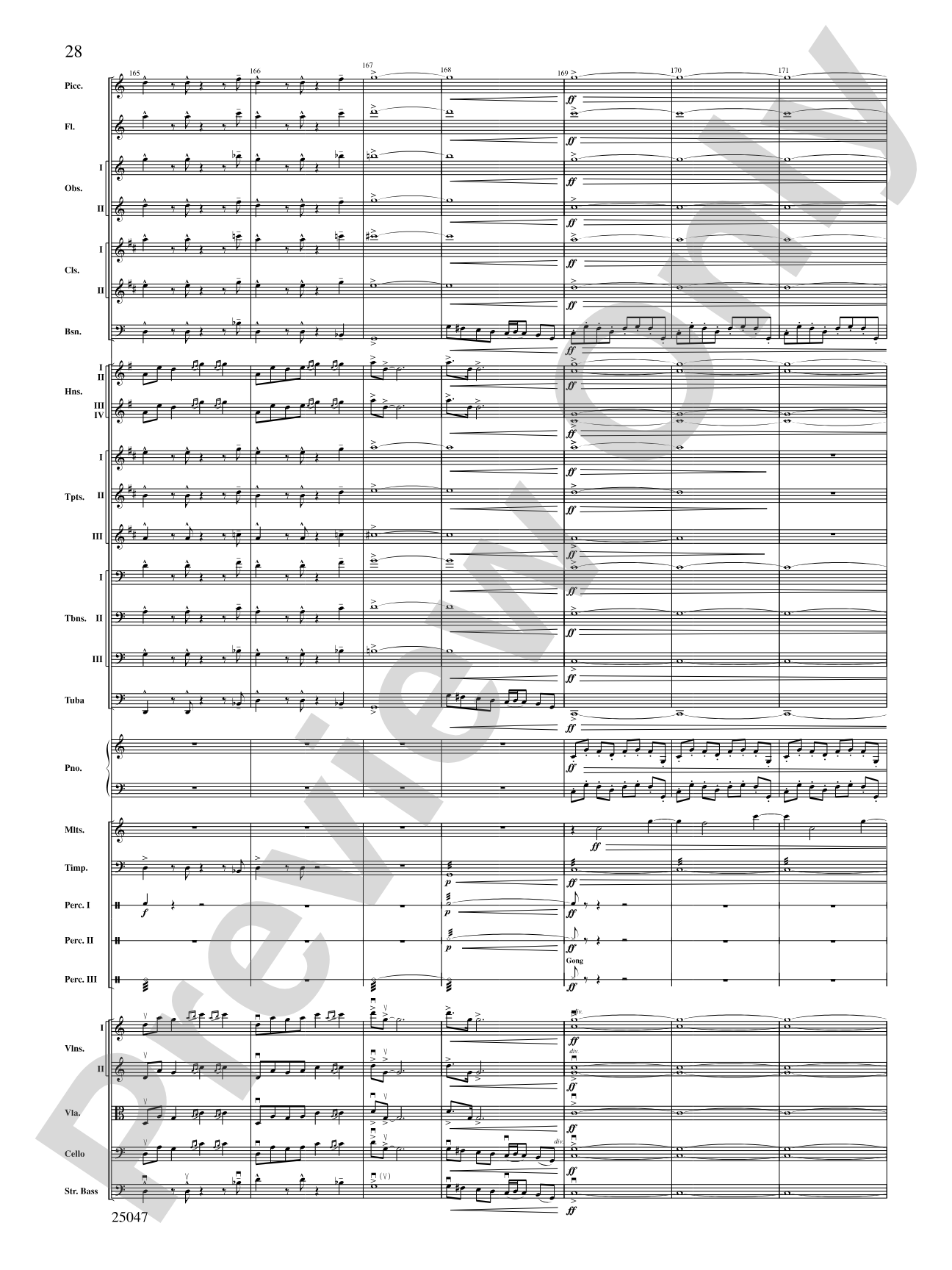
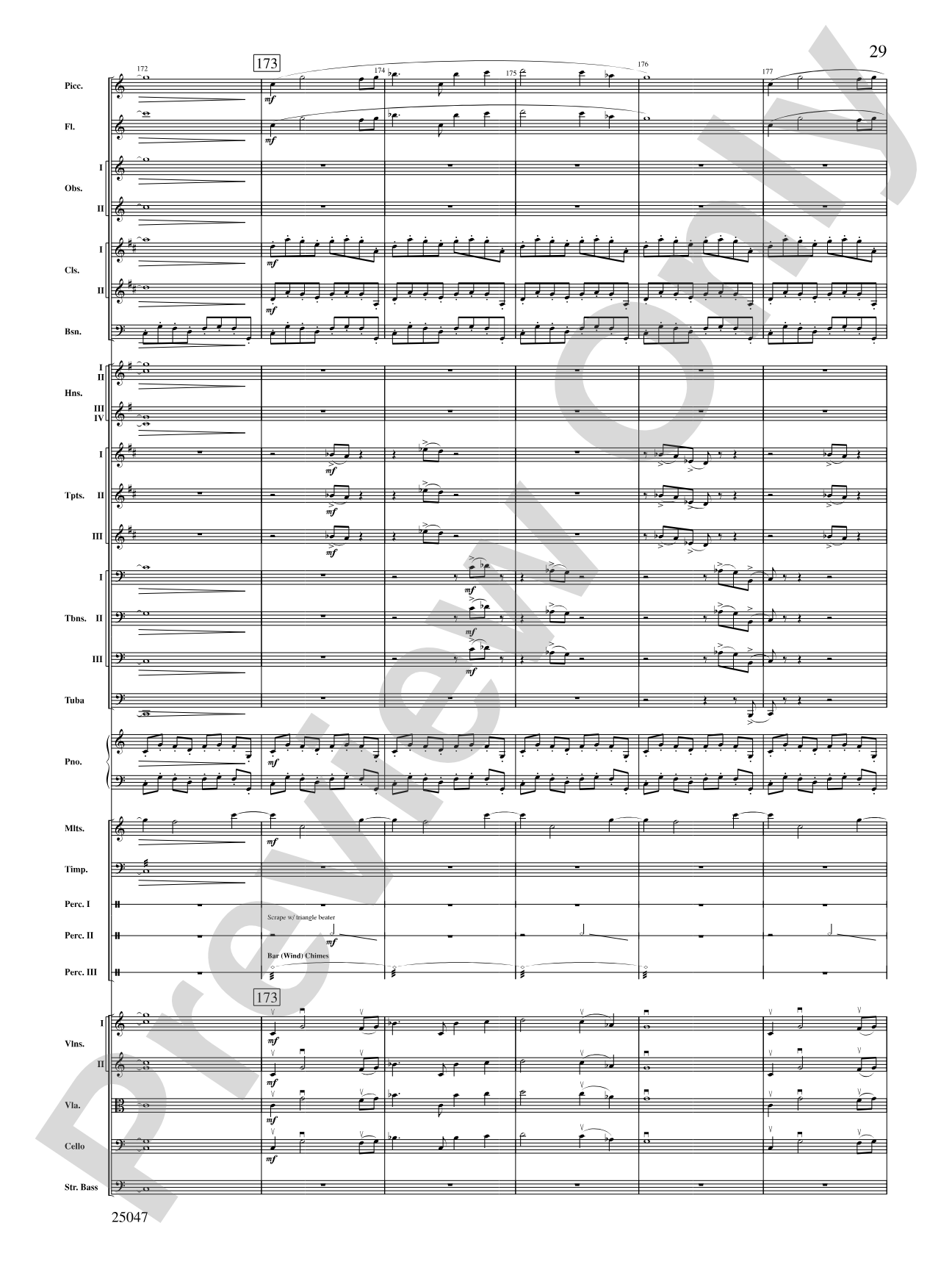
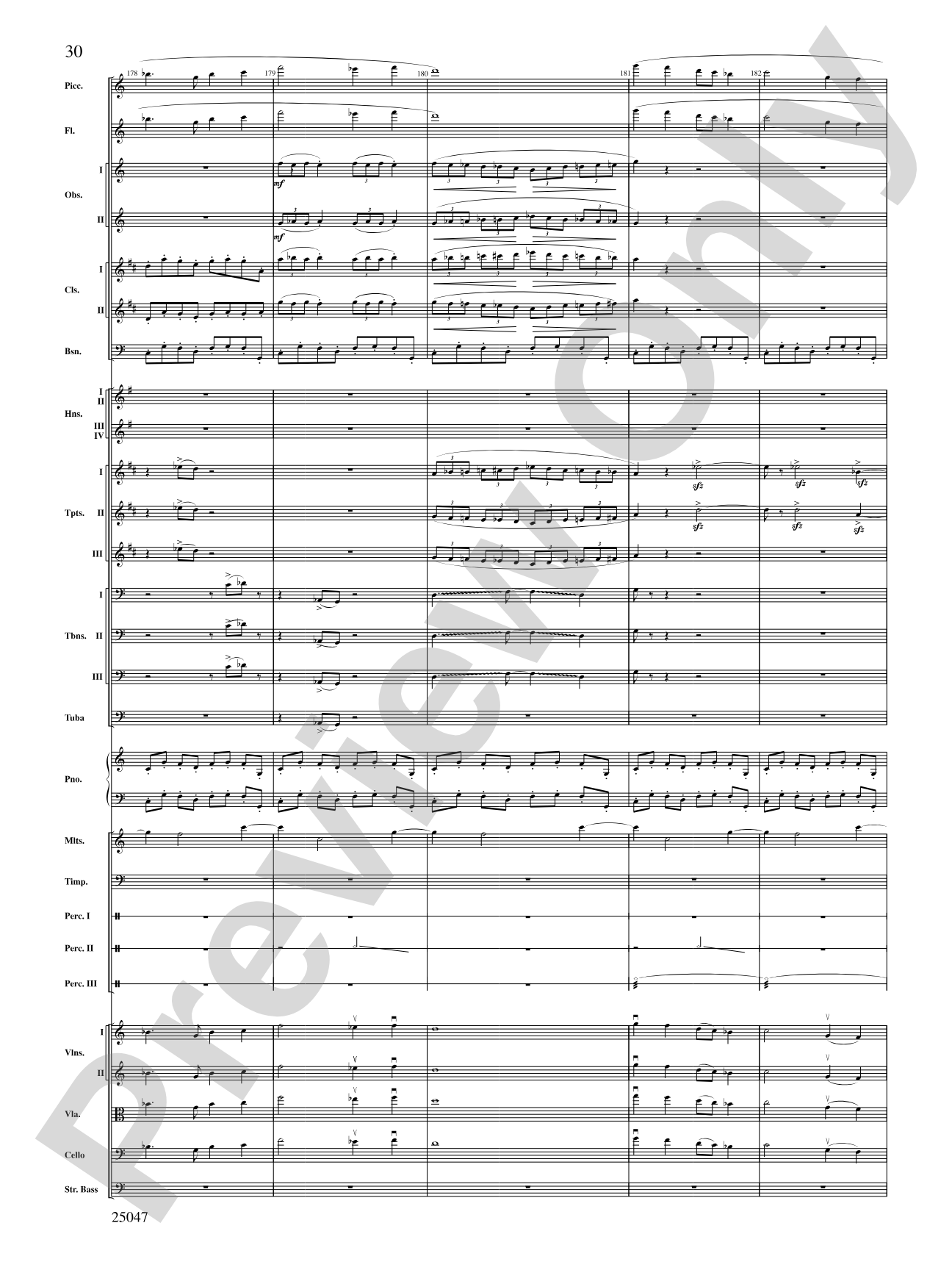
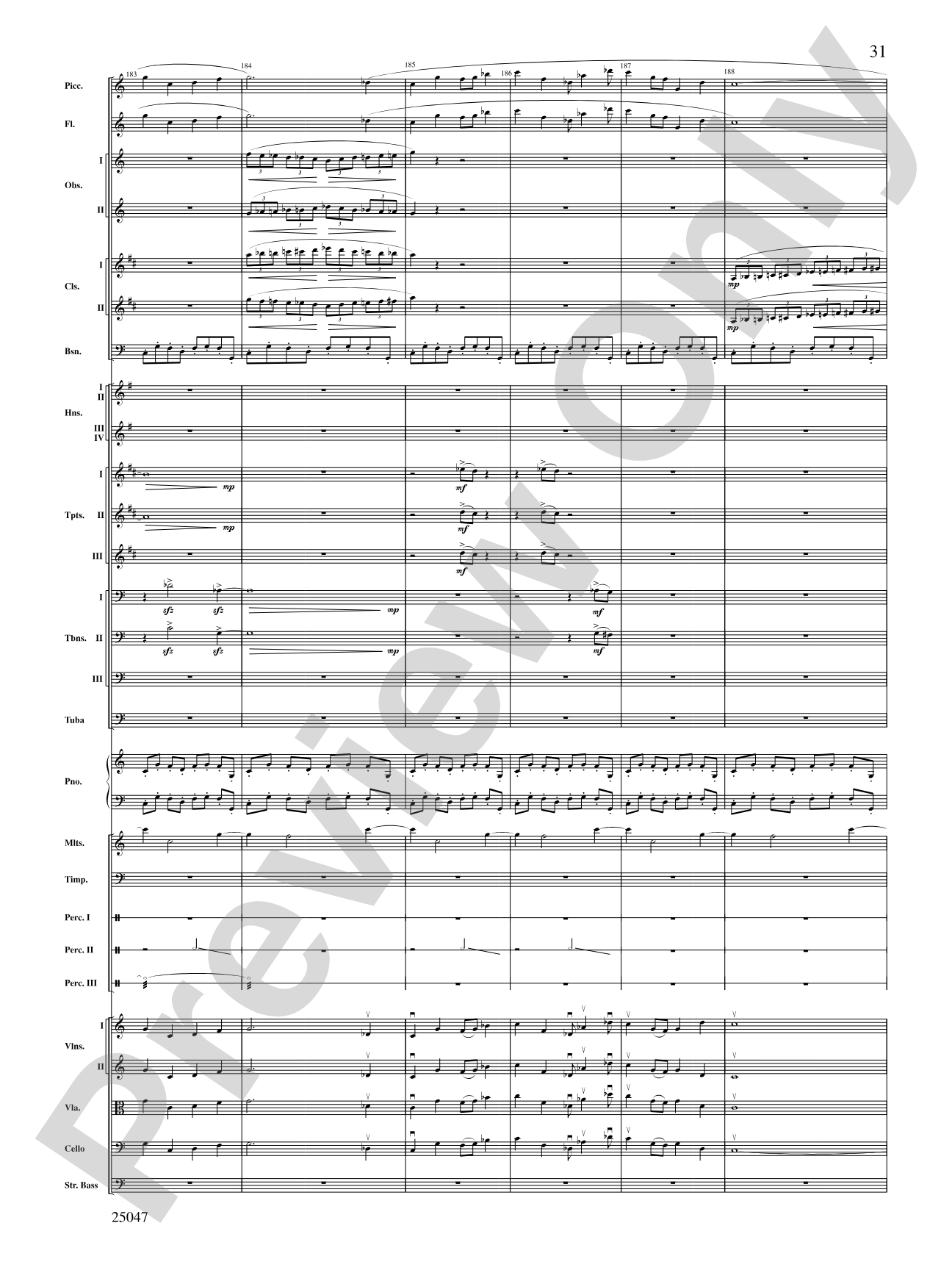
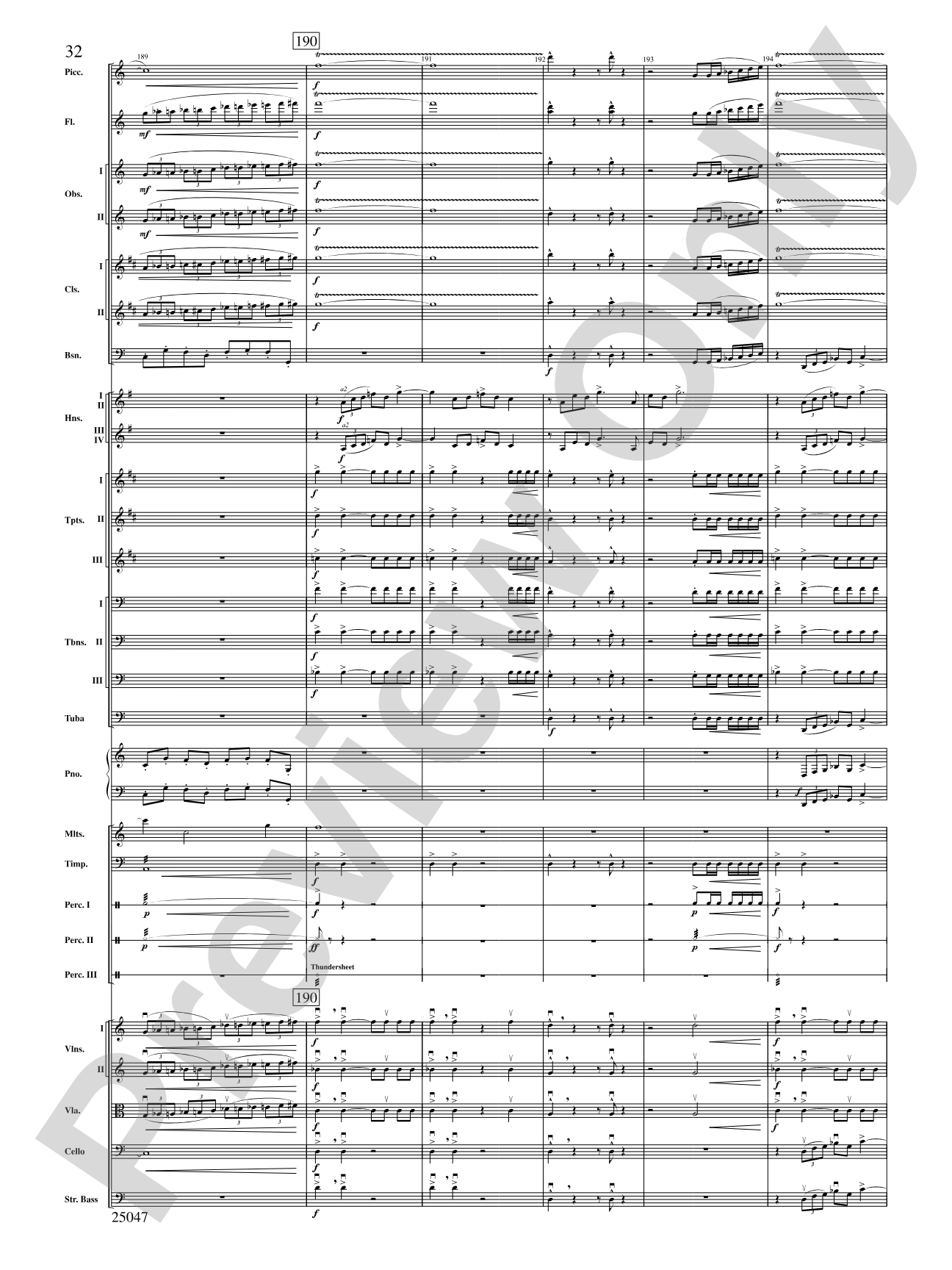
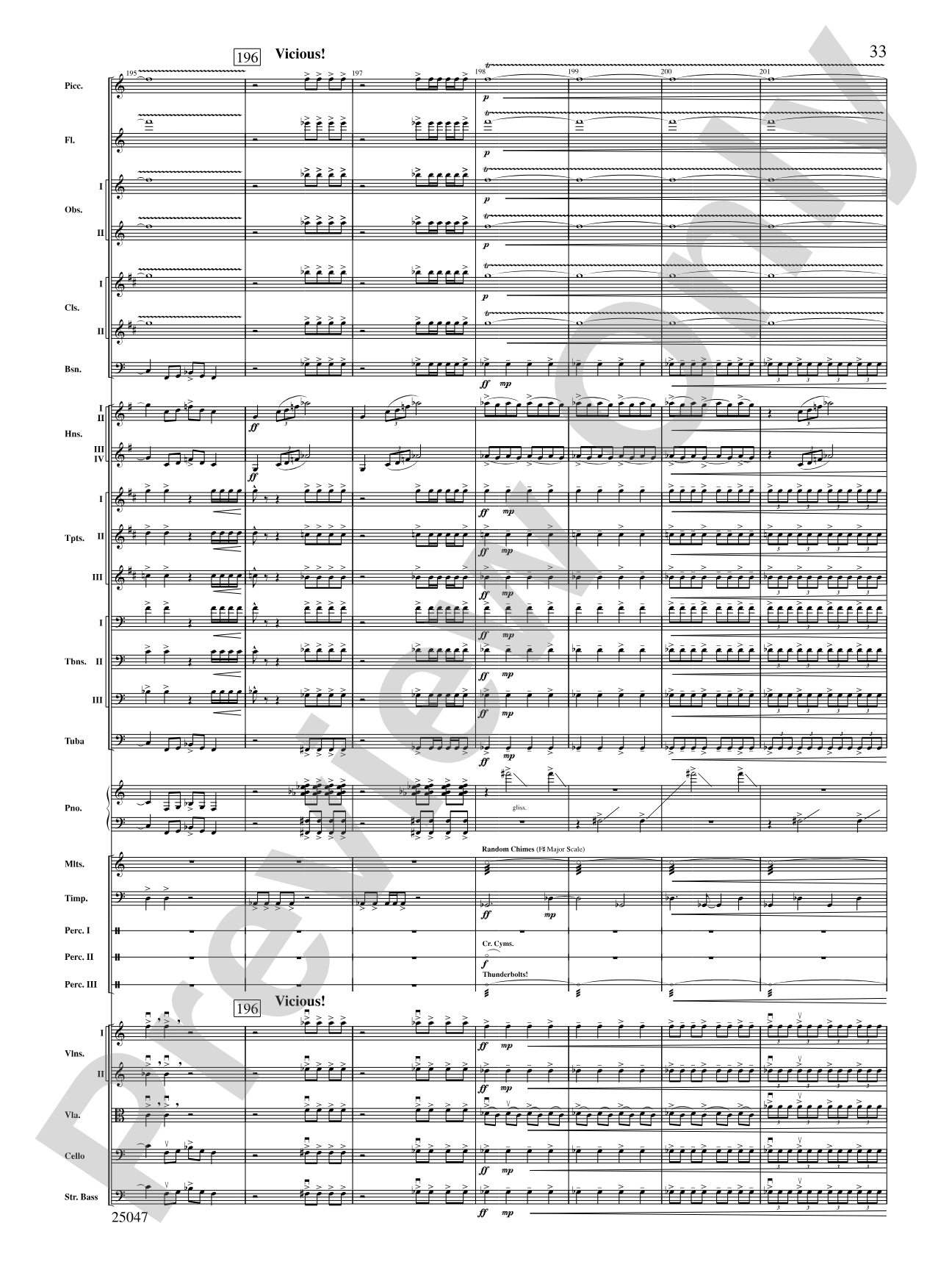
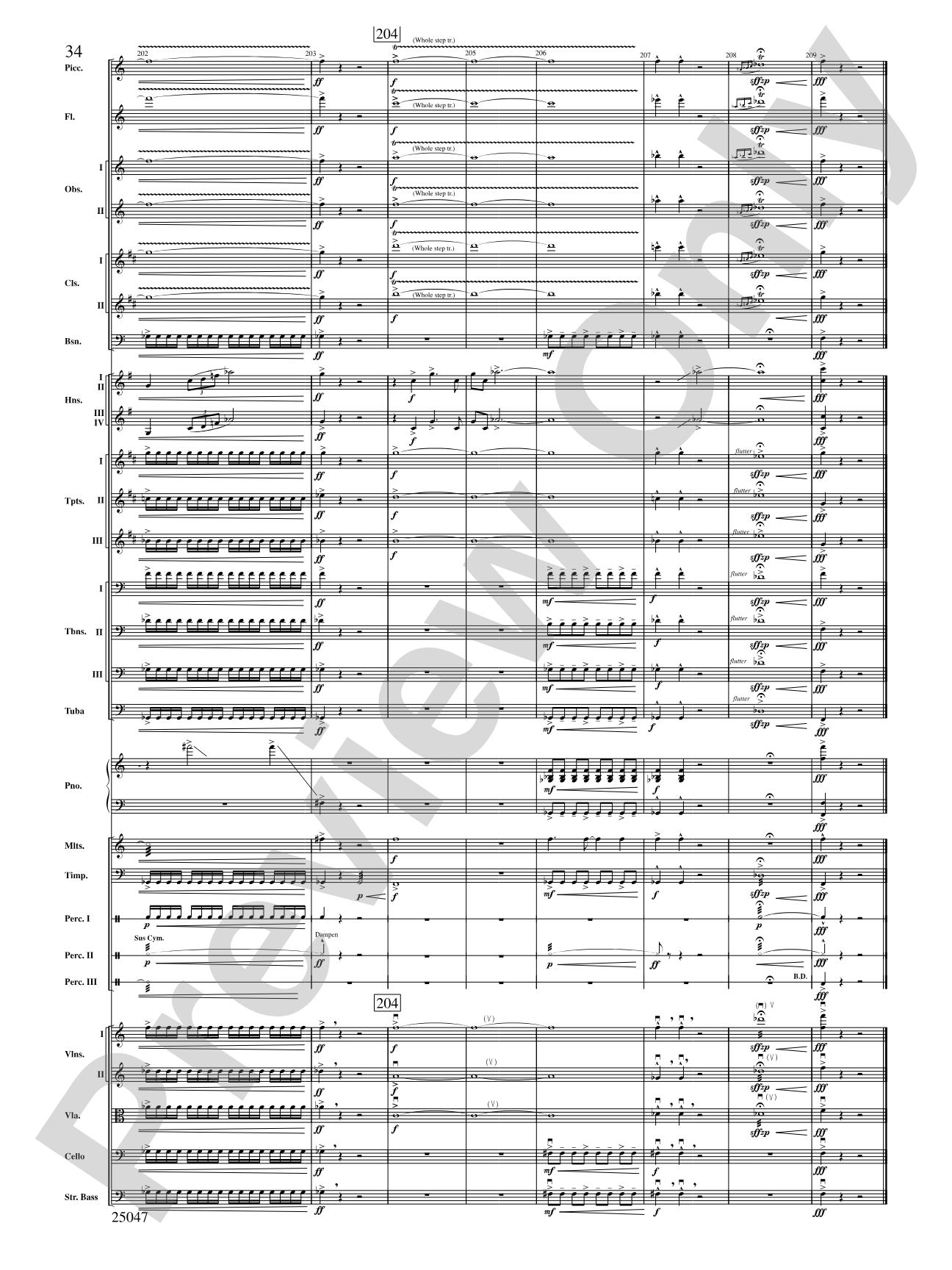

The Winds of Poseidon: Full Orchestra Conductor Score & Parts
By Robert W. Smith
Grade: 5
Item: 00-PK-0001021

$75.00
Pickup currently not available
Buy Extra Parts (Digital PDF Download)
Parts Added to Cart!
Description
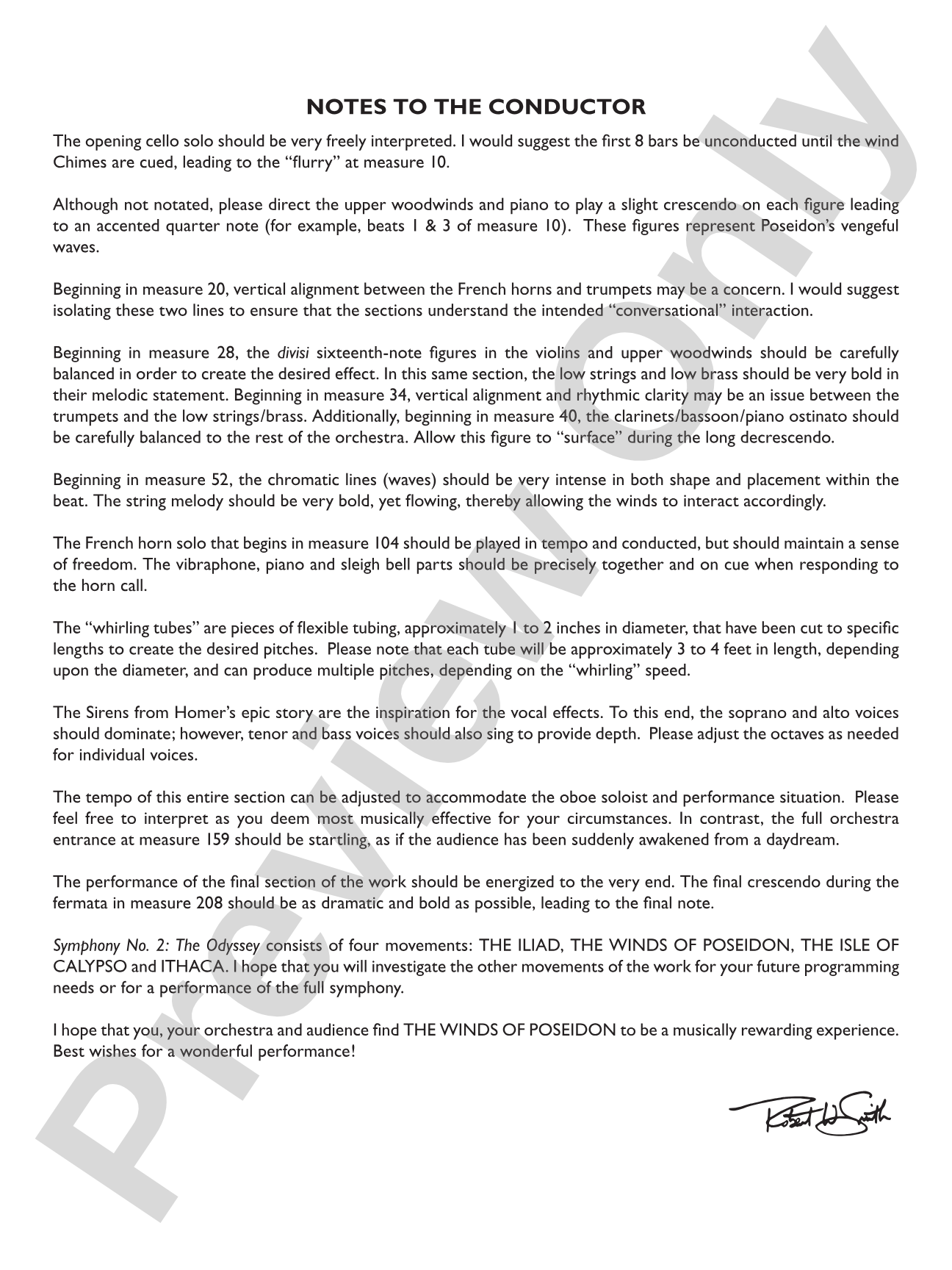
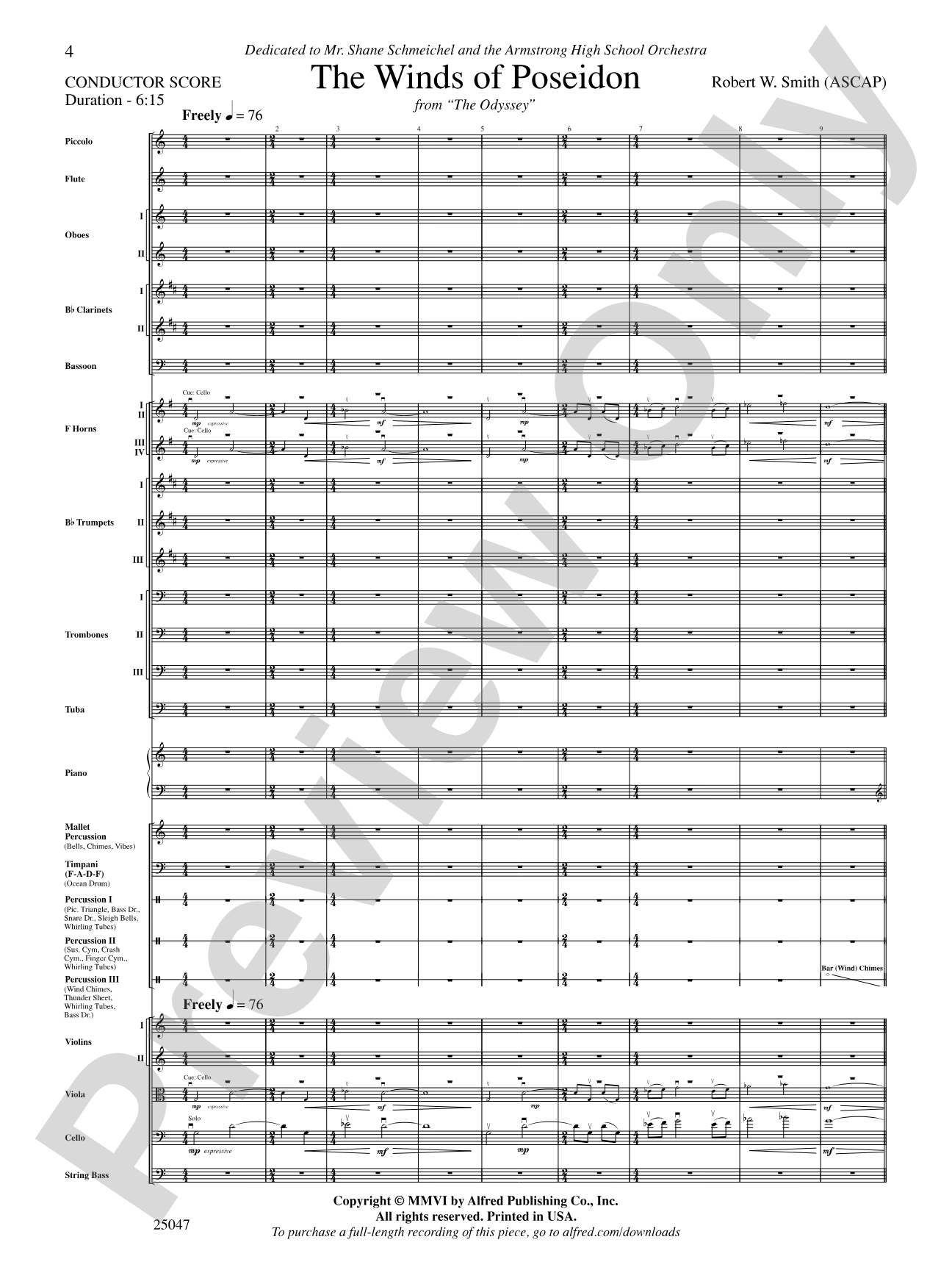
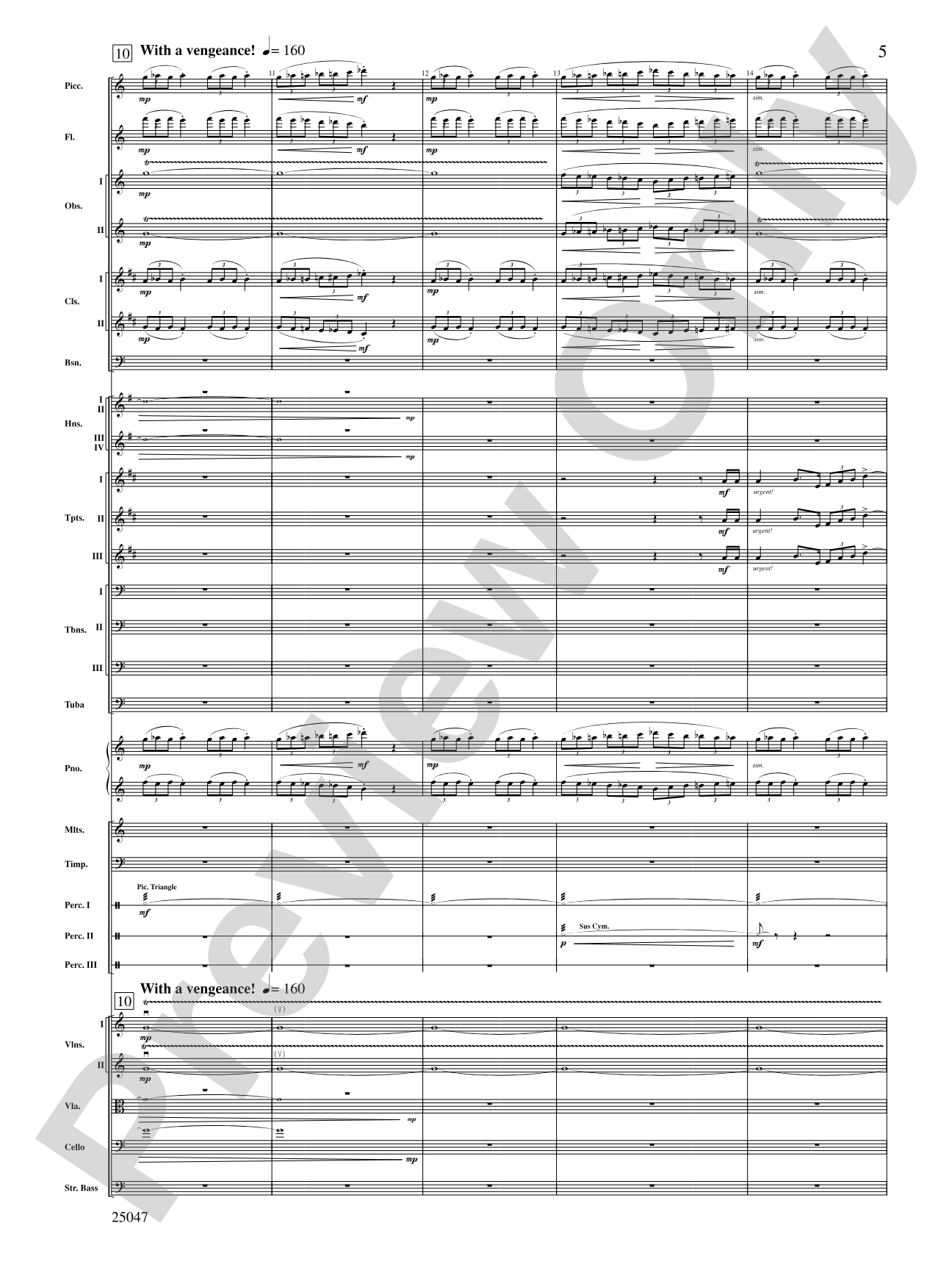
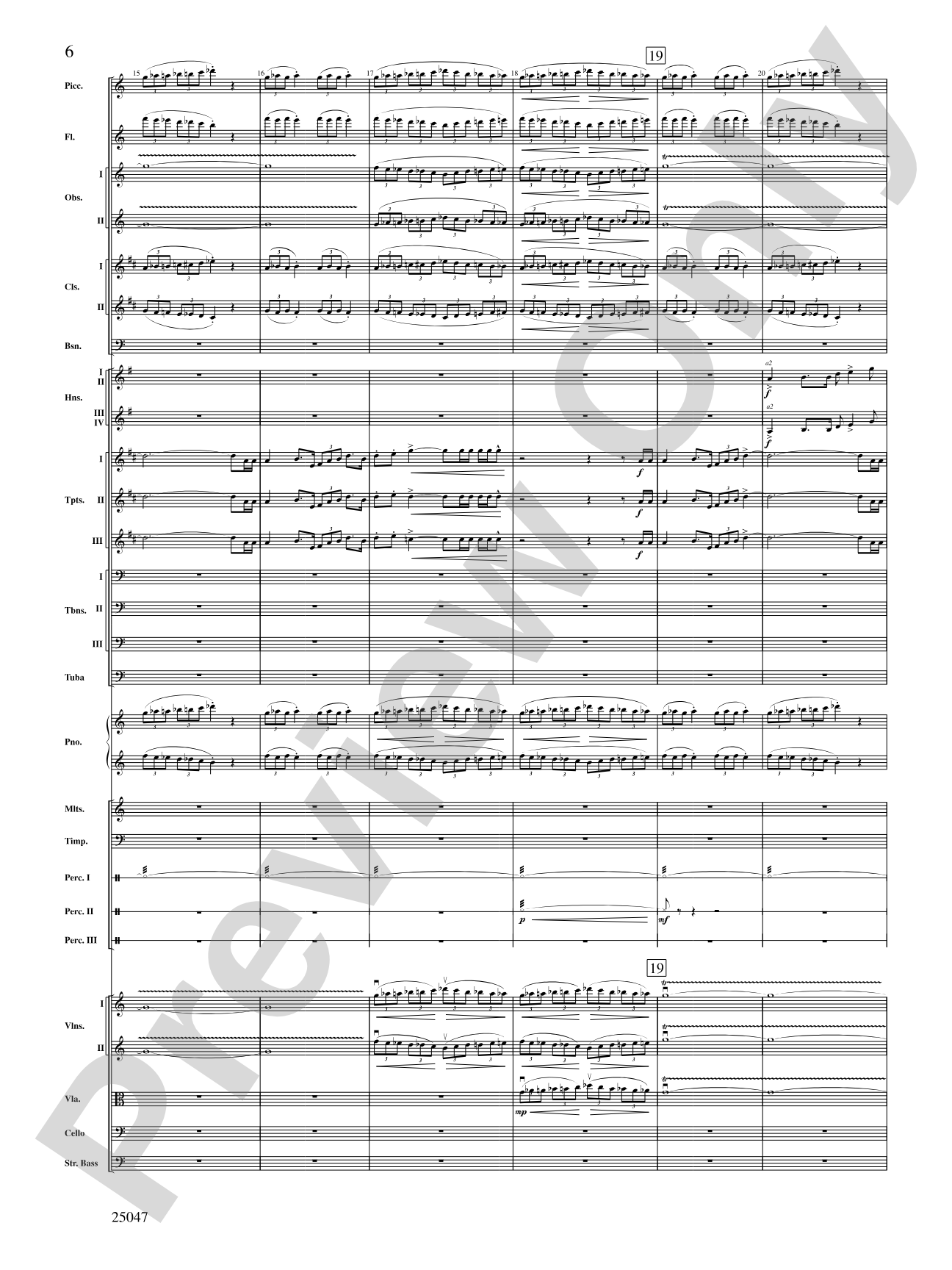
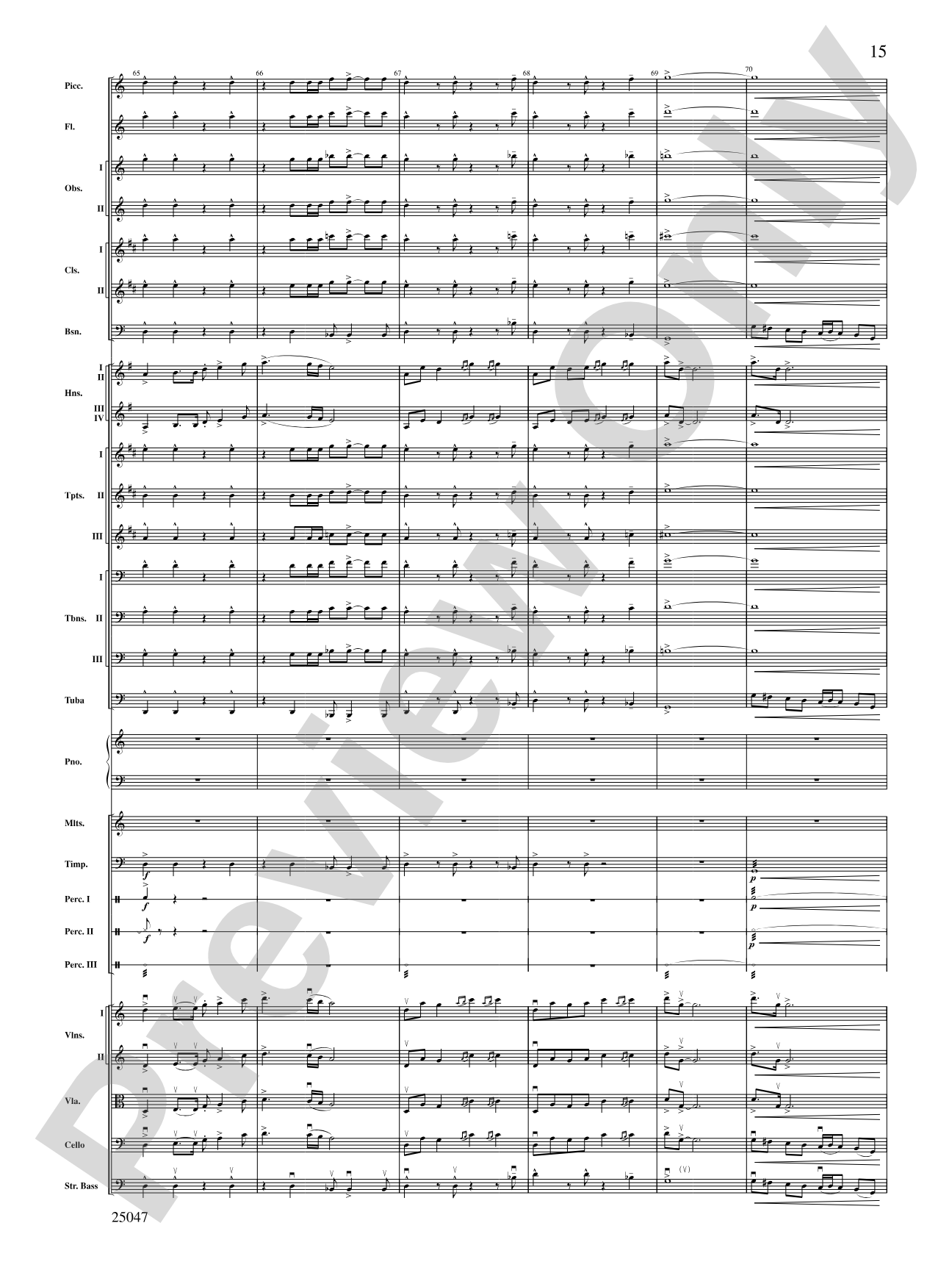
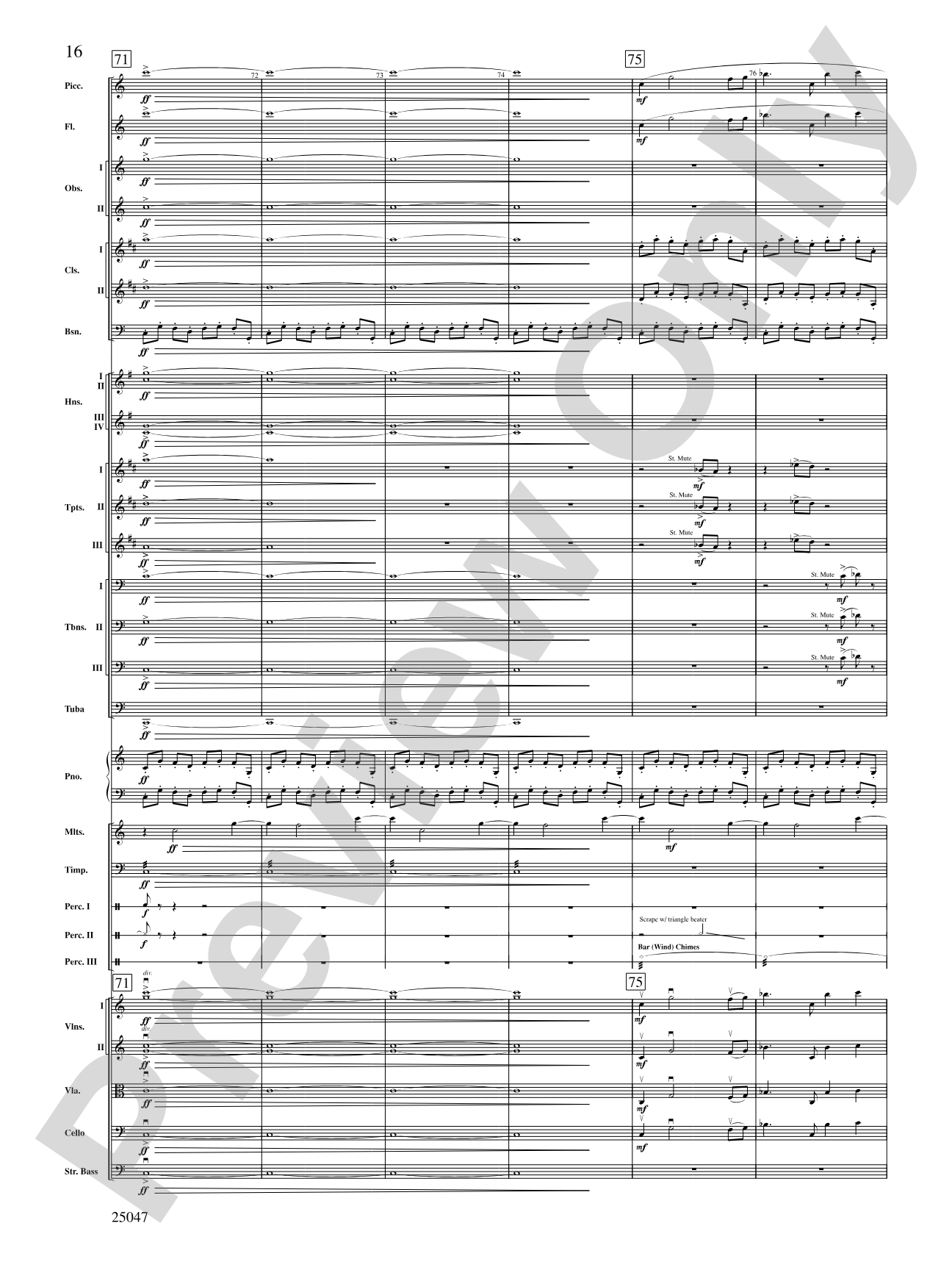
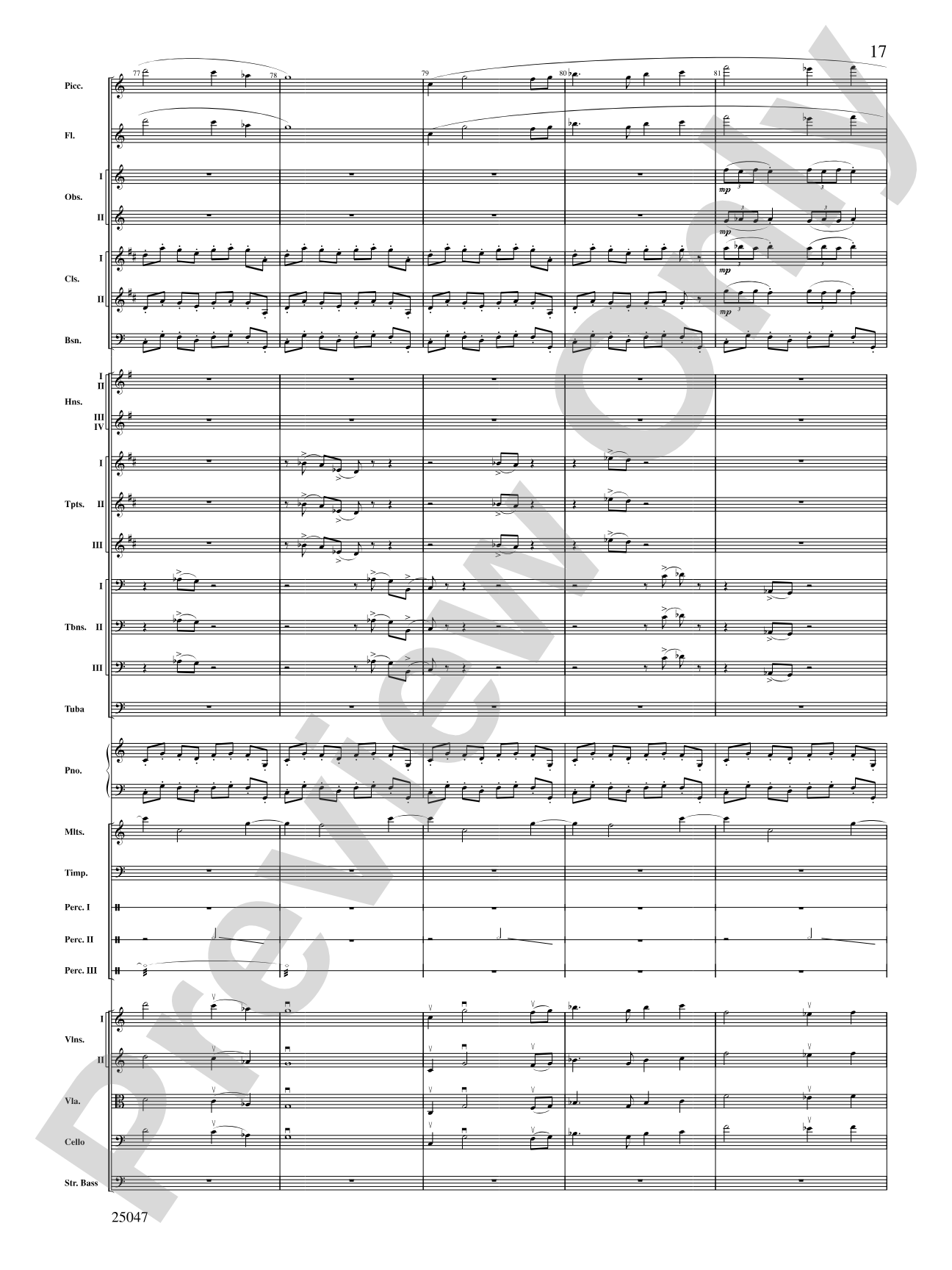
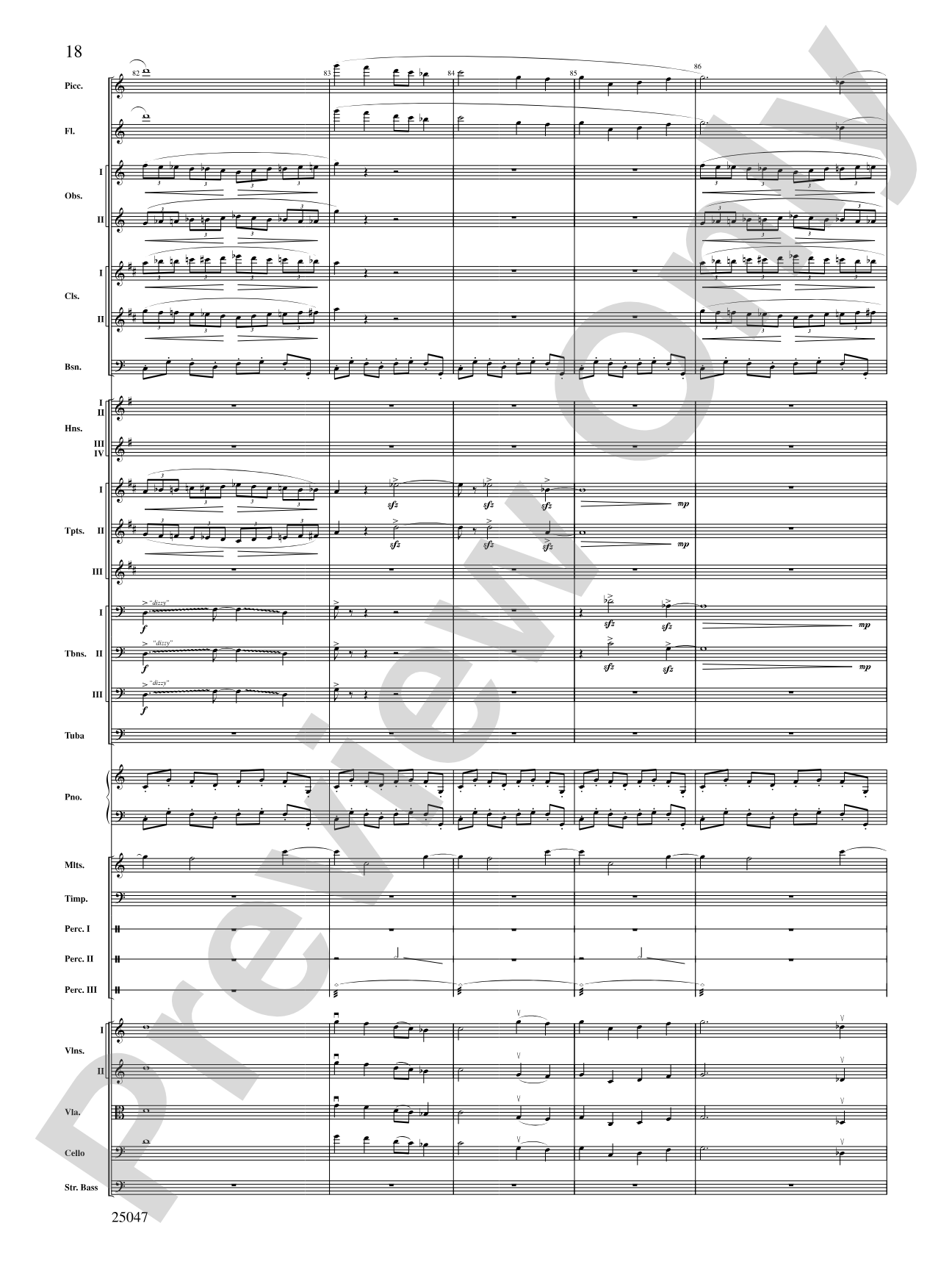
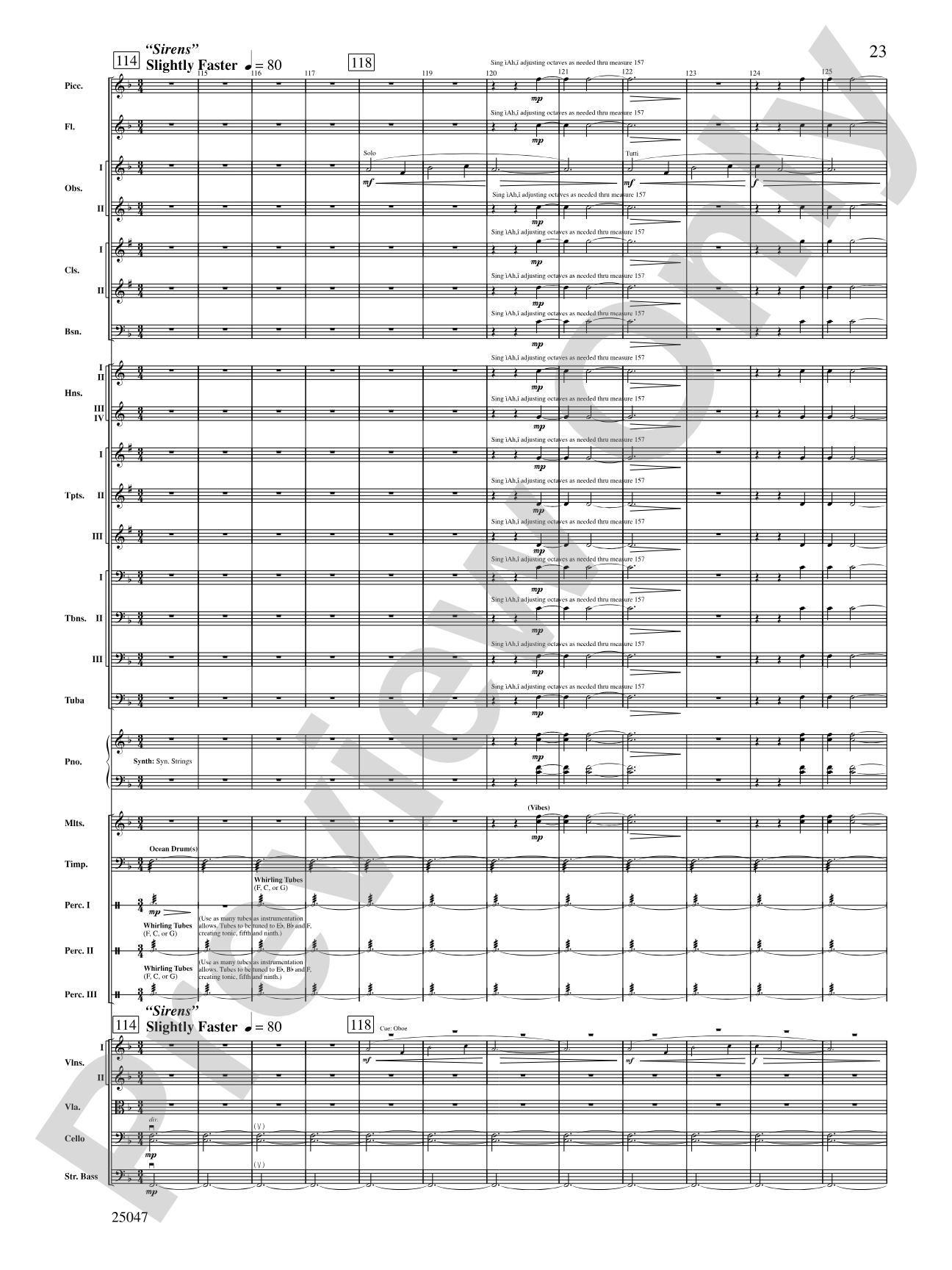
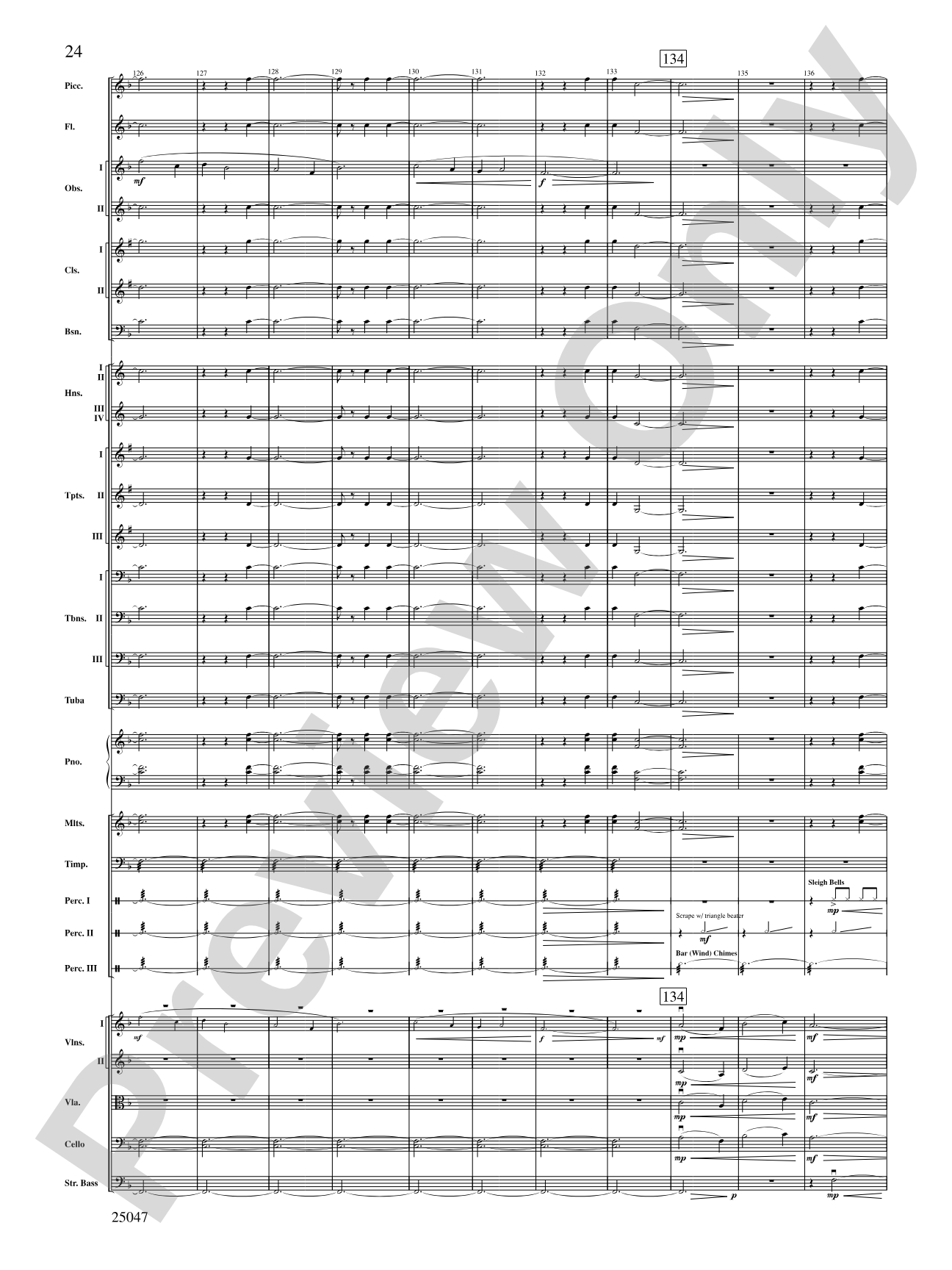
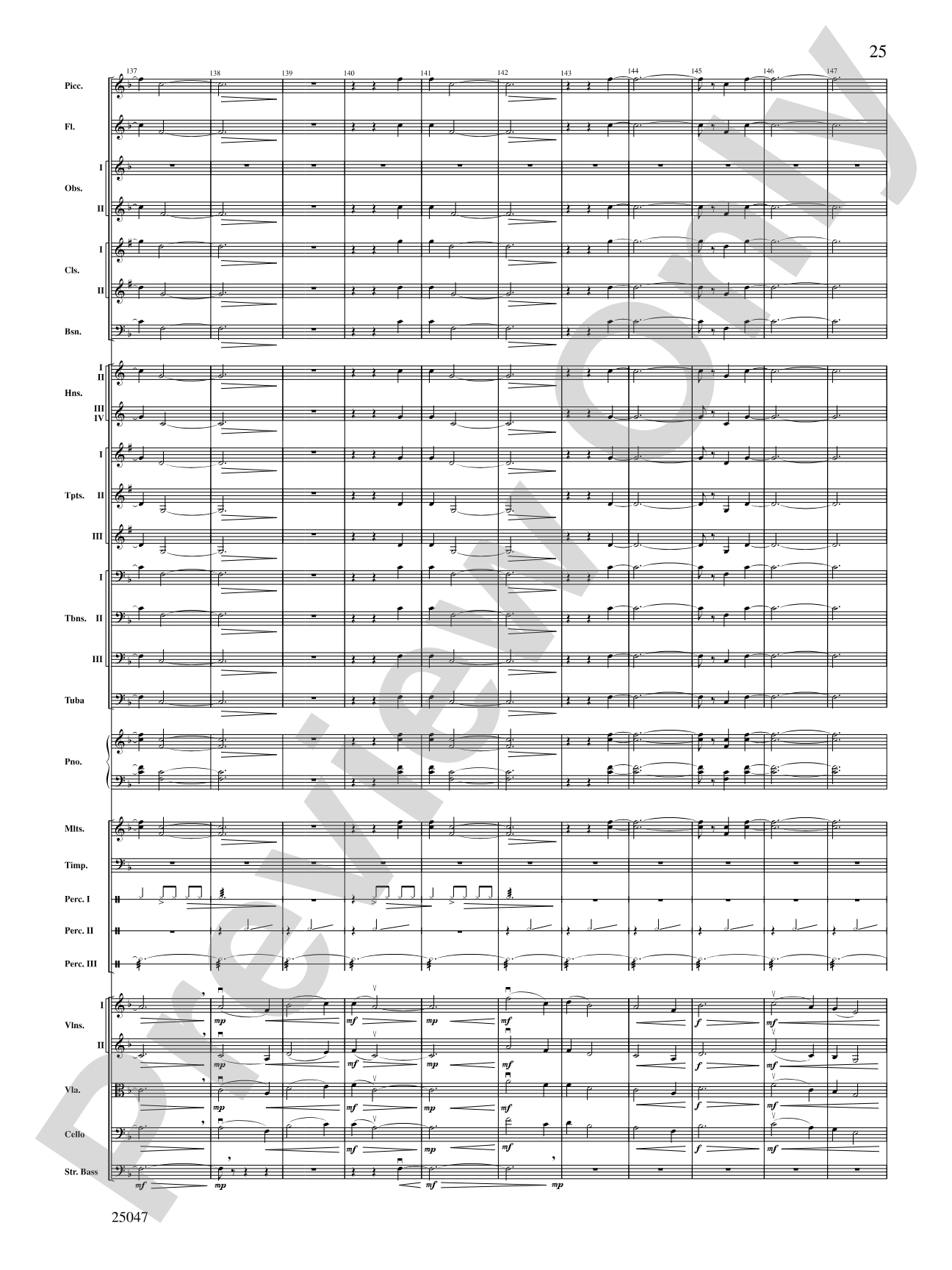
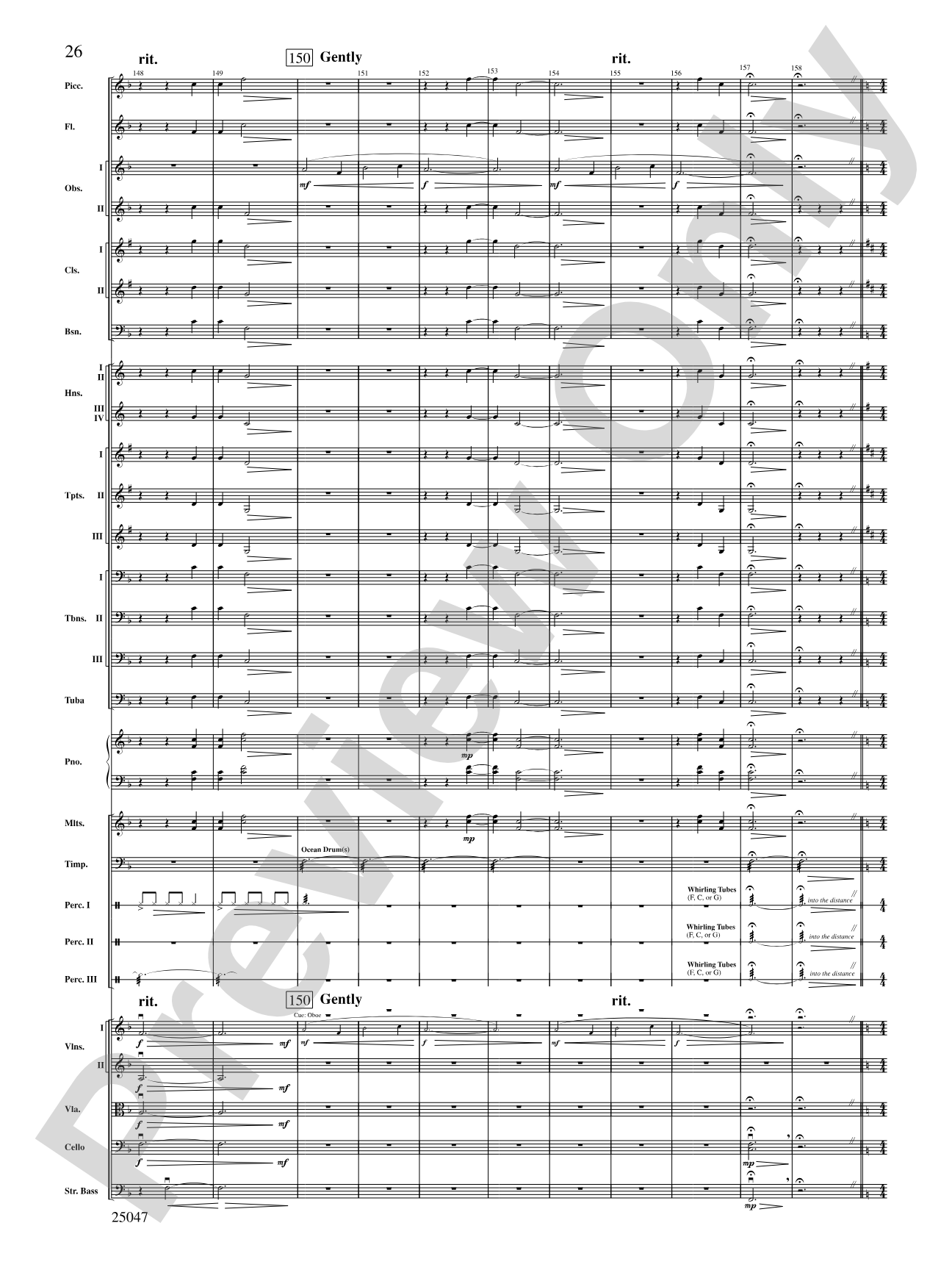
A fantastic full symphonic experience for the full orchestra! "The winds of Poseidon" joins "The Isle of Calypso" in the Second Symphony from the pen of Robert W. Smith. This work, the second movement of the symphony, is based on the classic story, The Odyssey. Odysseus is the shipwrecked warrior who wanders the land and sea for ten years, and this bold musical statement captures the essence of the powerful winds and waves that propel Odysseus on his journey. The center section was inspired by the tale of the Sirens, whose beautiful and captivating singing lured sailors to their deaths on the rocks. The genius of the composer is strongly in evidence in this gigantic musical tale.


Don't just read it, hear it, play along with it, and watch your students grow with it. In MakeMusic Cloud, The Winds of Poseidon: Full Orchestra Conductor Score & Parts comes alive with professional accompaniment, adjustable tempo, and built-in practice tools that turn solo practice into real progress.
Open in the Player
Jump straight in and assign it today.
Start Your Free Trial
Open this title and explore the full library in minutes.
Sample Audio
1
Audio File
--:--
0:00
0:00
Sample Video
No sample videos found.
Additional Details
Series:
Belwin Concert Full Orchestra
Publisher:
Alfred Music
Page Count:
244
SKU:
00-PK-0001021
More about this title
About the Composer: Robert W. Smith

Robert W. Smith stands among America's most prolific composers of orchestral and concert band music, with over 400 published works to his name. He holds degrees from Troy State University and the University of Miami, and his compositions have been performed internationally across North America, Europe, Australia, and Asia. His symphonies—notably The Divine Comedy and The Odyssey—have become widely recognized in music education circles, while works like The Tempest have established themselves as standards in developing ensembles.
Beyond the concert hall, Smith's music has reached audiences through television broadcasts, ceremonial events, and major cultural productions ranging from the Olympic Games to the Macy's Thanksgiving Day Parade. His dual work as a conductor and clinician has taken him across the United States, Canada, and internationally, solidifying his influence on contemporary orchestral and band repertoire.
Why we love this
Smith crafts narratives through orchestral color and momentum in ways that engage both musicians and audiences without sacrificing musical substance. The Winds of Poseidon builds on the success of The Isle of Calypso while standing entirely on its own as a Grade 5 work with genuine symphonic ambitions. At this level, finding a programmatic piece with this kind of orchestral heft and lyrical imagination is rare.
What to expect
The ocean commands the stage from the opening moments: you feel the raw power of Poseidon's winds driving Odysseus forward, then encounter the seductive danger of the Sirens' call in a more intimate, haunting middle section before the waters surge again. Smith's orchestration captures both the violence of nature and the vulnerability of the wanderer caught within it.
Who it's for
Orchestra directors programming a Grade 5 work with programmatic appeal and symphonic reach. This piece engages students through its connection to classical mythology while presenting legitimate orchestration challenges that reward careful preparation. Both concert and contest settings benefit from the dramatic storytelling and musical craftsmanship Smith brings to The Odyssey.
How to get the most out of it
- Balance the center section's siren voices carefully; let the singing passages breathe without overwhelming the orchestration, so the contrast with the surrounding storm imagery stays potent.
- Establish the driving rhythmic pulse early and commit to it. The propulsive quality of the waves relies on precision from the rhythm section and forward-moving ensemble momentum.
- Shape dynamics across longer phrases rather than measure-to-measure; Smith's narrative arc benefits from sustained tension and release that builds over multiple systems.
- Invest rehearsal time in sectional clarity between the strings and brass, particularly where the thematic material passes between them during the Poseidon imagery.
How to use it
Program this as a featured work on a concert celebrating mythology or classical literature, pairing it with complementary pieces that explore storytelling through music. Its symphonic scale and contest suitability also make it a strong choice for spring festival programming when orchestras are ready to tackle substantial repertoire. The piece works equally well as a concert opener that commands attention from the first moment.
Skills your students will build
- Sustaining dramatic narrative arc across a multi-section work
- Balancing programmatic imagery with musical form and structure
- Executing rapid dynamic shifts and textural contrasts
- Coordinating complex rhythmic passages between sections
- Blending lyrical passages with dramatic climactic sections