
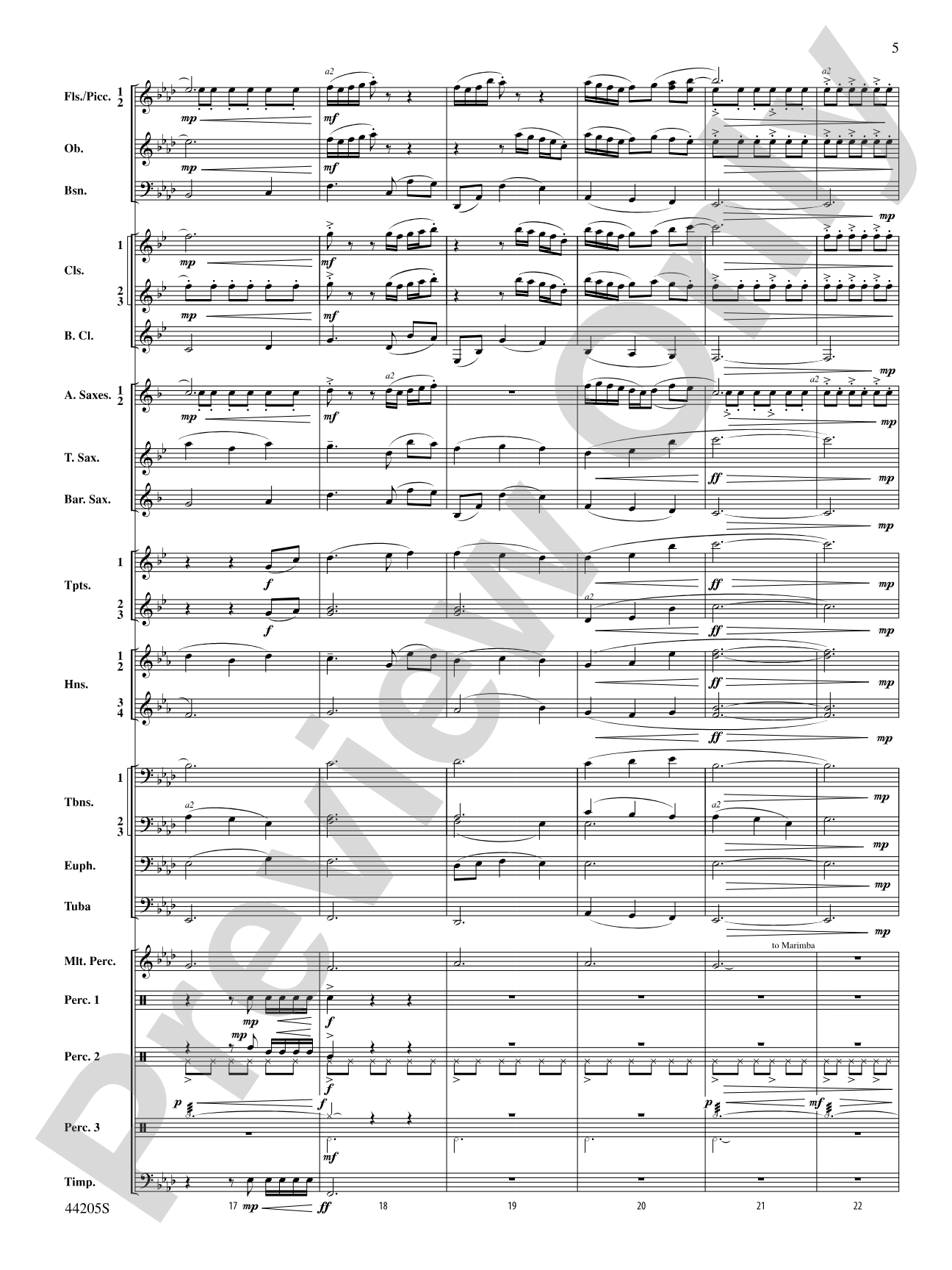
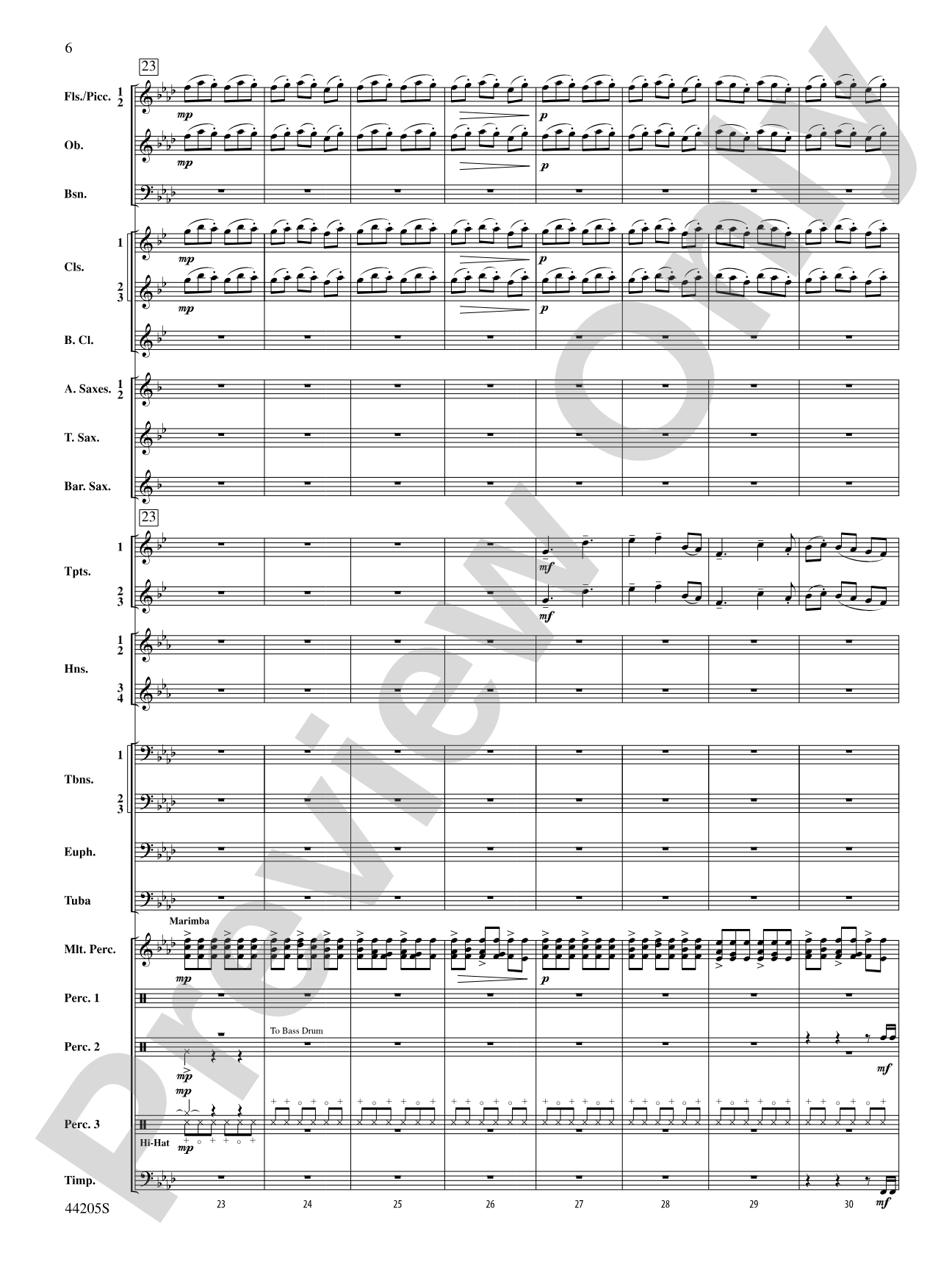
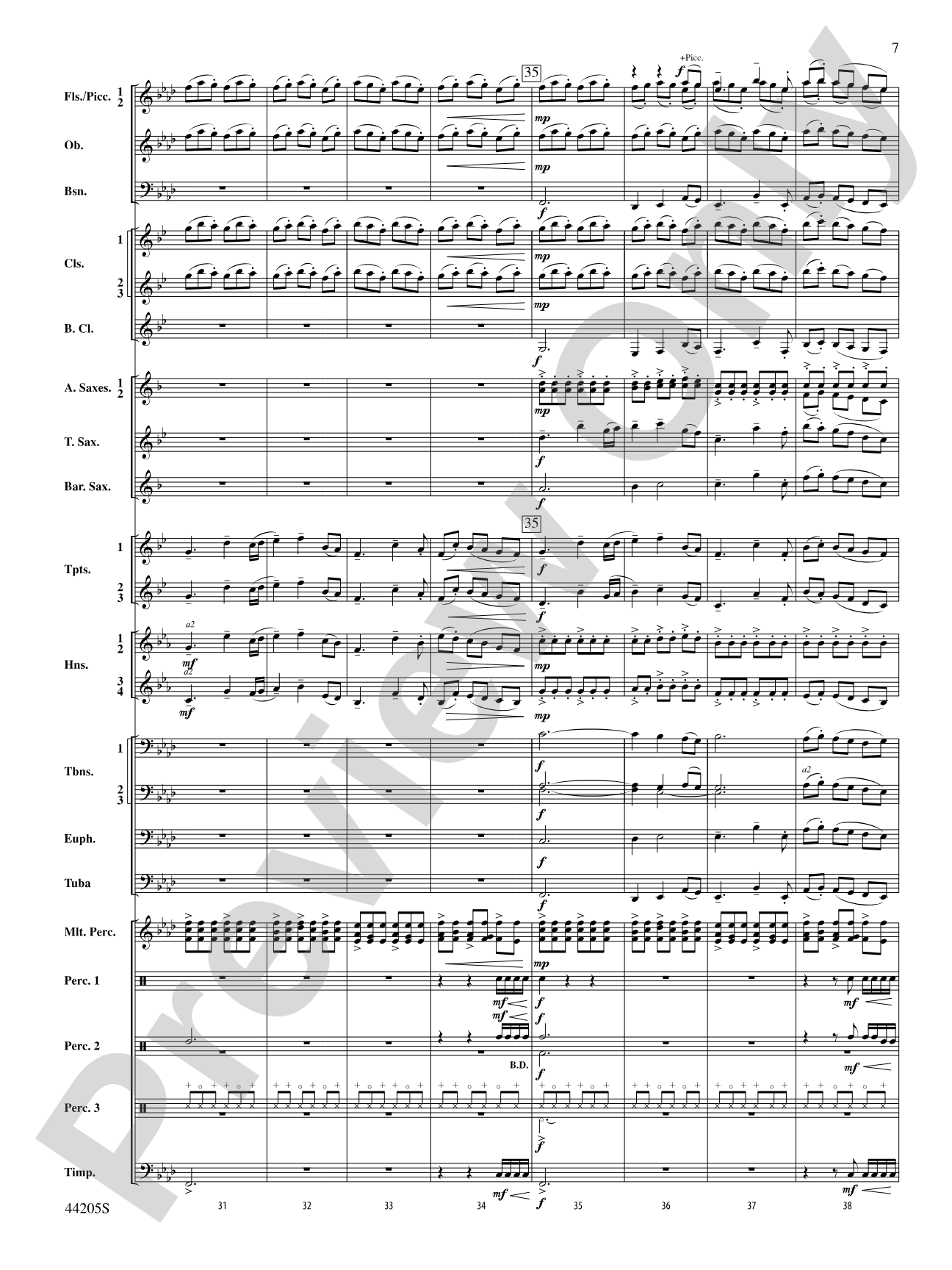
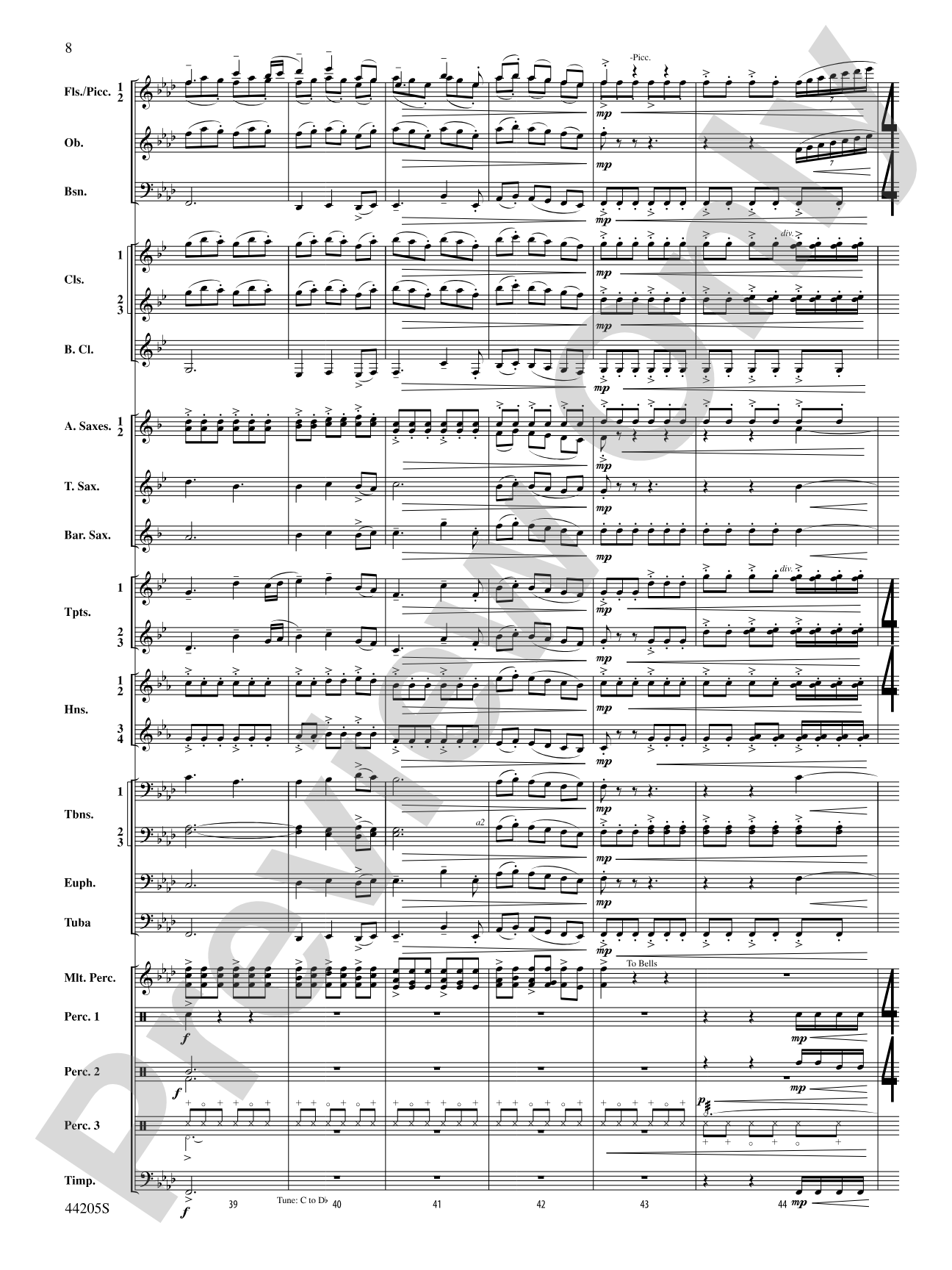
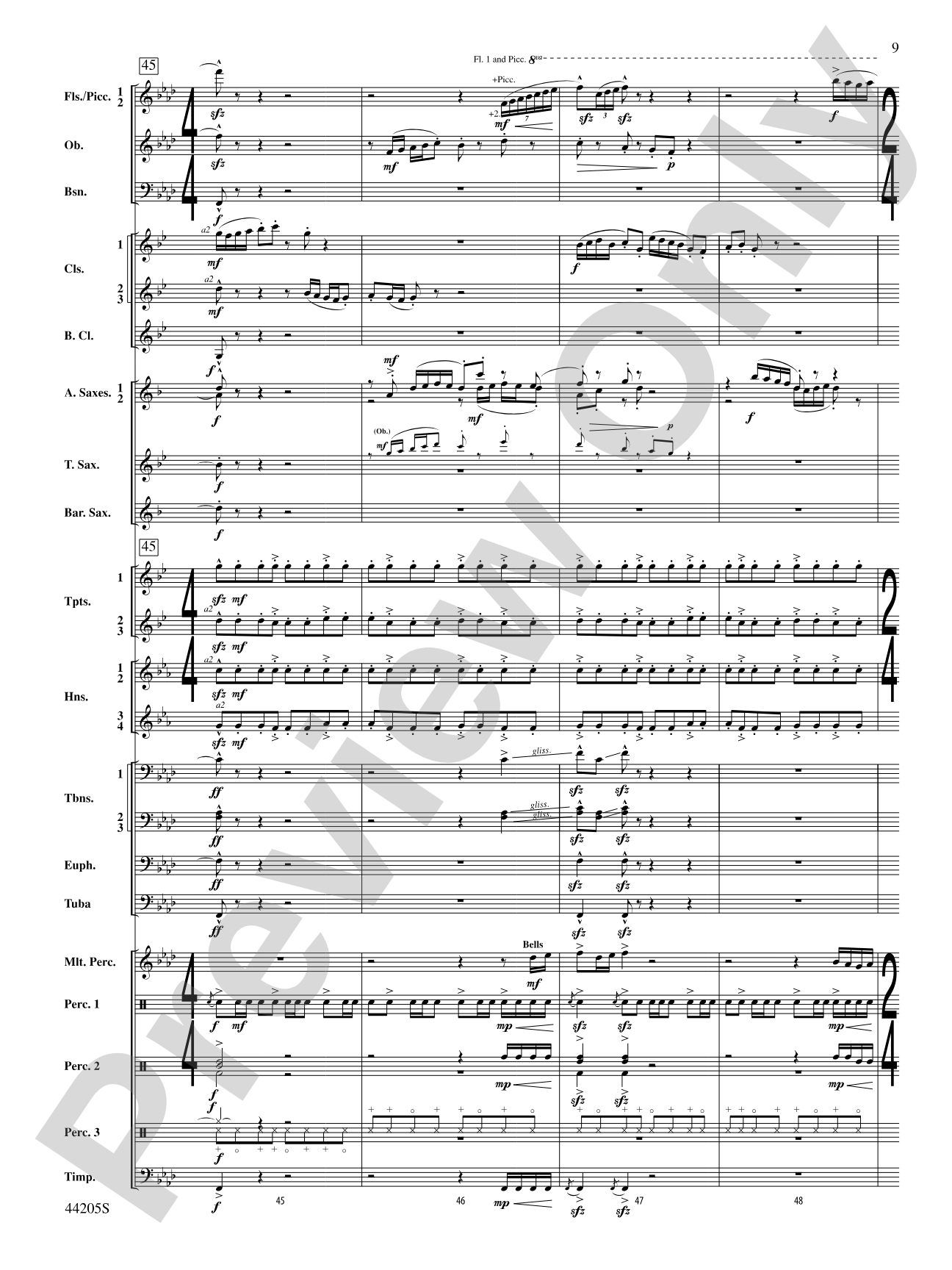
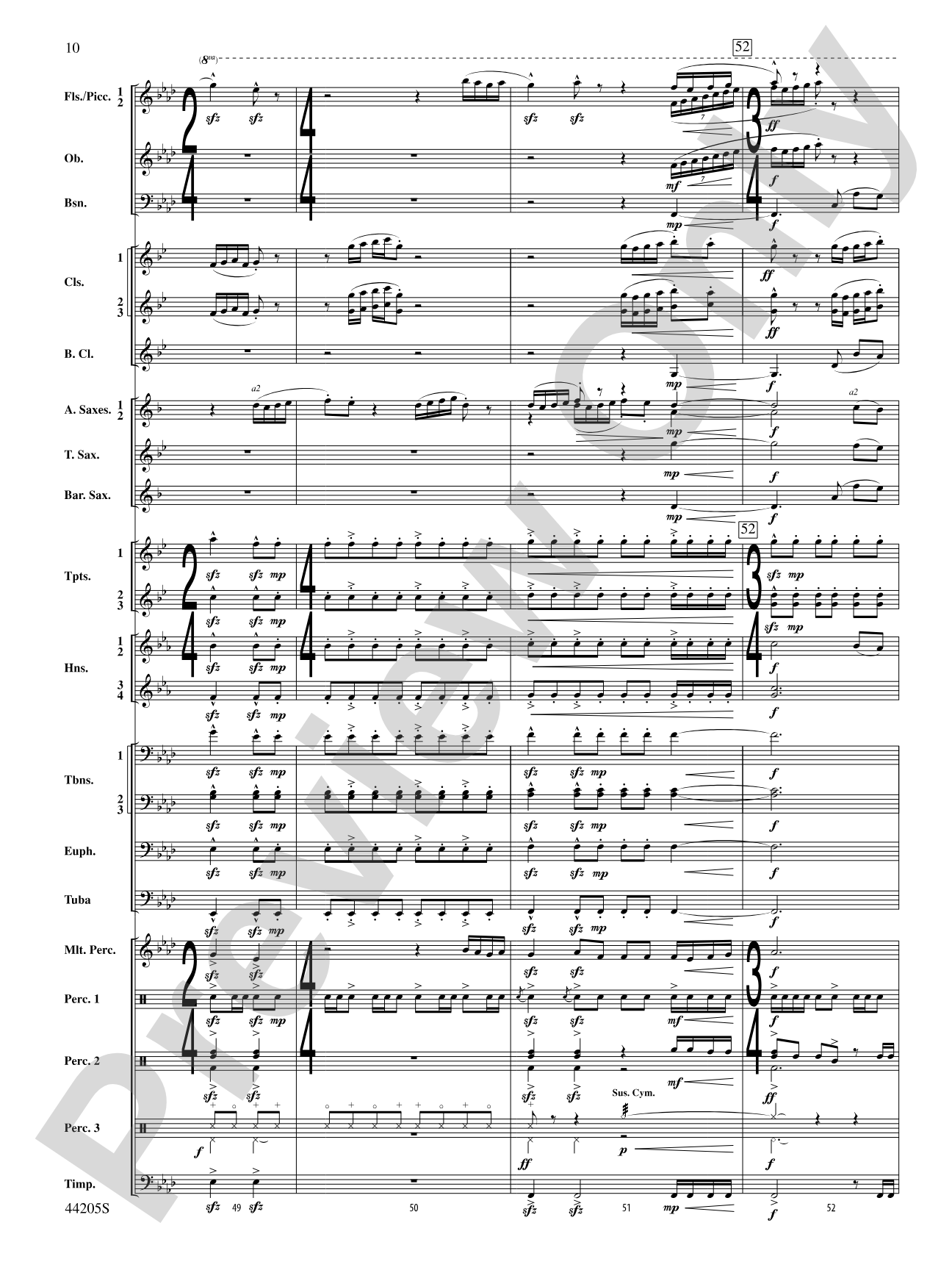
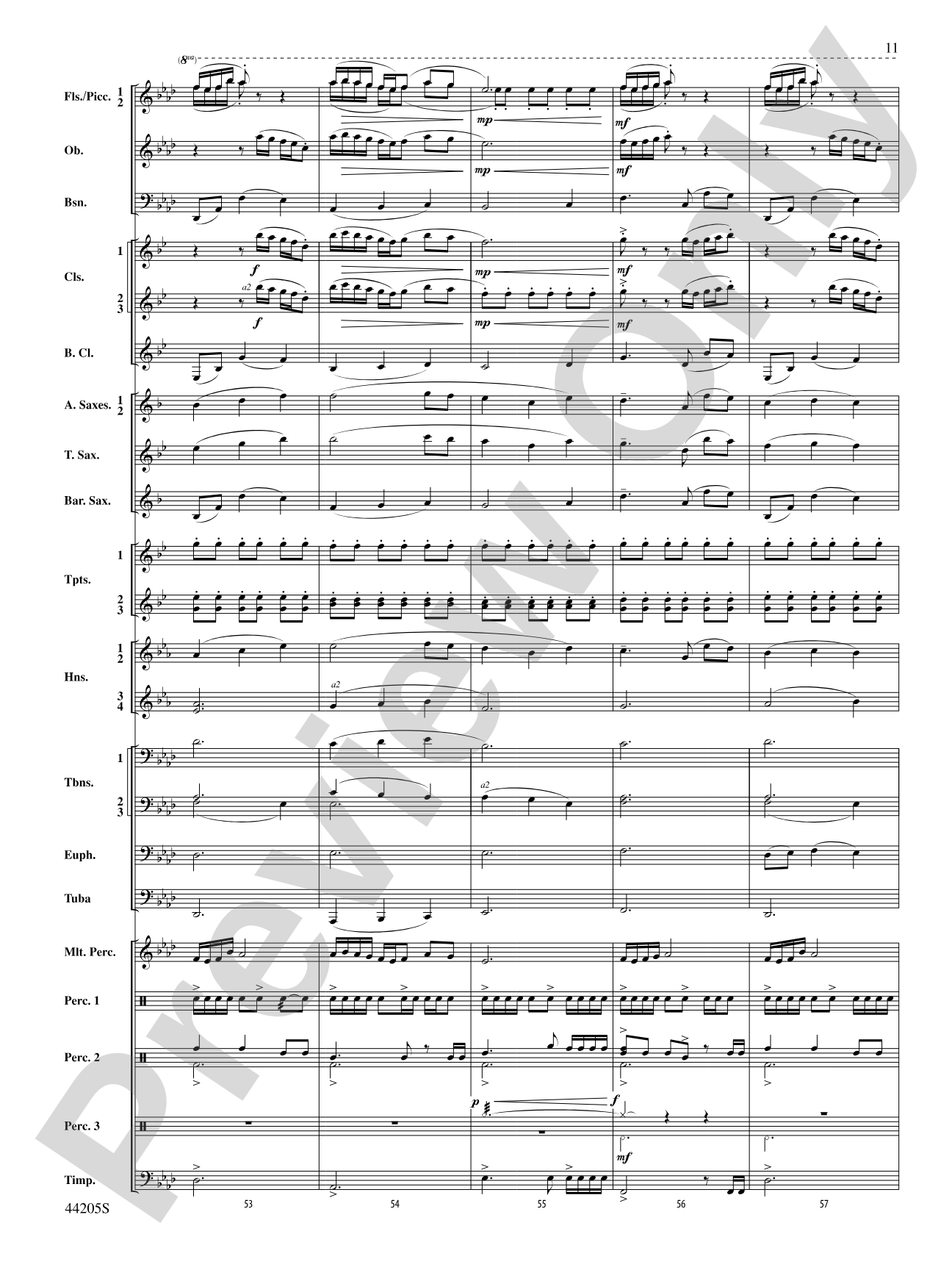
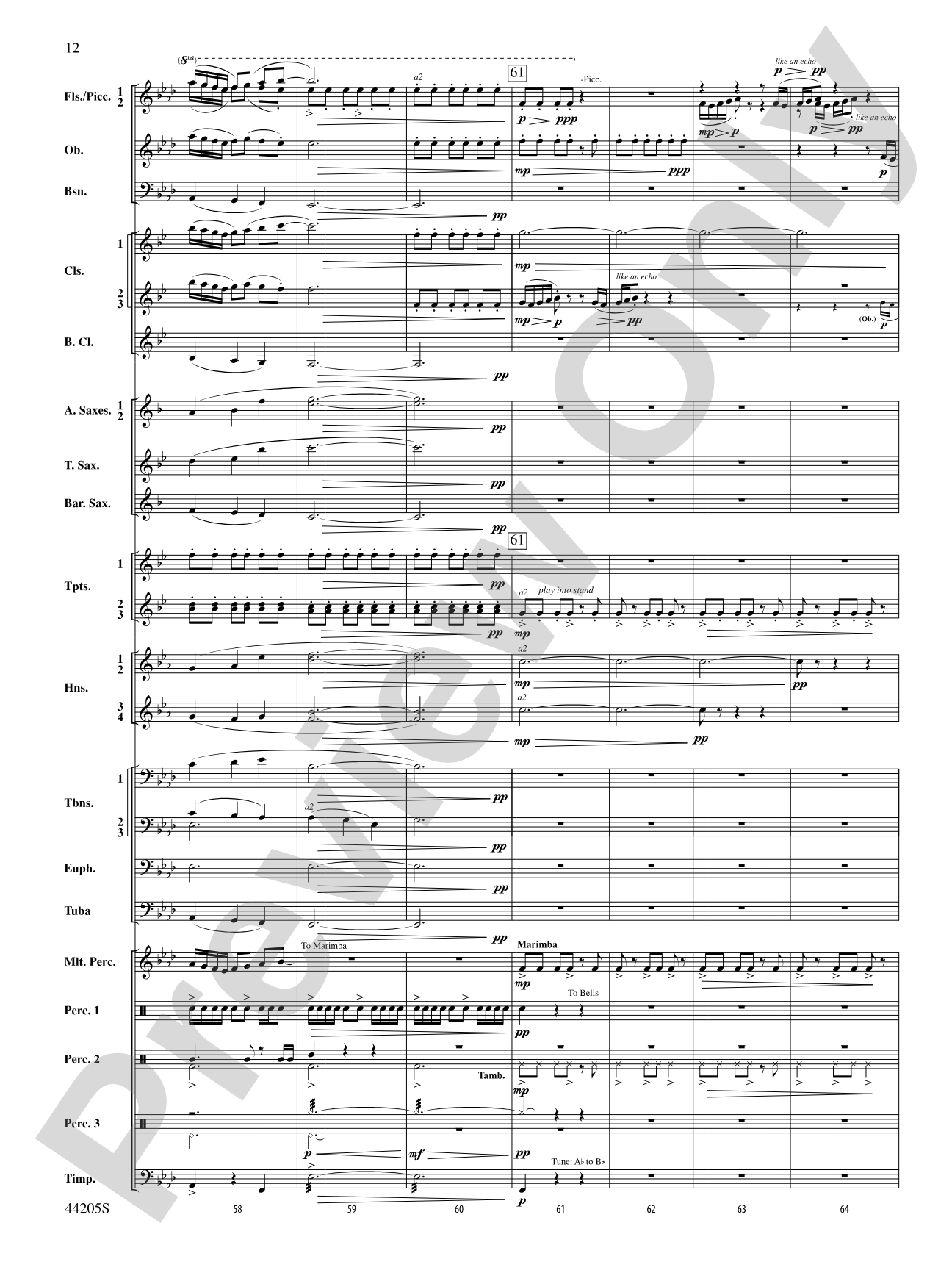
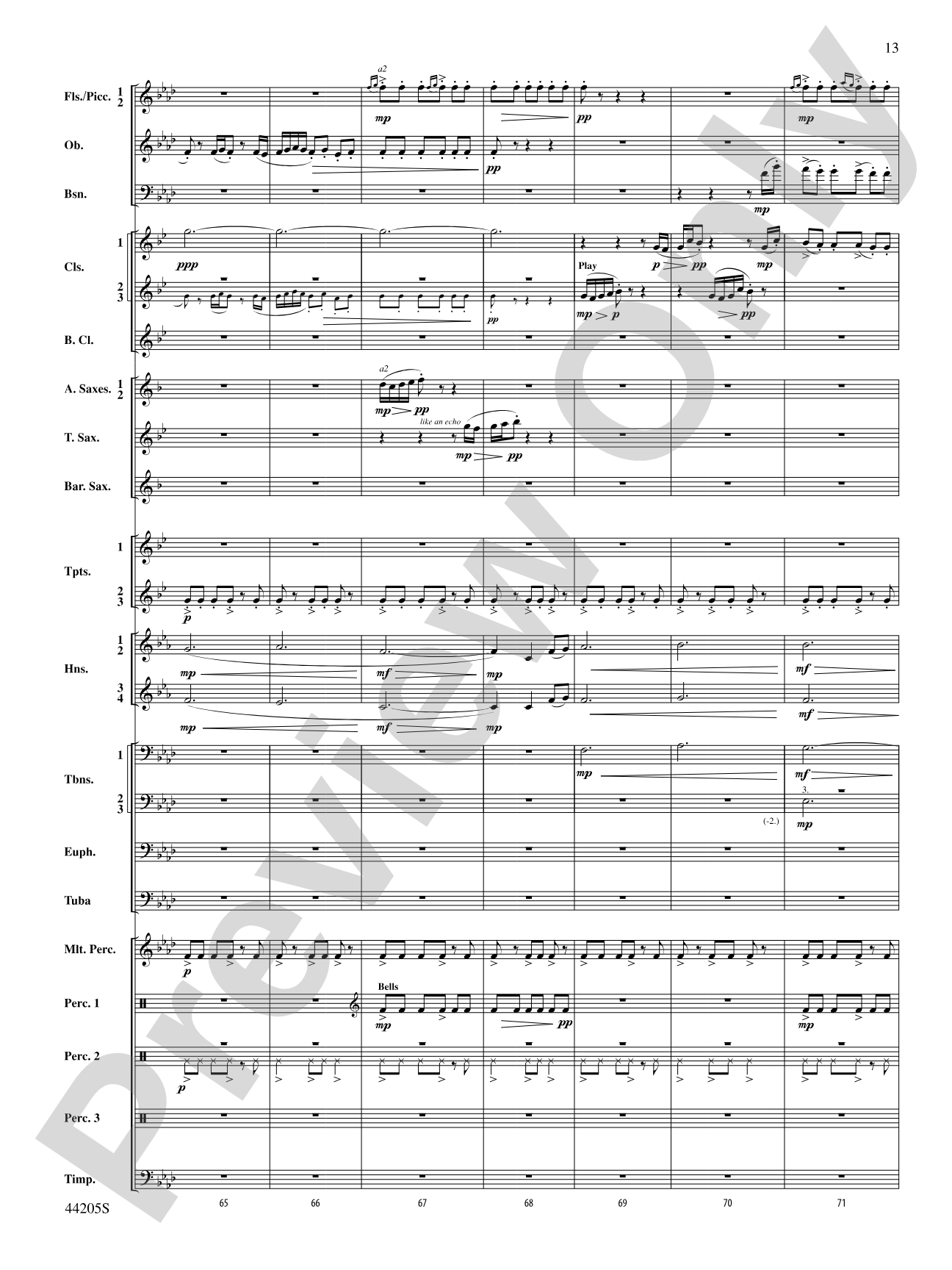
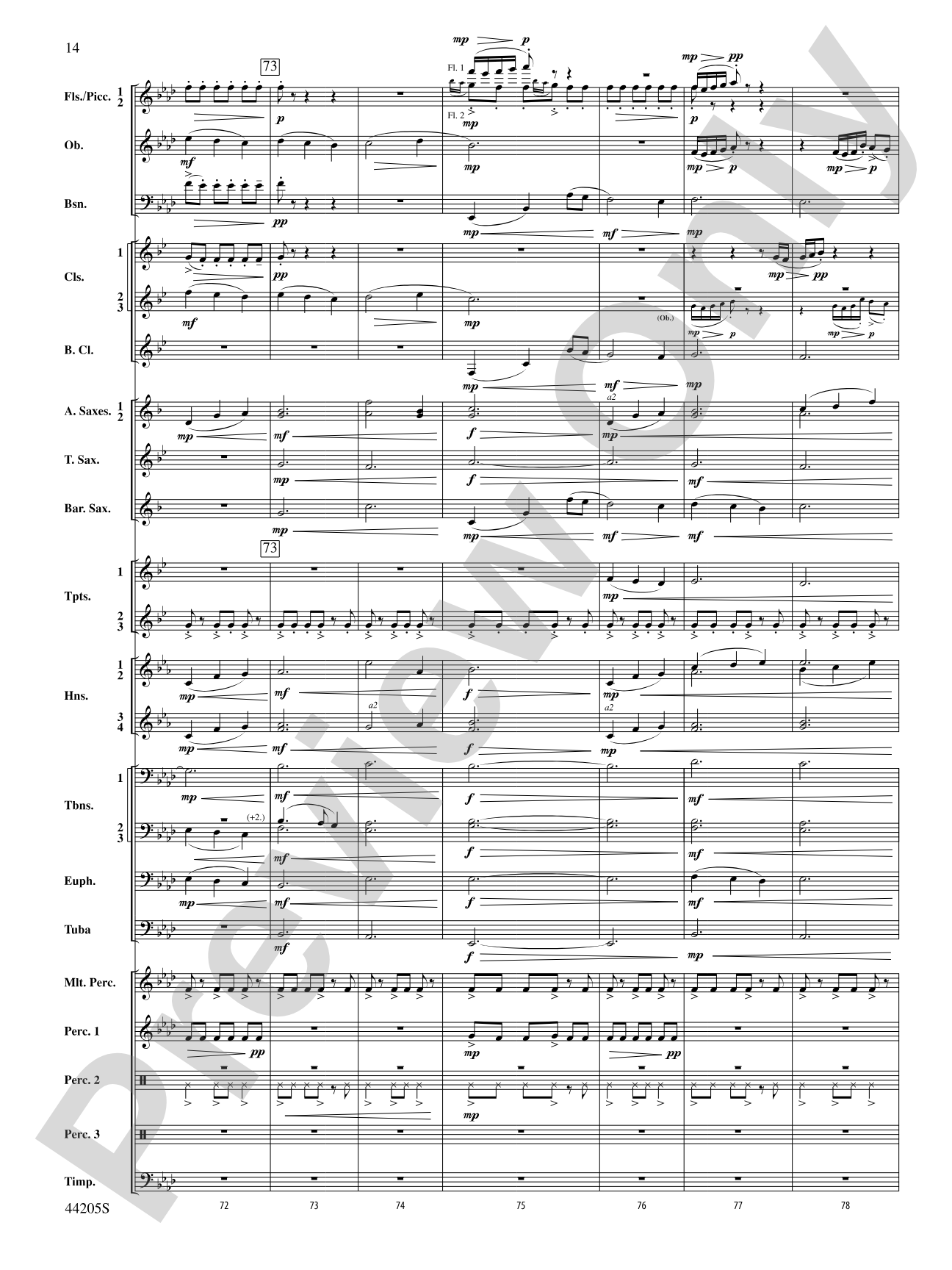
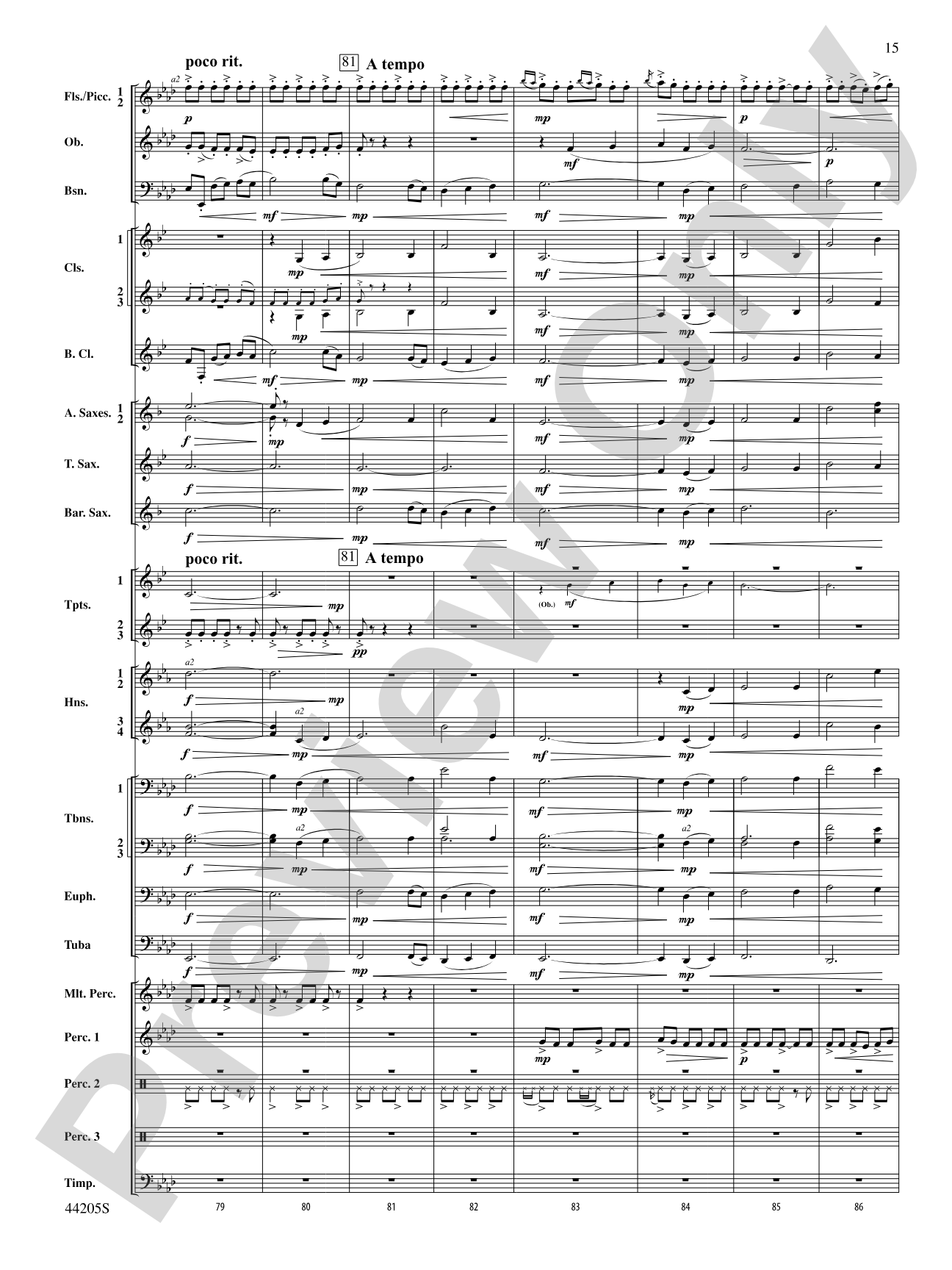
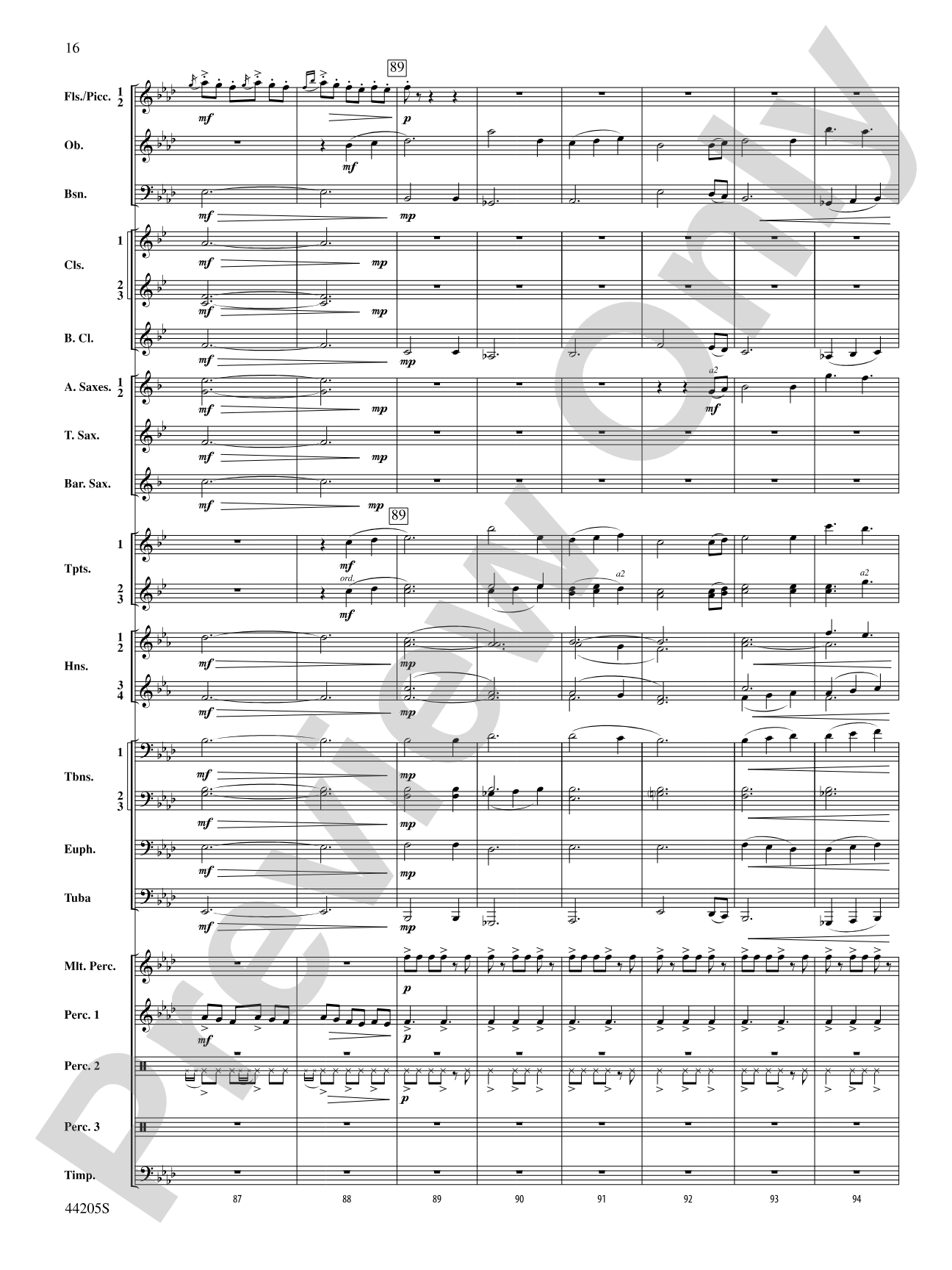
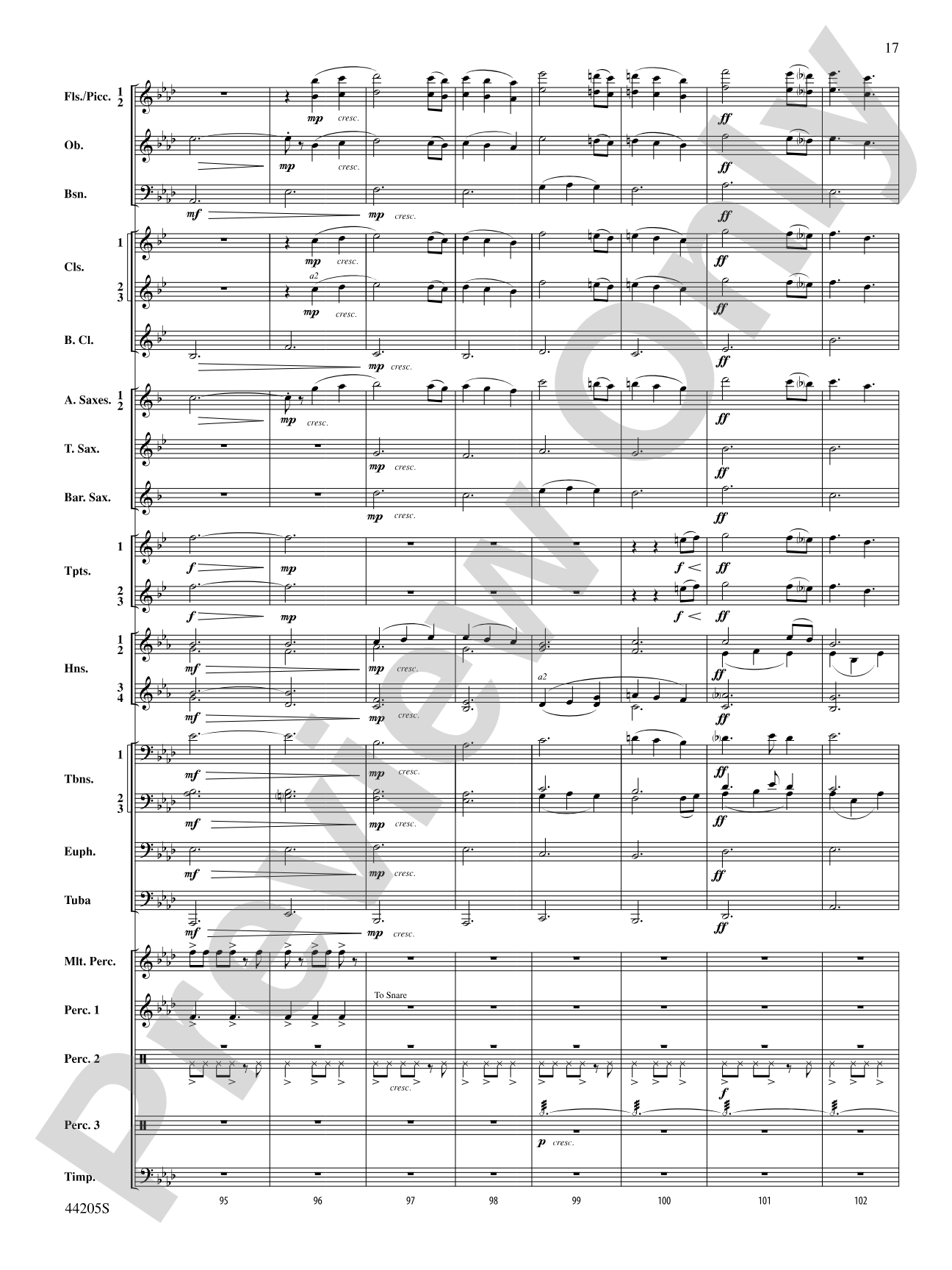
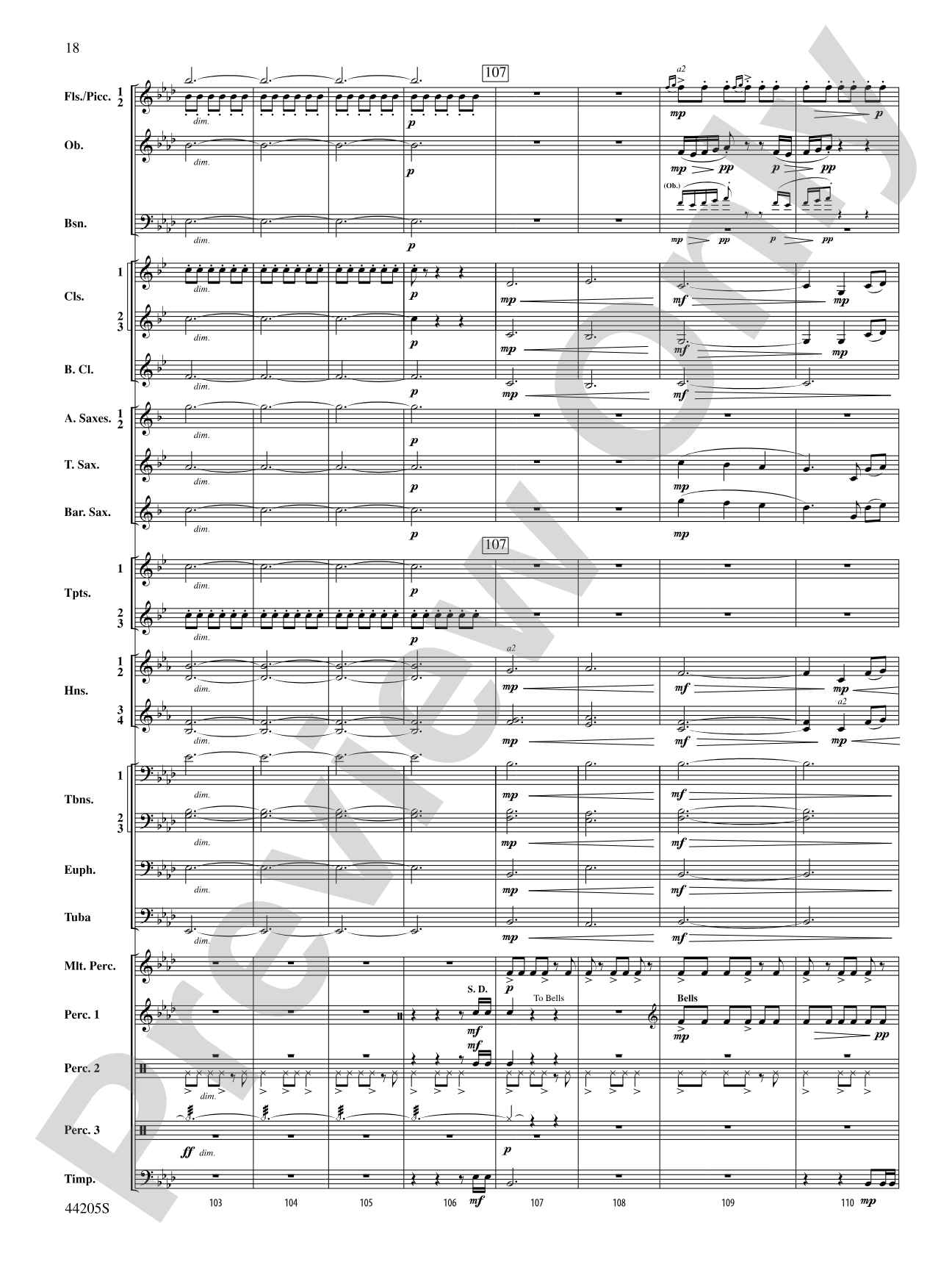
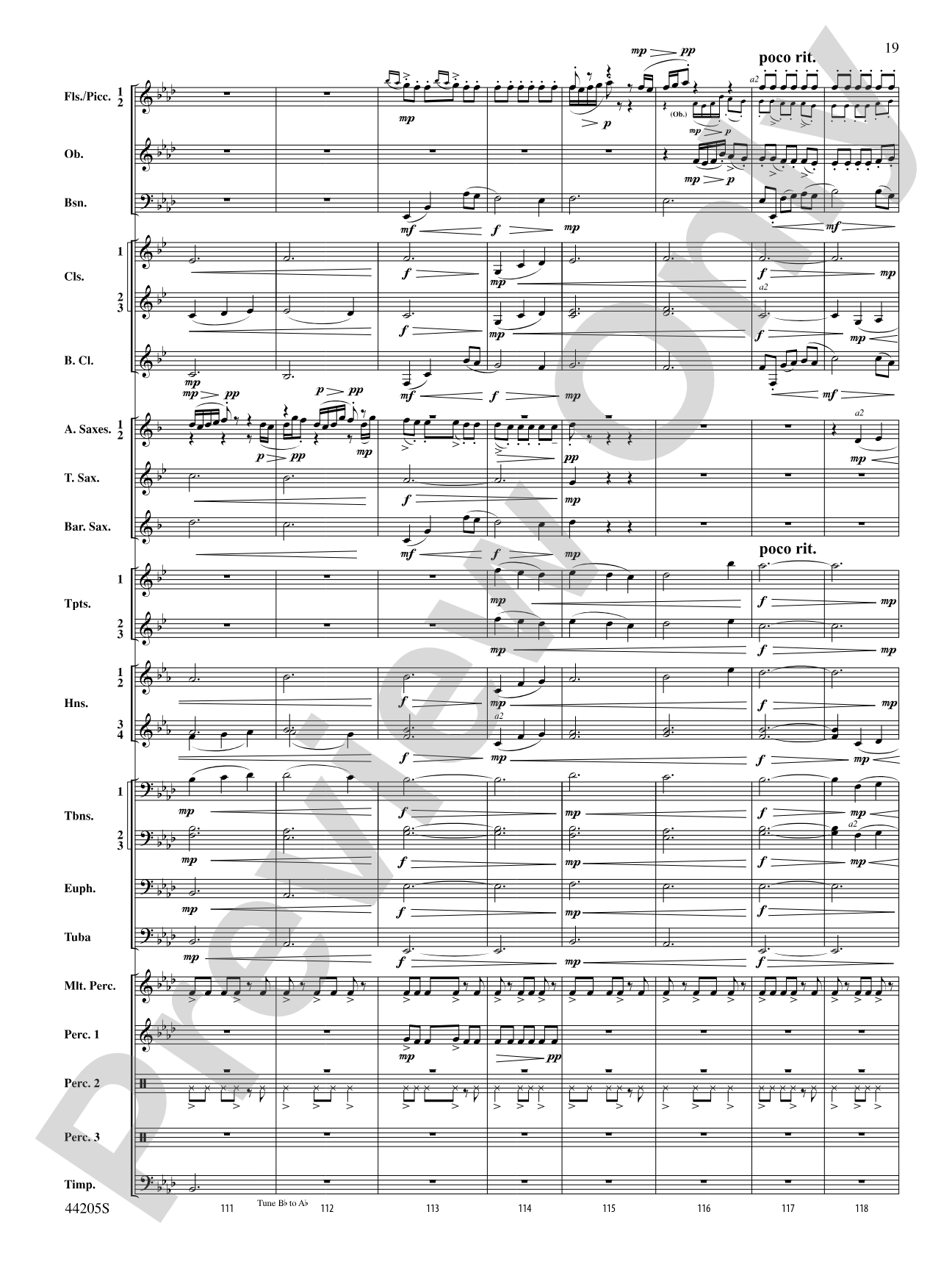
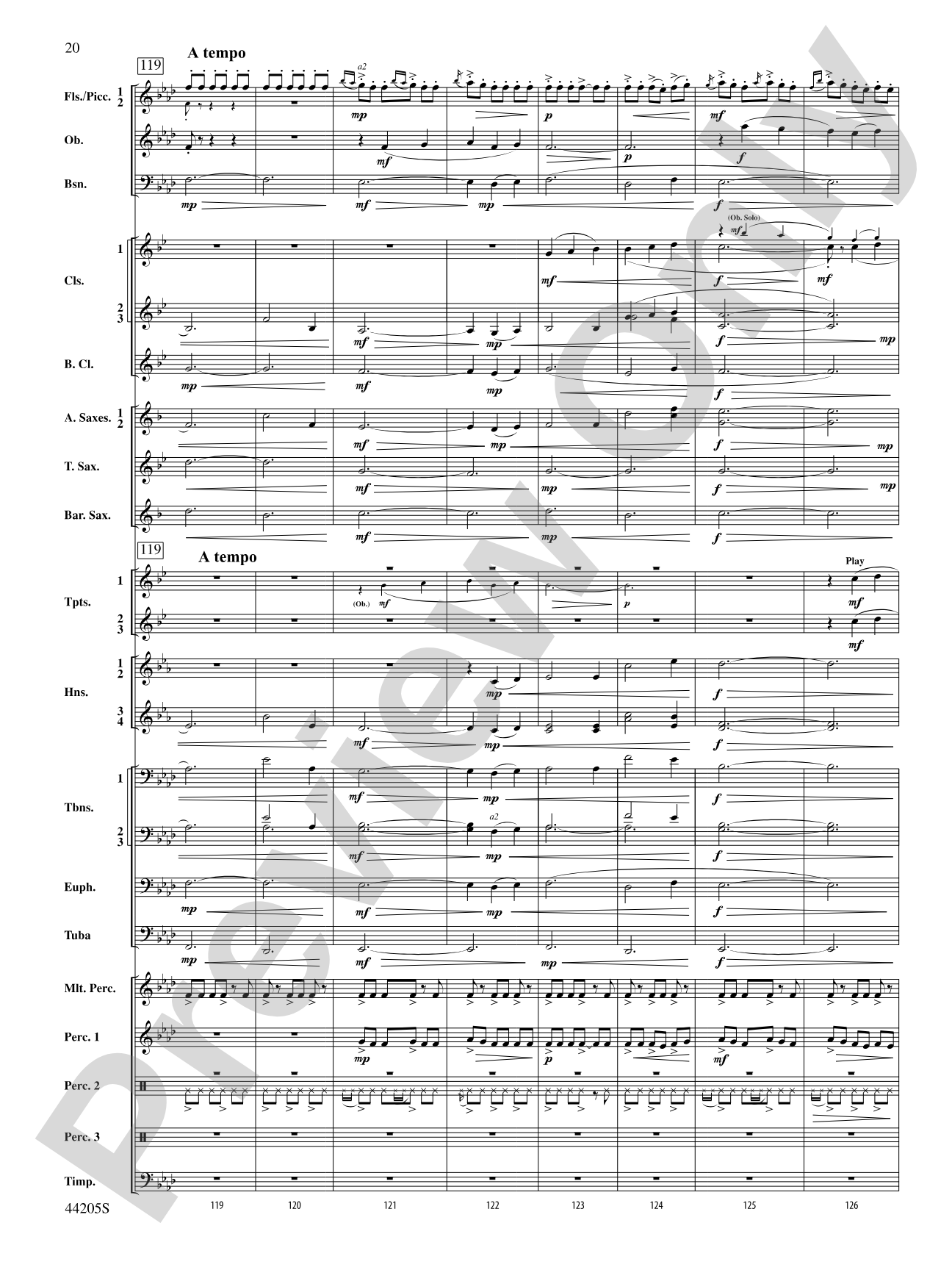
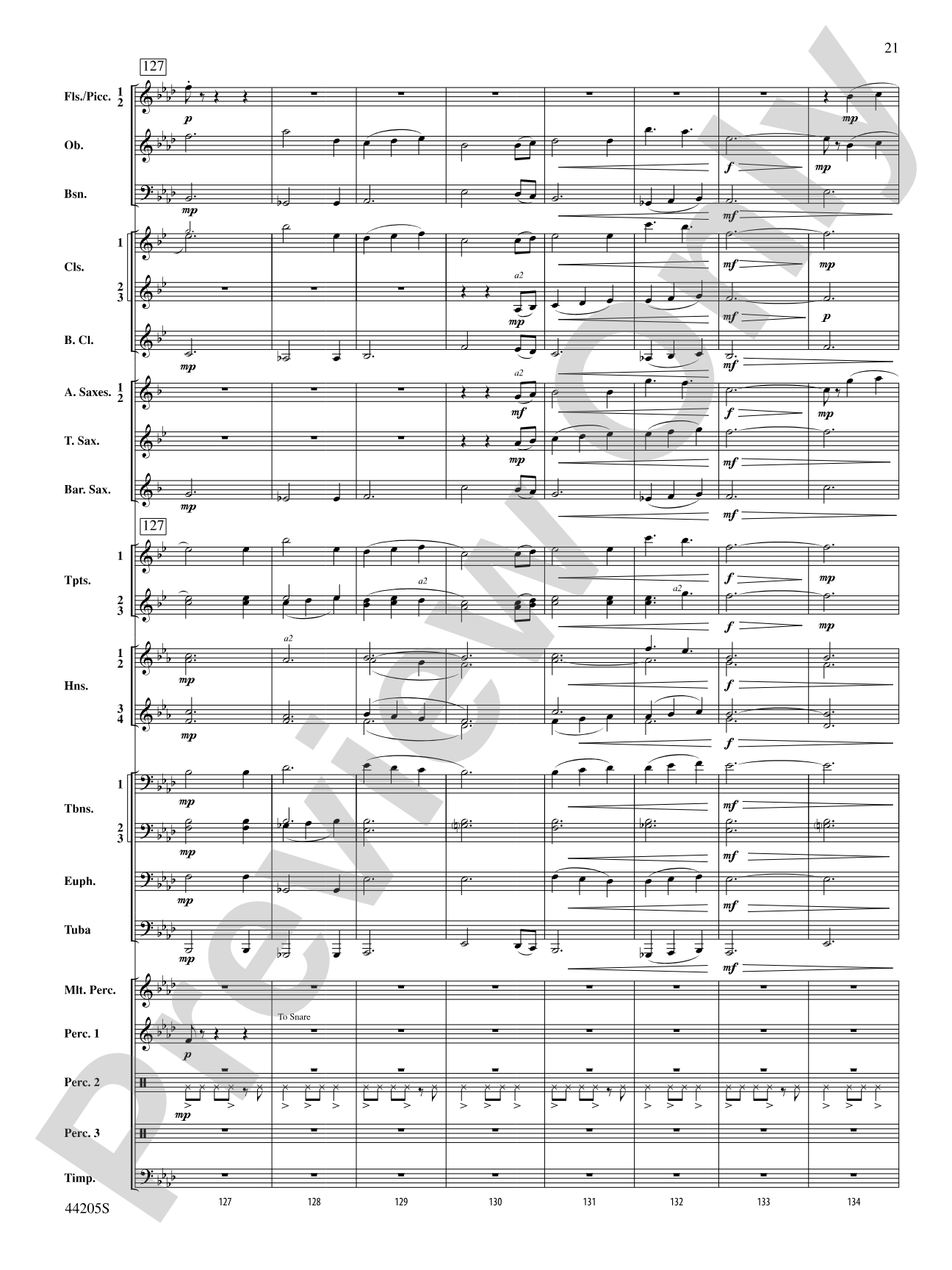
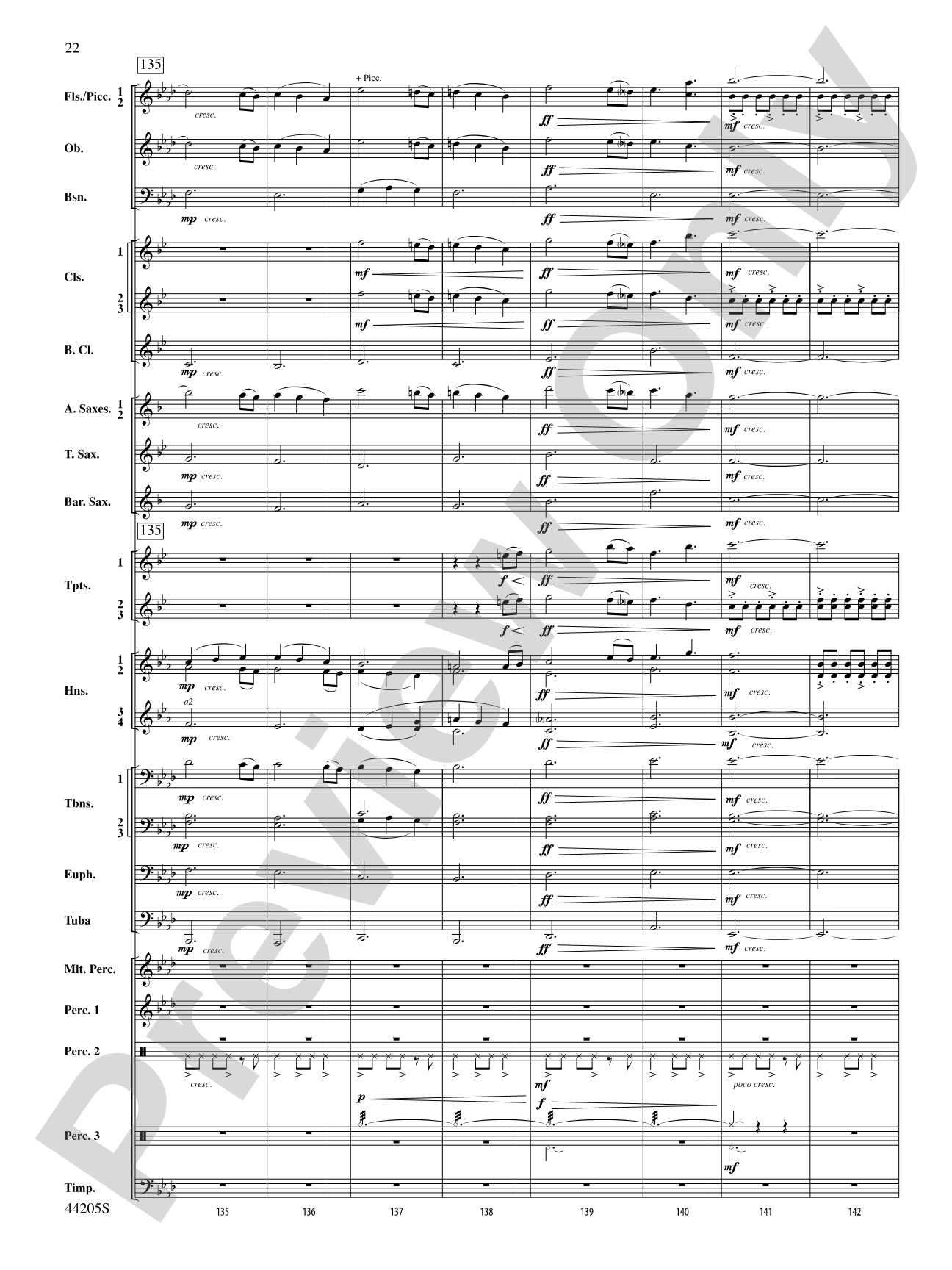
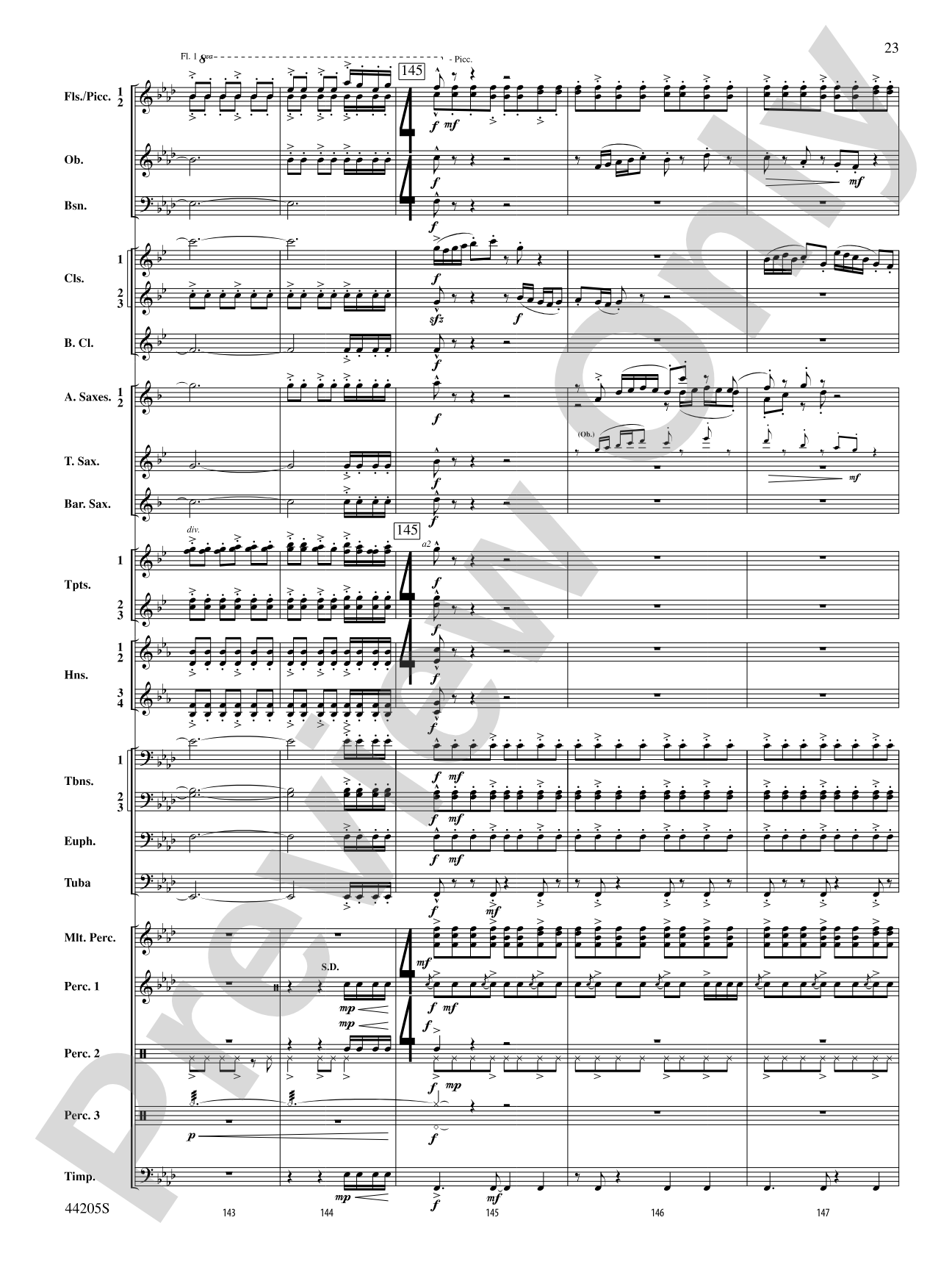
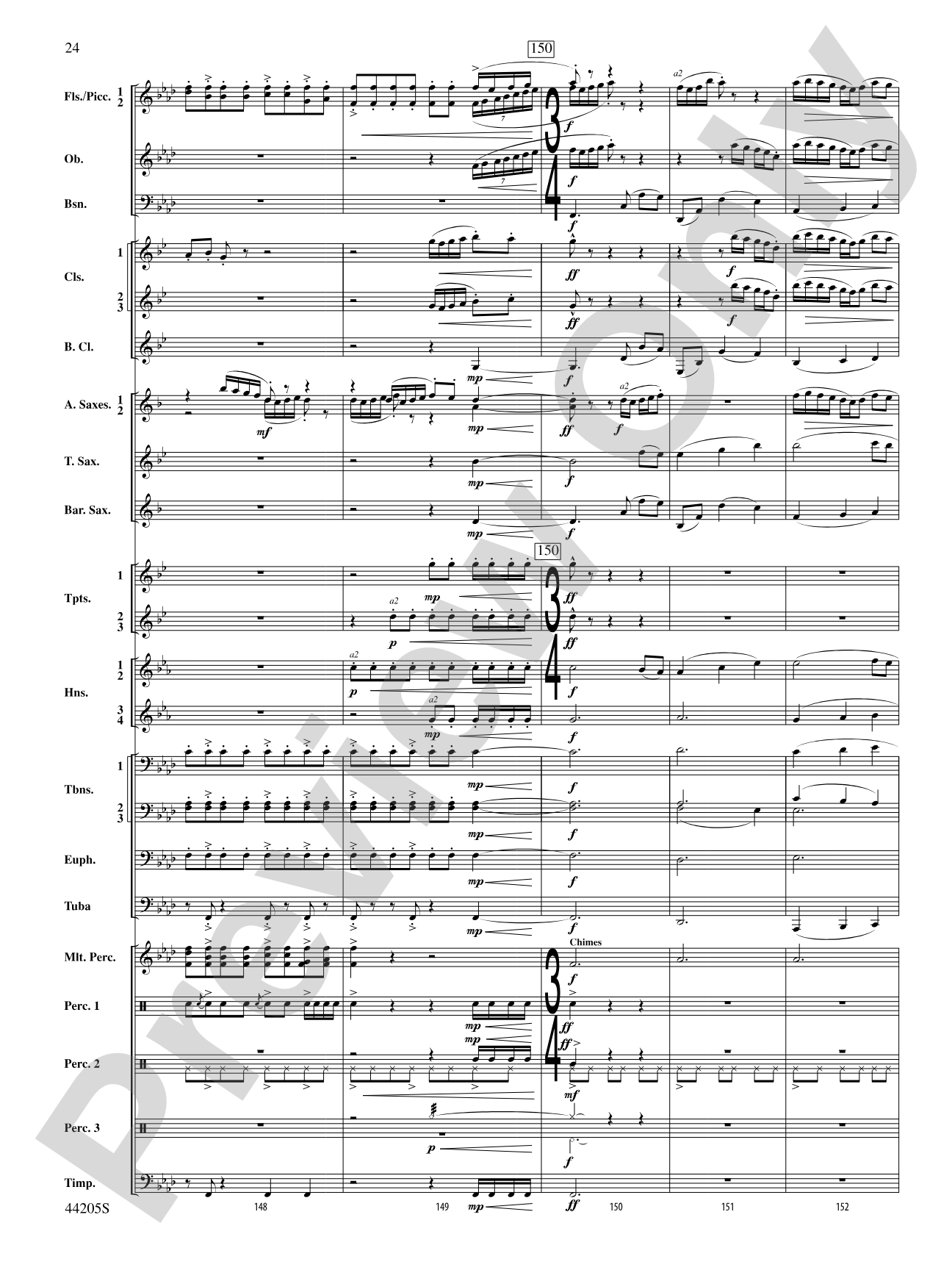
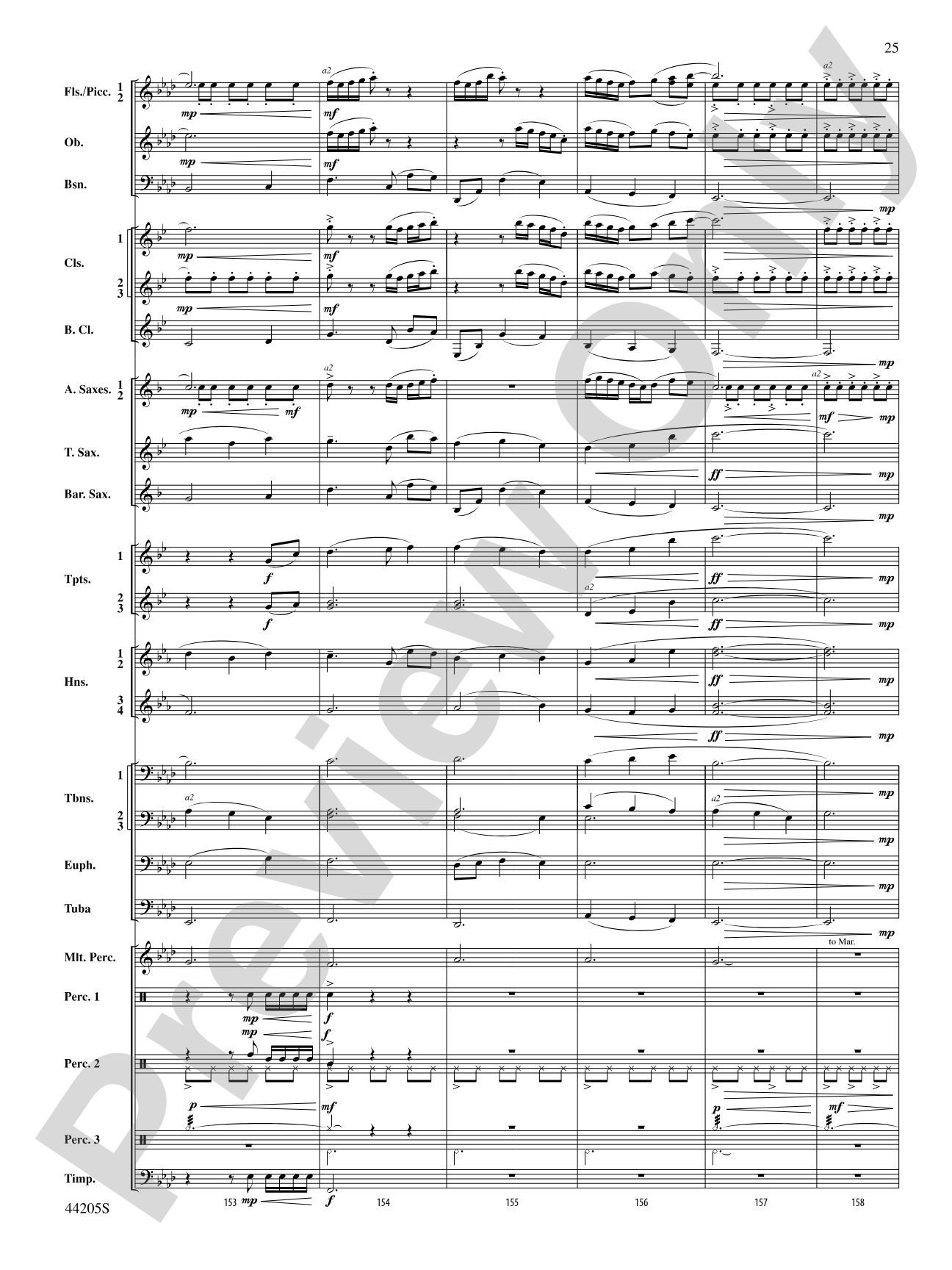
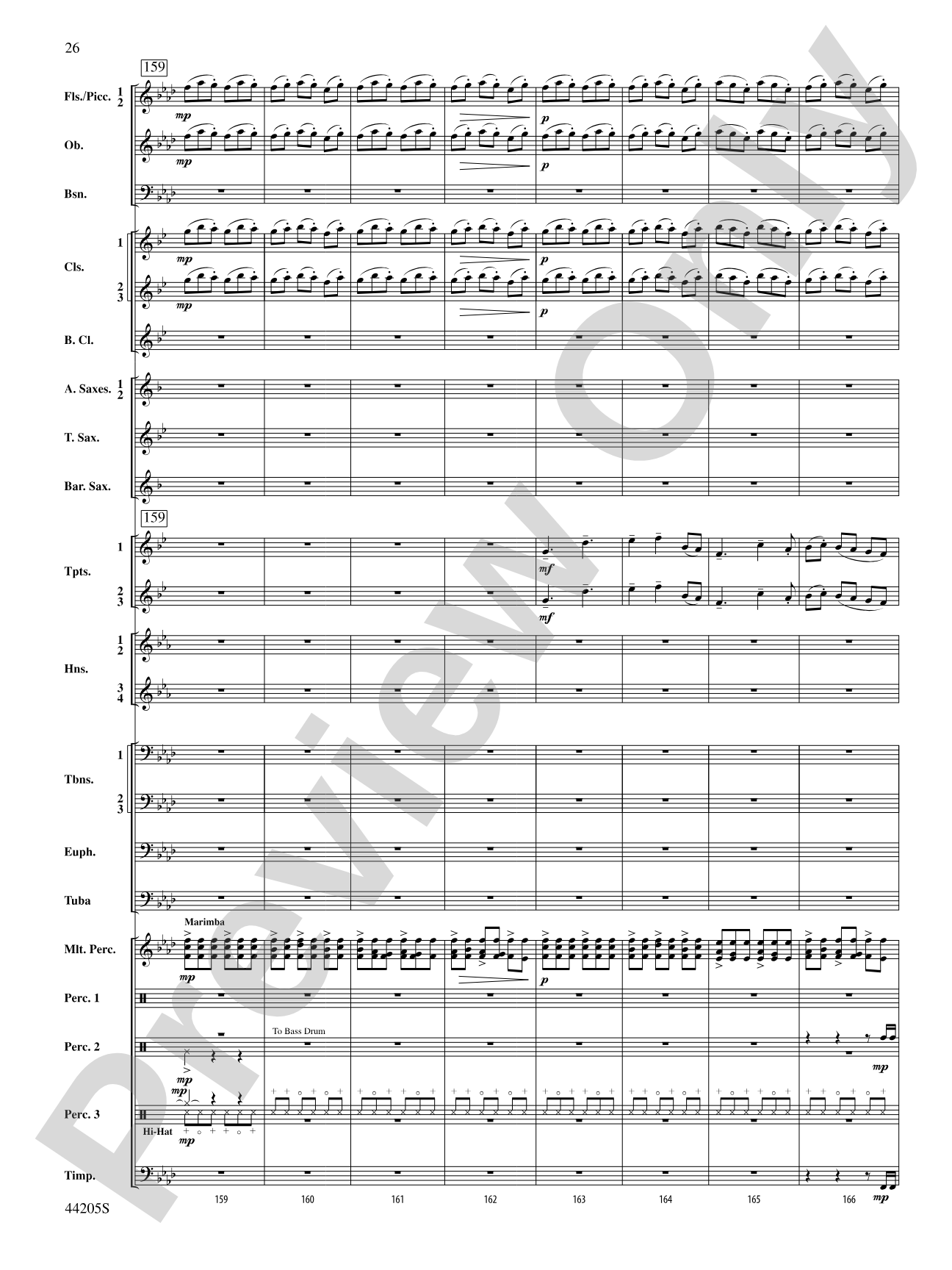
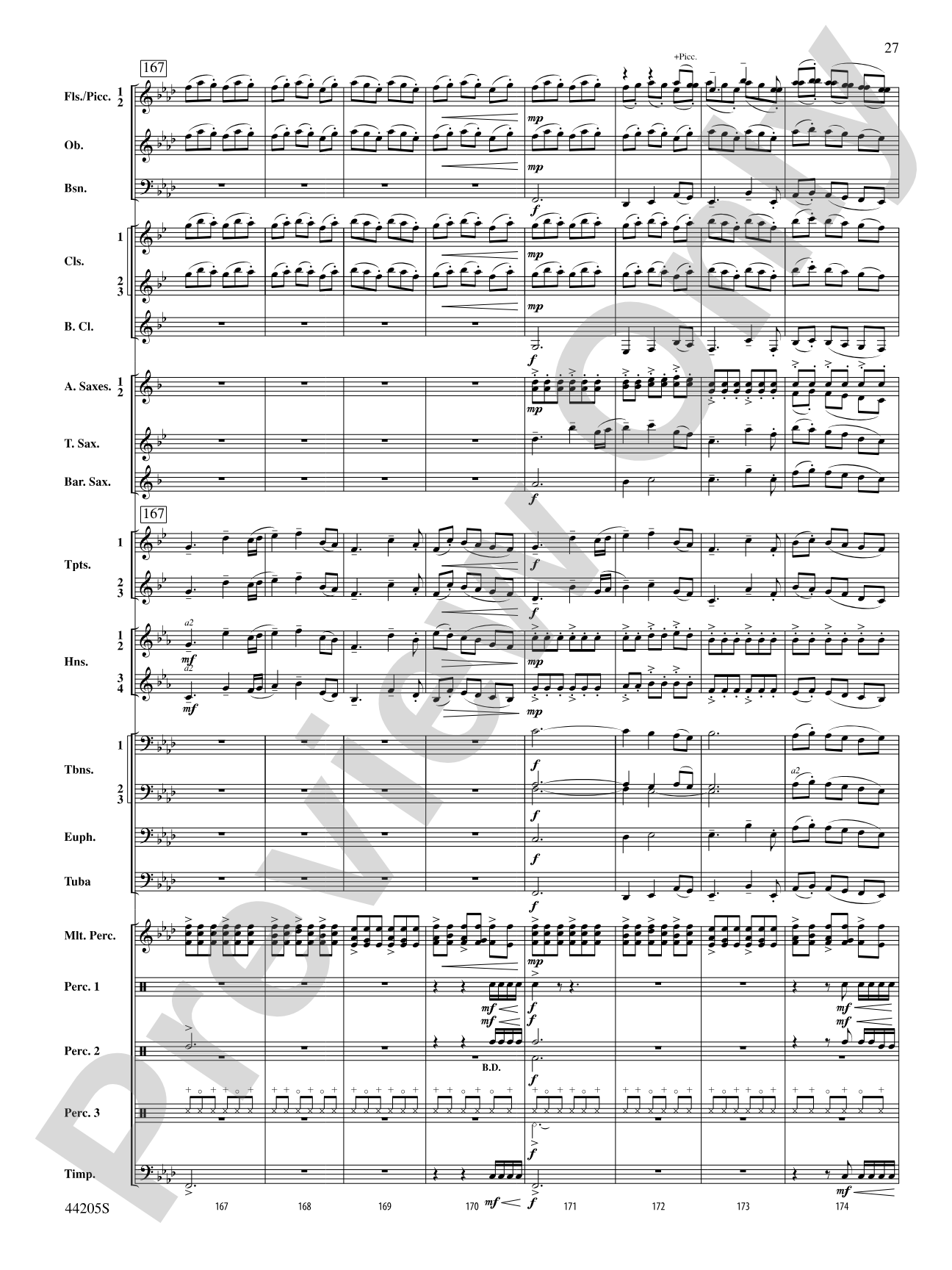
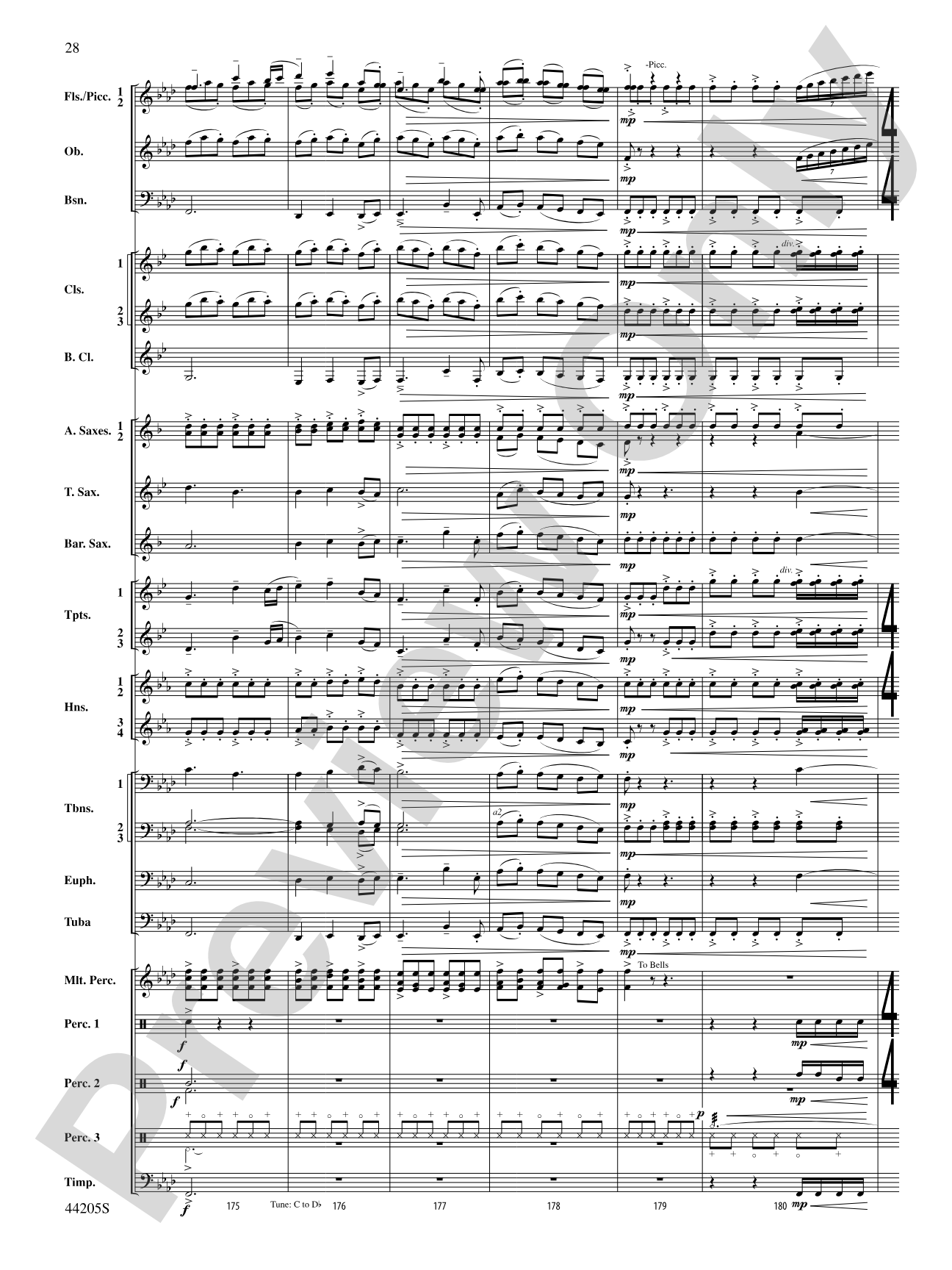
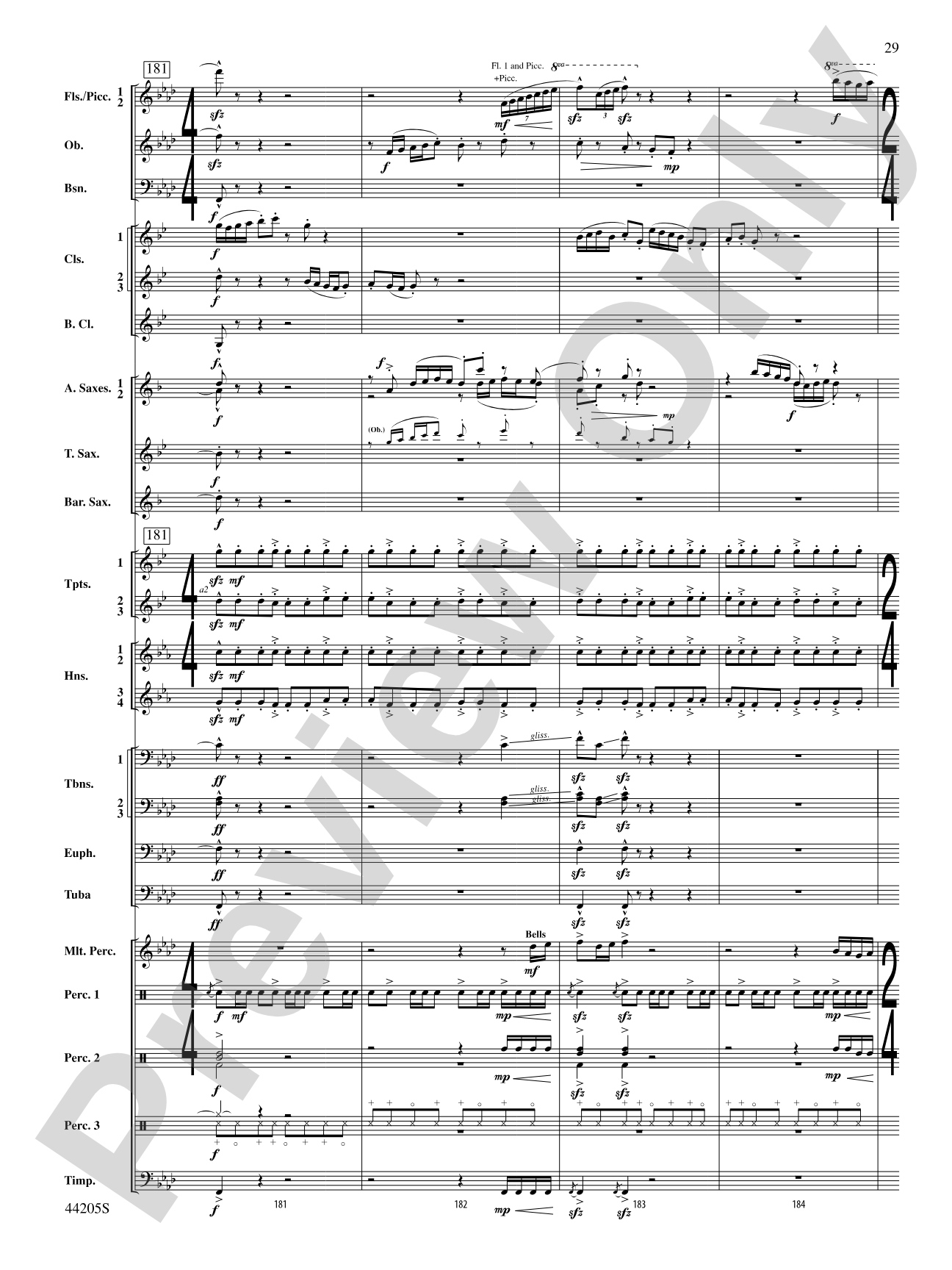
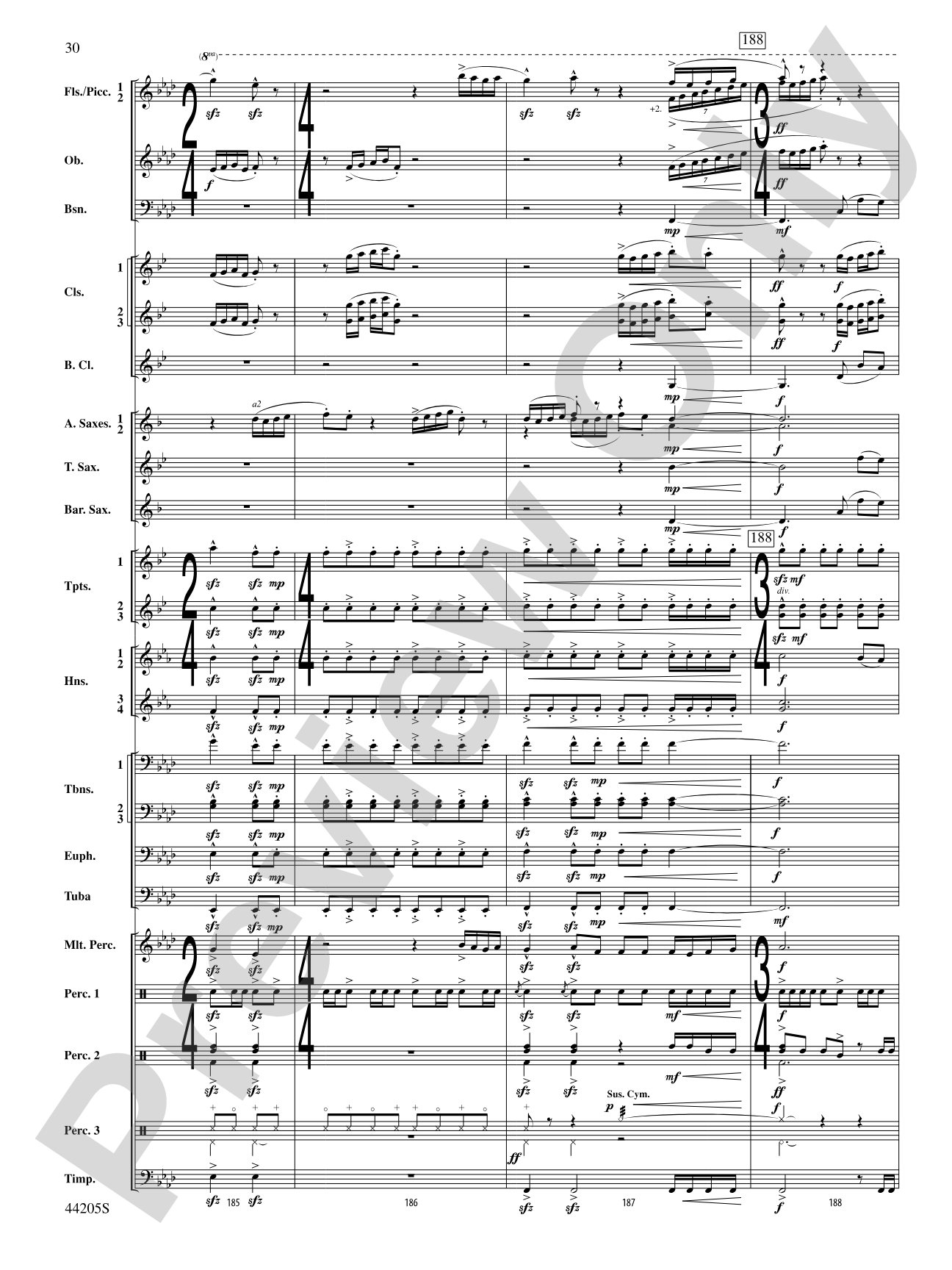
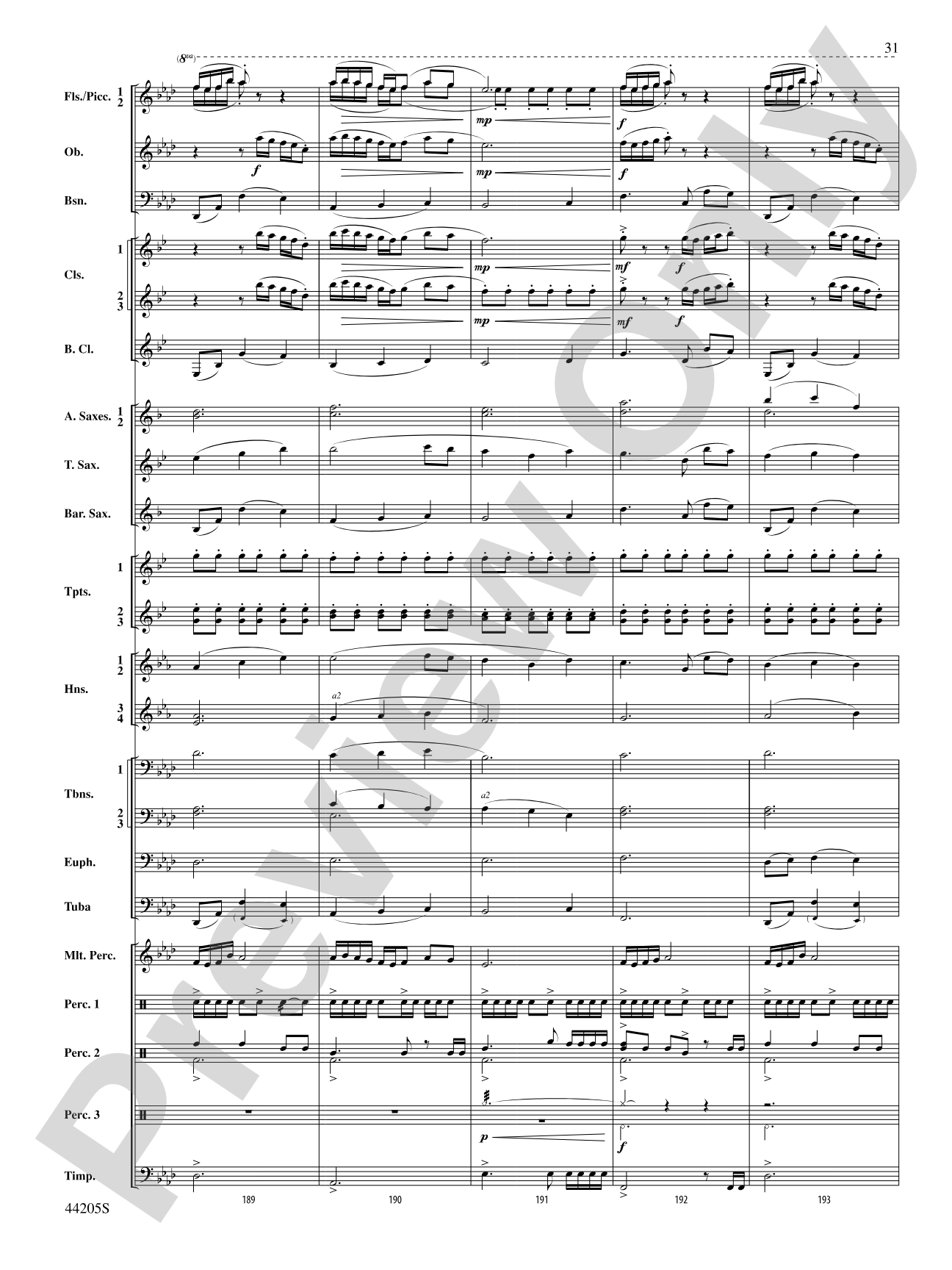
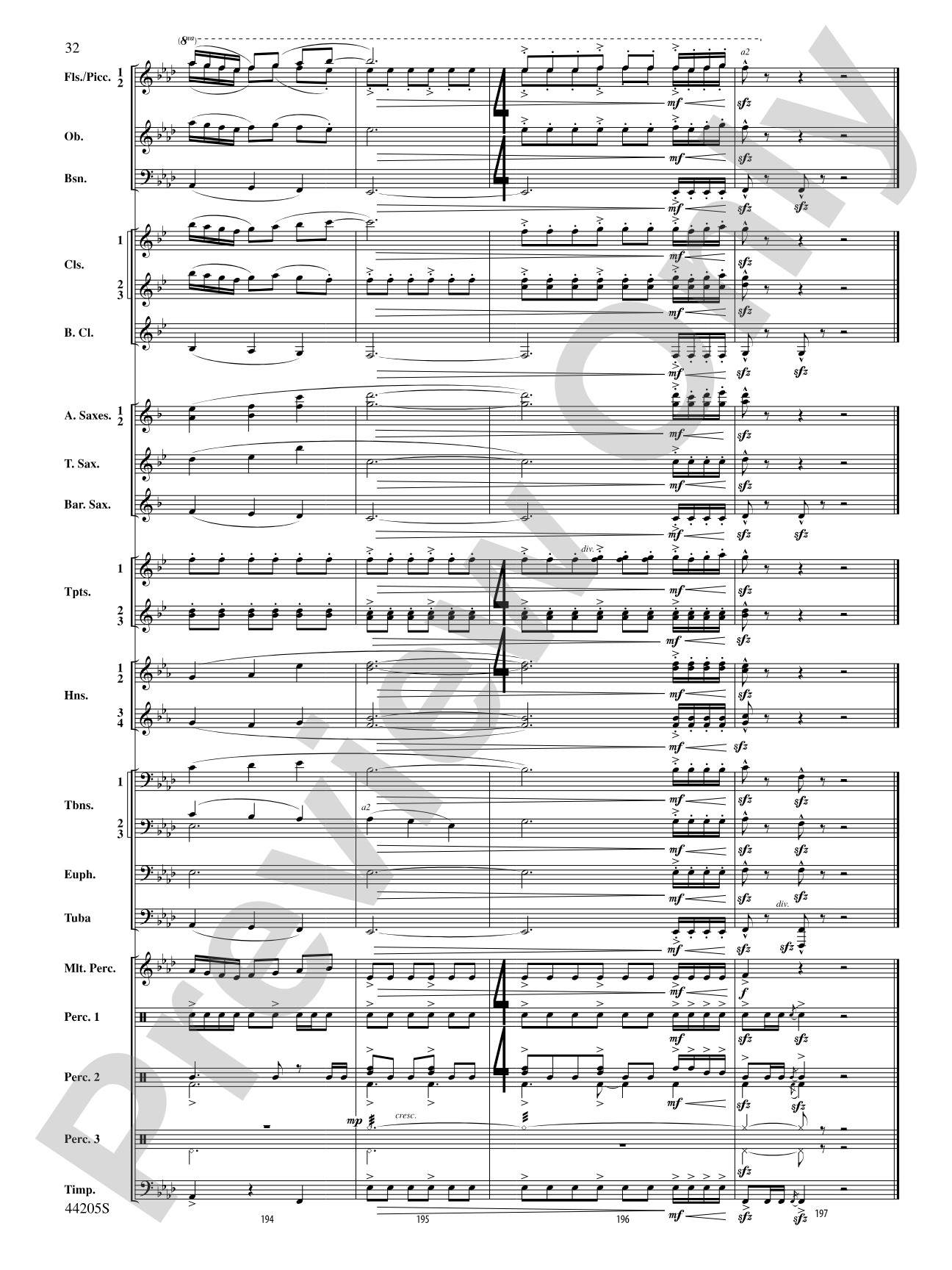

The Wind Racers: Score
By Jeremy Bell
Grade: 4 (Medium Difficult)
Item: 00-PR-0005253
$11.00
Pickup currently not available
Description
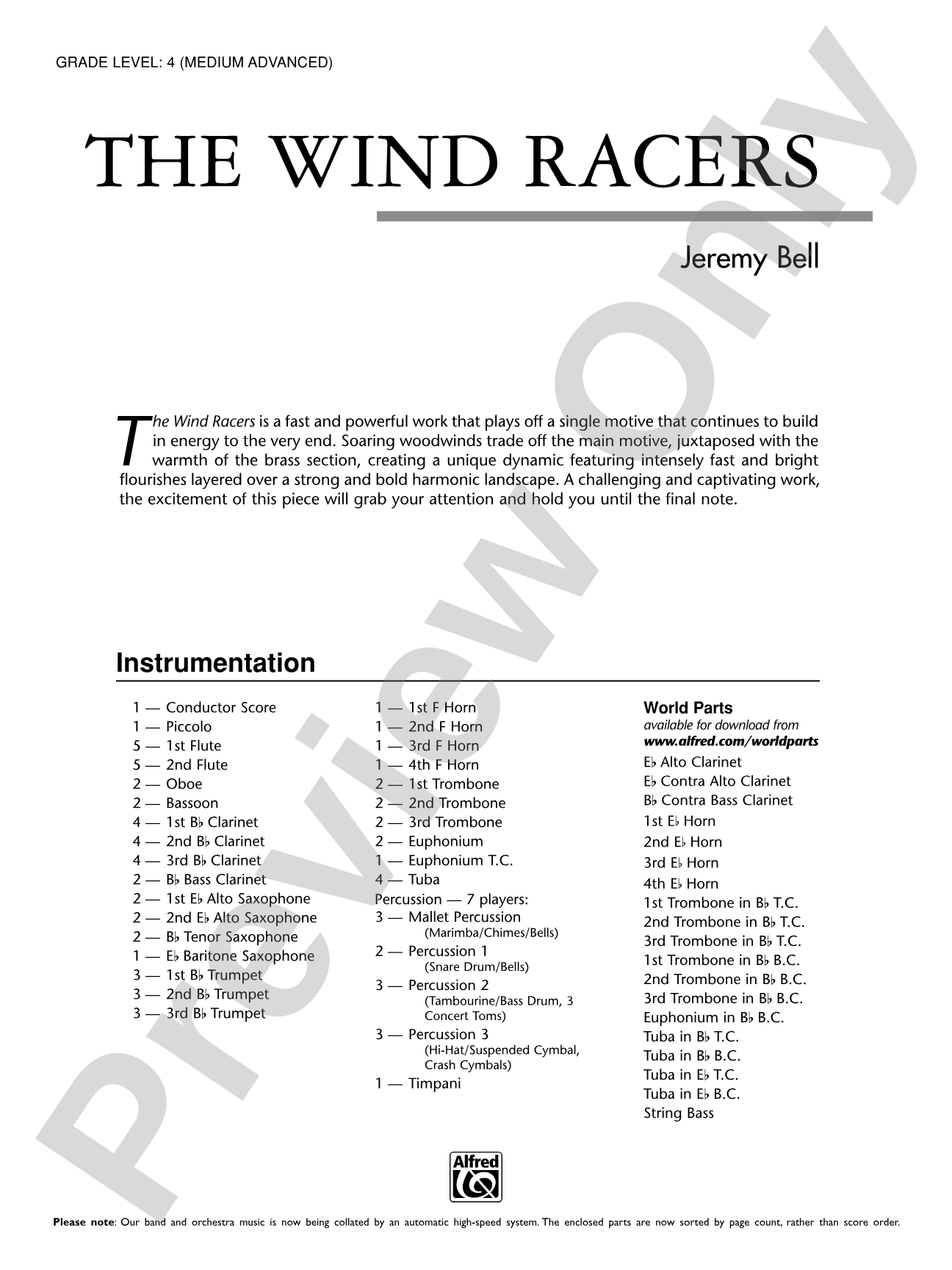
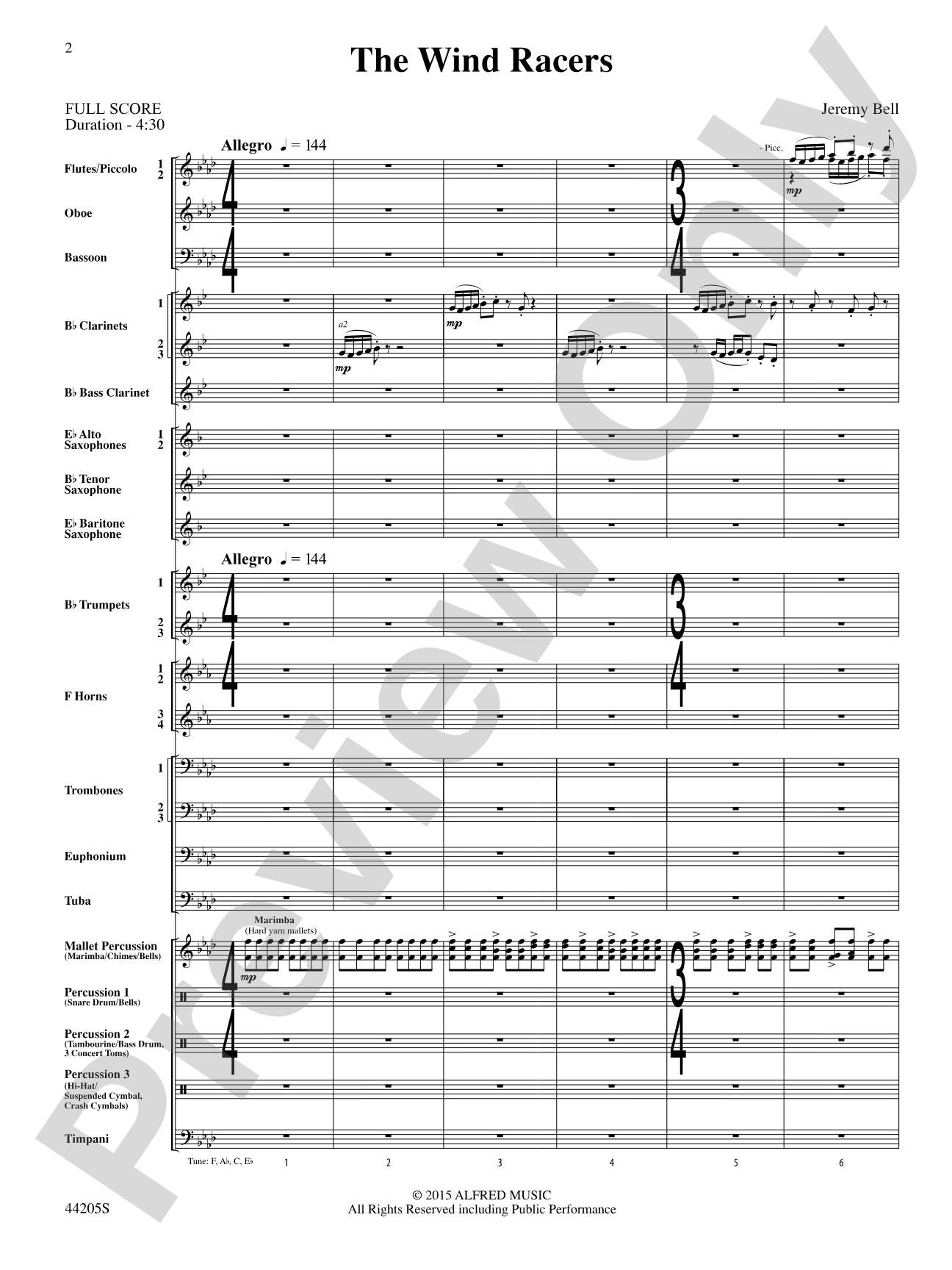
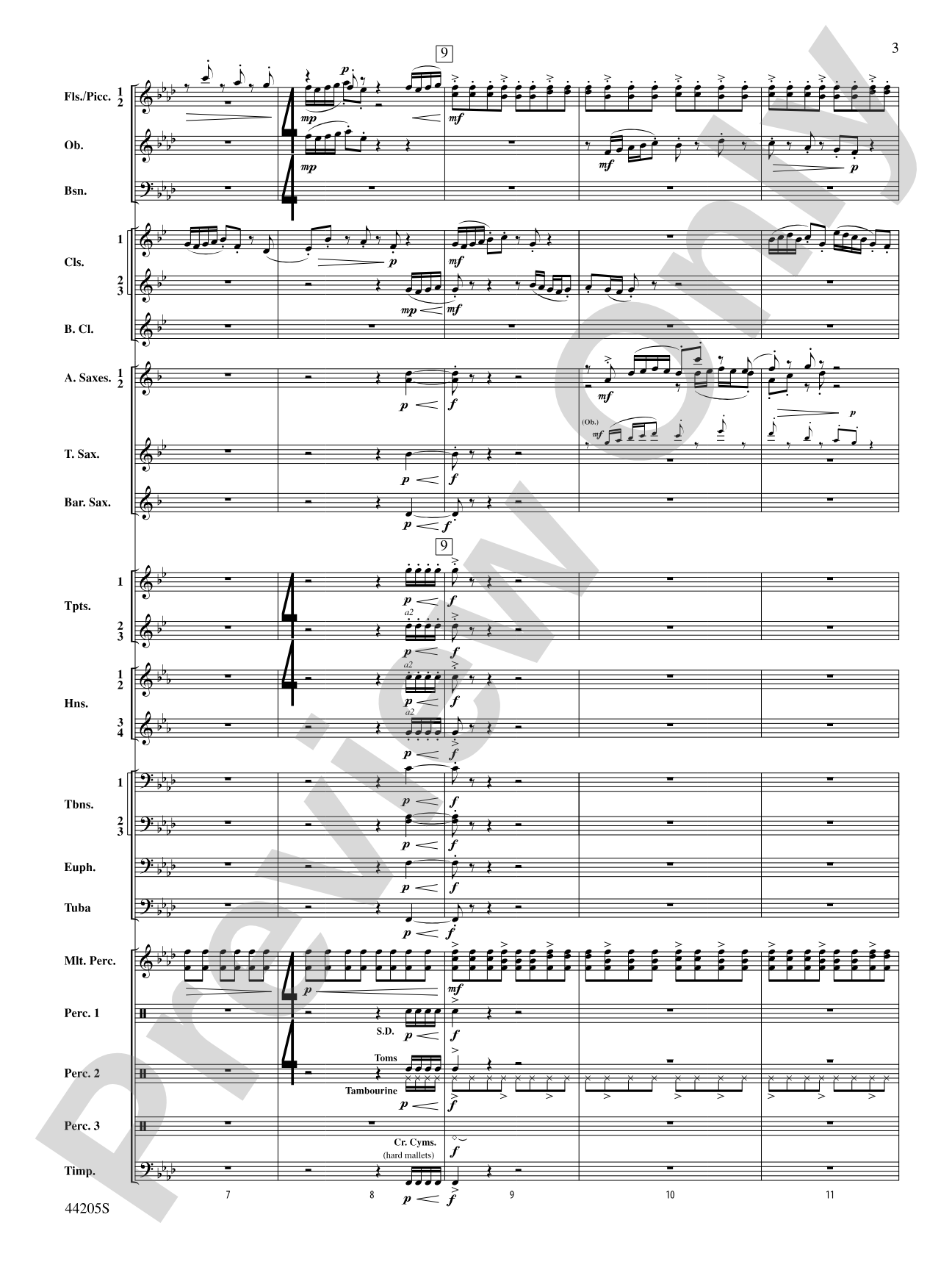
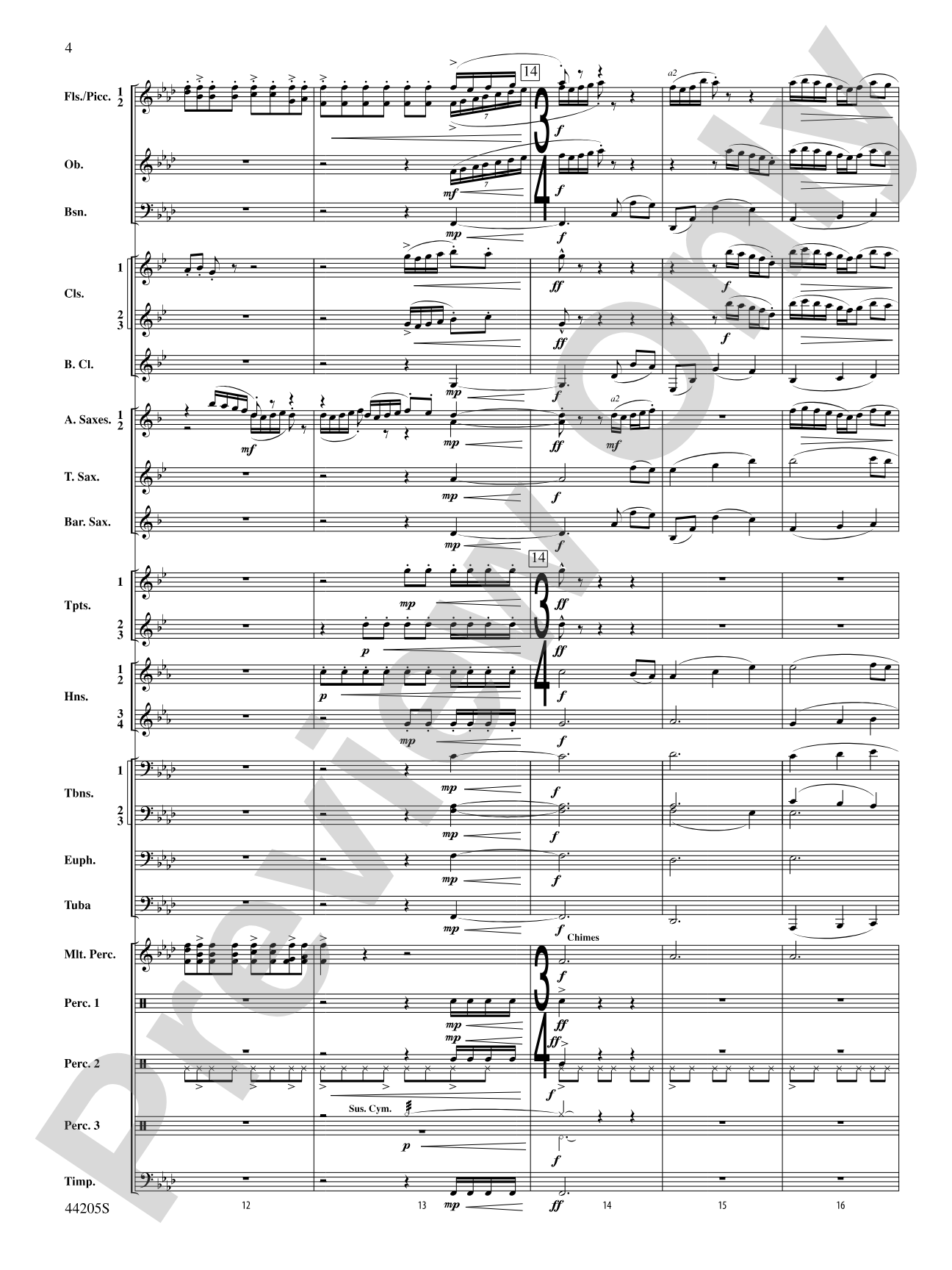
"The Wind Racers" is a fast and powerful work that plays off a single motive that continues to build in energy to the very end. Soaring woodwinds that trade off the main motive juxtaposed with the warmth of the brass section creates a unique dynamic featuring intensely fast and bright flourishes layered over a strong and bold harmonic landscape. A challenging and captivating work, the excitement of "The Wind Racers" will grab your attention and hold you until the final note. (4:30) This title is available in MakeMusic Cloud.


Don't just read it, hear it, play along with it, and watch your students grow with it. In MakeMusic Cloud, The Wind Racers: Score comes alive with professional accompaniment, adjustable tempo, and built-in practice tools that turn solo practice into real progress.
Open in the Player
Jump straight in and assign it today.
Start Your Free Trial
Open this title and explore the full library in minutes.
Sample Audio
1
Audio File
--:--
0:00
0:00
Sample Video
No sample videos found.
Additional Details
Series:
Alfred Concert Band
Publisher:
Alfred Music
Page Count:
296
SKU:
00-PR-0005253
More about this title
About the Composer: Jeremy Bell

Jeremy Bell studied composition at Bradley University under Dr. Stephen Heinemann, then earned his master's degree from Arizona State University, where he worked with Dr. Rodney Rogers and Dr. Jody Rockmaker. His creative output spans concert and choral works alongside an active portfolio in television and film composition, and he currently serves as Entertainment Manager at The SHOUT! House Dueling Piano bar in Glendale, Arizona.
Why we love this
Bell builds momentum through a deceptively simple motive, layering it across the ensemble until the texture becomes irresistible. The writing gives woodwinds a genuine spotlight while the brass provides harmonic weight without ever overshadowing the soaring lines, making this work rewarding for both sections. At grade 4, it demands precision and control without requiring virtuosic passages, making it an ideal choice for festivals where you want impact without excessive difficulty.
What to expect
A piece that feels like controlled urgency from start to finish. The single motive becomes hypnotic as it repeats and builds, while woodwind dialogues create brightness against warm brass layers. By the end, the accumulated energy and bright flourishes create an almost breathless sense of forward motion that lands with satisfaction.
Who it's for
Concert bands at the grade 4 level looking for a contemporary work with genuine musical substance and clear programming appeal. Directors seeking a piece that excels in both contest and concert settings will find the balance of accessibility and ambition well-suited to intermediate ensembles.
How to get the most out of it
- Balance the woodwind trades carefully in early statements of the motive; they should feel conversational before the intensity ramps up, so resist the urge to push volume in the opening section.
- Let the brass sustain with full tone during the layered sections, but keep attacks clean and together so they support rather than compete with the upper voices.
- Shape the harmonic progression underneath the main motive as if it were a melodic line itself; this prevents the accompaniment from becoming static as the energy builds.
- Use the final acceleration to its fullest; conduct with clarity and energy through the bright flourishes so the band feels the forward momentum you're asking for.
How to use it
Program this as a concert opener to establish energy and command attention immediately, or place it in the second half of a program after a slower work to create dynamic contrast. The four and a half minute runtime and contemporary language make it ideal for festival play where you want a statement piece that shows ensemble unity and control.
Skills your students will build
- Balancing multiple simultaneous lines and controlling dynamic layers
- Trading melodic material cleanly between sections while maintaining phrase continuity
- Sustaining harmonic support while other voices carry the primary motive
- Building and releasing tension through cumulative orchestration rather than tempo changes
- Responding to conductor gesture during sections of increasing rhythmic complexity