
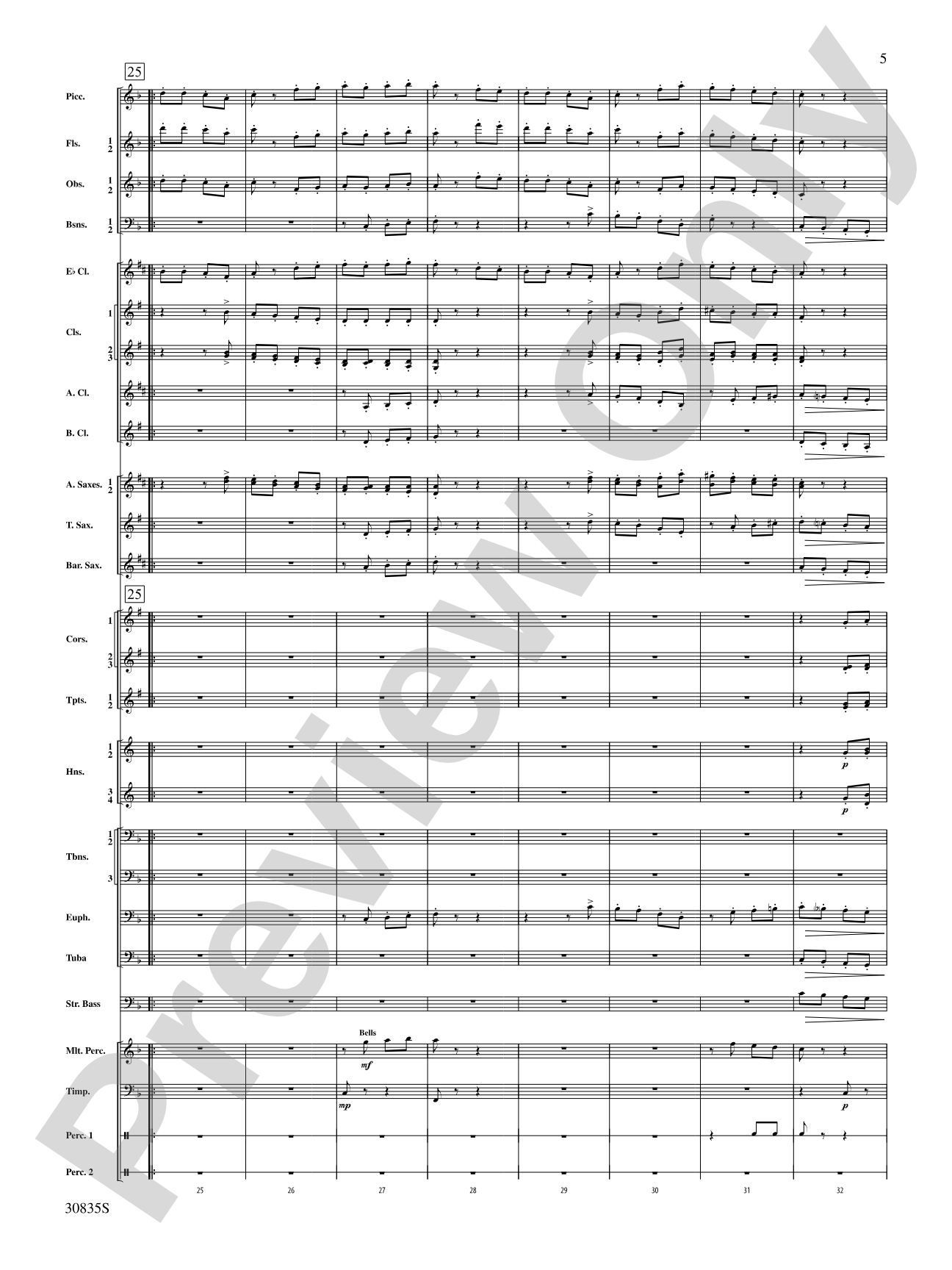
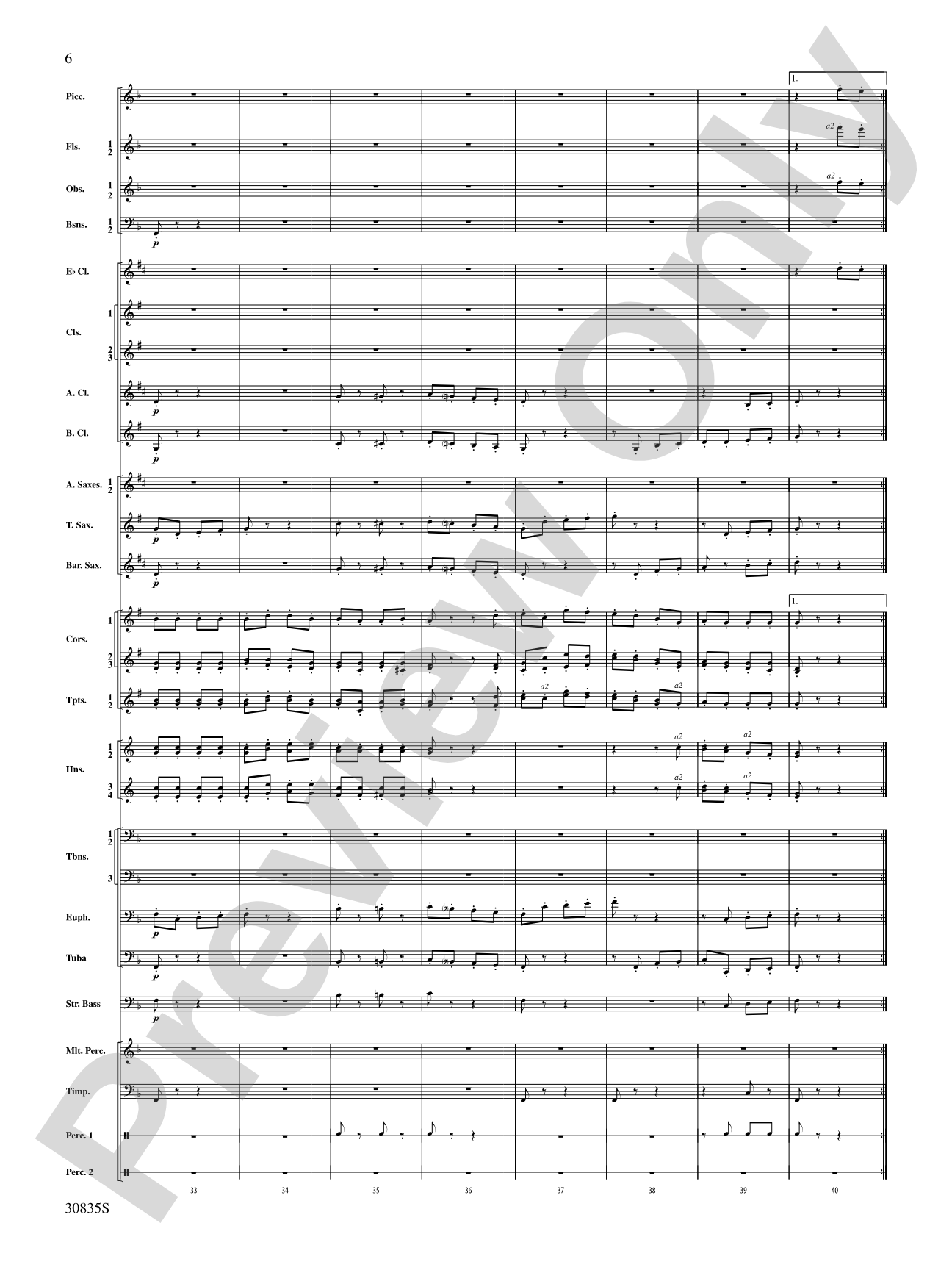
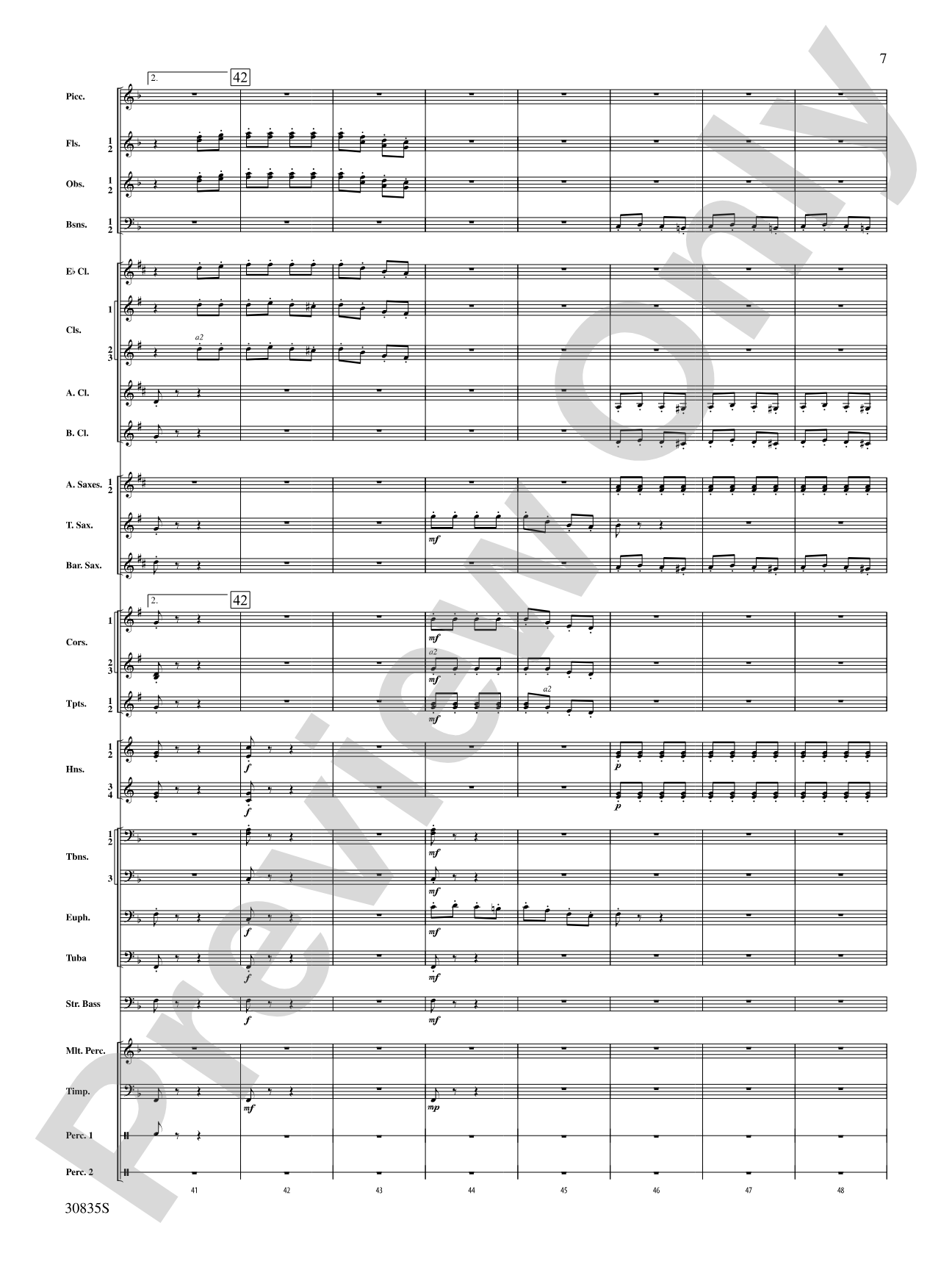
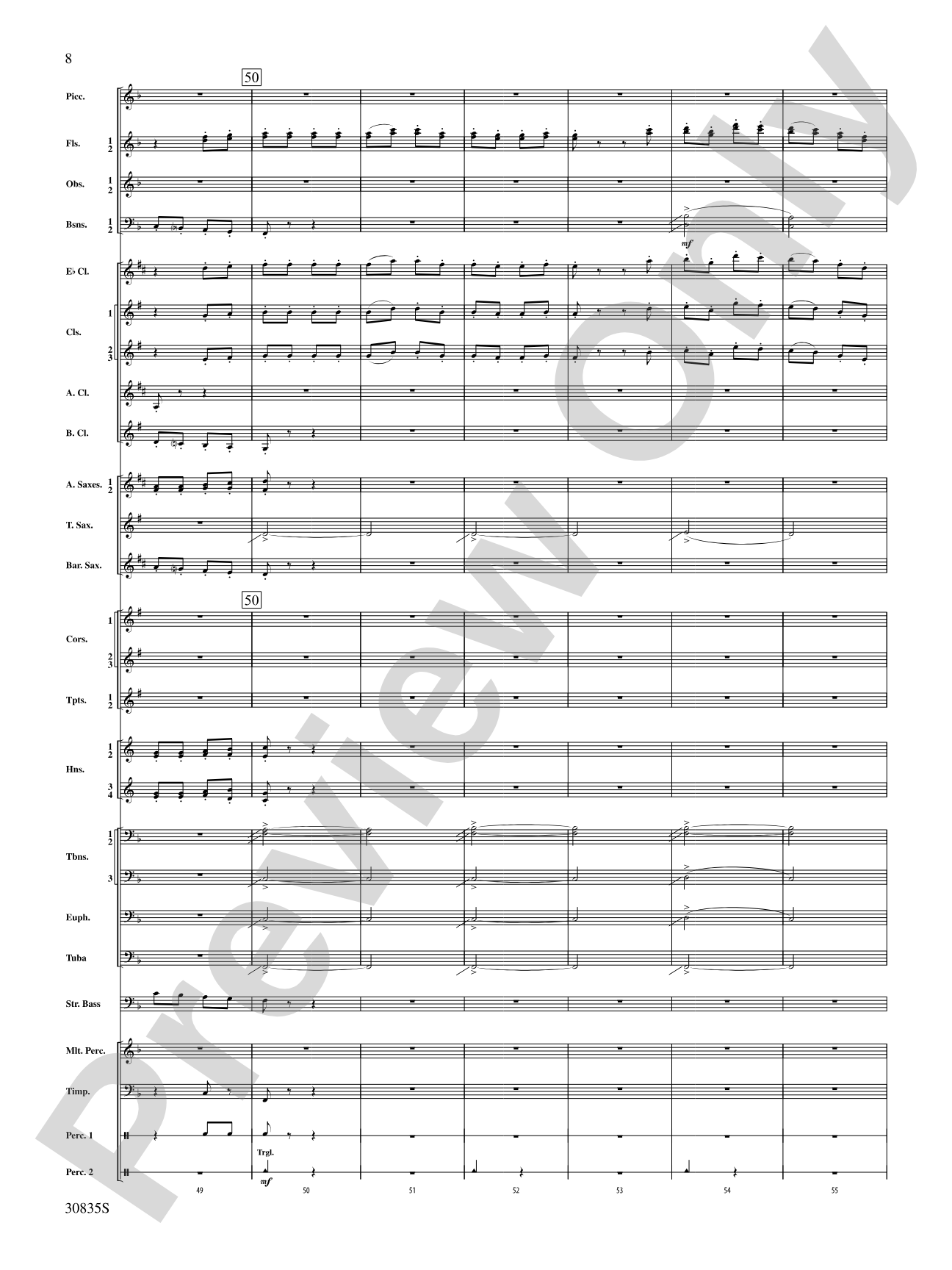
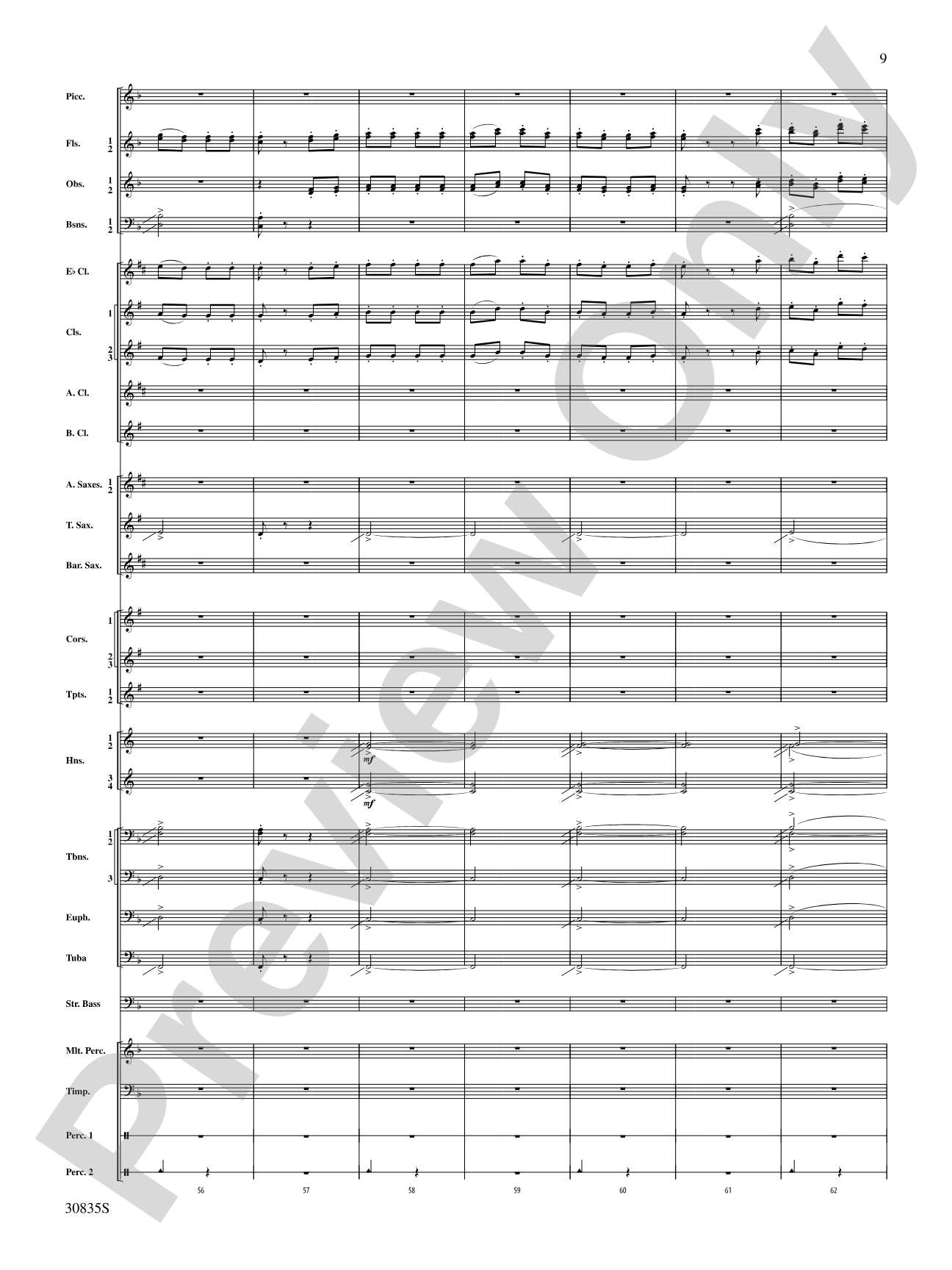
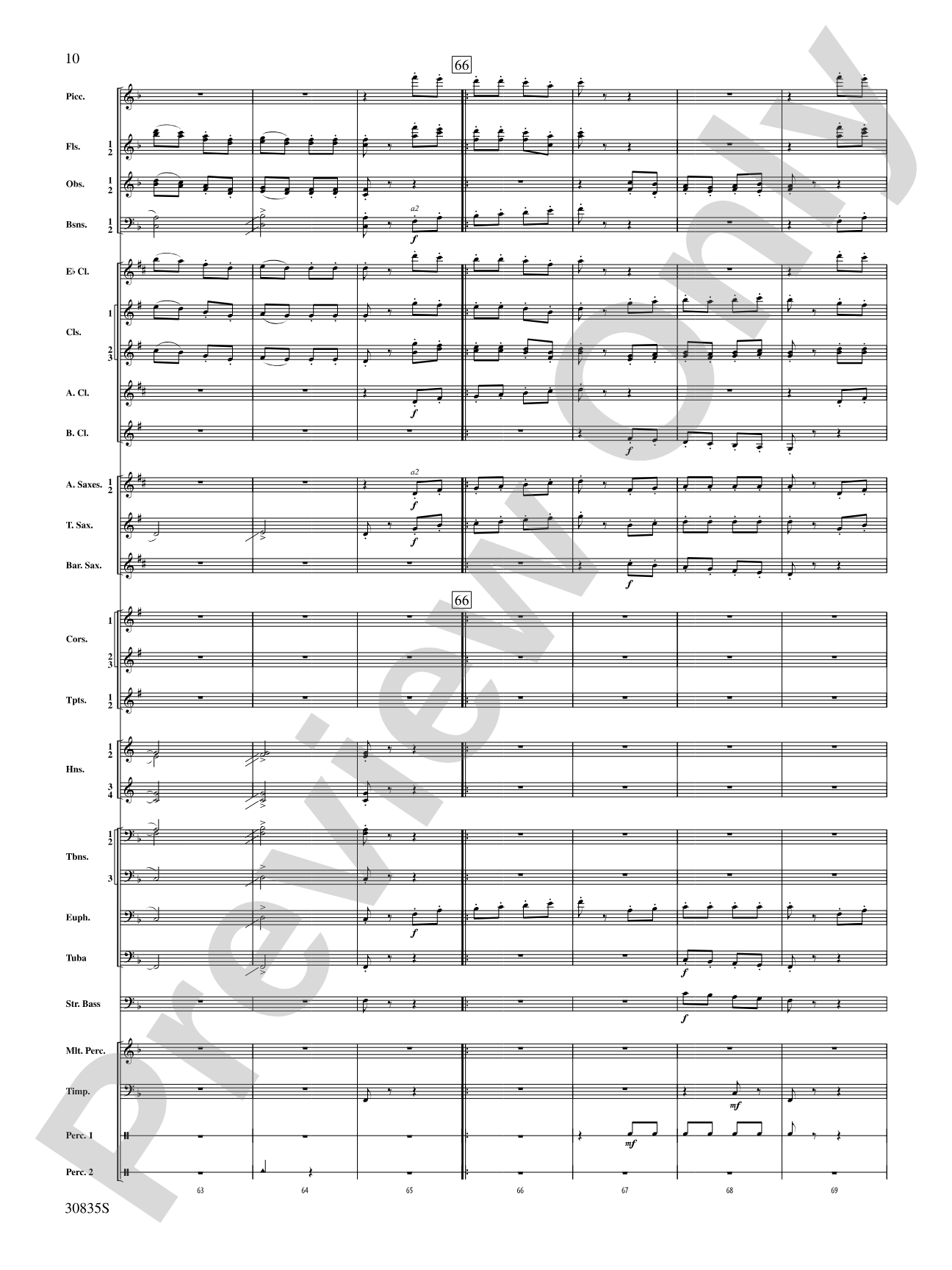
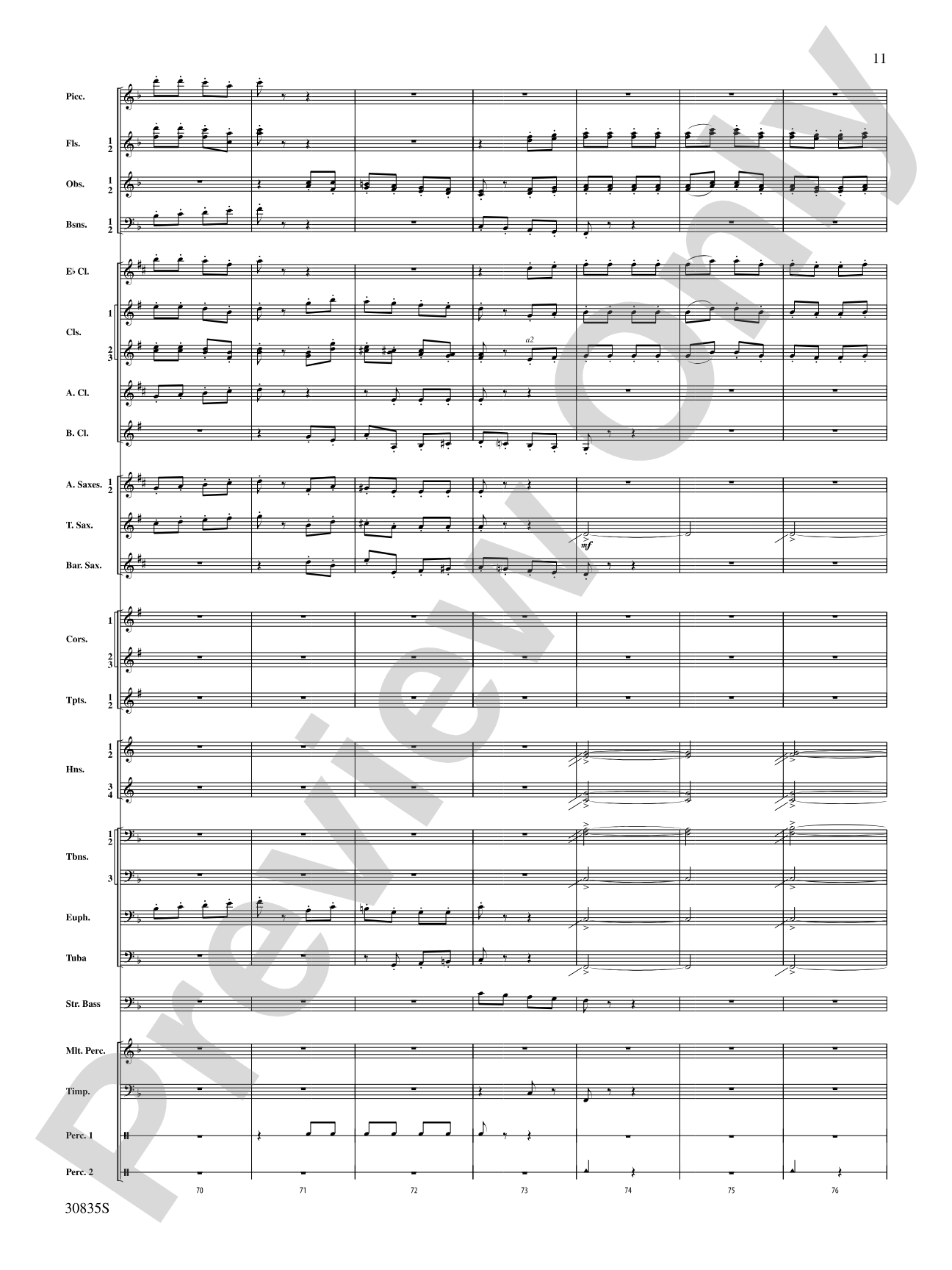
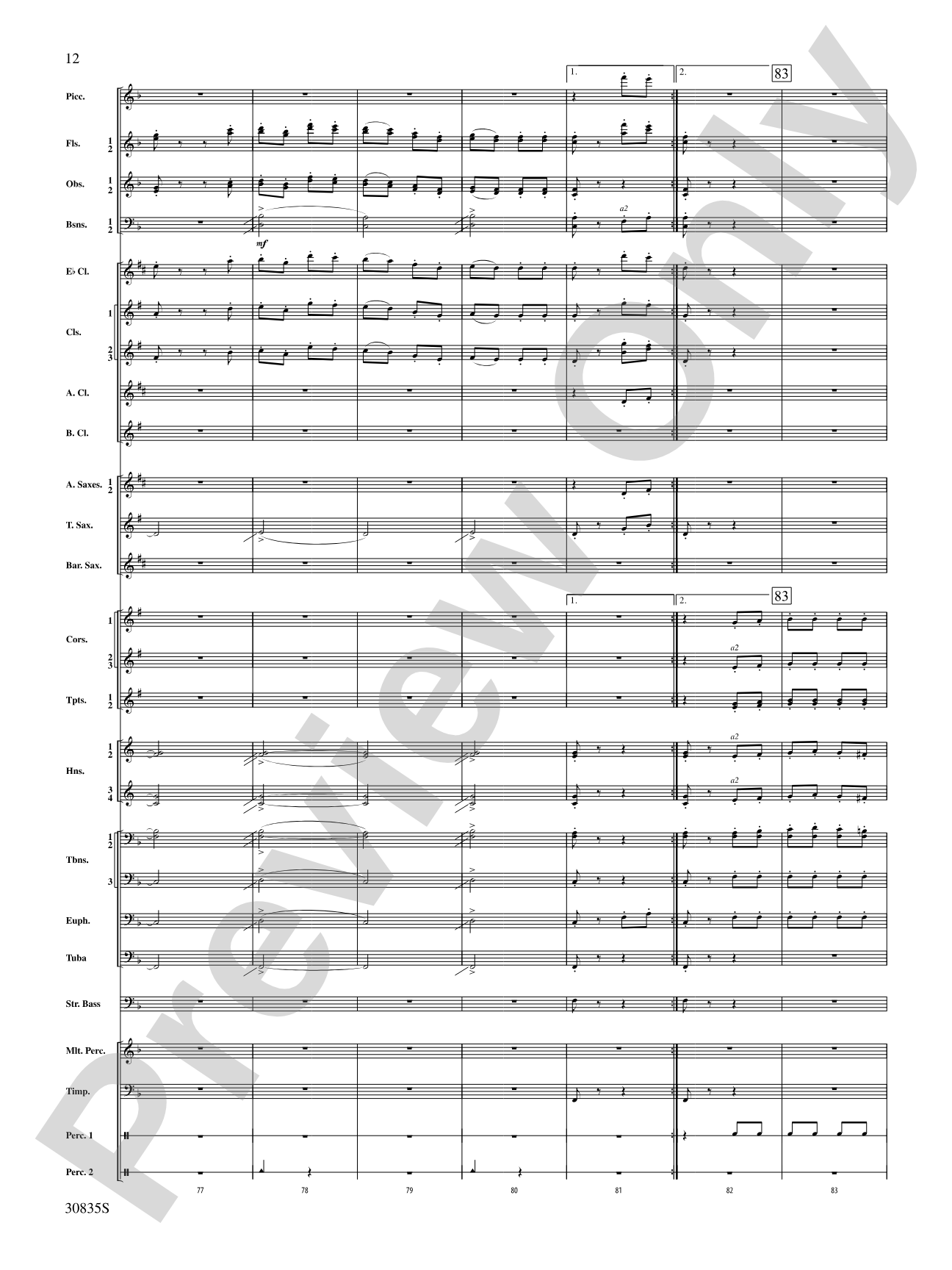
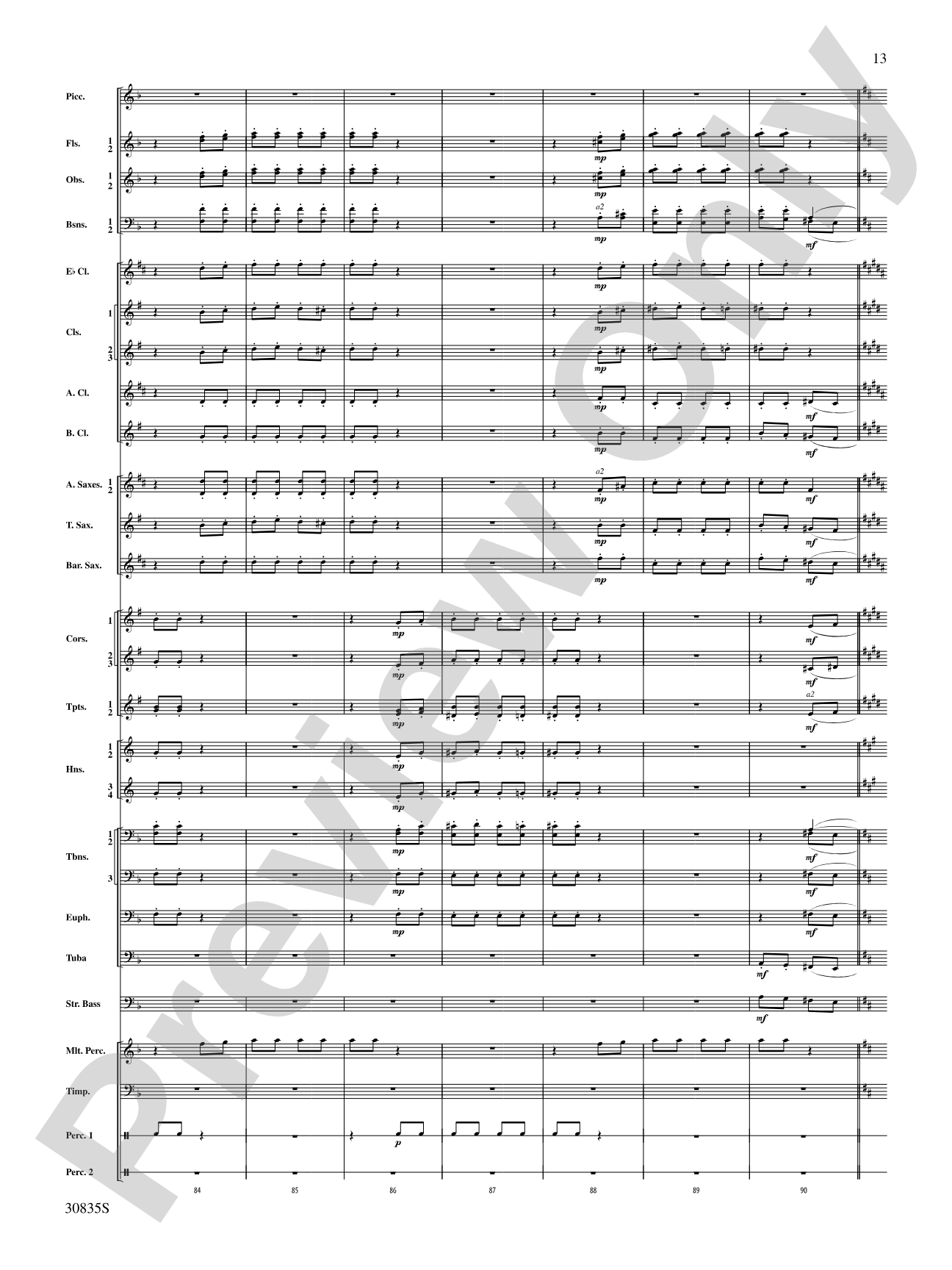
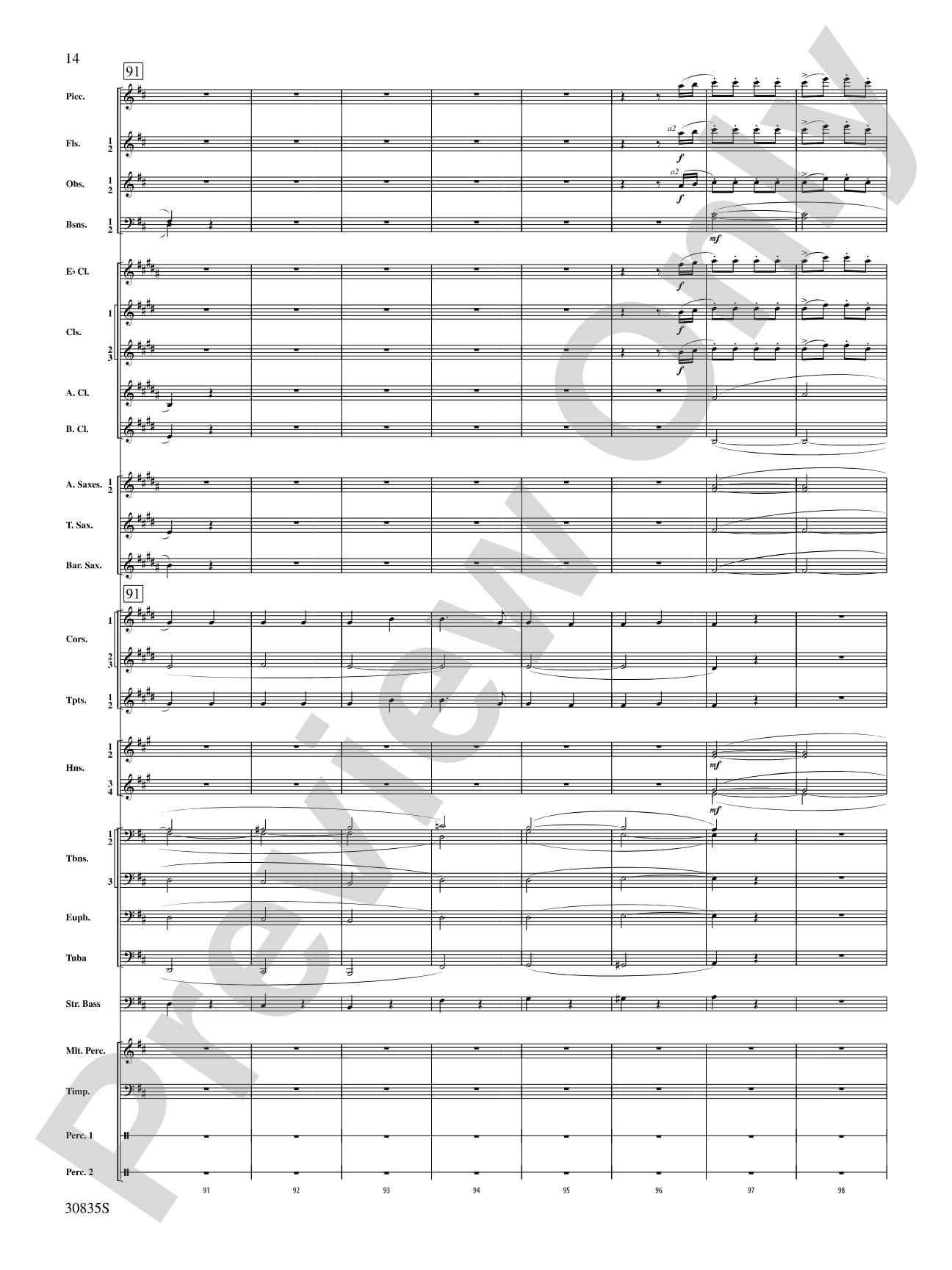
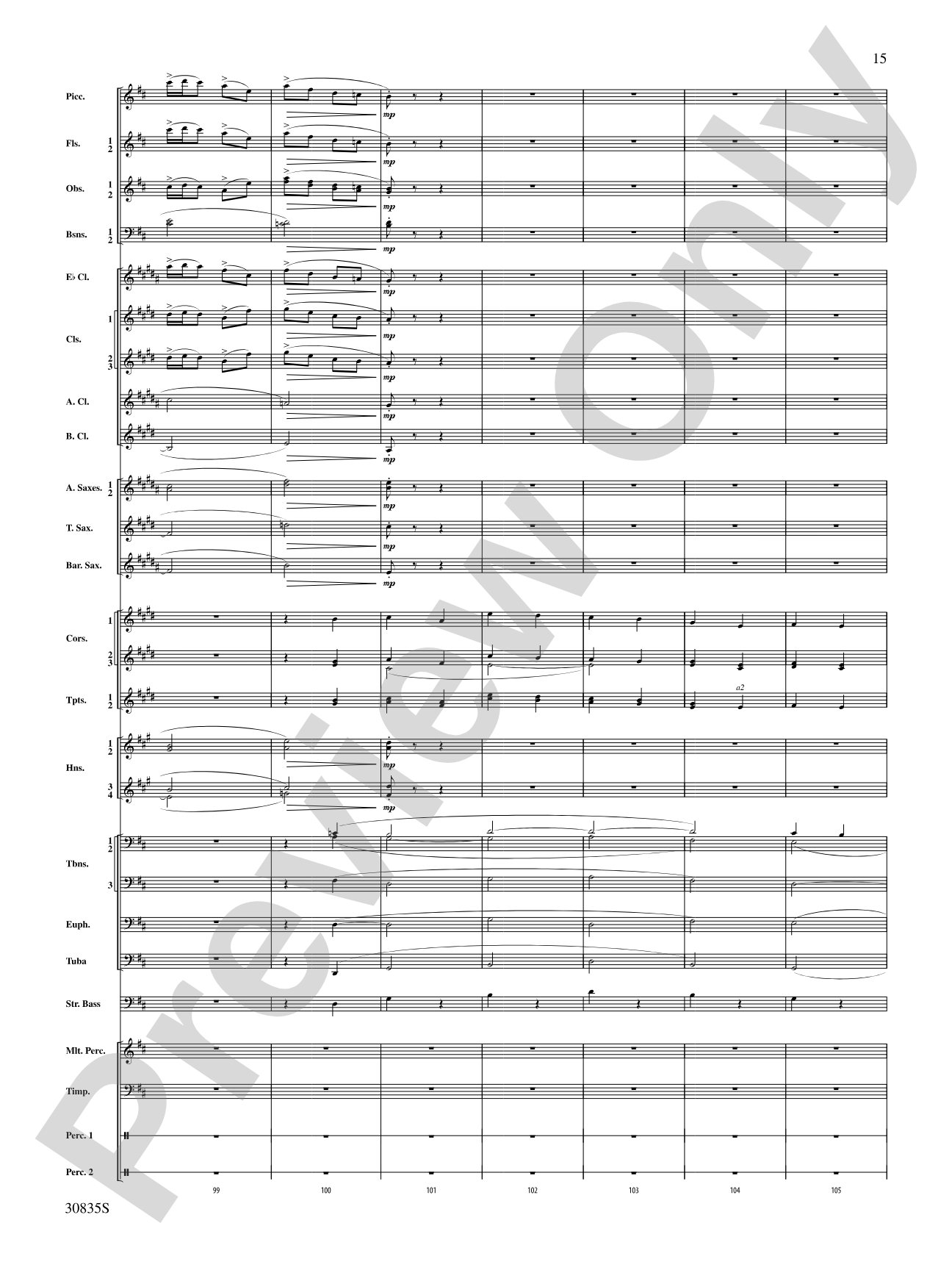
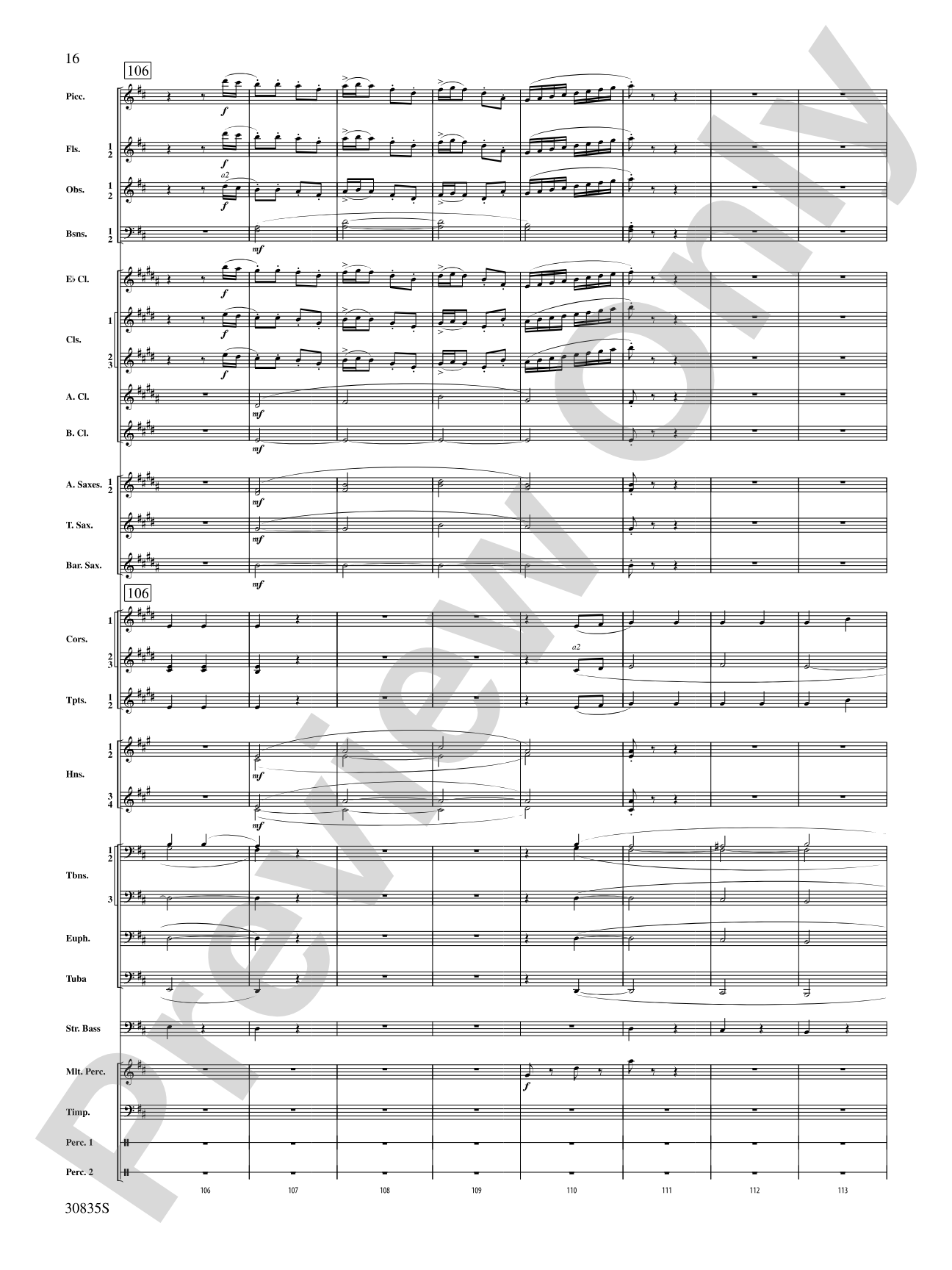
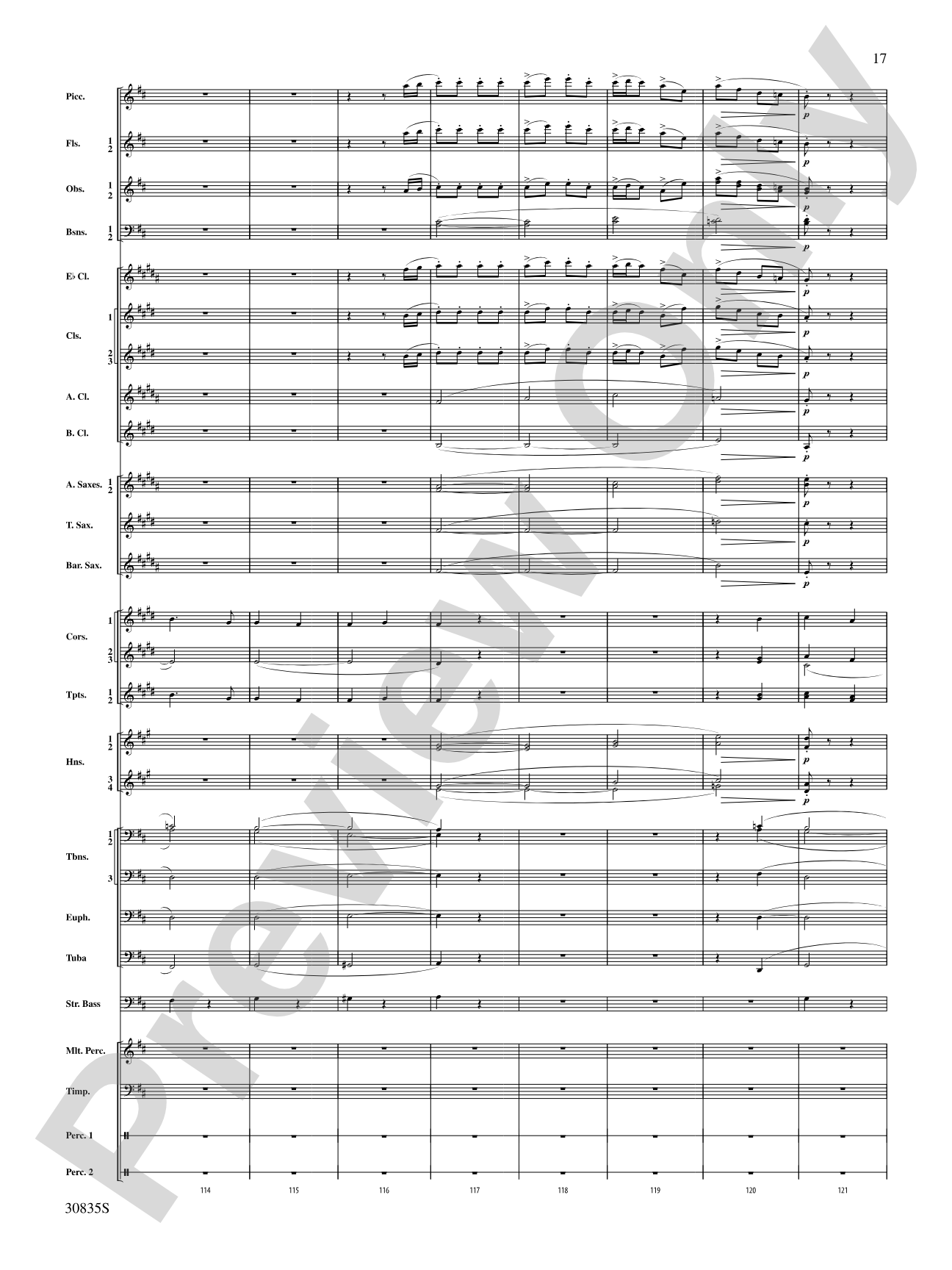
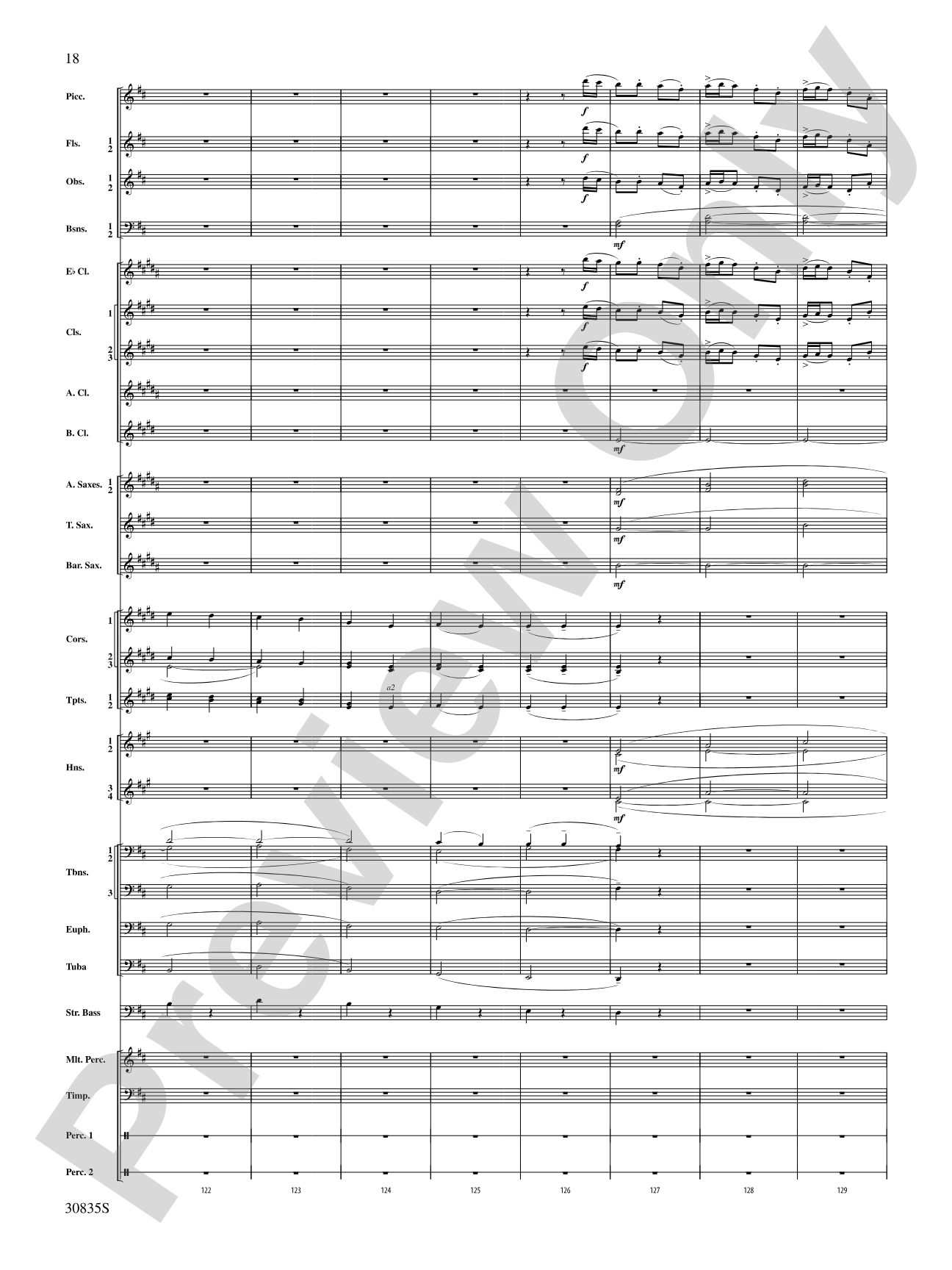
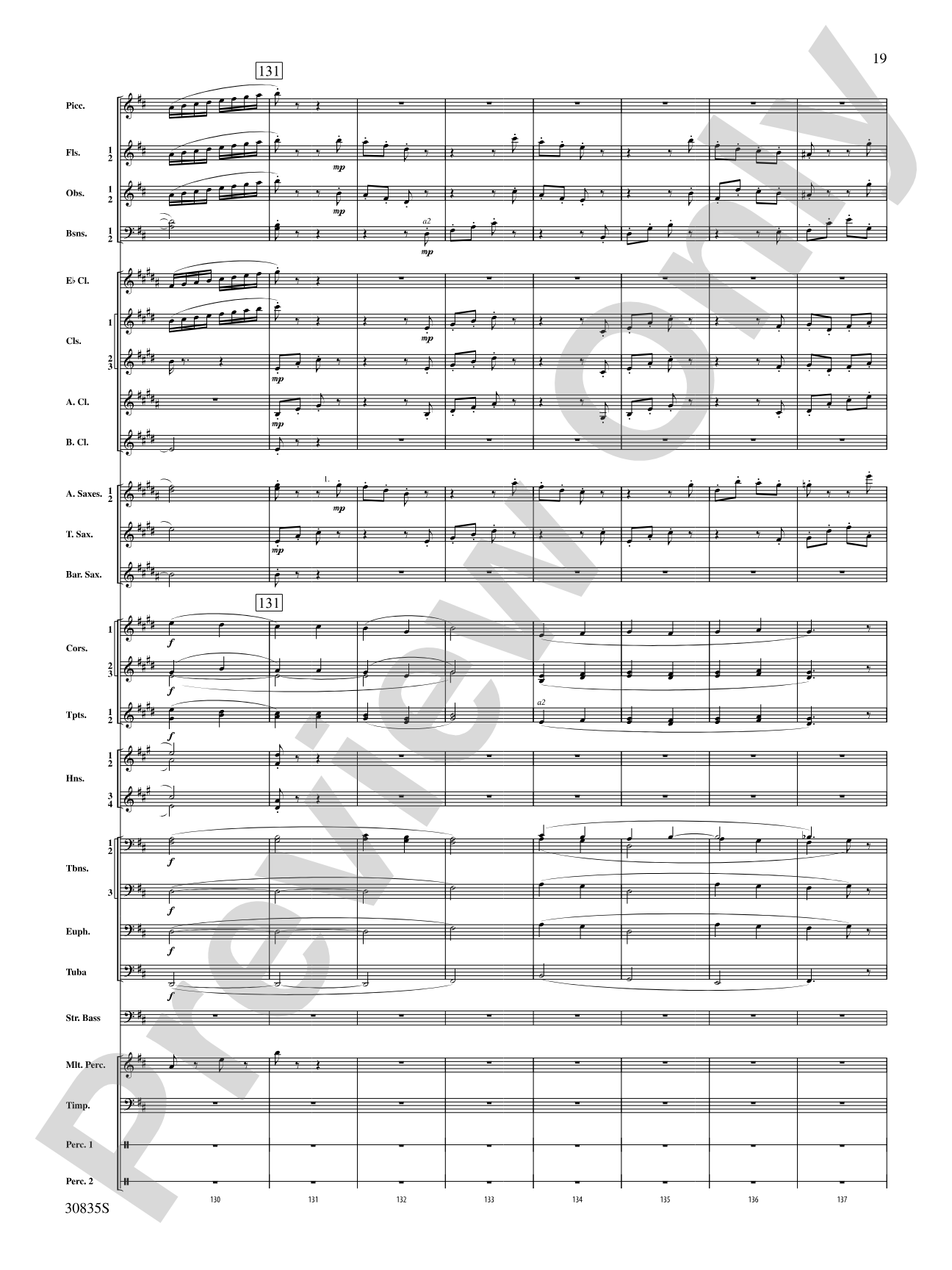
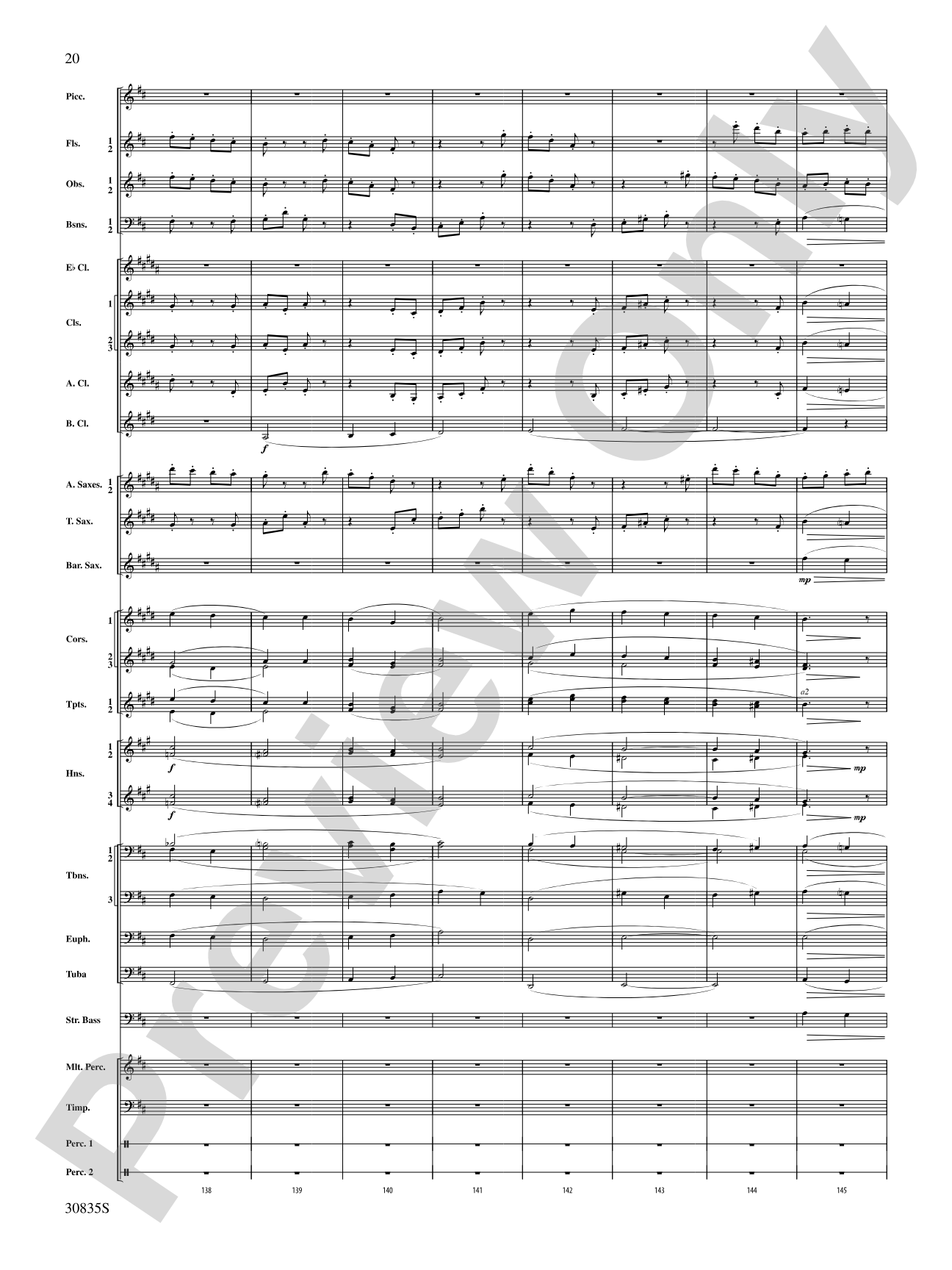
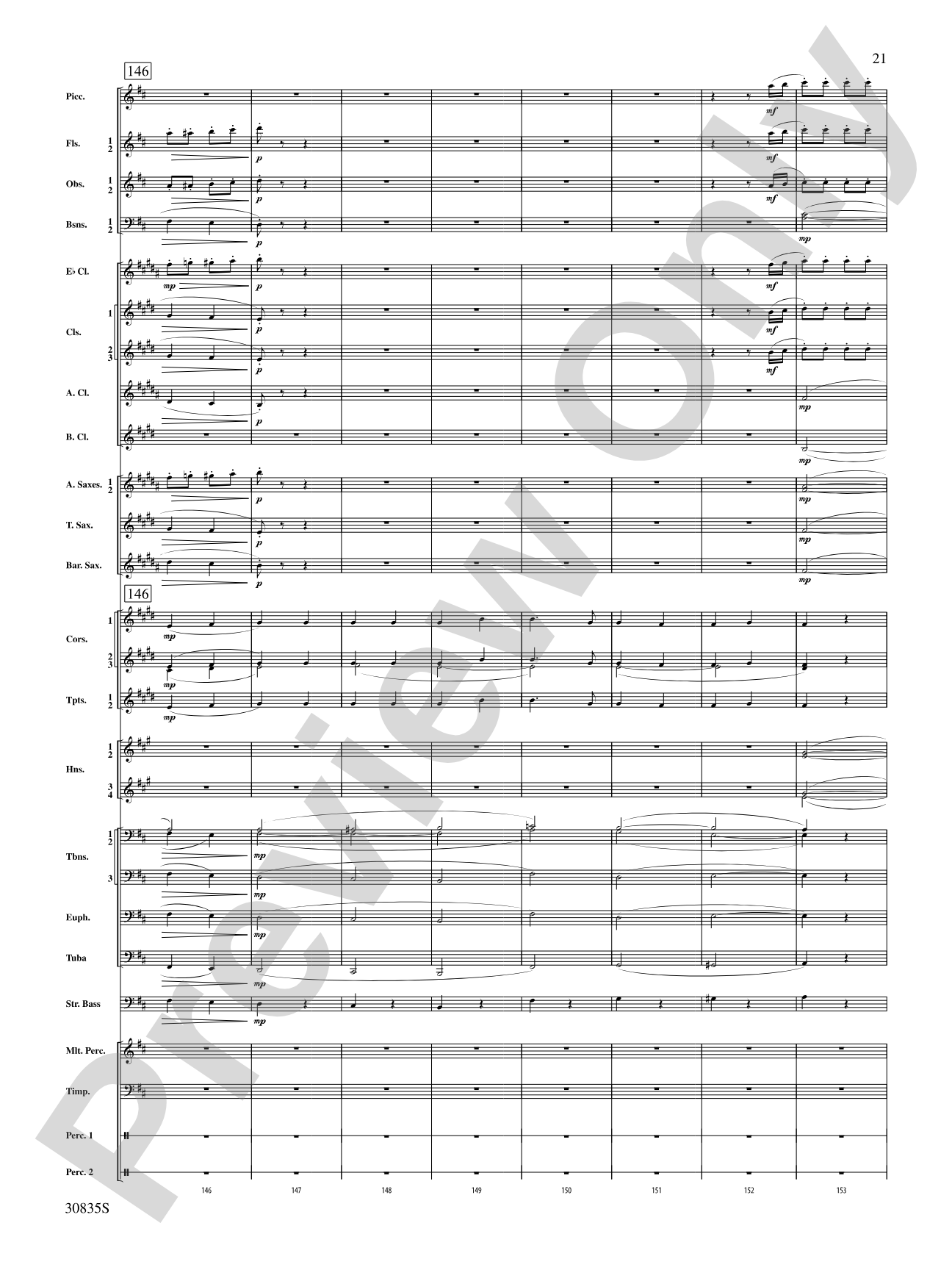
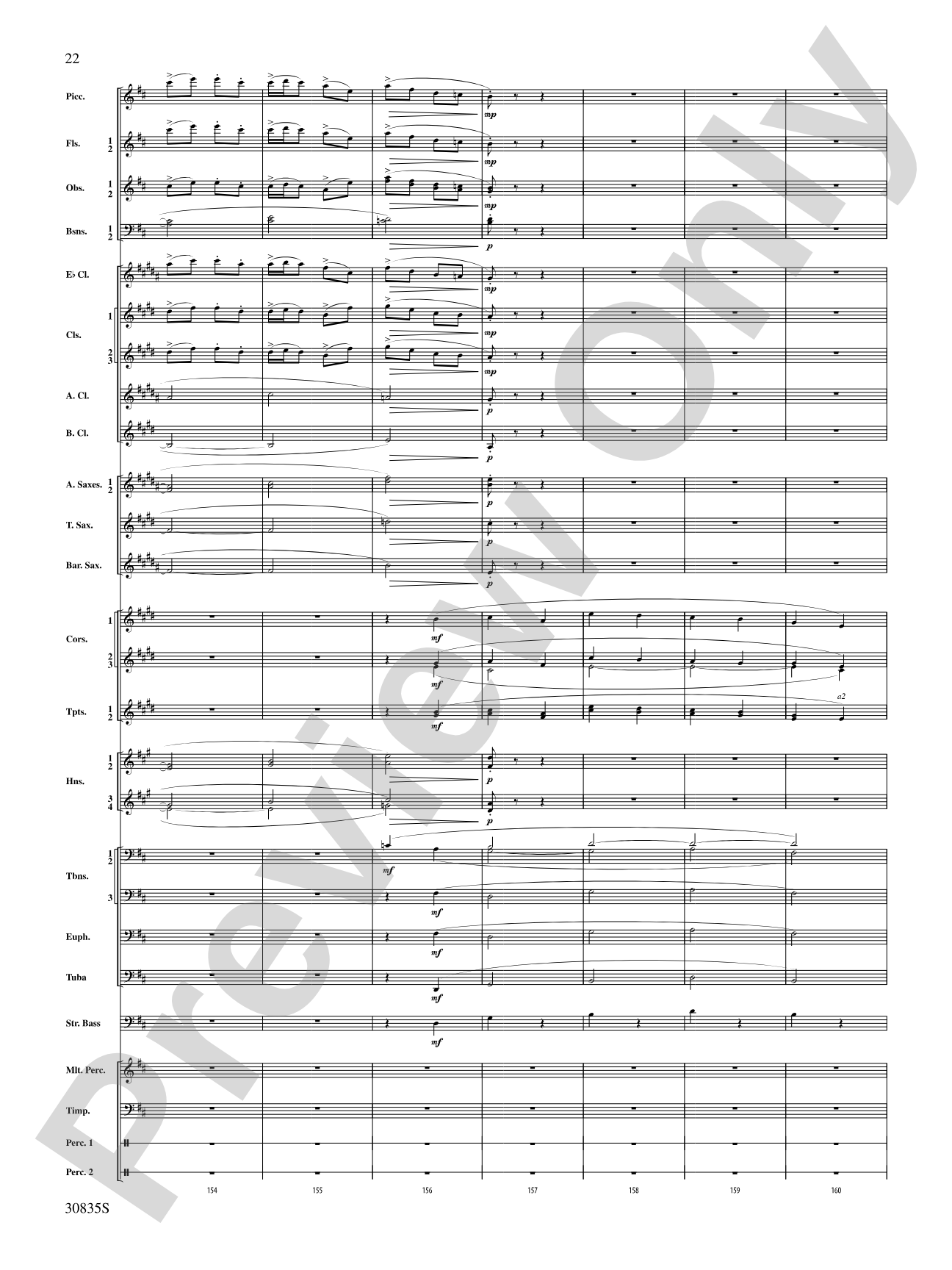
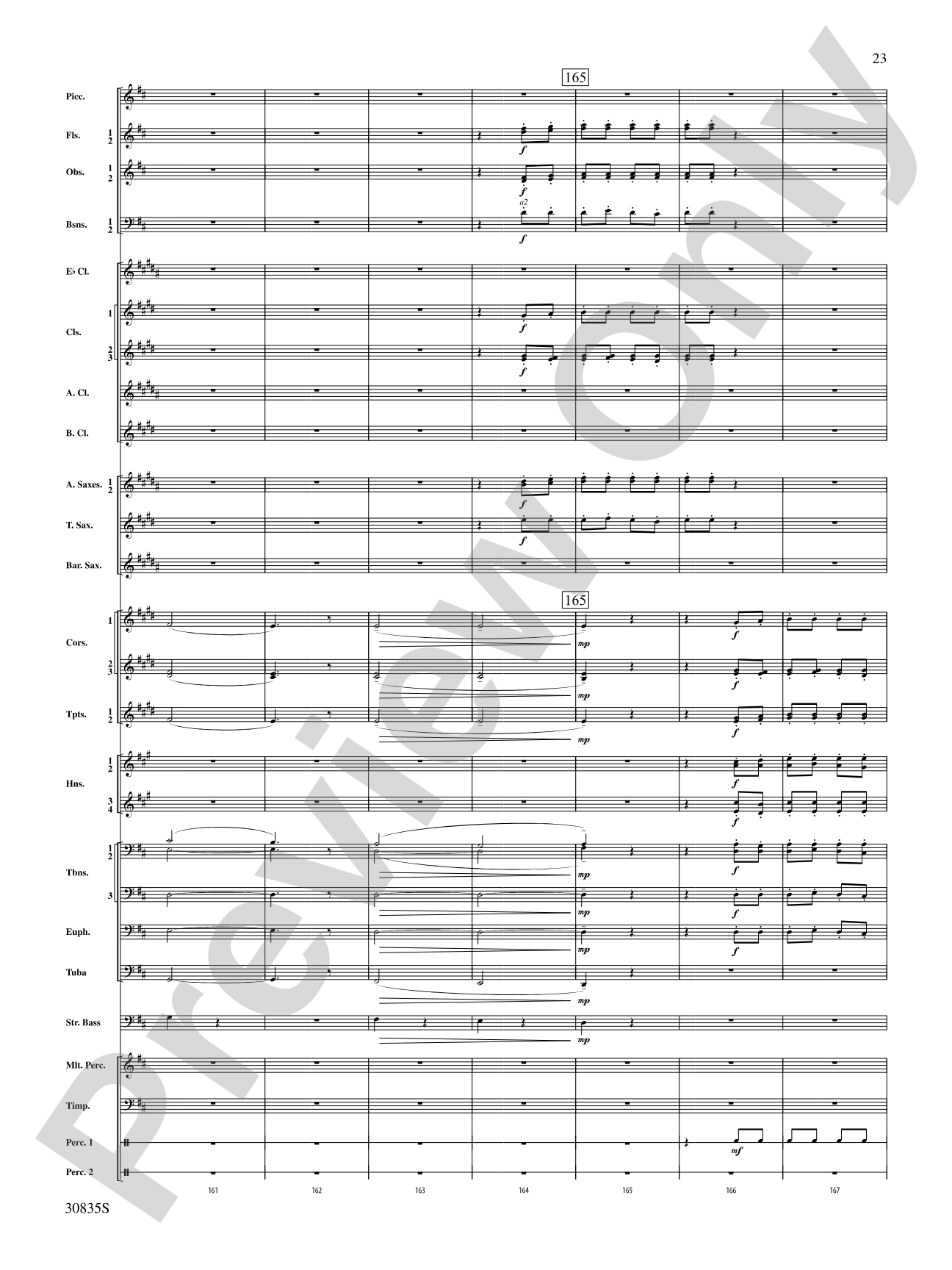
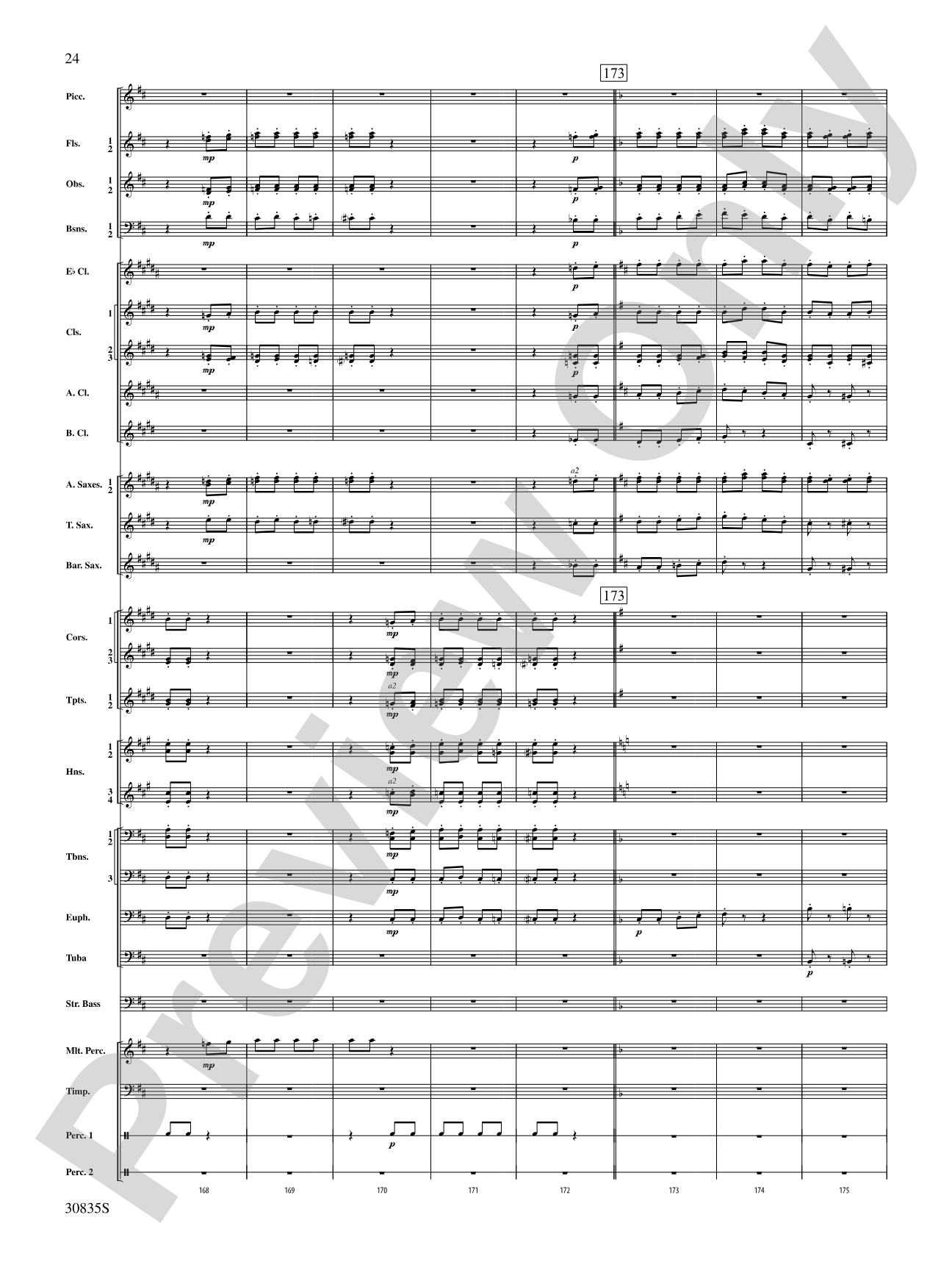
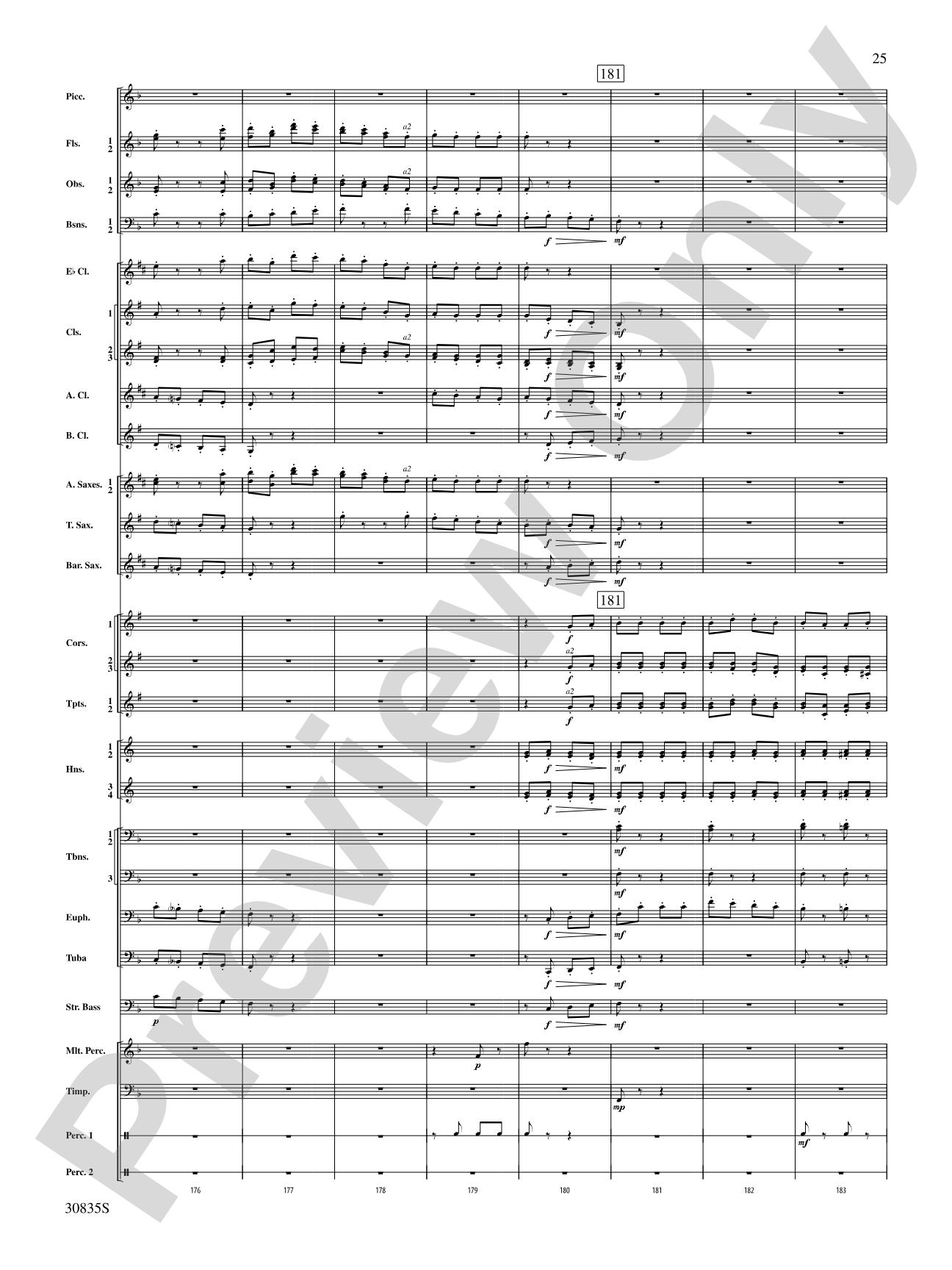
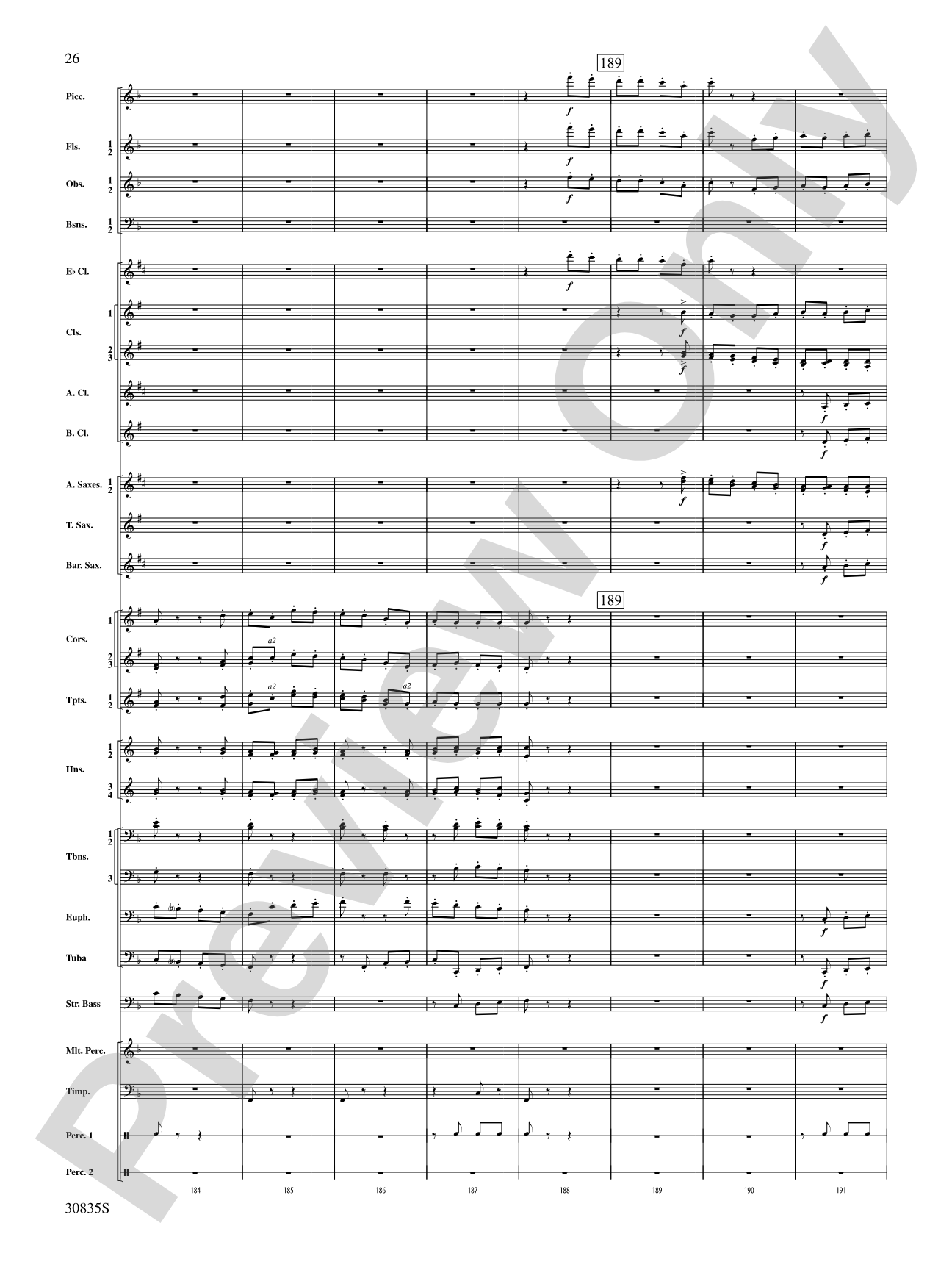
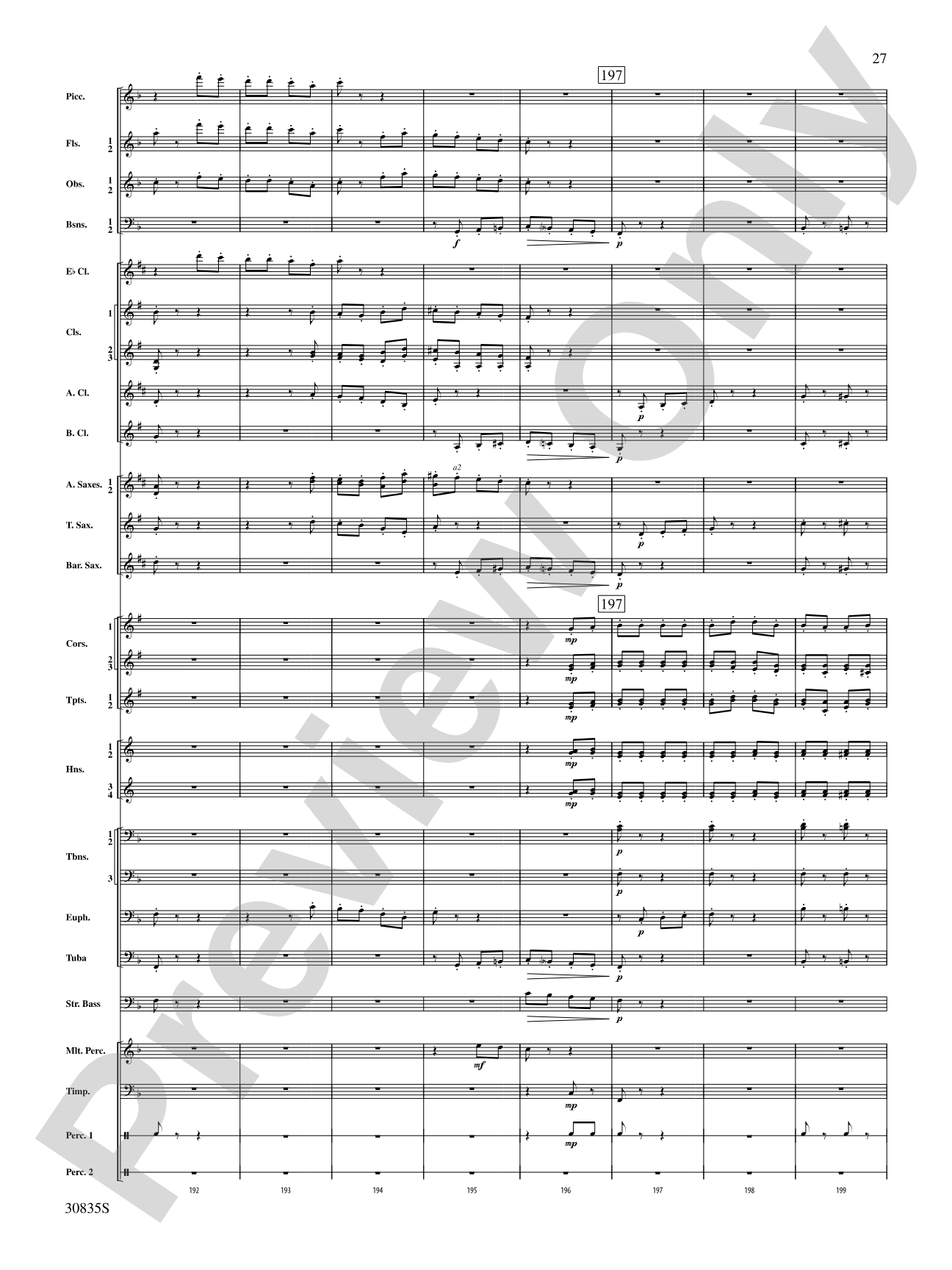
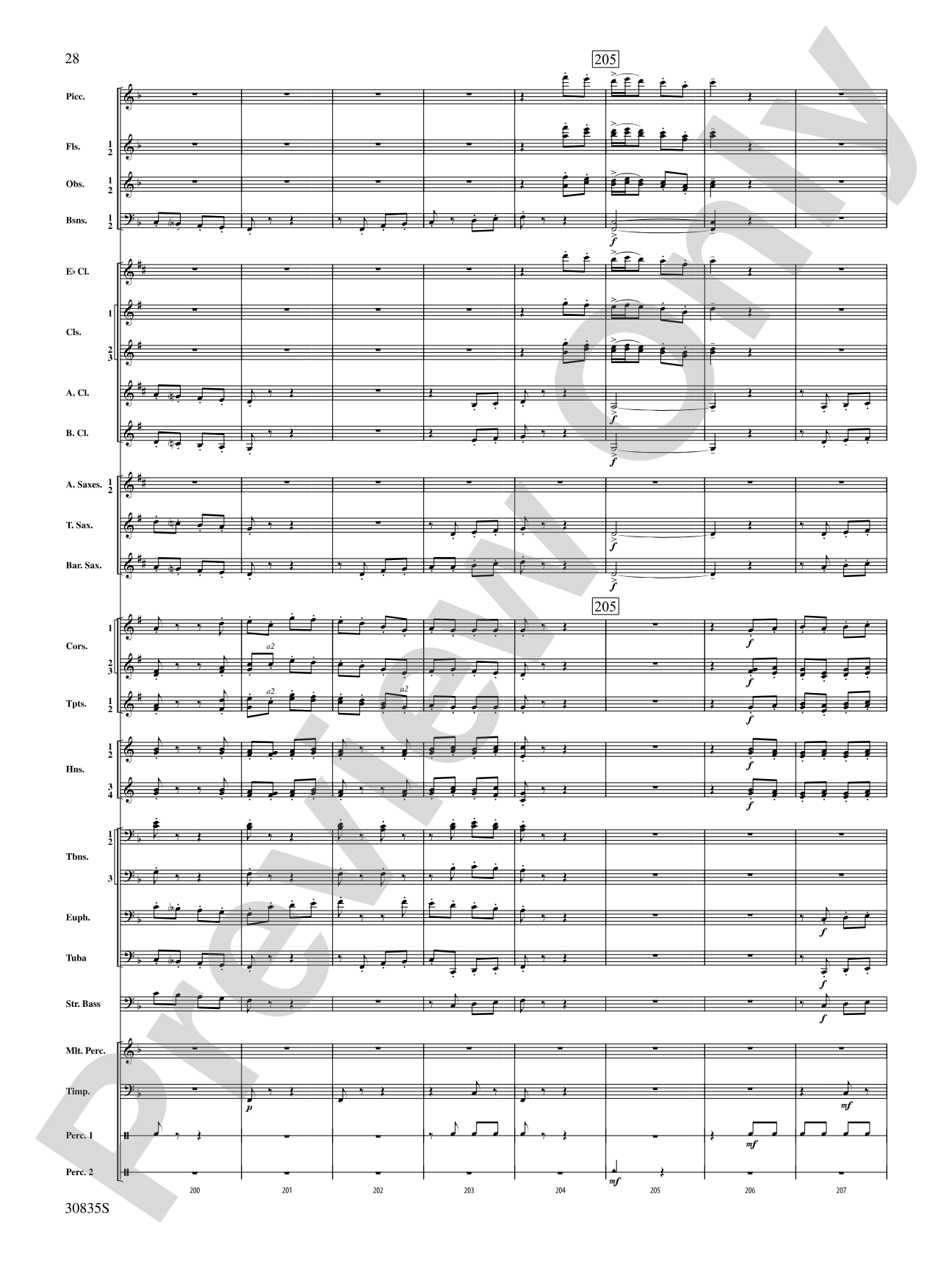
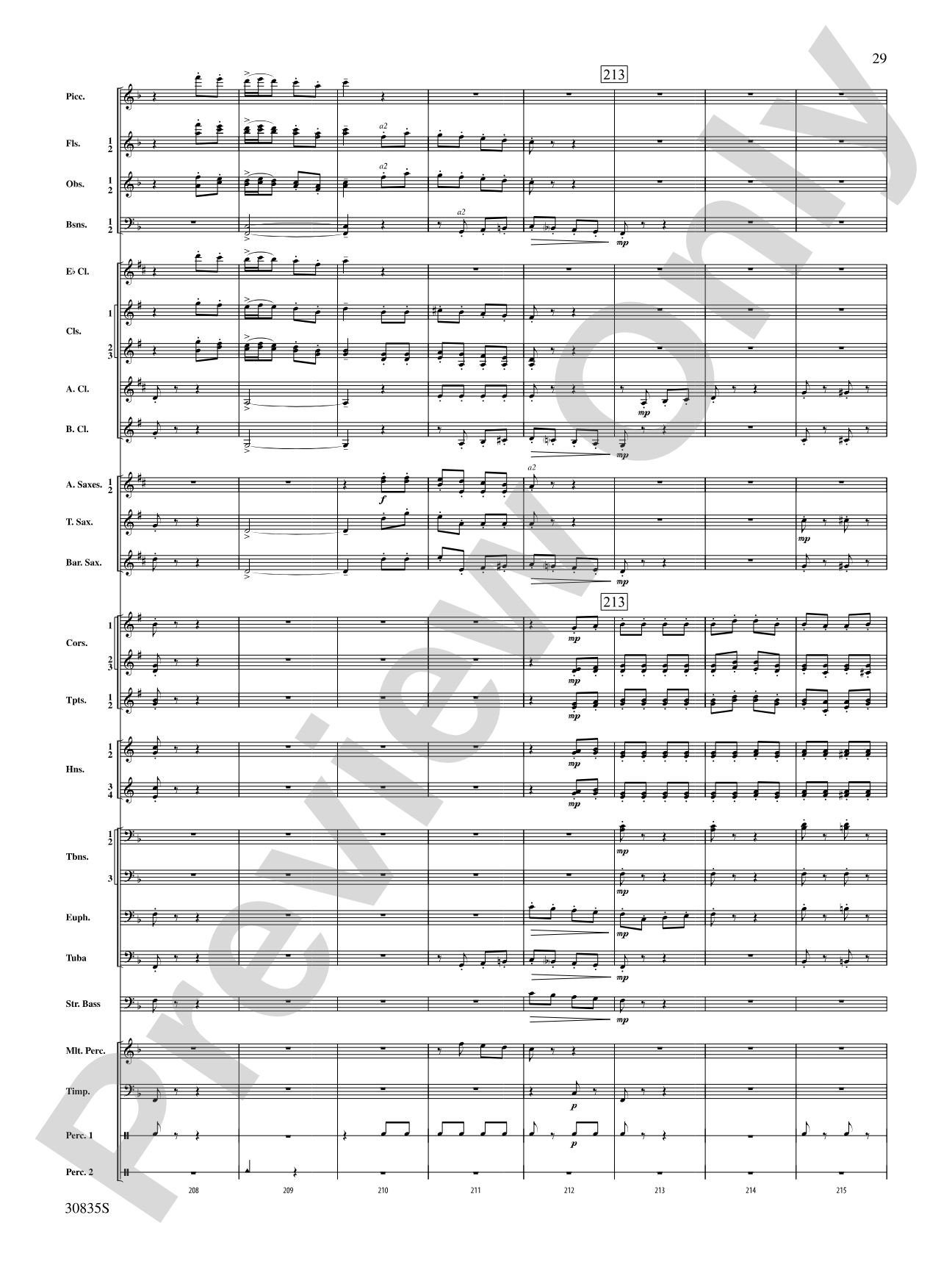
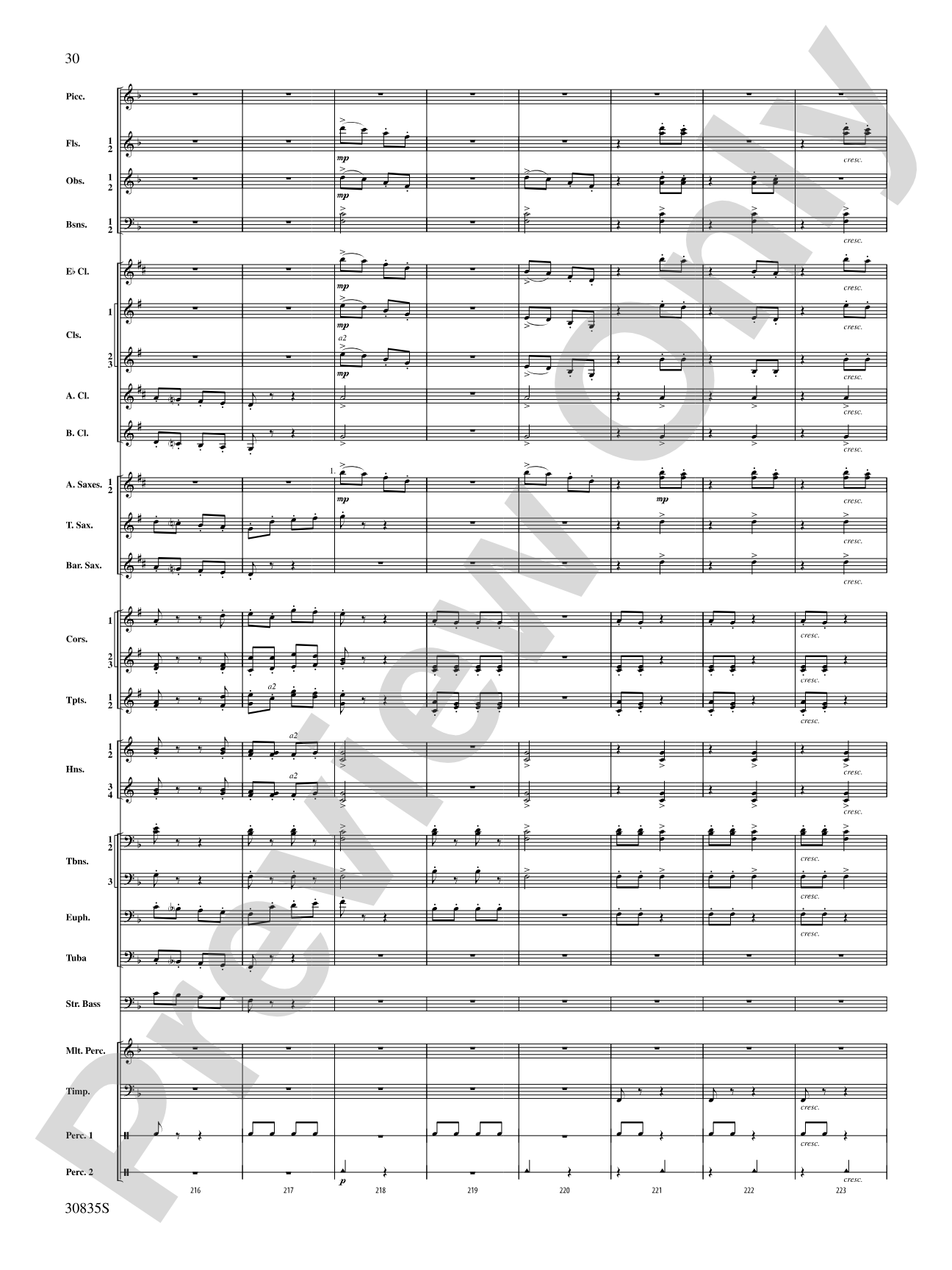
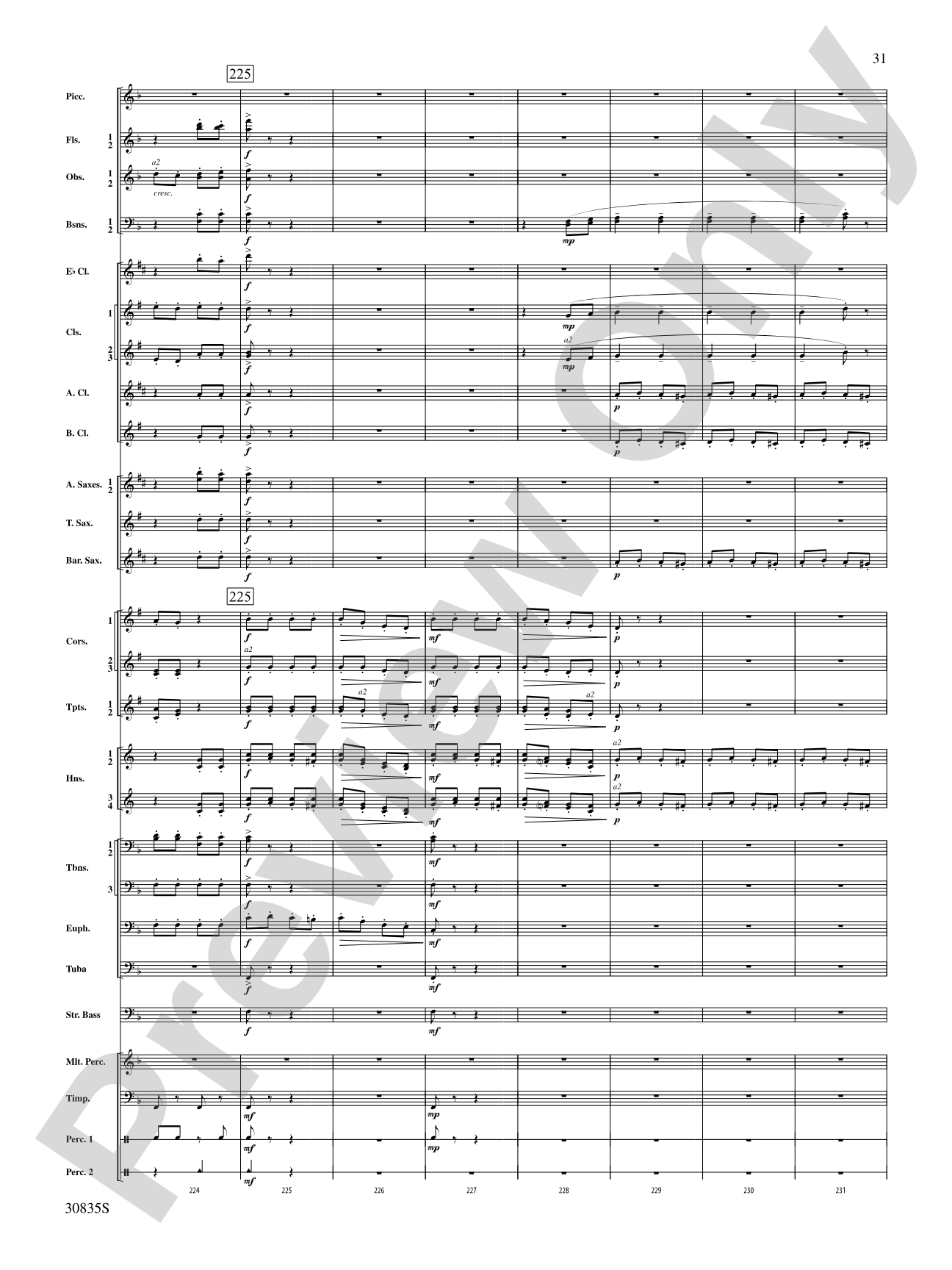
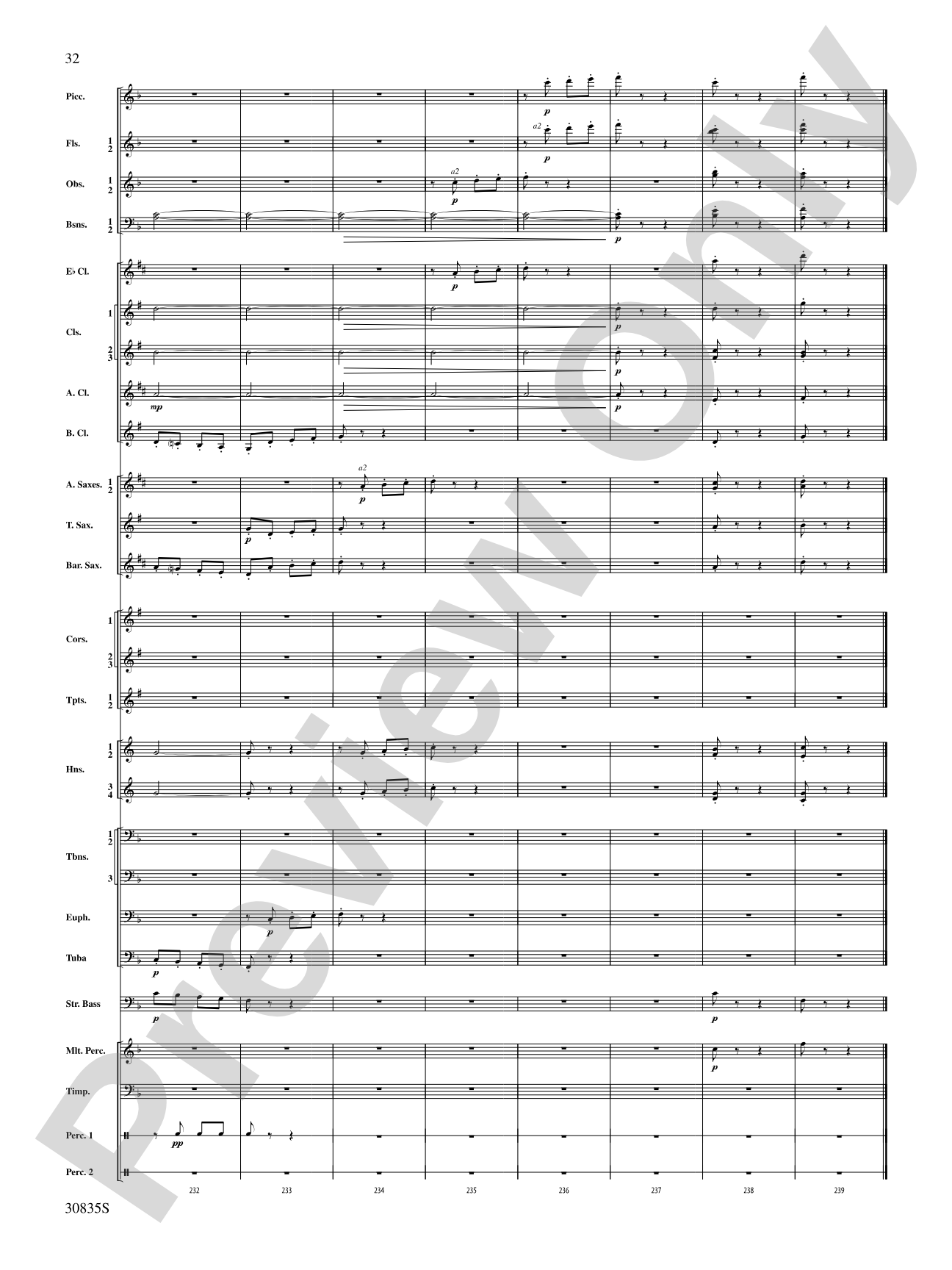

The Wearing of the Green (from the Irish Suite): Concert Band Conductor Score & Parts
By Leroy Anderson / arr. Douglas E. Wagner
Grade: 4 (Medium)
Item: 00-PK-0001700

$82.00
Pickup currently not available
Buy Extra Parts (Digital PDF Download)
Parts Added to Cart!
Description
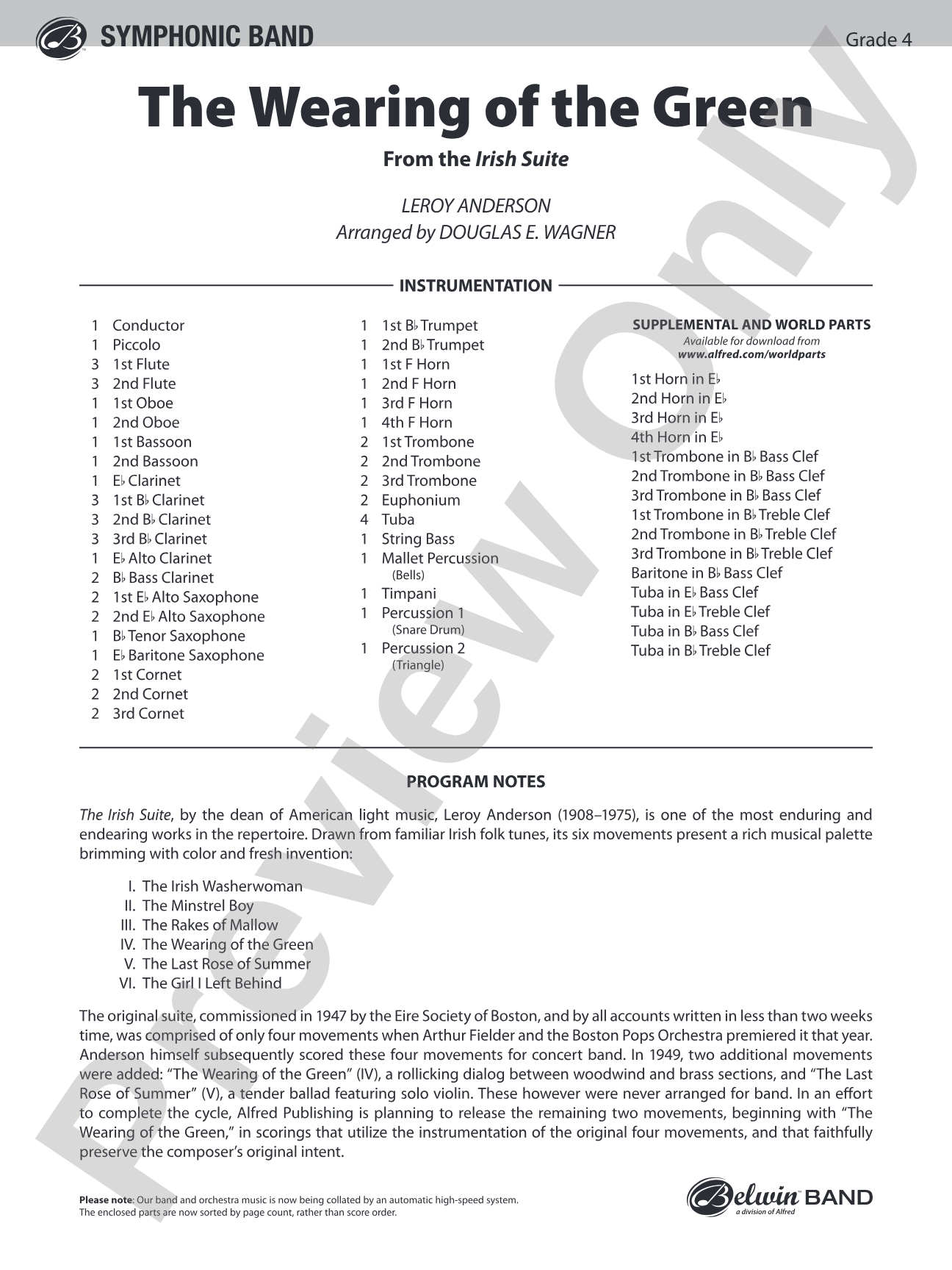
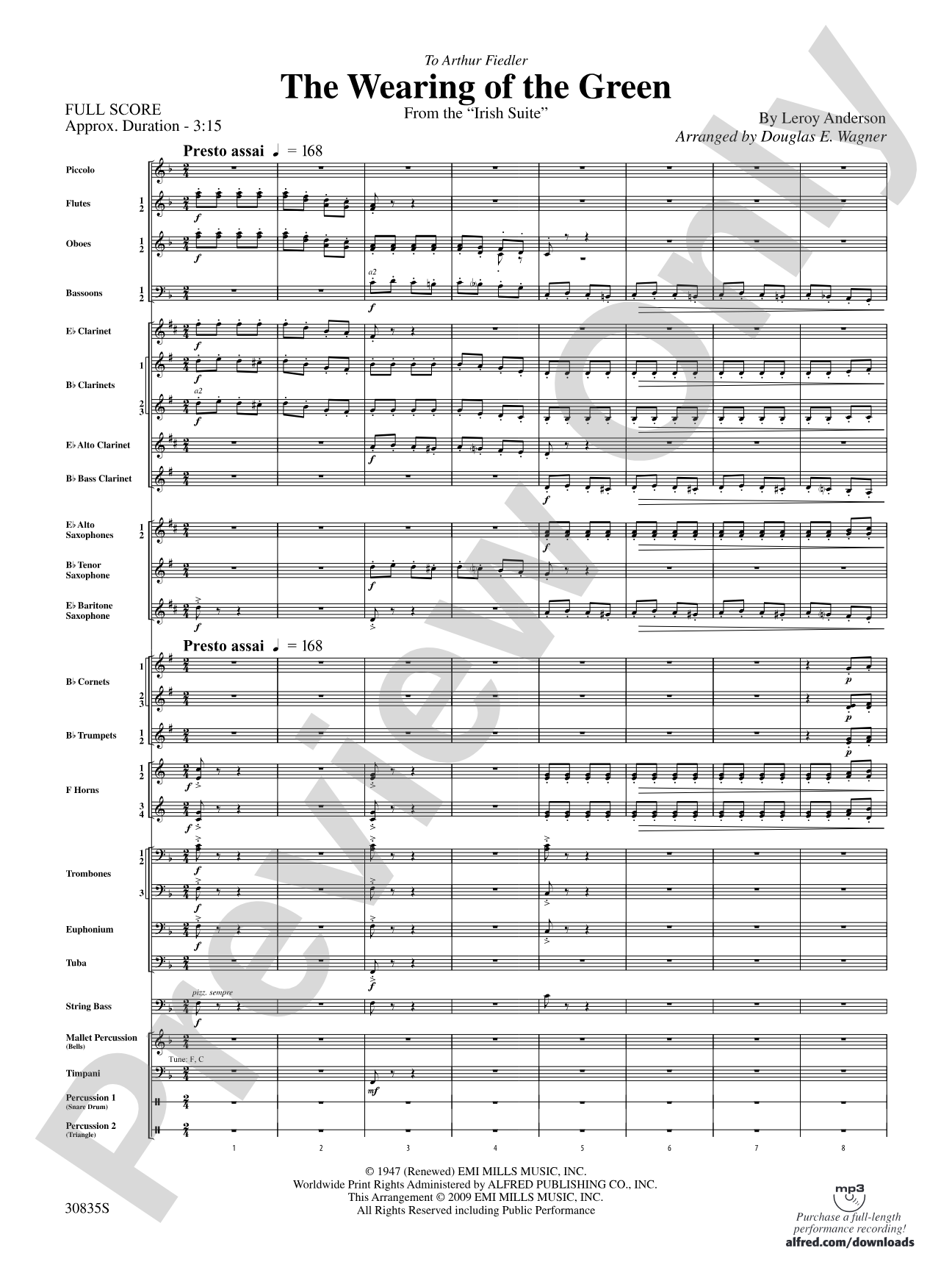
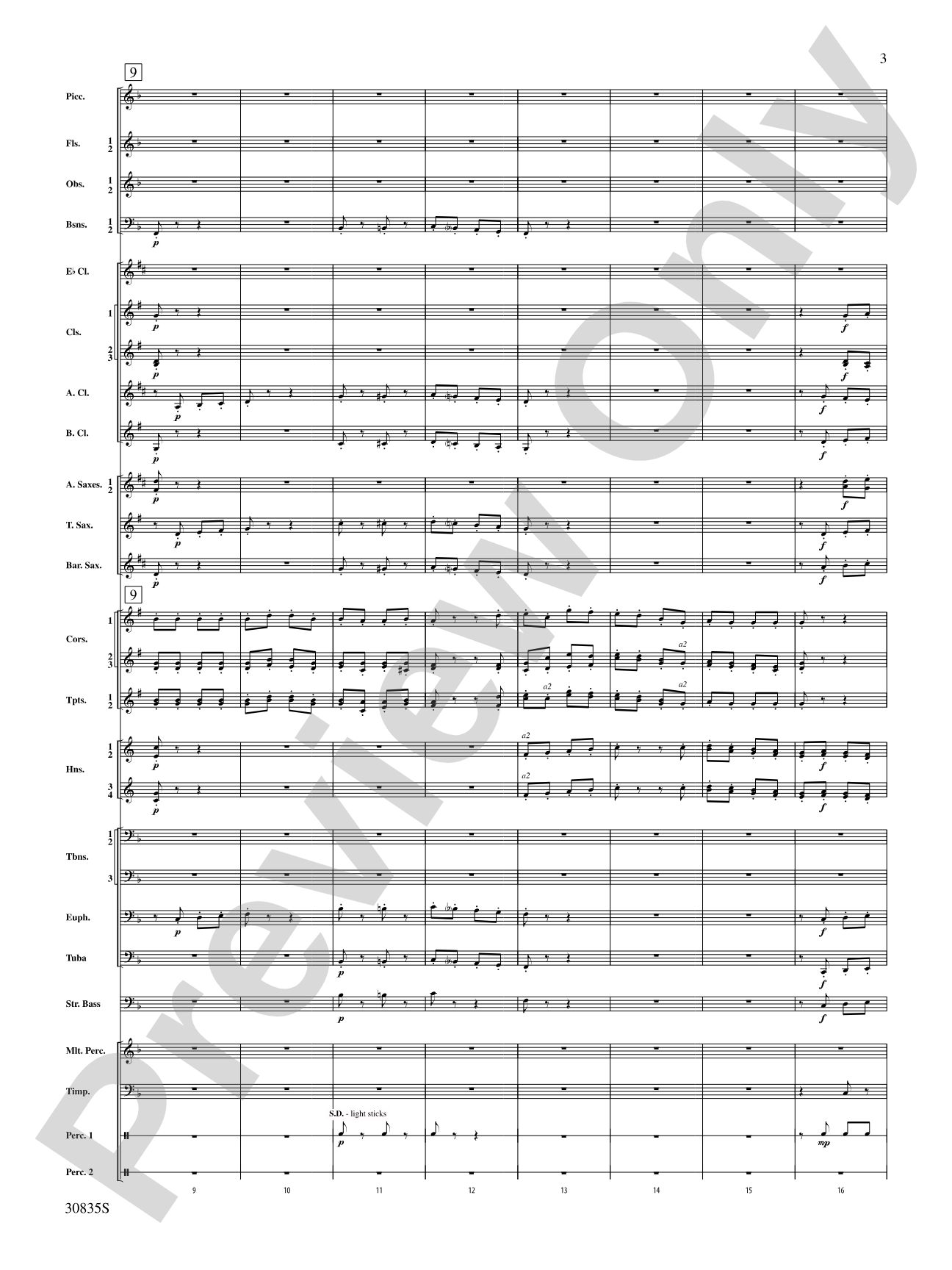
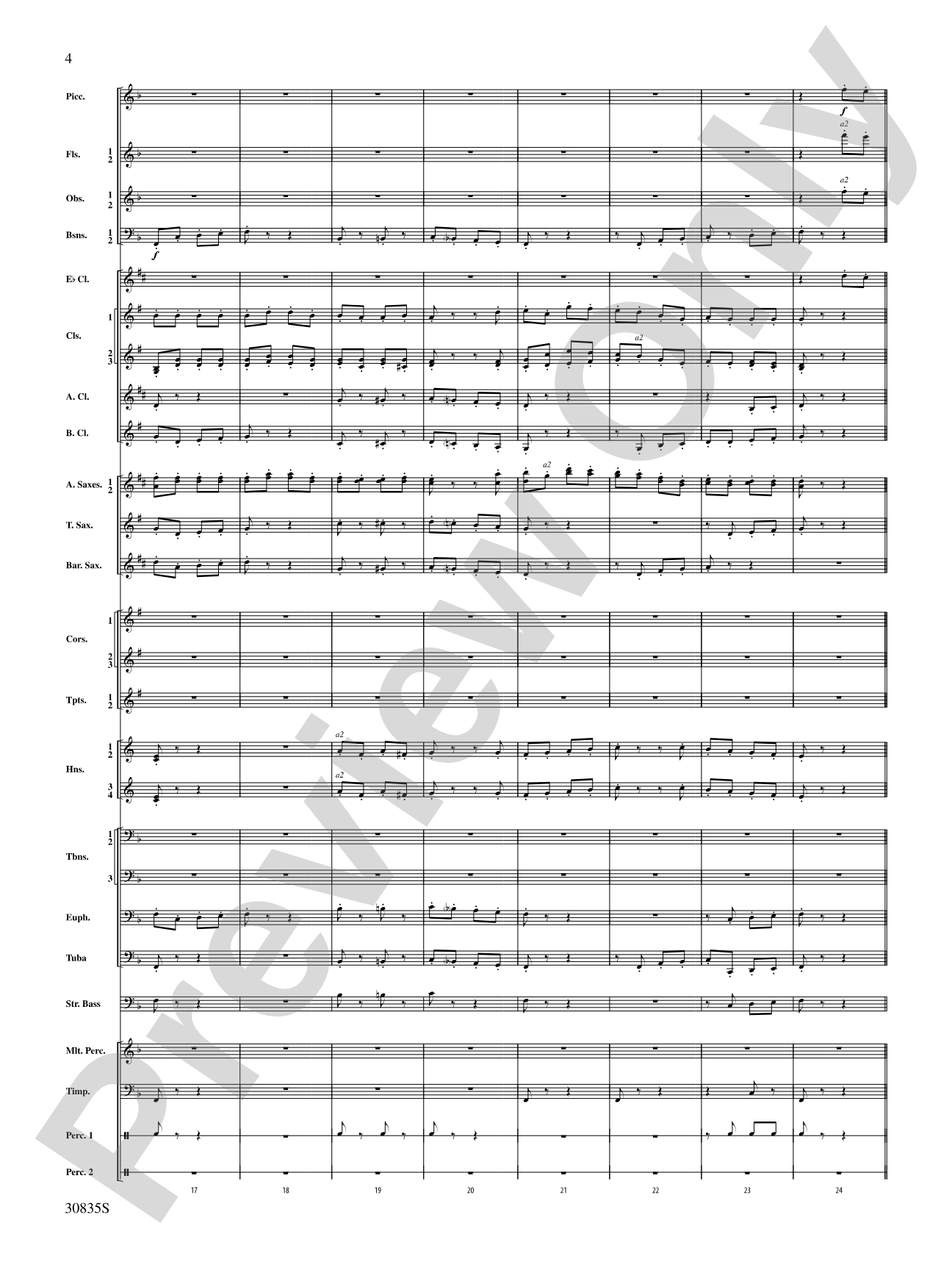
The fourth movement of Leroy Anderson's Irish Suite, which was drawn from familiar Irish folk tunes when created in 1947, The Wearing of the Green was never before transcribed for concert band has been skillfully scored by Douglas Wagner in Anderson's charismatic characteristic style. Three movements of the six-movement suite are now available for concert band. The remaining three movements will be released in 2010. Fresh and exciting, this rendition is sure to please. Performable as a stand-alone work, or in tandem with the rest of the movements. (I. The Irish Washerwoman - item 83181 and III. The Rakes of Mallow - item 30836)


Don't just read it, hear it, play along with it, and watch your students grow with it. In MakeMusic Cloud, The Wearing of the Green (from the Irish Suite): Concert Band Conductor Score & Parts comes alive with professional accompaniment, adjustable tempo, and built-in practice tools that turn solo practice into real progress.
Open in the Player
Jump straight in and assign it today.
Start Your Free Trial
Open this title and explore the full library in minutes.
Sample Audio
1
Audio File
--:--
0:00
0:00
Sample Video
No sample videos found.
Additional Details
Series:
Leroy Anderson Classics
Publisher:
Alfred Music
Page Count:
230
SKU:
00-PK-0001700
More about this title
About the Composer: Leroy Anderson
Leroy Anderson (1908, 1975) was an American composer and conductor who mastered the art of the light orchestral work. His gift for melody and orchestration made him one of the most frequently performed American composers in the concert band and pops orchestra repertoire. Anderson's arrangements of folk material transformed familiar tunes into sophisticated, accessible concert pieces that audiences loved while remaining engaging for student musicians.
Anderson's Irish Suite, composed in 1947, showcases his particular talent for drawing vitality from traditional melodies. Rather than treating folk tunes as historical artifacts, he infused them with rhythmic energy and clever orchestration. This approach made his work especially valuable in educational settings, where accessibility and musical substance need to coexist.
Why we love this
Anderson's melodic gift shines in this arrangement, and Wagner's orchestration for concert band captures the composer's signature charm while giving the ensemble genuine musical substance to sink their teeth into. The piece works beautifully as a standalone feature or as part of a larger Irish Suite program, making it programmatically flexible without feeling slight. At Grade 4, it sits in that sweet spot where the band sounds polished and confident without requiring advanced technical wizardry.
What to expect
Bright, warmhearted, and full of character, The Wearing of the Green captures the spirit of Irish folk tradition through Anderson's lens of elegant accessibility. The tune unfolds with natural grace, dancing between moments of tender lyricism and spirited rhythmic drive that make you want to move along with the music.
Who it's for
Concert bands in the intermediate-advanced range (Grade 4) will find this a polished, audience-friendly feature that challenges musicianship without overwhelming the ensemble technically. Directors seeking folk-based repertoire that avoids simplification will appreciate both Anderson's melodic strength and Wagner's skilled adaptation for the concert band medium.
How to get the most out of it
- Balance the folk melody across your woodwind and brass sections so it sings through clearly; Anderson's tunes deserve the same care you'd give a great operatic line.
- Shape the phrasing with natural rubato in the lyrical sections; this isn't a march, so allow the band to breathe with the tune rather than lock into metronomic precision.
- Color shifts between statement and restatement of the melody keep the piece fresh; consider minor adjustments to articulation or dynamic shaping each time the theme returns.
- The rhythmic energy in the faster passages should feel buoyant and spirited rather than rushed; let the natural lilt of the Irish melody guide your tempo relationships.
How to use it
Program this as a concert feature that stands on its own or pair it with The Irish Washerwoman and The Rakes of Mallow to create a full Irish Suite programming block that showcases Anderson's versatility. It works equally well in a pops concert, a community concert setting, or as a festival selection where you want to balance serious concert music with tuneful, engaging repertoire.
Skills your students will build
- Shaping lyrical phrases with natural flow and phrasing direction
- Balancing melodic voices across woodwind and brass sections
- Executing rhythmic precision in moderate tempos with folk-inflected syncopation
- Interpreting light concert style with musicianship and intentional color choices