
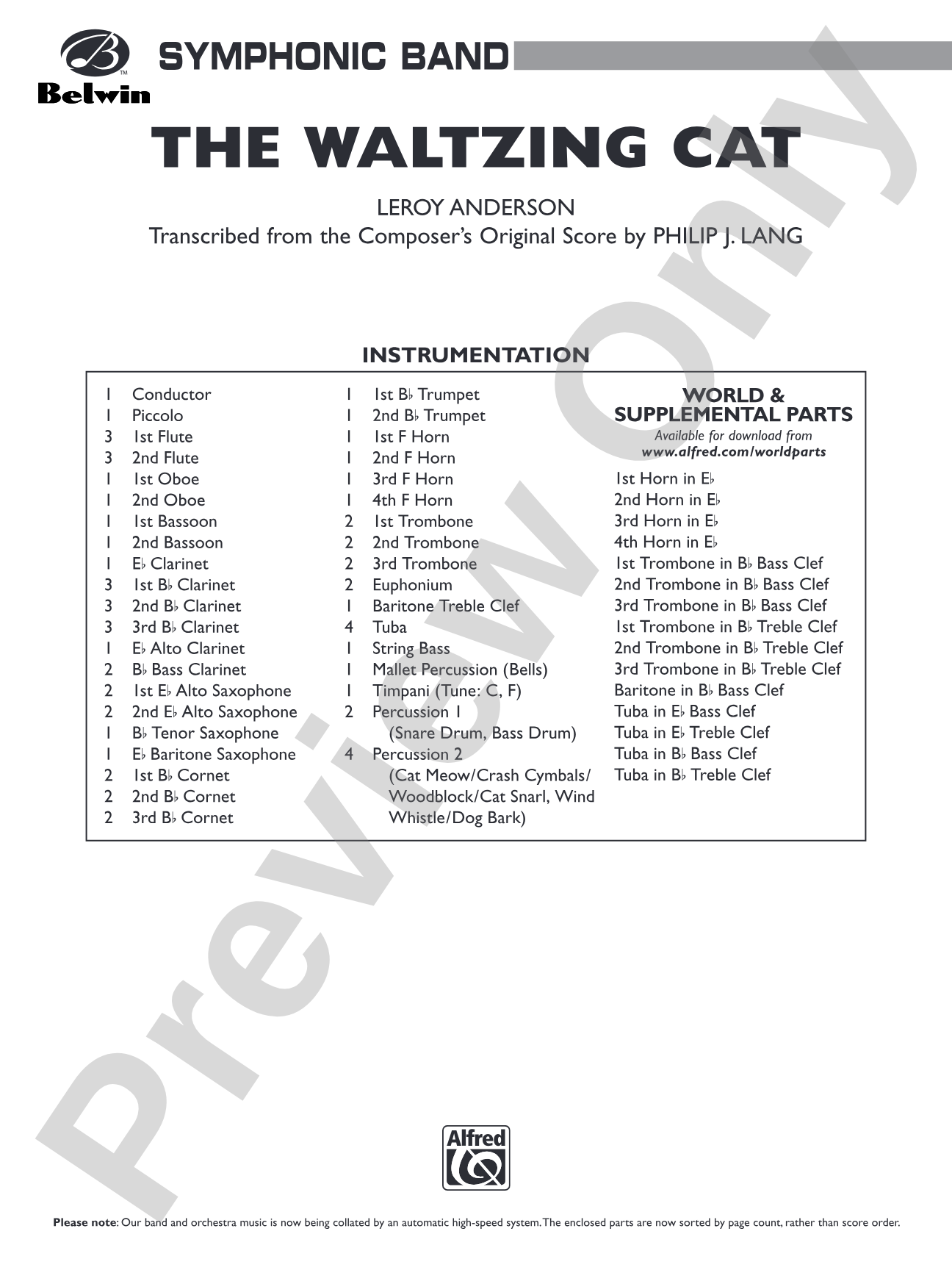
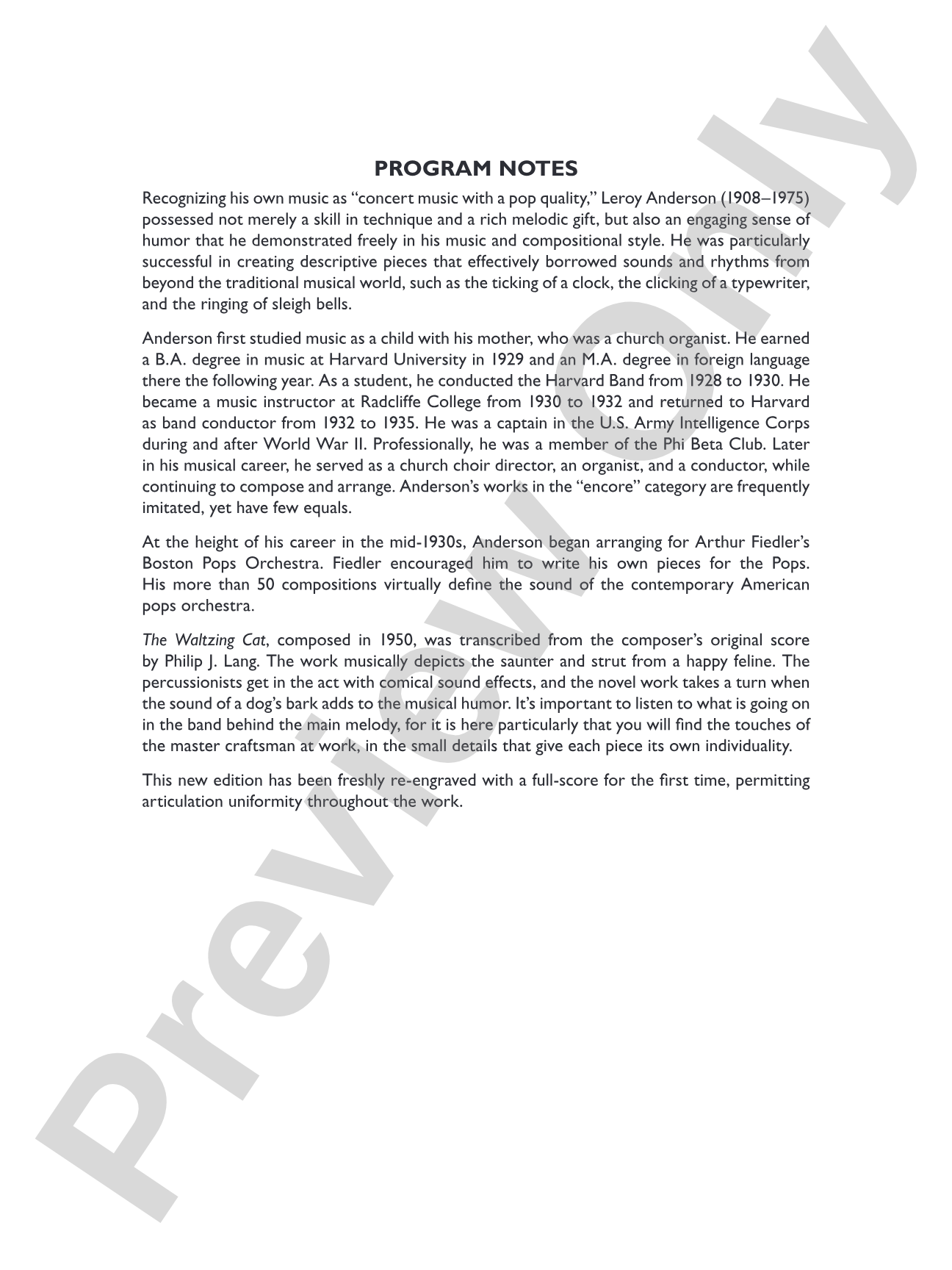
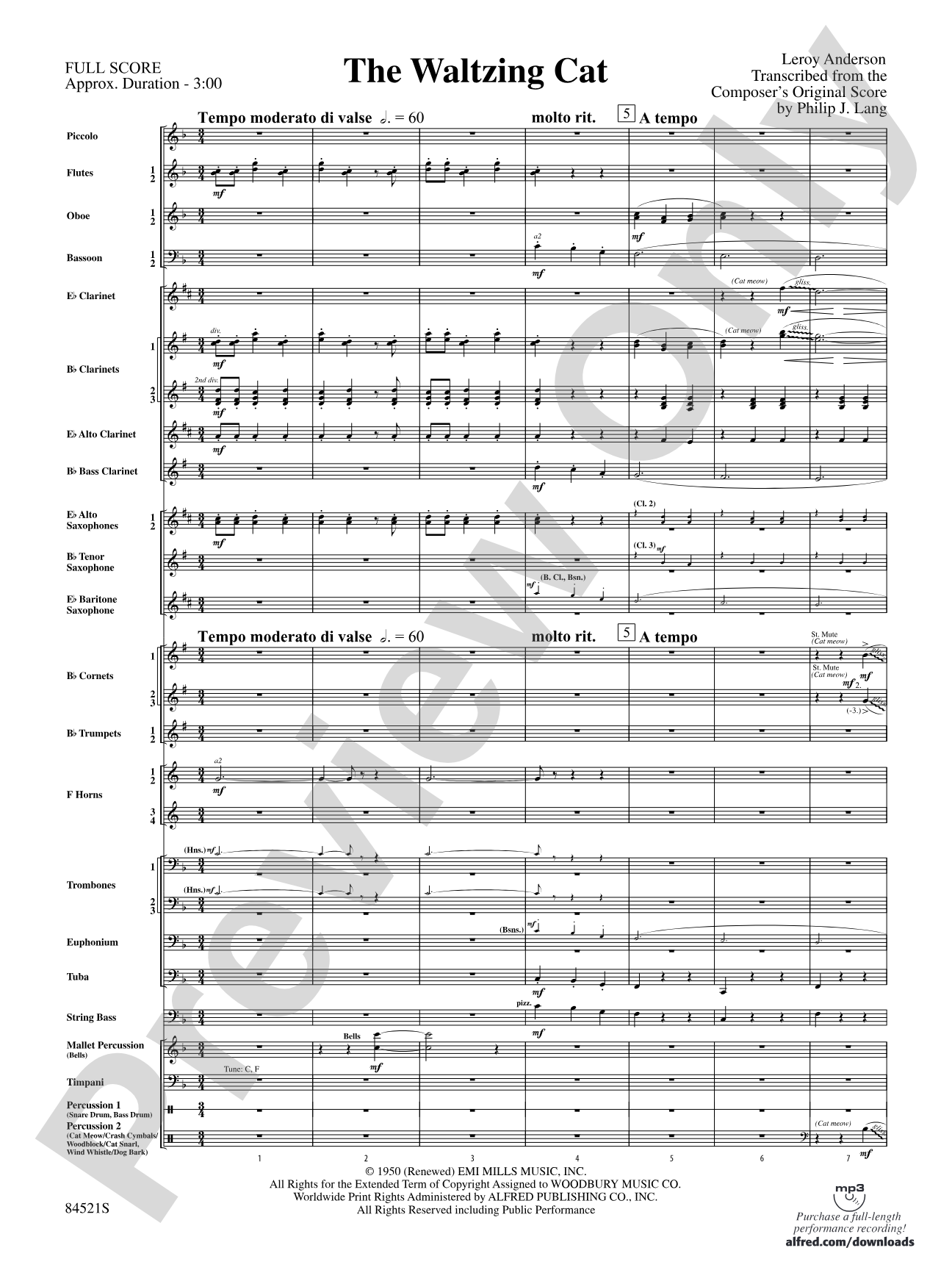
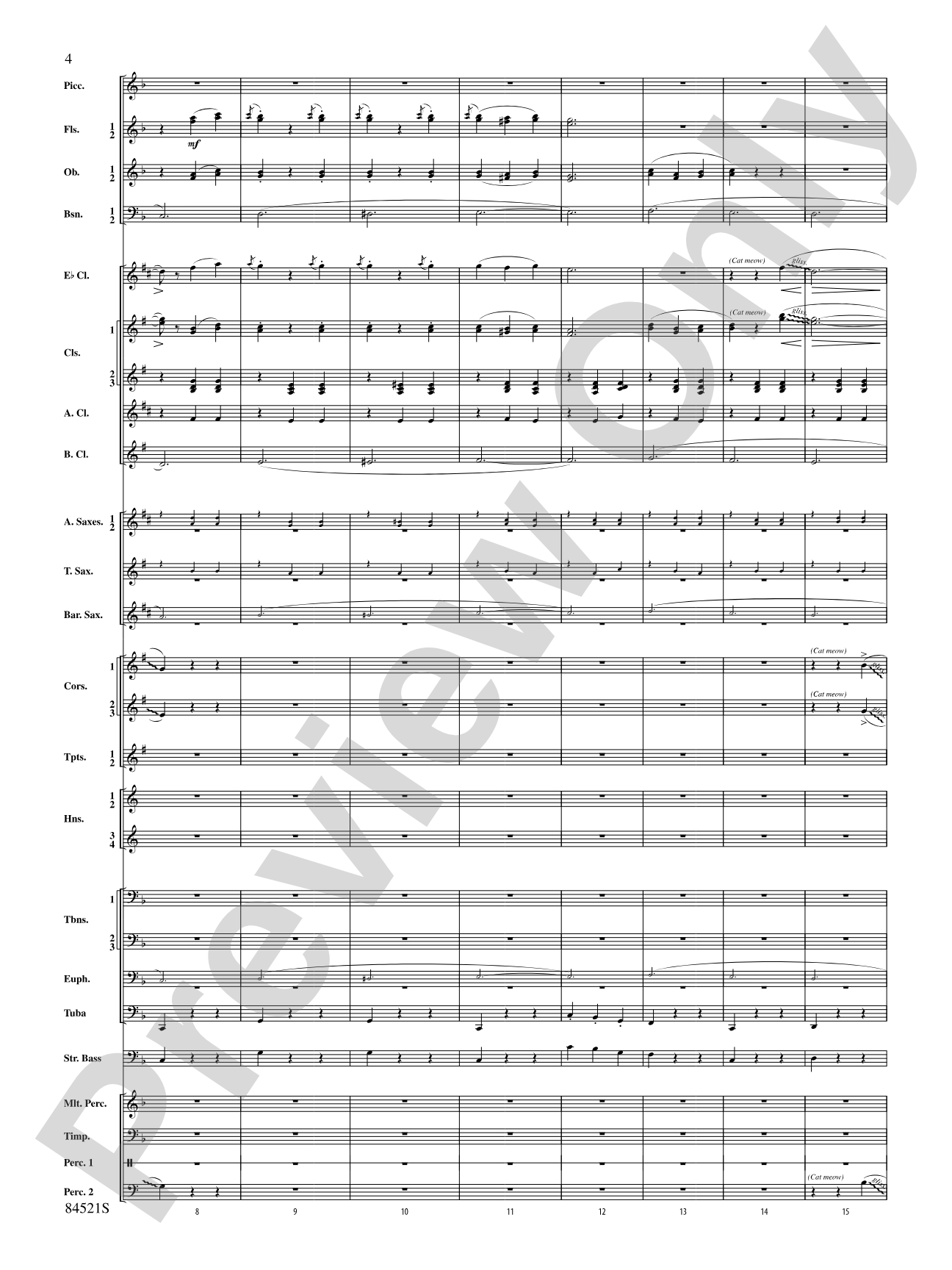
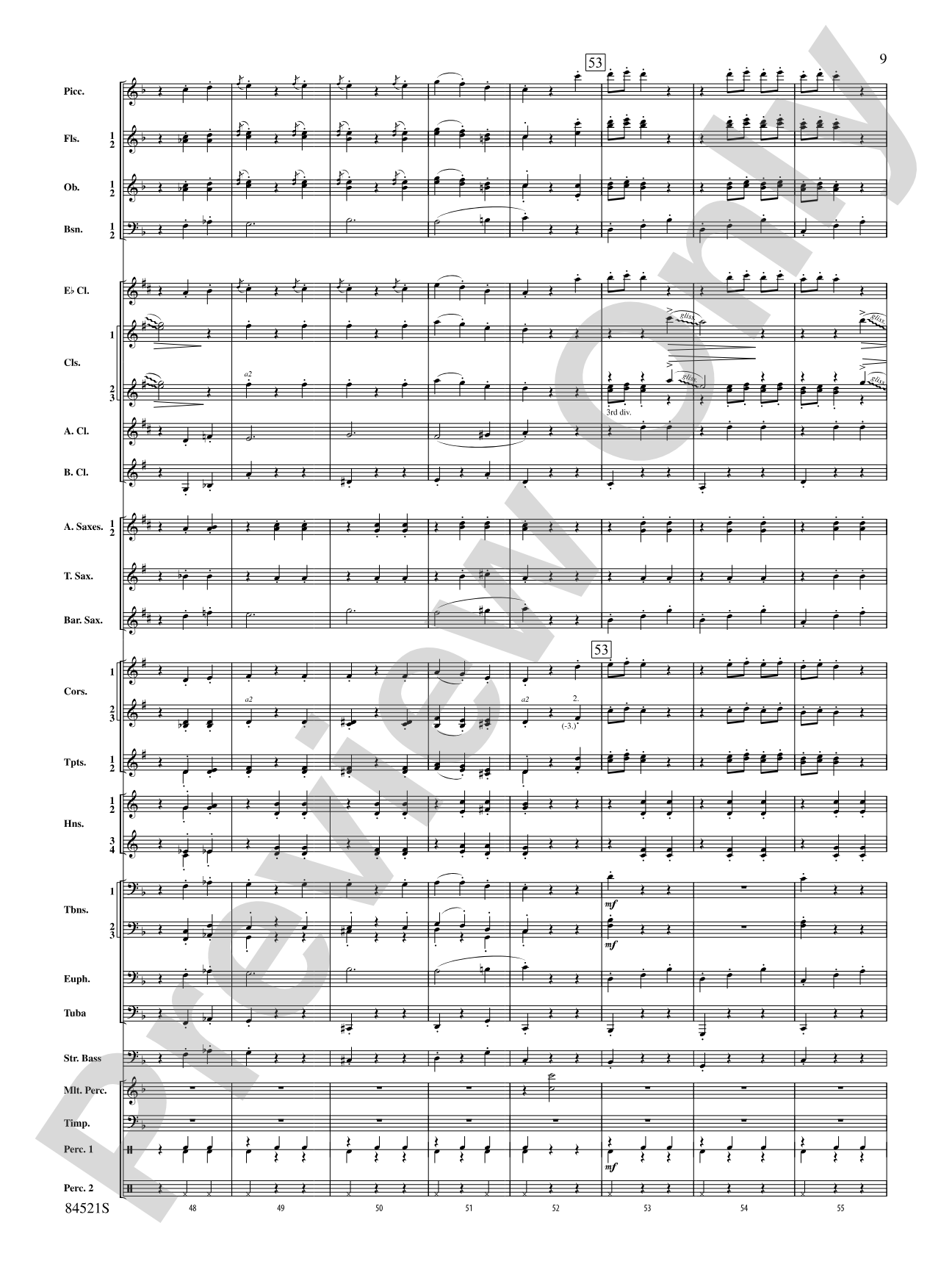
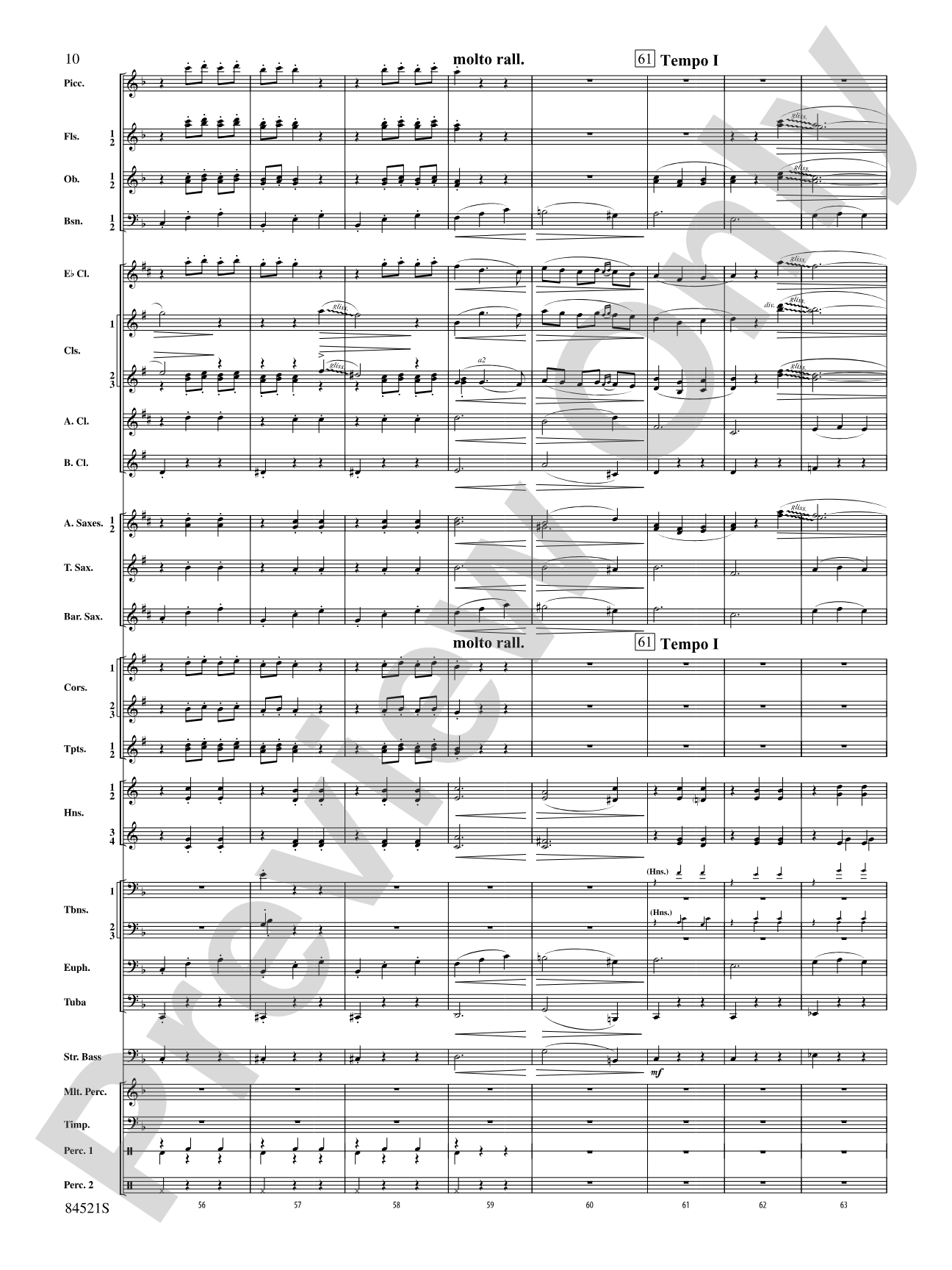
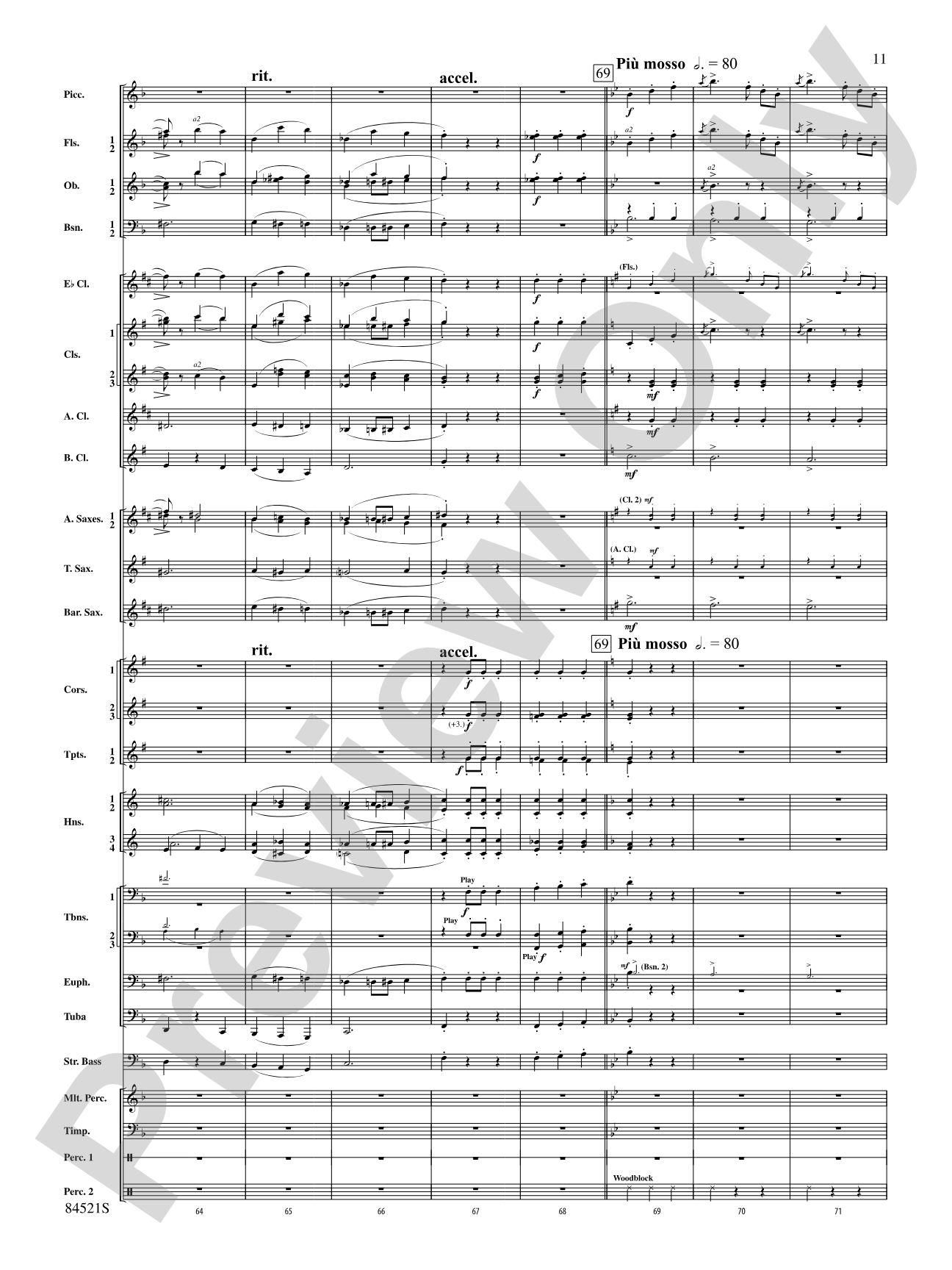
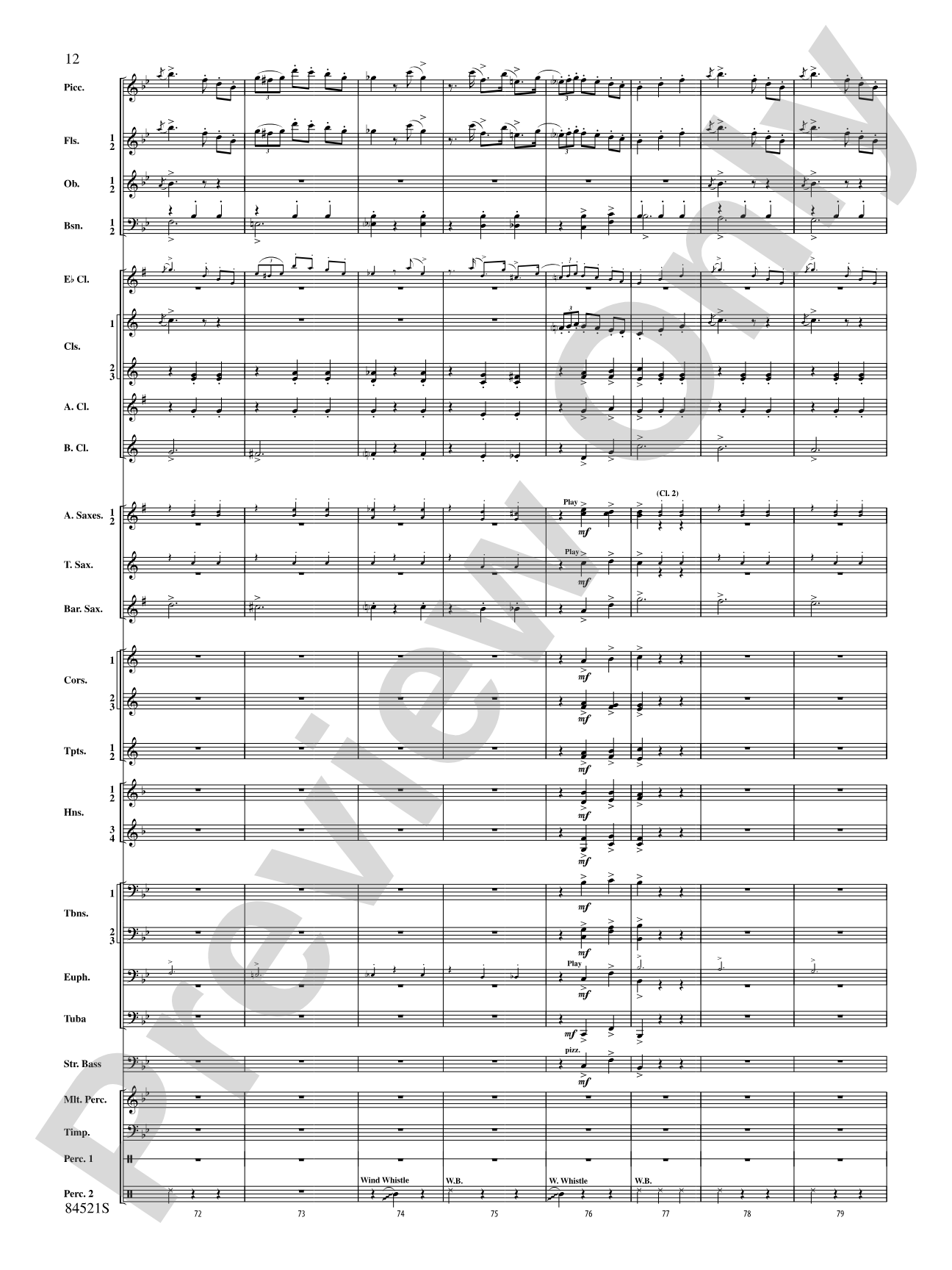
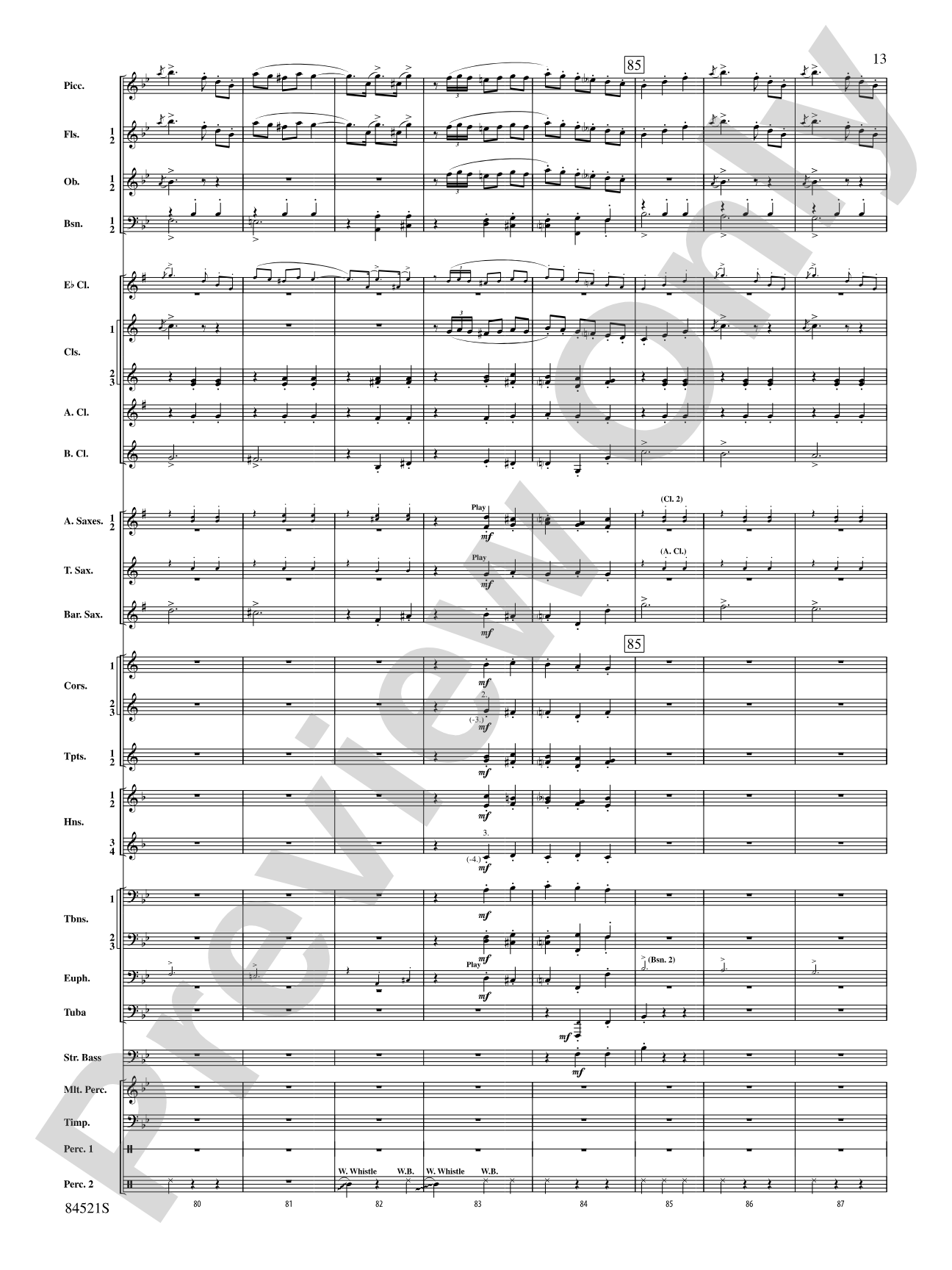
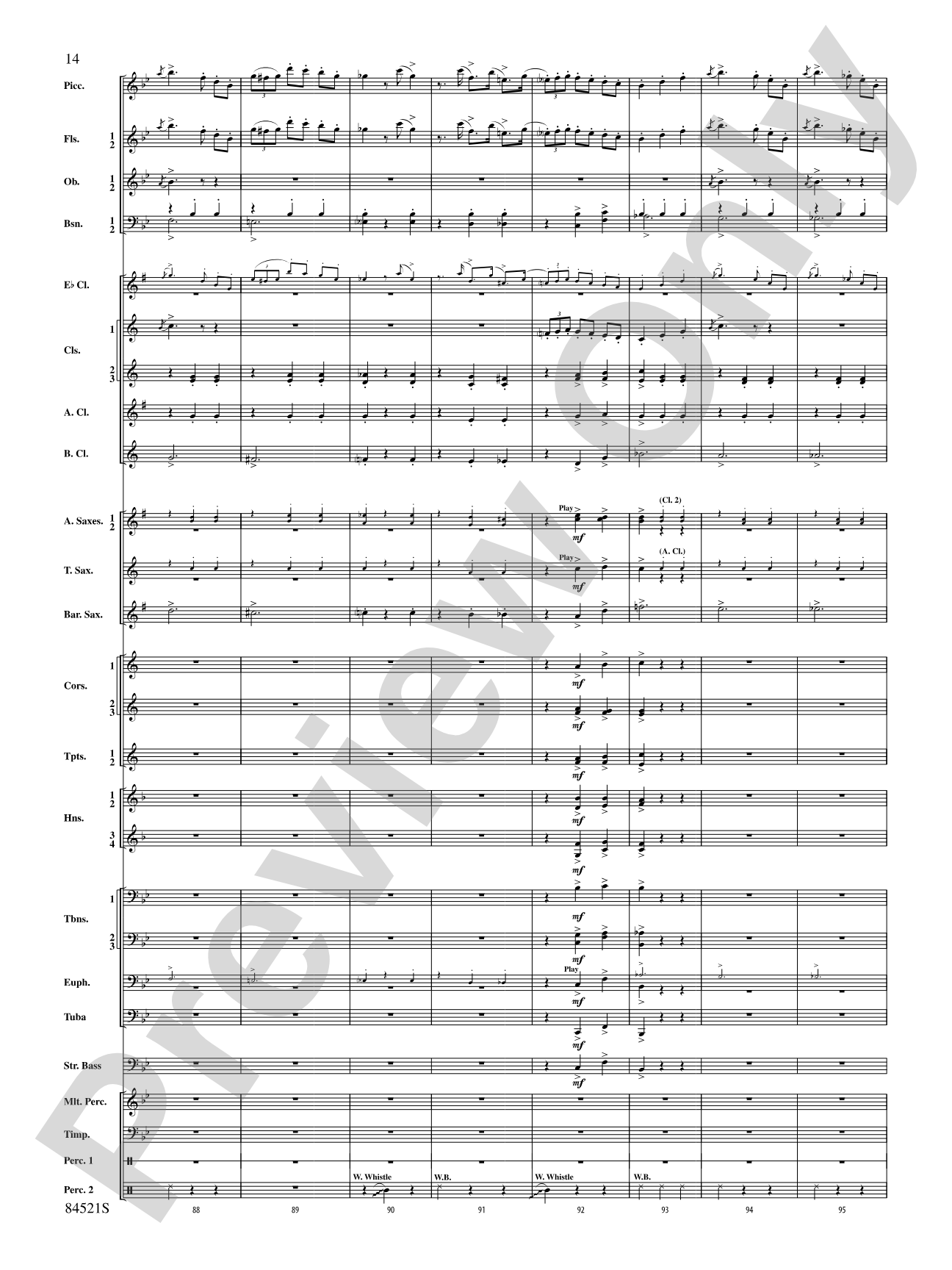
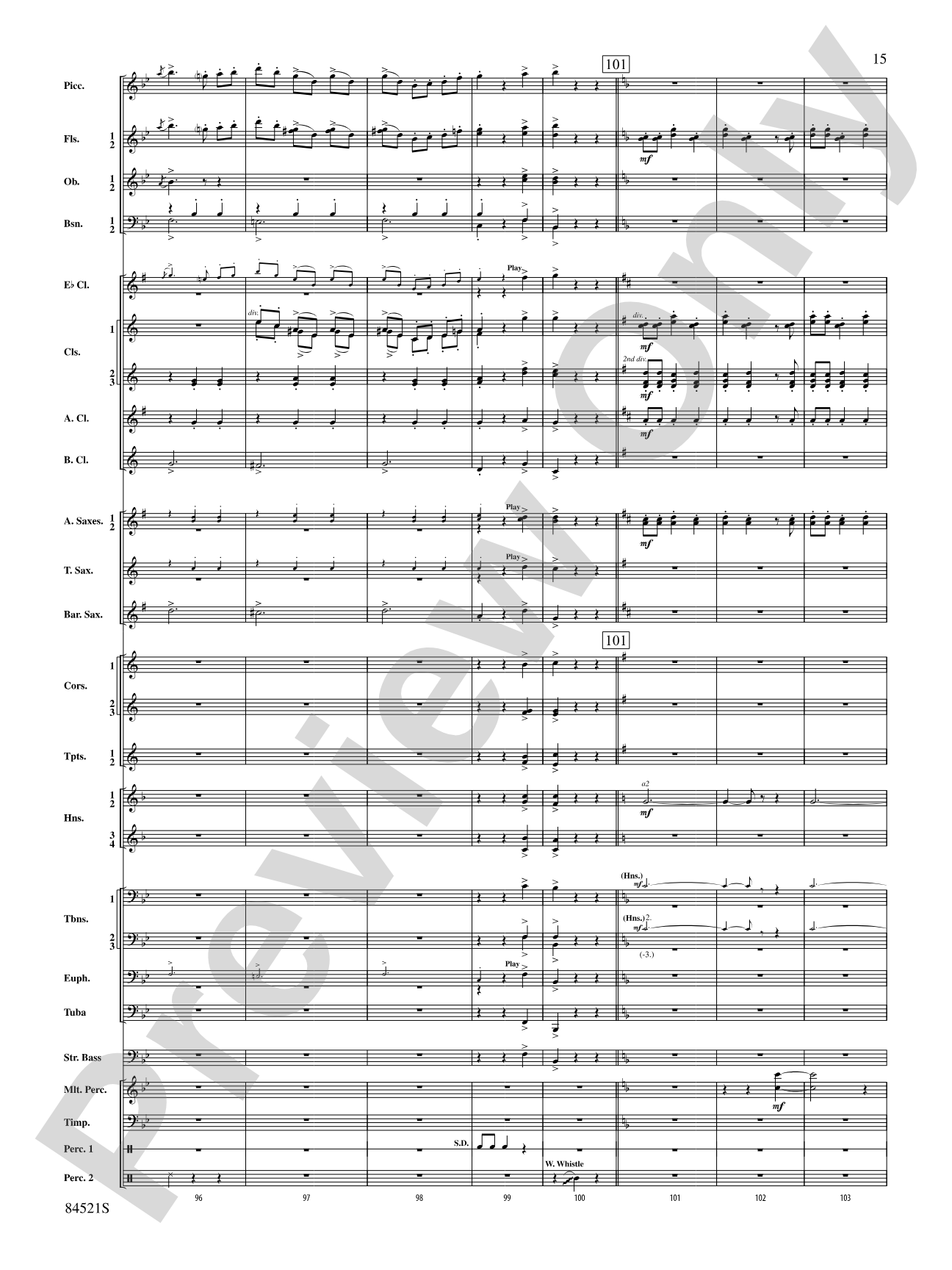
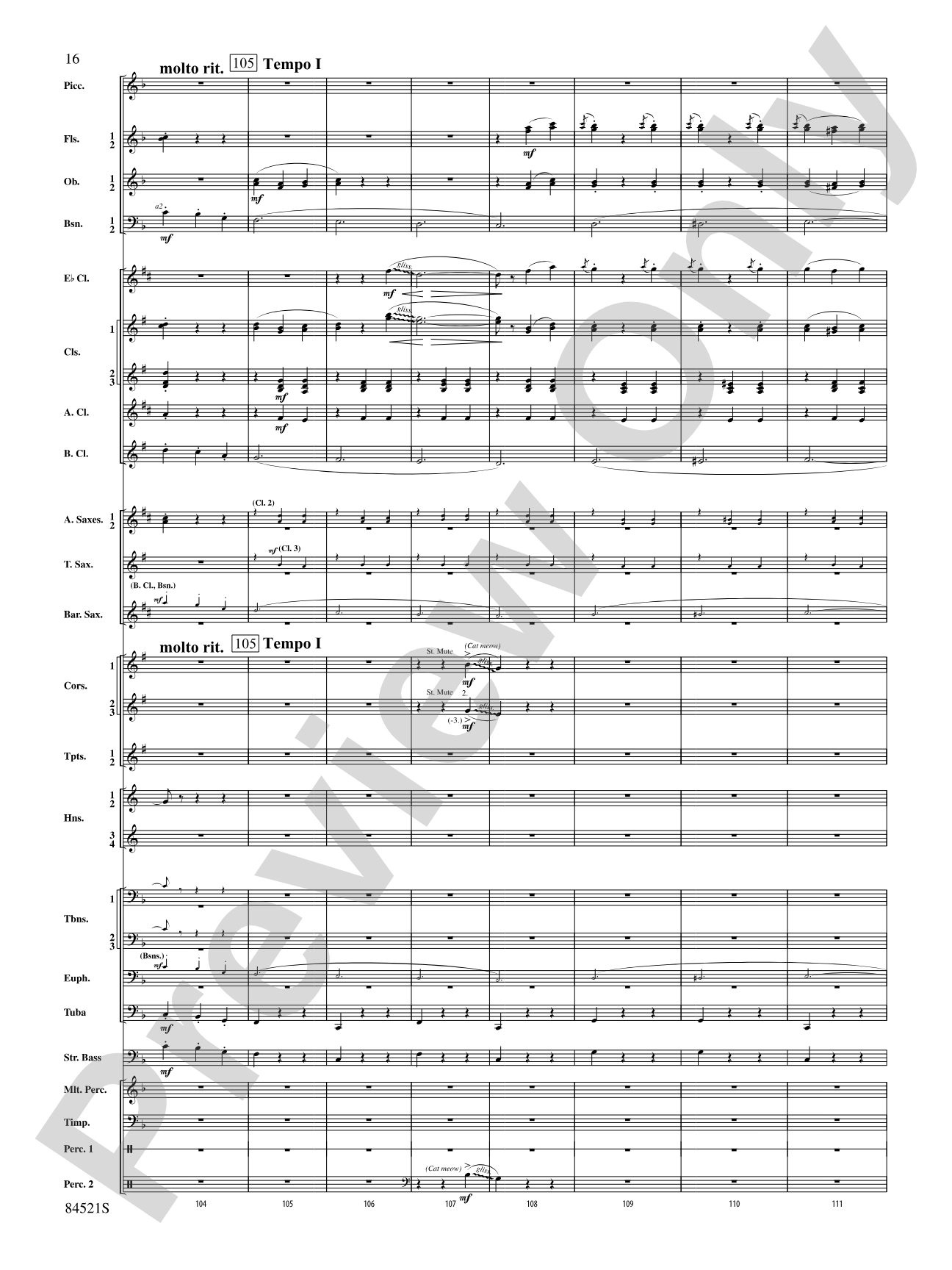
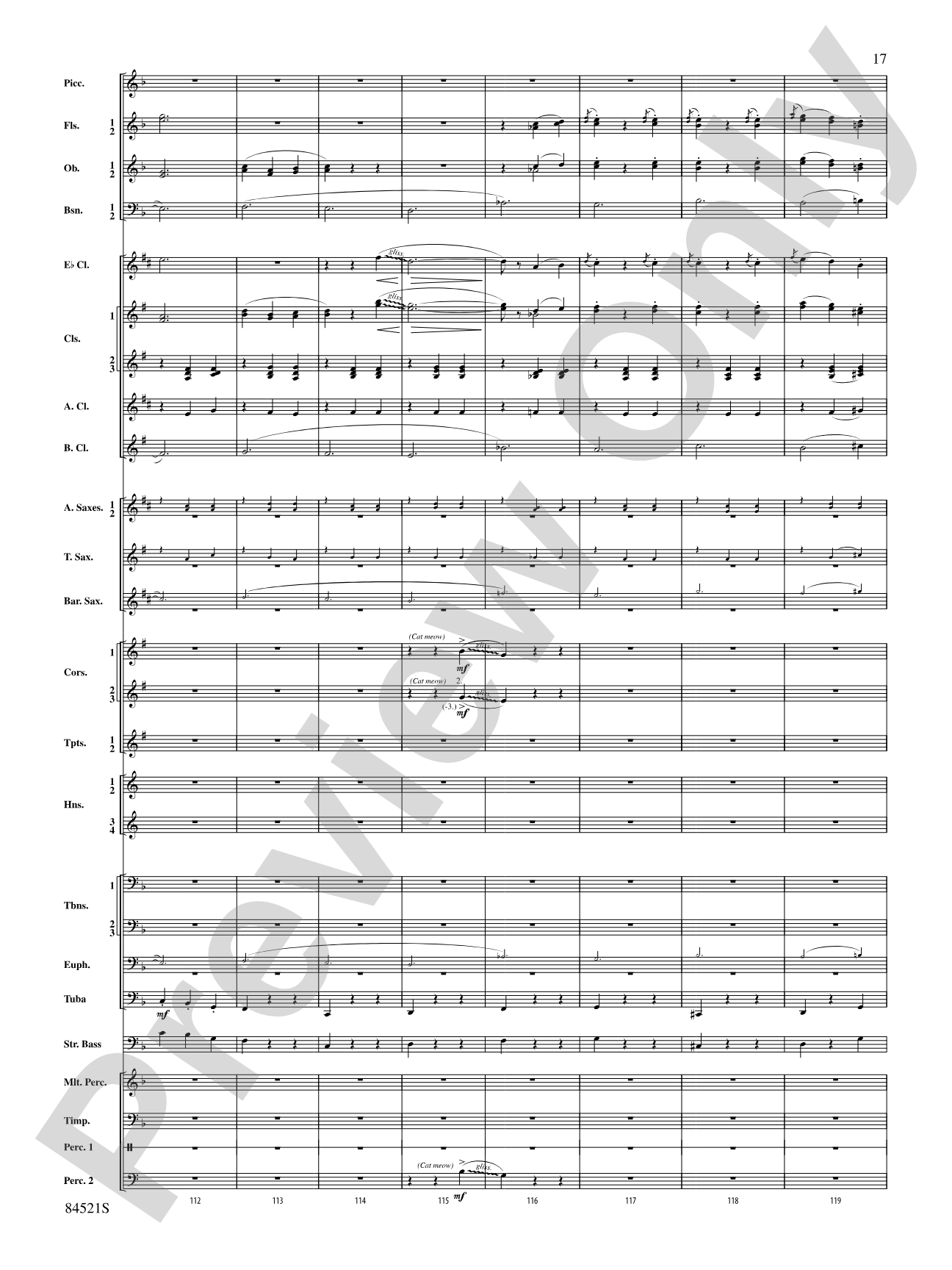
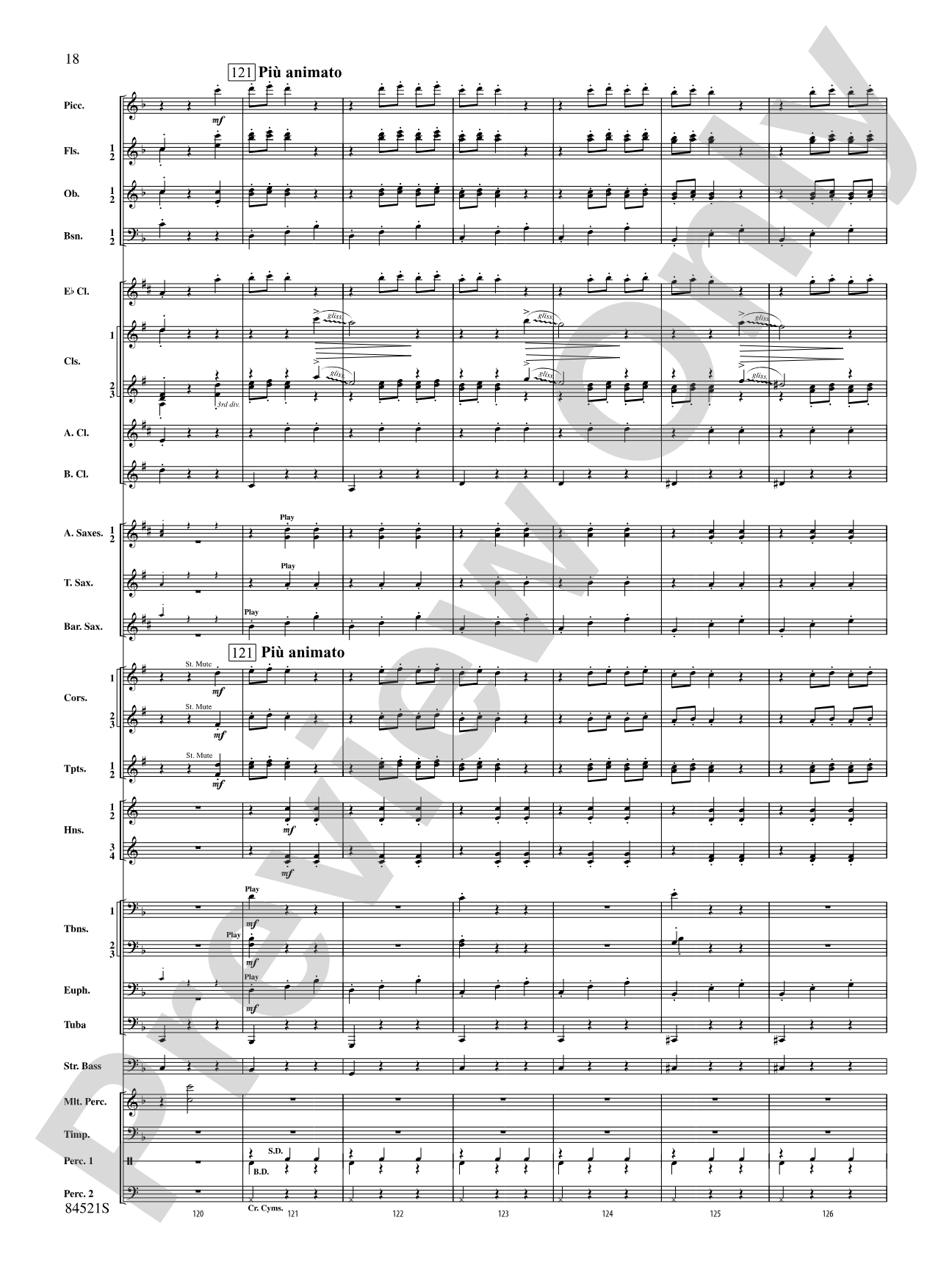
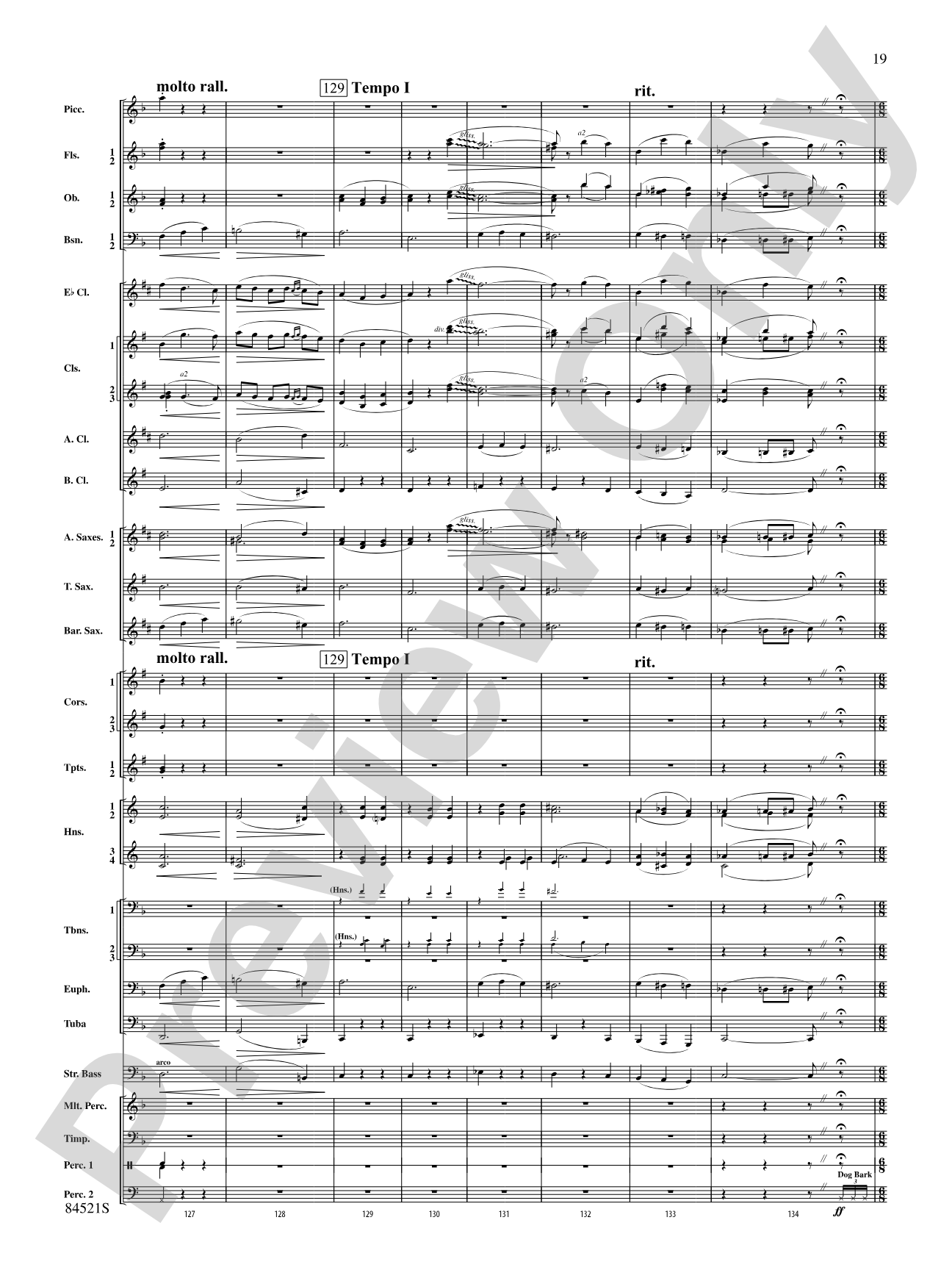
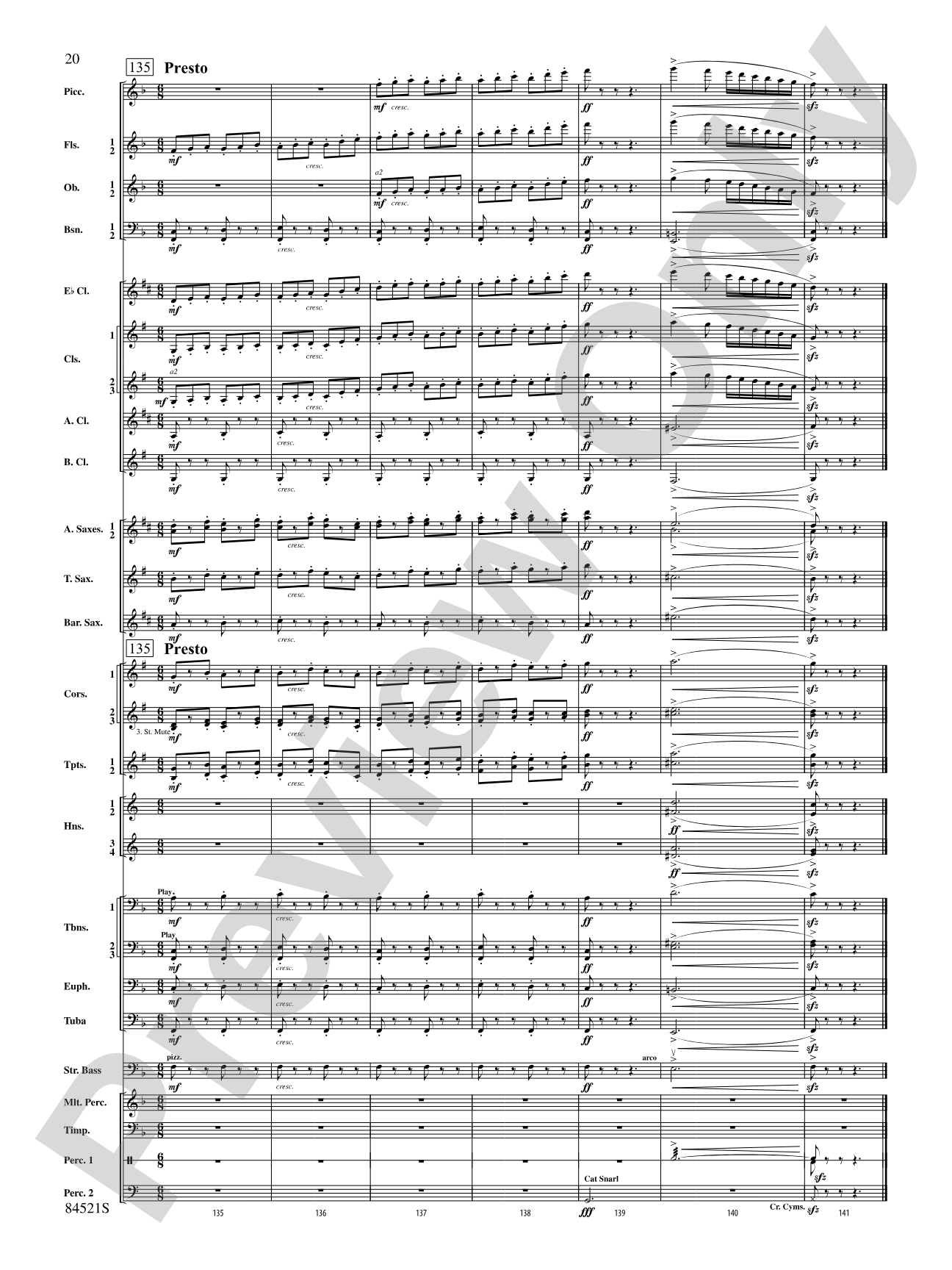

The Waltzing Cat: Score
By Leroy Anderson
Grade: 3 (Medium Easy)
Item: 00-PR-0001919
$10.00
Pickup currently not available
Description
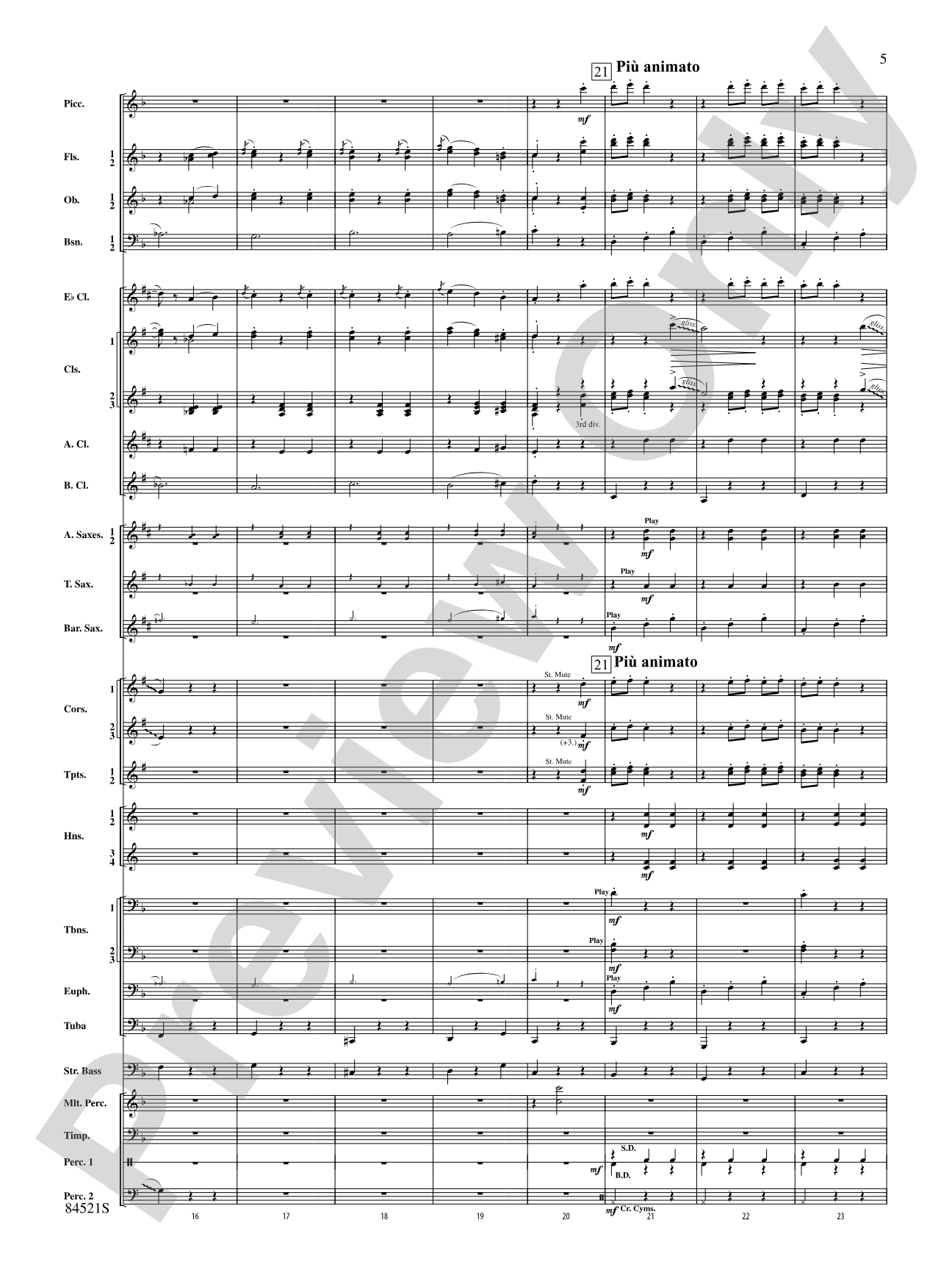
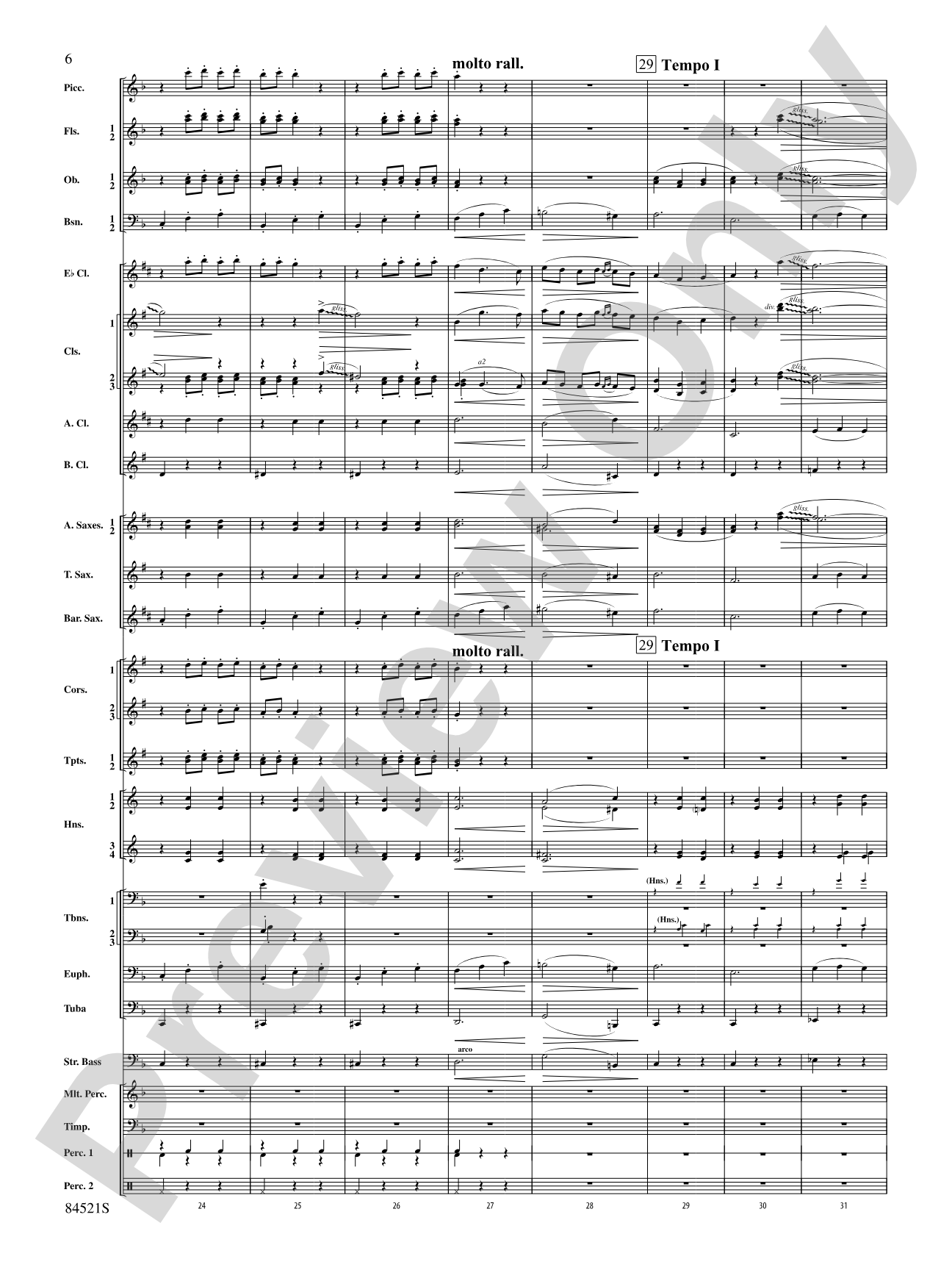
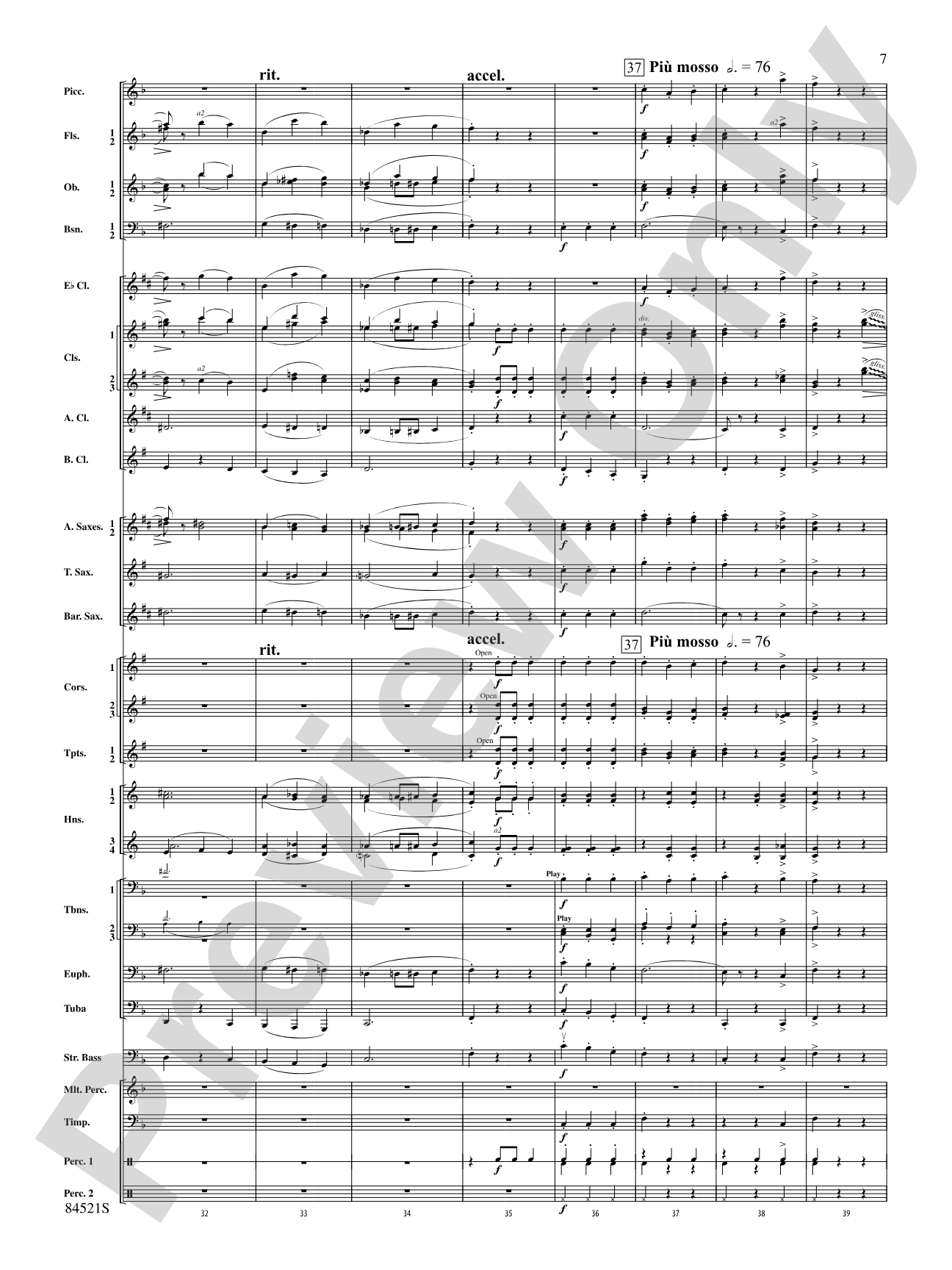
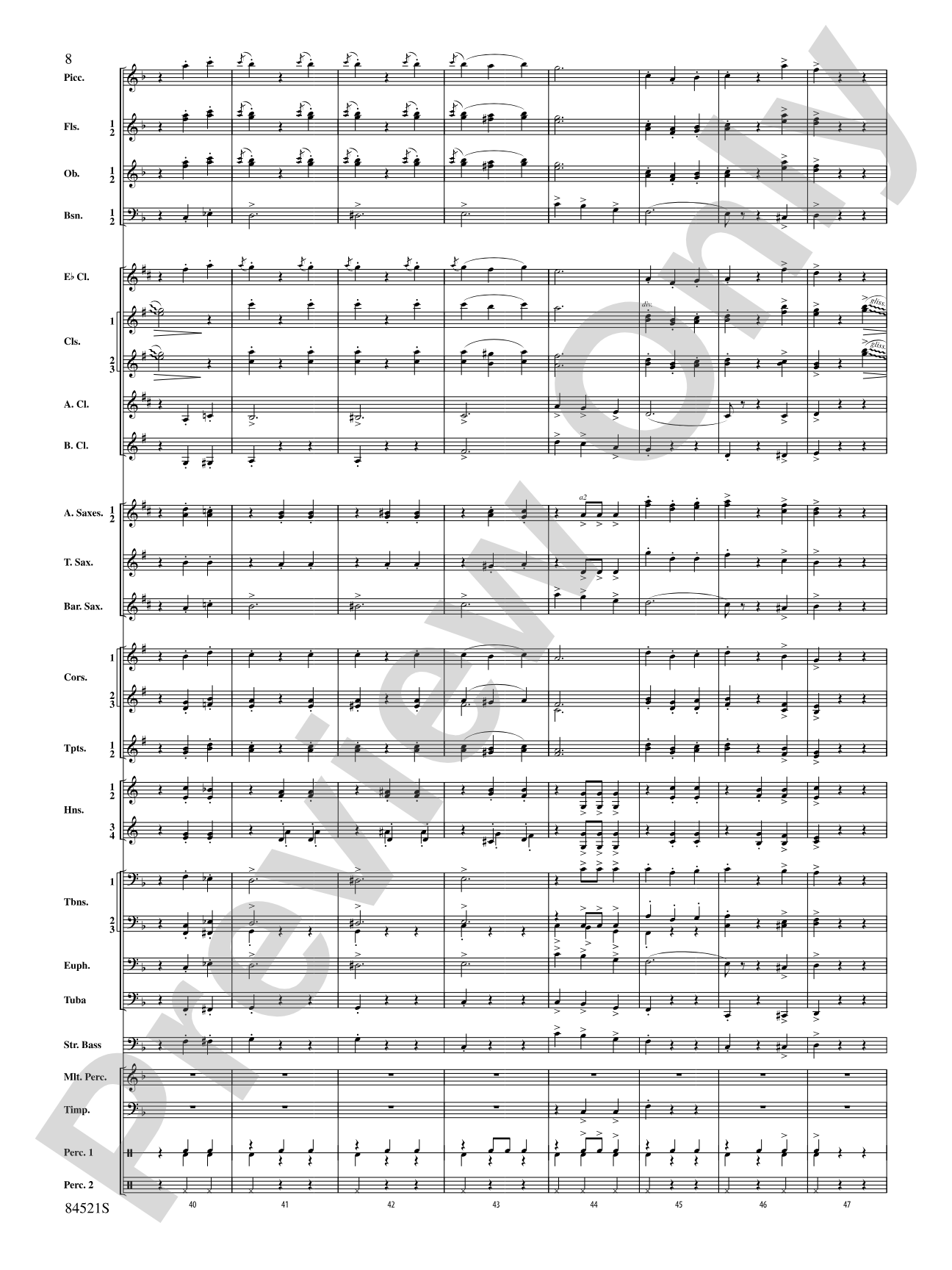
In typical Leroy Anderson style, listen for the feline saunter and strut in The Waltzing Cat. Transcribed by Philip J. Lang, this new edition comes complete with a new full score and new parts with accurate dynamics and articulations! Join the musical humor with your percussionists when you hear a dog bark interrupt the cat's waltzing swagger. Bring this classic Anderson gem to your band today! (2:57)


Don't just read it, hear it, play along with it, and watch your students grow with it. In MakeMusic Cloud, The Waltzing Cat: Score comes alive with professional accompaniment, adjustable tempo, and built-in practice tools that turn solo practice into real progress.
Open in the Player
Jump straight in and assign it today.
Start Your Free Trial
Open this title and explore the full library in minutes.
Sample Audio
1
Audio File
--:--
0:00
0:00
Sample Video
No sample videos found.
Additional Details
Series:
Leroy Anderson Classics
Publisher:
Alfred Music
Page Count:
204
SKU:
00-PR-0001919
More about this title
About the Composer: Leroy Anderson
Leroy Anderson (1908-1975) composed some of the twentieth century's most enduring light orchestral works, each one crafted with meticulous attention to melody, orchestration, and humor. His gift for musical storytelling without words made pieces like Plink, Plank, Plunk! and Sleigh Ride instantly recognizable and perennially programmed by school and professional ensembles alike. Anderson's formal training at Harvard and his work as a composer-conductor informed every score he wrote; his orchestrations are models of clarity and color, and his sense of comedic timing is impeccable.
Why we love this
Anderson's wit translates perfectly to the concert band medium, and this new edition gives your musicians the crisp articulation and dynamic shading that bring the feline character to life. The interpolated dog bark provides an ideal moment for your ensemble to nail ensemble accuracy and comedic timing together, turning rehearsal into genuine fun. Band students rarely encounter music this playful and musically substantive at the same time.
What to expect
A distinguished feline promenading through a ballroom, each step deliberate and proud, until an uncouth canine crashes the party. The music captures both the elegance of the waltz tradition and the absurdity of a cat in a tuxedo; Anderson's orchestration keeps things light but never cheap.
Who it's for
Grade 3 bands that want to program something genuinely entertaining without sacrificing musical standards. This works equally well for concert programs, light music festivals, or the second half of a concert when you want to leave the audience smiling.
How to get the most out of it
- Shape the opening theme with a buoyant, lilting character; Anderson's waltzes succeed when they bounce rather than drag.
- Coordinate the dog bark interruption carefully with your percussion section so it lands as a surprise and lands rhythmically together.
- Balance the inner voices throughout; Anderson wrote for transparency, and clarity will make the humor land more effectively.
- Use the crisp articulation and dynamic markings in this new edition to amplify the cat's personality and swagger.
How to use it
Program this after a heavier work to shift the mood, or open a second half with it to reset audience energy. Pair it with other Anderson classics from this series for a themed concert, or use it as the anchor piece in a "Music with Stories" program where narrative and character drive the selections.
Skills your students will build
- Phrasing and shaping in waltz meter (3/4)
- Ensemble coordination with percussion interjections
- Balancing inner melodic lines for transparency
- Musical characterization and interpretive expression
- Dynamic contrast and articulation precision