
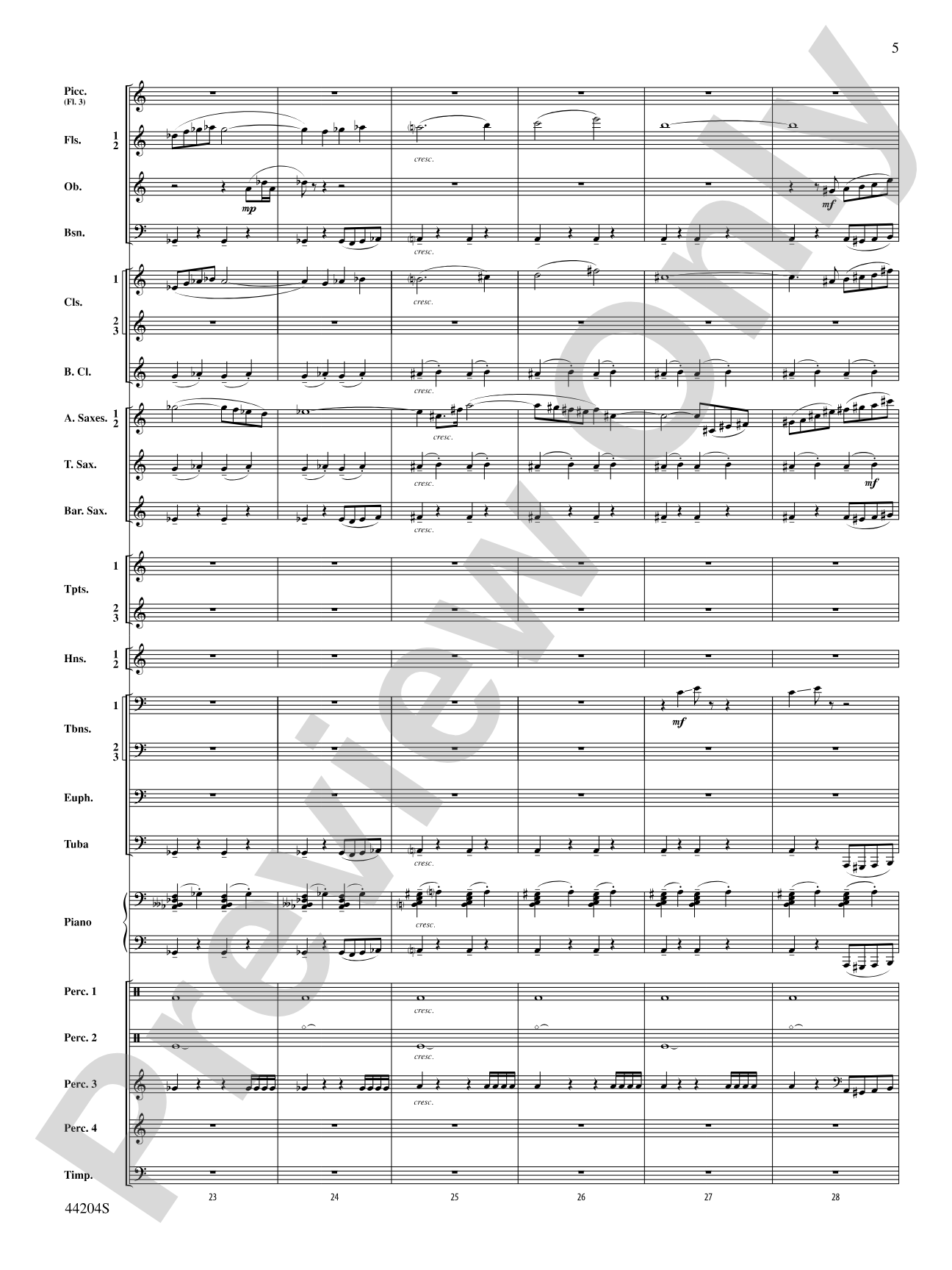
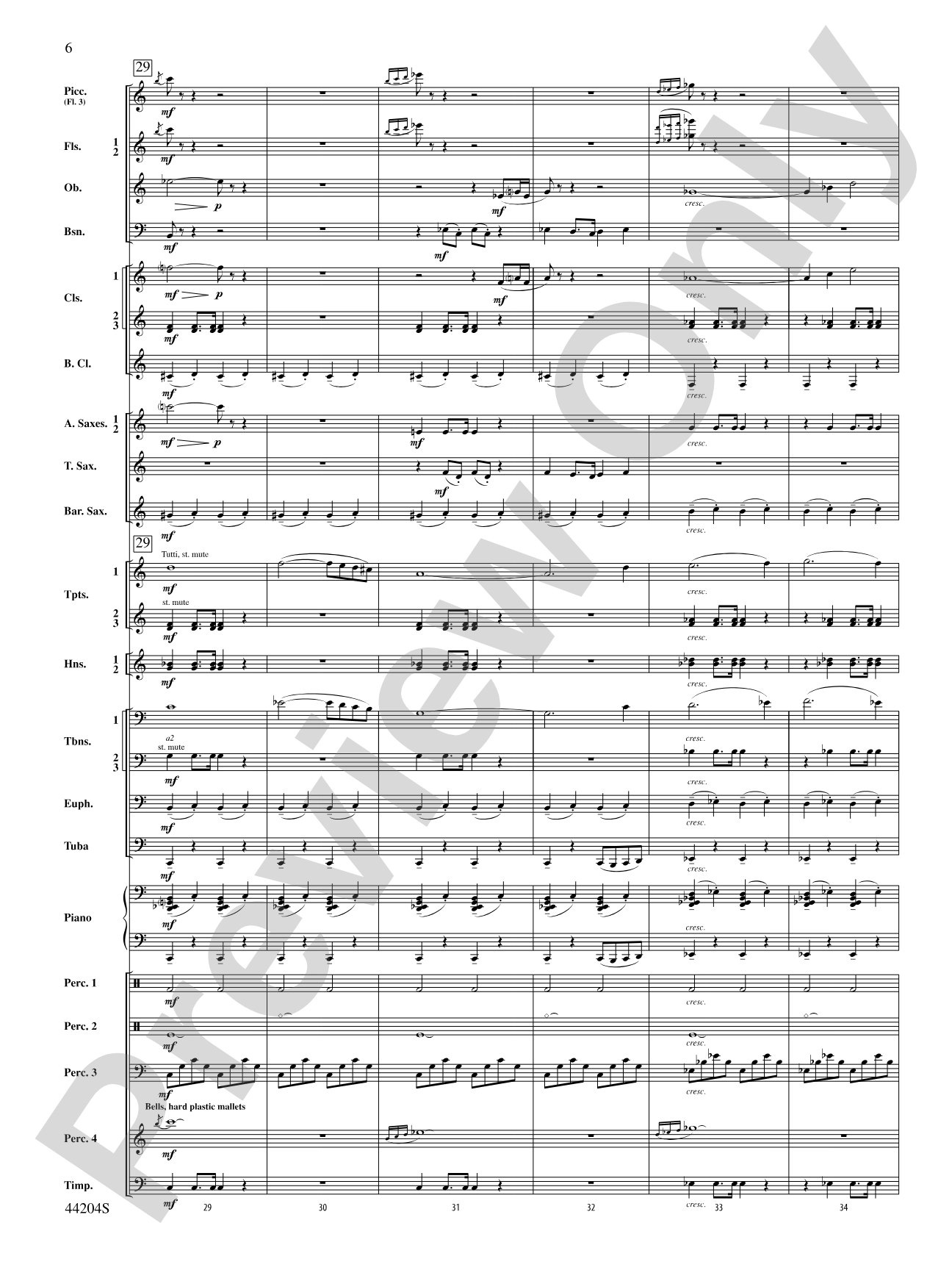
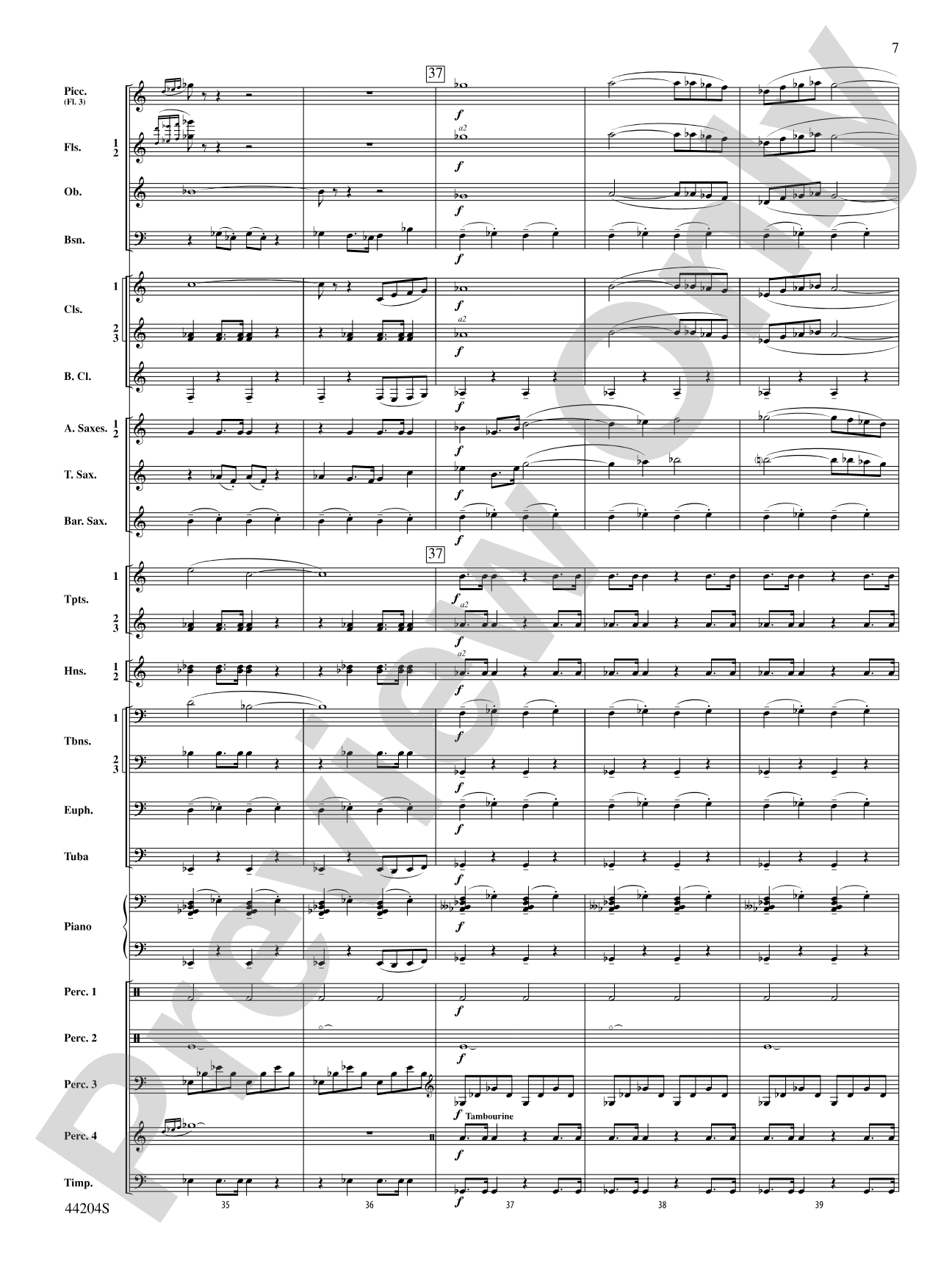
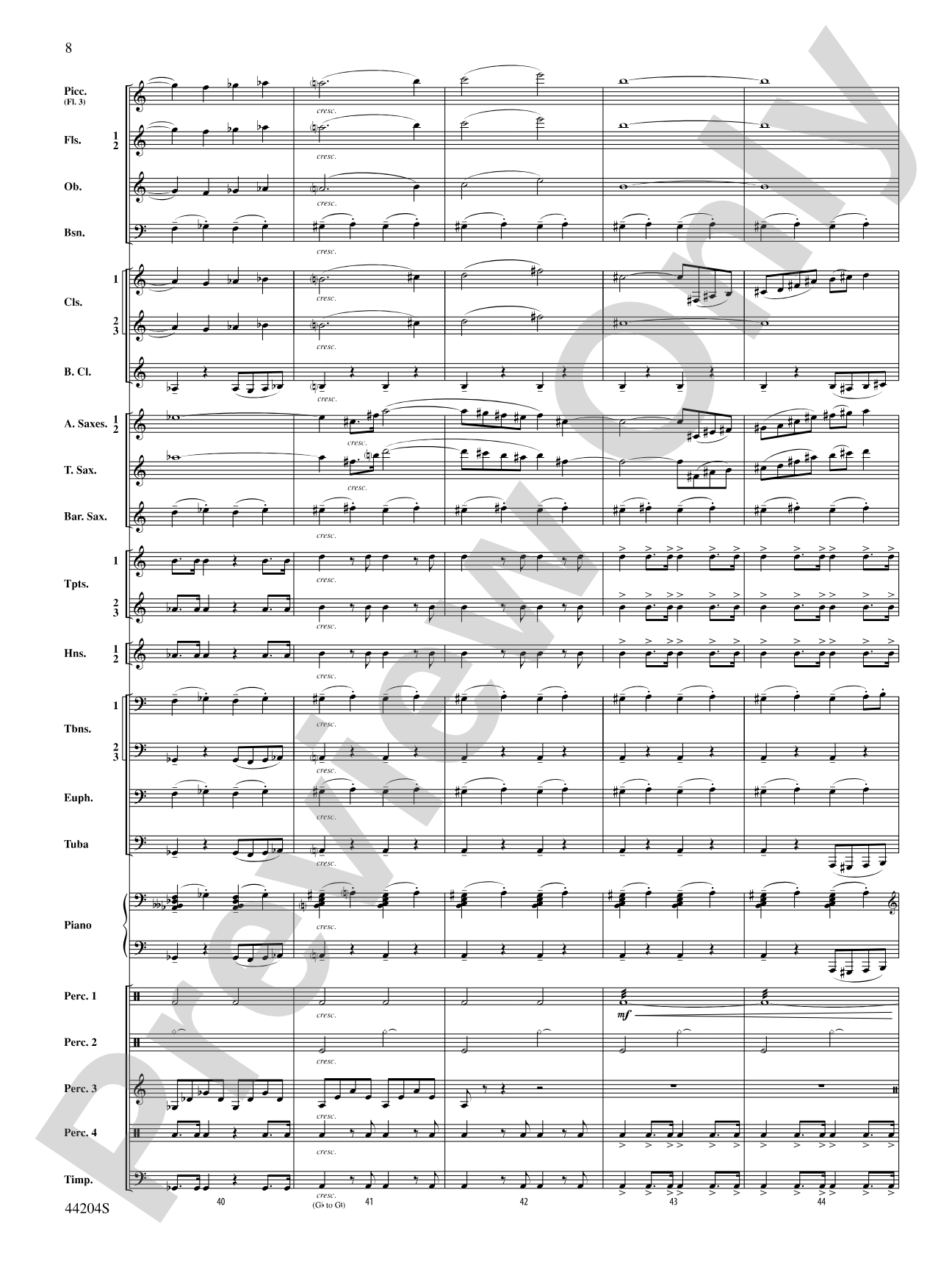
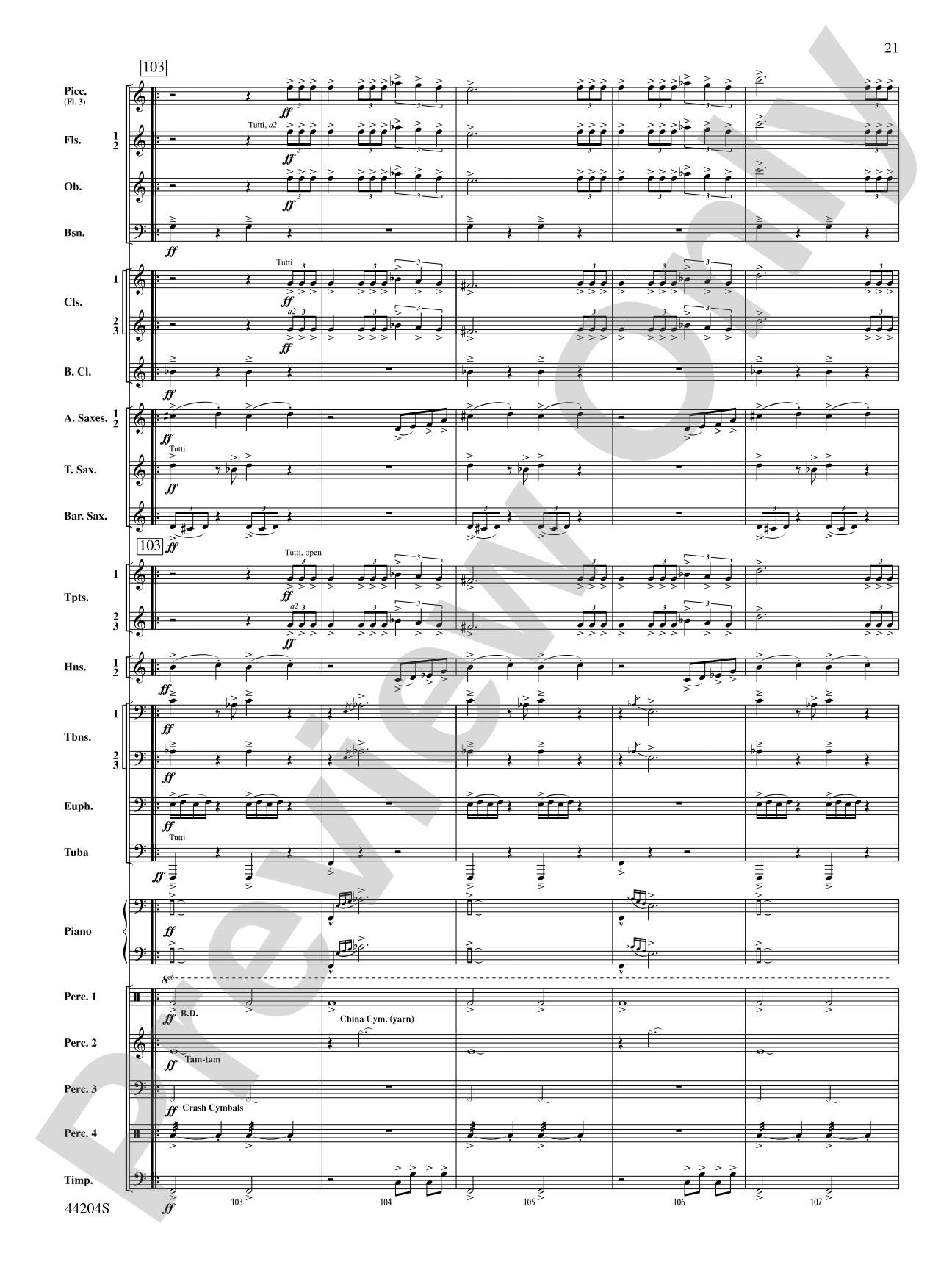
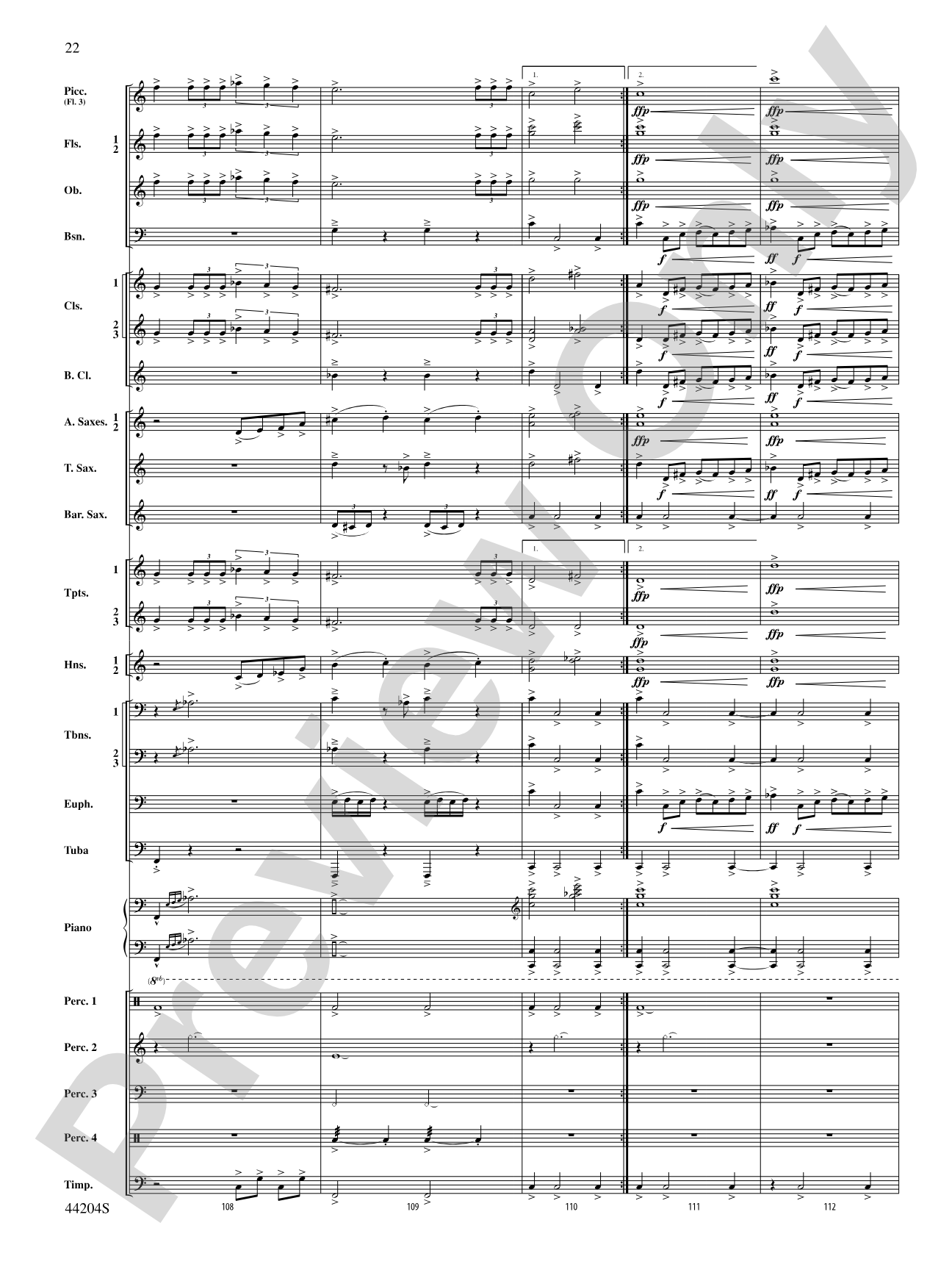
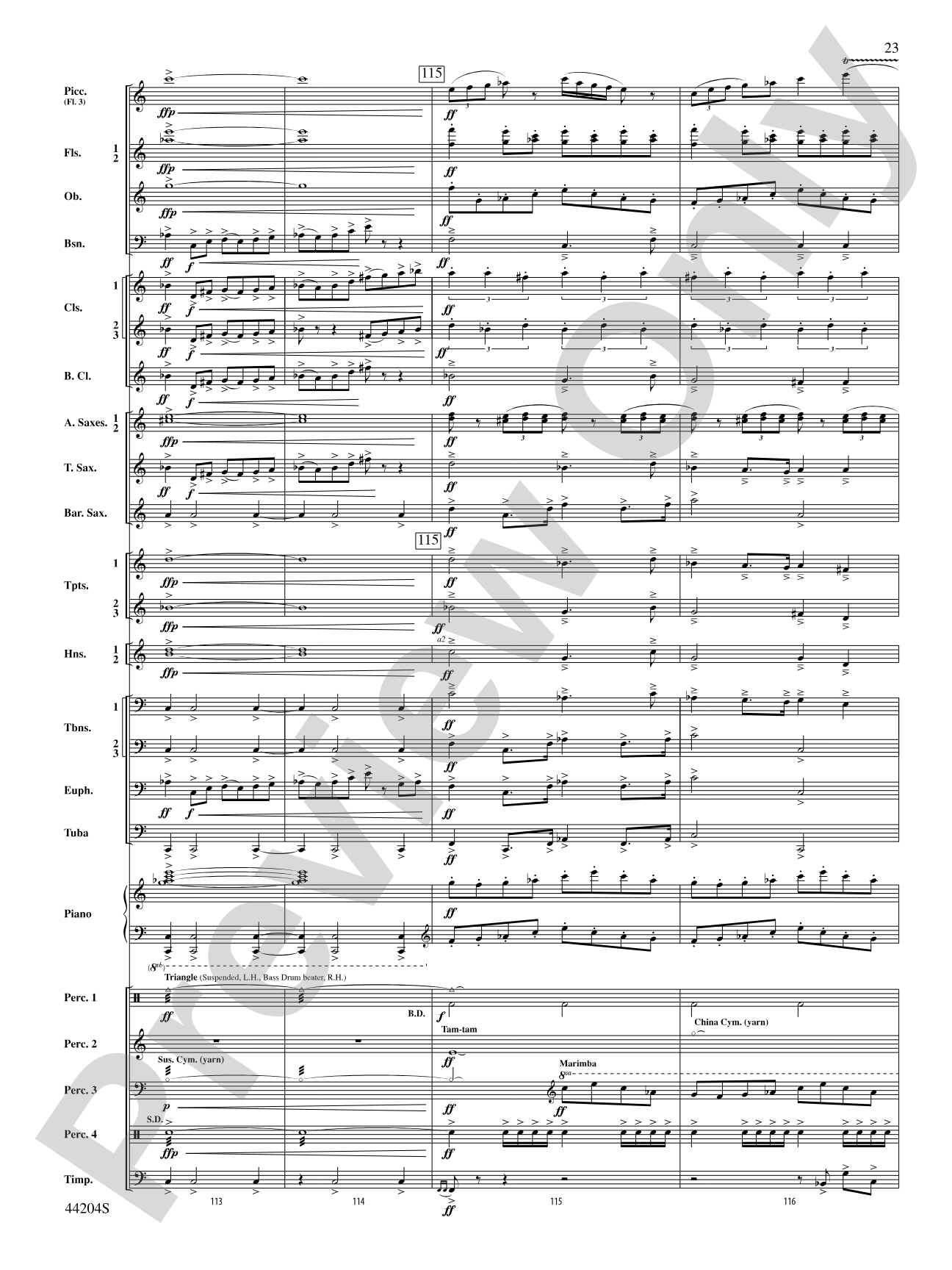
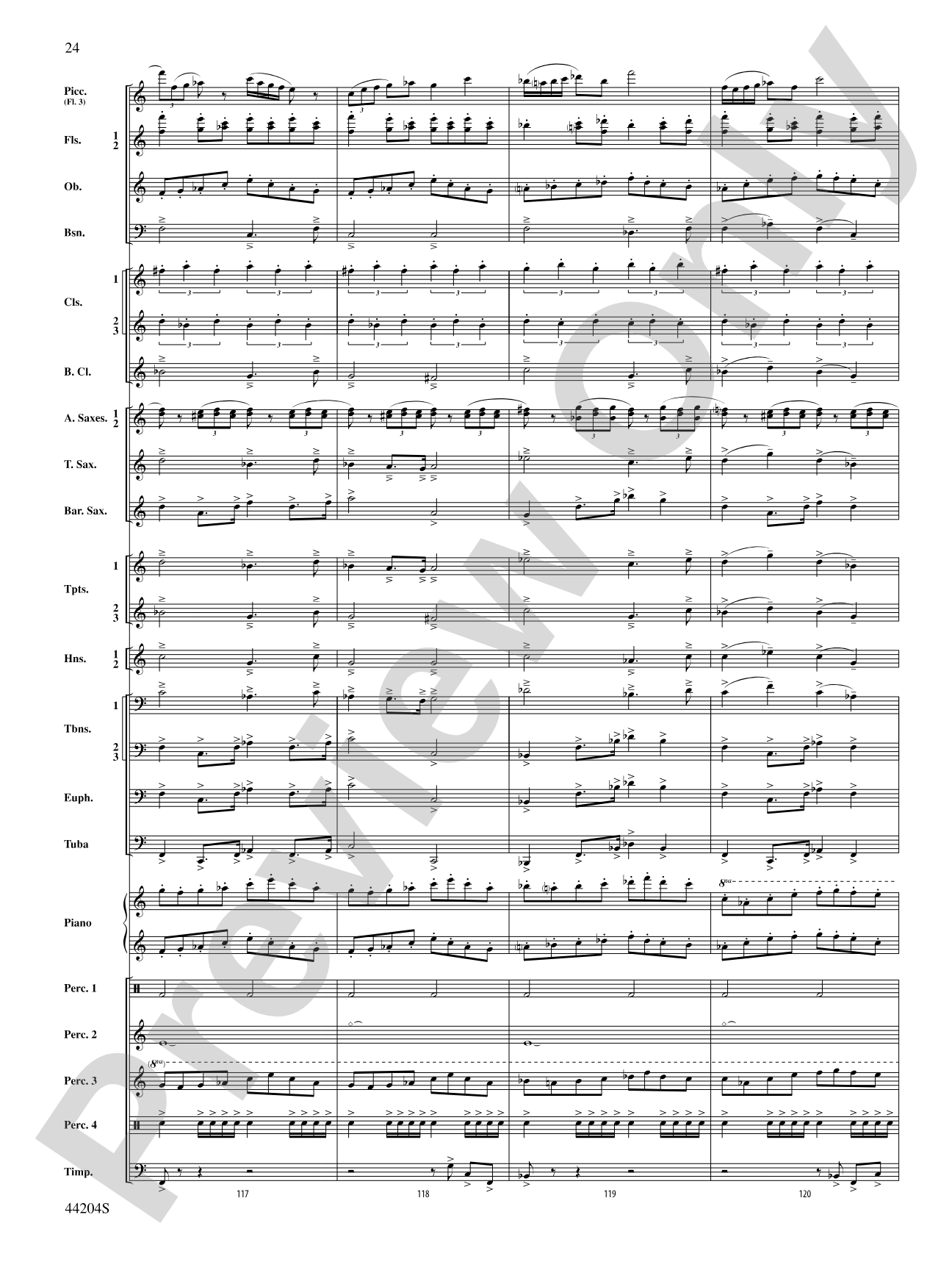

The Vikings: Concert Band Conductor Score & Parts
By Andrew Boysen, Jr.
Grade: 4 (Medium Difficult)
Item: 00-PK-0006806

$78.00
Pickup currently not available
Buy Extra Parts (Digital PDF Download)
Parts Added to Cart!
Description
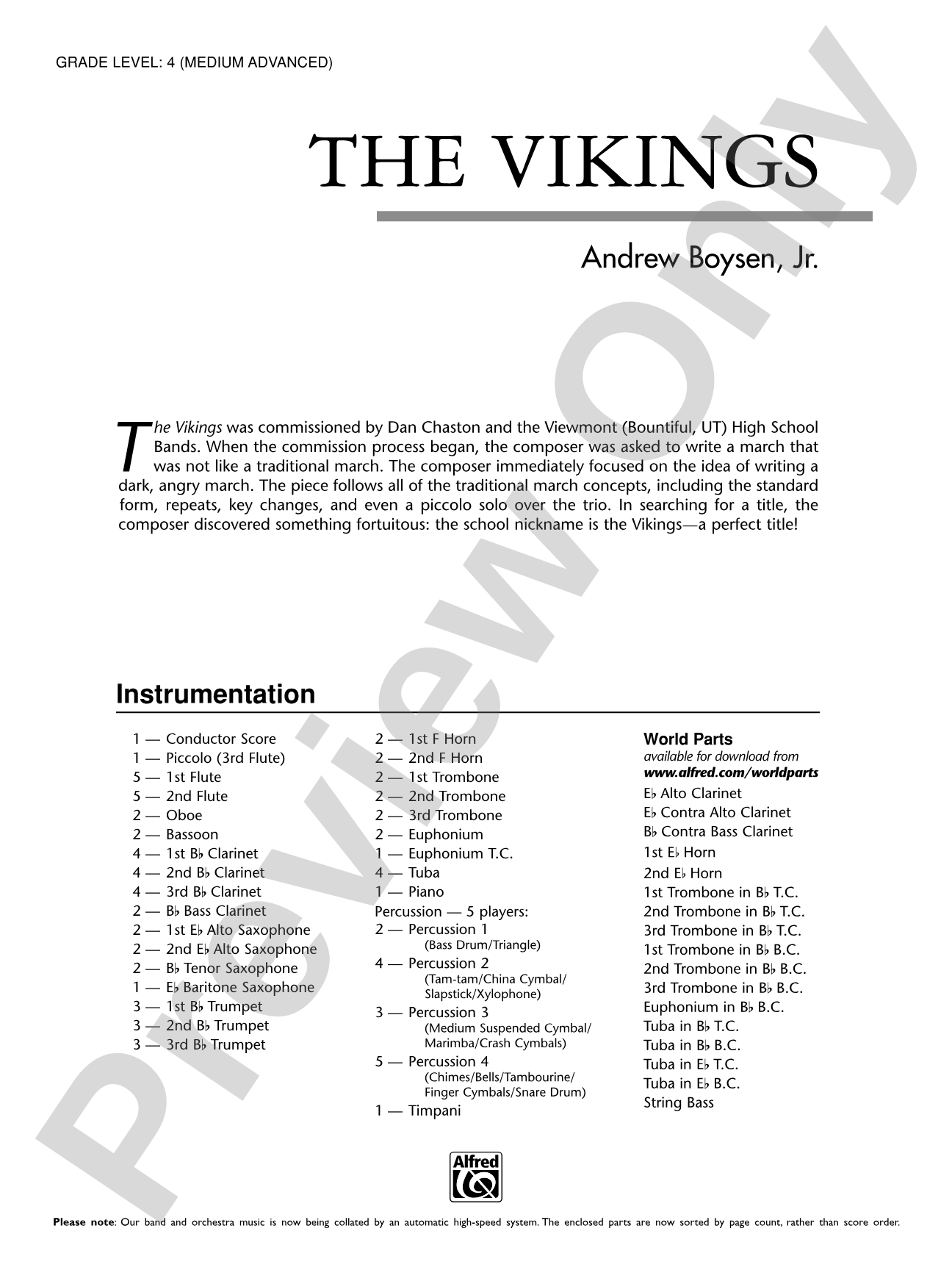
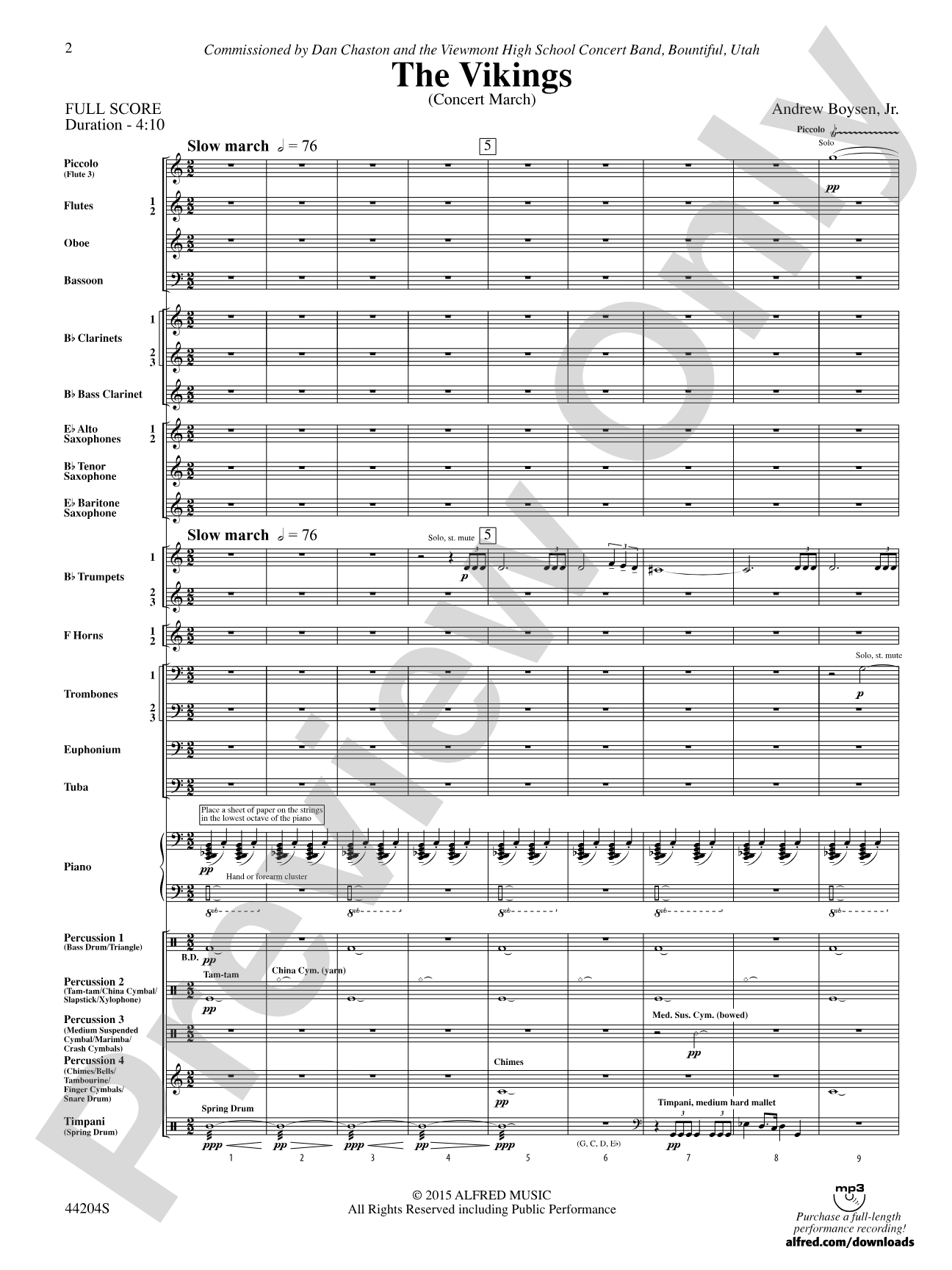
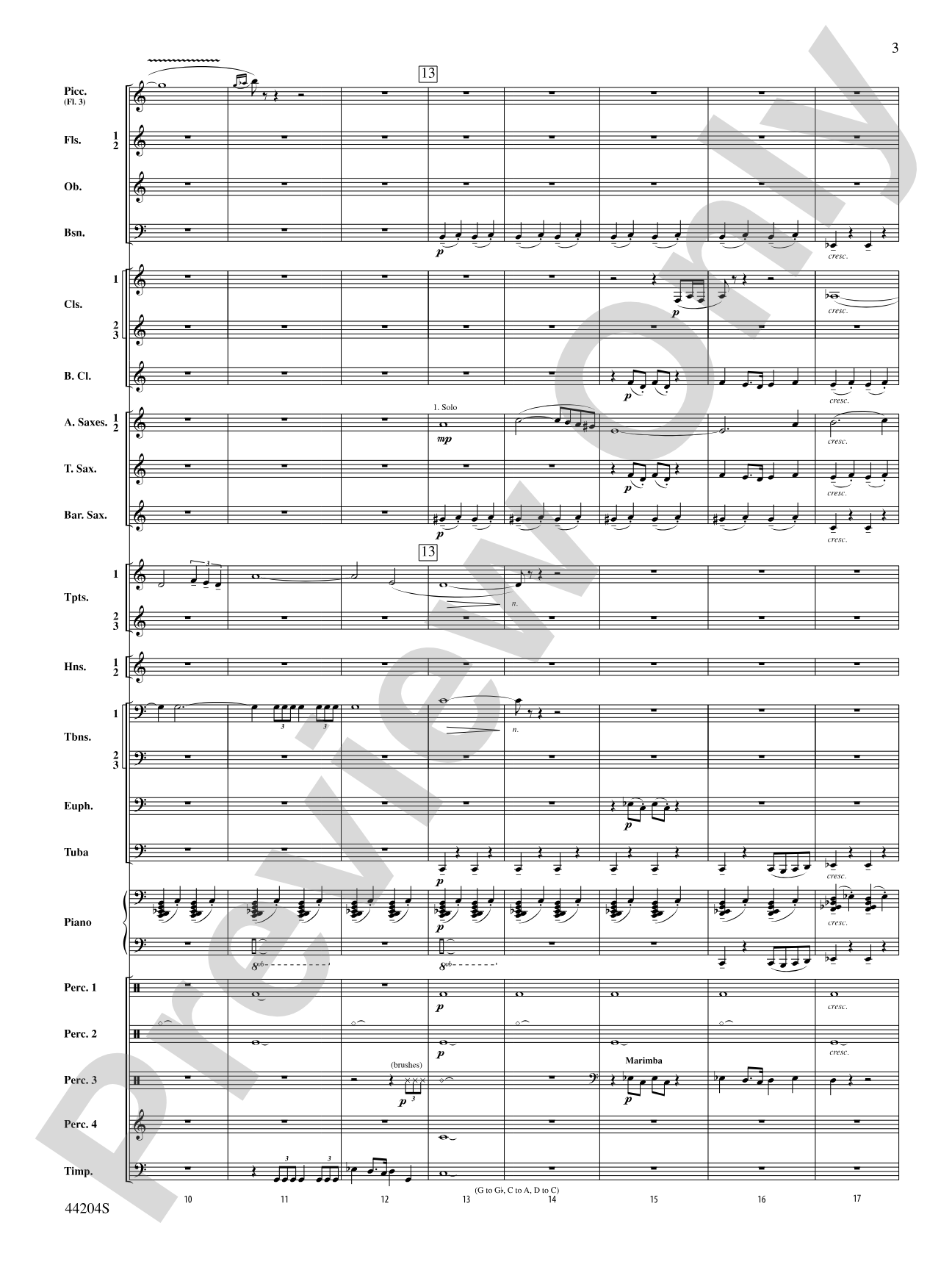
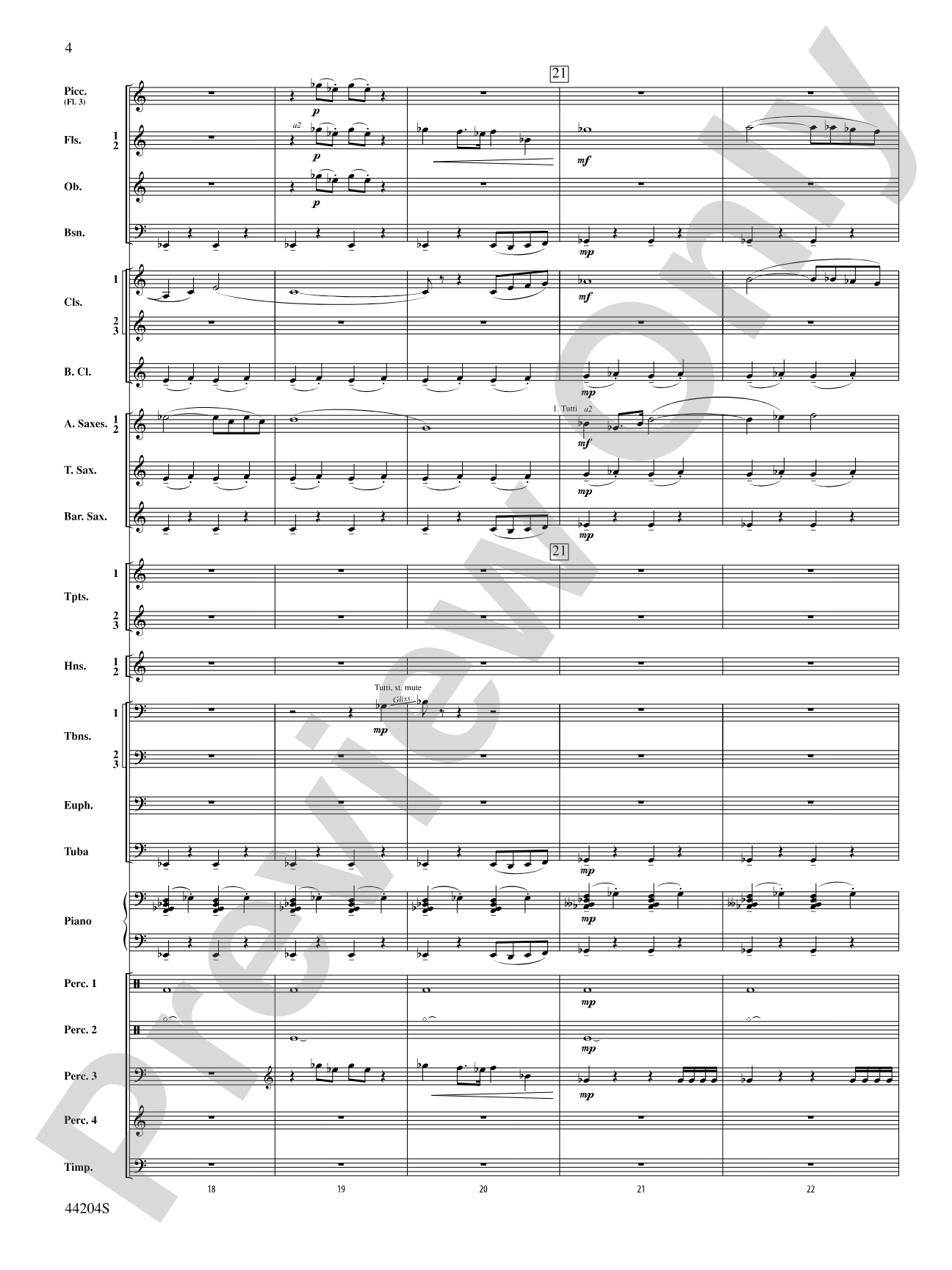
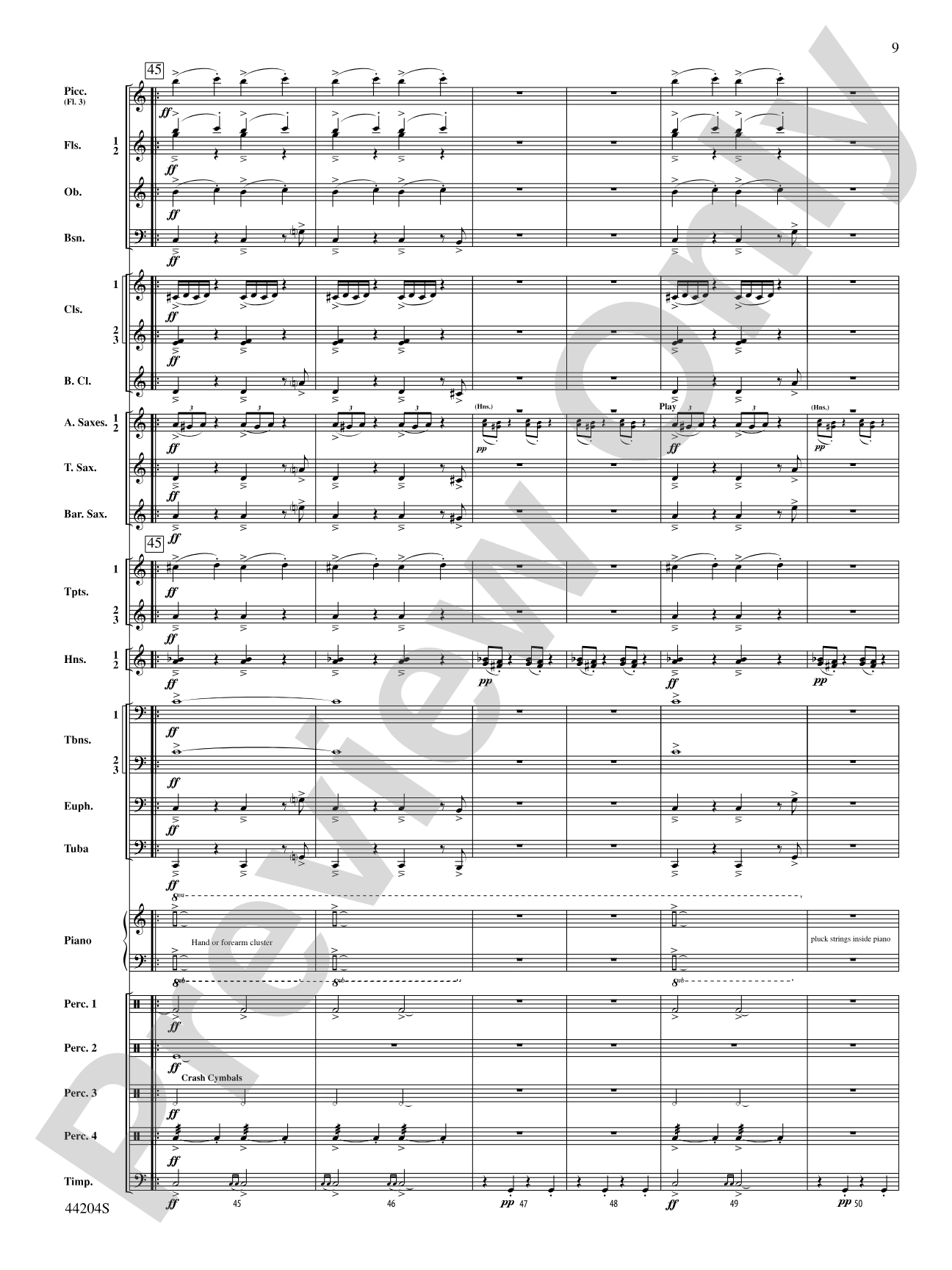
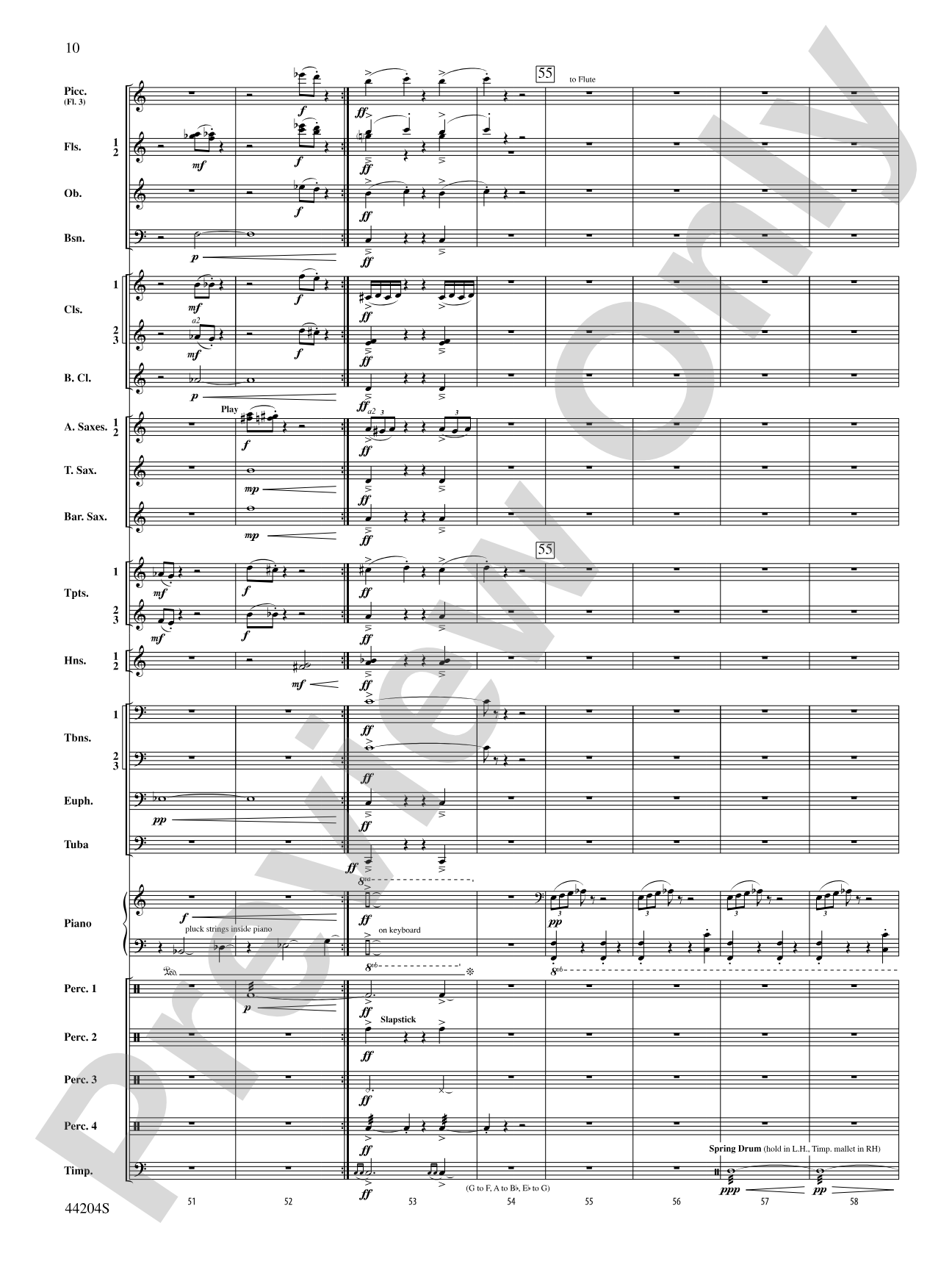
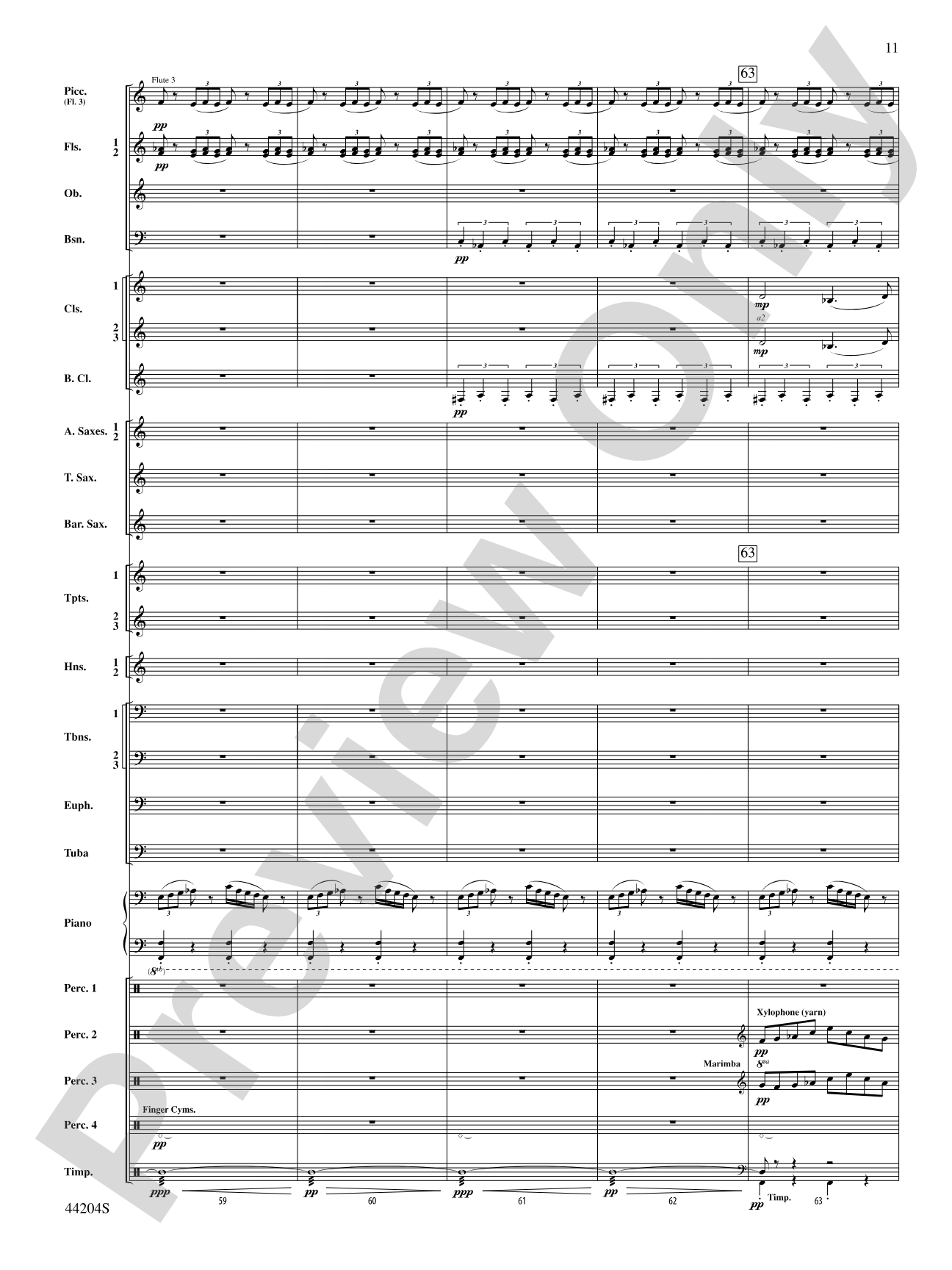
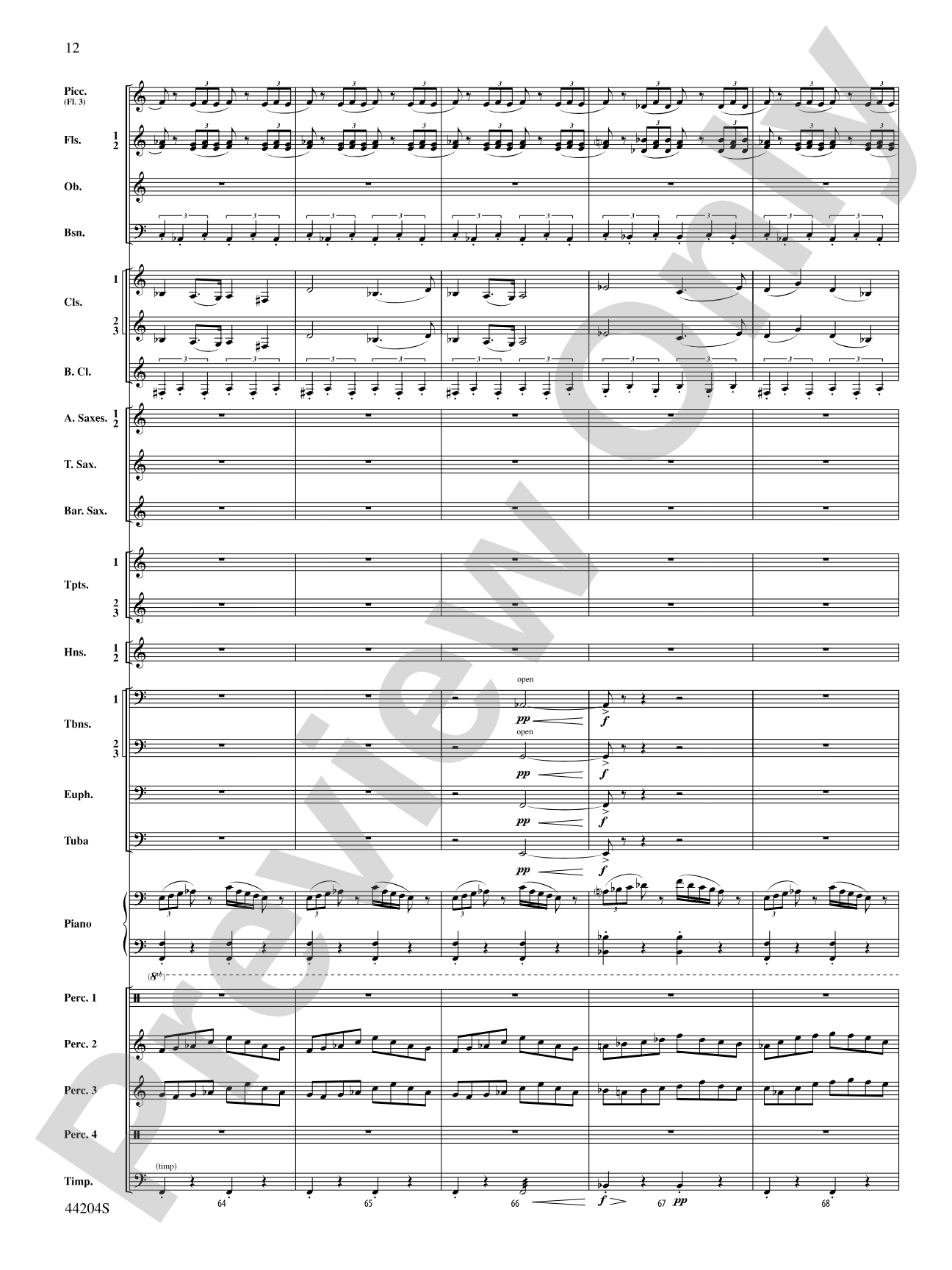
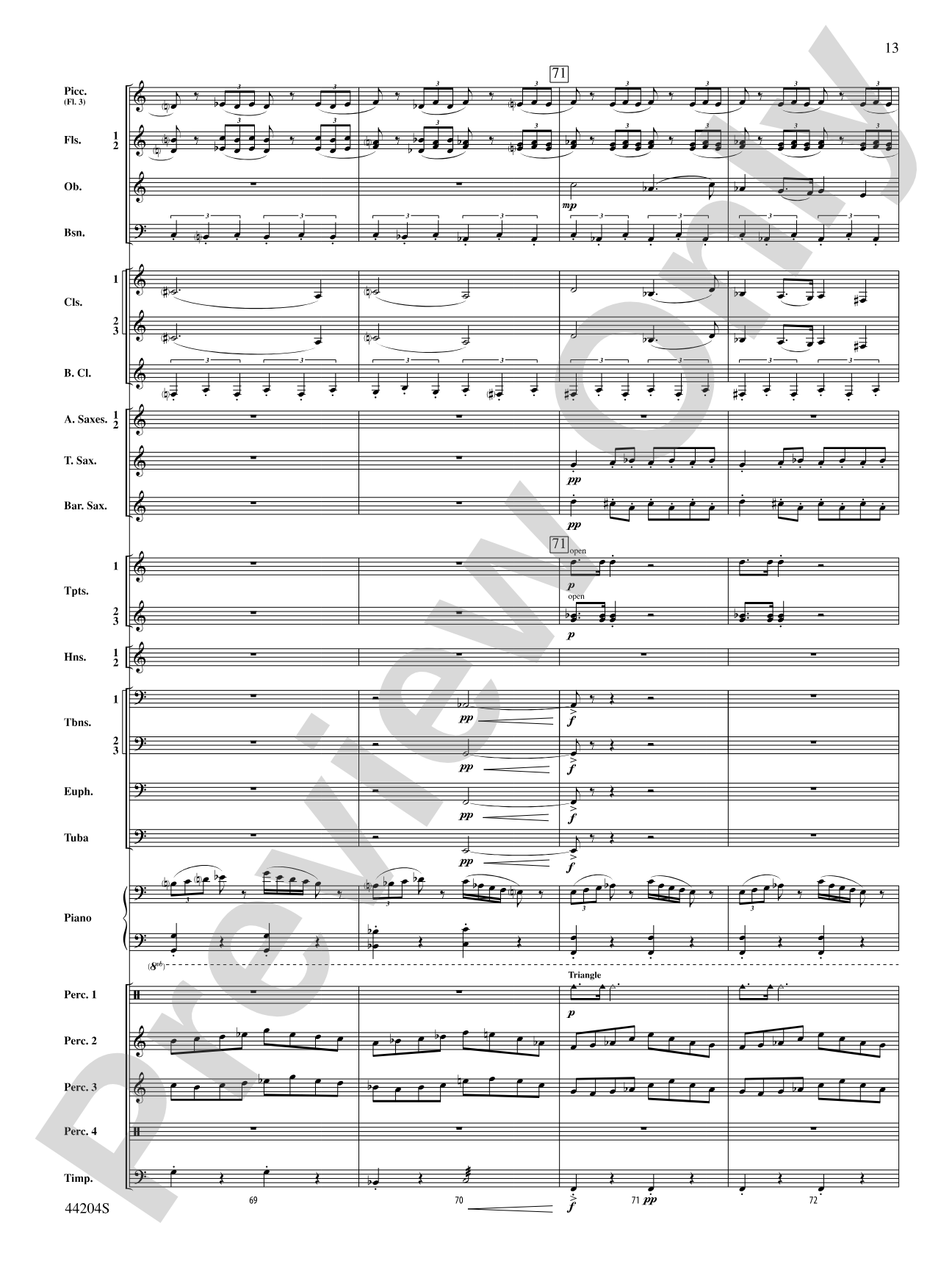
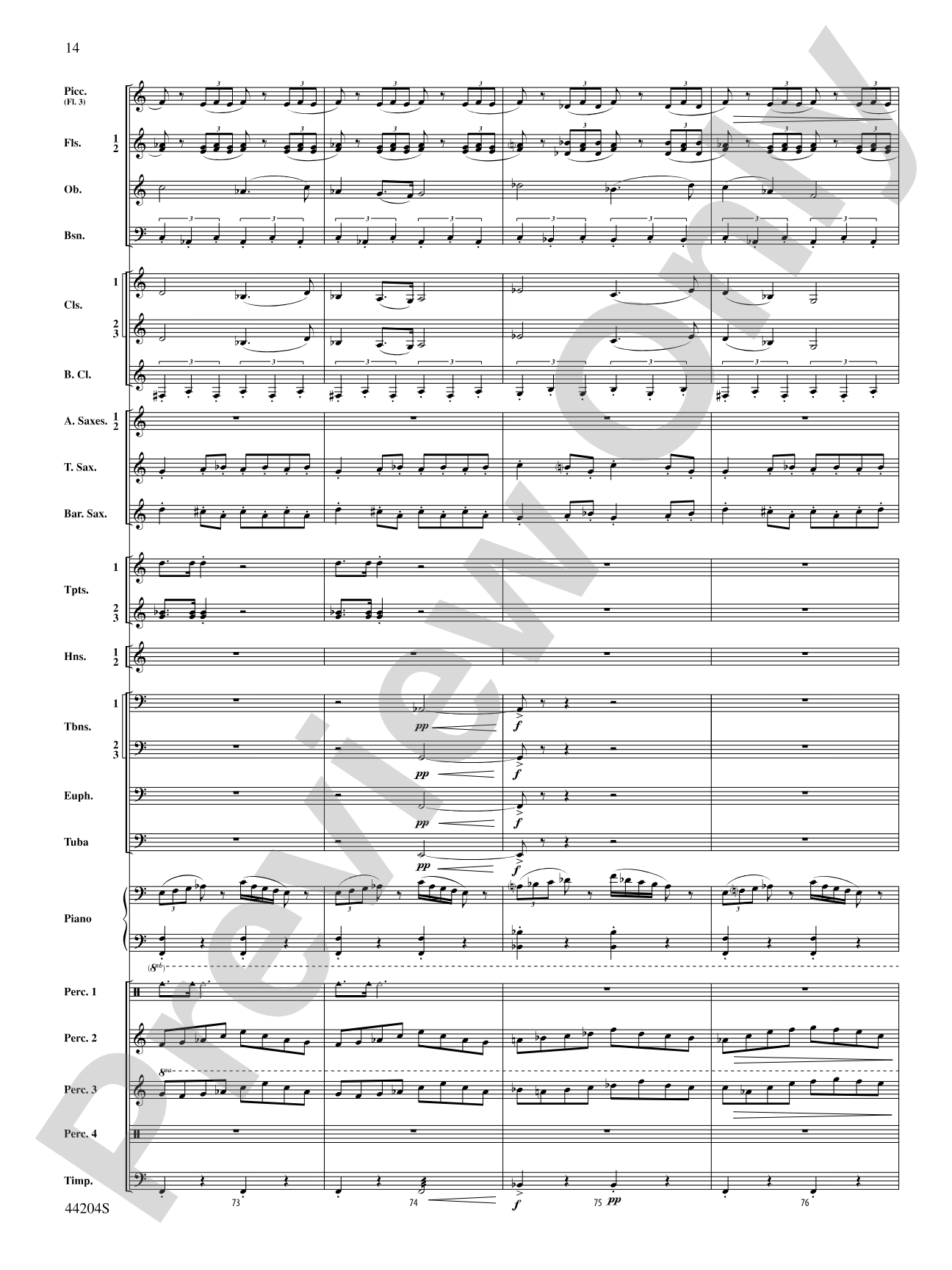
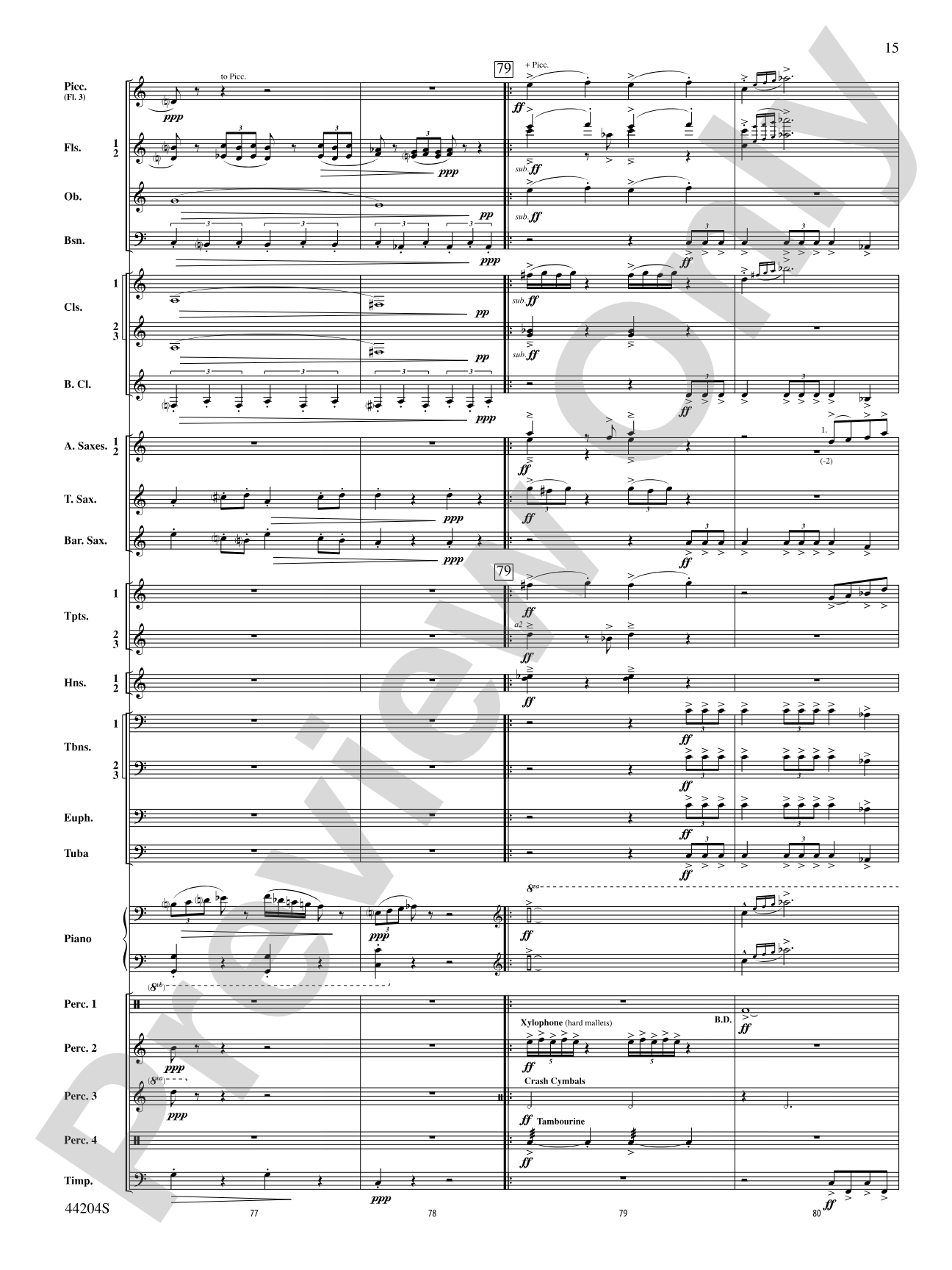
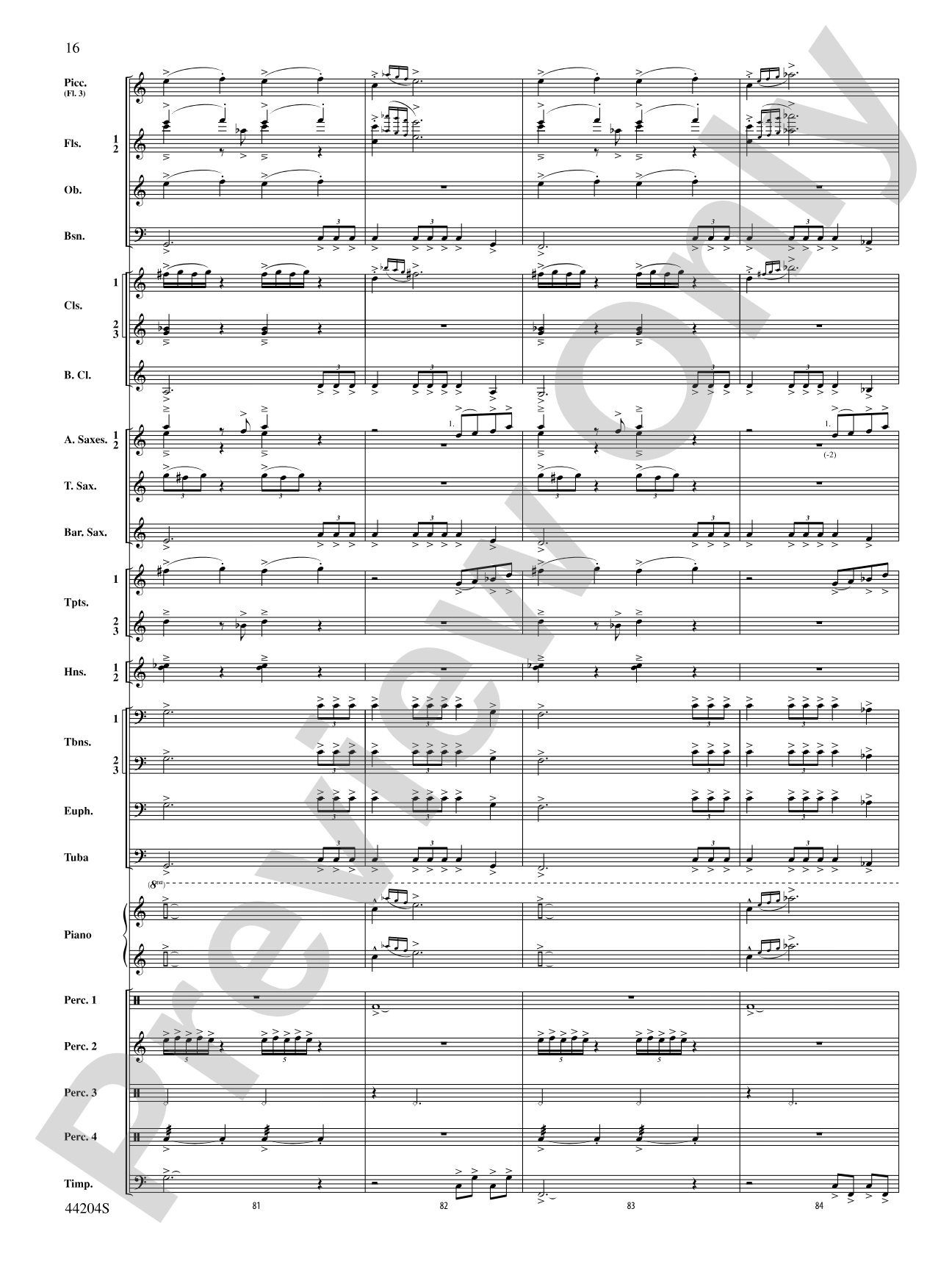
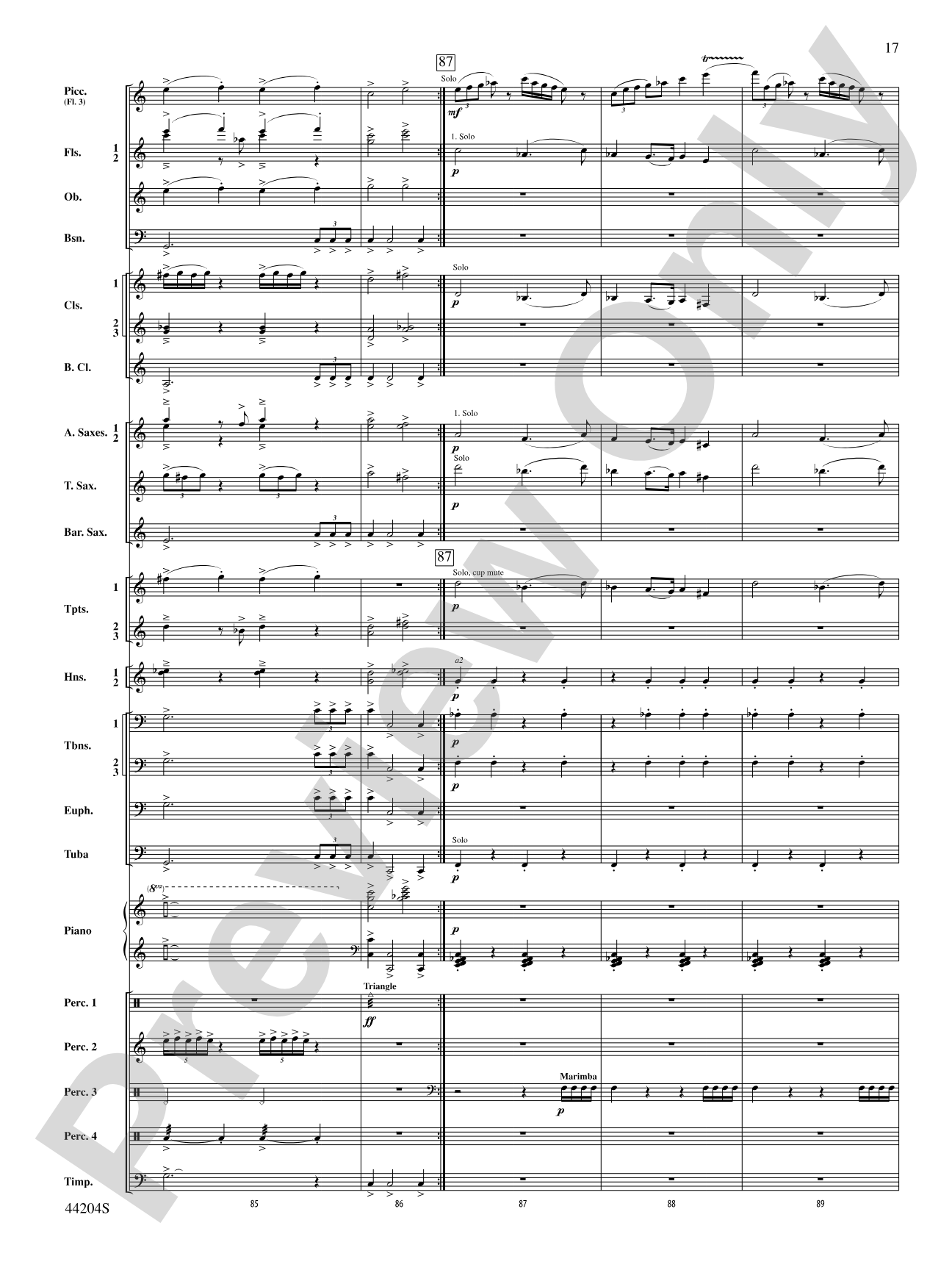
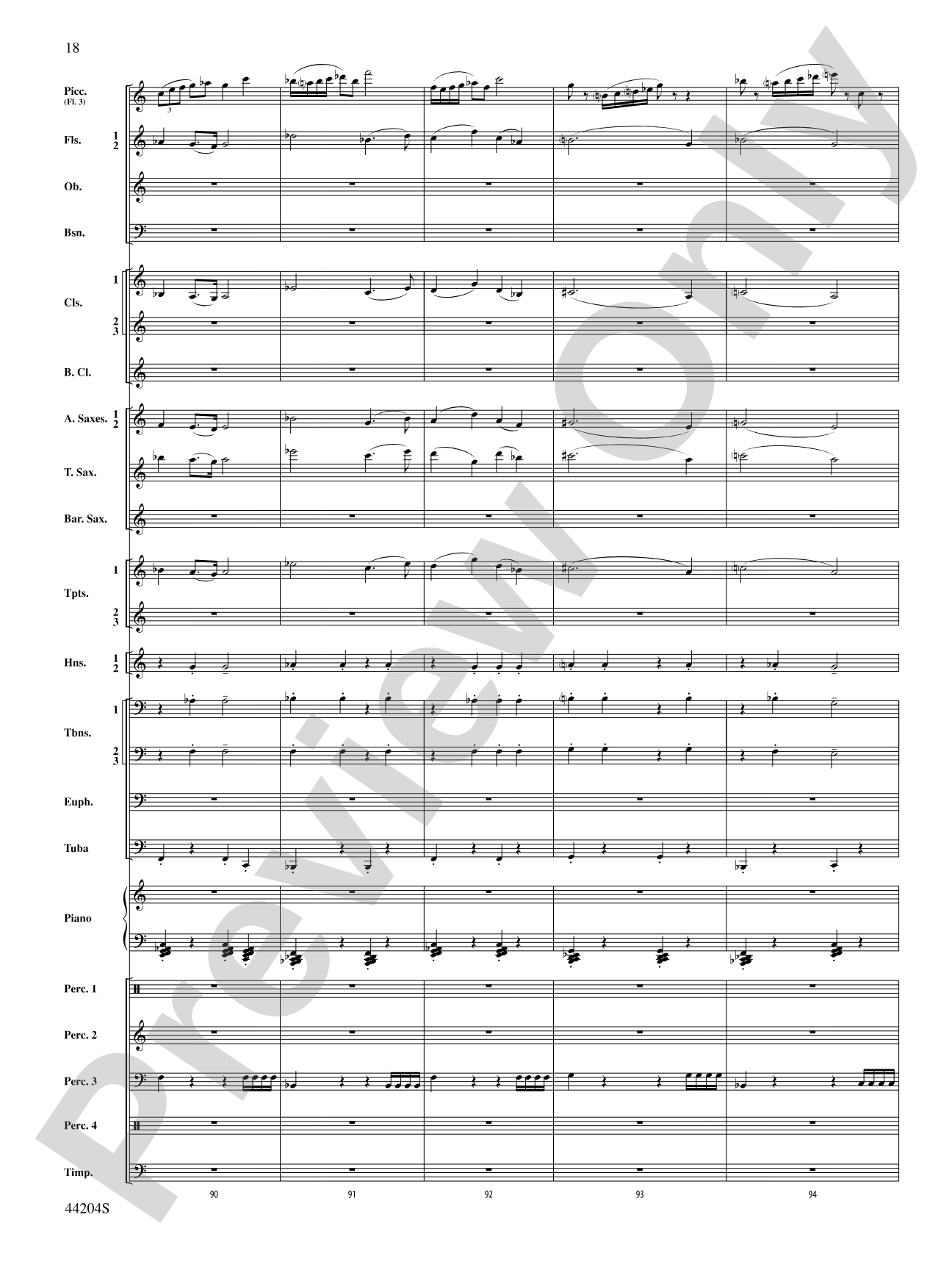
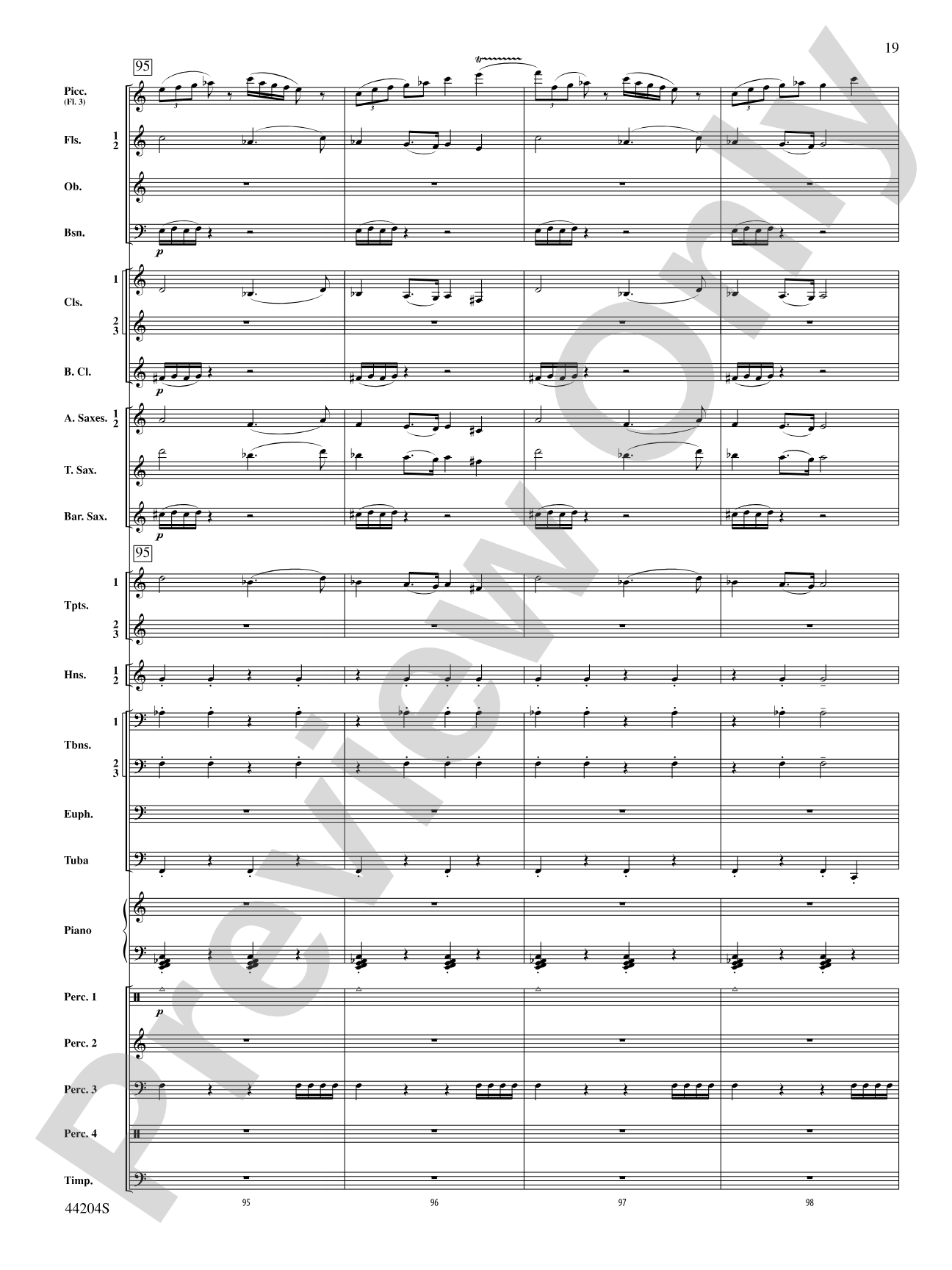
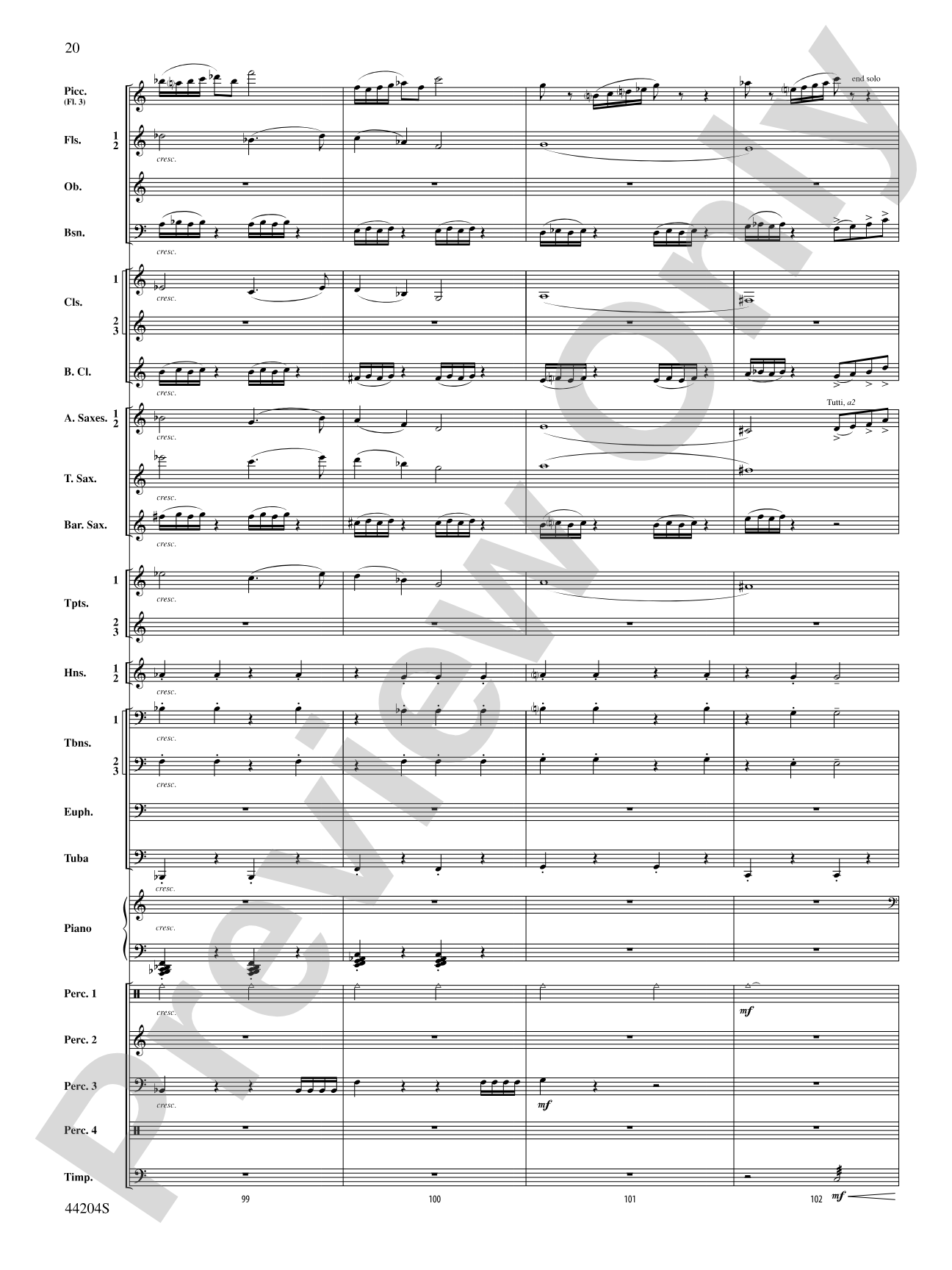
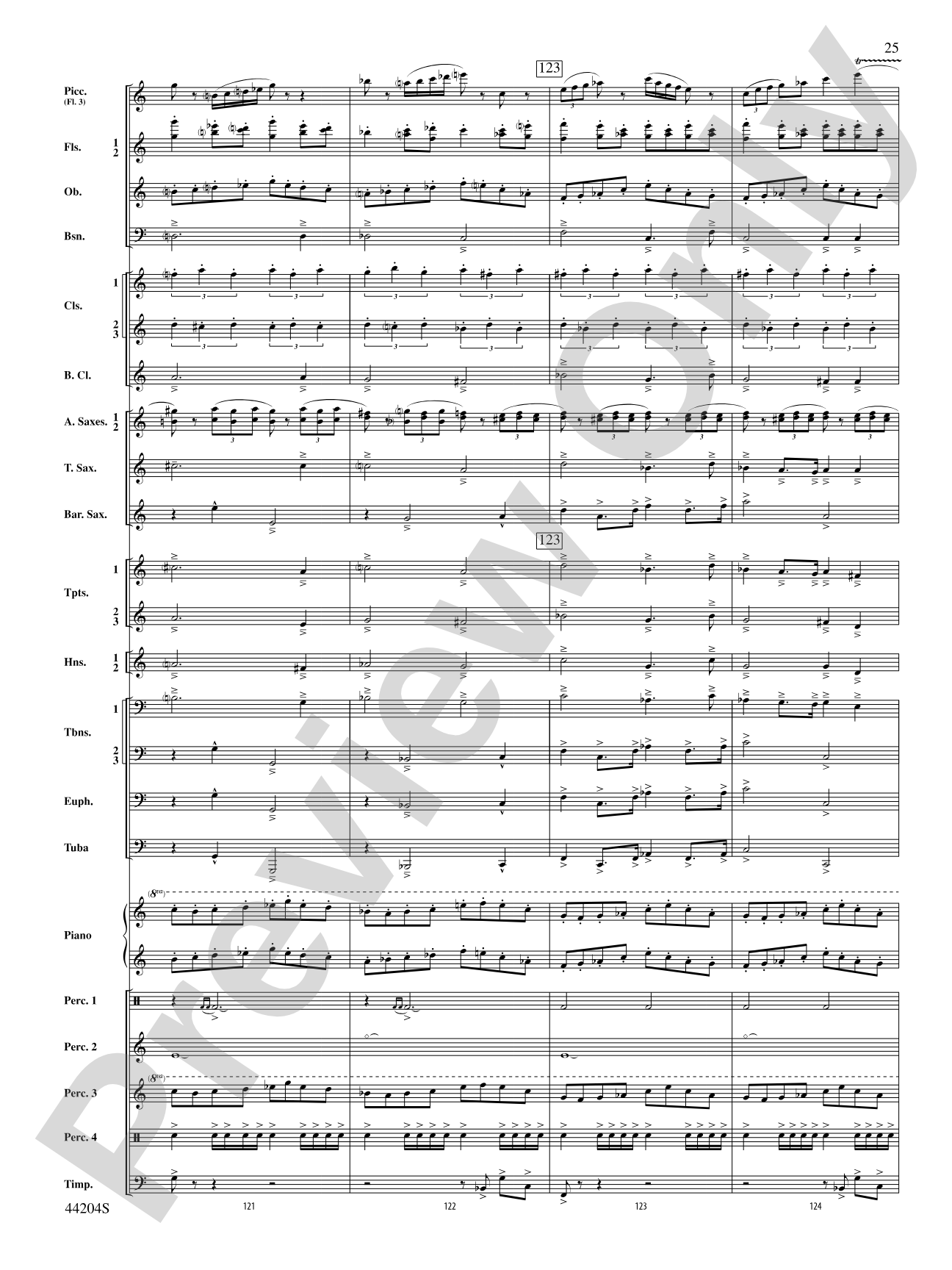
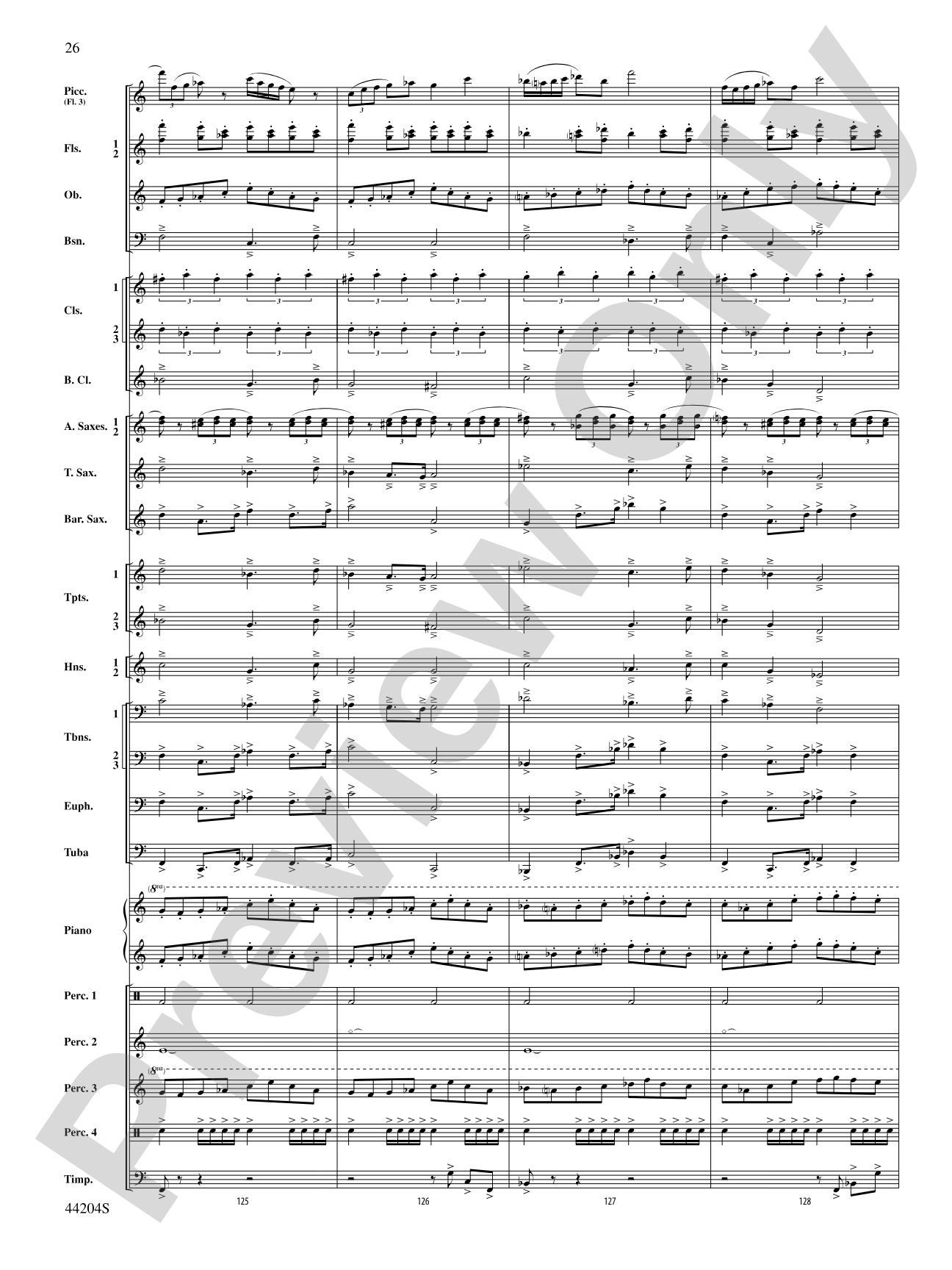
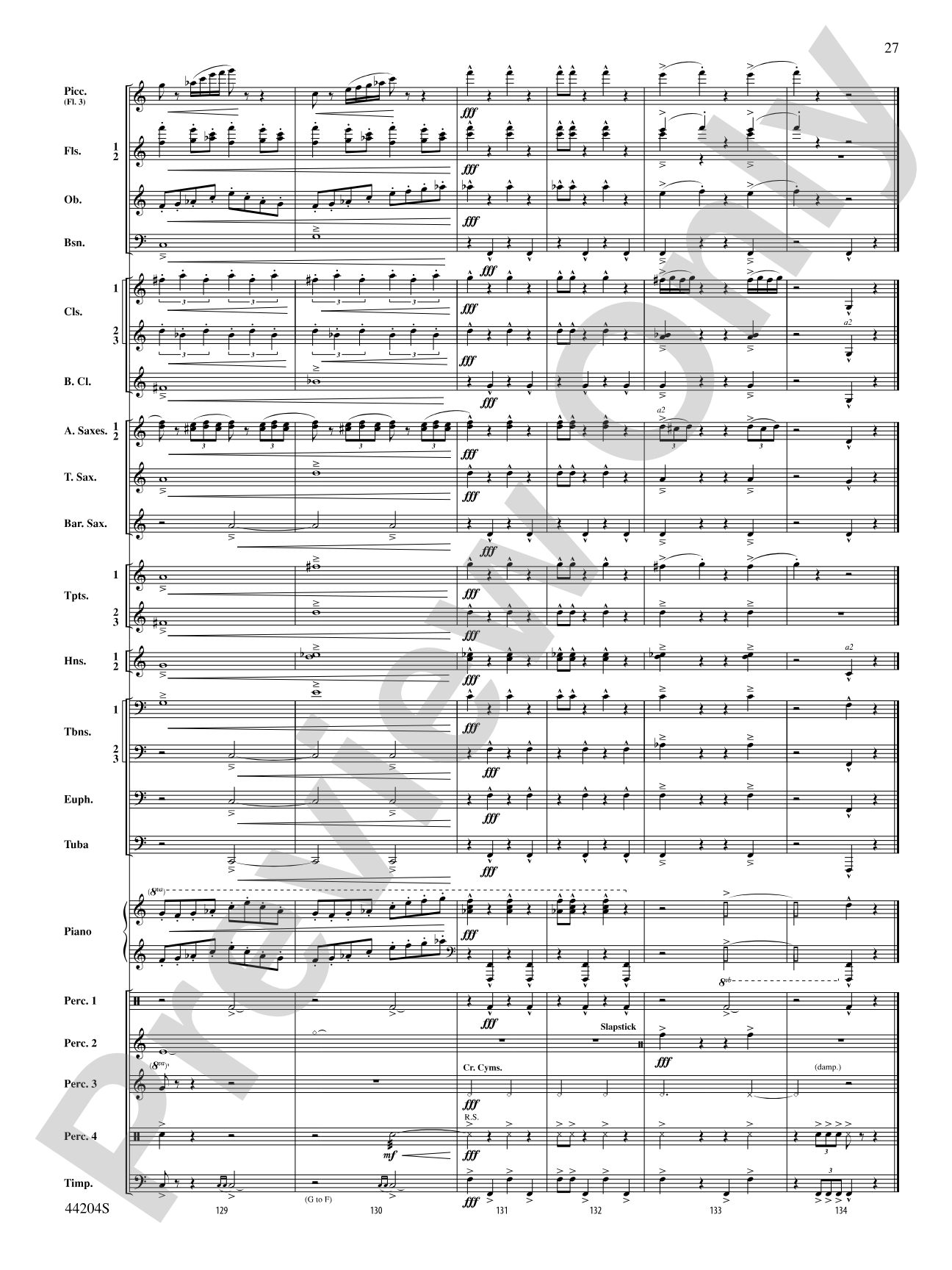
"The Vikings" is not your traditional march. This dark, angry piece follows all of the traditional march concepts, including the standard form, repeats, key changes, and even a piccolo solo over the trio, but will provide a stunning change of pace from a standard march. (4:10)


Don't just read it, hear it, play along with it, and watch your students grow with it. In MakeMusic Cloud, The Vikings: Concert Band Conductor Score & Parts comes alive with professional accompaniment, adjustable tempo, and built-in practice tools that turn solo practice into real progress.
Open in the Player
Jump straight in and assign it today.
Start Your Free Trial
Open this title and explore the full library in minutes.
Sample Audio
1
Audio File
--:--
0:00
0:00
Sample Video
No sample videos found.
Additional Details
Series:
Alfred Concert Band
Publisher:
Alfred Music
Page Count:
312
SKU:
00-PK-0006806
More about this title
About the Composer: Andrew Boysen
Andrew Boysen is a prolific composer and arranger whose work spans concert band, wind ensemble, orchestra, and choral settings. His compositions balance accessibility with musical substance, creating pieces that engage both performers and audiences across educational and professional levels.
Why we love this
Boysen respects the march form enough to subvert it. By layering dark, aggressive harmonies and an unsettling character over a structure your band already understands, he creates something that feels both familiar and genuinely unsettling. The result is a concert piece that holds attention precisely because it refuses to be charming.
What to expect
Menacing and rhythmically propulsive. The piece channels the energy and forward motion of a march but wraps it in dark, dissonant colors and an aggressive character that never settles into comfort. It feels cinematic, like underscore for something ominous.
Who it's for
Concert bands at Grade 4 level seeking repertoire with substance and personality. This piece works for groups ready to move beyond traditional march conventions and explore more complex harmonic and textural ideas.
How to get the most out of it
- Establish a clear pulse in the opening section; the darker tone can obscure rhythmic precision if the conductor doesn't anchor the tempo.
- Balance the piccolo solo in the trio so it cuts through without overwhelming the harmonic foundation underneath it.
- Shape the key changes intentionally rather than treating them as mere structural markers; each modulation should feel like a shift in mood or intensity.
How to use it
Program this as a concert centerpiece or festival selection where you want to surprise an audience expecting lighter fare. Its thematic darkness pairs well with Halloween-themed concerts or autumn programming, and it provides sharp contrast to lyrical or traditional march selections on the same program.
Skills your students will build
- Reading harmonic density and dissonance within a familiar march structure
- Executing precise rhythmic drive through agitated material
- Balancing featured solo lines (piccolo) within fuller ensemble texture
- Interpreting character and mood through articulation and dynamic control