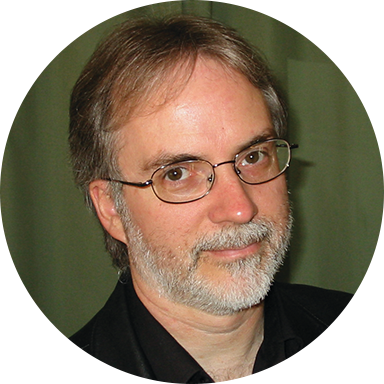
David Lantz III brings two decades of classroom experience to his prolific output as a composer. Teaching vocal music in Pennsylvania's public schools, he has developed an intuitive sense of what works for developing singers, which shows across his nearly 500 published works spanning sacred anthems, secular choruses, orchestral and band music, and jazz arrangements.
Beyond composition, Lantz maintains active roles as a church music director, recording engineer, and performer on bass and vocals in contemporary music settings. He co-creates with his wife, composer Marti Lunn Lantz, and together they have raised five musically engaged children, creating a household where music education and artistry intersect daily.
Why we love this
Lantz's gift for writing singable lines that never feel dumbed down shines throughout this piece. The text setting feels natural; your singers won't fight the melody to find the words. The sacred subject matter opens doors for both worship contexts and concert programming without requiring a specialized audience.
What to expect
The piece carries the contemplative weight of sacred music while remaining warm and approachable. Singers experience something genuinely moving rather than merely executing notes on a page; the emotional arc builds naturally through the eleven pages.
Who it's for
This octavo suits choirs looking for substantive sacred repertoire that doesn't demand virtuosic technical ability. It works equally well in church settings, concert programs, and festival competition lists where meaningful text and accessible voicing are priorities.
How to get the most out of it
Balance the voices by having singers mark their individual lines during early rehearsals before blending into the full chord; this prevents sopranos from oversinging while inner voices disappear.
Establish the emotional weight of the text from the first rehearsal rather than leaving interpretation until later. Let singers understand why this moment matters musically.
Pay attention to phrase breathing as a choir; mark breath points together so the ensemble breathes as one unit rather than scattered throughout measures.
How to use it
Pair this with other Lantz compositions if you're building a concert around a single composer's vision, or place it as a centerpiece in a thematic concert exploring time and spiritual reflection. Its moderate difficulty level makes it ideal for mid-season programming, after your singers have settled into the academic year but with enough performance time remaining to achieve polish.
Skills your students will build
Singing sustained harmonic progressions with rhythmic independence
Text expression in sacred context
Blending multiple voice parts while maintaining line clarity
Phrase shaping and ensemble breath control
Reading and performing SATB voicings
You May Also Like
Scan to Complete Your Purchase
Use your phone's camera to scan the code below
You'll log in on your phone and the order will be added to your account