
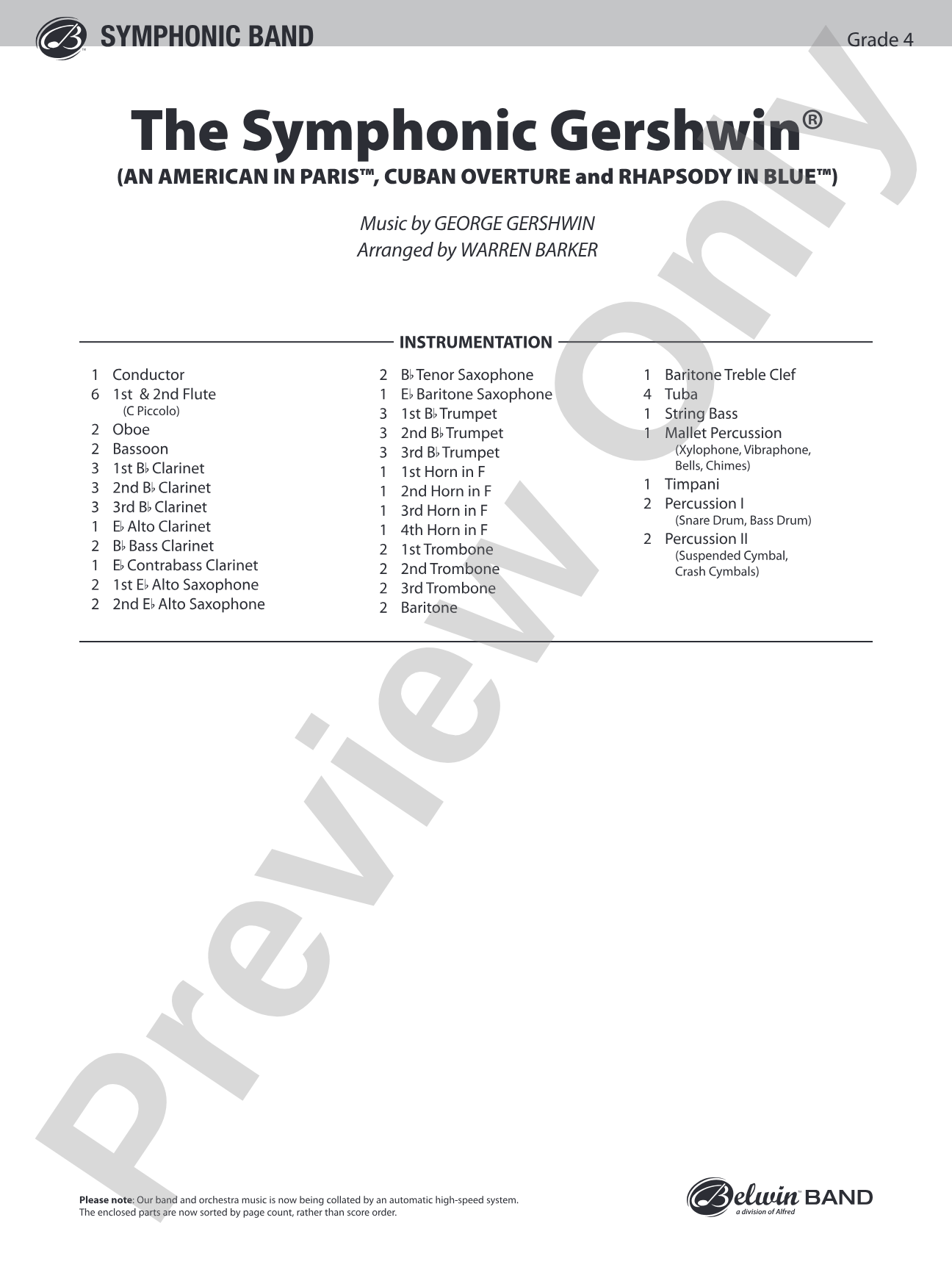

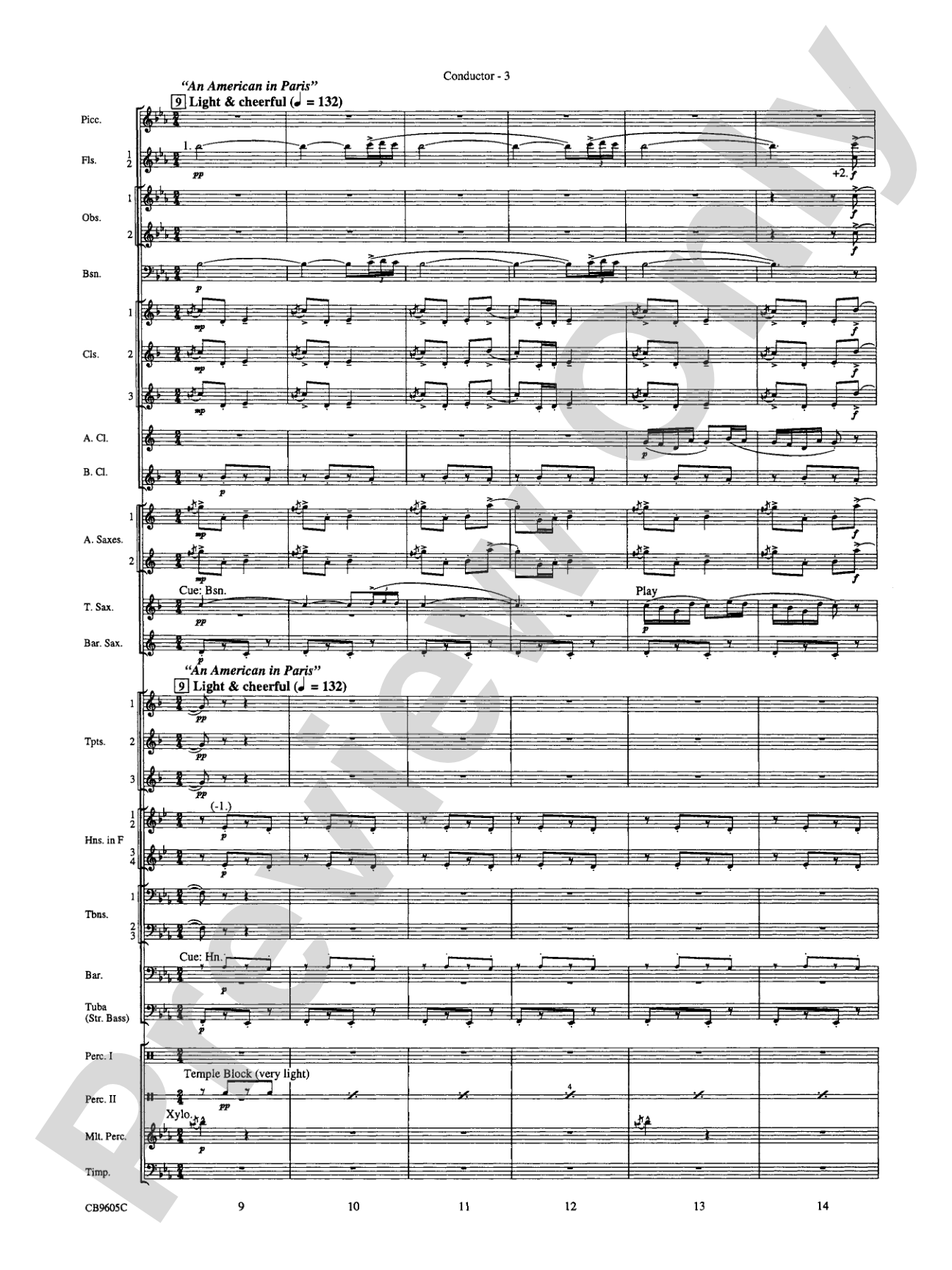
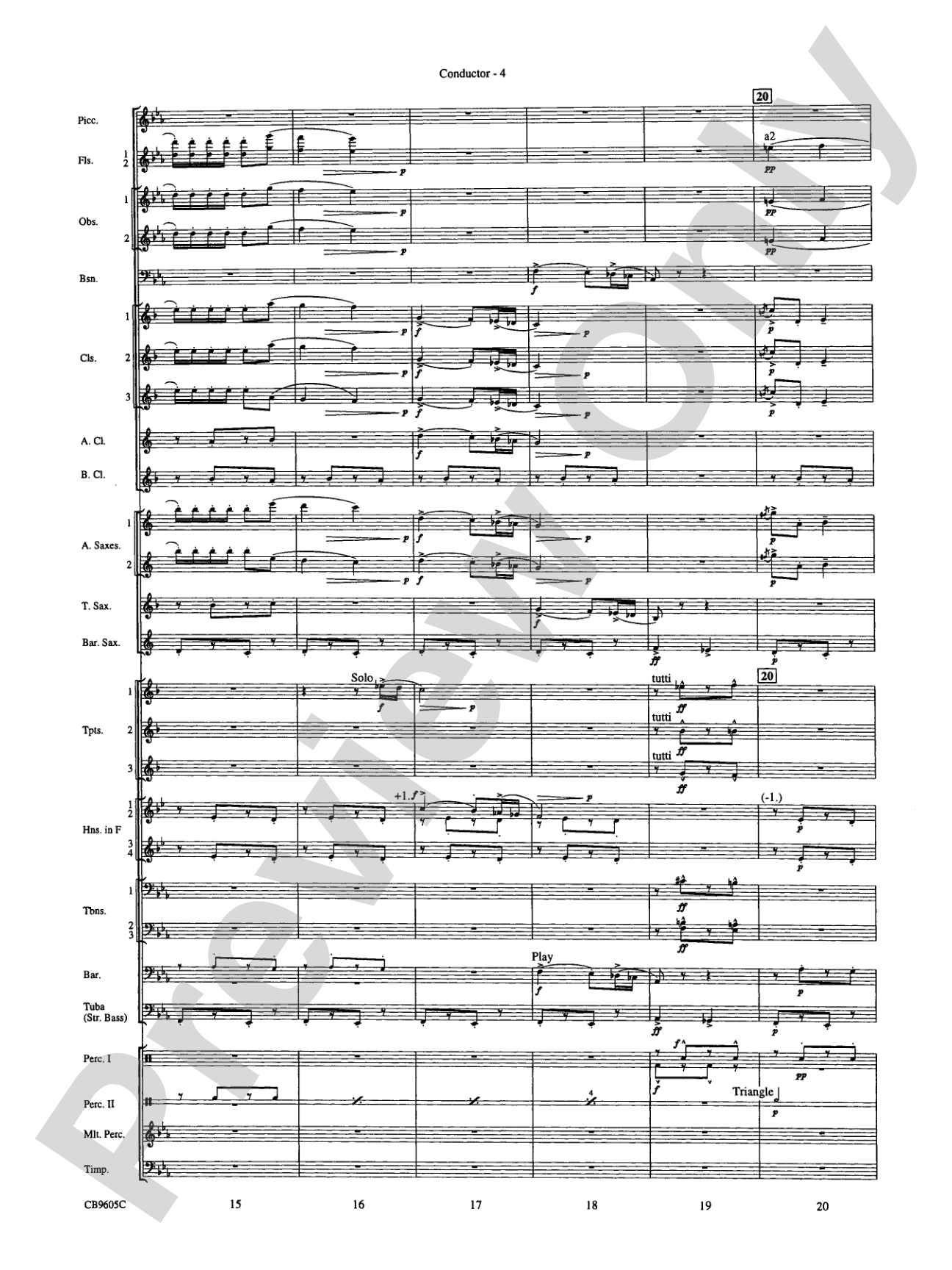
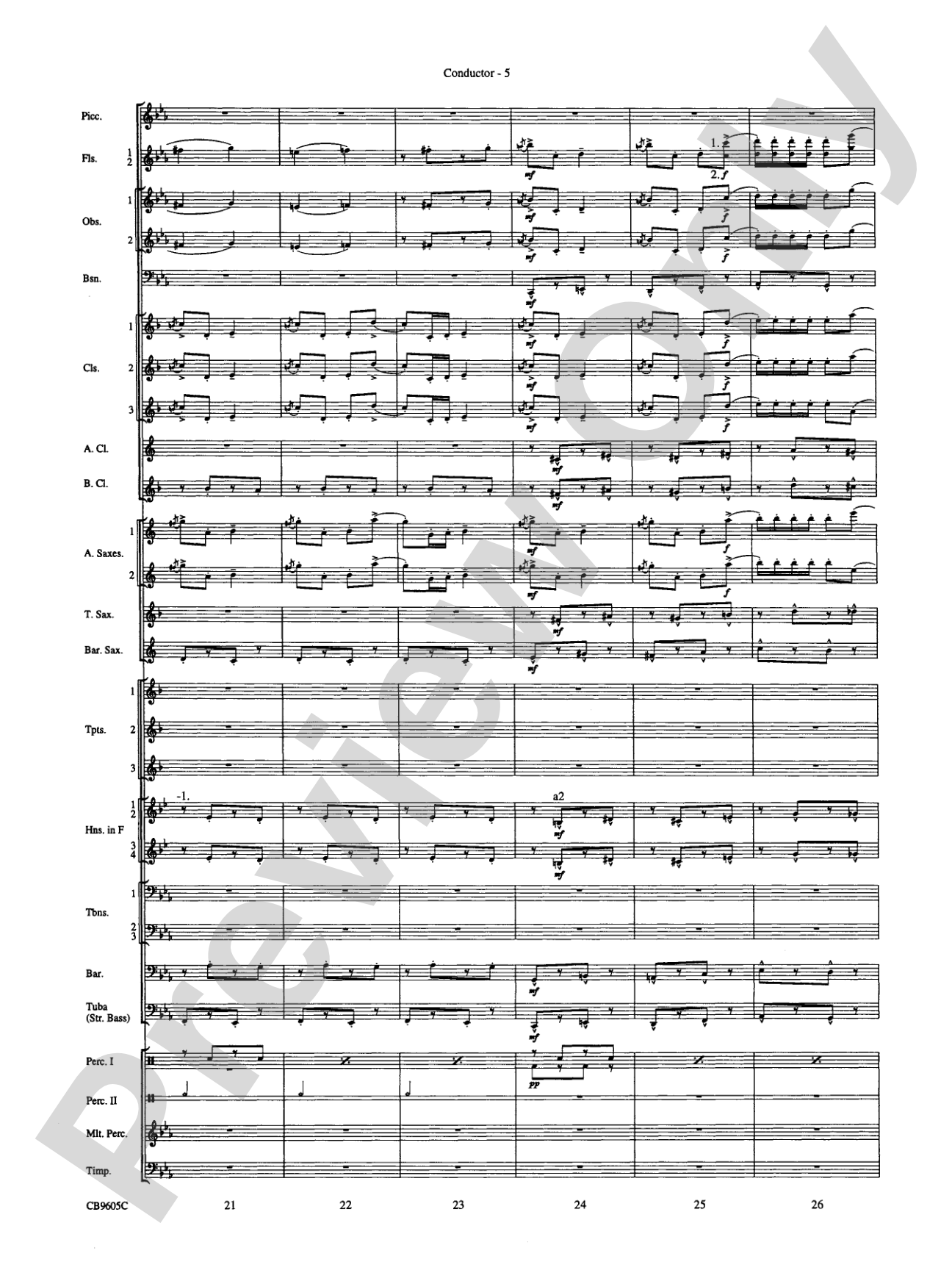
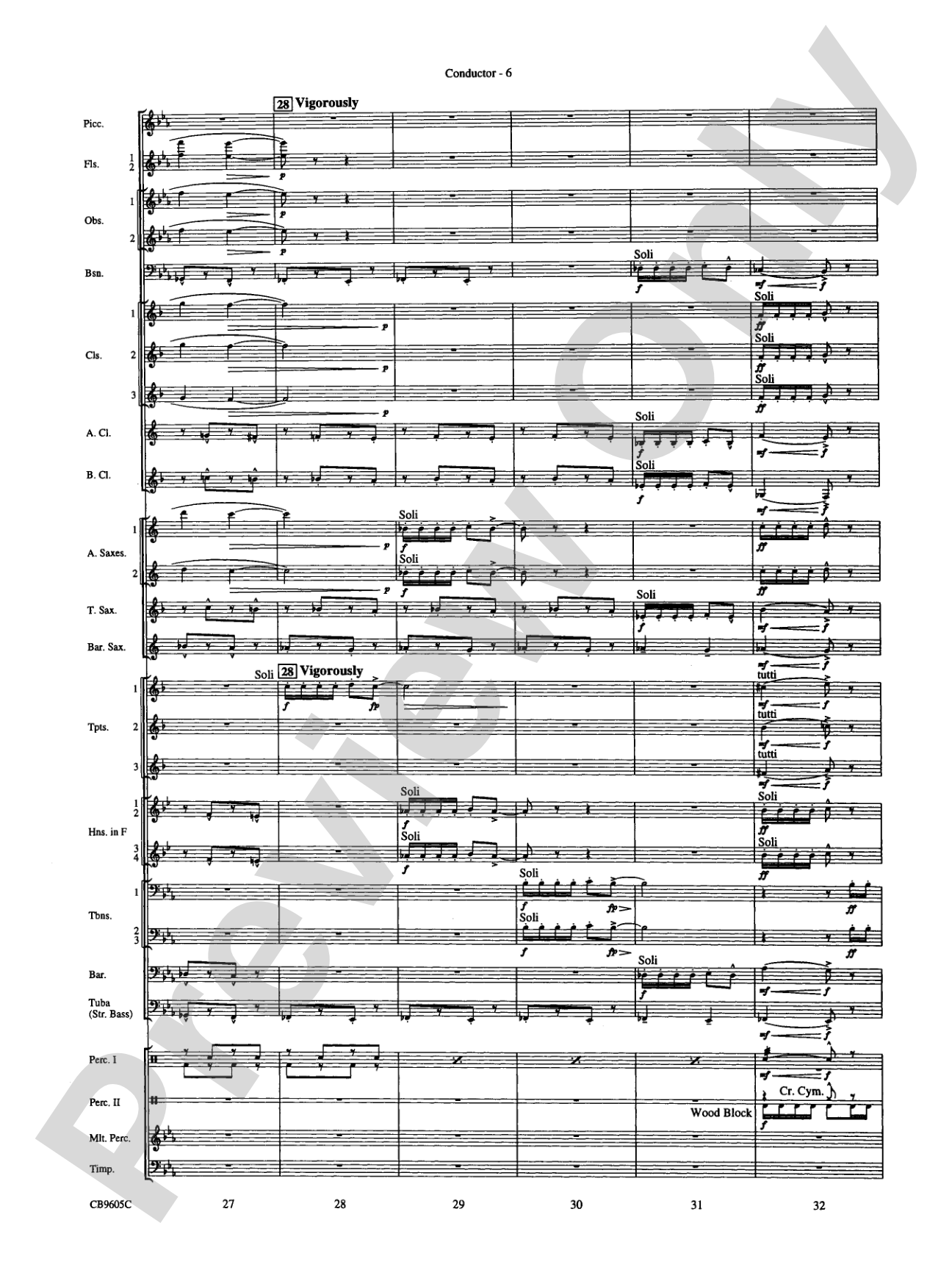
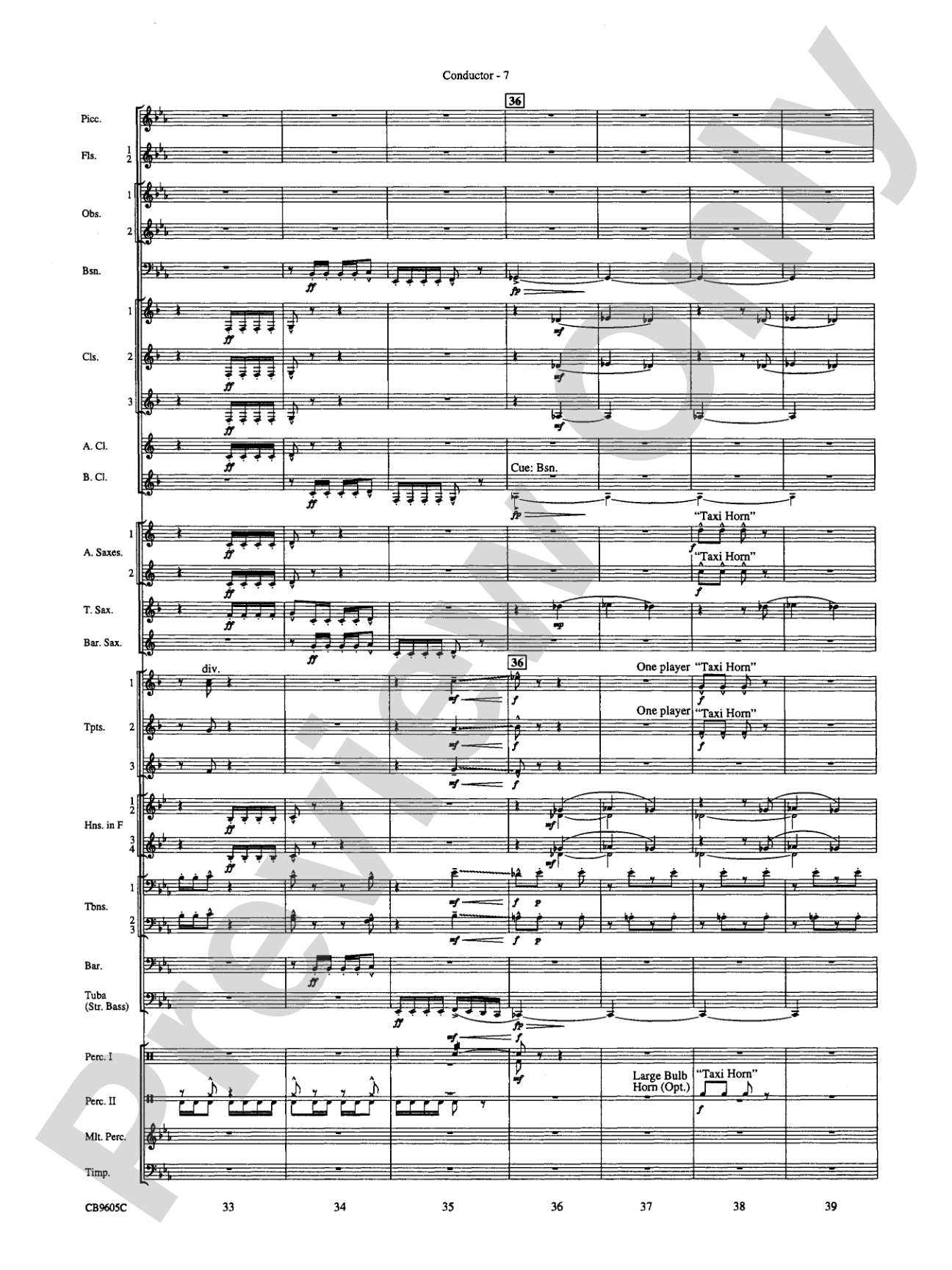
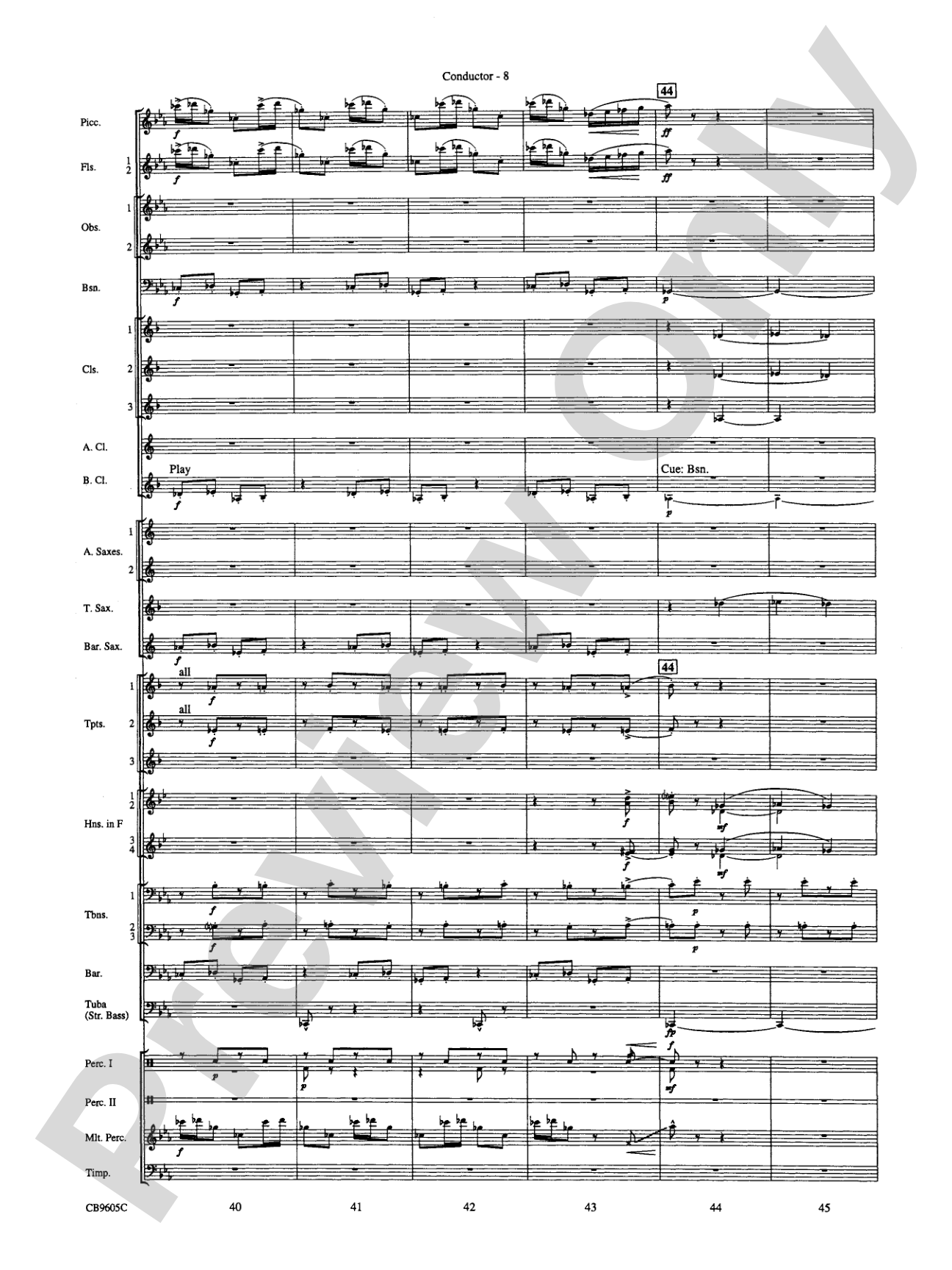
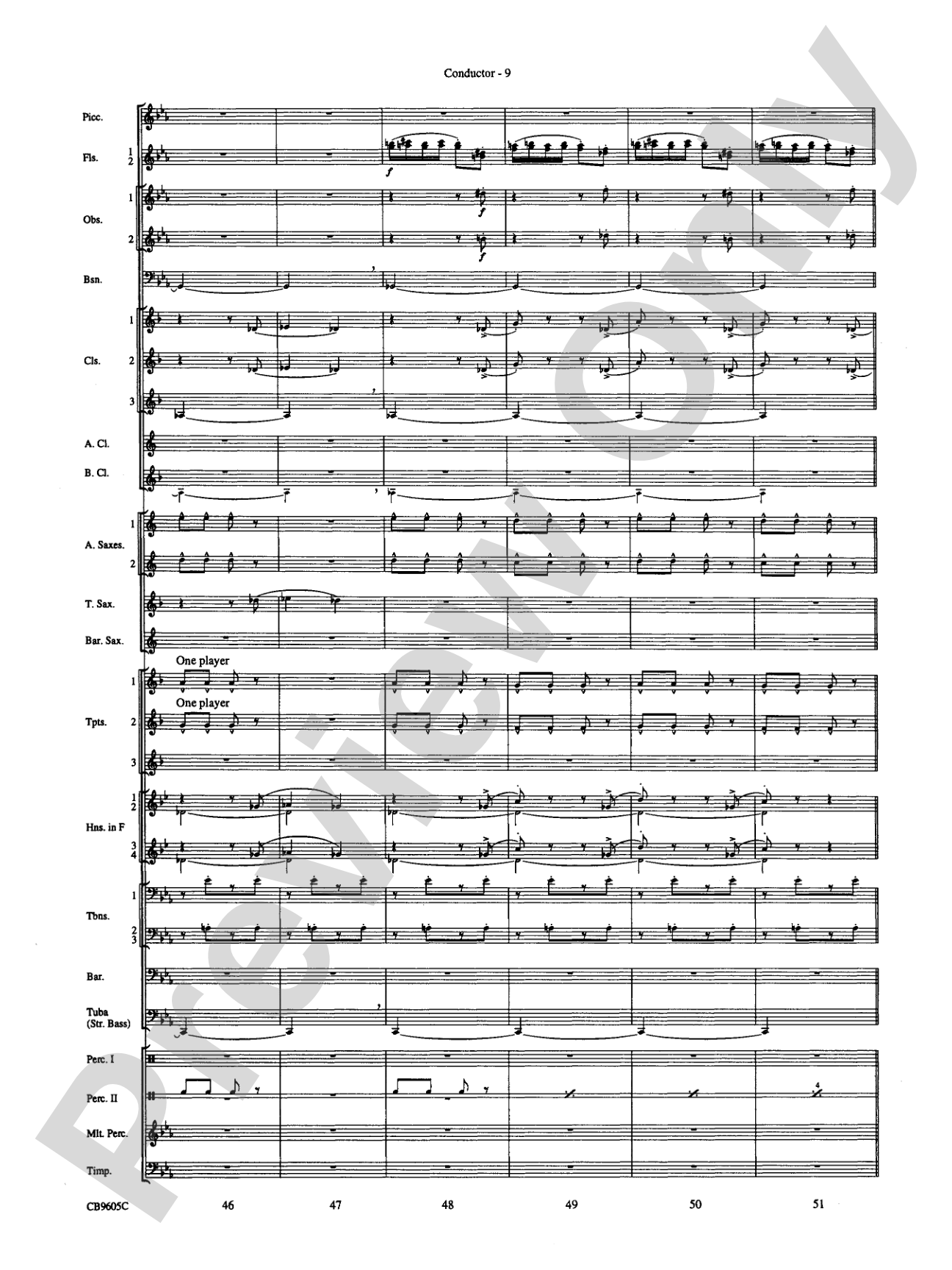
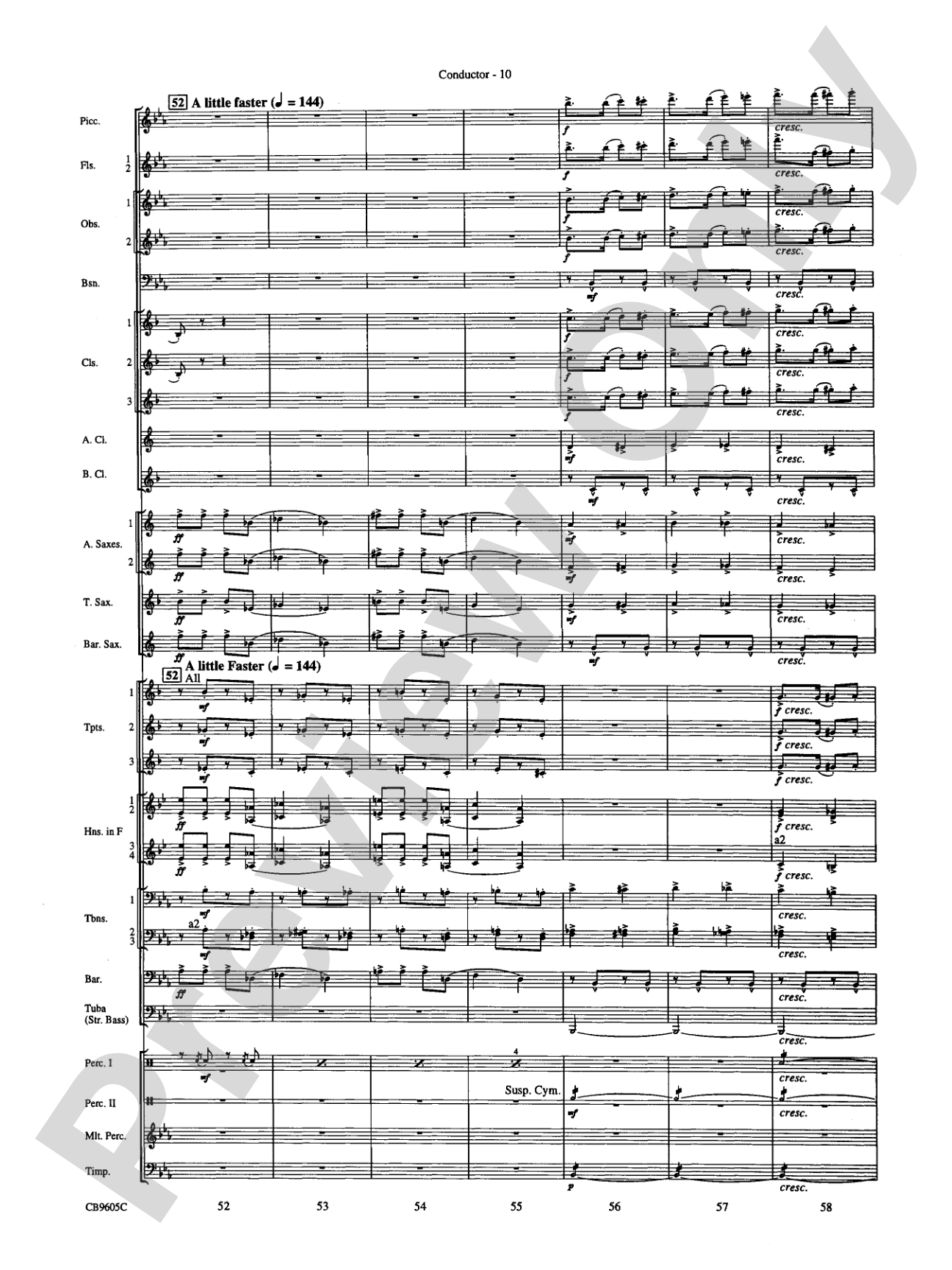
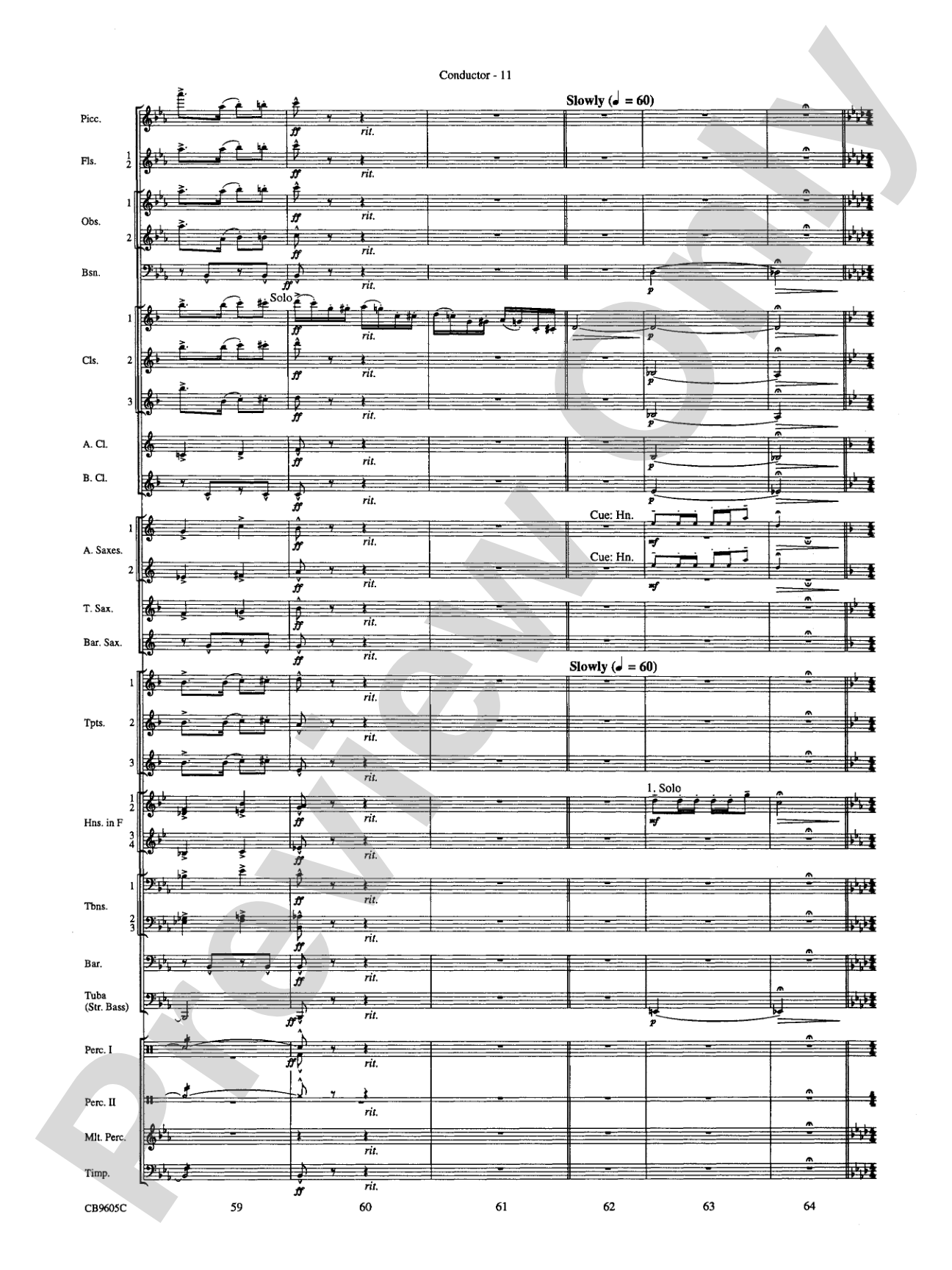
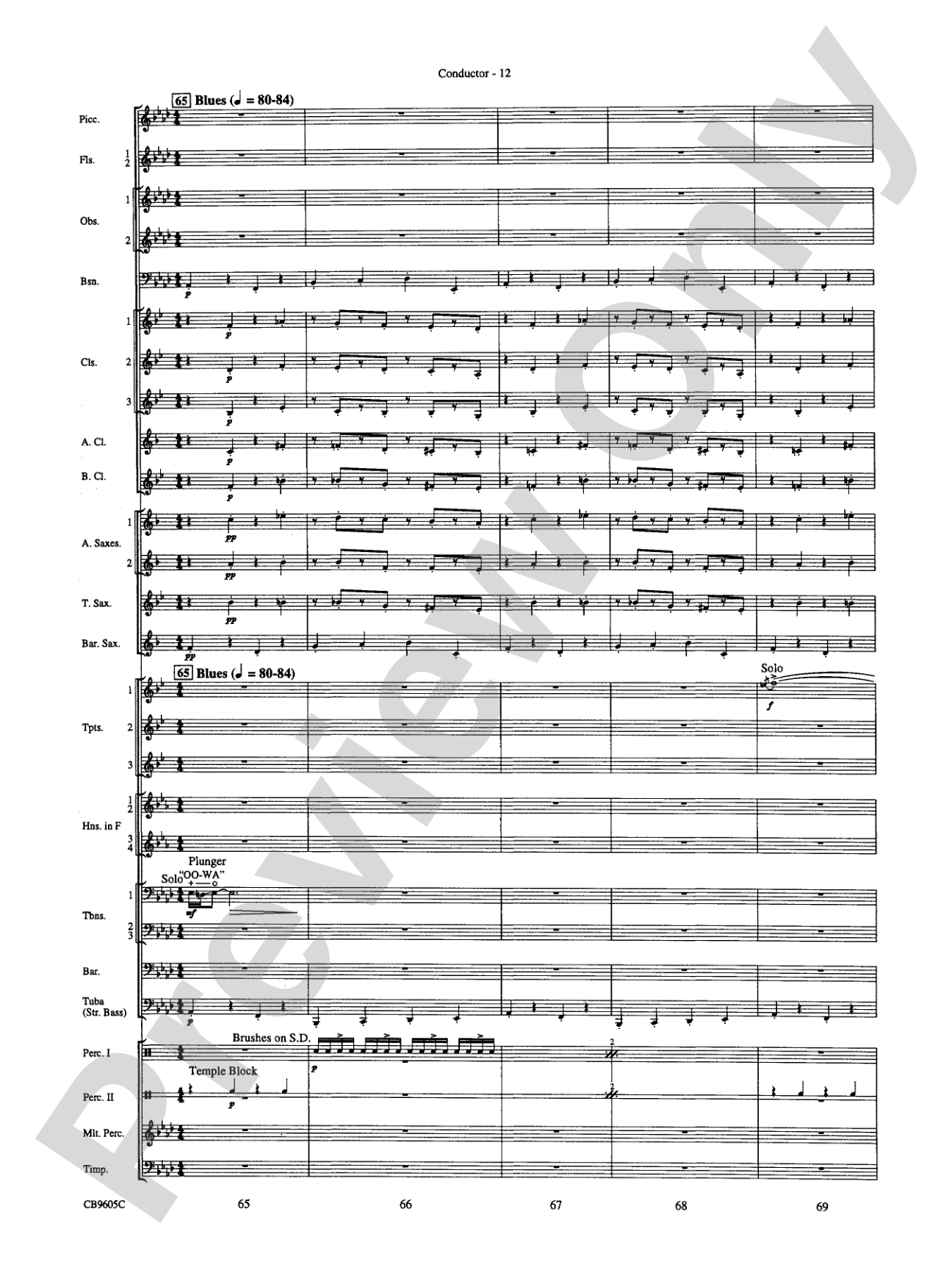
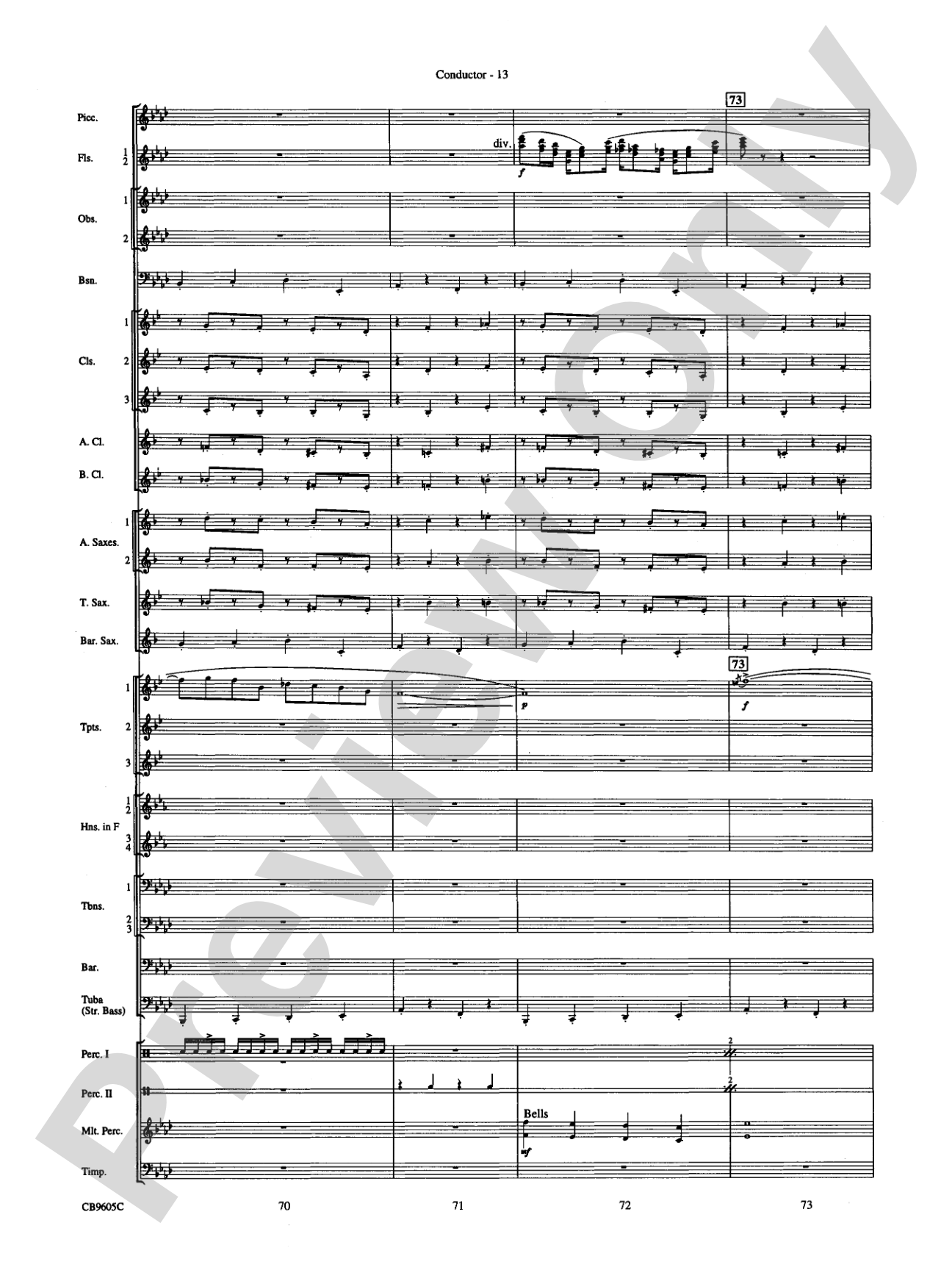
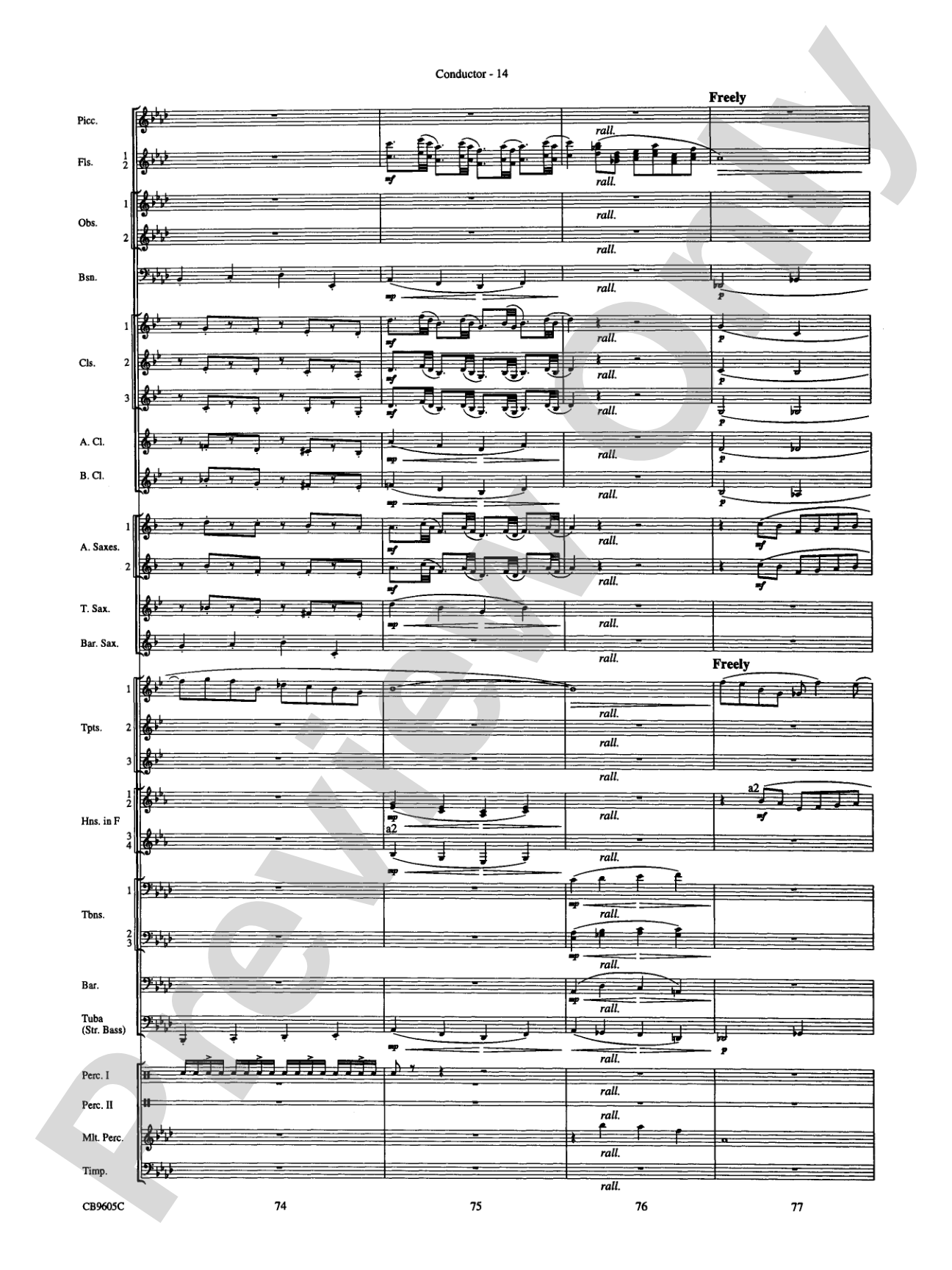
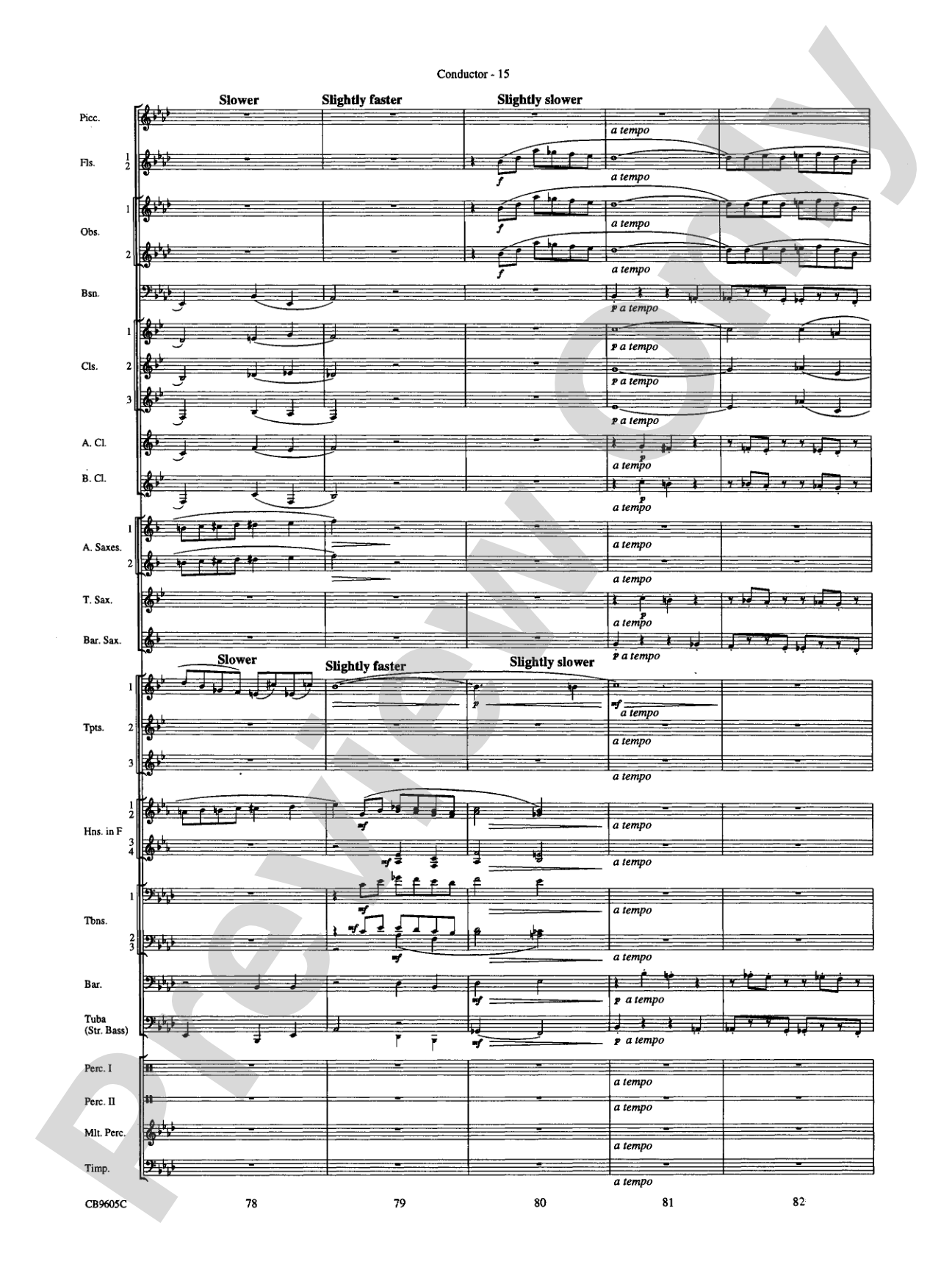
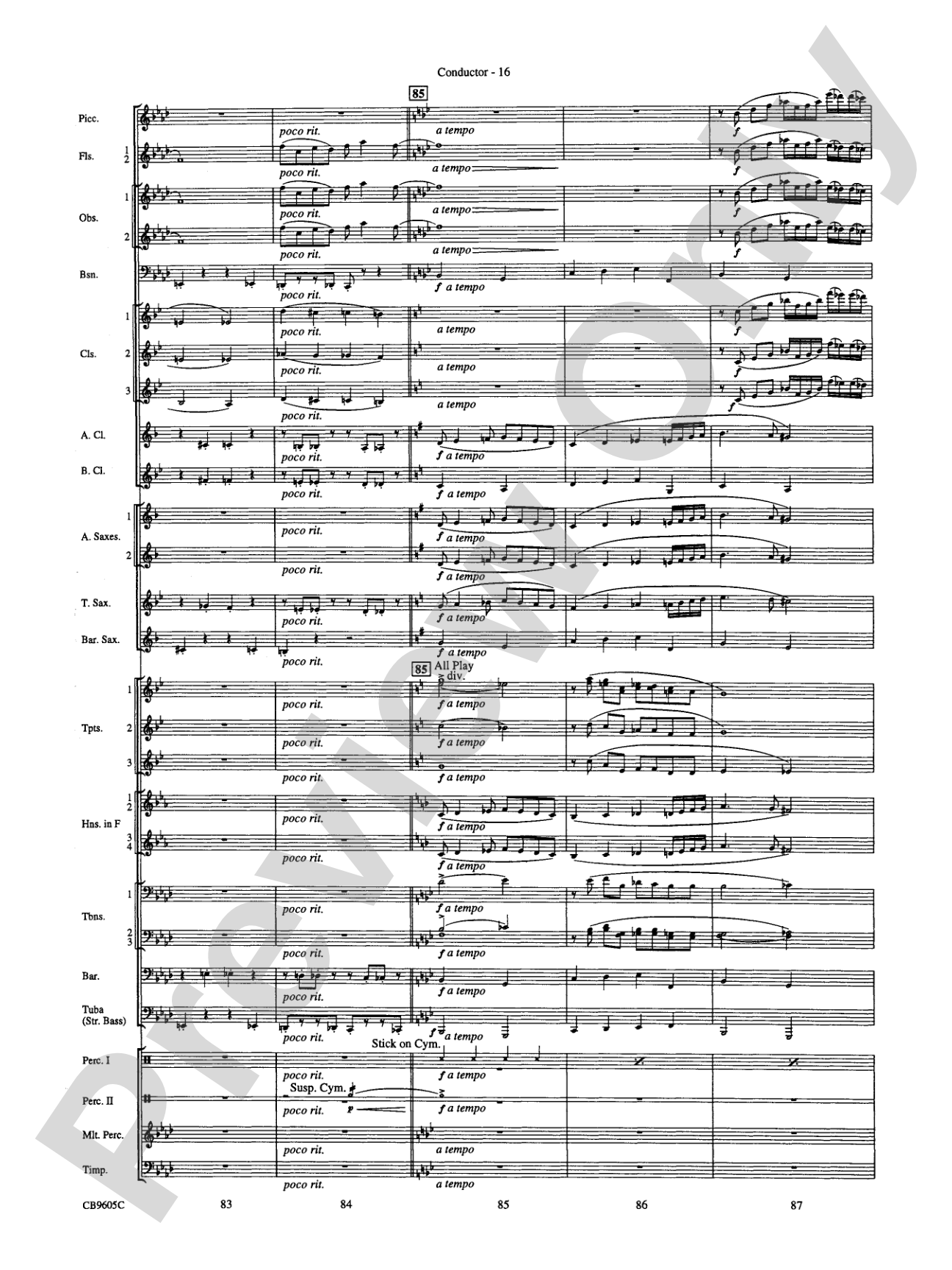
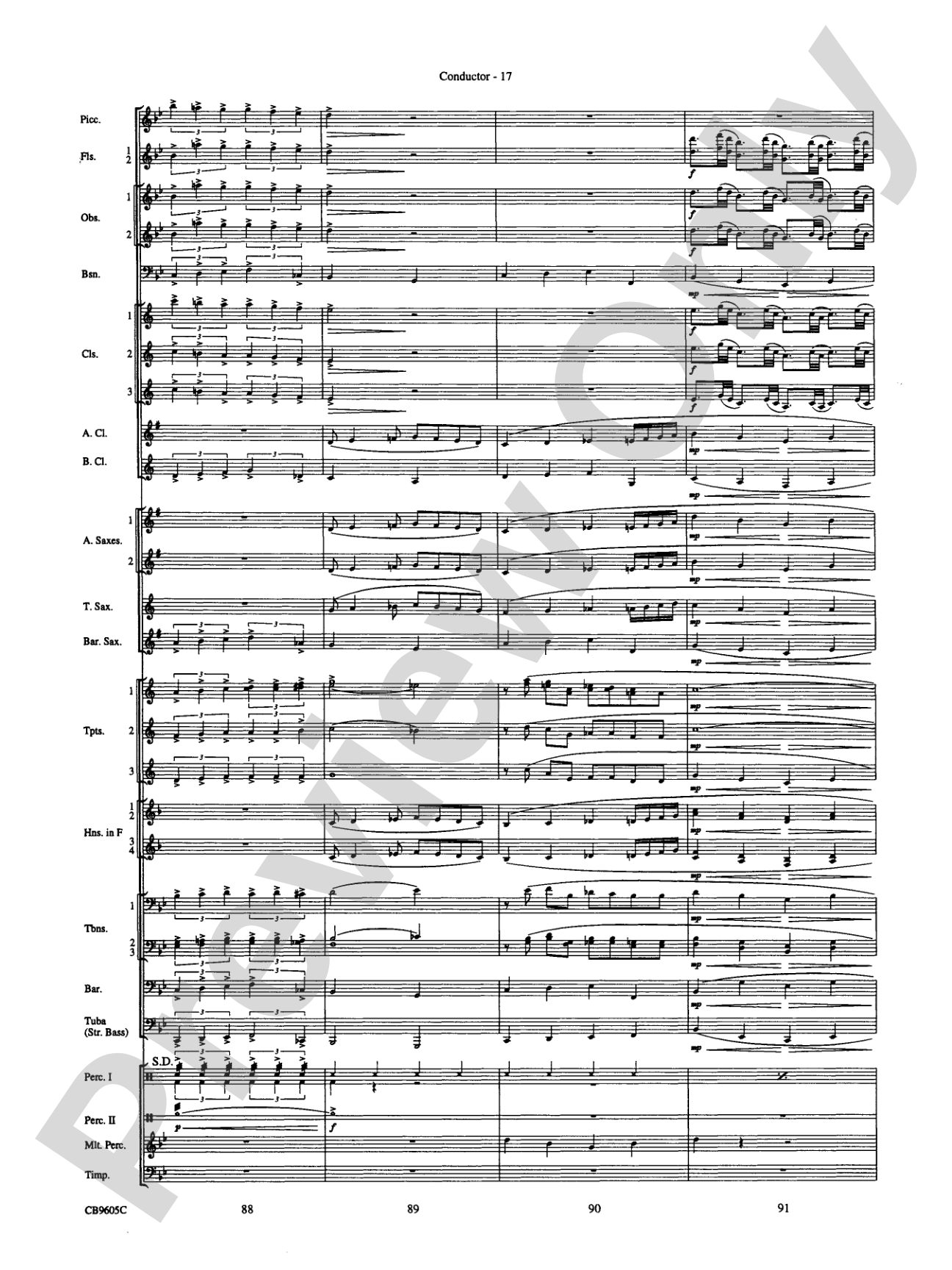
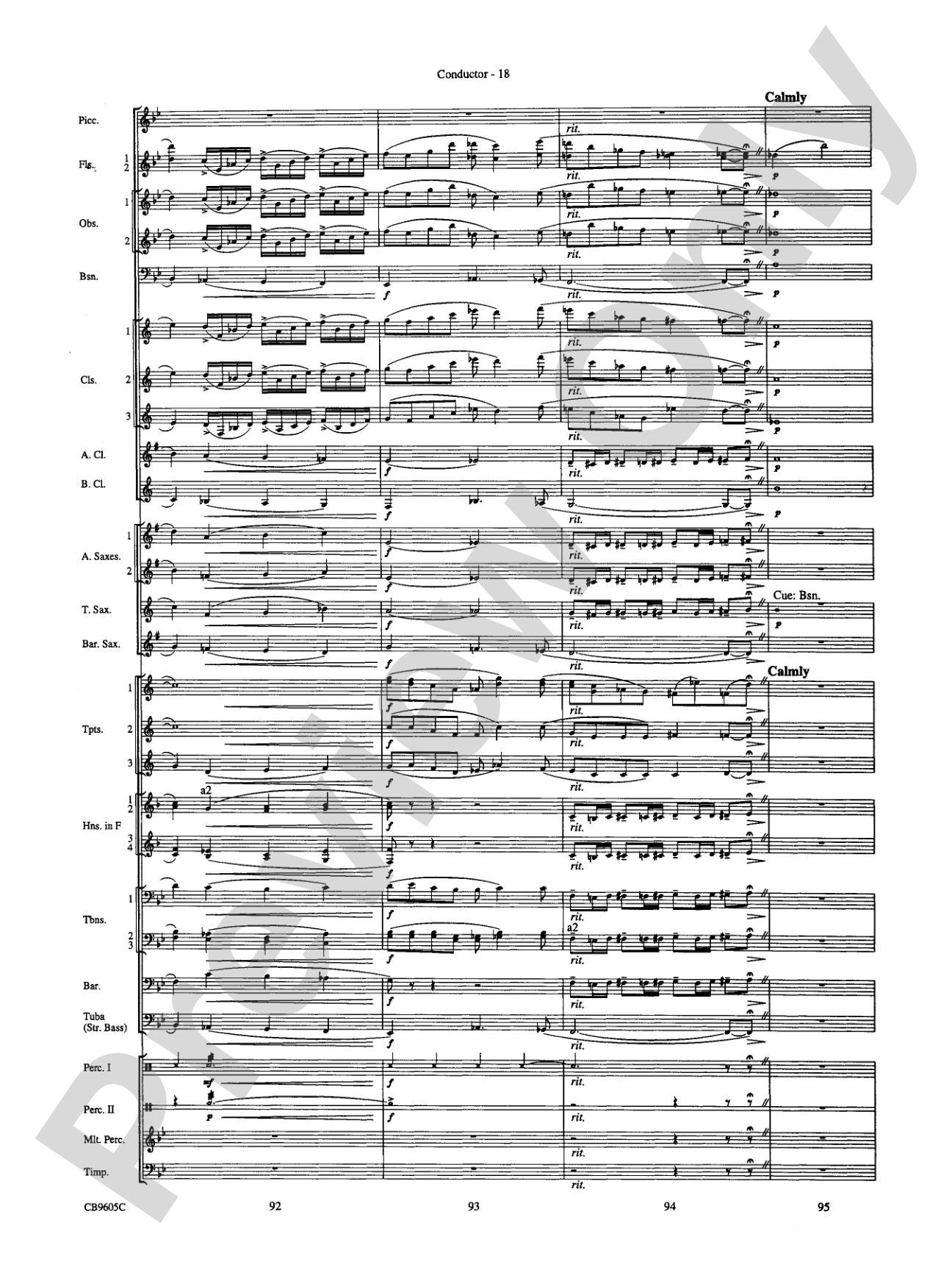
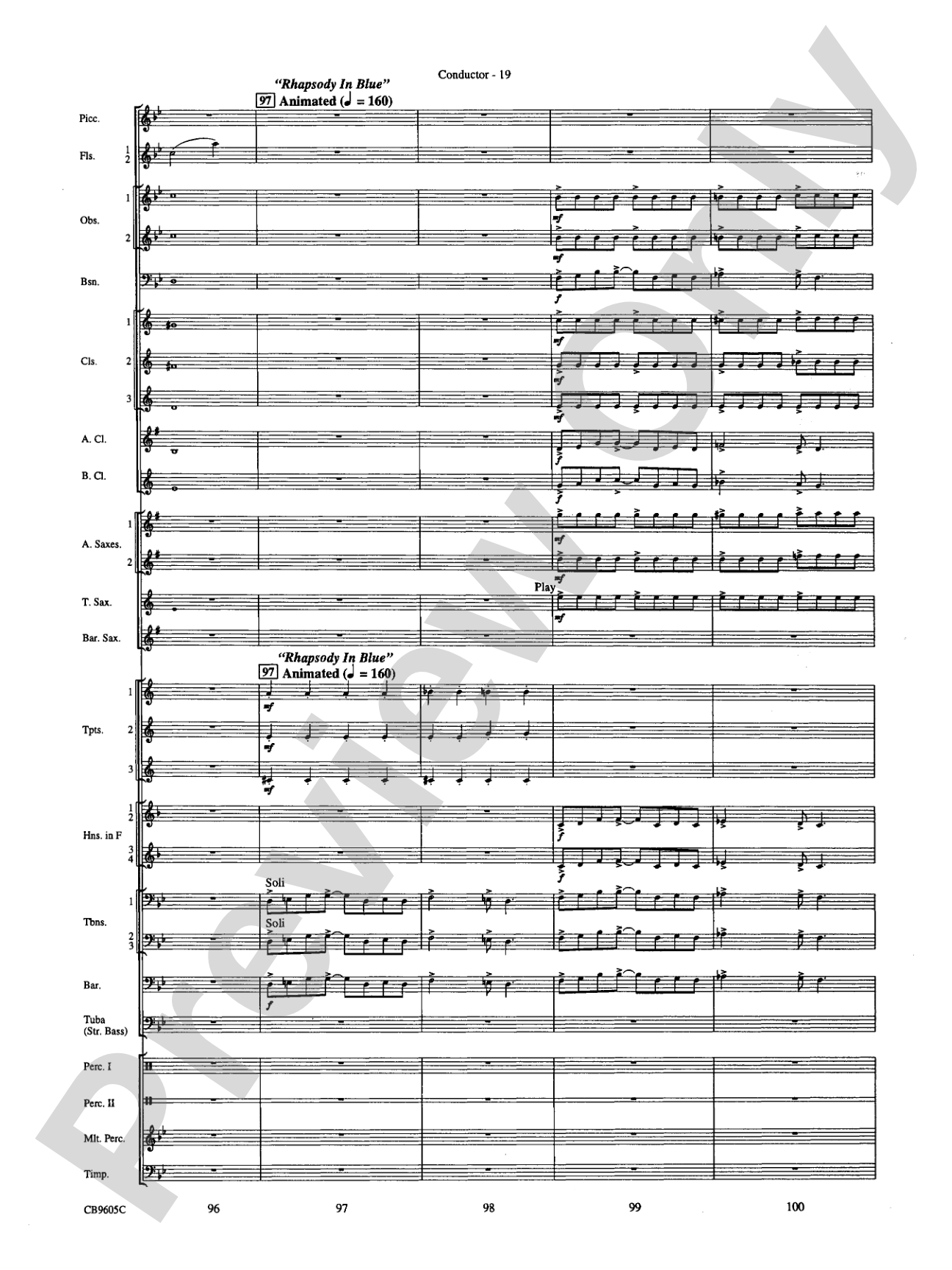
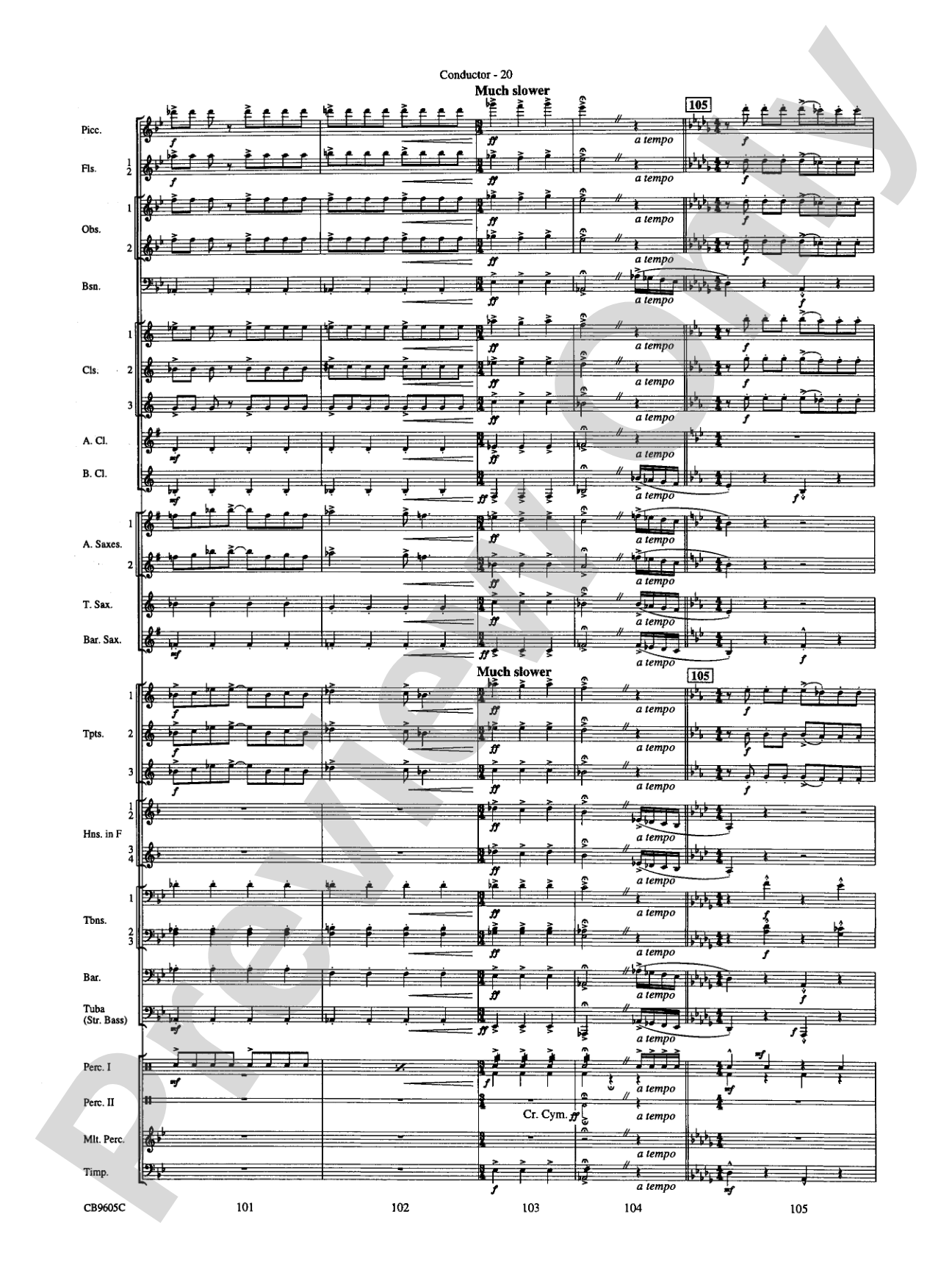
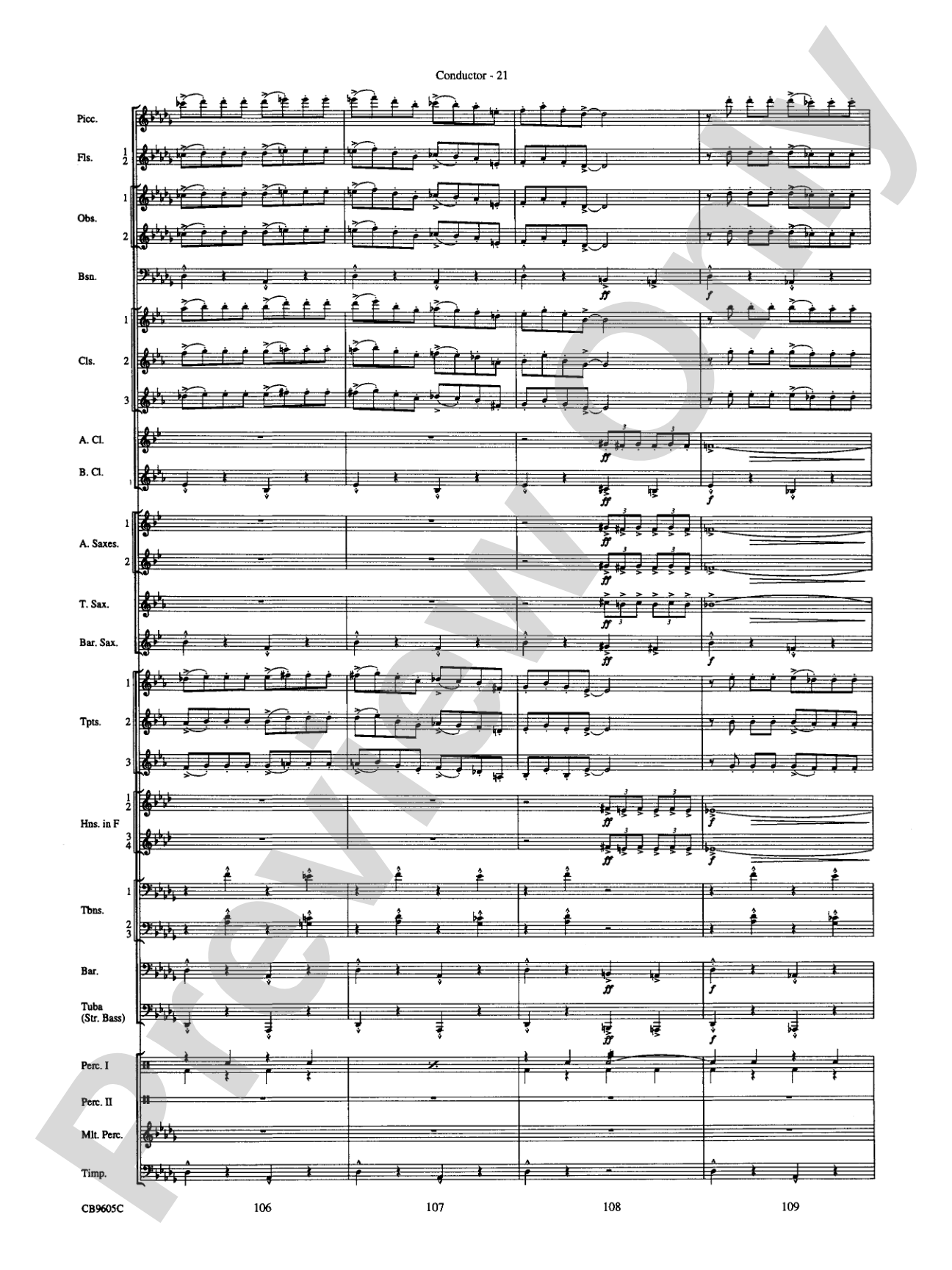
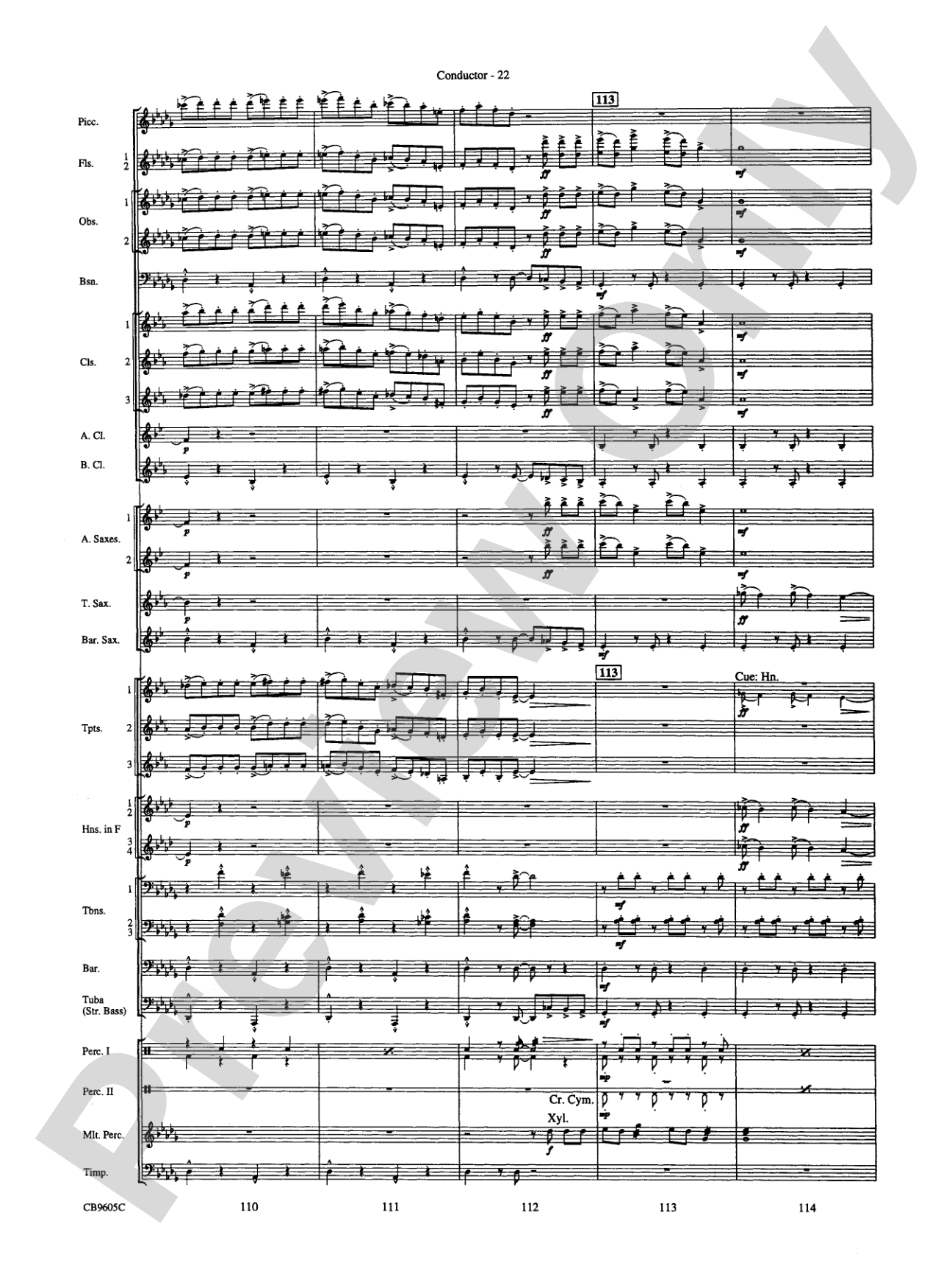
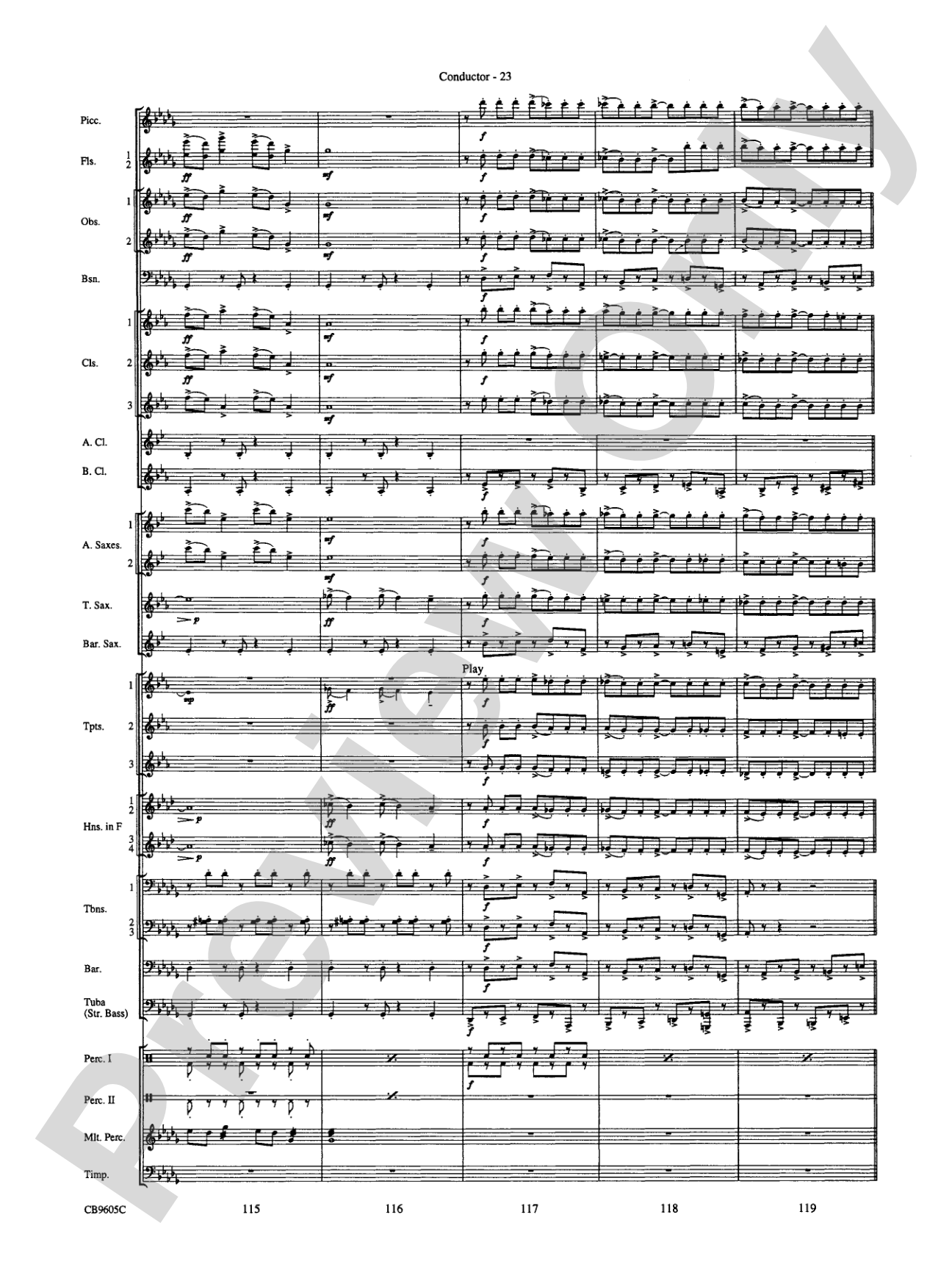
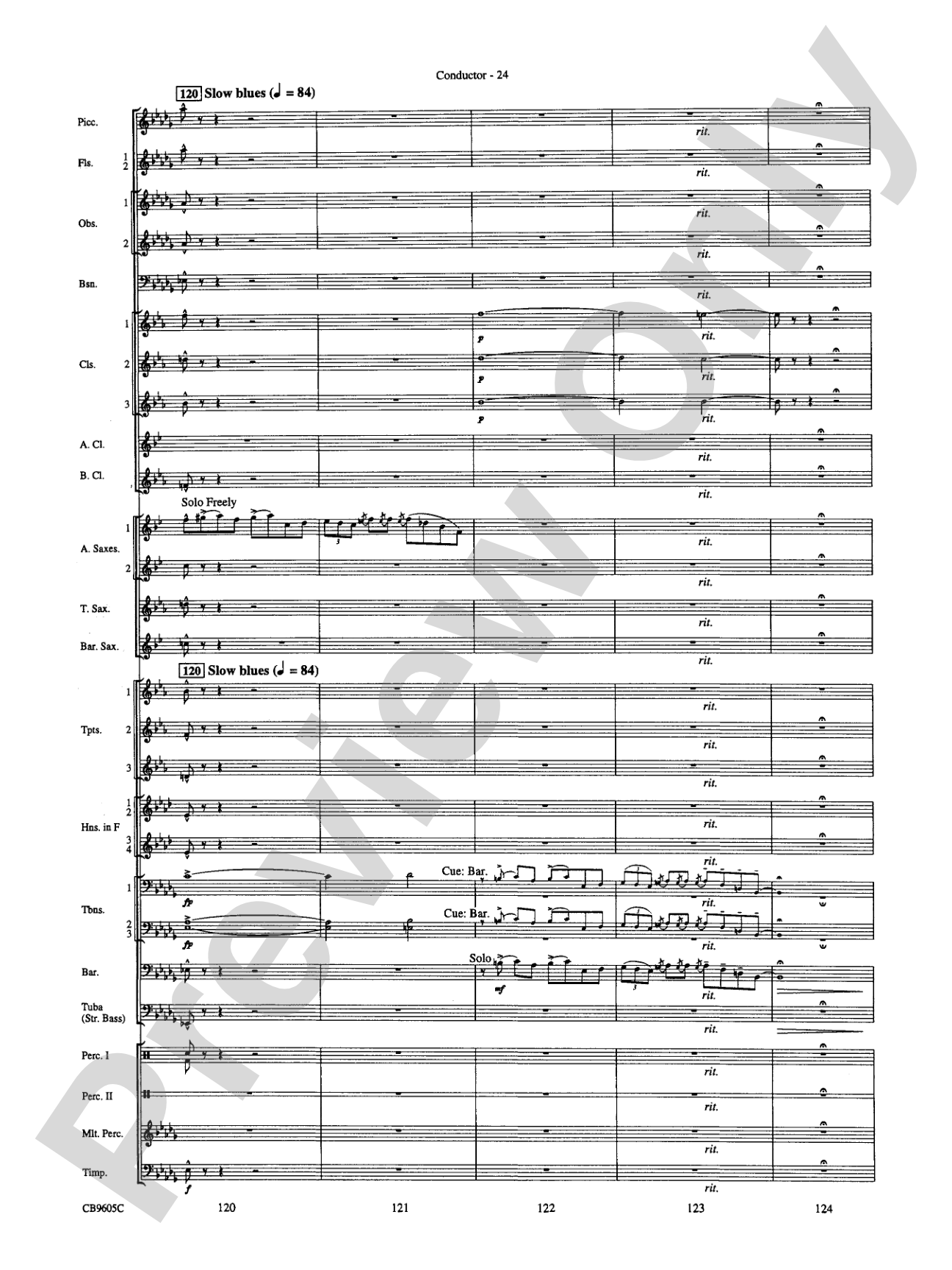
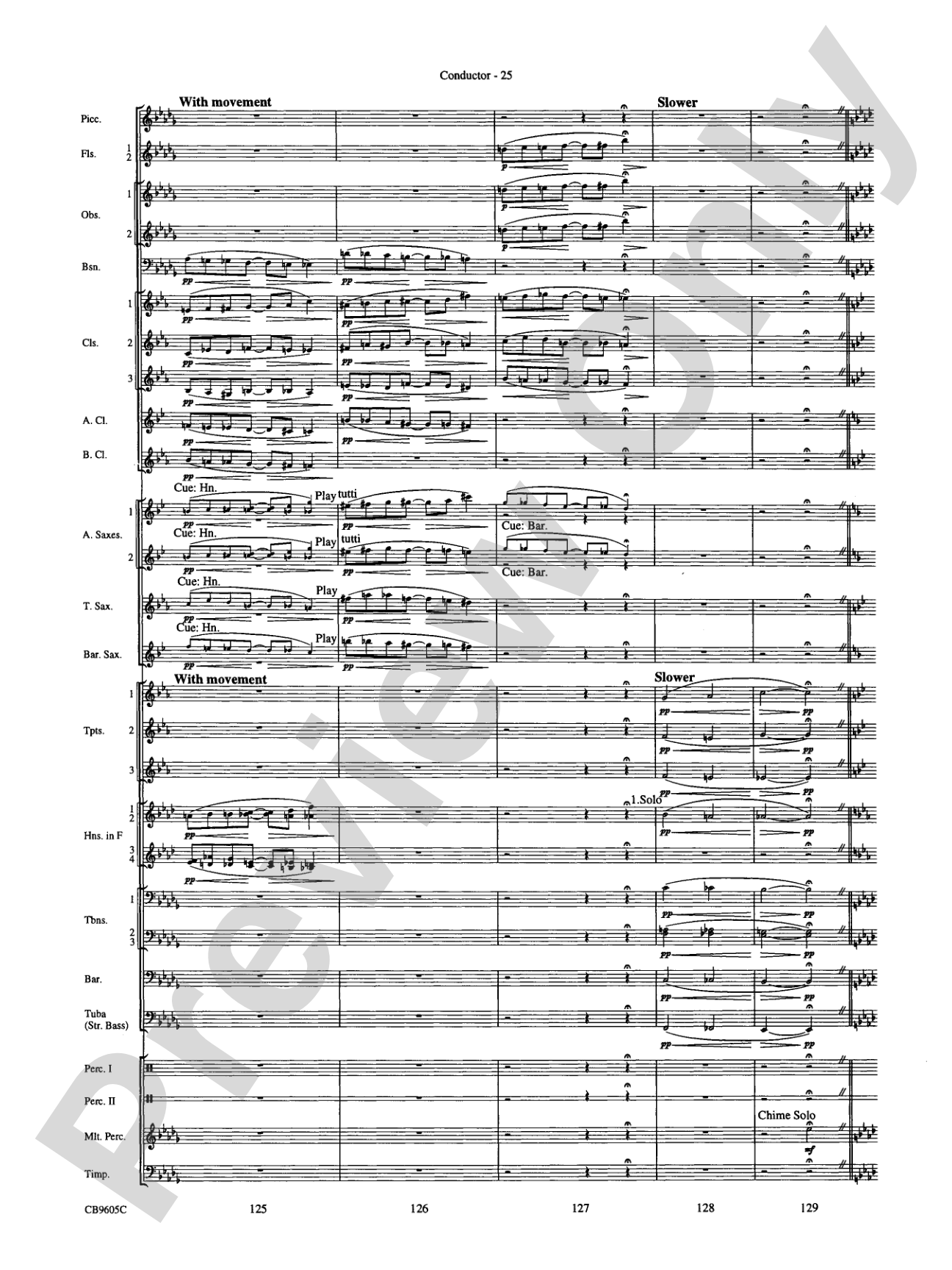
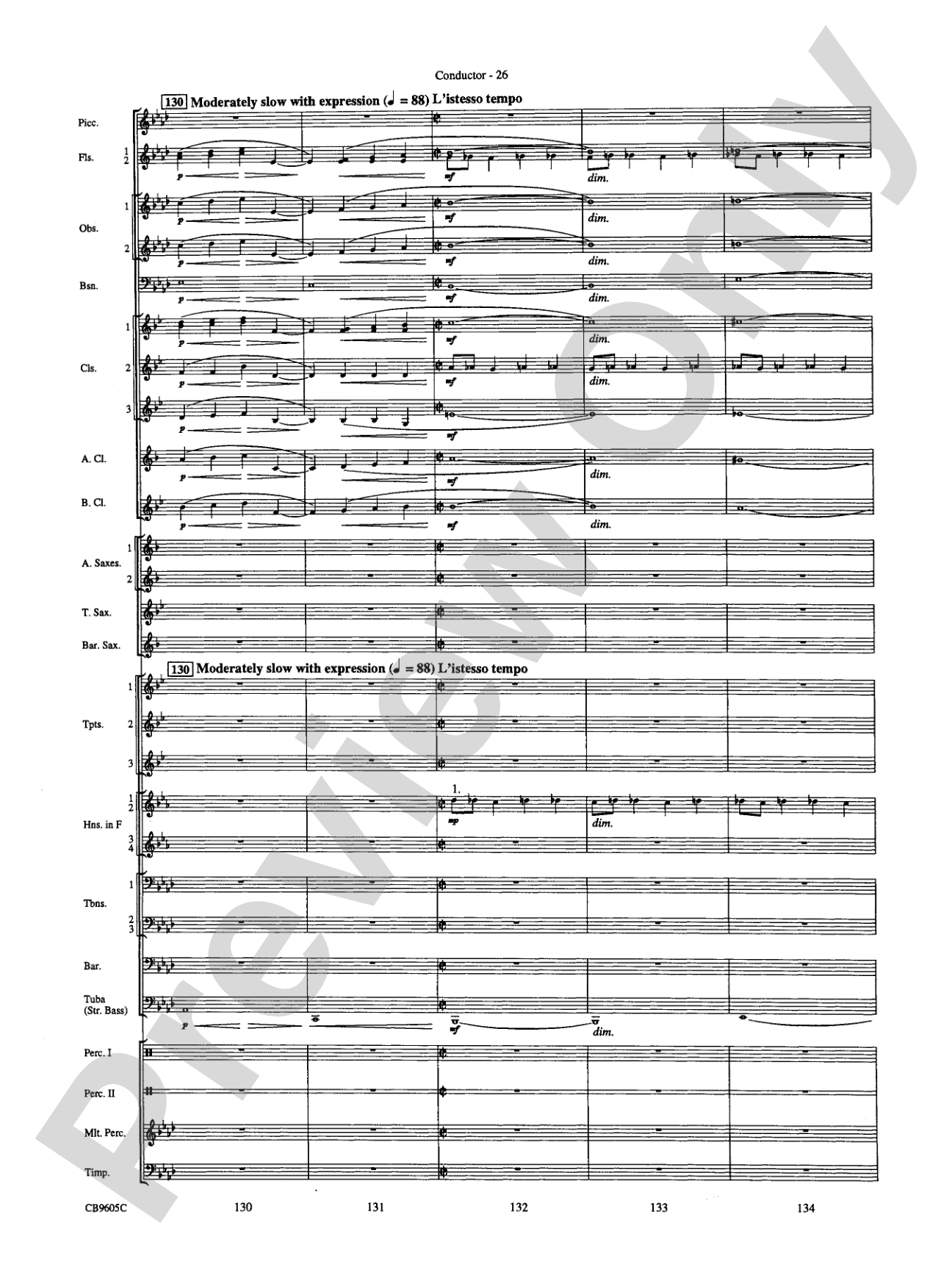
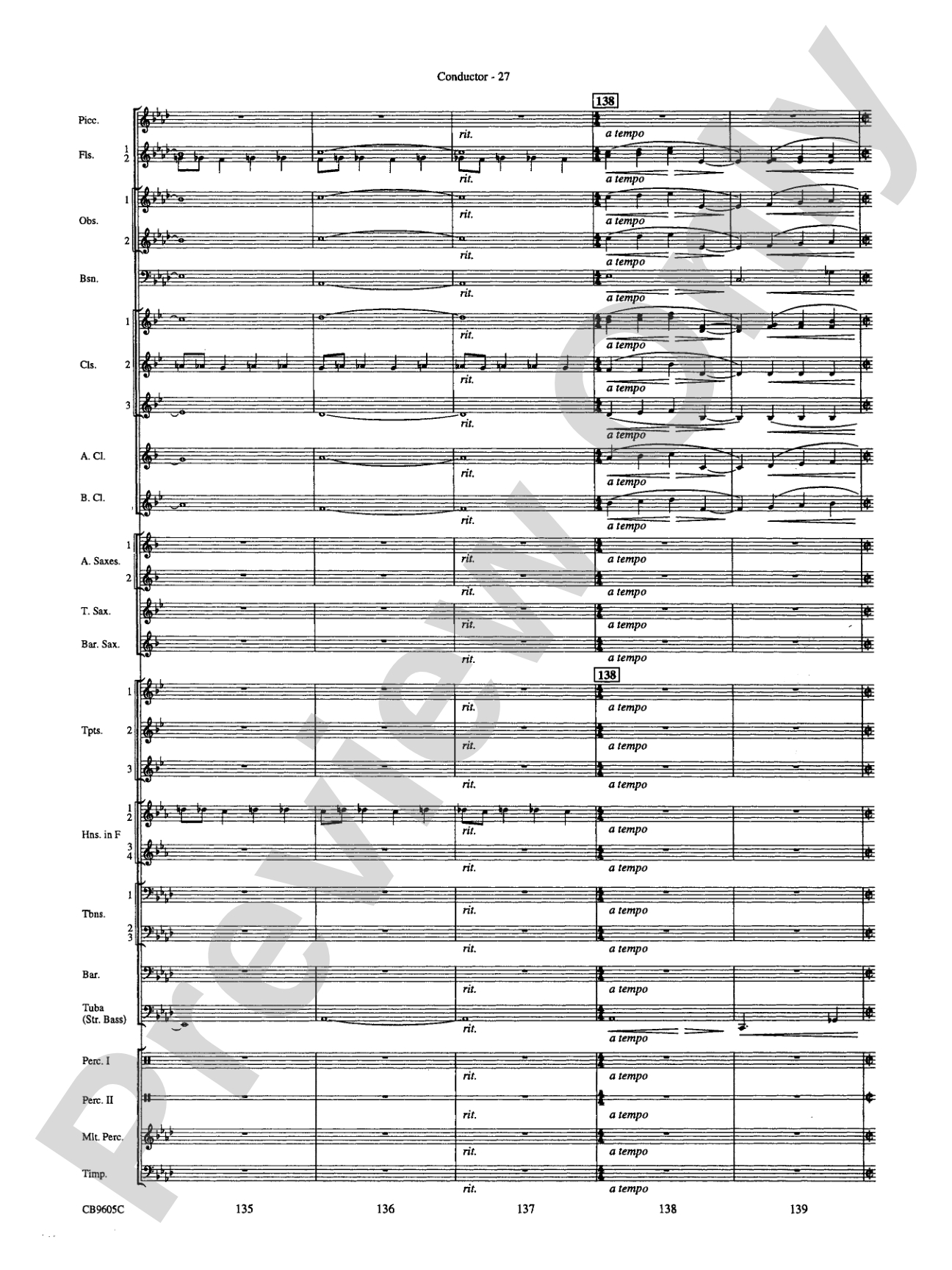
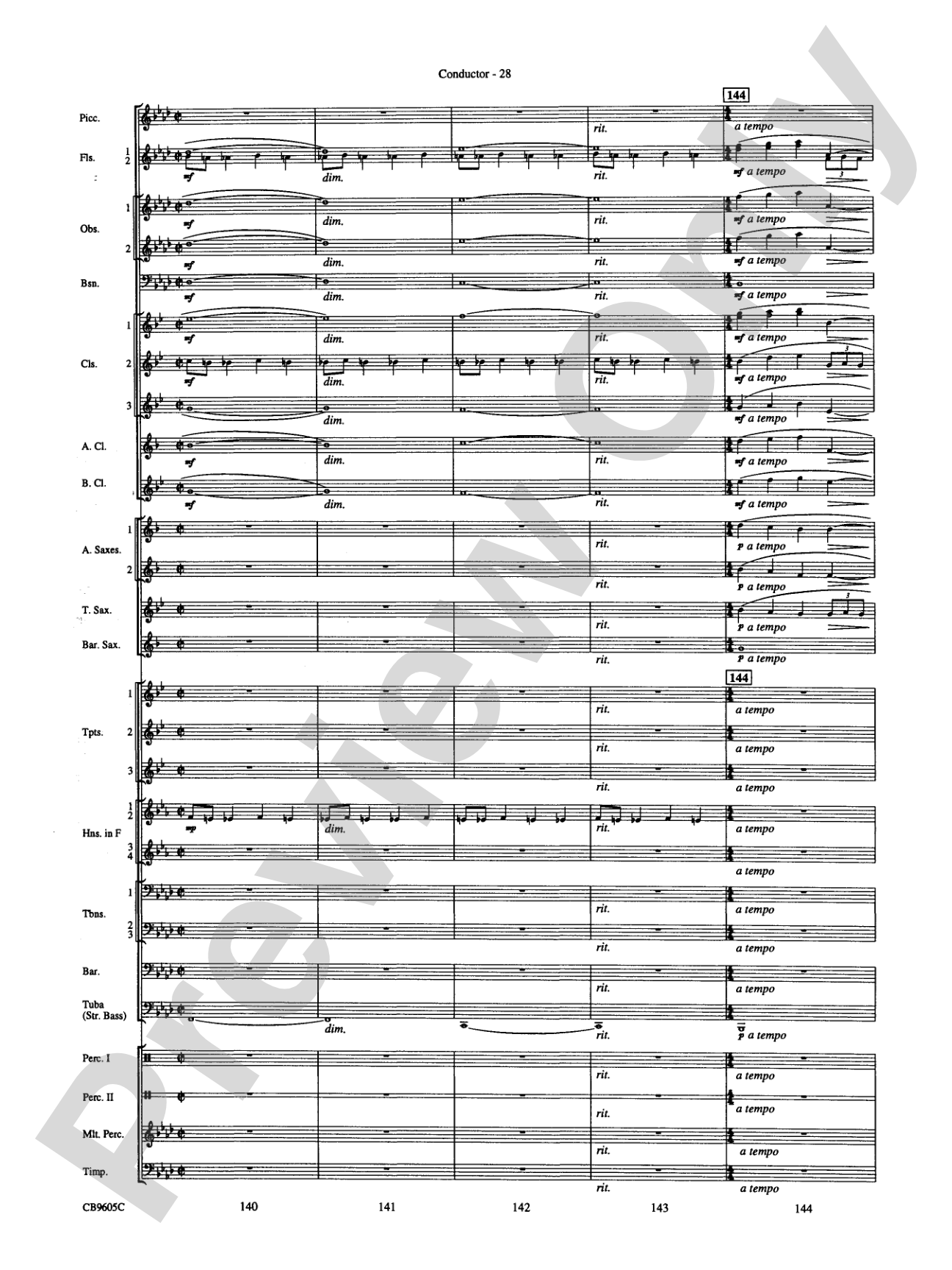
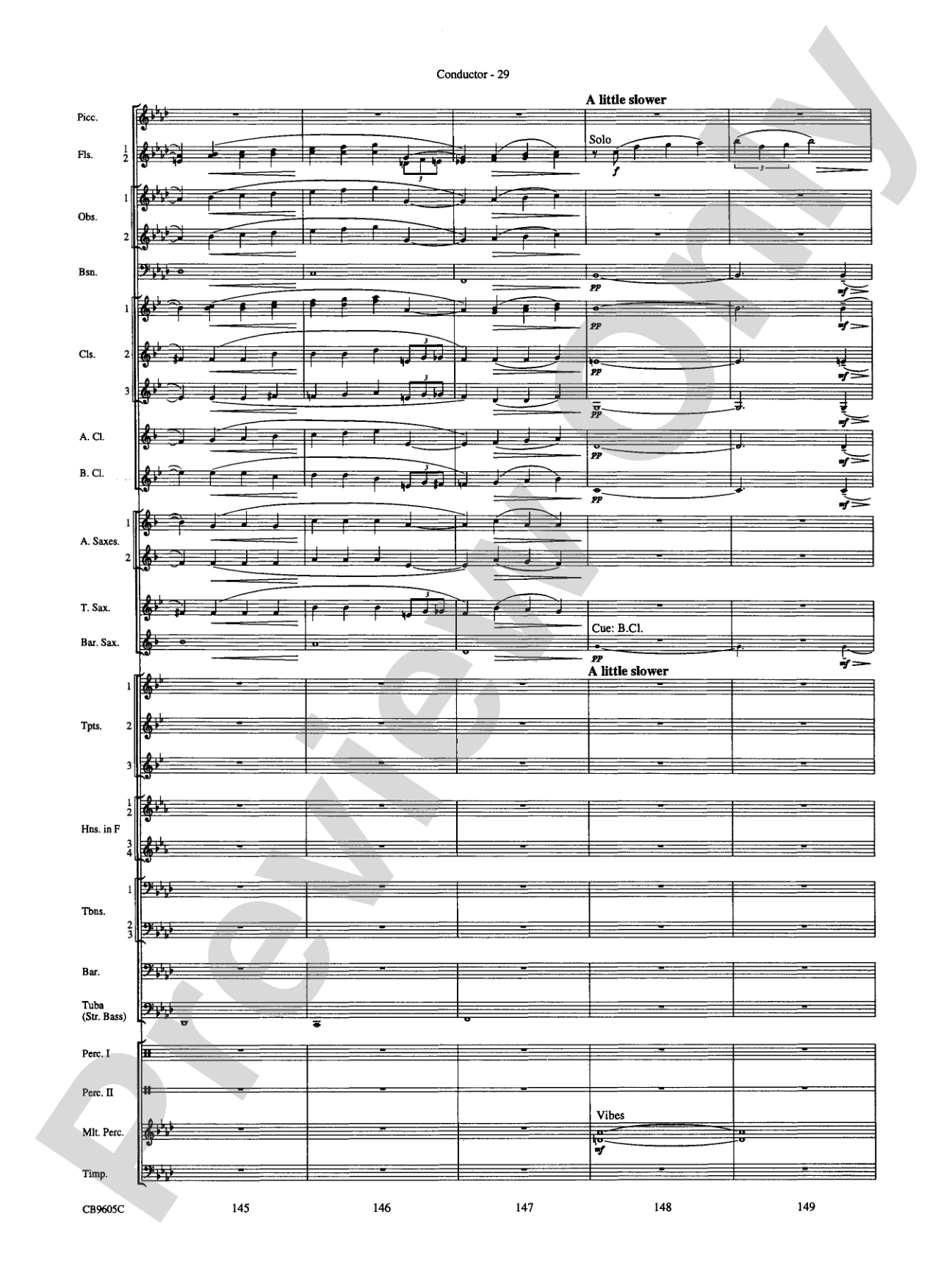
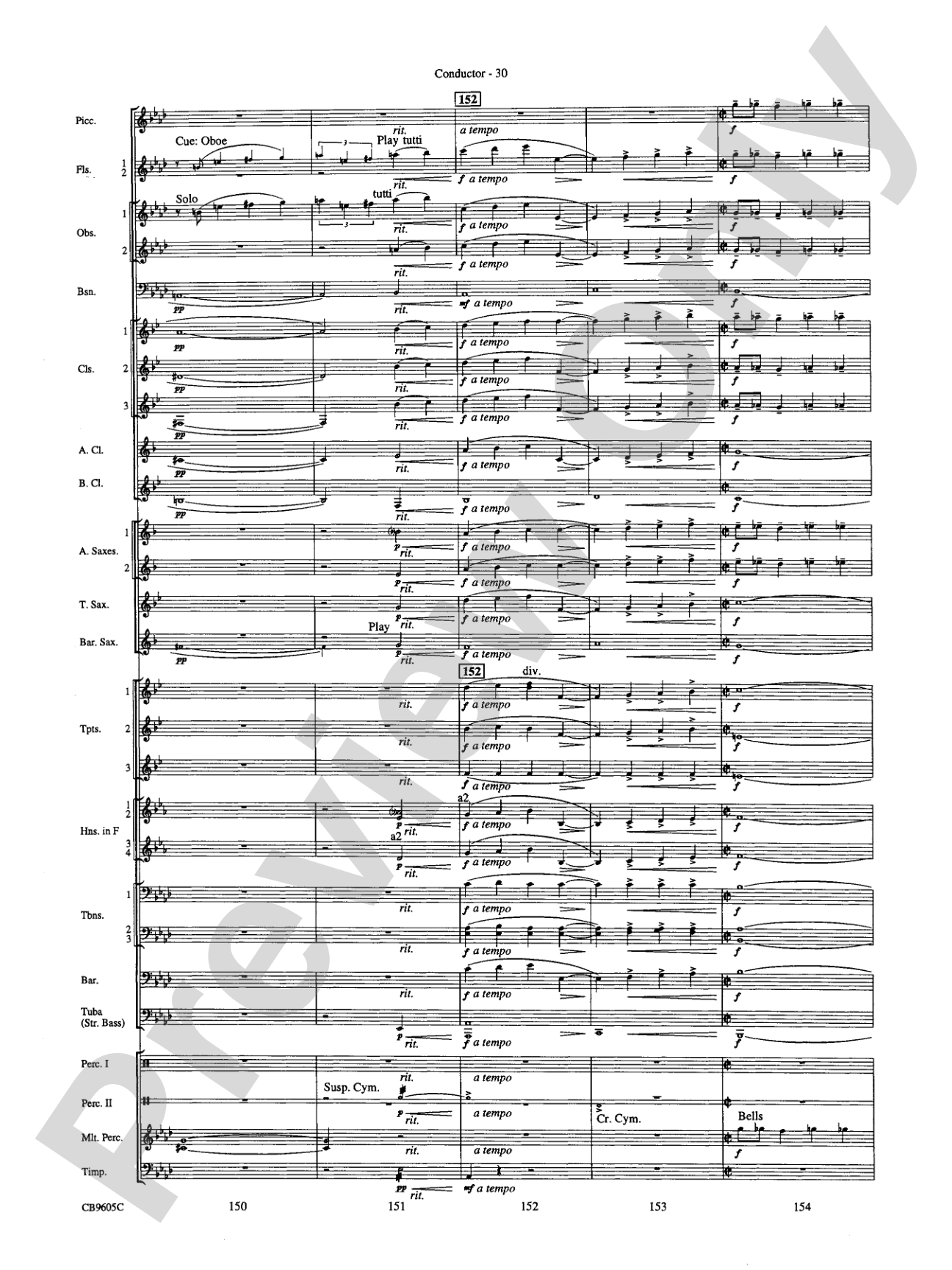
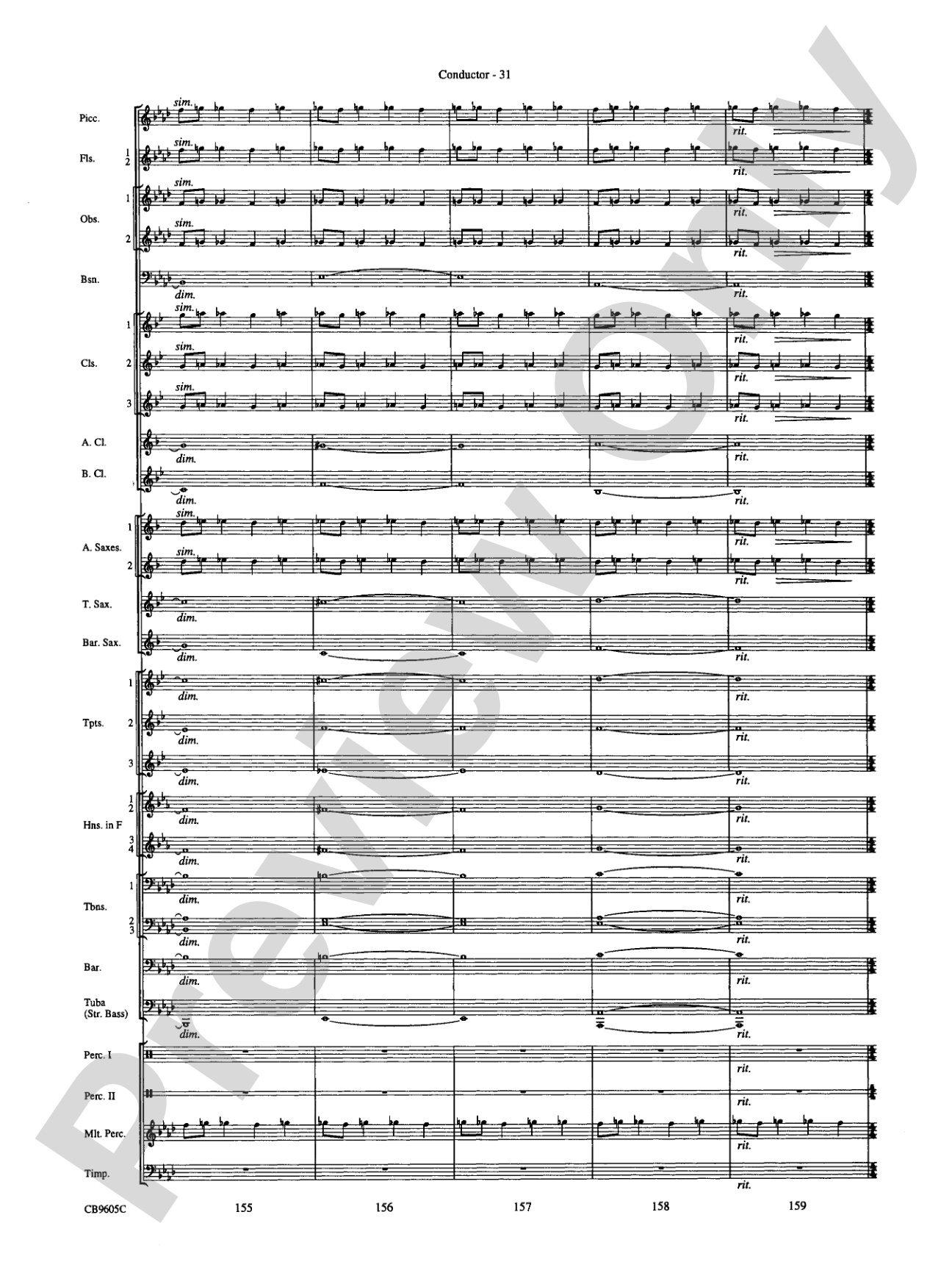
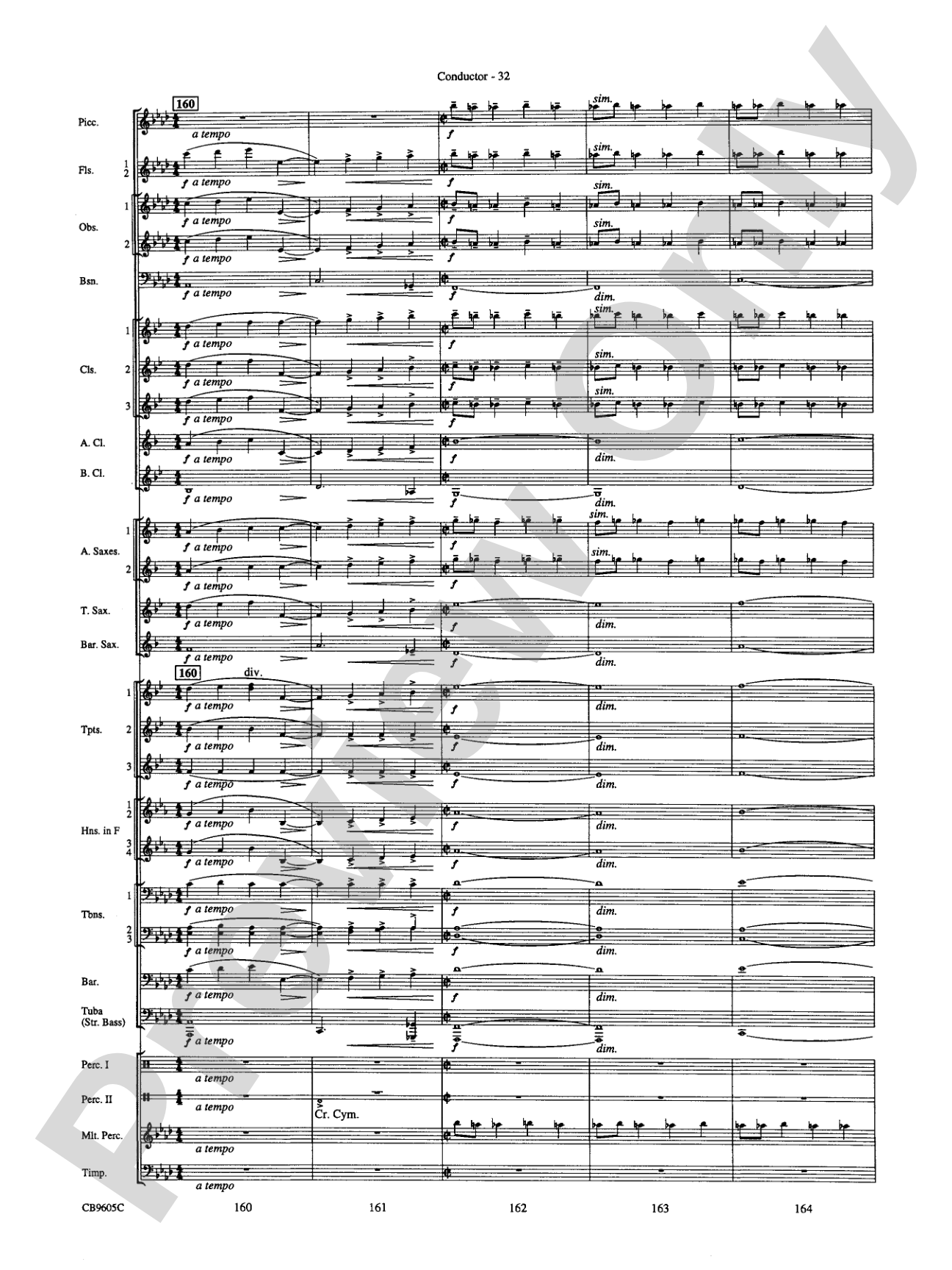
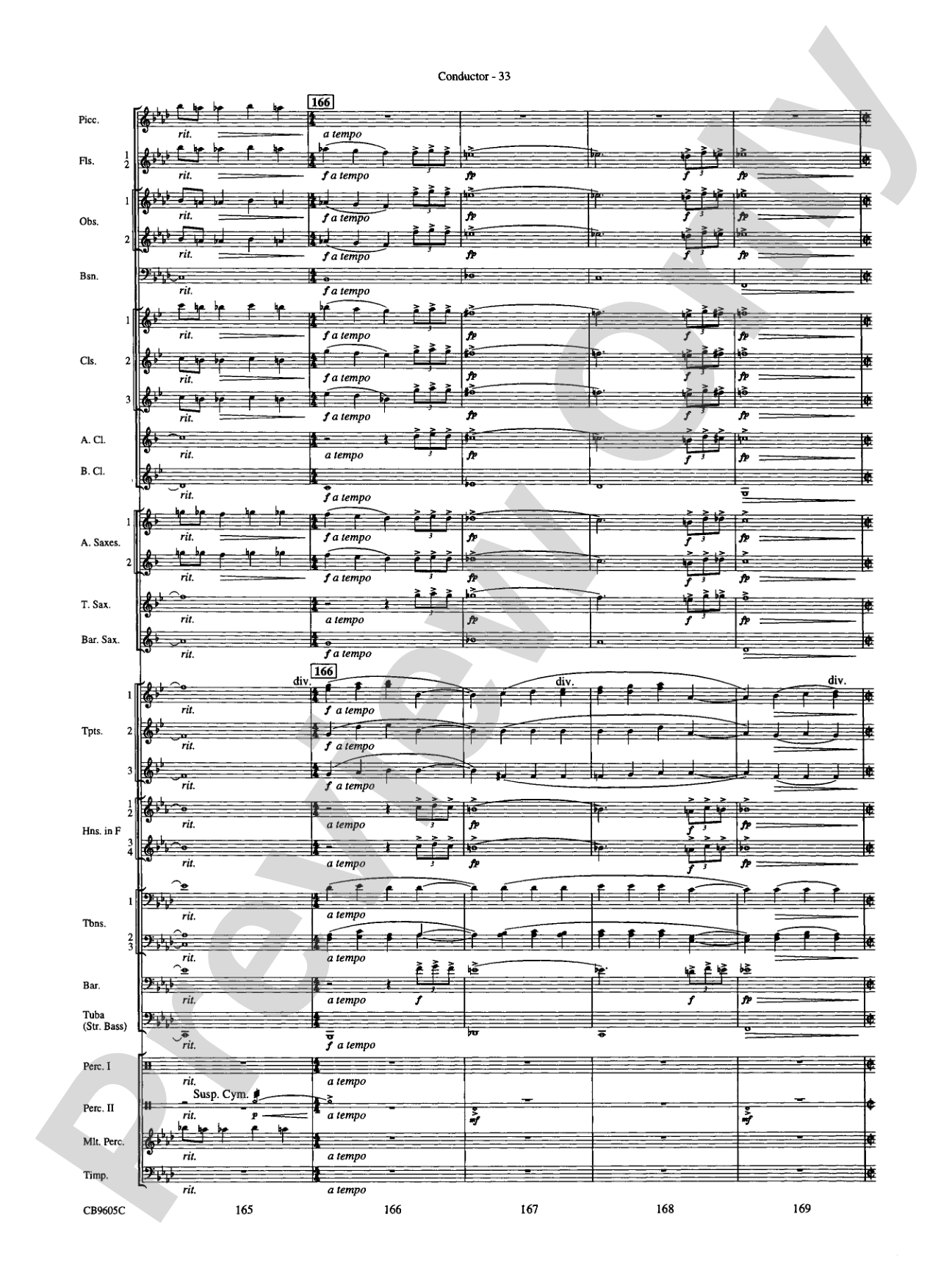
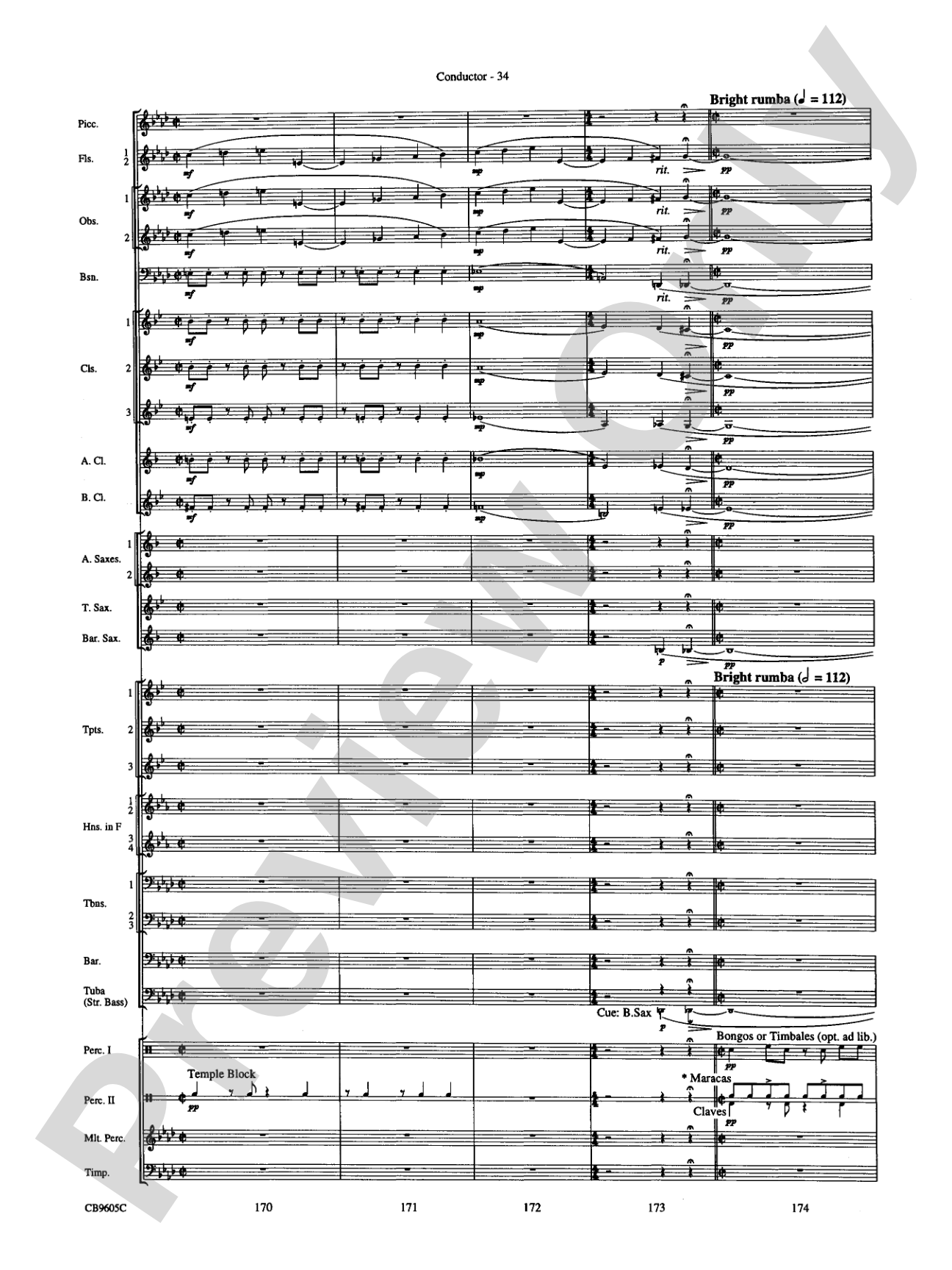
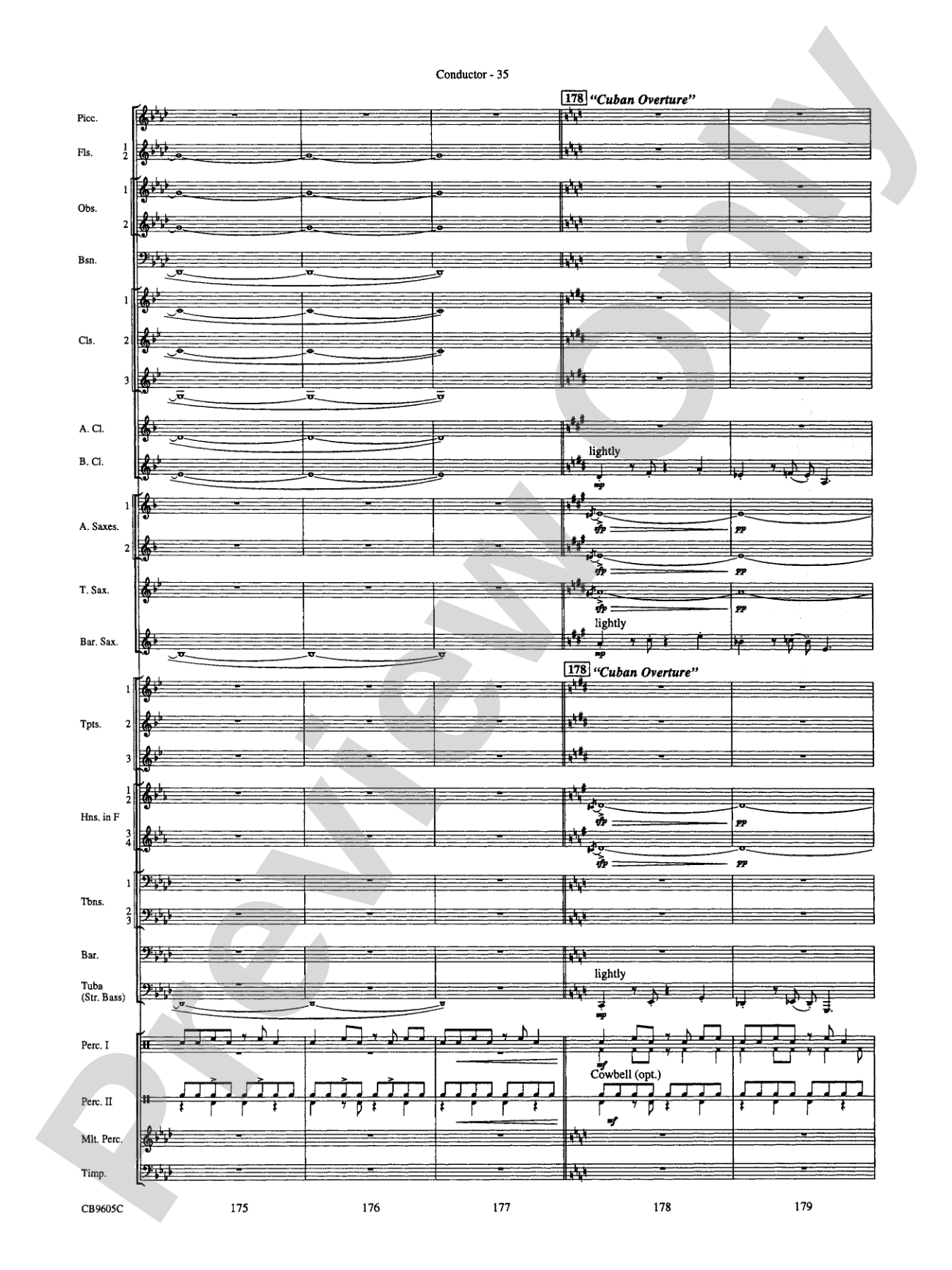
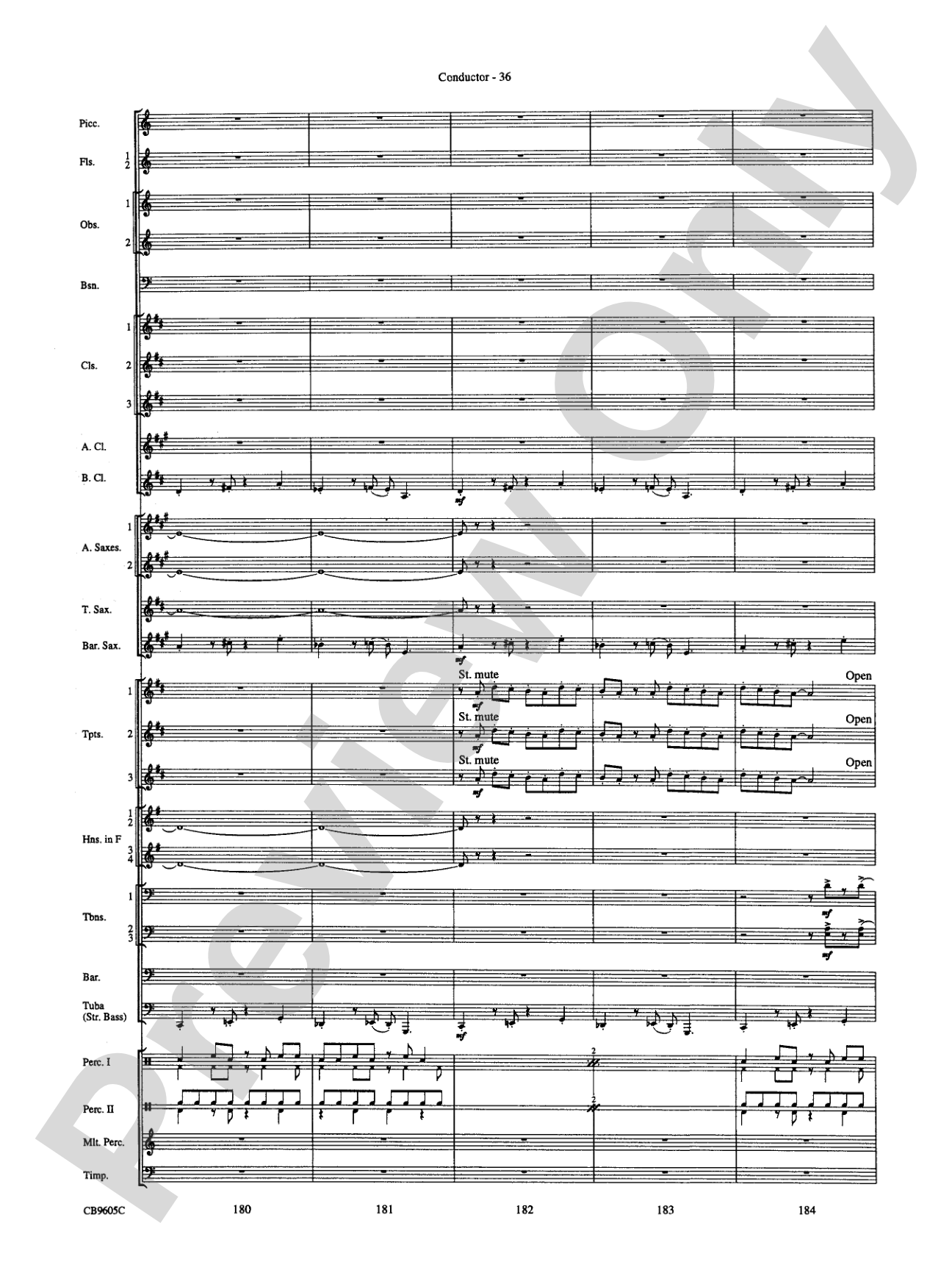
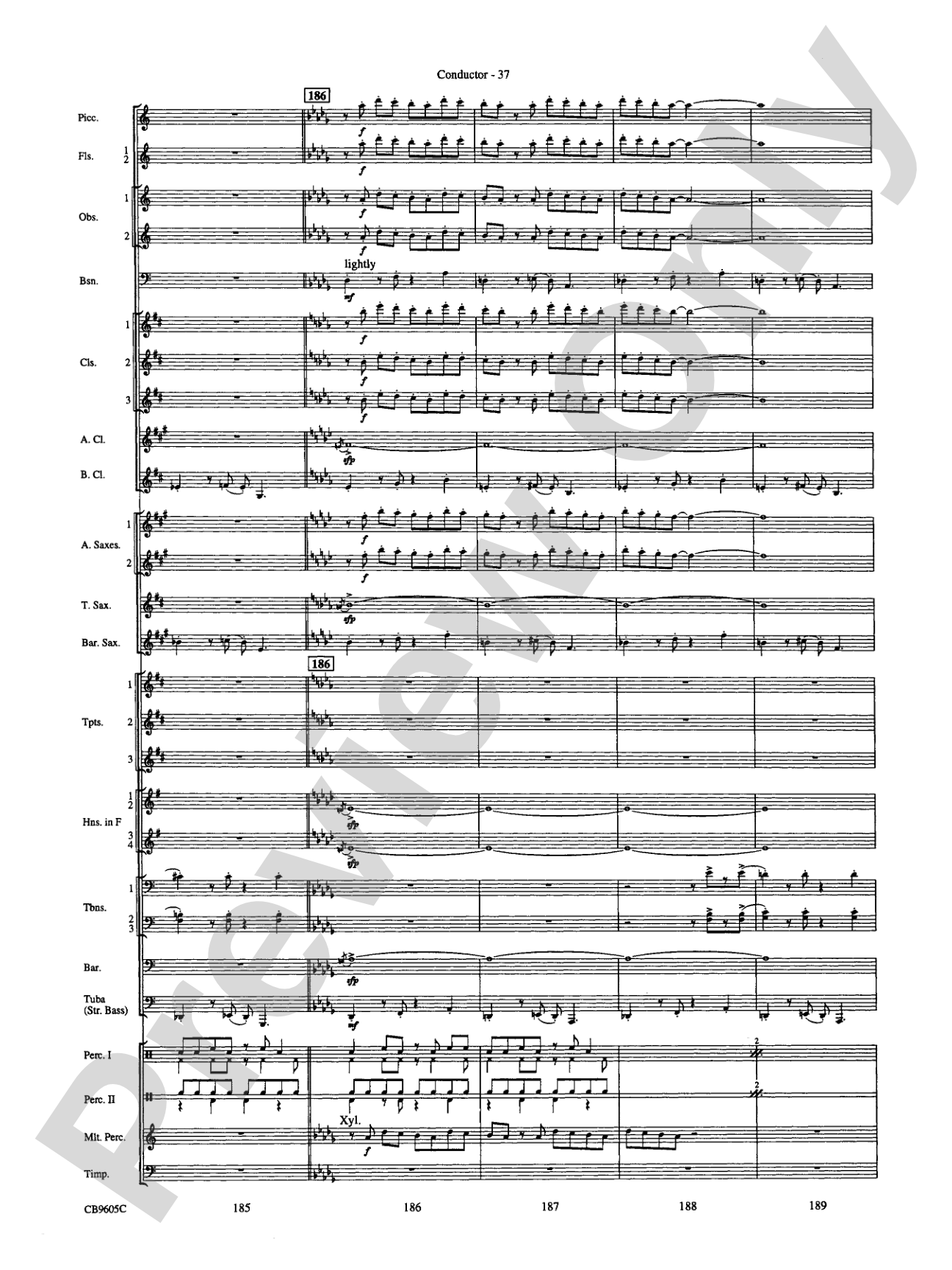
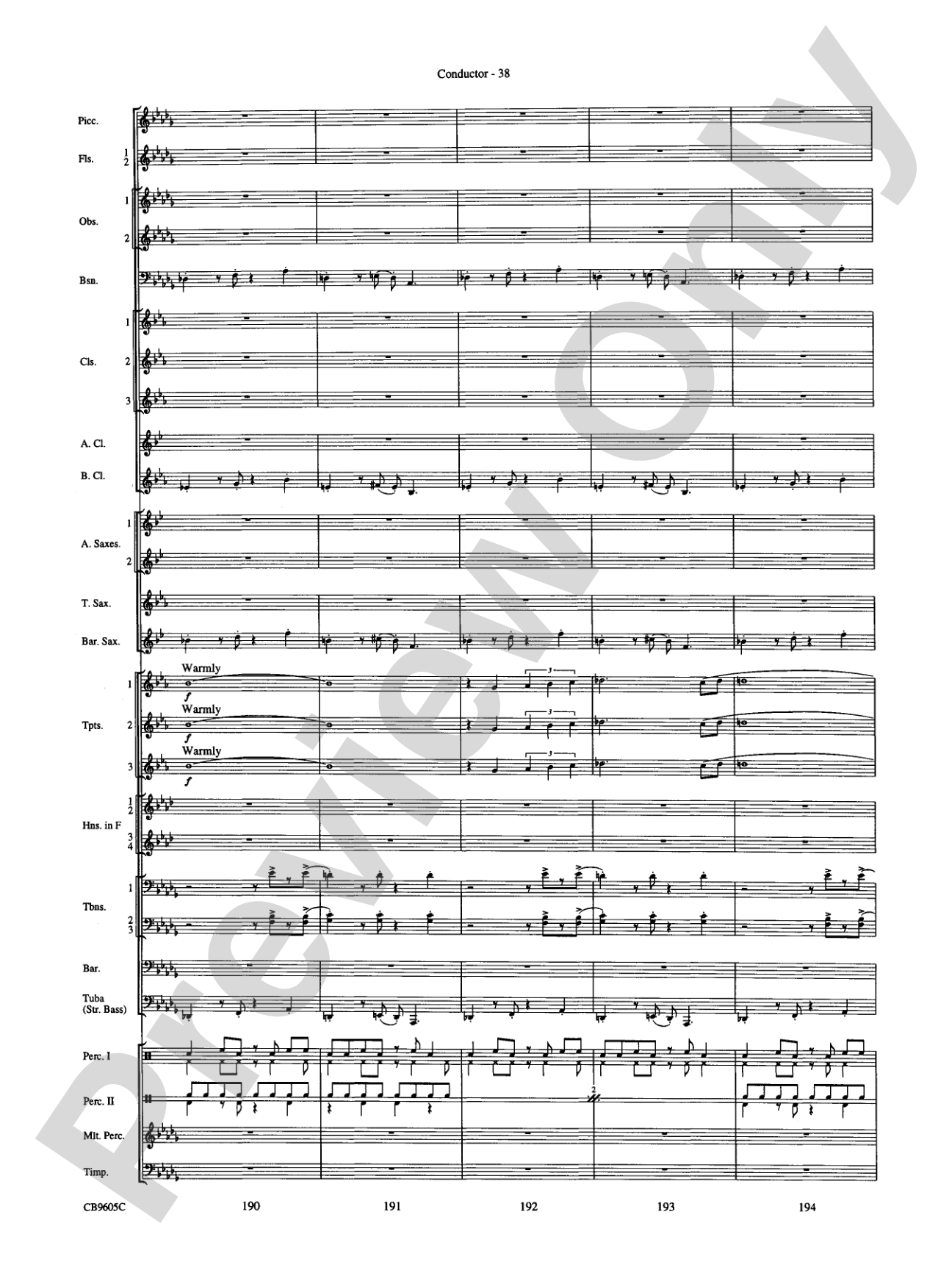
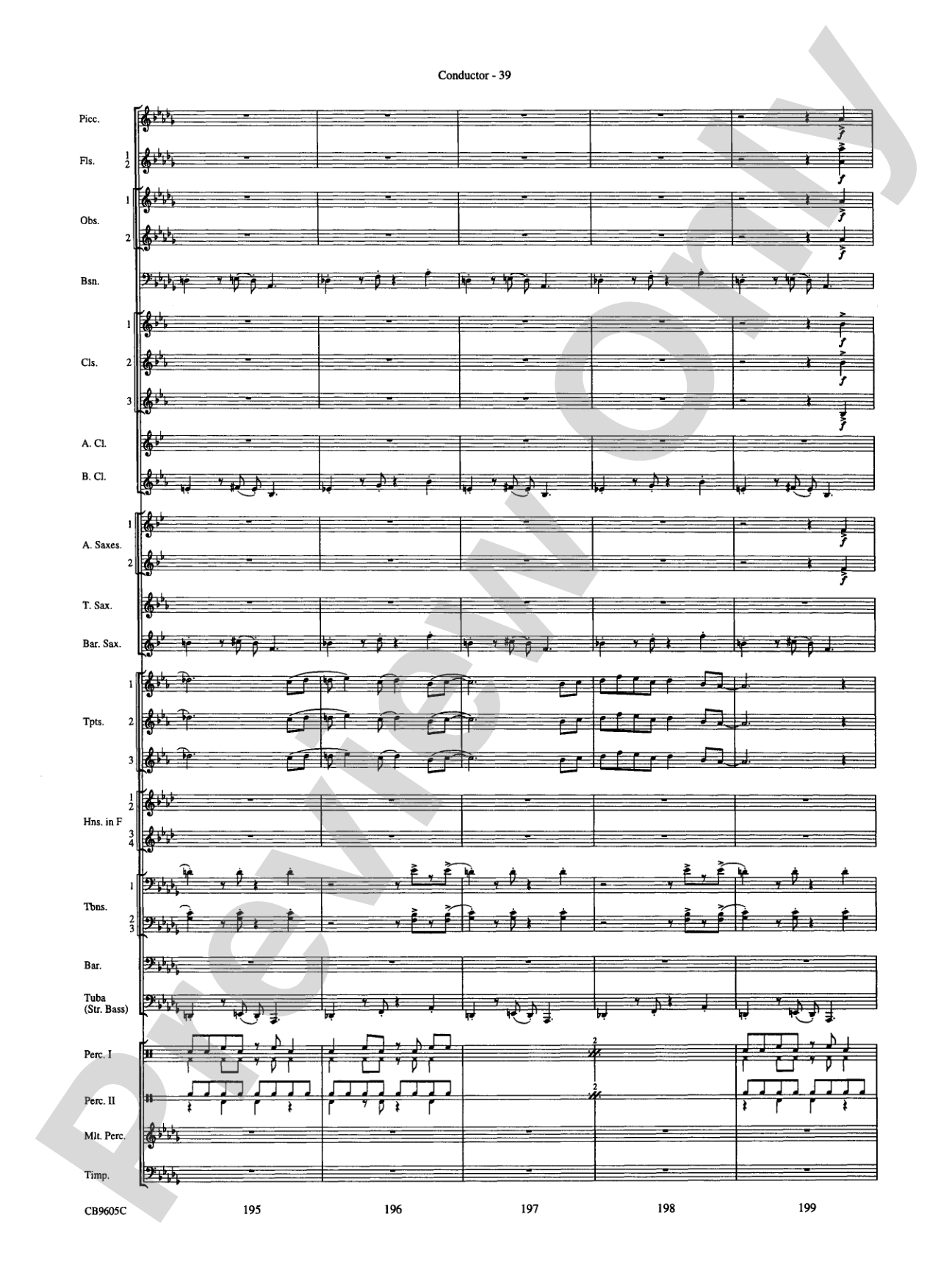
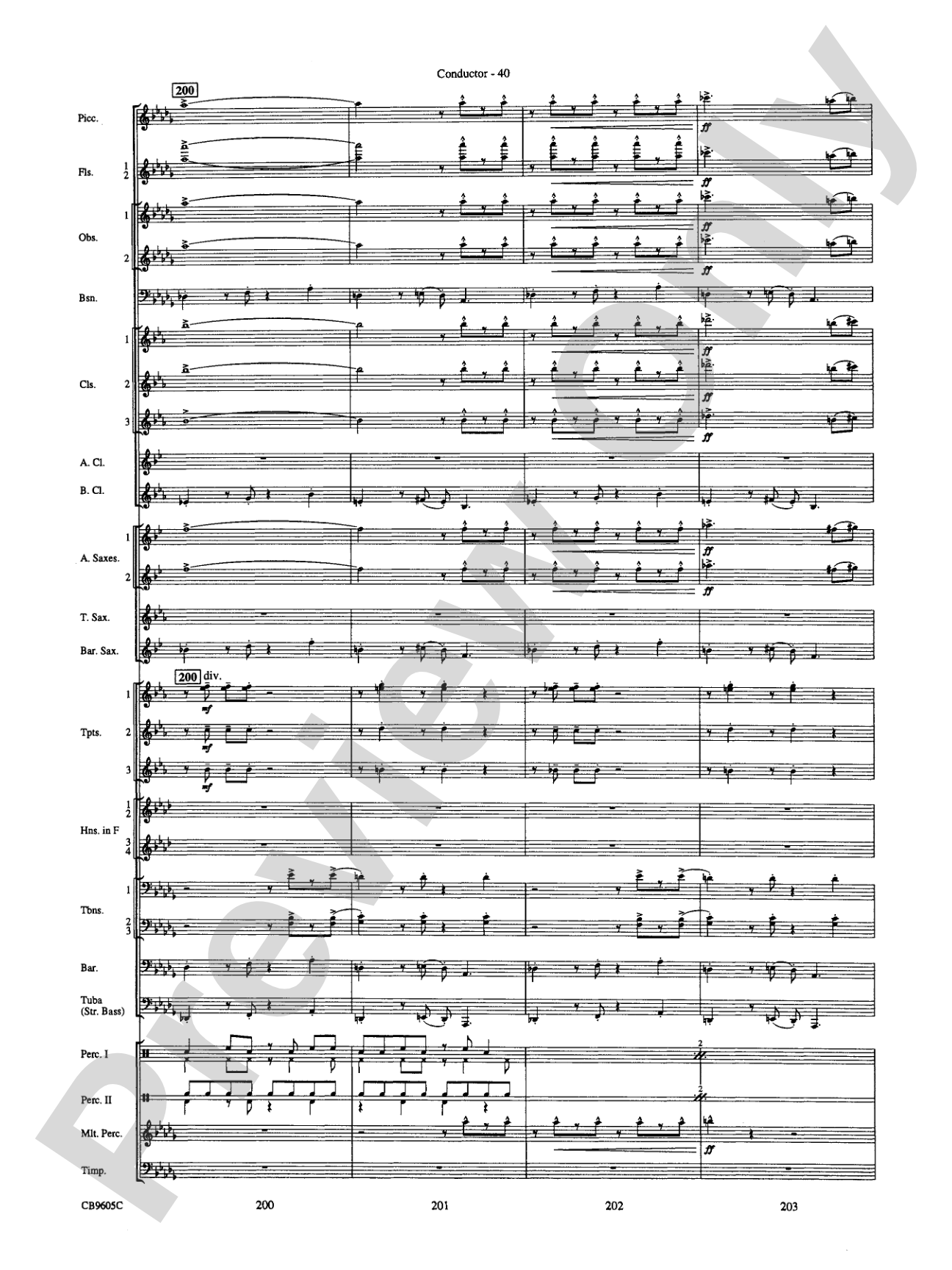
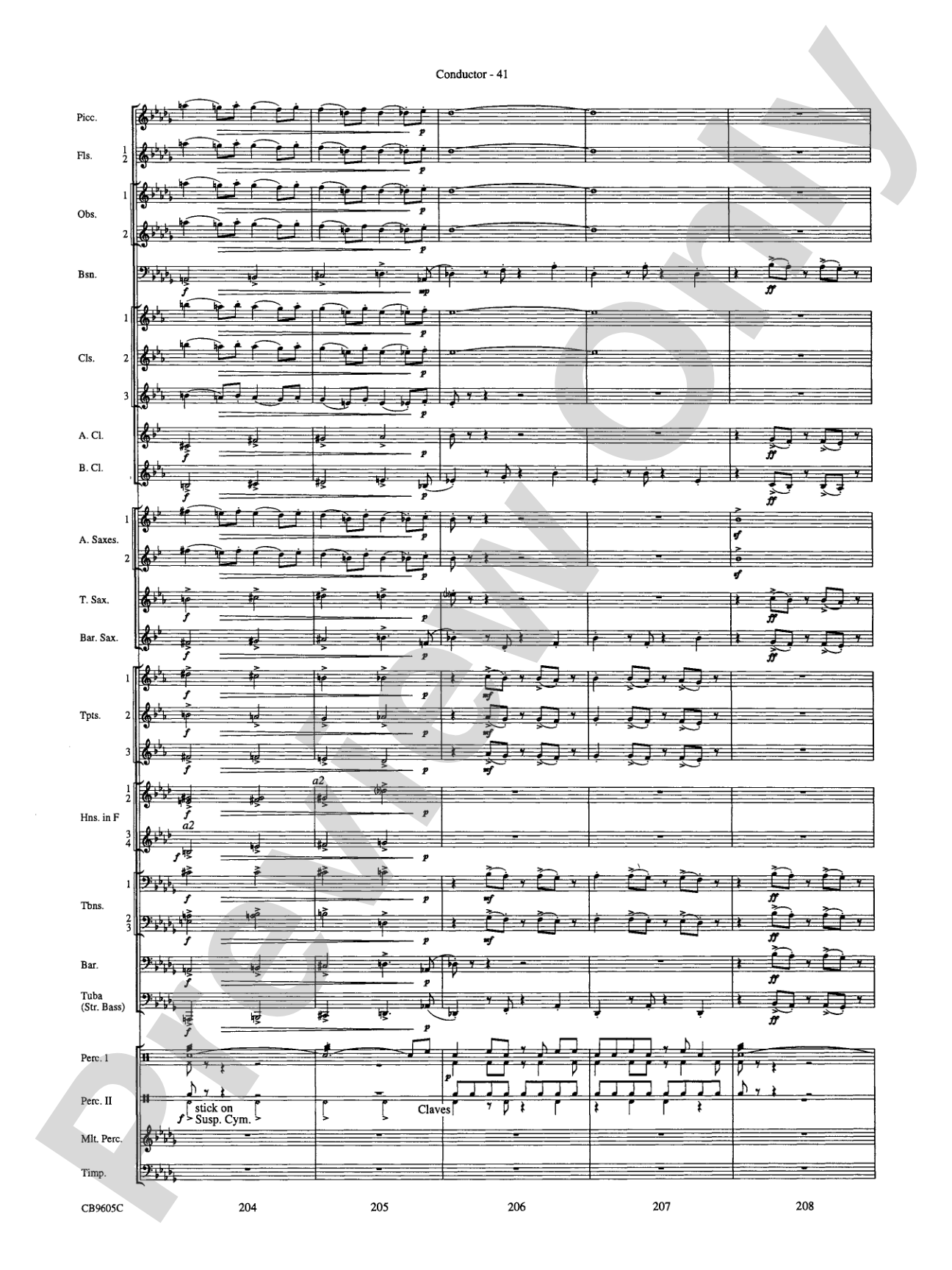
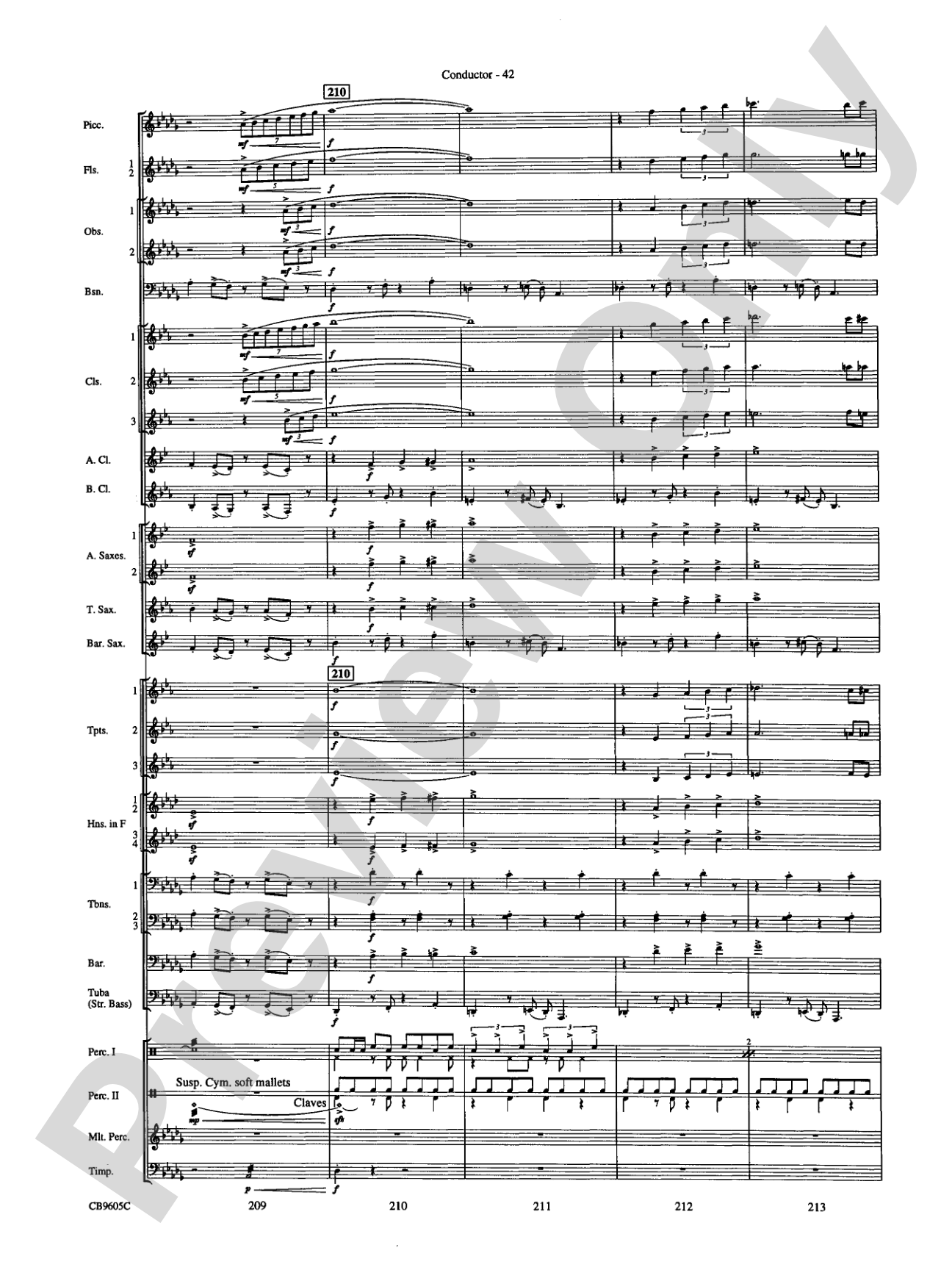
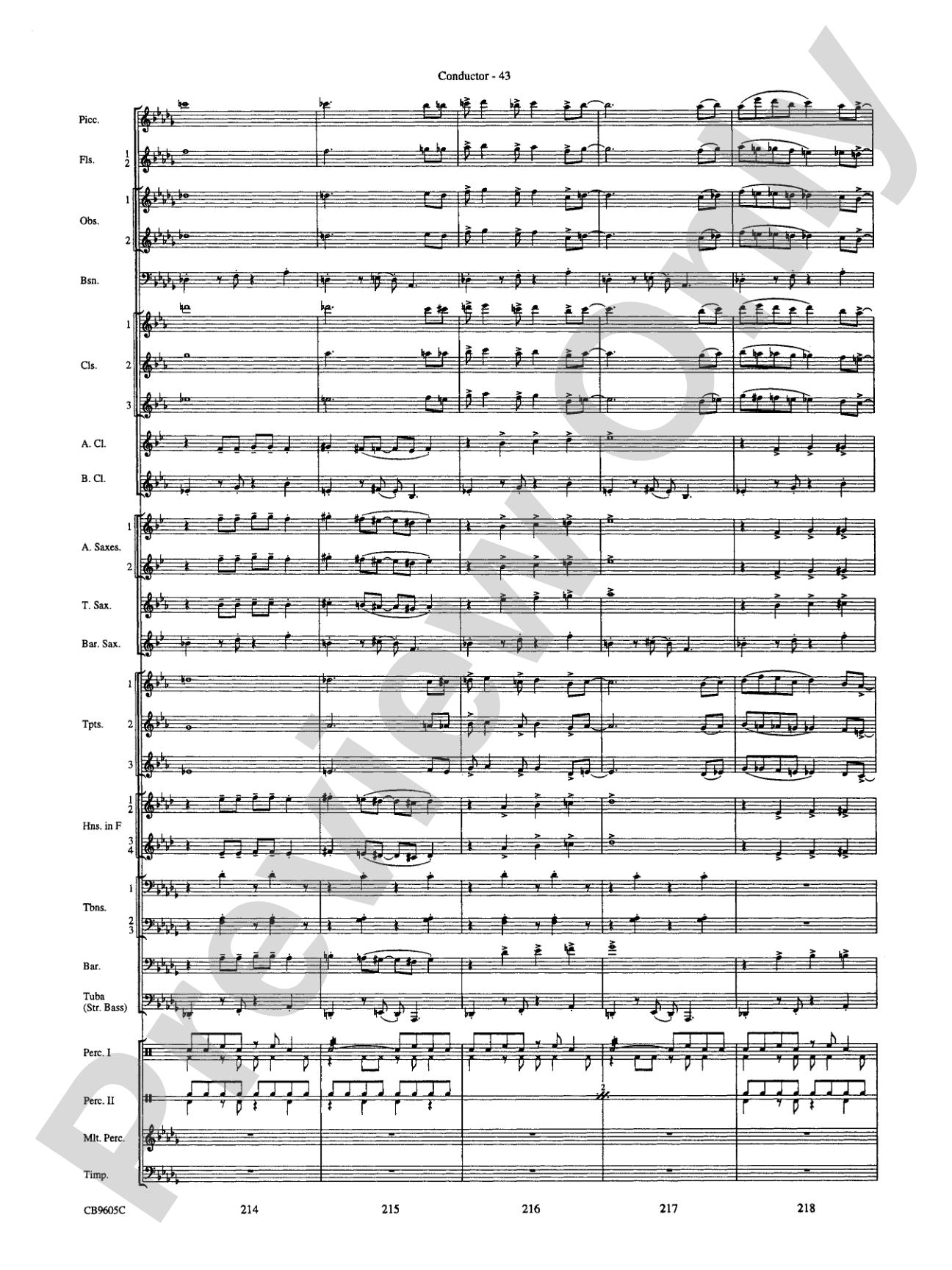
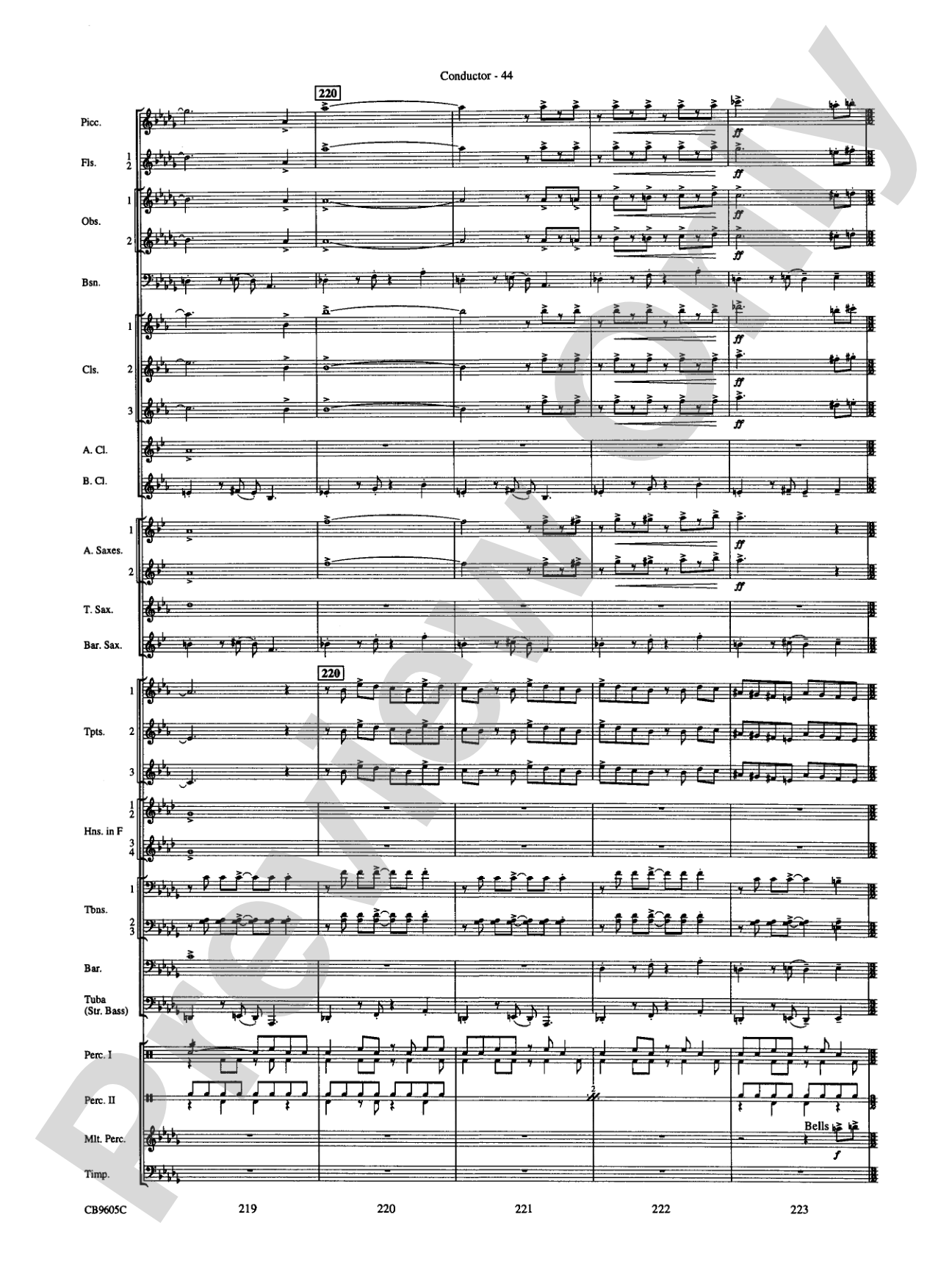
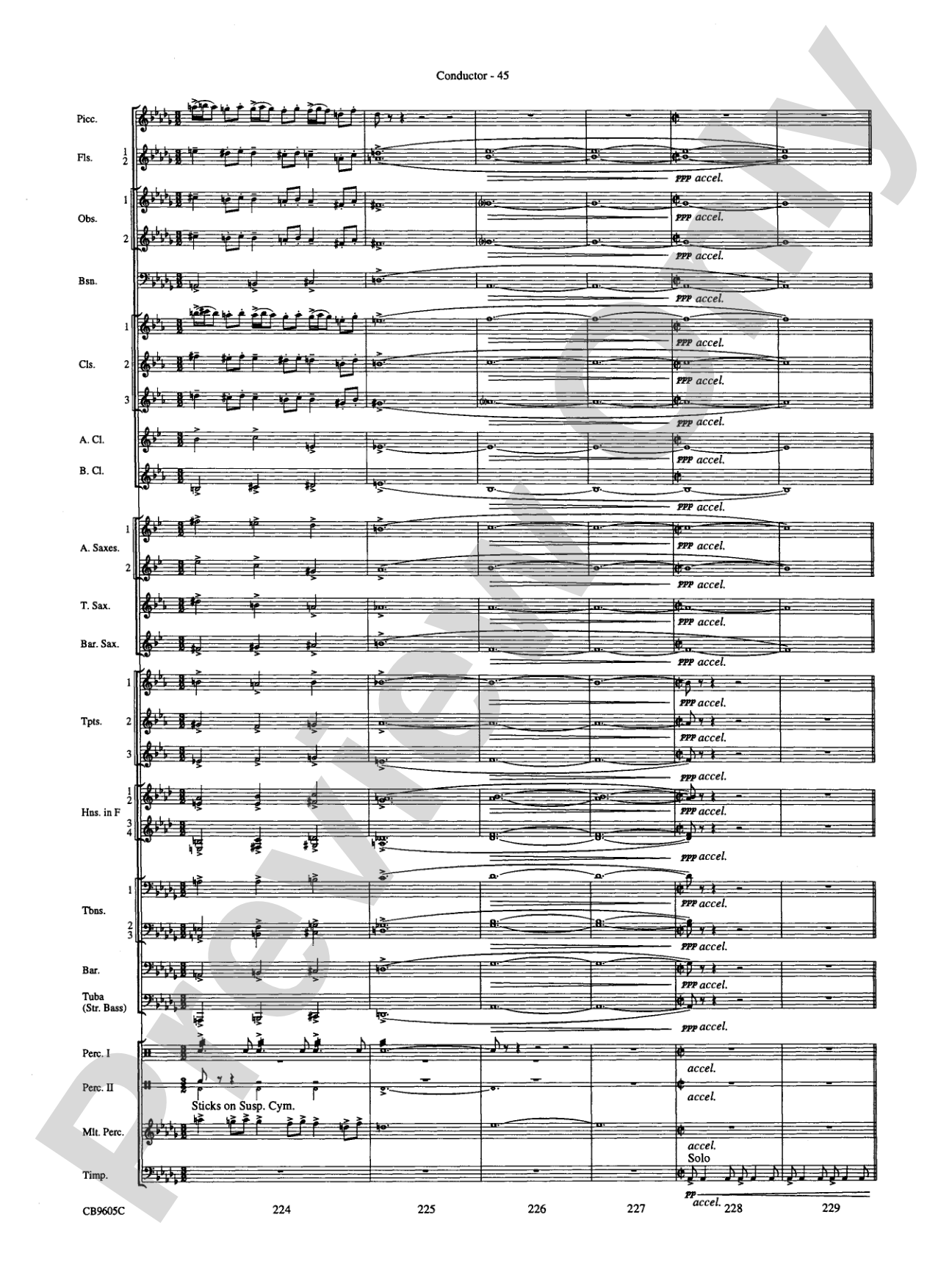
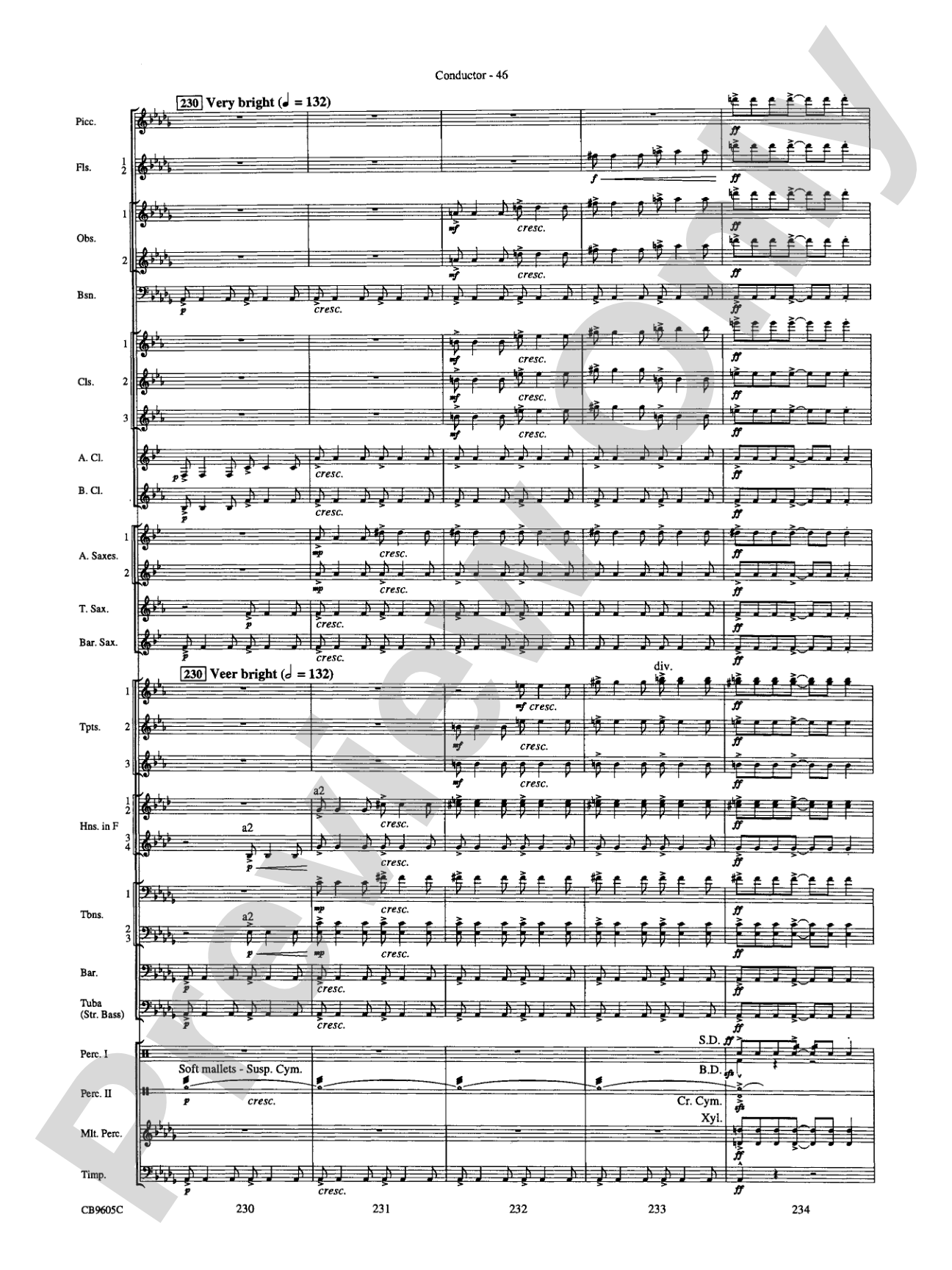
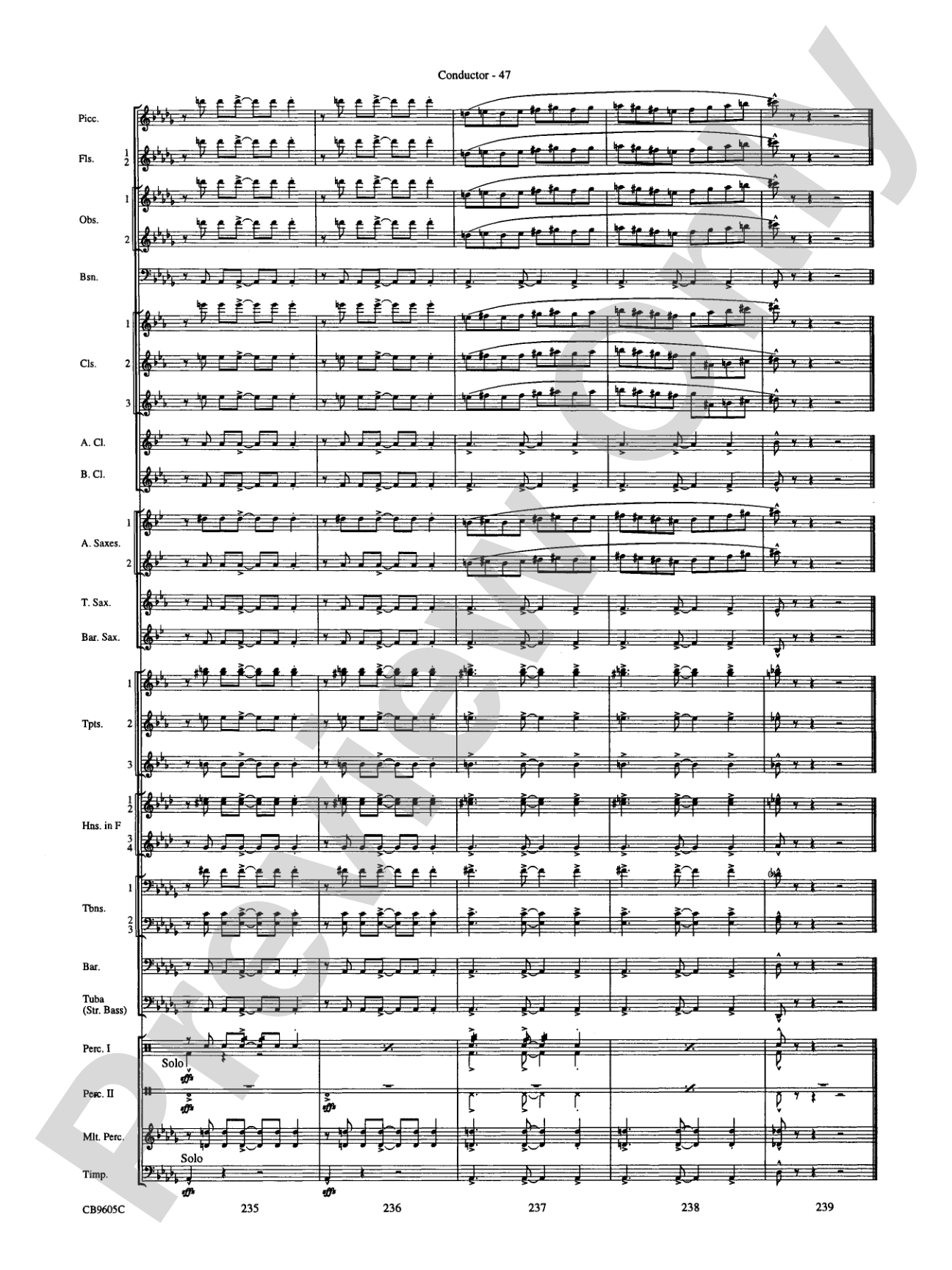

The Symphonic Gershwin: Concert Band Conductor Score & Parts
Featuring: An American in Paris / Cuban Overture / Rhapsody in Blue
Music by George Gershwin / arr. Warren Barker
Grade: 4 (Medium)
Item: 00-PK-0005809

$87.00
Pickup currently not available
Buy Extra Parts (Digital PDF Download)
Parts Added to Cart!
Description
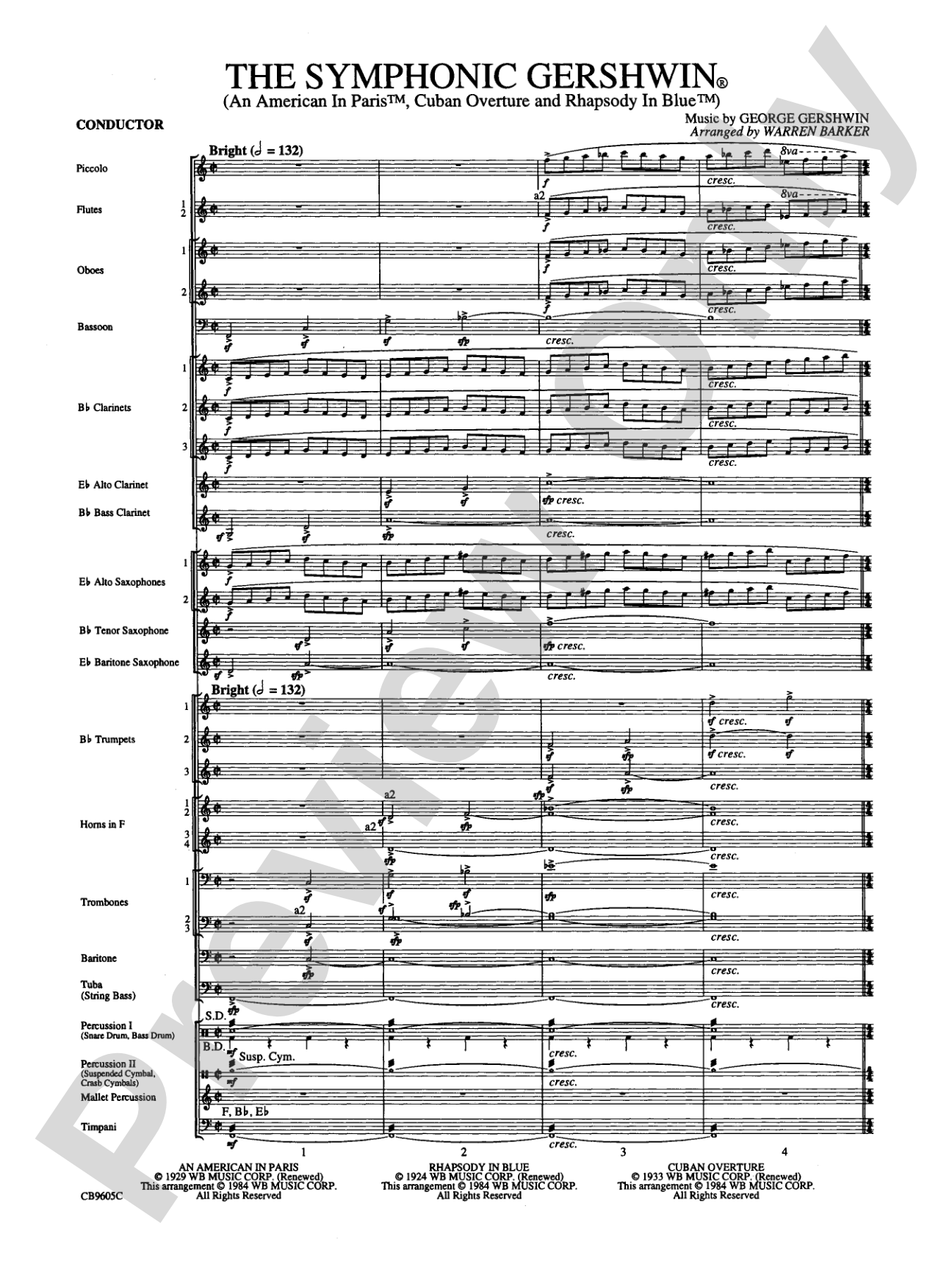
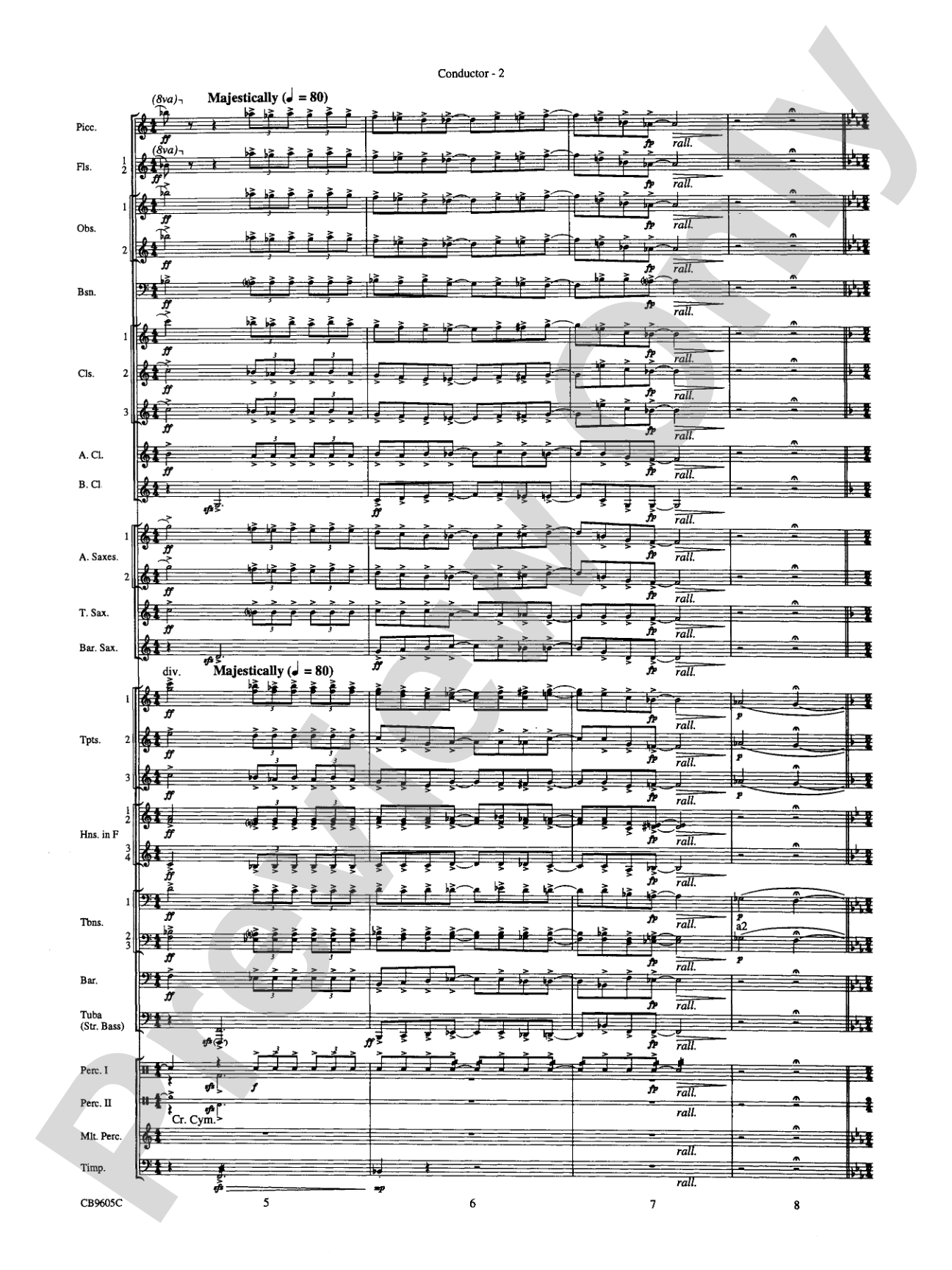
Mix one part world-class composer and one part super-skilled arranger and the result is a perfect medley of all-time Gershwin favorites. Our musician's musician, Warren Barker, blends his tasteful takes on "An American in Paris," "Cuban Overture," and "Rhapsody in Blue" into a mesmerizing presentation for your concert audiences. This runs at full throttle, from beginning to end! (7:25)
"The Symphonic Gershwin is a jewel in every sense of the word. Students should be exposed to the great American music of the past and George Gershwin's music certainly deserves hearing"
---SBO Magazine


"The Symphonic Gershwin is a jewel in every sense of the word. Students should be exposed to the great American music of the past and George Gershwin's music certainly deserves hearing"
---SBO Magazine
Don't just read it, hear it, play along with it, and watch your students grow with it. In MakeMusic Cloud, The Symphonic Gershwin: Concert Band Conductor Score & Parts comes alive with professional accompaniment, adjustable tempo, and built-in practice tools that turn solo practice into real progress.
Open in the Player
Jump straight in and assign it today.
Start Your Free Trial
Open this title and explore the full library in minutes.
Sample Audio
1
Audio File
--:--
0:00
0:00
Sample Video
Additional Details
Series:
Pop Symphonic Band
Publisher:
Alfred Music
Page Count:
264
SKU:
00-PK-0005809
More about this title
About the Composer: George Gershwin
George Gershwin (1898-1937) bridged the worlds of popular song and concert music with an ease few composers have matched. His ability to capture the energy and optimism of early twentieth-century American life made him one of the most performed composers in educational and professional settings alike.
Gershwin's works are staples of music education because they combine accessibility with genuine compositional sophistication. His melodies are instantly memorable, yet the harmonies and orchestrations reward careful listening and reveal new layers with each performance.
Why we love this
Warren Barker's arrangement distills three major Gershwin works into a single, cohesive statement that respects the originals while maximizing the warmth and color a concert band can produce. The pacing feels inevitable, not rushed, but perpetually forward, which keeps both players and listeners engaged across the full seven minutes. This is the kind of medley that works because Barker understood not just what to borrow from each piece, but how to make them speak as one musical idea.
What to expect
Energy and sophistication moving hand in hand. The writing sparkles with the rhythmic vitality and harmonic color that made Gershwin's originals dance across Broadway stages and concert halls, yet the arrangement respects the character of each work while building momentum across the full medley. This is music that plays with as much joy as it demands musicianship.
Who it's for
Concert band directors programming for Grade 4 ensembles who want to showcase major American classics within a single, unified work. This arrangement works equally well for high school bands seeking impressive festival or concert repertoire and community bands looking to engage audiences with familiar, beloved music.
How to get the most out of it
- Balance the melodic statements across your ensemble. These works demand clarity in the upper voices, so ensure your first clarinet and trumpet lines cut through the inner texture without forcing the sound.
- Shape phrases with attention to Gershwin's jazz inflections. Swing the rhythms subtly where the writing suggests it, particularly in the Cuban Overture section, but keep the classical framework clean.
- Watch the transitions between movements carefully. Barker's connecting passages should feel inevitable, not inserted. A conductor's clarity here prevents the piece from feeling episodic.
- The 7-minute-plus runtime demands rhythmic precision from your rhythm section. Lock the pulse early in rehearsal and maintain it through key signature changes and stylistic shifts.
How to use it
Open a concert or place it as a centerpiece that anchors the second half. The work's popularity makes it ideal for family concerts or community engagement programming, where both musicians and audiences find something to celebrate. Its length and energy also make it an excellent closer if you're building toward a triumphant finale.
Skills your students will build
- Balancing lyrical melody against supporting harmonic texture
- Executing jazz-influenced articulation and swing while maintaining classical precision
- Managing tempo consistency and rhythmic clarity across multiple key centers
- Responding to conductor cues during key and stylistic transitions
- Sustaining full ensemble engagement throughout extended concert works