




The Sussex Mummers' Christmas Carol: String Orchestra Conductor Score & Parts
Arr. Douglas E. Wagner
Grade: 2.5
Item: 00-PK-0001546

$45.00
Pickup currently not available
Buy Extra Parts (Digital PDF Download)
Parts Added to Cart!
Description
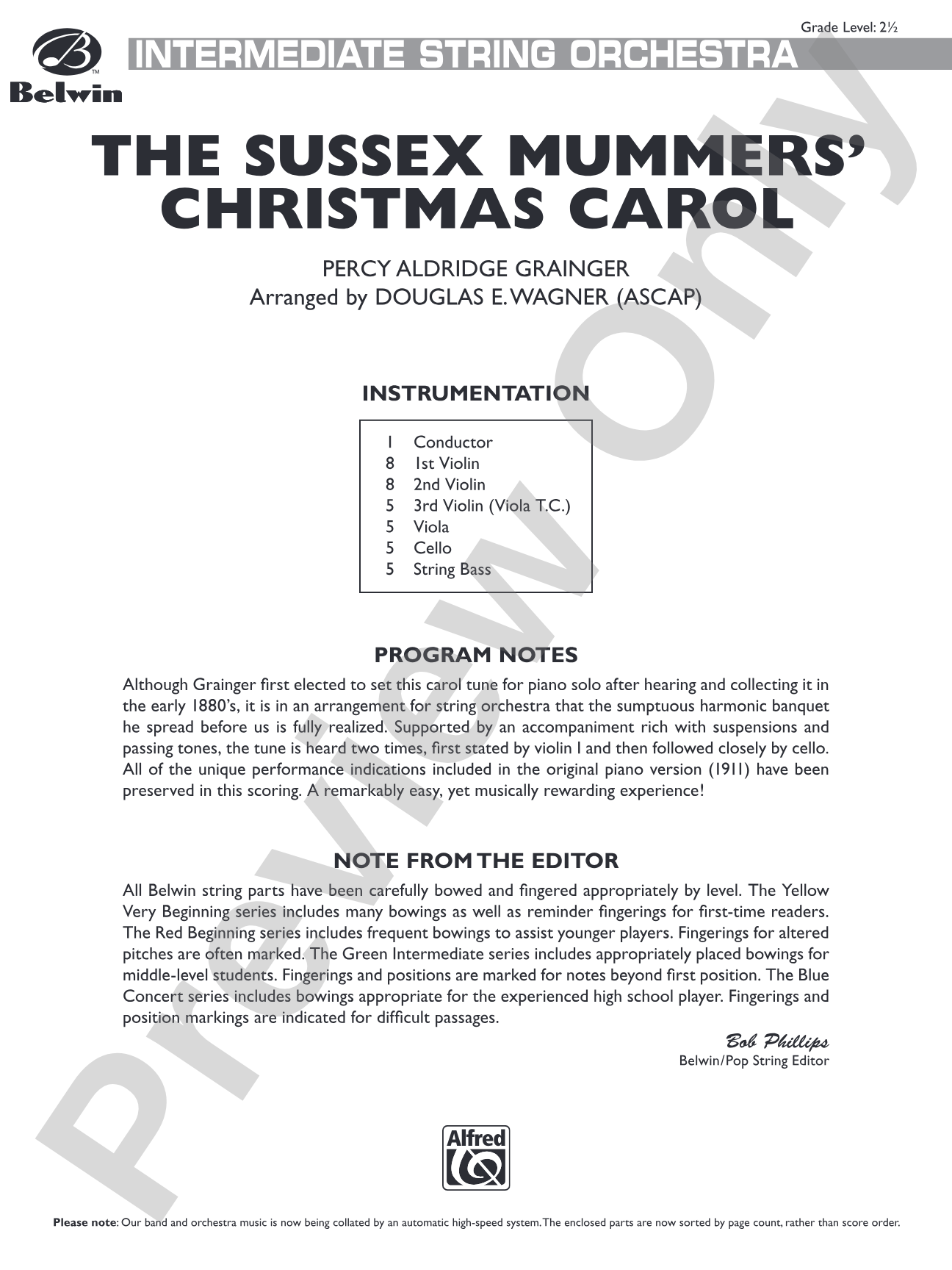
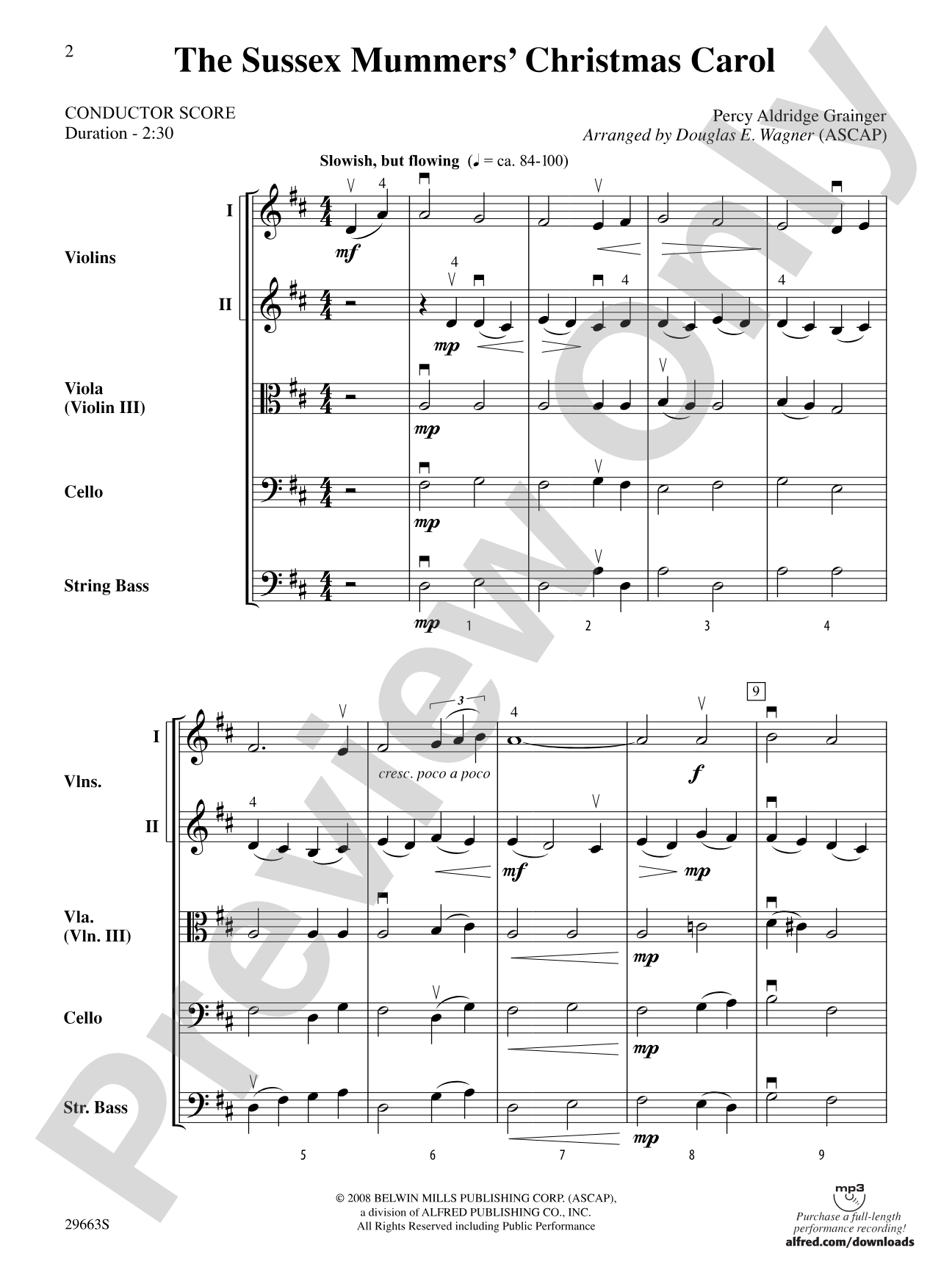
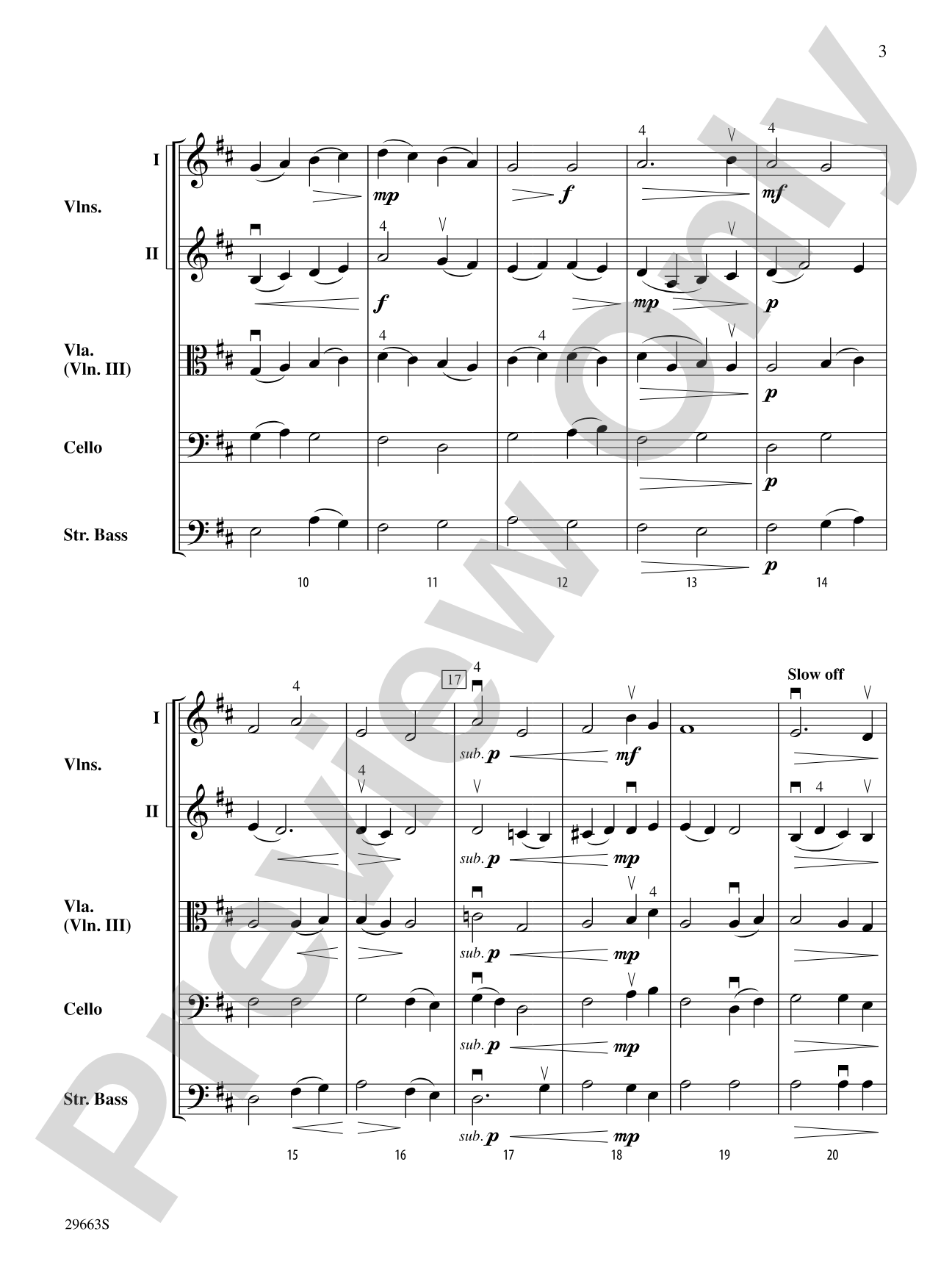
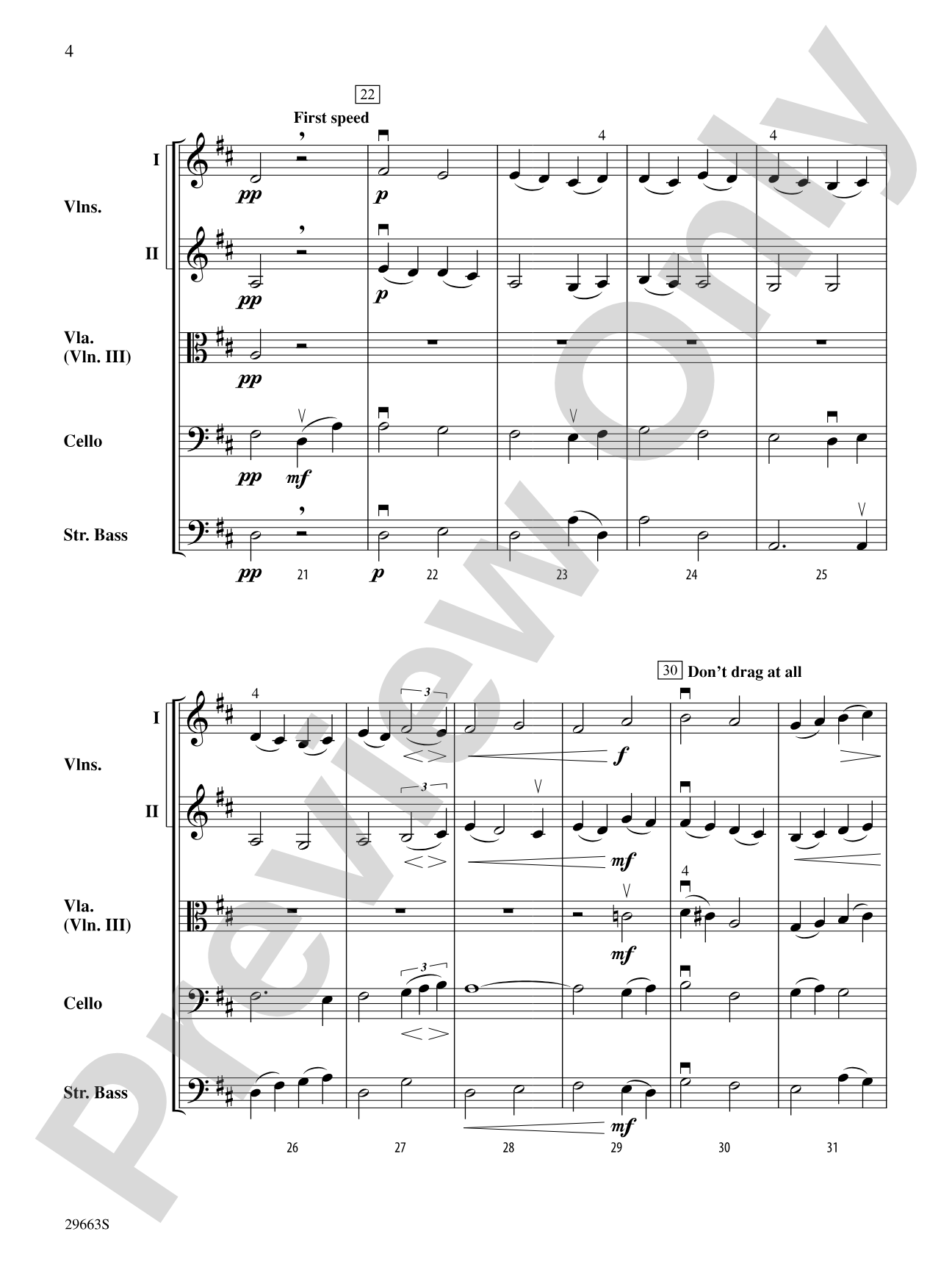
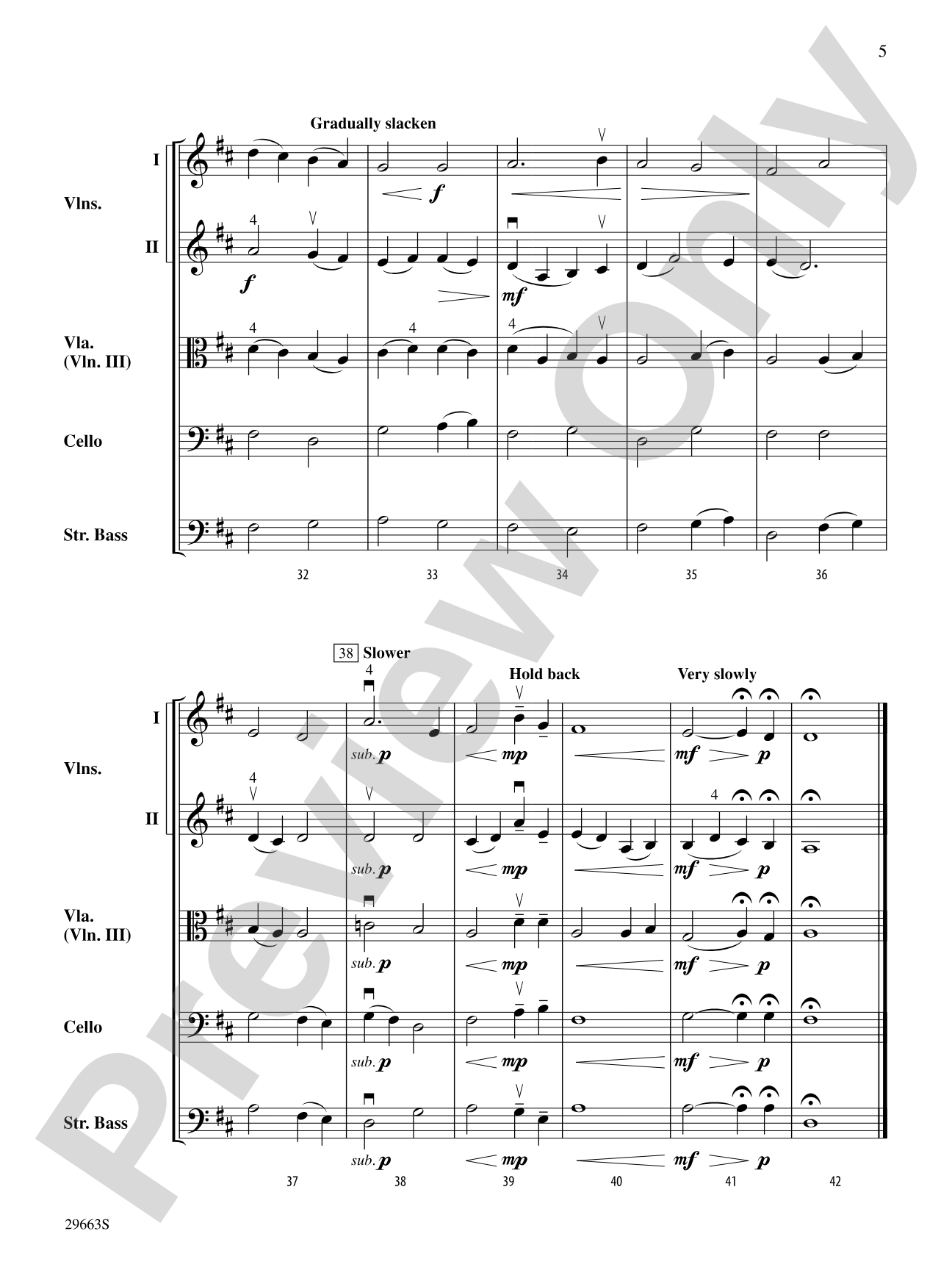
Although Grainger first elected to set this carol tune for piano solo after hearing and collecting it in the early 1880's, it is in an arrangement for string orchestra that the sumptuous harmonic banquet he spread before us is fully realized. Supported by an accompaniment rich with suspensions and passing tones, the tune is heard two times, first stated by Violin I and then followed closely by Cello. All of the unique performance indications included in the original piano version (1911) have been preserved in this scoring. A remarkably easy, yet musically rewarding experience! (2:30)


Don't just read it, hear it, play along with it, and watch your students grow with it. In MakeMusic Cloud, The Sussex Mummers' Christmas Carol: String Orchestra Conductor Score & Parts comes alive with professional accompaniment, adjustable tempo, and built-in practice tools that turn solo practice into real progress.
Open in the Player
Jump straight in and assign it today.
Start Your Free Trial
Open this title and explore the full library in minutes.
Sample Audio
1
Audio File
--:--
0:00
0:00
Sample Video
No sample videos found.
Additional Details
Series:
Belwin Intermediate String Orchestra
Publisher:
Alfred Music
Page Count:
72
SKU:
00-PK-0001546
More about this title
About the Arranger: Douglas E. Wagner

Douglas E. Wagner grew up in Chicago and earned degrees in music from Butler University. He spent three decades as a high school music director and administrator before committing himself fully to composition and arranging in the 1970s.
Since 1973, Wagner has published over 3,500 works across choral, band, orchestra, handbell, organ, piano, and vocal genres. His music has been performed in concert halls, on broadcasts, and in classrooms worldwide, with more than seventeen million copies distributed. He currently lives in Indianapolis with his wife, Sandy.
Why we love this
Wagner's orchestration captures the warmth of the original piano setting while letting your strings shine with genuine musicality. The grade 2.5 difficulty means your players spend their energy on phrasing and balance rather than technical demands, making this a rewarding holiday choice that sounds far more sophisticated than its accessibility suggests.
What to expect
Warm and graceful, with the gentle nostalgia of a folk tune elevated by Grainger's refined harmonic language. The suspensions and passing tones create a shimmering backdrop that makes the familiar melody feel fresh, while the moderate tempo and straightforward string writing invite relaxation rather than anxiety.
Who it's for
String orchestra ensembles at the intermediate level who want a Christmas program selection that feels festive without requiring technical virtuosity. This works equally well for middle school orchestras, community youth ensembles, and high school groups seeking repertoire that prioritizes ensemble balance and musicality.
How to get the most out of it
- Balance the rich accompaniment carefully in the lower strings so the melodic line in Violin I and Cello never gets buried by passing tones and suspensions.
- Respect Wagner's original performance indications from the 1911 piano version; they shape the character and prevent the piece from feeling generic.
- Let the second melodic statement in Cello breathe differently than the first in Violin I, even though they're the same tune, to keep the texture fresh across the 2:30 duration.
How to use it
Pair this as your lighter, more approachable orchestral work alongside a more challenging dramatic piece on a holiday concert. Its 2:30 length fits neatly into programming, and the carol tune provides immediate audience connection without needing extensive rehearsal time to sound polished.
Skills your students will build
- Sustaining long melodic lines with consistent tone and vibrato
- Balancing accompaniment textures (suspensions and passing tones) against melody
- Interpreting expressive performance indications in string writing
- Ensemble intonation in rich harmonic progressions