
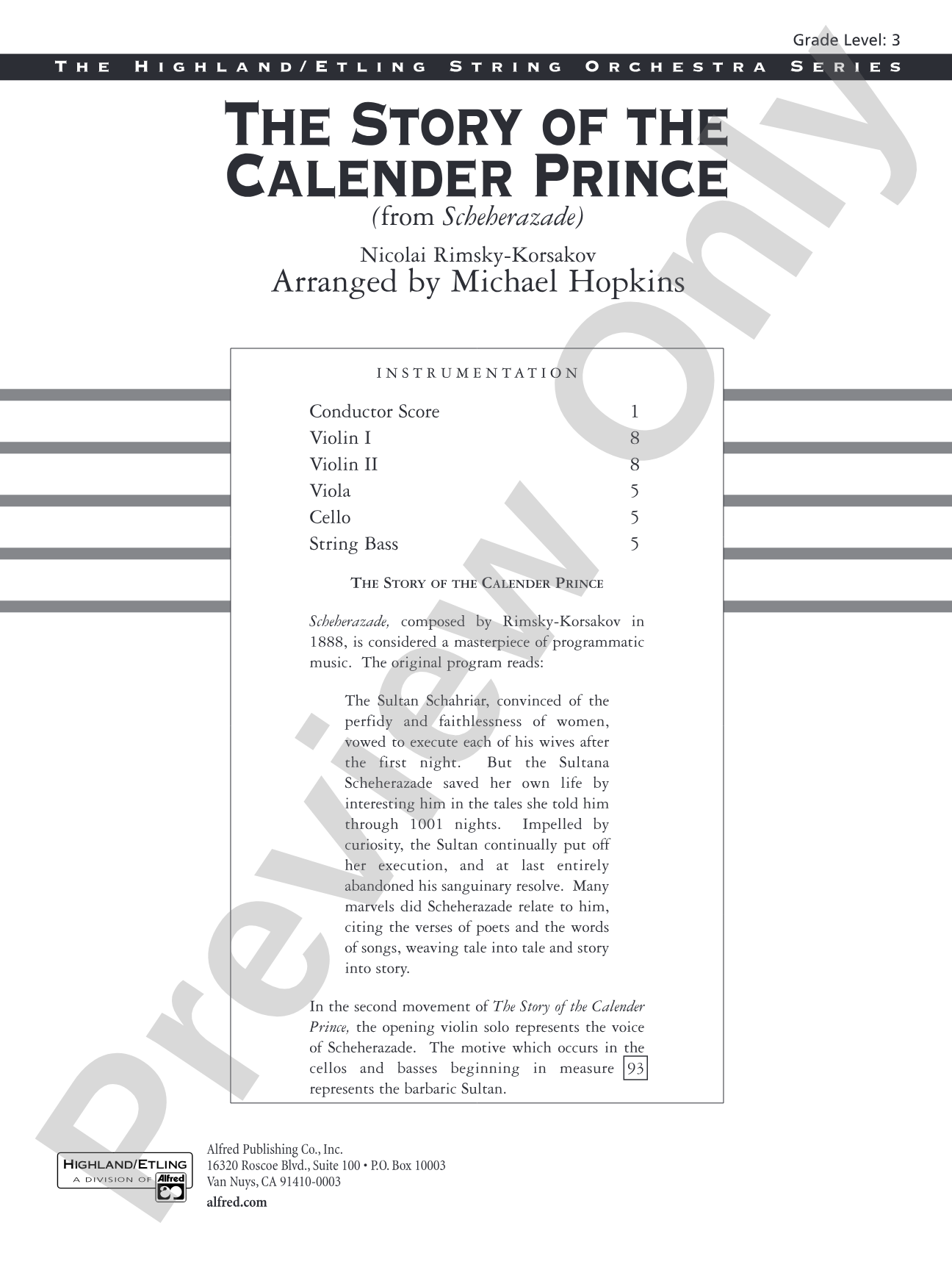
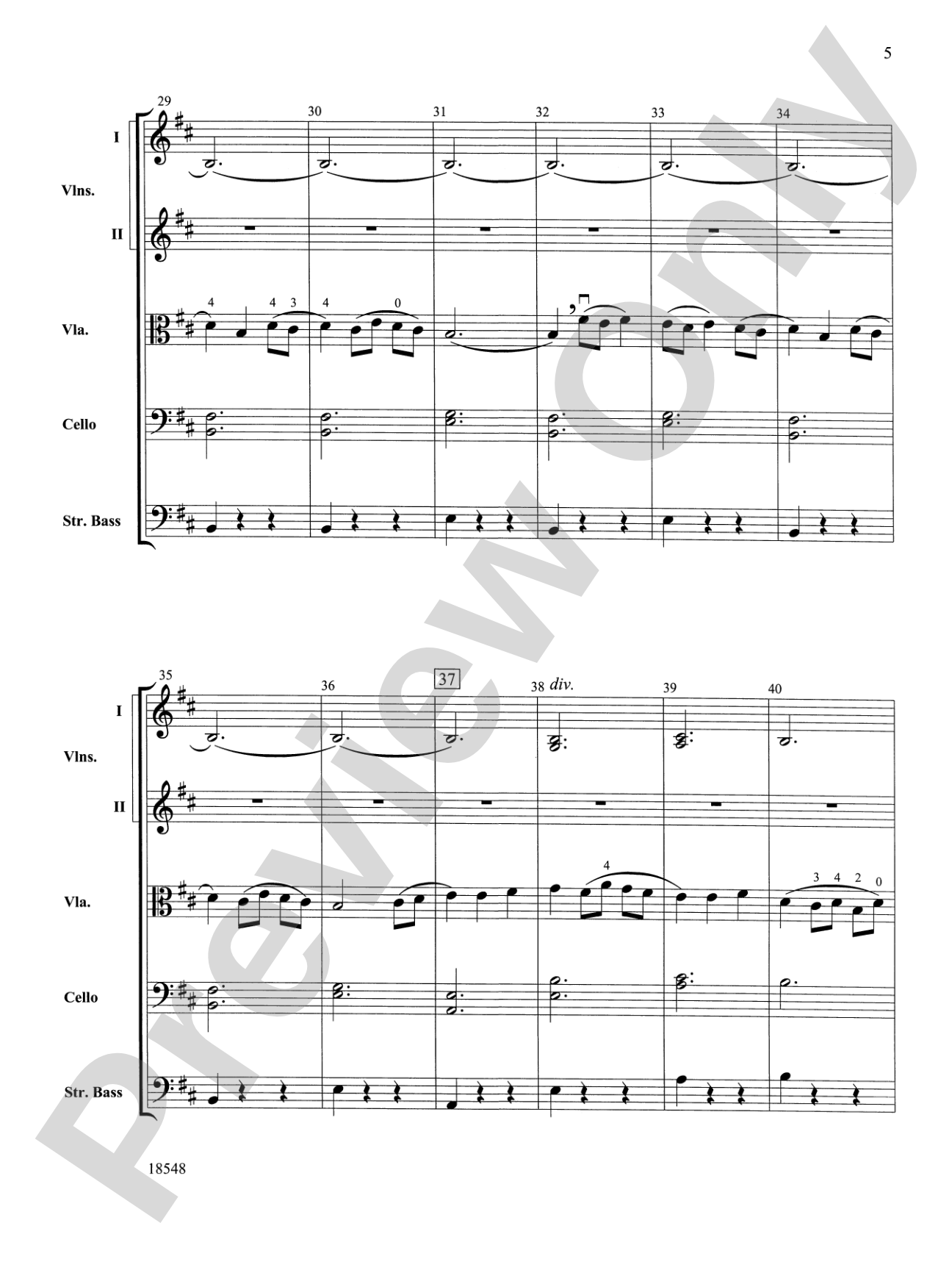
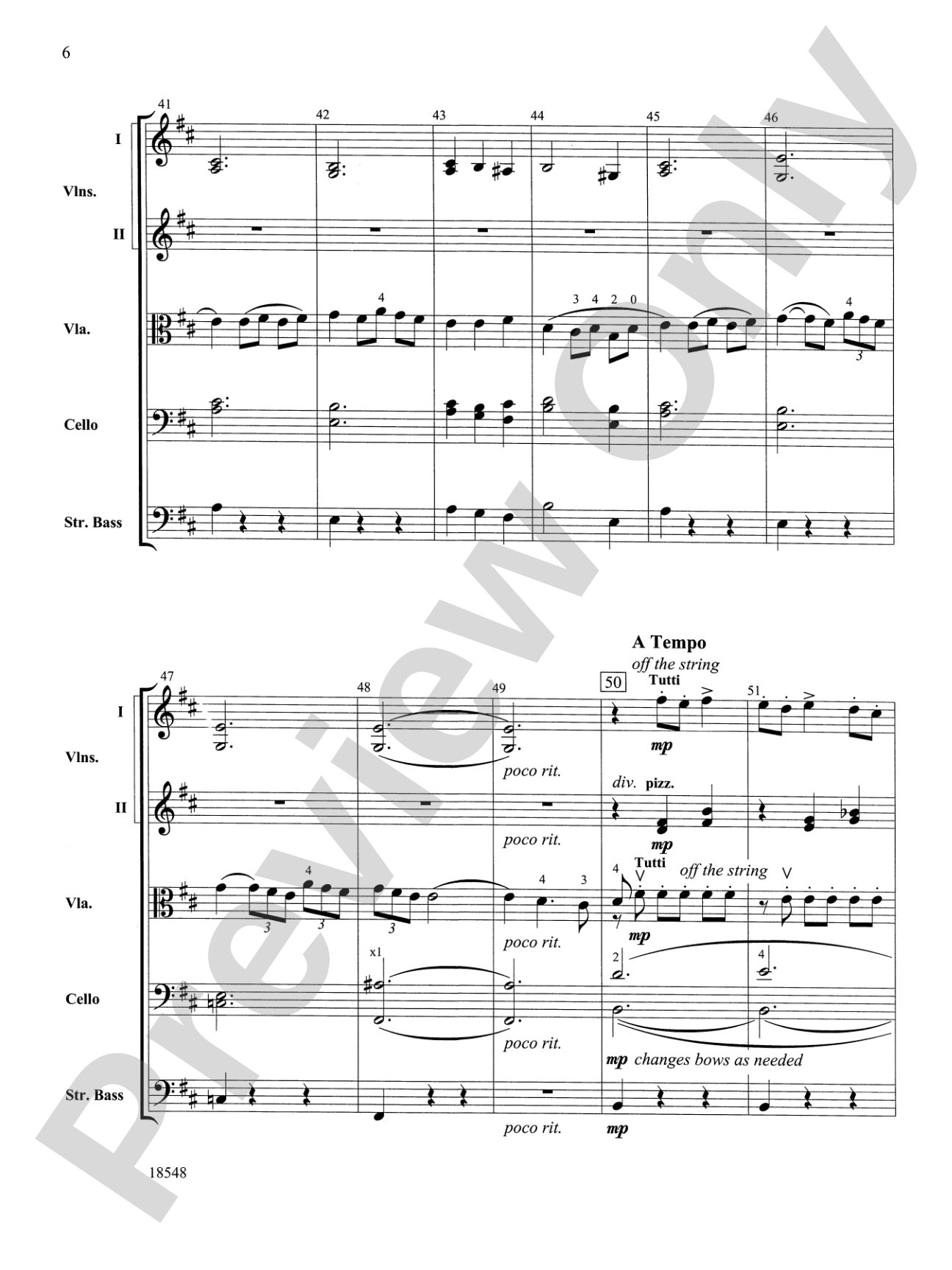
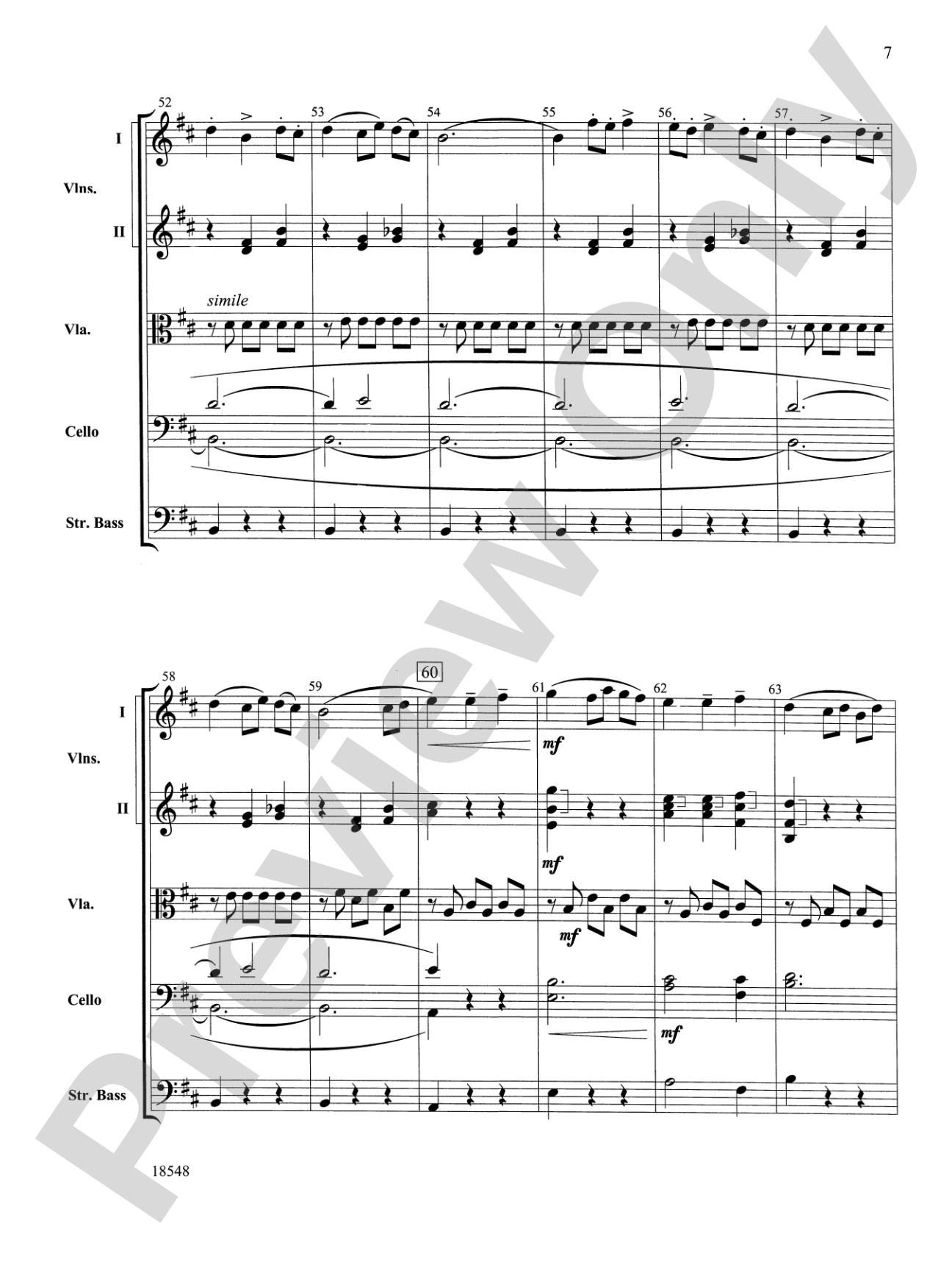
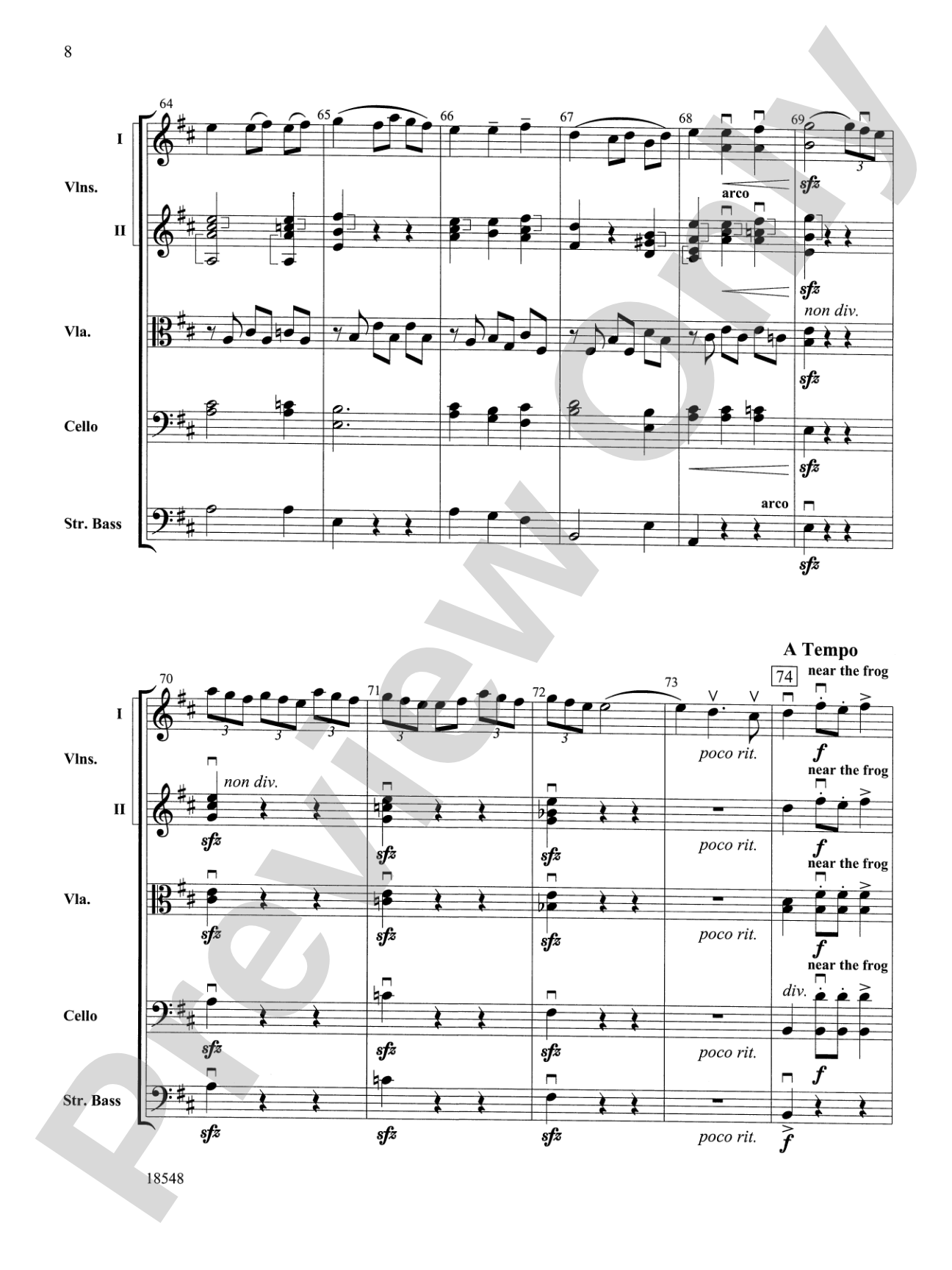
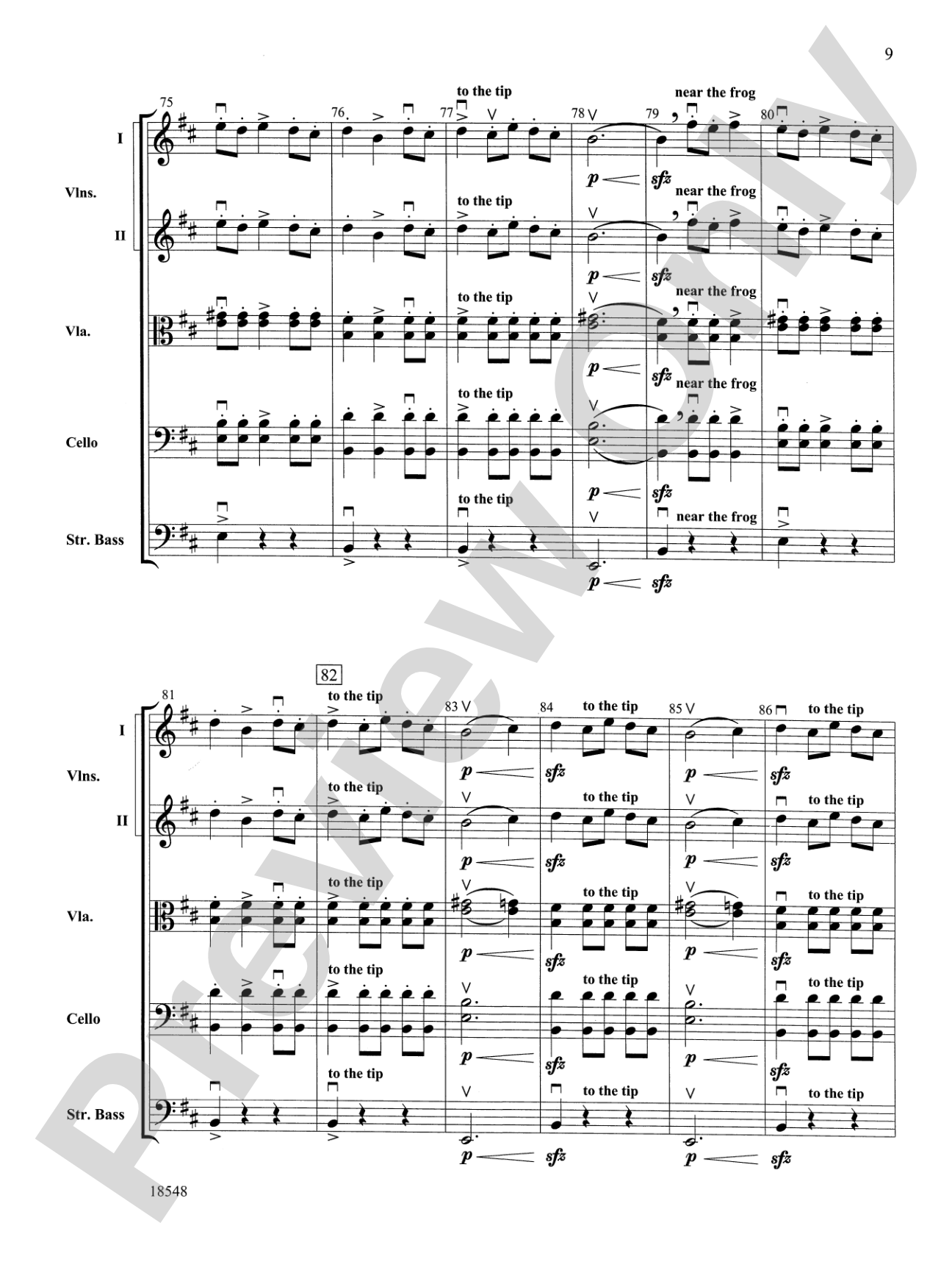
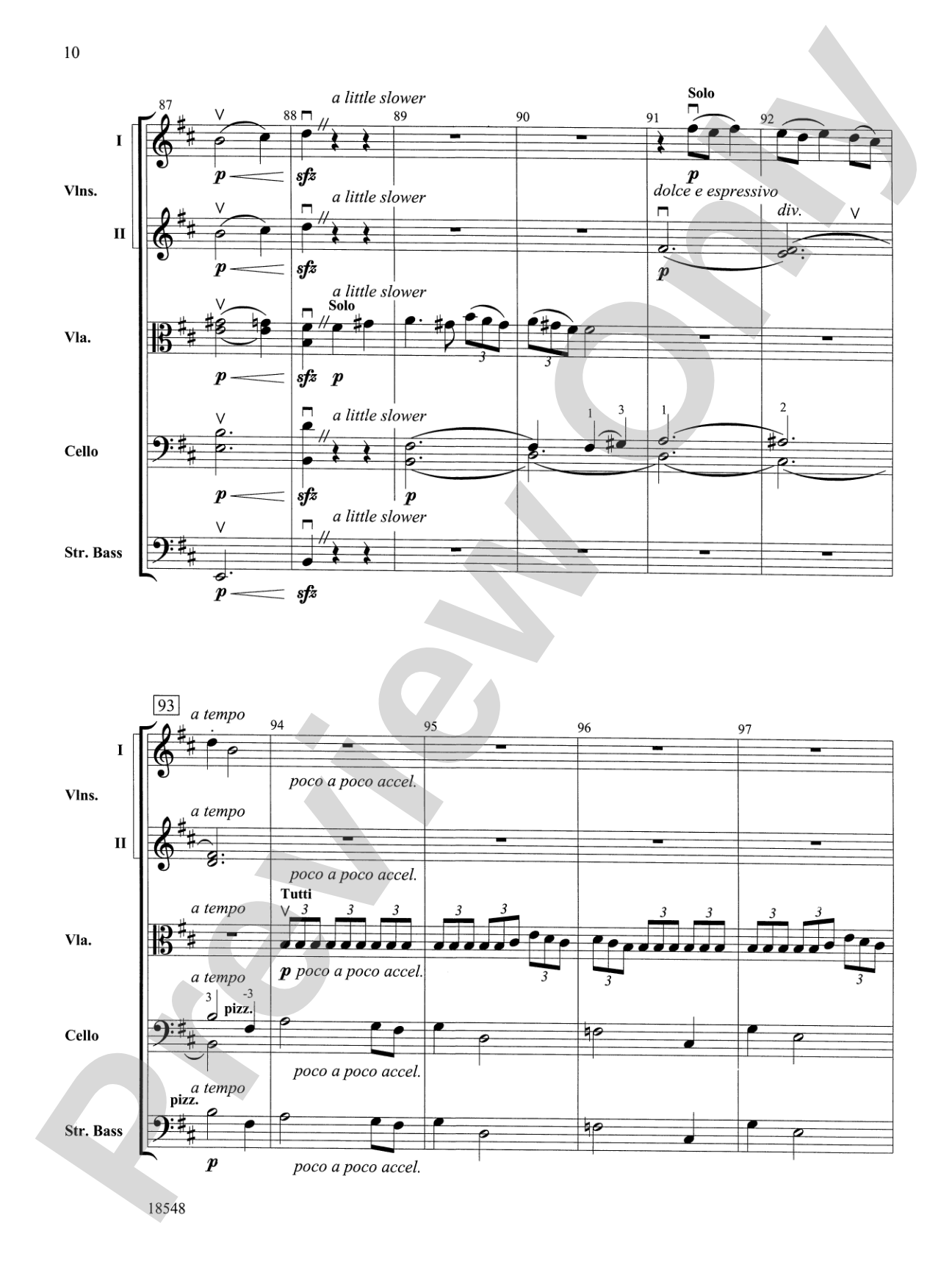
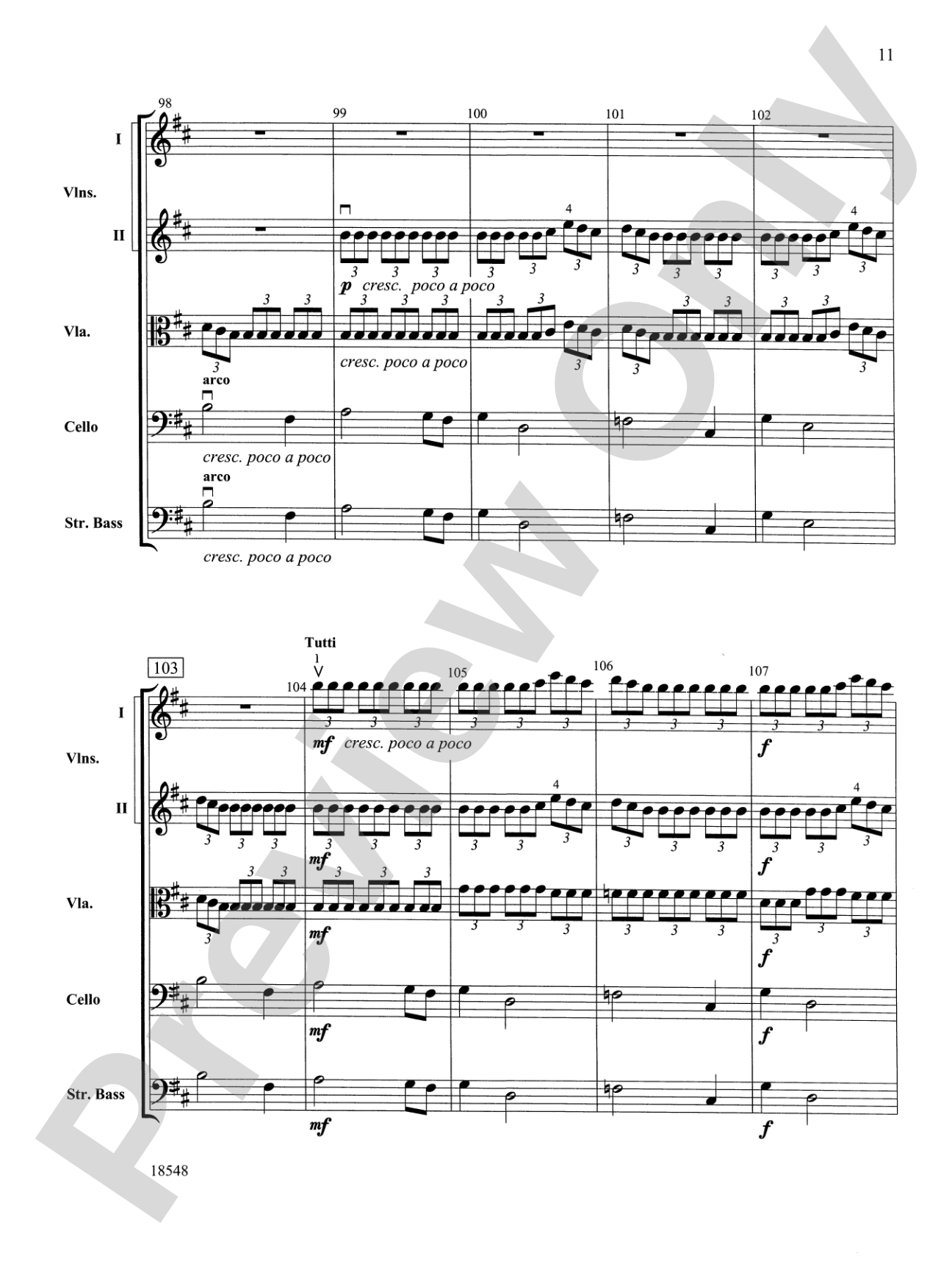
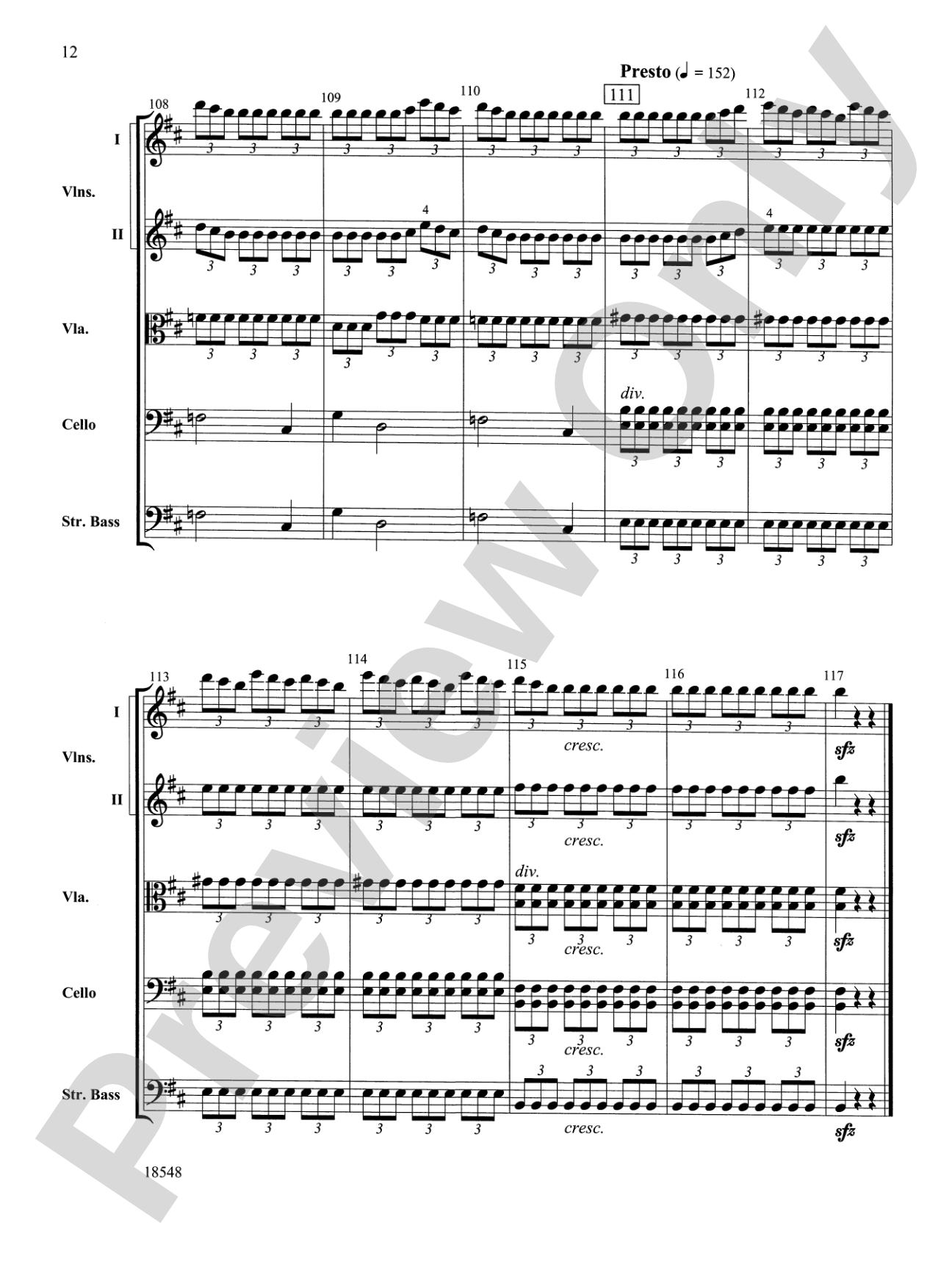

The Story of the Calendar Prince, from "Scheherazade"
By Nicolai Rimsky-Korsakov / arr. Michael Hopkins
Grade: 3
Item: 00-PK-0000275

$45.00
Pickup currently not available
Buy Extra Parts (Digital PDF Download)
Parts Added to Cart!
Description
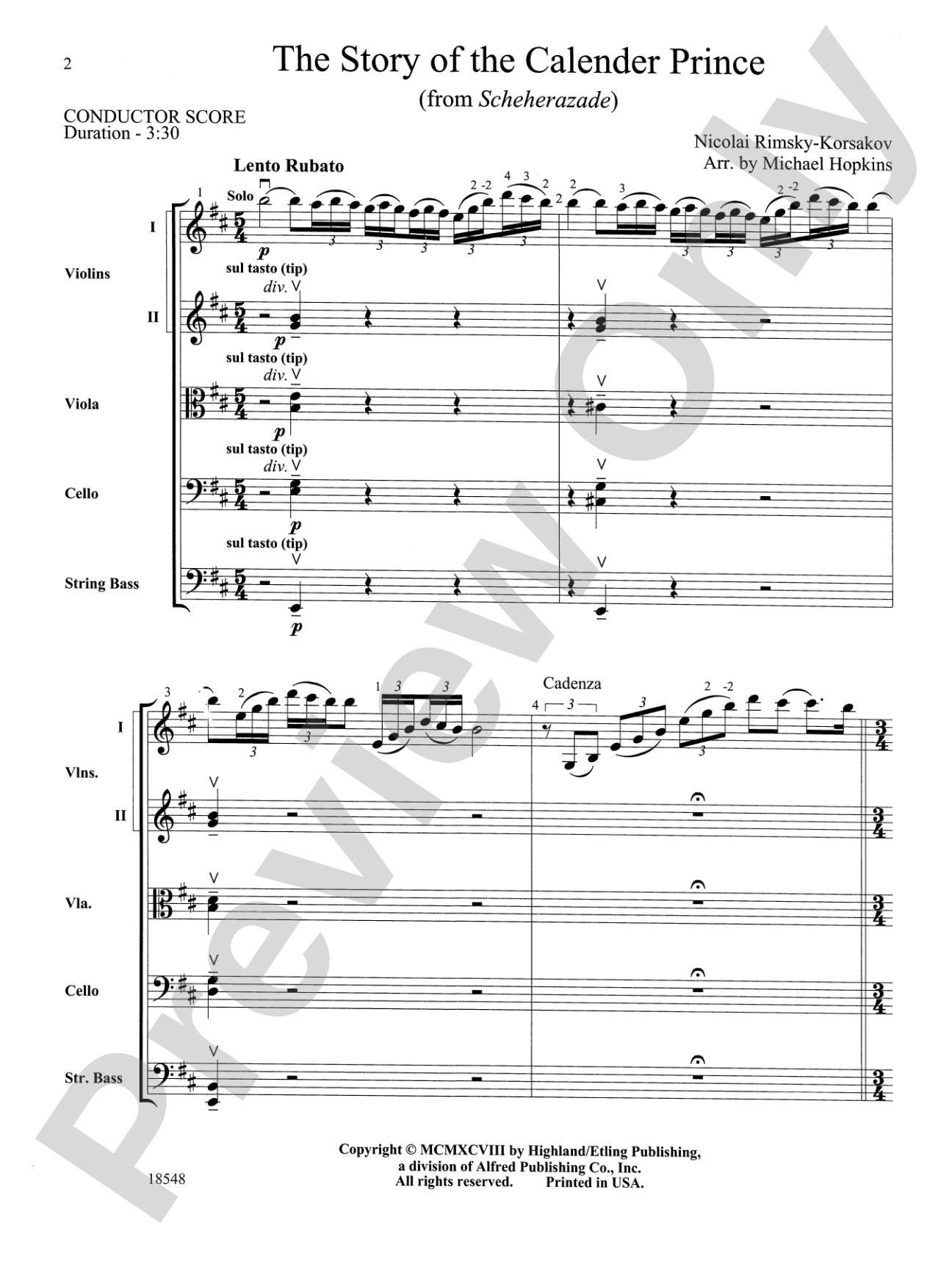
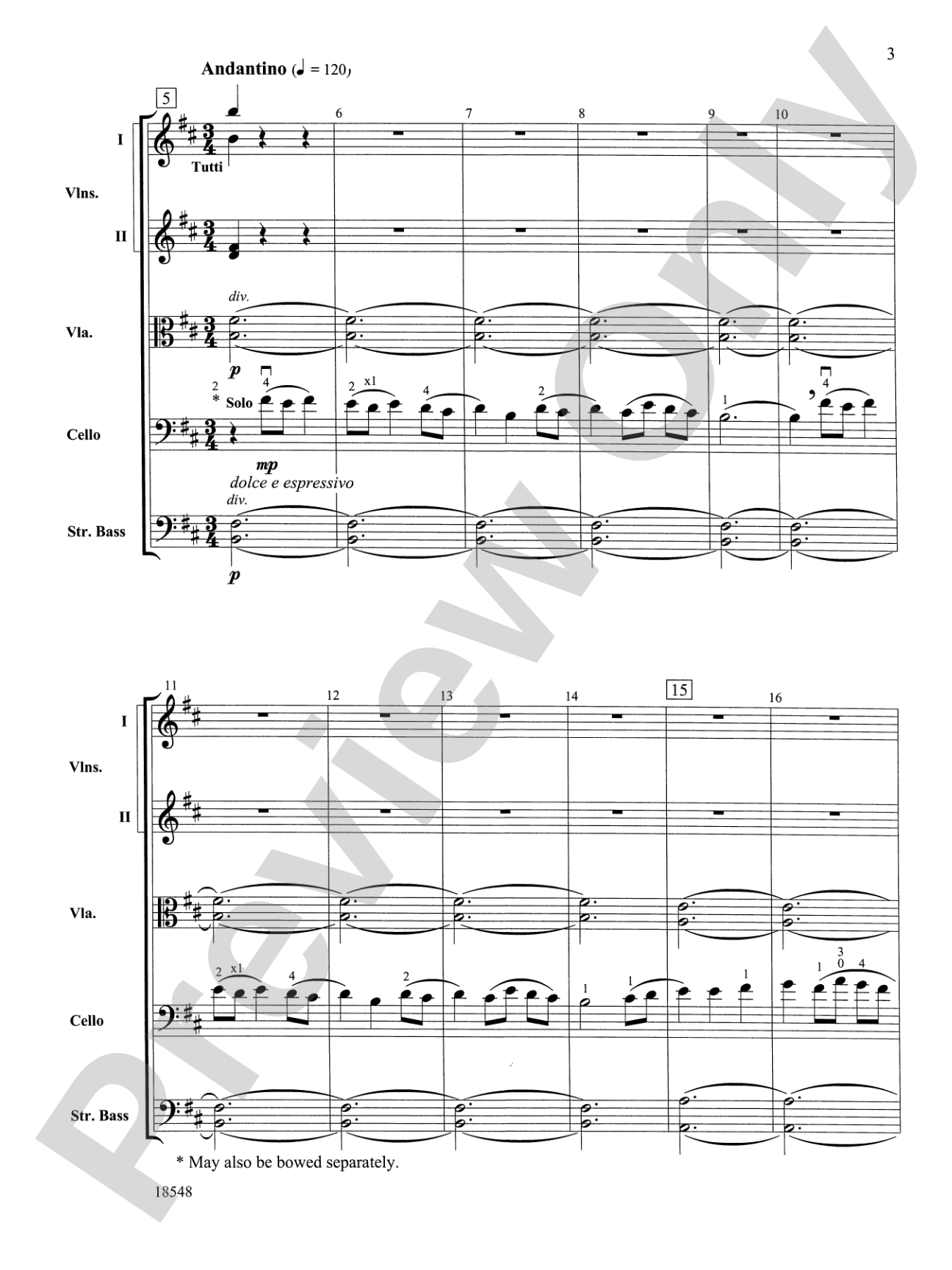
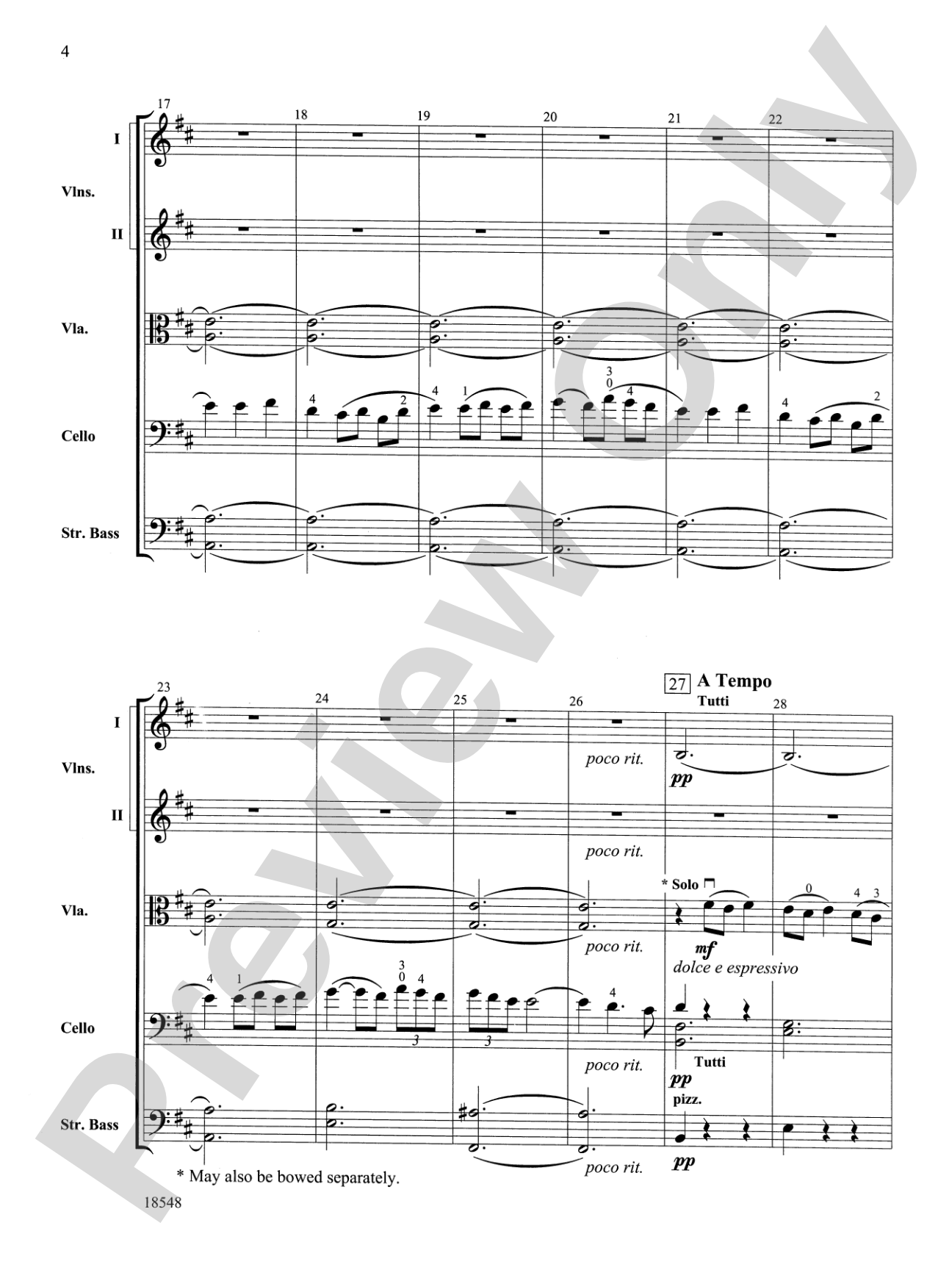
At last, a truly playable, yet authentic version for string orchestra of this movement from one of the great masterworks of orchestration. Featuring solos for violin, viola and cello, this work is a tour de force for developing orchestras. Highly recommended.


Don't just read it, hear it, play along with it, and watch your students grow with it. In MakeMusic Cloud, The Story of the Calendar Prince, from "Scheherazade" comes alive with professional accompaniment, adjustable tempo, and built-in practice tools that turn solo practice into real progress.
Open in the Player
Jump straight in and assign it today.
Start Your Free Trial
Open this title and explore the full library in minutes.
Sample Audio
1
Audio File
--:--
0:00
0:00
Sample Video
No sample videos found.
Additional Details
Series:
Highland/Etling String Orchestra
Publisher:
Alfred Music
Page Count:
2
SKU:
00-PK-0000275
More about this title
About the Composer: Nicolai Rimsky-Korsakov
Nicolai Rimsky-Korsakov (1844-1908) was a Russian composer and orchestrator whose command of instrumental color shaped modern orchestral writing. His systematic approach to instrumentation became a teaching standard, and his operas and orchestral works remain central to the concert repertoire. Rimsky-Korsakov's gift for melody and harmonic invention, combined with his mastery of orchestral texture, made him one of the most influential composers of the late 19th century.
Why we love this
Michael Hopkins has captured the exotic character and orchestral sophistication of Rimsky-Korsakov's masterpiece while keeping the technical demands realistic for developing orchestras. The solo writing for violin, viola, and cello gives your best players genuine material to shine on, while the arrangement preserves enough of the original's harmonic and melodic identity that students learn what authentic orchestration sounds like. This is a piece that grows with your ensemble over a season.
What to expect
The music unfolds with the narrative character Rimsky-Korsakov intended, evoking an exotic, almost dreamlike quality. Solo voices emerge from the ensemble like characters in a story, accompanied by shimmering harmonic colors and graceful rhythmic motion. There is elegance and sophistication here, not bombast; the orchestration invites listening rather than demanding it.
Who it's for
String orchestras at the intermediate level who are ready to tackle genuine masterwork material without drowning in technical complexity. Ensembles preparing for contests or festivals will find a piece that impresses adjudicators while remaining within reach of developing players. This arrangement works equally well for groups seeking concert repertoire that stretches musicianship without sacrificing accessibility.
How to get the most out of it
- Balance the exposed solo passages against the ensemble texture; these moments should sing clearly without the orchestra receding into timidity.
- Attend closely to the harmonic shifts that define Rimsky-Korsakov's style. Even at Grade 3, intonation in the suspensions and chromatic movement matters deeply to the effect.
- Shape the longer melodic lines with gentle rubato rather than mechanical precision. The music breathes more expressively when phrasing is organic.
- Use the two-page length as an advantage: the piece is substantial enough to demonstrate growth but manageable enough to refine details thoroughly before performance.
How to use it
This works beautifully as a centerpiece in a concert exploring Romantic orchestral color or Russian music. Its modest length makes it ideal for pairing with contrasting contemporary or Classical works in a balanced program. For contest seasons, schedule adequate rehearsal time early in the year so the soloists can develop confident, expressive playing before the performance date.
Skills your students will build
- Balancing solo lines against orchestral accompaniment
- Sustaining tone quality and intonation through harmonic movement and chromatic passages
- Interpreting phrasing and rubato in a lyrical, song-like context
- Responding to exposed writing that requires individual responsibility within ensemble texture
- Recognizing and executing stylistic conventions of late Romantic orchestration