
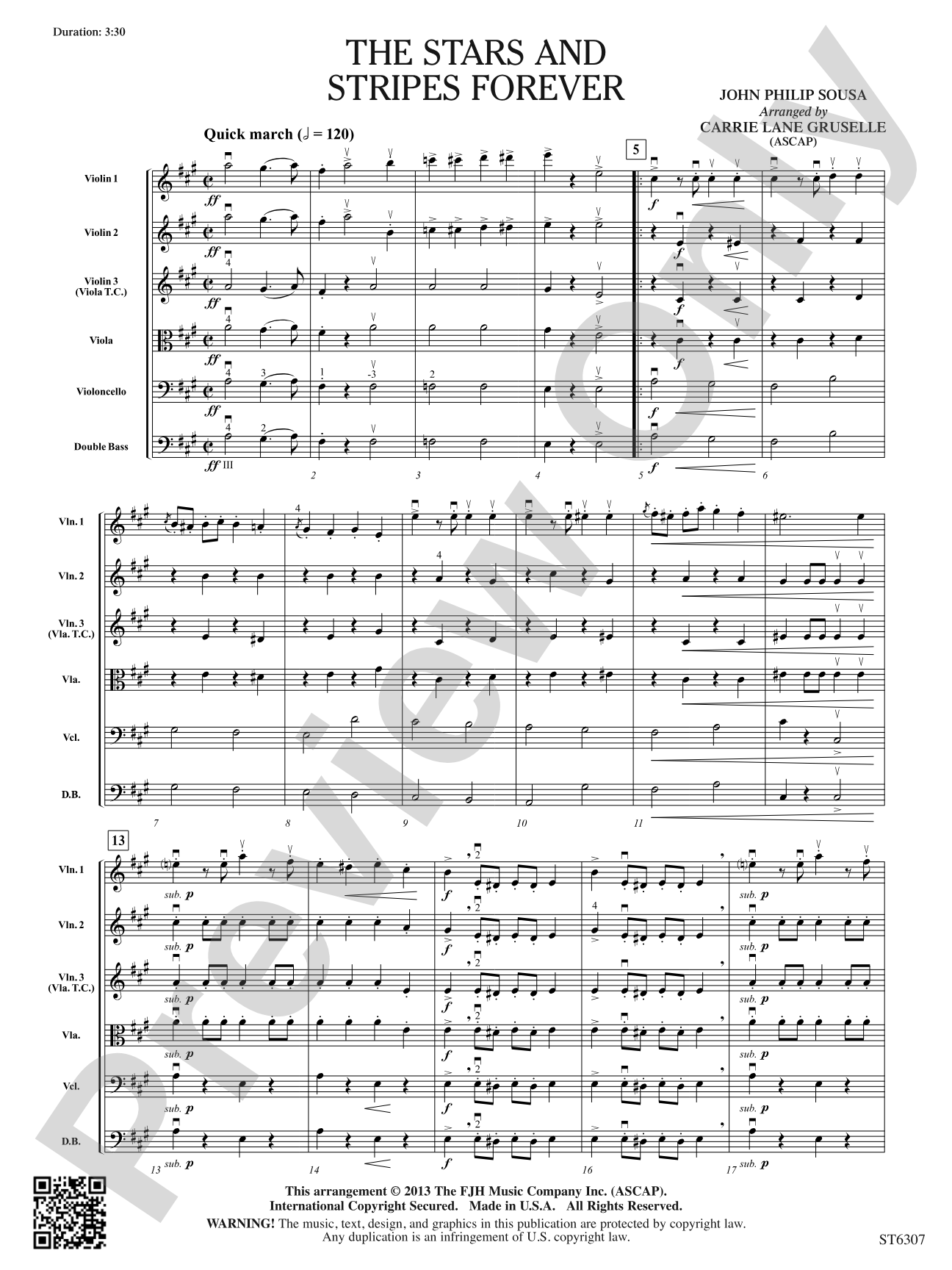
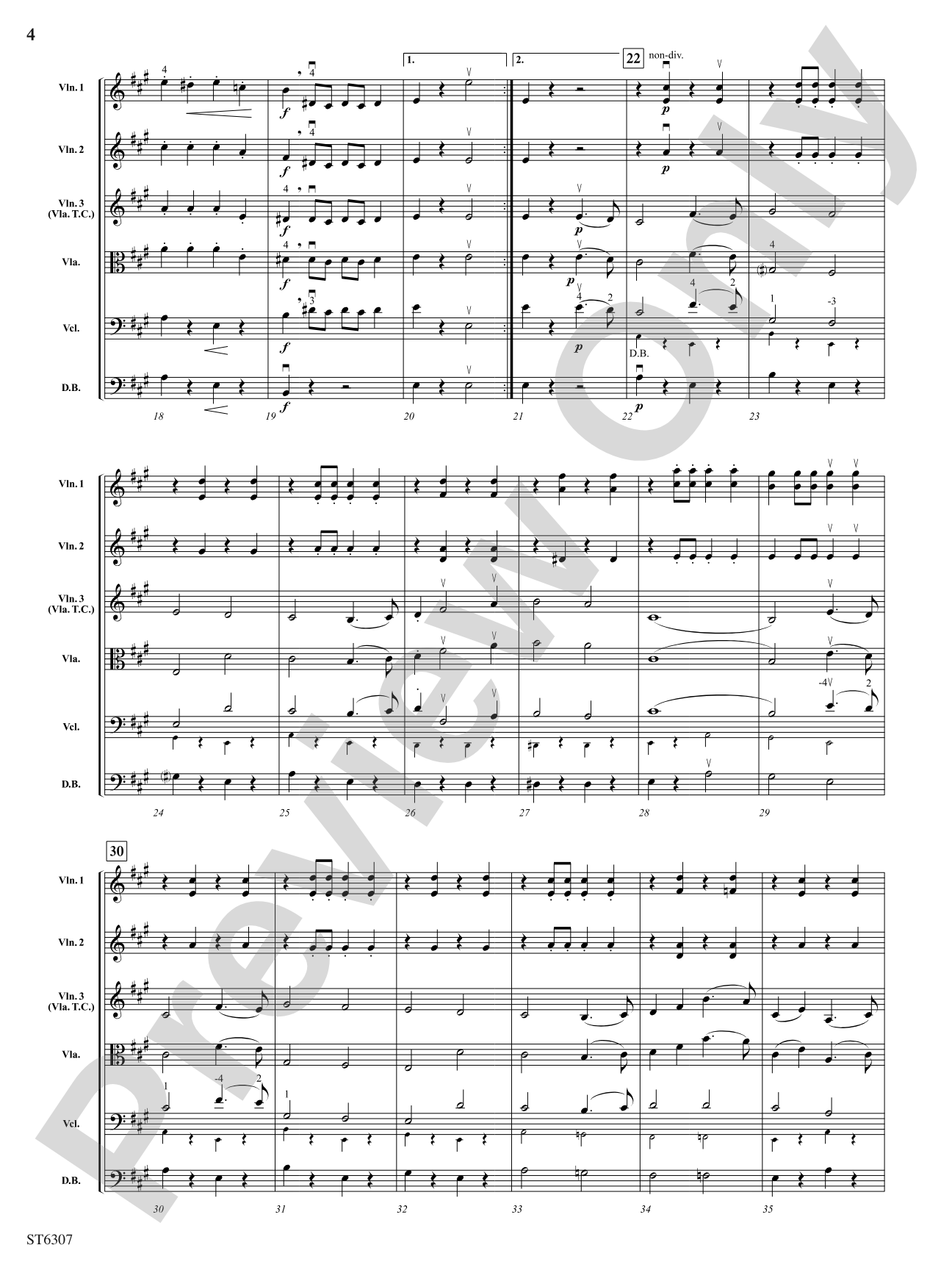
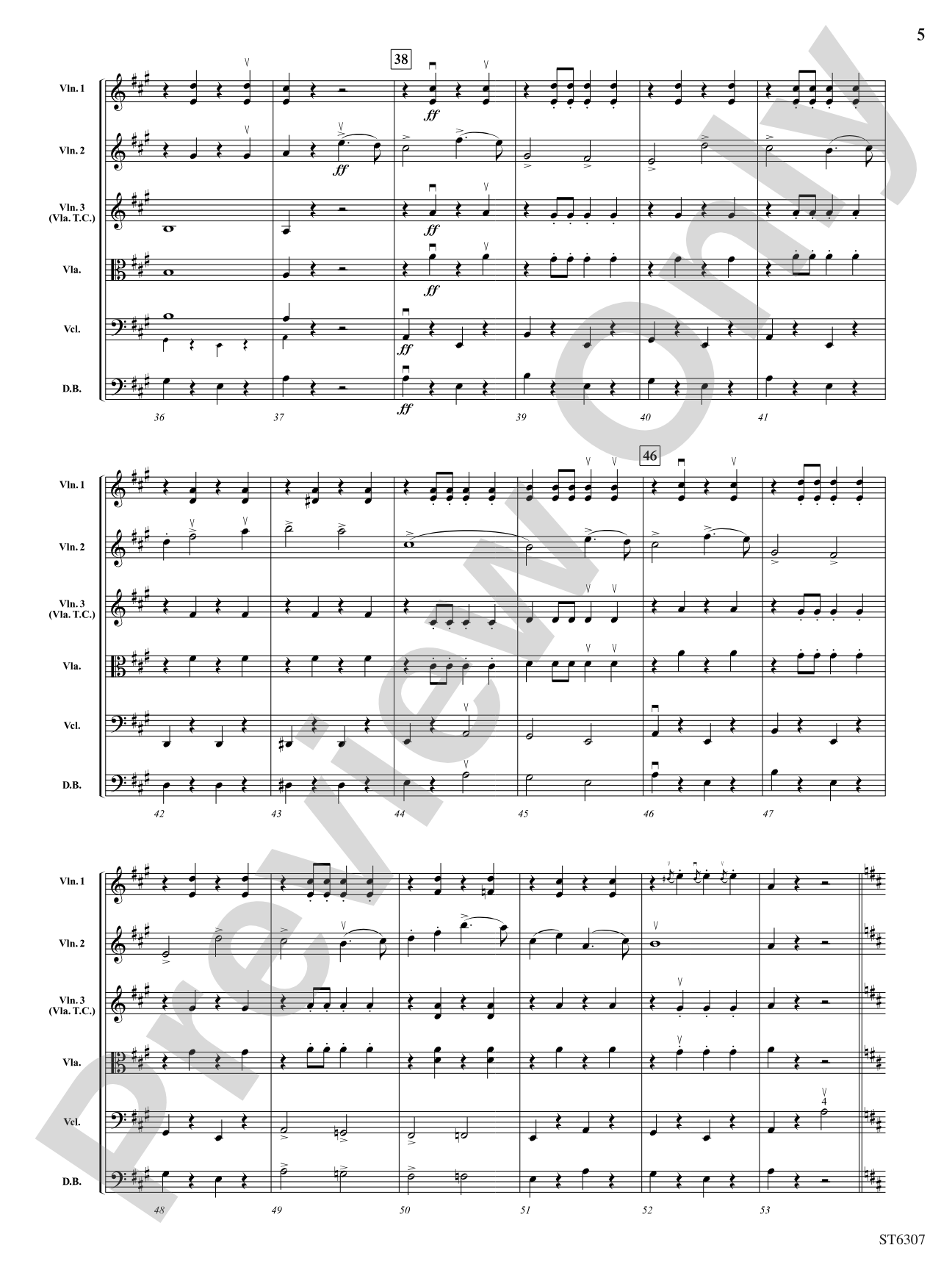
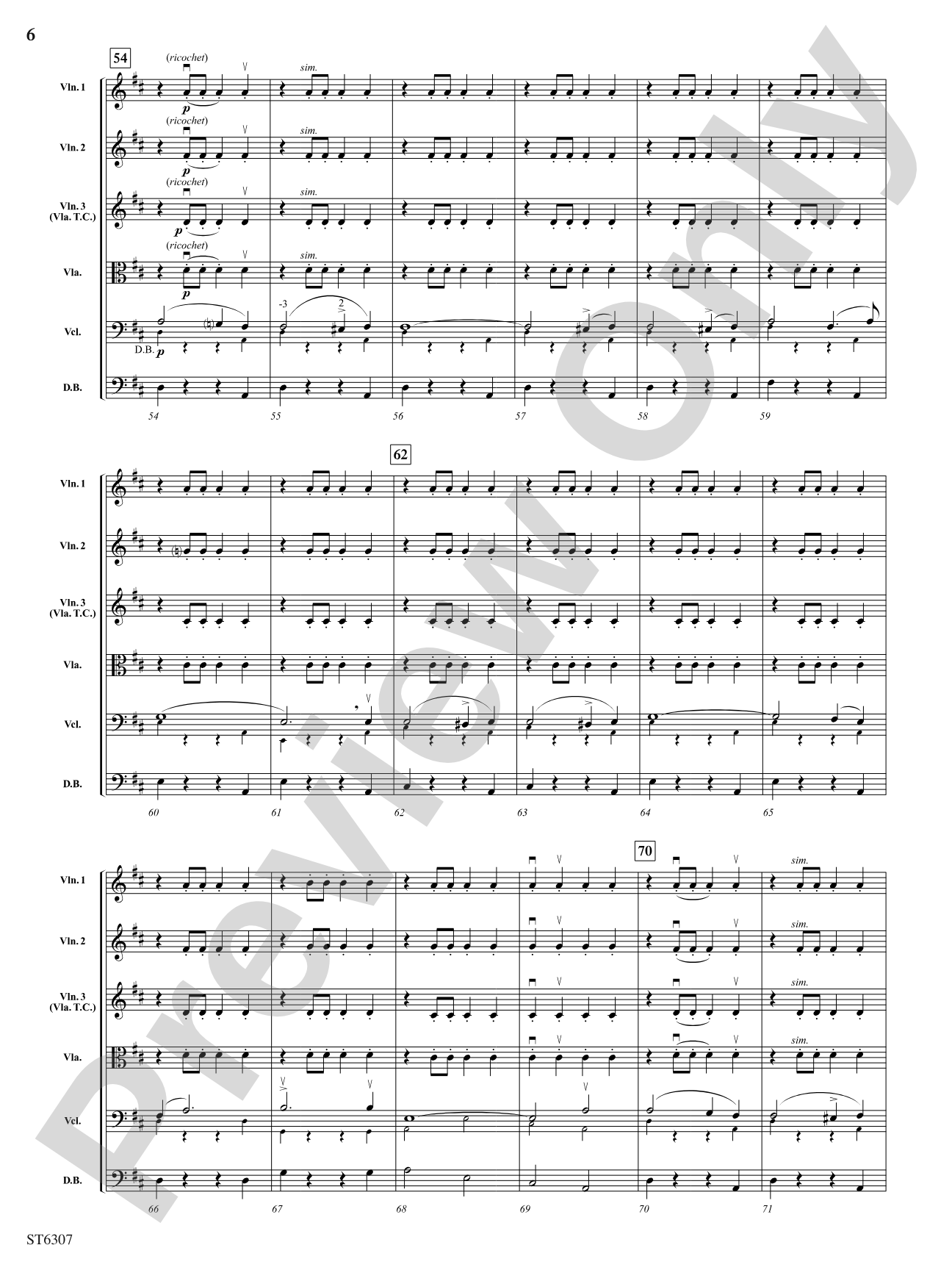
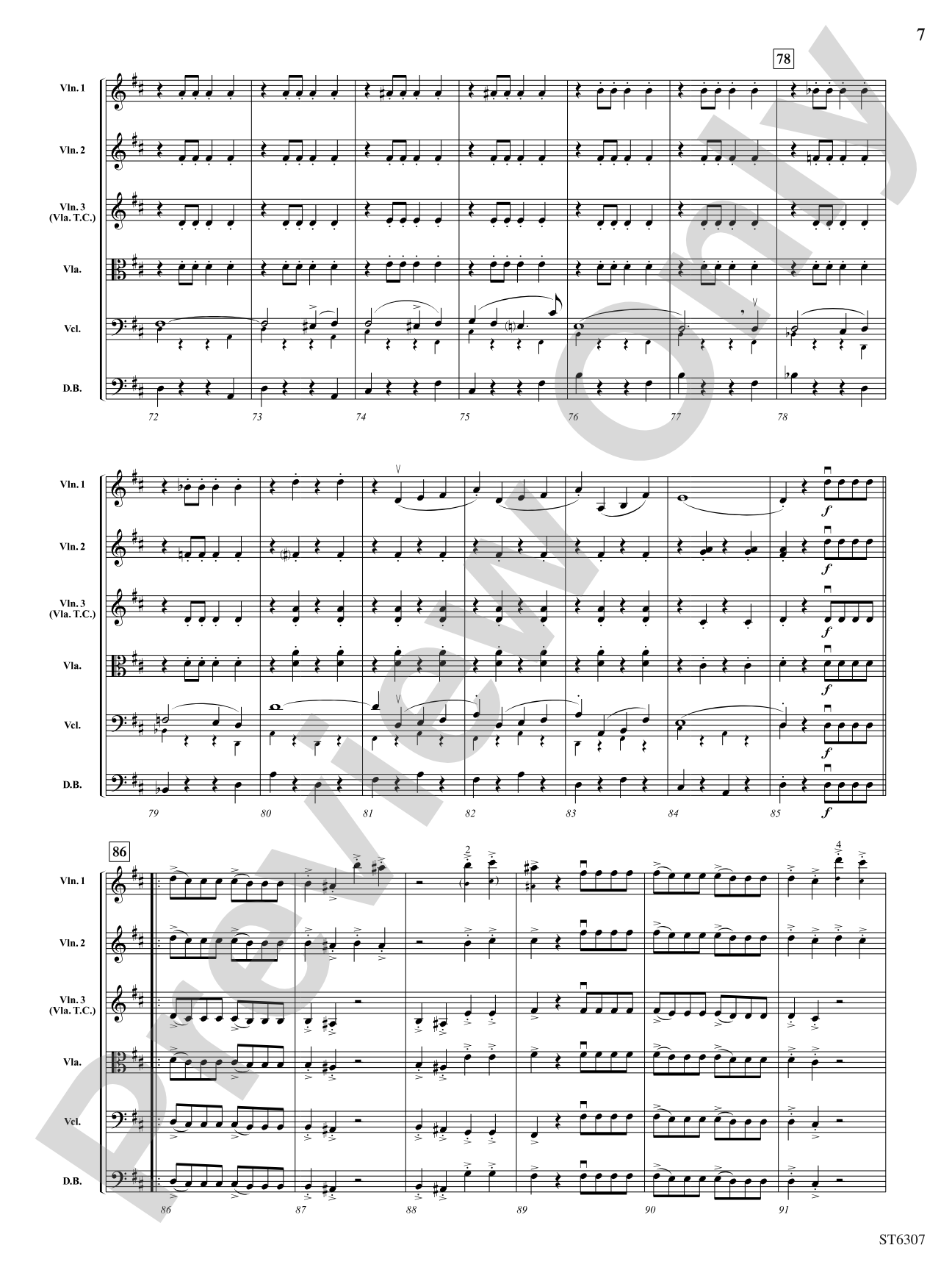
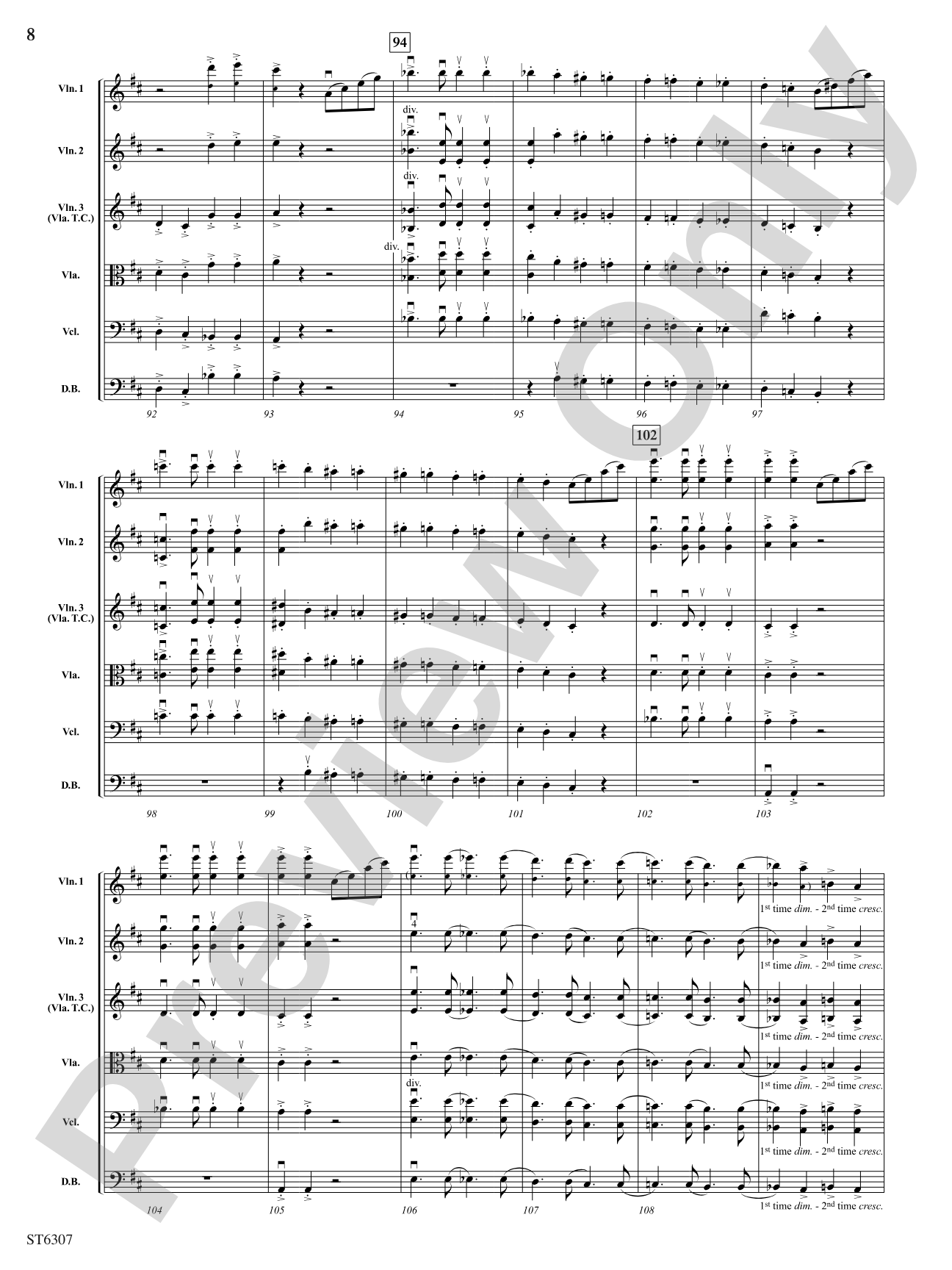
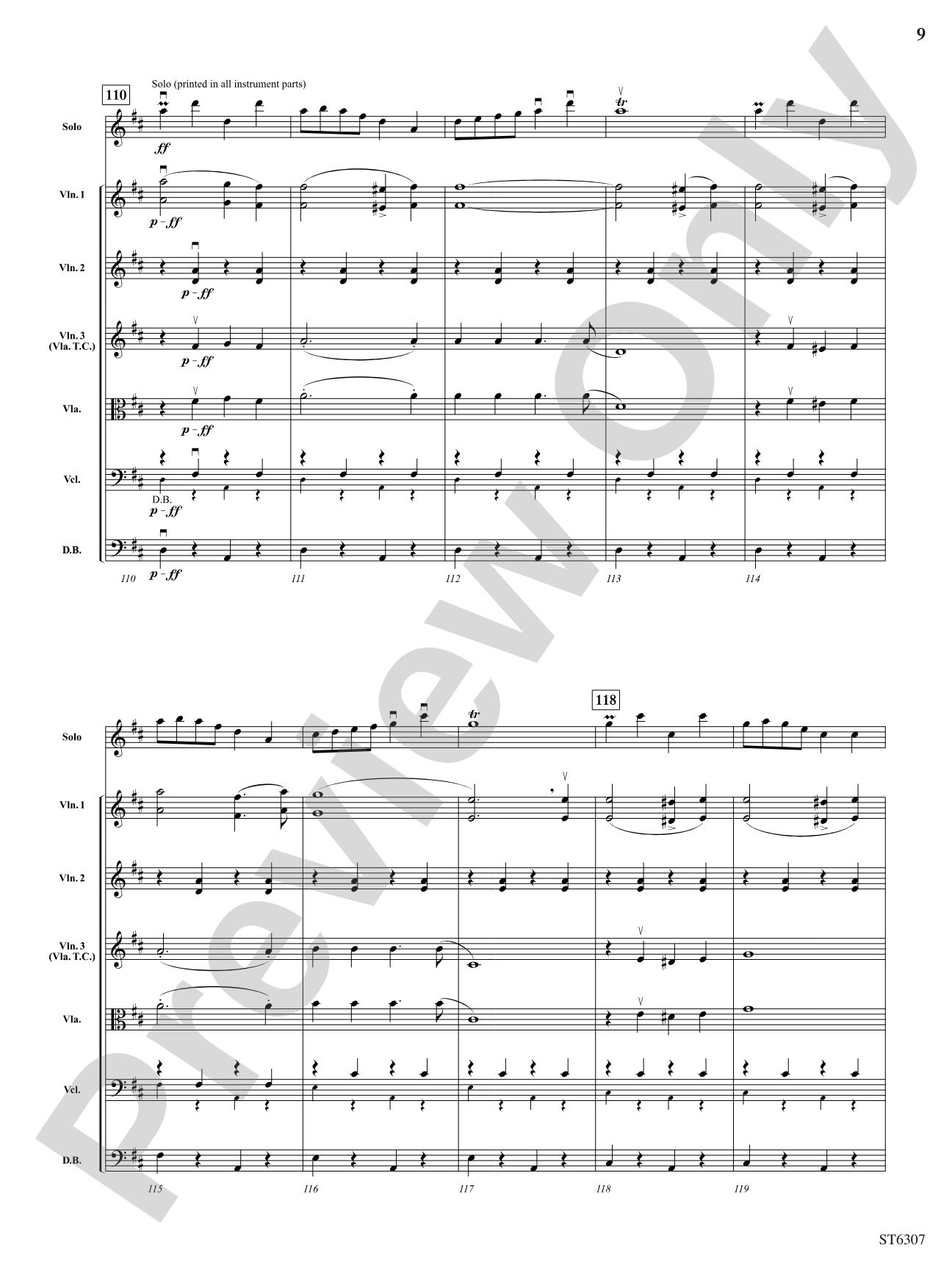
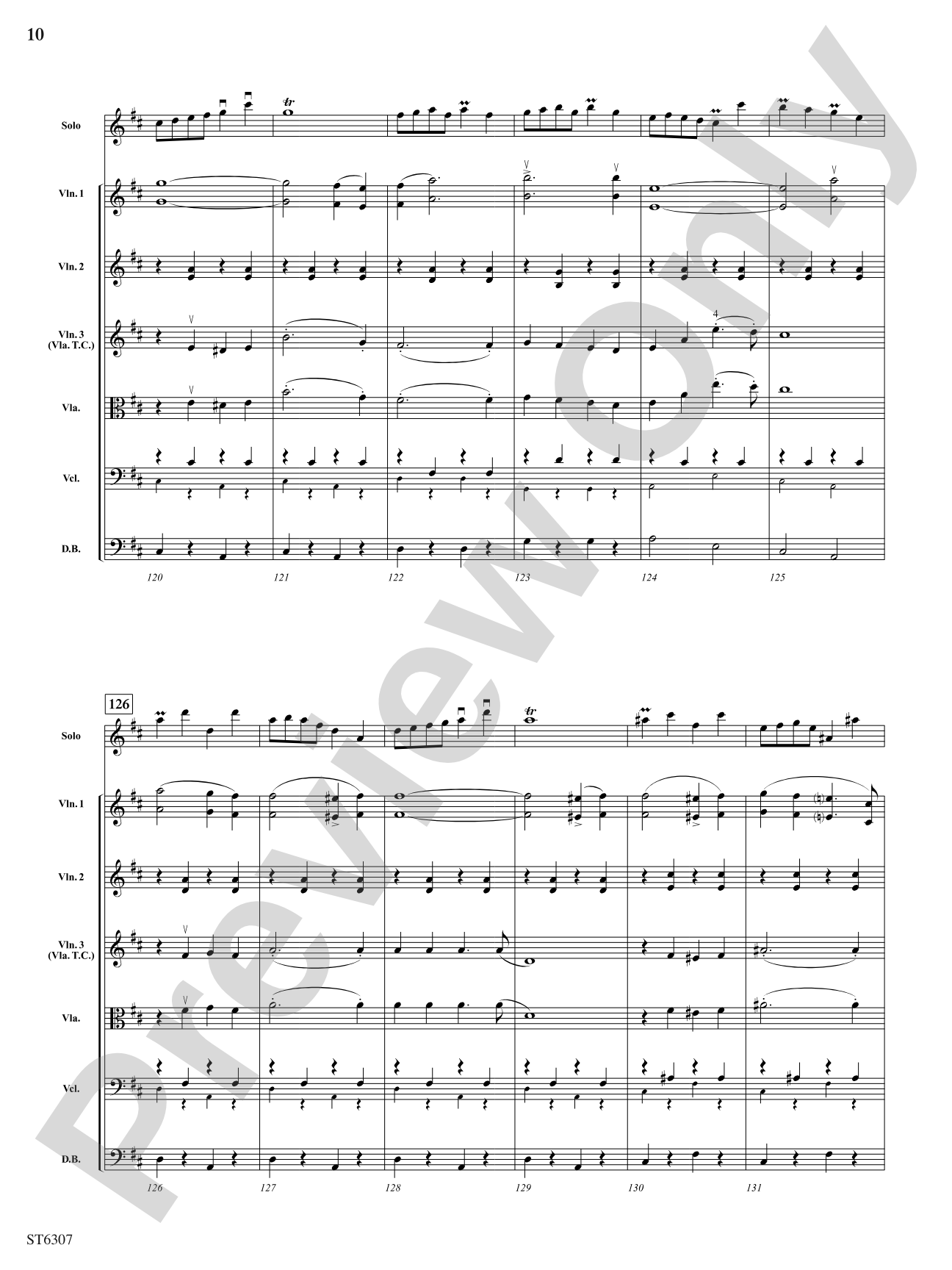
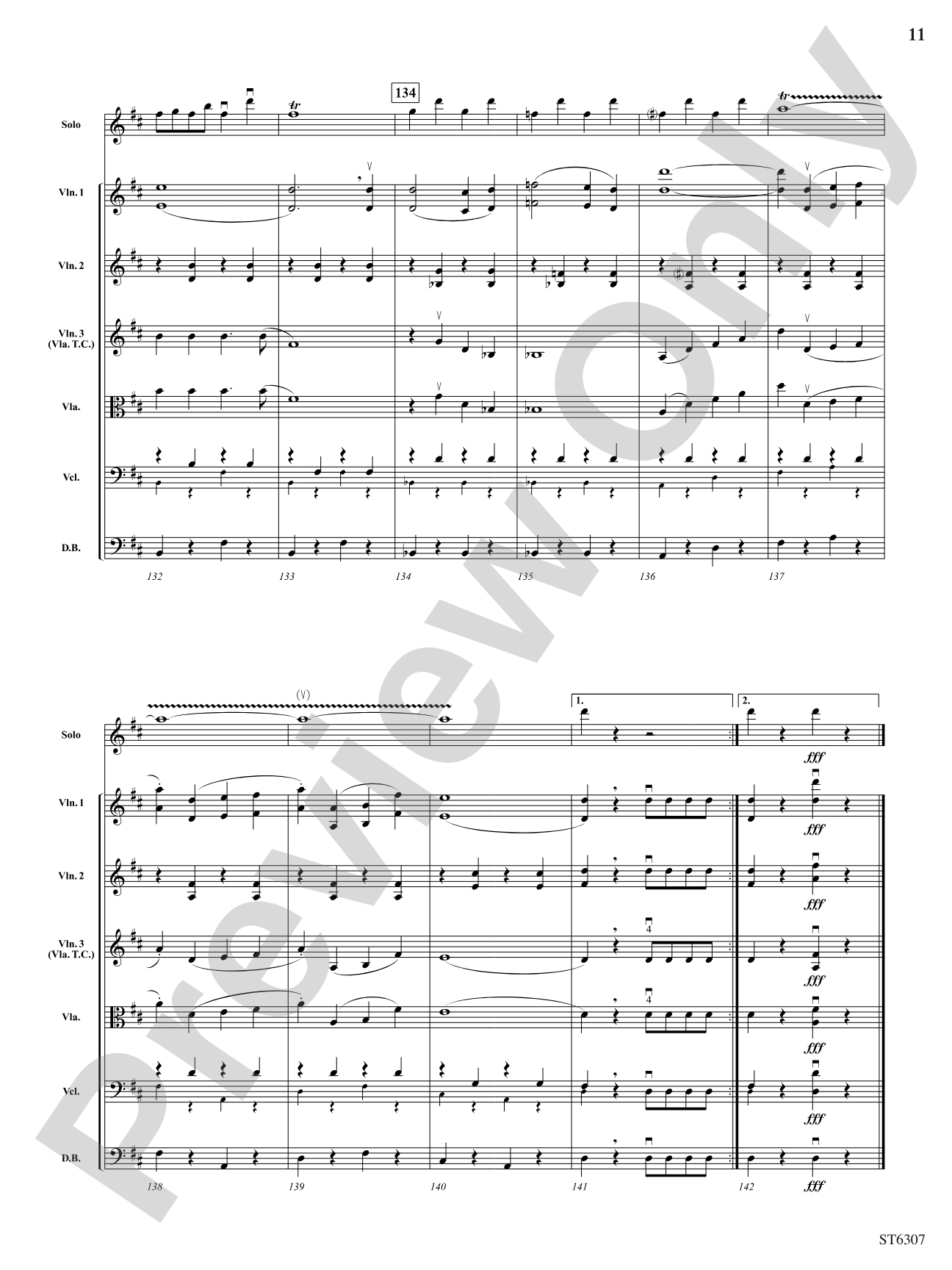

The Stars and Stripes Forever: Score
By John Philip Sousa / arr. Carrie Lane Gruselle
Grade: 4
Item: 98-DST6307S
$5.00
Pickup currently not available
Description
No piccolo? No brass? No problem! Your strings-only groups will cover all the bases as they experience the tradition of this iconic Sousa march. The final piccolo solo is available to any instrument or combination of students for ultimate performance flexibility!


Don't just read it, hear it, play along with it, and watch your students grow with it. In MakeMusic Cloud, The Stars and Stripes Forever: Score comes alive with professional accompaniment, adjustable tempo, and built-in practice tools that turn solo practice into real progress.
Open in the Player
Jump straight in and assign it today.
Start Your Free Trial
Open this title and explore the full library in minutes.
Sample Audio
1
Audio File
--:--
0:00
0:00
Sample Video
No sample videos found.
Additional Details
Series:
FJH String Orchestra
Publisher:
The FJH Music Company, Inc.
SKU:
98-DST6307S
More about this title
About the Composer: John Philip Sousa
John Philip Sousa (1854–1932) defined American patriotic music and remains one of the most performed composers in the nation's concert bands and orchestras. Known as the "March King," Sousa composed nearly 140 marches that became the soundtrack to American civic life, military tradition, and celebratory gatherings. His works are fundamental to music education because they combine accessible melodic writing with sophisticated harmonic language and orchestration that engages students across all levels.
Sousa's legacy extends beyond composition. He was a conductor, educator, and advocate for musicians' rights who understood how to write music that sounds accomplished without requiring virtuosic technique. For student ensembles, his marches offer the rare gift of immediate musical gratification: players sound good from the first rehearsal, and the music carries genuine historical weight.
Why we love this
This arrangement solves a real logistical problem while preserving everything that makes Sousa's most famous march essential repertoire. Carrie Lane Gruselle has kept the energy and melodic integrity intact for strings alone, and the flexible piccolo solo option means you're not limited by instrumentation or held back by missing parts. Grade 4 students get to own a piece of American music history that audiences recognize instantly, which builds genuine confidence and pride in performance.
What to expect
Stride and ceremony. This march pulses with the confidence of a parade; every note feels purposeful and every section knows its role in the pageantry. The energy is infectious without being frantic, and the harmonies are warm enough that students feel the emotional weight beneath the exuberance.
Who it's for
String orchestras without access to woodwind or brass sections, or teachers who want to feature their string players on this cornerstone repertoire. Grade 4 groups with solid rhythmic foundation and basic part independence will find this accessible and immediately rewarding to perform.
How to get the most out of it
- Balance the melodic material across sections so the march's signature tune rings out clearly. Violins don't need to dominate; let violas and cellos share the tune when the score assigns it to them.
- Attack rhythmic figures with uniform articulation and precise diction, especially the characteristic march rhythms. This clarity is what gives the piece its forward momentum and celebratory character.
- Shape the dynamic arc across entire phrases rather than responding to every printed marking. Sousa's marches breathe, and your strings will sound more mature if you think in 4- or 8-bar units rather than measure-to-measure.
- If using the optional piccolo solo in the final section, rehearse both the piccolo version and a backup option (violin or flute could cover it easily). This flexibility means no performance stress if a soloist is absent.
How to use it
Program this for patriotic concerts, community events, or as an opener that immediately signals "occasion." It pairs beautifully with other American classics or lighter pops arrangements, or stand it alone as a guaranteed audience favorite that requires no explanation or program notes.
Skills your students will build
- Maintaining consistent articulation across an entire ensemble in march rhythm
- Reading and executing independent rhythmic patterns across multiple string parts simultaneously
- Shaping long melodic lines with dynamic nuance while preserving march character
- Balancing harmonic texture when a melody is distributed across several sections
- Responding to conductor gestures for clarity in exposed passages and section transitions