

The Spinning Wheel: SSA Choral Octavo
Words by Walter Savage Landor, music by Ruth Morris Gray
Item: 00-PO-0000285
$2.25
Minimum order quantity: 20 copies
Pickup currently not available
Related Items
The Spinning Wheel: SSA Choral Octavo |
$2.25
|
View |
Description
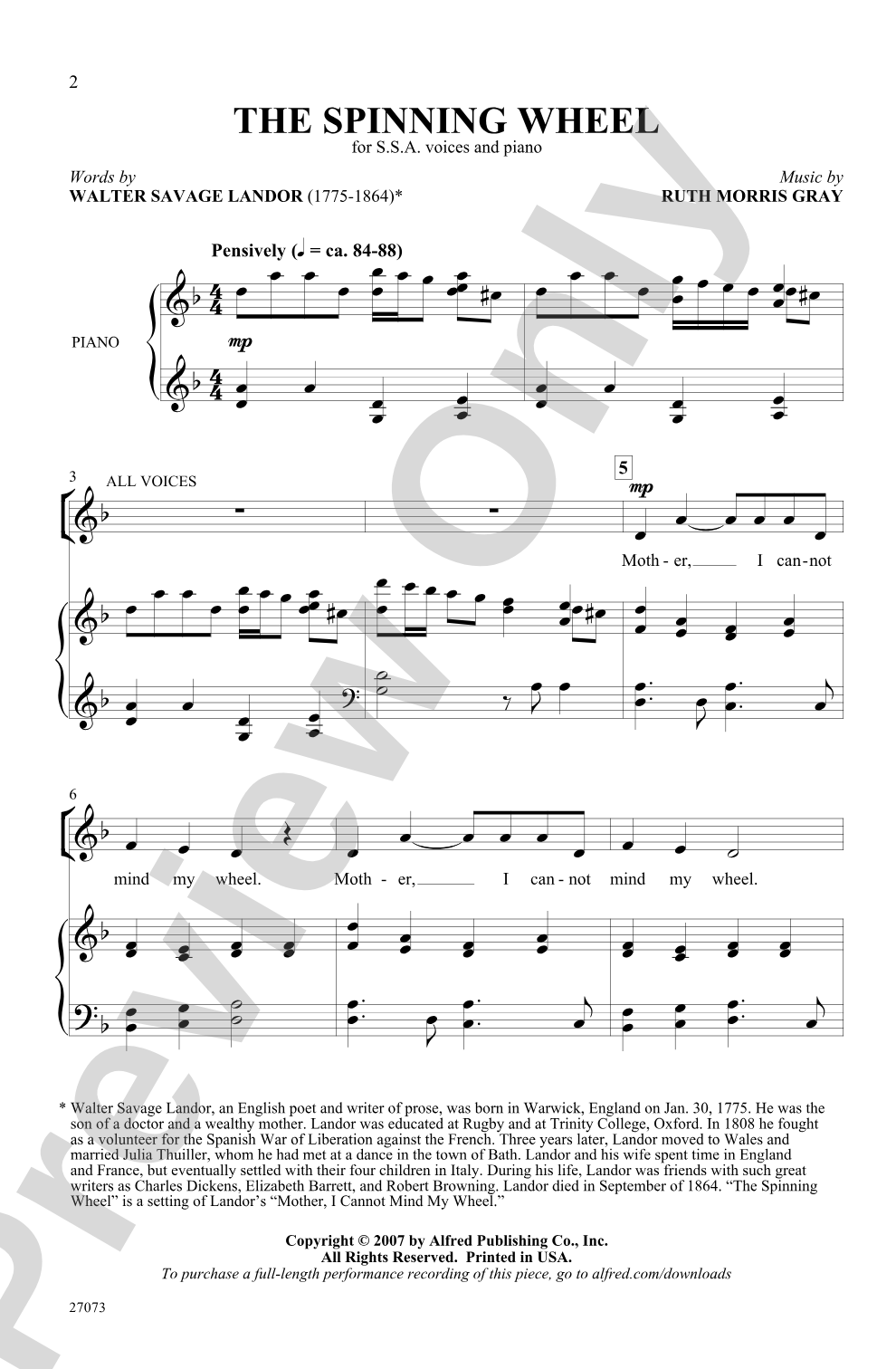
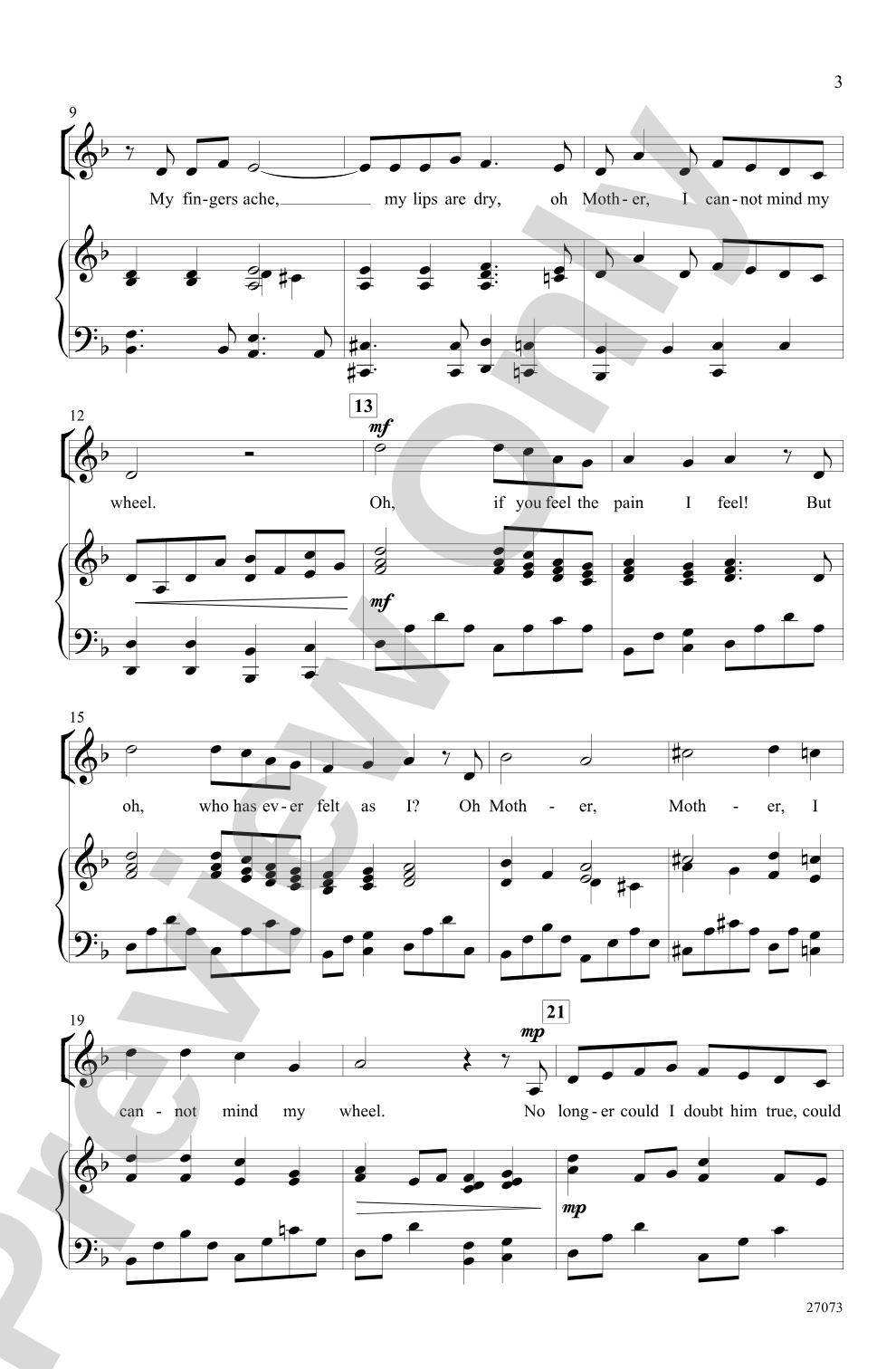
A haunting piano motif, pensive minor melody, and flowing vocal phrases weave a fine musical fabric for SSA choirs. Composed as a 3-part round, the range of this piece is primarily one octave for all voice parts and falls within the comfort zone of developing female voices. The spinning text lends itself well to canonic writing. An excellent teaching piece.


The Spinning Wheel: SSA Choral Octavo isn't in MakeMusic Cloud just yet...but it could be. Let us know you'd like to see it, and you'll help shape what comes next. In the meantime, start a free trial and dive into thousands of interactive titles your students can play along with today.
Request This Title
Tell us you want it.
Start Your Free Trial
Explore everything that's ready to play right now.
Sample Audio
1
Audio File
--:--
0:00
0:00
Sample Video
No sample videos found.
Additional Details
Series:
Alfred Archive Edition: Alfred Choral Designs
Publisher:
Alfred Music
Page Count:
12
SKU:
00-PO-0000285
More about this title
About the Composer: Ruth Morris Gray
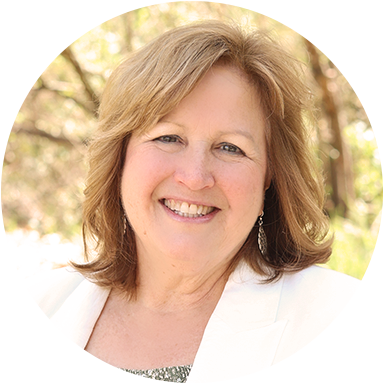
Ruth Morris Gray brings deep roots in both performance and composition to her work as Director of Choirs at Rosemead High School, where she has taught since 2004. She holds degrees in Piano Performance and Composition from Biola University, a Master of Arts in Music Composition from UC Santa Barbara, and earned her California Single Subject Music Credential at California State University, Northridge. With over 100 published choral compositions to her name, Gray writes from lived experience in the classroom and rehearsal hall.
Beyond her prolific compositional output and teaching responsibilities, Gray remains active as a performer and musician. She brings her interests in travel, reading, and active pursuits like swimming and cycling into her creative work, informed by a life lived fully alongside her husband, Douglas.
Why we love this
Gray constructs this round with genuine pedagogical insight: the one-octave range for all three parts acknowledges where developing treble singers live vocally, while the canonic writing grows naturally from the spinning text rather than feeling imposed. The haunting piano motif gives accompanists something substantial to shape, and the pensive minor tonality provides emotional depth without requiring advanced harmonic reading.
What to expect
The piece evokes the gentle, hypnotic motion of a spinning wheel caught in candlelight. Minor harmonies and the circling piano motif create an introspective, almost folk-like atmosphere that feels both ancient and immediate, drawing singers into focused, connected singing.
Who it's for
This octavo works beautifully for SSA ensembles at the middle school and early high school level, as well as developing community choirs seeking accessible repertoire with real musical substance. Directors looking for a teaching piece that introduces canonic writing and minor tonality without overwhelming singers will find this especially valuable.
How to get the most out of it
- Establish the piano's spinning figure clearly in rehearsal before voices enter; this motif anchors the entire piece and helps singers locate their own phrases within the texture.
- Work the canonic entrances slowly at first, speaking the text rhythmically in unison before adding pitch, so singers understand when and why each part enters.
- Shape the minor melody with subtle dynamic shaping rather than stark contrasts; the piece's haunting quality emerges from sustained legit singing and careful phrase breathing.
- Balance the three parts so the melody line (typically soprano I) remains audible even when all voices sing simultaneously in the round structure.
How to use it
This works well as an opening or closing piece in a concert exploring traditional songs and contemporary choral miniatures, or as a centerpiece in a program built around canonic and polyphonic writing. Its twelve pages and manageable range make it suitable for inclusion in a concert that features several shorter pieces rather than fewer longer works.
Skills your students will build
- Reading and performing canonic structures
- Sustaining independent vocal lines while listening to other parts
- Singing in minor tonality with expressive control
- Ensemble balance and blend across three equally important voice parts