
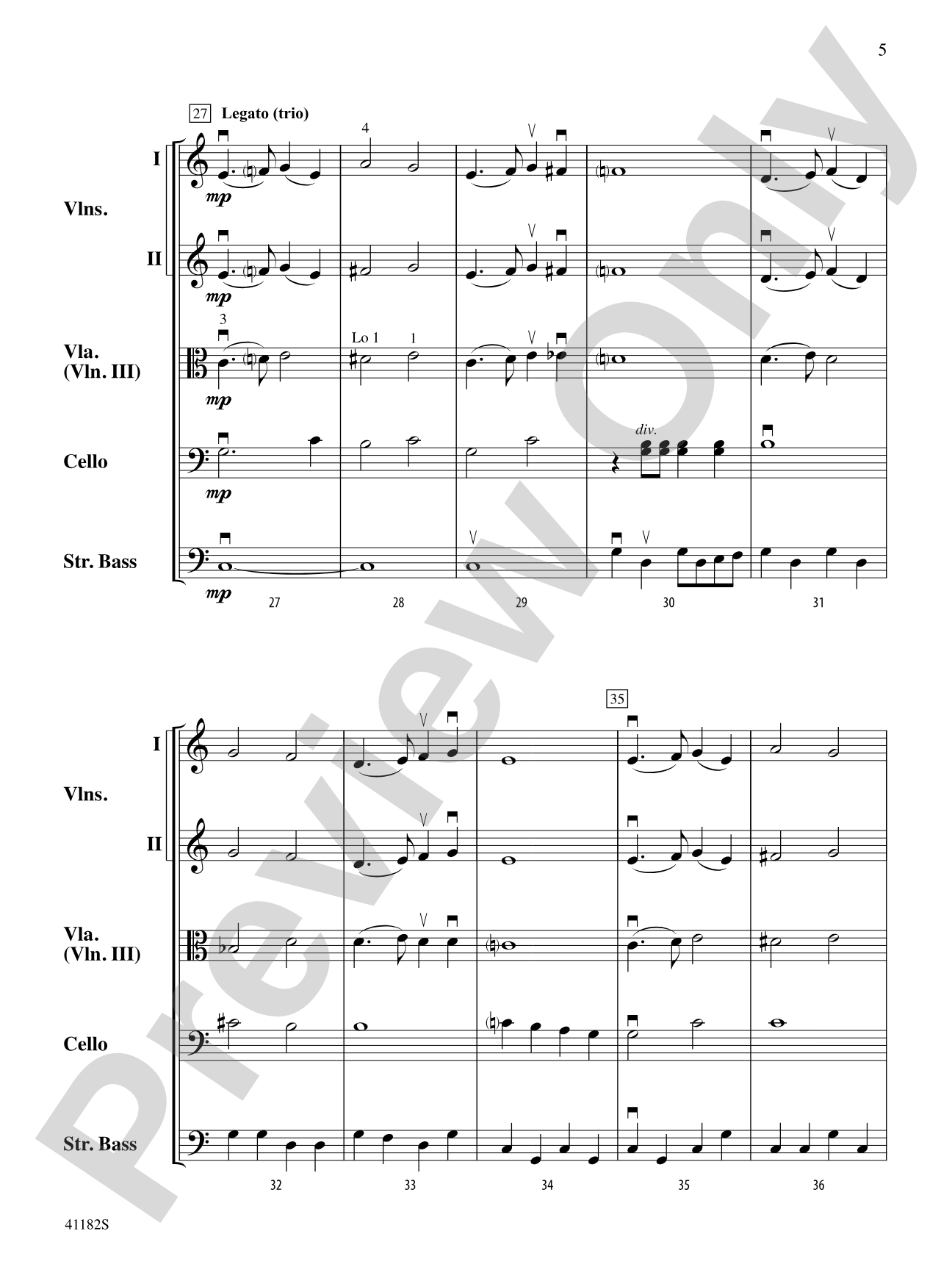
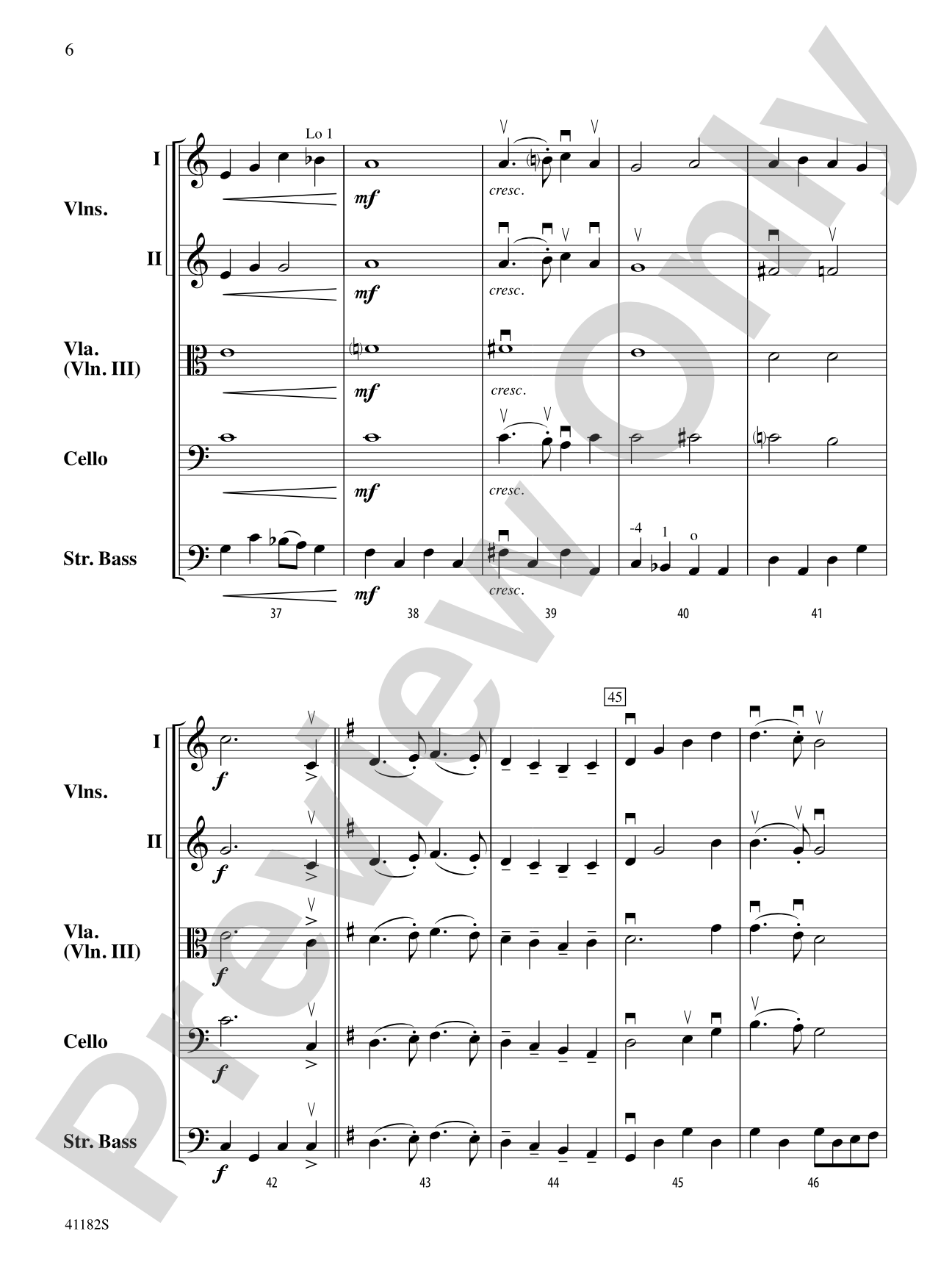
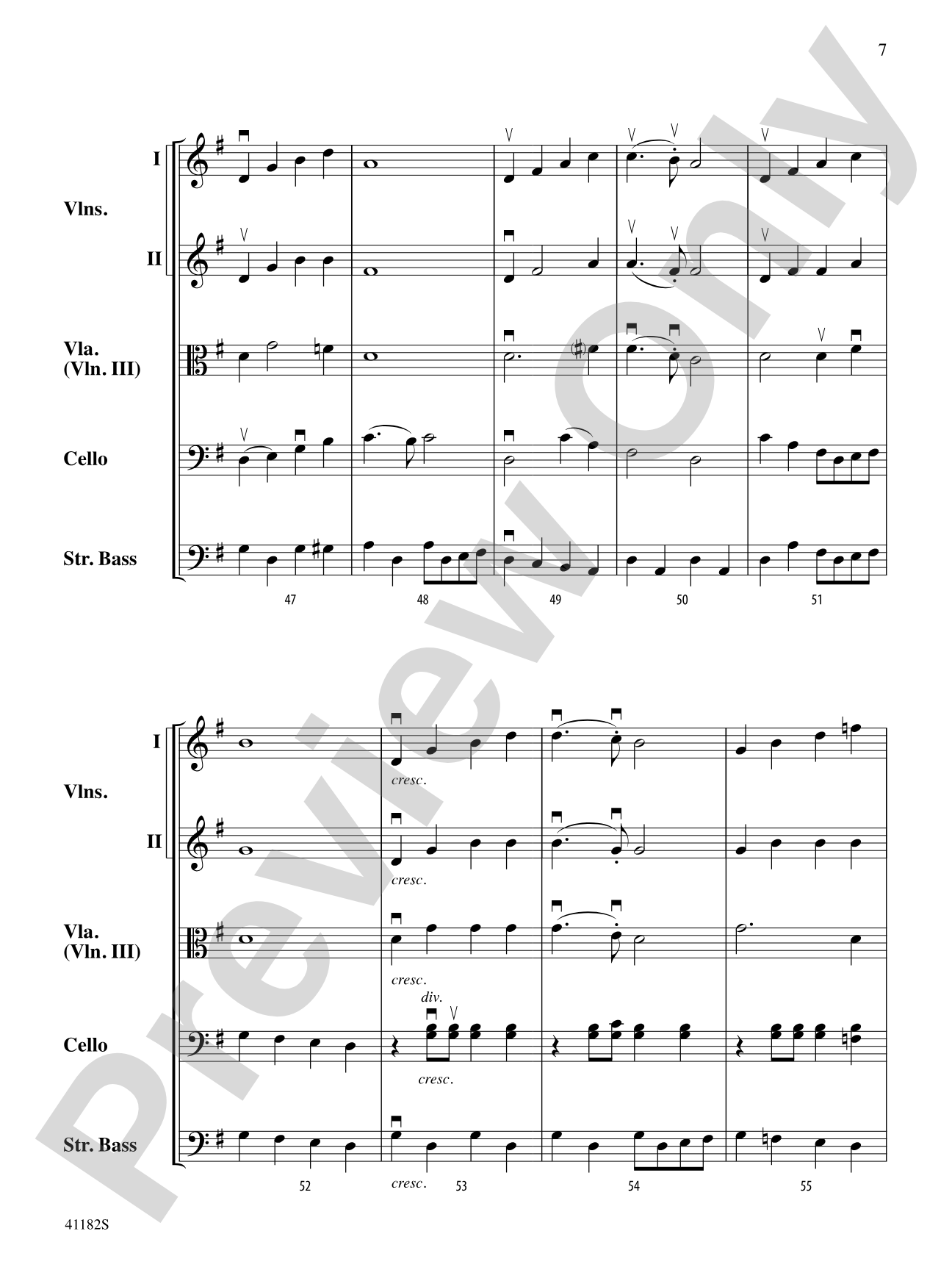
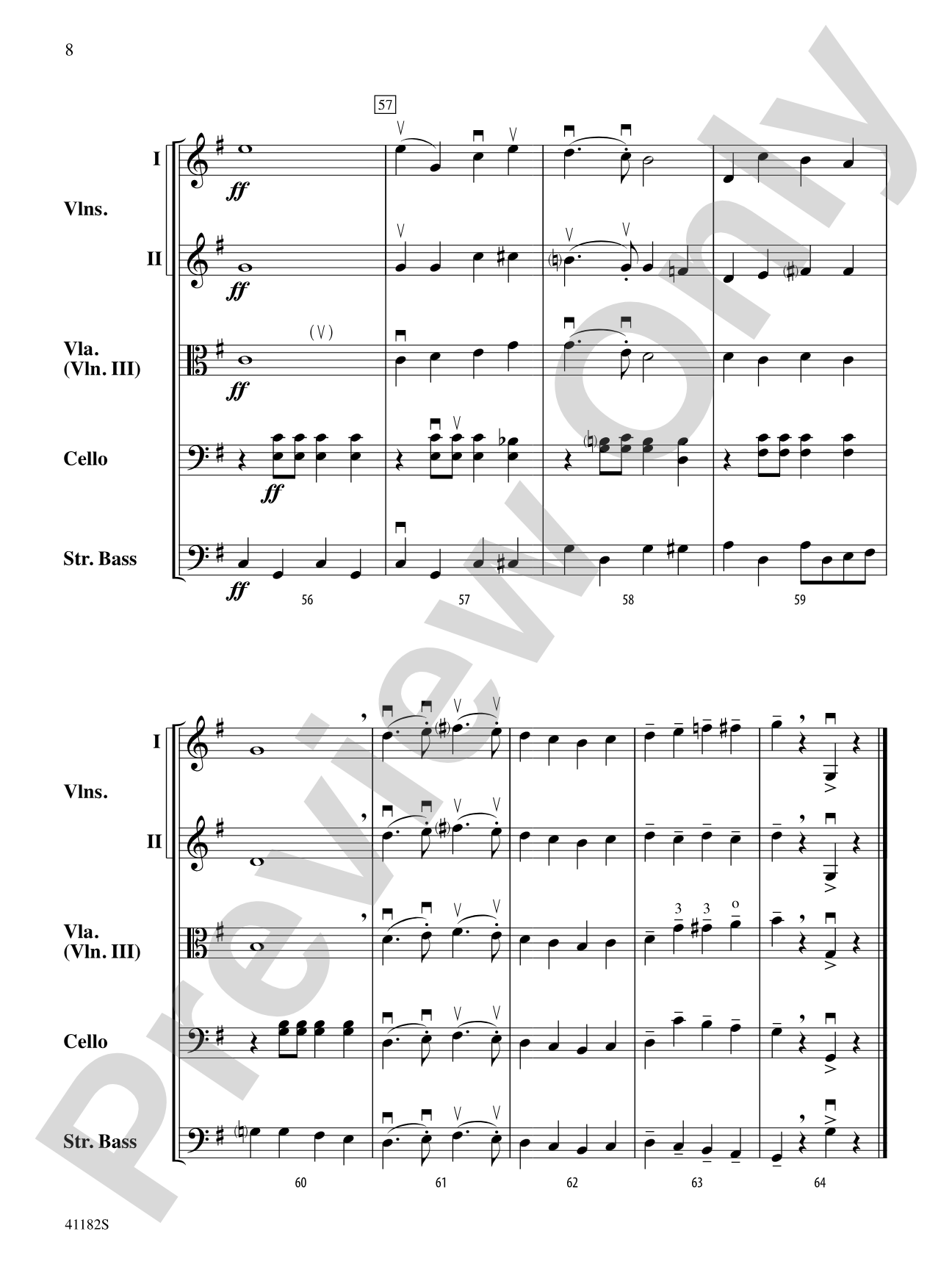

The Southern March: String Orchestra Conductor Score & Parts
By Bob Cerulli
Grade: 2
Item: 00-PK-0006054

$40.00
Pickup currently not available
Buy Extra Parts (Digital PDF Download)
| Product | Price | Quantity |
|---|---|---|
| The Southern March: Score | $6.00 | |
| The Southern March: 1st Violin | $5.99 | |
| The Southern March: 2nd Violin | $5.99 | |
| The Southern March: 3rd Violin (Viola [TC]) | $5.99 | |
| The Southern March: Viola | $5.99 | |
| The Southern March: Cello | $5.99 | |
| The Southern March: String Bass | $5.99 |
Parts Added to Cart!
Description
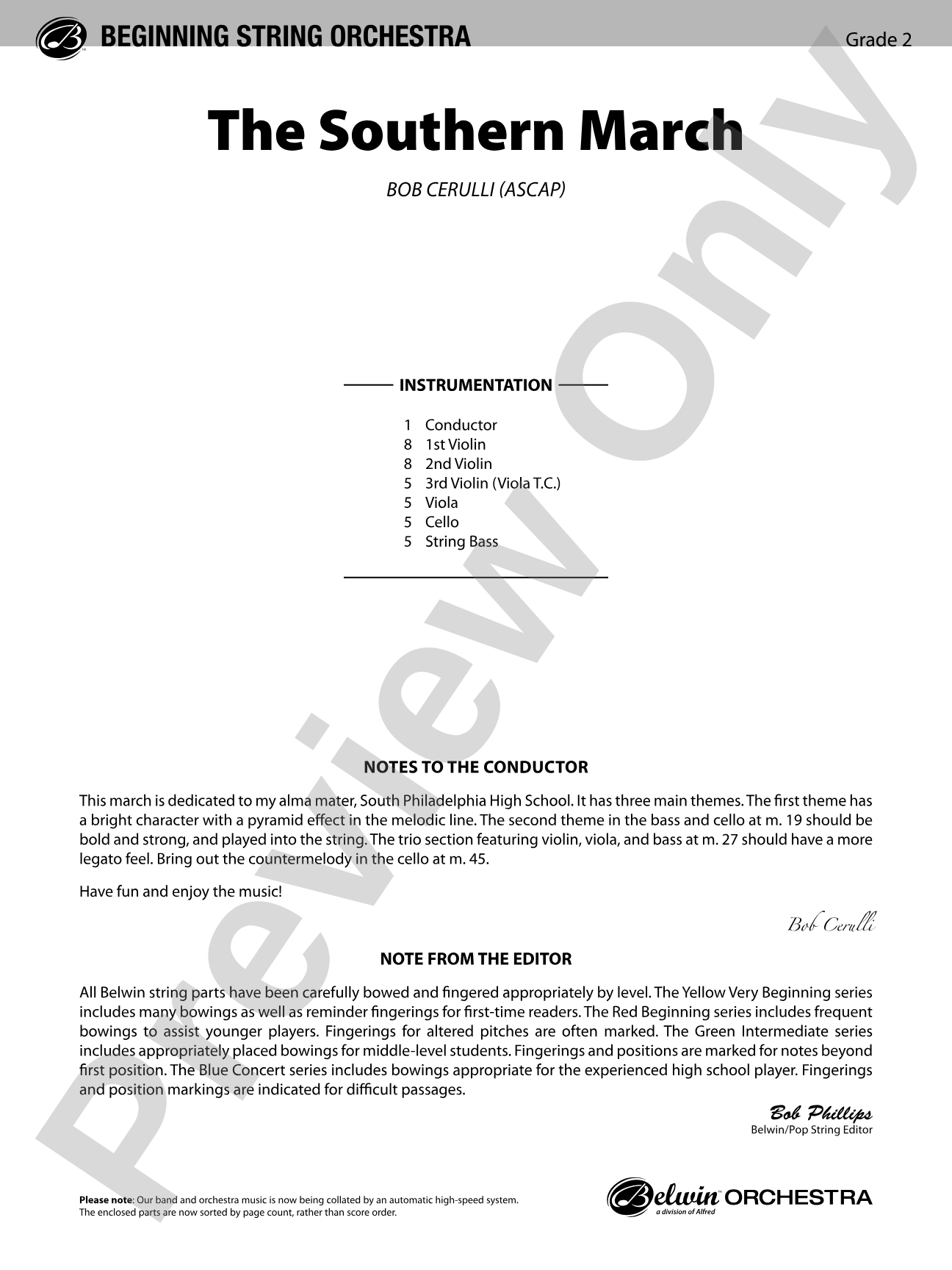
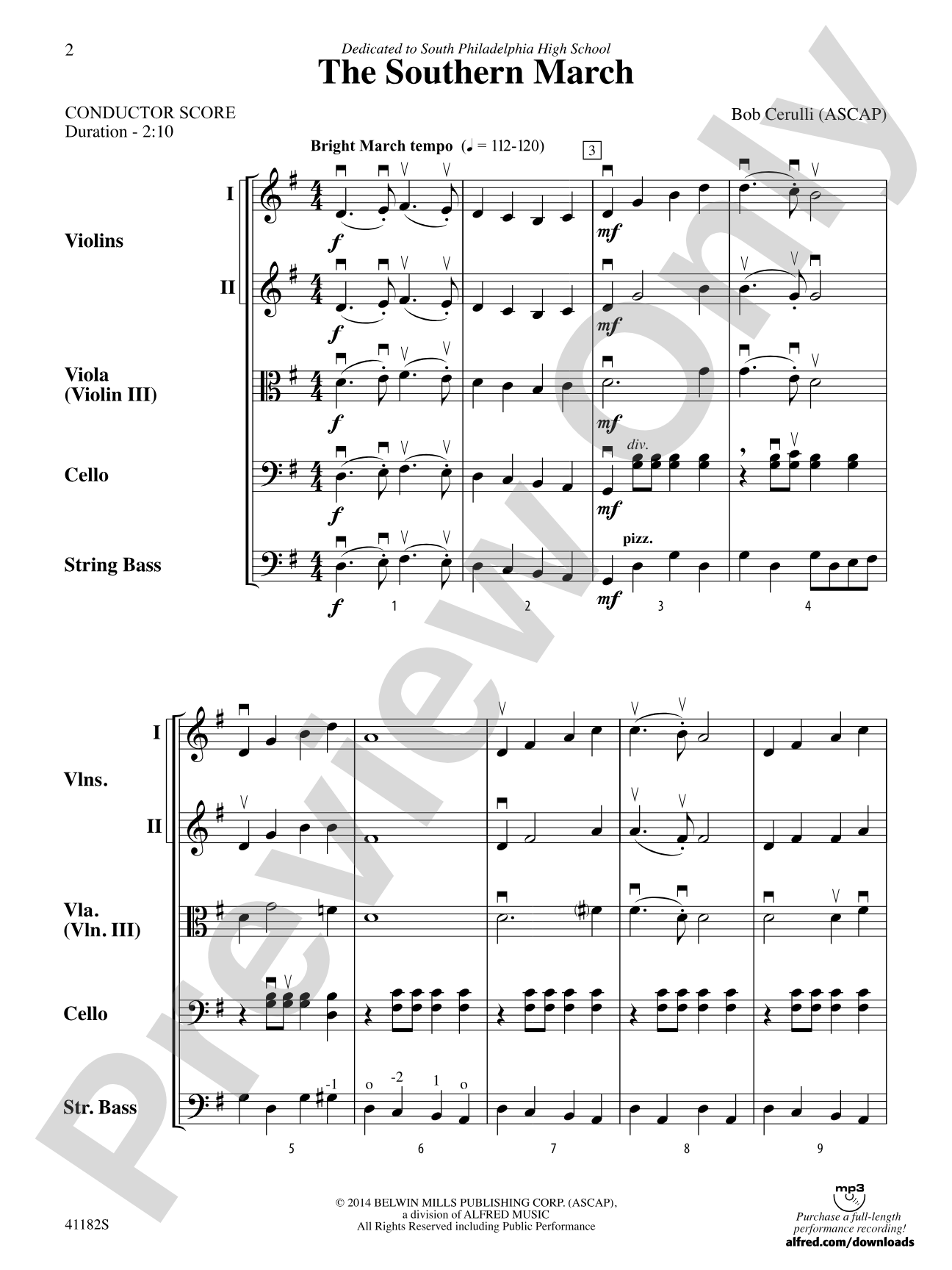
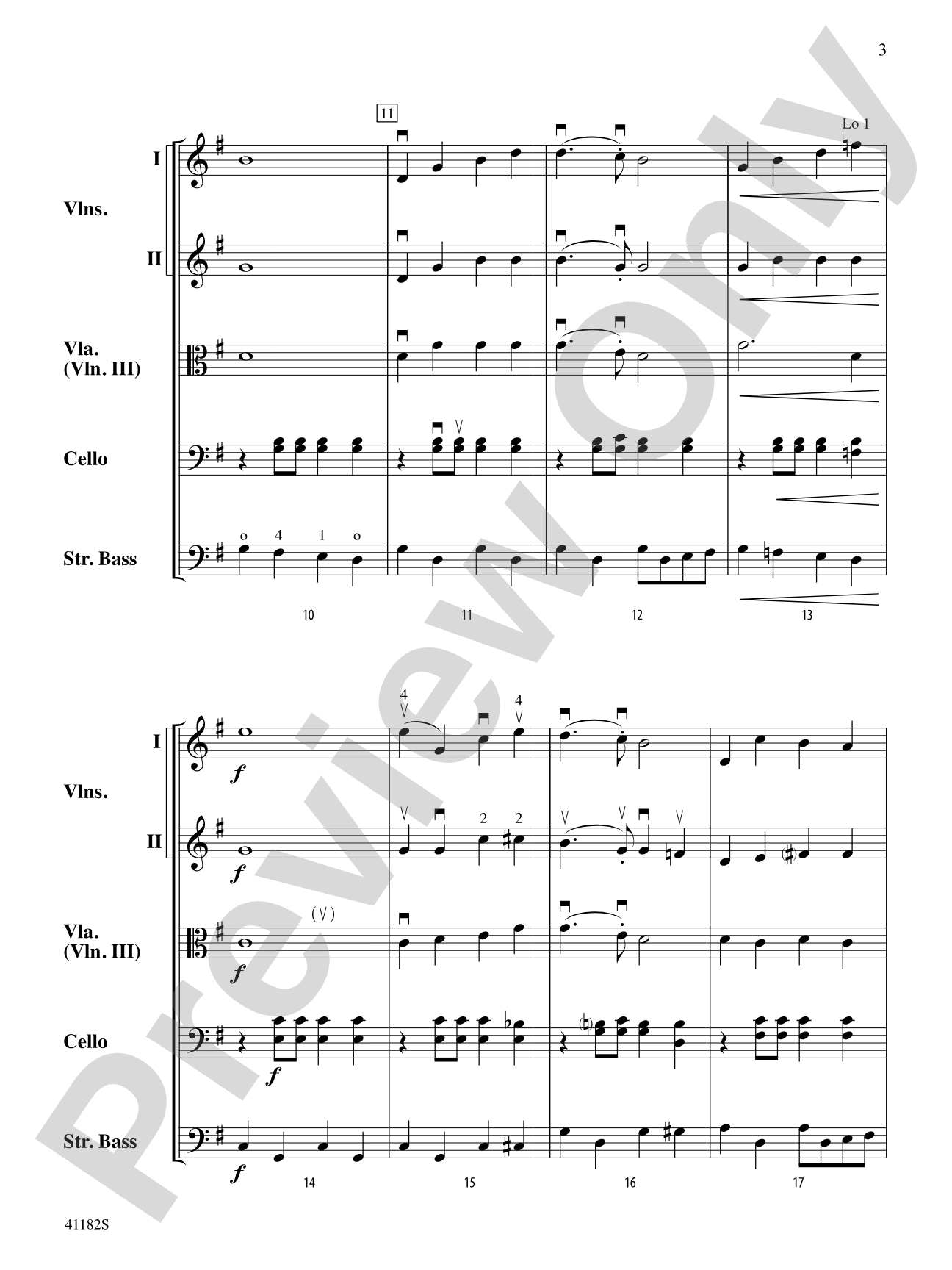
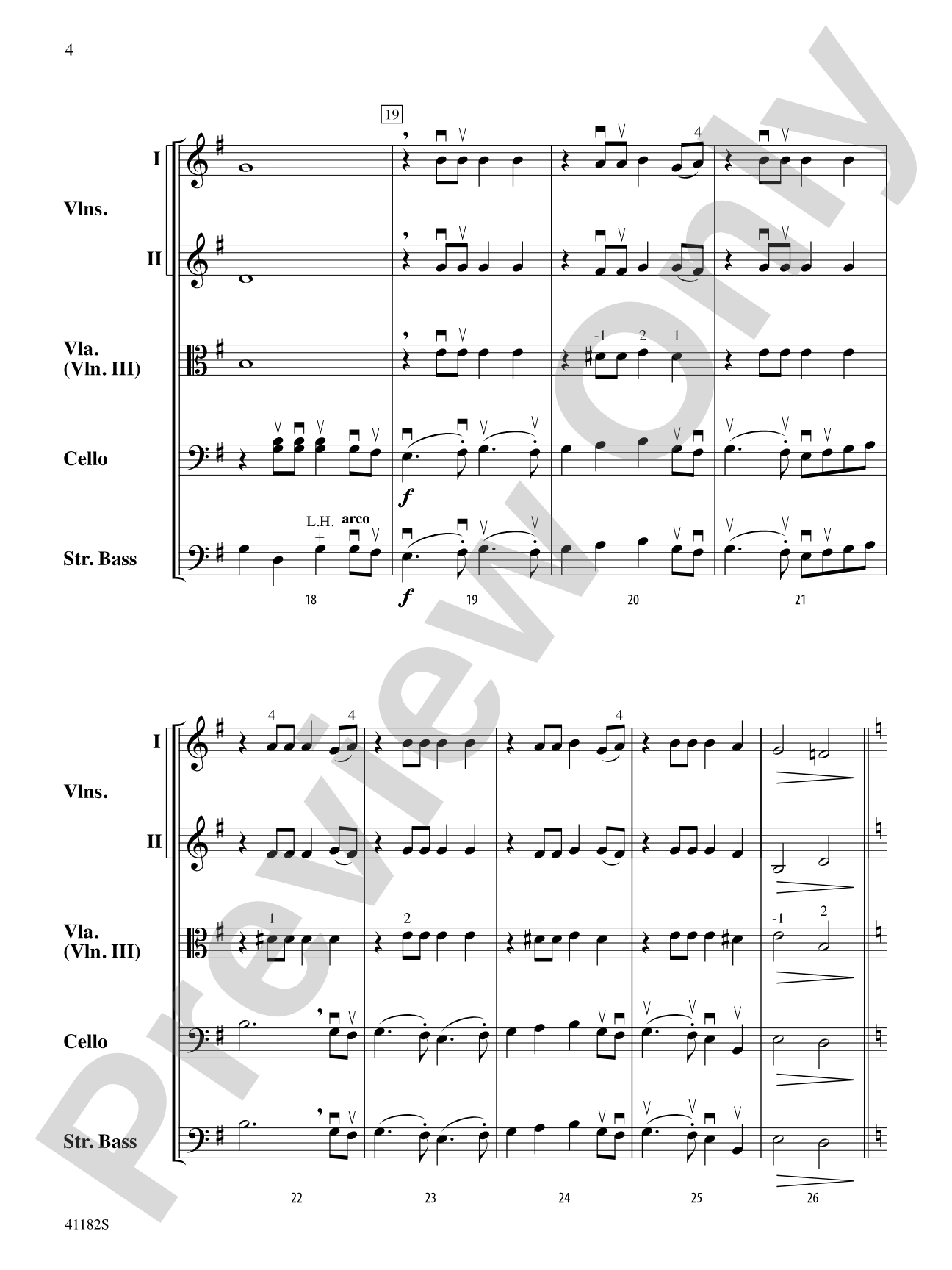
A lovely march written at a very playable level that will suit any concert! With three different themes, there is plenty of variety in this piece. (2:10) This title is available in MakeMusic Cloud.


Don't just read it, hear it, play along with it, and watch your students grow with it. In MakeMusic Cloud, The Southern March: String Orchestra Conductor Score & Parts comes alive with professional accompaniment, adjustable tempo, and built-in practice tools that turn solo practice into real progress.
Open in the Player
Jump straight in and assign it today.
Start Your Free Trial
Open this title and explore the full library in minutes.
Sample Audio
1
Audio File
--:--
0:00
0:00
Sample Video
No sample videos found.
Additional Details
Series:
Belwin Beginning String Orchestra
Publisher:
Alfred Music
Page Count:
72
SKU:
00-PK-0006054
More about this title
About the Composer: Bob Cerulli
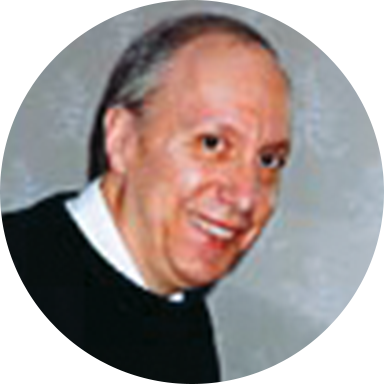
Bob Cerulli studied double bass at the Curtis Institute of Music under Roger Scott, then earned degrees in music education from the University of the Arts and in conducting from the College of New Jersey. His orchestral career spans performance with the Buffalo Philharmonic, principal bass positions with the Greater Trenton Symphony, New Jersey Capital Philharmonic Orchestra, and Delaware Valley Philharmonic Orchestra, plus freelance work in Philadelphia and Atlantic City alongside Broadway artists and film composers including Henry Mancini, Bill Conte, Michel LeGrand, and Marvin Hamlish.
Cerulli's own compositions have been performed by major orchestras, including Celebration by The Philadelphia Orchestra and Romance in D Major for cello and piano, premiered by Philadelphia Orchestra Principal Cellist William Stokking. He spent 29 years as a public school music teacher and currently serves as a Senior Adjunct Professor at Rowan College at Burlington County, where he has conducted orchestral performances and reading sessions at regional music festivals.
Why we love this
Cerulli writes for young orchestras with a genuine understanding of what players can accomplish at Grade 2. The march form itself gives students a clear architectural anchor, while the three contrasting themes prevent the piece from feeling routine or thin. This is the kind of repertoire that actually sounds like a real concert number, not a training exercise.
What to expect
A march that moves with dignity and purpose. The melodies are straightforward and memorable, never condescending, with enough rhythmic variety and harmonic interest to keep the ear engaged across its two-minute duration. Light and accessible, yet formal enough to belong on a concert program alongside more substantial works.
Who it's for
This march fits Grade 2 string orchestras that want a concert-ready piece with genuine musical substance. It works equally well for groups building confidence in fundamental ensemble skills and for ensembles ready to focus on phrasing and style.
How to get the most out of it
- Establish a steady, confident tempo in the opening theme; young players often rush marches. A metronome in rehearsal helps them lock the pulse before you remove it.
- Balance the melody across sections as themes pass between parts. Cerulli distributes the thematic material thoughtfully, so highlight which voices carry the tune in each section.
- Shape each theme with subtle dynamic inflection rather than rigid strict adherence to marked dynamics. This keeps the march musical and engaged.
- Mark clear section transitions in parts so players anticipate theme changes and entrances without conductor dependency.
How to use it
Program this as the anchor of a concert dedicated to American string orchestra repertoire, or pair it with contrasting pieces in different tempos and characters. The march's brisk energy also makes it an excellent closing selection for a segment when you want to send the audience out with a sense of accomplishment.
Skills your students will build
- Maintaining consistent tempo and pulse in a march form
- Following theme transitions across multiple instrumental sections
- Playing with rhythmic precision while shaping phrasing
- Balancing melody and accompaniment within a transparent orchestration
- Responding to clear formal structure (multiple themes and repeats)