The Sixties: Music That Rocked The World Sheet Music Preview

The Sixties: Music That Rocked The World: SATB Choral Octavo

Arranged by Kirby Shaw

Item: 35-DS00176358

Digital Download
$3.95
Description

The Sixties: Music That Rocked The World: SATB Choral Octavo isn't in MakeMusic Cloud just yet...but it could be. Let us know you'd like to see it, and you'll help shape what comes next. In the meantime, start a free trial and dive into thousands of interactive titles your students can play along with today.

Sample Audio
No sample audio found.
Sample Video
Additional Details
Publisher: Hal Leonard
Page Count: 6
SKU: 35-DS00176358

More about this title

About the Arranger: Kirby Shaw

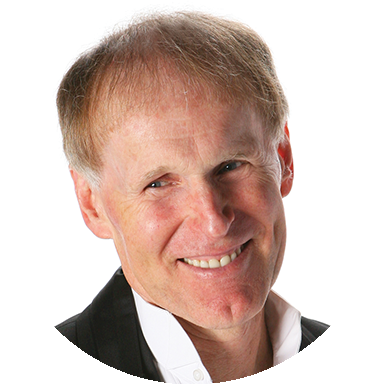
Kirby Shaw

Kirby Shaw's influence on choral music spans continents. With degrees in Music Education and Choral Composition from San Jose State University and a DMA in Choral Conducting from the University of Washington, Shaw has brought his distinctive teaching style to ensembles across North America, Europe, and beyond. His career includes founding the acclaimed COS Vocal Jazz Ensemble at College of the Siskiyous and directing award-winning programs at Colorado State University, the University of Missouri at Kansas City, and Southern Oregon University.

As a composer and arranger with over 2500 published works, Shaw's music has sold nearly 20 million copies worldwide and earned him multiple ASCAP awards, including a recent commission from the Mormon Tabernacle Choir. His approach to music education blends technical rigor with genuine humor and an infectious enthusiasm that comes through in every arrangement. Beyond his choral work, Shaw is an accomplished vocalist who has studied directly with jazz masters including Bobby McFerrin, Al Jarreau, and Jon Hendricks, bringing those professional insights into his educational compositions.

Why we love this

Shaw's decades of experience translating pop and rock into choral settings means this collection avoids the pitfalls that sink many nostalgia arrangements. The writing sits comfortably for SATB voices while preserving the energy that made these songs unforgettable. Your singers will recognize these melodies immediately, but the harmonic sophistication and vocal independence will keep them engaged through rehearsal and performance.

What to expect

Stepping into a time when rock and roll felt genuinely revolutionary, filtered through thoughtful four-part voicing. There's an undeniable joy in singing these melodies, but Shaw's arrangements add harmonic color and vocal independence that elevate the material beyond simple nostalgia.

Who it's for

Choirs seeking material that bridges the gap between entertainment and musical substance will find real value here. This works equally well for groups looking to energize a concert with crowd-pleasing repertoire or directors who want students to experience rock and pop through a serious choral lens.

How to get the most out of it

  • Balance the blend between parts by acknowledging that '60s rock often features a dominant melody line; ensure your soprano or melody-carrying section breathes with the rest of the ensemble rather than dominating it.
  • Study the original recordings before rehearsals begin so you can speak fluently about the era's sonic character and help singers understand what authentic phrasing sounds like.
  • Treat rhythmic precision as foundational here. The rock and pop idioms depend on locked grooves, so lock in on the big moments early in rehearsal before adding interpretation.
  • Lean into dynamics marking and pay attention to where Shaw strips the texture down. These moments of restraint make the full ensemble moments land harder.

How to use it

Program this alongside a lighter set of contemporary pop to show your audience how choral music can honor multiple eras and styles within a single concert. It also serves as an excellent anchor for a decade-themed concert, giving you a six-page package that requires minimal rehearsal time while delivering maximum audience connection.

Skills your students will build

  • Singing with period-appropriate phrasing and rhythmic feel in a rock/pop idiom
  • Balancing a single melodic line across multiple voice parts while maintaining harmonic independence
  • Maintaining rhythmic precision and groove in non-classical contexts
  • Interpreting dynamics and texture in contemporary popular music settings

You May Also Like