
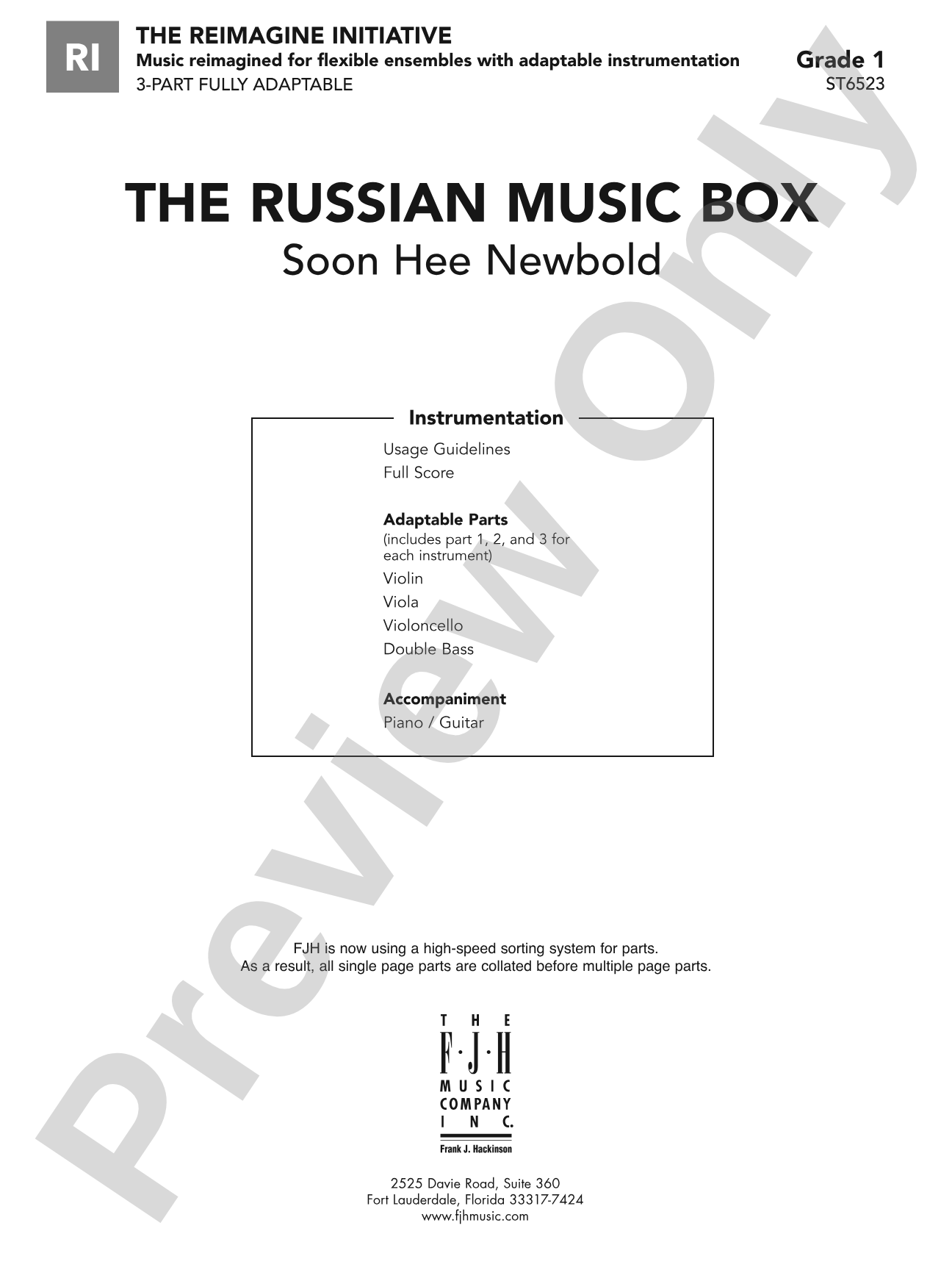

The Russian Music Box: Score
By Soon Hee Newbold
Grade: 1
Item: 98-DST6523S
$6.00
Pickup currently not available
Description
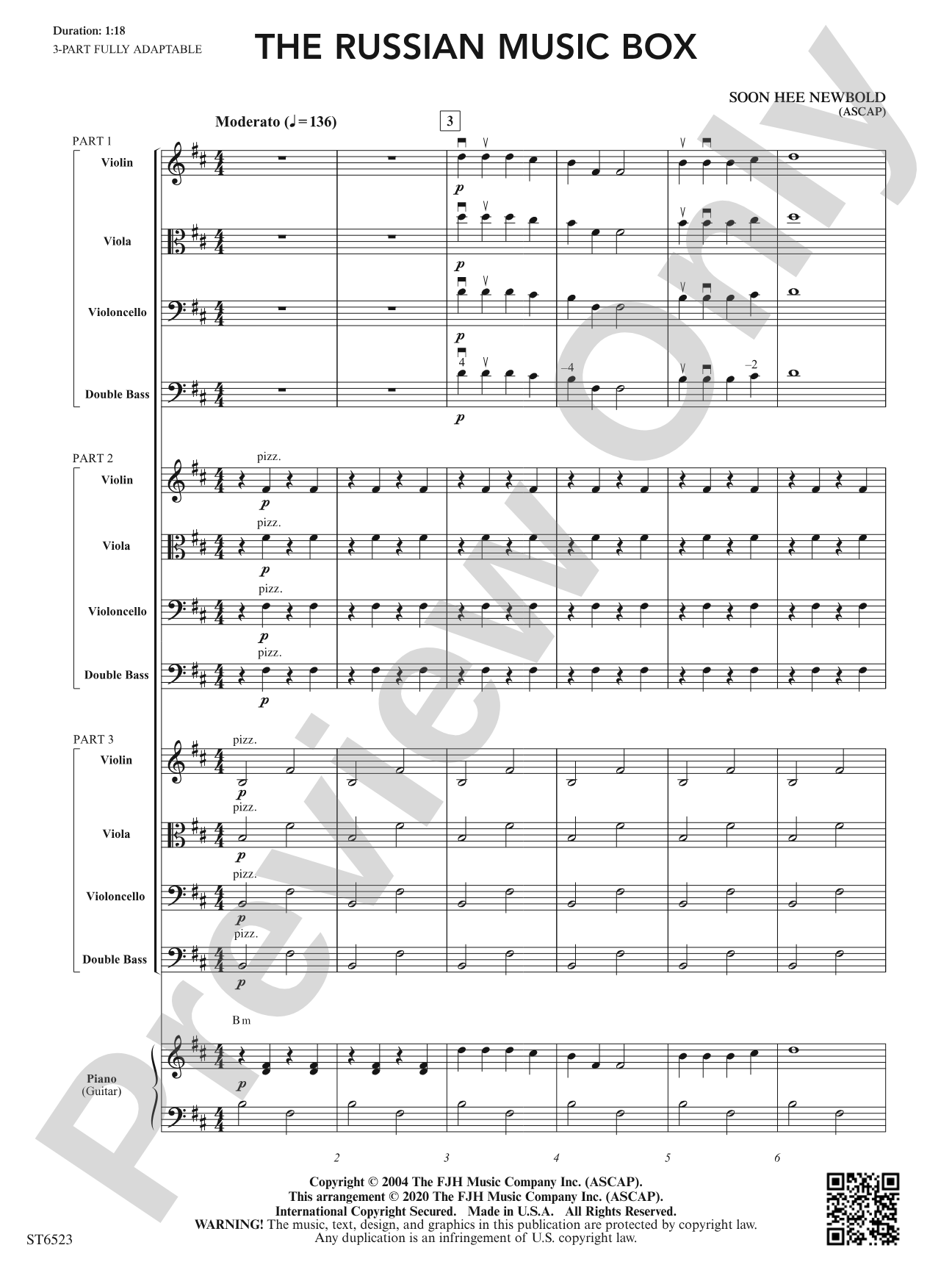
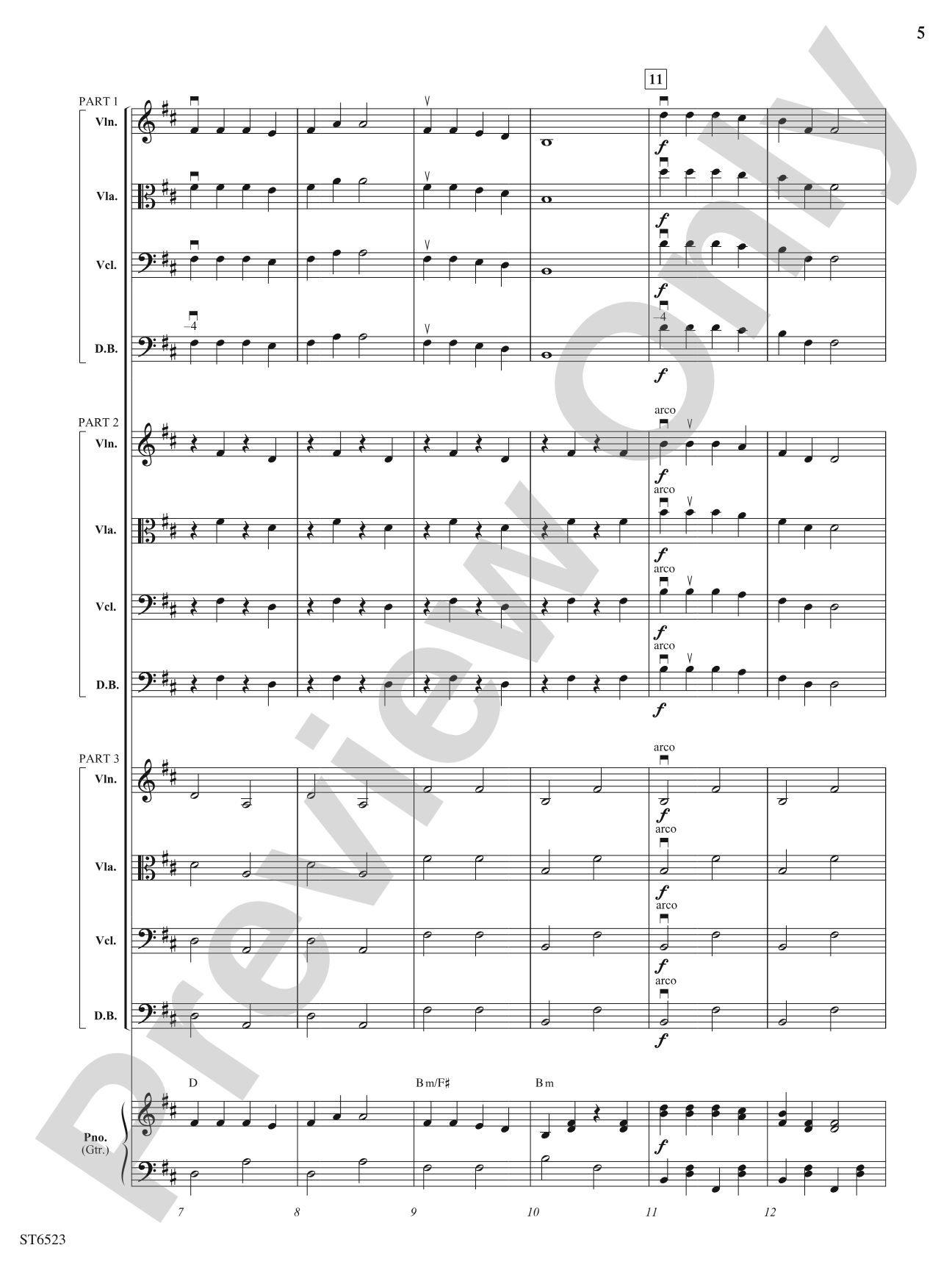
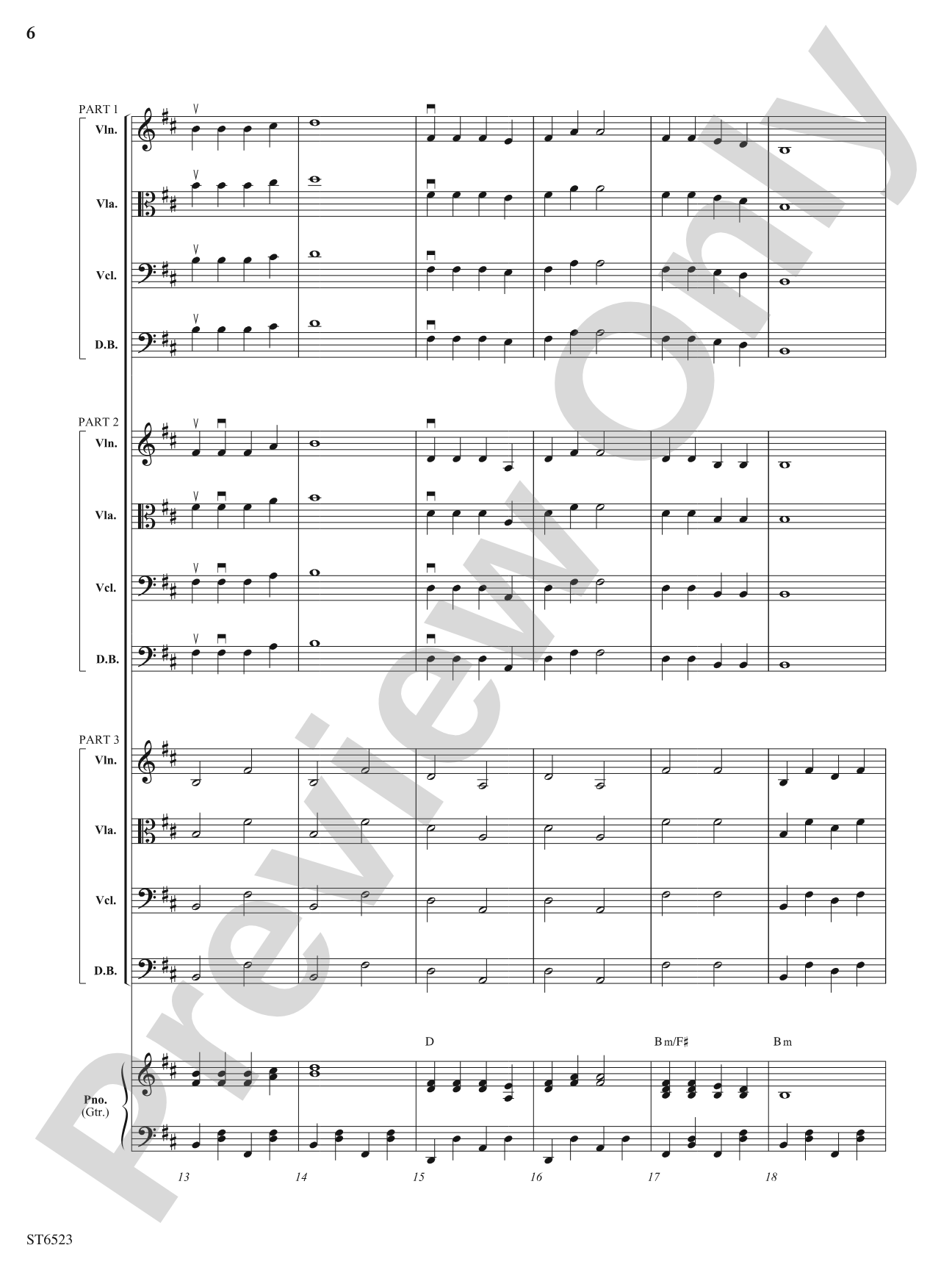
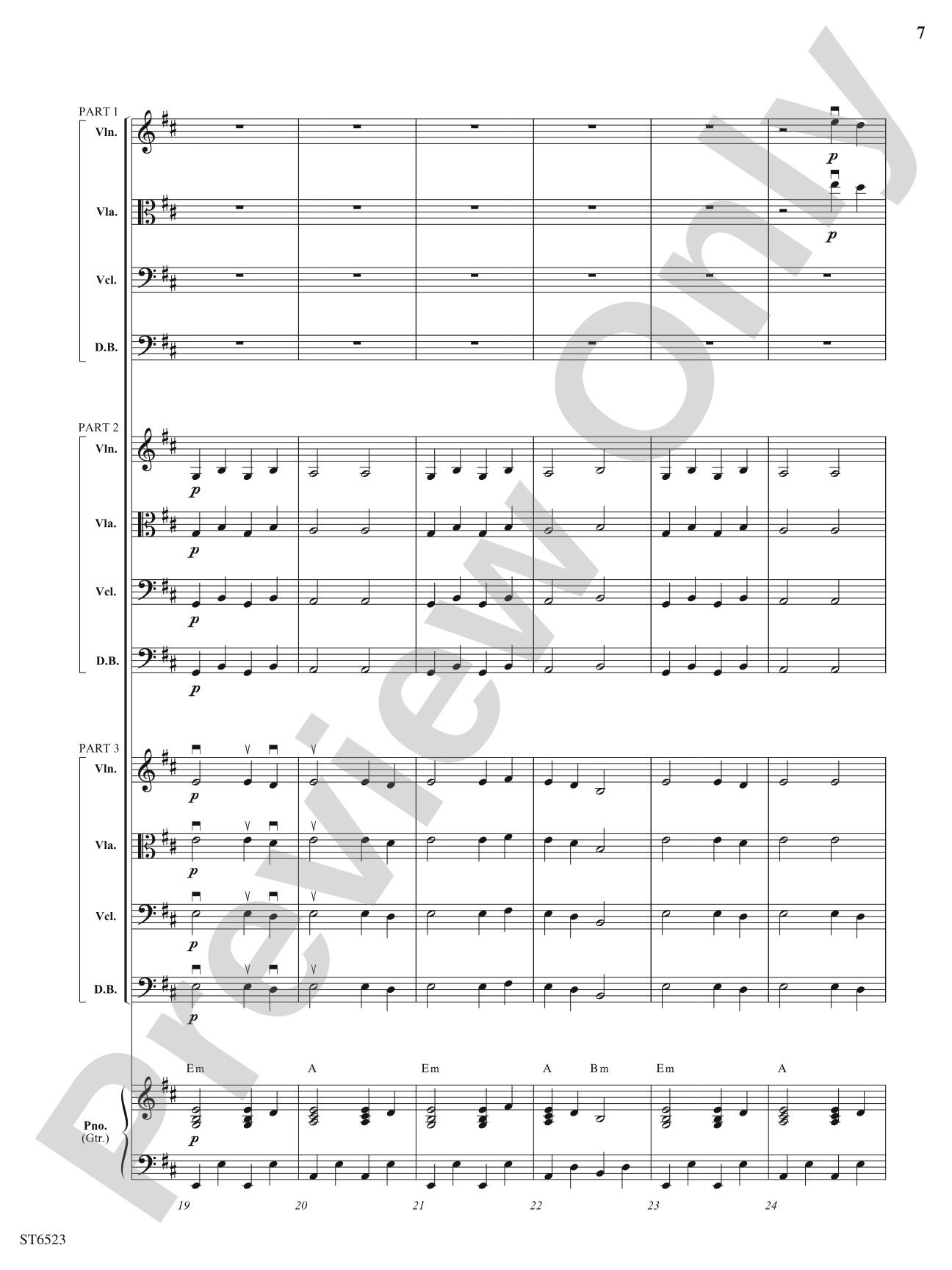
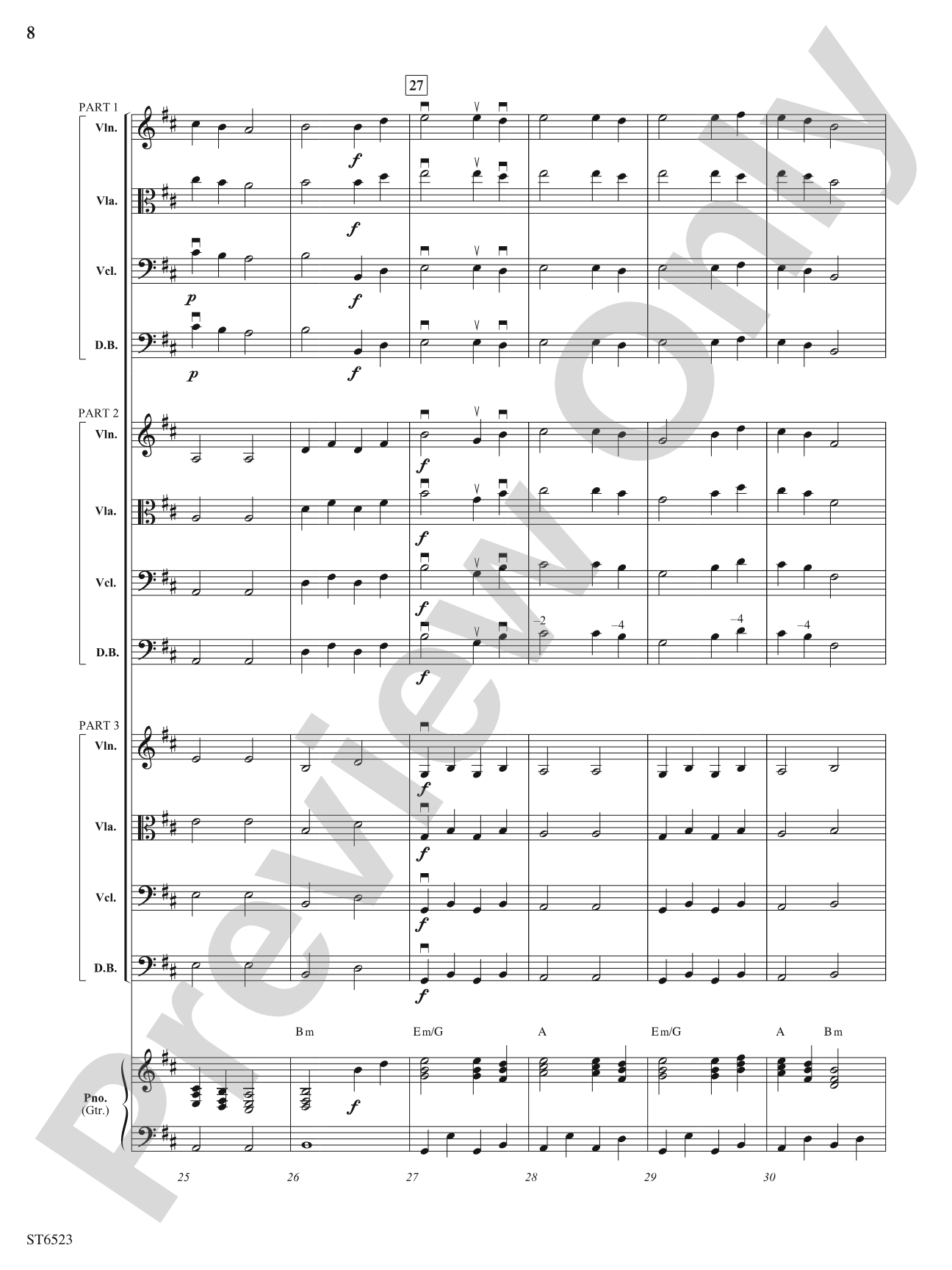
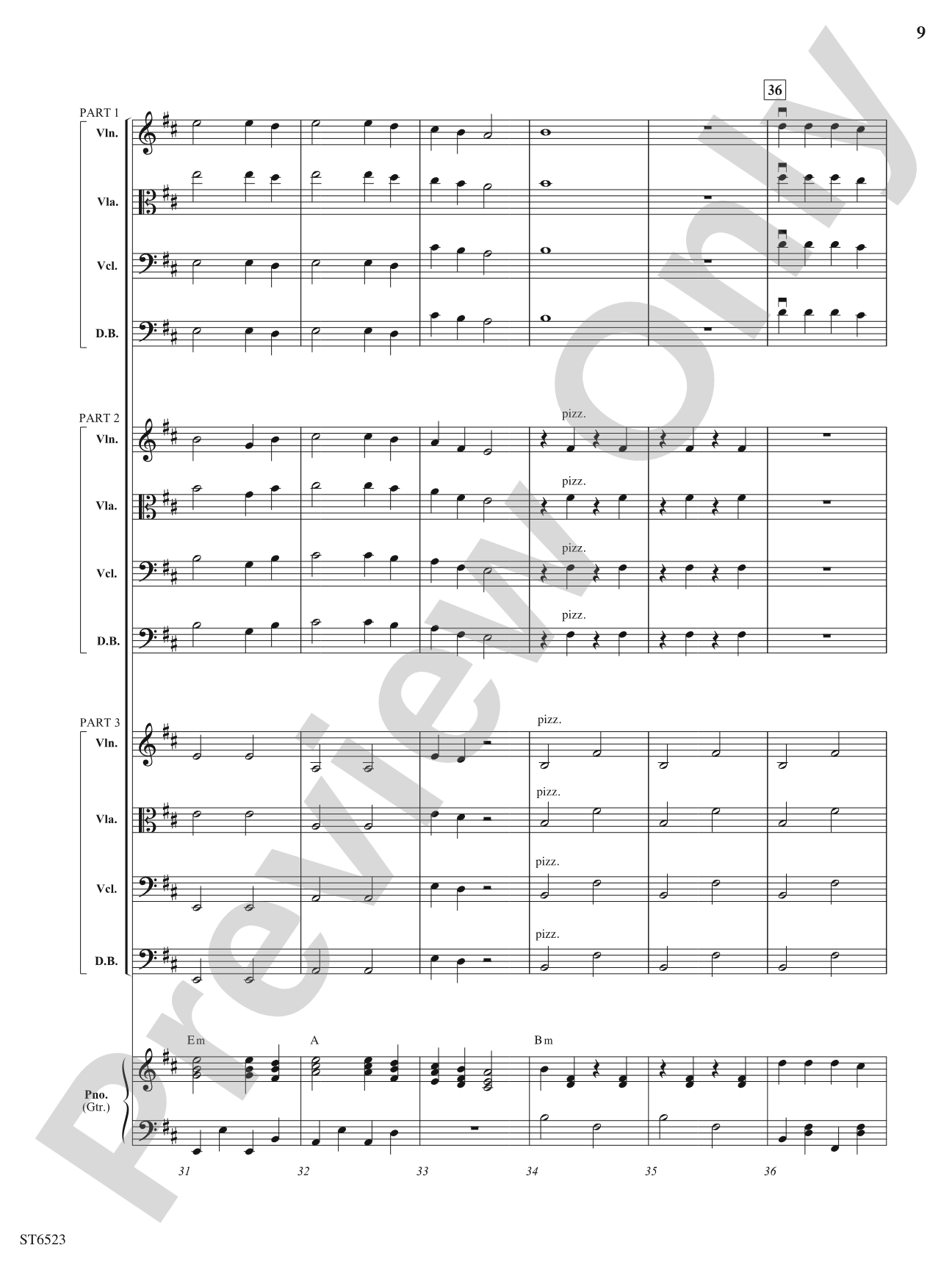
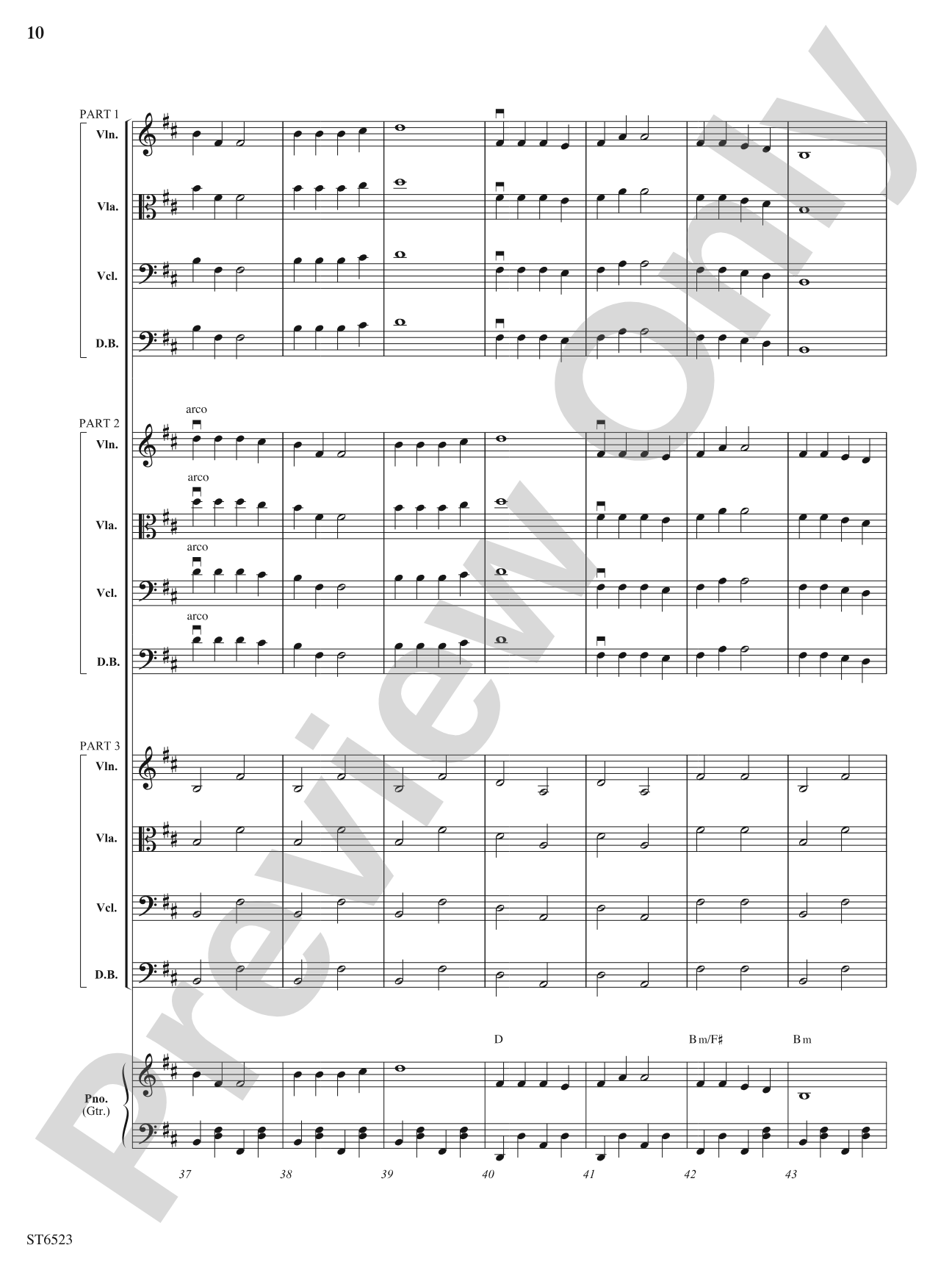
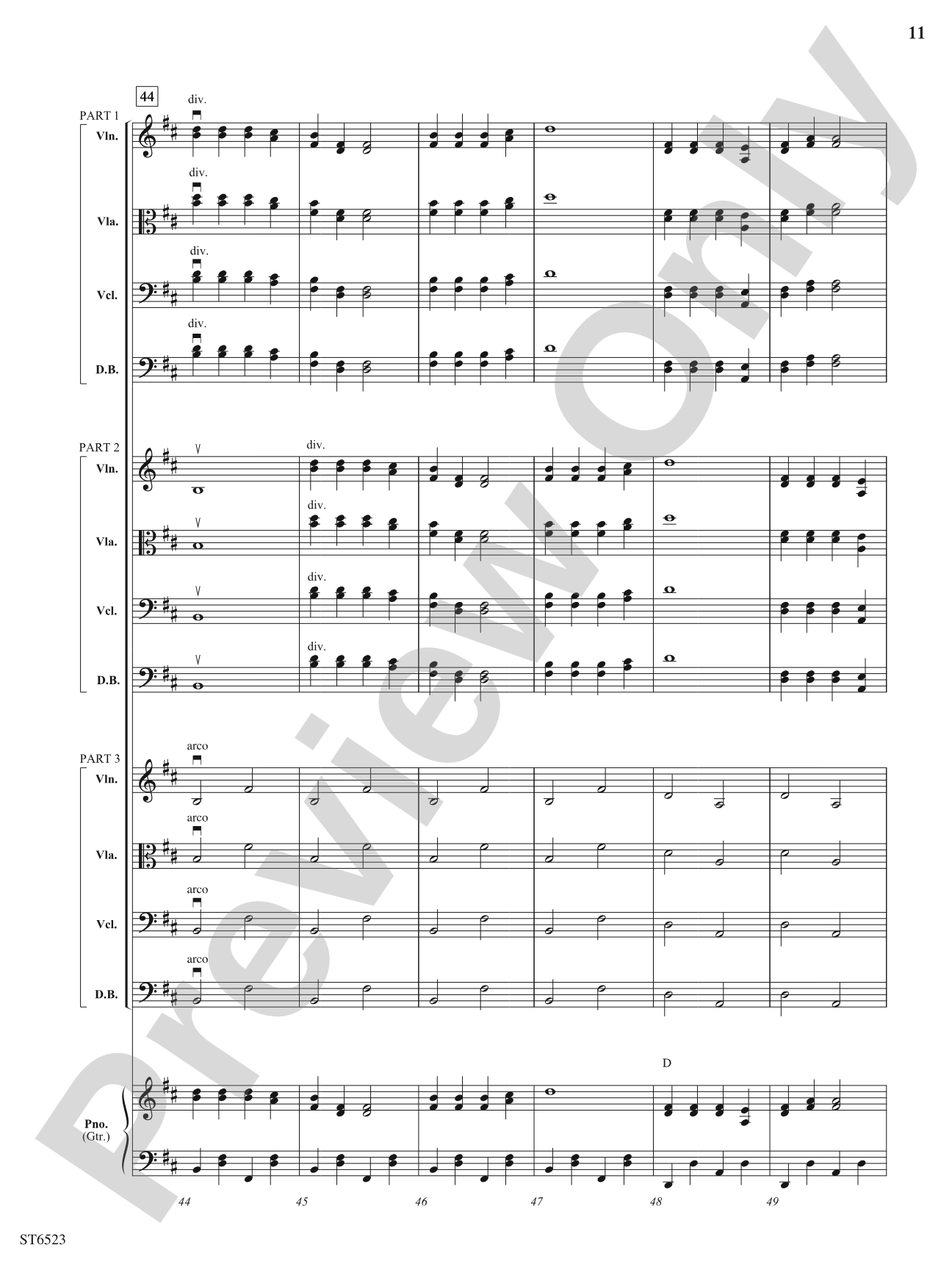
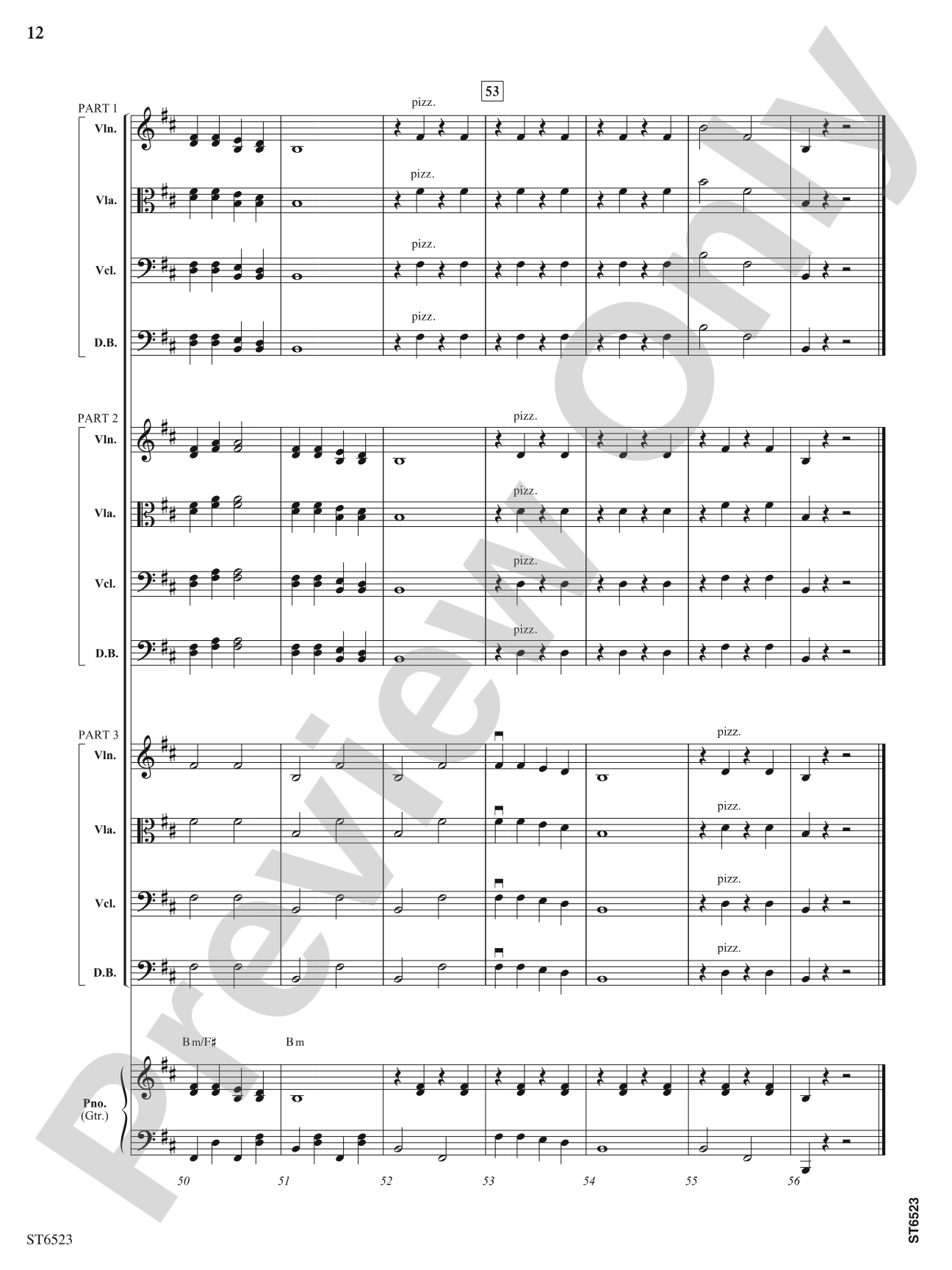
Violinist and composer Soon Hee Newbold offers this delightful work based on the sounds of Russia. You'll be amazed at how interesting this work can sound using note values no smaller than a quarter note. Simple imitation enhances the overall sound and helps students learn to play independently of each other without having to learn a new part. Violin 2 doubles the viola to provide flexible performing options. Exquisite writing for beginning orchestras from one of the country's most respected string composers!


The Russian Music Box: Score isn't in MakeMusic Cloud just yet...but it could be. Let us know you'd like to see it, and you'll help shape what comes next. In the meantime, start a free trial and dive into thousands of interactive titles your students can play along with today.
Request This Title
Tell us you want it.
Start Your Free Trial
Explore everything that's ready to play right now.
Sample Audio
1
Audio File
--:--
0:00
0:00
Sample Video
No sample videos found.
Additional Details
Series:
The ReImagine Initiative
Publisher:
The FJH Music Company, Inc.
SKU:
98-DST6523S
Instrumentation:
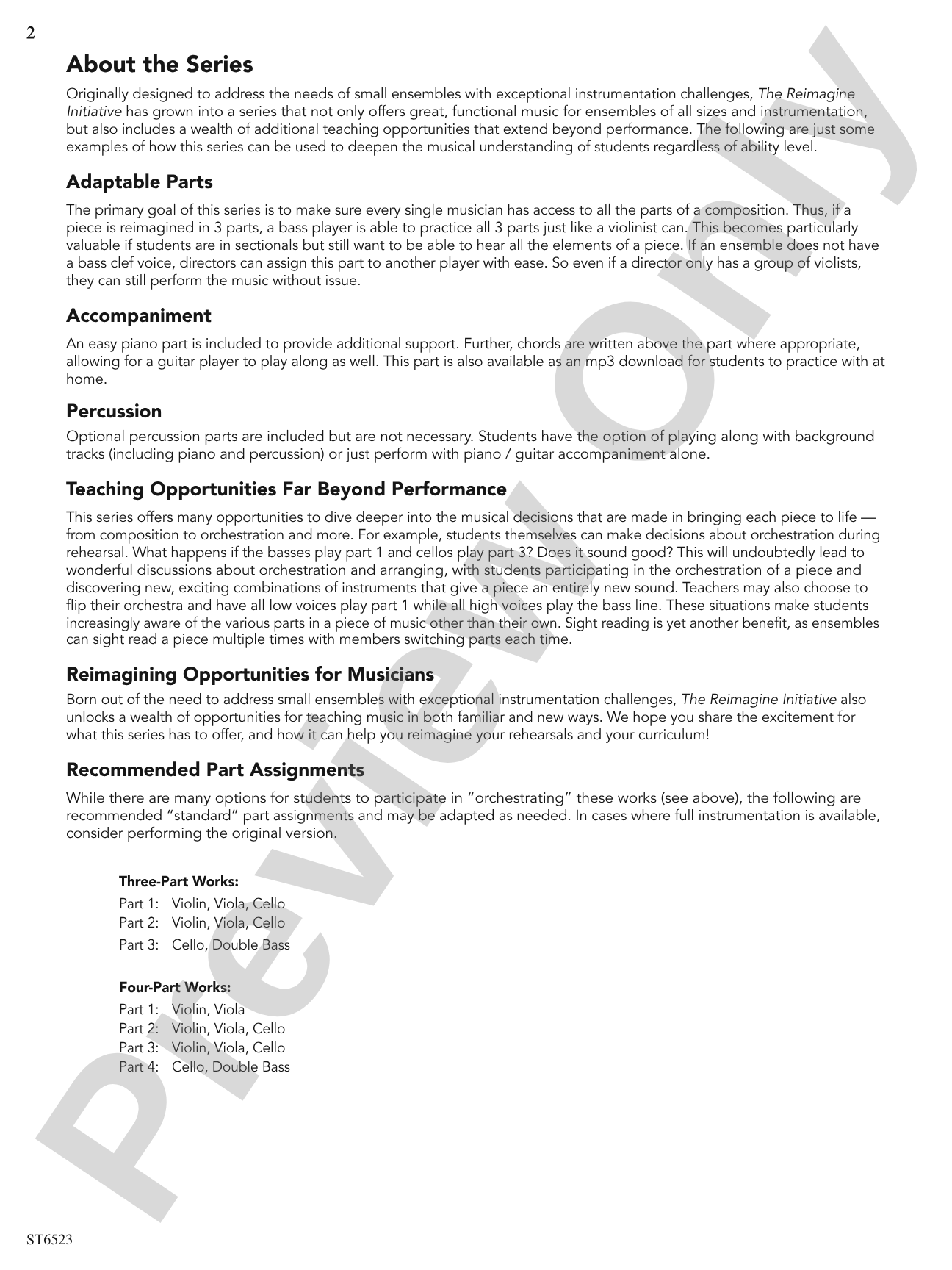
3-Part Fully Adaptable with Piano or Guitar
More about this title
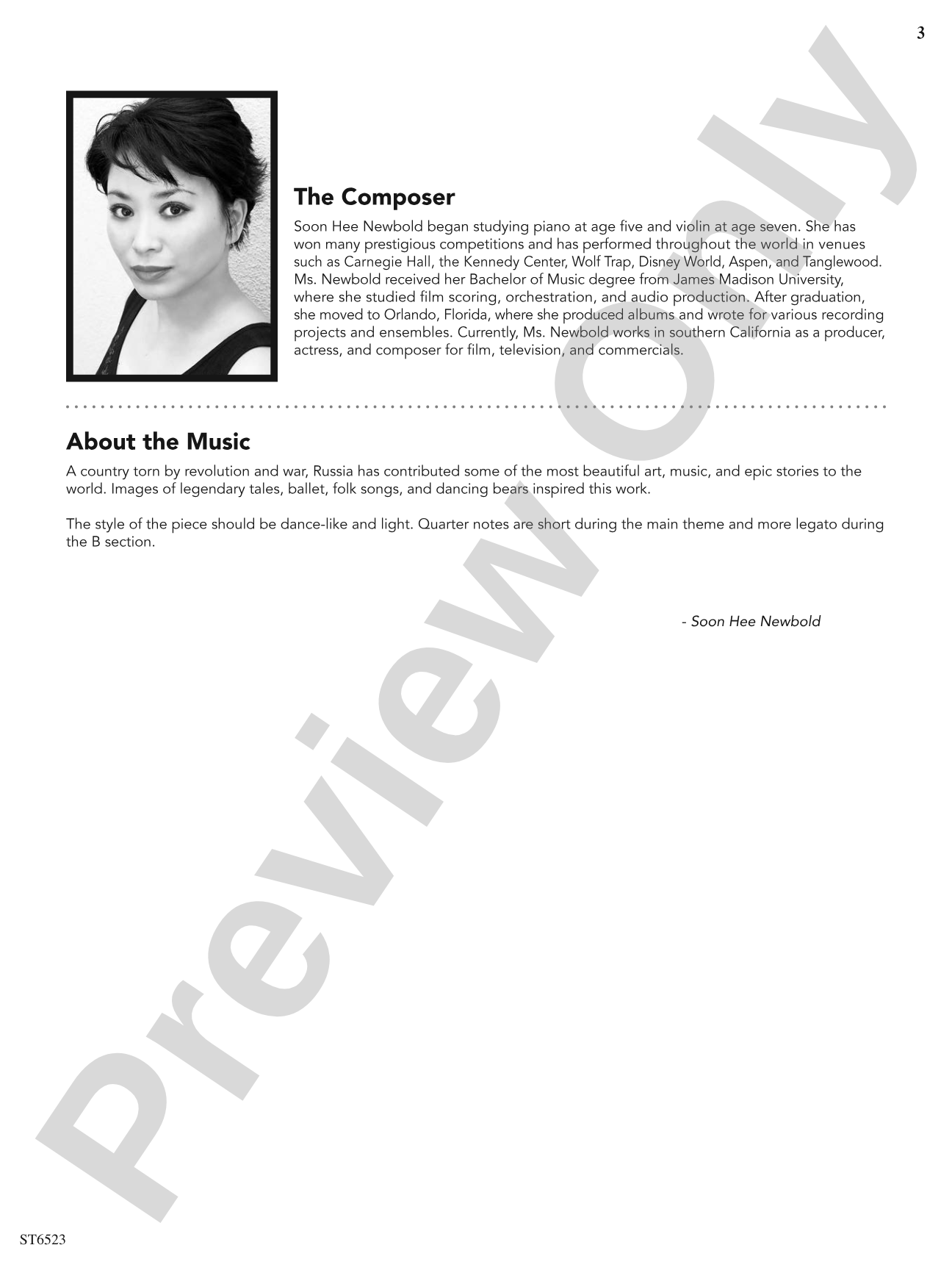
About the Composer: Soon Hee Newbold

Soon Hee Newbold draws on a lifetime of musical immersion across continents to create works that speak to ensembles at every level. A pianist from age five and violinist from seven, she performed as a concert artist in professional ensembles worldwide before establishing herself as a composer whose pieces reach from Carnegie Hall and Lincoln Center to school gymnasiums and community concert halls.
Newbold's gift for weaving cultural and ethnic traditions into accessible music stems directly from her extensive travel and conducting experience across North America, Europe, Australia, and Asia. Her compositional voice appears regularly at major venues including the Kennedy Center, Wolf Trap, and the Midwest Band and Orchestra Clinic. Beyond the concert stage, her work extends into film and recording projects in Hollywood, where her music continues to reach audiences in new forms.
Why we love this
Newbold proves that beginning string orchestras don't need complexity to sound sophisticated. The constraint of quarter notes as the smallest rhythmic value forces elegant writing; imitation between parts creates independence without overwhelming young musicians, and the Violin 2/viola doubling option means you can perform this with exactly the instrumentation your group has on any given day.
What to expect
Evocative and warmly nostalgic, like hearing a music box melody from childhood set against gently shifting harmonies. The writing breathes with lyrical beauty despite its simplicity; dancers could move to this piece, and audiences will hear authentic Russian flavor rather than a reduced version of something greater.
Who it's for
Beginning string orchestras with mixed instrumentation needs and directors seeking repertoire that sounds mature without requiring advanced technique. This work rewards groups making their first steps toward ensemble independence while delivering genuine Russian character to your audience.
How to get the most out of it
- Shape the Russian melodic character by thinking in longer phrases rather than measure-to-measure. Quarter notes allow singers to breathe with the music rather than rush through passage work.
- Balance the imitative sections by having each voice play its entrance with awareness of where it sits in the texture. Mark entries lightly in parts so students track the overall architecture, not just their own line.
- Experiment with the flexible instrumentation option before the rehearsal. Knowing whether Violin 2 doubles viola or stands alone changes how you voice climactic moments.
How to use it
Open a concert exploring world music traditions or pair it with other cultural works from across your season. Its Grade 1 accessibility and genuine artistry make it ideal for early-season performances when you're still building ensemble cohesion, yet it's polished enough for end-of-year programming.
Skills your students will build
- Playing with musical independence in imitative textures
- Shaping longer melodic phrases using quarter-note resolution
- Adapting to flexible instrumentation and reading multiple doubling options
- Recognizing and performing in multicultural musical styles