
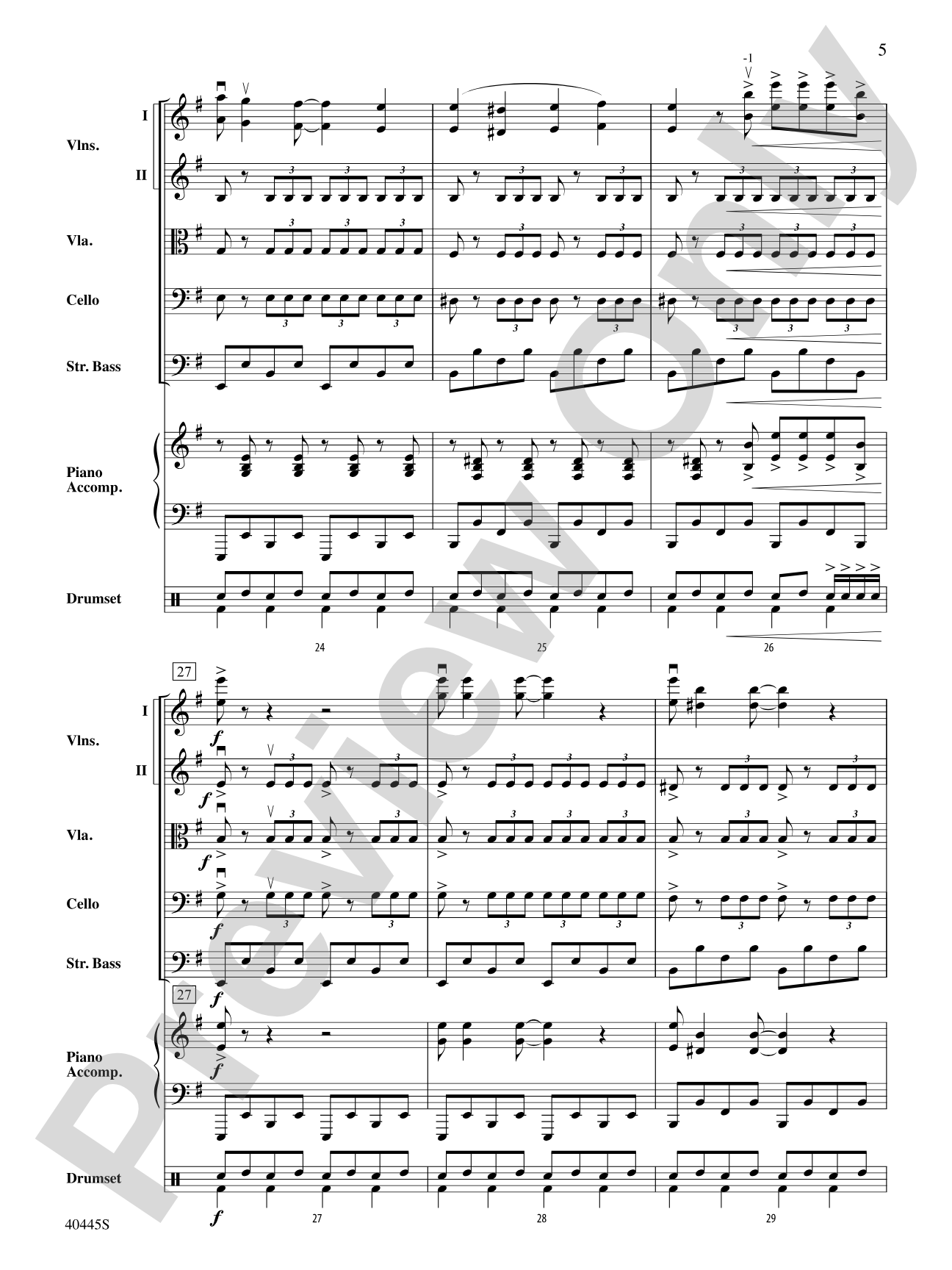
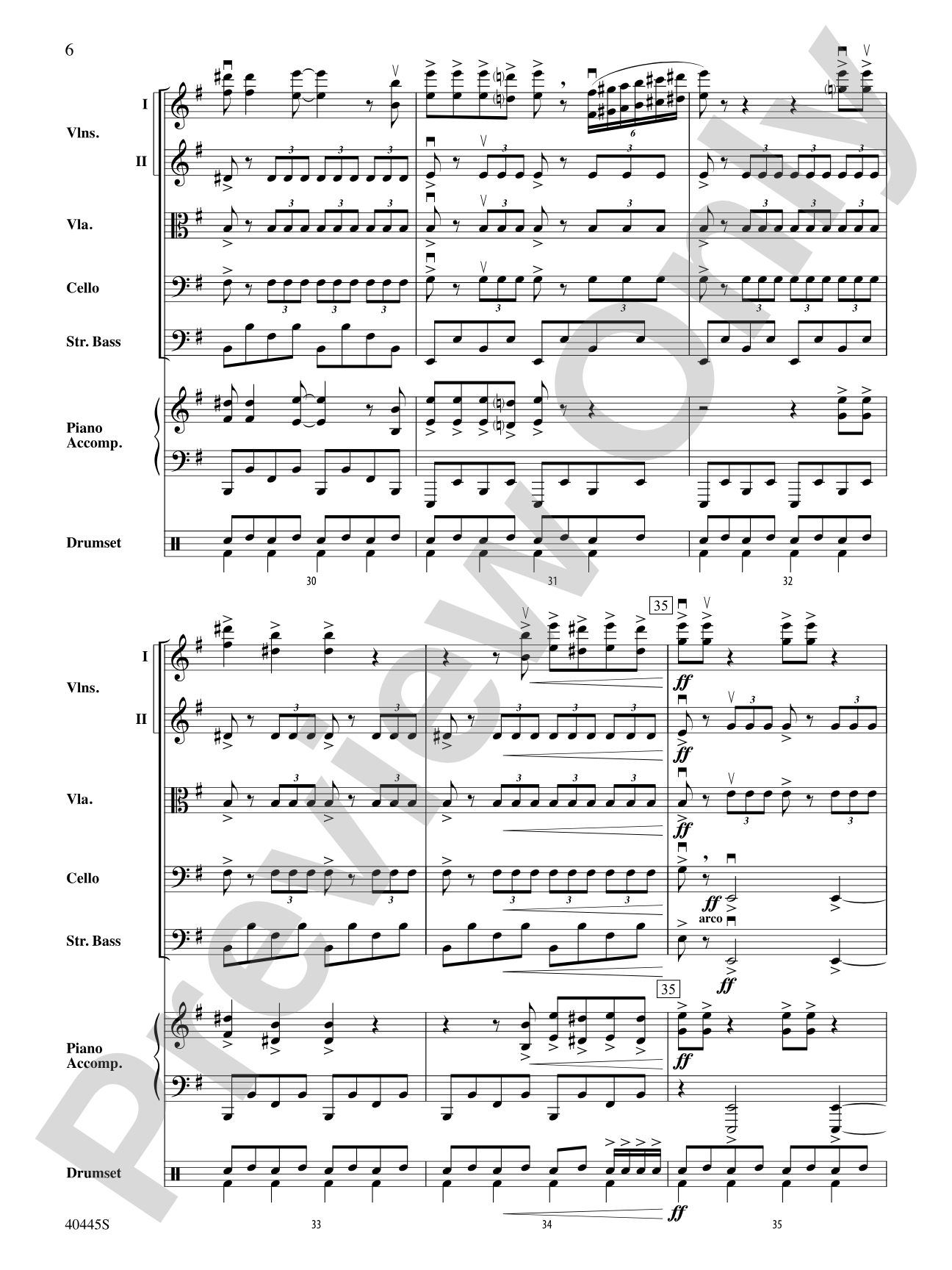
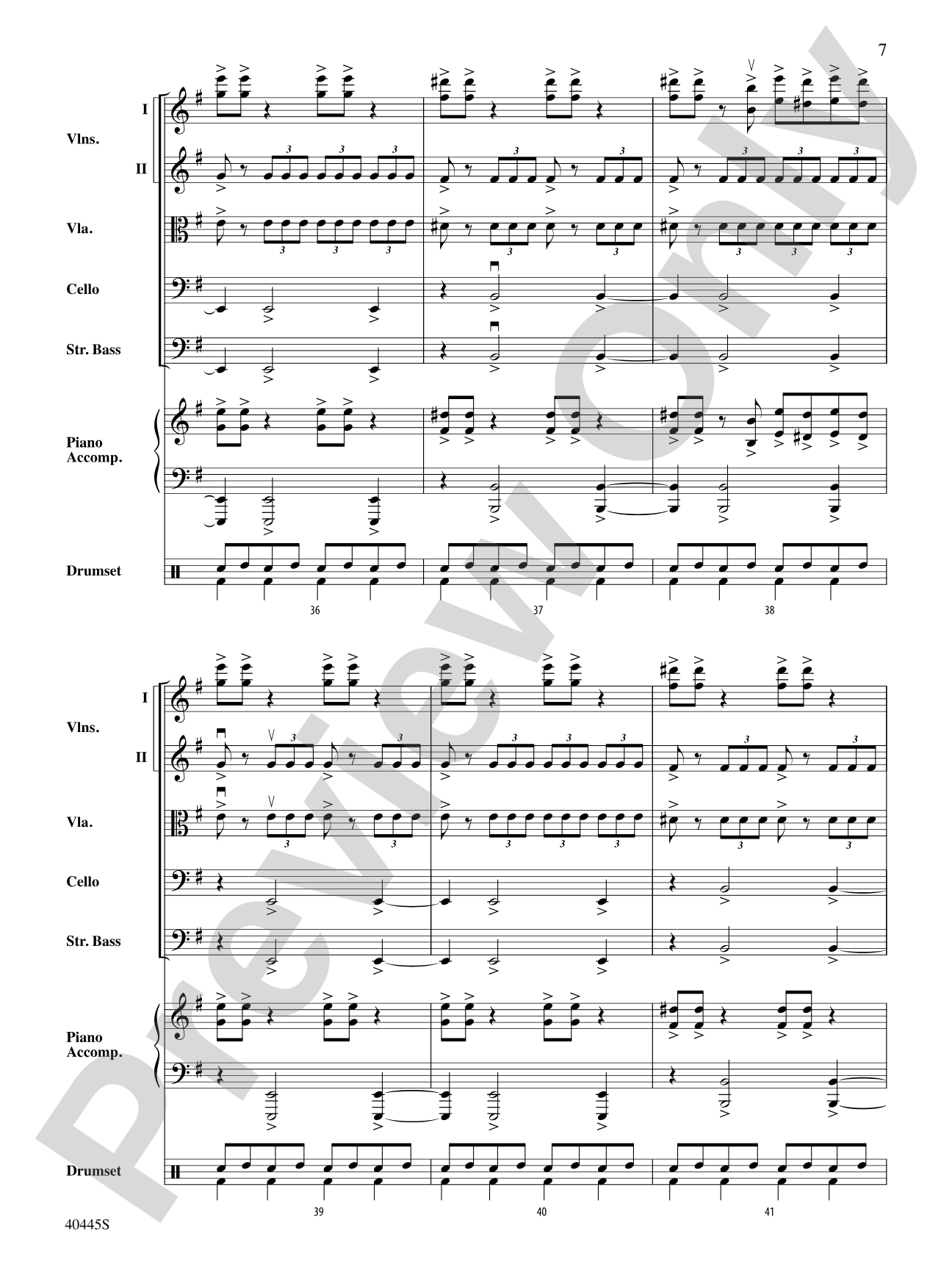
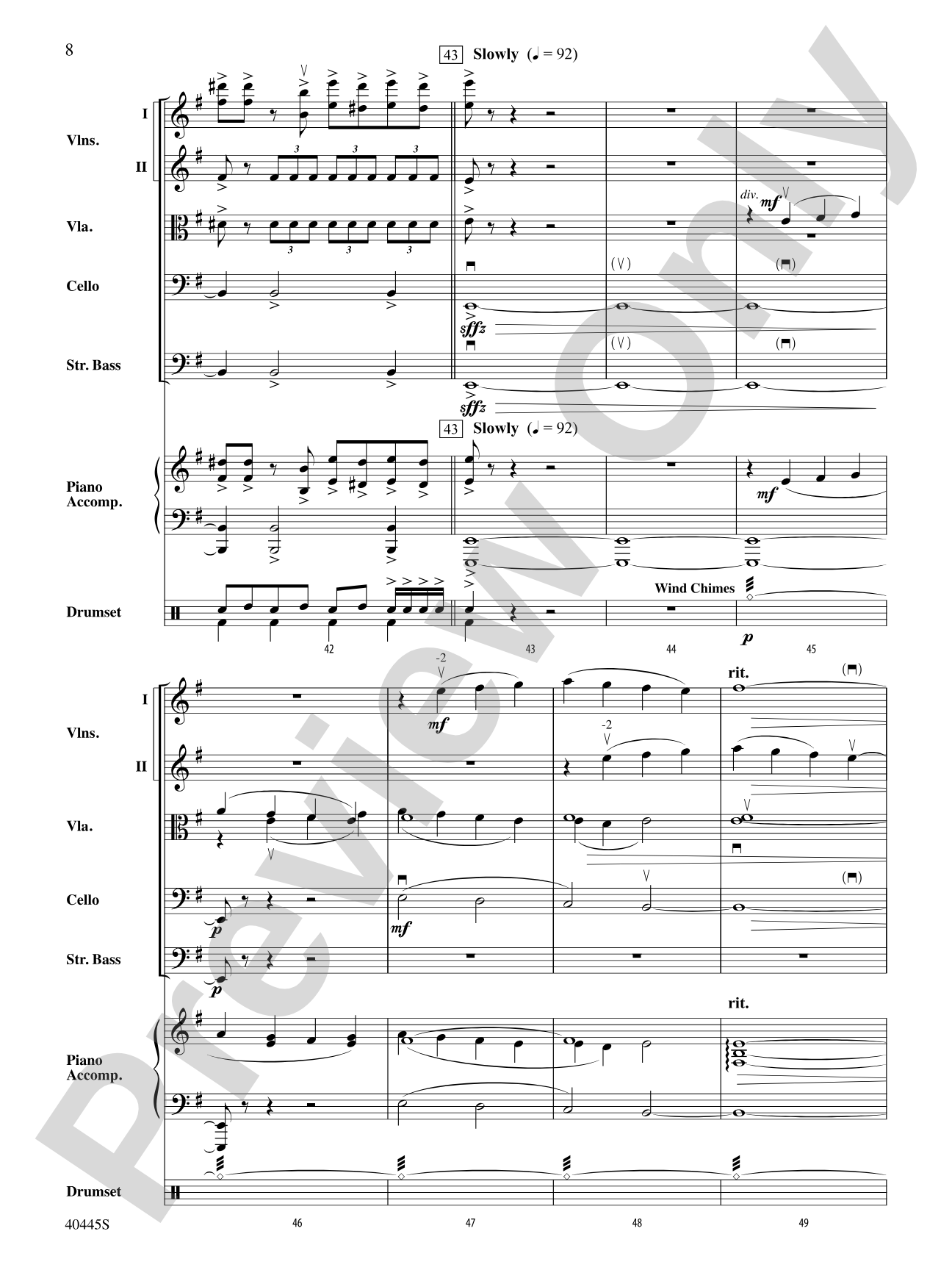
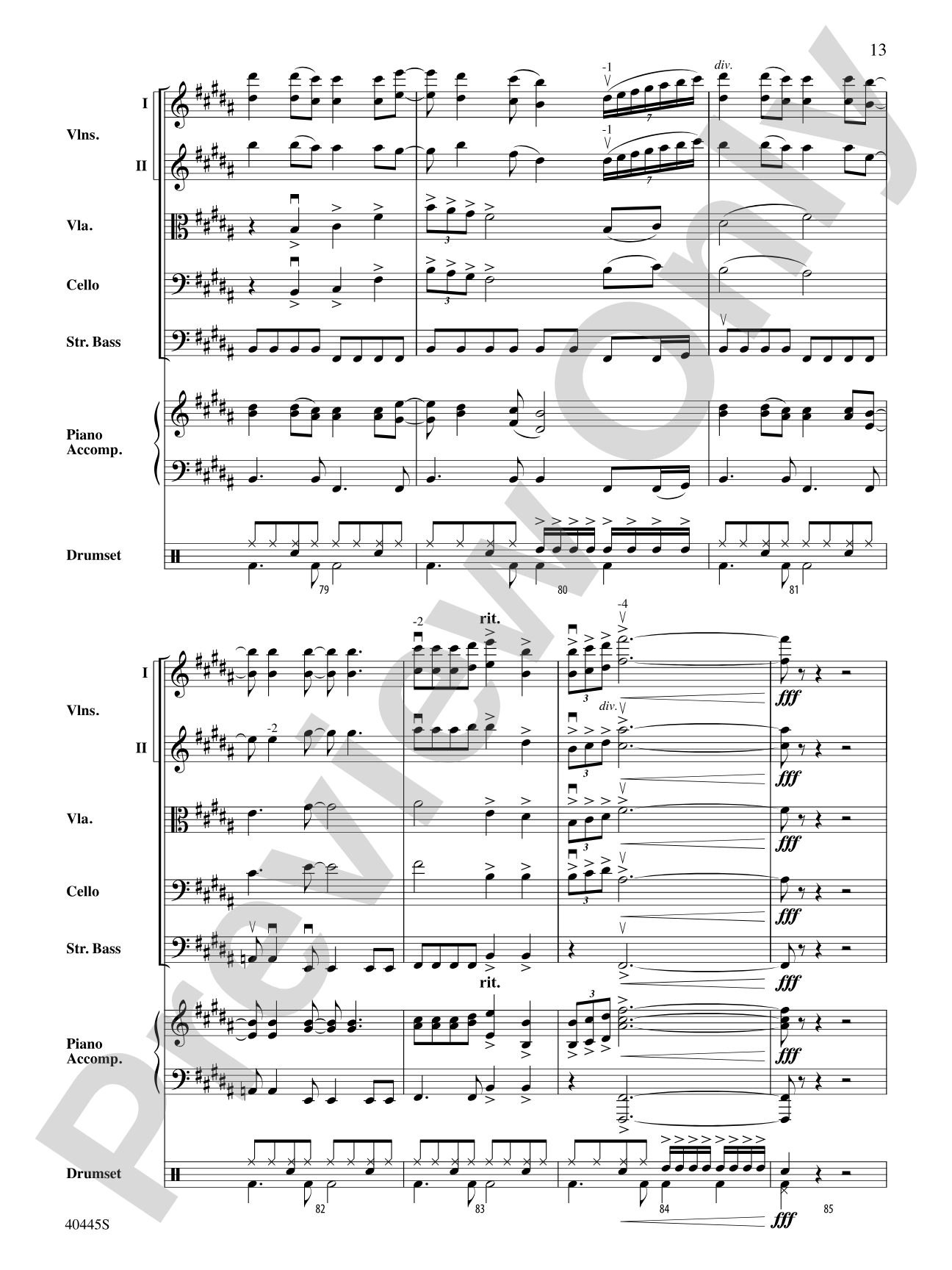
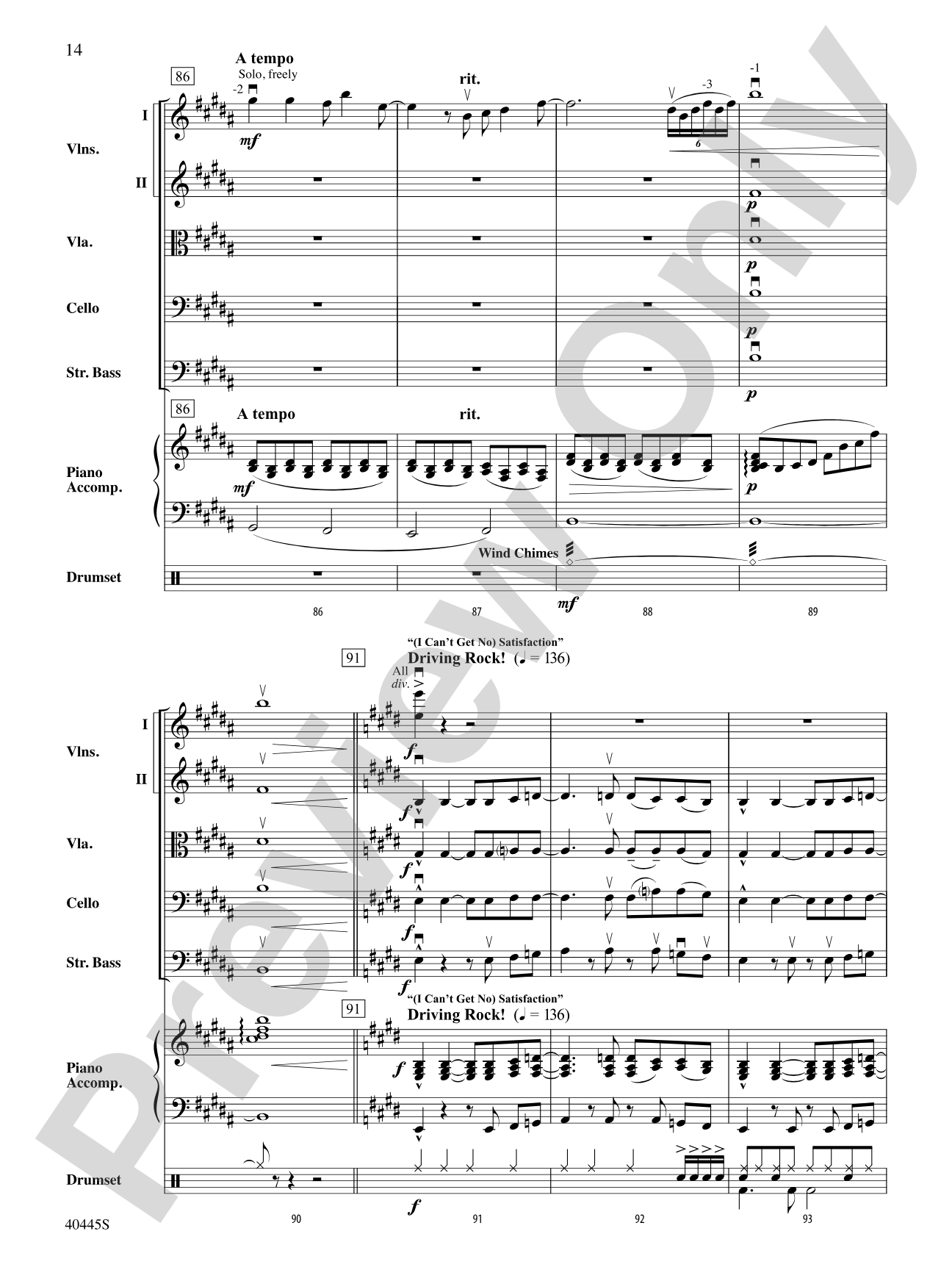
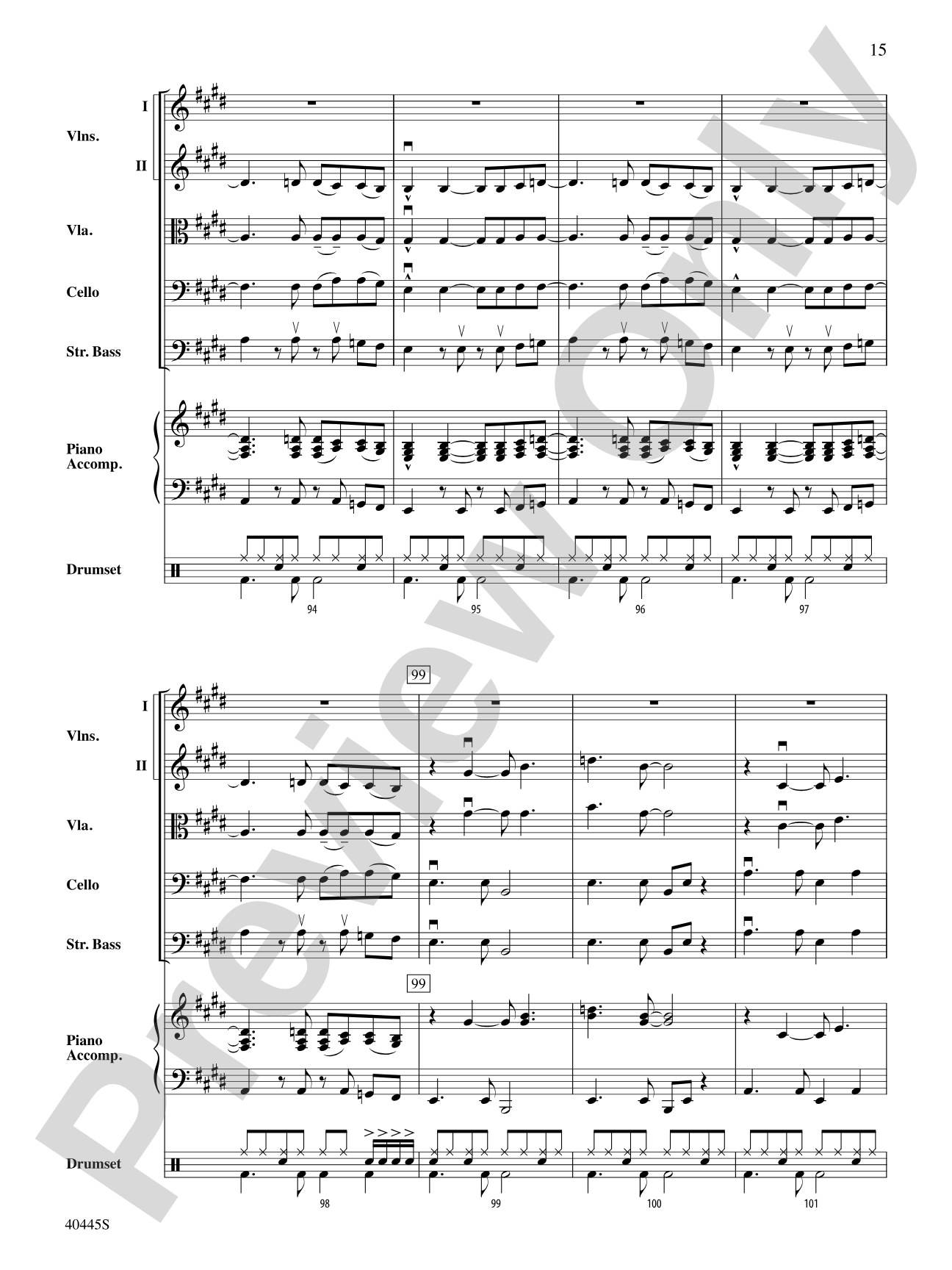
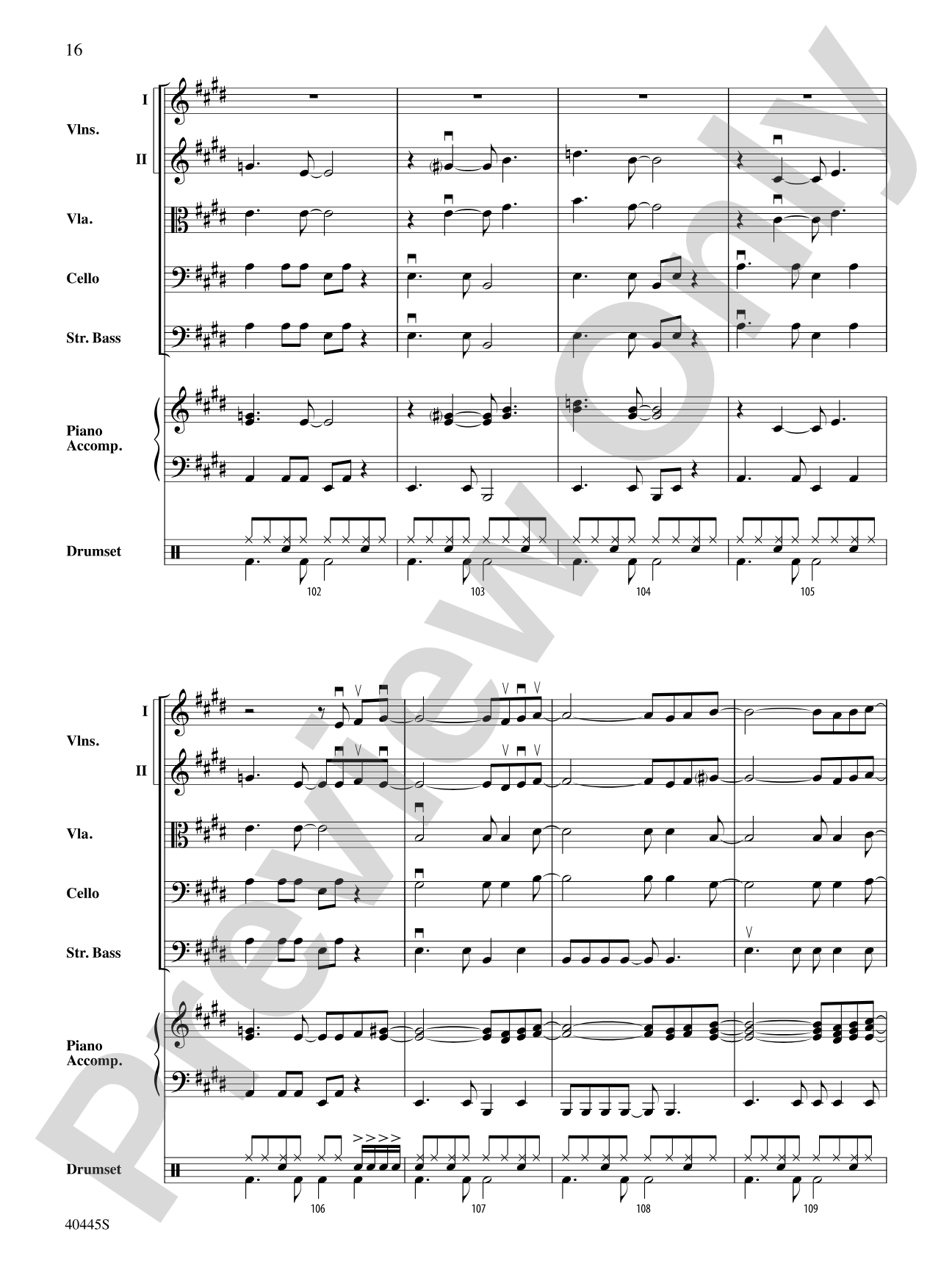
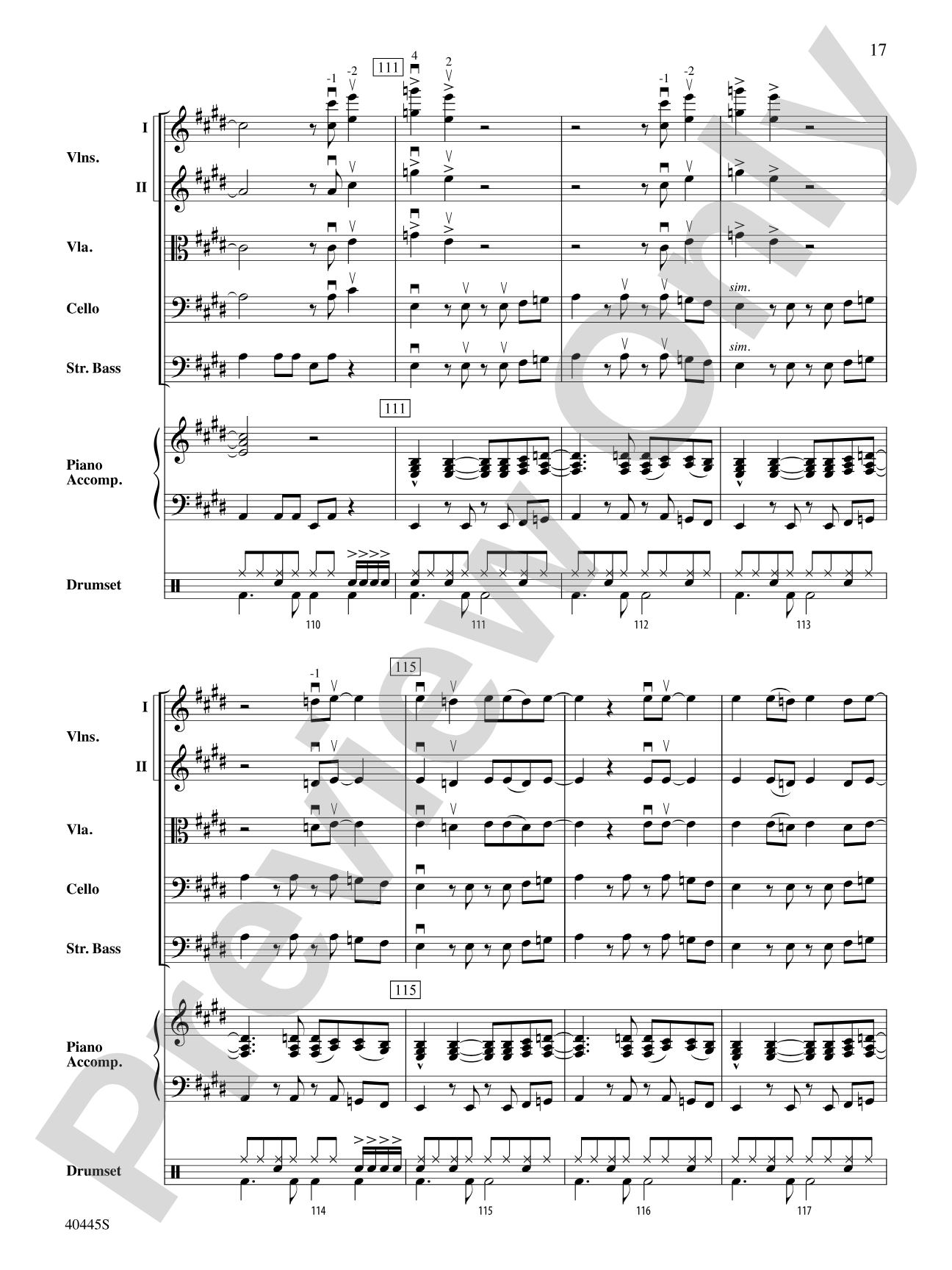
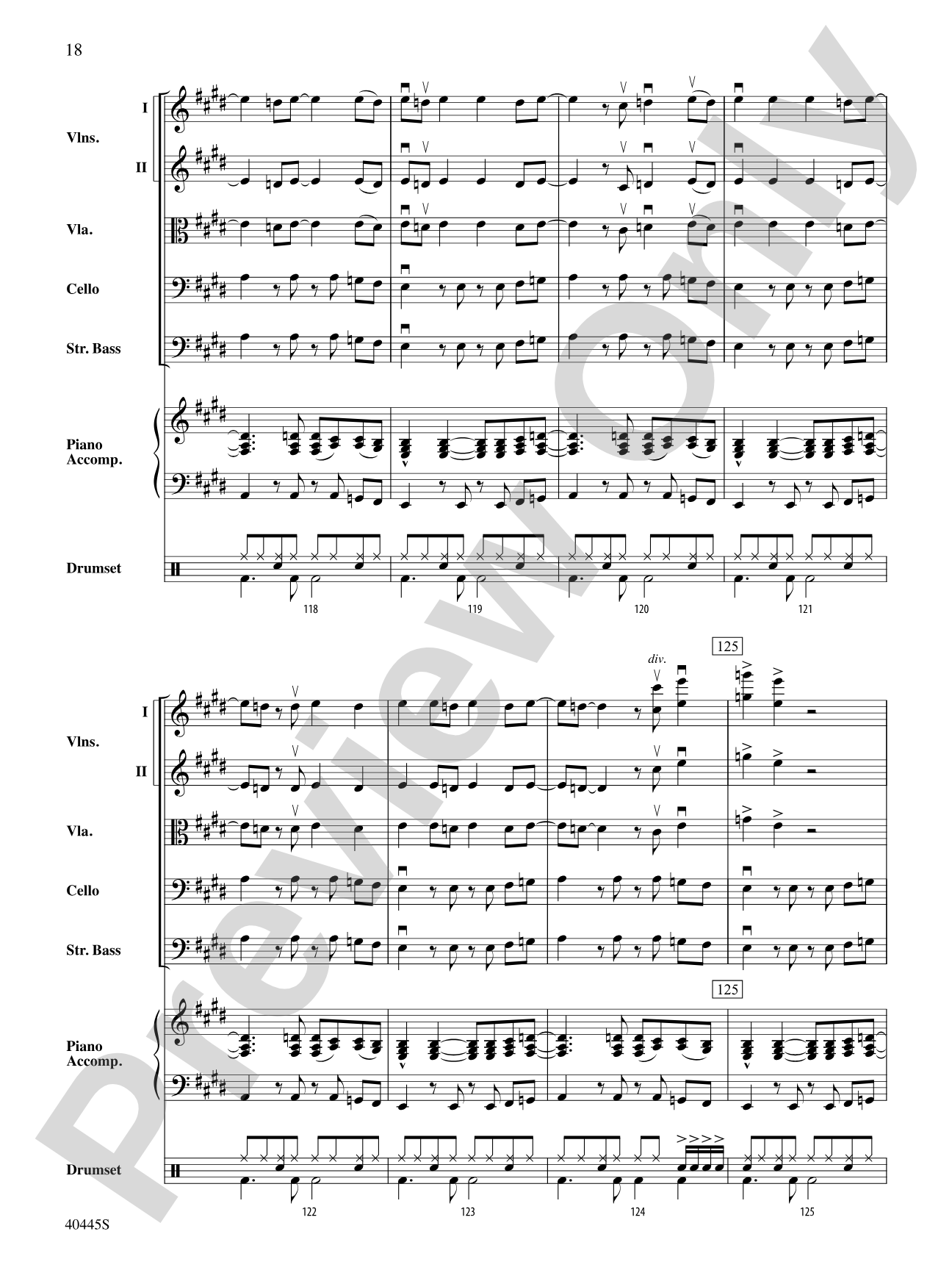
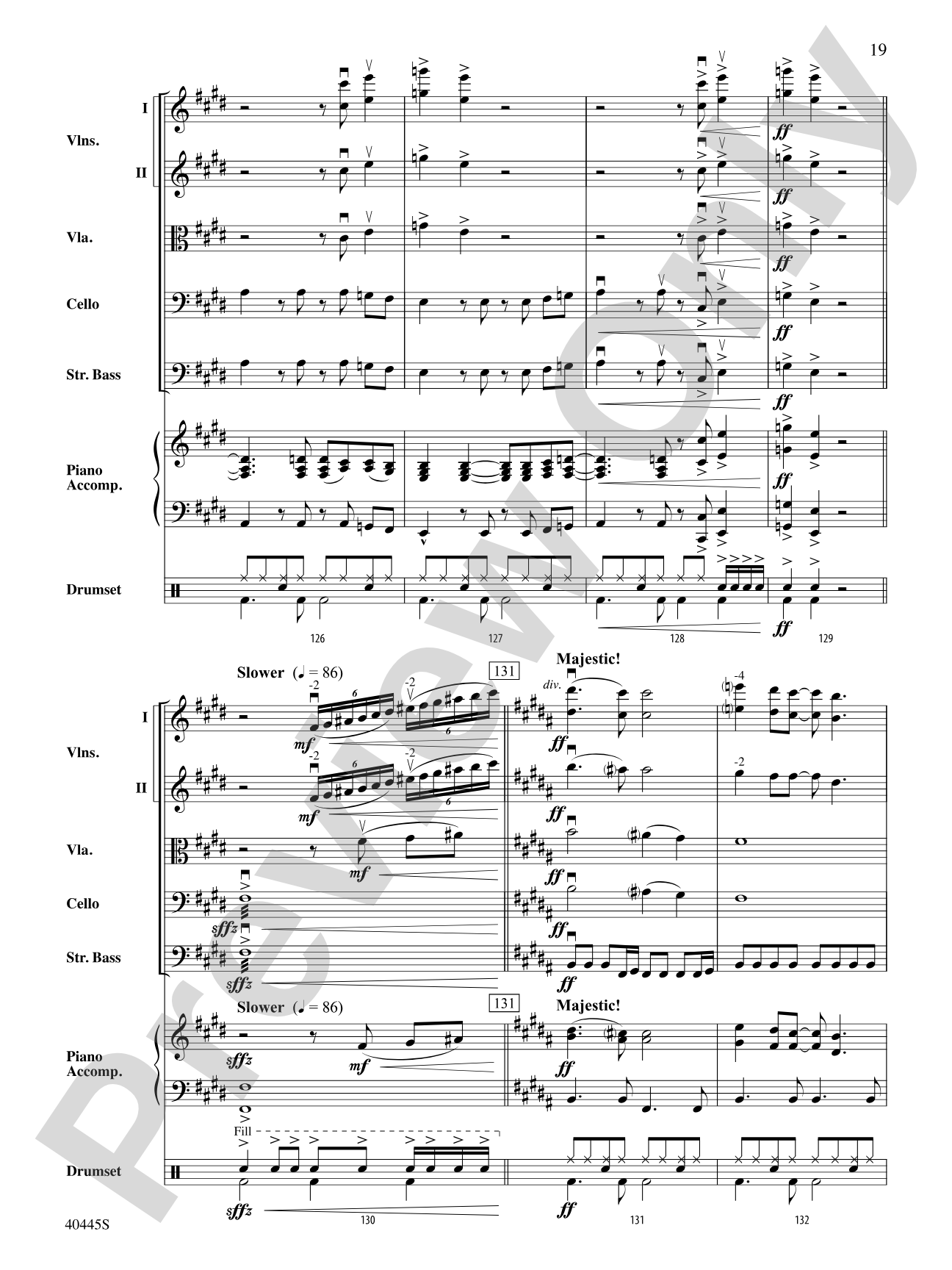
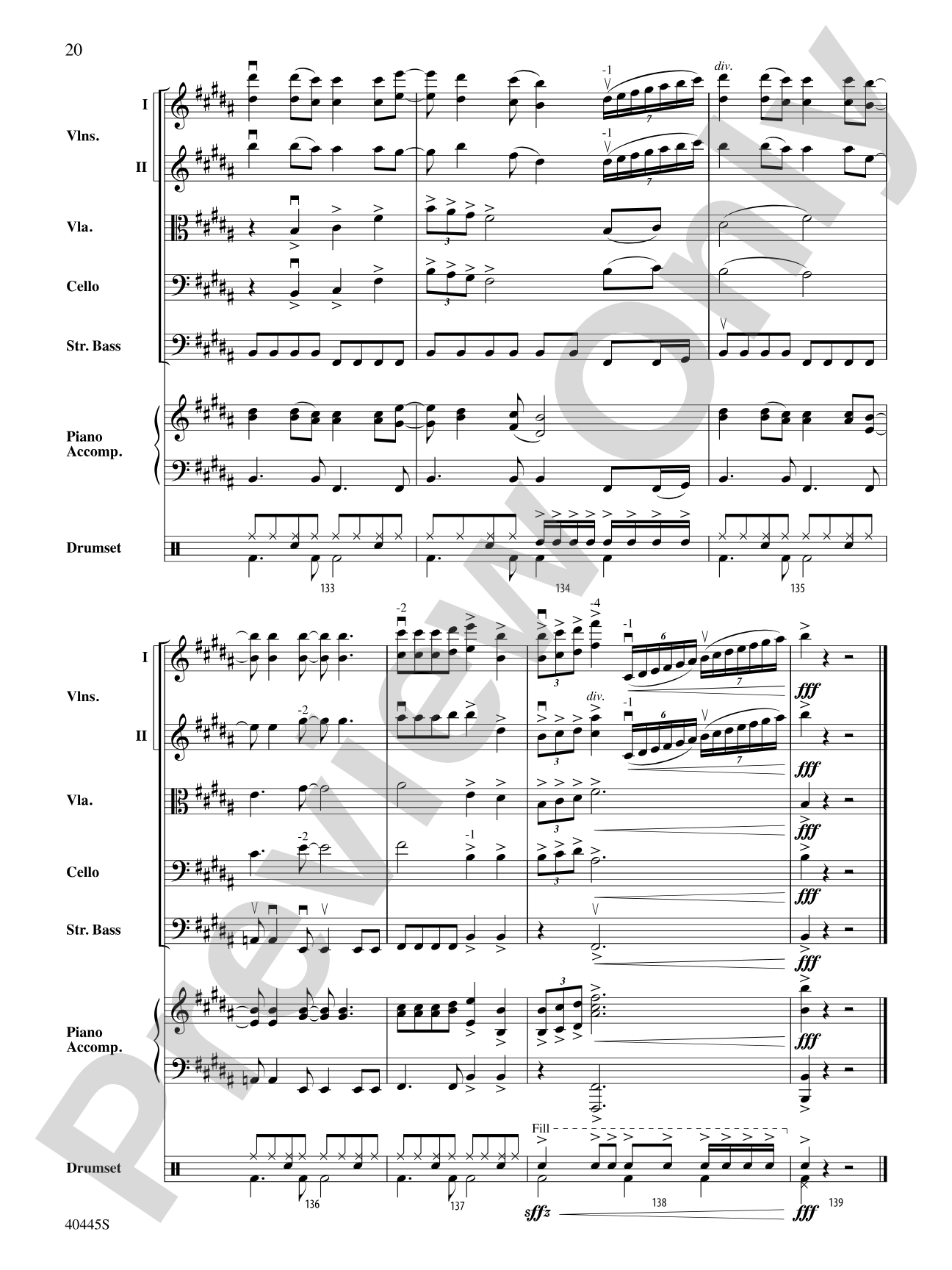

The Rolling Stones on Tour: String Orchestra Conductor Score & Parts
Featuring: Paint It, Black / Ruby Tuesday / (I Can't Get No) Satisfaction
[The Rolling Stones] / arr. Patrick Roszell
Grade: 3.5
Item: 00-PK-0005728

$64.00
Pickup currently not available
Buy Extra Parts (Digital PDF Download)
| Product | Price | Quantity |
|---|---|---|
| The Rolling Stones on Tour: Score | $11.00 | |
| The Rolling Stones on Tour: 1st Violin | $5.99 | |
| The Rolling Stones on Tour: 2nd Violin | $5.99 | |
| The Rolling Stones on Tour: Viola | $5.99 | |
| The Rolling Stones on Tour: Cello | $5.99 | |
| The Rolling Stones on Tour: String Bass | $5.99 | |
| The Rolling Stones on Tour: Piano Accompaniment | $5.99 | |
| The Rolling Stones on Tour: Drums | $5.99 |
Parts Added to Cart!
Related Items
The Rolling Stones on Tour: Concert Band Conductor Score & Parts |
$77.00
|
View | |
The Rolling Stones on Tour: Concert Band Conductor Score & Parts |
$77.00
|
View | |
The Rolling Stones on Tour: Concert Band Conductor Score |
$10.00
|
View | |
The Rolling Stones on Tour: String Orchestra Conductor Score & Parts |
$64.00
|
View | |
The Rolling Stones on Tour: String Orchestra Conductor Score |
$9.00
|
View |
Description
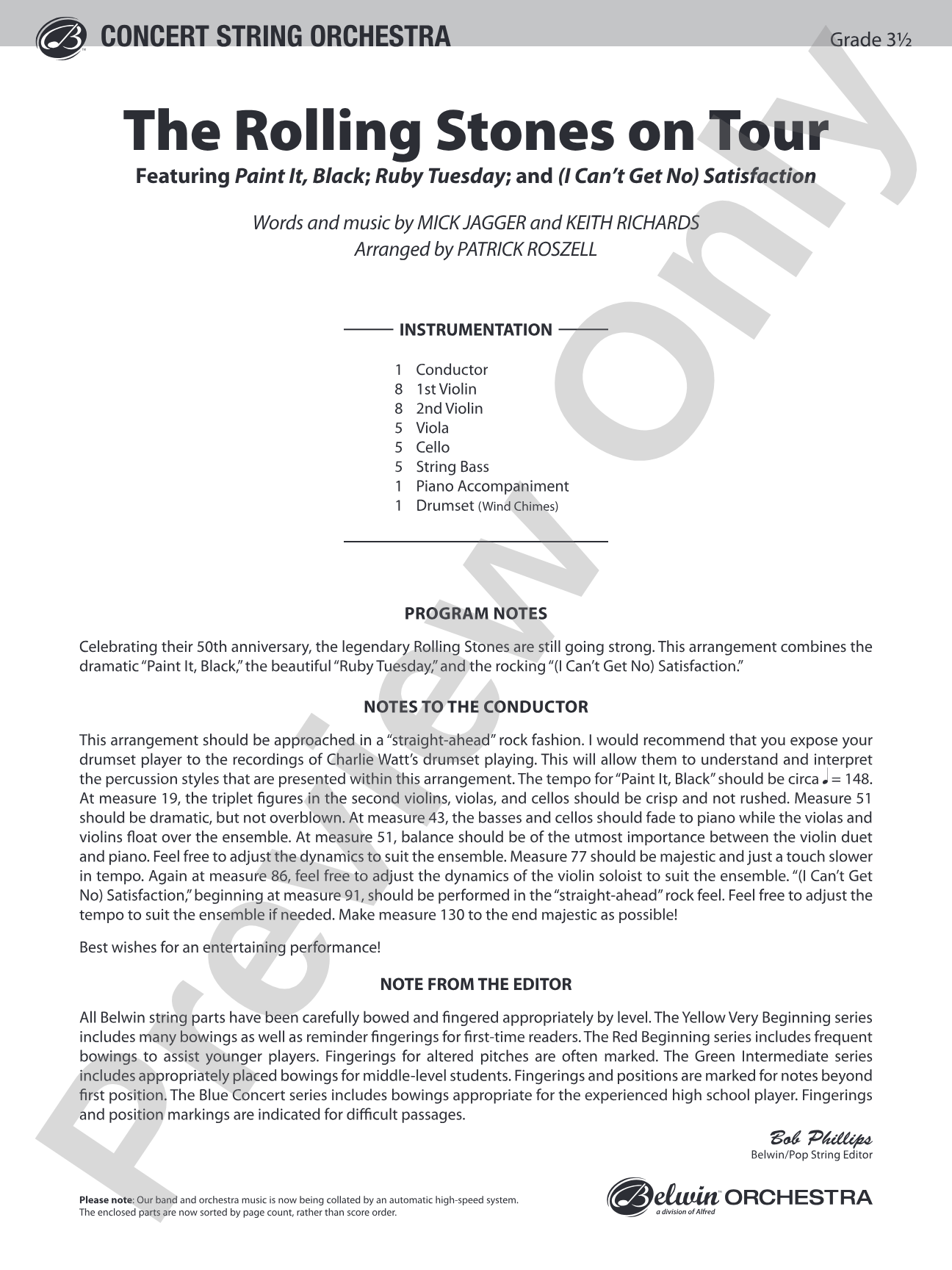
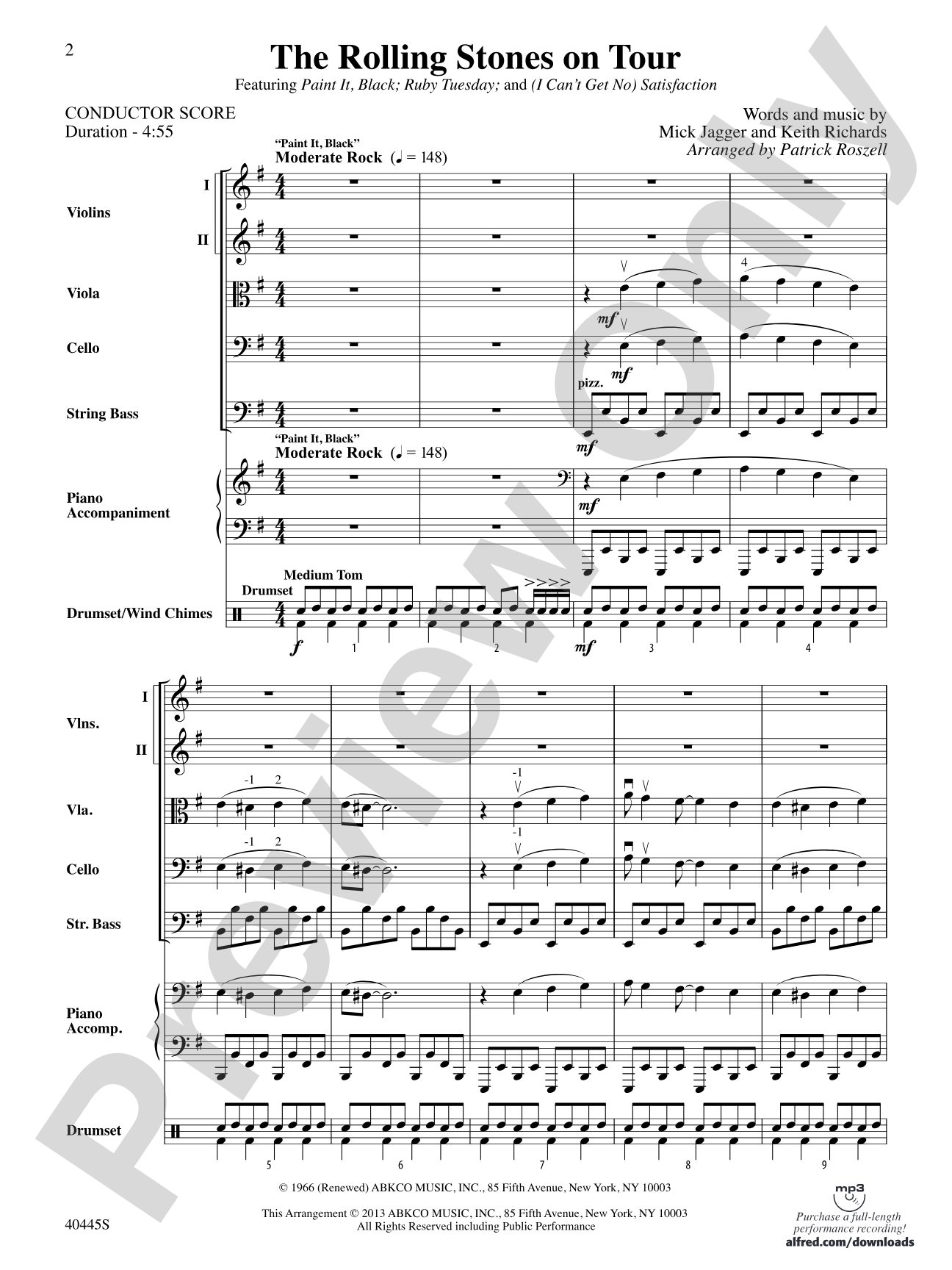
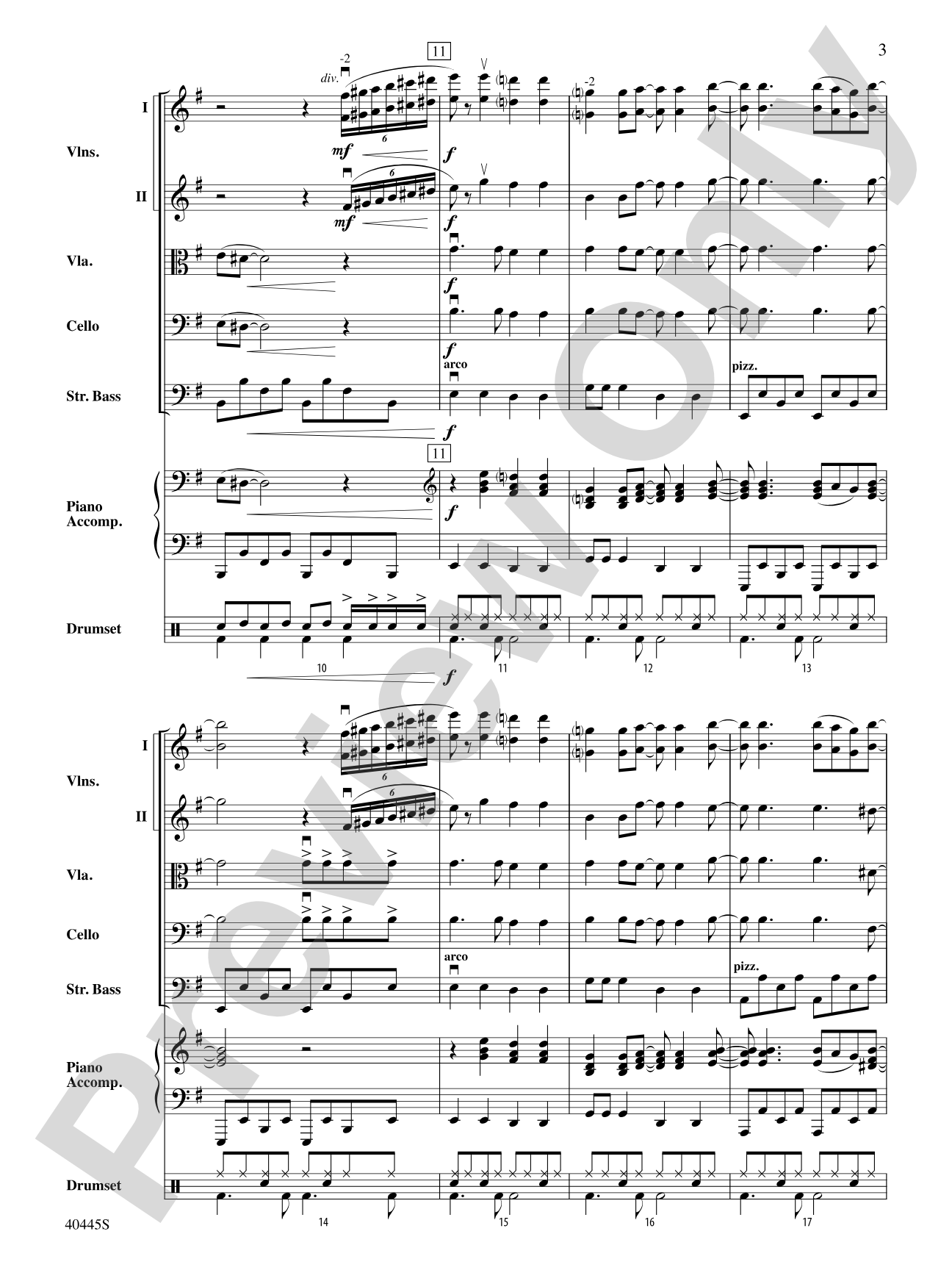
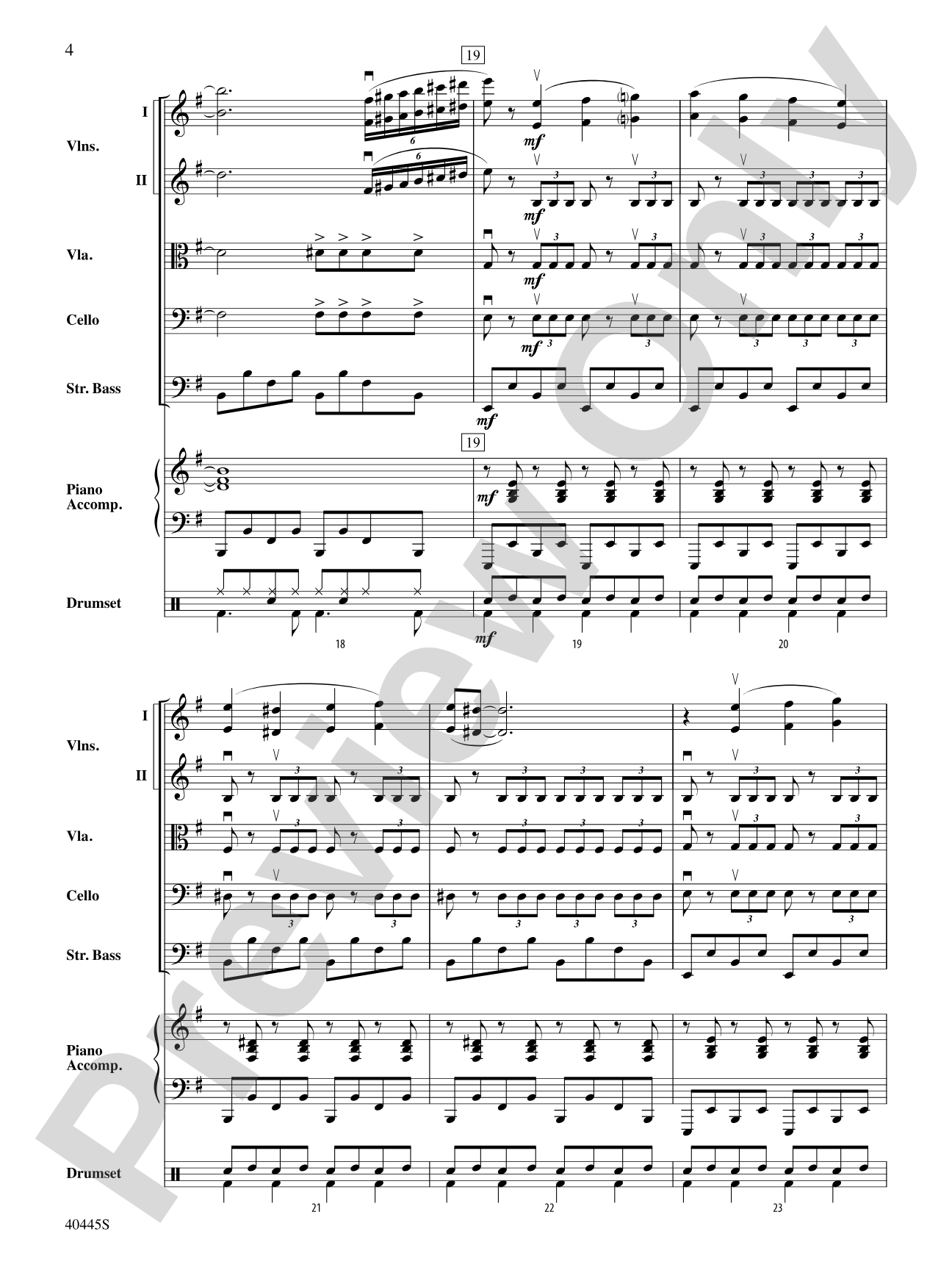
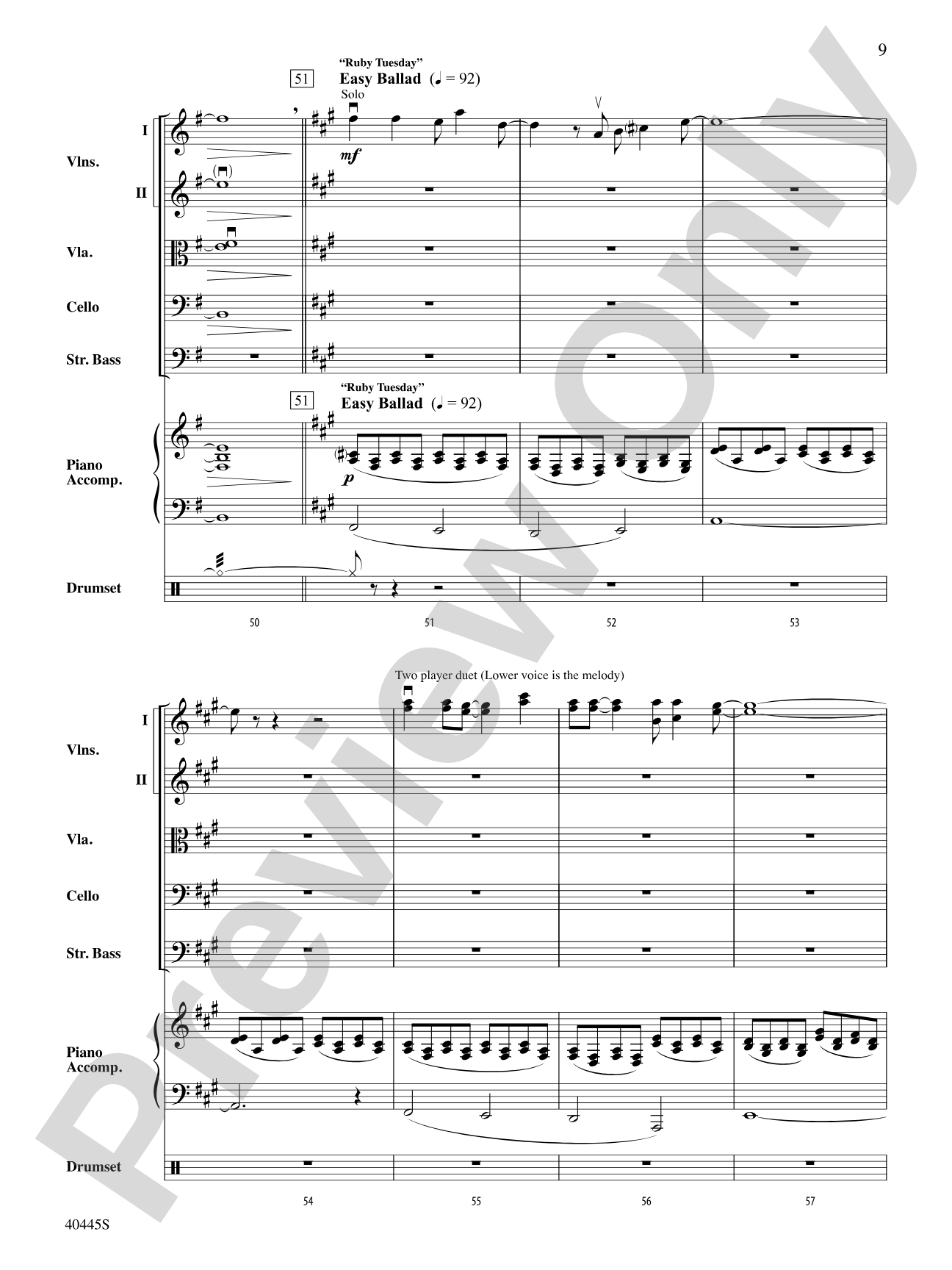
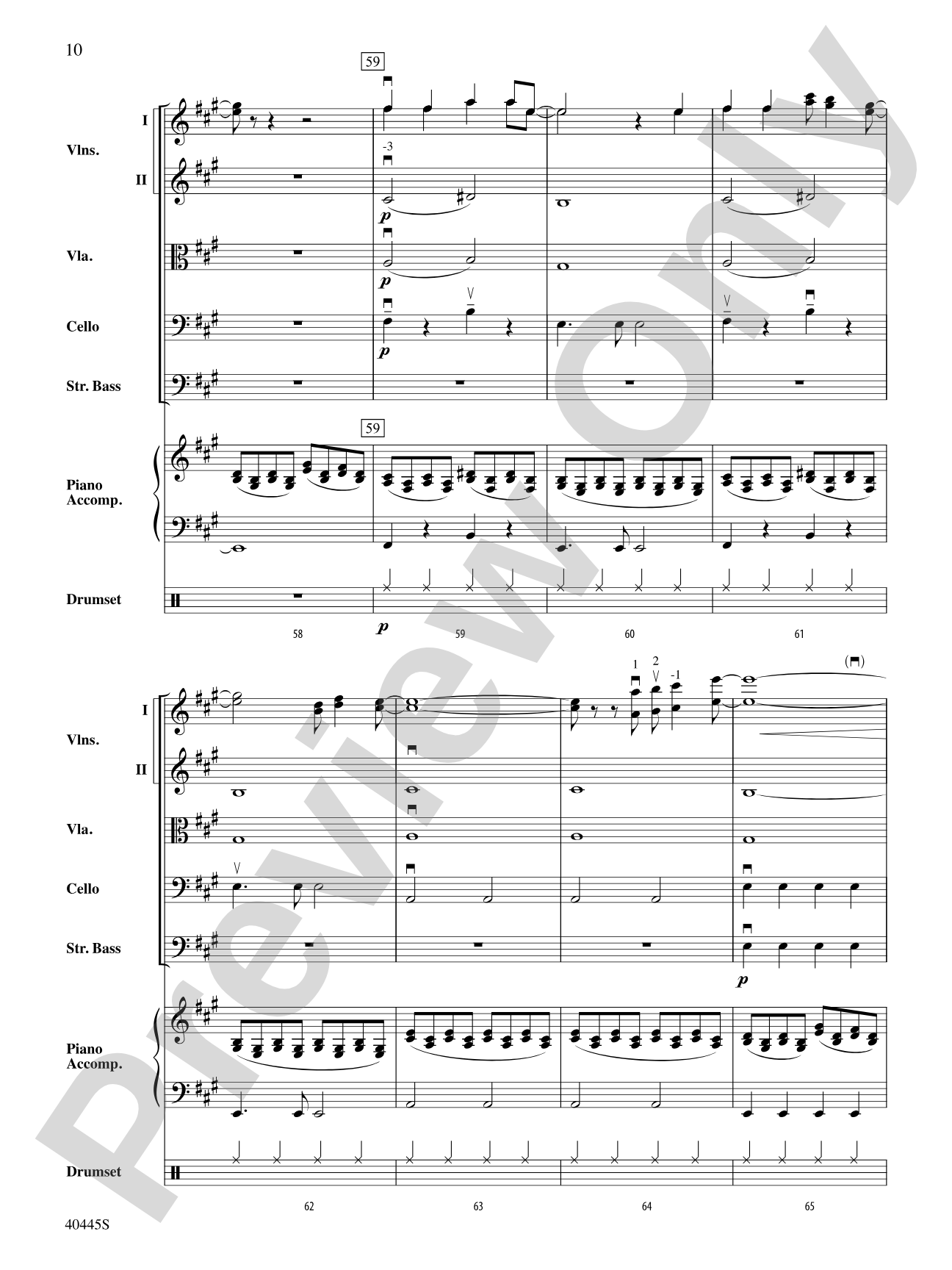
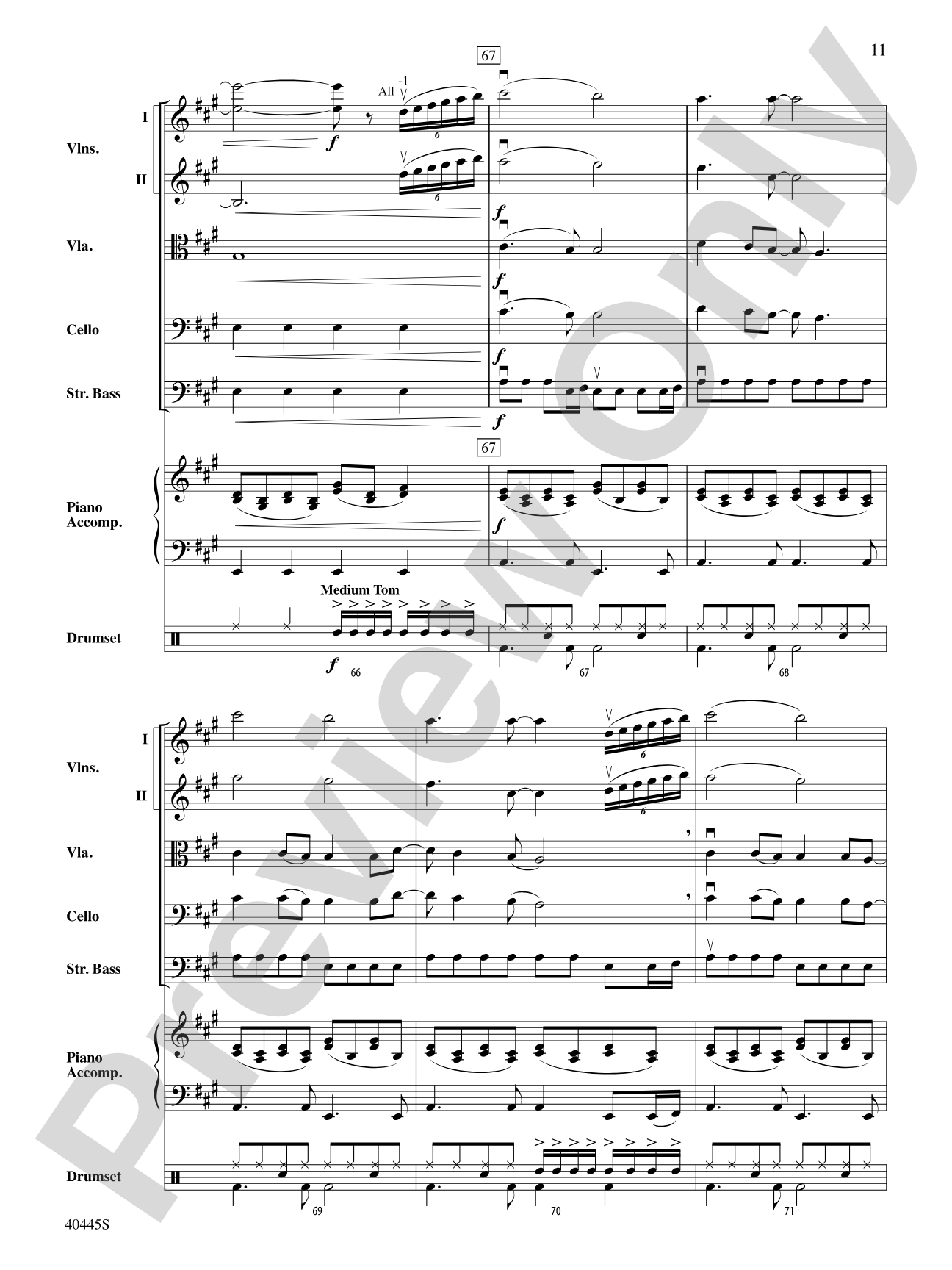
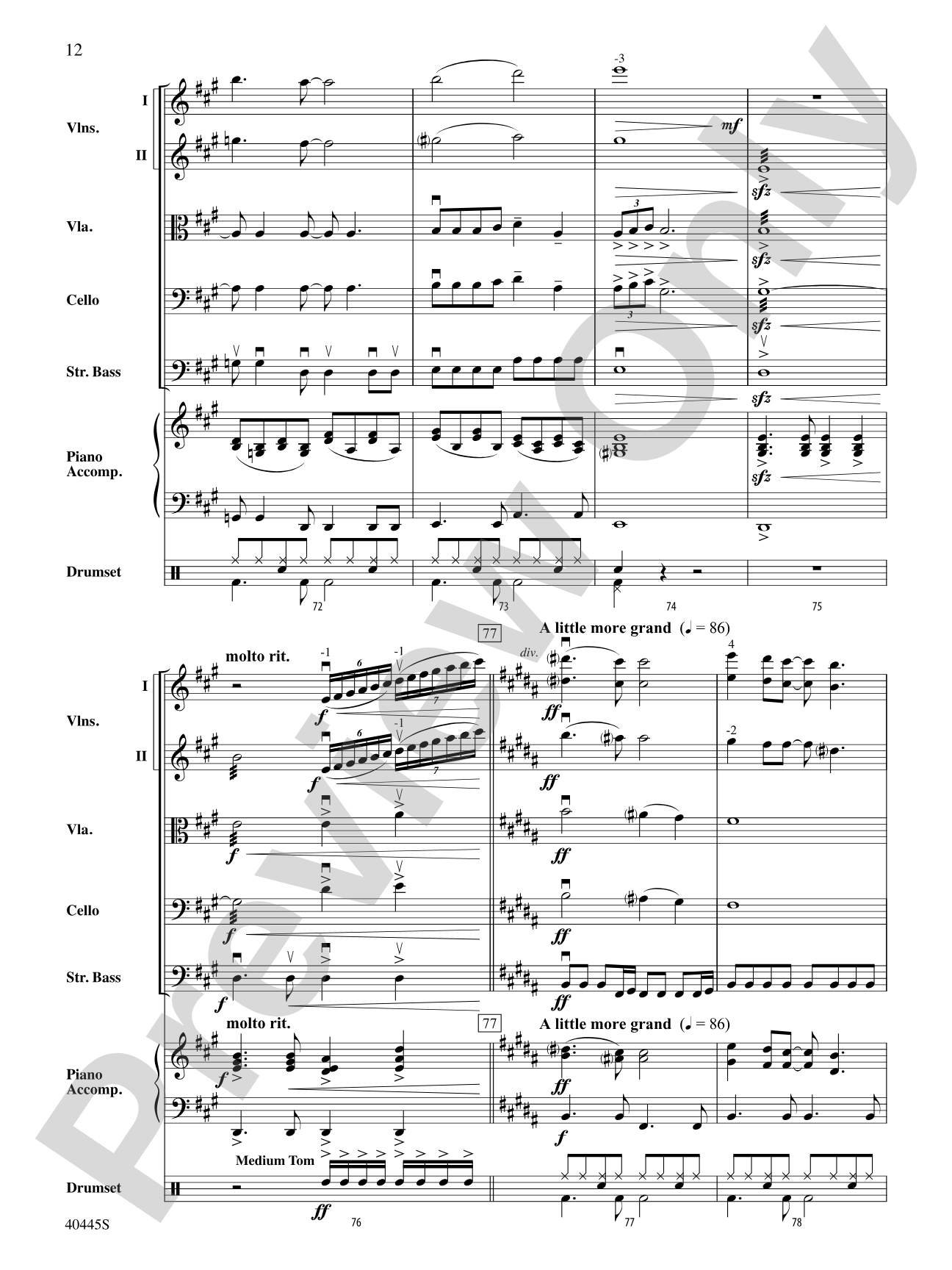
The legendary Rolling Stones are celebrating their 50th anniversary, so why not celebrate with them? This arrangement combines the dramatic "Paint It, Black," the beautiful "Ruby Tuesday," and the rocking "(I Can't Get No) Satisfaction" in a tour de force for your string orchestra. (4:55) This title is available in MakeMusic Cloud.


Don't just read it, hear it, play along with it, and watch your students grow with it. In MakeMusic Cloud, The Rolling Stones on Tour: String Orchestra Conductor Score & Parts comes alive with professional accompaniment, adjustable tempo, and built-in practice tools that turn solo practice into real progress.
Open in the Player
Jump straight in and assign it today.
Start Your Free Trial
Open this title and explore the full library in minutes.
Sample Audio
1
Audio File
--:--
0:00
0:00
Sample Video
No sample videos found.
Additional Details
Series:
Pop Concert String Orchestra
Publisher:
Alfred Music
Page Count:
136
SKU:
00-PK-0005728
More about this title
About the Artist: The Rolling Stones
The Rolling Stones emerged from the British blues revival of the early 1960s and became one of the most influential rock bands in history. Their catalog spans decades of hit songs that defined popular music and rock culture, from blues-influenced early work to the sophisticated pop-rock compositions that made them household names worldwide.
For string orchestra arrangers, the Stones' catalog presents a goldmine of melodically rich material and infectious rhythms that translate beautifully to classical instrumentation. Their songs balance accessibility with genuine musical substance, making them ideal vehicles for introducing students to contemporary repertoire within a traditional ensemble setting.
Why we love this
Patrick Roszell's arrangement captures three Stones classics that showcase different facets of the band's artistry, and the progression from "Paint It, Black" through "Ruby Tuesday" to "(I Can't Get No) Satisfaction" creates natural momentum across the program. String players at the 3.5 level get to explore both lush harmonic writing and rhythmic drive without navigating excessive technical demands, making this a genuinely satisfying concert experience for students and audiences alike.
What to expect
This arrangement carries the swagger and sophistication the Stones built their reputation on, even as it respects the classical string ensemble format. You move from haunting minor-key introspection into a celebratory, driving conclusion that reminds audiences why these songs have endured for half a century.
Who it's for
String orchestra directors teaching at the intermediate level (grades 3-5 students) who want repertoire that engages young musicians with music they actually know and love. This works equally well for groups preparing a pop-focused or mixed-genre concert, or for directors seeking to bridge classical technique with contemporary cultural touchstones.
How to get the most out of it
- Balance the darker, atmospheric opening of "Paint It, Black" carefully across the sections; the arrangement relies on textural clarity rather than sheer volume to create drama.
- Let "Ruby Tuesday" breathe as a moment of lyrical contrast; resisting the urge to rush this section gives the melody its emotional landing.
- Lock the rhythm section (cellos and basses) with precision in "(I Can't Get No) Satisfaction"; this driving groove carries the entire closing statement.
- Use the dramatic arc across all three movements to frame the concert: darkness, reflection, then irrepressible energy.
How to use it
Program this as a concert centerpiece or closing statement, especially in a mixed-genre concert where classical and contemporary pieces share the stage. The 4:55 duration and three-movement arc make it substantial enough to anchor a portion of your program on its own, and the anniversary angle gives it a natural promotional angle for community engagement.
Skills your students will build
- Managing contrast between sparse, atmospheric texture and fuller harmonic writing
- Playing rhythmically independent lines within a groove-based context
- Executing dynamic and articulation changes that reflect rock production rather than purely classical phrasing
- Balancing ensemble blend across different registrations and densities