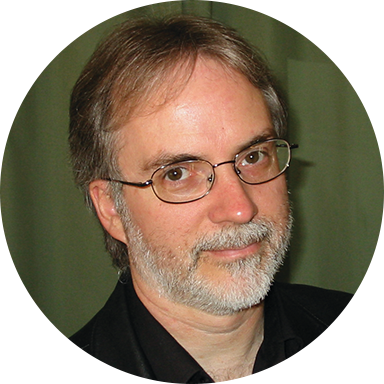
David Lantz III brings the perspective of a working public school choral director to everything he composes. Teaching vocal music in Pennsylvania while maintaining an active roster of roughly 500 published works, he has become a dependable voice for choirs seeking music that balances artistic substance with practical teachability. His background spans sacred and secular genres, orchestral and chamber settings, and he continues to work as a church choir director, music editor, and performing bassist/vocalist in jazz and contemporary styles.
Lantz co-creates a musical household with his wife, composer Marti Lunn Lantz, and their five children (ranging from teenage musicians to young adults) all contribute to a creative environment rooted in practical music-making. His years in the classroom inform every compositional choice, resulting in music that respects both the intelligence of singers and the realities of rehearsal time.
Why we love this
Lantz writes sacred texts with harmonic language that feels both contemporary and reverent, avoiding the trap of either overwrought sentimentality or cold modernism. The music serves the text without disappearing into it; singers feel genuinely moved by what they're singing rather than buried beneath it. For a director building a sacred concert or Easter program, this piece occupies that valuable middle ground where serious musicians can invest themselves fully.
What to expect
The music unfolds with quiet intensity, moving through the emotional landscape of its subject without theatrical gesturing. Lantz's harmonic choices create moments of genuine spiritual contemplation alongside passages of deeper anguish, building an arc that feels organic rather than constructed. Singers experience the journey of the text rather than merely presenting it.
Who it's for
This octavo works for advanced high school choirs, collegiate singers, and strong community ensembles with a foundation in part singing. The text's spiritual weight demands singers who can inhabit sacred material with maturity, and the seven pages reward choirs that can sustain focus through thoughtful harmonic progression.
How to get the most out of it
Shape the phrase endings with slight broadening rather than ritardando markings; let the text guide singers toward natural breath points where the line peaks
Balance the SATB texture by having altos and tenors sing slightly forward in the mix during inner harmonic moments; they carry essential voice leading that shouldn't recede
Establish the harmonic foundation early in rehearsal by isolating and securing the bass line and soprano melody separately before layering the middle voices
How to use it
This belongs in a spring concert programming structure where sacred music anchors the second half of the evening, or in a Holy Week presentation where multiple shorter sacred works create a devotional context. The seven pages fit comfortably within a longer concert program without consuming excessive rehearsal time relative to its musical payoff, making it an intelligent choice for directors balancing depth with variety.
Skills your students will build
Sustaining legit vocal tone through chromatic harmonic movement
Responding to text inflection within a composed (rather than improvised) framework
Blending SATB voice leadings where independence matters as much as unified sound
Interpreting implied expression marks through harmonic function and phrase shape
You May Also Like
Scan to Complete Your Purchase
Use your phone's camera to scan the code below
You'll log in on your phone and the order will be added to your account