

The Risk: SAB Choral Octavo
Words and music by Laufey and Spencer Stewart / arr. Andy Beck
Item: 00-PO-0007874
$2.75
Minimum order quantity: 20 copies
Pickup currently not available
Description
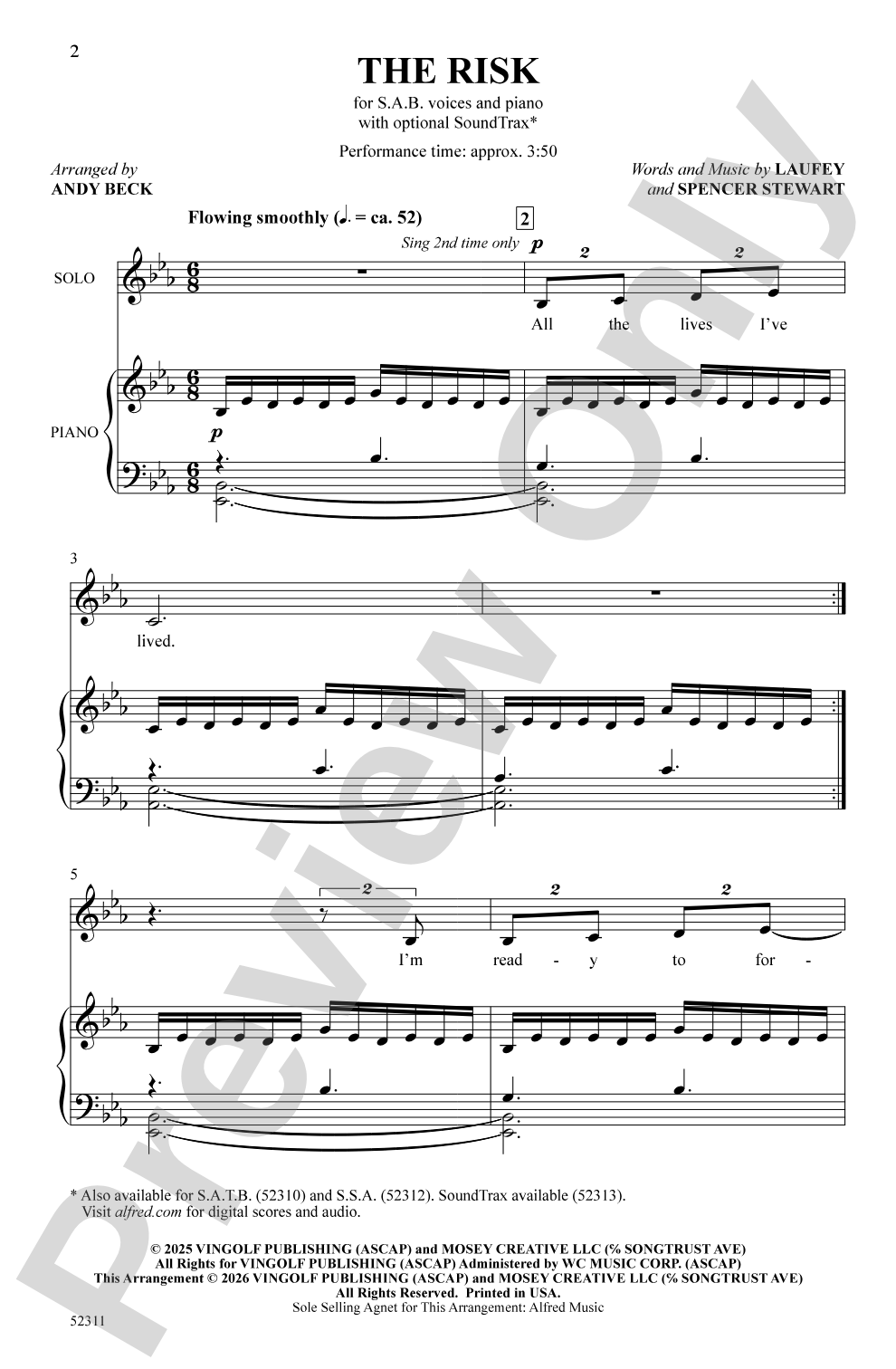
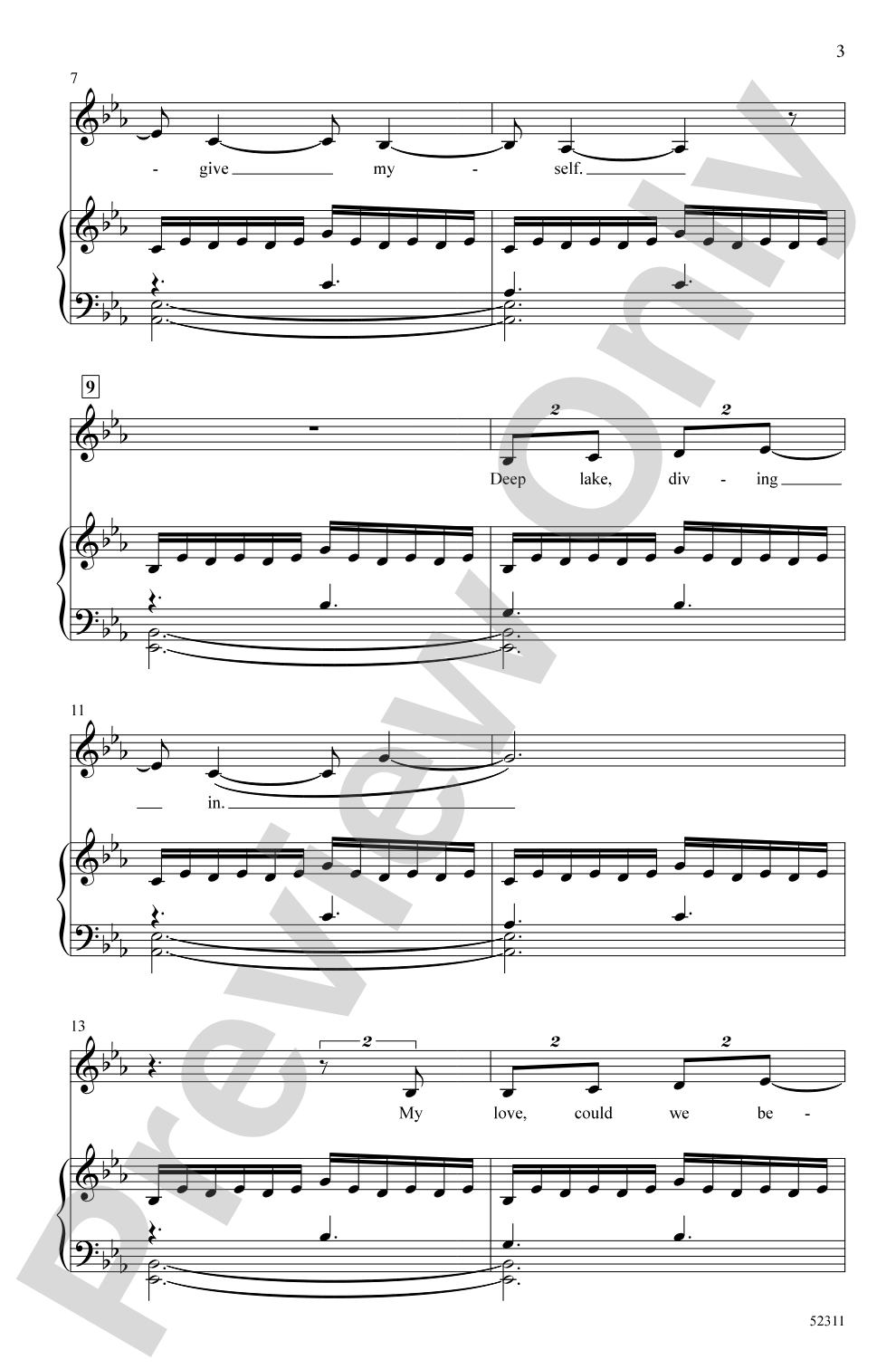
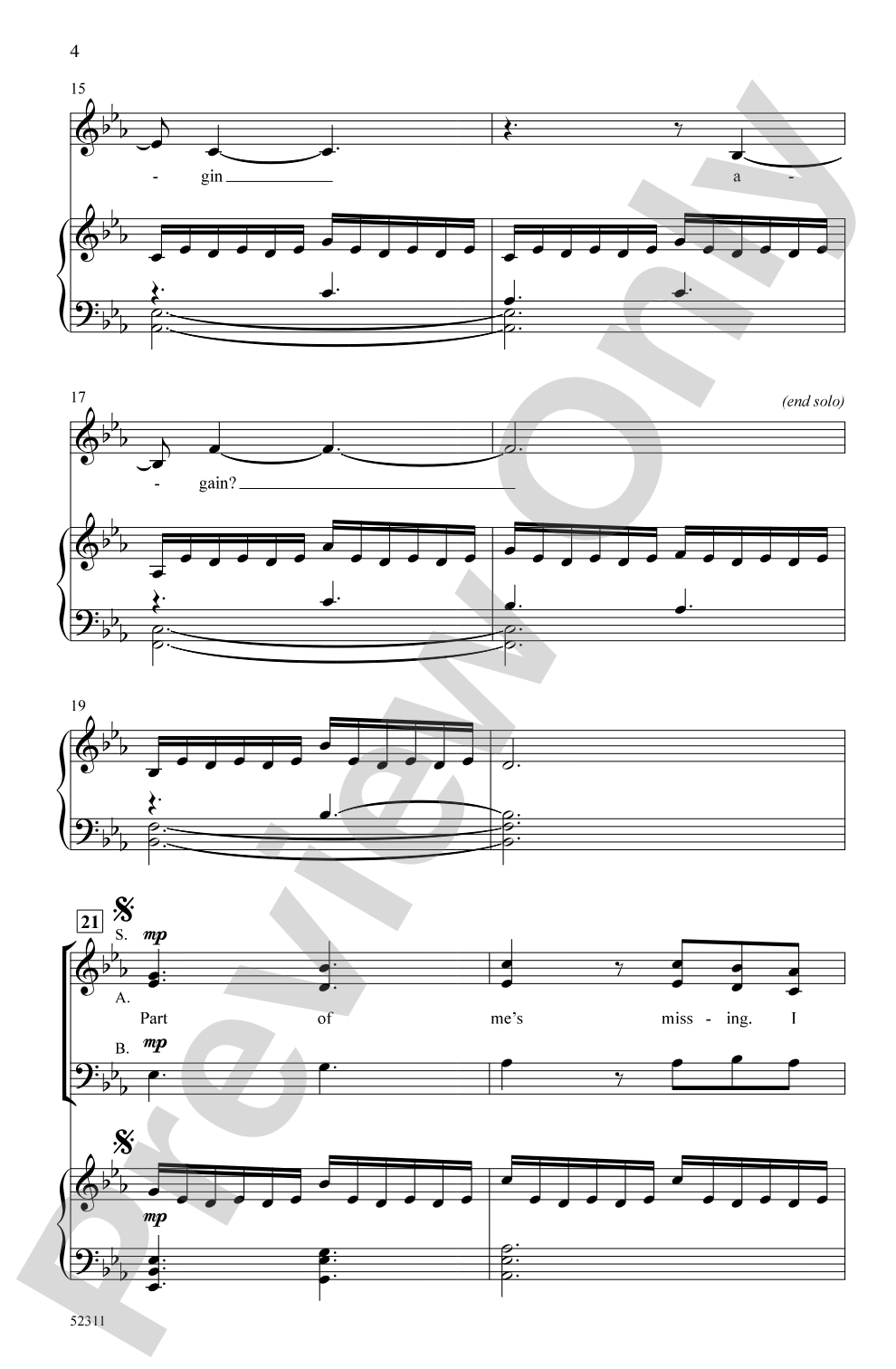
Embrace the vulnerability of the heart with this sensitive ballad by beloved Icelandic singer Laufey. A tender alto solo invites an emotional atmosphere before the choir joins with lush textures and shimmering modern harmonies. The captivating piano accompaniment stays true to the original, flowing with liquid grace and mirroring poignant lyrics about diving into the unknown. This is a breathtaking feature for teens and adults alike, offering a moment of profound emotional depth on any program.


The Risk: SAB Choral Octavo isn't in MakeMusic Cloud just yet...but it could be. Let us know you'd like to see it, and you'll help shape what comes next. In the meantime, start a free trial and dive into thousands of interactive titles your students can play along with today.
Request This Title
Tell us you want it.
Start Your Free Trial
Explore everything that's ready to play right now.
Sample Audio
1
Audio File
--:--
0:00
0:00
Sample Video
Additional Details
Series:
Alfred Pop Choral Series
Publisher:
Alfred Music
Page Count:
16
SKU:
00-PO-0007874
More about this title
About the Composer: Laufey
Laufey is an Icelandic singer-songwriter whose introspective pop compositions have resonated with listeners worldwide. Her work blends vulnerability with sophisticated harmonic sensibility, creating songs that invite emotional authenticity from performers and audiences alike.
Why we love this
Andy Beck's arrangement respects the intimacy of Laufey's original while giving choir directors genuine dramatic architecture: a solo spotlight that builds into full ensemble texture. The shimmering modern harmonies feel fresh without alienating singers who prefer straightforward voice leading, and the SAB voicing keeps the piece accessible across skill levels without sacrificing musical substance.
What to expect
A moment of quiet courage. The piece begins in hesitation and gentle introspection, then unfolds into something larger and more assured without losing its tender core. Throughout, the harmonies shimmer with longing and possibility, creating the musical equivalent of taking a breath before a leap of faith.
Who it's for
This octavo works for teen and adult choirs seeking repertoire that feels current without sacrificing emotional depth. The SAB voicing keeps participation open while the featured alto solo offers a compelling showcase for a strong solo voice.
How to get the most out of it
- Shape the alto solo with a storyteller's phrasing rather than a vocalist's technique. The words matter as much as the vocal beauty, so encourage the soloist to find conversation in the lyrics before adding emotional coloration.
- Let the piano part breathe and anchor the piece. The accompaniment mirrors the harmonic and emotional shape of the arrangement, so the accompanying musician is not decorative but foundational to the sound.
- Find the moment when the choir enters as a genuine turning point, not just a volume shift. The arrangement invites the ensemble to complement vulnerability with community, so mark that emotional transition in rehearsal.
- Balance the shimmering textures by resisting overblending. Each voice part contributes color; if all three blend into undifferentiated sound, the modern harmonies lose their shimmer and warmth.
How to use it
Program this as a centerpiece of a concert section focused on contemporary songwriting or emotional storytelling. It pairs beautifully with folk-influenced arrangements or other pop ballads, offering both a vocal feature and an opportunity to highlight modern harmonic language. The 16 pages and recorded accompaniment option make it equally viable for spring concerts, recitals, or celebrations focused on teen choral artistry.
Skills your students will build
- Singing with modern chord extensions (jazz-inflected and pop harmonies)
- Balancing individual vocal expression with ensemble blend
- Following a soloist's interpretive choices while maintaining rhythmic cohesion
- Shaping extended phrases with minimal text repetition
- Creating textural shifts through dynamic layering rather than register changes