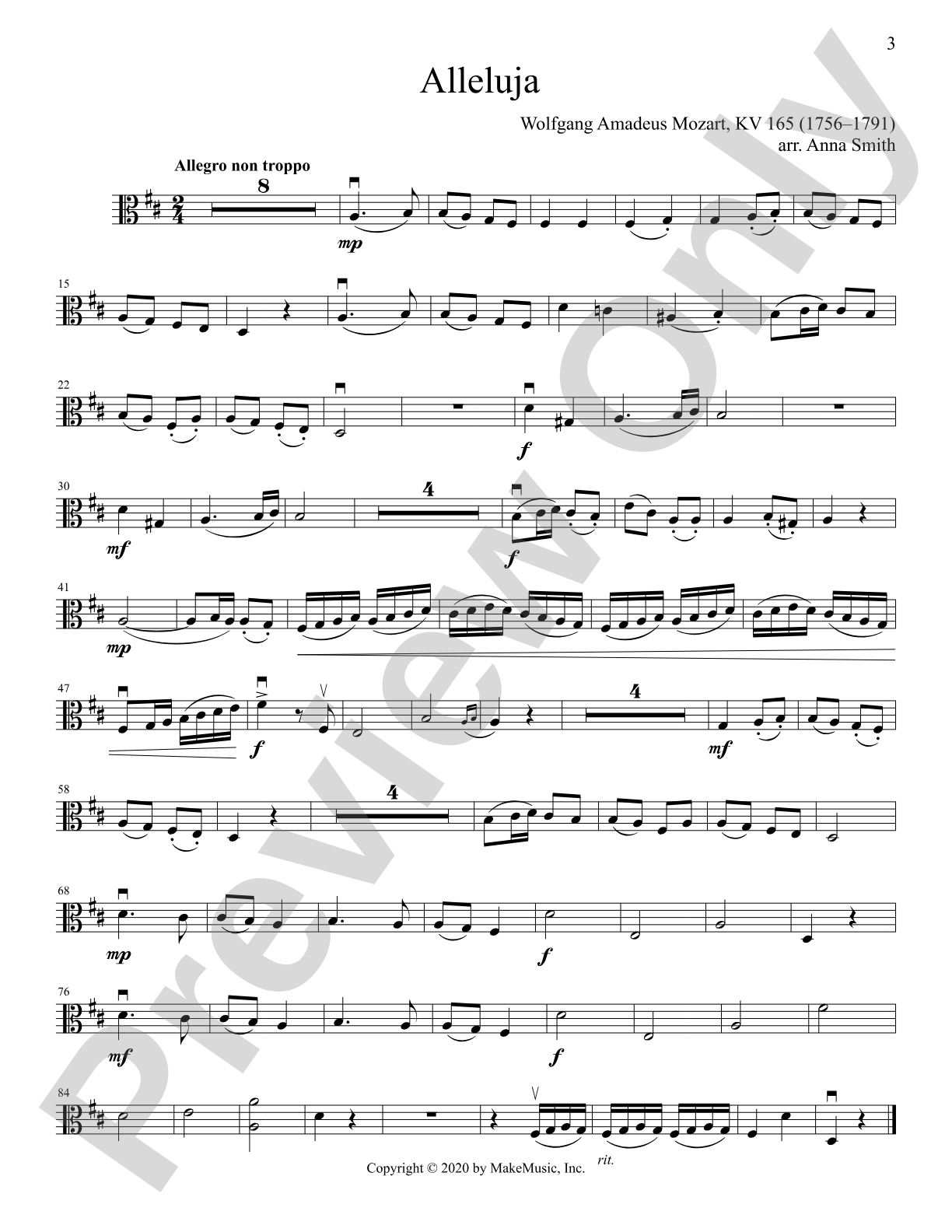
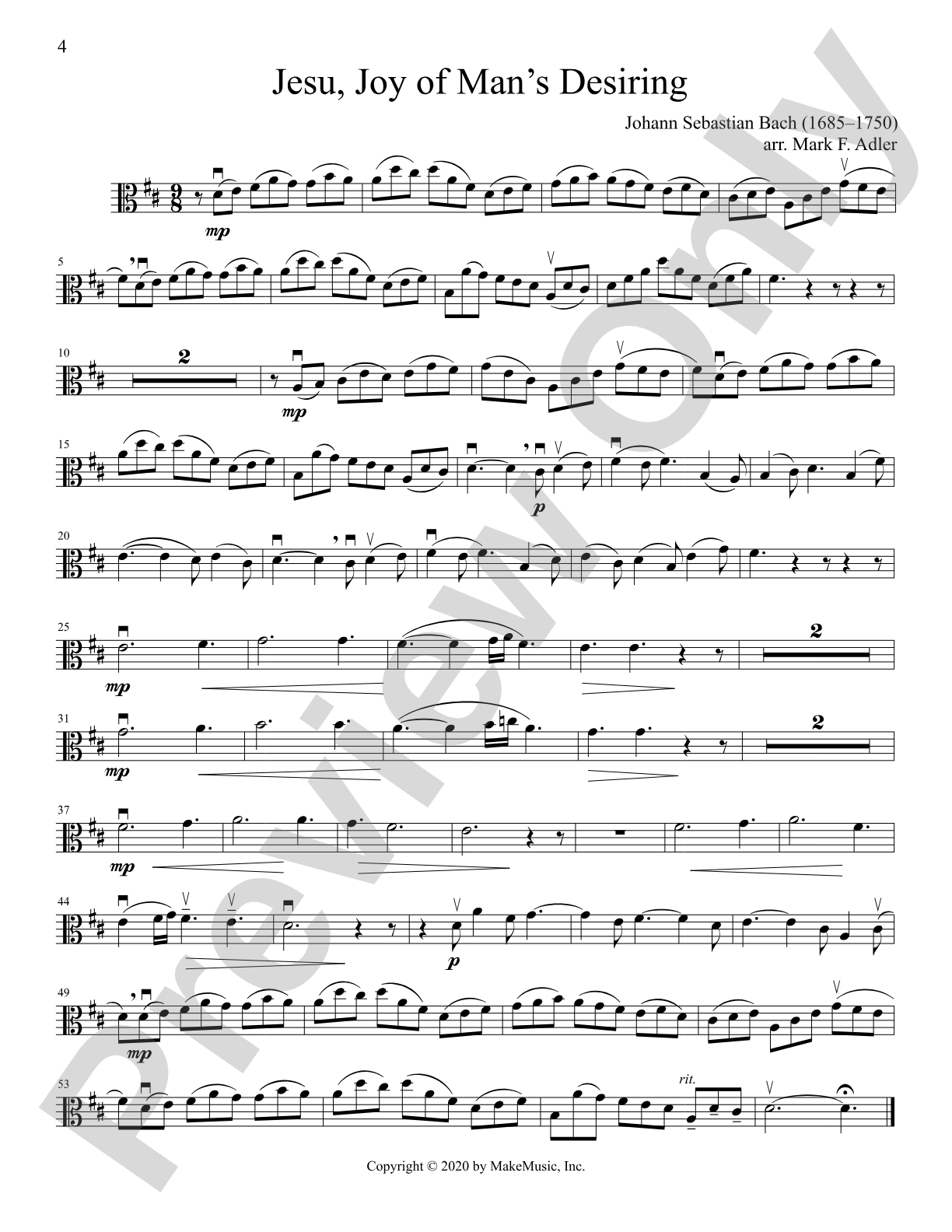
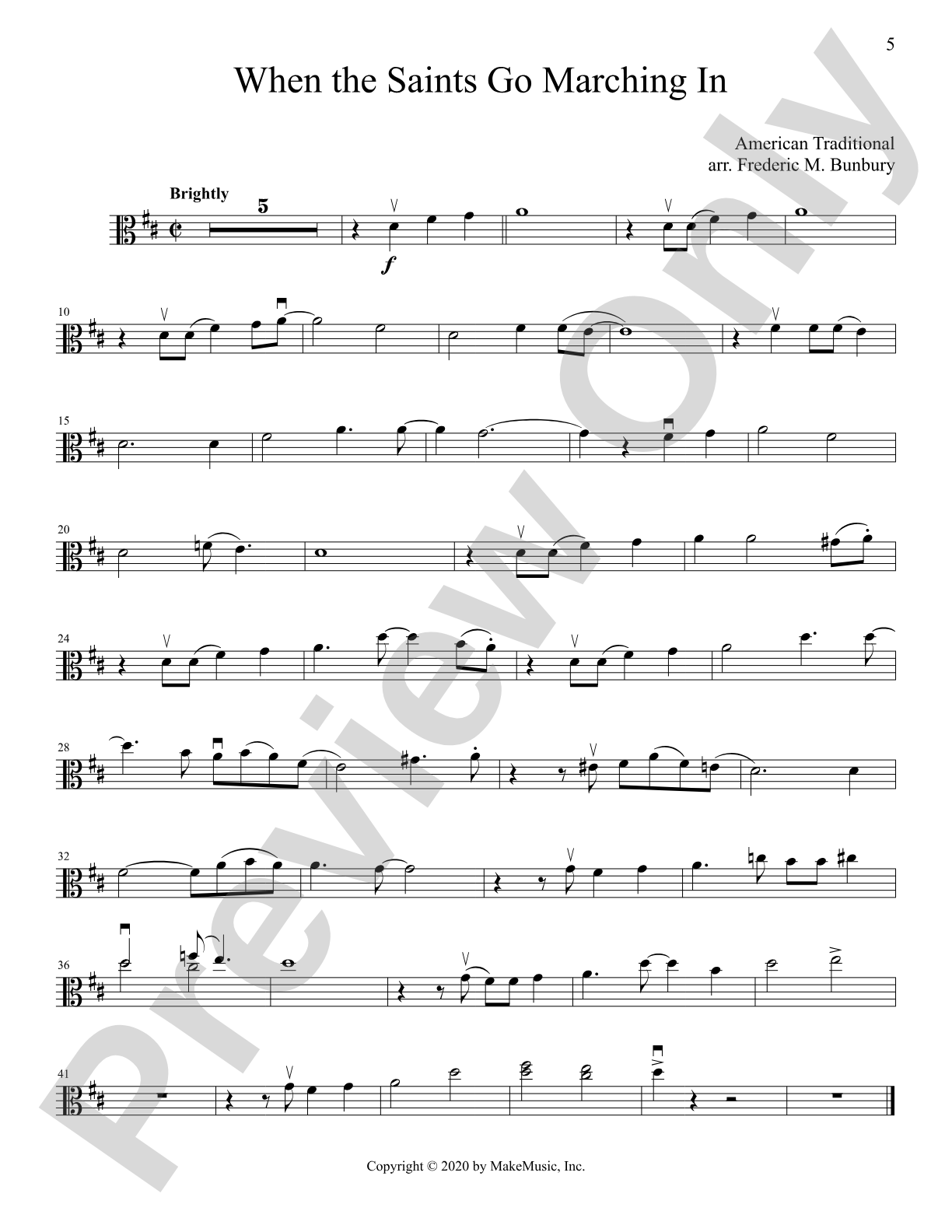
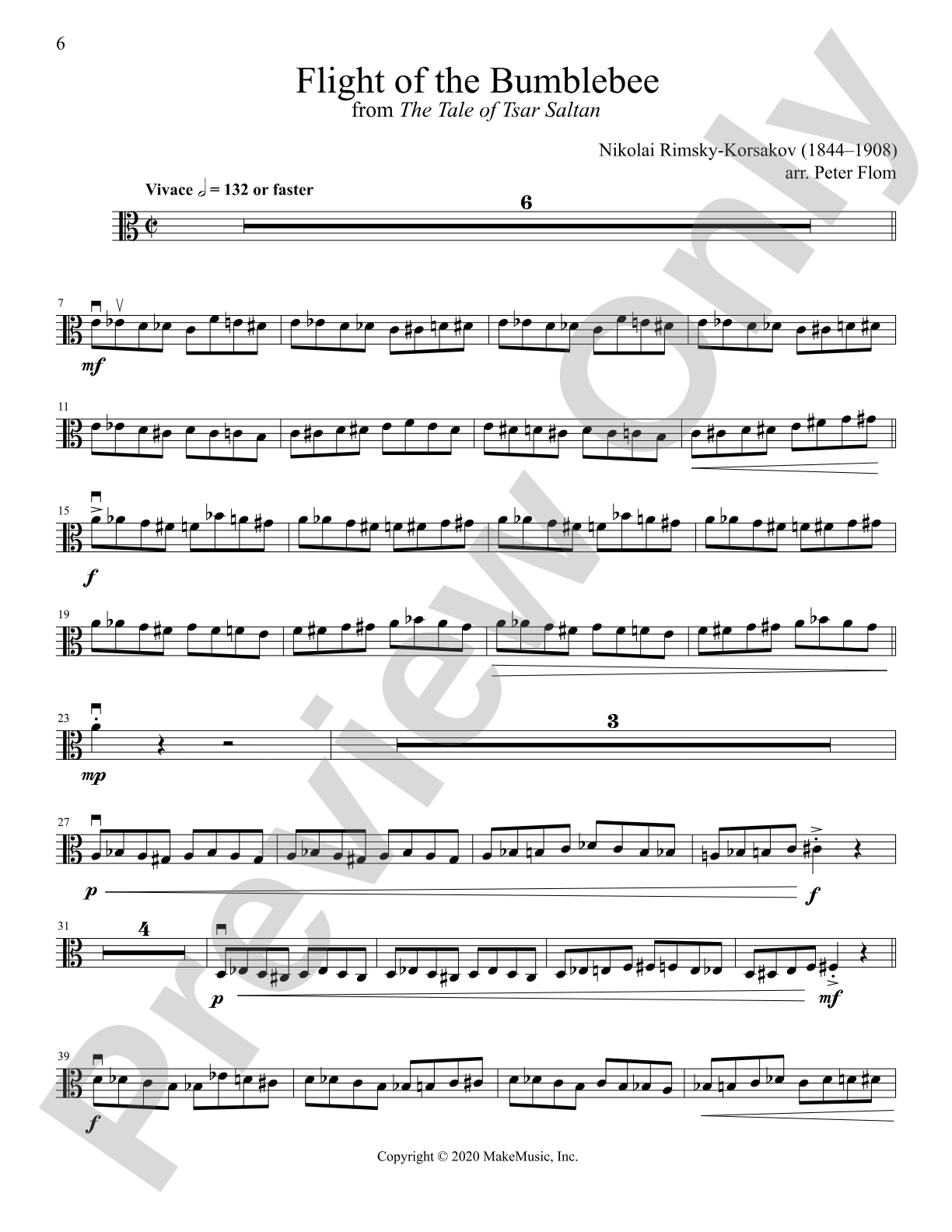
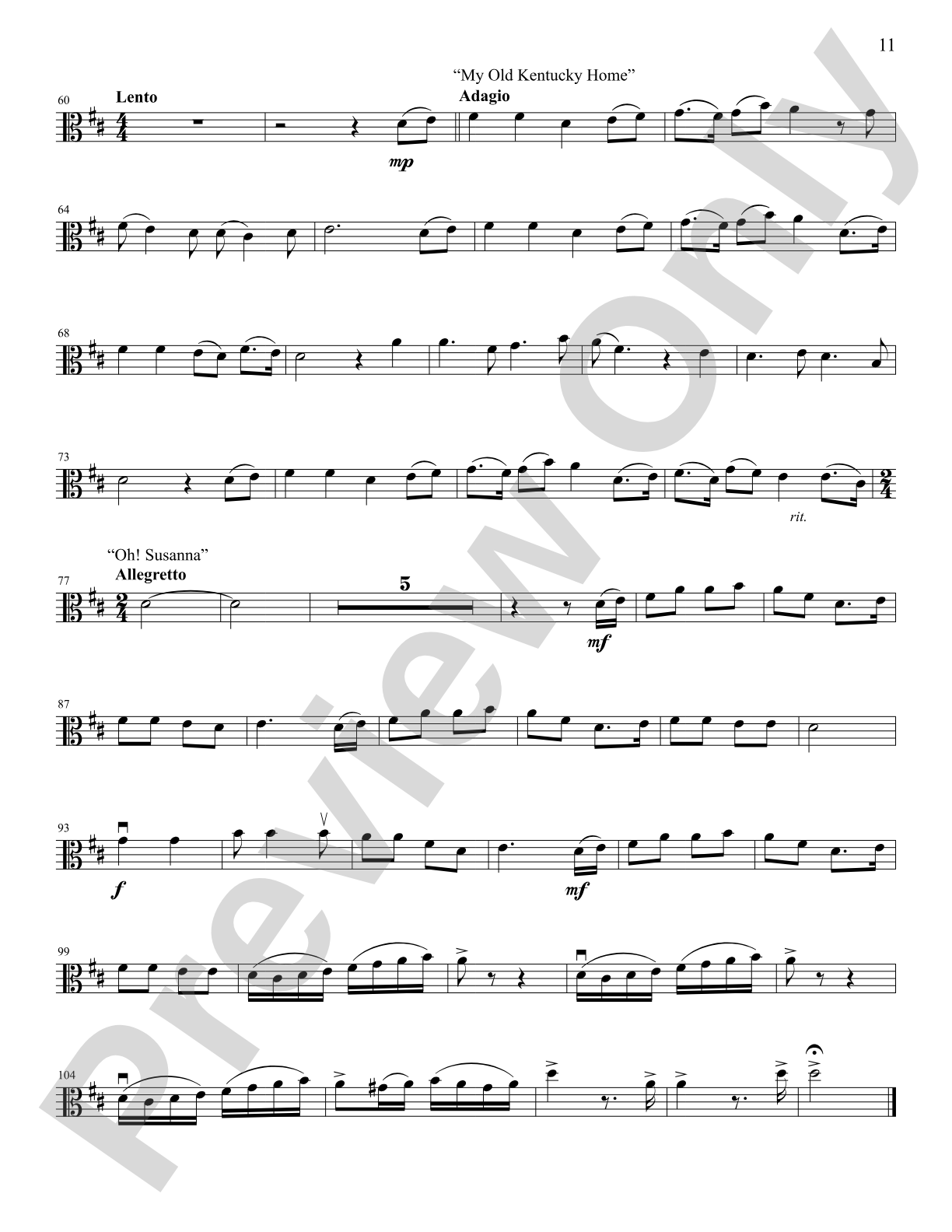
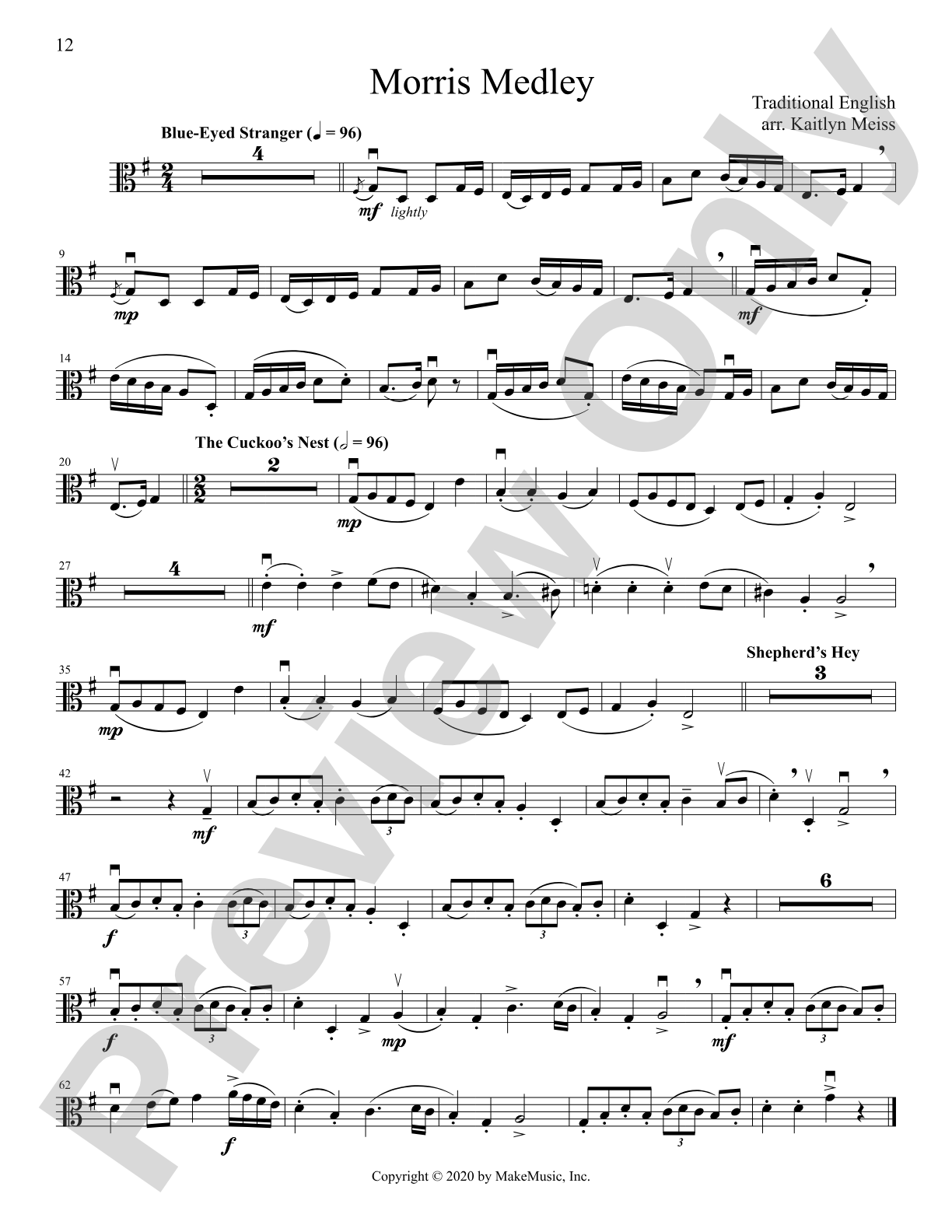
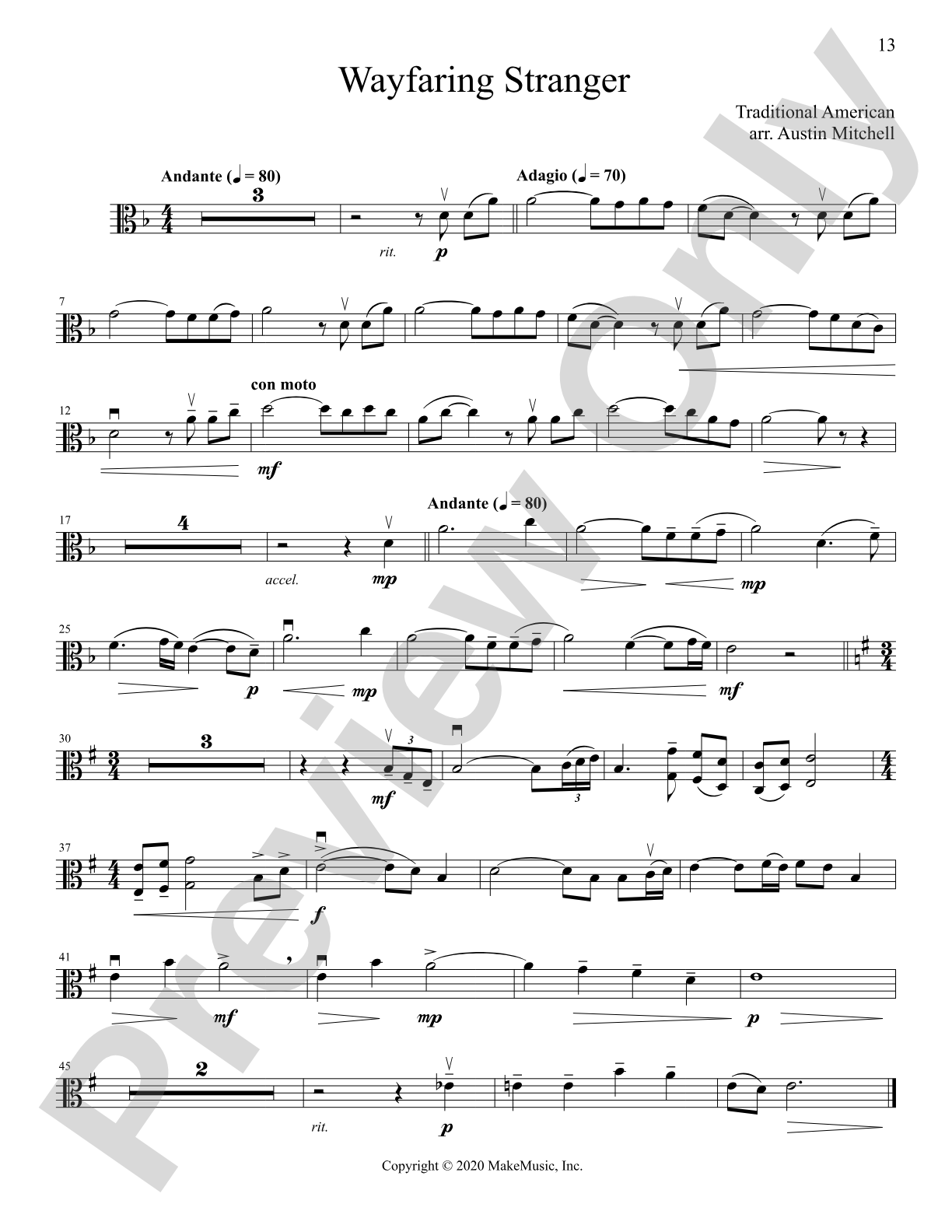
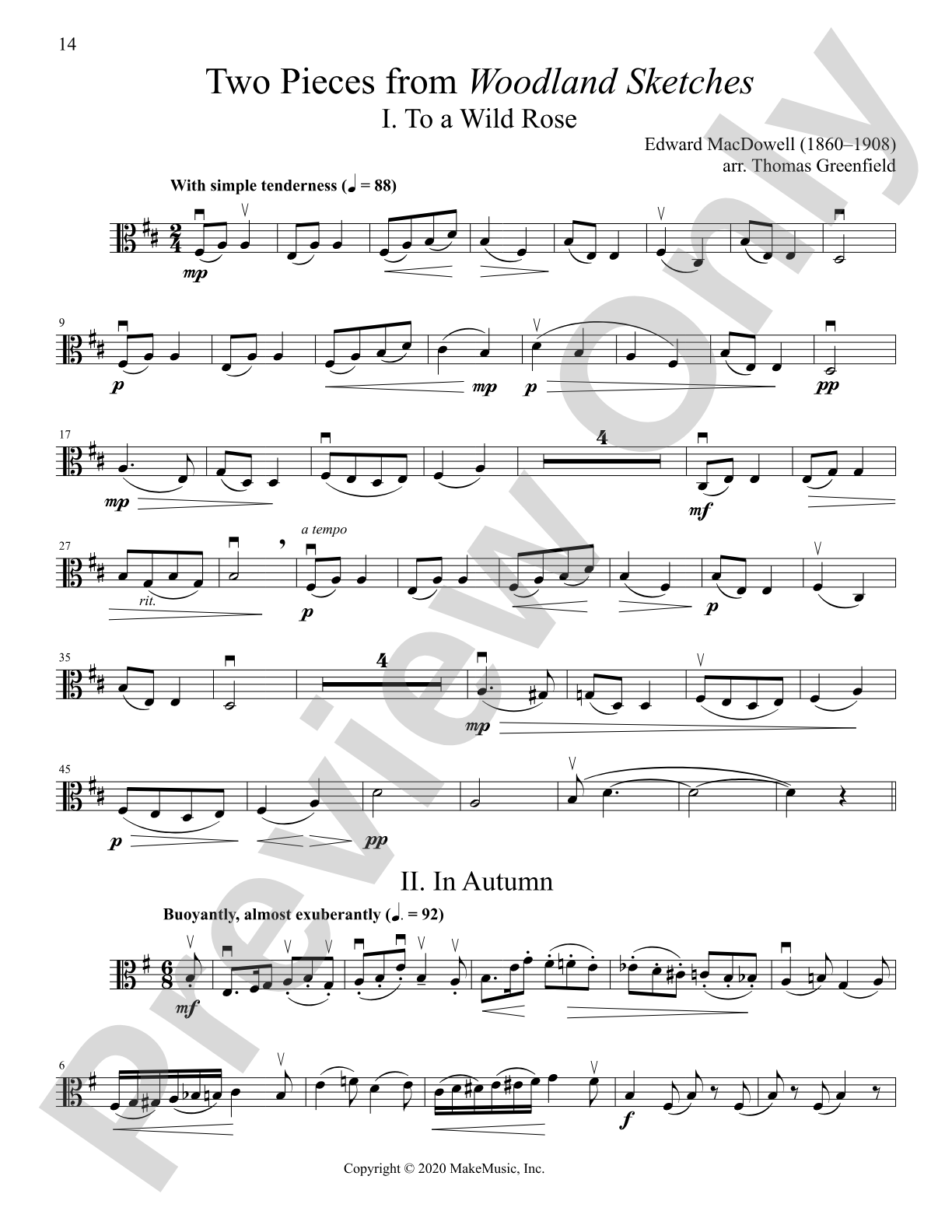
The Progressing Viola Soloist Sheet Music Preview

The Progressing Viola Soloist: Solo & Small Ensemble

Grade: 2-3

Item: 00-PS-0016182

Digital Download
$6.99
Description
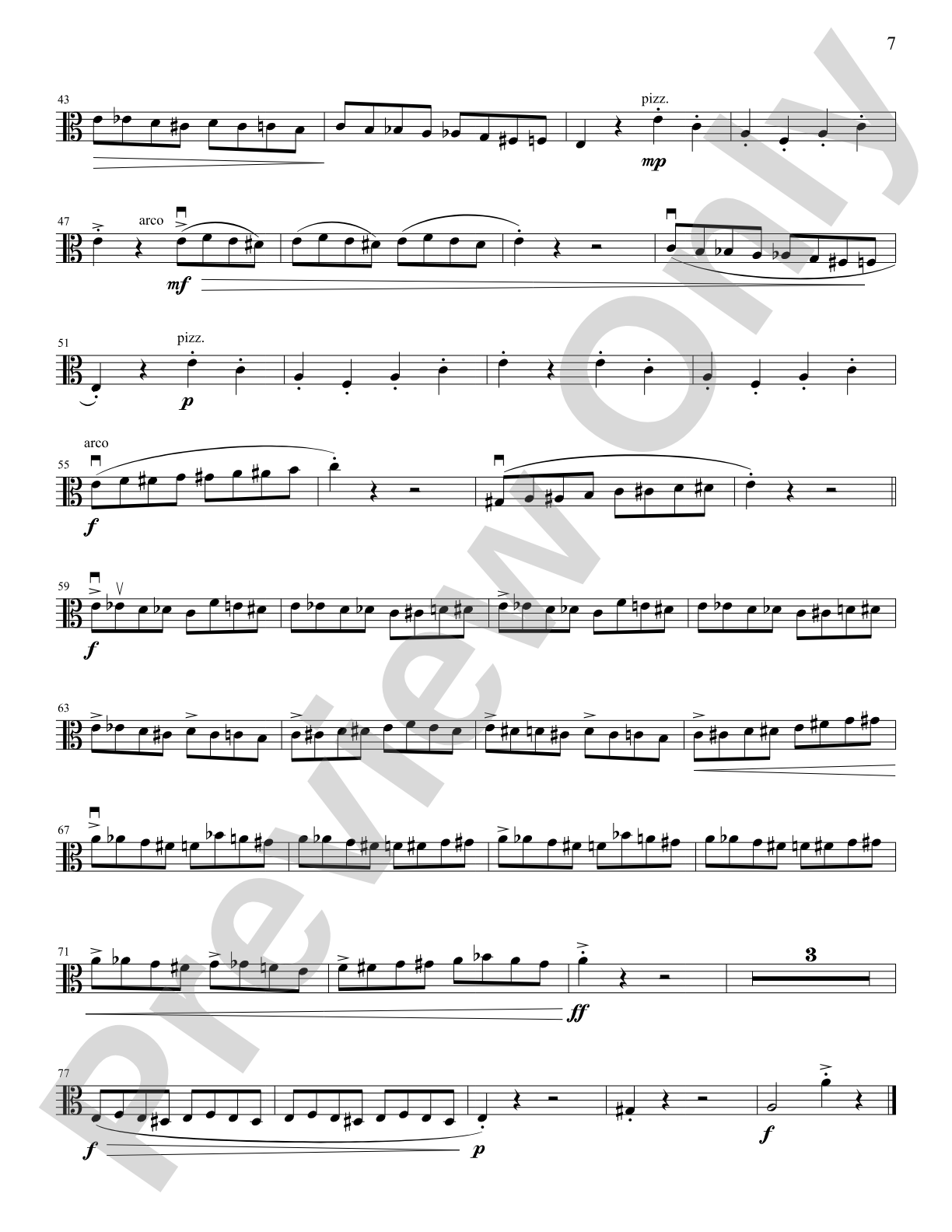
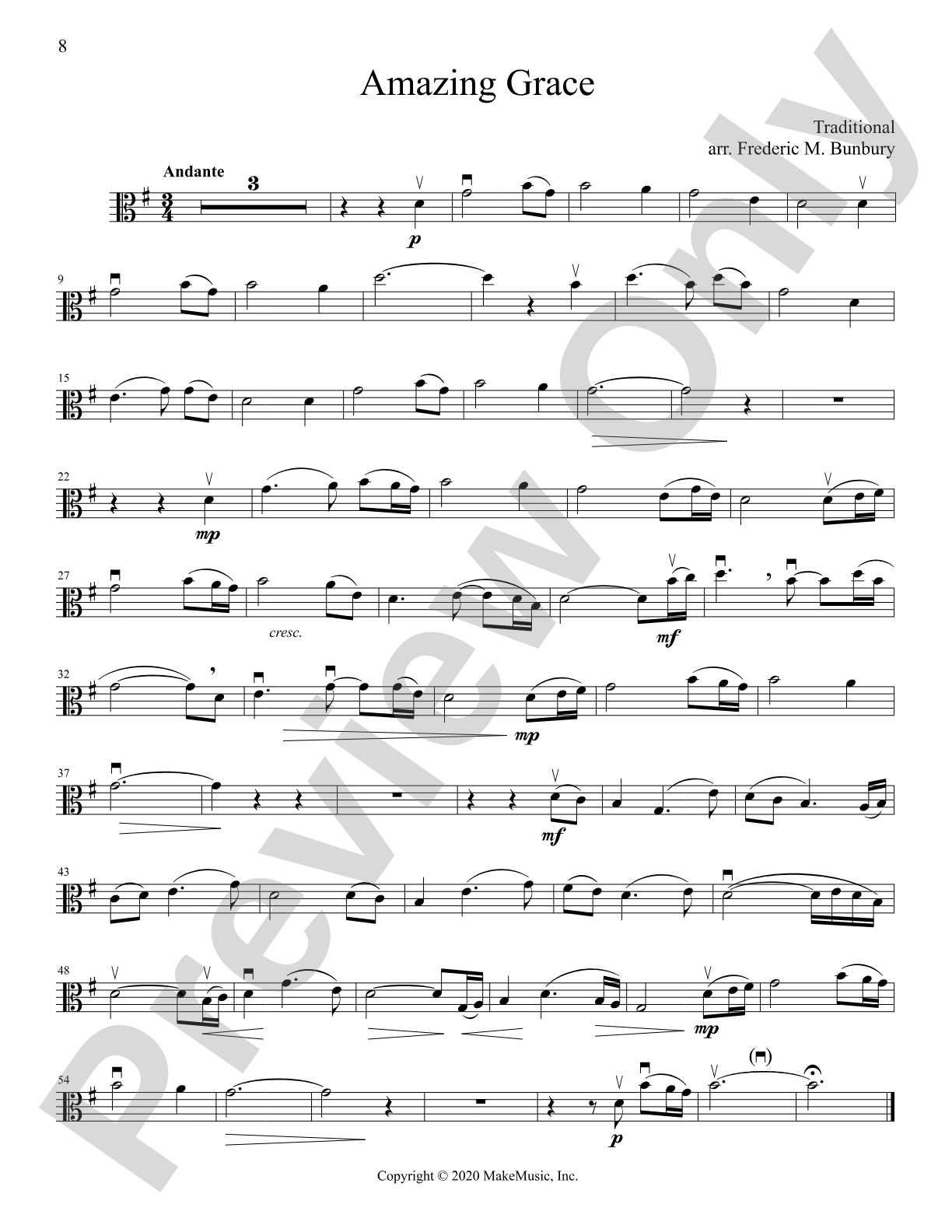
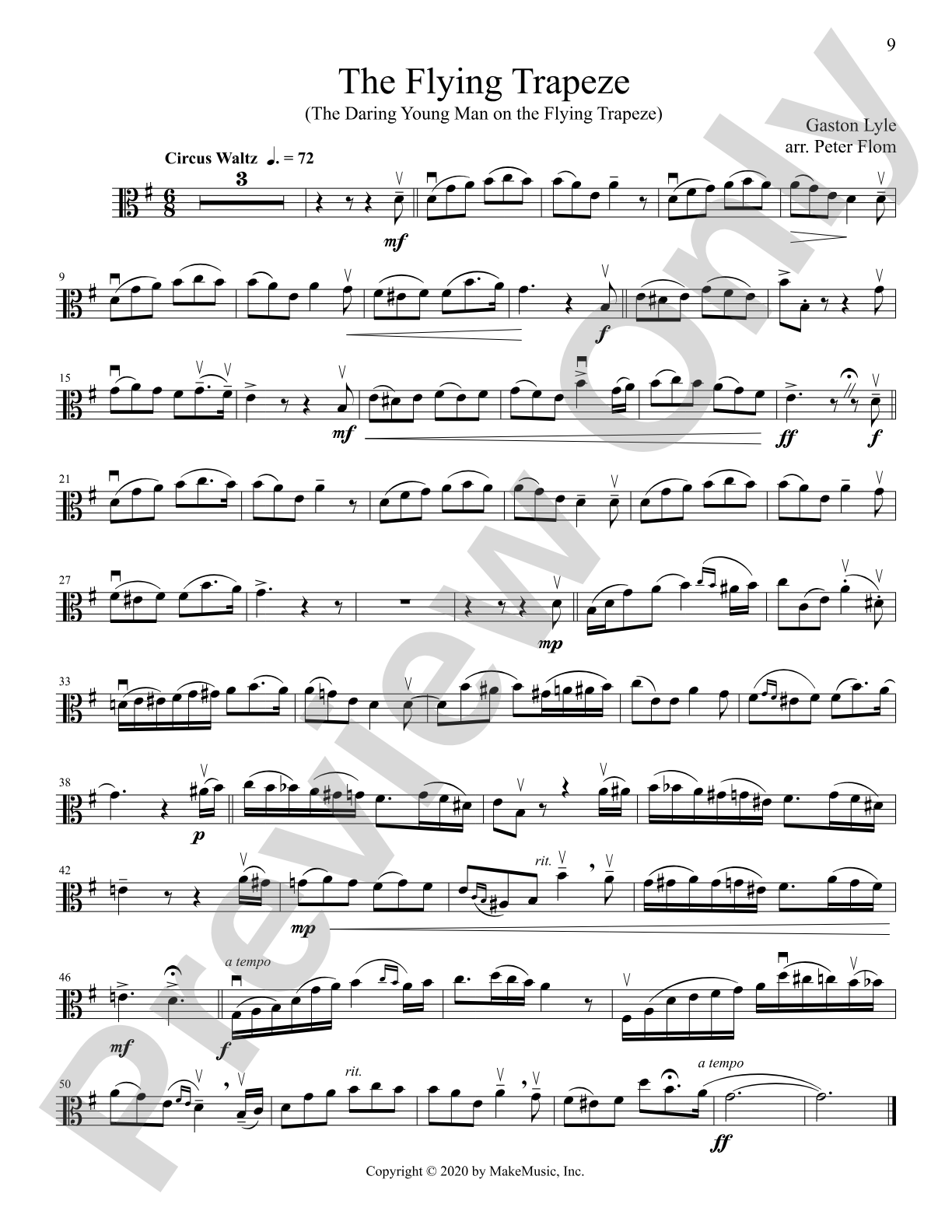
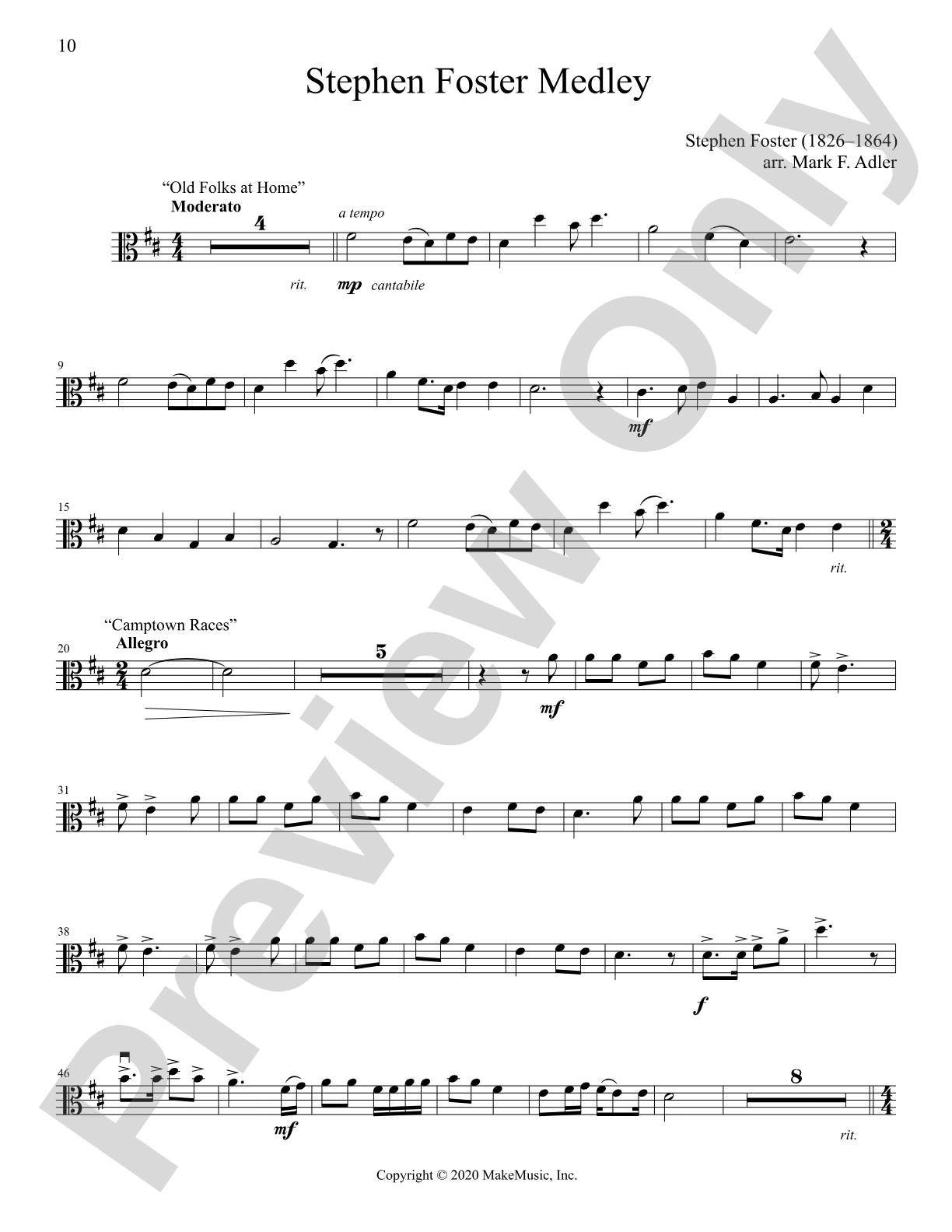
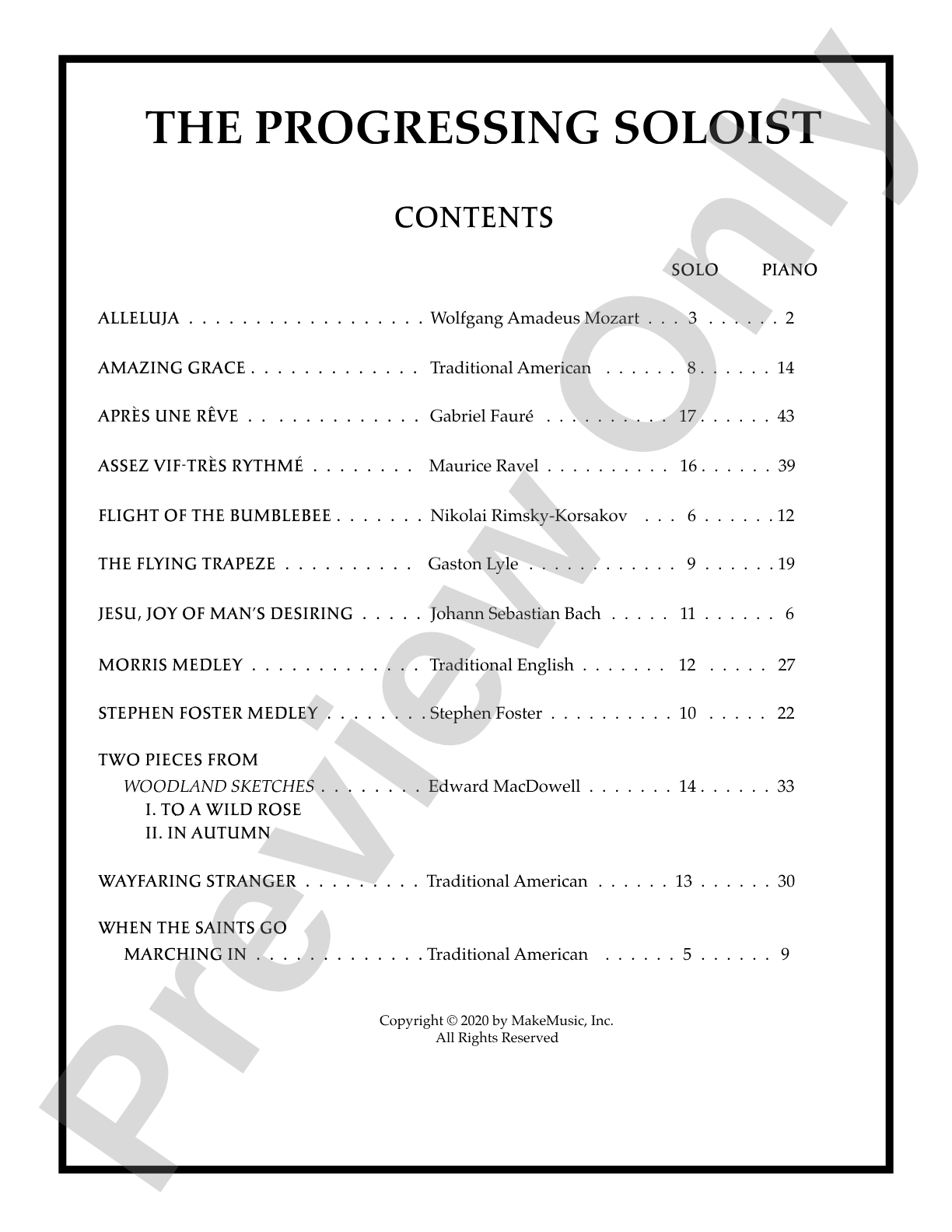
The Progressing Soloist series contains 12 fresh arrangements on many familiar themes, including "Flight of the Bumblebee," "Jesu, Joy of Man's Desiring," and Mozart's "Alleluia." This collection introduces your students to wonderful, lesser-known classics like Gabriel Fauré's "Après une rêve" and the second movement of Ravel's string quartet. These level 2--3 instrumental solos are ideal for recitals, concerts, and contests. This title is available in MakeMusic Cloud.

The Progressing Viola Soloist: Solo & Small Ensemble isn't in MakeMusic Cloud just yet...but it could be. Let us know you'd like to see it, and you'll help shape what comes next. In the meantime, start a free trial and dive into thousands of interactive titles your students can play along with today.

Sample Audio
No sample audio found.
Sample Video
Additional Details
Series: Progressing Soloist
SKU: 00-PS-0016182

More about this title

Why we love this

This collection balances repertoire familiarity with genuine discovery. Students recognize "Flight of the Bumblebee" and "Jesu, Joy of Man's Desiring," but they'll also encounter Fauré's intimate "Après une rêve" and the elegant second movement of Ravel's string quartet—pieces that expand their musical horizons without overwhelming them at the grade 2-3 level.

What to expect

You move between sparkling virtuosity and introspective lyricism. One moment you're navigating the rapid-fire energy of Rimsky-Korsakov's famous insect flight, the next you're sustaining long, singing lines that let the viola's warm middle register shine. The collection celebrates what makes the viola's voice distinctive without asking for advanced technique.

Who it's for

Violists in grades 2-3 preparing for recitals, solo competitions, and school concerts will find these arrangements immediately playable yet musically substantial. Teachers looking to introduce students to standard classical repertoire in accessible forms will appreciate the mix of recognizable favorites and lesser-known gems that expand musical literacy.

How to get the most out of it

  • Build interpretive confidence by studying recordings of these pieces in their original forms first; hearing how soloists shape phrases will inform your own musical choices.
  • Mark phrasing and dynamic contours in your part during practice sessions, then rehearse these shapes repeatedly until they become natural reflexes rather than conscious decisions.
  • Pay special attention to the transitions between arrangements; some may compress larger orchestral textures into solo viola writing, so clarity of line becomes even more important.

How to use it

These works fit naturally into mixed recital programs where you want to showcase different moods and styles. A single arrangement makes a solid five-minute recital slot, while pairing two contrasting pieces (perhaps one virtuosic and one lyrical) creates a satisfying short viola feature within a larger concert.

Skills your students will build

  • Sustaining long melodic lines with tonal control
  • Navigating tempo and character changes across diverse arrangements
  • Interpreting Romantic and early modern harmonic language
  • Building confidence with standard orchestral repertoire
  • Shaping phrases with dynamic and expressive intention
  • Sight-reading unfamiliar orchestral transcriptions

You May Also Like